
Top Tourist Attractions in Ireland to see
It’s easy to see why Ireland is known as the Emerald Isle, when seen from the air as you land you will spot all the 40 shades of green that Johnny Cash wrote about in his song. This island is full of ancient legends, myths and thin places to discover.
There are so many landmarks in Ireland to see and you can add to your Irish bucket list everything from ruined castles to wild Irish beaches, mountains and hikes that seem to go on forever. Planning your dream trip and visiting those magical places like stone circles, drinking a Guinness with views of Dublin that stretch on forever, travelling the narrow lanes of the rural areas and finding those charming Irish villages – it’s all here for you.
Landmarks and tourist attractions in Ireland are easy to find in every county and it will take a lifetime to really see all of this magical country. So having said that here is my list of tourist attractions in Ireland to add to your bucket list.
My 64 Irish landmarks list is in alphabetical order so when you are planning your dream trip to Ireland and mapping out your Irish bucket list you can keep this in mind.
- Top Tourist Attractions in Ireland to see
- Famous Tourist Attractions in Ireland
- Achill Island, County Mayo
- Ahenny High Crosses, Tipperary
- Ringfort – Grianan of Aileach, County Donegal
- Aran Islands – County Galway
- Benbulbin, Sligo
- Birr Castle, Tipperary
- Battle of the Boyne, County Meath
- Blarney Castle, County Cork
- Bunratty Castle and Folk Park, County Clare
- Cahir Castle, Tipperary
- Carrowmore Cairns, County Sligo
- Cavan Burren Park, County Cavan
- Ceide Fields, County Mayo
- Cliffs of Moher, County Clare
- Clonmacnoise, County Offaly
- Cobh, County Cork
- Cong, County Mayo
- Connemara National Park, County Galway
- Croagh Patrick, County Mayo
- Dingle Peninsula, County Kerry
- Doolin, County Clare
- Downpatrick Head, County Mayo
- Drombeg Stone Circle, County Cork
- Dublin Castle, County Dublin
- Dun Aonghasa, County Galway
- Dunamase, County Laois
- Dun Briste, County Mayo
- Dunguaire Castle, County Galway
- Fairy Bridges Tullan Strand, County Donegal
- Gallarus Oratory, County Kerry
- Galway City, Galway County
- Gap of Dunloe, County Kerry
- Glasnevin Cemetery, County Dublin
- Glendalough, County Wicklow
- Slieve League, County Donegal
- Glenveagh National Park, County Donegal
- Gougane Barra, County Cork
- Guinness Brewery, County Dublin
- Hill of Uisneach, County Westmeath
- Irish National Stud, County Kildare
- Kilkee Cliffs, County Clare
- Kilkenny Castle, County Kilkenny
- Kilkenny Medieval Mile, County kilkenny
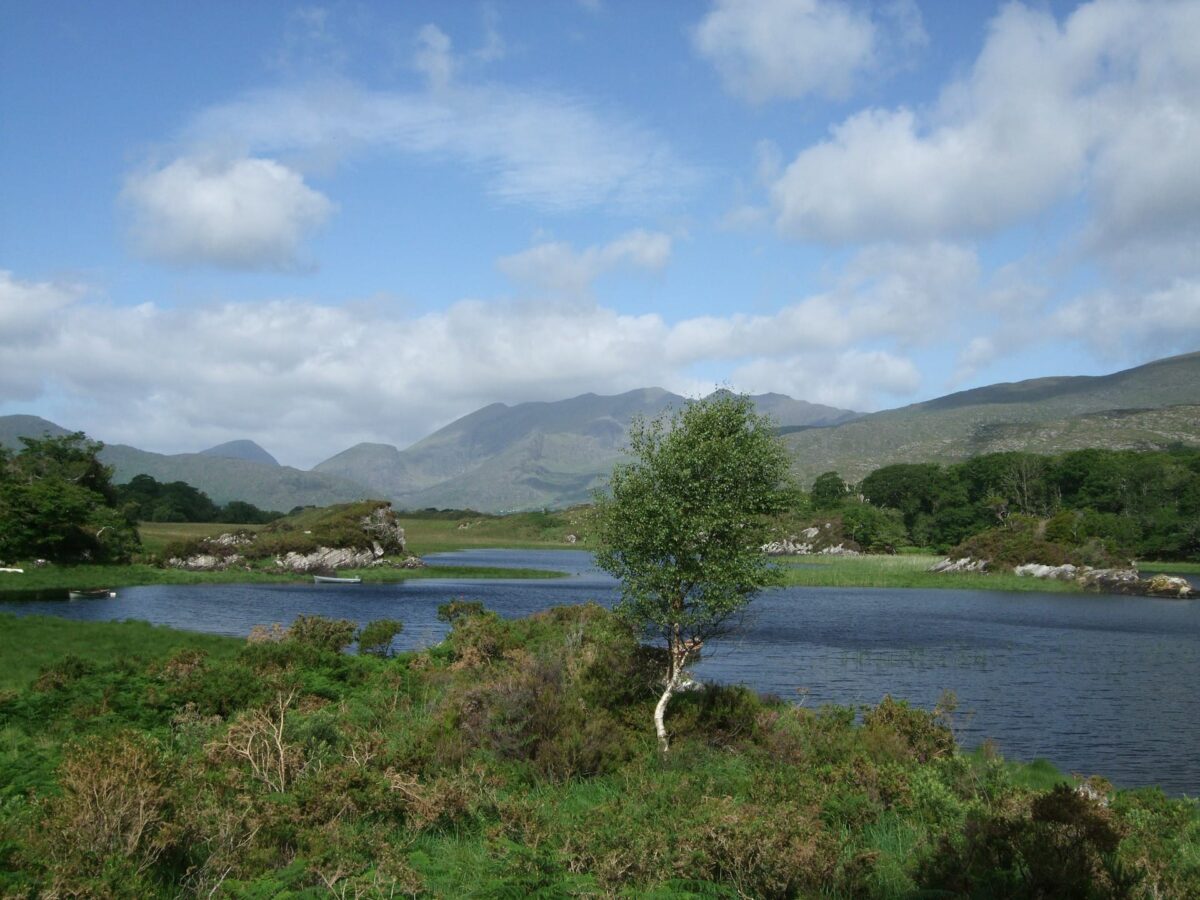
- Killarney National Park, County Kerry
- Killary Fjord, County Galway
- Kilmainham Gaol, County Dublin
- Knocknarea, County Sligo
- Kylemore Abbey, County Galway
- Hook Lighthouse, County Wexford
- Lisdoonvarna, County Clare
- Malin Head, County Donegal
- Mellifont Abbey, County Louth
- Mount Errigal, County Donegal
- Mizen Head, County Donegal
- Monasterboice, County Louth
- Newgrange – Brú na bóinne, County Meath
- Powerscourt, County Wicklow
- Ring of Kerry, County Kerry
- Rock of Cashel, County Tipperary
- Skellig Michael, County Kerry
- St. Canice’s Cathedral, County Kilkenny
- St. Patrick’s Cathedral, County Dublin
- St. Peter’s Tin Church, County Monaghan
- St. Valentine's memorial, County Dublin
- Stone Circles, across the country
- Sugar Loaf Mountain, County Wicklow
- Hill of Tara, County Meath
- The Burren, County Clare
- Trinity College, County Dublin
- Tory Island, County Donegal
- Valentia Island, County Kerry
- Viking Triangle, County Waterford
- Wicklow Mountains & Sally Gap, County Wicklow
- Yeat’s Grave, County Sligo
- Famous Tourist Attractions in Ireland
Famous Tourist Attractions in Ireland
Keep in mind these 3 areas when travelling in Ireland.
Ancient East: This area of Ireland encompasses 17 counties and has hundreds of attractions ranging from Neolithic sites, to castle and covers over 5000 years of Irish history. This makes Ireland’s Ancient East more of a touring region rather than a touring route like the Wild Atlantic Way. The region has been divided into three very unique areas.
Wild Atlantic Way
The Wild Atlantic Way route sits along the West Coast of Ireland, covering 2700 kilometres – the longest defined coastal route in the world. The WAW encompasses 9 counties each and every one of which is stunningly beautiful.
Achill Island, County Mayo
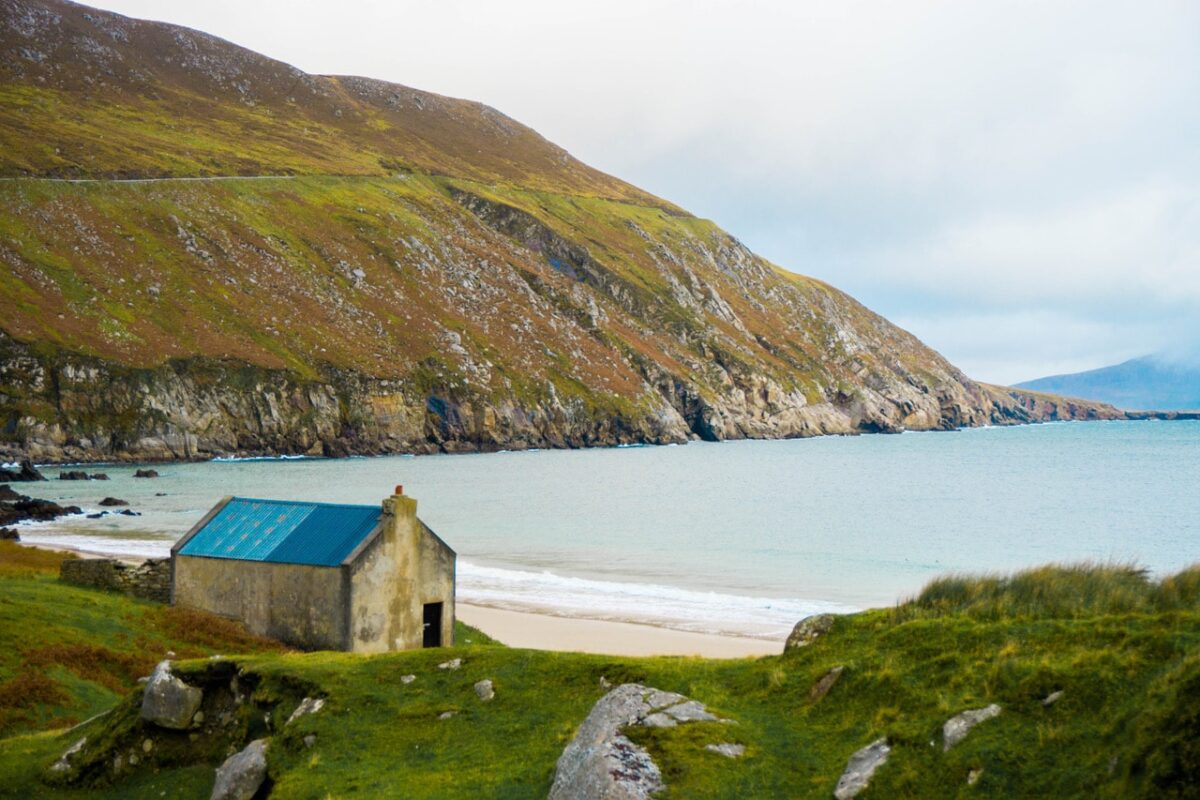
Achill Island (of the coast of Mayo) is of course the island that most tourists flock to in the season. The largest of the Islands in Ireland it has a coastline of nearly 80 miles. Achill is one of the few Irish Islands that you can get to overland as it is connected to the mainland by a swing bridge.
Ahenny High Crosses, Tipperary
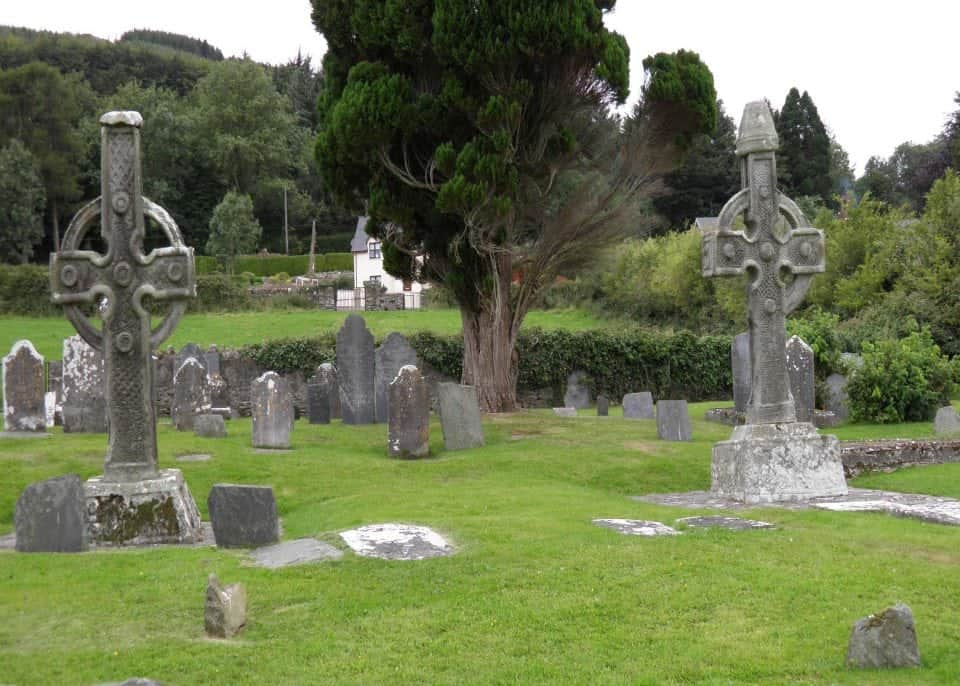
A splendid example of early Christian art and craftsmanship, these 8th century High Crosses are ornately carved with intricate Celtic designs. The Ahenny crosses are part of the Ossory group of High Crosses; Ossory was an ancient kingdom that straddled Tipperary and Kilkenny.
Ringfort – Grianan of Aileach, County Donegal
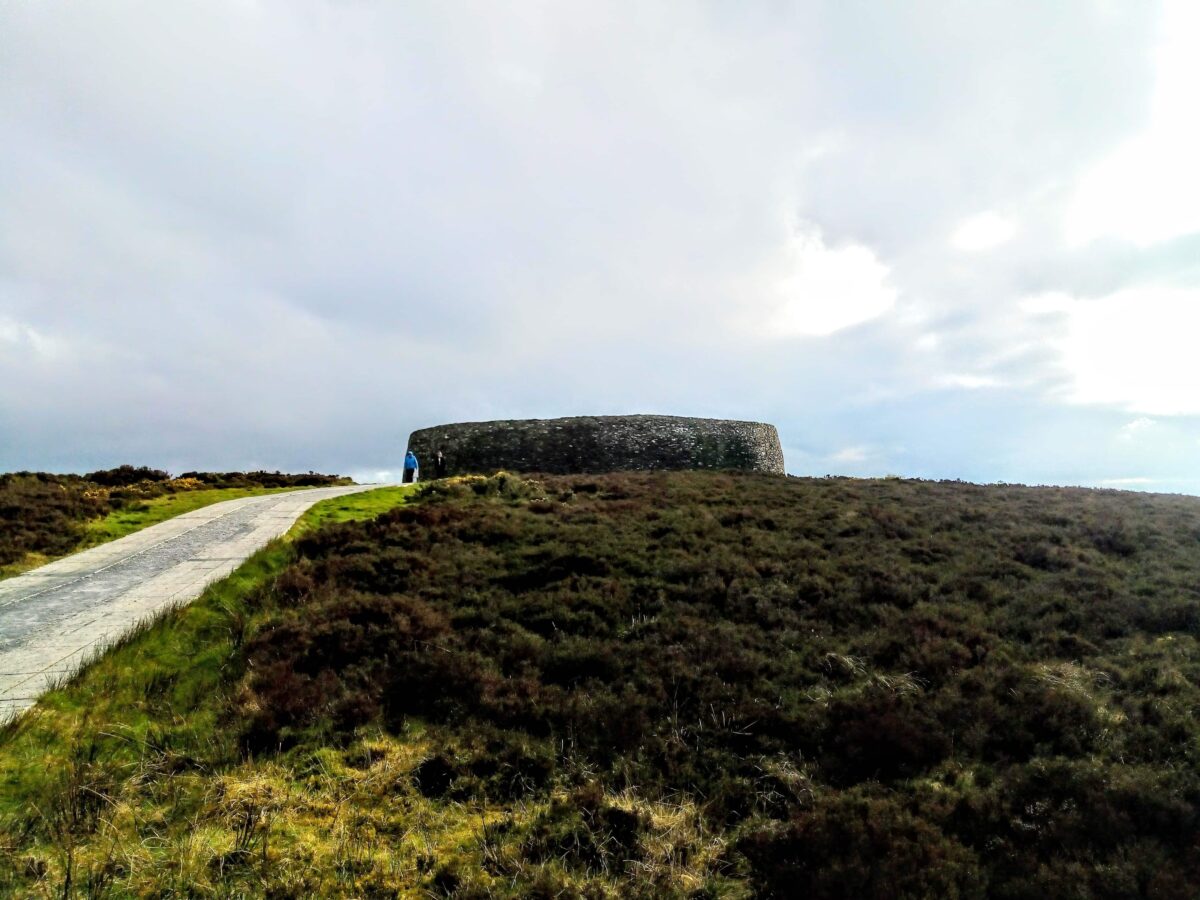
This restored Cashel or ring fort is over 23 metres in diameter with surrounding earthworks and sits atop Grianan Hill Donegal on the way to the Inishowen Peninsula, with 360-degree views across Lough Swilly, Lough Foyle and the gorgeous countryside of the Inishowen Peninsula. On a clear day, it is believed that the view includes 5 counties.
Aran Islands – County Galway
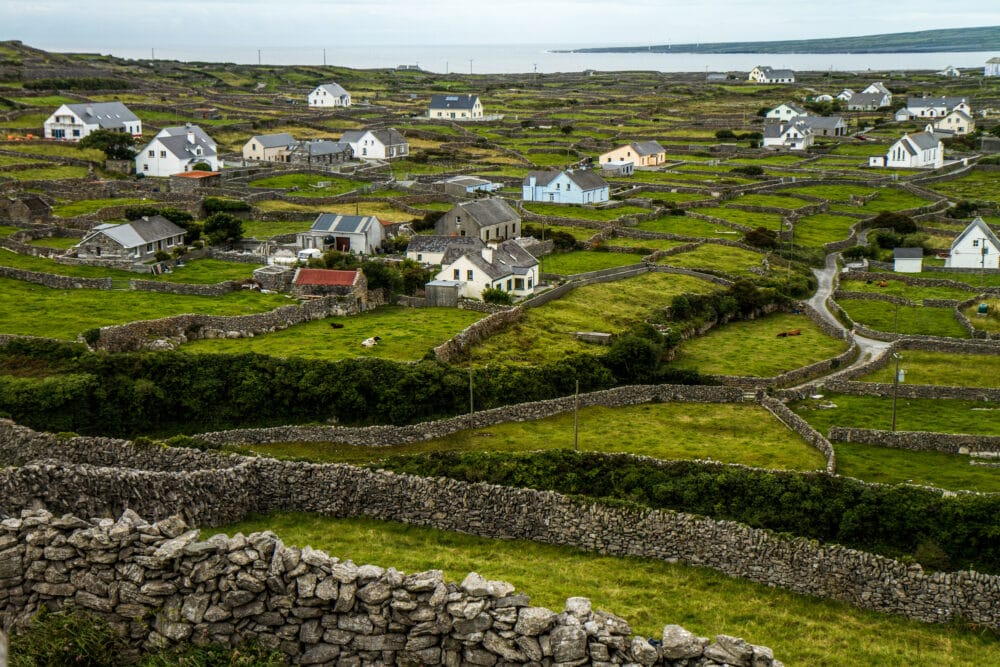
Sink into the Irish language in a dramatic setting with views of the Wild Atlantic Way, UNESCO World Heritage site Dun Aonghasa, and landscapes that are jaw-dropping. The Arans are a group of three islands located at the mouth of Galway Bay, on the west coast of Ireland. From west to east, the islands are Inishmore the largest; Inishmaan the second-largest; and Inisheer the smallest.

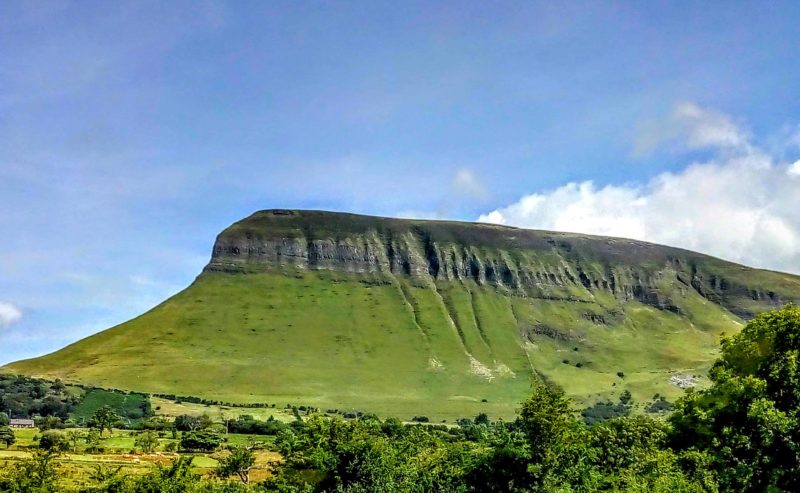
Benbulbin, Sligo
At 526 metres high, it’s no small task to climb Sligo’s famous mountain. The journey to the summit takes about two hours, but the views you get at the top are awe-inspiring.
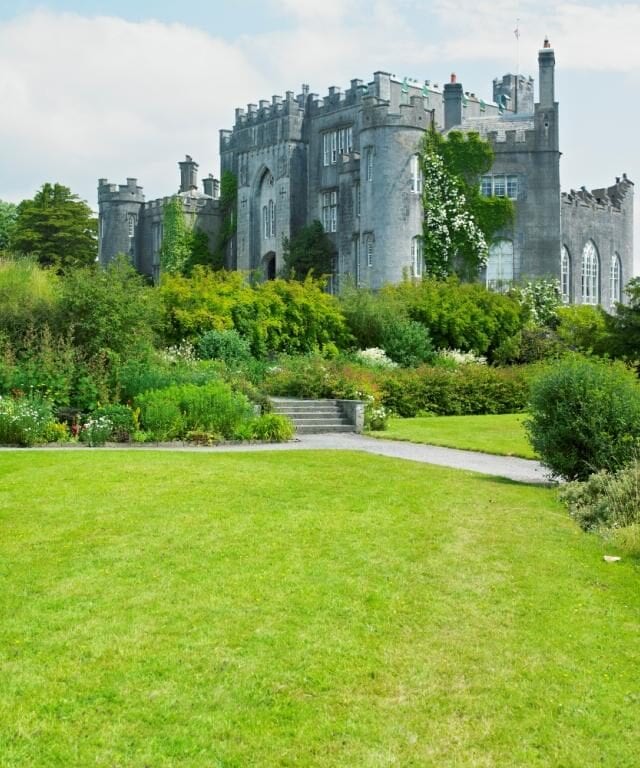
Birr Castle, Tipperary
Birr Castle has stood in Ireland since the Anglo-Normans built a castle on the motte. The castle is a private residence but you can visit the Birr Castle Science Centre and wander the stunning grounds and gardens. The Castle is in Offaly a short drive from the Rock of Cashel.
Battle of the Boyne, County Meath
The Battle of the Boyne centre commemorates the biggest battle in the history of Ireland that took place in 1690 in County Meath. There’s a lot to learn here and some great displays and an audio-visual display with a huge 3-dimensional map of the battle. The grounds are pretty spectacular as well.

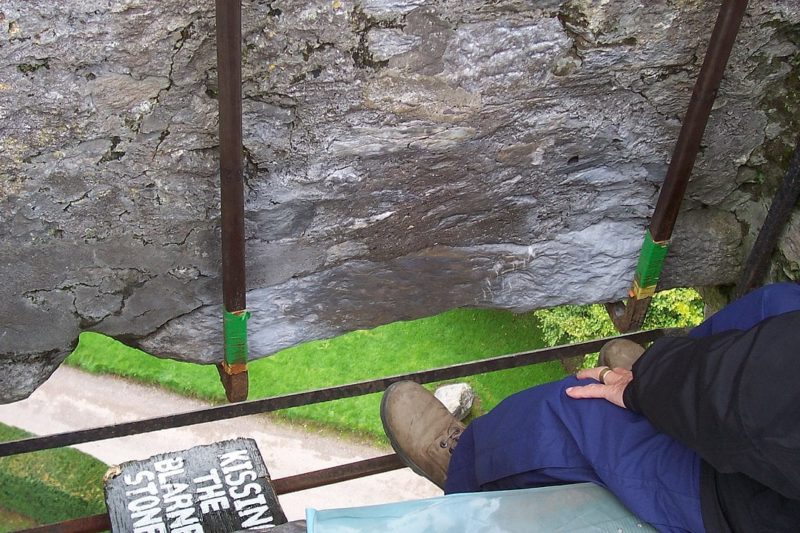
Blarney Castle, County Cork
Probably one of Ireland’s most famous landmarks in County Cork the legend of the Blarney Stone is one that many tourists pilgrimage to. Not my idea of fun as you have to hike up many stairs and then take care that someone has a good grip on you as you literally bend over backwards to kiss the Blarney stone. But it does seem to be high on many a bucket list.
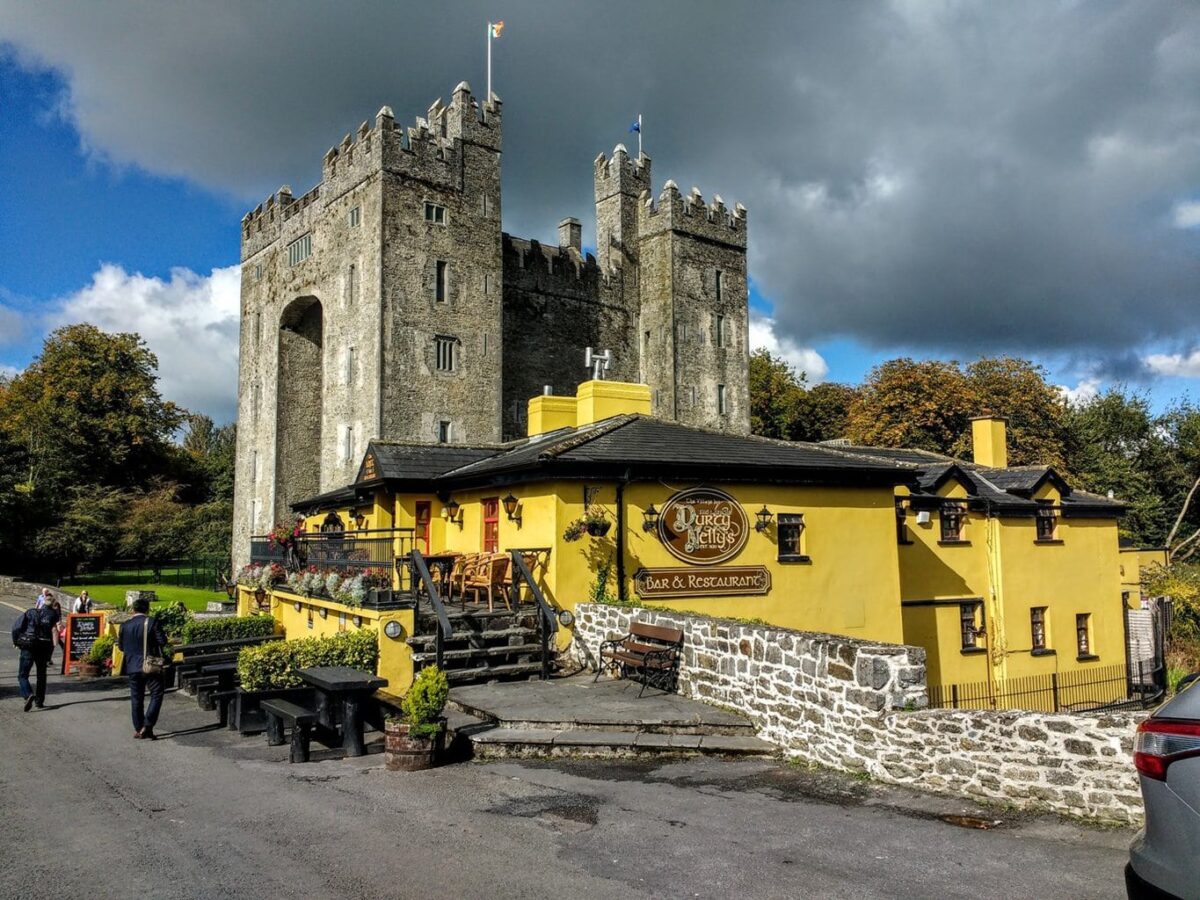
Bunratty Castle and Folk Park, County Clare
Bunratty Castle and Bunratty Folk Village are high on the Irish bucket list for visitors and locals alike. The imposing Castle can see seen just of the motorway and it is undoubtedly one of Ireland’s most loved castles. Located in County Clare (where you will find the Cliffs of Moher the Castle is famous for its medieval banquet, outstanding Folk Village and of course Durty Nellies pub.
Cahir Castle, Tipperary
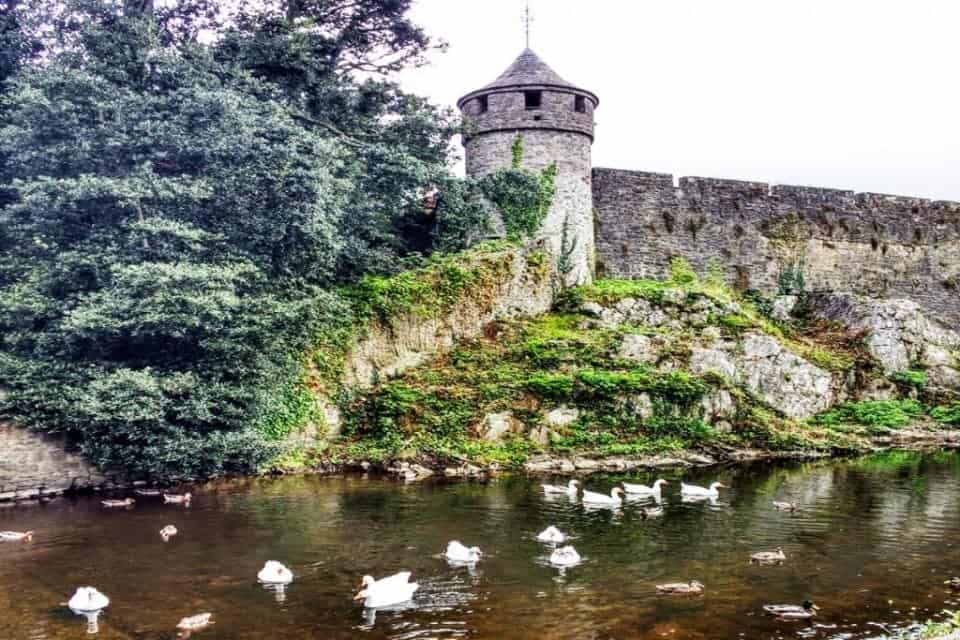
Cahir Castle in County Tipperary is one of the best-preserved medieval castles in Ireland. But visiting Cahir Castle is not on most tourists’ bucket list. This is a shame because Cahir Castle and the Swiss Cottage are only a few miles away from the Rock of Cashel and relatively free of tourist crowds. There isn’t much furniture in the castle but it is fascinating and you can see things like the old portcullis and its mechanism and go up to the higher floors and enjoy the views of the town and the river in which the Castle sits.
Carrowmore Cairns, County Sligo
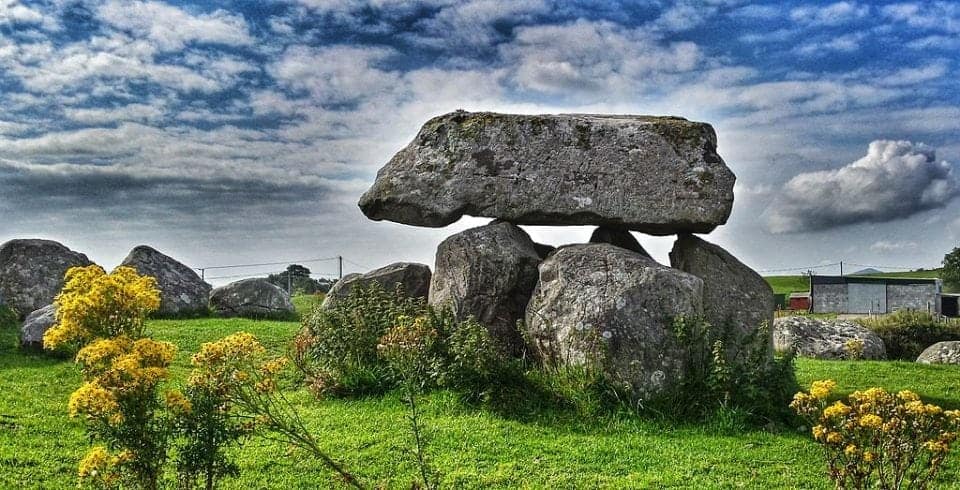
This is the largest cemetery of megalithic tombs in Ireland (located in County Sligo) and is also among the country’s oldest, with monuments ranging from five thousand to five thousand eight hundred years old. Archaeologists have recorded over 60 tombs of which 30 are visible. A restored cottage houses an exhibition relating to the site. Access to the tombs may be difficult for people with disabilities.
Cavan Burren Park, County Cavan
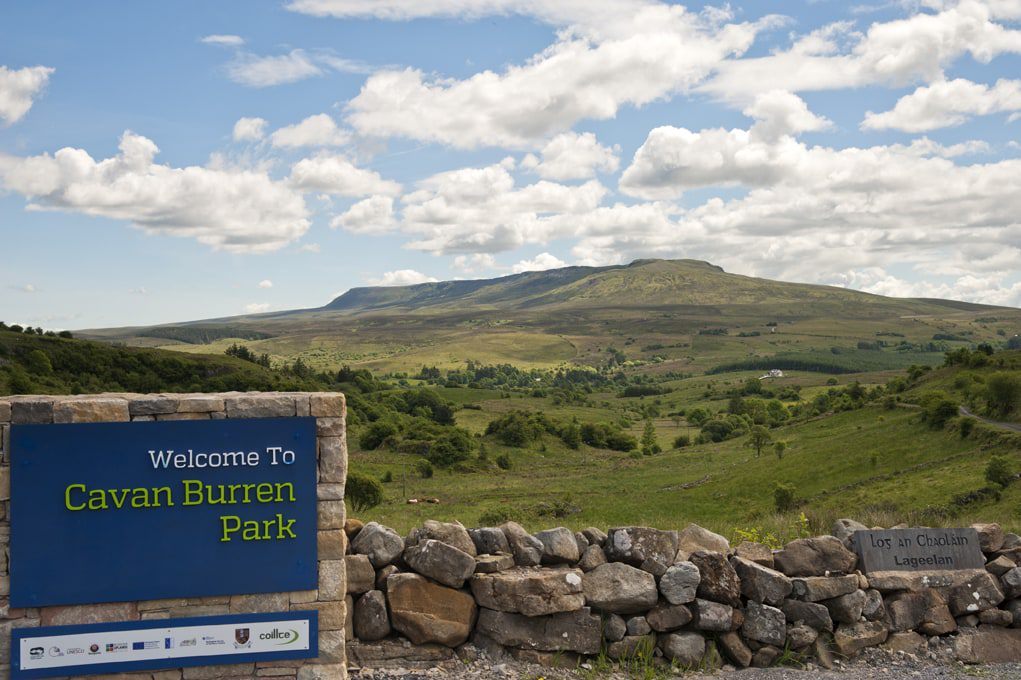
At Cavan Burren Park in County Cavan you can experience a wonderful interpretative centre and five amazing walking trails that highlight the spectacular prehistoric tombs, fantastic geology and special stories that make this such a unique environment. Carefully placed interpretation throughout this site explains all the features as you take in the 360° views. Stories of Giants and moving glaciers come to life with every step you take in this breathtaking prehistoric park.
Ceide Fields, County Mayo
The Ceide Fields overlook the Atlantic Ocean located on the Wild Atlantic Way in County Mayo the Ceide Fields are a system of fields, dwelling areas and megalithic tombs which together make up the most extensive Stone Age monument in the world. The stone-walled fields, extending over hundreds of hectares, are the oldest known globally, dating back almost 6,000 years.

Cliffs of Moher, County Clare
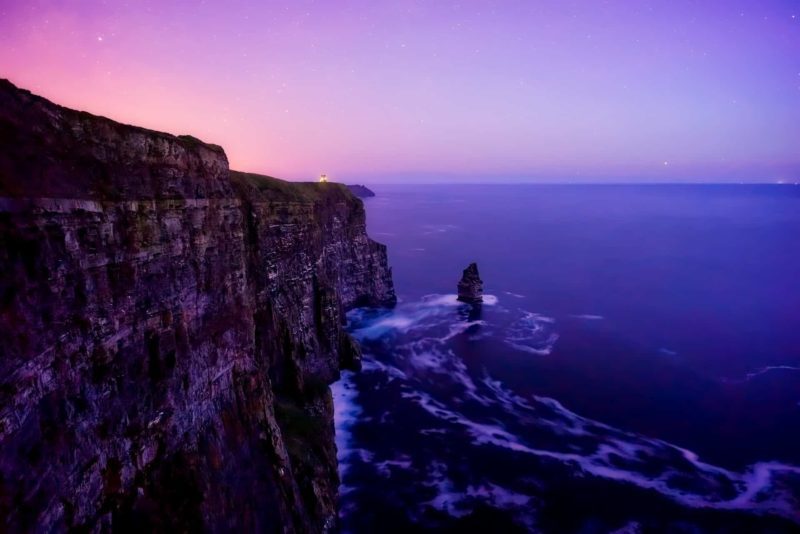
One of Ireland’s most visited natural sites the Cliffs of Moher are over a million years old and overlook the rugged and wild County Clare coast. They form part of the UNESCO Global Geopark along with the Burren. There’s a visitors centre, a huge parking lot for guests and a café to enjoy a cuppa when the fog, winds and rain roll in.
Clonmacnoise, County Offaly
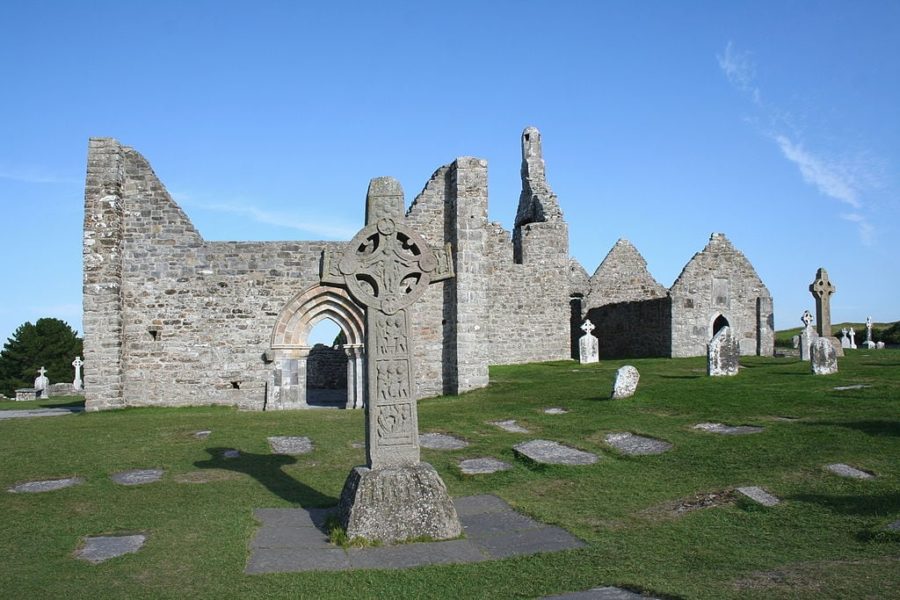
St Ciarán founded this monastery on the banks of the River Shannon in County Offaly in the 6th Century. The ruins include a cathedral, two round towers, three high crosses, nine Churches and over 700 Early Christian grave slabs.
Cobh, County Cork
Cobh, Ireland (pronounced cove) is a small village on the shores of the Atlantic in Ireland. Its history is deeply linked with those who emigrated from Irish shores to the new world. Famous for being the last port of call for the Titanic and the rows of coloured houses tumbling down the hillside.

Cong, County Mayo
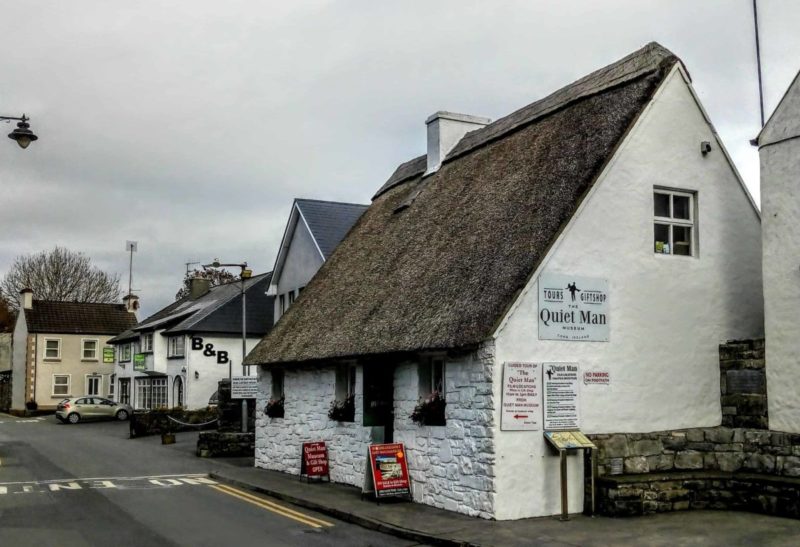
Cong Ireland is found in County Mayo about an hour’s drive from Westport in the southwest region of Ireland. It’s a small village that is known worldwide as the place where The Quiet Man was filmed which starred John Wayne and Maureen O’Hara.
Connemara National Park, County Galway
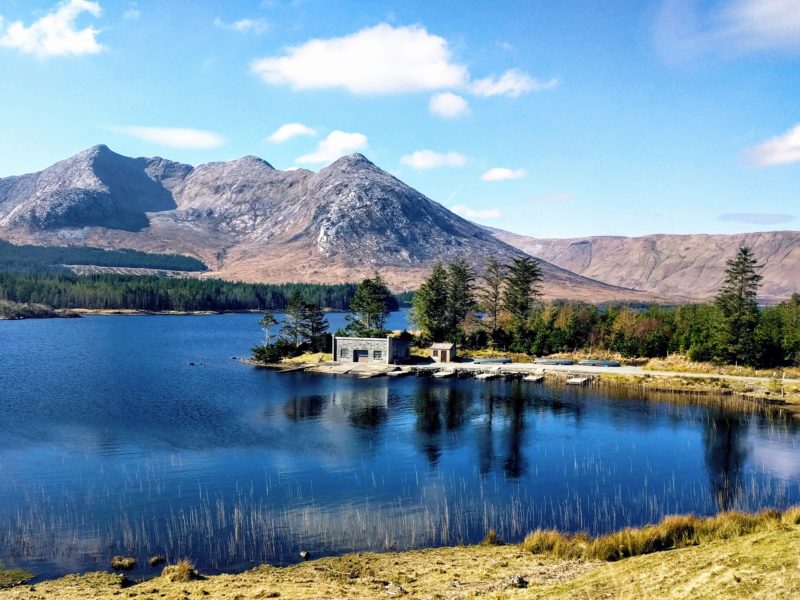
Connemara National Park in County Galway covers over 2,000 hectares of scenic mountains, expanses of bogs, heaths, grasslands and woodlands. Some of the Park’s mountains, namely Benbaun, Bencullagh, Benbrack and Muckanaght, are part of the famous Twelve Bens or Beanna Beola range.
Croagh Patrick, County Mayo
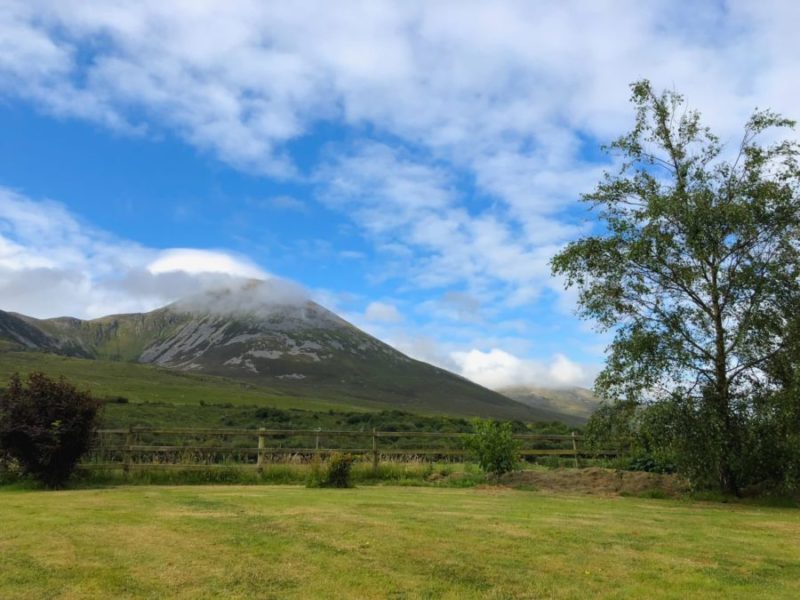
Ireland’s most sacred mountain and place of pilgrimage the views from the top of the mountain are breathtaking but even if you don’t make it to the top you must visit Clew Bay, Westport and the hundreds of other sites to be seen in this region of County Mayo.
Dingle Peninsula, County Kerry
Voted the most beautiful place on earth by National Geographic the Dingle Peninsula stretches 30 miles (48 kilometres) into the Atlantic Ocean on the southwest coast on Ireland’s Wild Atlantic Way. The peninsula is dominated by the range of mountains running from the Slieve Mish range to the Conor Pass and Mount Brandon, Ireland’s second-highest peak.
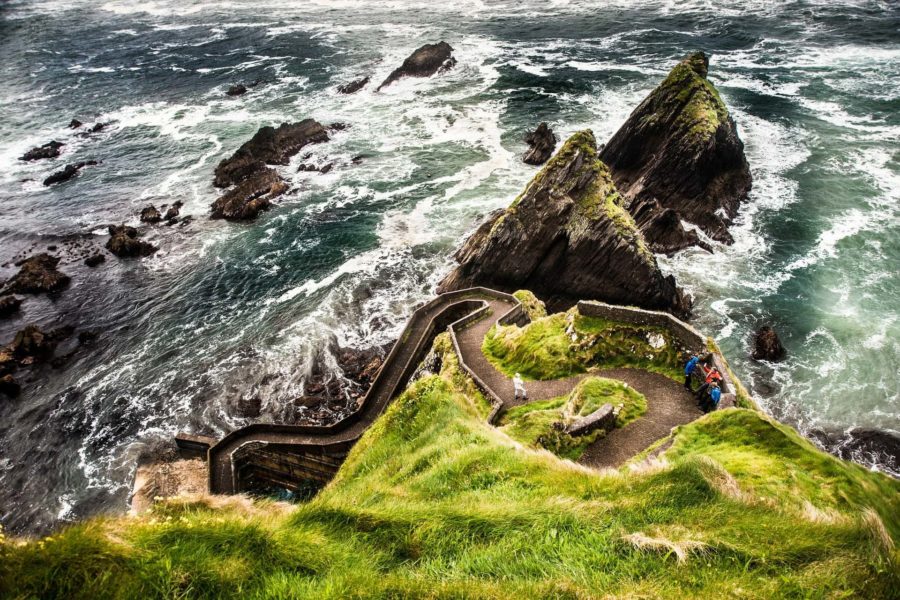
The magnificent coastline consists of steep sea cliffs such as Slea Head, dramatic headlands broken by sandy beaches, with the award-winning beach at Inch and a jaw-dropping visual delight of a drive.
Doolin, County Clare
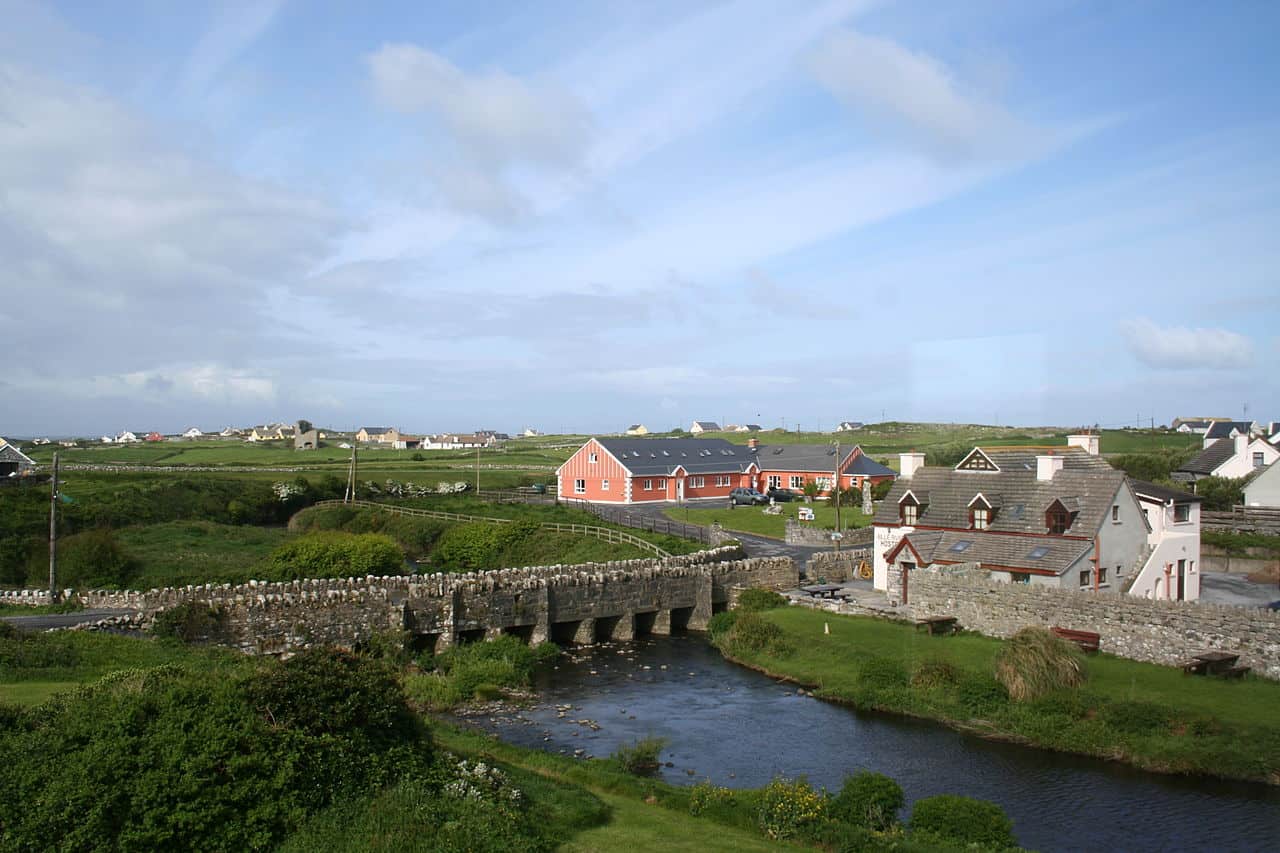
Known as the musical capital of Ireland Doolin is located on the edge of the Burren in County Clare. Doolin is a colourful little village full of character and charm.
Downpatrick Head, County Mayo
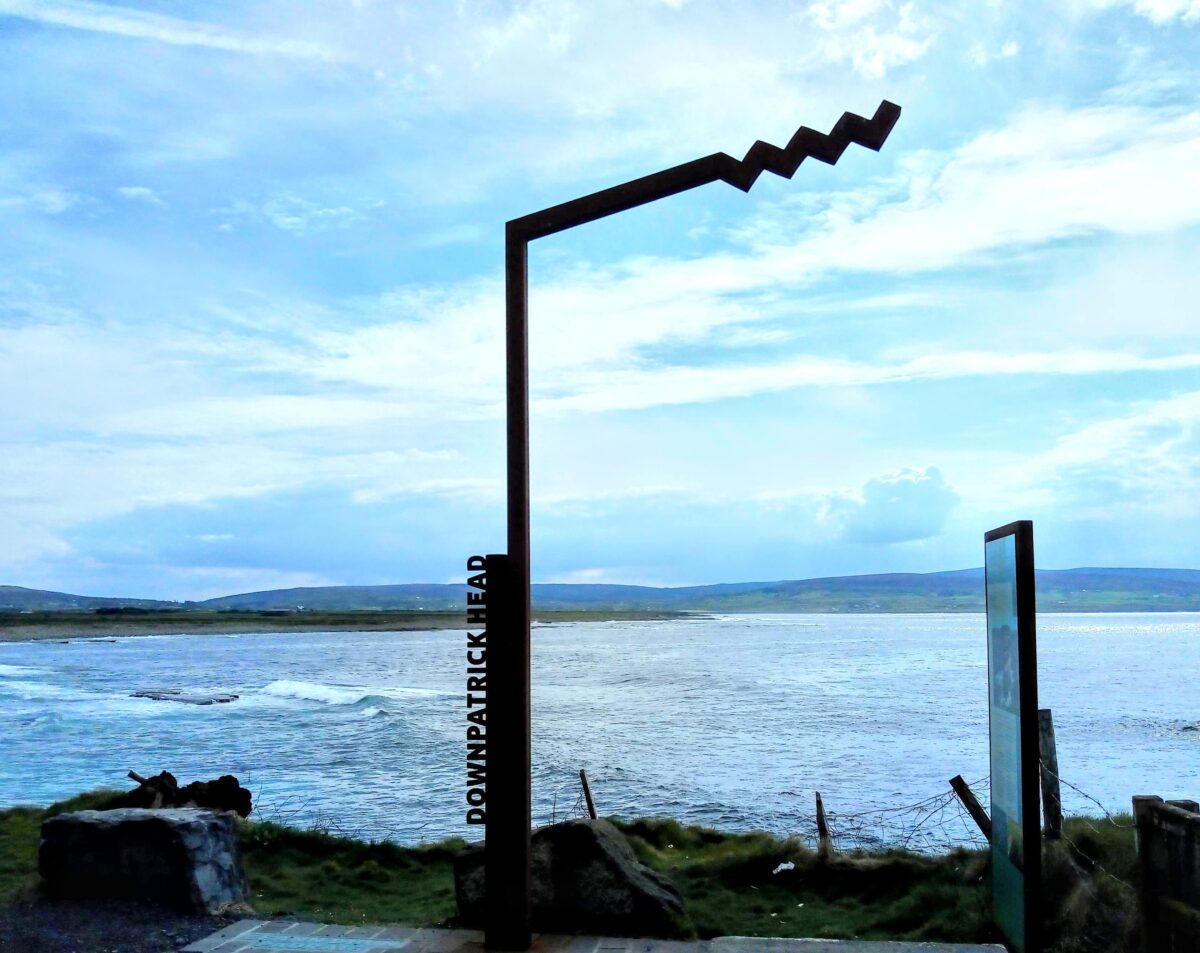
Located near the Ceide Fields in County Mayo this dramatic seascape will remain in your memories forever. The Dun Briste sea stack, the waves roaring of the rugged rocky coast epitomize the Wild Atlantic Way Route.
Drombeg Stone Circle, County Cork
Drombeg is known as the Druid’s Altar and can be found in County Cork. In one of those magical in-between places in Ireland, there remains an air of mystery and spirituality around this magnificent stone circle.

Dublin Castle, County Dublin
Erected in the early thirteenth century on the site of a Viking settlement, Dublin Castle served for centuries as the headquarters of English, and later British, administration in Ireland. In 1922, following Ireland’s independence, Dublin Castle was handed over to the new Irish government. Take a tour of this Irish castle that has served as a military fortress, a prison, treasury, court of law, and the seat of English Administration in Ireland for 700 years. Today it’s used for important State events and Presidential Inaugurations.

Dun Aonghasa, County Galway
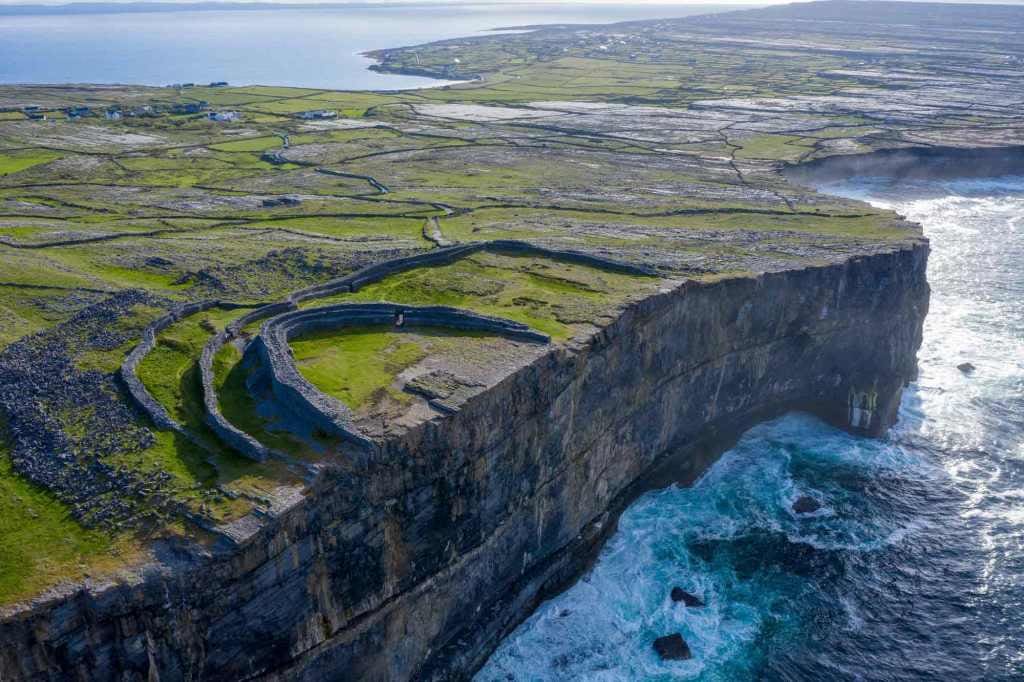
Found on the Island of Inishmore off the coast of Galway Dun Aonghasa is one of Ireland’ iconic sites clinging to the cliff edge of the island. Dún Aonghasa is over 3,000 years old. Excavations have revealed significant evidence of prehistoric metalworking, as well as several houses and burials.
Dunamase, County Laois
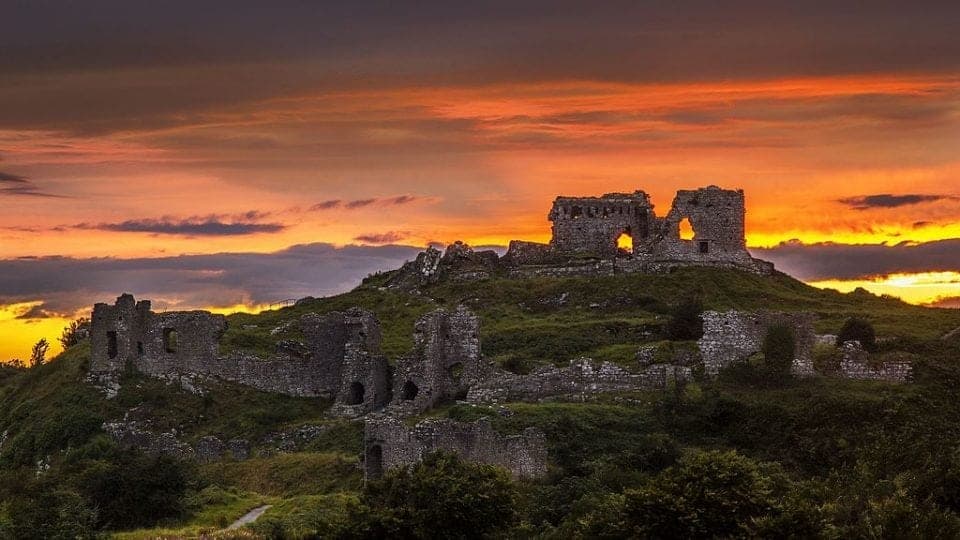
Dunamase Castle is the seat of the ancient Kings of Laois. The Rock of Dunamase is the spectacular hill that the Castle of Dunamase sits atop and overlooks the Valley of the O’Moores just outside Portlaoise in County Laois.
Dun Briste, County Mayo
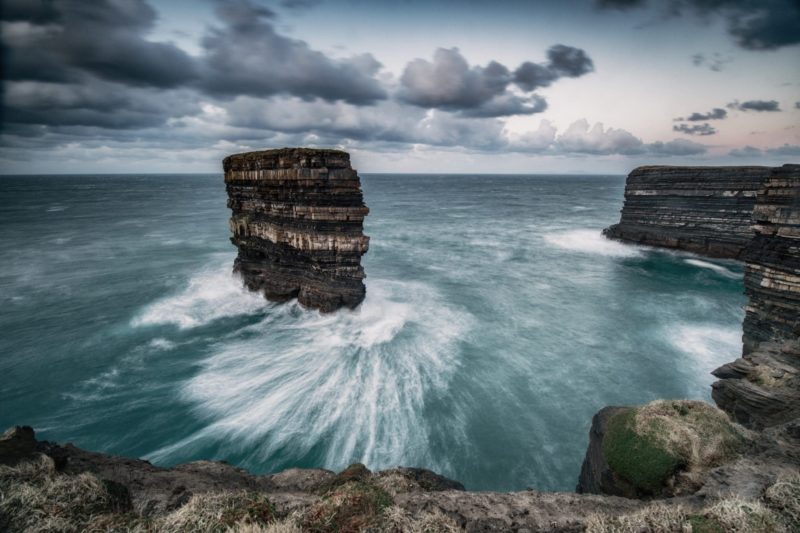
Located at Downpatrick Head Dún Briste (Gaelic for Broken Fort) was once joined to the mainland. The sea stack stands 45 metres (150 feet) tall and it is one of Ireland’s most photographed sites.
Dunguaire Castle, County Galway
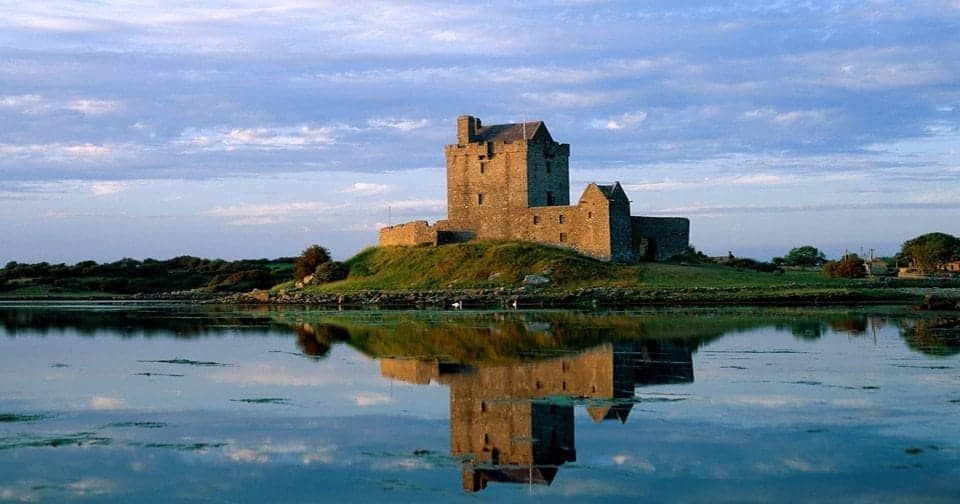
Dunguaire Castle and its history lie at the heart of Ireland’s literary revival in the early 20th century. Located near Kinvarra Galway the Castle became the site of a great revival in Irish literature exemplified by the works of writers such as Synge, Yeats Shaw and O’Casey. It became the venue for meetings of literary revivalists such as W.B. Yeats, his patron Lady Gregory, George Bernard Shaw, Edward Martin and J.M. Synge.
Fairy Bridges Tullan Strand, County Donegal
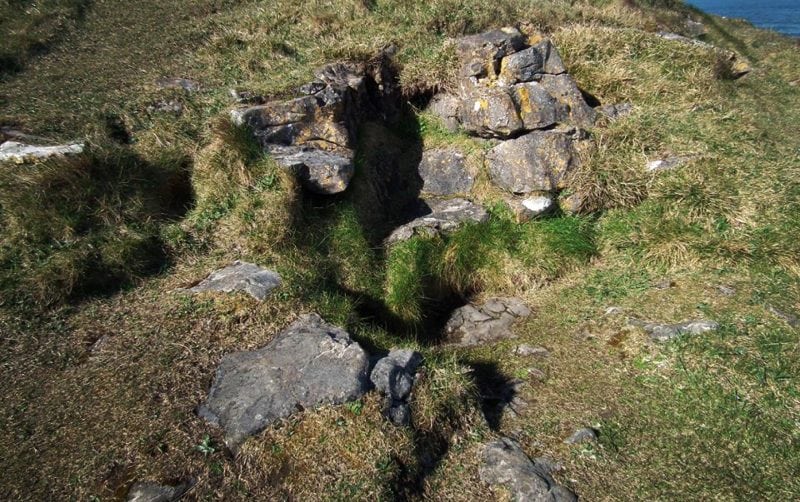
You can find the Fairy Bridges and the Wishing Chair in Bundoran, Donegal. The Fairy Bridges and the Wishing Chair are signed from Roguey’s Walk are subject to legends and stories dating back to the 1700s and probably further. The fairy bridges are sea stacks hundreds of years old, locals believed them to be haunted by the fairies with the result of the name “The Fairy Bridges”.
Gallarus Oratory, County Kerry
The Gallarus Oratory in County Kerry was built between the seventh and eighth century and is the best preserved early Christian church in Ireland. It represents the peak of dry-stone corbelling, using techniques first developed by Neolithic tomb makers.

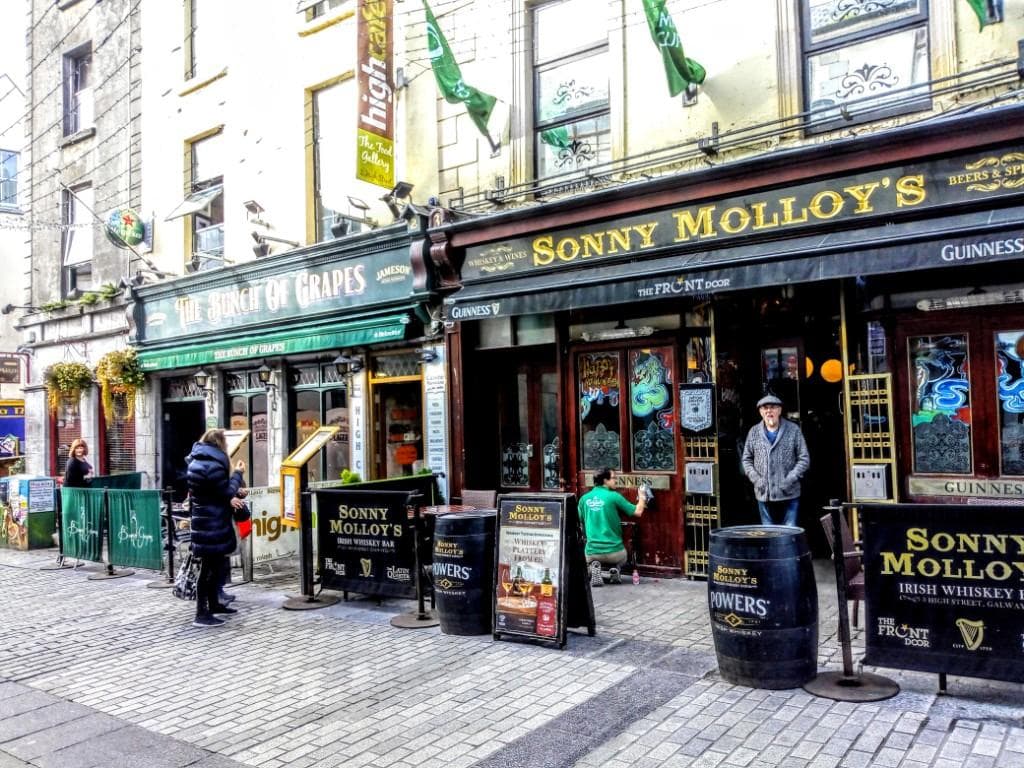
Galway City, Galway County
Galway is the most popular city in Ireland and a city that lives for music. Wandering the streets of Galway you are bound to find a busker or 6 performing on all the corners of the main pedestrian area. Just one of the many reasons to love Galway.
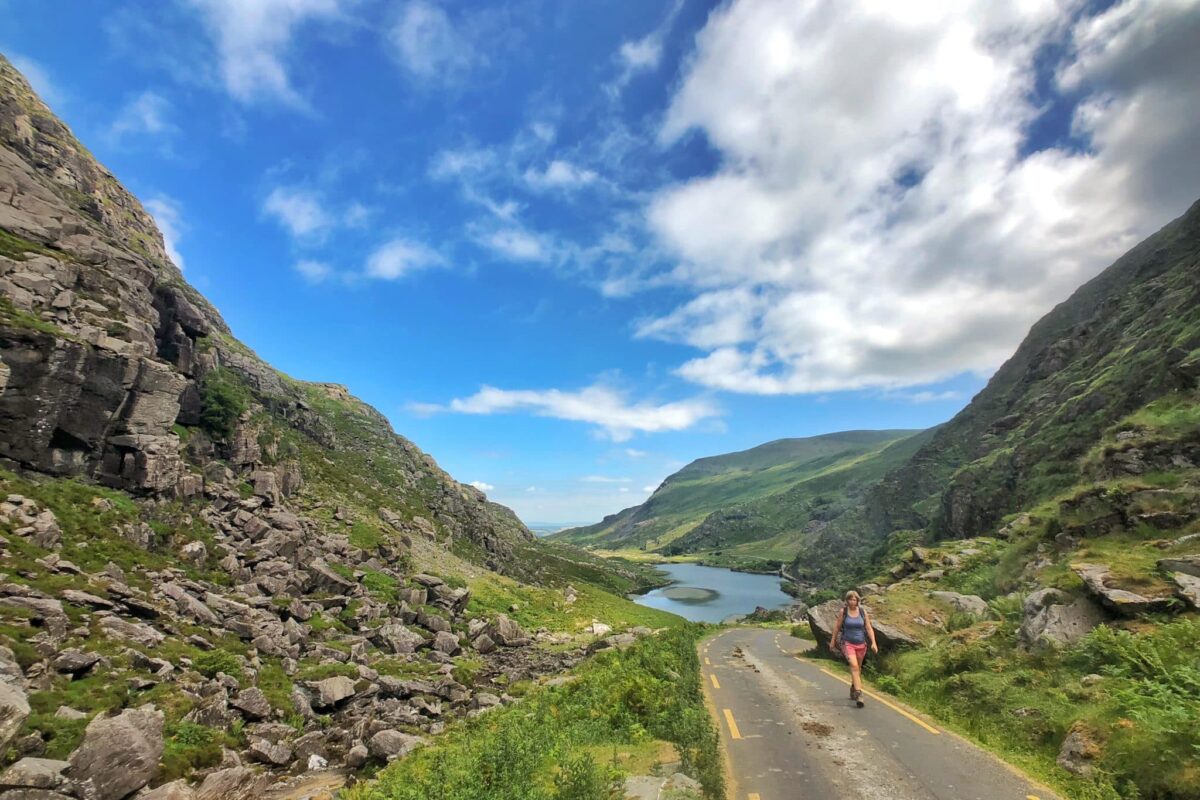
Gap of Dunloe, County Kerry
Visible for miles around, the iconic Gap of Dunloe in Killarney, Kerry is found between the highest mountains in Ireland (McGillycuddy Reeks) and Killarney’s Purple and Tomies mountains. The Gap has become an important landmark in every tour of Killarney.
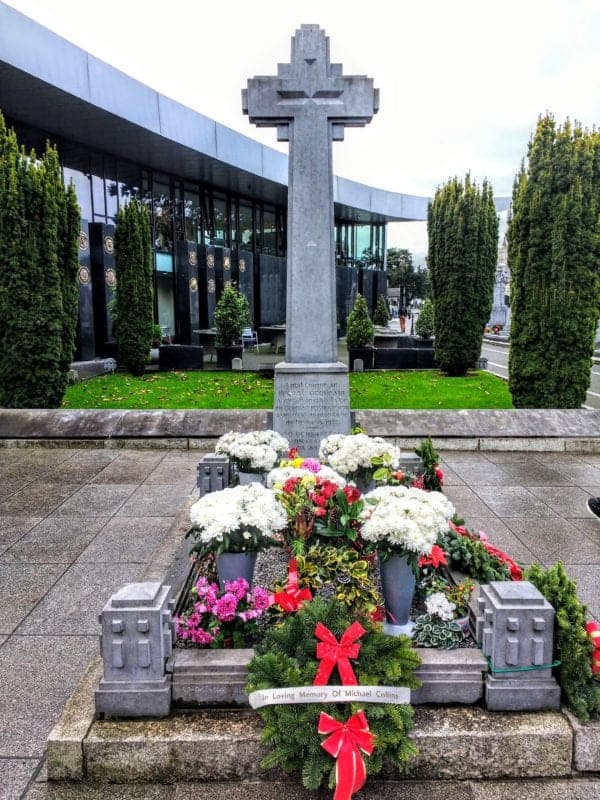
Glasnevin Cemetery, County Dublin
Visiting Glasnevin Cemetery Museum in Dublin is something that many people want to see as it is a sacred ground for many of the Irish heroes and heroines of the Uprising.
Glasnevin Cemetery Museum is also a central location for those wanting to trace their Irish ancestors. The cemetery is free to visit and wander around the grounds.
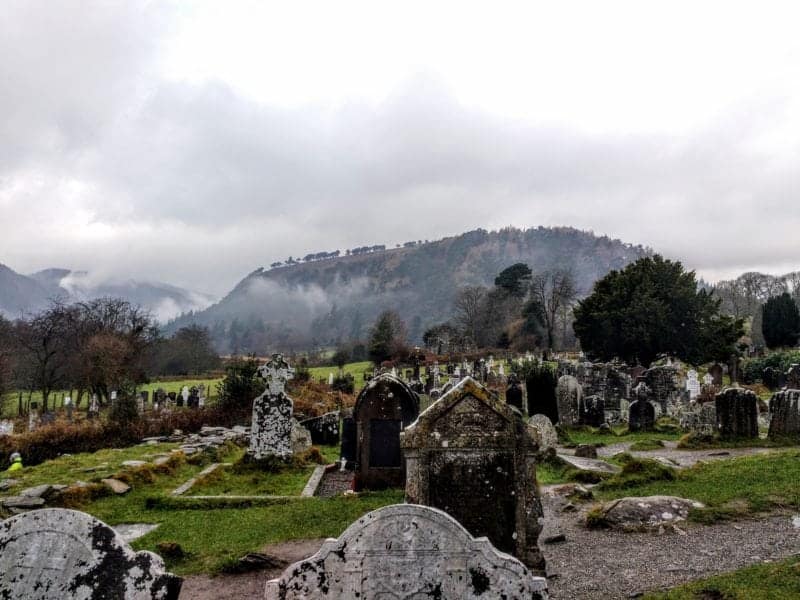
Glendalough, County Wicklow
The early Christian monastic settlement founded in the 6th century by St. Kevin, and known as Glendalough is located just south of Dublin in the superb Wicklow Mountains National Park. Glendalough walks and lakes are jaw-droppingly beautiful. An area of outstanding natural beauty is also home to one of the most important historic sites in Ireland. The Glendalough Monastic Site is considered to be one of the most beautiful places in Ireland according to Lonely Planet.
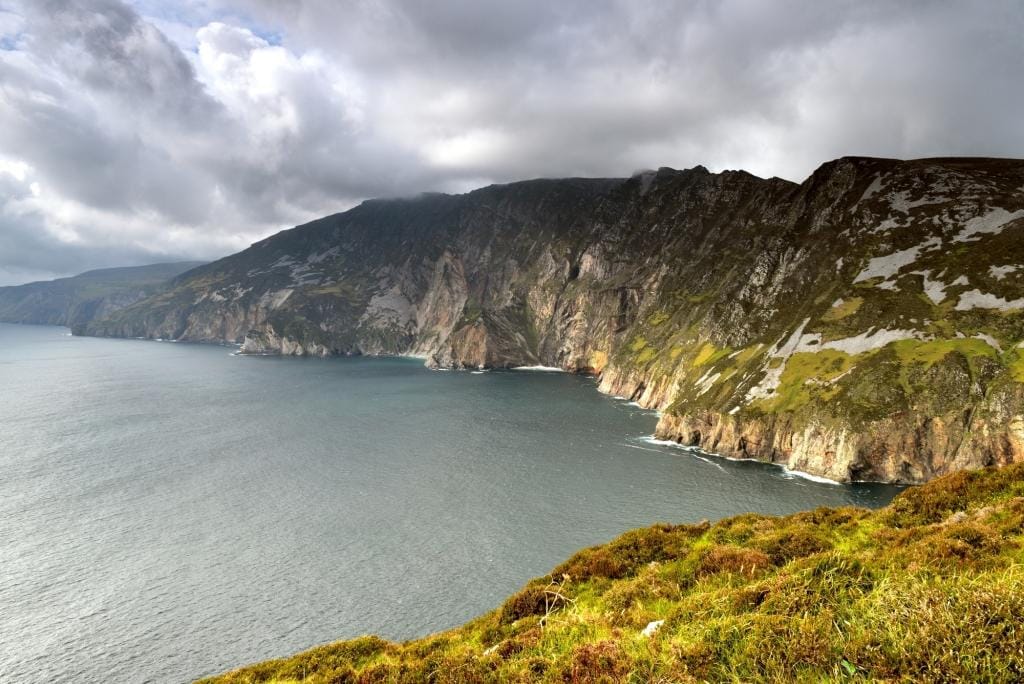
Slieve League, County Donegal
The Slieve League cliffs of Donegal (also known in Gaelic as Sliabh Liag which means grey mountain) are the ultimate virtually tourist-free cliffs to visit, hike and walk in Ireland. Slieve League is one of the best natural landmarks in Ireland. These Cliffs are believed to be the highest in Europe and offer absolutely spectacular views and the rough and rugged landscape is a sight you must see before leaving Donegal.
There are several ways up the mountain. In season there is a shuttle bus to take you to the top viewing point, but during quieter seasons you pass the second parking lot and enter the trail by car through the gate, simply close the gate behind you and drive up to the viewing point.
Glenveagh National Park, County Donegal
Glenveagh Castle, Donegal lies deep in the heart of the Glenveagh National Park which is the second largest national park in Ireland. With a dark history, Glenveagh Castle and its grounds provide some stunning walking and hiking trails.

Gougane Barra, County Cork
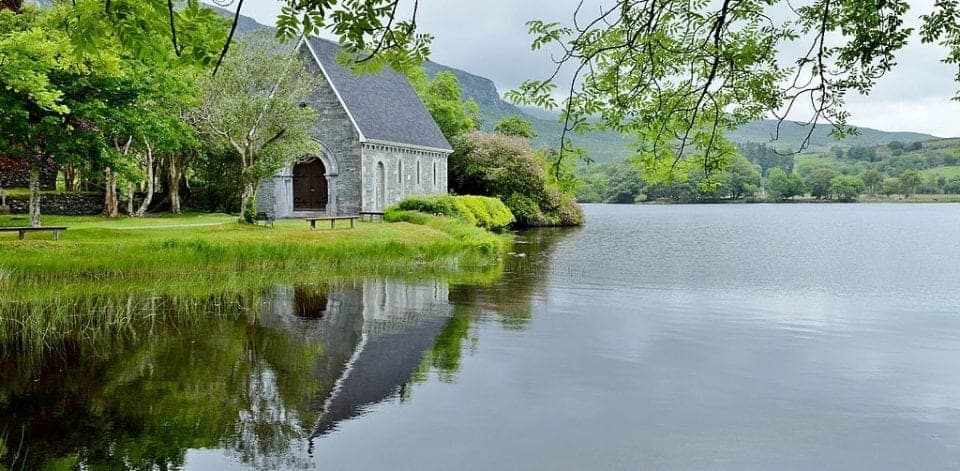
An area of wild and beautiful scenery, this magnificent Forest Park in County Cork covers over 137 hectares (339 acres). It is tucked in a lush valley at the edge of the Sheehy mountains, the ideal place to hike, get in touch with nature. This is where you will find the iconic St Finbarr’s Oratory or Small Church on the lake island, with beautiful old stations of the cross and stunning stained glass windows
Guinness Brewery, County Dublin
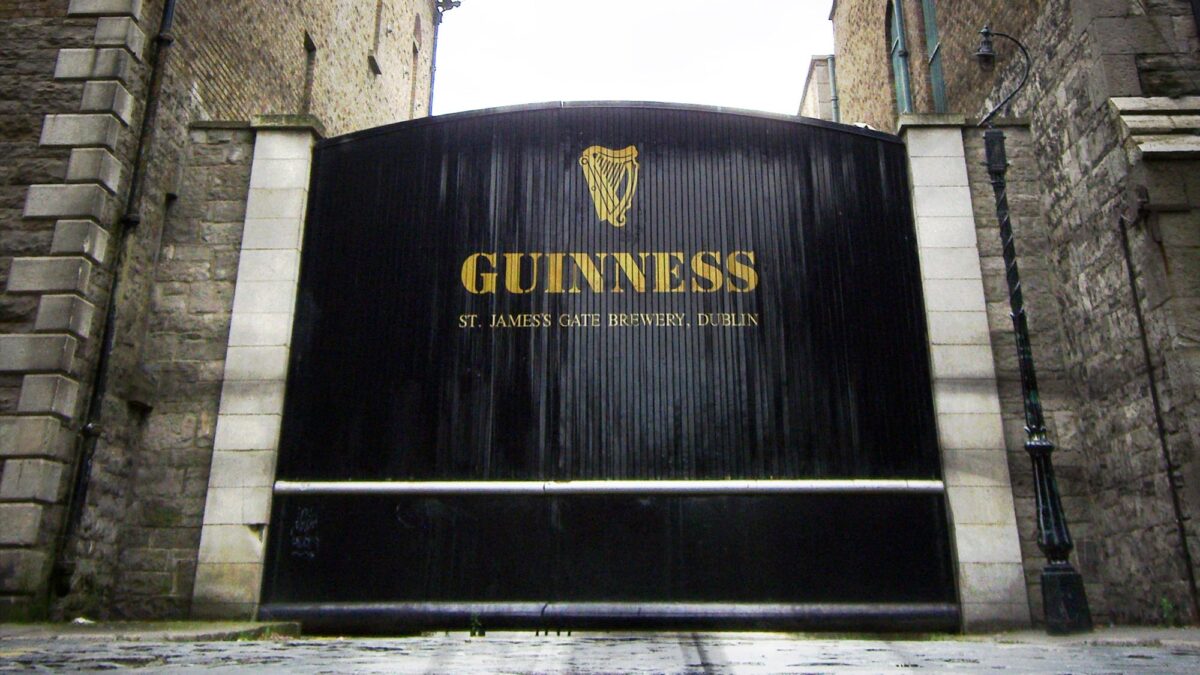
Everyone wants a pint of the black stuff when coming to Ireland. Well, what could be better than learning how to pour it yourself and then drink it while overlooking the magnificent views of Dublin from the bar above the Guinness Brewery. A tour here will teach you all you need to know about Guinness and its history in Ireland.
Hill of Uisneach, County Westmeath
The Hill of Uisneach is on private land all visits must be made by booking a tour. The Sacred Centre of Ireland is spread over 250 acres, our guided tours are delivered completely outdoors meandering in and out of lush working farmland. An ancient ceremonial site in Westmeath it is a protected national monument. It consists of numerous monuments and earthworks—prehistoric and medieval—including a megalithic tomb, burial mounds, standing stones, holy wells and a medieval road.

Irish National Stud, County Kildare
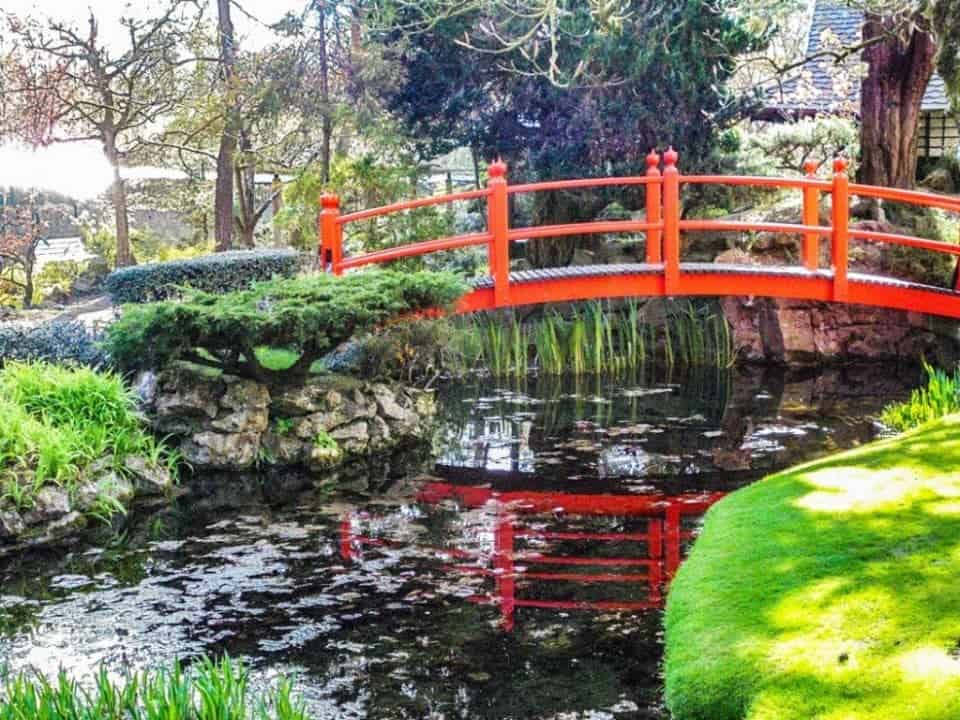
Home to Ireland’s finest horses the stud produced the winners of all five Classic races. You can visit the Stud and admire the horses and visit the Japanese Gardens, renowned throughout the world and the finest of their kind in Europe.
Kilkee Cliffs, County Clare
One of Ireland’s best-kept secrets lies in the Wild Atlantic Way on the Loop Head Peninsula County Clare and it is the Kilkee Cliffs. The Cliffs of Kilkee are an incredibly dramatic landscape that is rarely trespassed by tourists. This is one of the most dramatic and pristine locations on earth and a hidden secret that contains a small population and it is a protected environment so there is no development to spoil the views.

Kilkenny Castle, County Kilkenny
Kilkenny Castle stands dramatically on a strategic height that commands the crossing on the River Nore and dominates the ‘High Town’ of Kilkenny City. Kilkenny Castle is a complex structure that has evolved over 8 centuries and contains many architectural styles.
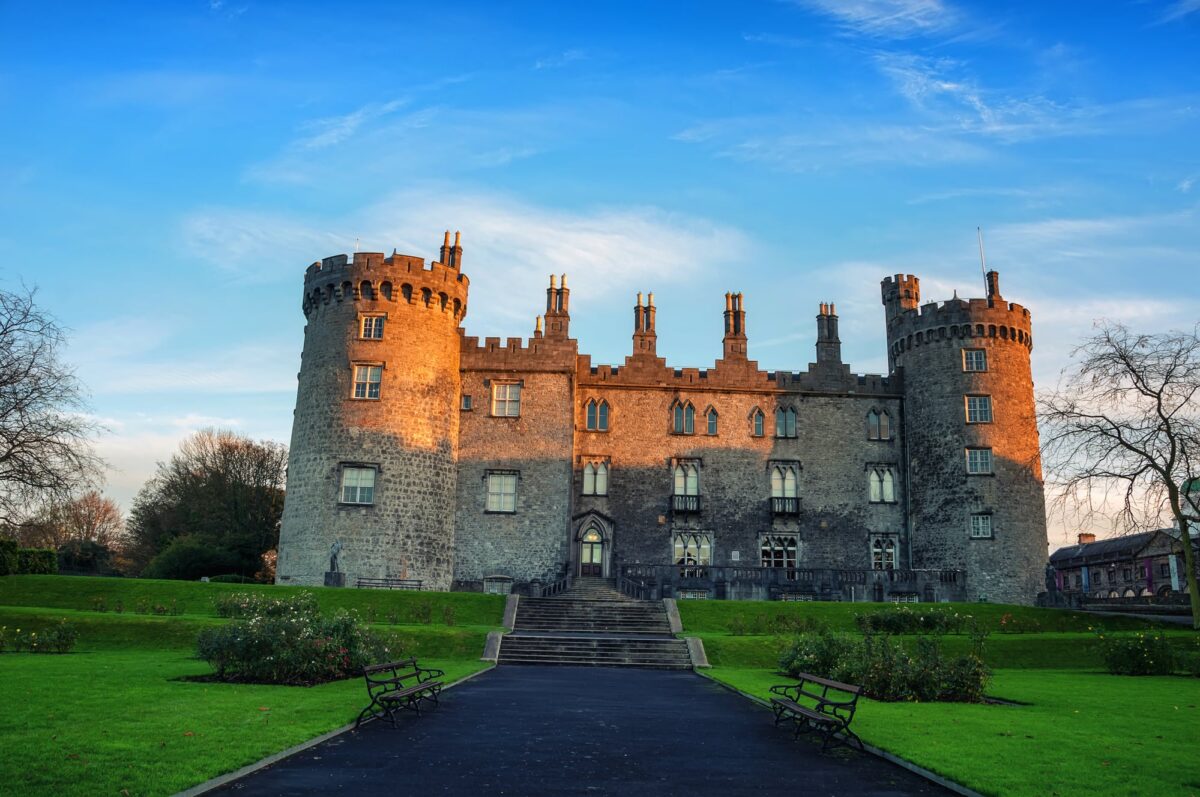
Kilkenny Medieval Mile, County kilkenny
One of the most popular places to visit in Ireland is Kilkenny. The City is known for its Medieval Mile and also as the Marble City because of its distinctive black marble. When walking the Mile you will see medieval slipways or alleys, a Tudor Inn, a Dominican Abbey and a fine example of a 17th-century merchant’s house and the only example of its kind in Ireland.
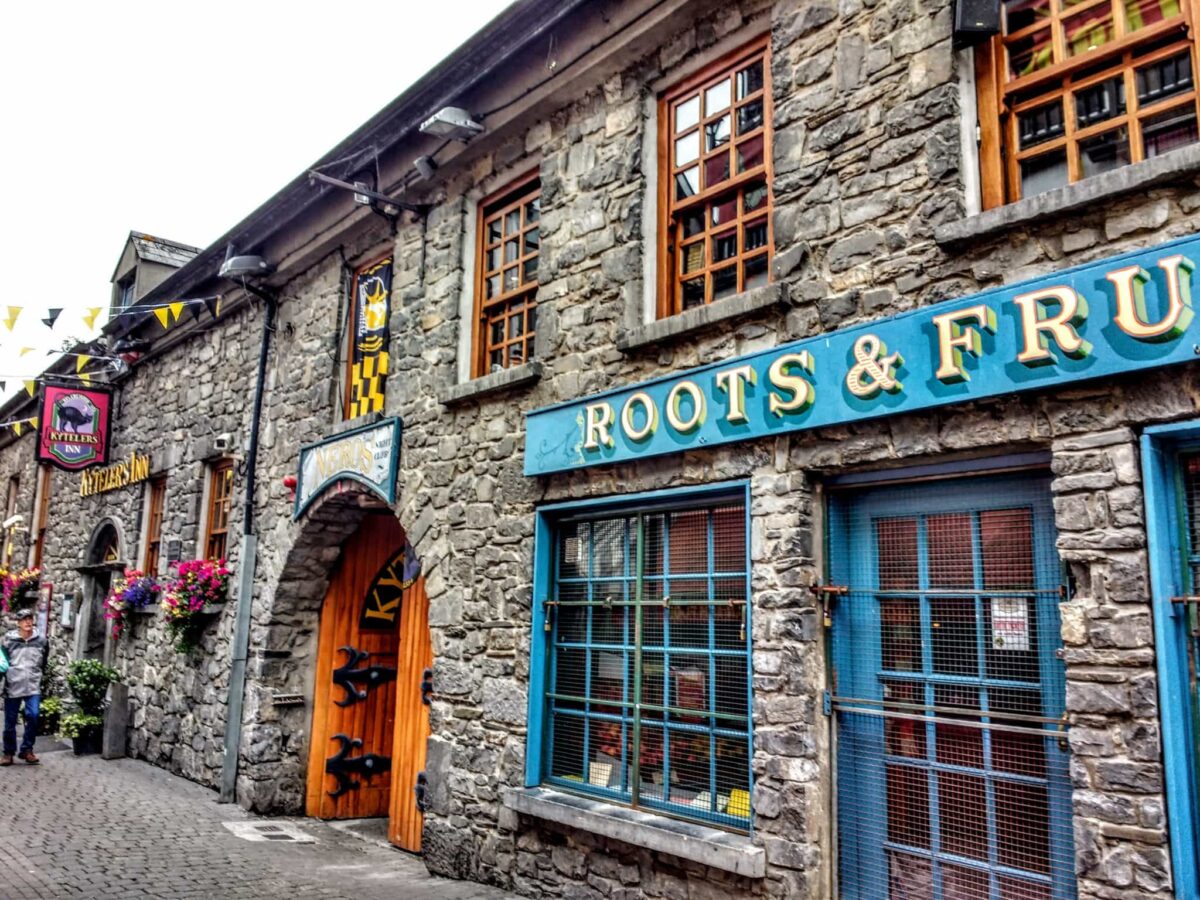
You can visit a recreated medieval garden, climb St. Canice’s Round Tower (the oldest standing structure on the city), and take a glimpse inside the lives of the Butler family and their servants at Kilkenny Castle. Or feel the hairs rise and your heart beat faster at tales of witchcraft in Kyteler’s Inn here since 1324.
Killarney National Park, County Kerry
Killarney National Park brings thousands of tourists to Killarney every year. The park itself is an outdoor lover’s playground; waterfalls, lakes, rivers, wildlife, and woodlands make up roughly 40 square miles of the park. The town itself is one of Ireland’s most charming with great pubs, traditional music and lots of craic.
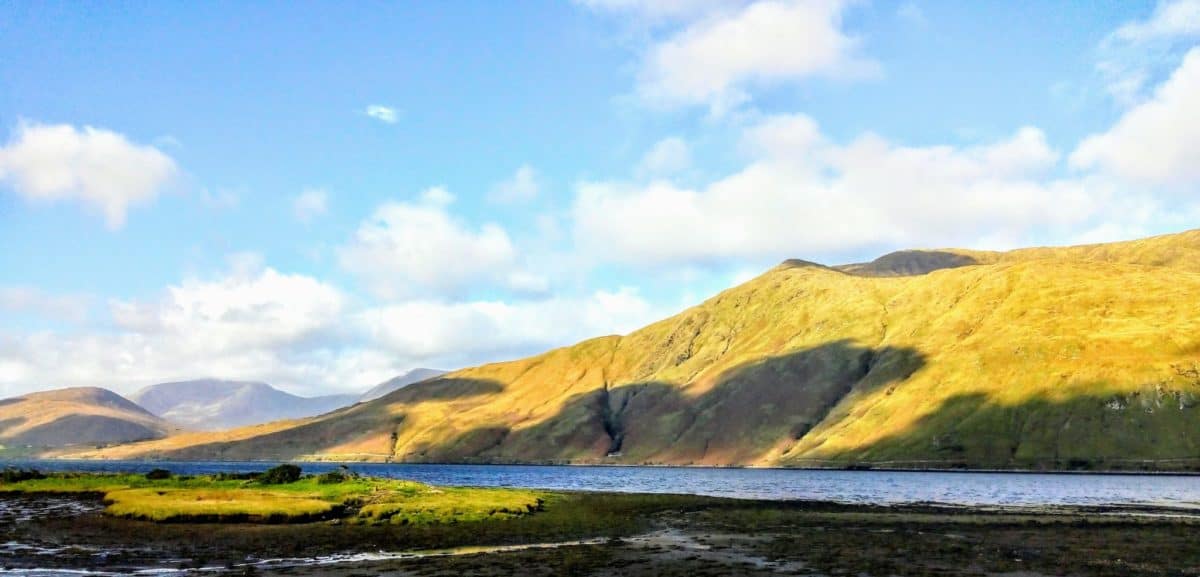
Killary Fjord, County Galway
Killary Harbour extends 16km (10 miles) inland from the Wild Atlantic Way to its head at Aasleagh, below Aasleagh falls right within the Connemara Loop. The Harbour forms the border between Mayo and Galway and the area certainly contains some of the most spectacular scenery in the Irish west.
Kilmainham Gaol, County Dublin
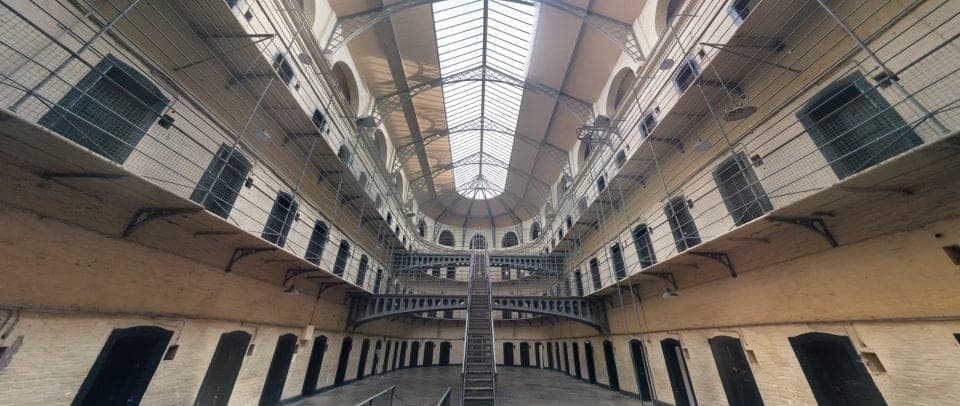
One of Irelands most notorious historical landmarks is Kilmainham Gaol. Opened in 1796 and closed in 1924 Kilmainham is a stark reminder of how the Irish were treated during those times. Today the museum stands as a monument to the civil war and all of Ireland’s rebellions and uprisings. It is a haunting place and a must-see when visiting Ireland.
Knocknarea, County Sligo
The flattish summit of the mountain Knocknarea Sligo is topped by the massive Queen Maeve’s Cairn, The ancient stone cairn looms over Sligo town. From the parking lot, it is a walk up a neat path and it takes around 40 to 45 minutes to reach Queen Maeve’s Cairn. The cairn is about 10 meters high and is visible for miles around.

Kylemore Abbey, County Galway
One of the most famous landmarks in Ireland is Kylemore Abbey that was built for love – the love of Dr Mitchell who built the manor house for his wife Margaret who tragically died young.
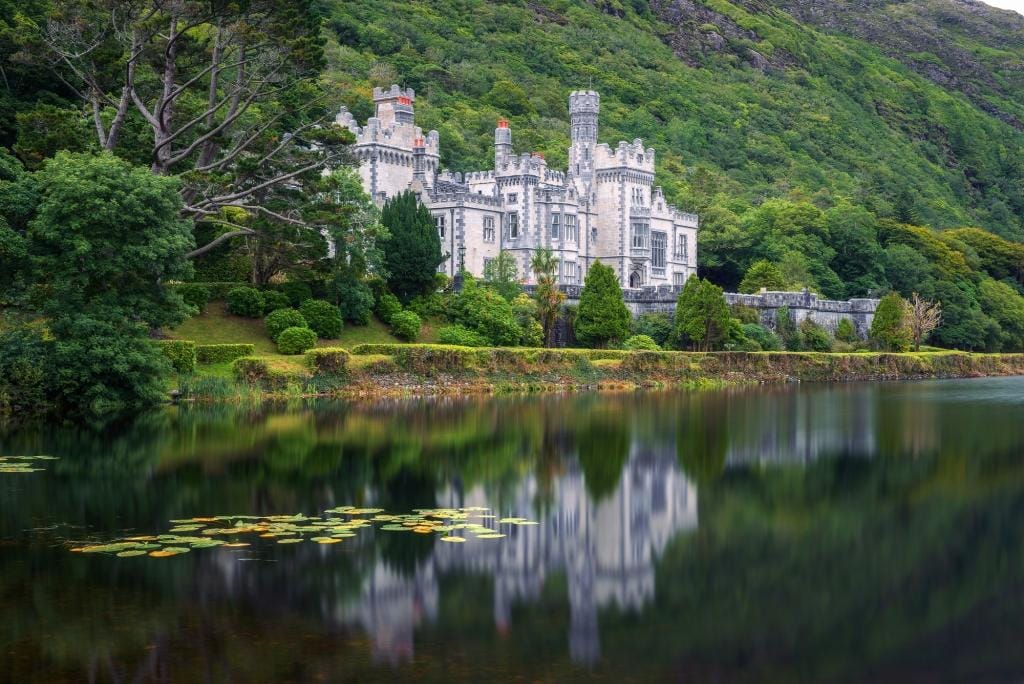
The real highlight of visiting Kylemore Abbey is strolling the 6-acre Victorian Walled Garden. The buildings are beautifully restored and there are woodland walks, gurgling streams, nature trails and play trails for the children.
Hook Lighthouse, County Wexford
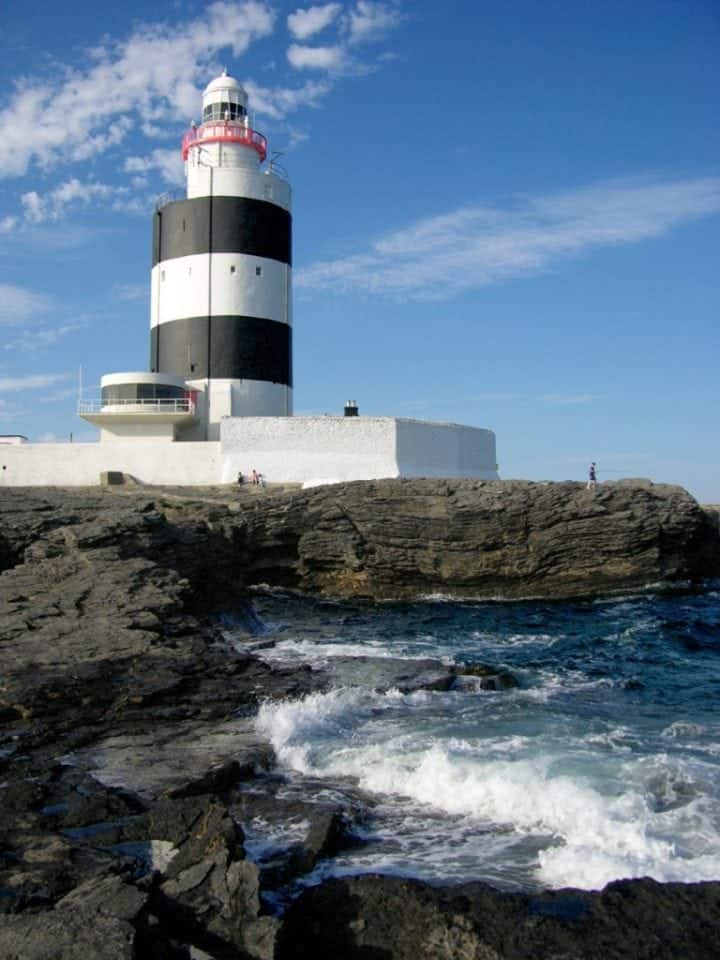
Hook Lighthouse in Wexford is truly one of a kind. Purpose-built 800 years ago by Knight William Marshal, take a step back in time and enjoy a guided tour hearing tales of medieval times and life as a lightkeeper. Take in the spectacular view from the balcony with miles of the sea rolling out before you. Enjoy the visitor centre with a gift shop, art workshop, exhibits and café.
Lisdoonvarna, County Clare
Lisdoonvarna, in North Clare, is Ireland’s premier Spa town and is famous for its music and festival – while it is also perfectly placed for visits to the Burren National Park. Festivals are a feature of ‘Lisdoon’, the two premier ones being the September Festival – one of Europe’s largest singles match-making festival of romance; and the Burren Slow Food Festival.

Malin Head, County Donegal
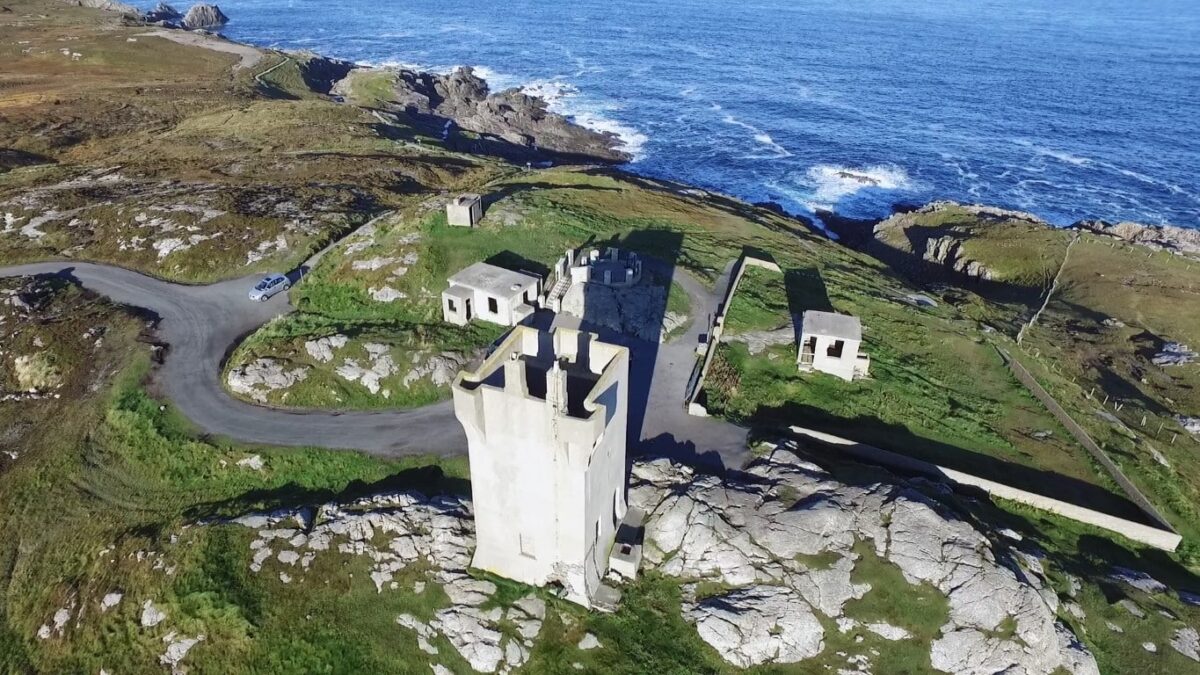
The furthest north you can go in Ireland Malin Head in Donegal is absolutely worth a visit. The landscapes are stunning and if you walk or hike you will be in heaven. When visiting Malin Head you will spot the white stone word “Eire” written on the grass. Recently uncovered these stones date back to WWII it was a beacon for the N. American planes flying supplies into N. Ireland.
Mellifont Abbey, County Louth
Mellifont Abbey is a 12th-century Cistercian abbey with an incredible set of ruins that are quite breathtaking. There is an octagonal lavabo which is an ancient washing place for the monks before meals. The arches are Romanesque and the carvings really detailed. You can hear the river whispering in the background and if you listen carefully you can just imagine the chanting of monks as they went about their daily routines.

Mount Errigal, County Donegal
It’s not Mount Errigal but simply Errigal and it’s close by the Poisoned Glen, Errigal and surrounding areas are within Glenveagh boundaries, and the main entrance lies a 10-minute drive from the Errigal Car Park. The Poisoned Glen lies at the foot of Errigal. The views here are probably some of the most photographed in Ireland. From Lough Dunlewey and the old Church is a photographer’s dream.
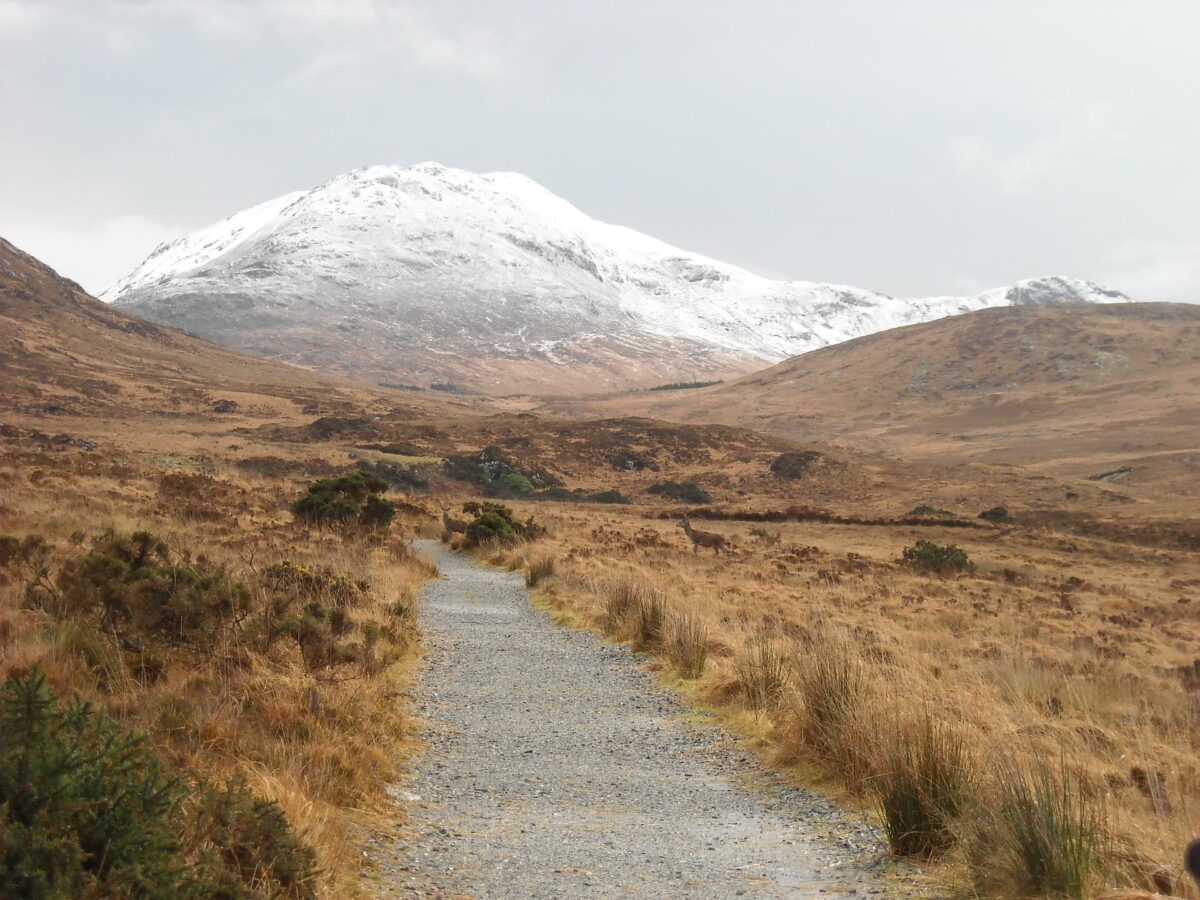
Mizen Head, County Donegal
Mizen Head is Ireland’s most Southwesterly Point and a Signature Discovery Point on the Wild Atlantic Way At the end of the Mizen Peninsula, the cliffs of Mizen Head rise high above the Atlantic Ocean, where the currents meet from the west and south coasts and waves from the mid-Atlantic crash into the land.

Monasterboice, County Louth
Monasterboice is one of Ireland’s historic monastic centres and one of the earliest Christian sites with its round tower, high crosses and its displays of Irish Christianity. Monasterboice is near Drogheda in County Louth. These impressive ruins include a large cemetery, two churches, one of the tallest round towers in Ireland and two of the tallest and best high crosses. Take the time to visit Kells when in the area which is where the famous Book of Kells was found.

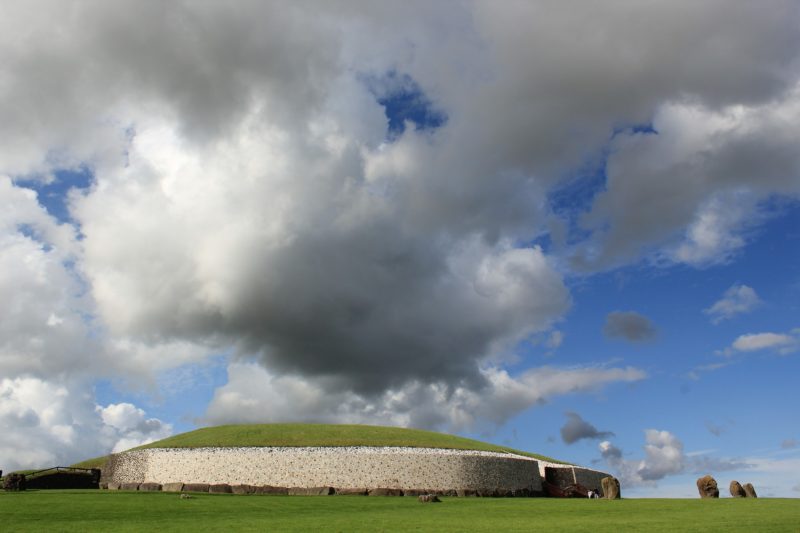
Newgrange – Brú na bóinne, County Meath
Newgrange is a Stone Age (Neolithic) monument in the Boyne Valley, County Meath, it is the jewel in the crown of Ireland’s Ancient East and said to be home of the Kings of Munster. Newgrange is a Neolithic monument that was constructed about 5,200 years ago (3,200 B.C.) which makes it older than Stonehenge and the Great Pyramids of Giza. Newgrange is a large circular mound 85 meters (93 yards) in diameter and 13.5 meters (15 yards) high with a 19 meter (21 yards) stone passageway and chambers inside. Try your hand at the Winter Solstice Lottery and see if you can visit the site during the celebrations.
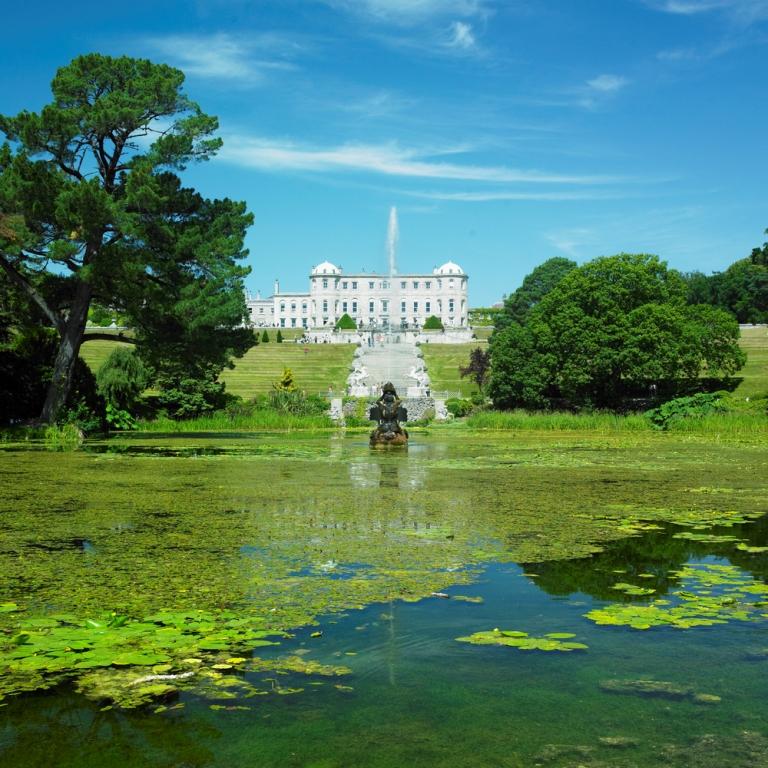
Powerscourt, County Wicklow
One of the must-sees when visiting Ireland is the magnificent Powerscourt House and Gardens. Just south of Dublin in Wicklow, it’s an easy drive and there are many bus tours to the area. The Gardens at Powerscourt are the great attraction of the place. With stunning views of Sugarloaf Mountain, they stretch over 47 acres and offer a breathtaking blend of formal gardens, statuary, fountains, lakes, Japanese gardens, a Pet Cemetery, the Pepperpot Tower, and sweeping terraces, secret hollows and rambling walks.
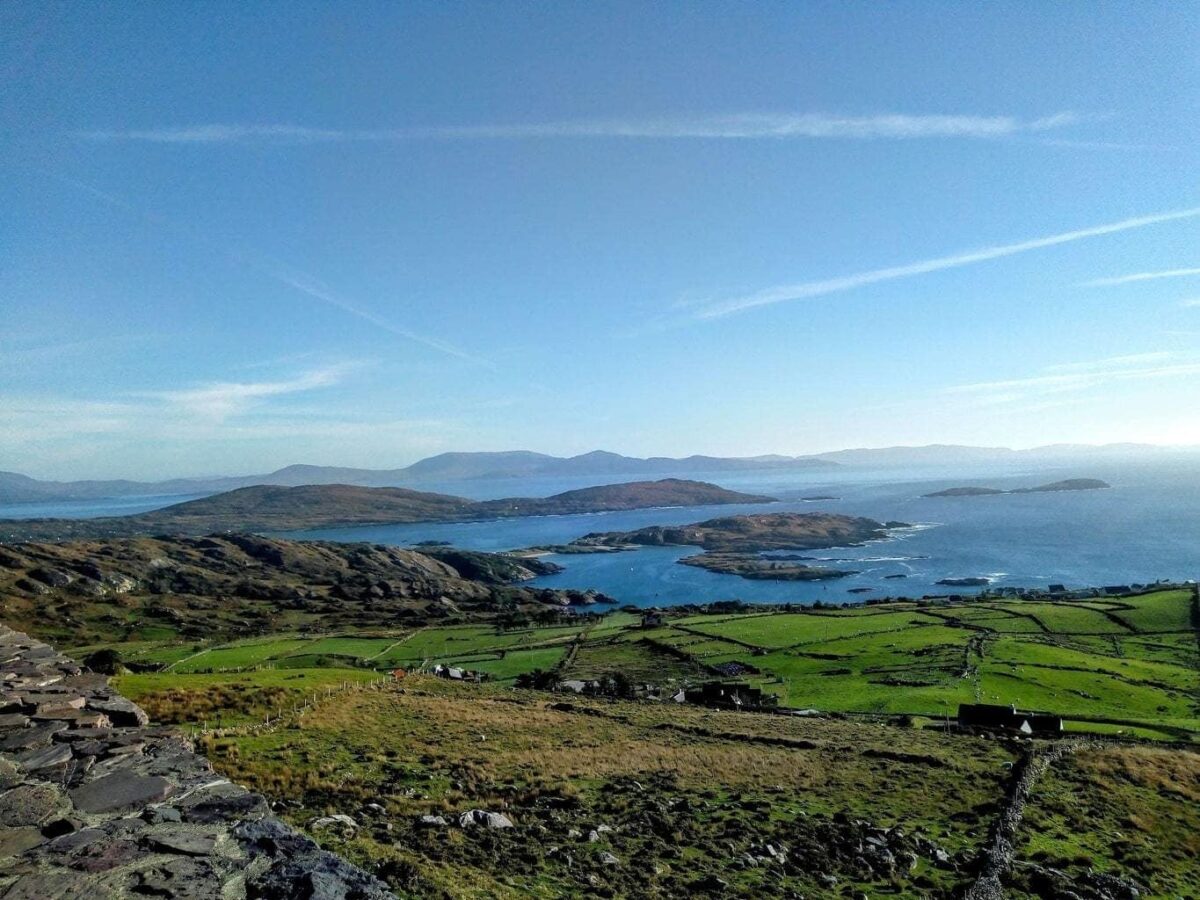
Ring of Kerry, County Kerry
The Ring of Kerry is a scenic drive around the Iveragh Peninsula on the southwestern tip of Ireland on the wild Atlantic way coastal route. Taking you through some of the most breathtaking vistas in Ireland the route is a circular 179 km.
Rock of Cashel, County Tipperary
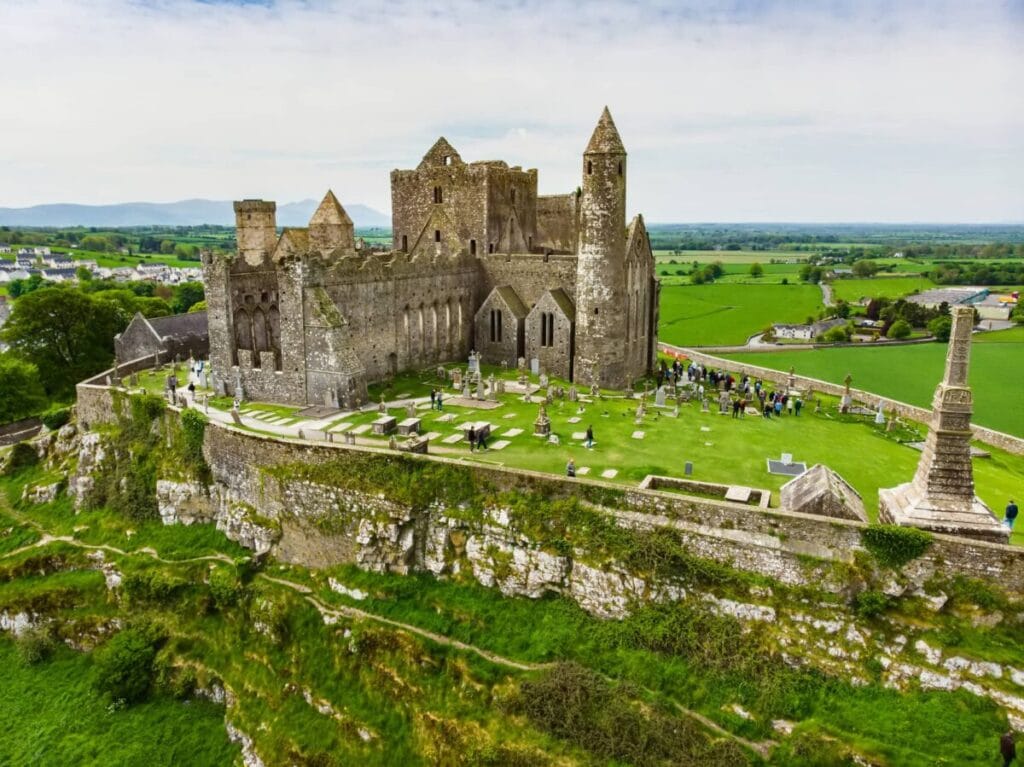
The most famous rock in ireland The Rock rises out of the landscape as you approach as it is placed high on top of limestone outcrops where it oversees the fertile landscape of Tipperary. Stonewalls circle a round tower, a 13th-century Gothic cathedral and an exceptional 12th-century Romanesque chapel containing some of Ireland’s oldest frescoes.
Skellig Michael, County Kerry
Skellig Michael & Small Skellig are major landmarks in Ireland and they lie 13 km from the southwest coast of Valentia Island on the western coast of Ireland. Weather permitting you can head to the Skelligs by way of boat. Over 1400 years ago Skellig Michael became home to a small group of men seeking religious solitude and isolation. This is also the world-famous location of the Star Wars home of Luke Skywalker.

St. Canice’s Cathedral, County Kilkenny
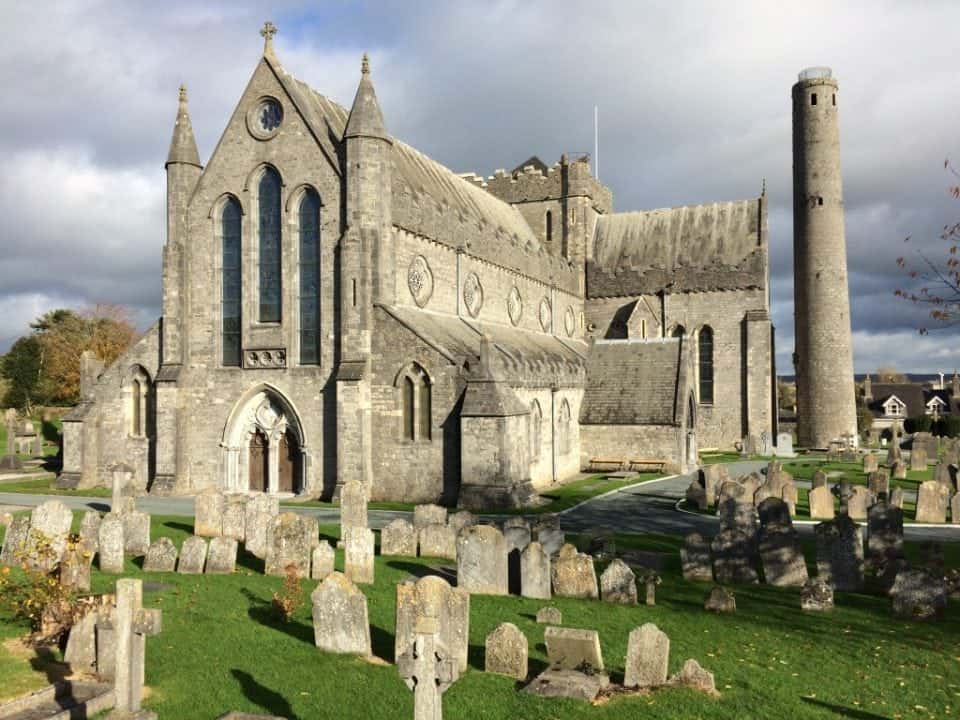
A historic landmark in Ireland St. Canice’s Cathedral in Kilkenny contains some of the finest ancient monuments in Ireland and surprisingly to many is not a Catholic Cathedral but a Church of Ireland building. The Cathedral is one of the most well-known sights in Kilkenny, which was once a Medieval centre of Ireland. The roots of St. Canice’s Cathedral extend back to the 6th century when the Church of St. Canice stood here.
St. Patrick’s Cathedral, County Dublin
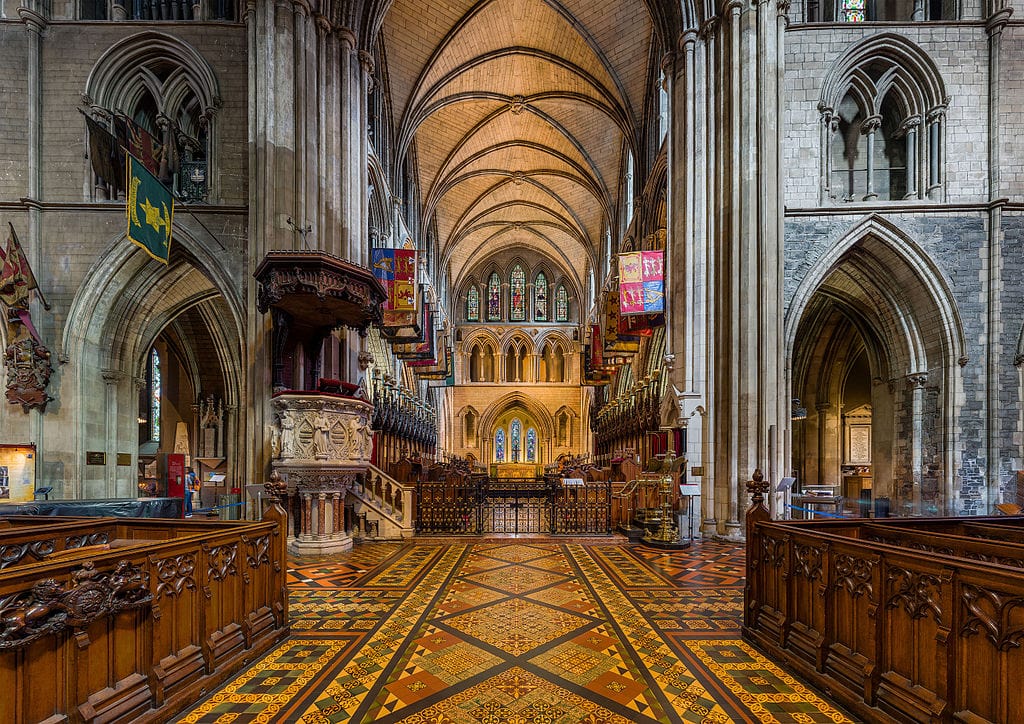
In the heart of Dublin sits Saint Patrick’s Cathedral is the National Cathedral of the Church of Ireland. An 800-year-old building constructed on the site of an ancient well supposedly used by Saint Patrick himself. Major restoration works were carried out in the Cathedral’s Lady Chapel in 2012/2013, allowing visitors to get a glimpse back in time to what the space would originally have looked like. The Cathedral hosts masses daily and at Christmastime, the services are a must-attend.
St. Peter’s Tin Church, County Monaghan
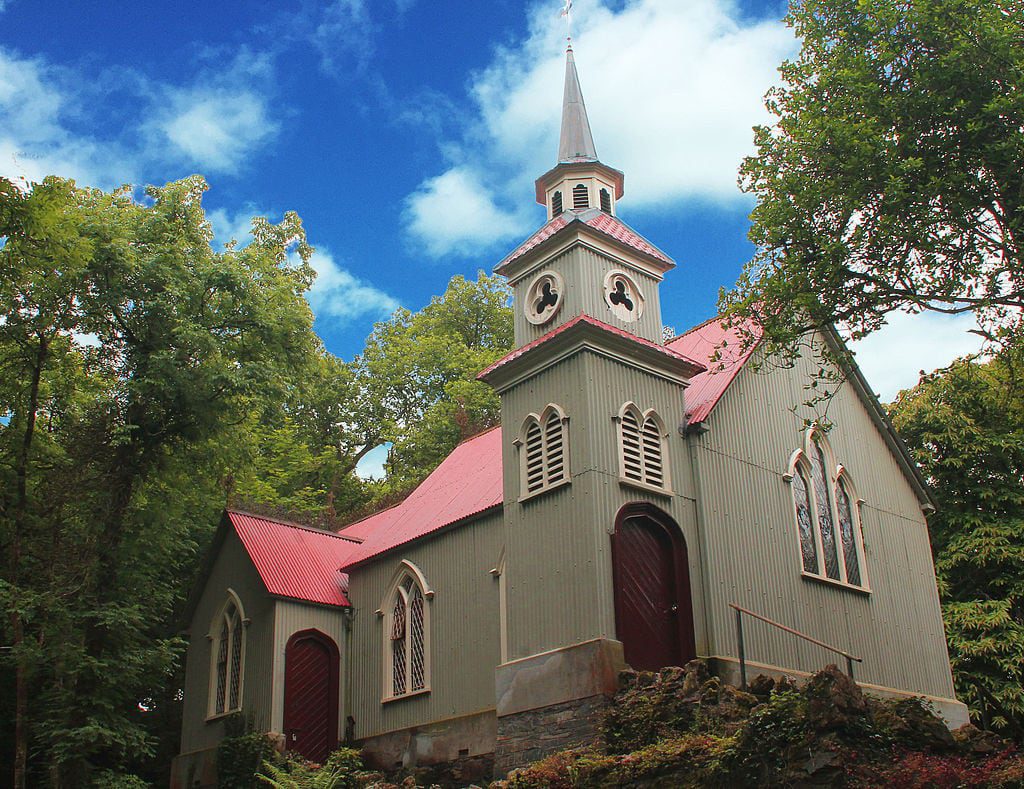
It is said that the beautiful Tin Church in Laragh County Monaghan was a gift from the mill owner James McKean to his wife after their honeymoon in Switzerland where she saw and fell in love with it. Built of tin the Church sits on a rock in a beautiful woodland setting. It is part of Ireland’s irreplaceable built heritage and was listed as a Building of National Importance by National Inventory of Architectural Heritage in 2014
St. Valentine’s memorial, County Dublin
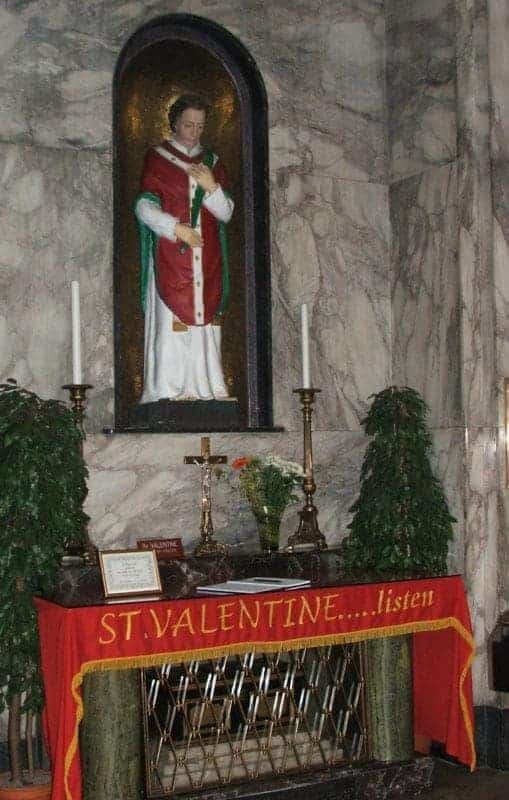
Whitefriar Street Church Dublin holds the remains of St. Valentine the casket sits beneath the marble altar in a niche which is protected by an ornate iron and glass gate. Above the altar stands the life-sized statue of the saint set into a marble mosaic alcove. The casket is wooden and on top bears the papal coat of arms of Gregory XVI along with two large gold plates which have the letter of Cardinal Odescalchi inscribed in English upon them. Between these two plates and beneath the papal crest is a smaller plate with the inscription: This shrine contains the sacred body of Saint Valentinus the Martyr, together with a small vessel tinged with his blood.
Stone Circles, across the country
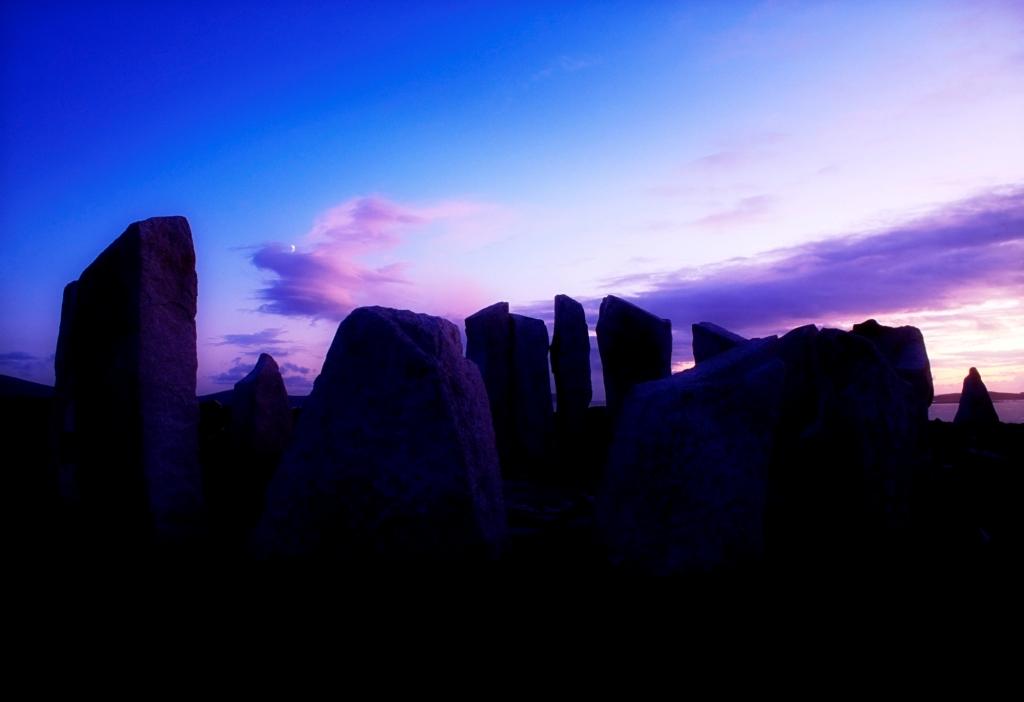
Ireland’s winding lanes and ancient roads can lead to incredible ancient monuments from the Stone Age onwards. Shrouded in mystery and kept safe by legends these ancient monuments are a source of intrigue for both the Irish and the tourists. Found all over Ireland and dating back tens of thousands of years Irish stone circles tend to be much smaller than places than stone circles found in Britain. Many are on private land and can be difficult to find and hard to get to.
Sugar Loaf Mountain, County Wicklow
Great Sugar Loaf Mountain dominates the skyline as you drive south from Dublin into Wicklow. These unique mountains stand apart from the rest of the upland and are instantly recognisable by their conical shape. The shape is what gave the mountain its name as back in the day sugar came in a cone that had to be scraped off to be used in a cup of tea.
Hill of Tara, County Meath
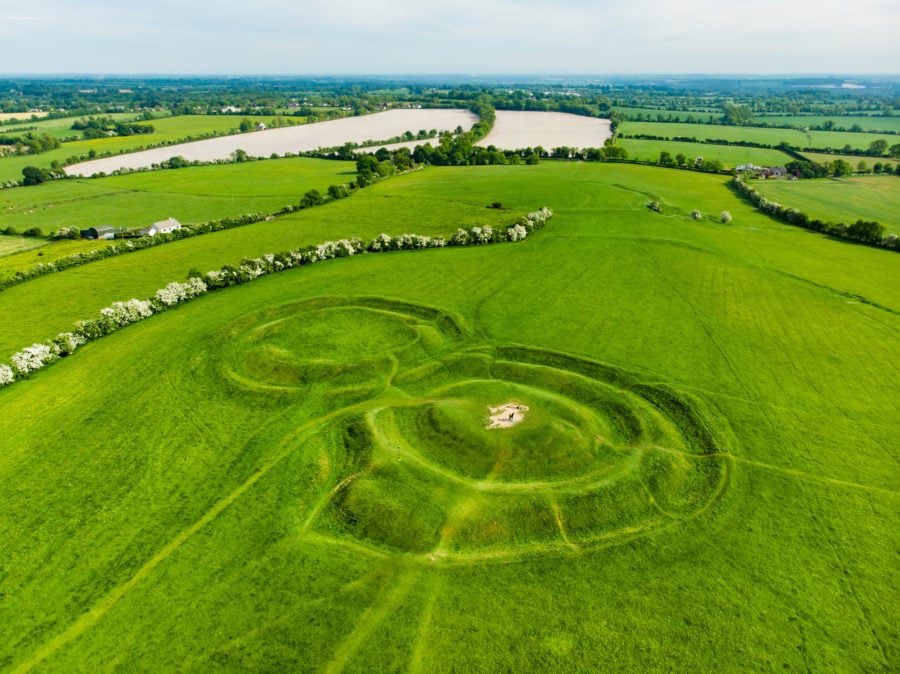
One of the most revered and ancient historical sites in Ireland is Tara the ancient Irish seat of the High Kings in County Meath. It is a huge site that is continually being investigated archaeologically. Tara encompassed the Rath of the Synods, The Mound of the Hostages and the Stone of Destiny or the Lia Fáil. This is one of the top attractions in Ireland.
The Burren, County Clare
The Burren is a surreal landscape in County Clare full of the myths and legends of Ireland and is a truly unique landmark in Ireland worth visiting. Discover the glorious UNESCO Burren and see the magic hidden inside this glorious landscape.
The name Burren means “great rock” Boireann is Irish Gaelic. Located in Northwestern County Clare it covers between 250 square kilometres (97 sq mi) and 560 square kilometres (220 sq mi).

Trinity College, County Dublin
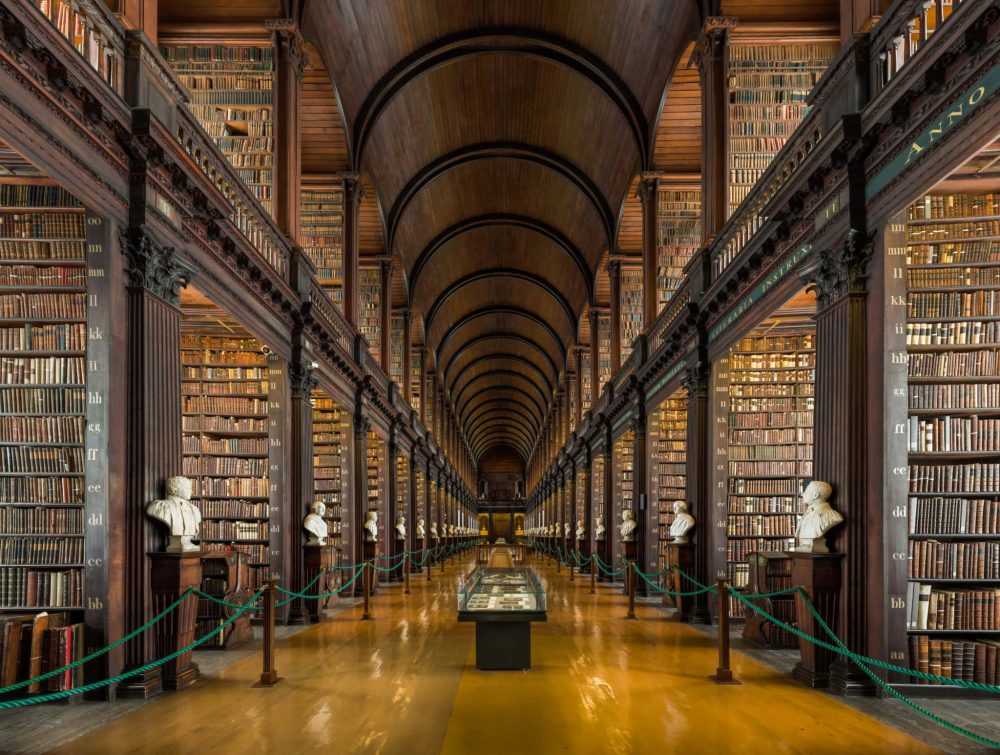
Check out this landmark in Dublin Ireland Trinity College is the oldest university in Ireland and one of the oldest in Europe and it holds Ireland’s greatest treasure the Book of Kells. Take a tour of the old library and pick up some quintessential Irish gifts in the bookshop. You can book tickets online but keep in mind the pages are turned every day and you may not see some of the most beautiful illustrated pages and the lineups are immense.
Tory Island, County Donegal
Just off the coast of County Donegal near Dunfanghy lies Tory Island. A place steeped in myth and majestic landscapes. If you’re planning a trip to this magical island, be aware that ferries travel daily from the mainland between April and October, and five times a week during the rest of the year.
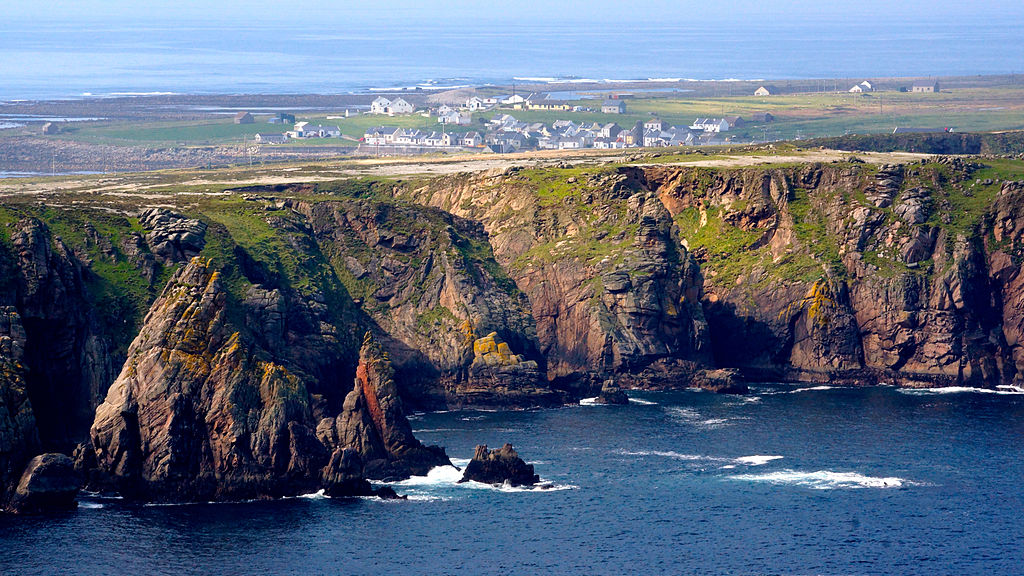
Valentia Island, County Kerry
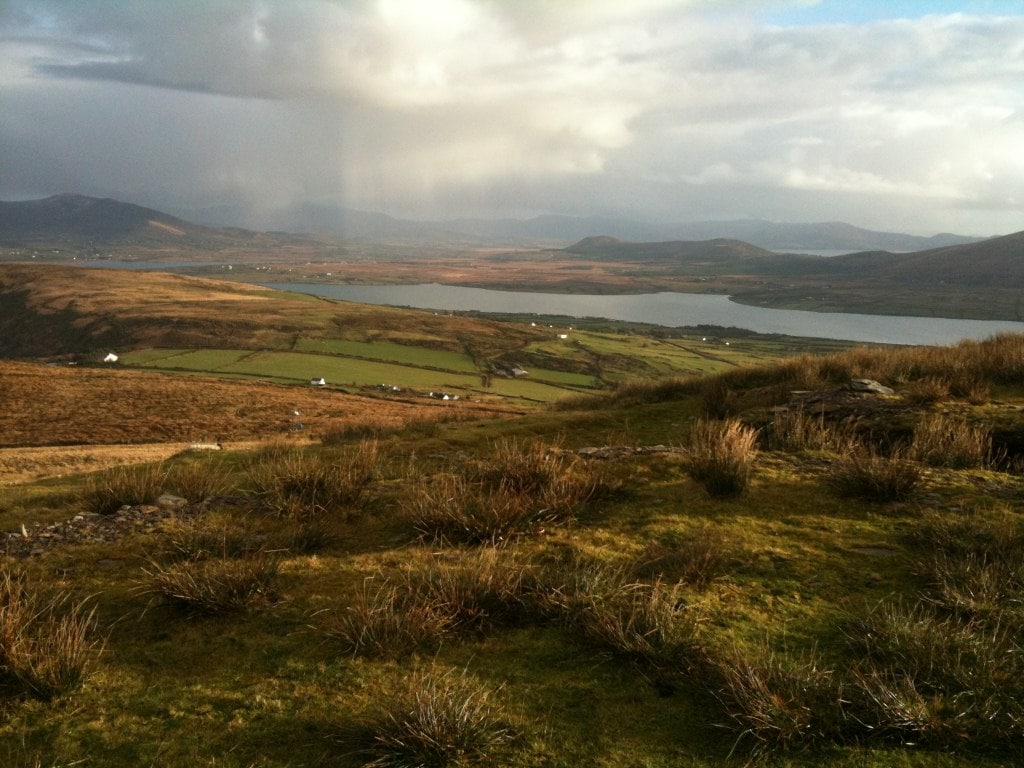
Located on the Skellig Coast in the Southern Peninsulas of the Wild Atlantic Way adjacent to the Ring of Kerry, Valentia Island is still one of Ireland’s best-kept secrets. Valentia Island is scattered with ancient Cairns Dolmens, Wedge tombs, Standing Stones, Ogham Stones, a promontory fort, remains of churches, numerous beehive huts and the Tetrapod Tracks.
In 1844, an experiment took place from Valentia Island actually measuring distance physically in conjunction with time to Greenwich in England. This marked out the lines of Longitude. Then in 1862, because Valentia Island was connected by telegraph to the mainland, a different experiment took place to confirm the readings from 1844. The second experiment used an instrument called an Altazamuth (the actual instrument is housed at the observatory in Greenwich).
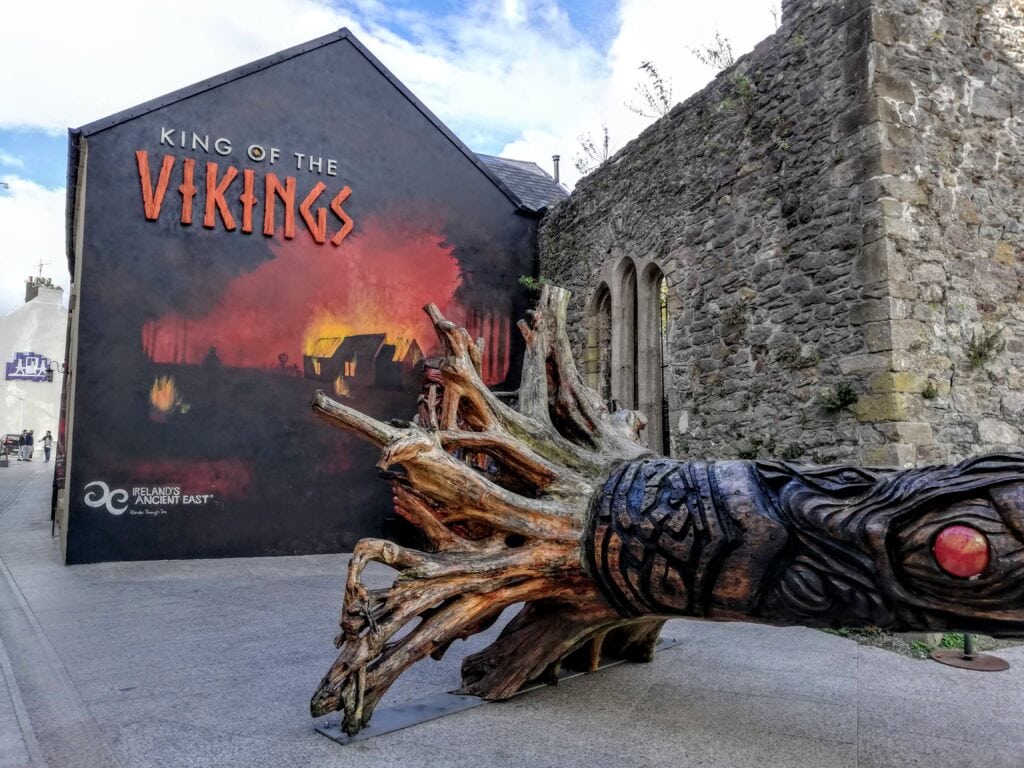
Viking Triangle, County Waterford
Waterford was founded by the Vikings around 1000 years ago and today it boasts the largest collection of medieval walls and defensive towers. Reginald’s Tower is found at the highest point of the Viking Triangle, you can’t miss it as there is usually a Viking Boat just in front of the Tower. Inside you will find Ireland’s most comprehensive Viking exhibition that includes grave finds from a Warrior’s tomb. You can see the Waterford Kite Brooch, weapons and much more.
Wicklow Mountains & Sally Gap, County Wicklow
The Wicklow Mountains National Park covers over 20,000 hectares of stunning scenery and mountain hikes. The park includes the incredible historic valley of Glendalough and its historic legacy. The Sally Gap mountain pass is one of the two passes that meander through the Wicklow Mountains.

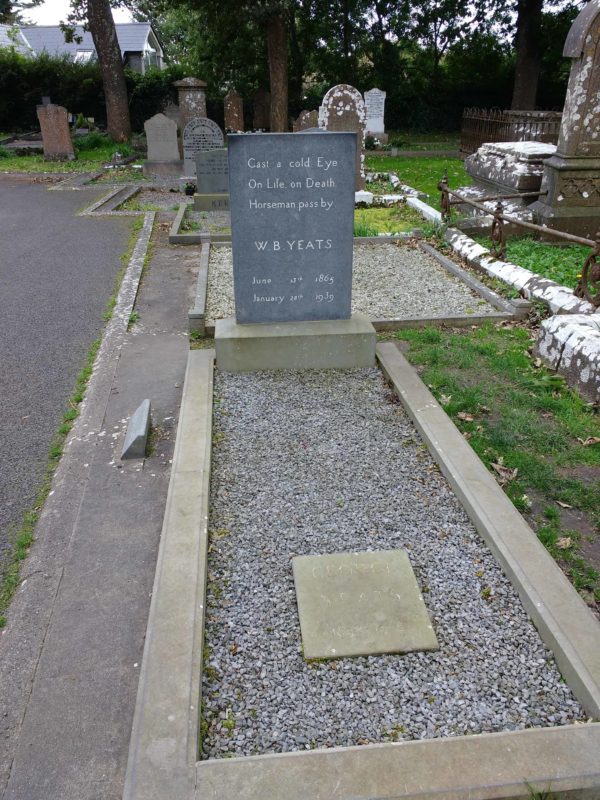
Yeat’s Grave, County Sligo
“tread softly, for you tread on my dreams”
Yeats was laid to rest in 1948 under the shadow of Ben Bulben Mountain in Drumcliffe, Cemetery County Sligo. An unassuming grave holds his remains in St. Columba’s Church.
There you have it 101 Irish landmarks to visit or add to your Irish bucket list. Keep in mind this isn’t a definitive list as there are thousands of places to see and visit in Ireland so hopefully, this will help you create your Irish bucket list before you visit.
And here are a few more articles to encourage you to explore Ireland.
101 Landmarks in Northern Ireland
Ultimate Wild Atlantic Way Route
Ireland’s Ancient East – an epic road trip
Rough & Rugged Glencolmcille Ireland 5000 years of history
Cliffs of Slieve League the magnificent sea cliffs of Donegal
33 of the most fabulous Hotel Castles to stay in Ireland
A Traditional Irish Breakfast – the lush full Irish breakfast
27 Things to do in Galway in 2 days