
Belfast Travel Guide: Things to Do, Food and Where to Stay
Belfast, the capital of Northern Ireland, is a compact, walkable city best known for Titanic Belfast, the Peace Walls and political murals of Falls and Shankill Roads, the Cathedral Quarter, and St. George’s Market. The currency is British pounds sterling, not euros. Most central attractions are within 15 minutes of each other on foot. This guide covers every major sight, hidden gem, accessible route, parking option, and current price, written by someone who has visited every single place listed here more than once.

I may be a Coleraine-born Derry girl at heart, but Belfast, the city I have been visiting for decades, has always felt like a brash, complicated cousin. Its shipyard grit, black-taxi wit, and great craic remind me of home, yet there is something distinctly its own in how it wears history: the Titanic Quarter’s gleaming museum sits just a stone’s throw from weathered pubs where the walls still hum with Troubles-era ballads.
Now in my sixties, I see a city that has grown wiser but refuses to be polished. The hills are steep and the cobbles uneven, and I have learned to plot my routes carefully as a mobility-challenged traveller. But that is Belfast being unapologetically real, rewarding those who meet it on its own terms.
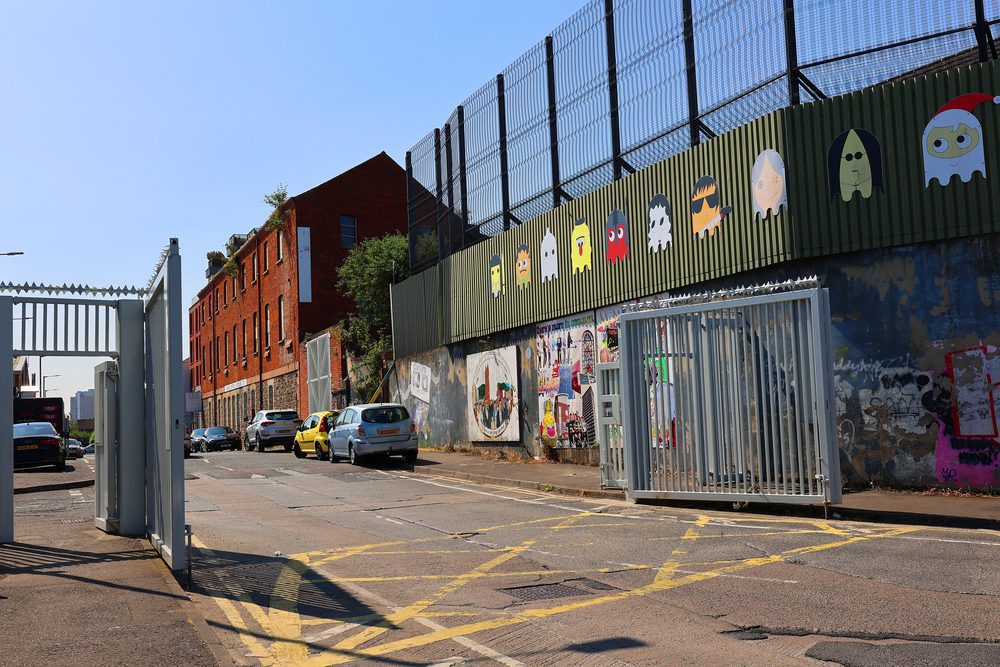
The last time I brought a friend from Toronto on a black taxi tour, her driver had lost his brother during the Troubles. He spent nearly twenty minutes at the Peace Wall without speaking before he could explain what he was looking at. That silence told her more about Belfast than anything I could have written. It is why I keep bringing people here.
This Belfast travel guide covers every major attraction, hidden gem, accessible route, parking option, and current price. Use it to choose the sights that interest you and build your personal Belfast itinerary. Many visitors combine a visit to Belfast with a wider Northern Ireland road trip, particularly between Belfast, Derry, and the Causeway Coastal Route. You can also read about the level of accessibility in Northern Ireland here.
- Belfast Travel Guide: Things to Do, Food and Where to Stay
- Top 5 Must-See in Belfast – your Belfast Travel Guide
- Understanding Belfast: A Brief History for Visitors
- Getting Around Belfast: Transport, Parking, and Accessibility
- The Titanic Quarter: Belfast's Maritime Legacy
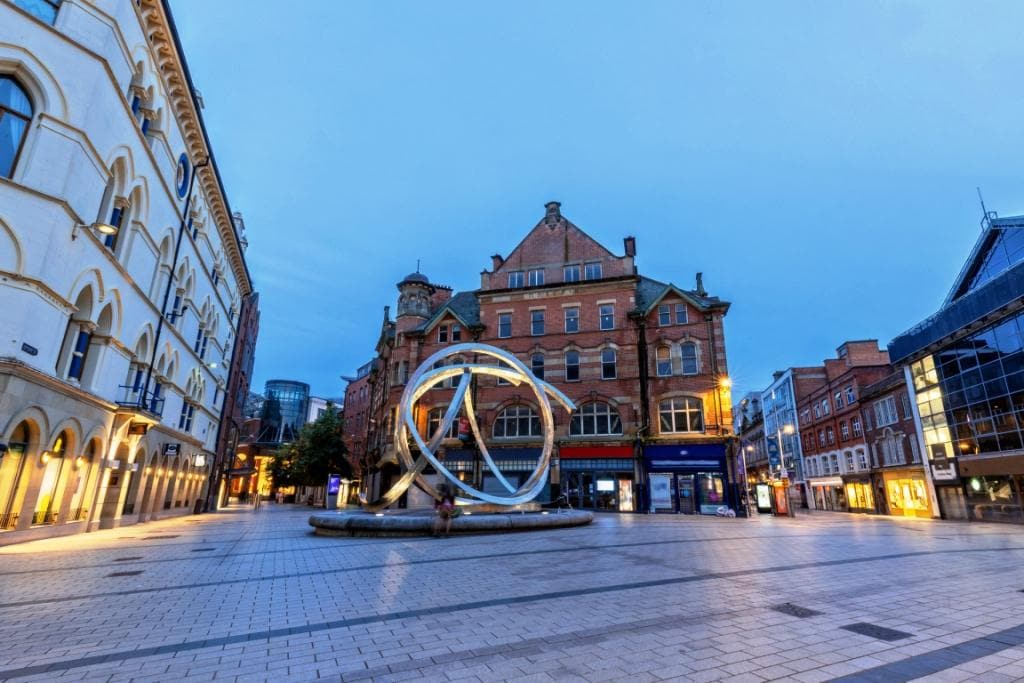
- Belfast City Centre: Historic Buildings and Markets
- The Cathedral Quarter: Belfast's Creative and Social Heart
- Belfast's Murals, Peace Walls, and Political Landmarks
- Belfast's Street Art, Public Sculptures, and the Glass of Thrones Trail
- Parks and Green Spaces in and Around Belfast
- The University Quarter: Culture, Coffee, and Queen's
- Belfast Food Scene: Markets, Pubs, and Michelin Stars
- Game of Thrones in and Around Belfast
- Guided Tours of Belfast
- Things to Do in Belfast with Children
- Belfast Hidden Gems: What Locals Actually Love
- Where to Stay in Belfast: Accommodation for Every Budget
- Belfast Through the Seasons: Best Times to Visit and Key Events
- Easy Day Trips from Belfast
- How to Plan Your Visit to Belfast: Step by Step
- Essential Practical Information for Visiting Belfast
- Things to Do in Belfast – what sets it apart
- Frequently Asked Questions: Things to Do in Belfast
- Start Planning your Belfast City and visit to Ireland holidays
Top 5 Must-See in Belfast – your Belfast Travel Guide
These five experiences give you Belfast’s soul: its industry, its struggle, its creativity, and its remarkable resilience. Start here, then let the city surprise you.
- Titanic Belfast – The world-class museum where the city’s shipbuilding legacy comes alive. Walk reconstructed decks, experience the dark ride-style Shipyard Experience, and discover the real, un-Hollywood story of the doomed liner. titanicbelfast.com
- Crumlin Road Gaol – A chilling Belfast city break essential. This Victorian prison held suffragettes, hunger strikers, and Troubles-era prisoners. The tunnel to the courthouse still stops visitors in their tracks. crumlinroadgaol.com
- St. George’s Market – Belfast’s belly since 1890. Follow your nose to dulse butter, fresh-baked fifteens, locally caught oysters, and the legendary Belfast Bap.
- Peace Walls and Political Murals – The living canvas of Belfast’s history. Falls Road and Shankill Road’s towering artworks are best seen on a black taxi tour led by someone who lived through the conflict.
- Cathedral Quarter – Where Belfast comes to play. Cobbled lanes, whiskey bars, traditional music, and the Duke of York pub where Van Morrison once held court.

Understanding Belfast: A Brief History for Visitors
Belfast’s modern history is shaped by the Good Friday Agreement, signed on 10 April 1998, which ended three decades of conflict by establishing power-sharing between unionist and nationalist communities in Northern Ireland. Understanding this agreement unlocks deeper meaning in everything you see in the city, from Stormont’s marble halls to the murals of the Falls and Shankill Roads.
The agreement spurred economic renewal that made landmarks like Titanic Belfast possible, and created a tourism industry where former paramilitaries now work as Troubles tour guides. Its delicate balance remains tested, particularly after Brexit, making it not just history but a living framework that still shapes daily life in Northern Ireland. When you visit Belfast today, you are visiting a city in the middle of its own story, not at the end of it.

Getting Around Belfast: Transport, Parking, and Accessibility
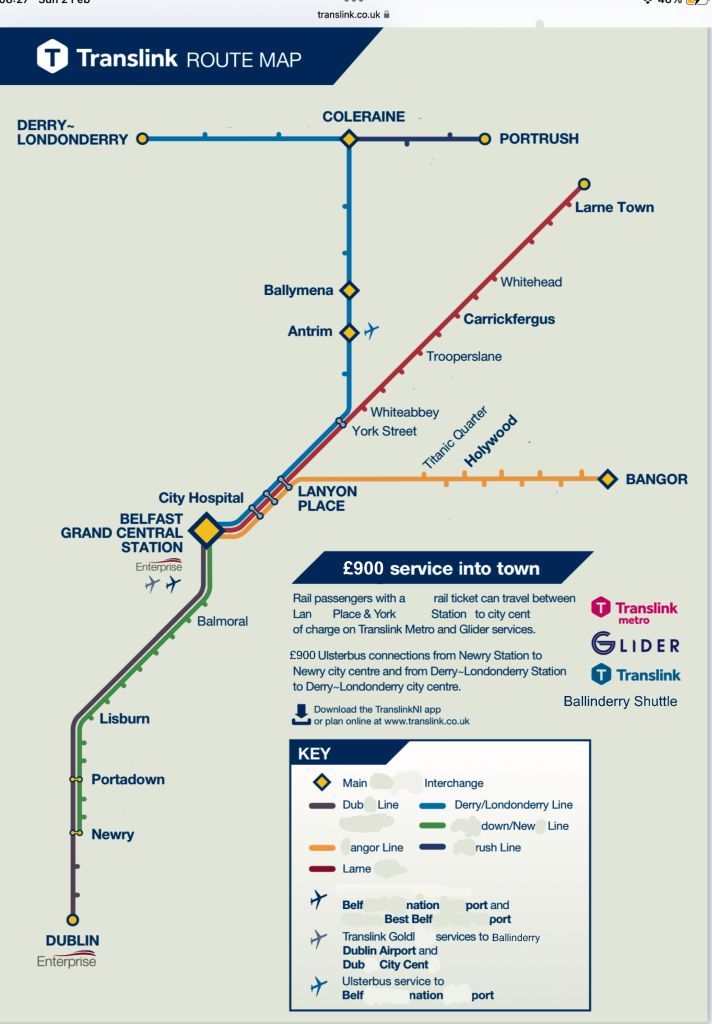
Belfast is one of the most walkable capital cities in the UK and Ireland, with most central attractions within 15 minutes of each other on foot. Two airports serve the city: George Best Belfast City Airport (5 minutes from the centre) and Belfast International Airport (30 minutes by car or shuttle). Regular Translink buses connect both to the Europa Bus Centre.
Public Transport
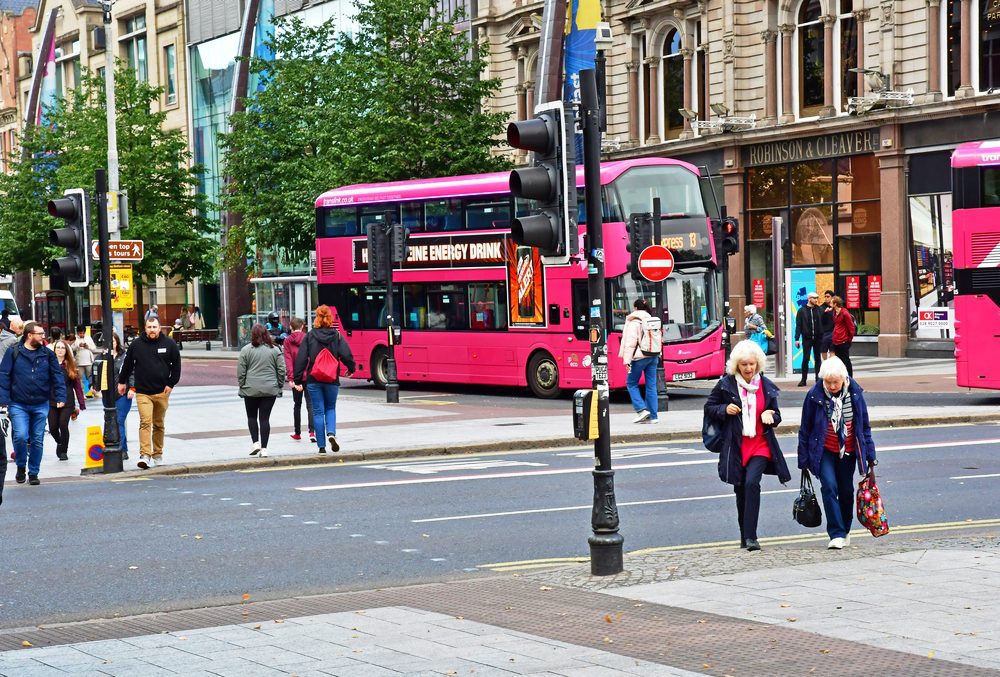
The Belfast Glider rapid transit route and Translink Metro buses cover the main corridors. A Translink day ticket gives unlimited travel and is excellent value for a Belfast city break. FonaCAB is the recommended local taxi company, with accessible vehicles available on request. Belfast Bikes, the city’s bike-share scheme, has docking stations throughout the centre; the first 30 minutes are free.
Parking
Major multi-storey car parks: Victoria Square, Castle Court, and the Titanic Quarter. Blue Badge holders park in disabled bays free of charge for unlimited time in Northern Ireland. Titanic Belfast has 14 dedicated accessible spaces directly beside the main entrance. Cathedral Quarter car park on Queen Street is the best base for the historic entries, Cathedral Quarter pubs, and the MAC. May Street car park sits directly opposite St. George’s Market.
Personal Note: Check the timing on the closing of parking lots – I learned this the hardway and got my car locked in on a Sunday night.
Accessibility
Most major Belfast attractions have level access and lifts. The cobbled streets of the Cathedral Quarter and the historic entries are the main challenge for wheelchair users and those with walking difficulties. The Titanic Quarter is largely flat and highly accessible. Always check individual venue websites, as facilities vary. Black Taxi Tours require 24 hours’ advance notice for an accessible vehicle.

The Titanic Quarter: Belfast’s Maritime Legacy
The Titanic Quarter is Belfast’s restored shipbuilding district on the River Lagan, home to Titanic Belfast, the SS Nomadic, and the Maritime Mile waterfront walk connecting the city’s main maritime landmarks.
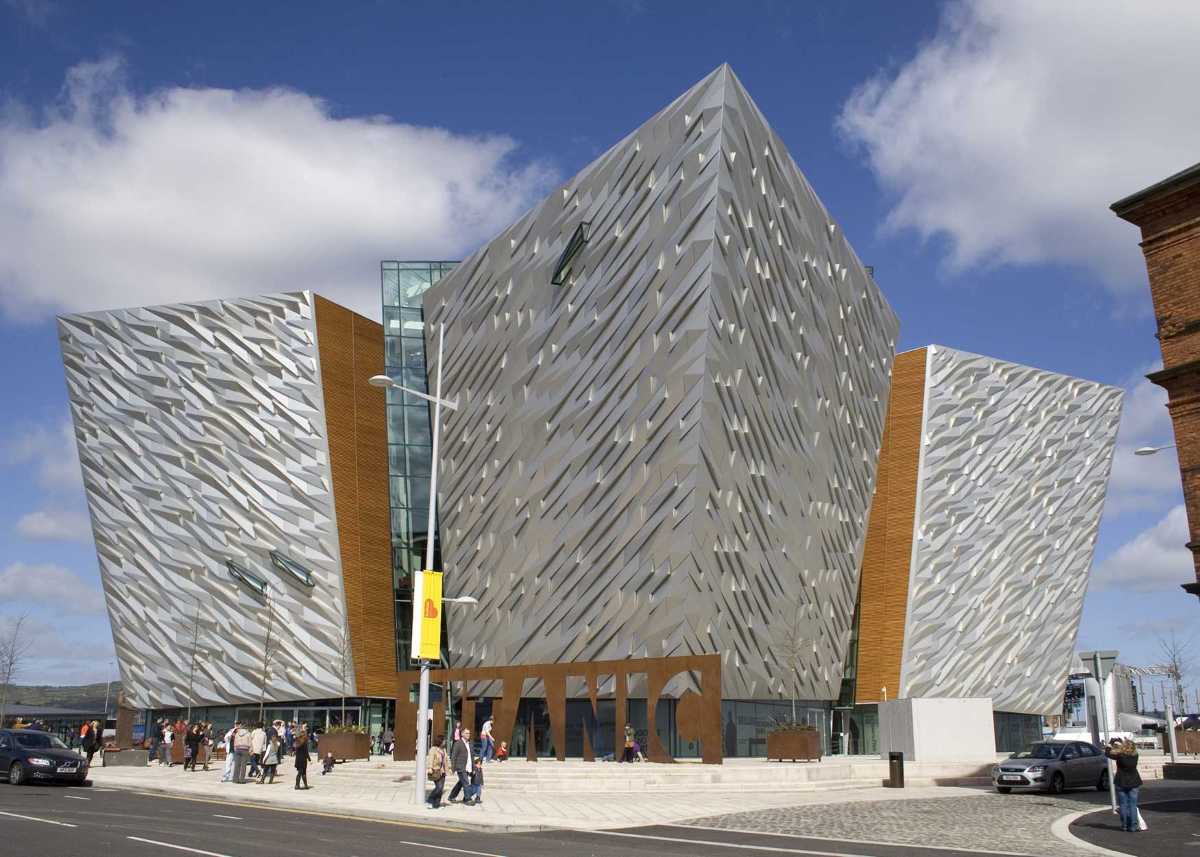
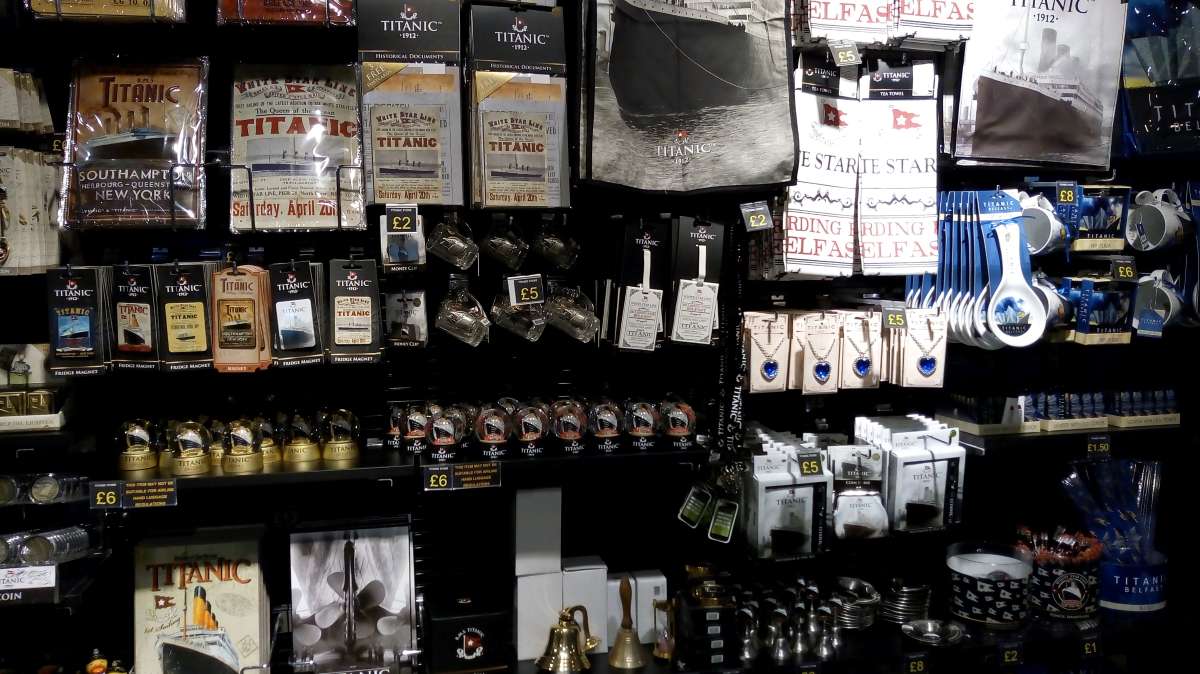
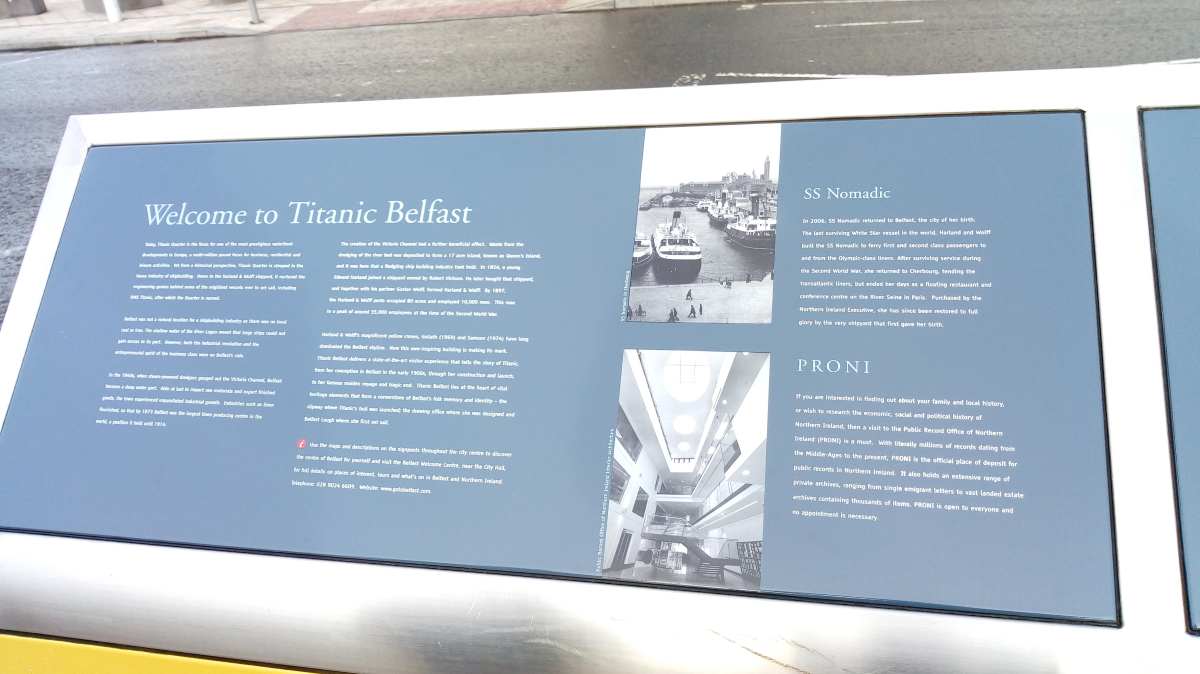
Titanic Belfast is the city’s most visited attraction, housed in a striking building designed to resemble four ship bows, with its height matching the 38-metre hull of the Titanic itself. Ten interactive galleries trace the ship’s story from conception to the seabed, including a dark ride-style Shipyard Experience and full-scale deck reconstructions. It was named the World’s Leading Tourist Attraction at the World Travel Awards.
Ticket prices (online, verified June 2026): Adult £24.95, Child (5-15) £11.00, Family Pass (2 adults, 2 children) £62.00, under-5s free, essential carers free. An Early Riser offer (March to October) brings adult tickets to £19.95 for the 8:30am to 9:50am slots. A temporary UK Government VAT reduction runs 25 June to 1 September 2026, reducing prices further. Walk-up prices are higher. Always book in advance at titanicbelfast.com, especially in summer.
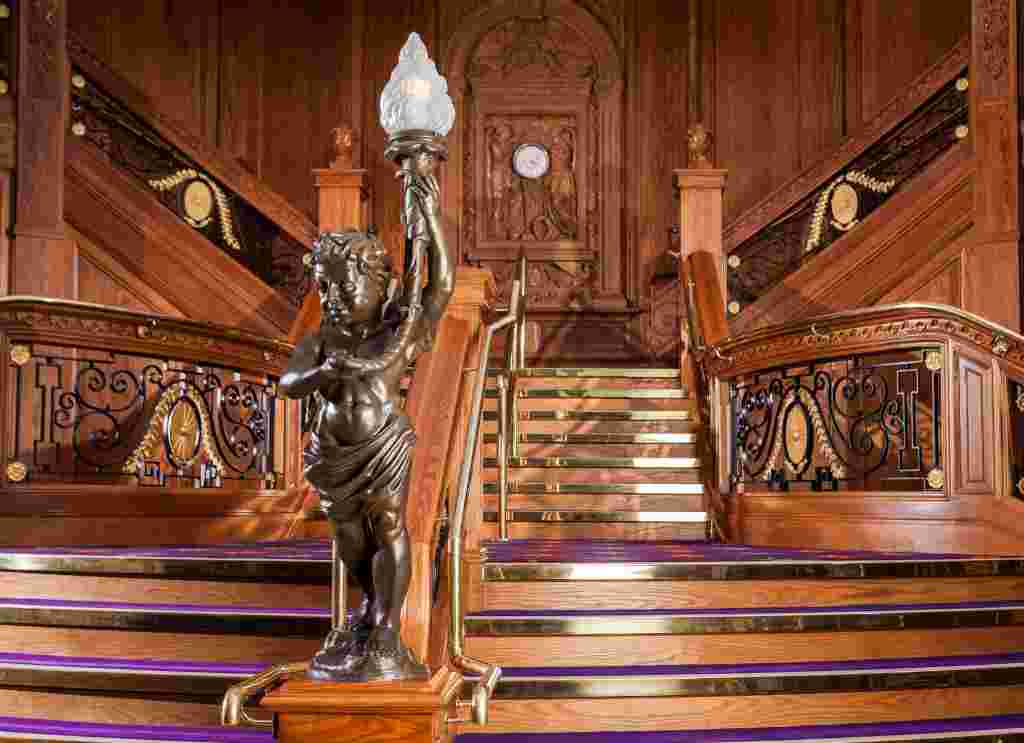

Allow two to three hours for the galleries. Your ticket includes SS Nomadic, the last surviving White Star Line vessel, moored in Hamilton Dock; allow an extra 30 to 45 minutes for her. If you have any mobility challenges, the Wee Tram (approximately £6, hop-on hop-off every 30 minutes) circles the Maritime Mile and removes the need to cover the waterfront entirely on foot.
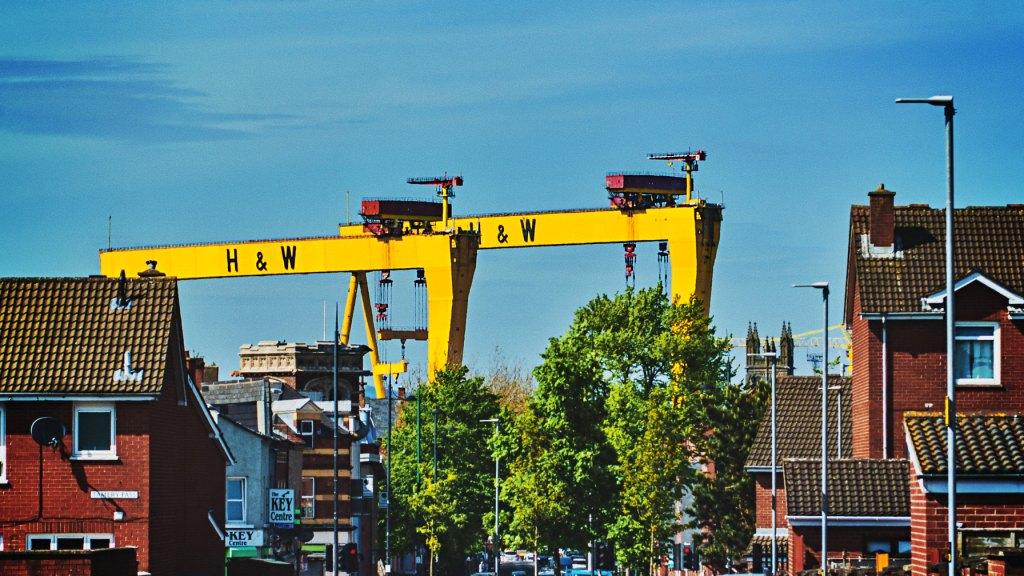
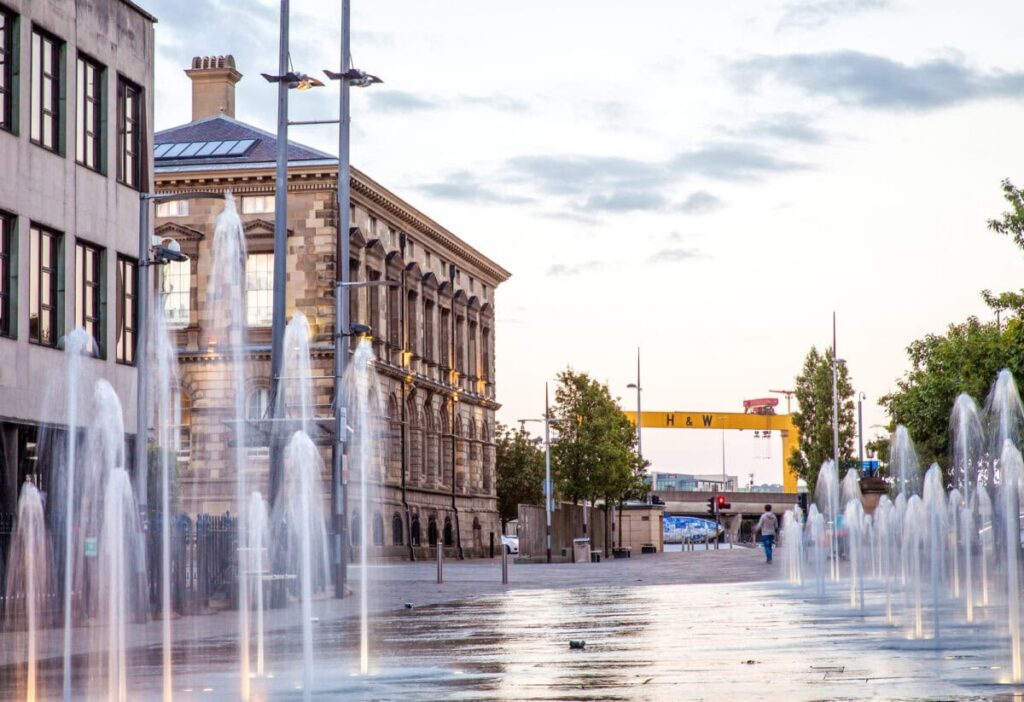
The iconic yellow Samson and Goliath cranes of the former Harland and Wolff shipyard dominate the skyline above the quarter. The Titanic Hotel Belfast, in the former Harland and Wolff Drawing Offices where the liner was designed, is worth visiting the Art Deco bar even if you are not staying. The Titanic Dock and Pump House, the 415-foot dry dock where the Titanic was fitted out, can also be explored nearby.
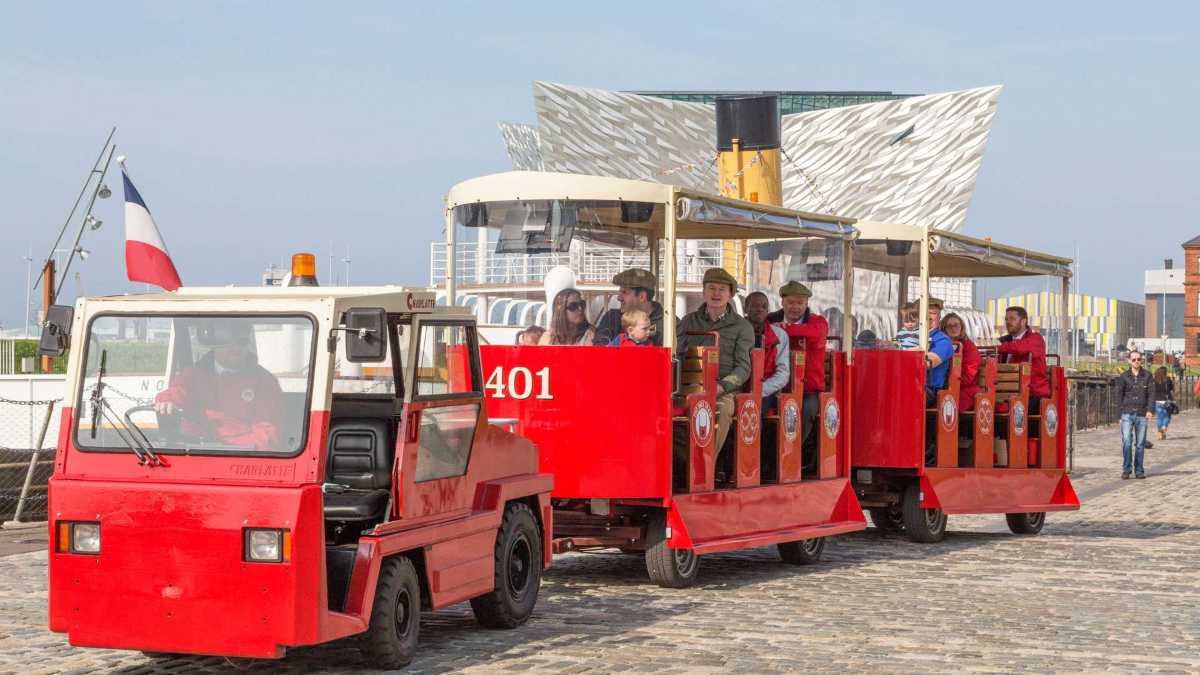
Parking: Dedicated car park at Titanic Belfast with 14 accessible spaces at the main entrance. Nearest Translink Glider stop: Queen’s Road.
Personal Note: I’m not really a fan of the Titanic Centre, the cafes are overpriced and the displays are mostly computer generated interactive ones. Having said that my kids loved it.
Belfast City Centre: Historic Buildings and Markets
Belfast City Hall
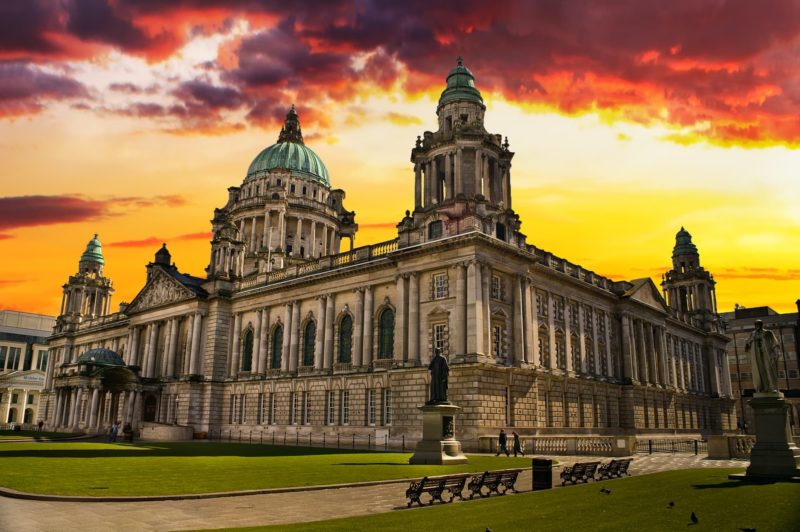
Belfast City Hall, the copper-domed Edwardian Baroque landmark on Donegall Square, is the symbolic and geographic heart of the Belfast city break experience. Free guided tours run at 11am and 2pm Monday to Friday; the accessible entrance is on the east side. Inside: Titanic memorials, a marble staircase, the historic Council Chamber, and more than a century of civic history. The grounds host Belfast’s beloved Christmas Market each November and December, one of the best in Ireland and the UK. Parking: Q-Park Victoria Square, five minutes’ walk.


Crumlin Road Gaol
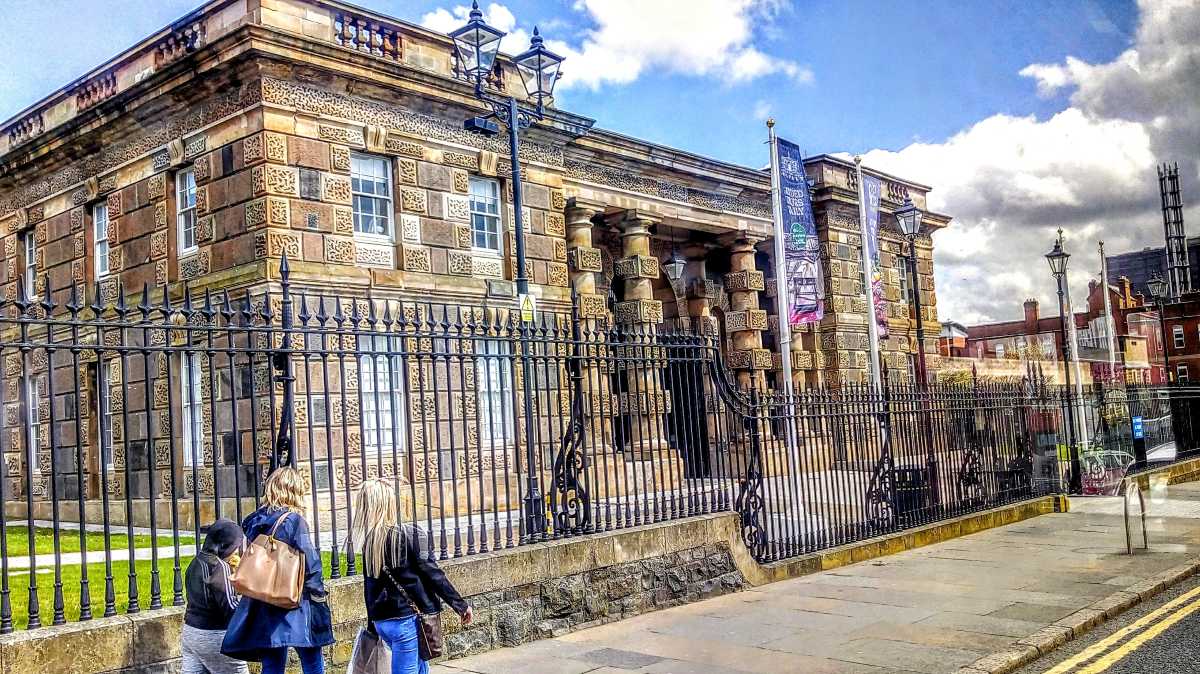
Crumlin Road Gaol is a Victorian prison opened in 1845 and closed in 1996, now one of Belfast’s most compelling visitor attractions. It held suffragettes, IRA hunger strikers including Bobby Sands, and loyalist prisoners in segregated wings. Guided tours reveal execution chambers, prisoners’ graffiti, and the atmospheric tunnel that once connected the gaol to the Crumlin Road Courthouse across the road. Standard adult tickets from £15; paranormal evening tours from £20. The gaol also houses a working craft distillery in the former A-Wing.
Accessibility: Wheelchair access to ground-floor areas and the tunnel. Parking: on-site car park with accessible spaces. Metro bus 12 from Donegall Square, 1.5 miles.
St. George’s Market
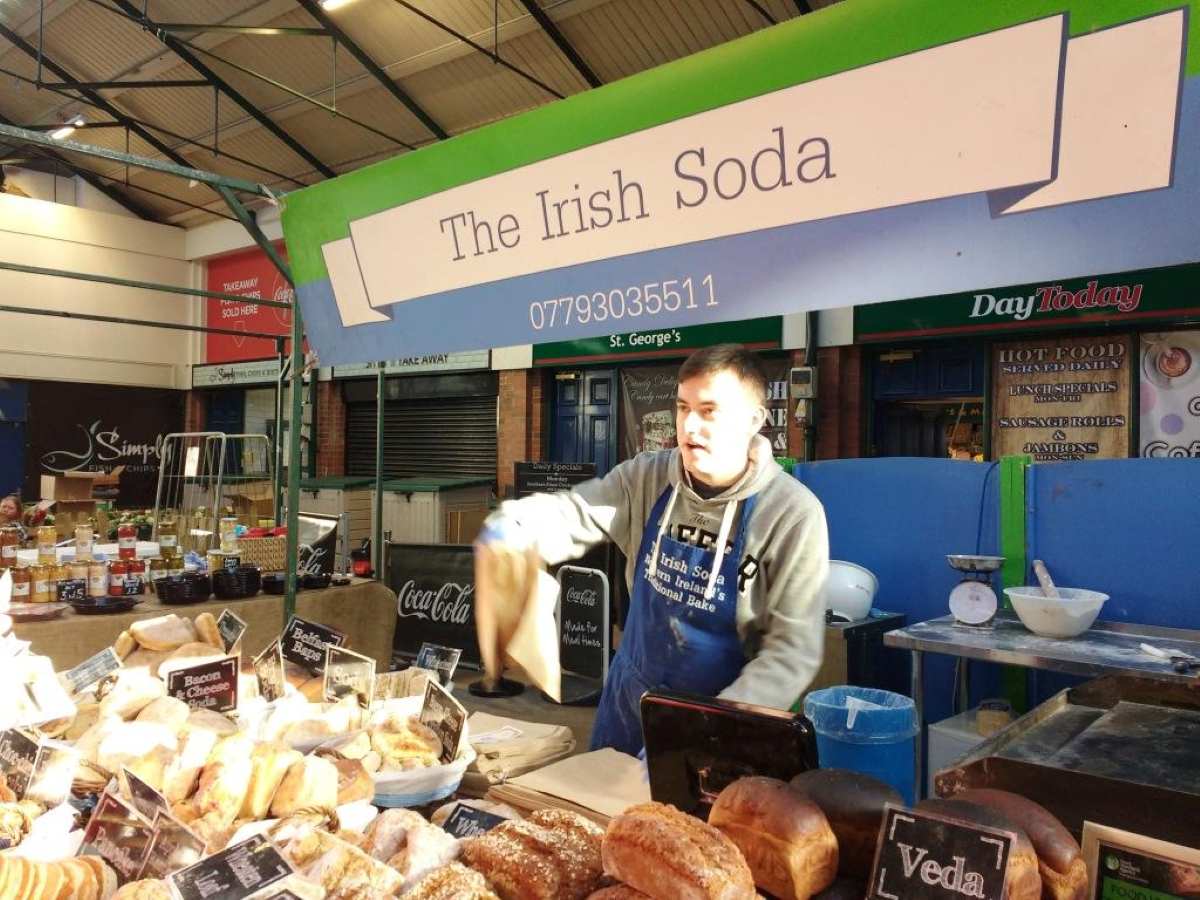
St. George’s Market is Belfast’s Victorian covered market, the last of its kind in the city, open Friday to Sunday and one of the finest food and craft markets in Ireland. The Saturday City Food and Craft Market (9am to 3pm) is the best of the three days: arrive early for an Ulster Fry cooked to order, fresh Carlingford oysters, dulse-seasoned butter on soda bread, fifteens, and the legendary Belfast Bap. Over 300 stalls. Live music throughout.
Admission is free. Fully wheelchair accessible at ground level. Parking: May Street car park directly opposite.


The Crown Liquor Saloon and Grand Opera House
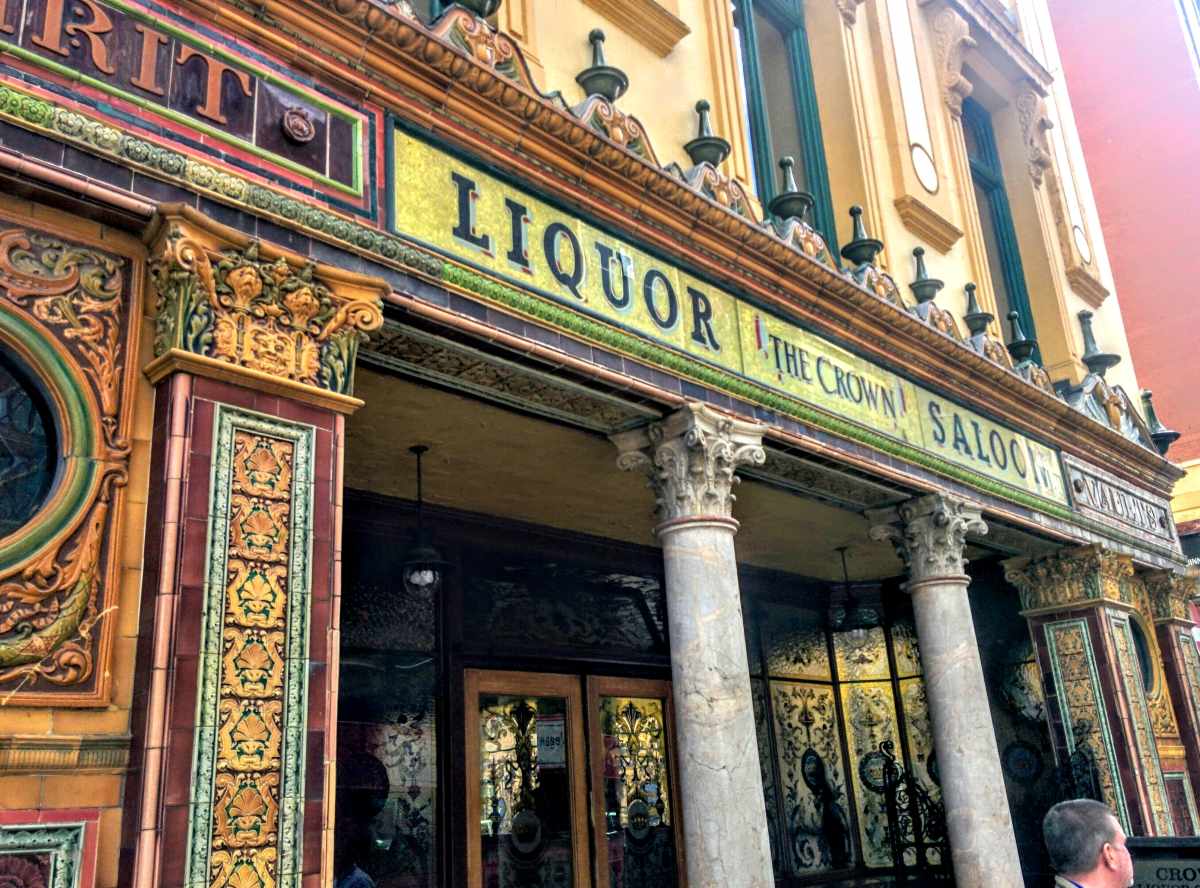
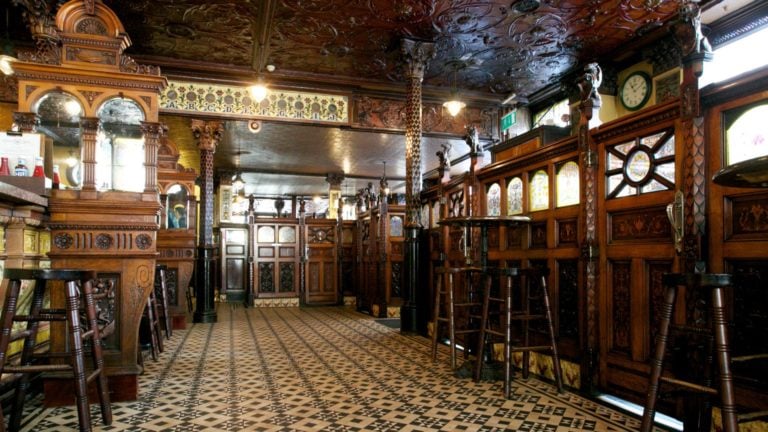
The Crown Liquor Saloon on Great Victoria Street is a National Trust-owned Victorian pub with original gas-lit snugs, mosaic floors, and painted ceilings: one of the finest pub interiors in Europe and not to be missed on any visit to Belfast. Directly opposite stands the Grand Opera House, opened in 1895 and restored after bomb damage during the Troubles, which programmes West End touring productions, ballet, and pantomime. The Crown is fully accessible at ground level.

The Linen Hall Library and Albert Memorial Clock
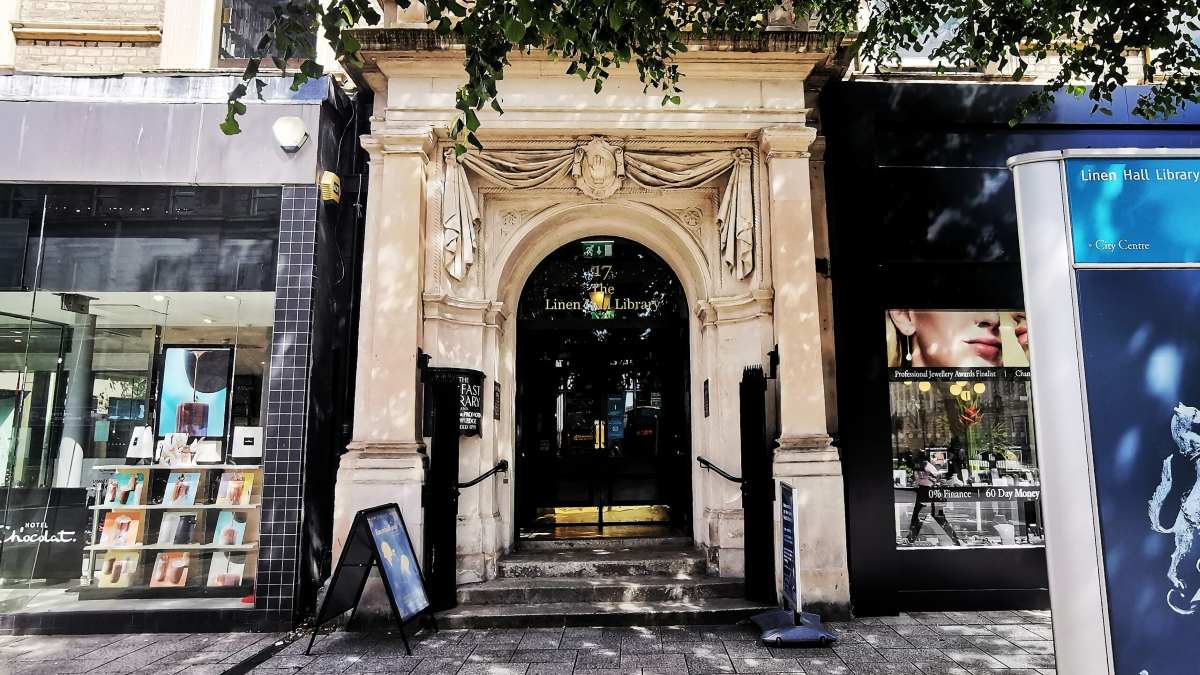
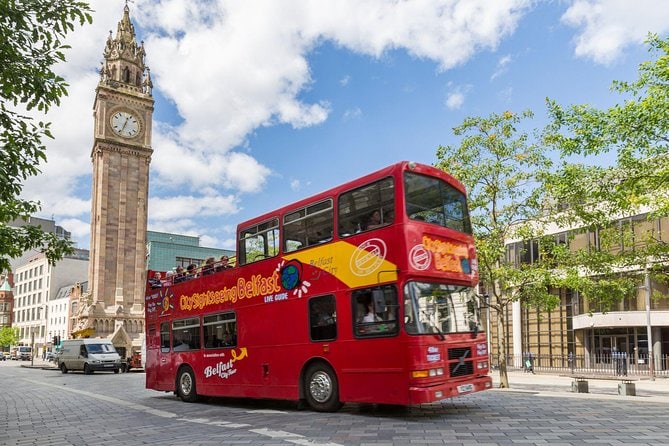
The Linen Hall Library, founded in 1788, is the oldest library in Belfast and holds a unique political collection documenting every Northern Irish election leaflet ever printed. Ground floor is free to browse; accessible entrance. A five-minute walk away, the Albert Memorial Clock tilts visibly from its Victorian foundations, Belfast’s answer to Pisa. Locals call it the clock with “the time and the inclination.” Walk south from there along the River Lagan to find the Big Fish (The Salmon of Knowledge), a ceramic-tiled sculpture whose scales carry passages of Belfast history. Rub its nose for luck, according to local tradition. The riverside walk is flat and fully accessible.
The Cathedral Quarter: Belfast’s Creative and Social Heart
The Cathedral Quarter is Belfast’s oldest cultural district, a compact neighbourhood of cobbled streets, Victorian warehouses, independent galleries, traditional music pubs, and Michelin-recommended restaurants, anchored by St. Anne’s Cathedral and its 40-metre Spire of Hope.
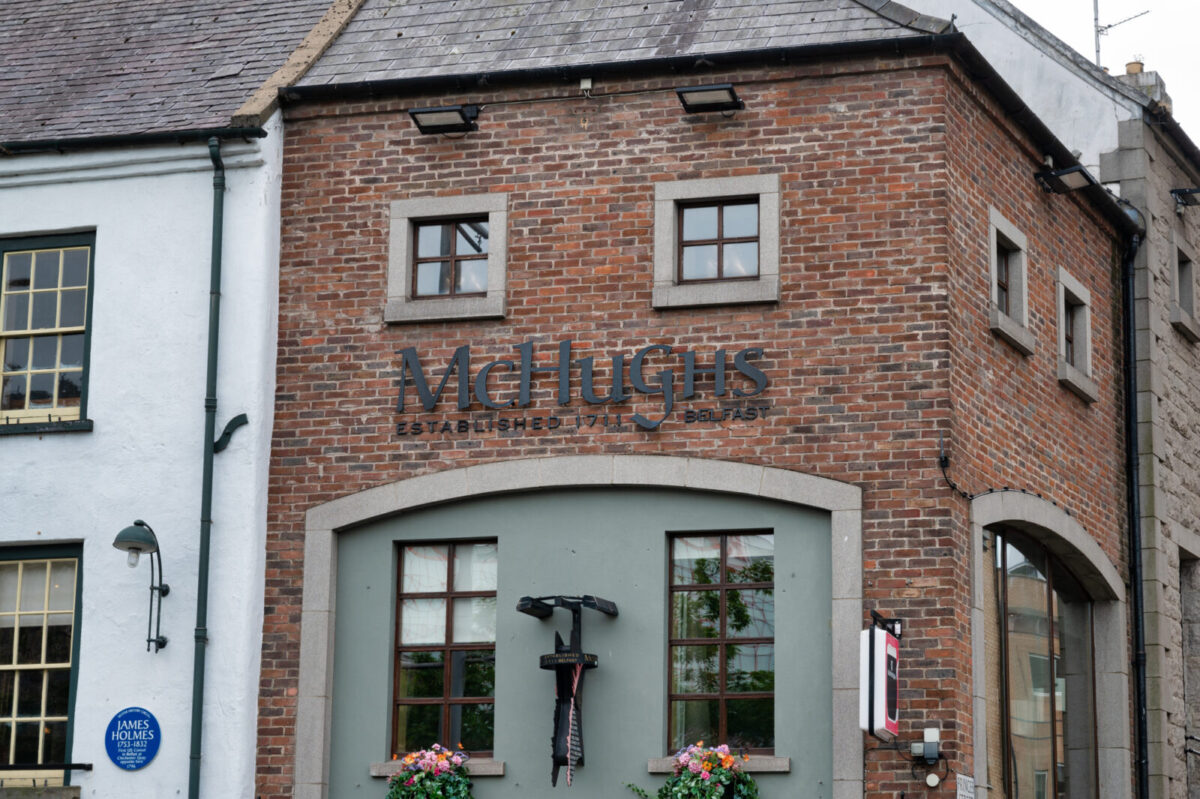
This is the part of Belfast I return to most on every visit. St. Anne’s Cathedral (1904) anchors the quarter with stunning mosaics. The Merchant Hotel, occupying the former Ulster Bank building (1860), offers whiskey tastings in converted bank vaults and an afternoon tea in the Great Room that is worth every pound. The Dirty Onion, Belfast’s oldest surviving building (circa 1780), hosts traditional music sessions under original timber beams. The Duke of York in Commercial Court is one of the most atmospheric whiskey pubs in Belfast, unchanged for decades. The MAC (Metropolitan Arts Centre) presents cutting-edge exhibitions, theatre, and live events in a fully accessible modern building with a good cafe.


The Historic Entries: What Most Visitors Never Find
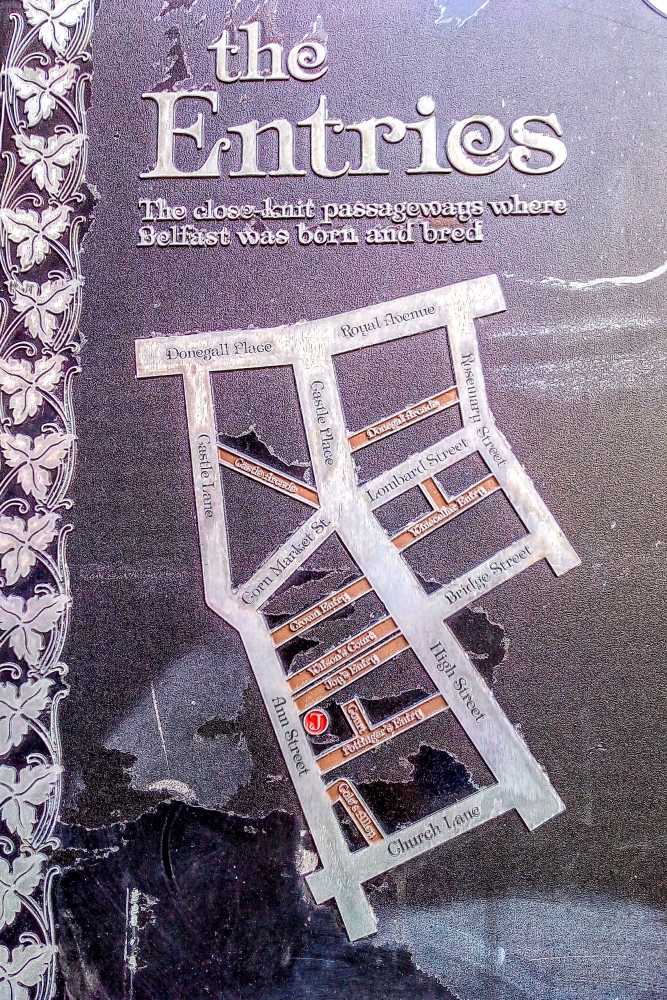
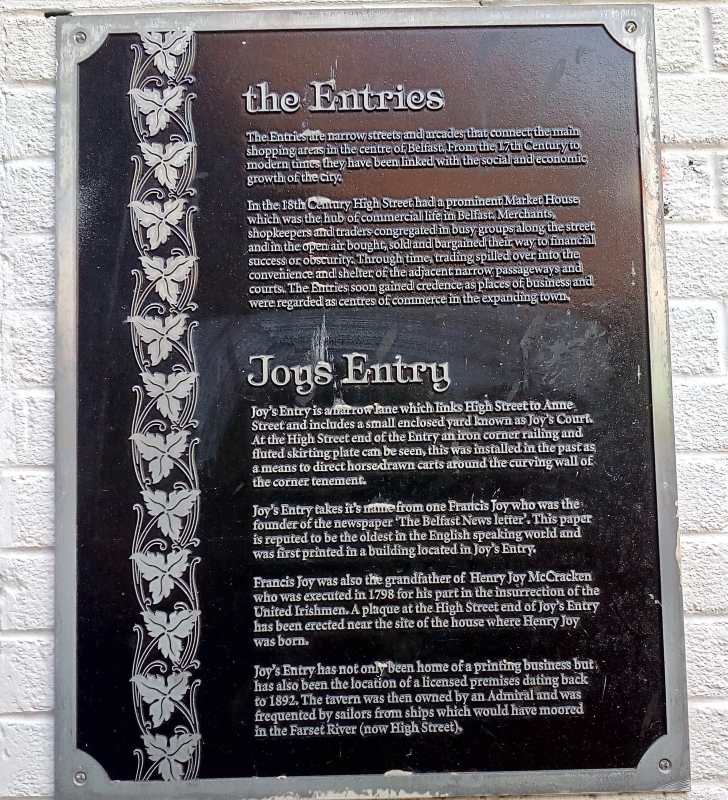
The Historic Entries are a network of 17th-century alleyways off High Street that hide some of the best experiences in Belfast, almost entirely unknown to visitors who have not been told to look for them.
- Winecellar Entry – Home to White’s Tavern, Belfast’s oldest licensed premises with its first tavern licence dating to 1630. whitestavernbelfast.com
- Pottinger’s Entry – The Duke of York’s back entrance and legendary whiskey collection, in use for centuries
- Commercial Court – A gas-lit alley of Victorian atmosphere, psychedelic murals in Cotton Court, and the Angel and Two Bibles cocktail bar, a secretive speakeasy with Old and New Testament-themed cocktail menus and a candlelit rooftop terrace
Visit the entries at dusk when gas-style lamps create a Victorian atmosphere that most of Belfast has lost. Parking: Cathedral Quarter car park on Queen Street.
Belfast’s Murals, Peace Walls, and Political Landmarks
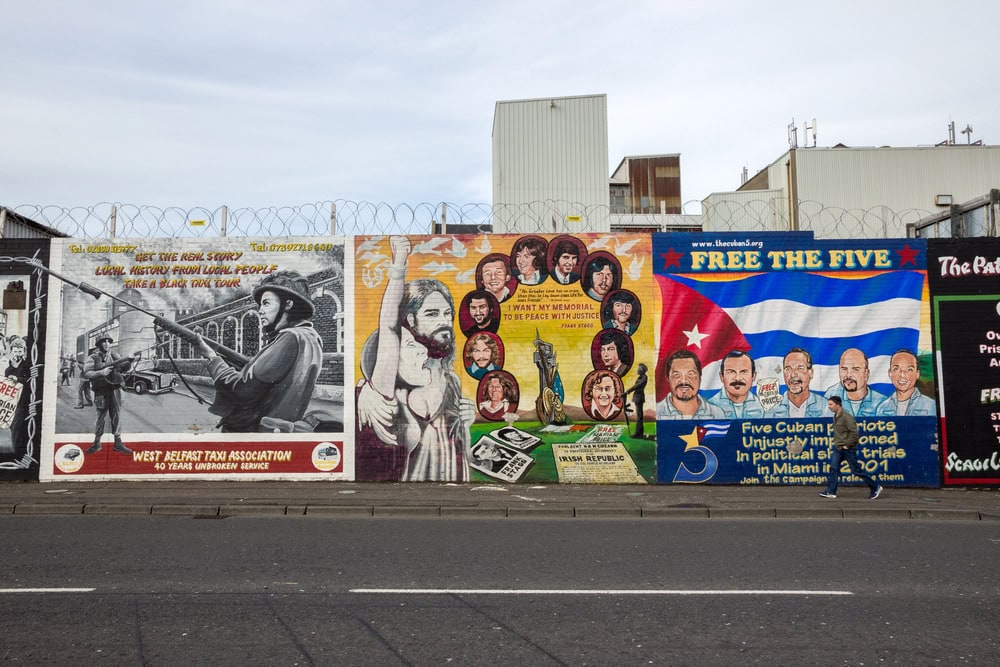
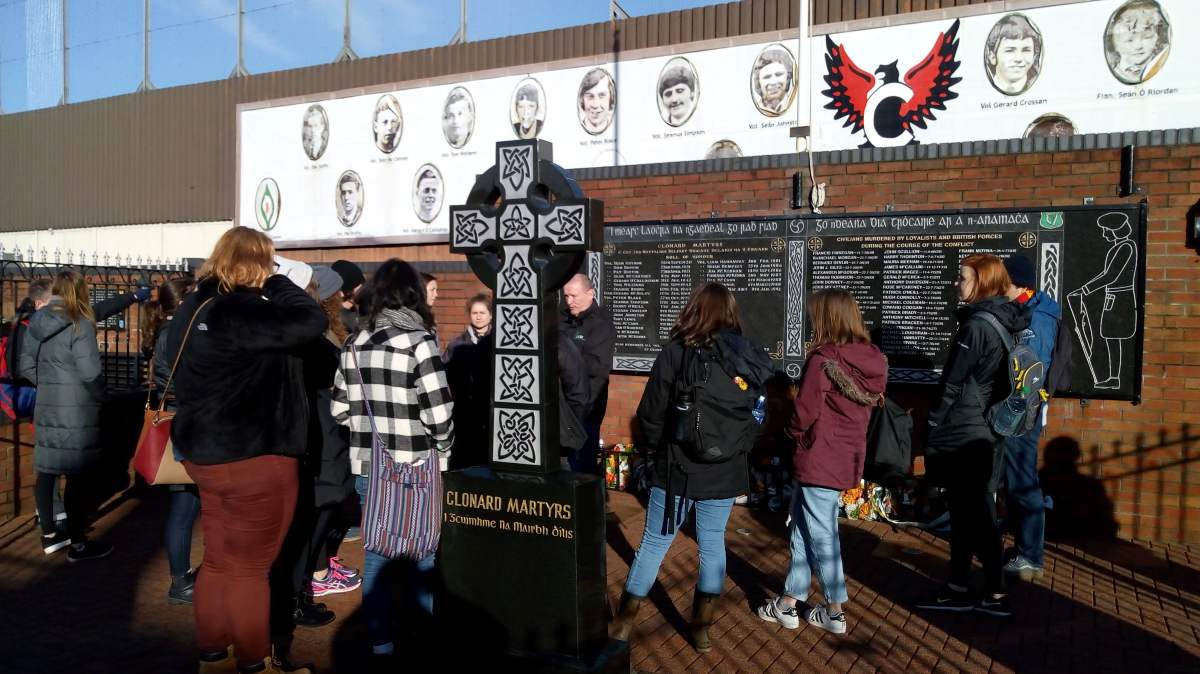
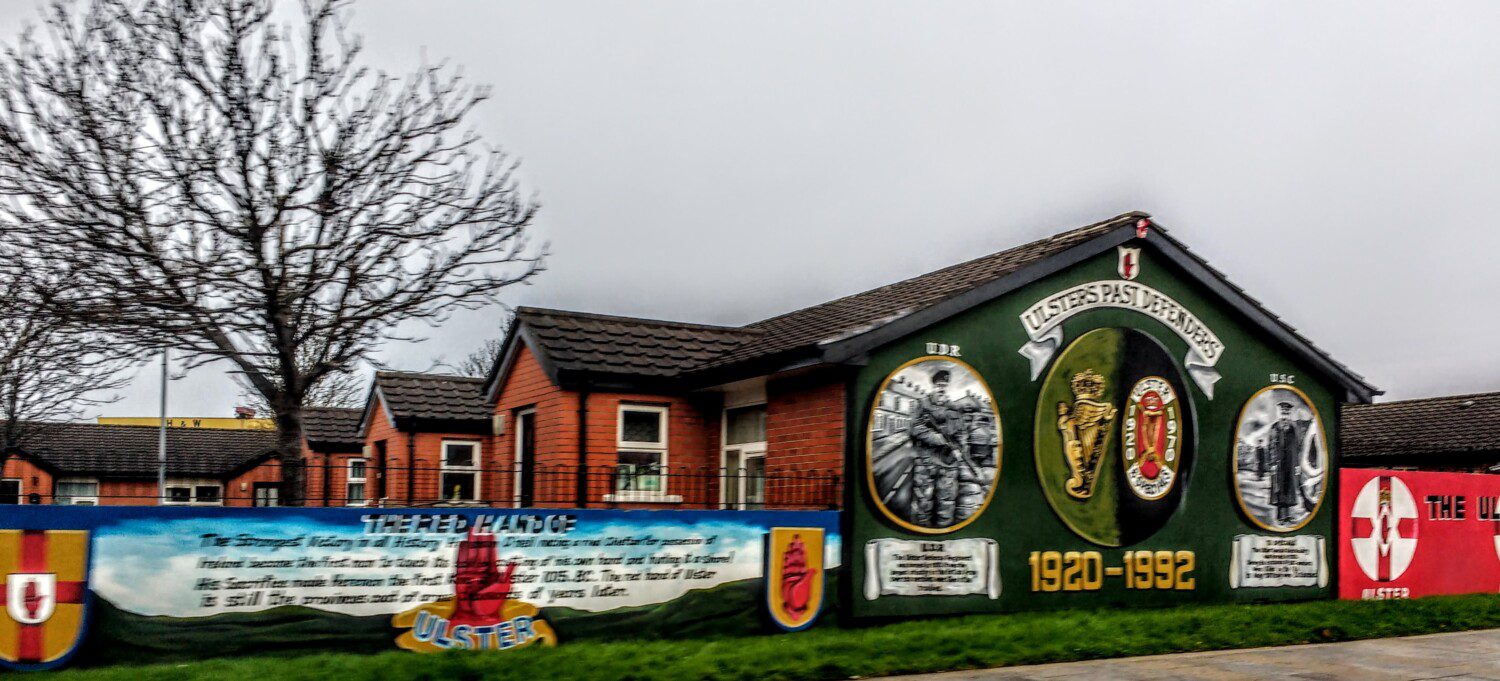
Belfast’s political murals, concentrated along the Falls Road (Republican and nationalist) and the Shankill Road (Loyalist and unionist), form one of the most significant open-air political art galleries in the world, with works addressing the Troubles, contemporary Irish and British politics, and international solidarity movements.

The best way to experience them is via a Black Taxi Tour (from approximately £35 per person, 90 minutes), with drivers who often have personal connections to the conflict providing context no guidebook can replicate. Most black taxis are wheelchair accessible; book 24 hours ahead for an accessible vehicle. For a deeper political perspective, Coiste Political Tours are led by former political prisoners. DC Tours runs two-and-a-half-hour city centre walking tours covering ten key Troubles-era sites.
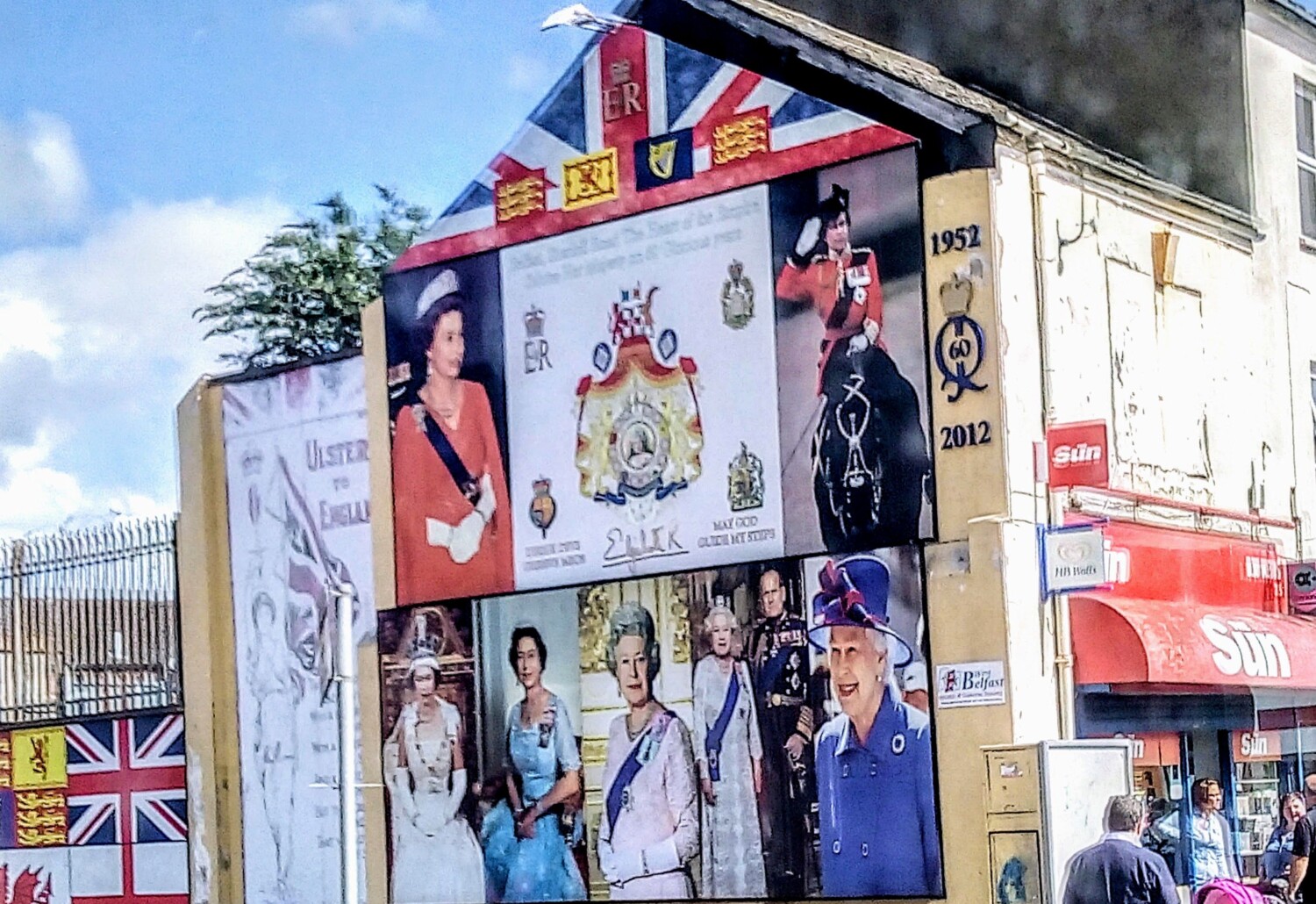
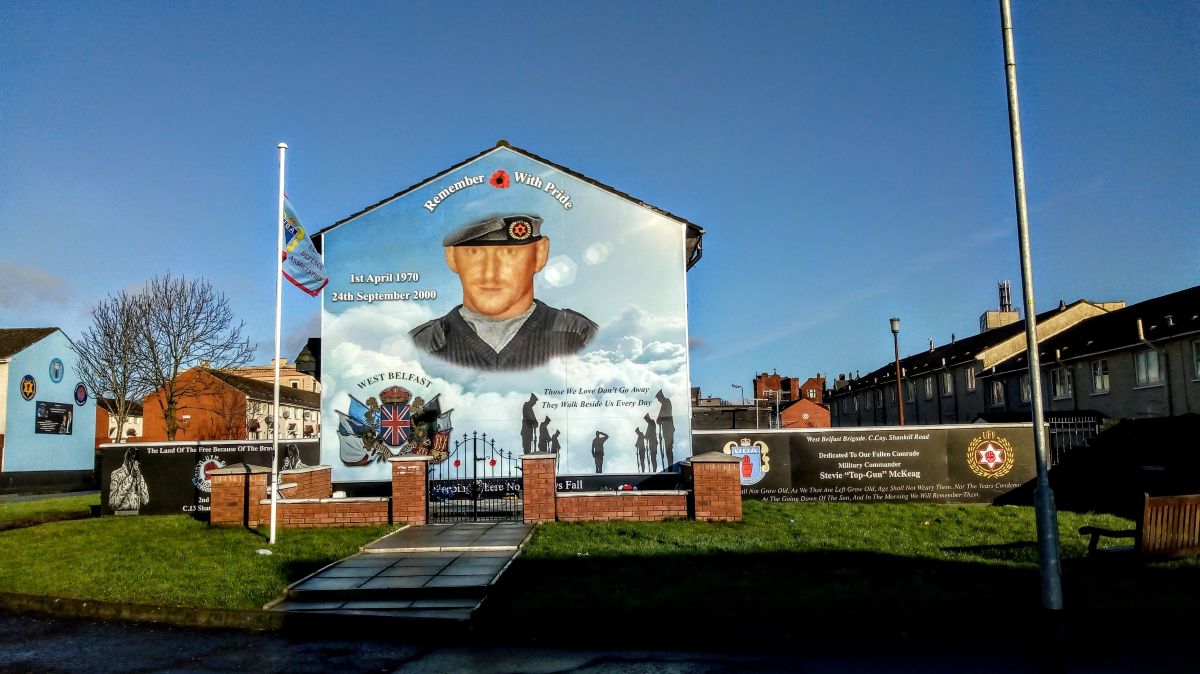
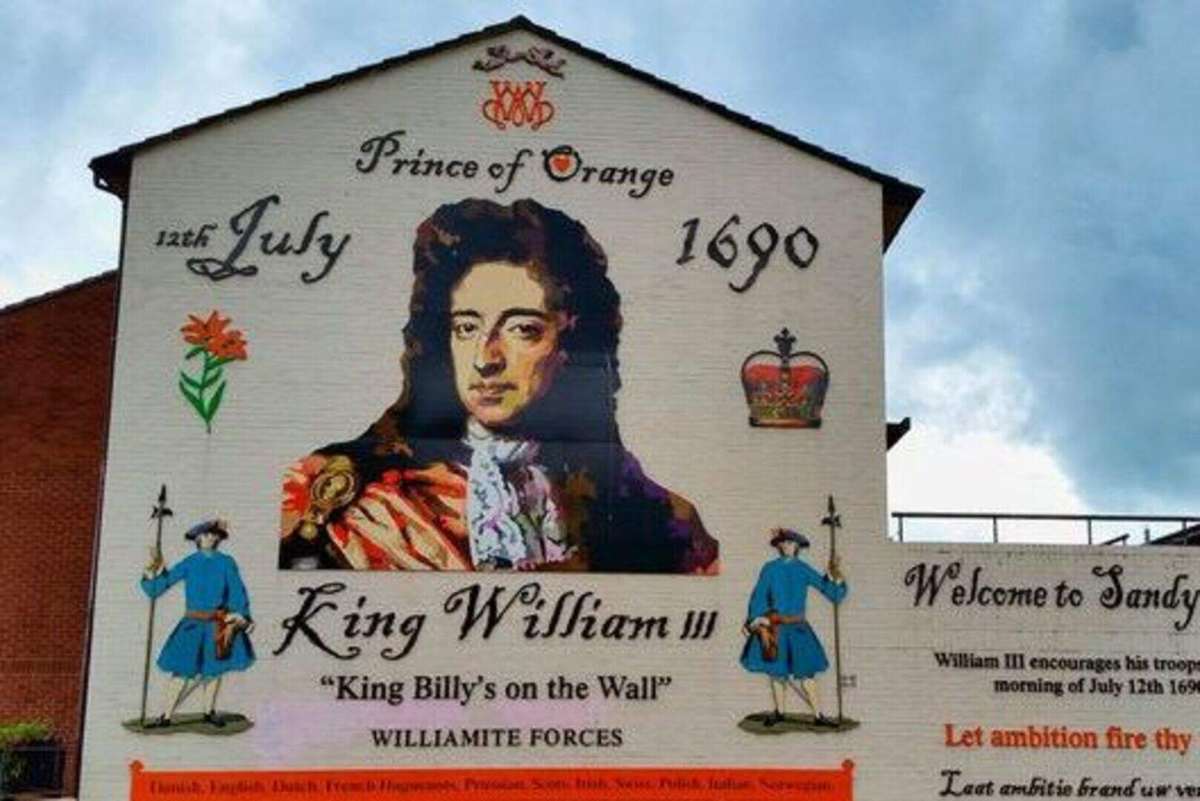
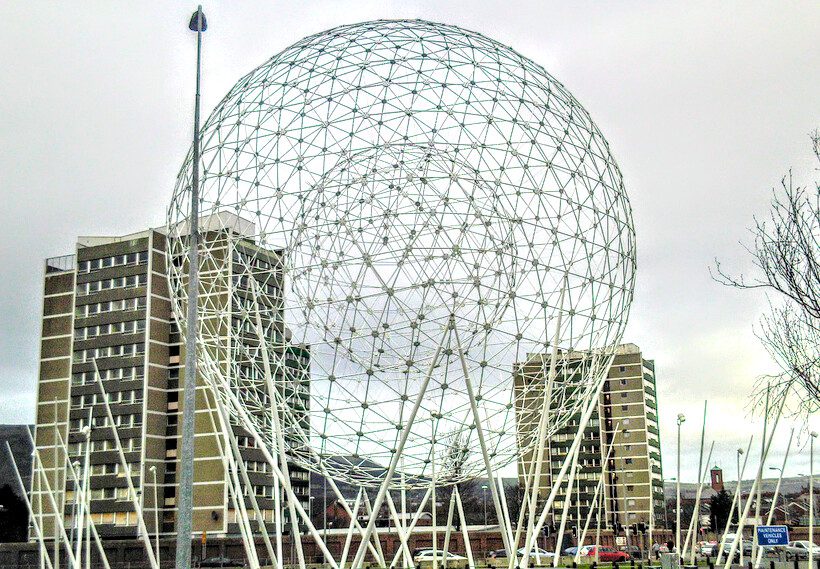
Key art landmarks on the mural routes:
Rise (“Balls on the Falls”) – A massive steel sphere by Wolfgang Buttress on the Falls Road, symbolising renewal
Bobby Sands mural – On the Falls Road wall of Sinn Fein headquarters, one of the most photographed images in Belfast

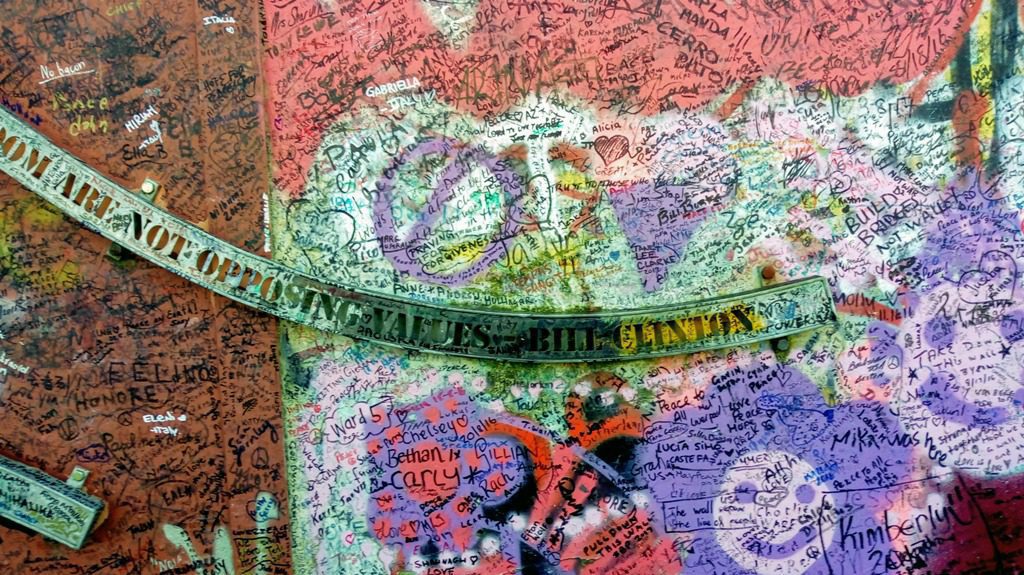
The Solidarity Wall (near Cupar Way) – An evolving international mural where visitors are invited to add their own messages
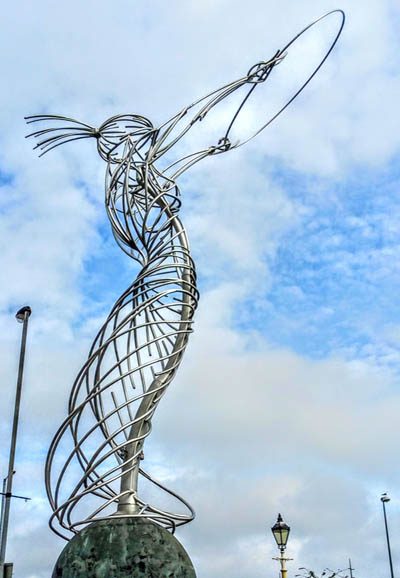
The Beacon of Hope (“Nuala with the Hula”) – A shimmering 10-metre bronze figure in the Lagan riverbed near Thanksgiving Square, marking the peace process
City Hall and Stormont: Belfast’s Political Landmarks
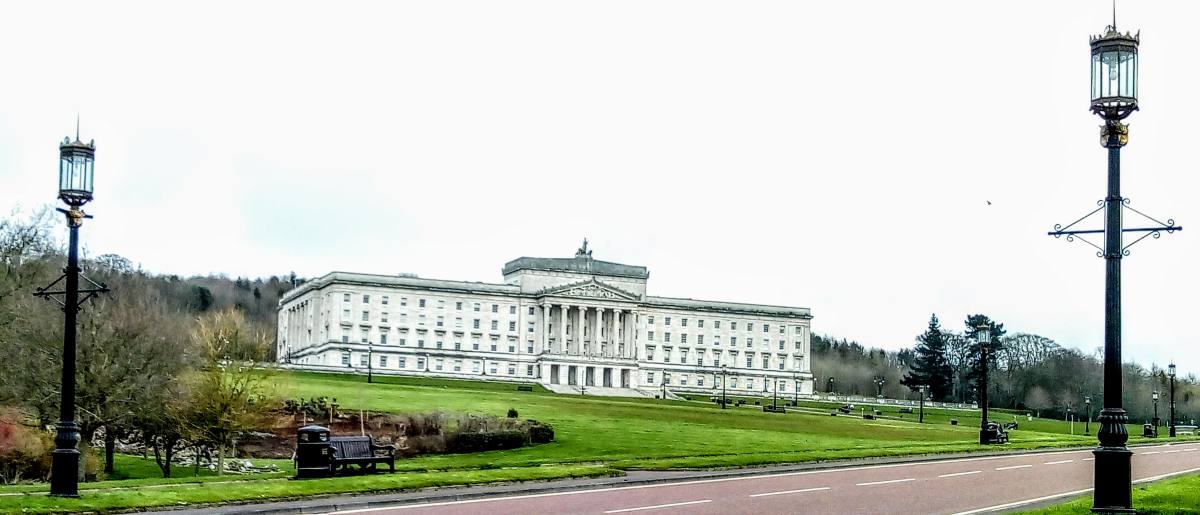
Belfast City Hall (1906) and the Parliament Buildings at Stormont Estate are the two buildings that tell the story of Belfast’s governance, separated by 90 years of history and a mile of contested political geography. City Hall on Donegall Square offers free daily tours (book ahead for accessible routes). Stormont on the Upper Newtownards Road houses Northern Ireland’s devolved government; free self-guided tours run on weekdays. The mile-long approach road to Stormont makes a striking photograph; the grounds are open for walks among political history. Metro buses 20 and 20A serve Stormont from the city centre.
Belfast’s Street Art, Public Sculptures, and the Glass of Thrones Trail
Beyond the political murals, Belfast has developed a rich public art landscape of contemporary sculptures, commissioned street art, and the Glass of Thrones Trail, fourteen stained-glass windows installed across the city celebrating the Great Houses of Game of Thrones.
The Big Fish (The Salmon of Knowledge) – Ceramic mosaic salmon on the Lagan waterfront; each tile carries text from Belfast newspapers across the centuries

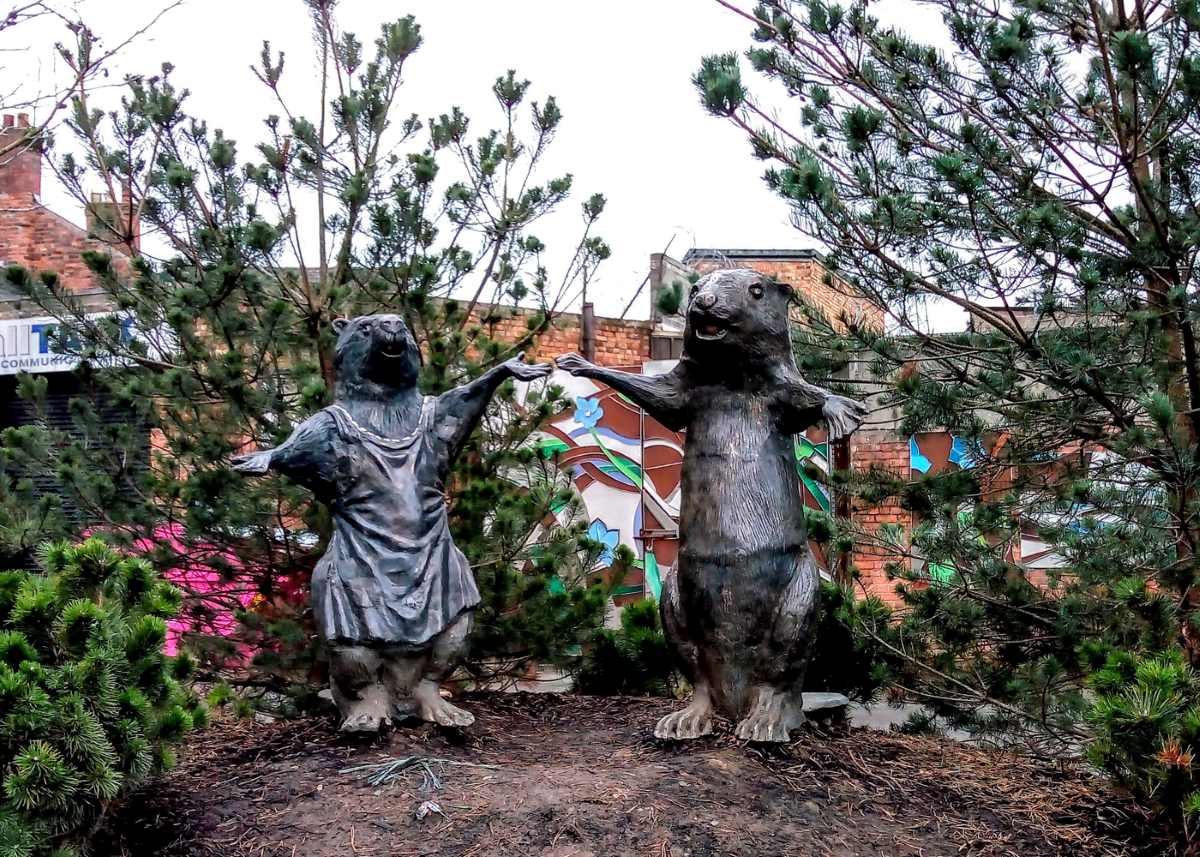
CS Lewis Square – Seven bronze Narnia characters in East Belfast, the neighbourhood where CS Lewis grew up; flat, accessible paths


The Glass of Thrones Trail – Fourteen stained-glass windows created at the Belfast Stained Glass Studio, sited at City Hall, the Cathedral Quarter, and Titanic Belfast; the trail map is free from the Visit Belfast Welcome Centre. visitbelfast.com/glass-of-thrones

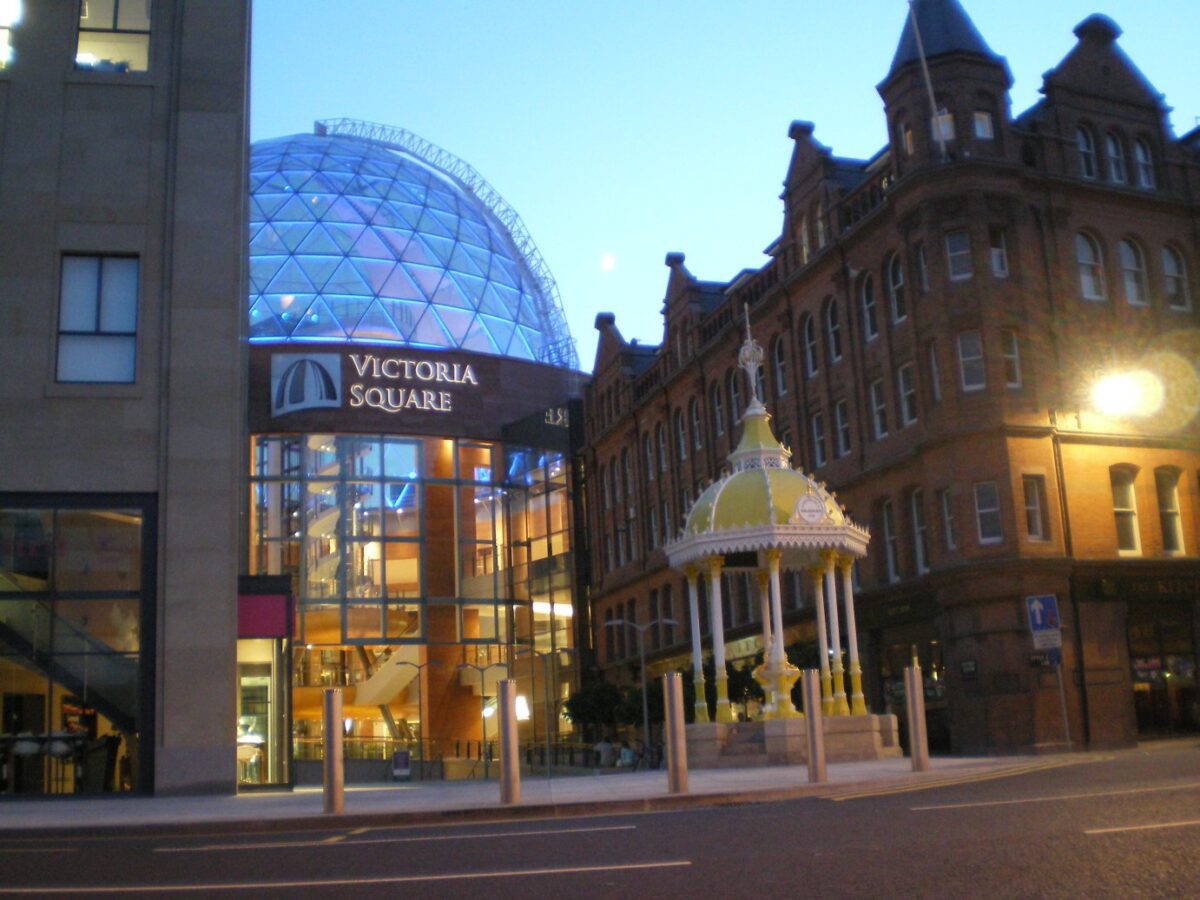
Victoria Square Glass Dome – The domed roof of Victoria Square shopping centre offers free panoramic views across Belfast; take the lift to the viewing platform
Parks and Green Spaces in and Around Belfast
Botanic Gardens
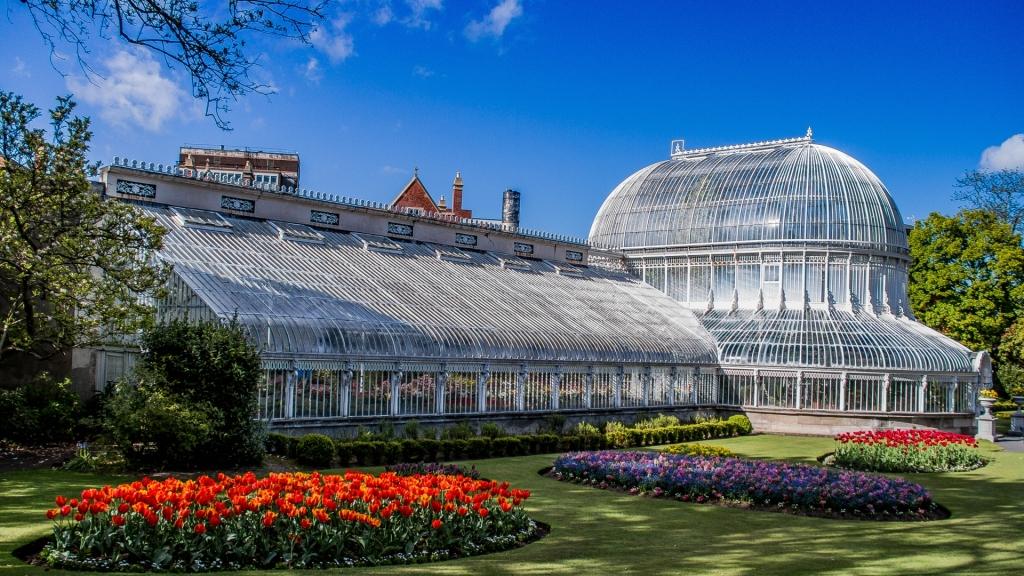
Belfast’s Botanic Gardens, beside Queen’s University in the south of the city, are a free public park containing the Victorian Palm House, built in 1839 as one of the first curvilinear glasshouses in the world, and the restored Tropical Ravine. Established as a private botanical garden in 1828 and opened to the public in 1895, the gardens are fully accessible with level paths throughout. On a warm day the lawns fill with students, families, and anyone who needs an hour away from the city’s stone and tarmac.
Cave Hill Country Park
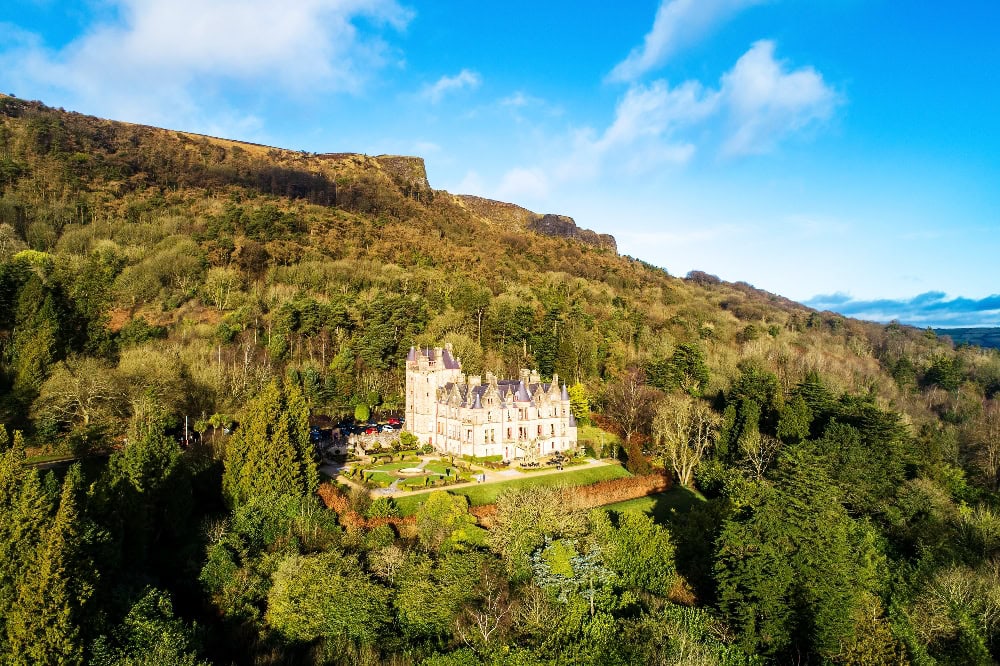
Cave Hill Country Park, five minutes north of the city centre, offers panoramic views across Belfast and all nine counties of Ulster from its 368-metre summit at McArt’s Fort, with walking trails ranging from the fully accessible Hazelwood picnic area to the challenging seven-kilometre Cavehill Trail circular route. The park is named for five natural caves in the basalt cliffs, and Napoleon’s Nose promontory is said to have inspired Jonathan Swift’s Gulliver’s Travels. Belfast Castle sits within the park’s grounds, with a turret-disguised lift for wheelchair access. Parking: accessible spaces in the castle car park.
Hidden Gem: Belvoir Park Forest and Bog Meadows
Belvoir Park Forest, a short drive south of the city centre, is a 200-acre woodland almost entirely unknown to visitors: red squirrels, kingfishers, long-eared owls, and spring bluebells. Locals rarely mention it, which is exactly why you should go. Bog Meadows Nature Reserve, off the Falls Road, is an urban wetland crisscrossed by accessible boardwalks, teeming with birdlife. Both are free. Both are consistently overlooked.

The University Quarter: Culture, Coffee, and Queen’s
The University Quarter is the leafy district surrounding Queen’s University Belfast, a Victorian Gothic masterpiece opened in 1849 and modelled on Oxford’s Magdalen College, home to the free Ulster Museum, the Botanic Gardens, and some of Belfast’s best independent cafes and bookshops.
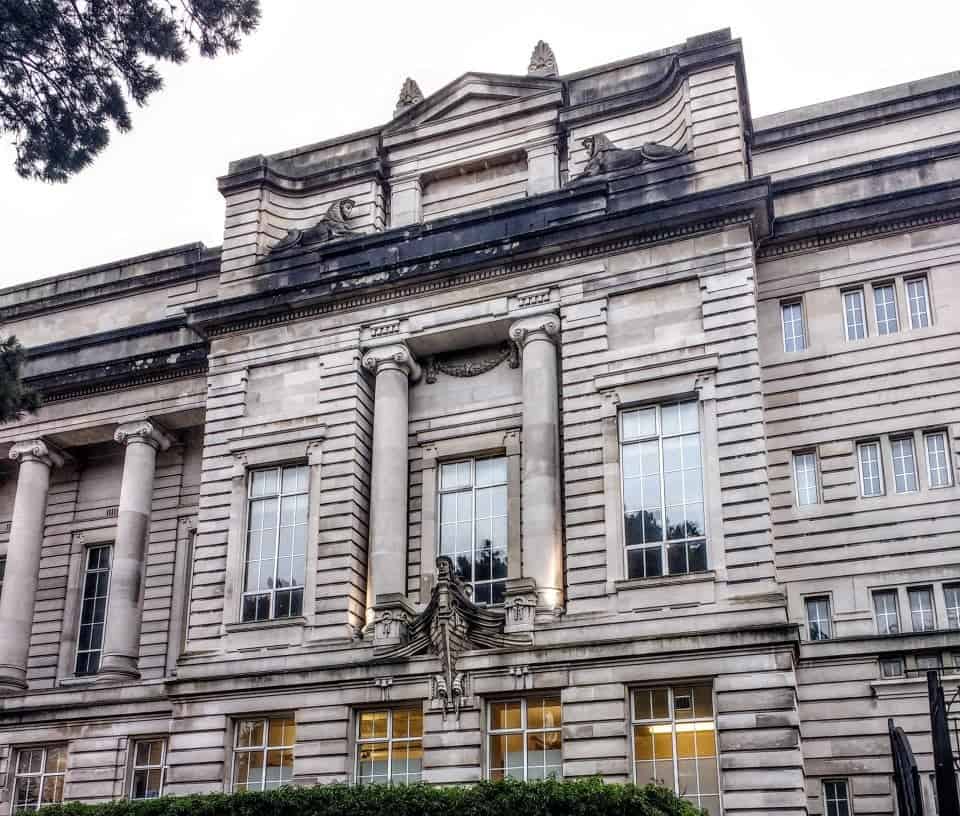
The Ulster Museum is free to enter and covers Egyptian mummies, Spanish Armada treasures, Troubles-era artefacts, bog bodies, and contemporary Irish art. Allow two hours. Quietest on weekday afternoons. No Alibis, on Botanic Avenue, is one of the finest independent crime fiction bookshops in Ireland and a community institution. The Empire Music Hall, a converted 19th-century church on Botanic Avenue, hosts comedy and live music most evenings.
For coffee: Established Coffee on Hill Street in the Cathedral Quarter is a serious independent roaster. For a pint in the student quarter, The Parlour on Elmwood Avenue has a Victorian interior and a crowd of professors and postgraduates. Both are the kind of places you visit to feel like a local rather than a tourist.

Belfast Food Scene: Markets, Pubs, and Michelin Stars
Belfast has become one of the most exciting food cities in the UK and Ireland, with two Michelin-starred restaurants, a growing Bib Gourmand list, and a market food culture rooted in Ulster’s distinctive ingredients: soda bread, dulse, potato bread, and seafood from Belfast Lough and Strangford.
What to Eat in Belfast: Local Specialties
The best single introduction to Belfast food is a Saturday morning at St. George’s Market (9am to 3pm). Arrive by 9:30am for the best stalls. Order: an Ulster Fry with potato bread, soda farls, and black pudding; a Belfast Bap stuffed with bacon and egg; Sawers Deli’s dulse-seasoned butter on fresh soda bread; and a pint of local Guinness with freshly shucked Carlingford oysters. You can eat extraordinarily well for under £15.


Fifteens – A no-bake traybake of marshmallows, glacé cherries, and crushed digestives; found in every Belfast cafe
Yellow Man – Traditional honeycomb toffee sold by weight at the market

Dulse – Dried seaweed, a Northern Irish institution, used in butter, bread, and as a standalone snack
Boxty – A potato pancake made from mashed and raw grated potato, topped with steak, onion, or seafood

Strangford Lough oysters – Best at the Mourne Seafood Bar, 34-36 Bank Street, Belfast’s first specialist seafood restaurant

Michelin-Starred Dining in Belfast
Belfast currently holds two Michelin-starred restaurants: OX and The Muddler’s Club, both in or near the Cathedral Quarter. Both are approachable, unpretentious, and distinctly Belfast in character.
OX, 1 Oxford Street, overlooking the River Lagan, has held its Michelin star since 2016. Chef Stephen Toman’s tasting menu balances Lough Neagh eel, Antrim beetroot, and seasonal Northern Irish produce with French-influenced technique. Expect £80 to £100 per person for the tasting menu. Book two to three weeks ahead for weekends. Nearest parking: Lanyon Place car park.
The Muddler’s Club, 1 Warehouse Lane (hidden down a Cathedral Quarter alley), earned its Michelin star in 2020. Named after a secret society that met here 200 years ago, Chef Gareth McCaughey’s cooking champions local produce in bold, honest dishes. Tasting menu £85 to £120. Book three to four weeks ahead for weekends. Nearest parking: Cathedral Quarter car park.


Dining From Cafes to Fine Dining: Accessible Options
- The Morning Star, 17 Pottinger’s Entry (1810): traditional pub food in beautiful Victorian surroundings. Fully accessible at ground level.
- Home Restaurant, 22 Wellington Place: good-value cafe-style dining from breakfast through dinner. Fully accessible.
- Molly’s Yard, 1 College Green Mews: excellent seasonal cooking in a converted Victorian stable yard. Good value at lunch; limited upper-floor wheelchair access.
- Merchant Hotel Great Room: the most spectacular dining room in Belfast. Set-price lunch menus from £30. Fully accessible.
- The John Hewitt, 51 Donegall Street: traditional music with your meal, kitchen until 9pm, and a cooperative that gives profits to local charities
- Kelly’s Cellars, 30 Bank Street: one of Belfast’s oldest pubs (1720), traditional sessions, kitchen until 9pm
Dining tips: Book Cathedral Quarter restaurants at least a week ahead for Friday and Saturday evenings. Many offer early-bird menus before 6:30pm. The Michelin Guide lists further Belfast recommendations, including several Bib Gourmand (good quality, good value) spots, at guide.michelin.com/belfast.
Game of Thrones in and Around Belfast
Northern Ireland served as the principal filming location for all eight seasons of Game of Thrones, and Belfast is the natural base for exploring the real Westeros, both in the city via the Glass of Thrones stained-glass trail and on day trips to iconic filming locations along the Antrim and Down coasts.
Game of Thrones Studio Tour (Banbridge, 30 minutes from Belfast)
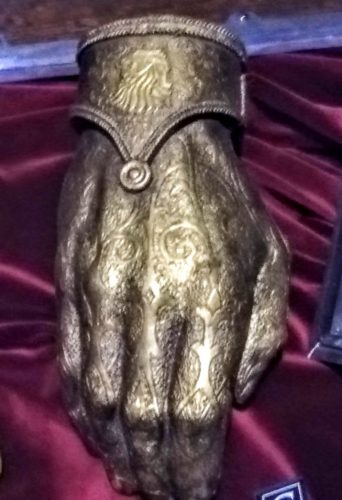
The Game of Thrones Studio Tour at Linen Mill Studios in Banbridge is the world’s only official Game of Thrones Studio Tour, created in partnership with Warner Bros., covering over 10,000 square metres of original sets, costumes, weapons, and props from all eight seasons. Walk through the Great Hall of Winterfell (where Jon Snow was proclaimed King in the North), see Daenerys’s Dragonstone throne, handle original props, and browse the world’s largest Game of Thrones shop. Most visitors spend two to three hours; dedicated fans will want more. Starting ticket price £29.50. Fully wheelchair accessible. gameofthronesstudiotour.com
Getting there: Shuttle buses depart from the Visit Belfast Welcome Centre, 9 Donegall Square North, at 9:30am, 11am, and 2pm. Return buses from the studio at 1:15pm, 2:45pm, and 5:15pm. By car: M1 and A1, 30 minutes; free parking at the venue. Book tickets in advance.
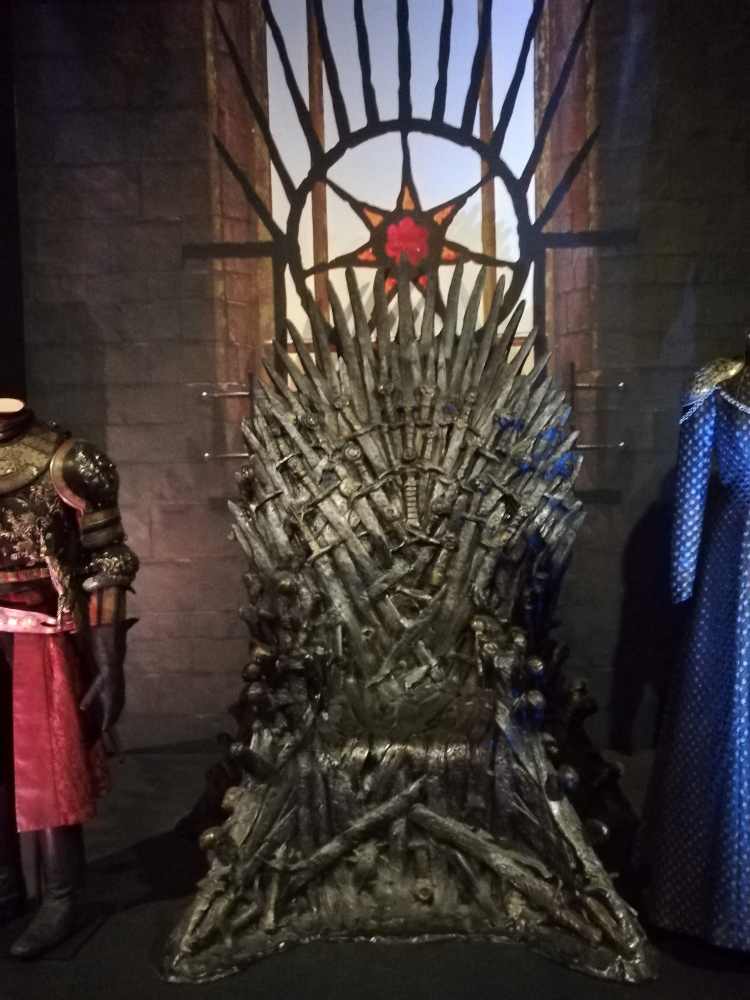
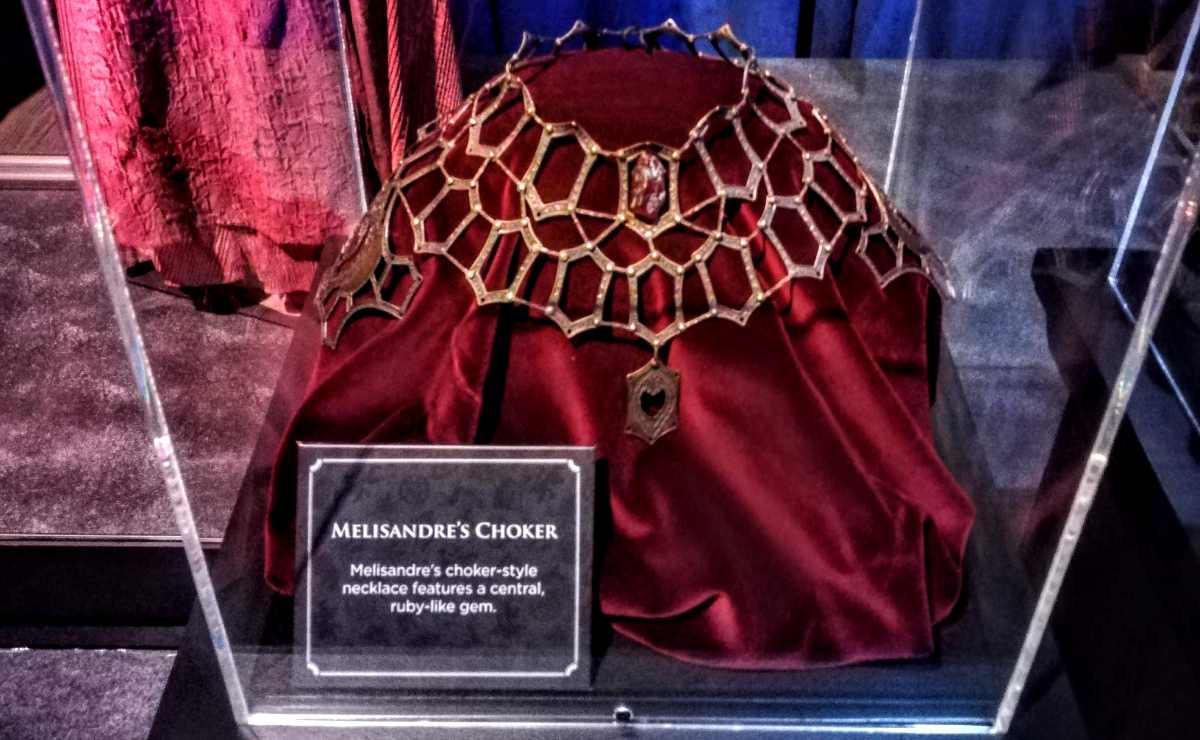
Game of Thrones Filming Locations on Day Trips
The Dark Hedges (County Antrim, 50 minutes): the Kingsroad; an extraordinary beech tree tunnel on the B9148

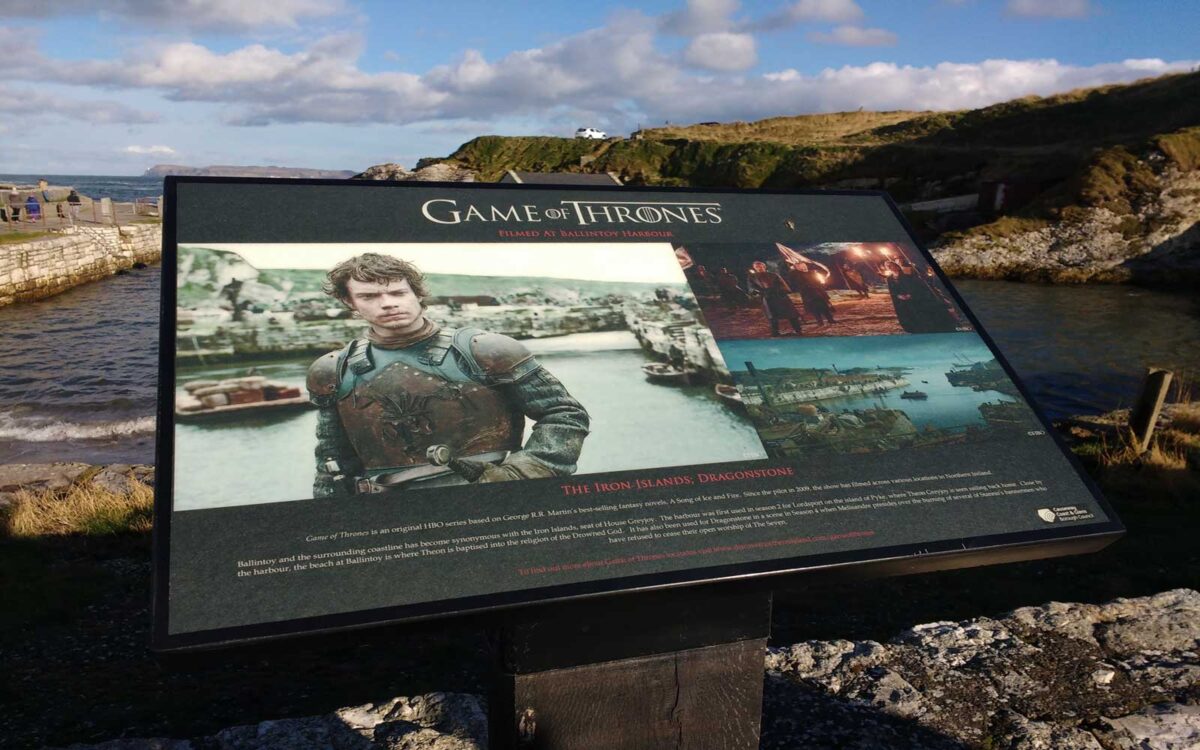
Ballintoy Harbour (County Antrim, 70 minutes): the Iron Islands
Cushendun Caves (County Antrim, 60 minutes): a Stormlands cove
Castle Ward Estate (County Down, 45 minutes): Winterfell exterior; National Trust; book ahead
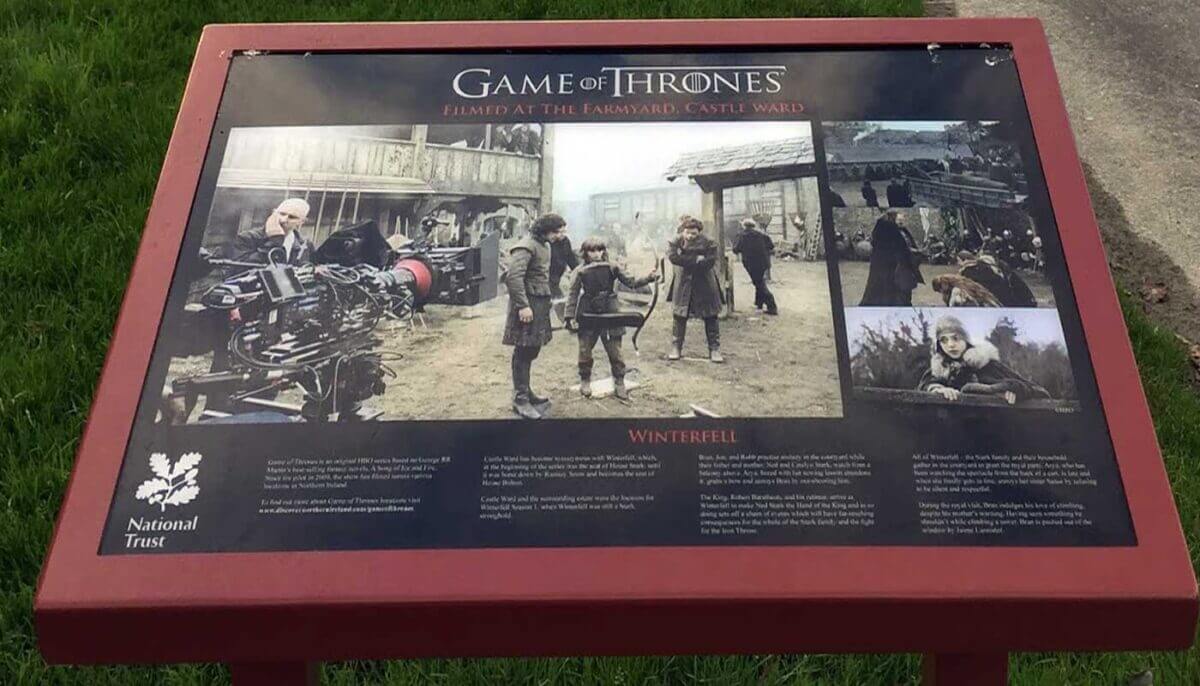
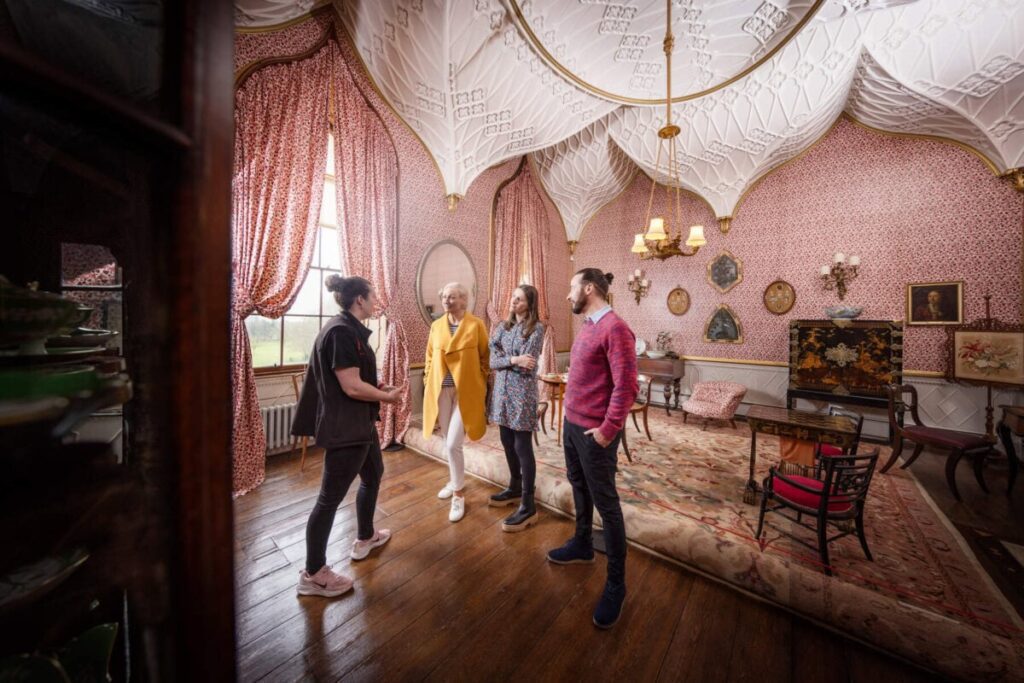

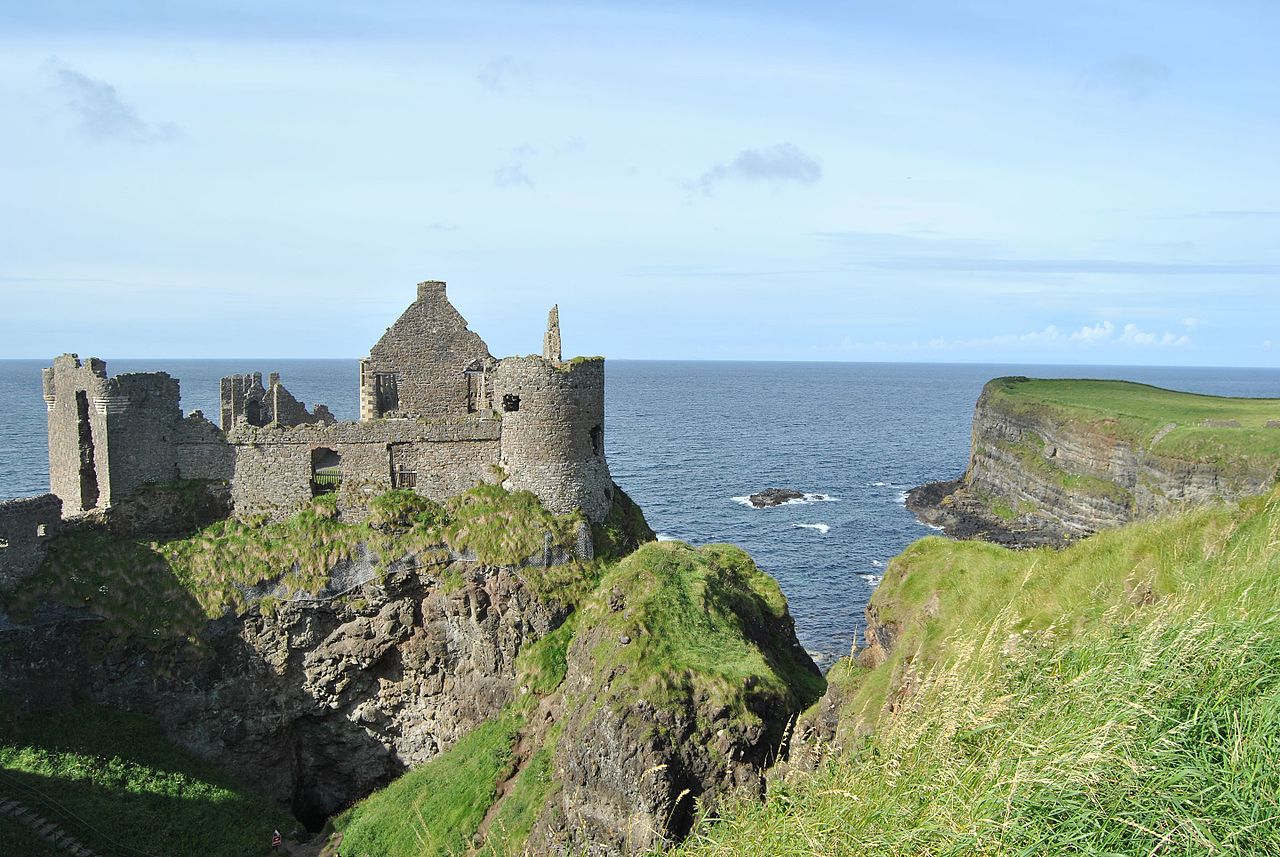
Dunluce Castle (County Antrim, 65 minutes): dramatic clifftop ruin featured in the series and said to have inspired CS Lewis’s Cair Paravel
For guided multi-location tours combining filming sites, Viator Belfast lists specialist departures from the city centre.


Guided Tours of Belfast
Belfast’s complex history and creative culture are best understood with a local guide, and the city offers some of the most distinctive guided experiences in Ireland or the UK.
Historical and Political Tours
DC Tours: A History of Terror
This is the one to lead with as a walking tour alternative. A History of Terror has been voted into the Top 20 UK Travellers’ Choice Best of the Best Things to Do for 2025 by Tripadvisor, and is graded 5 Stars by Tourism Northern Ireland. Crucially it is completely different in character from a black taxi tour. The tour presents from a neutral, civilian perspective and covers 1.5 miles of city centre in 2 hours 30 minutes, starting every day at 10:30am from the front gates of Belfast City Hall. There are no ex-combatants, no paramilitary framing, and no taxi. The tour is wheelchair accessible as Belfast city centre is completely flat, with no hills or steps involved. Book at deadcentretours.com. DC Tours + 2
DC Tours also runs a Best of Belfast walking tour on Fridays, Saturdays, and Sundays at 10am, covering the city’s broader history and architecture rather than the Troubles specifically, and a West Belfast Peace Walls and Murals walking tour for those who want to see the murals on foot rather than from a taxi.

Conflicting Stories: Belfast Political Tour
This is genuinely unlike anything else in the city. The tour uses two taxis, one from each community, and guests change at the halfway point. It may be one of the only tours in the world where enemies in a recent conflict work together to tell a factual account of recent history, with a Republican ex-prisoner covering the Falls Road area and a Loyalist ex-combatant covering the Shankill. There is also a women-led version: a completely unique route led side by side by two local women, one Republican and one Loyalist, who share their personal life experiences, childhood memories, daily fears, and the strength it took to raise families on opposite sides of the conflict. Book at Viatorpolitical-tour
Coiste Political Tours
Already in your article, but worth clarifying the distinction. These are led by Irish Republican ex-prisoners specifically, covering the Falls Road and Republican west Belfast. The perspective is unambiguously Nationalist; that is the point and the value. Not neutral, but deeply personal. Book at coiste.ie.
Belfast Hidden Tours
Belfast Hidden Tours explores the city’s art, history, politics, and culture by walking the streets and meeting local people, working in partnership with local artists, historians, and tradespeople. This is the least politically focused option on this list, leaning more toward culture and community than conflict specifically. Good for visitors who want political context woven into a broader city experience rather than a dedicated Troubles tour.
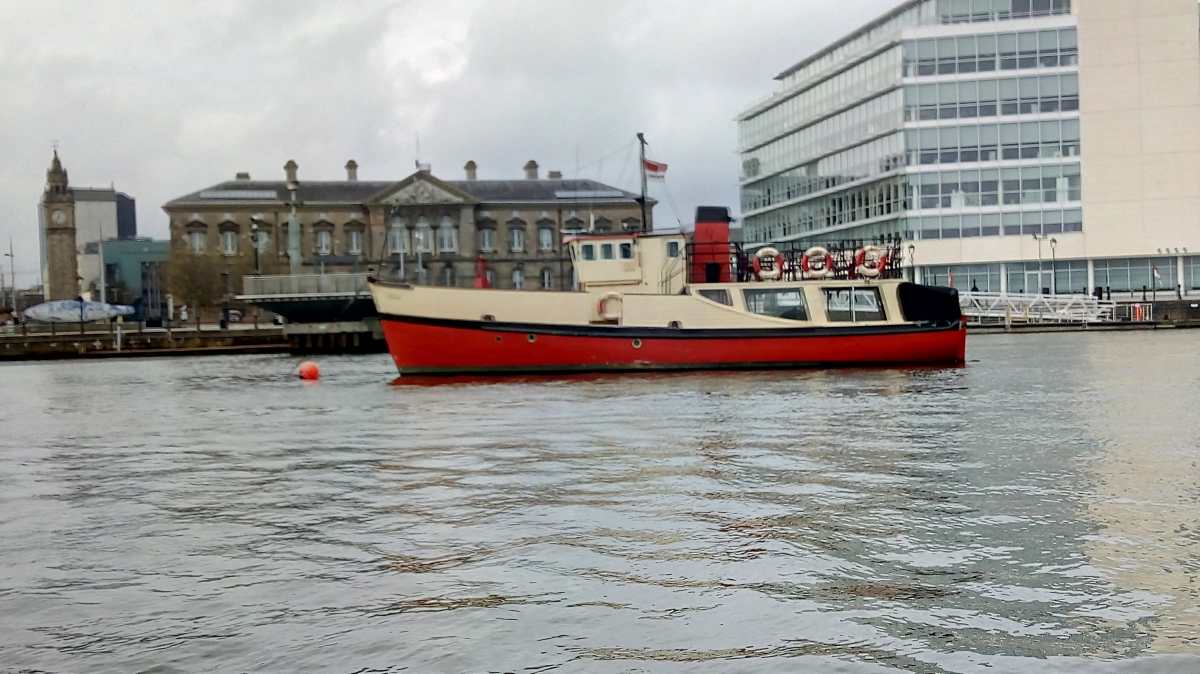
Lagan Boat Company runs 45-minute harbour cruises past the historic shipyards; on calm days grey seals sun themselves on the Lagan banks. City Sightseeing Belfast‘s hop-on hop-off open-top bus covers 20 stops and is an excellent first-day orientation, particularly for those who want an overview before choosing which attractions to explore in depth. Both offer multilingual commentary and accessibility features.
Specialist Tours
Belfast Bike Tours – Sightseeing combined with craft beer tastings; e-bikes available
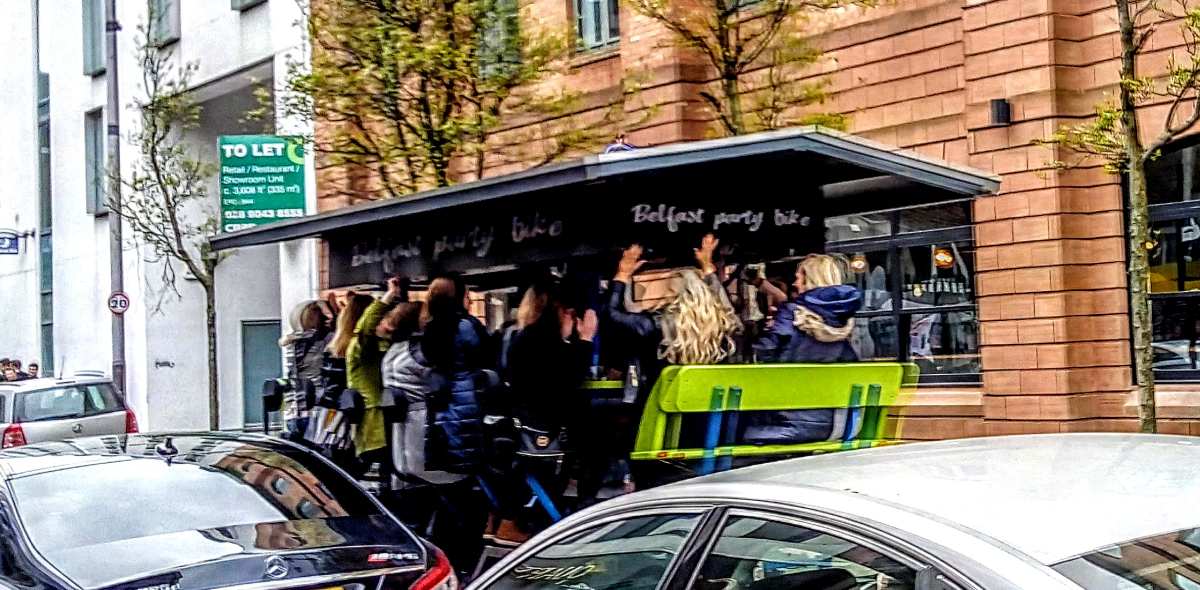
Wee Toast Tours – a pedal-powered group vehicle; bring your own drinks

Friars Bush Cemetery Tours – Local actor Stephen Beggs performs at gravesides in Belfast’s oldest burial site (Saturday tours, bookable via Visit Belfast)
Belfast by the Glass – alternative history of Belfast told through its pub culture, sip by sip; book via visitbelfast.com
Things to Do in Belfast with Children
Belfast is more family-friendly than first-time visitors expect, with dedicated family attractions, child-friendly market experiences, and outdoor adventures within easy reach of the city centre.
W5 Interactive Science Centre, Queen’s Quay (beside SSE Arena): 250-plus interactive exhibits across science, engineering, space, and creativity, with live daily science shows. Fully accessible. Best for children aged five and up. w5online.co.uk
Belfast Zoo, on Cave Hill: over 140 species including gorillas, giraffes, snow leopards, and red pandas. Metro bus 1A from Donegall Square. Accessible paths; steep terrain in places. belfastzoo.co.uk

CS Lewis Square, Connswater: seven bronze Narnia characters, flat and fully accessible. A delight for children who know the books and a discovery for those who do not
Colin Glen Adventure Park: zip lines, tree-top walks, and outdoor adventure for older children and teens. colinglentrust.org
Titanic Belfast Shipyard Ride: the dark ride-style experience within Titanic Belfast captivates children from around eight years old
St. George’s Market on a Saturday: live music, street food from every corner of the world, and stalls a curious child can spend hours exploring. Free entry.
Many Belfast pubs and restaurants welcome children until 9pm. Crumlin Road Gaol offers specially designed family-friendly tours year-round and themed events through the year.

Belfast Hidden Gems: What Locals Actually Love
These are the spots that rarely appear in mainstream tourist guides but that Belfast residents return to consistently, and that I seek out on every visit.
The Sunflower Pub, 65 Union Street: a no-frills traditional Irish pub with a “No Top Hats” sign, a covered beer garden, live traditional music sessions, and craft beer poured without ceremony. As far from a tourist pub as you can get in Belfast.
Indie Fude, 51-53 Commercial Court: an artisan deli packed with Irish cheeses, charcuterie, cider-infused barmbrack, black butter, and small-producer Irish food you cannot find in supermarkets.

White’s Tavern, Winecellar Entry: Belfast’s oldest licensed premises, with its first tavern licence granted in 1630. Cosy, historic, and often full of locals rather than visitors.
Clifton House, North Queen Street: the city’s oldest surviving public building, a Georgian poorhouse opened in 1774. Occasional open days reveal extraordinary archives and interiors that almost nobody has seen.
St. Malachy’s Church, Alfred Street: a Tudor Revival Gothic interior with an intricate fan-vaulted ceiling that stops visitors mid-step. Free; accessible ground level. A five-minute walk from the city centre and almost always quiet.
Bog Meadows Nature Reserve, off the Falls Road: an urban wetland with accessible boardwalks and rich birdlife, two miles from the city centre. Free. Completely unknown to most visitors.
Oh Yeah Music Centre, Gordon Street: a dedicated resource celebrating Northern Ireland’s extraordinary musical legacy, from Van Morrison to Snow Patrol to Ash.
Friars Bush Graveyard, off Stranmillis Road: Belfast’s oldest burial site, dating to at least the fifth century, with ancient tombs and ivy-covered walls. Open for Saturday guided tours (see the visit Belfast website) and occasional special openings. Atmospheric and genuinely undervisited.

Angel and Two Bibles, Commercial Court: a secretive Cathedral Quarter speakeasy with Old and New Testament cocktail menus, a “Stairway to Heaven” staircase, and a rooftop terrace with heaters and blankets. Find the entrance if you can.
Where to Stay in Belfast: Accommodation for Every Budget
Luxury Stays
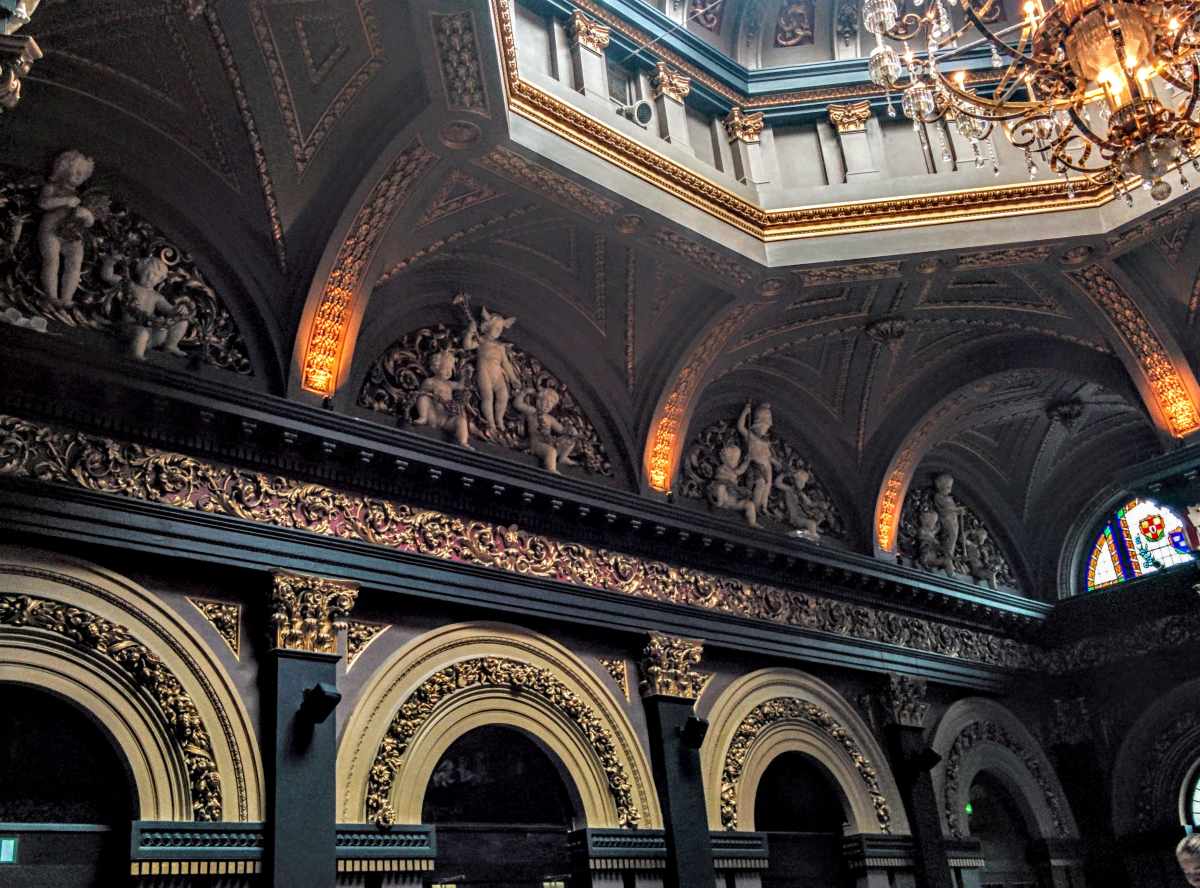
The Merchant Hotel, 35-39 Waring Street, Cathedral Quarter: five stars in a Victorian bank building, with a rooftop terrace, Great Room Bar, and spa. The most atmospheric luxury hotel in Belfast; fully accessible with lift; from approximately £300 per night.
Titanic Hotel Belfast, Queen’s Road, Titanic Quarter: Art Deco interiors in the former Harland and Wolff headquarters; harbour views; accessible rooms available; on-site parking; from approximately £200 per night.

Mid-Range Stays
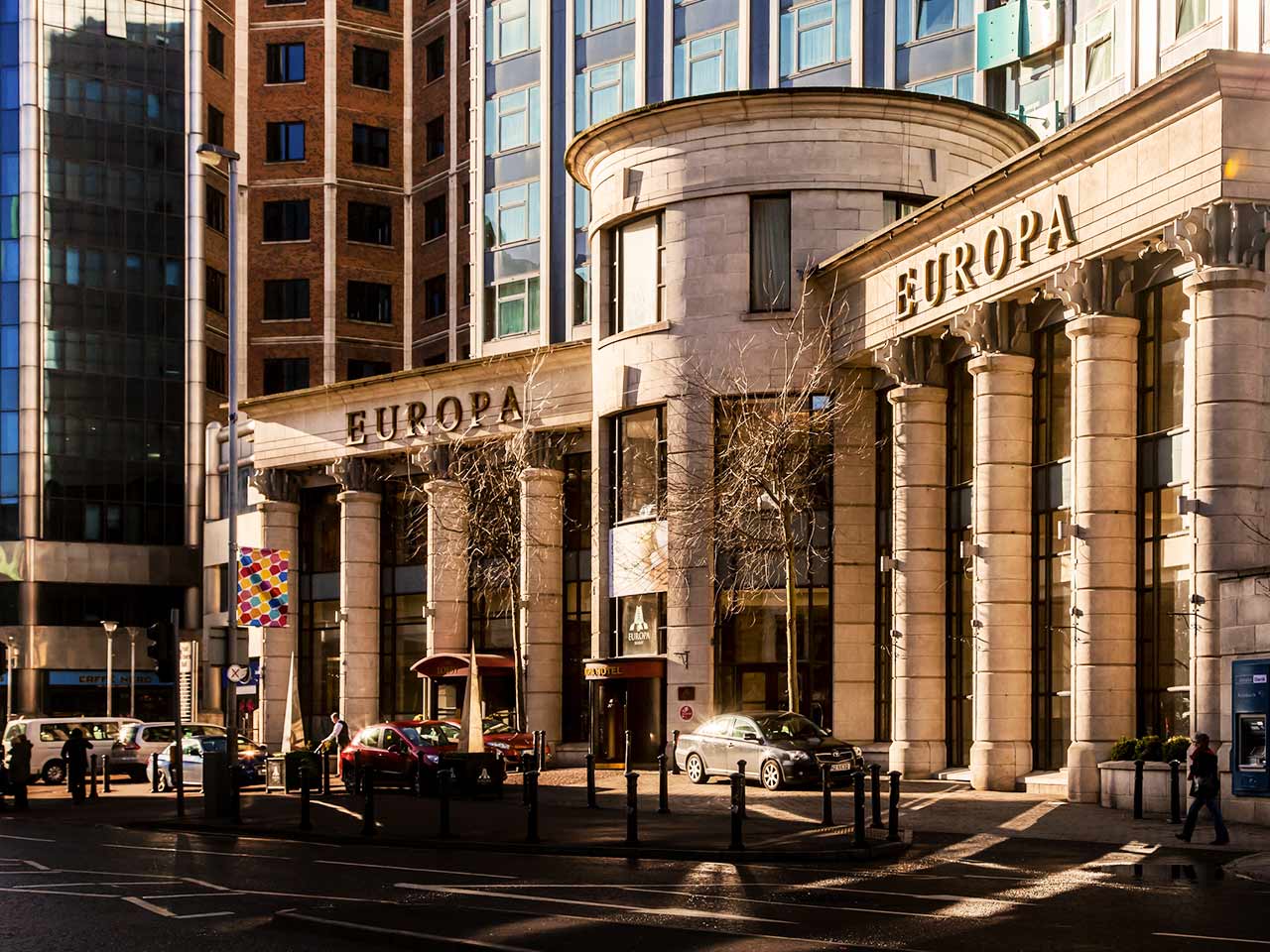
Europa Hotel, Great Victoria Street: central, well-run, walking distance from the Grand Opera House and Crown Bar. Accessible rooms available; from approximately £120 per night.
Malmaison Belfast, 34-38 Victoria Street: converted grain warehouse with spacious rooms, good for families; accessible rooms on request; from approximately £110 per night.
The Fitzwilliam Hotel: central, polished, business-friendly; accessible rooms available; from approximately £130 per night.
Budget Stays
Vagabonds Hostel, 9 University Road: friendly and central, dorm beds and private rooms, popular with solo travellers; from approximately £20 per night for a dorm bed.
Booking tip: Belfast hotels fill quickly in summer and during Culture Night (September), Belfast International Arts Festival (October), and the Christmas Market period (November to December). Sunday through Thursday rates are typically lower. A truly unusual option: the George Best Family Home on the Cregagh Road in East Belfast has been restored as a visitor experience and unique accommodation, with George’s childhood bedroom preserved.
Belfast Through the Seasons: Best Times to Visit and Key Events
Belfast is a genuine year-round destination, with each season offering a distinct character, festival programme, and atmosphere.
- Spring (March to May): Belfast Film Festival in April fills historic venues with independent cinema. Cathedral Quarter Arts Festival brings street performance and live events. Parks and Botanic Gardens come to life.
- Summer (June to August): Belfast Pride in August. The Maritime Festival in the Titanic Quarter features tall ships, food stalls, and maritime demonstrations. Longest daylight hours: it stays light until nearly 10pm in June.
- Culture Night (September): museums, galleries, and studios open late across Belfast; streets become an open-air festival. Free admission across hundreds of venues. One of the best nights on the Belfast calendar.
- Autumn (September to November): Belfast International Arts Festival hosts world-class theatre and dance. Halloween Monster Mash at the Titanic Slipways for families.
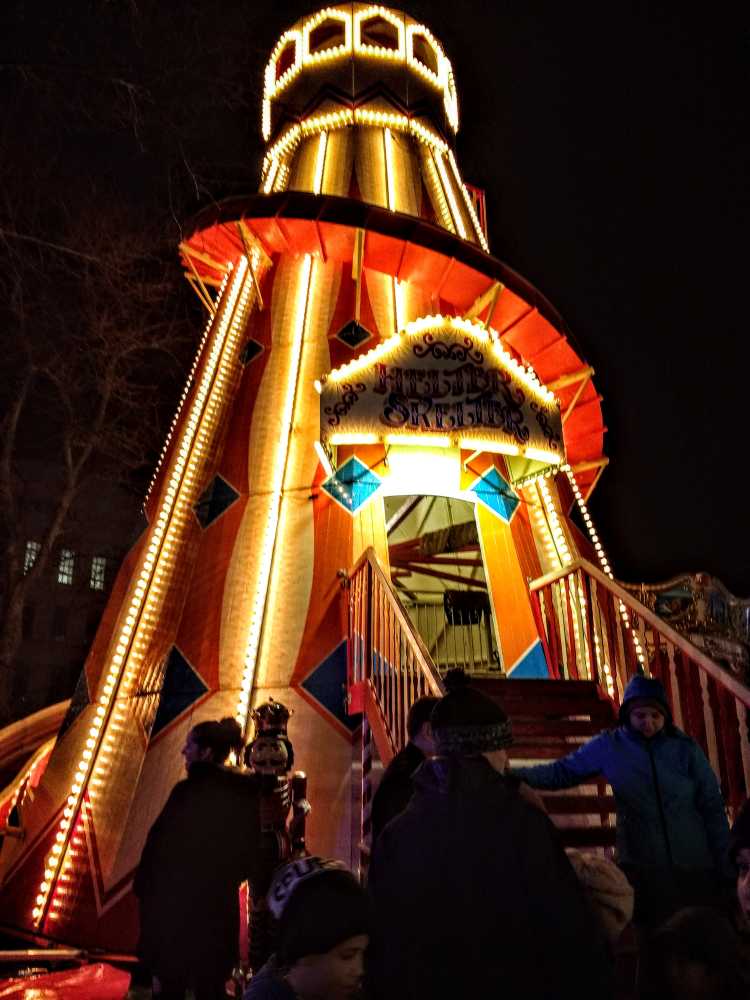
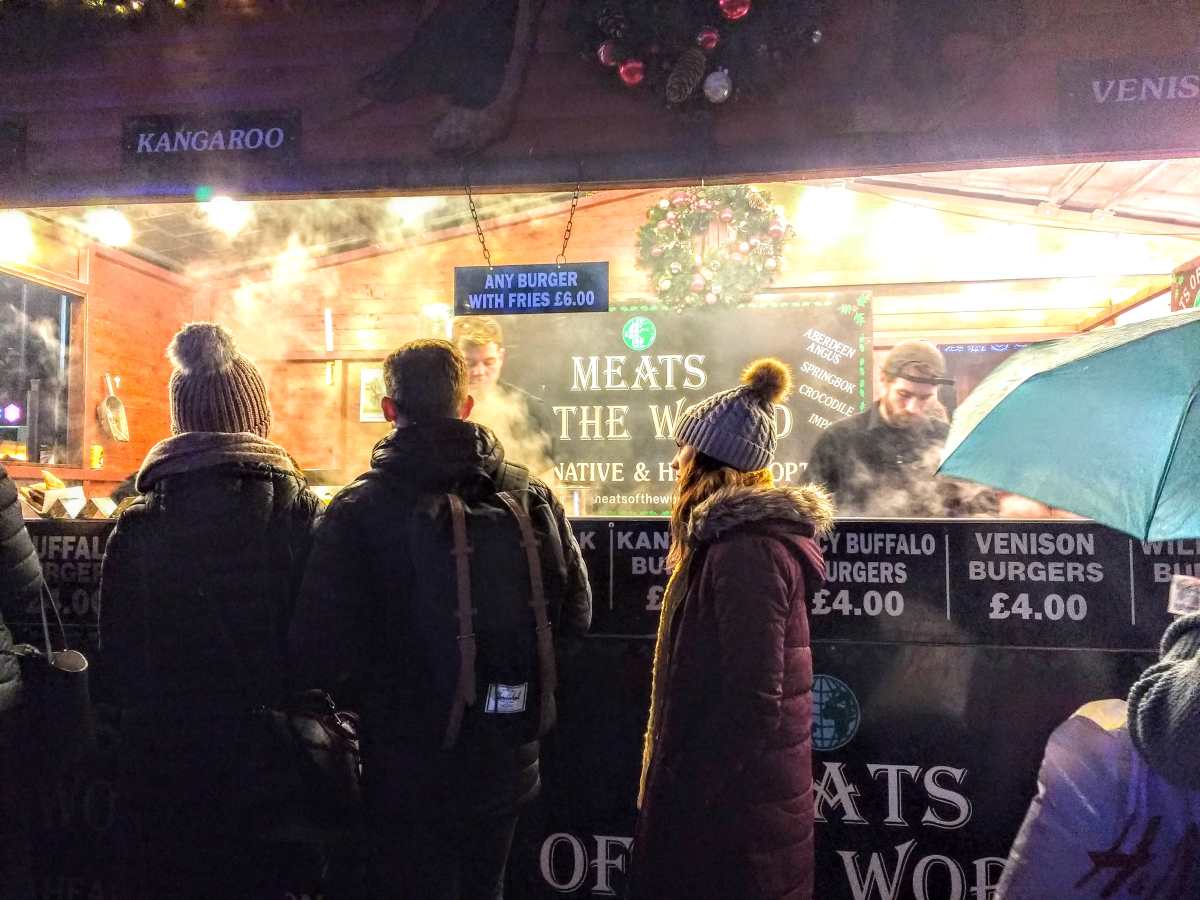
- Winter (November to January): The Christmas Market at City Hall, running November into December, is one of the finest in Ireland and the UK: continental food, craft stalls, mulled wine, and Belfast at its most festive. Pubs are cosiest in deep winter.
Weather note: Belfast has a mild but reliably unpredictable climate. Rain is possible year-round. Always carry a light packable raincoat. Summer temperatures average 15 to 20 degrees Celsius; winter 4 to 8 degrees. Best photography light is at golden hour before sunset, when the murals and cathedral spire take on extraordinary colour.
Easy Day Trips from Belfast
The Causeway Coast (90 minutes north)
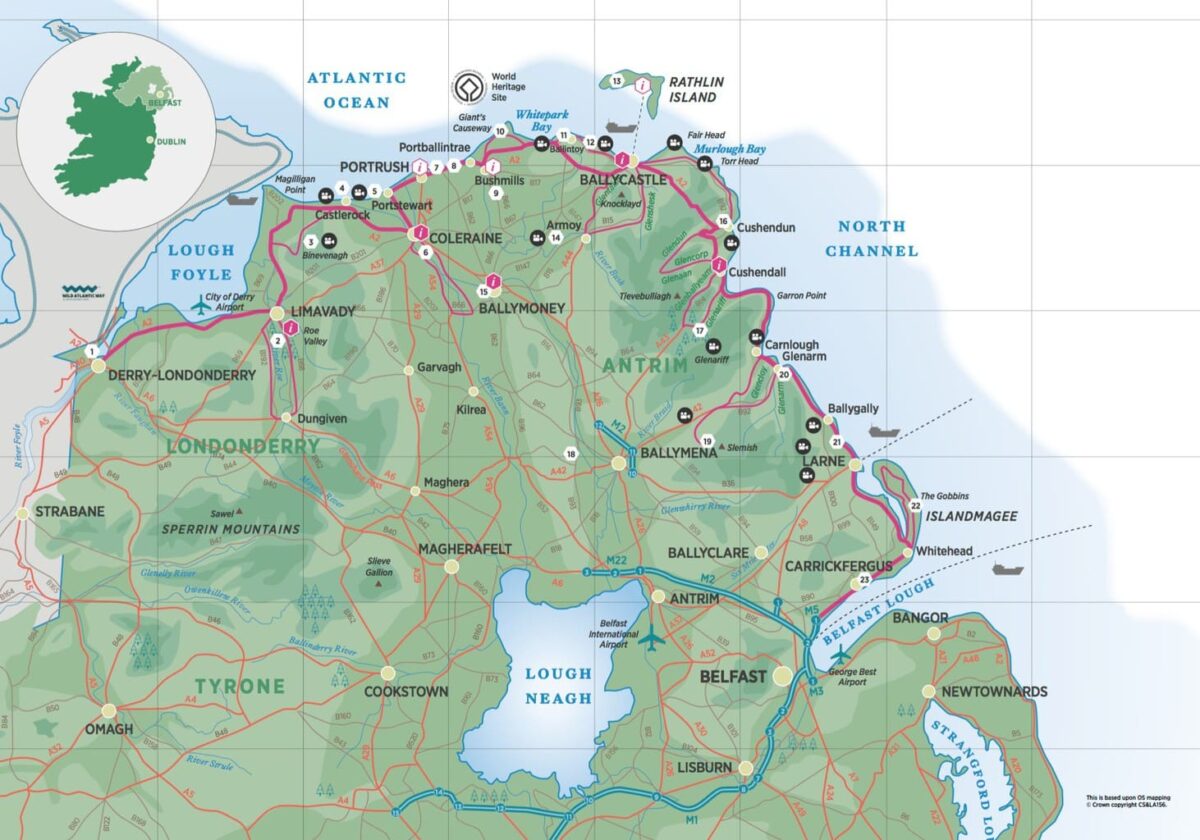
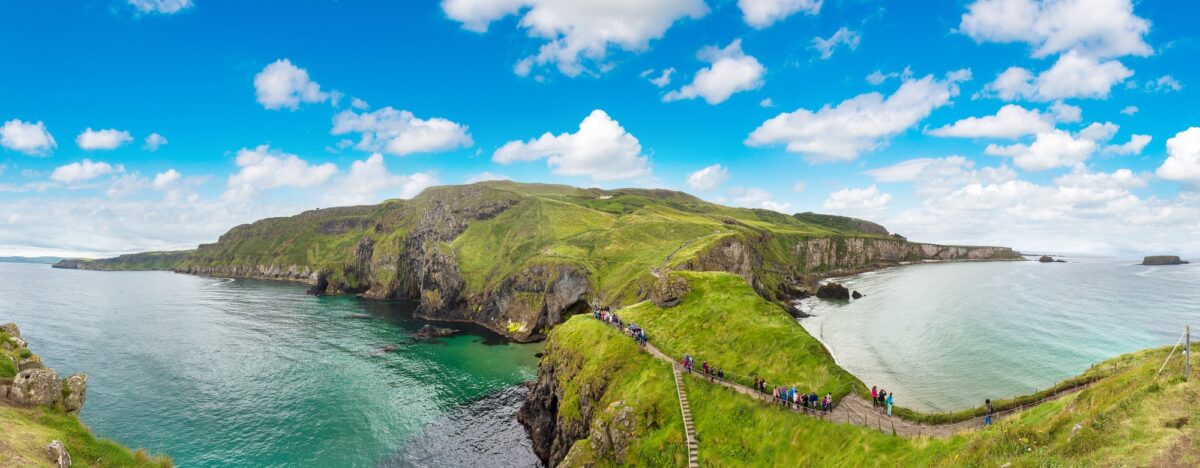
The Giant’s Causeway, Northern Ireland’s only UNESCO World Heritage Site, consists of approximately 40,000 hexagonal basalt columns formed by volcanic activity 60 million years ago on the Antrim Coast, and is one of the most visited natural attractions in Ireland. Visit early morning or at sunset for dramatic photography and smaller crowds. Combine with Carrick-a-Rede Rope Bridge, a 30-metre suspension bridge connecting to a fishermen’s island 30 metres above the Atlantic. Book both in advance in peak season.

Dunluce Castle (65 minutes north)
Dunluce Castle perches dramatically on coastal cliffs near Portrush, featured in Game of Thrones, and said to have inspired CS Lewis’s Cair Paravel. Visit at low tide to explore the sea cave at the base of the cliffs. Adult entry £7. On the Causeway Coastal Route, easily combined with the Giant’s Causeway.
If you are looking for accessibility information check out my Accessible Causeway Coast article and Accessible Giant’s Causeway piece.

Car Hire for Northern Ireland Road Trips
If you are driving from Dublin or planning a wider Northern Ireland road trip, My Irish Cousin offers good-value car hire with both Irish and Northern Irish pickup options, making the drive straightforward across both jurisdictions.
How to Plan Your Visit to Belfast: Step by Step
- Book Titanic Belfast tickets online as soon as your dates are fixed. Choose a morning slot for the best experience; summer slots sell out weeks ahead.
- Reserve a Black Taxi Tour or your second day. Give 24 hours’ notice if you need an accessible vehicle.
- Plan your Saturday morning around St. George’s Market (9am to 3pm). Arrive by 9:30am to catch the best food stalls and live music before the crowds build.
- Book dinner at The Muddler’s Club or OX at least two to three weeks ahead if visiting on a Friday or Saturday.
- Pick up a Translink day ticket on arrival at either airport or at the Europa Bus Centre for unlimited bus and Glider travel across the city.
- Visit the Visit Belfast Welcome Centre, 9 Donegall Square North, on your first morning for local maps, the Glass of Thrones trail map, current event listings, and last-minute attraction deals.
- Build in at least one evening walk around the Cathedral Quarter at dusk when the gas lamps come on, the entries fill with atmosphere, and the pubs begin to fill with people who actually live here.
Essential Practical Information for Visiting Belfast
- Currency: British pounds sterling (GBP), not euros. Cards are widely accepted; keep £20 cash for market stalls and traditional pub tabs.
- Belfast Visitor Pass: covers transport and discounts at major attractions; available from the Visit Belfast Welcome Centre, 9 Donegall Square North. visitbelfast.com/visitor-pass
- Getting there from Dublin: Enterprise train (up to 8 daily, approximately 2 hours, Dublin Connolly to Belfast Lanyon Place); Translink and Aircoach buses (approximately 2 hours 15 minutes); or by car on the M1 (approximately 2 hours).
- Getting there from Dublin by car: My Irish Cousin covers car hire across both jurisdictions.
- Booking ahead: Titanic Belfast, Game of Thrones Studio Tour, and the Muddler’s Club and OX restaurants all require advance booking, particularly in summer.
- Accessibility helpline: The Visit Belfast Welcome Centre staff can advise on accessible routes, venues, and transport for specific requirements.

Things to Do in Belfast – what sets it apart
Belfast represents the art of reinvention. From shipyard powerhouse to peace process pioneer, from a troubled and violent past to one of the most visited city break destinations in the UK and Ireland, the city continues to evolve while refusing to forget its roots.
What sets Belfast apart from so many European city breaks is its authenticity. This is a city that welcomes visitors not as consumers of a packaged experience but as participants in an ongoing story. Whether you are photographing the sunrise over the shipyards, sitting in silence with a black taxi driver at the Peace Wall, or joining a Saturday market crowd for a pint of Guinness with a plate of oysters, you will find Belfast offers something increasingly rare in modern travel: a genuine sense of place and people, unmediated and unapologetic.
Come to Belfast for a city break that will stay with you. Do not forget to explore beyond the city itself: some of the most extraordinary landscapes in Europe, from the Giant’s Causeway to the Mourne Mountains in County Down and the murals and walls of Derry, are less than ninety minutes away.


Frequently Asked Questions: Things to Do in Belfast
What are the best things to do in Belfast for first-time visitors?
First-time visitors to Belfast should prioritise five experiences: Titanic Belfast, a Black Taxi Tour of the murals and Peace Walls, a Saturday morning at St. George’s Market, an evening in the Cathedral Quarter, and a walk through the historic entries. These cover the city’s industrial heritage, political history, food culture, creative energy, and social life. Most of the city centre is walkable; a Translink day ticket covers everything further afield. The full Belfast itinerary can easily fill two to three days.
How much does it cost to visit Titanic Belfast in 2026?
Online ticket prices verified June 2026: Adult £24.95, Child aged 5 to 15 £11.00, Family Pass (2 adults, 2 children) £62.00, under-5s free, essential carers free. An Early Riser offer (March to October) brings adult tickets to £19.95 for the 8:30am to 9:50am entry slots. A temporary UK Government VAT reduction runs 25 June to 1 September 2026, reducing prices further. Walk-up prices are higher. Your ticket includes SS Nomadic. Always book in advance at titanicbelfast.com.
Is Belfast worth visiting for a weekend break?
Yes. Belfast is consistently rated as one of the best city break destinations in the UK and Ireland. Two full days covers the main attractions: Titanic Quarter on day one, murals and Cathedral Quarter on day two, with a market morning and good dinners. Three days allows a day trip to the Giant’s Causeway, the Game of Thrones Studio Tour in Banbridge, or a drive along the Causeway Coastal Route.
Is Belfast safe for tourists?
Yes. Belfast is very safe for visitors. Tourism Northern Ireland reported over 2.6 million visitors to the city in recent years. Normal urban awareness applies, as in any city. The political murals of Falls Road and Shankill Road are established tourist attractions; the Peace Walls are open to visitors during the day. The vast majority of visitors find Belfast extremely welcoming.

What currency is used in Belfast?
Northern Ireland uses British pounds sterling (GBP), not euros. This is the same currency used across England, Scotland, and Wales. Some businesses near the border with the Republic of Ireland accept euros, but at a poor exchange rate. ATMs are plentiful throughout Belfast city centre; currency exchange is available at both airports and at the Visit Belfast Welcome Centre.
Do Cruises dock in Belfast?
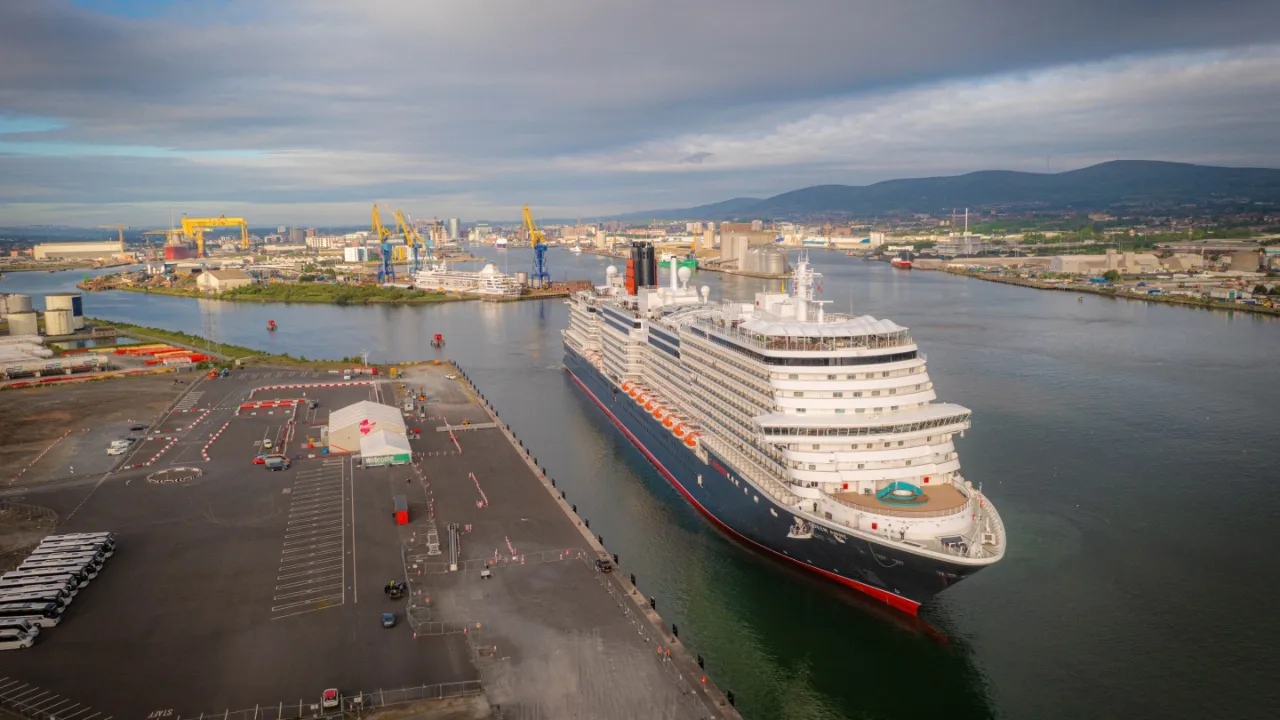
Yes and you usually have up to 15 hours in port. What makes Ireland particularly appealing is not just its scenery, but how efficiently cruise passengers can experience it. Unlike destinations where long transfers dominate your day, Ireland offers compact cities, relatively short travel distances, and well-organized ports that allow you to maximize your limited time ashore.
Is Belfast accessible for visitors with mobility difficulties or hidden disabilities?
Most major attractions have invested significantly in accessibility. Titanic Belfast is fully accessible with lifts to all gallery levels and 14 accessible parking spaces at the main entrance. The Ulster Museum and City Hall have accessible entrances and lifts. The main challenges in Belfast are the cobbled streets of the Cathedral Quarter and the steeper slopes around Cave Hill. Titanic Quarter is largely flat. Black Taxi Tours require 24 hours’ advance notice for an accessible vehicle. The Visit Belfast Welcome Centre (9 Donegall Square North) can advise on accessible routes and facilities for specific requirements.
What is the best way to travel from Dublin to Belfast?
By train: Enterprise services run up to eight times daily between Dublin Connolly and Belfast Lanyon Place; journey time approximately two hours. By bus: Translink and Aircoach coaches run regularly; journey time approximately two hours fifteen minutes. By car: the M1 motorway connects both cities in approximately two hours, depending on traffic.

Are there free things to do in Belfast?
Yes. Several of Belfast’s best experiences are entirely free: walking the murals and Peace Walls (unguided), the Ulster Museum, Botanic Gardens, City Hall exterior and grounds, the Glass of Thrones stained-glass trail, the Lagan waterfront walk, the Albert Memorial Clock, the Big Fish sculpture, Bog Meadows Nature Reserve, Cave Hill Country Park (lower trails), Belvoir Park Forest, and the Cathedral Quarter streets and entries. A self-guided walking tour of the city costs nothing beyond shoe leather.
Explore more of the region with guides to England, Scotland, Wales, Northern Ireland, or the full United Kingdom Travel Guide.
Click here to subscribe
Start Planning your Belfast City and visit to Ireland holidays
This guide is part of a wider Accessible Ireland travel series, offering realistic, first-hand advice for limited-mobility travel across Ireland.
➡️Accessible Causeway Coast Route
➡️Accessible Wild Atlantic Way
If you encounter changes (e.g., temporary lift closures or construction), please let me know so I can update this page promptly.