
15 Haunted Castles in Ireland: Visit or Stay If You Dare
Ireland’s castles carry genuine, documented history of clan warfare, betrayal, and tragedy, and the country has one of the strongest oral storytelling traditions in Europe which is exactly why so many of these stories have survived largely intact for centuries rather than fading into vague local rumour. This guide splits Ireland’s most famously haunted castles into two clear groups: the ones you can actually book a room in for the night, and the ruins and historic sites you can only visit, tour, or view from outside.
Fast Facts: Haunted Castles in Ireland
| Most haunted castle in Ireland | Leap Castle, County Offaly |
| Best haunted castle hotel for a ghost tour | Kilkea Castle, County Kildare |
| “Second scariest hotel in the world” (TripAdvisor, 2010) | Cabra Castle, County Cavan |
| Castles you can stay overnight in | 6 of the 15 on this list |
| Castles you can only visit or tour | 9 of the 15 on this list |
| Best time to visit for atmosphere | Late autumn through winter, when daylight is shortest |
Haunted Castle Hotels You Can Actually Stay In
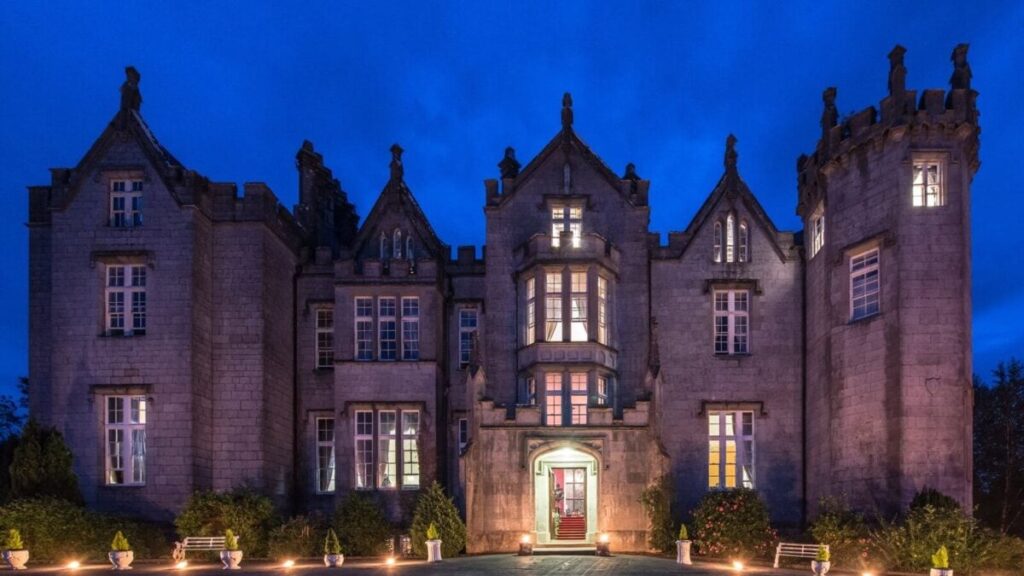
Kilkea Castle, Co. Kildare one of the oldest continuously occupied castles in Ireland, and home to the legend of the “Wizard Earl,” Gerald FitzGerald, said to have practised shapeshifting and dark magic in a hidden chamber. Local legend holds he reappears once every seven years. The hotel runs dedicated night-time ghost tours for guests who want to go looking.

Kinnitty Castle, Co. Offaly rebuilt in 1929 after being burned during the War of Independence, but seemingly none the less haunted for it. Its best-known resident is the Monk of Kinnitty, a friendly, robed figure reportedly seen by both staff and guests, particularly around the Geraldine and Elizabeth rooms.
Ballyseede Castle, Co. Kerry haunted by Hilda Blennerhassett, the last of her family to live there, whose presence on the main staircase is said to announce itself with the scent of roses a nod to the estate’s old ground rent, once paid in a single rose each year. She’s reportedly made an appearance around late March for generations. I’ve visited myself, and the atmosphere alone makes the story easy to believe.
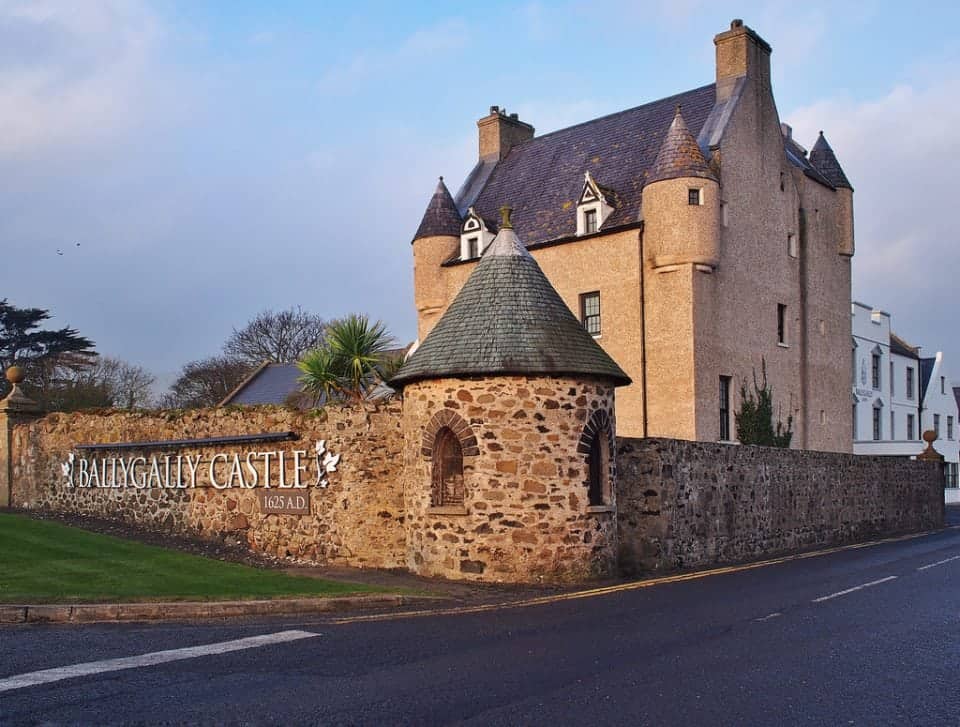
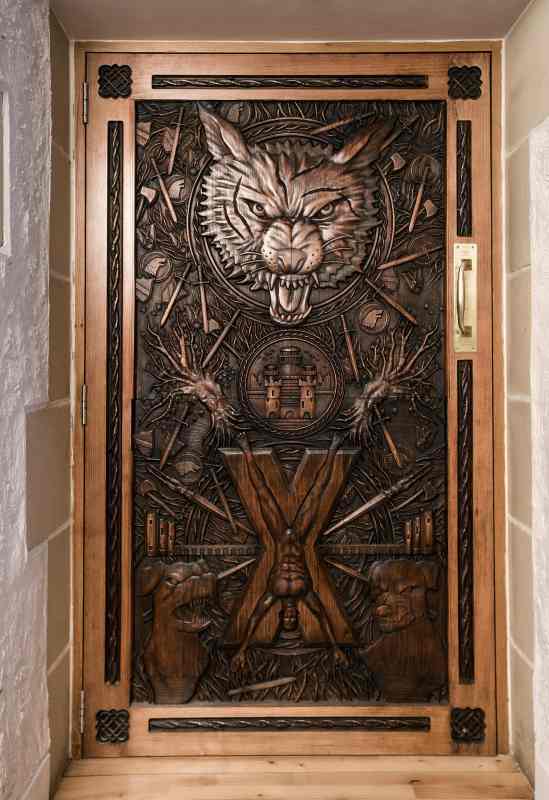
Ballygally Castle, Co. Antrim on the Causeway Coastal Route, and home to Lady Isabella Shaw, said to have been locked in a tower room by her husband before falling or being pushed to her death. The hotel has a dedicated Ghost Room guests can visit, and reports include unexplained knocking and cold drafts. I’ve visited this stretch of coast myself, including stopping to see one of the carved Game of Thrones doors within the Castle.
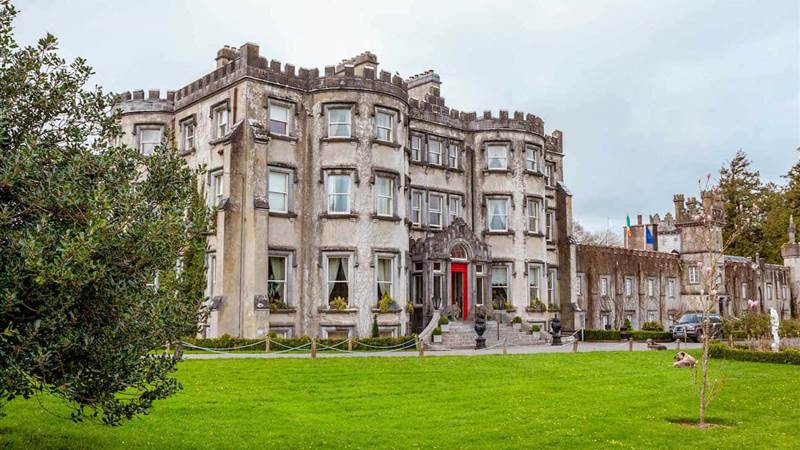
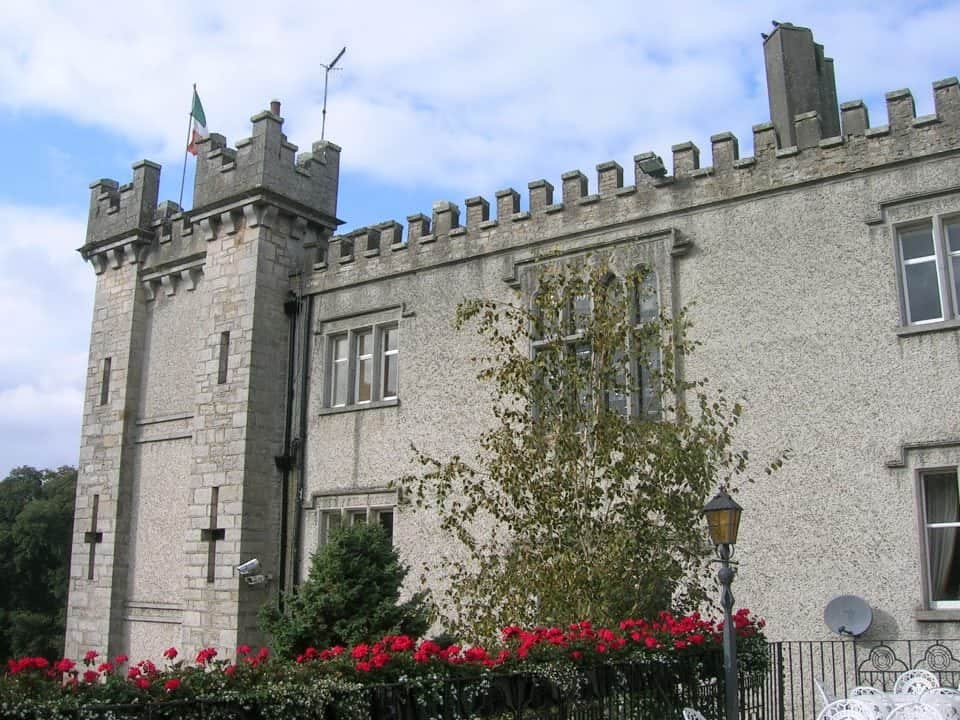
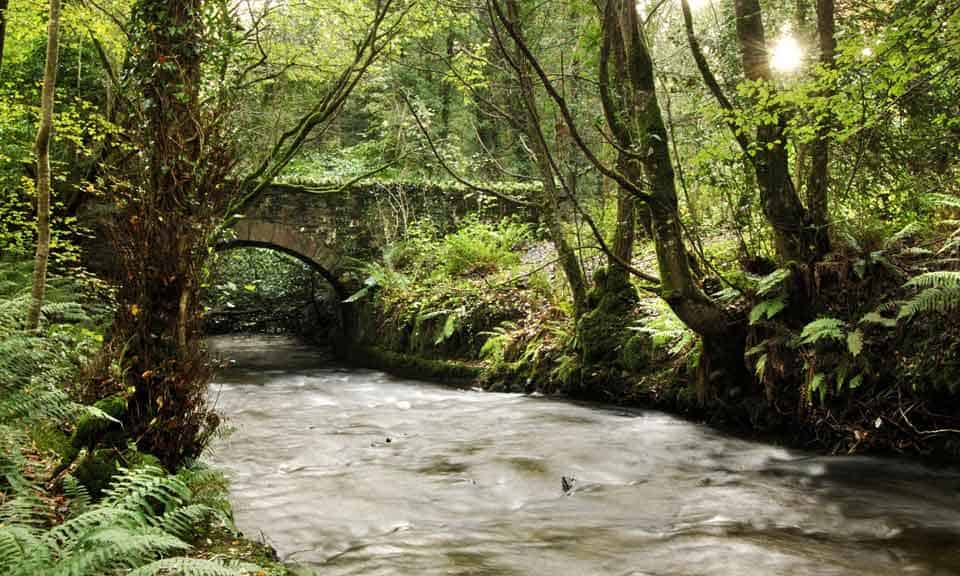
Cabra Castle, Co. Cavan once voted the second scariest hotel in the world by TripAdvisor. Its haunting traces to the 1780s, when a servant girl named Sarah was hanged after becoming pregnant by the estate owner’s son. Guests have reported the sound of a crying infant near the site. I’ve spent time wandering the woods on the Cabra estate myself no ghostly encounters, but it’s easy to see why the reputation persists after dark.
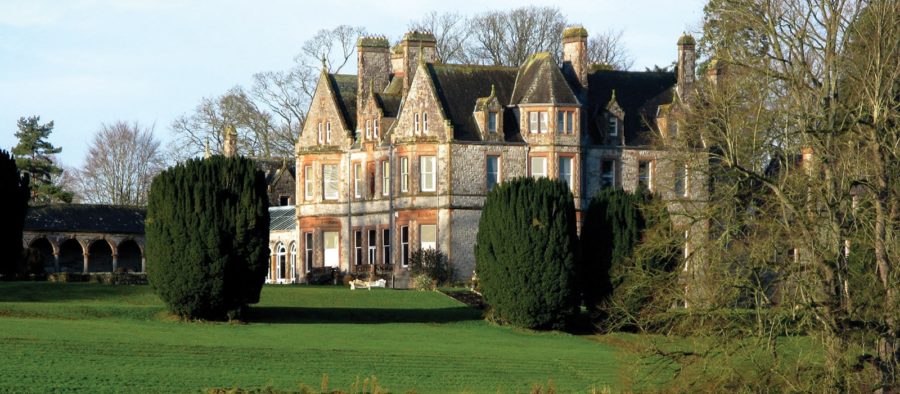
Castle Leslie Estate, Co. Monaghan a working family estate with a long-documented paranormal reputation, frequently named alongside Kilkea and Ballygally on haunted-hotel lists, and a genuinely atmospheric place to spend time even setting the ghost stories aside. I’ve had afternoon tea there myself, and can vouch for the atmosphere, ghosts or not.The estate offers a wide variety of different accommodation at The Castle, at The Lodge and at The Old Stable Mews to fit all tastes and requirements.
For non-haunted castle stays across the rest of the country, see my full guide to Castle Hotels in Ireland.
Haunted Castle Ruins and Historic Sites
Leap Castle, Co. Offaly widely considered the most haunted castle in Ireland, and for good reason: this is documented history, not just legend. In 1532, a priest was murdered by his own brother during Mass in what’s now called the Bloody Chapel, and 20th-century renovations uncovered human remains in the castle’s oubliette, a trapdoor dungeon. It’s privately owned, with limited tour access check current arrangements before planning a visit.

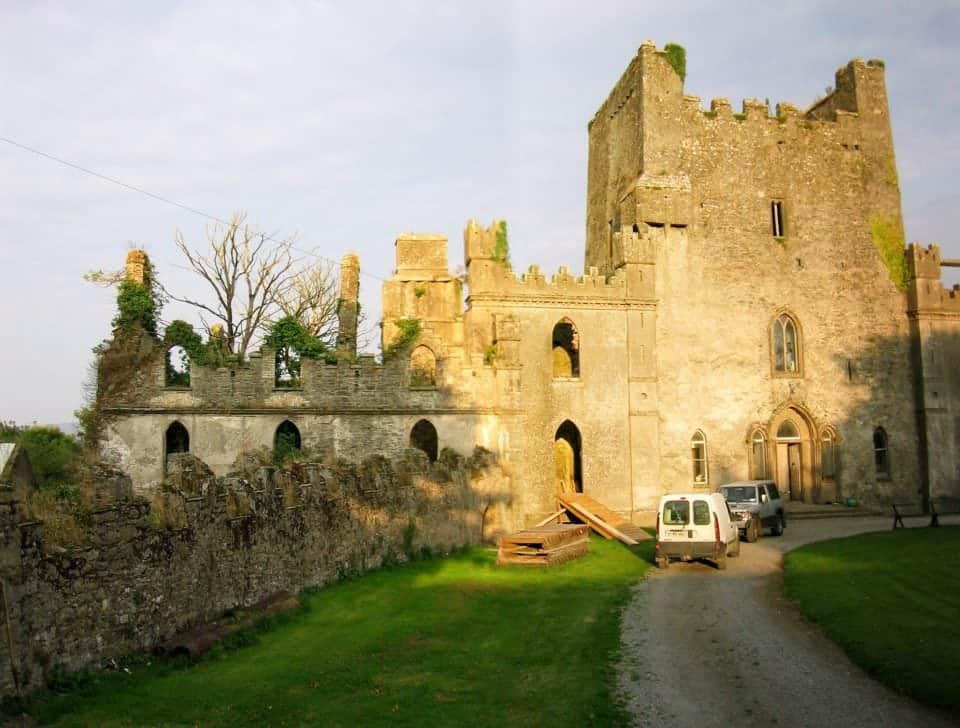
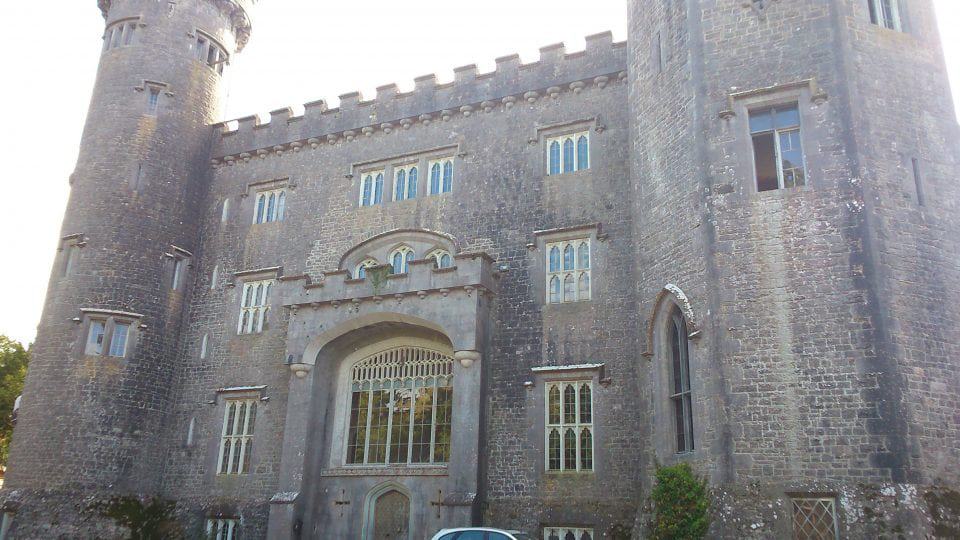
Charleville Castle, Tullamore, Co. Offaly one of Ireland’s most atmospheric Gothic Revival buildings, said to be haunted by the ghost of a young girl, Harriet, who died falling down the main staircase. The castle runs public tours and events.
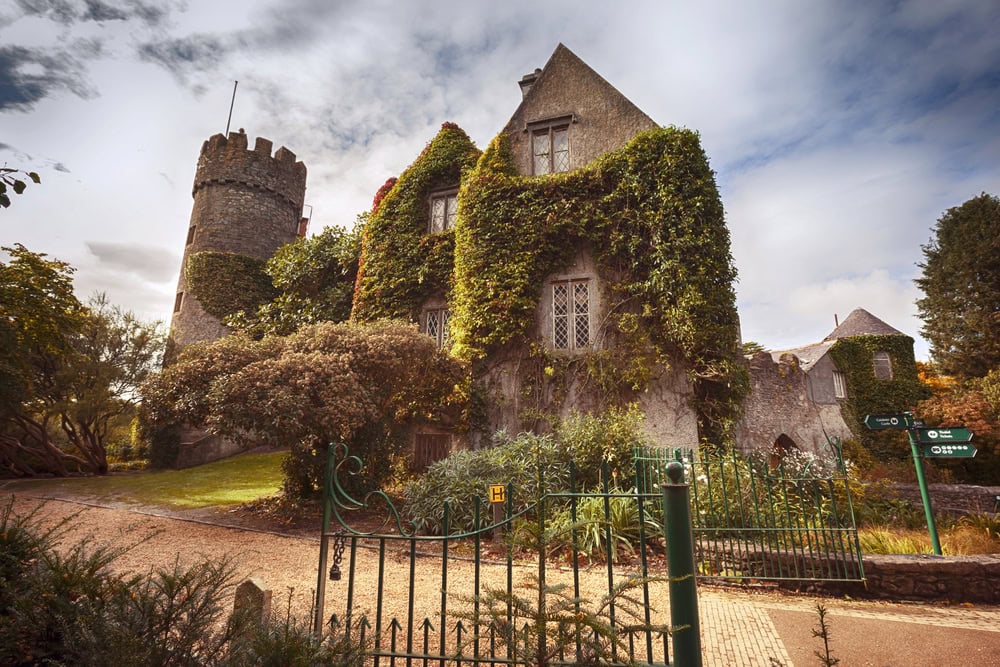
Malahide Castle, Co. Dublin a well-maintained, easily visited estate just outside the city, haunted by Puck, a jester said to have been murdered on the grounds centuries ago and who’s said to still make the occasional mischievous appearance.
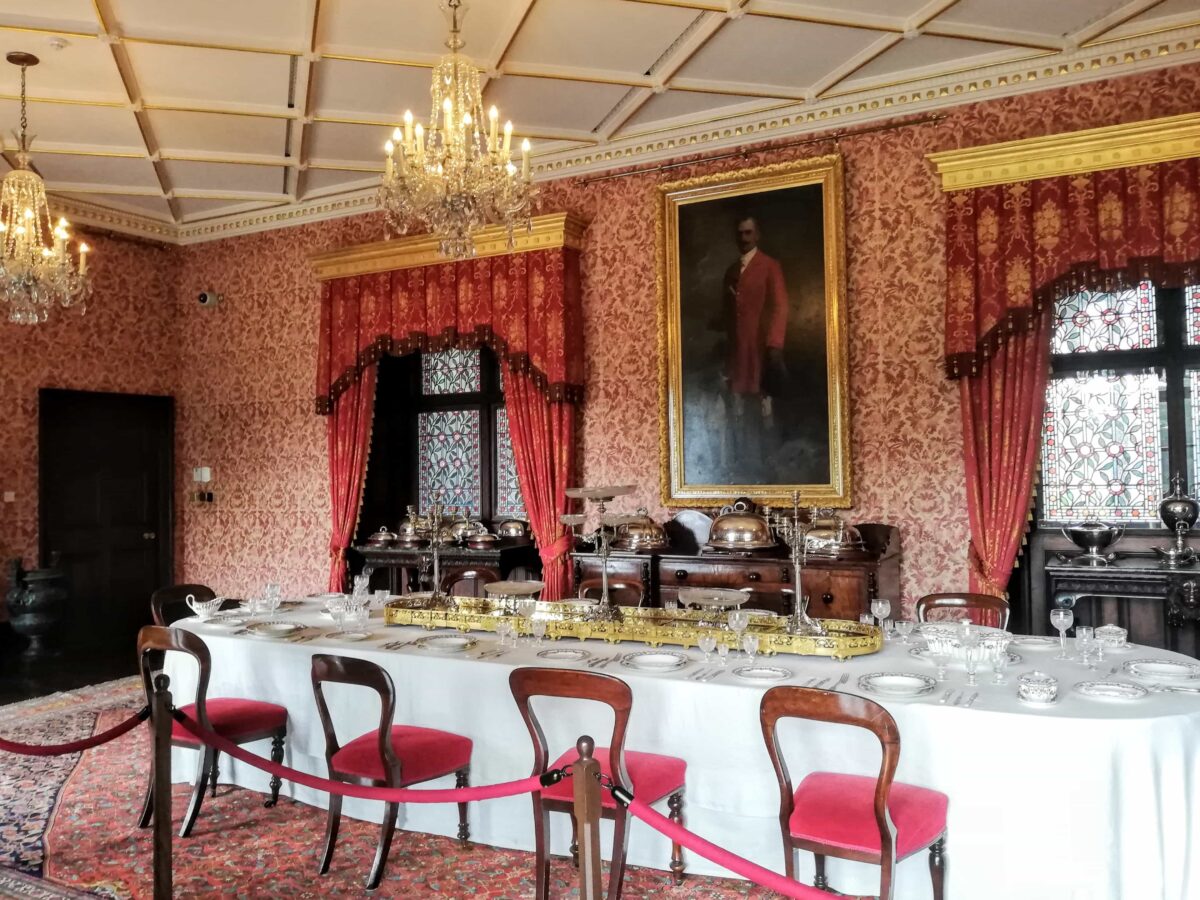
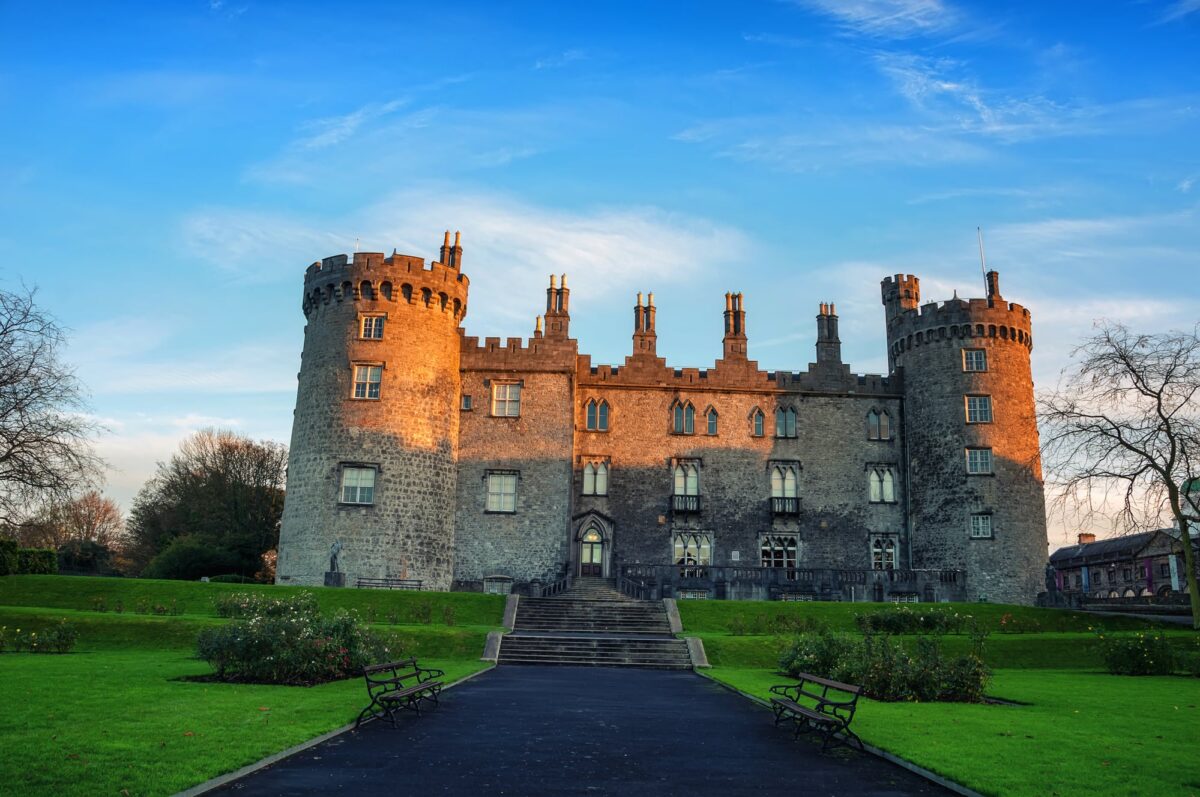
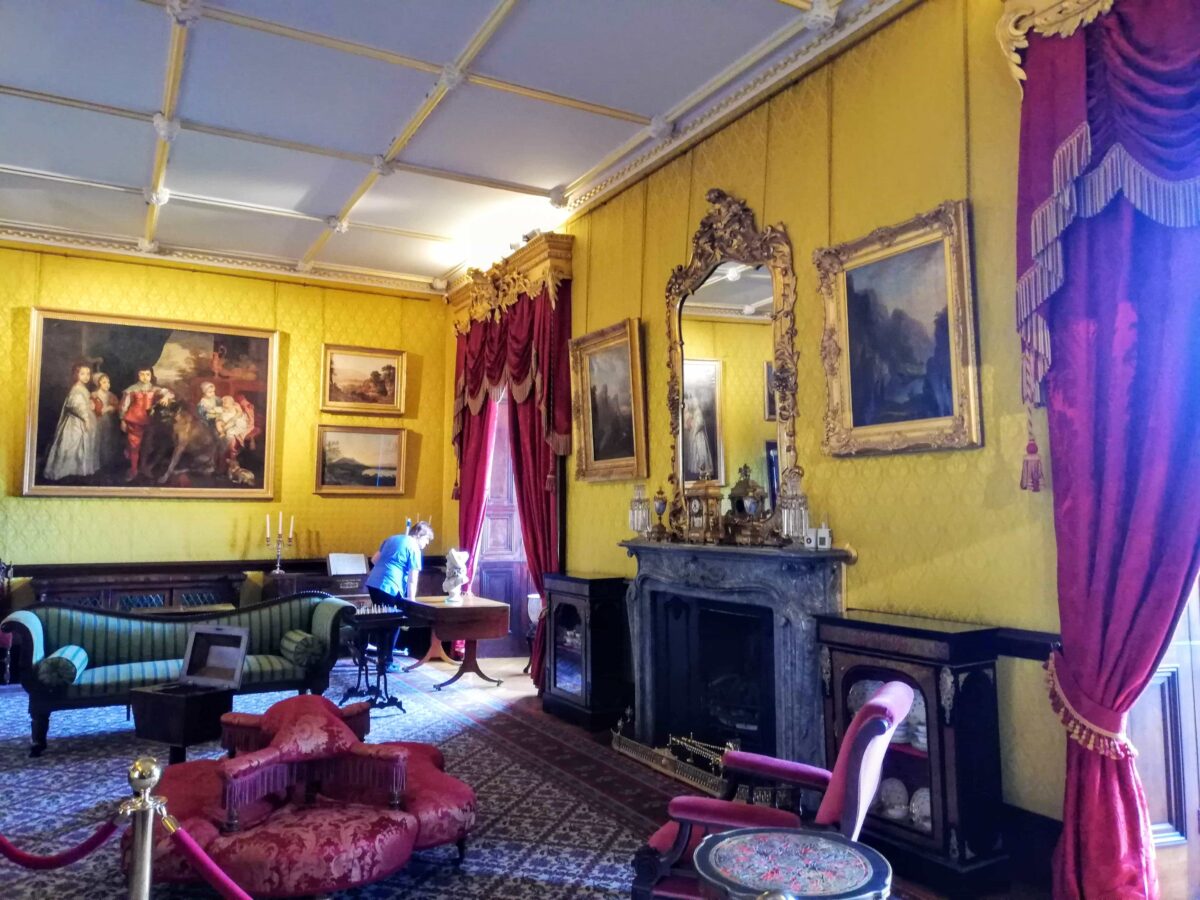
Kilkenny Castle, Co. Kilkenny seat of the powerful Butler family for centuries, and home to the White Lady, believed to be Lady Margaret Butler grandmother of Anne Boleyn. A major, easily accessible visitor attraction in Kilkenny city. I’ve toured the castle myself, and the state rooms alone are worth the trip, ghost story or not.
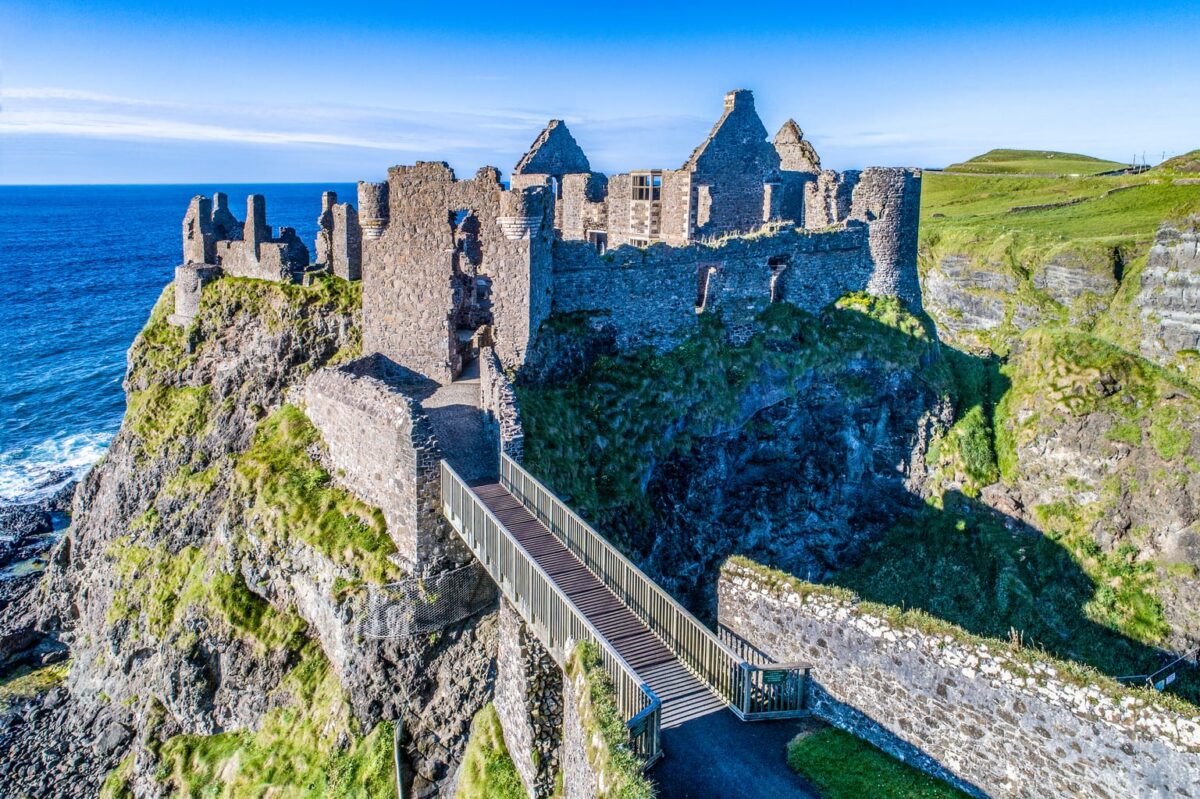
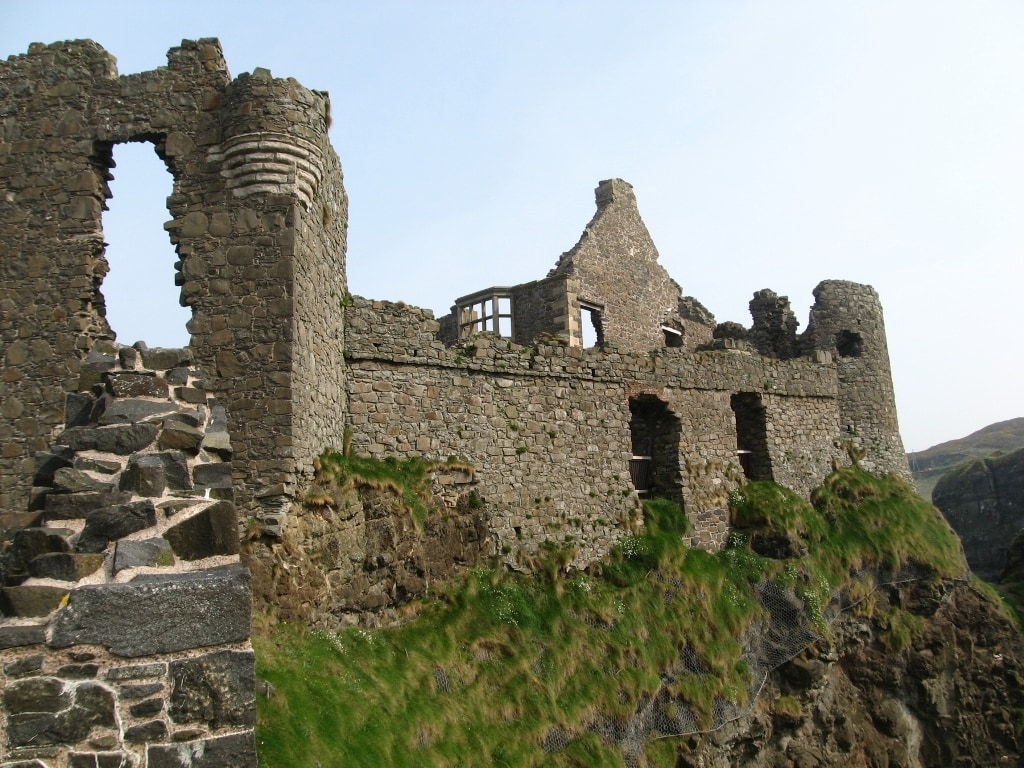
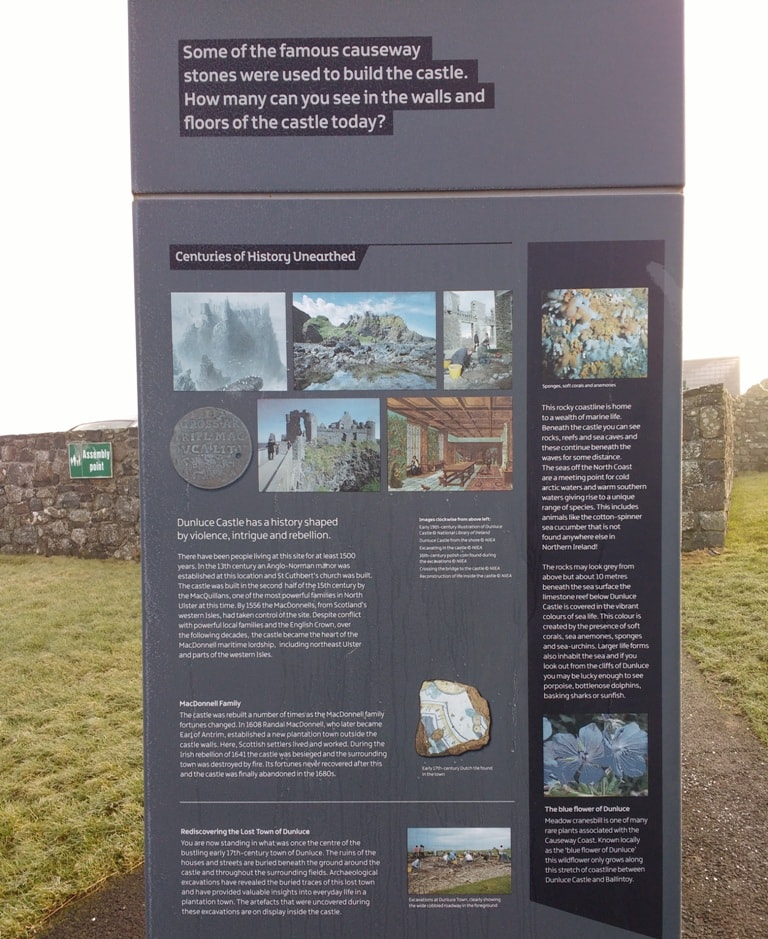
Dunluce Castle, Co. Antrim a dramatic ruin perched above the Atlantic on the Causeway Coast, tied to the legend of Maeve Roe, said to have died trying to escape the castle to elope. Part of the castle’s kitchen genuinely collapsed into the sea in 1639, which only adds to its reputation. I’ve visited, and the setting alone makes it easy to believe every story told about the place.


Clonony Castle, Co. Offaly a modest tower house with a real historical claim to fame it’s linked to Anne Boleyn’s family, with the graves of two of her cousins found on the grounds, giving this lesser-known ruin a genuine Tudor connection most visitors never expect.

Huntington Castle, Co. Carlow unlike anything else on this list: alongside its own ghost stories, the castle’s crypt houses a working temple of the Fellowship of Isis, a genuinely unique detail that sets it apart from the standard haunted-castle circuit.

Carrickfergus Castle, Co. Antrim one of the best-preserved Norman castles in Ireland, said to be haunted by “Buttoncap,” the ghost of a soldier accidentally killed by a comrade, who reportedly promised to haunt the castle until his innocence in his own death was recognised. I’ve toured Carrickfergus myself, and it remains one of the most intact Norman castles I’ve seen anywhere in Ireland.


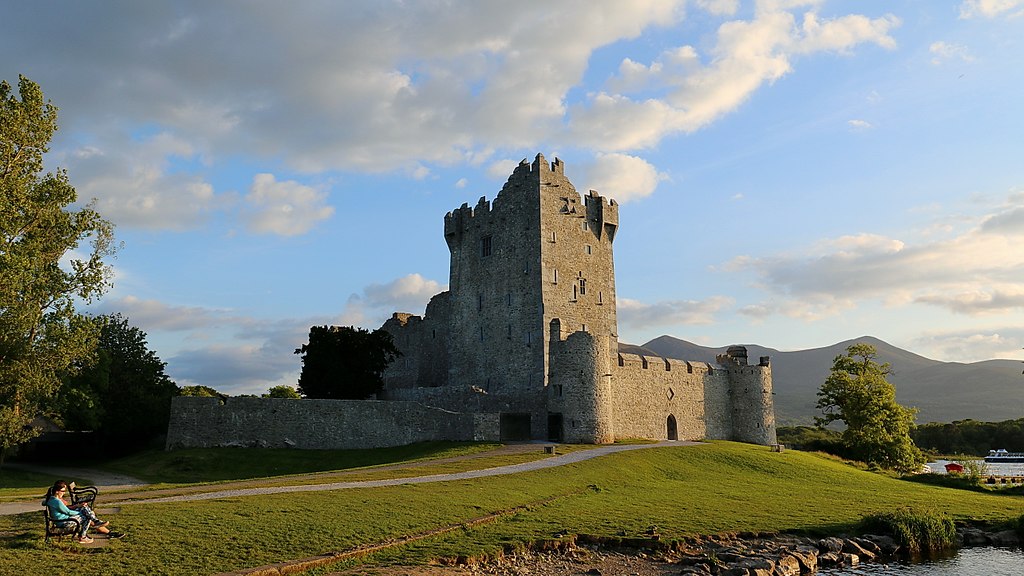
Ross Castle, Co. Meath a 15th-century tower house overlooking Lough Sheelin, haunted by the ghost of Sabina Nugent, said to have fallen in love with an English soldier who drowned attempting to elope with her. I’ve covered her story in more depth in my guide to the Most Haunted Places in Ireland.
For more ruined castles across the country, haunted or otherwise, see my guide to Castle Ruins in Ireland, and for Northern Ireland’s wider haunted history beyond castles, see Haunted Places in Northern Ireland.
Visiting Responsibly: Access and Accessibility
Accessibility at these sites varies enormously, and it’s worth checking before you build a day around one. The castle hotels on this list Kilkea, Kinnitty, Ballyseede, Ballygally, Cabra, and Castle Leslie are modern, functioning hotels with standard guest accessibility. The ruins and historic sites are a different story: Malahide Castle and Kilkenny Castle are well-maintained visitor attractions with paved paths and facilities, while sites like Leap Castle involve limited, privately managed access, and others such as Dunluce Castle involve uneven, exposed ground typical of a coastal ruin. Always check a specific site’s current access arrangements directly before visiting, particularly if mobility is a factor.
Frequently Asked Questions About Haunted Castles in Ireland
What is the most haunted castle in Ireland?
Leap Castle in County Offaly is almost universally named the most haunted castle in Ireland, largely because of its documented violent history, including the murder of a priest in what’s now called the Bloody Chapel, and the discovery of human remains in the castle’s oubliette during 20th-century renovations.
Can you actually stay overnight in a haunted castle in Ireland?
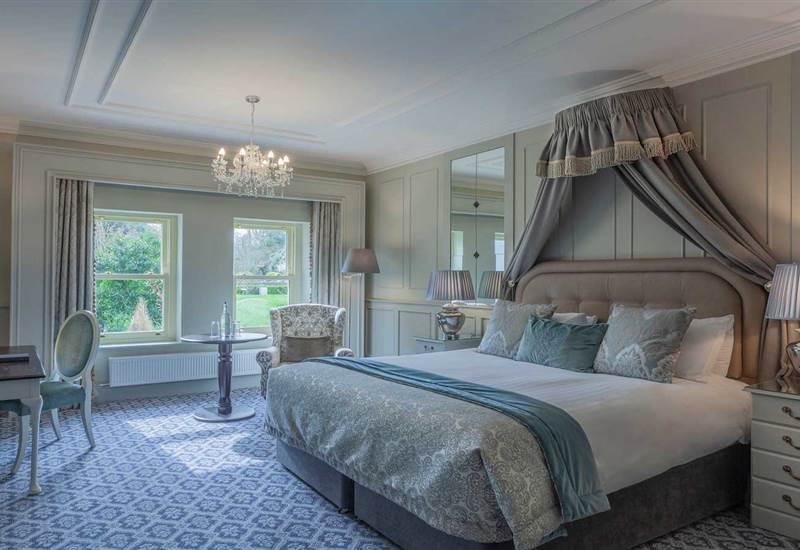
Yes. Several haunted castles now operate as hotels, including Kilkea Castle, Kinnitty Castle, Ballyseede Castle, Ballygally Castle, Cabra Castle, and Castle Leslie Estate. Staying overnight doesn’t guarantee an encounter, but it does mean sleeping inside centuries of documented history.
Are haunted castle ruins in Ireland accessible to visit?
It varies considerably by site. Some, like Malahide Castle and Kilkenny Castle, are well-maintained visitor attractions with paved paths and facilities. Others, like Leap Castle, are privately owned with more limited, tour-based access. Always check a site’s current visiting arrangements before planning a trip around it.
Why does Ireland have so many haunted castle stories?
Ireland’s castles carry genuine centuries-old history of clan warfare, betrayal, and tragedy, and the country has one of the strongest oral storytelling traditions in Europe. Ghost stories tend to survive in places where real historical trauma, family sagas, and folklore have had centuries to intertwine.

What’s the difference between this list and other haunted Ireland guides?
This guide focuses specifically on castles, split clearly between those you can book a room in and those you can only visit. For haunted sites beyond castles, including gaols, abbeys, and ancient burial grounds, see my full guide to the Most Haunted Places in Ireland.
Whether you’re chasing an actual overnight encounter or just want to stand in a room where real, documented history happened, Ireland’s haunted castles offer something most countries simply can’t match: centuries of genuine violence, betrayal, and loss, kept alive by a culture that never stopped telling the story.