
What to Pack for Ireland: The Ultimate Packing List (+ Pro Tips)
Trying to figure out what to pack for Ireland is one of those things that seems simple until you actually start doing it. Your packing list starts with your Ireland travel plan or your Northern Ireland travel plan : self-driving the Ring of Kerry means packing hiking gear and car chargers, whereas City itineraries leave room for lighter layers and a reliable daypack. Use your itinerary to decide between waterproof jackets, formal pub-night tops, or extra socks for muddy castle walks
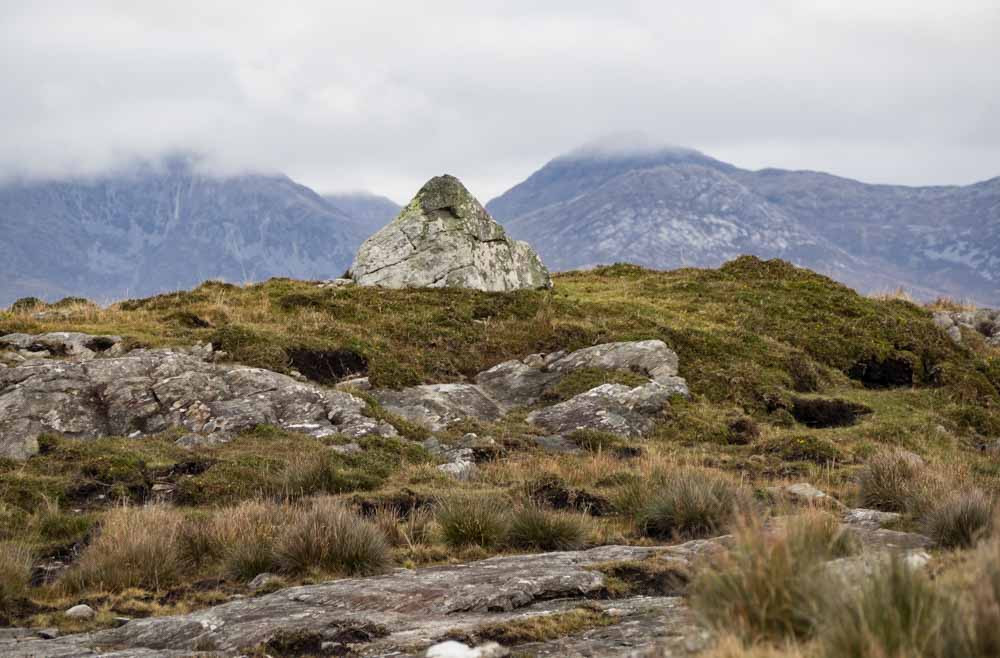
You check the weather, you look at photos, maybe you even glance at a few packing lists online, and somehow you still end up unsure. Should you bring summer clothes? A winter coat? Hiking gear? Something in between?
Check out my Northern Ireland Travel Tips Guide
Having moved to Ireland from North America and lived here for years, while traveling all over the country from Donegal to County Cork, I can tell you that the confusion is completely justified. Ireland doesn’t behave the way you expect it to, and neither does the weather.
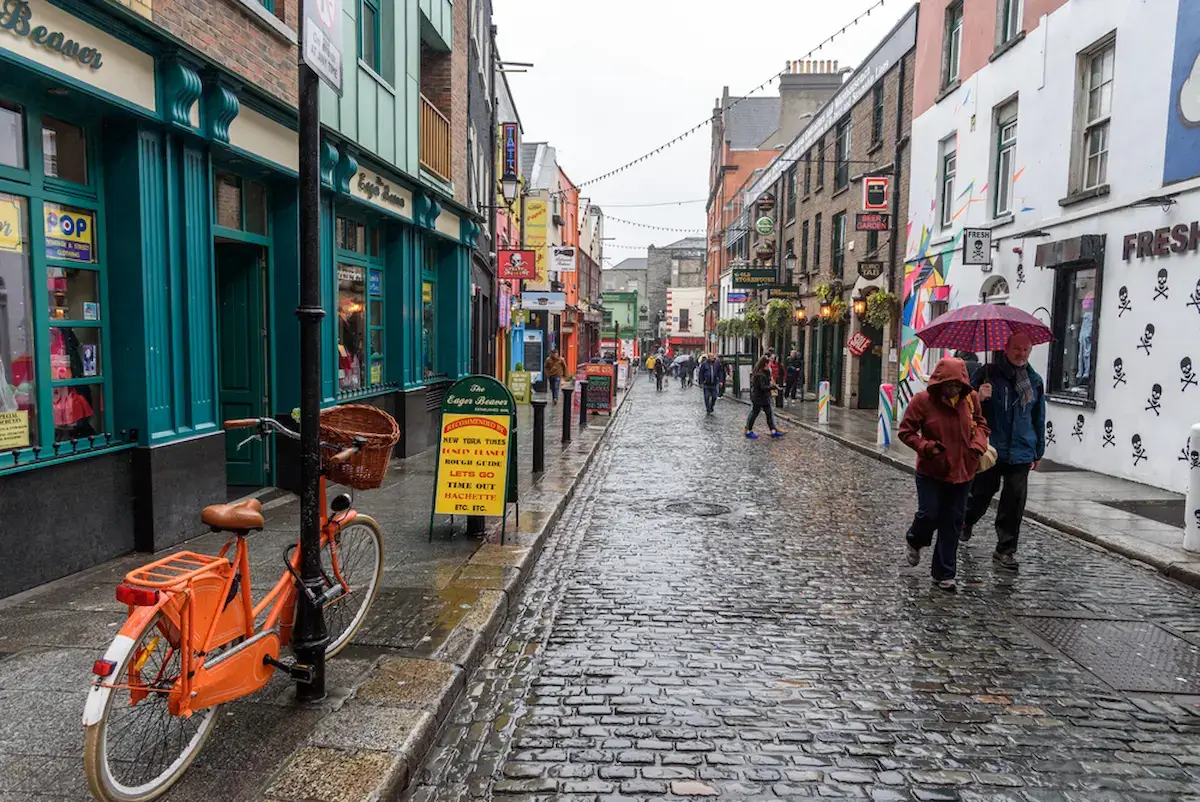
If there’s one thing I’ve learned, it’s this: you’re not packing for a season in Ireland, you’re packing for a series of constantly changing conditions that don’t care what month it is,
Before you go any further, if you’re still planning your trip, it’s worth starting with a full overview of how to travel around the country and what to expect. My Ireland Travel Guide will give you that bigger picture, and my step-by-step planning guide will help you organize everything properly.
But when it comes to packing, this guide is about what actually works when you’re here not what looks good in a suitcase.
Before you pack, check the carry-on baggage rules for your airline.
- What to Pack for Ireland: The Ultimate Packing List (+ Pro Tips)
- Ireland Weather Is the Reason Packing Feels So Complicated
- The Jacket You Bring Will Define Your Trip
- Shoes Matter More Than You Think
- What You’ll Actually Wear (And What You Won’t)
- Why Packing Light Makes Everything Easier
- The One Thing That Keeps You Going All Day – A Power Bank
- Your Phone Will Be Your Most Important Travel Tool in Ireland
- Packing for Different Times of Year
- What You Really Need (Without Overcomplicating It)
- You Can’t Pack Perfectly for Ireland
- Exploring the fascinating regions of Ireland
Ireland Weather Is the Reason Packing Feels So Complicated
People often assume Ireland is cold. It’s not really. What it is, is unpredictable.
The temperatures are generally mild, especially compared to Canada or parts of the United States, but that doesn’t make it easy. What makes it tricky is how quickly things change and how different it feels depending on where you are.
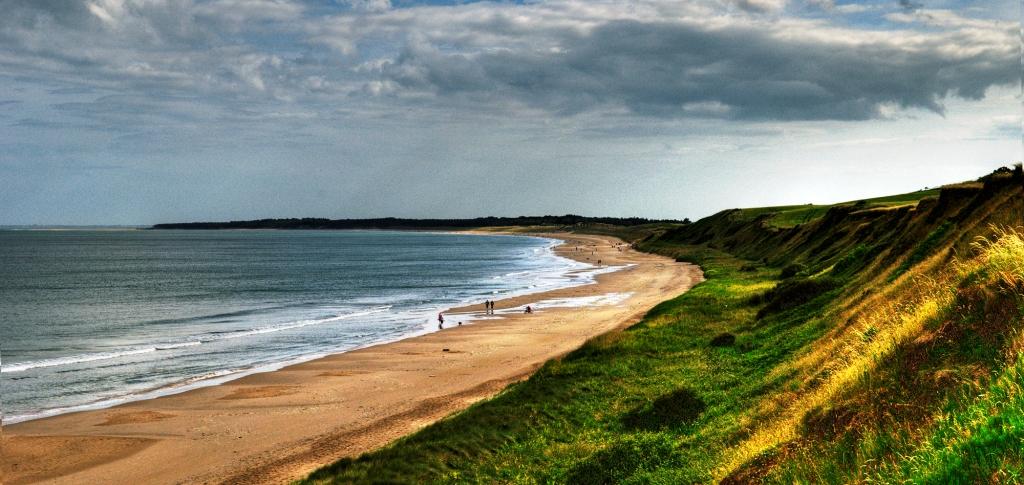
The west coast, especially along places like the Wild Atlantic Way, is exposed to the full force of the ocean. That means wind that seems to come out of nowhere and rain that doesn’t politely fall straight down. It comes at you sideways, often just when you’ve convinced yourself you don’t need your jacket.

The dampness is another thing that surprises people. It’s not dramatic, but it lingers. It gets into your clothes and makes the air feel cooler than it actually is. You can be standing in what looks like mild weather and still feel chilled if you’re not dressed properly.
I’ve had days here where I left the house in sunshine, stopped for coffee in the rain, and finished the evening watching a sunset in clear skies again. That’s normal. That’s Ireland. And that’s exactly why packing for it isn’t straightforward.
The Jacket You Bring Will Define Your Trip
If there’s one decision that matters more than anything else, it’s your jacket. I’m not exaggerating when I say that a bad jacket can ruin your experience, and a good one can make everything easier. You don’t need something bulky or overly technical, but it does need to handle both wind and rain properly.
There’s a big difference between something that looks waterproof and something that actually is. You’ll notice that difference very quickly if you find yourself on a cliff path or walking through a coastal town when the weather turns.

The best jackets are the ones that can adapt. A lightweight waterproof outer layer with a removable inner lining works perfectly because it allows you to adjust as the temperature shifts. You’re not stuck carrying multiple coats, and you’re not caught off guard when things change.
After living here for years, I stopped experimenting with “maybe this will work” jackets. A proper lightweight waterproof jacket that can handle wind, steady rain, and those in-between damp days is essential.
You can check the exact style I recommend here: 33,000ft Women’s Waterproof Softshell Long Rain Jacket with Hood Fleece Lined Windproof Windbreaker. The perfect jacket to wear at the Cliffs of Moher or Slieve League as the winds can be fierce. Here’s a link to the Men’s Jacket.

Shoes Matter More Than You Think
The second most important thing you’ll pack is your shoes, and this is where a lot of people get it wrong.
Ireland is a place where you end up walking more than you intended. Even if your plan is to take it easy, you’ll find yourself wandering through towns, exploring coastal paths, or walking to places that look deceptively close on a map.
The ground isn’t always forgiving. Streets can be uneven, countryside paths can be muddy, and the weather doesn’t do you any favors. Wet feet are one of the quickest ways to turn a good day into a miserable one.
You don’t necessarily need heavy hiking boots unless you’re planning serious hikes, but you do need something comfortable and reliable. Waterproof is ideal, but at the very least your shoes should be able to handle a bit of damp without falling apart. I learned this the hard way wet feet will ruin your day faster than bad weather. Comfort should always come before style here.
These are the walking shoes I swear by, they look great with most jeans and pants and you can get them in men’s as well. Don’t be turned off by the description, they are non-slip, waterproof and have memory foam.

What You’ll Actually Wear (And What You Won’t)
One of the most common mistakes I see, especially with visitors from North America, is overpacking. It’s completely understandable. You want options. You want to be prepared. You think you’ll need different outfits for different days or different situations. In reality, you won’t.
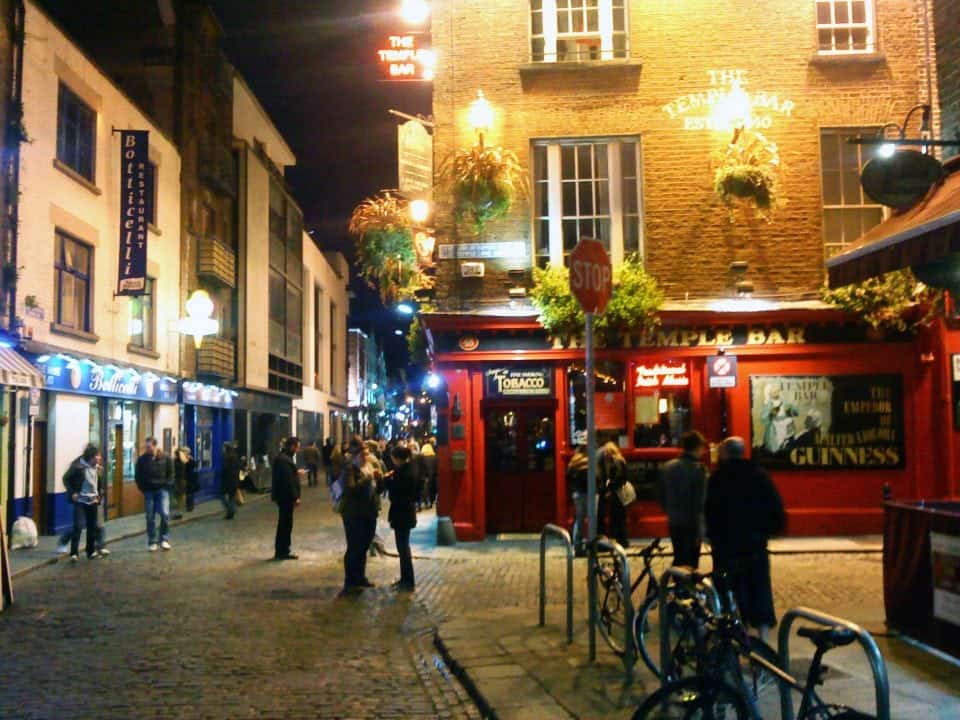
Ireland is incredibly relaxed when it comes to clothing. Even in cities like Dublin, people tend to dress casually. You’re far more likely to see someone in jeans and a sweater than anything overly dressed up.
Most people end up wearing the same small rotation of clothes throughout their trip. A couple of comfortable pairs of trousers, a few tops, a sweater or fleece, and a reliable jacket will carry you through almost anything.
The “just in case” outfits are the ones that sit untouched in your suitcase while you reach for the same comfortable items again and again.

Why Packing Light Makes Everything Easier
Ireland isn’t particularly well suited to large suitcases, and this is something people don’t always think about in advance.
Accommodation often involves stairs, sometimes narrow ones. Car rentals tend to have small boots, especially if you’re traveling with more than one person. And if you’re moving around the country, lifting and managing heavy luggage becomes tiring very quickly.
Over time, I’ve learned that traveling with a carry-on is not just possible here, it’s preferable. It gives you flexibility, it makes transitions smoother, and it removes a lot of unnecessary stress.
After years of traveling here, I stick to a lightweight carry-on with spinner wheels. It makes everything easier especially if you’re doing a road trip. I like a backpack style carry-on for domestic flights as airlines like Ryanair are sticklers for size.
Ryanair suitable back: Tomtoc Travel Backpack, TSA Friendly Flight Approved Carry-on Luggage and a slightly larger size for international flights as in N. America to Europe.
This is the carry-on I’ve used for over 10 years Travelpro Maxlite 5 Softside Expandable Luggage with 4 Spinner Wheels.

I also highly recommend packing cubes to help with your getting everything in these have lasted for years. Eagle creek Pack-It Isolate Compression Cube Set.
TIP: Remember it is rare for someone to see you twice so wear that outfit a few times.
The One Thing That Keeps You Going All Day – A Power Bank
You’ll use your phone constantly in Ireland for maps, bookings, photos, and directions. Long days out mean your battery won’t last.
A small power bank has saved me more times than I can count, especially in rural areas where you’re out all day. As of early 2026, new European airline regulations for power banks (portable chargers) restrict passengers to a maximum of two, which must be carried in carry-on luggage only.
Here’s the power bank I recommend INIU Power Bank, Smallest Portable Charger 10000mAh, Fast Charging 45W powerbank.
Your Phone Will Be Your Most Important Travel Tool in Ireland
One thing I didn’t fully appreciate before living here is just how much you rely on your phone when traveling in Ireland. It’s not just for photos although you’ll take plenty of those.
You’ll use it constantly for navigating rural roads where signage isn’t always clear, checking opening times (which can be… flexible), booking accommodation or restaurants on the go, translating the occasional bit of Irish on road signs, and figuring out where the nearest decent coffee or pub is.


The reality is that Ireland, especially outside the cities, doesn’t always work the way you expect. Plans change, routes take longer, and you often end up adjusting as you go. Your phone becomes your safety net.
If you’re coming from North America, don’t rely on your home plan unless you enjoy paying ridiculous daily roaming charges. What works best here is either an eSIM before you arrive or picking up a local SIM at the airport. I’ve used both, and local Irish providers are affordable and reliable, especially if you’re heading into more remote areas like the Inishowen Peninsula or Connemara.

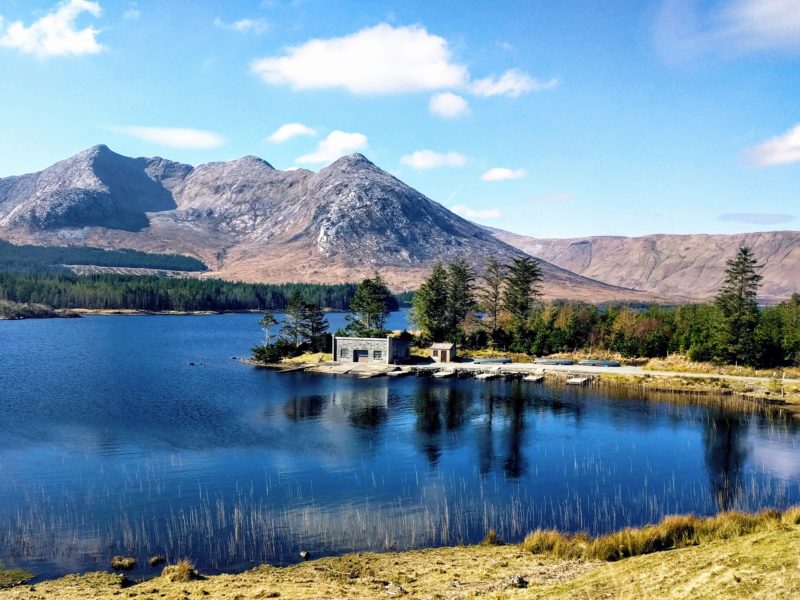
That said, even with good coverage, there will be places where signal drops usually in the most beautiful locations. It’s part of the charm, but it does mean you should plan ahead.
Before heading out each day, download your route on Google Maps so you can use it offline. Rural Ireland has plenty of spots where signal disappears completely, and the last place you want to be guessing directions is on a narrow country road with no signs. I’ve learned this the hard way more than once.
2 ESims most recommended for European travel: Sailly ESim and Airalo ESim
Rain in Ireland isn’t always heavy, but it’s persistent and the mist can be just as bad for your phone as a proper downpour. I’ve seen plenty of people trying to take photos in the rain while wiping their screen every few seconds.
A simple waterproof phone case makes life much easier. It keeps your phone usable even in bad weather and gives you peace of mind when you’re out exploring.
Pelican 2 Pack Marine – IP68 Waterproof Phone Pouch (Regular Size) Floating Waterproof Phone Case
Ireland uses UK-style plugs, which are different from most of Europe and North America. It’s one of those things people forget until they arrive and then end up paying far too much for one at the airport or a convenience shop.
You can check the travel adapter I recommend here: Universal International Travel Power Adapter, All in One Wall Charger with High Speed 2.4A 3xUSB, 3.0A Type-C, European Adapter, Worldwide AC Outlet Plugs for UK, EU, AU & Asia.
There are a few other small electronic items that don’t seem essential until you’re on the road. A good pair of headphones can make long journeys much more comfortable, especially if you’re using public transport or just want a bit of quiet time.
If you have wireless headphones this is just indispensable: Airplane Bluetooth 5.3 Transmitter Adapter for Headphones or Airpods Earphone, Wireless Flight Adaptor.
These headphones are wireless and brilliant for noise cancelling and I have to admit those earbud things just don’t work for me: Active Noise Cancelling Headphones for Airplane Travel.
Extra charging cables are another one. It sounds obvious, but they’re easy to forget, and replacing them while traveling is always more expensive than it should be.
Nothing worse than running out of storage for your camera pics: I recommend this as it has an adaptor for Android and Apple phones: ThePhotoStick® Omni 64GB USB Flash Drive & Memory Stick – Photo & Video Backup for iPhone, Android, Mac & PC – Multiport Connection to Easily Store & Transfer Files

Packing for Different Times of Year
People often ask how packing changes depending on the season, and while there are some differences, the overall approach stays the same.
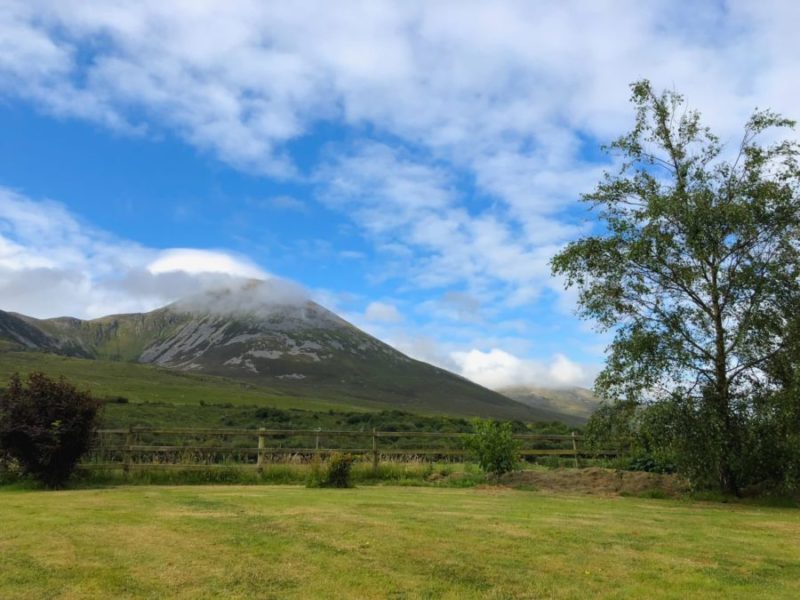
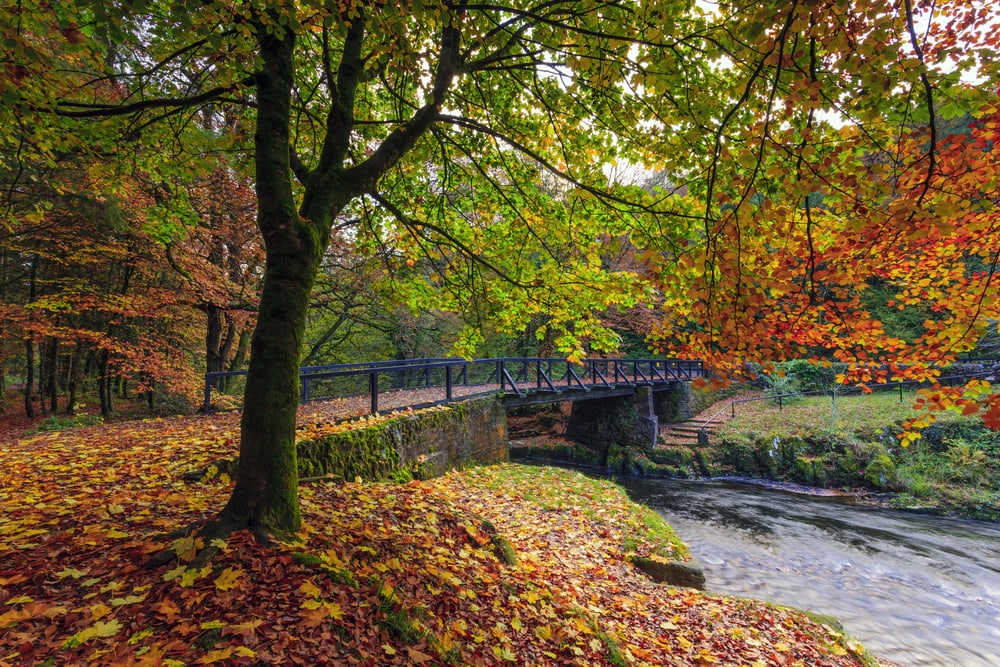
Spring can feel fresh and bright, but it still carries that underlying chill. Summer brings longer days and the possibility of warmer weather, but it rarely eliminates the need for layers. Autumn is one of the most beautiful times to visit, with changing colours and fewer crowds, though it does lean more towards cool and damp conditions. Winter is quieter and can feel atmospheric, but again, it’s not extreme cold that you’re dealing with it’s the combination of wind and moisture.
What ties all of these together is the need to be prepared for change. No matter when you visit, the same core principles apply. Layers will serve you better than heavy single items, and waterproofing will always be more useful than hoping for good weather.


What You Really Need (Without Overcomplicating It)
When you strip everything back, packing for Ireland becomes much simpler. You need clothing that you can layer easily and wear comfortably throughout the day. You need outerwear that protects you from the elements without weighing you down. You need shoes that support you and keep your feet dry. And you need a few practical items that make daily travel smoother.
Everything else is optional but if you want to add a couple of sustainable items pack a collapsable reusable water bottle along with a cross body day bag.
Ireland is not a destination where you need to be perfectly prepared for every possible scenario. It’s a place where you adapt as you go, where plans shift, and where the unexpected often becomes the most memorable part of your trip.
You Can’t Pack Perfectly for Ireland
After years of living here, I’ve come to accept that there is no perfect packing list for Ireland. You can plan, you can prepare, you can make smart choices but something will still surprise you. The weather will change, your plans will shift, and you’ll find yourself adjusting along the way. And that’s part of the experience.
What matters is that you give yourself the best possible starting point. If you can stay dry, stay comfortable, and move easily, you’ll be able to enjoy everything else Ireland has to offer. Ireland may be small, but it’s packed with unforgettable landscapes, rich history, and welcoming towns that are best explored over a little more time. A 10-day itinerary gives you the chance to dive deeper, combining iconic sights with off-the-beaten-path experiences. Take a look at our 10-day Ireland itinerary to start planning your journey.
The landscapes, the people, the unexpected moments those are the things you’ll remember. Not what you wore.
Travelling with limited mobility? Our Accessible Northern Ireland Guide covers wheelchair-friendly attractions, accessible transport, and first-hand mobility tips across Belfast, the Causeway Coast, and Derry.
Planning a trip to Northern Ireland? Our complete Northern Ireland Travel Guide covers Belfast, the Causeway Coastal Route, county guides, hidden gems, itineraries, food, and local tips from a Donegal native.
Start Planning Your Trip
👉 Public Transportation in Ireland
👉 Hidden Gems in Ireland – 32 Secret places to visit
👉 Answering all your travel questions about Ireland
👉What to pack for your Ireland trip
👉 Northern Ireland Public Transportation
Wonderful, practical information! We’ll be visiting Ireland in mid-August 2019. Hoping to find similar information for Scotland, England, and Wales!
I started traveling by the age of twelve with Papa, he taught me the hard way.
Regarding Ireland I never been there (not yet) but have so many friends inviting me over and will definitely add the destination to my bucket list.
P.S the part about the flashlight made me laugh so hard. Good one.
Glad to hear we are now on your bucket list, you will never regret it and the country will stick in your heart forever.
Sure, met several friends from Ireland last year in Amsterdam, they said the same thing :p Thank you Faith.
Excellent article, I don’t think you missed anything!
I would love some of those Super Chelsea Boots! Ireland certainly does have four seasons plus more in one day.
Thank-You for all your info I found it to be very helpful,I will be making my first trip to Ireland the 21 of March till Apr. 2.