
Ireland Travel Guide: Plan Your Perfect Trip + Itineraries
Planning a trip to Ireland? After spending years living in Ireland and traveling extensively across the country and its counties from the Wild Atlantic Way to hidden villages in Donegal this guide brings together everything you need to plan an unforgettable Irish adventure. Planning logistics, budgeting, transport, and itineraries? Read the complete Step-by-Step Ireland Trip Planning Guide.
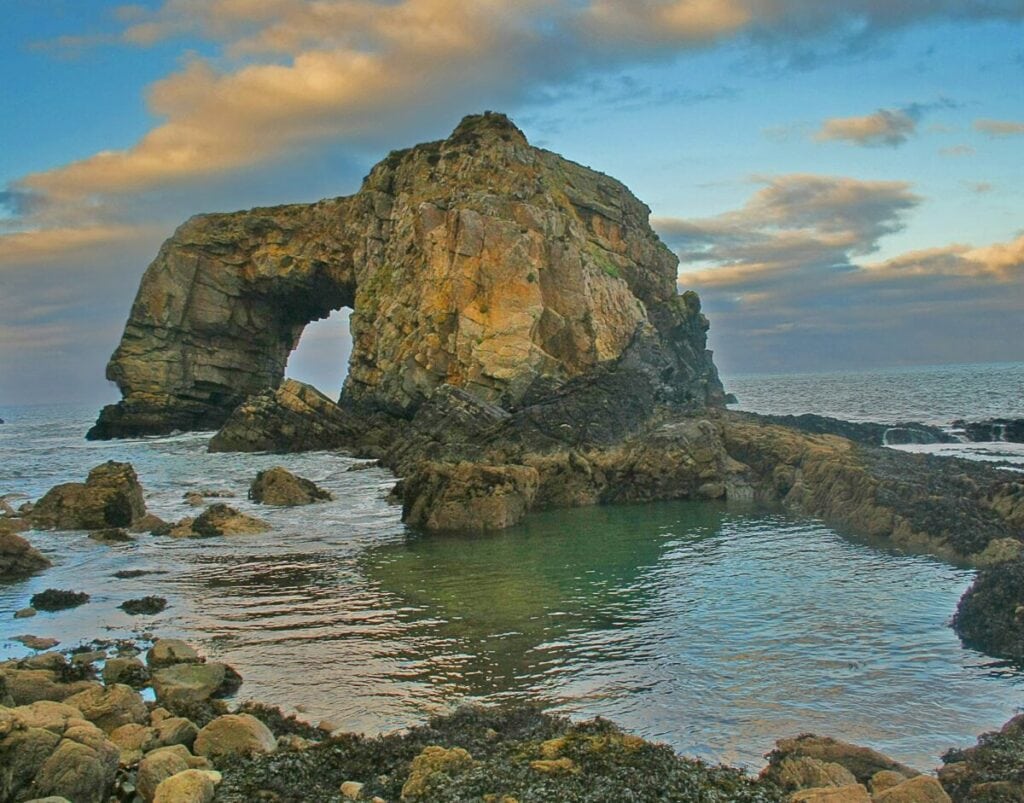
This Ireland travel guide covers everything from where to go and how to get around to the best Ireland itineraries for first-time visitors.
Whether you’re visiting for the first time or returning to explore more, this Ireland travel guide covers the best places to visit, road trip ideas, travel tips, and local insights you won’t find in generic guides. For specific itineraries this link takes you to my Ireland Itinerary page.
What You’ll Find in This Ireland Travel Guide
Best places to visit in Ireland
Suggested Ireland itineraries (7–14 days)
When to visit Ireland
How to get around
Local travel tips
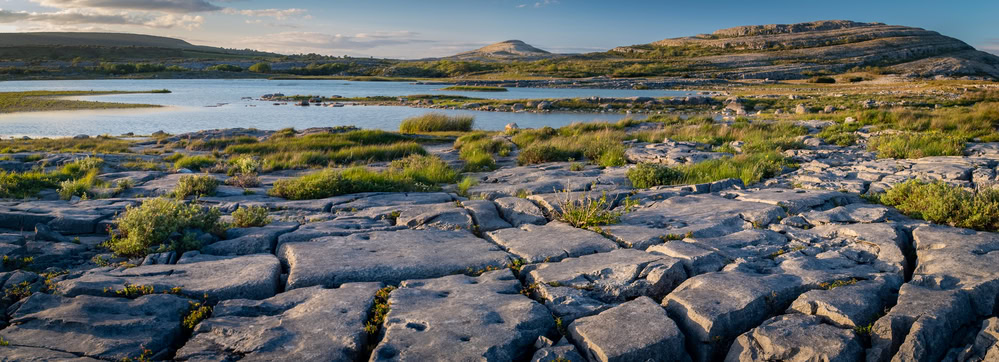
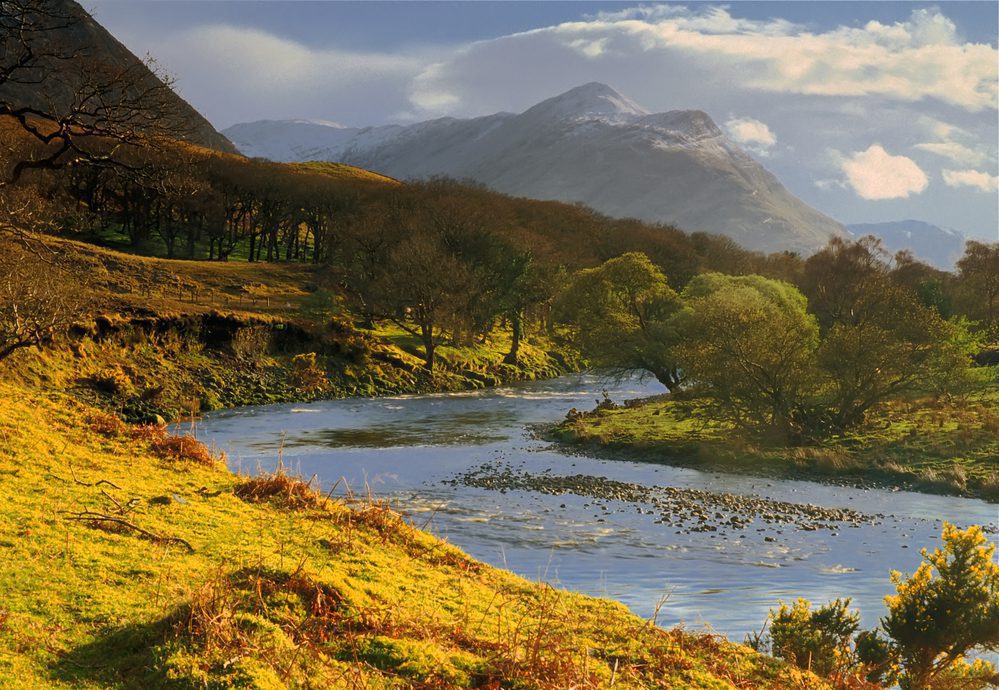
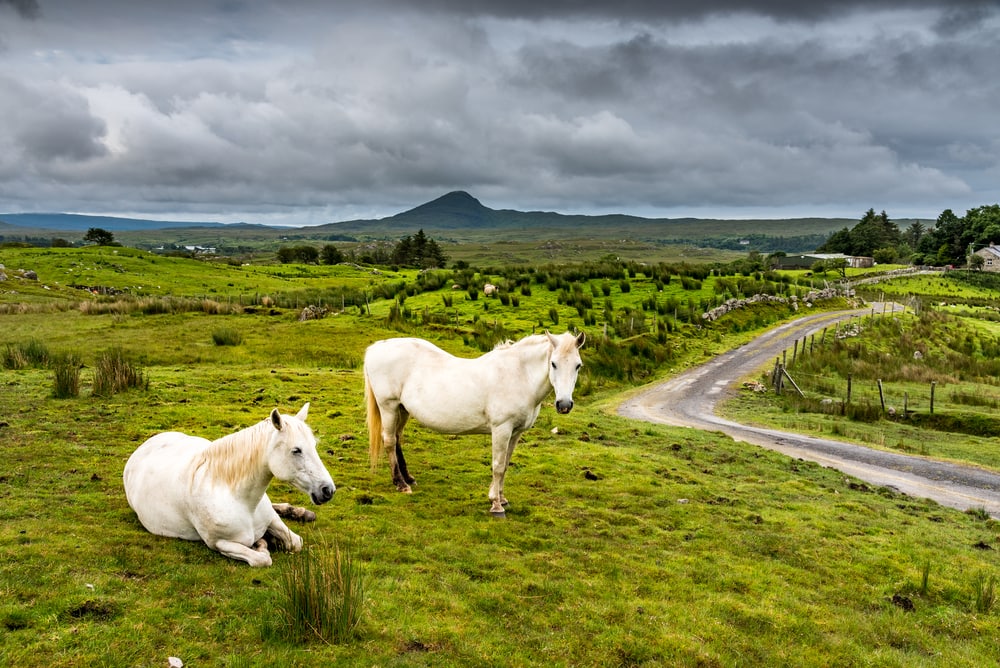
Why Visit Ireland?
Ireland is one of those rare destinations that combines dramatic landscapes, deep-rooted history, and genuinely welcoming people.
You’ll find:
Rugged coastal cliffs and scenic drives
Ancient castles and Celtic heritage
Lively pubs and traditional music
A culture rich in storytelling and myth
From the Cliffs of Moher to quiet back roads in Connemara, Ireland rewards slow travel and curiosity.
Tip: Ireland is best explored by road many of the most beautiful places aren’t accessible by public transport. Trying to choose between Scotland or Ireland? Read my Ireland vs Scotland: Which Should You Visit?


Best Time to Visit Ireland
The best time to visit Ireland depends on what you want:
Spring (March–May): Fewer crowds. Lush green landscapes. Mild weather
Summer (June–August) Long daylight hours. Best for road trips. Busiest season
Autumn (September–October) Beautiful colours. Fewer tourists. Great for photography
Winter (November–February) Quiet and atmospheric. Ideal for cities and pubs. Weather can be unpredictable
For most travelers, May, June, and September offer the best balance of weather and crowds.


Ireland Itineraries (7–14 Days)
If you’re wondering how to plan your trip, these are the most practical Ireland itineraries based on time:
👉5 Day Ireland Itinerary for a shorter trip, this route sticks to one region rather than rushing the whole country. Read: Only 5 Days in Ireland? Here’s the Smart Route.
👉7 days in Ireland: Focus on Dublin and one region
👉Things to know about Ireland before you go
👉53 Practical Ireland Travel Tips
👉Answers to frequently asked questions about travel to Ireland
👉 Ireland Road Trip Tips for First Time Visitors
👉 Flying into Shannon instead of Dublin? See my Starting in Shannon? Your Gateway to Ireland’s Southwest for a full 7-day Clare, Galway, and Kerry loop.
👉 Explore more routes: Ireland itinerary ideas


Best Places to Visit in Ireland
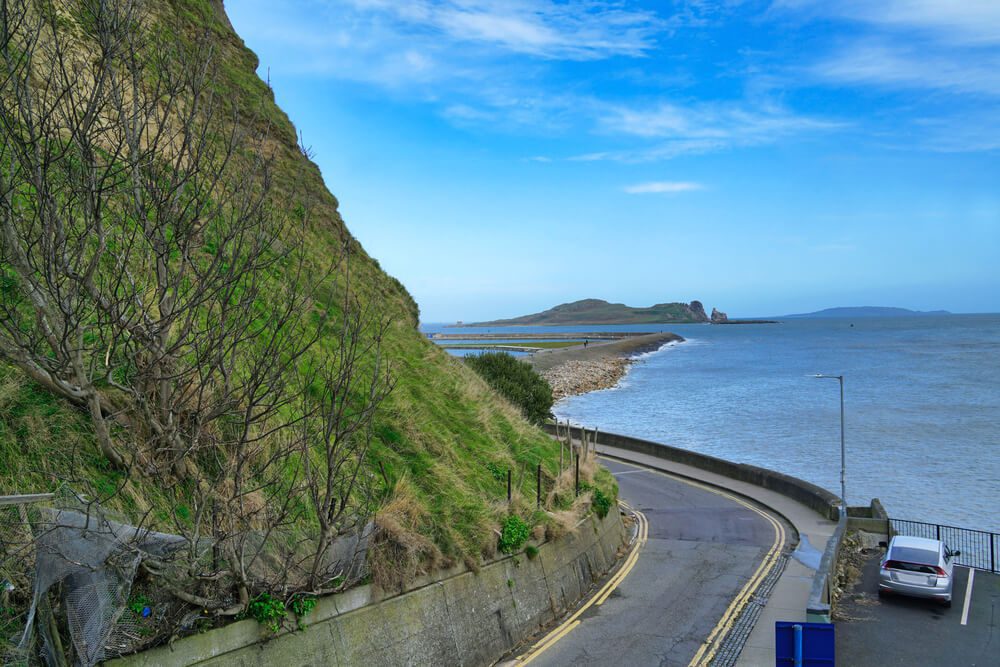
Ireland may be a small island, but it offers an incredible range of landscapes, cultures, and experiences. From vibrant cities to remote coastal regions, each area has its own personality and how you structure your trip will shape your experience more than anything else.
Rather than trying to see everything, focus on a few key regions and explore them well. These are the areas that consistently stand out, whether it’s your first visit or your fifth.
Dublin & Ireland’s Ancient East
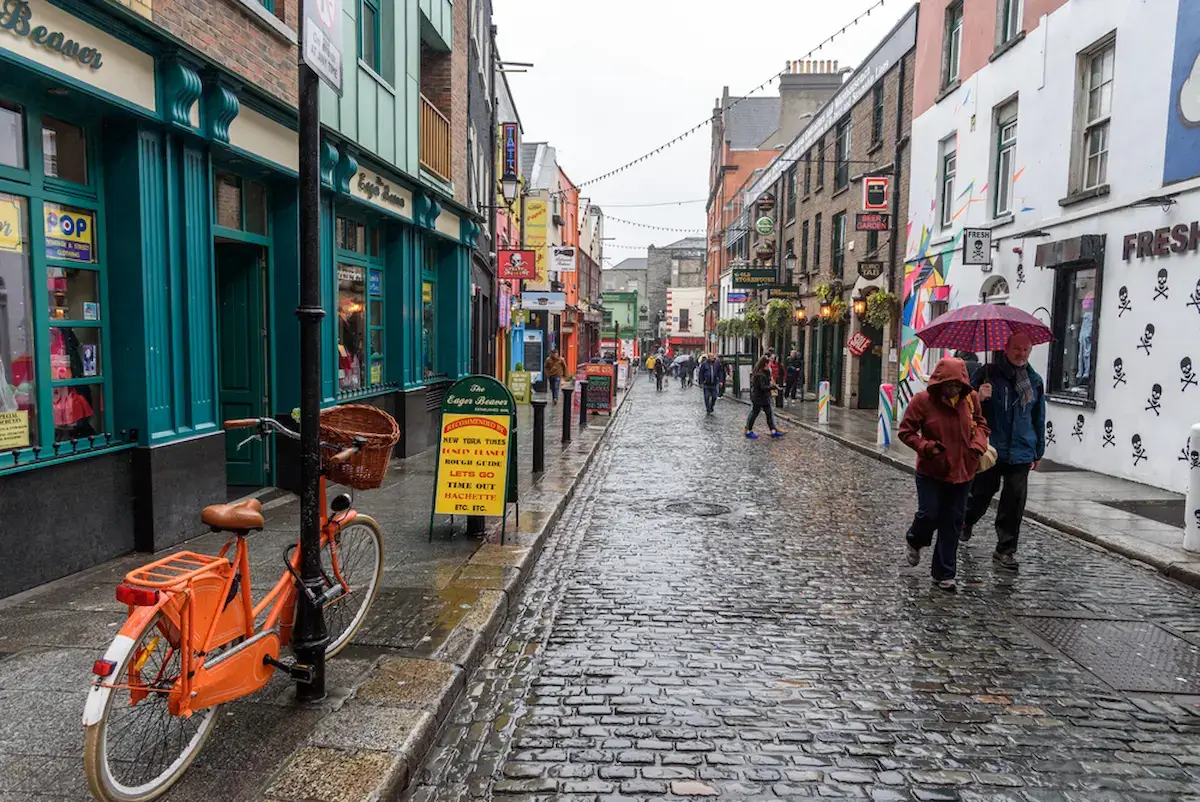
Most trips to Ireland begin in Dublin, and it’s worth spending time here. The city blends history, culture, and a lively social scene from historic sites like Trinity College to neighbourhood pubs where traditional music still thrives.
Beyond the city, Ireland’s Ancient East offers a quieter, more historical experience. This is where you’ll find places like Glendalough, Newgrange, and Kilkenny — all within easy reach of Dublin.
👉 Start with the: Dublin travel guide
👉 Plan your stay with 2 days in Dublin itinerary
👉 Explore nearby sites like Newgrange and Glendalough


Ireland’s Hidden Heartlands
Perfect for slower travel, scenic drives, waterways, small towns, and discovering a quieter side of Ireland away from the main tourist routes.
Wild Atlantic Way
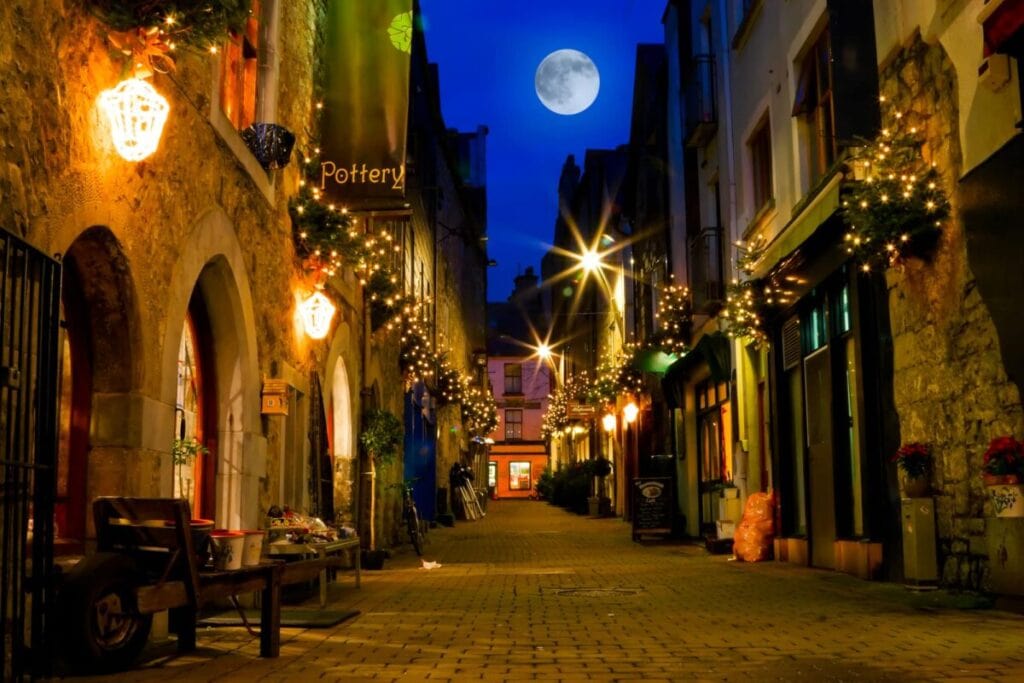
Galway is often where Ireland starts to feel truly wild. The city itself is colourful and full of energy, known for its music, festivals, and relaxed atmosphere. But it’s what surrounds Galway that makes it unforgettable.
Connemara’s rugged mountains, quiet lakes, and winding roads offer some of the most atmospheric landscapes in Ireland. Just beyond, you’ll find the Cliffs of Moher and the stark beauty of the Burren.
👉 Explore the Galway Travel Guide
👉 Plan your route with 3 Days in Galway
👉 Don’t miss Connemara and Kylemore Abbey

Southwest (Kerry & Cork)
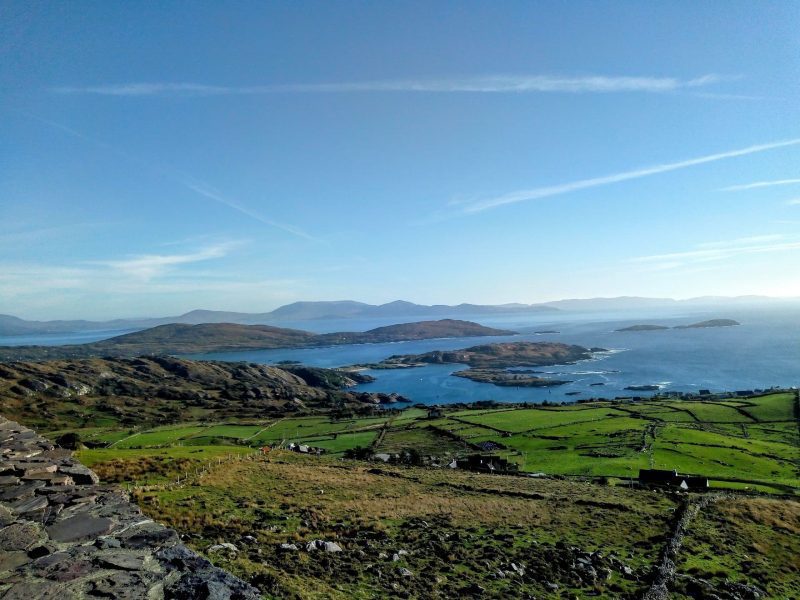
The southwest is home to some of Ireland’s most iconic scenery. This is where you’ll find the Ring of Kerry, the Dingle Peninsula, and some of the most scenic coastal drives in Europe.
Killarney National Park, colourful villages, and dramatic Atlantic views make this region ideal for a road trip but it’s best enjoyed slowly.
👉 Plan your drive with the Ring of Kerry Guide
👉 Explore the Dingle Peninsula
👉 Discover the best of County Kerry and Cork

Donegal
Donegal is one of the most underrated regions in Ireland. Remote and largely untouched by mass tourism, it offers a raw, untamed version of the country.
Here you’ll find Slieve League cliffs (higher than Moher), empty beaches, and coastal roads that feel like they belong to another era. It takes more effort to reach but that’s exactly why it’s so special.
👉 Plan your trip with the Donegal Travel Guide
👉 Follow a 3 Day Donegal itinerary
👉 Explore the Inishowen Peninsula


Northern Ireland
Northern Ireland offers a different perspective shaped by history, but equally defined by its landscapes. Belfast is a vibrant city with a complex past and a growing cultural scene.
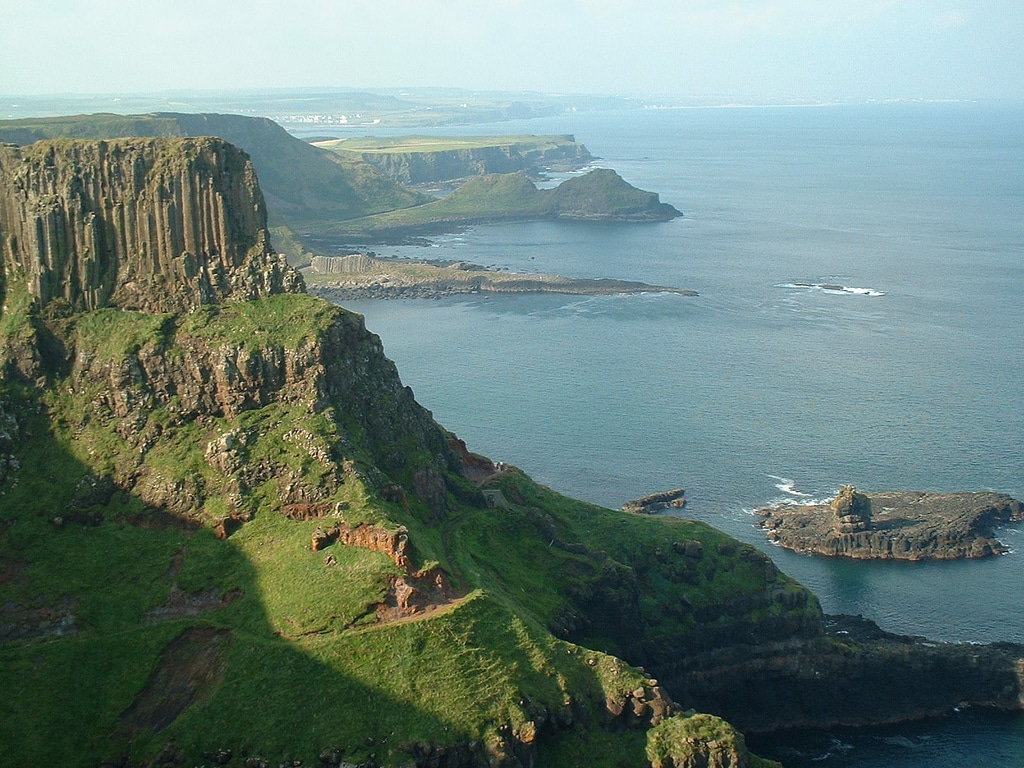
Along the Causeway Coast, you’ll find some of the most dramatic scenery on the island, including the Giant’s Causeway, Carrick-a-Rede Rope Bridge, and hidden coastal viewpoints.
👉 Start with the Northern Ireland Travel Guide
👉 Find out if Ireland is worth visiting
👉 Discover things to do in Belfast
👉 Drive the Causeway Coastal Route
Irish Culture, Folklore & Traditions
Ireland’s culture is woven through its music, myths, castles, ancient traditions, and storytelling, making folklore and history an unforgettable part of exploring the island.
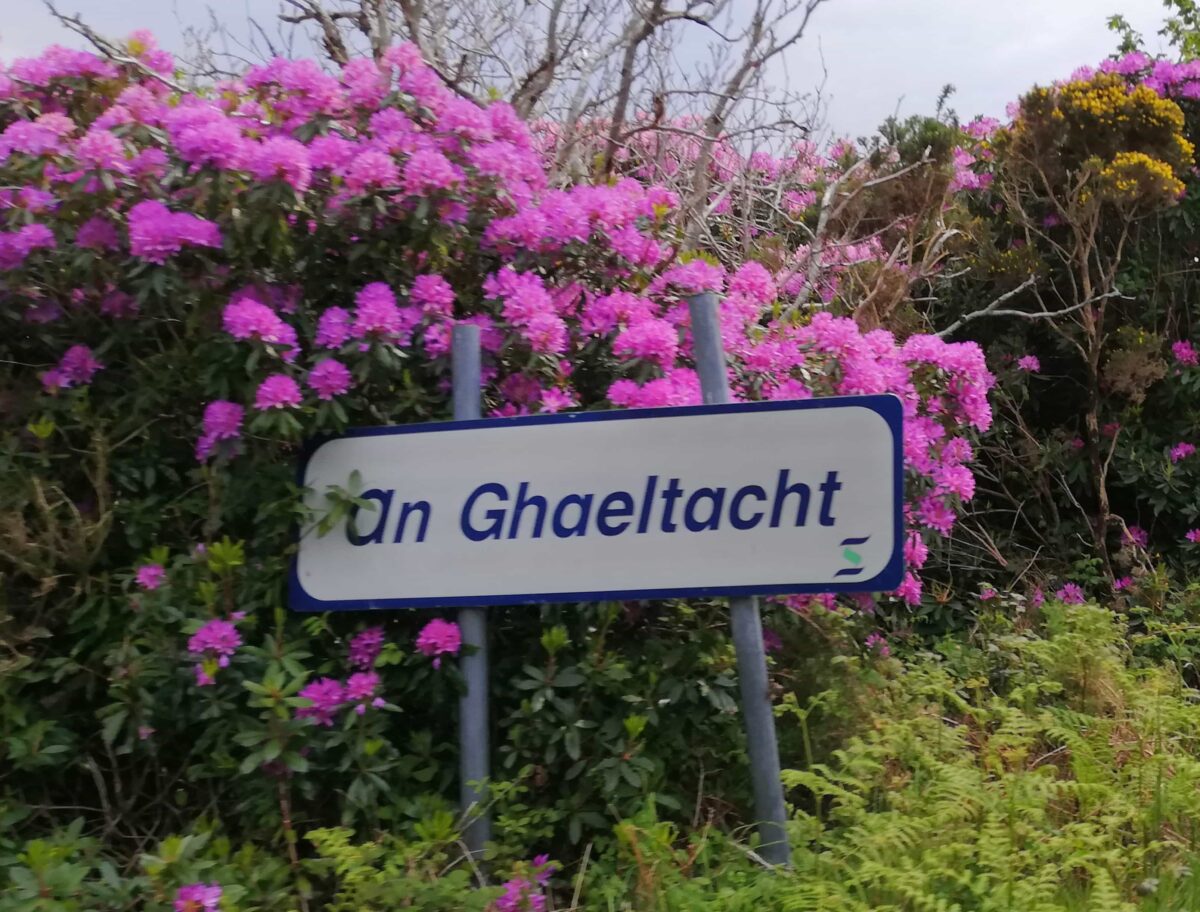
If you’re curious about the Irish language, my guide to the Donegal Gaeltacht explains what it is, where it is, and where to learn Irish if you’re coming from abroad.
Celtic Symbols and their meanings
Irish Slang – language explained
Irish folklore – legends and folklore
Most haunted places in Ireland


Ireland Road Trips: The Best Way to Explore
If you want to experience Ireland properly, driving is the way to do it. Public transport will get you between major cities, but it won’t take you to the places that make Ireland memorable the coastal roads, hidden beaches, and small villages that sit between destinations.
Some of the best routes include:
The Wild Atlantic Way
The Ring of Kerry
The Dingle Peninsula
The Causeway Coastal Route
Driving gives you the flexibility to stop when something catches your eye and in Ireland, that happens often.
👉 Read: Driving in Ireland for First-Time Visitors
👉 Also helpful: Driving in Ireland Over 60
👉 Read: Ireland Road Trip Tips for First Timers
👉 Also helpful: 35 Best Places to visit in Ireland
Getting Around Ireland: Driving vs Public Transport
This is one of the biggest decisions you’ll make when planning your trip. Driving offers flexibility and access to remote areas, making it the best option for most travellers especially if you’re exploring beyond Dublin.
Public transport works well between cities like Dublin, Galway, and Belfast, but becomes limited in rural regions. If your itinerary includes places like Donegal, Kerry, or Connemara, driving is strongly recommended.
👉 Learn more: How to Get Around Ireland
👉 Alternative: Ireland Without a Car


Accessible Ireland Travel
As a mobility-challenged traveler, accessibility is an important part of how I explore Ireland. While accessibility varies across the country, many destinations, attractions, and transport services are improving every year.
These guides can help you plan a more accessible Ireland trip: Accessible Ireland travel guides
Cities and Towns
- Accessible Dublin: getting around the capital
- Accessible Galway City
- Accessible Belfast
- Accessible Derry
- Accessible Waterford
- Accessible Westport
Regions and Scenic Routes
Accessible Wild Atlantic Way Route
Accessible Causeway Coast, Northern Ireland
Practical Travel Tips for Ireland
After years of living and travelling here, these are the things that make the biggest difference:
Driving takes longer than expected
Distances may look short, but narrow roads and scenic routes slow everything down.
Plan less than you think you need
Ireland rewards flexibility. Some of your best experiences will be unplanned.
Book accommodation early
Especially during summer and in popular regions.
Pack for changing weather
Even in July, you’ll need layers and a waterproof jacket.
Don’t try to see everything
This is the biggest mistake visitors make — and the fastest way to burn out.
👉 Read more: Driving in Ireland for First-Time Visitors


When to Visit Ireland
Timing your trip can shape your entire experience.
Summer (June–August)
Long days, best weather, busiest and most expensive
Spring & Autumn (April–May, September)
Best balance of weather, crowds, and pricing
Winter (October–March)
Quiet, atmospheric, fewer tourists, shorter days
For most travellers, May, June, and September offer the best overall experience.
👉 Full guide: Best Time to Visit Ireland

There Is No Perfect Ireland Itinerary
After years of living here, one thing becomes clear: no itinerary ever goes exactly to plan — and that’s part of what makes Ireland special. It’s not just about the places you visit.
It’s the unexpected stops.
The conversations.
The roads you didn’t plan to take.
If you give yourself time and flexibility, you’ll leave with something far better than a checklist you’ll leave with stories. Planning the rest of your trip? My Irish Bucket List covers 39 of my favourite Ireland experiences, from landmarks to whiskey tours.
Start Planning Your Ireland Trip
Ready to map out your route?
👉 Explore the Ireland Itinerary Ideas Hub
👉 Read the Step-by-Step Ireland Trip Planning Guide
👉 Discover the Wild Atlantic Way
👉 Explore Ireland’s Ancient East
👉 Visit the Hidden Heartlands