
England Travel Guide: Best Places to Visit, Itineraries and Expert Tips
England is far more than London’s iconic skyline. This is a country layered with Roman history, medieval abbeys, windswept coastlines, literary landscapes, and villages that feel unchanged for centuries. From the dramatic castles of Northumberland to the honey-coloured cottages of the Cotswolds, England offers one of the richest travel experiences in Europe.

I’ve travelled extensively across England, having lived in London for 10 years, walking sections of Hadrian’s Wall, exploring ruined abbeys in Yorkshire, wandering coastal paths, and visiting historic cities from Oxford to York. This guide brings together insights from over 150 articles I’ve written on England and the UK, combining practical advice with real travel experience to help you plan a trip that’s both realistic and memorable.
- England Travel Guide: Best Places to Visit, Itineraries and Expert Tips
- Planning Your Trip to England
- England Itineraries: How to Plan Your Route
- Best Cities to Visit in England
- Beyond London: Historic and Cultural Cities
- Historic England: Castles, Ruins & Ancient Sites
- England’s Countryside, Coast & Natural Beauty
- Scenic Travel & Slow Experiences
- Food, Markets & Local Culture
- Literary & Cultural England
- Common Mistakes When Planning a Trip to England
- A Simple Way to Plan Your England Trip
Planning Your Trip to England
Before choosing destinations, it helps to understand how travel in England actually works.
England may look small on a map, but distances can be deceptive especially in rural areas where roads are slower and public transport is limited. I’ve found that planning fewer stops and allowing more time in each place leads to a far better experience.
Start here:
- Plan a multi-country trip with my 2-week UK and Ireland itinerary
- Learn how to get around with my transportation and getting around the UK guide
- Explore destinations in my best cities in the UK guide
- Understand practicalities in 49 things to know before visiting the UK
Tip from experience: Book trains early for the best prices, and consider renting a car if you want to explore regions like Yorkshire, Cornwall, or Northumberland properly.

England Itineraries: How to Plan Your Route
If you’re unsure how to structure your trip, these itineraries will help you balance highlights with realistic pacing.
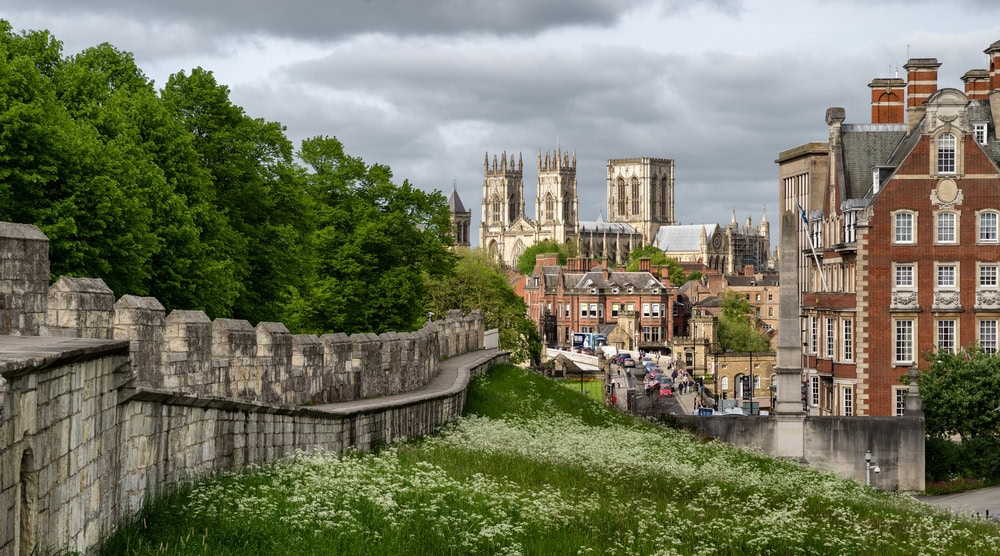
7 Days in London itinerary – ideal for first-time visitors
A perfect weekend in Bath – Roman history and Georgian architecture
Northumberland coastal road trip – castles, beaches, and quiet landscapes
2-week UK and Ireland itinerary – for a broader, multi-country experience
These routes are based on real travel experience and are designed to avoid the common mistake of trying to see too much too quickly.

Best Cities to Visit in England
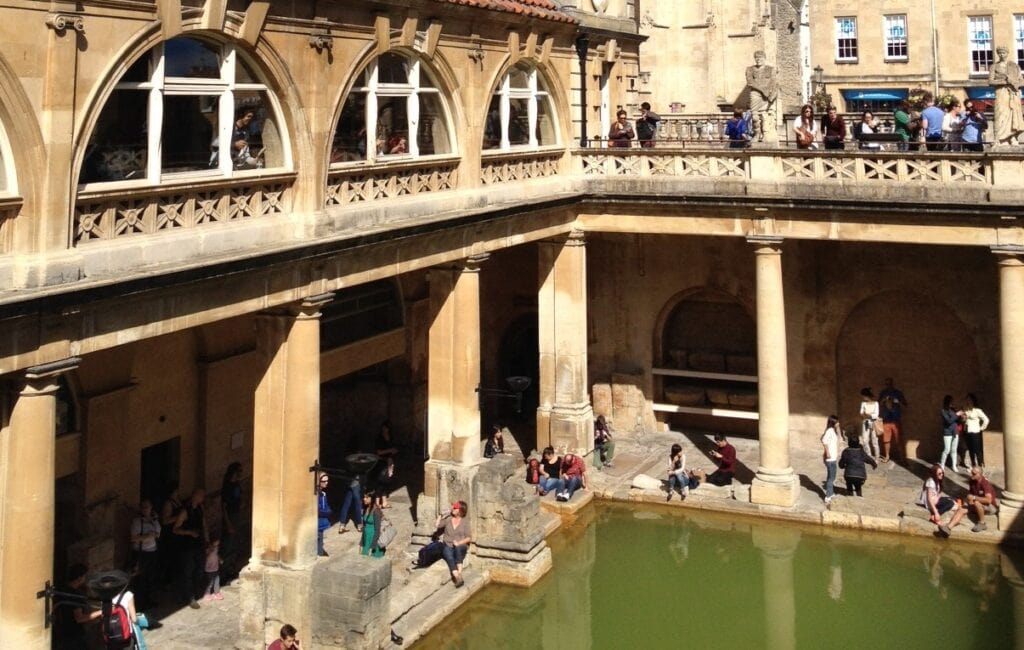
London: Your Starting Point
Most trips begin in London, and for good reason. The city blends history, culture, and modern life in a way few places can match.
Explore:
- Tower of London
- London Eye
- Hidden gems of London
- Notting Hill
- Camden Market
- Covent Garden
- St Paul’s Cathedral
- Houses of Parliament and Big Ben
London easily fills 3–5 days, but it’s also a gateway to the rest of England.

Beyond London: Historic and Cultural Cities
England’s smaller cities often deliver the most memorable experiences.
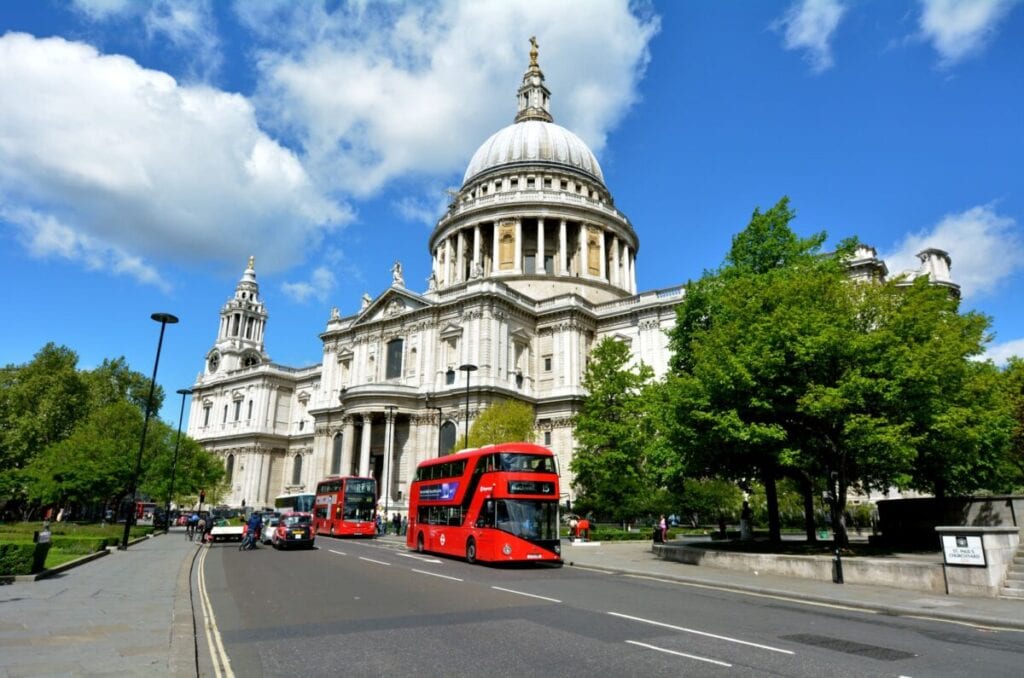
York – medieval streets and Viking history
Oxford & Cambridge – iconic university cities
Bath – Roman baths and elegant architecture
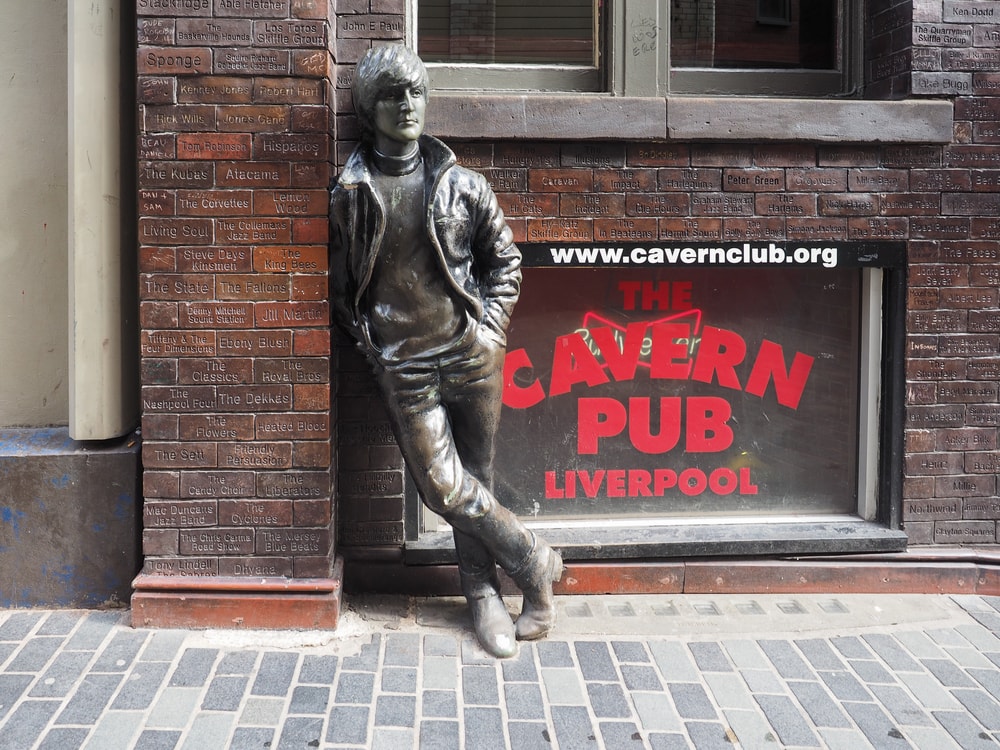
Liverpool & Manchester – music, industry, and culture
Leeds & Birmingham – vibrant and underrated
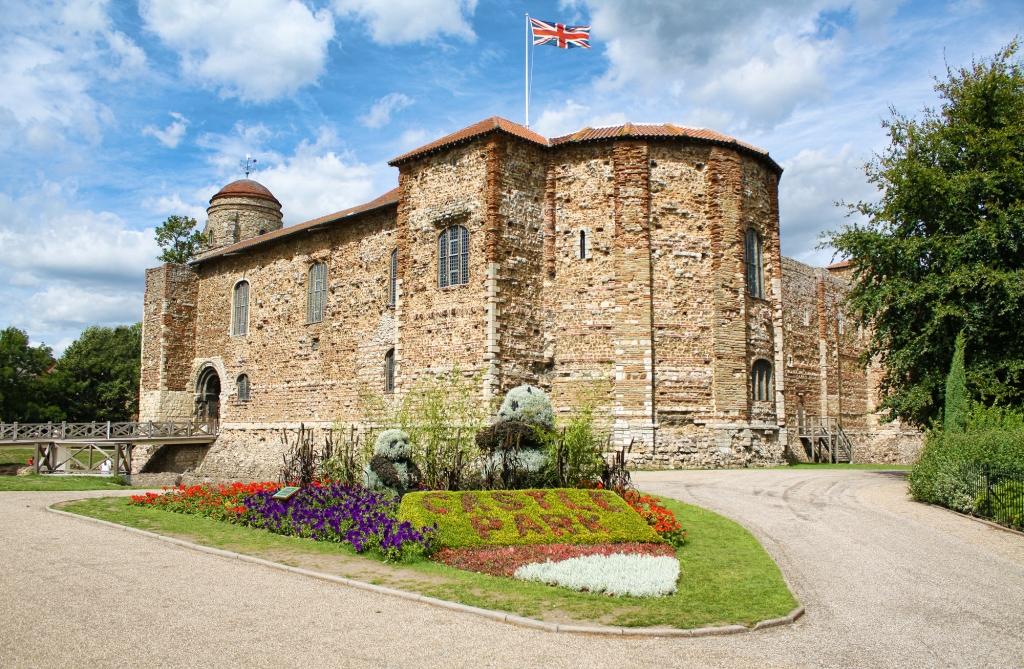
Lincoln boasts a stunning cathedral, while Essex offers charming countryside and coastal views.
These cities are well connected by train and work well as part of a broader itinerary.

Historic England: Castles, Ruins & Ancient Sites
One of England’s greatest strengths is its depth of history you’re never far from something remarkable.
From Roman Britain to medieval kingdoms and Tudor intrigue, the country is filled with sites that bring history to life.
Start with:
- Roman ruins in Britain
- Hadrian’s Wall and Vindolanda
- Rievaulx Abbey
- Whitby Abbey
- Kenilworth Castle
- Bamburgh Castle
- Blenheim Palace
- Windsor Castle
- Avebury Henge
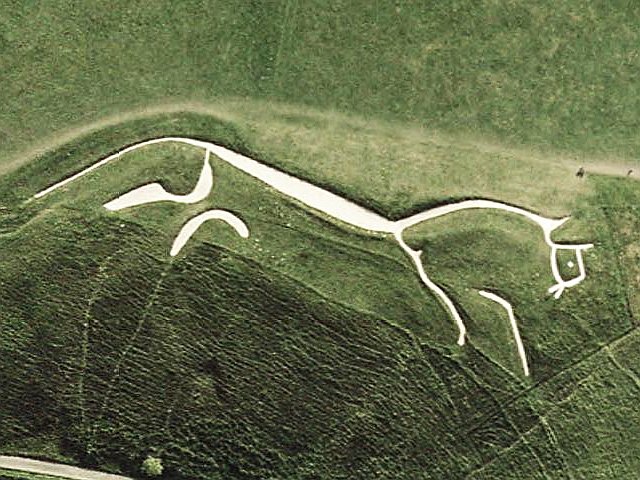
- Uffington White Horse
- Abandoned Castles in England
- Exploring the great ship the Cutty Sark

You can also explore themed routes:
- Suffragette trail across England
- Witch trials and dark history sites
- Norman castles of William the Conqueror
- Viking sites across England
These guides are based on first-hand visits, with practical tips on access, timing, and what’s genuinely worth your time.

England’s Countryside, Coast & Natural Beauty
Some of the most rewarding experiences in England happen outside its cities.
Yorkshire (one of the best regions to explore)
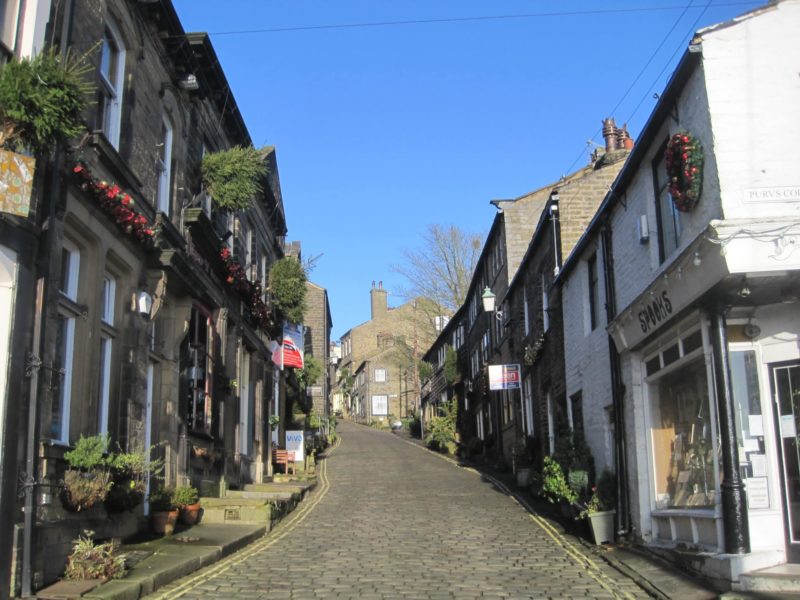
- Yorkshire villages and market towns
- Yorkshire Dales landscapes and waterfalls
- Yorkshire coast and seaside towns
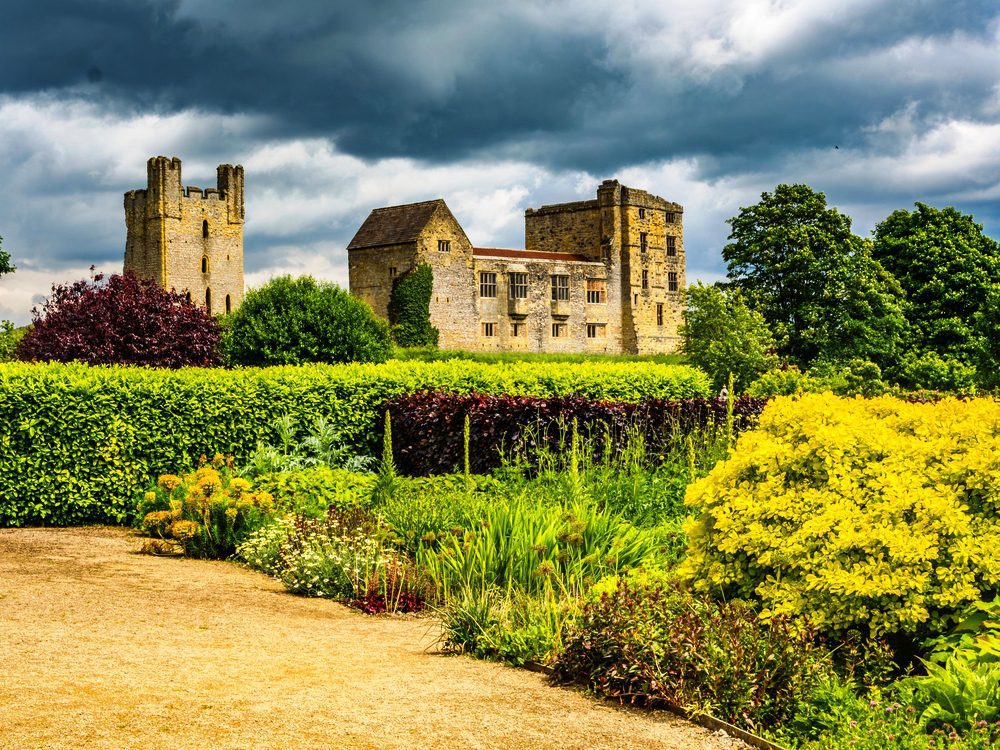
- Historic towns like Helmsley and Pickering
Other must-visit regions
- Cotswolds villages and countryside
- Northumberland coast and castles
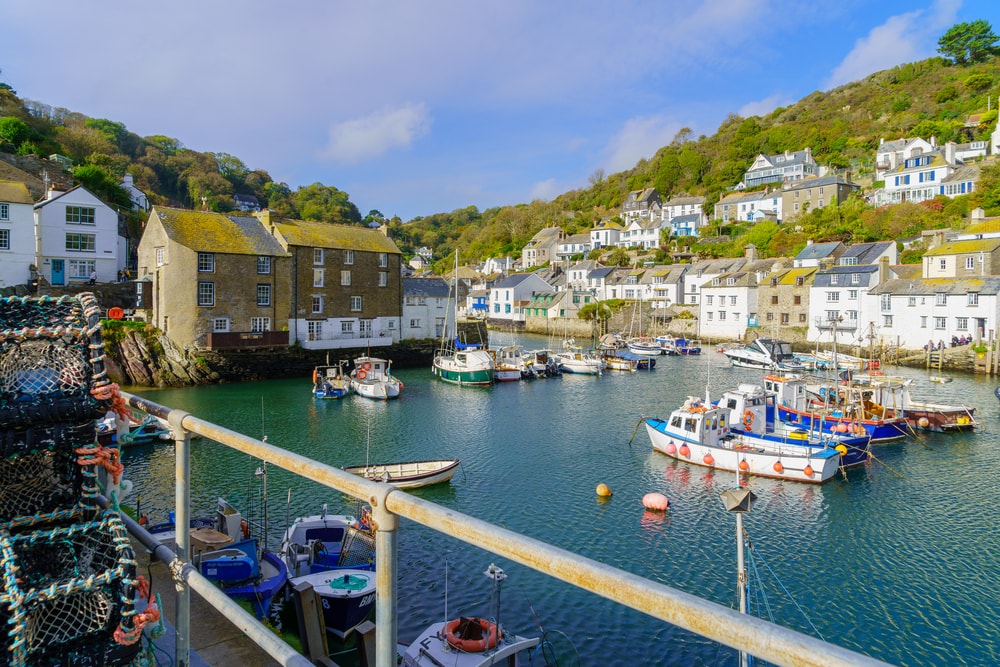
- Cornwall’s beaches and coastal scenery
- Chiltern Hills walking routes
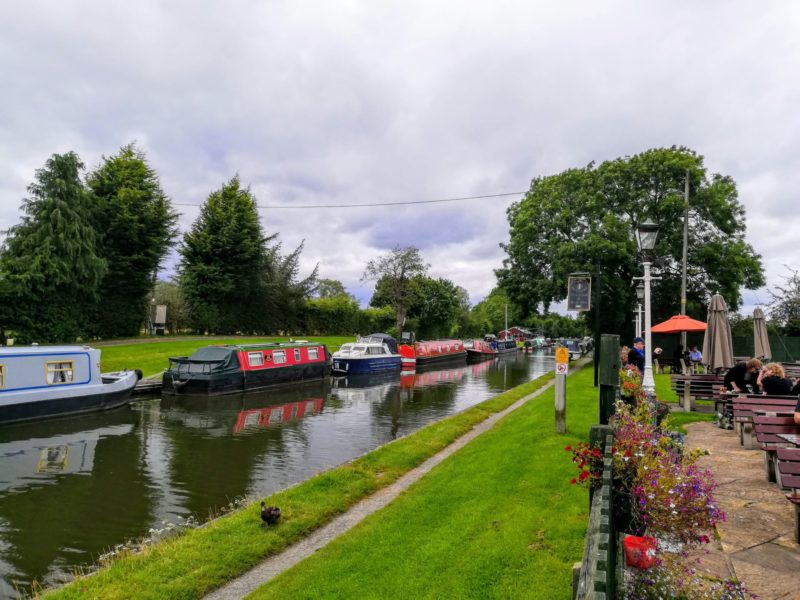
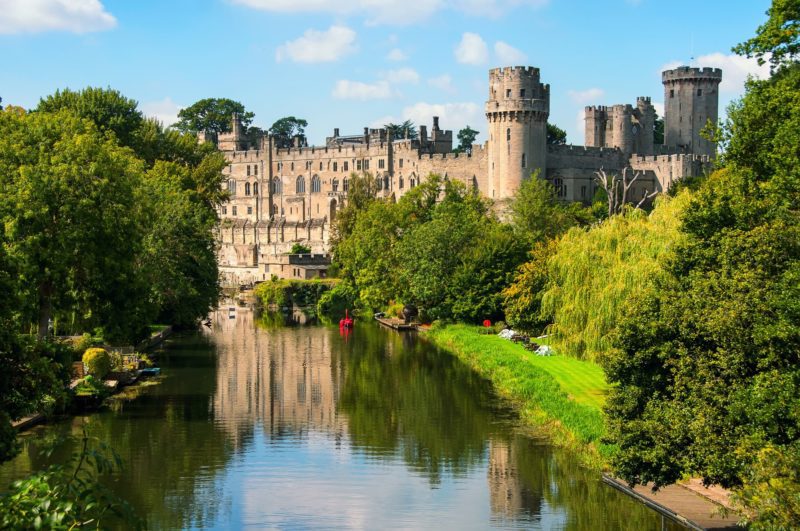
- Exploring Warwickshire reveals a captivating blend of rolling countryside, historic market towns, and literary landmarks, from the birthplace of Shakespeare in Stratford-upon-Avon to majestic castles like Warwick Castle and picturesque canal side pubs.
From experience: Adding even 2–3 days in the countryside will completely change how you experience England.

Scenic Travel & Slow Experiences
England is ideal for slower, more immersive travel.
- Scenic train journeys across the UK
- Weekend getaways from London
- Explore the mysterious Chalk Figures of England
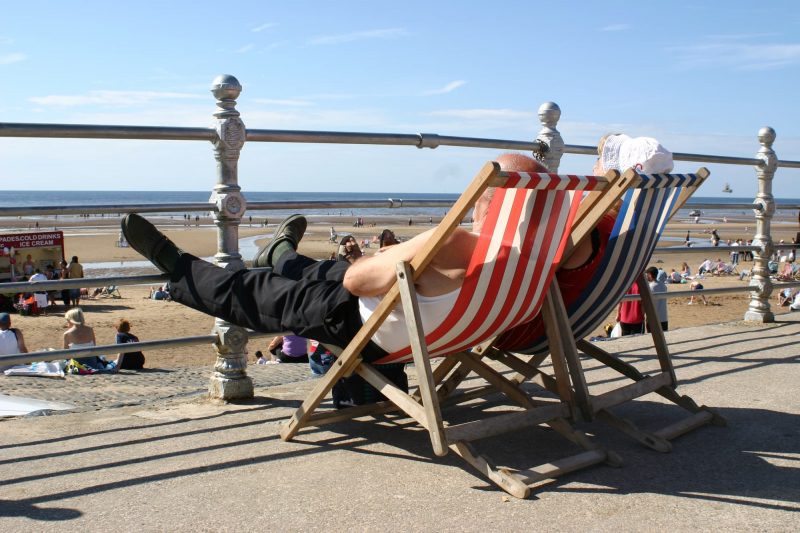
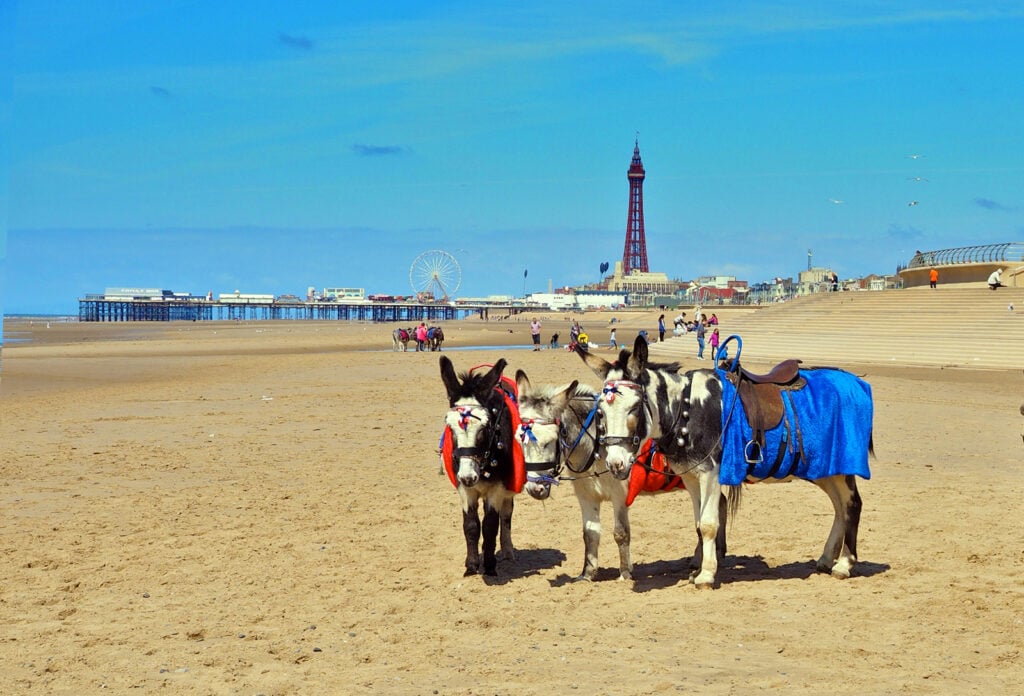
- All the Best Seaside Towns in England
Train travel is often the easiest way to connect major cities, while road trips are best for rural regions.
Food, Markets & Local Culture
English food has changed dramatically in recent years, with regional specialities and vibrant market scenes.
Explore:
- Traditional British foods
- British desserts
- Borough Market in London
- London food halls and markets
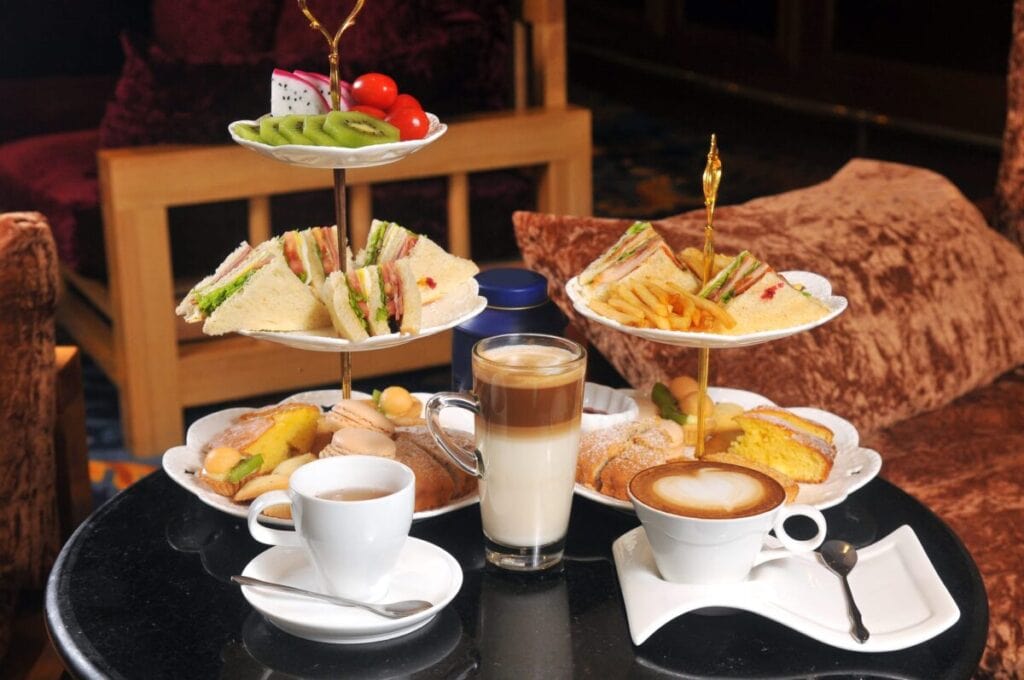
- Afternoon tea experiences
- Yorkshire food traditions
- London’s Leather Lane
Food is one of the best ways to connect with local culture especially outside London.

Literary & Cultural England
England’s landscapes have inspired some of the world’s most famous writers and stories and there are many set-jetting sites to visit.
- Stratford-upon-Avon (Shakespeare)
- Brontë Country in Yorkshire
- Bridgerton filming locations
- Downton Abbey locations and Highclere Castle
These places add a deeper layer to your trip, especially if you enjoy history or literature.


Common Mistakes When Planning a Trip to England
After multiple trips, these are the most common pitfalls I’ve seen:
- Trying to see too much in one trip
- Underestimating travel times
- Focusing only on London
- Skipping smaller towns and countryside
- Not booking trains in advance
Avoiding these will make your trip far more enjoyable.
A Simple Way to Plan Your England Trip
If you’re unsure where to start, this approach works well:
- Spend 3–5 days in London
- Choose 1–2 regions (e.g. Yorkshire, Cotswolds, Northumberland)
- Combine cities with countryside
- Travel slower and stay longer in fewer places
England rewards travellers who go beyond the obvious. While London is an essential starting point, some of the most memorable experiences come from exploring its quieter corners walking coastal paths, visiting historic ruins, or wandering through villages that haven’t changed in centuries.
Use this guide as your starting point, then dive into the detailed posts to build a trip that fits your interests whether that’s history, food, nature, or culture.
If Yorkshire’s on your route, start with the Yorkshire Travel Guide for the wider picture before diving into individual stops.This is just one part of a much bigger country see the full England Travel Guide for everywhere else worth building into your trip, and my United Kingdom travel Guide for a broader picture of the whole country. Explore more of the region with guides to Scotland, Wales, Northern Ireland. If you are a foodie take a look at my Global Food Guide.