
Donegal Town Slow Travel: A Local’s Guide to Easy Days
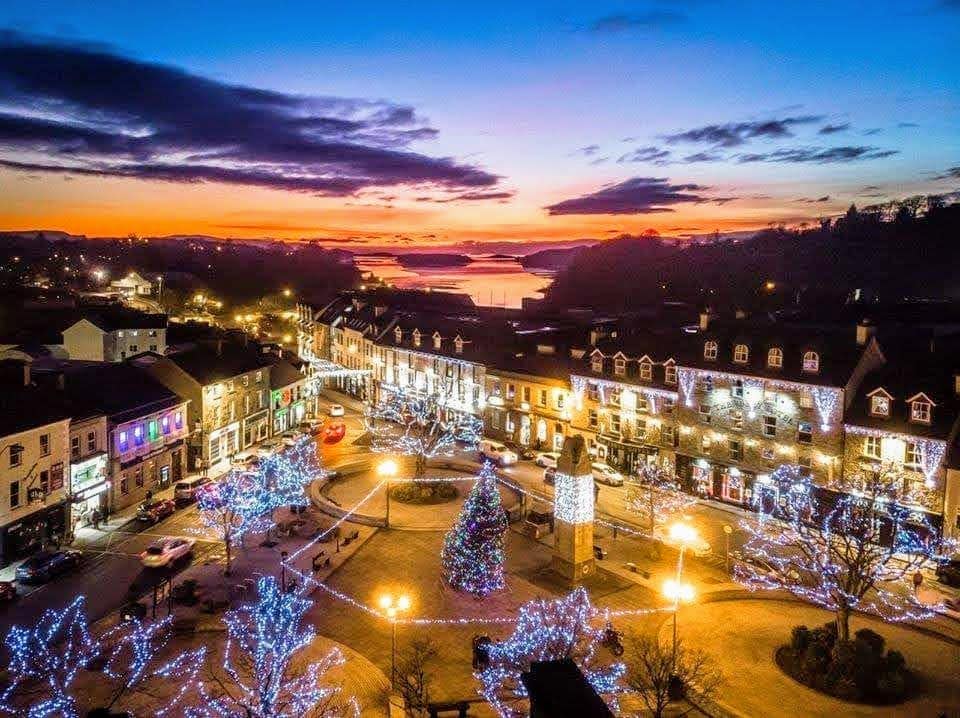
Donegal was famously named the “Coolest Place on the Planet” for 2017 by National Geographic Traveller. Donegal Town sits where the River Eske meets Donegal Bay, on the Wild Atlantic Way. It is a small harbour town shaped as much by water and weather as by history. If you value atmosphere over urgency, this corner of Ireland’s northwest invites you to slow down and settle in. The town core is compact and walkable most cafés, shops, pubs, and historic sites cluster within a 10‑minute stroll of the Diamond (the central square) so it’s easy to return to your accommodation for breaks throughout the day.

I live just outside town, and my best days in town involve short outings punctuated by coffee, conversation, and sea air rather than checklists.
Known in Irish as Dún na nGall Fort of the Foreigner, Donegal has long been a meeting place for traders, monks, and travellers. Framed by the Atlantic and the Bluestacks, it feels dramatic without being overwhelming. You don’t need to chase highlights here; the town reveals itself gradually, often through easy chats at a bar or a bench by the bay.
Travellers often compare County Donegal and County Kerry for dramatic coastal drives, traditional towns and outdoor adventures, but the experience in each region feels very different.
- Donegal Town Slow Travel: A Local’s Guide to Easy Days
- A Brief History of Donegal
- Getting Around: What Makes Donegal Easier and What Doesn’t
- Things to Do Without Overextending Yourself
- Pub Culture as Social Space, Not Nightlife
- Eating Well Without Fuss
- Where to Stay for Comfort and Ease
- Day Trips That Don’t Demand Too Much
- Getting here
- Why Donegal Works for Slower Travel
- Explore More Donegal Guides
A Brief History of Donegal
You can take in most of Donegal Town’s story without leaving the centre. The area has been settled since early medieval times local tradition points to Norse influence and records note a “Danish” fort destroyed in 1159 by Muirchertach Mac Lochlainn, High King of Ireland. What you’ll see today is the later Gaelic stronghold and its post‑medieval layers.
Donegal Castle anchors the town. The O’Donnell chieftains built the original tower house in the 1460s–1470smost sources cite 1474under Hugh Roe O’Donnell (the First). After the Battle of Kinsale, Red Hugh O’Donnell (the Second) had the complex burned (1601–1602) to deny it to the English. Around 1610–1616, Sir Basil Brooke received the estate and added a Jacobean manor using stone from the nearby friary.
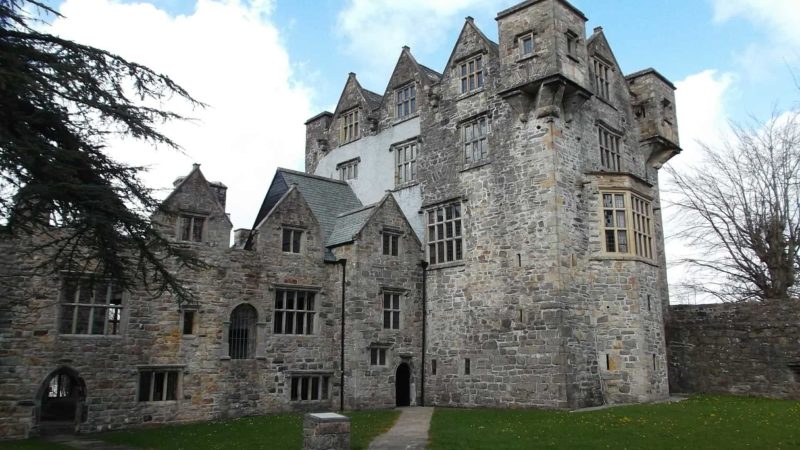
The Office of Public Works restored the complex in the 1990s, and it’s open to the public today (Heritage Ireland). As of 2026, admission is typically Adult €5, Senior/Group €4, Child/Student €3, Family €13; hours follow a winter/summer pattern (roughly 09:30–16: deep winter, 10:00–18:00 in peak season last admission about 45 minutes before closing); always confirm current times on the day.
The entry is a 3–4 minute walk from the Diamond; allow 45–60 minutes. The furnished hall showcases O’Donnell/Brooke history; the tower stairs are steep and narrow. Accessibility is limited to the ground floor, and there are toilets on site at that level. On wet days, I step in early (opening time) to avoid crowds, then cross to the Diamond for coffee.
Five minutes’ walk away, Donegal Friary overlooks the bay. Founded in the 1470s, this Franciscan house is closely associated with the Annals of the Four Masters (1632–1636), compiled by Mícheál Ó Cléirigh and fellow Franciscans in Donegal and at Drowes. The ruins are open‑air and unfussy: bring a jacket, choose a dry stone to sit on, and listen to the tide. I often drop by at dusk, when gulls and chimney smoke frame the arches.
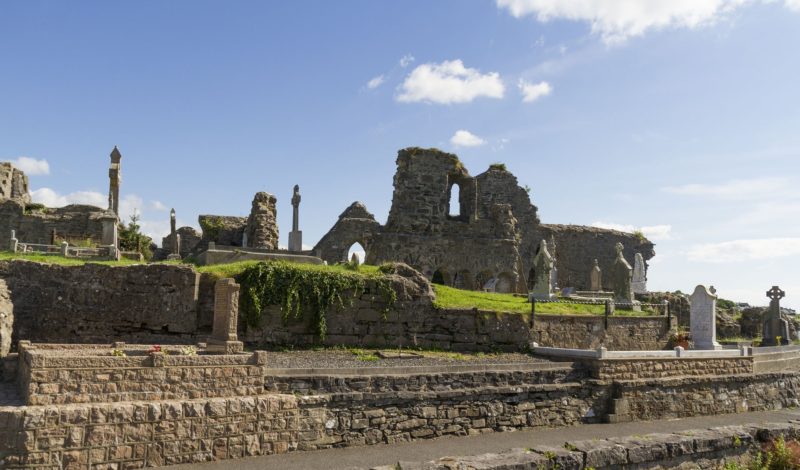
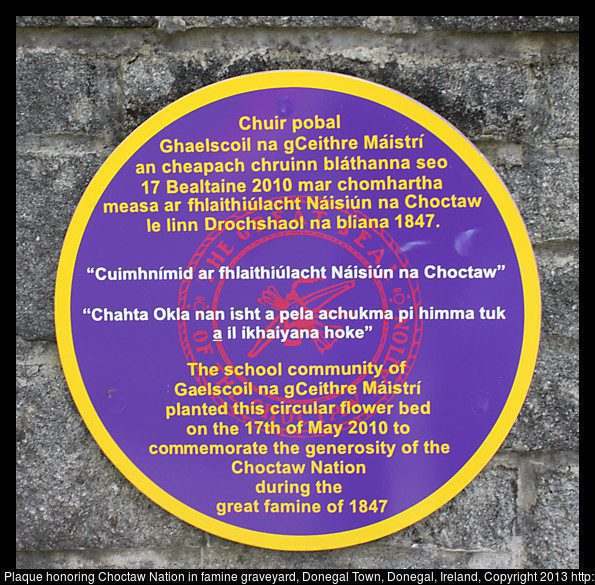
The Famine Graveyard in Donegal Town is a quiet, sobering reminder of the human cost of the Great Famine of the mid-19th century. Located near Donegal Bay, this burial ground is believed to be the final resting place of many local people who died from starvation and disease during the 1840s, often buried without markers or ceremony.
From the Diamond, it is roughly 1 kilometre away, which equates to about a 10–15 minute walk at a steady pace or a very short drive of just a few minutes.

Getting Around: What Makes Donegal Easier and What Doesn’t
In town, pavements are generally even and the core is mostly flat. The longest stretch you’re likely to do between sights is 10–12 minutes. There’s seating on the Diamond and along the river, and cafés are never far for a rest.
Beyond town, distances stretch and public transport thins. Bus Éireann connects Donegal to Dublin and other hubs, and TFI Local Link operates some rural services, but intra‑county buses are infrequent and not ideal for beach/village hopping. If you want to explore widely, a car remains the most flexible option. If you don’t drive, look for small local tours or plan one‑stop day trips reachable by taxi.
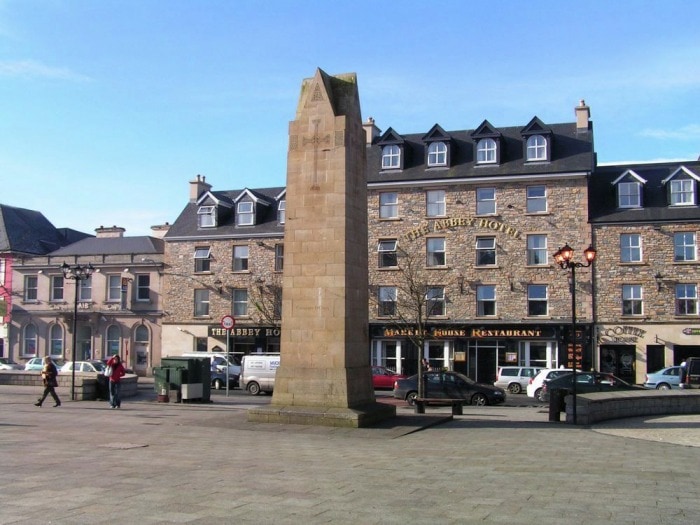
Things to Do Without Overextending Yourself
Pick two or three experiences a day and leave space between them that’s how Donegal shines.
Donegal Craft Village (about 7 minutes’ drive; taxis are readily available) gathers working studios around a courtyard and a café. You can watch glass, ceramics, and textiles being made, then settle in for lunch. I like to go mid‑morning when it’s quiet, then loop back into town for the afternoon. Studio openings can vary by day/season check on arrival or call ahead.

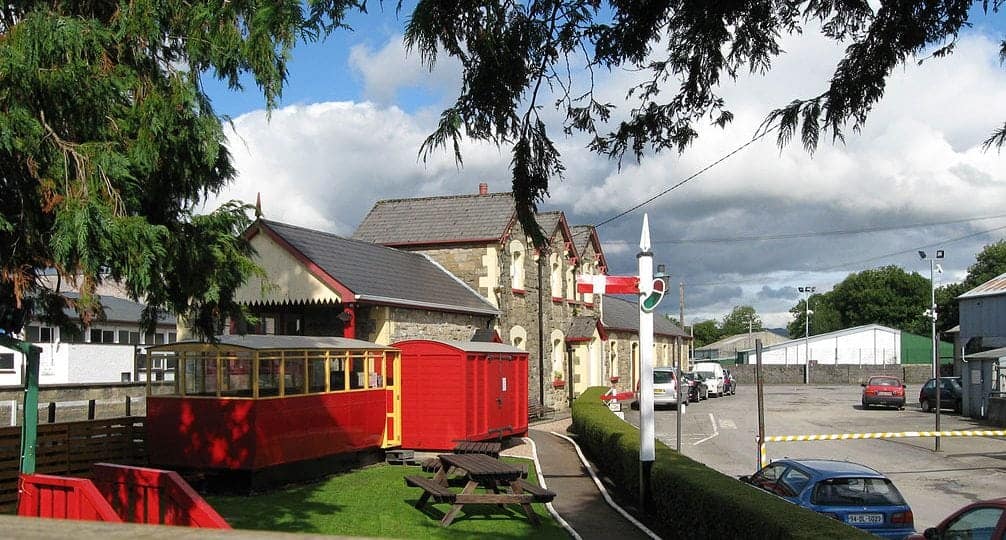
The Donegal Railway Heritage Centre sits beside the old station. It’s compact and hands‑on without being loud ideal if you prefer focused displays. I usually spend 30–40 minutes here, then take a slow meander back into town (10 minutes on foot).
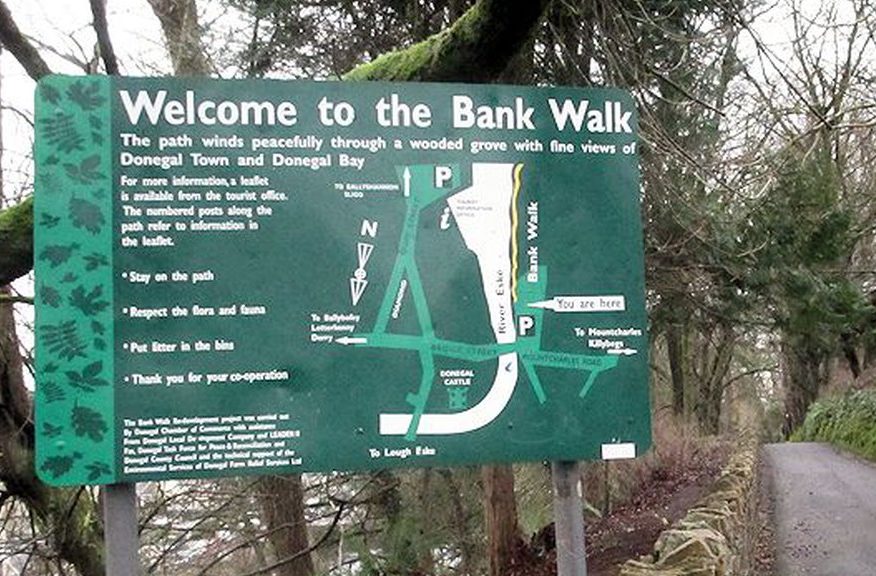
For gentle outdoor time, the Bank Walk skirts the River Eske and the inner bay. The first section from the Green (park) is flat tarmac with benches; you can do 10–15 minutes out and back and still catch the best views. In wet weather, I stick to the town‑side path and reward myself with a takeaway coffee by the quay.
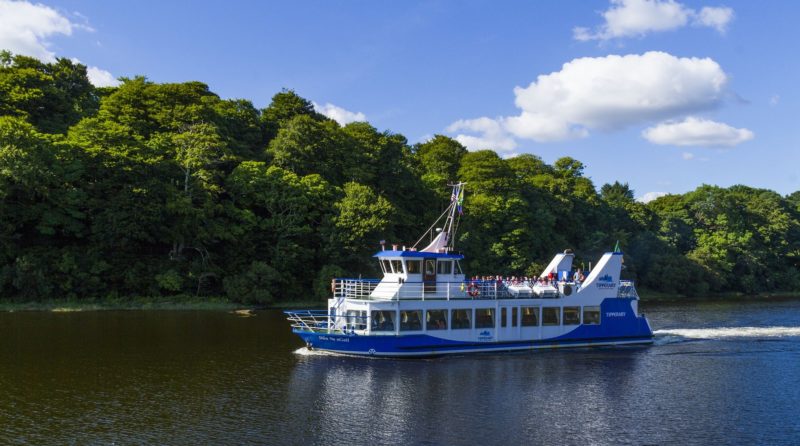
If you want the coastline without much walking, the Donegal Bay Waterbus runs seated harbour cruises from the pier in season. Boarding is by gangway; staff assist on and off, and most seating is covered. Sailings typically run April–October, weather permitting; toilets are on board. Check same‑week for departures and accessibility specifics with the operator. On blustery days, I sit starboard to catch lee from the wind and the best angle on the bay islands.
Pub Culture as Social Space, Not Nightlife
Here, pubs are social rooms more than late‑night spectacles. If you prefer a seat and a calmer room, go early evening (6–8 pm) when locals are catching up and musicians are setting up. For cost planning, pub mains in town typically run €15–25; music nights can be standing‑room later on.
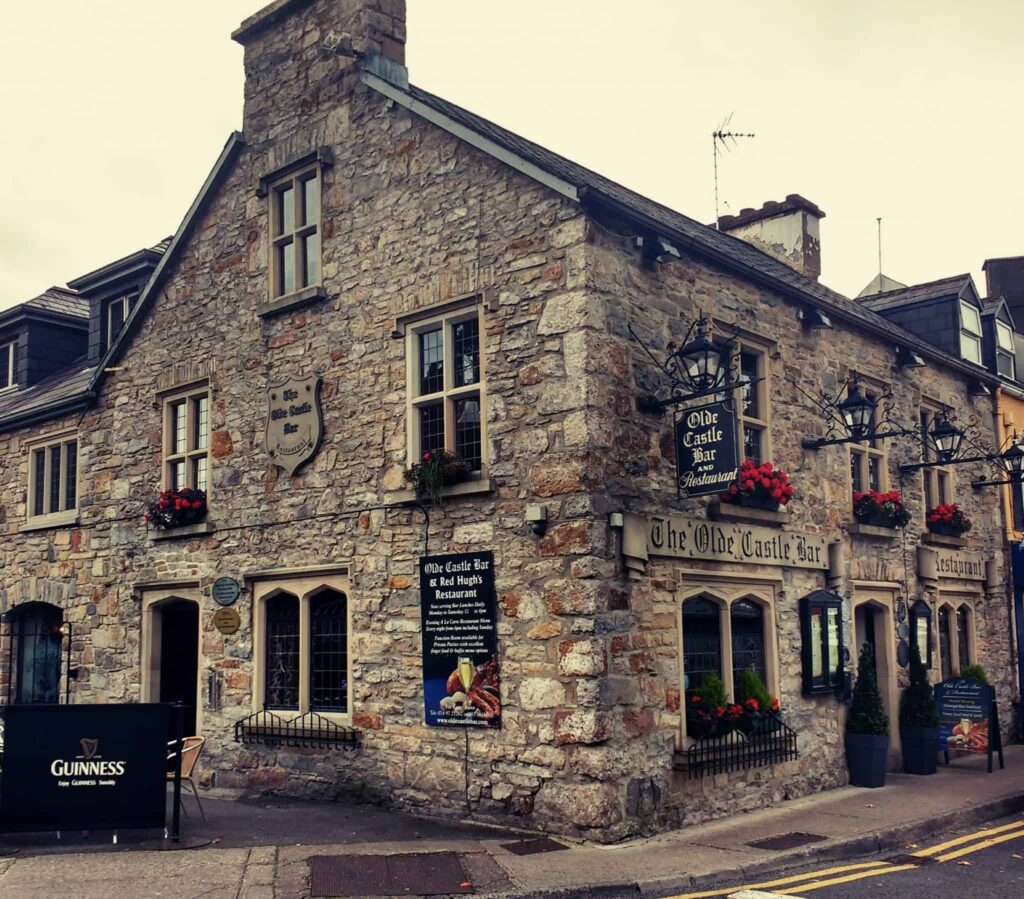
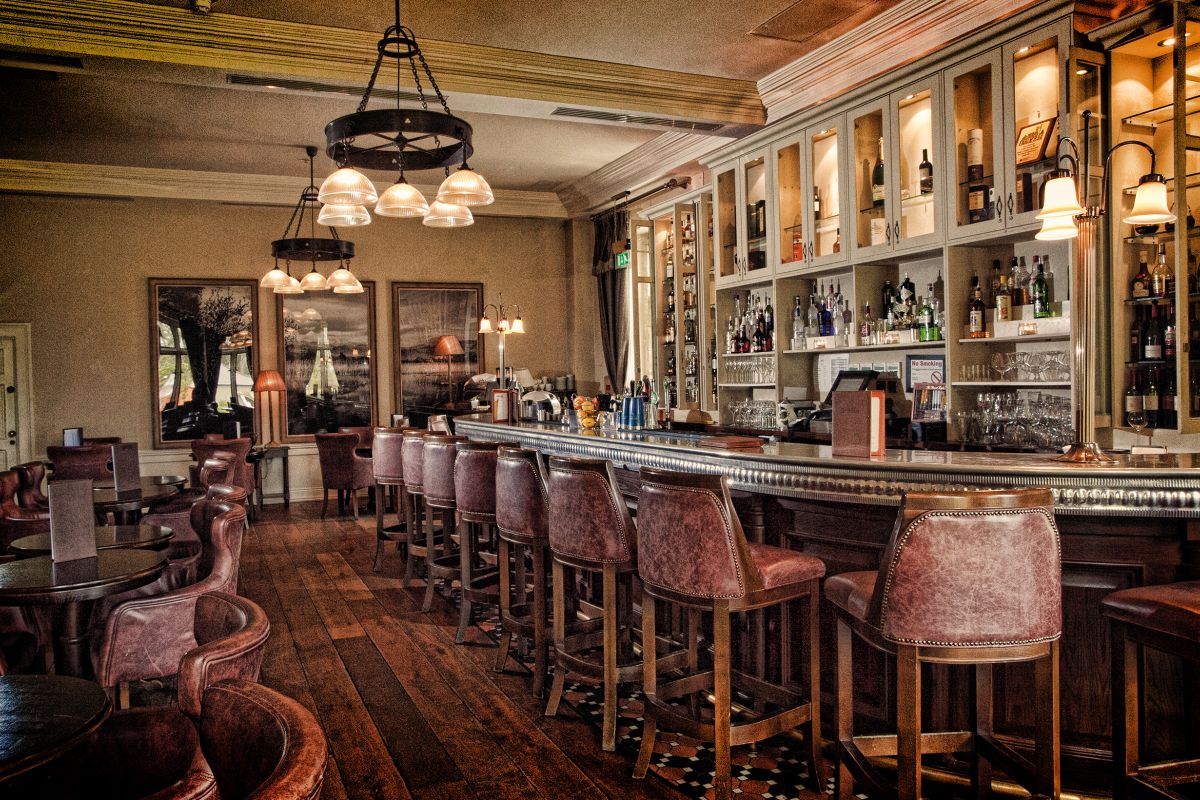
The Castle Bar, near the castle, blends a trad pub feel with solid comfort food and a deep Irish whiskey list. I go early for a hot pie and an easy chat before music fills the room.
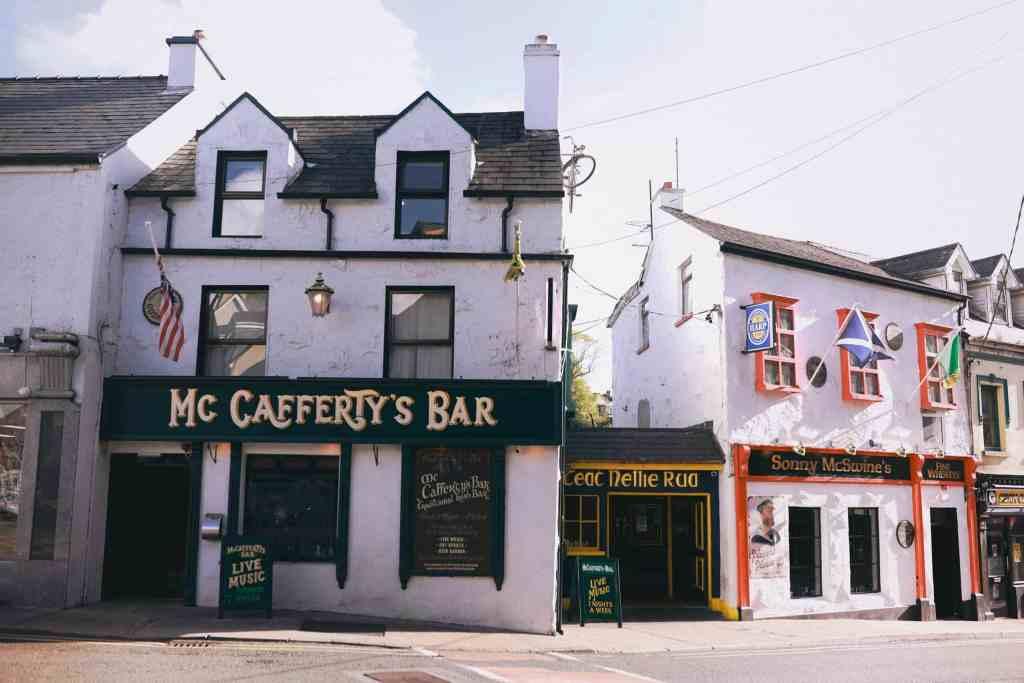
McCafferty’s on the Diamond often anchors trad sessions. When a good singer starts, the room quiets in that Donegal way listening is part of the culture. If standing is difficult, arrive ahead of sessions to claim a seat.
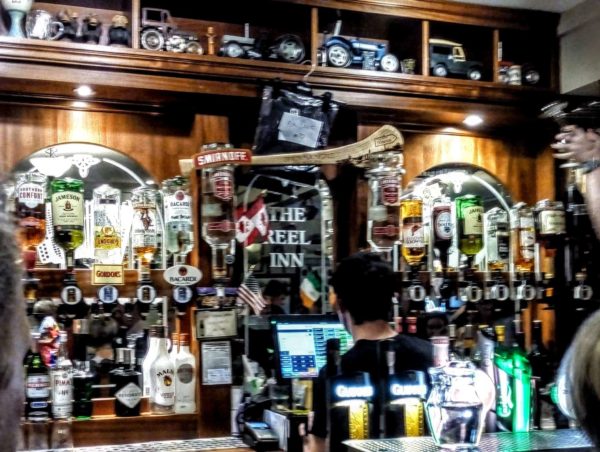
The Reel Inn keeps the music intimate and close. Seating is limited on busy nights; I arrive just before the first set and tuck into a corner.
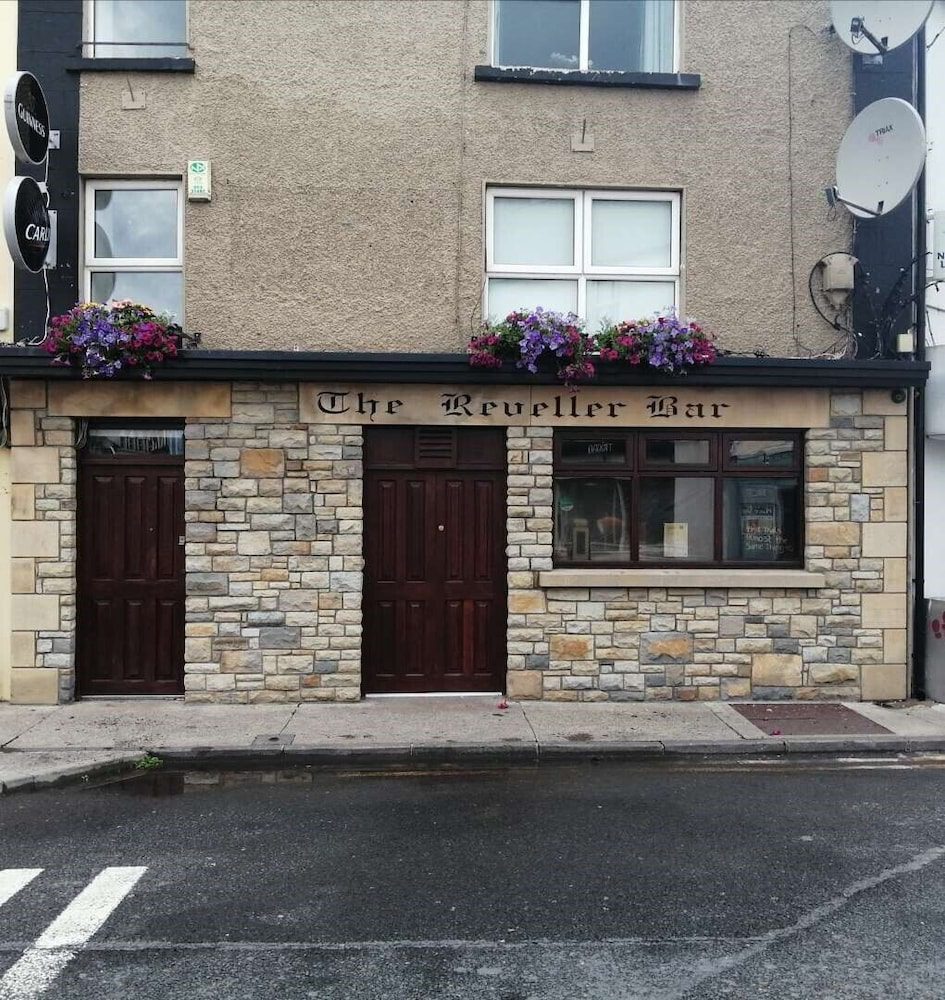
The Reveller along the river is more modern and spacious, with room to move between tables and regular live music that doesn’t swamp conversation.
The Forge often called the town’s oldest pub is small, low‑lit, and story‑rich. It’s for quiet pints and unplanned conversations.

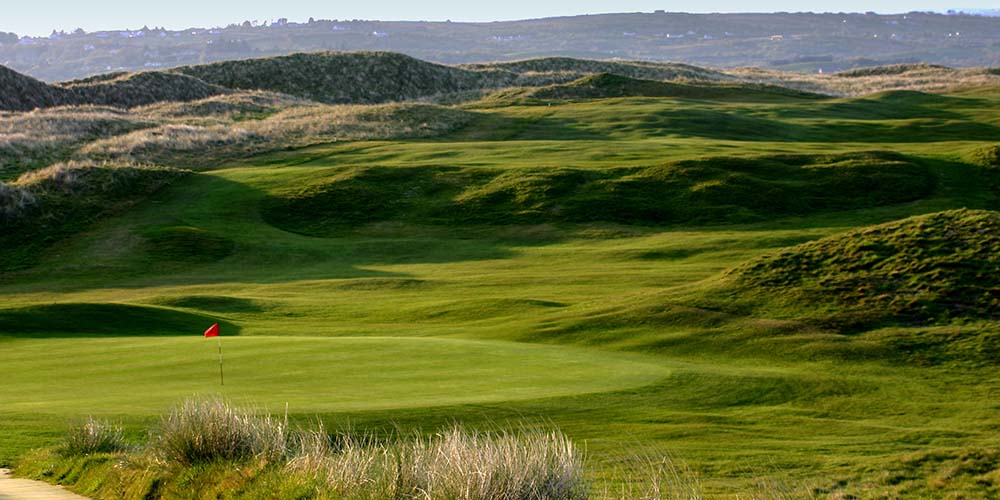
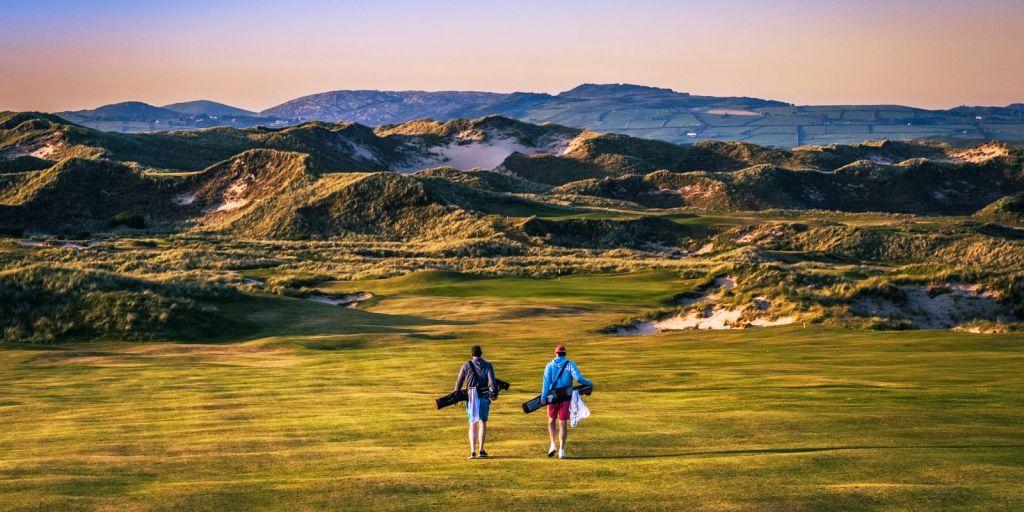
County Donegal is home to several world-class golf clubs that combine dramatic links landscapes with welcoming hospitality. Donegal Golf Club, located just a short drive from Donegal Town, offers challenging holes framed by the Atlantic breeze and rolling dunes, making it a favourite for both seasoned players and those seeking a scenic round.
Nearby Narin & Portnoo Golf Club features wide fairways and panoramic views over Rosapenna Strand, providing a thoughtfully paced course that suits players of varying abilities. Further afield but worth the journey, Rosapenna Golf Links (specifically the Old Tom Morris and Sandy Hills courses) is internationally renowned for its raw, rugged setting and strategic design, attracting golfers who want to experience classic Irish links in one of the country’s most beautiful coastal regions.
Eating Well Without Fuss
Donegal leans toward generous portions, friendly service, and straightforward cooking with a few surprises. For budgeting: coffee and a scone in town typically runs €4–7, depending on café and size.
Weavers Loft above Magee’s tweed store is my go‑to for a late breakfast after browsing downstairs. The Blueberry is a stalwart for hearty plates and linger‑worthy scones. On the edge of town, Blas serves modern Irish dishes built on local fish and veg without fuss.


La Fiesta Mexican is the surprise: masa tortillas and bright salsas that taste of somewhere else while feeling at home here. Marina’s Café & Wine Bar is quieter, with a sheltered courtyard on good days and dependable classics inside when the rain starts.


For a short drive, the Salmon Inn in Laghey pairs bay views with fresh seafood; try a late lunch when the light floods the windows. Up at Lough Eske Castle, the bar menu is relaxed after a stroll around the grounds, and the restaurant offers a more formal dinner. Chandpur has been a local favourite for years consistent, welcoming, and reliably busy at weekends.

Typical costs in town: pub mains generally €15–25; coffee + scone typically €4–7 depending on café. Menus and prices change check boards or ask staff.
Where to Stay for Comfort and Ease
Accommodation ranges from castle‑quiet to budget‑calm, with options that favour comfort and ease. These are the locations that I highly recommend.


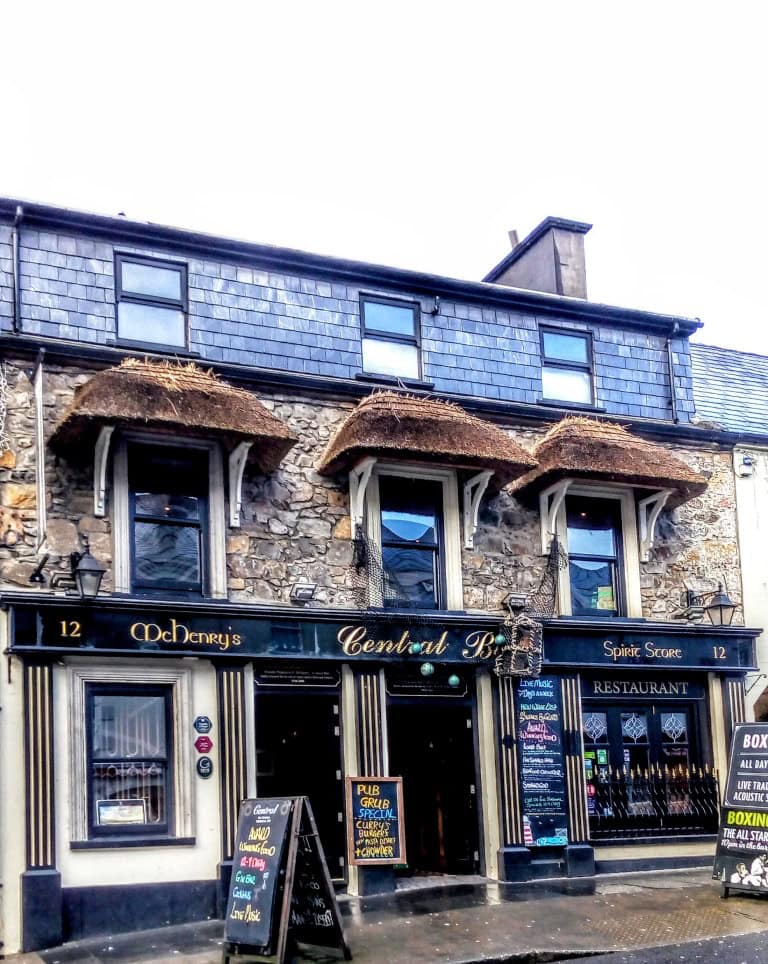
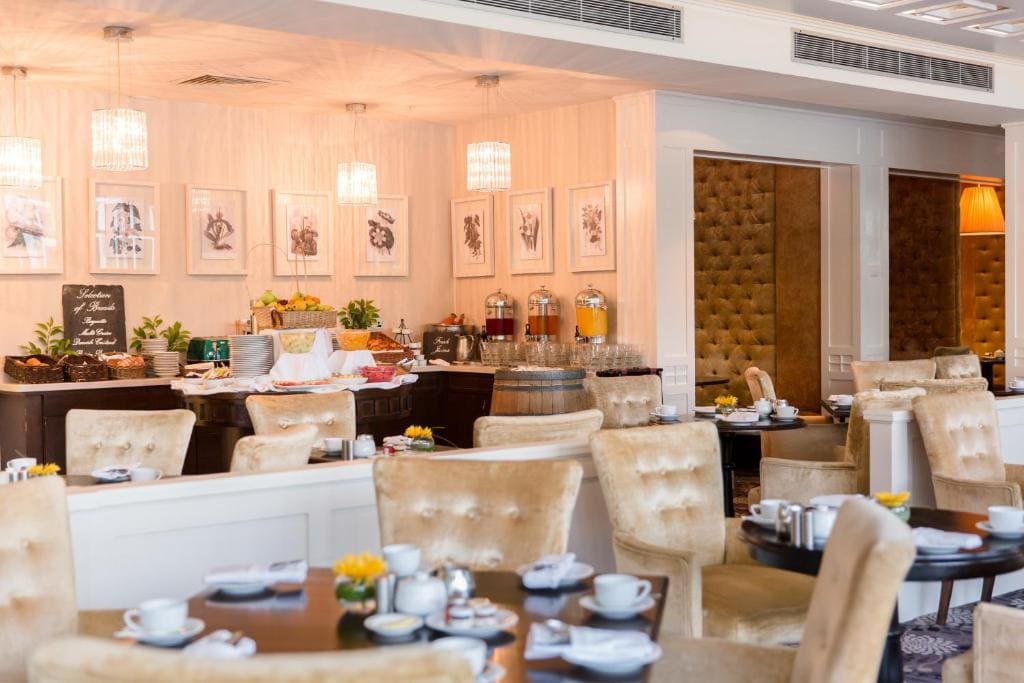
Lough Eske Castle is restorative between outings, with woodland to wander and quiet rooms for a real break. Mill Park offers lifts, leisure facilities, and an easy drive into town.
For value, Gateway Lodge’s refurbished rooms and on‑site restaurant make turn‑in days simple. If you want to be in the thick of everything choose the Abbey Hotel right on the Diamond which also has some of Donegal town’s great bars. Harvey’s Point in the Bluestack Mountains just outside town makes a great romantic stay.
Visit outside July–August for calmer rooms, easier tables, and softer light. In winter, daylight shrinks and some attractions run reduced hours plan earlier outings and a warm pub for the evening.
Day Trips That Don’t Demand Too Much
Short drives open gentle excursions. Mountcharles (10 minutes) gives you sea views and an easy foreshore stroll; grab coffee at the pier when it’s open. The Killaghtee Cross near Dunkineely is a short hop by car and a direct line to early Christian Donegal without a long walk.
Short drives open gentle excursions. Mountcharles (about 9–10 km; 10–15 minutes’ drive) gives you sea views and an easy foreshore stroll; grab coffee at the pier when it’s open. The Killaghtee Cross near Dunkineely is a short hop by car and a direct line to early Christian Donegal without a long walk.
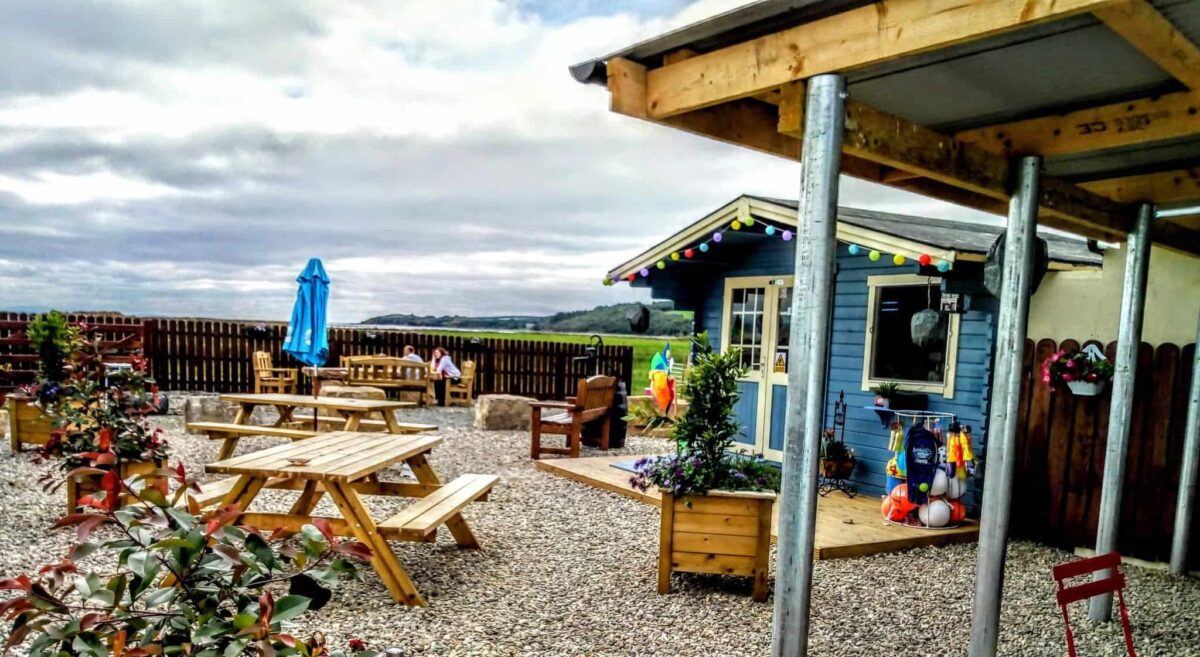

The Bluestacks reward selectivity: take a scenic drive, step out at a lay‑by for five wind‑blown minutes, and let the mountains do the talking. No long hike required.
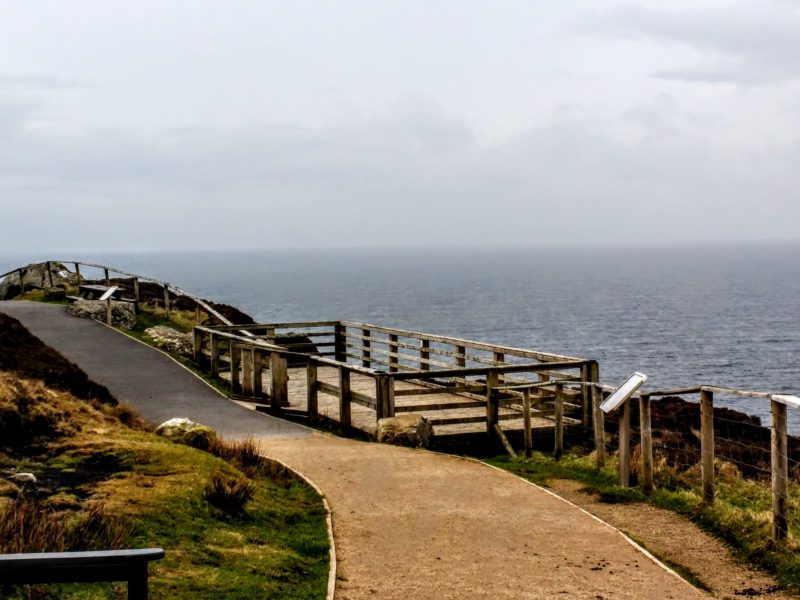
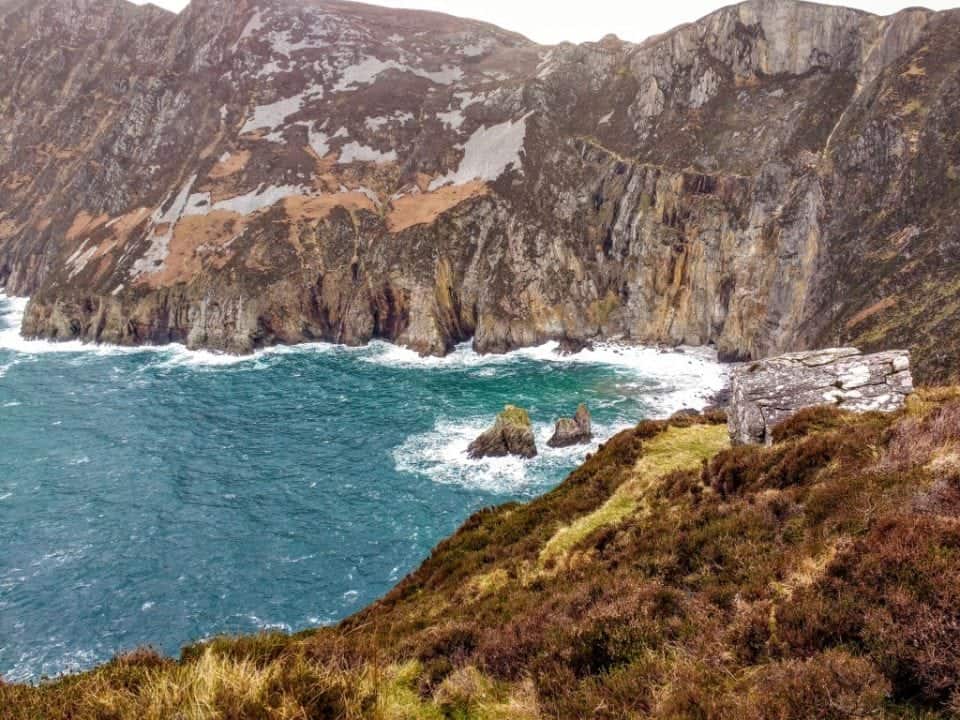
While often overshadowed by the more famous Cliffs of Moher, County Donegal’s Slieve League are among the highest sea cliffs in Europe, offering equally breathtaking and dramatic views. Notably, significant efforts have been made to improve accessibility. A paved, gently sloping path, the “Cliff View Access Path,“ now leads from the main car park to a magnificent viewing platform at Bunglas. This route allows visitors of varying mobility to safely experience the awe-inspiring 600-meter drop to the Atlantic Ocean, making this natural wonder available to many who could not otherwise attempt the rugged, traditional trails.

Getting here
Closest airport is Donegal (Carrickfinn); Derry and Knock are common alternatives. Bus Éireann links Donegal to Dublin and Sligo; Local Link covers some rural routes on limited timetables. You don’t need a car if you are staying in Donegal Town but you may want to arrange some tours or rent a car to see the rest of the County.
Weather: Atlantic weather changes quickly carry a light waterproof and warm layer year‑round.
Why Donegal Works for Slower Travel
Donegal doesn’t reward rushing. Move gently, rest often, pay attention, and the place will meet you halfway. The Atlantic air, the turf smoke, and the easy rhythm of conversation linger long after you leave. I see it daily, and it still surprises me. However I will add that it can be very difficult to see much of Donegal without a car but it is possible if you plan carefully, you will also need car to explore all of Donegal’s hidden gems.
Slán go fóill… until next time, may the tides lead you back
Explore More Donegal Guides
If you’re planning a trip around the county, you might also enjoy these guides:
If you’re deciding between Ireland’s top cliffs, see our guide to Slieve League vs Cliffs of Moher, and find out is Slieve League dangerous before you go.
Best time to visit Donegal – A guide to our 4 seasons in one day when visiting
Things to Do in Donegal – The county’s most spectacular landscapes and attractions
Donegal Travel Guide – Tips for exploring Ireland’s wild northwest
Donegal without a Car – Ways to explore Donegal without a car
Is Donegal worth visiting? Yes. It is wild, spacious, deeply local and unforgettable if you approach it the right way
Donegal Hidden Gems – Discover the places that only locals know
As we say here, with quiet pride, it’s different up here.
For travelers planning a slower-paced trip through the northwest, my Accessible Donegal guide covers wheelchair-friendly viewpoints, scenic drives, beaches, parking, transport, and realistic tips for visiting Donegal with limited mobility.
Start Planning Your Trip
👉 Public Transportation in Ireland
👉 Hidden Gems in Ireland – 32 Secret places to visit
👉 Answering all your travel questions about Ireland