
23 Irish Christmas Traditions: A Local’s Complete Guide to Christmas in Ireland
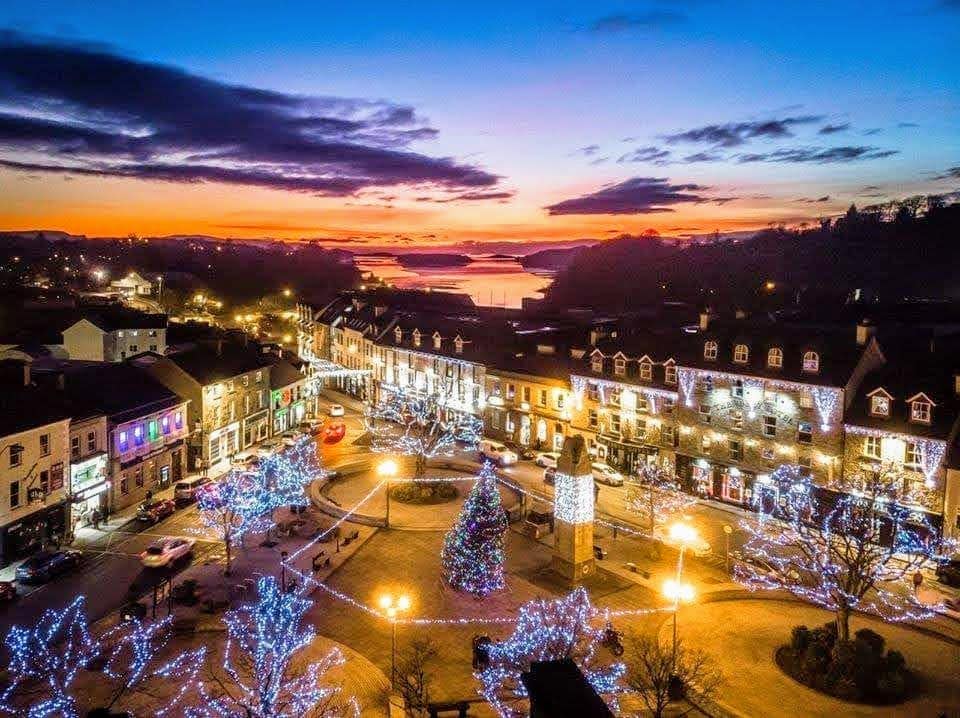
Irish Christmas traditions are built on family, faith, food and a good dose of cold salt water, and most of them are older than the religion they are now wrapped around. If you want the short version: Ireland celebrates Christmas with midnight mass, a laden dinner table, a candle in the window, a swim in the sea, a visit from the Wren Boys on St Stephen’s Day, and a full two weeks of markets, races and parties that only properly wind down on Little Christmas, January 6th.
Everything below is the long version, written by someone who has spent thirty Christmases doing every single one of these things, most of them in Donegal, several of them with visitors in tow who had no idea what they were letting themselves in for.

I live in Donegal and I have taken friends and family to nearly every place mentioned in this guide, more than once. Where I give you an opinion, I say so. Where I give you a fact, I have checked it against the organisers’ own websites as of mid-2026, because Christmas listings change every single year and nothing annoys a visitor more than turning up to a market that closed in 2019.
- 23 Irish Christmas Traditions: A Local’s Complete Guide to Christmas in Ireland
- What Are Irish Christmas Traditions? A Quick Definition
- The History Behind Christmas in Ireland
- How to Plan Your Trip to Experience Irish Christmas Traditions
- The 23 Irish Christmas Traditions
- Game of Thrones Winter Activities in Ireland
- Hidden Gems Only Locals Really Know About
- Where to Eat at Christmas in Ireland
- Where to Stay
- New Year’s Eve
- Frequently Asked Questions About Irish Christmas Traditions
- Irish Christmas Traditions
- Christmas celebrations around the world:
What Are Irish Christmas Traditions? A Quick Definition
Irish Christmas traditions are the customs practised across Ireland each December and into early January, blending Catholic religious observance such as midnight mass with older, pre-Christian midwinter customs such as decorating with holly and ivy, lighting a candle in the window, and the Wren Boy processions on St Stephen’s Day. Modern Irish Christmas traditions also include the Late Late Toy Show, Christmas markets in cities such as Galway, Belfast and Dublin, and charity swims in the sea on Christmas morning. In Irish, Christmas is Nollaig, and Christmas Day itself is Lá Nollag.
This guide covers the history behind Irish Christmas traditions, a step by step way to plan your trip, all 23 traditions with real prices and parking information, where to eat and stay with accessibility notes, hidden gems locals actually use, things to do with children, Game of Thrones activities in the North, and a full FAQ section.

Irish Christmas customs like these are part of a much older story see the full Irish Culture and Folklore guide for how tradition and mythology still shape everyday life here.
The History Behind Christmas in Ireland
Christmas in Ireland is a genuinely layered thing. Christianity arrived in the fifth century and folded itself around midwinter customs that were already ancient: the Celts marked the winter solstice with fire, evergreen branches and feasting long before anyone in Ireland had heard of Bethlehem. The first recorded royal Christmas celebration in Ireland is usually traced to Henry II, who kept Christmas in Dublin in 1171 with a hall built specially for the occasion, an event historians point to as an early written record of the holiday being formally marked here.
From the medieval period onward, the Catholic Church layered its own calendar on top: Advent from December 1st, the Feast of the Immaculate Conception on December 8th, Christmas Eve, Christmas Day, St Stephen’s Day on December 26th, and the Feast of the Epiphany on January 6th, which Ireland alone calls Little Christmas.
What makes Irish Christmas traditions distinct from, say, an American or English Christmas, is how little of it is actually about presents. Even now, with online shopping and Black Friday chipping away at the old December 8th shopping trip, Irish Christmas still centres on the table, the fire, the church and the sea, in roughly that order of enthusiasm.

How to Plan Your Trip to Experience Irish Christmas Traditions
If you are travelling from abroad specifically to see Christmas in Ireland, here is the order I would tackle it in.
- Book your flights and accommodation for the second or third week of December. This is when markets, lights and events overlap without the total shutdown that happens between December 24th and January 2nd, when shops, restaurants and public transport all run reduced hours.
- Pick one city as a base. Dublin, Galway, Belfast and Cork each have their own market and event calendar, and travelling between them in December adds hours in the dark and the wet, so choose one and take day trips from there.
- Book Santa experiences, grottos and ticketed light trails at least four weeks ahead. Malahide Castle, Dublin Zoo’s Wild Lights and Galway’s Santa’s Cabin all sell out their peak weekend slots.
- If you want to attend midnight mass, arrive at the church at least 45 minutes early. The most atmospheric ones, such as Christ Church Cathedral in Dublin, fill every seat and most of the standing room.
- If you are travelling with a wheelchair user or anyone with reduced mobility, check the venue’s own accessibility page before booking. I flag what I know below, but venues update ramps, accessible toilets and viewing platforms often enough that it is worth a direct check.
- Reserve Christmas Day or St Stephen’s Day dinner at a hotel or restaurant well in advance if you do not want to self-cater. Many independent restaurants close entirely from December 24th to 27th.
- If the Christmas Day swim is on your list, plan to arrive by 10.30am. The best known swims, such as Sandycove in South Dublin, draw large crowds and the car parks fill early.
The 23 Irish Christmas Traditions
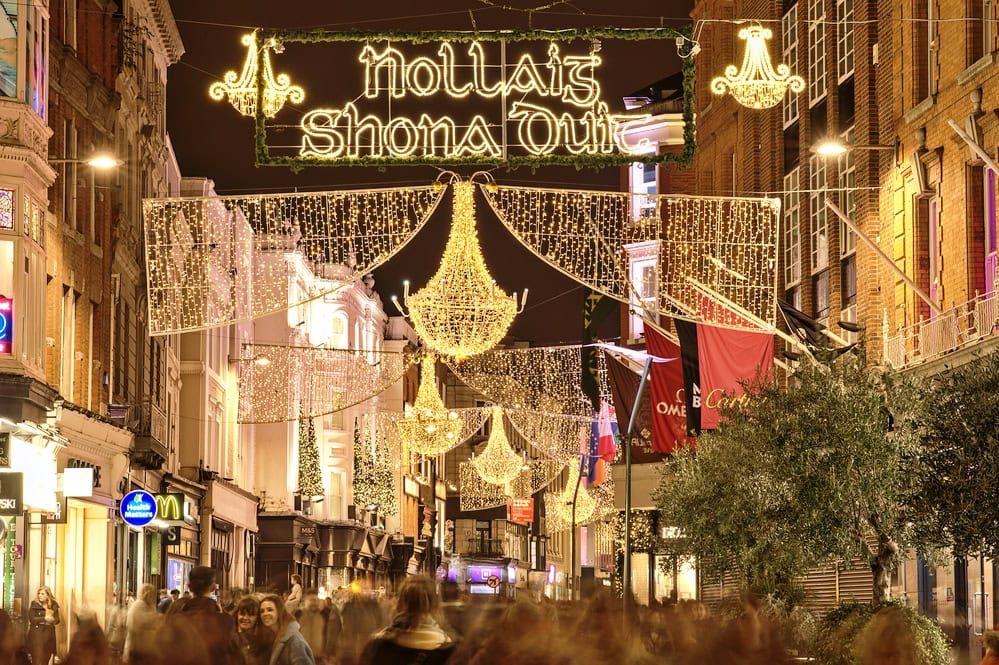
1. Nollaig Shona Duit: The Irish Christmas Greeting
The Gaelic greeting for Merry Christmas is Nollaig Shona Duit, pronounced roughly null-ig hun-a ditch. In Northern Ireland you will also hear the Ulster Scots greeting Ablythe Yuletide. Both are used warmly and neither is performative, people genuinely say them on the street and in shops right through December.
2. A Candle in the Window
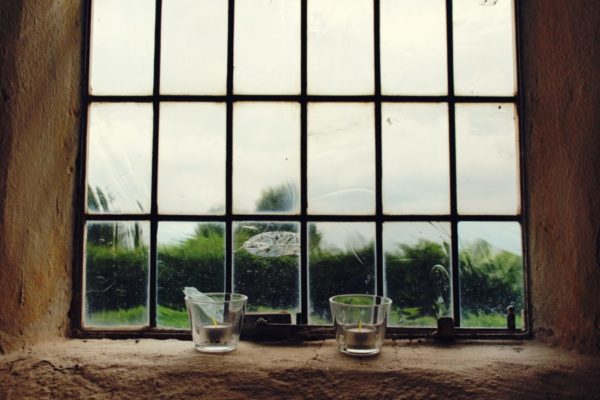
Placing a lit candle in the front window on Christmas Eve is one of the oldest and most photographed Irish Christmas traditions. It began as a Catholic signal of welcome during the Penal era, when priests moved in secret and a candle in a window told them a house was safe. Over time the meaning softened into a welcome for Mary and Joseph on the road to Bethlehem, and for the stranger at the door generally, since Celtic folklore held that any traveller might secretly be divine.
In 1990, President Mary Robinson placed a permanent lit candle in the window of Áras an Uachtaráin as a signal to the Irish diaspora that home was still watching for them. Traditionally only a girl named Mary was allowed to light or extinguish the candle, a small superstition that still gets followed in some families, mine included.
3. Irish Christmas Blessings
Alongside the greeting, you will hear older verse blessings recited at dinner tables and in churches, wishing the light of the Christmas star, the warmth of hearth and home, and God’s peace on the household. These blessings are usually spoken rather than read, passed down the way a family recipe is passed down.

4. Holly, Ivy and Irish Christmas Decorations
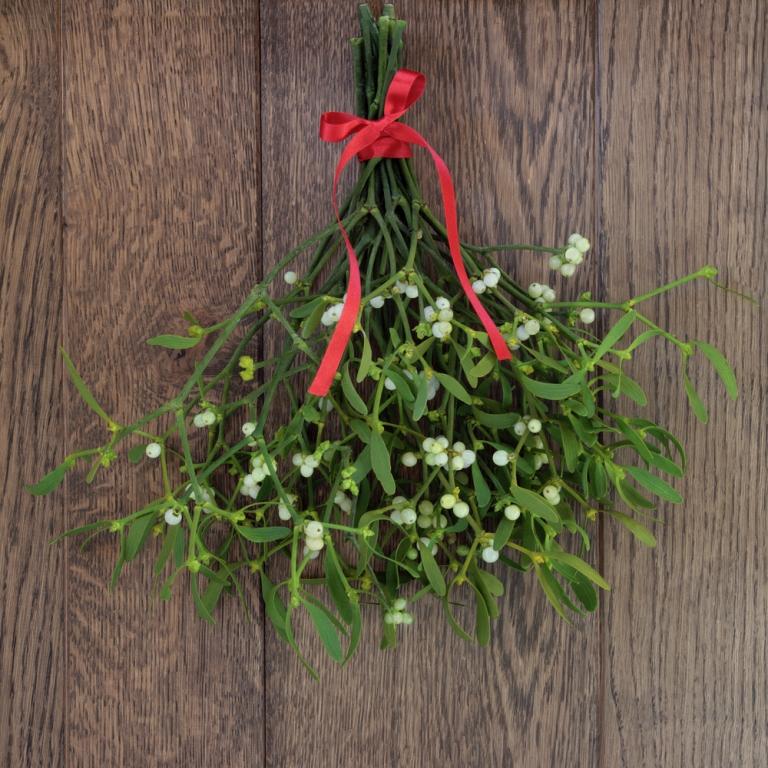
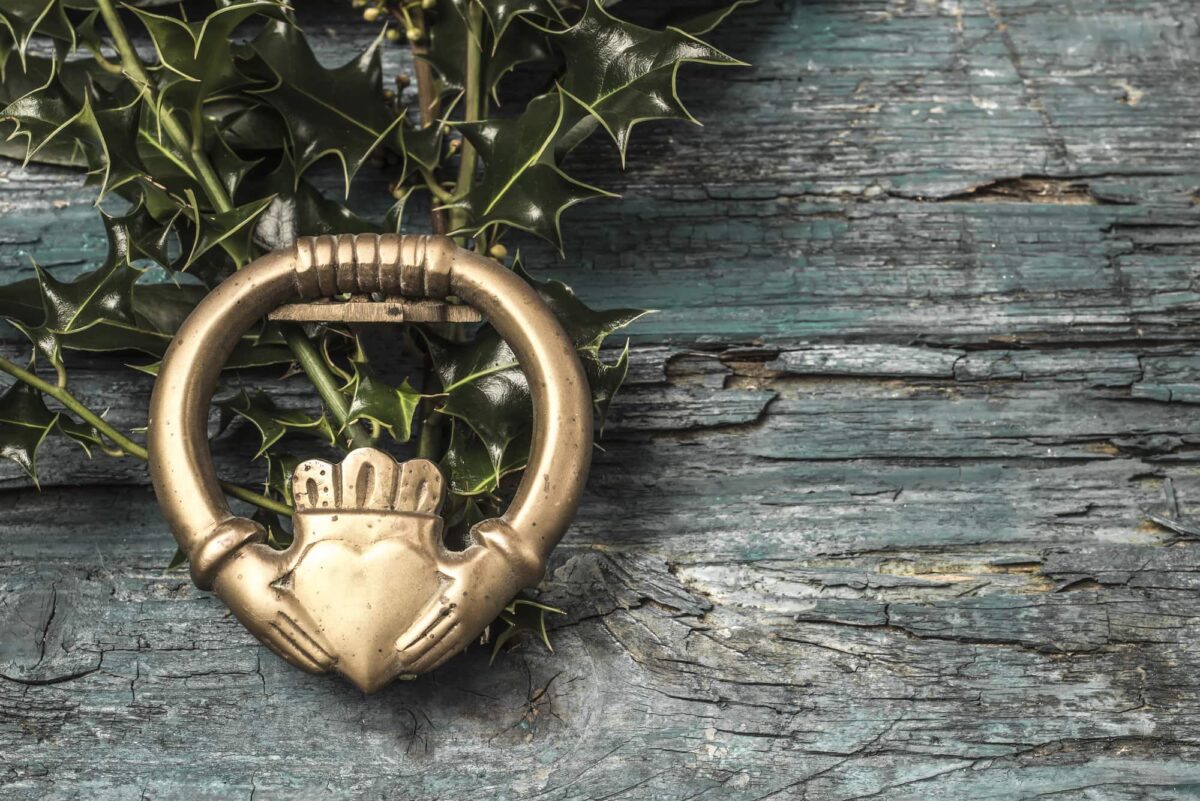
The Christmas wreath as we know it almost certainly started in Ireland. Long before Christianity, the Celts believed holly and ivy, both evergreen through the depths of winter, carried protective power against evil spirits, and rings of holly went up around doors and windows for exactly that reason. That pre-Christian habit is the direct ancestor of the wreath you now see on front doors from Donegal to Denver.

5. The Christmas Tree
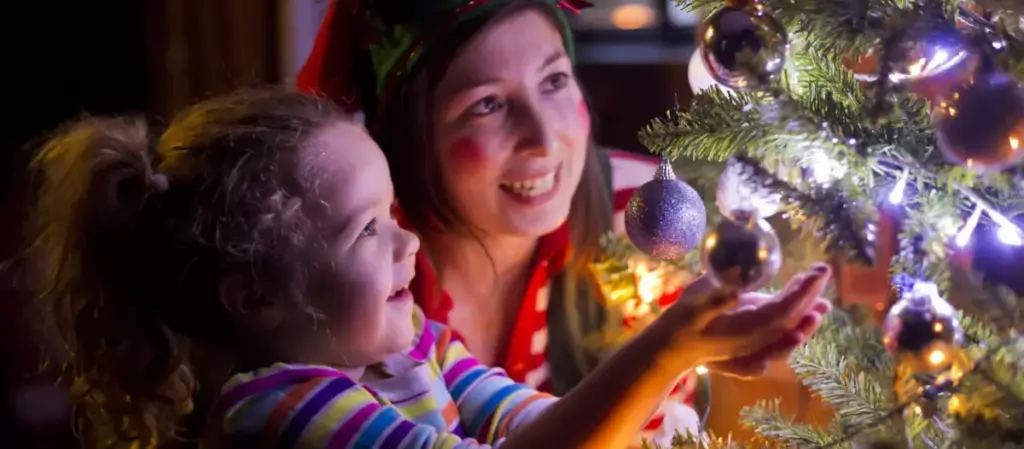
Trees typically go up around December 8th, the Feast of the Immaculate Conception, which for generations doubled as the unofficial start of the shopping season known locally as Culchie Shopping Day, when country people travelled to Dublin for their Christmas shopping. Real pine is still the preference in most Irish homes, though artificial trees are increasingly common. A nativity crib is standard in most households, and in devoutly kept homes the Baby Jesus figure is not placed in the manger until Christmas morning itself.
6. Midnight Mass on Christmas Eve
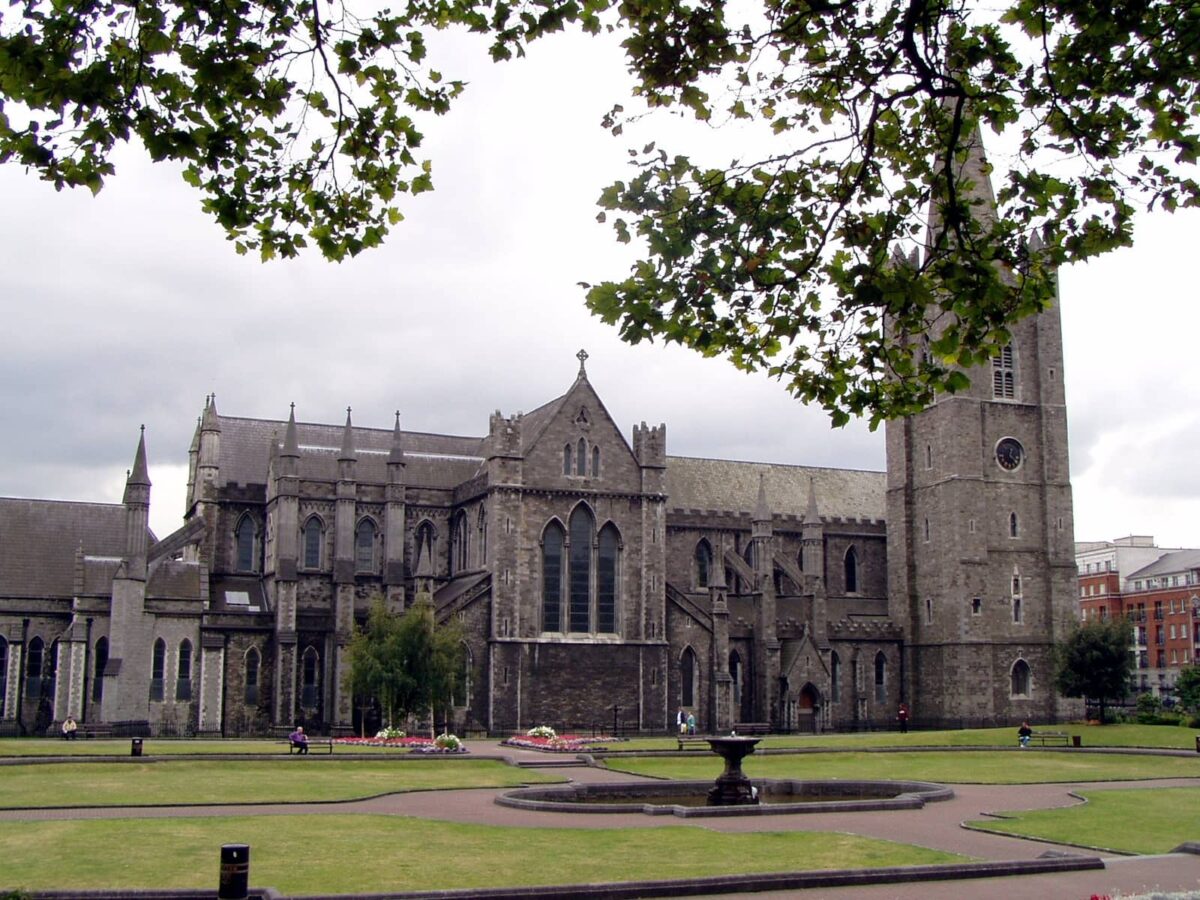
Midnight mass is, without much competition, the best attended church service of the Irish year, and it draws people who otherwise never darken a church door. Choirs, full nativities, and a packed pew of neighbours you have not seen since last Christmas make it worth attending even if you are not remotely religious. In Donegal, where I live, this is genuinely true of almost every household on our road.
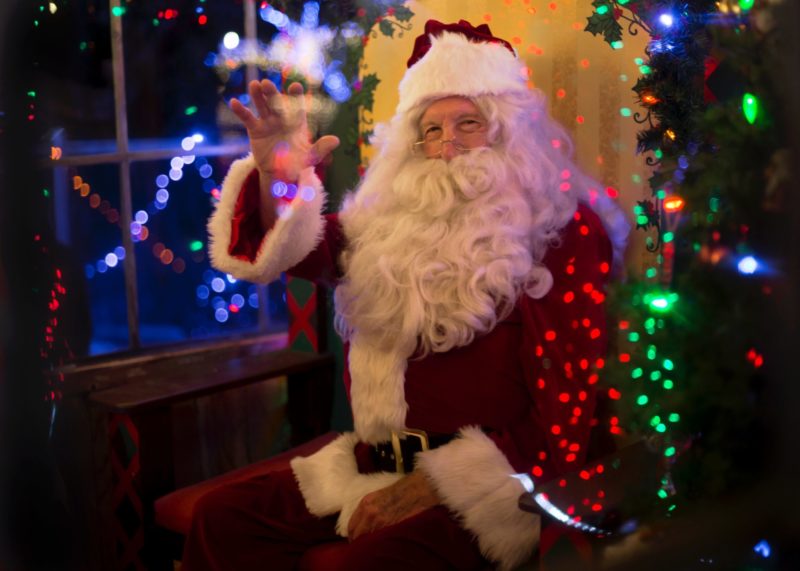
7. Santa Claus, or Santy
Across the whole island, north and south, Santa Claus is affectionately called Santy. In Irish he is Daidí na Nollag, literally Daddy Christmas. Children leave out a mince pie and, in a distinctly Irish twist, a glass of Guinness rather than milk, along with a carrot for the reindeer.
8. The Late Late Toy Show
If there is one modern addition that now anchors the Irish Christmas calendar, it is the Late Late Toy Show, broadcast on RTE One on a Friday night in late November or early December. Roughly four in five Irish television viewers tune in, making it the most watched programme of the year, and it is streamed to more than 150 countries for the diaspora. It began in 1975 as a simple showcase of the season’s toys and has grown into a two hour mix of children performing, celebrity surprises and the RTE Toy Show Appeal, which has raised more than seventeen million euro for children’s charities since 2020. For visitors, it is worth knowing that this broadcast is genuinely when the Irish Christmas season begins in the public imagination, well before December 8th.

9. Christmas Eve at Home
Because everyone knows what is coming the next day, Christmas Eve dinner is deliberately light: sandwiches, a chip butty, chocolate, and a Baileys on ice or an Irish coffee while the fire goes and the last of the wrapping gets done.
10. A Full Irish Christmas Breakfast
Christmas morning starts with a full Irish breakfast: rashers, sausages, black pudding, grilled tomato, mushrooms, boxty or fried bread, soda bread, and eggs done any way except American style hash browns, with a proper pot of tea. It sounds like overkill given what is coming at 2pm, and it is, and everyone does it anyway.

11. Christmas Dinner
A traditional Irish Christmas dinner usually features roast turkey or goose, a baked or boiled gammon ham, and in some households a joint of beef or pork, served with roast potatoes, mash or champ, Brussels sprouts, carrots, parsnips, cabbage, stuffing and a serious amount of gravy. In Cork in particular you will find spiced beef, a cured and Guinness boiled rump or silverside that is roasted and served cold, traditionally on St Stephen’s Day rather than Christmas Day itself. Dinner is served any time between 2pm and 6pm and, honestly, sometimes runs the whole gap.

12. Christmas Pudding and Irish Christmas Cake
Christmas pudding, also called plum pudding despite containing no actual plums (the Victorians called raisins plums, hence the name), is a dense mix of dried fruit, beef suet, warming spices and whatever spirit is to hand, usually brandy, rum or whiskey. It is made weeks in advance so it can properly soak. Irish Christmas cake follows the same logic: a fruit cake built weeks ahead, fed with whiskey as it matures, then finished with marzipan and royal icing. In many families the children take turns stirring the batter and making a silent wish, a tradition that has survived generations without anyone quite being able to explain why it has to be silent.

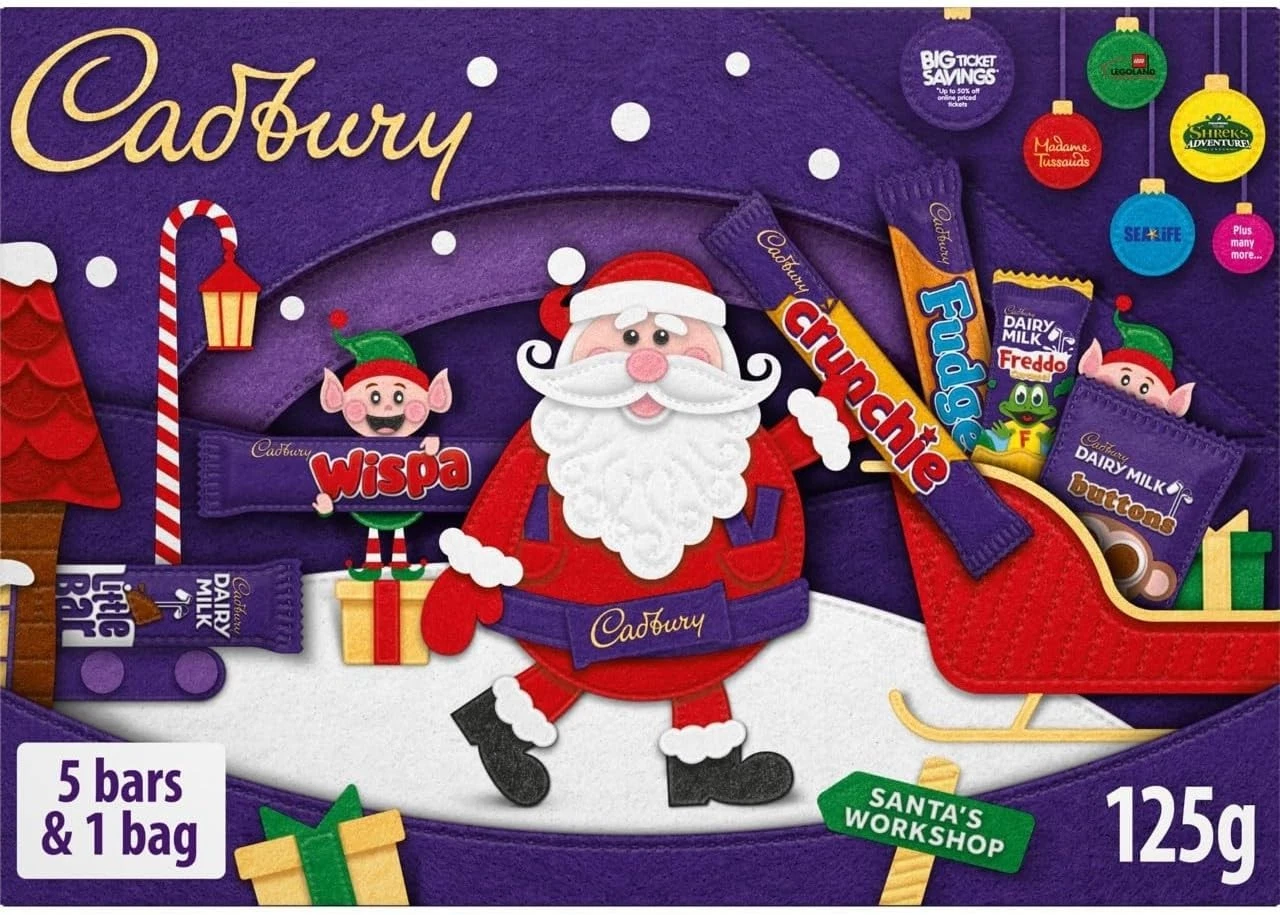
13. Selection Boxes and Sweets
Every child’s stocking includes a Selection Box, a boxed assortment of chocolate bars, plus a clementine or orange tucked into the toe, a small nod back to the years when fresh citrus fruit was a genuine treat rather than something available in every shop year round. Quality Street and Roses tins are the adult equivalent, present in nearly every sitting room from mid-December.
14. Wren Day and the Wren Boy Procession
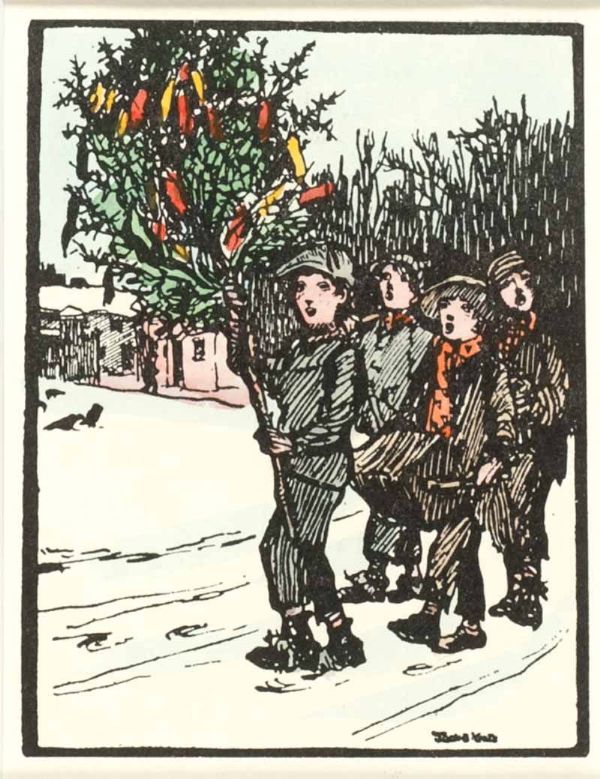
Wren Day, also called Lá an Dreoilín, falls on St Stephen’s Day, December 26th, and is one of the strangest surviving Irish Christmas traditions. Wren Boys dress in old clothes, blacken their faces, and parade with an effigy of a wren tied to a decorated pole, going door to door or joining organised town parades.
The origin stories vary: one version blames a real wren for betraying Irish rebels to British sentries by tapping on a drum, another for alerting Viking raiders, and an older Celtic reading treats the wren as a symbol of the dying year, killed off in ritual to make way for the new one. Whatever the origin, Wren Day parades are having a genuine revival in towns like Dingle and across parts of County Kerry, alongside long standing Wren gatherings in rural communities nationwide.
15. Mummers of Ireland
Mumming is older again, with references to masked entertainers at the royal court of Emain Macha found in the ancient Ulster annals. Mummers traditionally performed silent, then later spoken, plays throughout the twelve days of Christmas, in tall masks and straw costumes, and the custom exists in some form from Newfoundland to Japan. If this fascinates you as much as it fascinates me, the Sligo Heritage site has a genuinely excellent deep dive into local mumming history: Sligo Heritage: Mummers of Sligo. For a hands on version, the Aughakillymaude Mummers Centre in County Fermanagh runs straw craft workshops, a photographic exhibition, and displays mumming sculptures and a Wickerman effigy: Aughakillymaude Mummers Centre.

16. St Stephen’s Day, or the Day of the Wren
Known in the Republic as St Stephen’s Day and as Boxing Day in Northern Ireland and Britain, December 26th commemorates the Christian martyr St Stephen, said in Irish legend to have been betrayed by a wren while hiding from his enemies. These days it doubles as the start of the January sales, and it is a genuinely popular family day, with many households choosing a long walk over a second enormous meal.
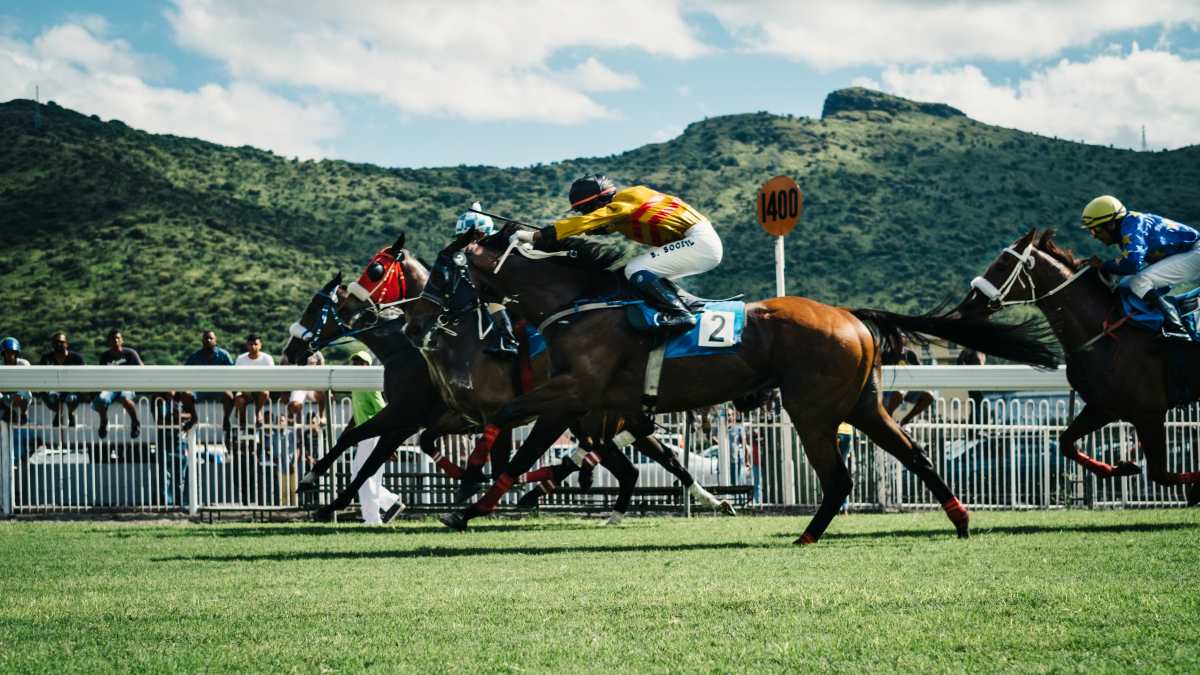
17. St Stephen’s Day Horse Racing
Horse racing on St Stephen’s Day is a proper national institution, drawing crowds in the tens of thousands. The Leopardstown Christmas Festival, just twenty minutes from Dublin city centre, runs across four days from December 26th to 29th 2026 and features seven Grade 1 races, live music, and a family day on the final afternoon with face painting and bouncy castles for younger racegoers. As of mid-2026, online adult tickets start at around 40 euro, with senior and student tickets around 35 euro, and hospitality packages running from 50 euro up to 245 euro for premium suites.
Check current prices directly here: Leopardstown Racecourse tickets. There is a free shuttle bus on race days from Sandyford Luas, Naas, the Red Cow and, from day two onward, Heuston Station and Blackrock DART, which is worth using instead of driving given how tight parking gets. Leopardstown publishes a dedicated accessibility guide covering accessible parking, viewing areas and toilets, which I would check before you travel: Leopardstown accessibility information. Down the country, the Limerick Christmas Racing Festival also runs on St Stephen’s Day, with the first race at 12.20pm and live music after racing.
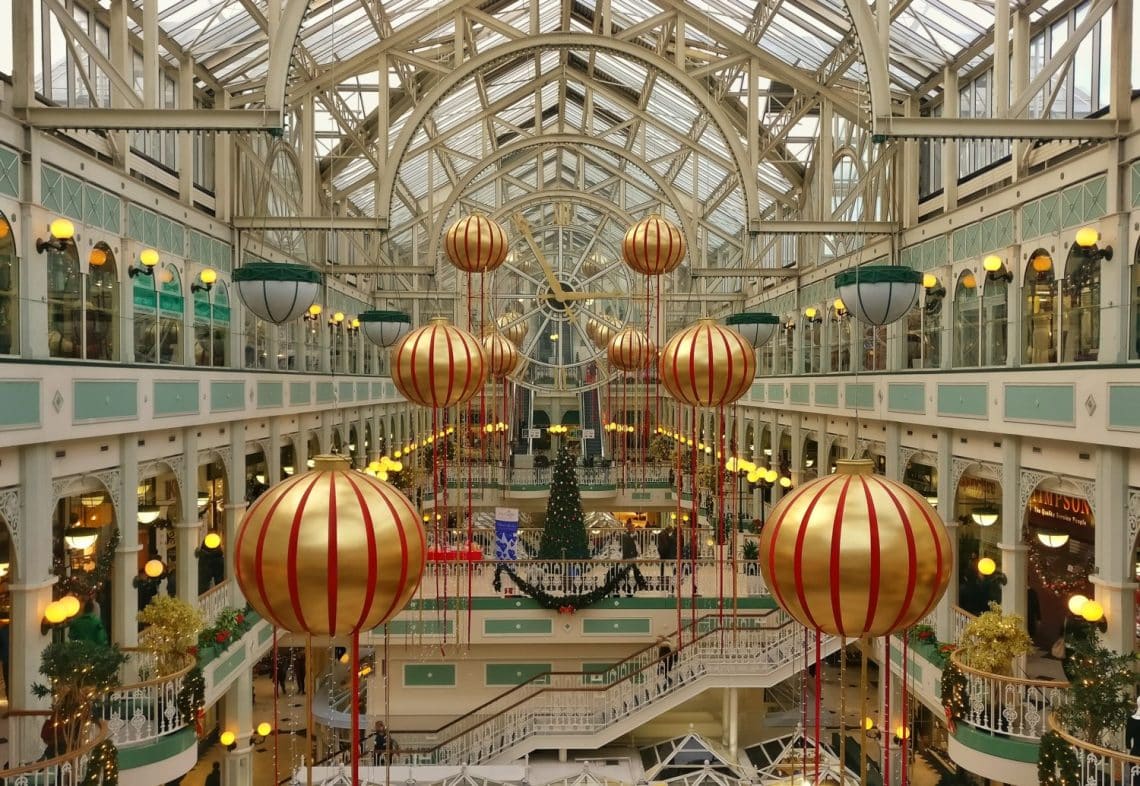
18. Christmas Markets Across Ireland
Christmas markets are a relatively recent addition to Irish Christmas traditions, really only becoming a fixture over the last decade or so, but they have embedded themselves fast. A personal opinion here: none of the Irish markets are trying to be full scale Bavarian markets, and if you go in expecting Nuremberg you will be a little underwhelmed. Go in expecting a good few hours of mulled wine, craft stalls and a big wheel, and you will have a great time. Here is what to expect city by city, checked against each organiser’s own site in mid-2026.
Galway Christmas Market, Eyre Square. Now in its sixteenth year and the longest running market in the country, expected to run from early November through to December 31st or into early January, with roughly half a million visitors passing through most years. Entry to the market itself is free. Over fifty wooden chalets sell crafts, food and mulled wine, alongside a 32 metre Ferris wheel, a vintage carousel and a German style beer tent. Santa’s Cabin costs around 20 to 22.50 euro per child, including a gift, and booking ahead online is strongly advised. Parking options include Q-Park Eyre Square, the Corrib Centre and Fairgreen Car Park, all a short walk from the square. Official info: Galway Christmas Market.
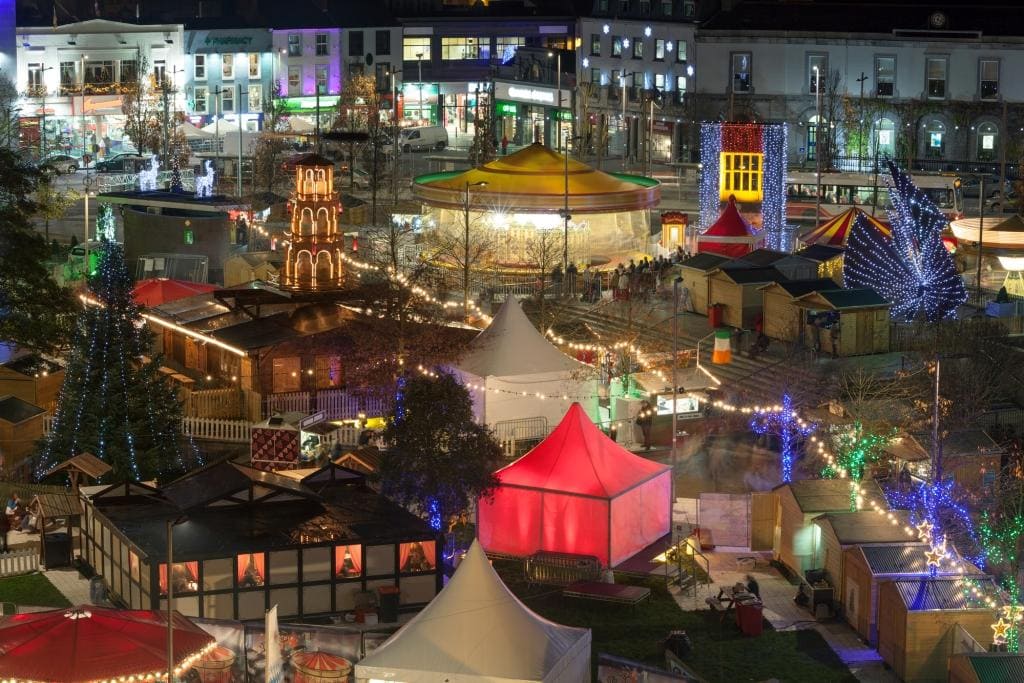
Belfast Christmas Market, Belfast City Hall grounds. Now over twenty years running and generally considered the biggest market on the island, with upward of one hundred chalets and food from more than thirty countries. It typically runs from mid-November until just before Christmas, admission is free, and there is a covered ice rink most years. The nearest car parks are Montgomery Street, a three minute walk, and Q-Park Victoria Square, five minutes away, and on-street parking around the city centre is free after 6pm. Official info: Belfast City Council: Christmas Market. You can read my article on Christmas in Belfast here.

Dublin Castle Christmas market. Worth flagging clearly here because listings elsewhere online are out of date: Christmas at the Castle, previously Dublin’s best known Bavarian style market, is not running in either 2025 or 2026. The OPW has confirmed this is due to preparations for Ireland’s EU Presidency, which runs at Dublin Castle for the second half of 2026, and the market is expected to return in 2027.
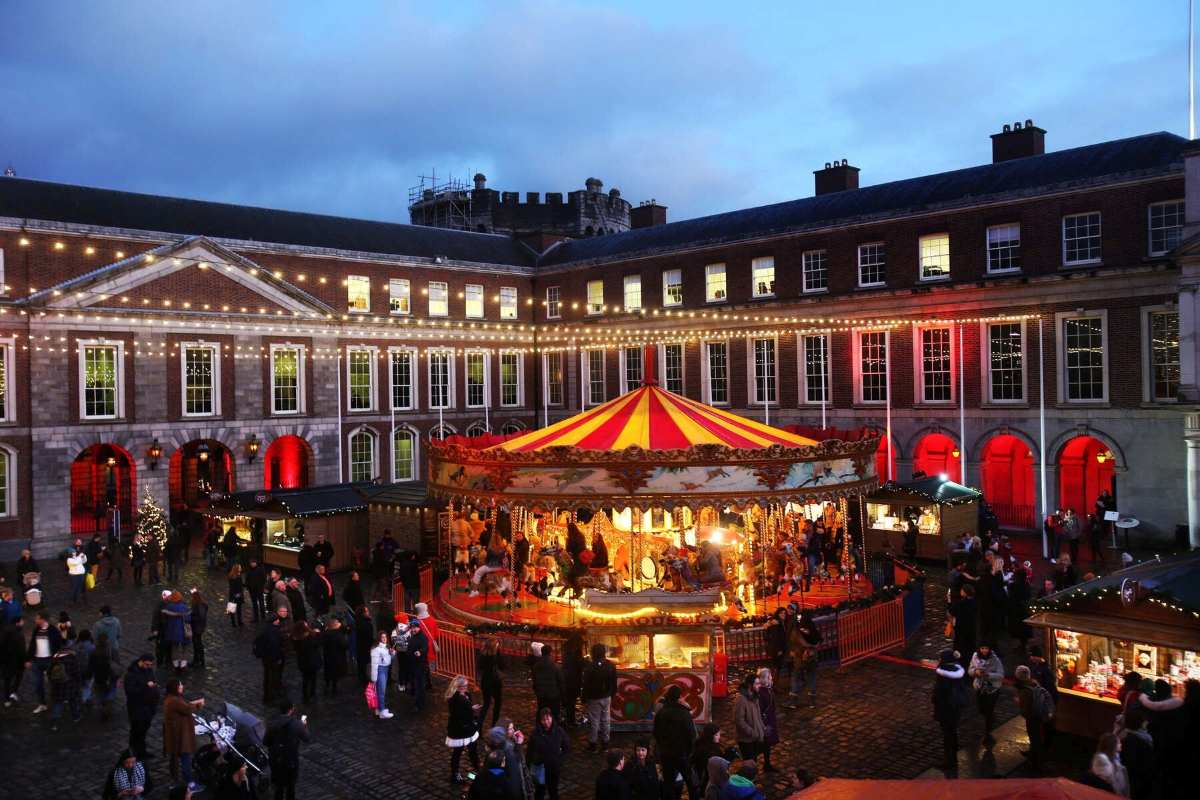
In its place, Dublin’s Christmas is spread across several venues: TwinkleTown at Smithfield Square, which is free to enter with a ticketed ice rink, typically runs from late November into early January; Dublin Loves Christmas takes over the RDS in Ballsbridge with a free entry ice rink area and paid rides; and the Guinness Storehouse runs a seasonal light and decoration trail, with general entry free and specific evening events ticketed. Malahide Castle runs a pre-booked Santa experience from late November to just before Christmas, with adult accompanying tickets around 18 to 22 euro and child tickets around 26.50 to 30.50 euro, and free on-site parking, reached easily by DART or bus.
Cork Christmas markets, known locally as Corkmas. A smaller but genuinely charming Christmas programme built around Cork’s already excellent food scene, with a light show in Emmet Square and market stalls running through the city centre from mid-November to New Year’s Eve.

My own honest ranking, having done all of them at least twice, is Galway first for atmosphere and scale, Belfast second for the sheer number of food stalls, then Cork, then whichever pop-up Dublin has running that particular year.
19. The Christmas Day Swim
The Christmas Day swim happens in virtually every coastal county in Ireland, and the best known is at the Forty Foot in Sandycove, South County Dublin, where crowds gather from early morning to jump into the freezing Irish Sea, almost always for charity. Irish journalist Fergal Keane once described his own Christmas swim there as worth every second of the cold for the sense of achievement afterward, which is about as accurate a summary as you will get.

A word of practical honesty here: the Forty Foot itself involves steps and uneven rocky ground down to the water, so it is not a fully accessible site for wheelchair users or anyone with significant mobility restrictions, though the level coastal path above gives an excellent view of the swim without needing to get down onto the rocks. Street parking around Sandycove fills very early on Christmas morning, so if driving, arrive well before 10.30am or take the DART to Sandycove and Glasthule station, which sits a five minute walk from the water.
20. Carol Singers and Christmas Concerts
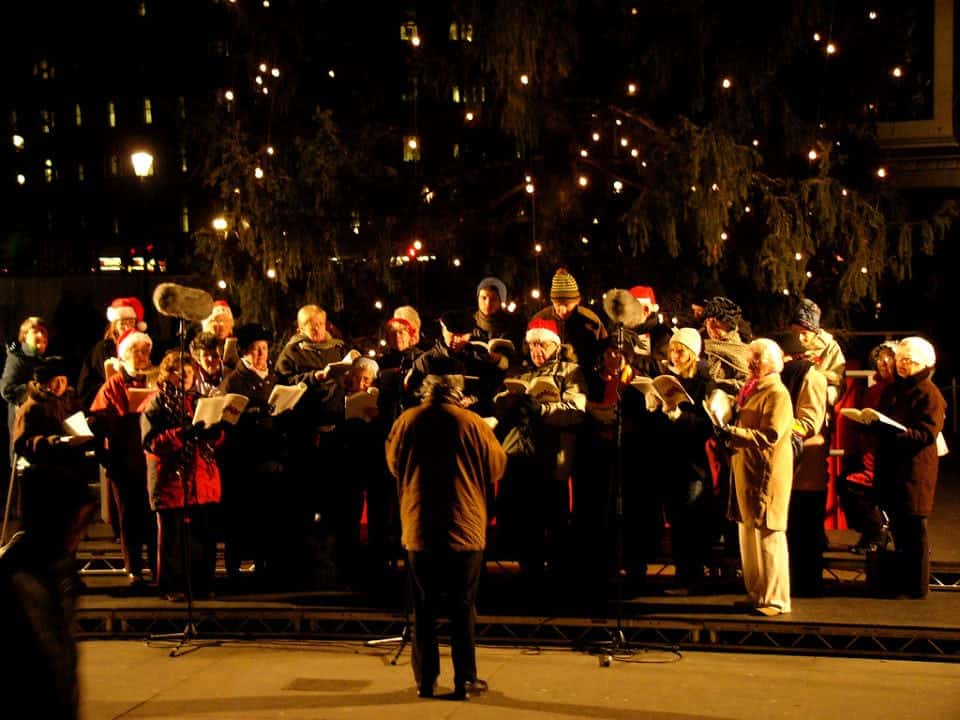
Carol singers raising money for charity are a genuine fixture on Irish streets through December, and most towns, schools, churches and community halls run their own carol evening. The best known ticketed events are Carols by Candlelight at Christ Church Cathedral in Dublin and the Lord Mayor’s Christmas Concert at Cork City Hall, both worth booking ahead for.
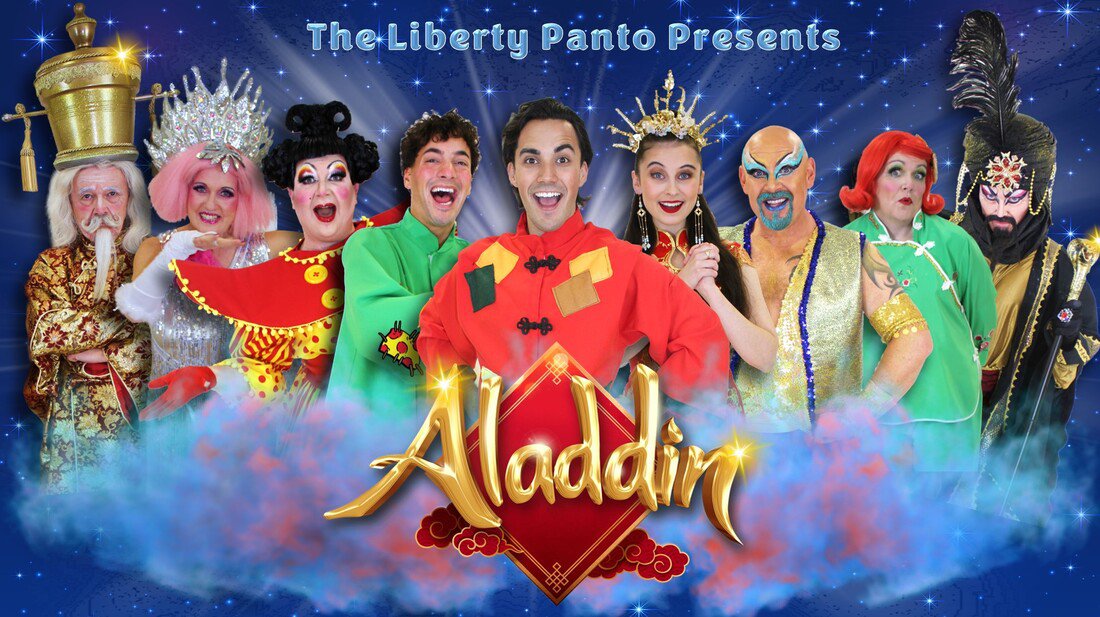
21. Pantomime Season
Panto season traces back to the Italian Commedia dell’arte of the sixteenth century and remains a genuine family fixture through December and into January, with big productions running in Dublin and Belfast theatres and smaller community pantos everywhere in between. It is loud, silly, entirely participatory, and a genuinely good option for a wet December afternoon with children.
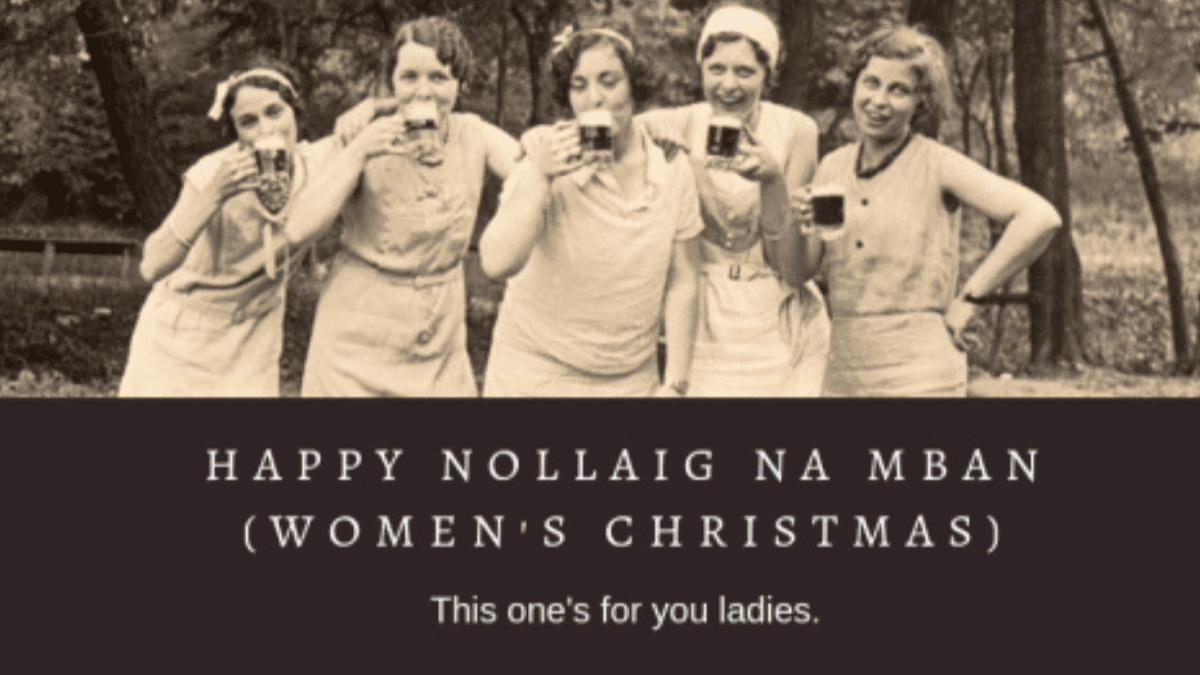
22. Little Christmas, or Nollaig na mBan
Little Christmas, also called Women’s Christmas or Nollaig na mBan in Irish, falls on January 6th, the Feast of the Epiphany, and traditionally marks the end of the Christmas season, the day decorations finally come down. Historically, women who had done the bulk of the Christmas cooking and hosting took the day off for a lunch or a drink out with friends while the men took over the house, and in parts of the west and southwest of Ireland this is still genuinely observed rather than just referenced.
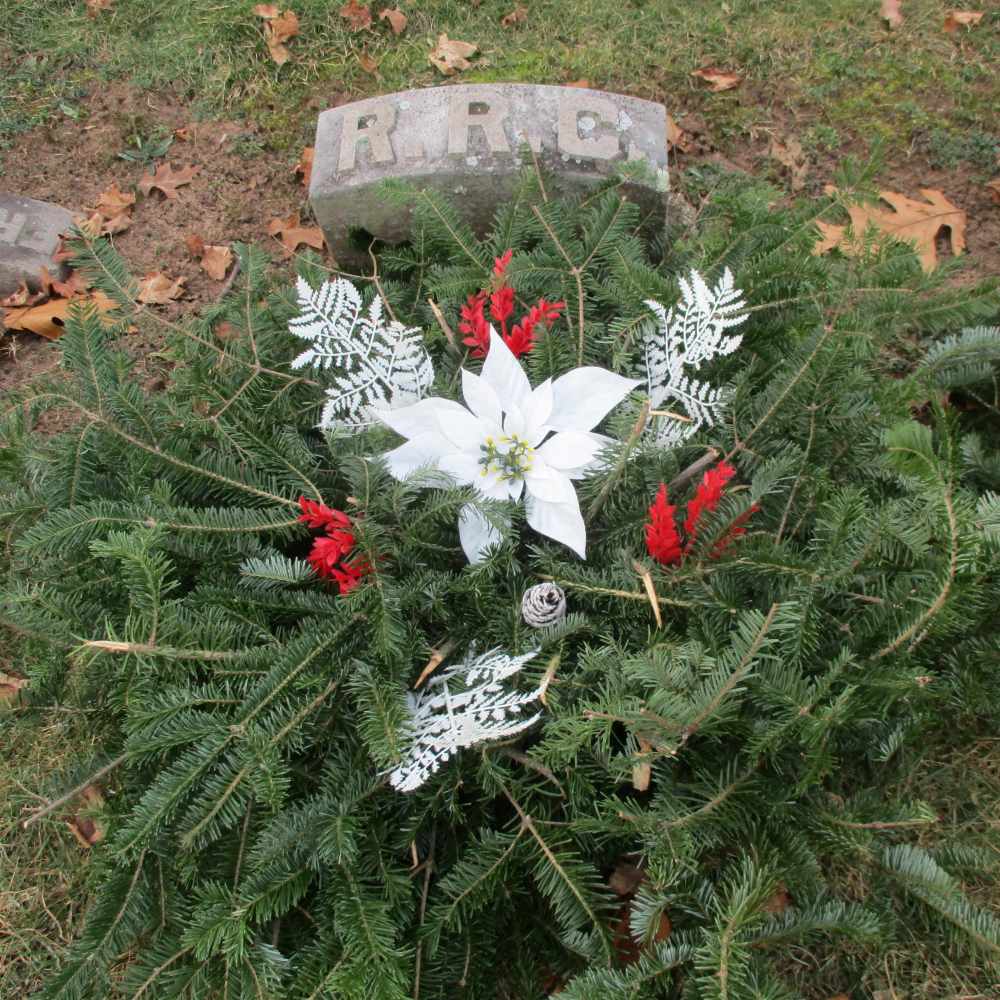
23. Remembering the Dead at Christmas
It is also a time for remembering family who have died, with prayers offered at mass and holly and ivy wreaths laid on graves through the Christmas period. Families often visit the cemetery together and share memories, which keeps the tradition feeling like an act of connection rather than a purely solemn one.
Game of Thrones Winter Activities in Ireland
If your idea of an Irish winter includes a bit of Westeros, Northern Ireland genuinely delivers. The official Game of Thrones Studio Tour is housed at the former Linen Mill Studios in Banbridge, County Down, built directly around the original Great Hall of Winterfell and Castle Black sets, alongside the Iron Throne, the Hall of Faces and the Dragonstone map room. General admission tickets include a return shuttle from The Boulevard in Banbridge, and combo packages with transport from both Belfast and Dublin are available.
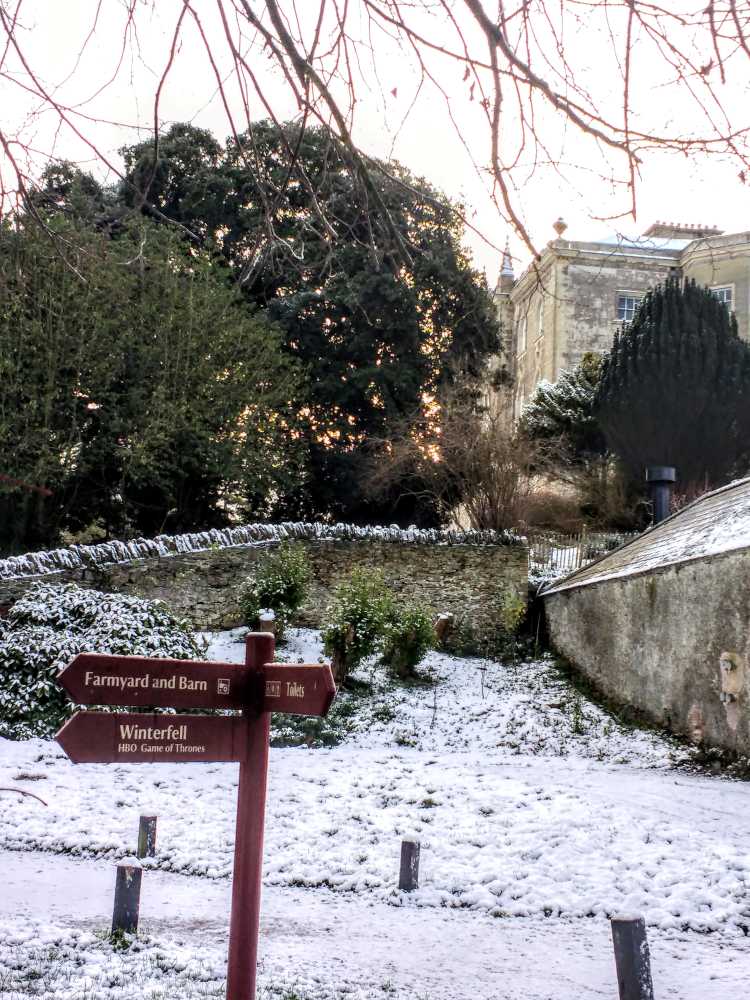
Full ticket options: Game of Thrones Studio Tour tickets. Beyond the studio, the real filming locations lean into winter beautifully: Tollymore Forest Park doubled as the Haunted Forest, Castle Ward stood in for the real Winterfell exteriors, and Belfast’s Glass of Thrones trail along the Maritime Mile is a free, self-guided walk past stained glass windows depicting key scenes from the show, easily combined with a visit to the Titanic Museum.

Hidden Gems Only Locals Really Know About
A few things that rarely make it into visitor guides, all things I genuinely do myself or send friends to:
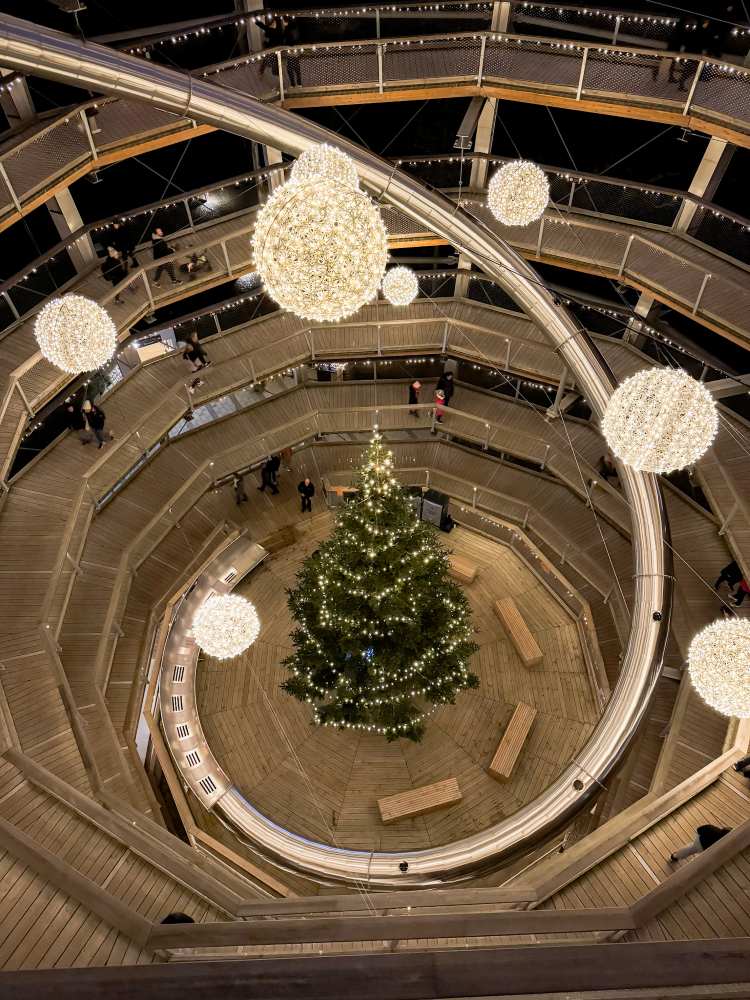
Wicklow Wrapped (Gaol Market): A boutique Christmas market hosted inside the historic Wicklow Gaol, typically occurring over a weekend in mid-December. Treetop Night Lights: Walk nearly 40 meters above the forest floor along a fully accessible path, featuring over 3 kilometers of glowing lights, 16 large baubles, and illuminated woodland animals.Christmas Markets: Wander through charming courtyard craft markets featuring unique handcrafted gifts, street food (mulled wine, churros, crepes), and local artisan food trucks.Wicklow on Ice: Enjoy a real double-pad ice rink set directly in front of the historic Avondale House.Christmas with the Parnells: Step back in time with immersive, Victorian-themed guided tours inside the historic Avondale House.
If you want carol singing without a ticket, turn up to any parish church’s Christmas Eve carol service rather than the big cathedral events. They are free, unticketed, and the standard of singing in rural Irish parishes is consistently better than people expect.
Things to Do With Kids at Christmas in Ireland
Beyond Santa’s grottos and pantomime, children genuinely enjoy the Wren Boy parades if you can find a local one, the vintage carousels at both the Galway and Belfast markets, Dublin Zoo’s Wild Lights trail through Phoenix Park, and the Late Late Toy Show itself, which is broadcast for free and streamed worldwide on RTE Player so visiting families do not need to be in Ireland to watch it live.

Where to Eat at Christmas in Ireland
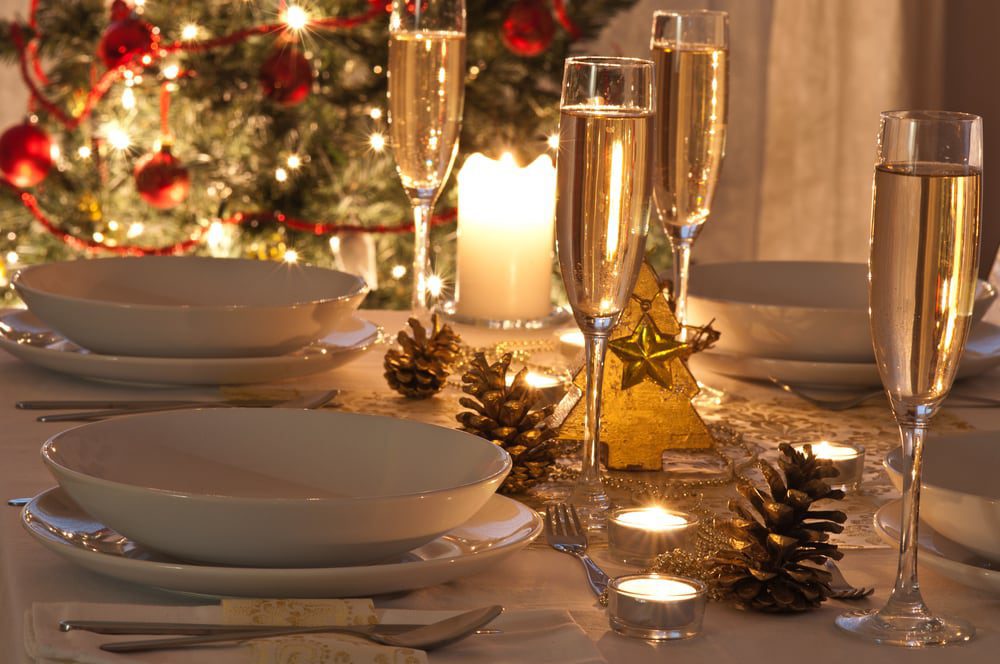
For a quick coffee and traybake between markets, independent cafes in every Irish town do a roaring December trade and almost all have step-free access at street level, though older buildings can have a step at the door, so it is always worth a quick call ahead if a wheelchair user is in your group. For a proper sit-down Christmas dinner, hotel restaurants in Galway, Belfast, Dublin and Cork all run set festive menus through December, generally with full accessible parking and lift access given hotel licensing requirements. For fine dining, book well ahead. Restaurants attached to racecourses, such as the 1888 Restaurant at Leopardstown, combine dining with the day’s racing and are fully accessible given the venue’s public event status. Check out Design my Night for Christmas feasts in Ireland.
Where to Stay
Central hotels in Dublin, Galway and Belfast city centres put you within walking distance of the markets and midnight mass options, which matters given how limited parking gets in December. If travelling with a wheelchair user, ask specifically about accessible rooms with roll-in showers rather than just “accessible”, since Irish hotel accessibility standards vary more than you would expect from the star rating. Coastal hotels near Sandycove or Dun Laoghaire are a good base if the Christmas Day swim is on your list, since street parking in Sandycove itself is at a premium on the morning.
New Year’s Eve
The Irish Christmas season runs straight through to New Year’s Eve, celebrated with fireworks, feasts and a genuine sense of watching the darkest part of the year finally start to loosen its grip. Dublin Castle traditionally hosts a New Year’s Eve festival with Failte Ireland even in years the Christmas market itself is paused, so it remains a good spot to see the year out.

Frequently Asked Questions About Irish Christmas Traditions
What are the most common Irish Christmas traditions? The traditions most visitors encounter are the candle in the window, midnight mass on Christmas Eve, a laden Christmas dinner table with turkey, ham and spiced beef, the Wren Boy procession on St Stephen’s Day, and the Christmas Day swim. Christmas markets in Galway, Belfast and Dublin have joined this list over the last decade.
How do Irish people celebrate Christmas Day itself? A typical Irish Christmas Day starts with a full Irish breakfast, gifts are opened, many families attend a shorter Christmas morning mass if they did not go to midnight mass, and dinner is served sometime between 2pm and 6pm, followed by dessert, family time and, honestly, a nap.
What is the significance of the wren in Irish Christmas traditions? The wren is central to St Stephen’s Day, December 26th, when Wren Boys traditionally paraded with an effigy of the bird tied to a pole. The origin stories range from a wren betraying Irish rebels or hidden soldiers by tapping a drum, to older Celtic symbolism treating the wren as representing the dying year.
Is Santa Claus part of Irish Christmas traditions? Yes, Santa Claus, known affectionately as Santy and in Irish as Daidí na Nollag, is central to Irish Christmas, with children leaving out a mince pie, a glass of Guinness and a carrot for the reindeer on Christmas Eve.
When do Christmas decorations go up and come down in Ireland? Decorations traditionally go up around December 8th, the Feast of the Immaculate Conception, and come down on January 6th, known as Little Christmas or Nollaig na mBan.

Are the Christmas markets in Dublin, Galway and Belfast free to enter? Entry is free at all the major markets covered in this guide, including Galway’s Eyre Square market and the Belfast City Hall market. You pay only for rides, Santa’s grotto visits, food and drink.
Is the Dublin Castle Christmas market running in 2026? No. The OPW has confirmed Christmas at the Castle is paused for both 2025 and 2026 due to preparations for Ireland’s EU Presidency, and it is expected to return in 2027. TwinkleTown at Smithfield Square and Dublin Loves Christmas at the RDS are the closest current equivalents.

Irish Christmas Traditions
Irish Christmas traditions have survived because almost none of them depend on spending money. A candle, a wreath of holly, a mass, a walk, a swim and a full table cost very little and mean a great deal, which is probably why they have outlasted the Viking raids, the Reformation, and several decades of Black Friday marketing. If you are planning to see Christmas in Ireland for yourself, build your trip around two or three of the traditions above rather than trying to see everything, book your Santa visits and racing tickets early, and leave room in the itinerary for whatever the weather in Ireland is doing, which in December is rarely predictable and always worth having a backup plan for.
What is your favourite Christmas memory? I would genuinely love to hear it.
Join 7,500 Ireland travellers in my Ireland Uncovered Facebook Group and 1,897 on my XYUandBEYOND PAGE
Christmas celebrations around the world:
Little Christmas in Ireland: Nollaig m Ban
Christmas in Belfast a Festive Guide
The Ultimate Christmas in London
Celebrating Christmas in Spain: Feliz Navidad
French Christmas traditions: Joyeux Noël