
The Last Wild Corner of Ireland: Things to Do in Donegal
Imagine a place so remote, so stubbornly independent, that it didn’t have widespread electricity until the 1970s. While Dublin glowed with electric lights and Ireland marched into the modern era, parts of Donegal remained illuminated by oil lamps and candlelight well into living memory. This isn’t just history it’s the essence of what makes Donegal different.

Today, this northernmost corner of the Republic still feels gloriously untamed. Along the Wild Atlantic Way, you’ll find Ireland’s highest sea cliffs, pristine beaches where you might be the only footprints in the sand, and remote villages where Gaelic remains the daily language. From Star Wars filming locations to ancient stone circles, Donegal offers the Ireland that many dream about but few actually find.
They say “it’s different up here,” and after eight years of living in Donegal, I can tell you—that’s not just marketing. It’s a promise.
For a deeper comparison of Ireland’s two most scenic counties, read our guide to Donegal vs Kerry, including accessibility, crowds, landscapes and driving routes.
If you’re curious about the Irish language, my guide to the Donegal Gaeltacht explains what it is, where it is, and where to learn Irish if you’re coming from abroad.
- The Last Wild Corner of Ireland: Things to Do in Donegal
- Planning Your Donegal Adventure – Before You Go: Essential Preparation
- Planning Your Stay: Costs & Accommodation in Donegal
- If You Only Have 3-4 Days: The Must-Sees
- The Essential Donegal Checklist
- Getting Around & Accessibility
- The ultimate list of things to do in Donegal
- Donegal Tourist attractions
- Where to base yourself in Donegal
- Southwest Donegal: Where History Meets the Atlantic
- The Wild Southwest Coast
- Northwest Donegal: Where Mountains Meet the Sea
- Inishowen Peninsula:Ireland's True North
- The Islands: Donegal's Untamed Edge
- Central Donegal: Mountains, Lakes, and Castle Gardens
- Donegal hidden gems: A Local's Secret Guide
- The Rhythm of Local Life
- Hidden Food Treasures – Donegal Restaurants
- Making the Most of Your Donegal Adventure
- Understanding the Cost of a Donegal Adventure
- Final Thoughts: The Magic of Donegal
- Explore More Donegal Guides
Planning Your Donegal Adventure – Before You Go: Essential Preparation
What to Pack
Weather Gear:
Waterproof jacket (even in summer)
Layers (temperatures can vary dramatically)
Sturdy walking boots
Hat and gloves (year-round)
Tech Essentials:
Power bank (signal searching drains batteries)
European plug adapter (230V)

Offline maps downloaded
Portable WiFi device (optional)
Documentation:
Printed accommodation confirmations
Emergency contact numbers
Travel insurance details
Driving license
Planning Your Stay: Costs & Accommodation in Donegal
Donegal offers excellent value compared to Ireland’s tourist hotspots, with options for every budget. A typical day costs €150-200 per person including accommodation, though budget travelers can manage on €70-80 using hostels and self-catering. Luxury travelers should plan for €300+ daily for castle stays and fine dining.
For accommodation, first-time visitors often base themselves in Donegal Town, with options ranging from budget B&Bs (€80-120/night) to luxury castle hotels like Harvey’s Point (€250+/night). The Inishowen Peninsula attracts Northern Lights chasers, while the Gaeltacht region around Gweedore draws cultural enthusiasts. Book at least 3-4 months ahead for summer stays, when prices can double. Consider shoulder seasons (May-June, September) for better value.
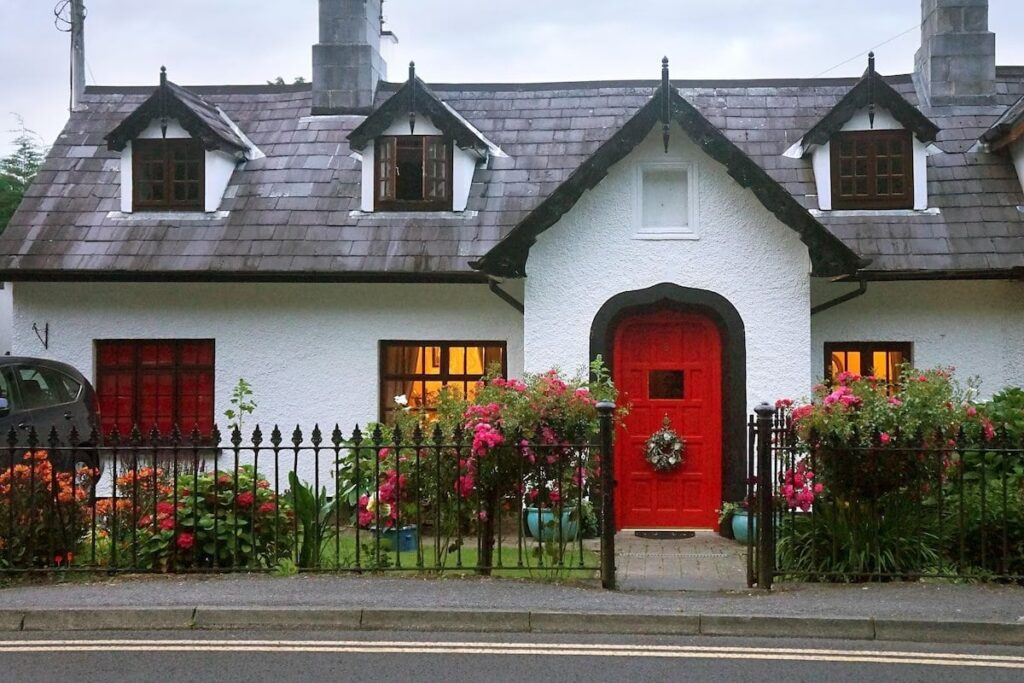
Daily costs beyond accommodation include pub lunches (€15-20), restaurant dinners (€20-40), and transport (car rental €40-60/day, local buses €3-15). Most natural attractions are free, though some sites have modest entrance fees (Glenveagh Castle €7, Slieve League visitor center €5). Save money by taking advantage of early bird menus (5-7 PM), buying picnic supplies at local markets, and asking B&Bs about multi-night discounts.
For unique stays, consider lighthouse keepers’ cottages at Fanad Head (€200/night), traditional thatched cottages in the Gaeltacht (€140-180/night), or camping options like Lough Eske’s luxury pods (€80-120/night). Whatever your choice, prioritize properties with views – in Donegal, waking up to the landscape is part of the experience.
For more info, check out: Hiring A Campervan In Ireland Everything You Need To Know
Family Fun in Donegal: things to do for kids Donegal
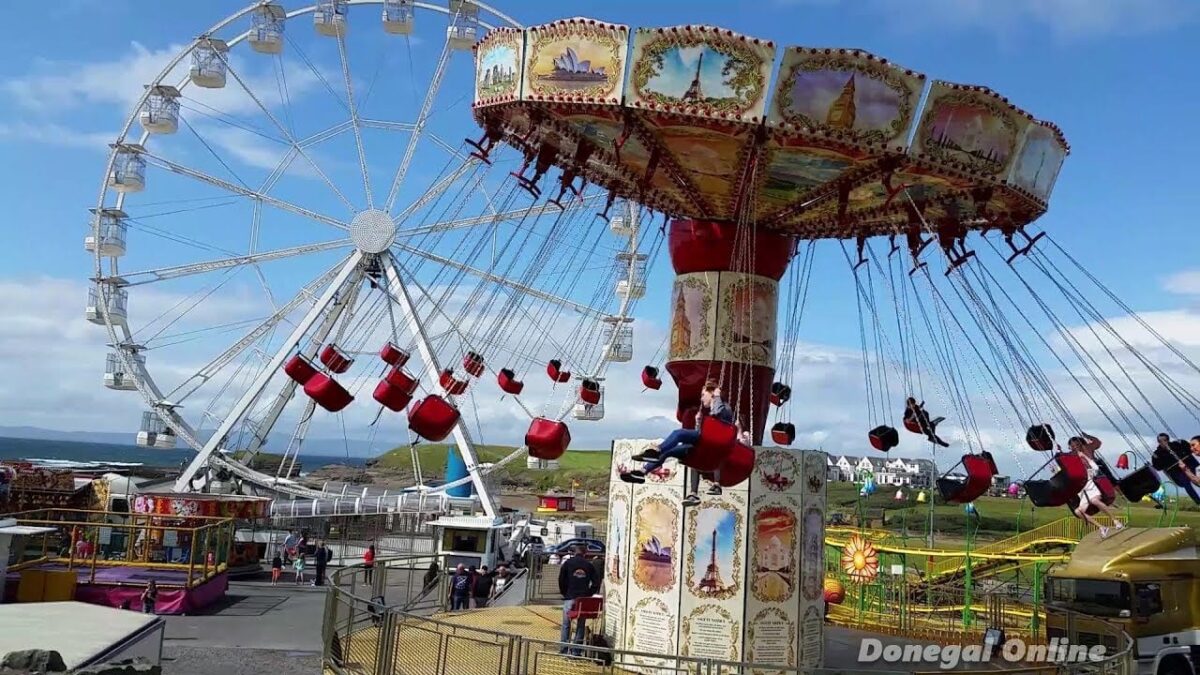
Donegal is packed with fantastic activities for kids, blending outdoor exploration with indoor play. Families can hike through Glenveagh National Park, discover the magical beaches and caves at Maghera, or step back in time at Doagh Famine Village. When the weather turns, kids can splash around at Bundoran’s Waterworld, enjoy games and activities at Arena 7 Entertainment Complex, or let off steam at Dizzy’s Den and Wains World soft play centers. Whether seeking adventure or cozy fun, Donegal has something for every family!
If You Only Have 3-4 Days: The Must-Sees
Day 1: Base yourself in Donegal Town. Explore the castle, take the waterbus tour, and end with traditional music at The Forge Pub.

Day 2: Head northwest to the Slieve League Cliffs (go early to beat tour buses), then explore the craft traditions in Ardara and catch sunset at Mount Errigal. If you’re deciding between Ireland’s top cliffs, see our guide to Slieve League vs Cliffs of Moher, and find out is Slieve League dangerous before you go.
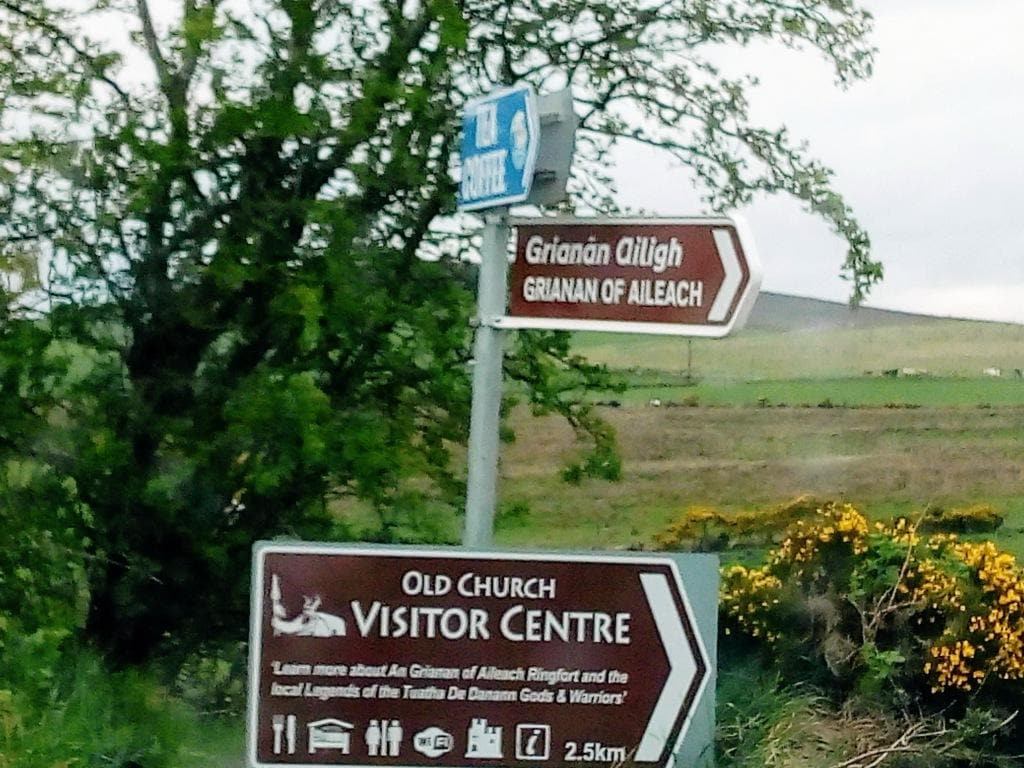
Day 3: Drive the Inishowen Peninsula, including Malin Head (Ireland’s northernmost point and Star Wars filming location) and the ancient Grianán of Aileach fort.
Day 4 (if you have it): Take a ferry to either Tory Island or Arranmore for a glimpse of authentic island life.
The Essential Donegal Checklist
Must-See:
Slieve League Cliffs (Europe’s highest sea cliffs)
Glenveagh National Park and Castle
Malin Head
At least one traditional music session
A Gaeltacht village – Glencolmcille Folk Village
Worth It If You Have Time:
Tory Island
Árainn mhór – Arranmore Island
Doe Castle

Horn Head
Bundoran (unless you’re a surfer, then move this to must-see)
Getting Around & Accessibility
Getting around Donegal is easiest with a rental car (€40-60/day), which should be booked well in advance. While public transport options are limited, Bus Éireann connects major towns, and the McGinley Coach service offers a reliable Dublin-Donegal route. For reaching smaller villages, the Local Link service provides connections, though schedules can be irregular. Taxis are readily available in larger towns but should be booked ahead, especially for longer journeys.
The county has made significant strides in accessibility in recent years. Glenveagh Castle offers mobility scooters for garden tours, while Slieve League features an accessible viewing platform at its lower car park. During summer months, Rossnowlagh Beach provides beach wheelchairs, and most major hotels offer adapted rooms. For detailed accessibility information about specific sites, the Visit Donegal website maintains comprehensive guides.

When planning your journey, remember that mobile signals can be patchy, so downloading offline maps is essential. Fuel stations can be scarce in remote areas, so fill up whenever possible. Allow extra time for narrow roads, especially in rural areas, and always check seasonal route changes – some scenic drives close during winter months.
One of Donegal’s advantages is that it remains more affordable than many of Ireland’s tourist hotspots. Here’s what you can expect to spend (as of 2025):
Daily Essentials
Pub lunch with a drink: €15-20
Restaurant dinner: €20-40 per person
Pint of Guinness: €4.80-5.50
Cup of coffee: €3-4
Activities
- Most beaches and hiking trails: Free
- Glenveagh Castle tour: €7 there is a free shuttle bus from the parking lot to the Castle
- Waterbus tour: €20
- Slieve League visitor center and parking: €5
- Ferry to Tory Island: €30 return
- Traditional music sessions: Free (but buy a drink!)
The ultimate list of things to do in Donegal
You may hear Donegal referred to as the forgotten county. The most northerly county on the island, it’s not in Northern Ireland. It is a place ignored by the rest of the country for the most part and the politicians in Dublin do tend to forget it exists which to be honest makes most Donegalers very happy. Donegal is a Gaeltacht region, meaning the Irish language is spoken in many areas exclusively although they can and do speak English.
FAQS about Donegal
Why is Donegal called the Forgotten County? Ireland’s is nicknamed the Forgotten County this means that County Donegal has largely been left to its own devices, making it the best place to experience Irish traditions, hear the Irish language, or explore the untouched bogs, wild rocky shores and mountains of the region.
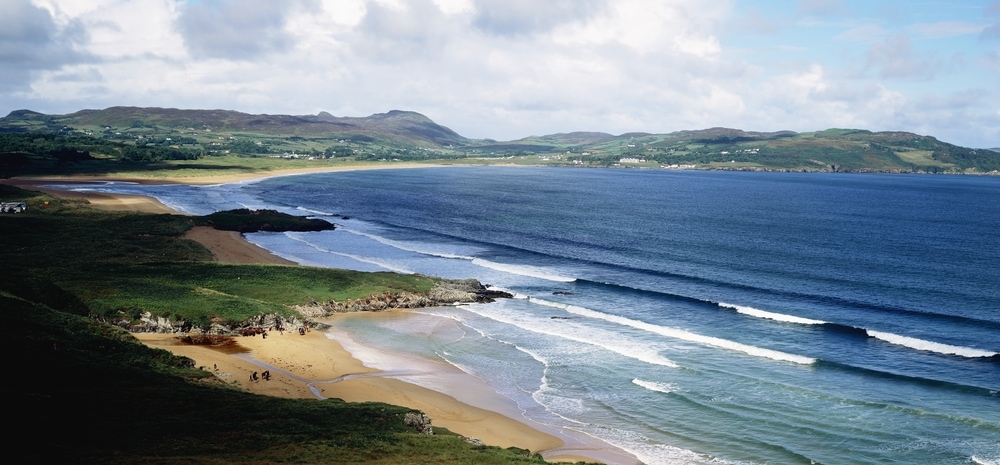
Is Malin Head worth visiting? Whether you start at Malin head or finish here when you journey up to Donegal County the one thing you can be assured of is that the epic scenery, the Wild Atlantic Way route, killer hikes, jawdropping ancient stone circles and ruins Malin Head is a must see in Donegal.
What is there to do in Donegal in winter? In winter the northern part of County Donegal is the best place to search for the northern lights. Malin Head in the Inishowen Peninsula holds the top spot in terms of spectacular viewing thanks to its lack of light pollution.
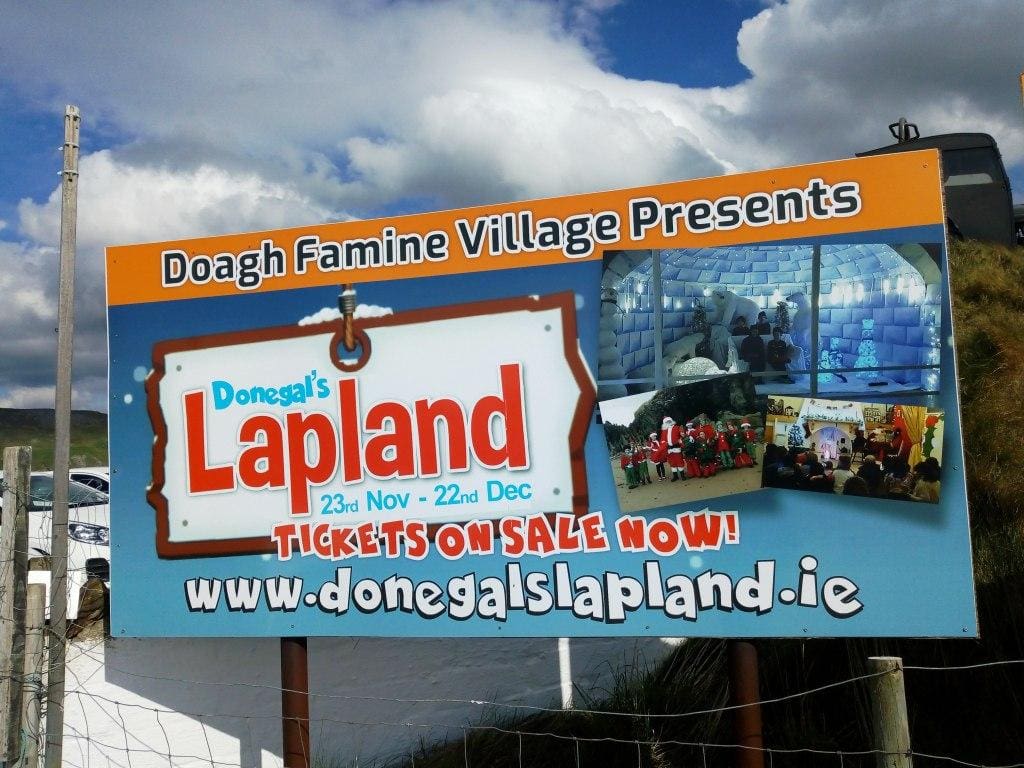
If you plan to travel near Christmas time head up to the Doagh Famine Village and check out Donegal’s Lapland, especially if you have kids in tow. They’ll see elves, hear the Christmas story, see a live show, and spot the big man himself.
Donegal Tourist attractions
There are so many unique things to do in Donegal that you are spoilt for choice. You can follow in the footsteps of saints, walk the wild ways along the Atlantic coast or explore the more unusual things to do in Donegal like visiting stone tombs and circles.
Where to base yourself in Donegal
I would recommend staying in Donegal Town as a base for touring the county and it has some great restaurants. However if you plan to head up to the farthest northern reaches to see locations like Fanad Head book a BnB to stay overnight so you can truly appreciate the area.
Southwest Donegal: Where History Meets the Atlantic
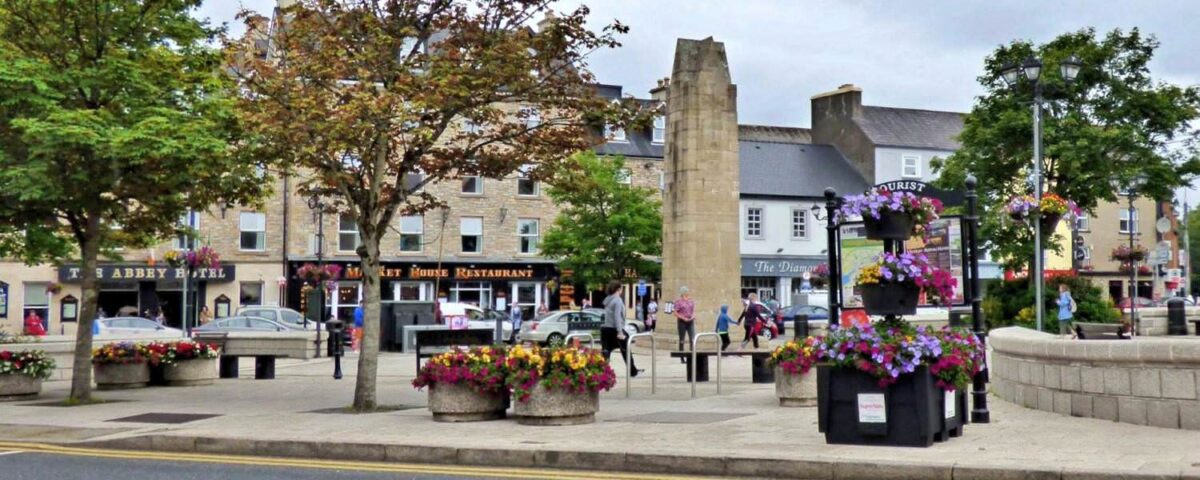
Southwest Donegal centers around Donegal Town, a bustling hub that serves as the perfect base for exploring this corner of the county. I’ve lived near here for years, and it still feels like stepping back in time when I walk through the Diamond (the town’s central square) on market day.
Donegal Town: The Historic Heart
The town reveals its medieval soul through Donegal Castle, rising proudly beside the River Eske. While most Irish castles lie in ruins, this 15th-century fortress tells a different story. After Hugh O’Donnell dramatically burned it rather than surrender it to enemies, it was rebuilt in elegant Jacobean style. Today, for just €4, you can climb its worn stone steps and stand where chieftains once ruled.

Beyond the castle, the town holds hidden gems I love showing to visitors. The Forge Pub, barely bigger than a living room, hosts some of the best traditional music sessions I’ve heard on Tuesday and Friday nights. Just across the Diamond, The Reel Inn serves up both perfect pints and authentic local music – exactly what you’re hoping to find in a small Irish town.
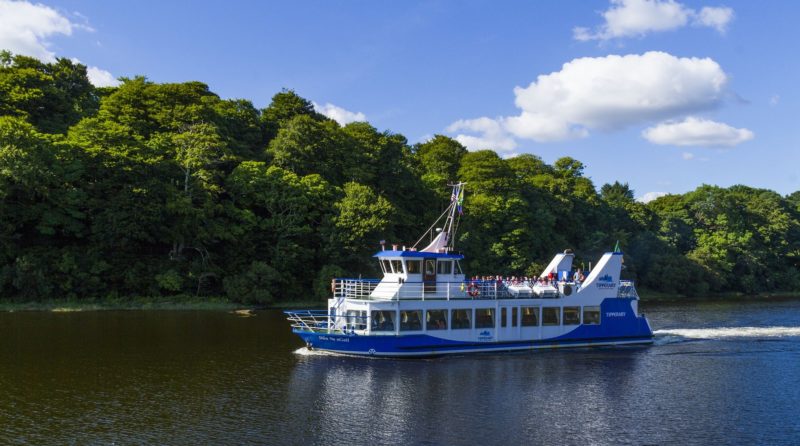
For a different perspective on the town, I always recommend the waterbus tour (€20). It might sound touristy, but watching seals pop up against the backdrop of the ruined Franciscan Friary while learning about the bay’s history is worth every penny. The friary itself, standing silent at the water’s edge, hints at medieval miracles – monks reportedly conjured fish from empty weirs and healed the sick with prayer.
The Wild Southwest Coast
Following the coast south from Donegal Town reveals some of the county’s most dramatic scenery. St. John’s Point stretches like a finger into Donegal Bay, ending at a lighthouse where you can watch waves crash below while Sligo’s distinctive Benbulben mountain looms across the water.
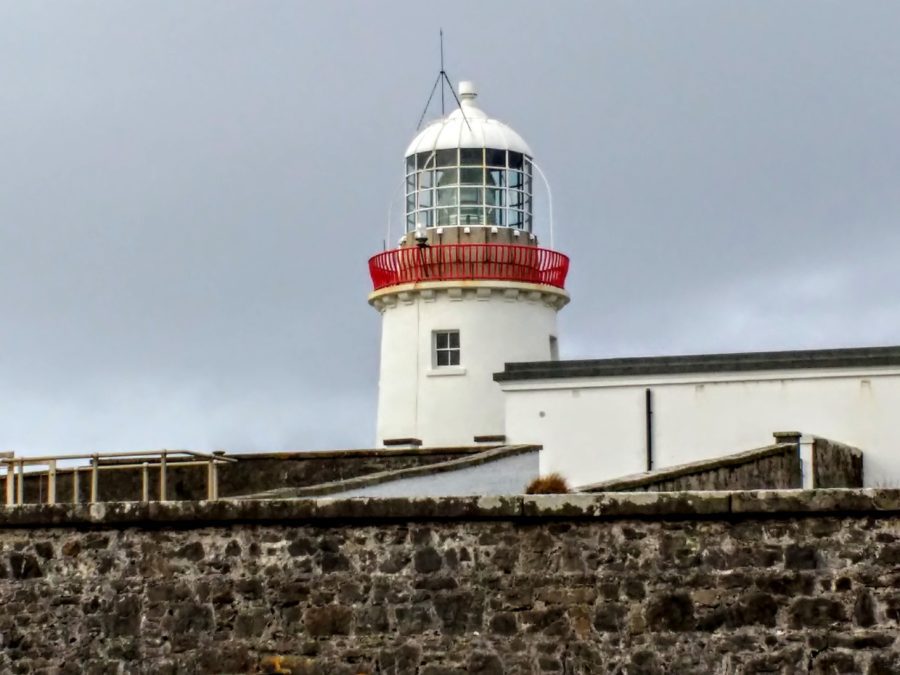
Near the village of Dunkineely, you’ll find one of Ireland’s oldest Celtic crosses at Killaghtee – a 7th-century relic that most tourists drive right past. Even more overlooked is the unique triple wedge tomb hidden in a small pine forest just outside the village. Dating back 4,000 years, it’s the only one of its kind in Ireland with three burial chambers instead of one.

Hidden Beaches and Surfing Spots
The southwestern coast is blessed with some of Ireland’s finest beaches, each with its own character. Rossnowlagh, my go-to recommendation for first-time visitors, offers perfect surfing waves and miles of firm sand for walking. More secluded is Fintra Beach near Killybegs – follow the steep road down to find golden sand and views stretching all the way to Sligo.

Northwest Donegal: Where Mountains Meet the Sea
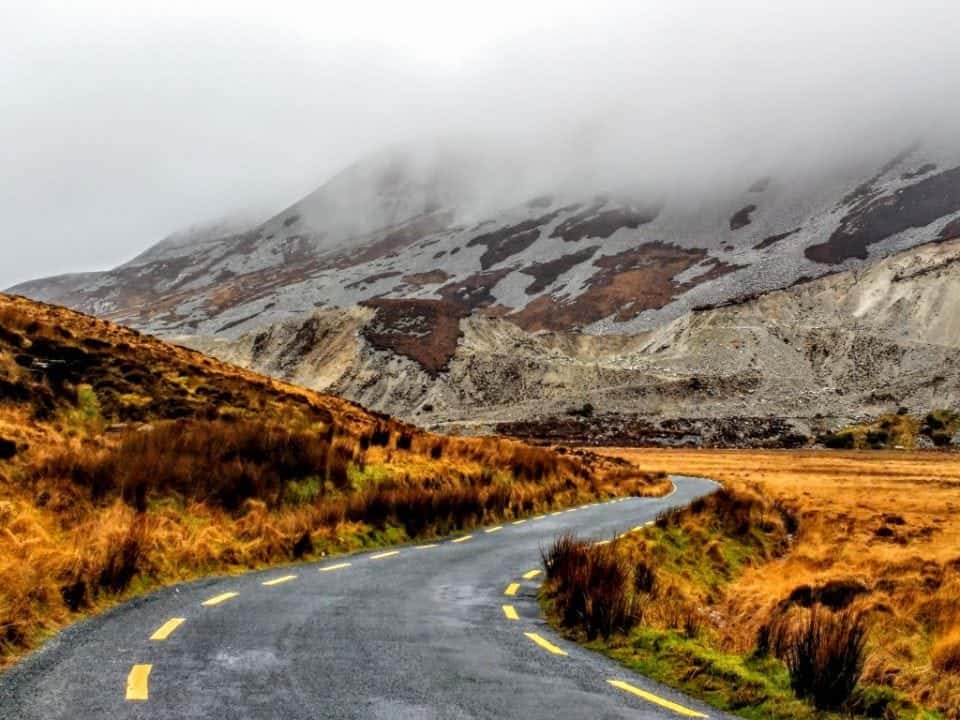
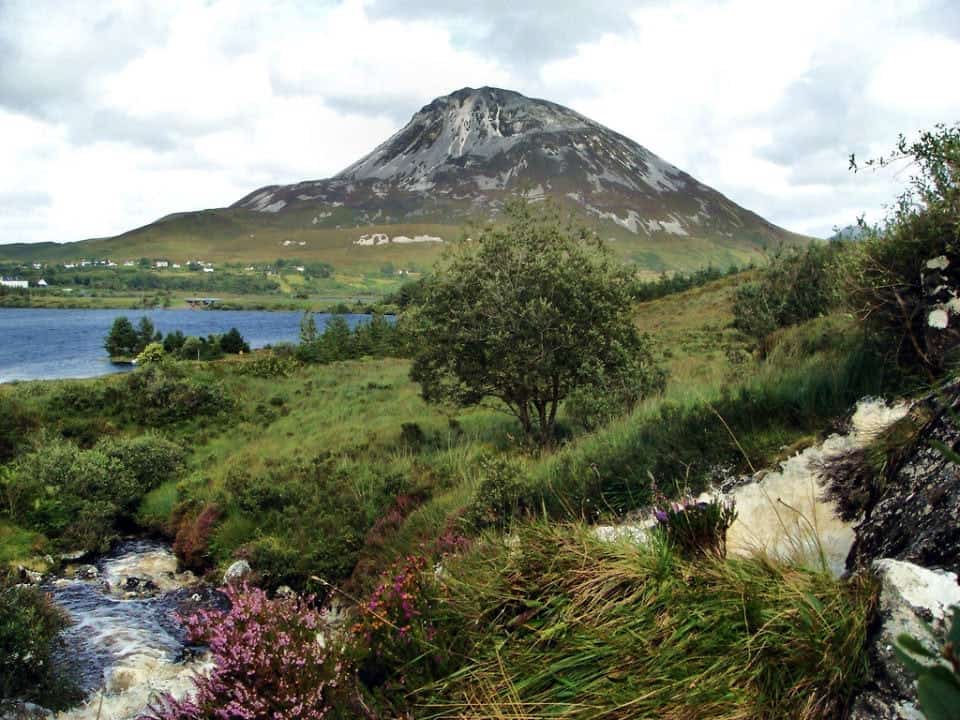
The northwest of Donegal is where Ireland truly turns wild. This is the Gaeltacht heartland, where Irish remains the daily language and ancient traditions still shape modern life. It’s a landscape of stark contrasts: towering Mount Errigal’s quartzite peak gleams white above dark bog lands, while the Atlantic crashes against some of Europe’s highest sea cliffs.
The Mighty Cliffs and Hidden Beaches
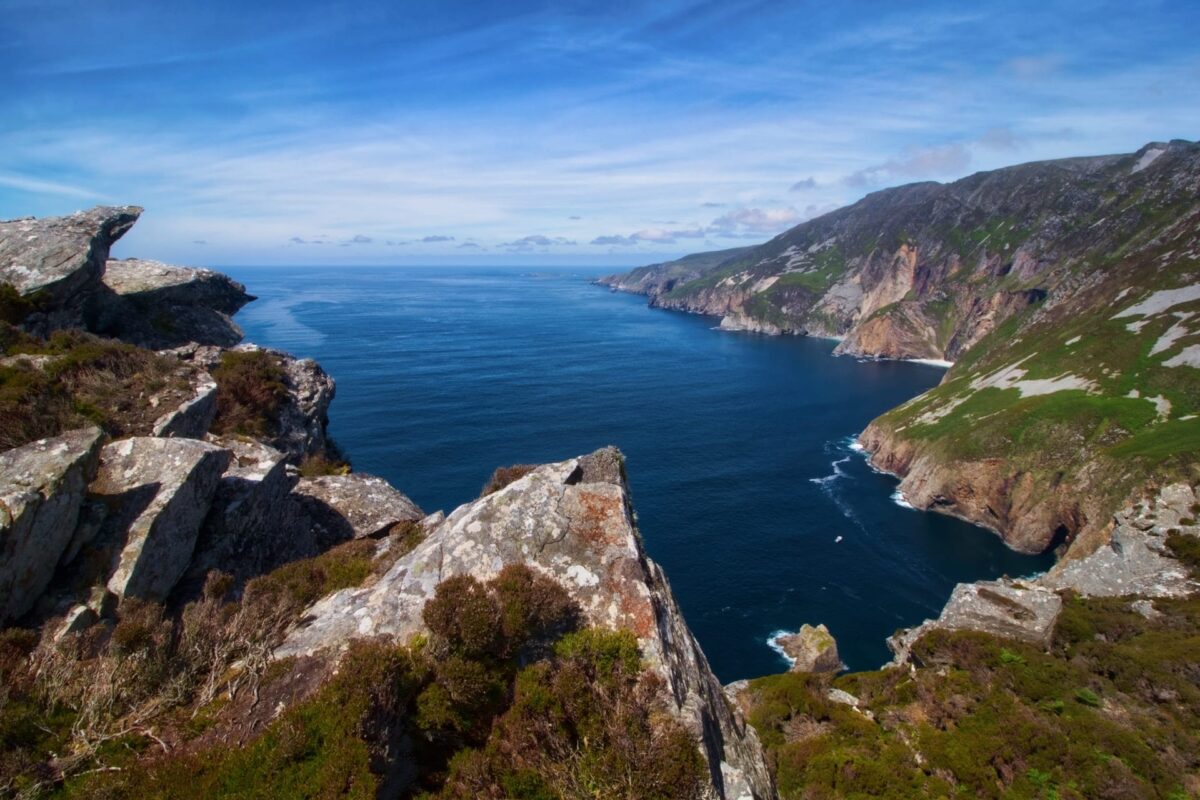
The Slieve League cliffs are often overlooked in favour of Clare’s Cliffs of Moher, but standing at their edge, watching waves crash 2,000 feet below, you’ll understand why these are among Europe’s highest sea cliffs. For the best experience, arrive early in the morning when the tourist buses haven’t yet arrived. Take the shuttle from the visitors centre or if not available drive through the upper gate (just remember to close it behind you – the sheep need containing), and walk to the viewpoint. On clear days, you can see all the way to County Sligo and Mayo.
Gaeltacht Villages and Living History
The village of Glencolmcille tells a remarkable story of community resilience. When much of rural Ireland was emptying in the 1950s, this remote community fought back against decline. Today, its Folk Village museum doesn’t feel like a tourist attraction but rather a window into a way of life that still exists here. The thatched cottage ‘clachan’ shows how people lived across three centuries, and if you’re lucky, you might catch local women demonstrating traditional crafts.

In Ardara, known as the “Heritage Town of the Year,” traditional craft-making isn’t confined to museums – it’s still very much alive. The town’s famous tweed shops aren’t tourist traps but working establishments where local weavers still create Donegal’s distinctive flecked fabric.

Malin Beg (also known as Silver Strand) is a beautiful, secluded beach located near the village of Glencolmcille on the Slieve League Peninsula. It’s renowned for its dramatic cliffs, soft white sand, and turquoise waters.

The Poisoned Glen and Errigal
Mount Errigal, Donegal’s highest peak, creates its own weather system and dominates every view in the northwest. At its foot lies the mysteriously named Poisoned Glen – a glacial valley whose Irish name was mistranslated from “Heavenly Glen” to “Poisoned Glen” by English cartographers.
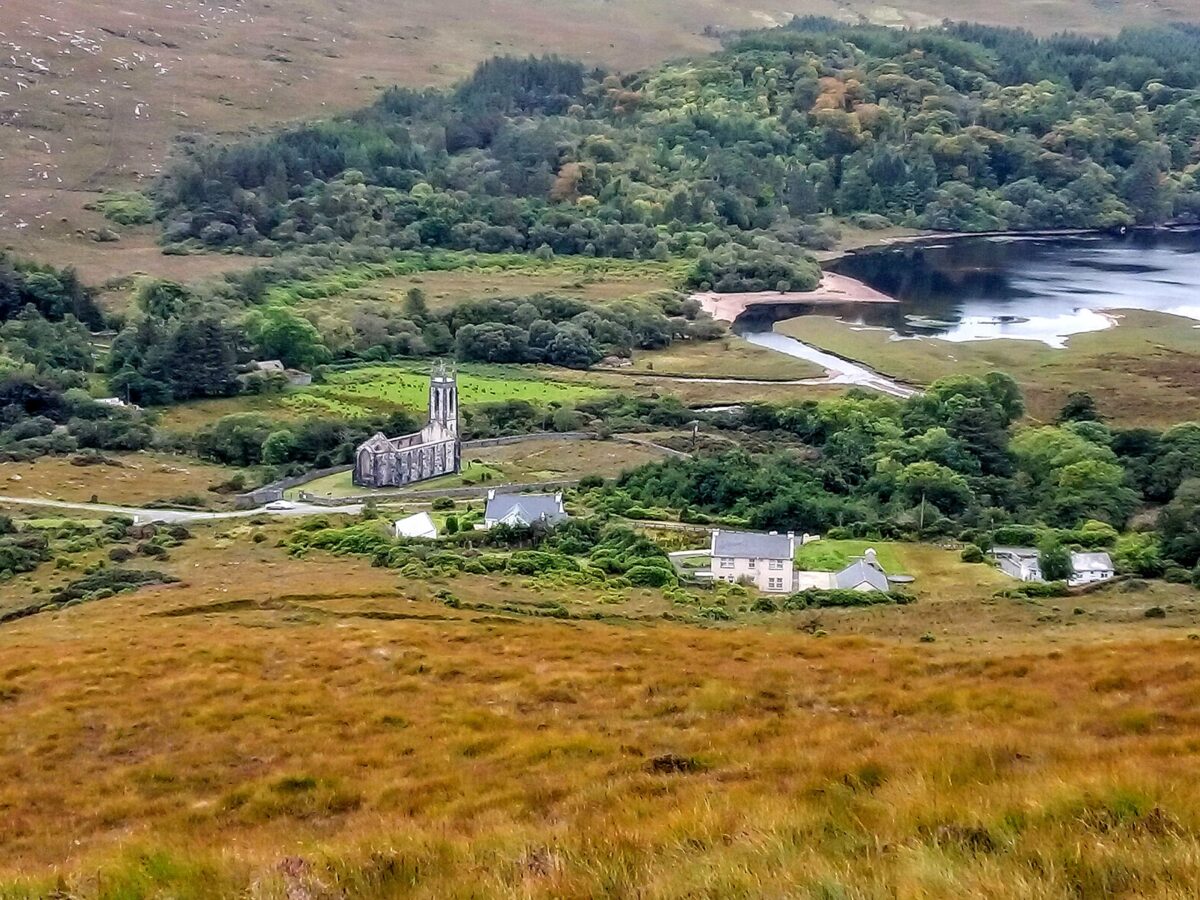
For photographers, the view of Errigal reflected in the lakes of Dunlewey at sunset is one of Ireland’s most striking scenes. Time it right, and you might catch the mountain’s quartzite face turning pink in the evening light – a sight that explains why this corner of Donegal has become a magnet for landscape photographers.
Ards Forest Park
Nestled on the scenic shores of Donegal Bay, near Cresslough, Ards Forest Park is a stunning natural retreat with woodlands, dunes, and sandy beaches. Spanning over 480 hectares, it offers walking trails, picnic spots, and breathtaking coastal views. Rich in wildlife and archaeology, including ancient ring forts, it’s perfect for hiking, cycling, or a peaceful day in nature.

Inishowen Peninsula:Ireland’s True North
The Inishowen Peninsula feels like Ireland’s final frontier. This is where the Republic reaches further north than Northern Ireland itself, where ancient ruins share space with Star Wars filming locations, and where the Northern Lights dance across winter skies.

Malin Head: Where Ireland Meets the Arctic
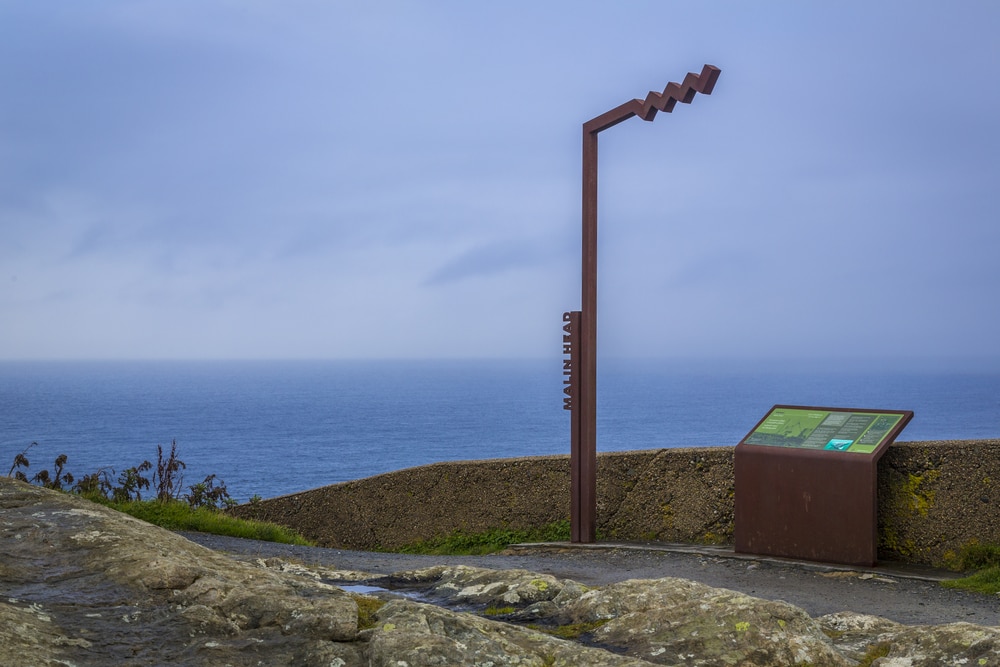
At Malin Head, Ireland’s northernmost point, the wild Atlantic has carved the coastline into something otherworldly – so much so that Star Wars filmmakers chose it to represent an alien planet. The massive “ÉIRE” sign, spelled out in white stones, recalls WWII when this neutral corner of Europe guided Allied pilots. On winter nights, this is one of the best spots in Ireland to catch the Northern Lights.
Historic Waters and Hidden Beaches
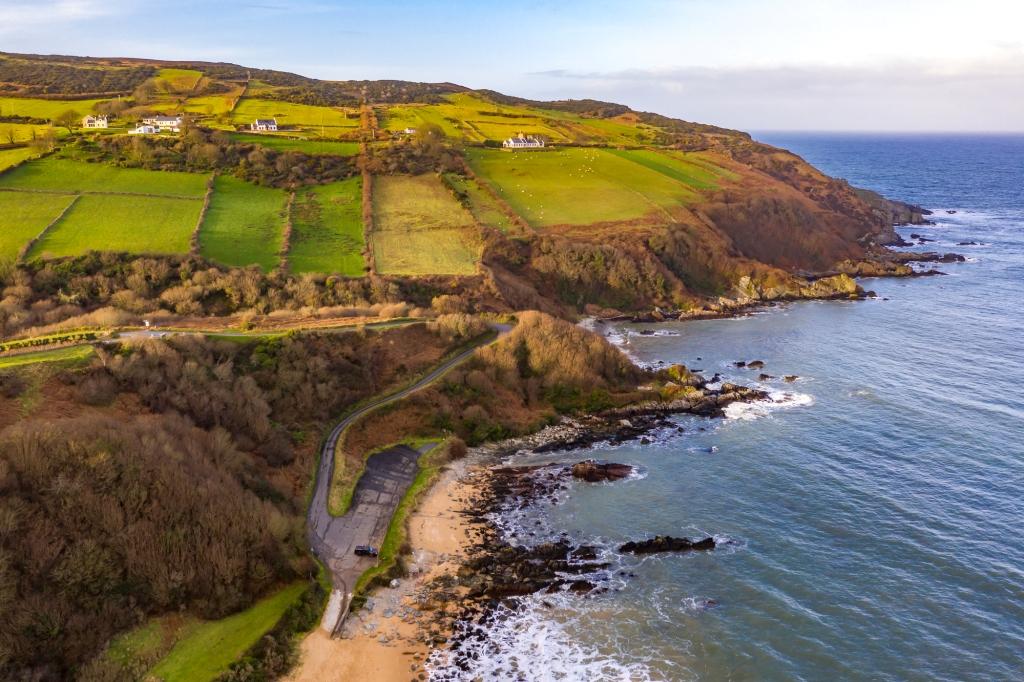
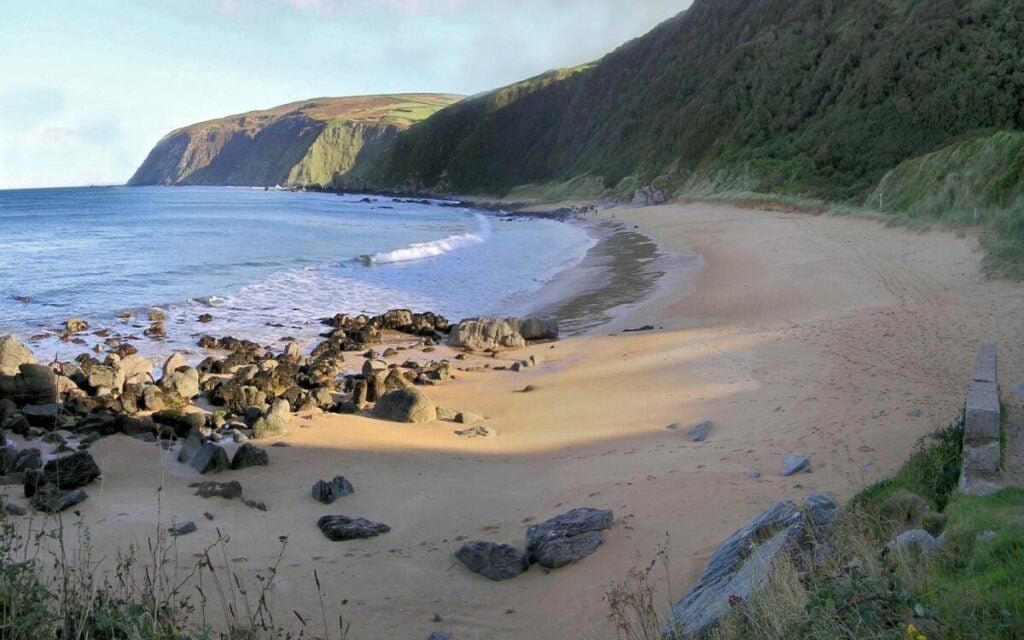
The waters around Inishowen have witnessed history. At Kinnagoe Bay, one of Ireland’s most beautiful hidden beaches, the Spanish Armada ship La Trinidad Valencera met its end in 1588. Local families still trace their ancestry to the sailors who survived. Culdaff Beach is a stunning stretch of golden sand surrounded by rolling dunes and clear waters, perfect for relaxation and scenic walks.
Military History and Coastal Fortresses
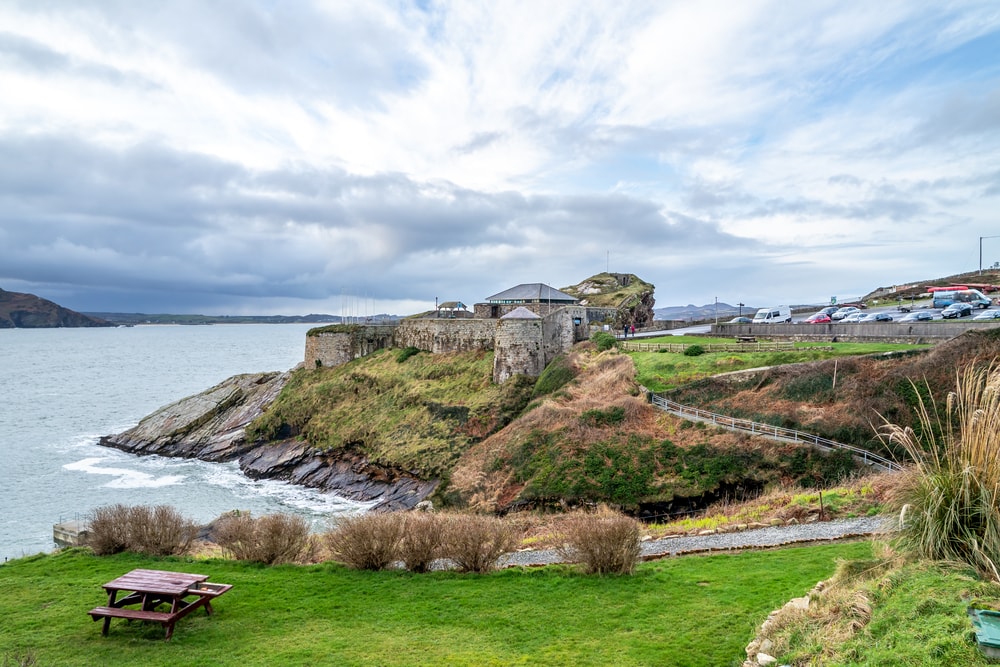
Fort Dunree, clinging to its cliff face, tells the story of Ireland’s coastal defenses. Once guarding Lough Swilly, the “Lake of Shadows,” today its museum offers both military history and some of the peninsula’s most spectacular views.
Nearby, the ancient Grianán of Aileach stone fort sits atop its hill like a crown, watching over three counties. Built in the 6th century atop older fortifications, local legend says giants sleep beneath it, waiting to reclaim their lands.
The Islands: Donegal’s Untamed Edge
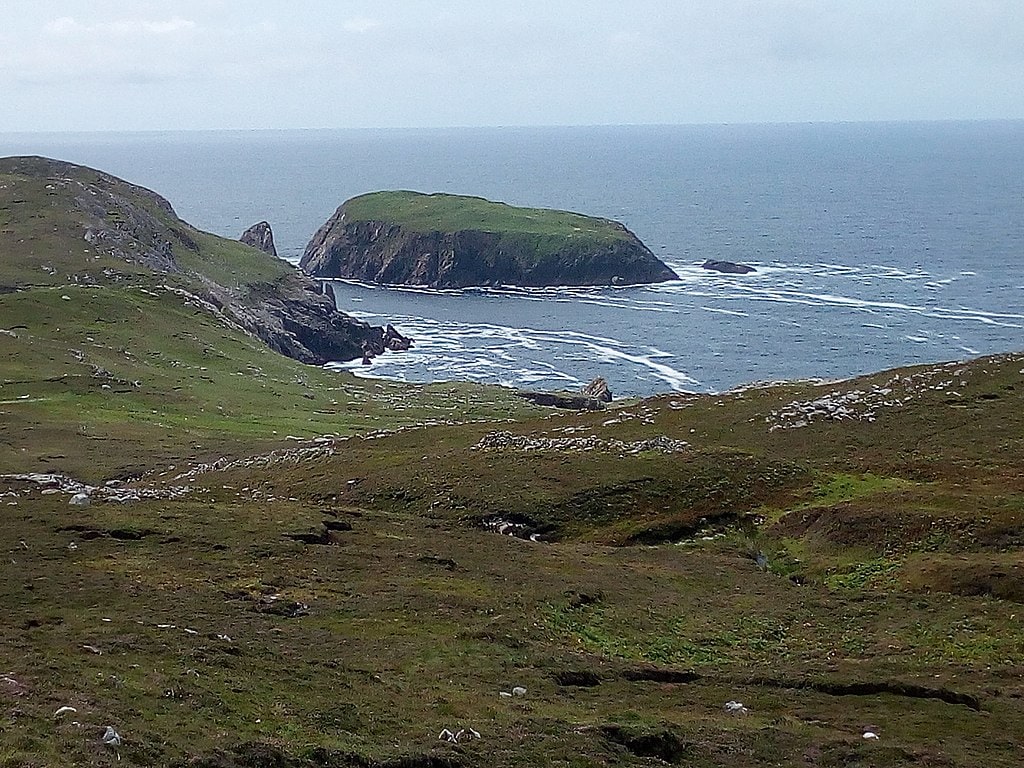
Donegal’s islands are where Irish culture holds strongest, where the Gaelic language still echoes across the waves, and where traditional ways of life persist against the odds.
Tory Island: The Last Irish Kingdom
Nine miles off the coast, Tory Island is Ireland’s most remote inhabited island – and until recently, the only place in Ireland with its own king. The island’s residents still speak primarily in Irish, and ancient traditions mix with modern life in fascinating ways.
Arranmore: Gateway to Island Life
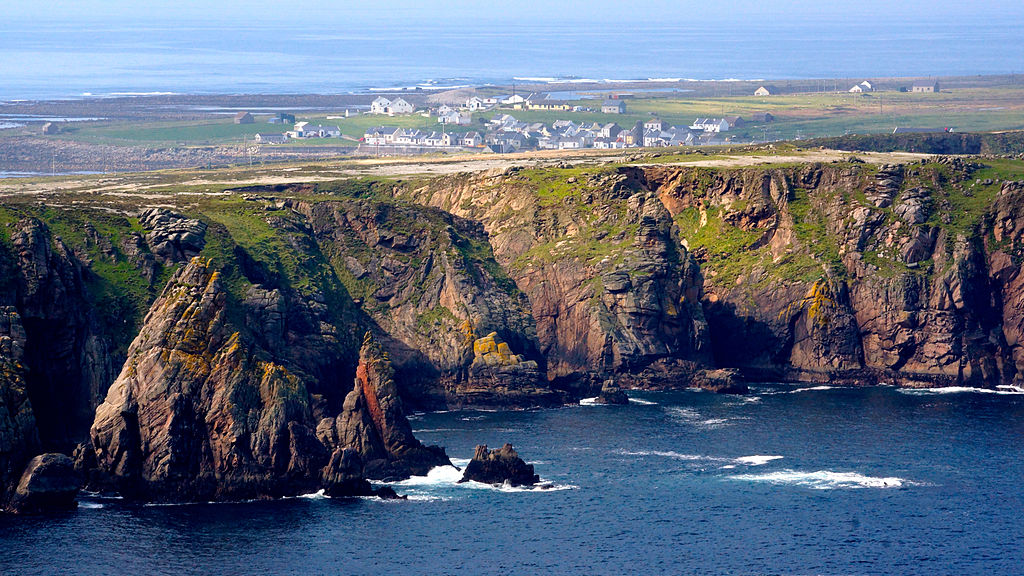
Closer to shore but no less distinctive, Arranmore offers a perfect introduction to island life. Traditional music sessions in the pubs here aren’t put on for tourists – they’re the natural rhythm of island life. The island’s lighthouse, standing since 1859, offers tours where you can learn about the crucial role it played in keeping ships safe during both World Wars.
Central Donegal: Mountains, Lakes, and Castle Gardens
Glenveagh: The Wild Heart of Donegal
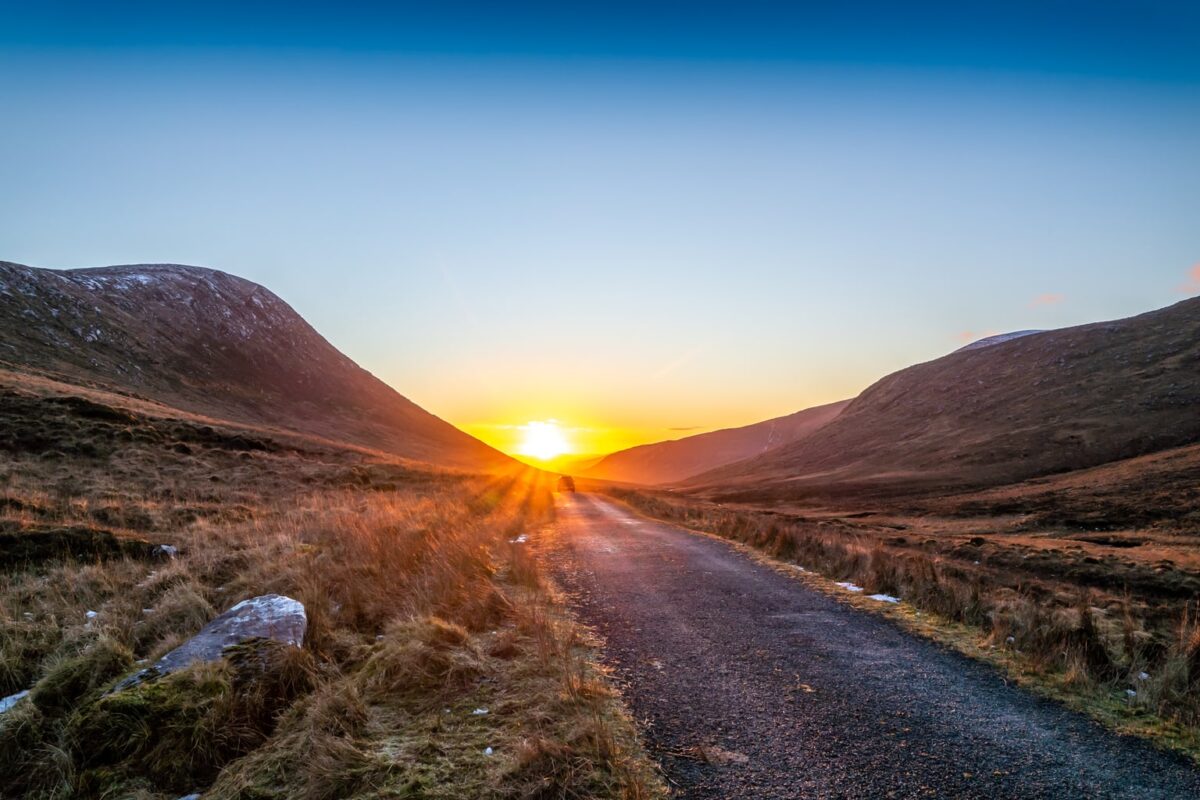
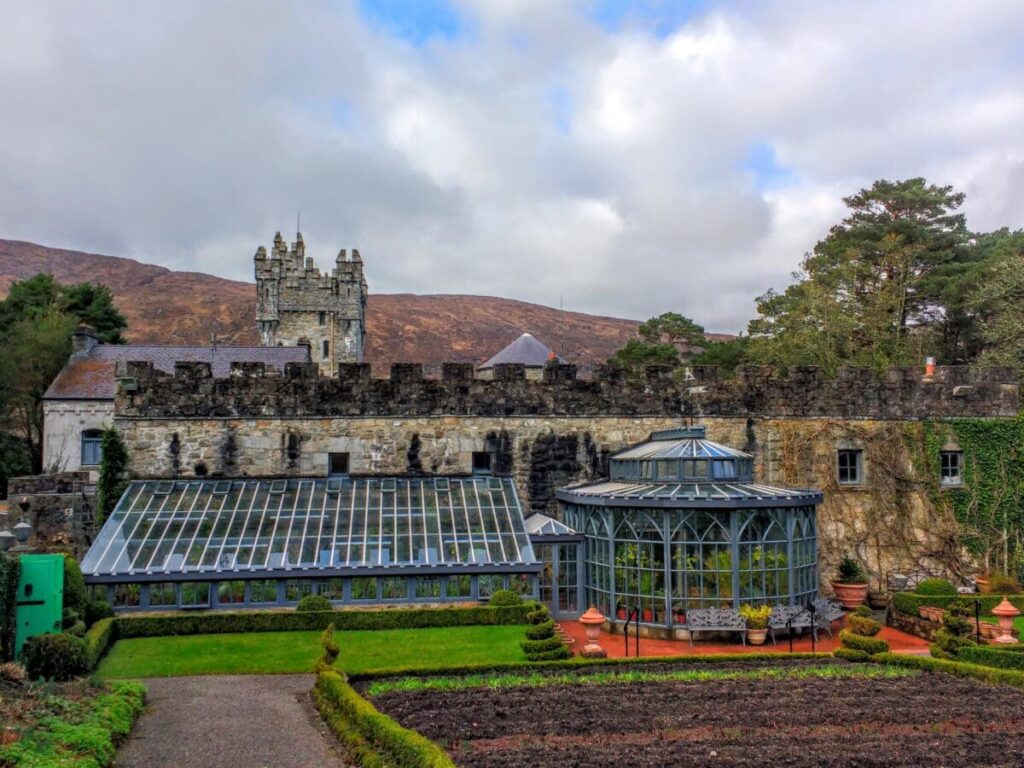
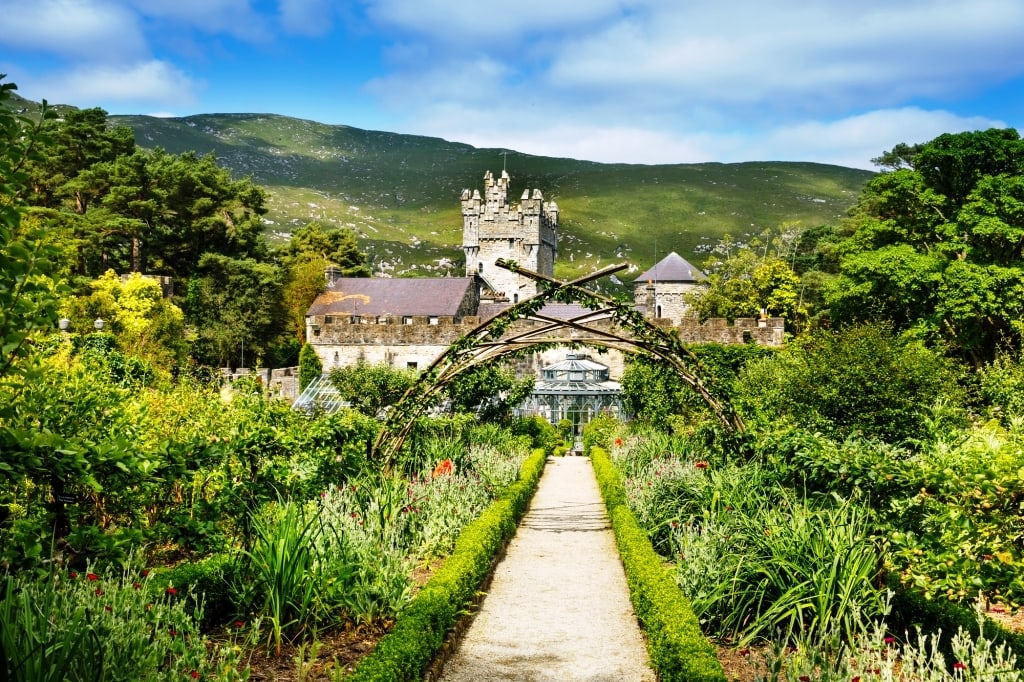
Glenveagh National Park is Donegal’s crown jewel, where Victorian extravagance meets wild nature. The castle, built as a hunting lodge, sits like a fairy tale above Lough Veagh. But its history is darker – the original owner evicted dozens of families to create his “wilderness.”
Letterkenny: Urban Gateway to the Wild
Letterkenny, Donegal’s largest town, serves as the perfect base for exploring central Donegal. The town’s Cathedral Quarter preserves its historical heart, while the Main Street – the longest in Ireland – offers everything from traditional pubs to modern shopping.
Donegal hidden gems: A Local’s Secret Guide
After years of living here, I’ve collected a handful of secrets that most guidebooks miss. These are the spots where locals gather, the hidden corners that make Donegal special, and the tricks that will make your visit smoother.
Beyond the Tourist Trail
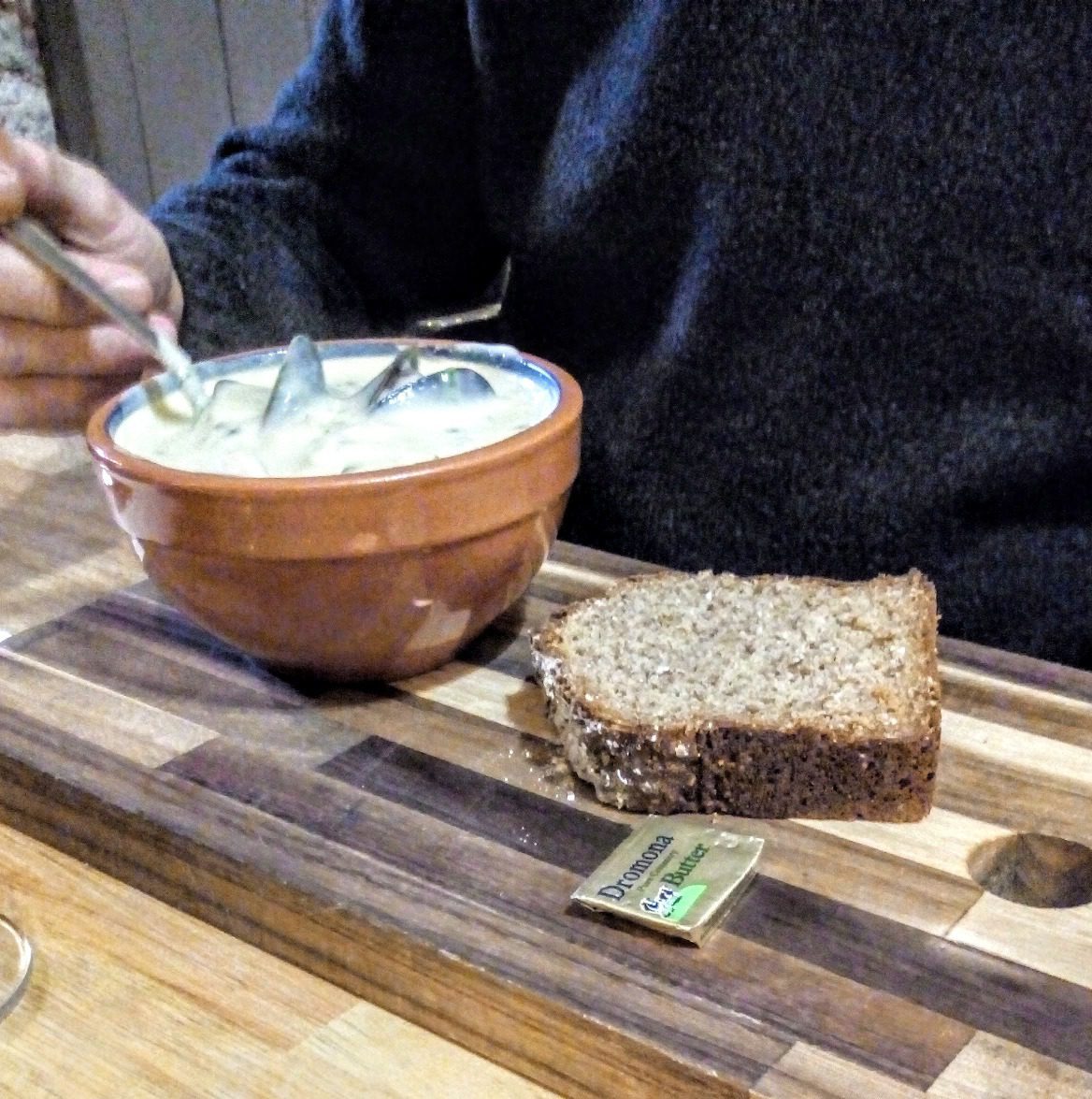
I discovered Nancy’s Bar in Ardara by accident one Thursday afternoon, following a tip from my neighbor. Their seafood chowder is the kind of meal that makes you understand why Donegal food is special – thick with local seafood and served with brown bread still warm from the oven. The regulars arrive before 1 PM; it often sells out by 2.
A Photographer’s Paradise
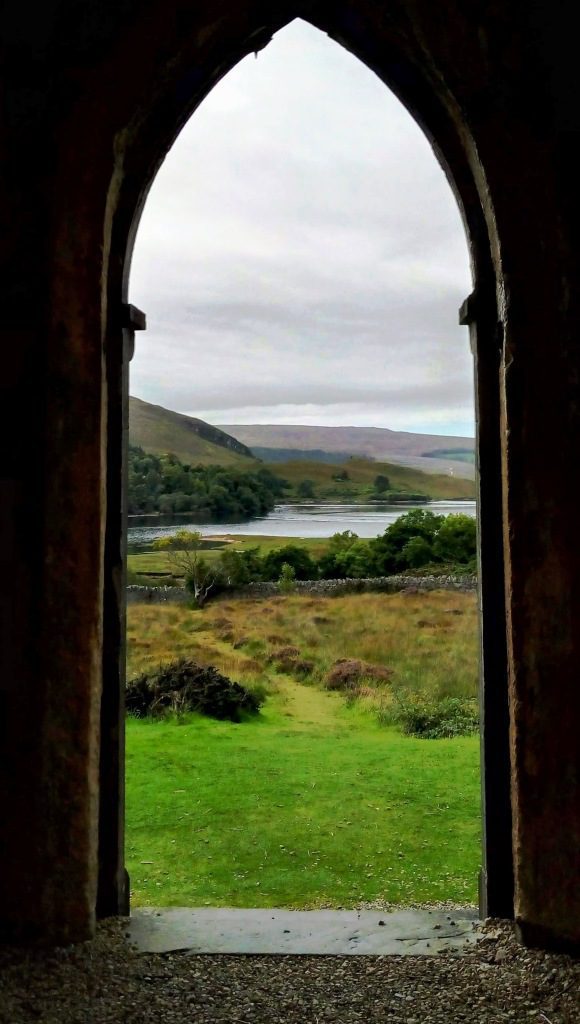
The tourist buses all stop at the main Errigal viewpoint, but I’ve learned that the real magic happens on the back road through Dunlewey. Here, especially in winter when the mountain wears its snow cap, you can catch Errigal’s reflection in the lake – a sight that’s made me pull over more times than I can count.
The Rhythm of Local Life
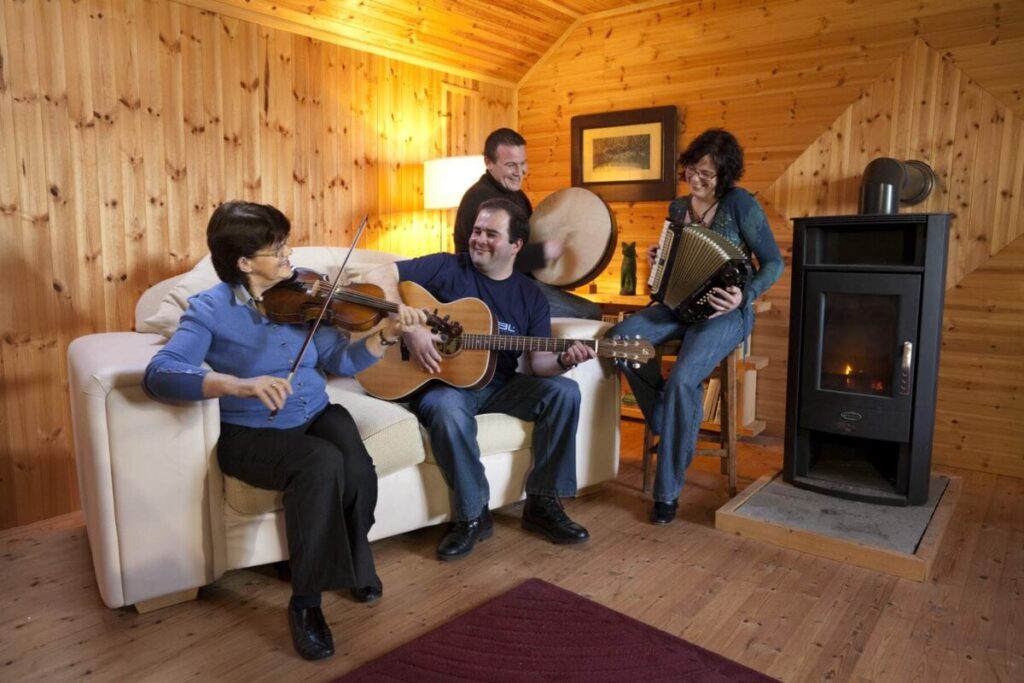
Sunday afternoons in Donegal has its own special rhythm. In Glenties, the Glen Tavern fills with musicians around 4 PM. There’s no schedule, no tourist show – just locals with their instruments, playing tunes that have echoed through these hills for generations.
Practical Wisdom
Living here has taught me things no guidebook mentions. The weather forecast? Consider it a creative suggestion rather than fact. I’ve learned to pack layers and rain gear even on the sunniest mornings.
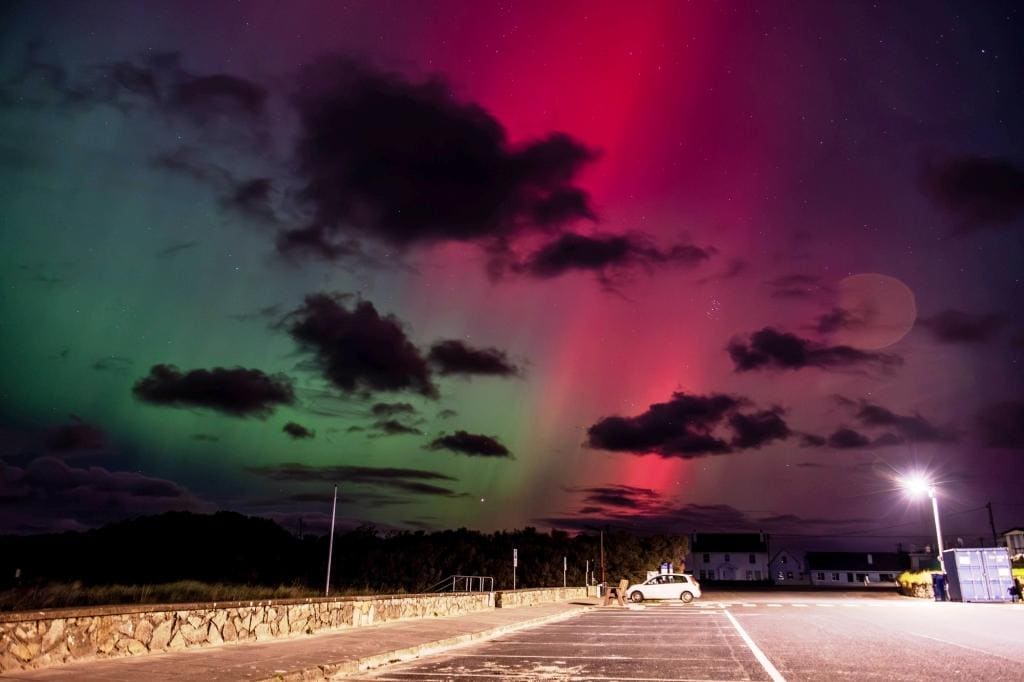
Some of my best tips are about timing. Visit Slieve League before 10 AM, and you’ll have the cliffs to yourself – plus free parking. Book B&Bs directly and mention you’re staying several nights; many offer unadvertised discounts. And if you’re hoping to photograph the Northern Lights at Malin Head, check the aurora forecast and aim for the darkest nights between September and March.
Hidden Food Treasures – Donegal Restaurants
After years of exploring, I’ve discovered that Donegal’s best meals often come from the most unassuming places. Here are some local favorites that rarely make the guidebooks:
Traditional Gems
McGettigan’s Butchers, Donegal Town: Their black pudding is made from a 100-year-old recipe. Get here early (before 11am) on Saturdays for their fresh sausage rolls.

Shellybean Bakery, Glenties: Their Boxty and potato pancakes uses local Donegal spuds. Thursday is sourdough day – worth planning around.

Seasonal Secrets
Molloy’s Fish Market: The freshest fish to be found in Killybegs

Nancy’s of Ardara: Their seafood chowder changes daily based on the morning’s catch
The Rusty Mackerel, Teelin: Their seasonal wild mushroom foraging menu in autumn is worth the journey alone

The Seafood Shack: on the waterfront at Killybegs home of award winning chowder

Remember: Many of these places don’t advertise and some don’t even have websites. The best approach is to ask locals or your B&B host for current recommendations and opening times.
Making the Most of Your Donegal Adventure
After eight years of exploring every corner of this remarkable county, I can tell you that Donegal rewards those who take their time. Whether you’re here for a weekend or a week, the key is to mix the iconic sites with these hidden gems. Base yourself in one of the main hubs – Donegal Town for the south, Letterkenny for central explorations, or Buncrana for Inishowen – and venture out in expanding circles. Before you ask – yes you will need a car to see the best of Donegal.
Understanding the Cost of a Donegal Adventure
While Donegal offers better value than Ireland’s tourist hotspots like Dublin or Galway, it’s helpful to plan your budget. Here’s what I typically advise visitors to expect (prices in euros as of 2024):
Accommodation & Transport
Mid-range hotels: €120-180 per night – Harvey’s Point

Castle stays: From €250 – Lough Eske Castle

Car rental: €40-60 daily (book months ahead for best rates)
Local buses: €3-8 per journey
Taxi within towns: Around €10
Food & Drink
Full Irish breakfast at a café: €10-12

Pub lunch with a drink: €15-20
Restaurant dinner: €18-35 main course
Local seafood platters: €25-40

Pint of Guinness: €4.80-5.50
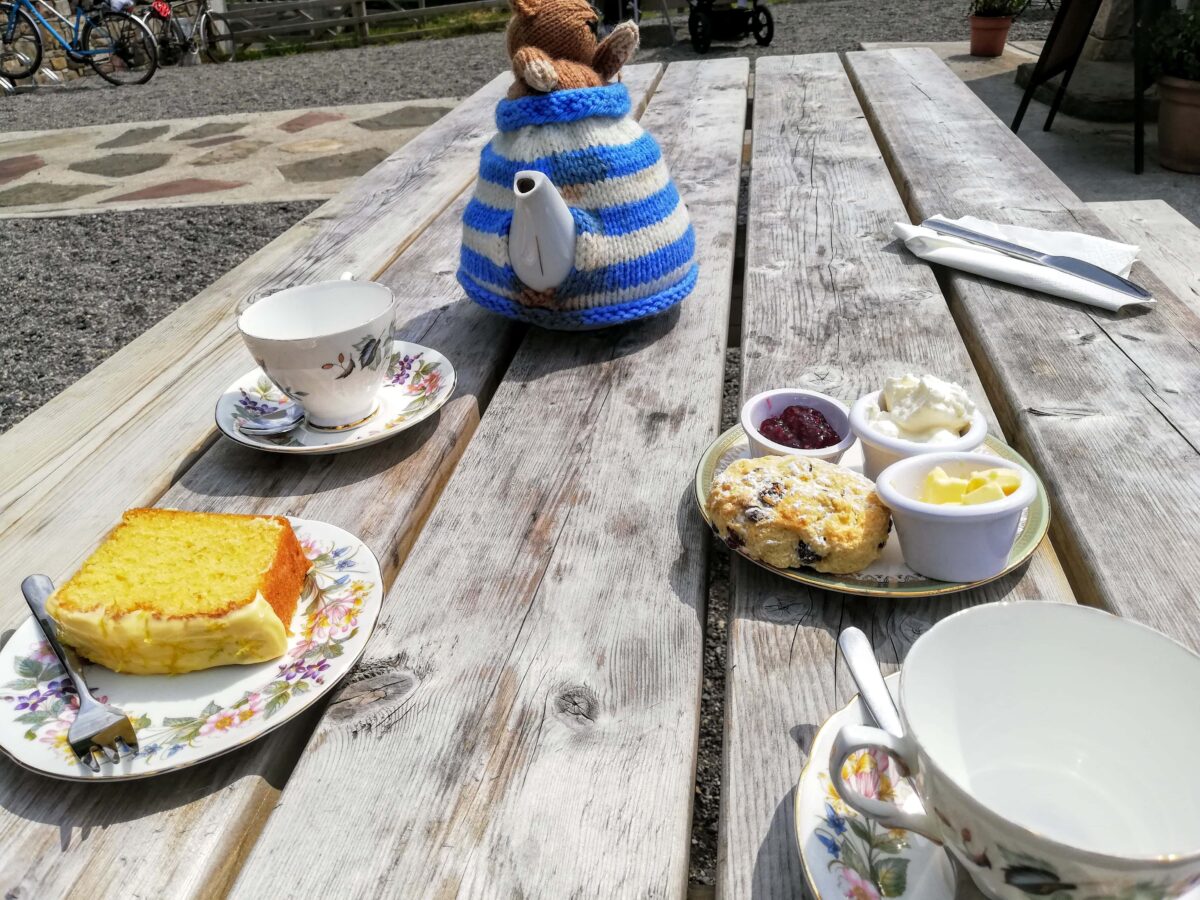
Pot of tea and scone: €5-7
Activities & Attractions
Most of Donegal’s natural attractions are free:
Beaches, hiking trails, viewpoints: Free
Glenveagh Castle tour: €7
Slieve League visitor center: €5
Fanad Lighthouse tour: €10

Traditional music sessions: Free (but buy a drink!)
Island ferry returns: €20-30
A typical day might cost €150-200 per person including accommodation, or about €100 if you’re careful with spending. Budget travelers can manage on €70-80 using hostels and self-catering, while luxury travelers (castle stays, fine dining) should plan for €300+ daily.
Final Thoughts: The Magic of Donegal
After guiding countless friends and family through Donegal, I’ve learned that this corner of Ireland isn’t just a destination—it’s a state of mind. It’s where you can still find places that feel truly undiscovered, where ancient traditions aren’t preserved in museums but lived daily, and where the landscape itself seems to tell stories.
As they say here, “Ní neart go cur le chéile” (There’s no strength without unity). In Donegal, that includes unity with the wild landscape itself. Whether you’re watching Northern Lights dance above Malin Head, listening to ancient tales in a Gaeltacht pub, or simply standing atop Errigal as clouds race across the bog below, you’ll understand why National Geographic called this “the coolest place on the planet.”
This isn’t just marketing—it’s a promise from someone who chose to make this remarkable corner of Ireland home. Come see for yourself why they say “it’s different up here.” Just don’t be surprised if you find yourself planning your return before you’ve even left.
Slán go fóill… until next time, may the tides lead you back
Explore More Donegal Guides
If you’re planning a trip around the county, you might also enjoy these guides:
Best time to visit Donegal – A guide to our 4 seasons in one day when visiting
Donegal Travel Guide – Tips for exploring Ireland’s wild northwest
Donegal without a Car – Ways to explore Donegal without a car
Is Donegal worth visiting? Yes. It is wild, spacious, deeply local and unforgettable if you approach it the right way
Donegal Hidden Gems – Discover the places that only locals know
For travelers planning a slower-paced trip through the northwest, my Accessible Donegal guide covers wheelchair-friendly viewpoints, scenic drives, beaches, parking, transport, and realistic tips for visiting Donegal with limited mobility.
Start Planning Your Trip
👉 Public Transportation in Ireland
👉 Hidden Gems in Ireland – 32 Secret places to visit
👉 Answering all your travel questions about Ireland
Agreed – Donegal is the best. My family hail from that corner of Ireland and I hope to take my father there some day (he’s never been).
One of the most beautiful places in the world not to mention some of the best craic ever. Make sure you get your dad back soon and take a couple of weeks to explore the whole area you won’t regret it.
Definitely won’t regret it! Gotta take him out to Slieve League – couldn’t get over how beautiful it was (how is Moher more popular? HOW?!)
You know, I always wanted to visit Ireland, but never got the courage to face the weather. I always imaged it being so rainy. Your pics further reiterate our need to just go and visit! Beautiful
Wow, this is so beautiful. We visited Ireland in 2012, but somehow missed this area. Your photography really captures the mood. My favourite is your shot of the castle through the archway.
Some day I hope I will be able to visit this part of your world! I am dizzy seeing the mesmerizing scenic captures from that height. Interesting bit of info on the grave of Saint Aédh!
I would love to get to Ireland and experience the wild Atlantic way – I have Irish ancestry so to travel here would be a dream. The view from the Slieve League cliffs is incredible!
I very much want to visit Donegal because my grandfather’s family is from there. But the closest I’ve been is County Sligo. I especially would want to do the Slieve League cliffs. Your photos of the cliffs are really beautiful!
I had to google map it after reading the first paragraph to find out that those places are in Ireland… ~ Nice photos and introduction and thanks a lot for sharing with us about the Wild Atlantic Way! I have always heard about the stunning sceneries of the Ireland coast – probably my next road trip 🙂 @ knycx.journeying
Oops that’s what happens when you assume everyone has heard of a place, thanks for bringing that to my attention will make sure to note that it is Ireland.
Donegal is such a wonderful place! I’ve always wished to visit it. You have captured such amazing stills! I have a thing for archaeological sites and this 1700 BC old fort is really catching my attention apart from those breathtaking sea views. Great job!
I haven’t visited Ireland yet but it looks and sounds beautiful! I love the old architecture and the coastal views. Thanks for sharing this. It’ll be really helpful when I make it over! 🙂
I’ve only been to Howth and Dublin area, I’d love to explore this route too when I next visit Ireland.
I’ve been seeing so many posts about Ireland lately and I think it’s just a sign that I have to visit ASAP. Great photos and thanks for an awesome introduction. I’m loving the cliff photos and feeling inspired to book tix right now! Haha!
I instantly fell in love with the sea! The meadows and tombs looked surreal. The cliff was hauntingly mesmerizing! The majestic fort is really impressive. I would love to visit once.
Thank you for an interesting read. I’m hoping to visit Ireland next summer. Can’t wait!
You are very welcome have a wonderful trip – you will want to come back many times lol.