
Cliffs of Moher: The Complete 2026/27 Visitor Guide From a Local Who Has Been More Times Than I Can Count
| The Cliffs of Moher are 320-million-year-old sea cliffs on the Atlantic coast of County Clare, Ireland, rising up to 214 metres and stretching roughly 8 kilometres. Gate-rate entry is Adult €15.00, Student or Senior €12.00, and Family €30.00, though booking online in advance is cheaper. You can also see the cliffs for free by walking sections of the public coastal trail from Doolin, Liscannor, or Hag’s Head. |

Few places in Ireland earn their spot on a bucket list the way the Cliffs of Moher do. They sit at the very top of almost every Wild Atlantic Way itinerary, and for good reason: the drop from the clifftop to the Atlantic below is genuinely breathtaking, in the literal sense, especially on a windy day.
I live in Donegal and have brought visiting friends and family to the Cliffs more times than I can count over the years. It is a bit like living near Niagara Falls in Canada, where I am originally from: you keep going back, and somehow the view never gets old, even though the car park queue sometimes does.
This guide pulls together everything I have learned from those repeat visits: current ticket prices, where to park if you are able bodied or have a disability permit, the free alternatives the visitor centre will not advertise, where to eat and stay nearby, and the Irish folklore that gives Hag’s Head its name. I have checked every fact and link against the official Cliffs of Moher site and other authoritative sources so you can plan with confidence.
By the end of this guide you will know exactly what a visit to the Cliffs of Moher costs, how to get there, how to see them without paying a cent if that matters to you, and what else is worth your time in County Clare.
If you’re building a longer trip around this stop, see my Starting in Shannon? Your Gateway to Ireland’s Southwest for a full 7-day Clare, Galway, and Kerry route.
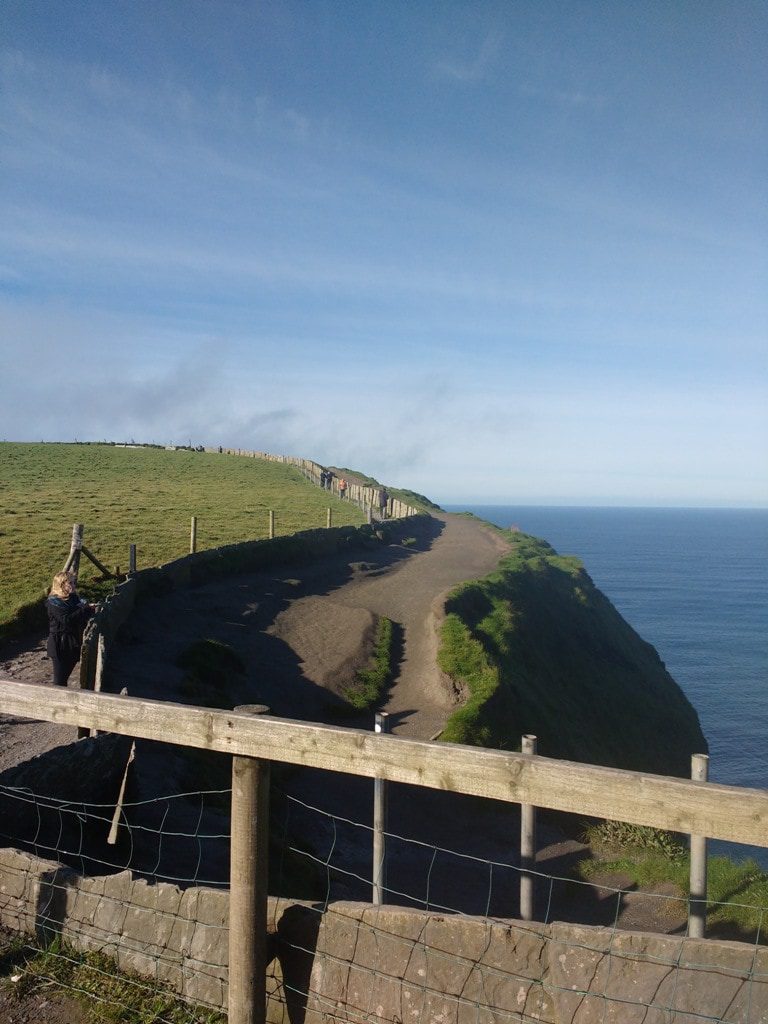
- Cliffs of Moher: The Complete 2026/27 Visitor Guide From a Local Who Has Been More Times Than I Can Count
- Where Are the Cliffs of Moher?
- What Are the Cliffs of Moher? A Quick Definition
- How High Are the Cliffs of Moher and How Many People Visit?
- Cliffs of Moher Tickets and Entry Fees
- Cliffs of Moher Parking: Able Bodied and Disabled Access
- How to Plan Your Cliffs of Moher Visit: Step by Step
- How to See the Cliffs of Moher for Free
- The Irish Folklore Behind Hag's Head
- Experience the Visitor Centre and O'Brien's Tower
- Wildlife Watching: Puffins and Seabirds at the Cliffs
- Scenic Tours and Cruises
- Clifftop Hiking and Walking Trails
- The Cliffs of Moher in the Movies
- Getting to the Cliffs of Moher: Transport Options
- What Is the Weather Like at the Cliffs of Moher?
- Are the Cliffs of Moher Dangerous?
- Where to Eat at and Near the Cliffs of Moher
- Where to Stay Near the Cliffs of Moher
- My Thoughts on Visiting the Cliffs of Moher
- Frequently Asked Questions About the Cliffs of Moher
Where Are the Cliffs of Moher?
The Cliffs of Moher sit on the southwestern coast of Ireland in County Clare, forming the dramatic western edge of the Burren and Cliffs of Moher UNESCO Global Geopark. The Geopark itself covers 530 square kilometres, bordered by Atlantic coastal cliffs to the west and the limestone landscape of the Burren inland.
According to UNESCO’s official Geopark listing, the Burren and Cliffs of Moher Geopark is bounded by Atlantic coastal cliffs ranging from 10 to 200 metres in height to the west, the Gort lowlands to the east, and low hilly terrain to the south.
If you are road tripping the Wild Atlantic Way, the Cliffs sit roughly midway between Galway and Limerick, making them an easy detour whichever direction you are travelling.

What Are the Cliffs of Moher? A Quick Definition
The Cliffs of Moher are a stretch of sea cliffs on Ireland’s Atlantic coast that formed around 320 million years ago during the Carboniferous Period, built up by ancient river deltas depositing sediment into a shallow sea. They reach a maximum height of 214 metres at their highest point and run for approximately 8 kilometres along the coastline of County Clare, making them Ireland’s single most visited natural attraction.
How High Are the Cliffs of Moher and How Many People Visit?
Height and Length
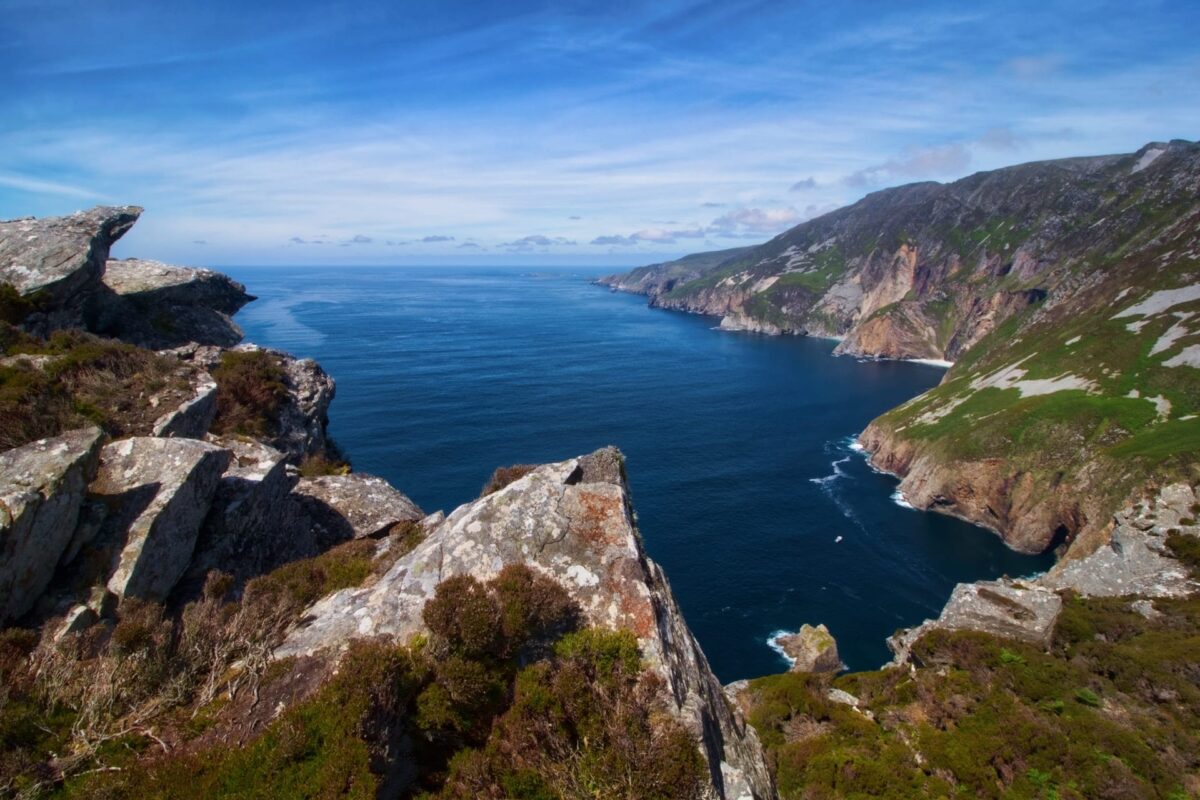
The official Cliffs of Moher Visitor Centre confirms the cliffs reach a maximum height of 214 metres, or 702 feet, near O’Brien’s Tower, and extend for around 8 kilometres along the coast. For comparison, the Slieve League cliffs in County Donegal are taller still and considerably wilder, with far fewer crowds, though they demand more caution near unprotected edges in wind or wet weather.

Visitor Numbers
The Cliffs of Moher are Ireland’s most visited natural attraction. The Cliffs of Moher Experience Activity Report for 2024 recorded just shy of 1.5 million visitors that year, a figure down 7 percent on 2019 but up 8 percent on 2023, with American visitors making up roughly half of all arrivals.
In my own experience, the busiest window is late morning through mid-afternoon in July and August, which lines up exactly with the official peak pricing window of 11am to 4pm. If you can visit at sunrise or in the early evening instead, you will trade a quieter clifftop for a slightly longer day, and in my opinion it is always worth it.

Cliffs of Moher Tickets and Entry Fees
Admission to the Cliffs of Moher Experience covers the Visitor Centre, the paved clifftop pathways, parking, the audio guide app, and access to the rooftop viewing area. Booking online is always cheaper than paying at the gate, and prices vary by time slot.
| Ticket Type | Gate Rate (Pay on Arrival) | Notes |
| Adult | €15.00 | Cheaper online, especially off-peak |
| Student | €12.00 | Valid student ID required |
| Senior (65+) | €12.00 | Photo ID may be requested |
| Family | €30.00 | 2 adults plus 2 children under 12 |
| Children under 12 | Free | Maximum 4 per booking, with an adult |
Booking online through the official Cliffs of Moher ticket page is consistently the best value, particularly if you choose an off-peak slot before 11am or after 4pm. Online off-peak adult tickets have run as low as €7 to €8, against the €15 gate rate, so it genuinely pays to book ahead rather than turn up and queue.
Your ticket includes O’Brien’s Tower access in most booking tiers, though some sources list a small separate charge of around €2 for the tower if it is not bundled into your ticket type, so check at the time of booking.
Cliffs of Moher Parking: Able Bodied and Disabled Access
Parking is one of the most common questions I get asked, so let me walk through exactly how it works.
Standard Parking
On arrival, you park in the main car park on the opposite side of the road from the Visitor Centre and the cliffs themselves. You will be directed to the admission pod, where your ticket is exchanged for a Cliffs of Moher site pass. Parking is included in your admission price and is not a separate fee.

Disabled Parking
If you are travelling with a valid disabled parking permit, the official Cliffs of Moher accessibility page confirms there are 8 designated disabled parking spaces in the main car park and a further 5 in the coach parking area beside the Visitor Centre, on the same side of the road as the cliffs themselves. These are the closest spaces to the cliff paths.
If you are a disabled driver or passenger, make your way to the main coach park first. If those bays are full, the attendant at the entry cabin will direct you to additional designated spaces. Wheelchairs are available on loan from the car park office and from the Visitor Centre front desk, and the Visitor Centre itself is entirely wheelchair accessible, with staggered counter heights and induction loop hearing assistance at the front desk, the Ledge Theatre, and the gift shop.

A genuinely useful addition for visitors with mobility challenges is the Lifts of Moher, an electric mobility vehicle driven by trained staff that carries less mobile visitors up to the higher viewing areas so nobody misses the best outlooks. As someone who writes about accessible-travel-guides-ireland-uk-europe, I think this is one of the more thoughtful additions Irish attractions have made in recent years, and I would like to see more sites follow suit.
How to Plan Your Cliffs of Moher Visit: Step by Step
- Decide your time slot first. Book online for off-peak morning (8am to 11am) or late afternoon (4pm to close) for both lower prices and smaller crowds.
- Book your tickets in advance through the official site to lock in the cheaper online rate and guarantee entry, particularly in July and August.
- Check the weather the day before with Met Eireann, since Atlantic conditions change quickly and high winds can affect path access.
- Pack a proper waterproof jacket, not just an umbrella. Umbrellas do not survive Atlantic gusts at the Cliffs, I promise you.
- Choose your route: drive directly to the Visitor Centre car park, or park in Doolin or at Guerin’s farm for a scenic walk in instead.
- Allow at least two to three hours on site if you want to see the Visitor Centre exhibition, walk to O’Brien’s Tower, and grab a coffee.
- If travelling with a disabled permit, head straight to the coach park area for the closest accessible spaces.
- Build in time afterwards for Doolin, Liscannor, or a detour to Loop Head if you want to extend the day along the Wild Atlantic Way.
How to See the Cliffs of Moher for Free
Yes, you genuinely can visit the Cliffs of Moher without paying the Visitor Centre admission fee. The cliffs themselves are public land, and the fee applies to the managed Visitor Centre car park and facilities, not to viewing the coastline.
Guerin’s Path
Just past the main Visitor Centre car park, take the first right turn and look for a small blue and yellow sign. Park at Guerin’s farm for a few euro using the honesty box, then walk along Guerin’s Path to a quieter stretch of the cliff walk. This has long been my own preferred route when I had better mobility and wanted fewer crowds and did not need the Visitor Centre facilities.
The Doolin to Cliffs of Moher Coastal Walk
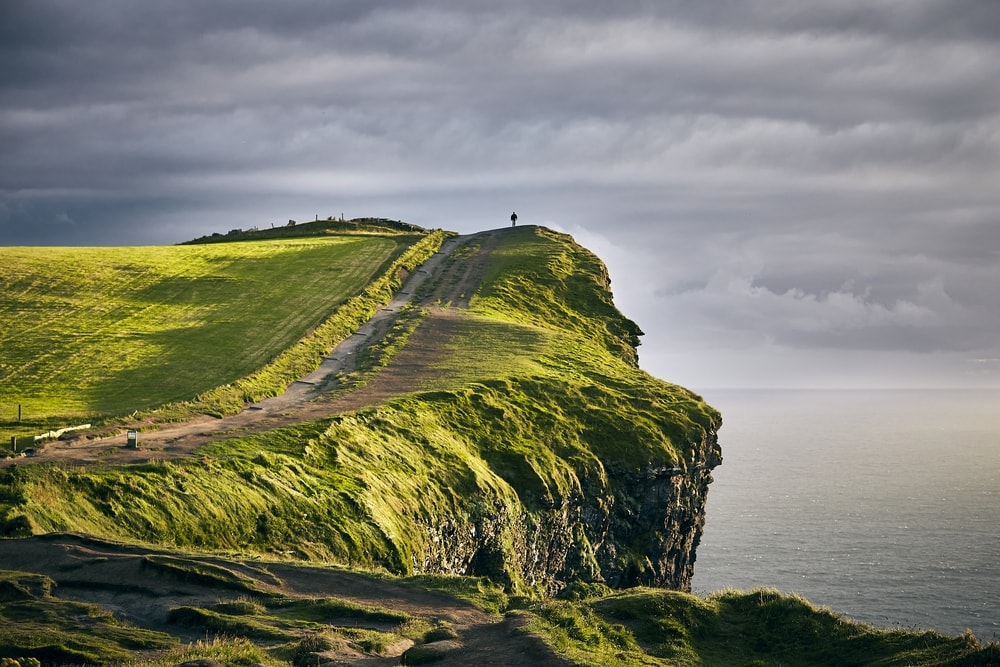
Park in Doolin village and follow the Cliffs of Moher Coastal Walk, a roughly 2.5 hour walk that brings you right to the Visitor Centre area, from where you can continue on to all the main viewpoints. The full trail runs about 18 kilometres between Doolin and Liscannor and opened in 2013, so pace yourself if you intend to walk the whole thing in a single day.
Hag’s Head
Park near Hag’s Head, the most southerly point of the cliffs, drop a small honesty box donation, and walk roughly 15 to 20 minutes to reach the cliff edge. This is also where the Irish folklore tied to the cliffs is at its richest, which brings me to one of my favourite parts of this whole area.
The Irish Folklore Behind Hag’s Head
No visit to the Cliffs of Moher is complete without the story behind Hag’s Head, known in Irish as Ceann an tSean Chailligh, or Head of the Old Sea Witch. This is genuine Irish folklore, not a marketing invention, and it gives the southern end of the cliffs its name and its distinctive silhouette.
According to local legend, an old hag or sea witch named Mal of Malbay fell in love with the legendary Irish hero Cu Chulainn. He did not return her feelings and fled across Ireland to escape her, eventually reaching the cliffs near the mouth of the Shannon Estuary. Cu Chulainn leapt nimbly across the sea stacks to safety. Mal tried to follow, lost her footing, and fell to her death on the rocks below, supposedly staining the bay with her blood, which some say gave nearby Miltown Malbay its name.
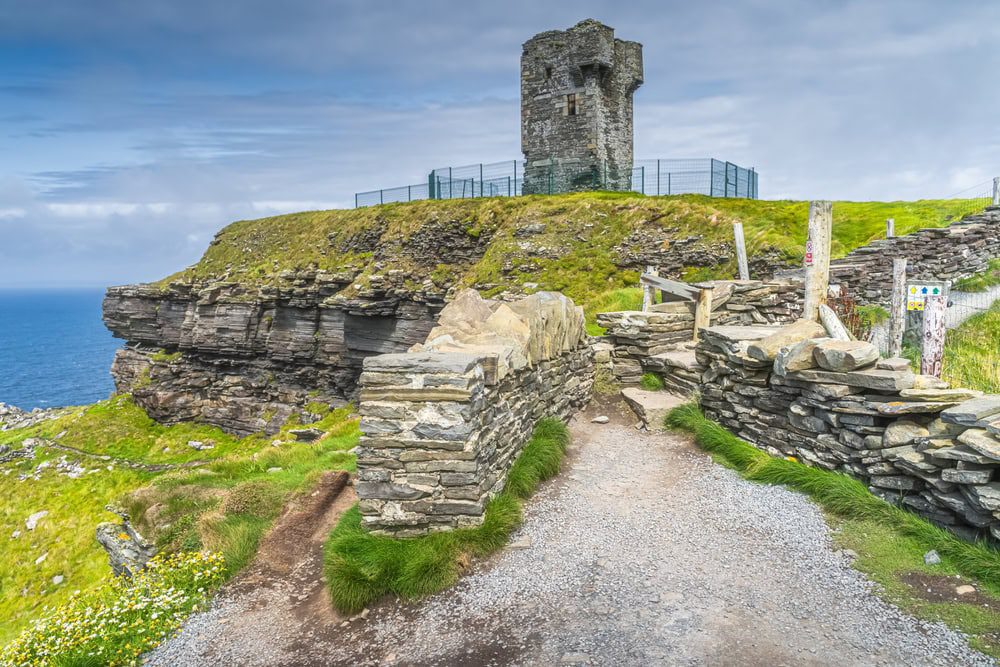
The rock formation at the southern tip of the cliffs is said to resemble her profile gazing out to sea, and it is from the old promontory fort here, known in Irish as Mothar, that the name Moher is believed to derive. There is also a ruined signal tower at Hag’s Head dating from the Napoleonic era, well worth the extra walk if you enjoy a bit of history with your scenery.

Experience the Visitor Centre and O’Brien’s Tower
The Visitor Centre
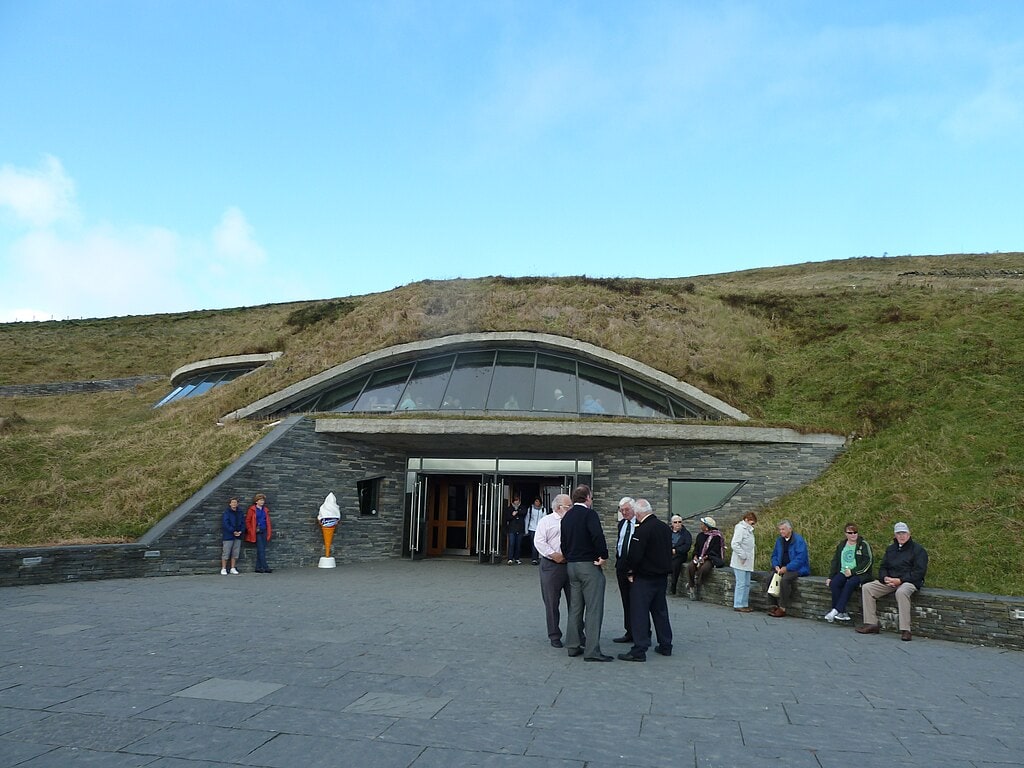
Built into the hillside so it barely interrupts the view, the award winning Visitor Centre houses an exhibition gallery, an auditorium, and an onsite theatre with a virtual reality cliff-face experience that is particularly good for visitors who cannot manage the full clifftop walk. You will also find the Puffins Nest coffee shop on the ground floor and the Cliffs View Cafe upstairs.
O’Brien’s Tower
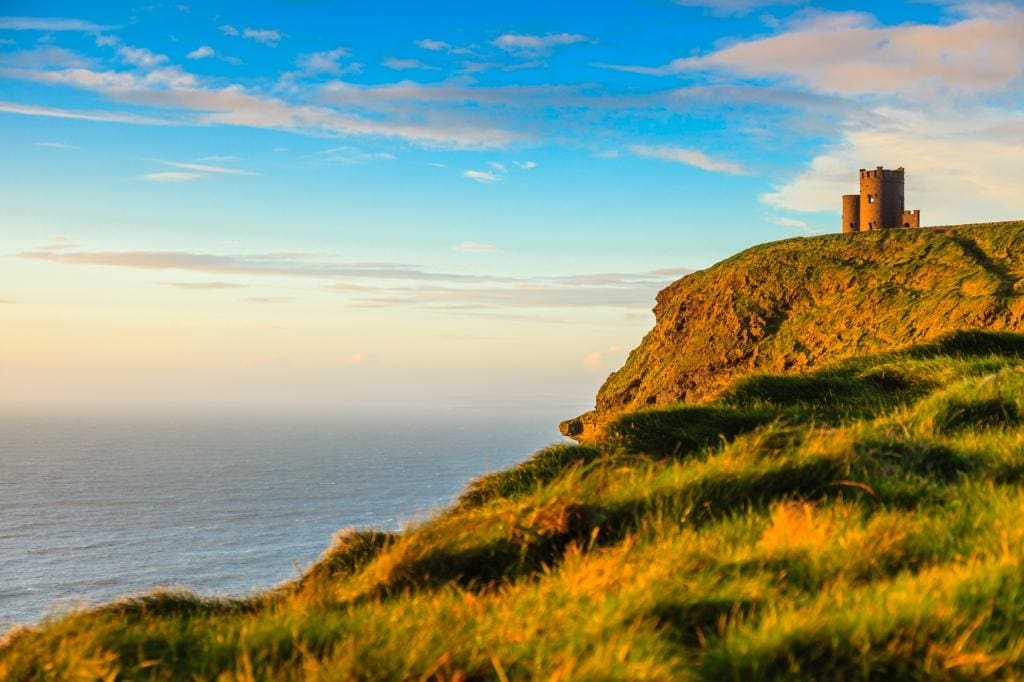
The cliffs reach their highest point near O’Brien’s Tower, a stone tower built in the 19th century by Cornelius O’Brien as a viewing platform for Victorian visitors. From the rooftop viewing area here, on a clear day, you can see the Aran Islands, the Maumturk Mountains, the Twelve Bens in Connemara to the north, and Loop Head to the south.

An Branan Mor Sea Stack
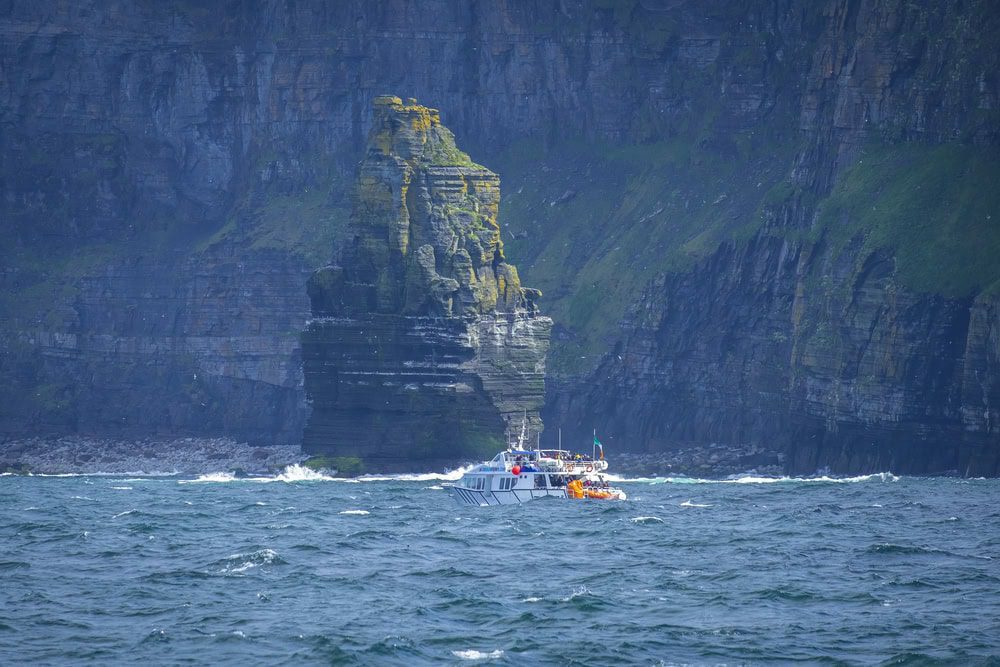
One of the most photographed views from O’Brien’s Tower is An Branan Mor, a 60 metre sea stack that broke away from the mainland thousands of years ago and now stands alone in the Atlantic. It is one of those views that photographs never quite do justice, in my opinion.
Wildlife Watching: Puffins and Seabirds at the Cliffs
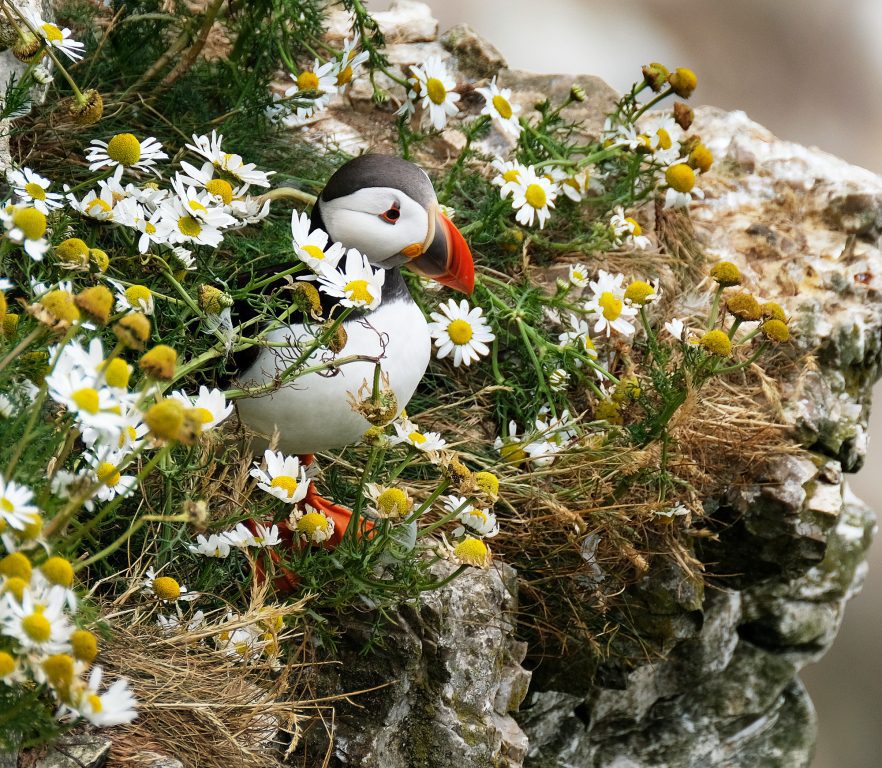
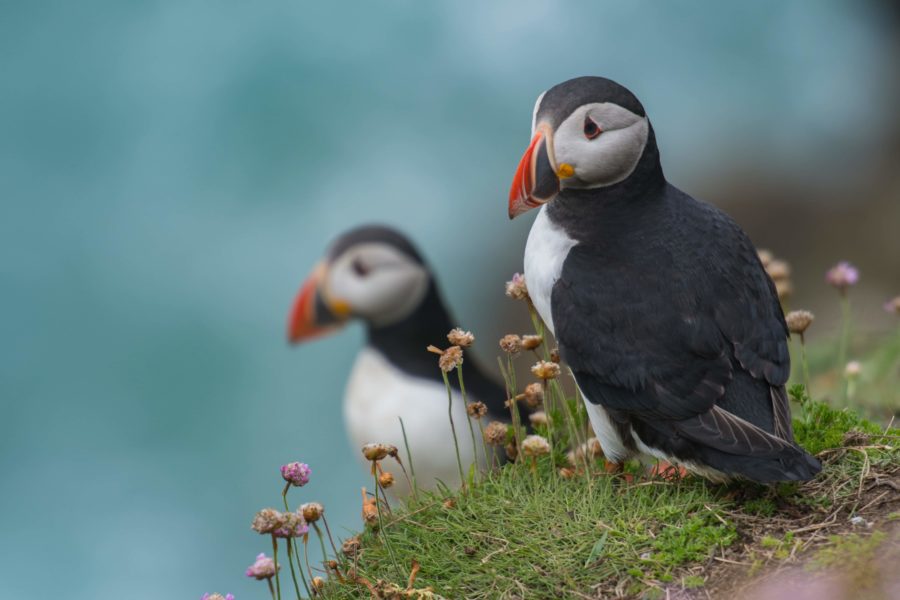
The Cliffs of Moher are an internationally important seabird breeding site and a designated Special Protection Area under EU conservation law. Tens of thousands of seabirds, including Atlantic puffins, nest on the cliff ledges, with puffins typically present from April through July.
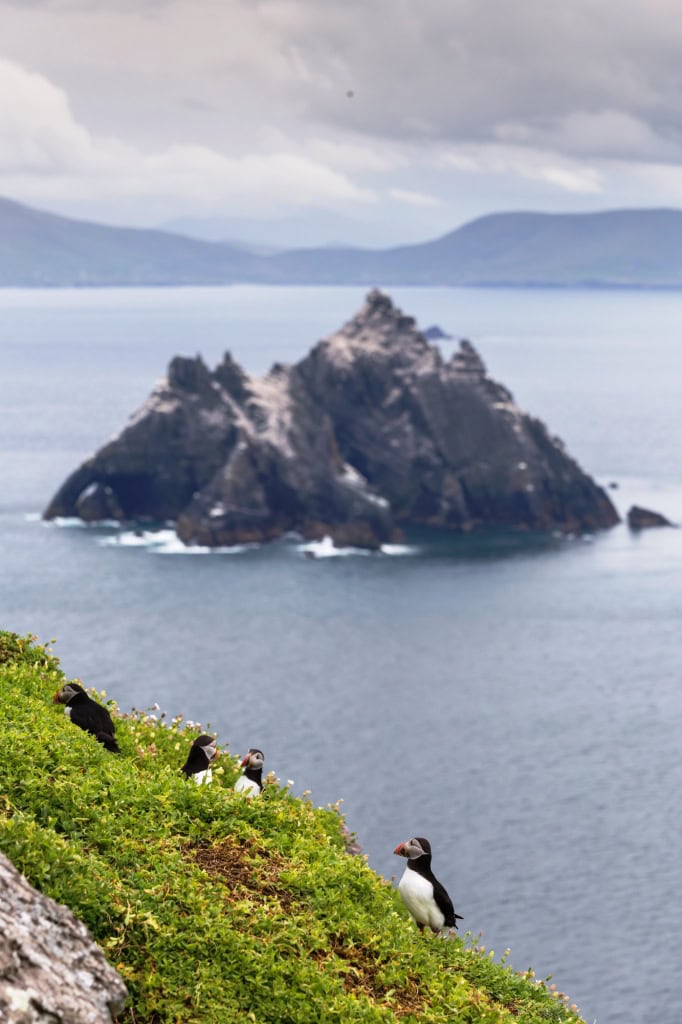
Unlike many other puffin colonies around Ireland and Britain that are experiencing declines, the Cliffs of Moher puffin population has remained relatively stable in recent years. You can spot puffins from the Visitor Centre viewing areas or, for a closer look, on a dedicated boat tour.
Scenic Tours and Cruises
Seeing the Cliffs of Moher from the water is, for my money, the single best way to appreciate their true scale. From sea level, the cliffs tower above you in a way that is hard to grasp from the clifftop paths.
Operators such as Doolin2Aran Ferries run regular boat tours from Doolin that combine cliff views with puffin spotting, weather permitting. Boat tours typically run for around an hour and cost in the region of €25 to €30 per adult, with discounts available for online booking.
If you want a more comprehensive day out, full day tours combining the Cliffs with Galway city or the Burren and Connemara are widely available from Dublin and Galway, and are a sensible option if you do not want to drive yourself.

The Burren and Cliffs of Moher Explorer: A Free Shuttle Bus
One detail many visitors miss is that there is a genuinely free way to get around this whole stretch of County Clare without driving yourself. The Burren and Cliffs of Moher Explorer is a hop-on, hop-off shuttle bus running from 21 May to 20 September 2026, connecting North and West Clare including the Burren National Park and the Cliffs of Moher Experience.
New for 2026, the route has been extended to include Ennistymon and Spanish Point, alongside existing stops at Ballyvaughan, Corofin, Carran, Kilfenora, Doolin, Liscannor, Lisdoonvarna, Miltown Malbay, and Lahinch.
There is no fare and no booking required. Simply turn up at any of the marked bus stops along the route and hop on. It is a sensible option if you want to avoid the car park queues at peak season, or if you are staying in one of the smaller villages and want to reach the Cliffs without a car at all.

Clifftop Hiking and Walking Trails
Walking from Doolin
Guerin’s Path, around 1 kilometre from the Visitor Centre, costs about €5 per car to park on this family-run farm, and gives you a genuinely spectacular approach to the cliffs without going through the main entrance at all.
Loop Head Peninsula
If you want the drama of the Cliffs of Moher without the crowds, drive the Loop Head Peninsula instead. It is isolated, raw, and every bit as photogenic, with the added bonus that it costs nothing to see. From the lighthouse at Loop Head, which you can climb, look for the word EIRE painted in white on the headland, a navigation marker from the Second World War signalling neutral territory to passing aircraft. Keep an eye out too for the bottlenose dolphins that live in the Shannon Estuary nearby.

The Cliffs of Moher in the Movies
The cliffs have appeared in several well known films, which adds a layer of pop culture interest for many visitors. They served as the filming location for the Cliffs of Insanity in The Princess Bride in 1987, featured prominently in Harry Potter and the Half-Blood Prince in 2009, and appeared in the romantic comedy Leap Year in 2010.
Getting to the Cliffs of Moher: Transport Options
From Shannon Airport
The drive from Shannon Airport takes roughly an hour, making the Cliffs an easy first or last stop on an Ireland itinerary.
From Dublin
Allow around 3 hours to drive from Dublin. There is no direct train or bus service from Dublin to the Cliffs, though plenty of guided day tours run from the capital, and bus connections are available via Galway.

By Bus
Direct public bus connections run on the Bus Eireann 350 route from Galway bus station to the Cliffs of Moher and onward to Ennis along the Wild Atlantic Way. Connections to and from Shannon, Dublin, Cork, and Knock airports are available, though you may need to change buses along the way.
By Train
Take the train to Limerick or Ennis and connect by bus from there, or train to Galway and pick up a bus onward. Check Irish Rail for current timetables before you travel.

Driving Yourself
I would not recommend attempting Dublin to the Cliffs of Moher and back in a single day if you are driving yourself. It is doable, but exhausting, and you will see far more of Ireland by building the Cliffs into a wider Wild Atlantic Way road trip instead.
What Is the Weather Like at the Cliffs of Moher?
Check Met Eireann, Ireland’s National Meteorological Service, before you travel, since Atlantic weather here changes quickly and without much warning.
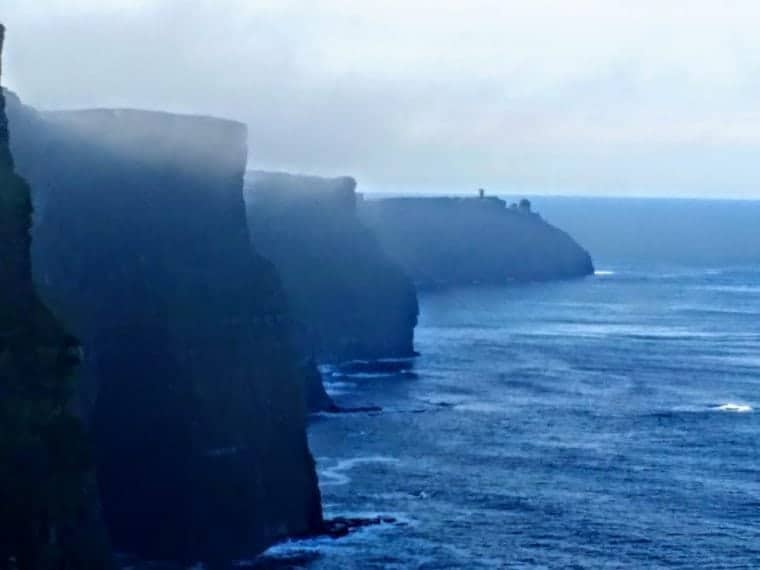
On plenty of days, fog rolls in off the Atlantic fast enough to swallow the view entirely, and the wind can whip up out of nowhere, leaving you soaked and breathless within minutes. This is a genuinely cold and exposed spot even in summer, so bring a proper waterproof jacket rather than an umbrella, which will likely turn inside out the moment you need it. Gloves and a scarf are not overkill here. Ireland really does deliver four seasons in a single afternoon, and the Cliffs are where you feel it most.
Are the Cliffs of Moher Dangerous?
The Cliffs of Moher can be genuinely hazardous, particularly in high winds, in wet conditions, or if you leave the marked, fenced pathways. Sudden gusts are common, the ground near unprotected edges can be unstable, and the drop is significant.
A peer reviewed study published in the Journal of Travel Medicine examined coroners’ records covering the 25 years between 1993 and August 2017 and found that 66 deaths occurred on or at the base of the Cliffs of Moher during that period, of which 18 involved international visitors to Ireland. The researchers noted that travelling alone, purchasing one-way tickets, and leaving belongings on the clifftop were among the factors associated with some of these incidents, alongside accidental falls.
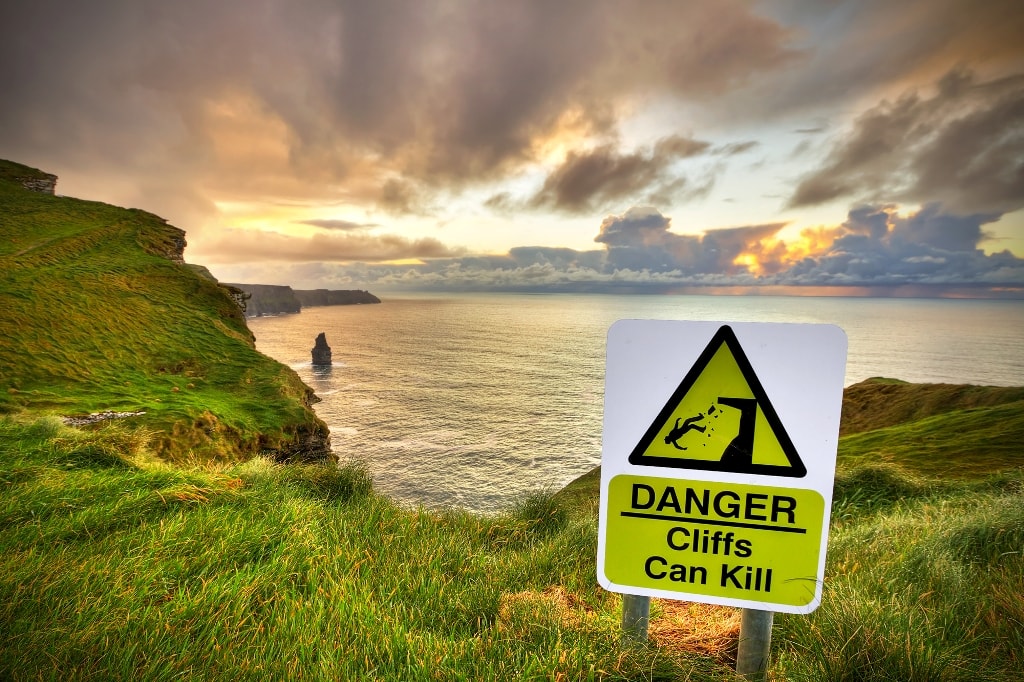
In practical terms, this means the sensible approach is simple: stay on the marked, fenced pathways at all times, avoid the cliff edge entirely in high wind or rain, and never step beyond a barrier for a photograph. I have seen visitors do exactly this on more than one occasion, and it never looks worth the risk up close.
Where to Eat at and Near the Cliffs of Moher
Food options range from quick coffee and sandwiches inside the Visitor Centre to proper sit-down dining and authentic Irish food in nearby villages.
At the Visitor Centre
The Puffins Nest coffee shop on the ground floor is your best bet for a quick coffee and a snack, while the Cliffs View Cafe upstairs offers a fuller menu with a view to match. Both are fully wheelchair accessible, with parking included in your admission ticket, so there is no separate accessibility barrier to using them.

Nearby Villages
Doolin, around 10 minutes away, is Ireland’s unofficial capital of traditional music and has a strong run of pubs and restaurants serving everything from a full Irish breakfast to casual seafood chowder to a proper Sunday roast, many with live trad sessions in the evening. Liscannor, about 10 minutes south, offers a quieter, smaller selection of cafes and pubs, good for a relaxed lunch before or after your visit.
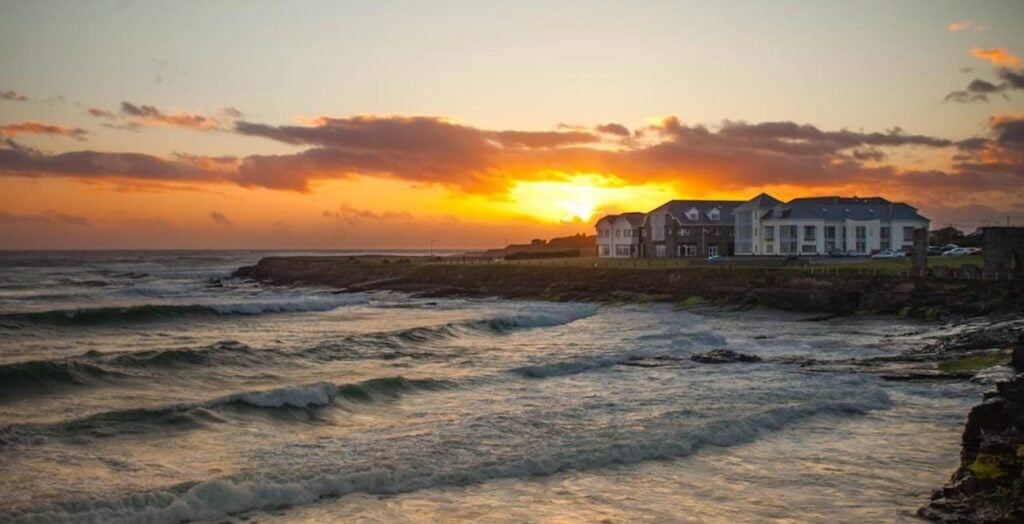
For something a step up, the Armada Hotel at Spanish Point, a short drive south, has consistently impressed me with its food on the occasions I have stayed there with visiting family. It is well worth the detour if you want a proper sit-down dinner with sea views to match the cliffs you saw earlier in the day.



Where to Stay Near the Cliffs of Moher
Doolin is the obvious base if proximity matters to you, sitting just 10 minutes from the Visitor Centre and offering genuine Irish village charm alongside its famous music scene. Liscannor, about 10 minutes to the south, is a quieter alternative with easy access to both the cliffs and Lahinch Beach.
Doolin Inn
Doolin Inn sits at the start of the Cliffs of Moher coastal walk and offers a 4-star country house feel with a concierge service well versed in the local area. Free WiFi and private parking are included onsite, and the hotel runs a dedicated Cliffs of Moher package that bundles breakfast and entry tickets together.

The Boathouse, Liscannor
Located in Liscannor, just 2 kilometres from Lahinch Beach and within 6 miles of the Cliffs of Moher, the Boathouse offers self-catering, beachfront accommodation with free WiFi and a private terrace. It suits travellers who want to cook for themselves and prefer a private holiday home setting over a hotel.
Armada Hotel, Spanish Point
A short drive from the Cliffs, the Armada Hotel at Spanish Point combines comfortable rooms with genuinely good food and sea views. This is where I have personally stayed while showing visiting friends and family around this stretch of the Wild Atlantic Way, and I would happily return.

My Thoughts on Visiting the Cliffs of Moher
Having visited the Cliffs of Moher many times over the years with friends and family in tow, I will be honest: it can feel like a bit of a tourist trap on a packed August afternoon, with coach loads arriving in waves. That said, it earns its reputation. The scale of the place, the geology, the sheer drop into the Atlantic, is something photographs genuinely undersell.
My advice is simple. Do not linger for the entire day. See the Visitor Centre, walk to O’Brien’s Tower, take in Hag’s Head if you have the legs for it, then go explore the smaller villages and quieter coastline nearby. That is where Ireland’s west coast really opens up.
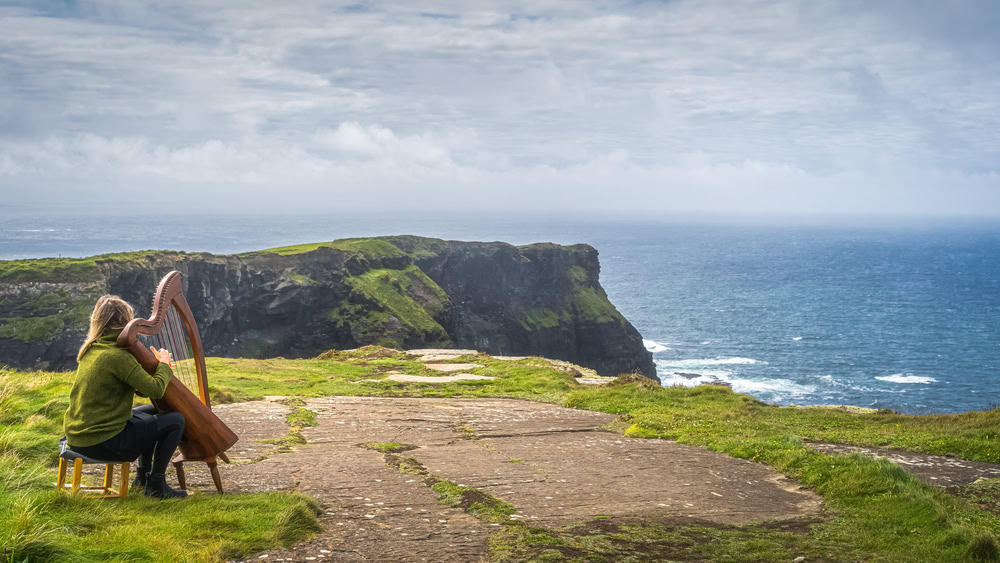
No visit to County Clare is complete without experiencing the Cliffs of Moher, a genuine crown jewel of the Wild Atlantic Way. Whether you come for the clifftop walking trails, the 320-million-year-old limestone geology, the puffins, or the Irish folklore woven into Hag’s Head, this UNESCO Geopark site delivers an unforgettable day out.
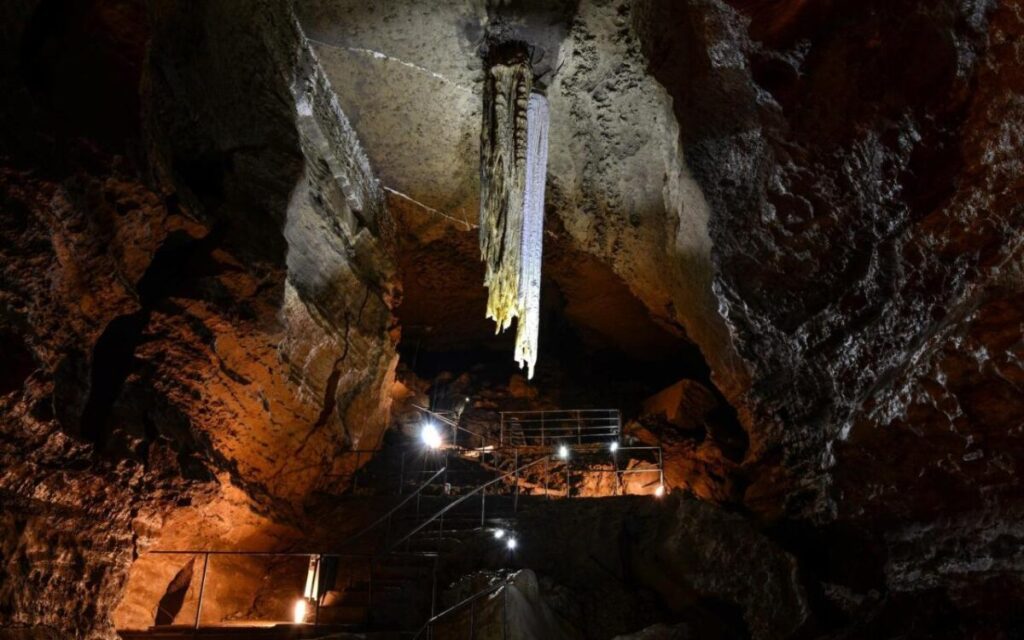
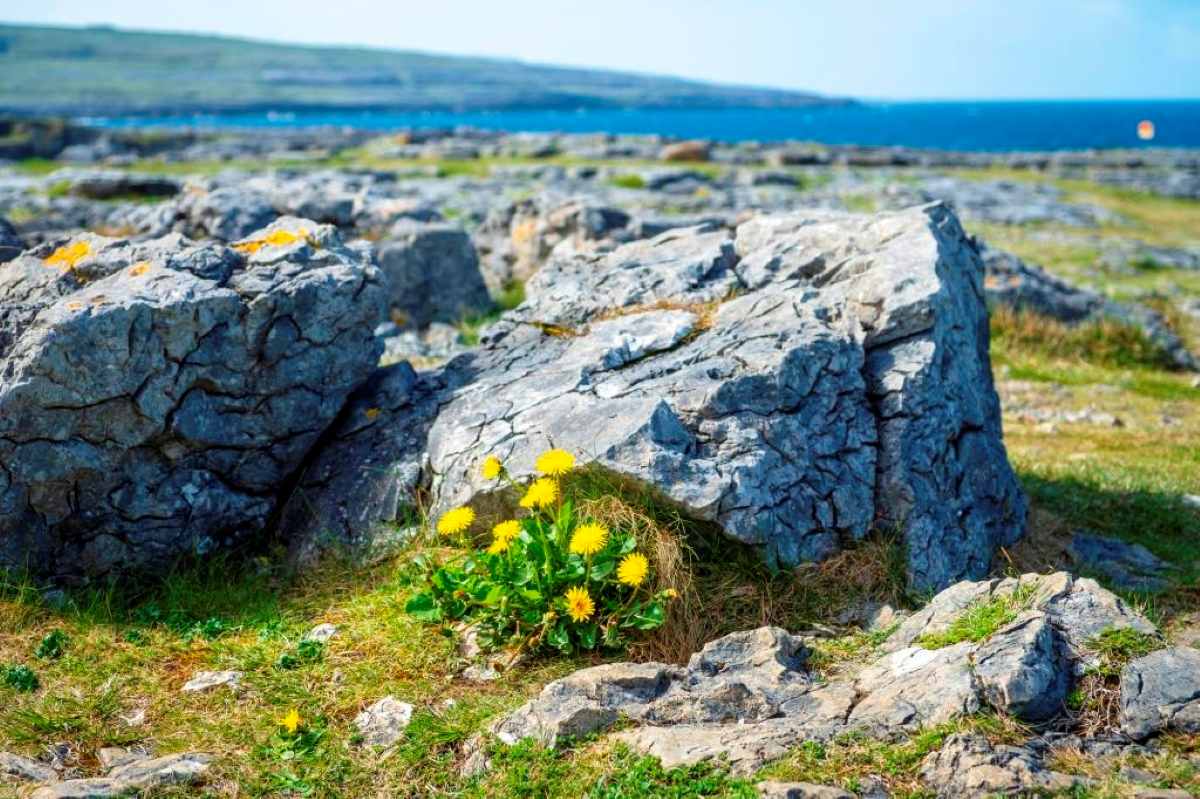
If you are renting a car, do not stop here. Extend your trip to the Aillwee Caves, Burren National Park, or further along the Wild Atlantic Way to find hidden beaches, ancient ruins, and the kind of small villages you only stumble across by accident. Pack your sense of wonder, and a proper rain jacket.
Frequently Asked Questions About the Cliffs of Moher
How much does it cost to visit the Cliffs of Moher?
Gate rate admission is €15.00 for adults, €12.00 for students and seniors, and €30.00 for a family of two adults and two children under 12. Booking online in advance is cheaper, particularly for off-peak time slots before 11am or after 4pm.
Can you visit the Cliffs of Moher for free?
Yes. The cliffs are public land, and you can walk sections of the coastal path for free via Guerin’s Path, the Doolin to Cliffs of Moher Coastal Walk, or the Hag’s Head approach, each of which charges only a small parking fee rather than a Visitor Centre admission fee.
How long should I spend at the Cliffs of Moher?
Most visitors spend between 1.5 and 3 hours, enough time for the Visitor Centre exhibition, the walk to O’Brien’s Tower, and a coffee. If you plan to walk further toward Hag’s Head or join a boat tour, allow closer to half a day.
Where is the best disabled parking at the Cliffs of Moher?
There are 8 designated disabled parking spaces in the main car park and a further 5 in the coach parking area beside the Visitor Centre, on the same side of the road as the cliffs. Wheelchairs are available on loan, and an electric mobility vehicle, the Lifts of Moher, helps less mobile visitors reach the higher viewing points.
Are the Cliffs of Moher worth visiting?
In my opinion, yes, even allowing for the crowds. The scale of the cliffs and the surrounding Atlantic views are difficult to replicate anywhere else in Ireland, and the site is genuinely well managed for accessibility and visitor facilities given the volume of people it receives.

When is the best time to see puffins at the Cliffs of Moher?
Puffins are typically present at the Cliffs of Moher from April through July, with peak nesting activity in late spring. A boat tour gives you the closest views without disturbing the colonies.
Is it safe to walk to Hag’s Head?
The walk to Hag’s Head follows marked paths and is generally safe in good weather conditions for reasonably fit walkers, but the same precautions apply as anywhere along the cliffs: stay on marked paths, avoid the edge in wind or rain, and check conditions before setting out.
Join 7,500 Ireland travellers in my Ireland Uncovered Facebook Group and 1,897 on my XYUandBEYOND PAGE
Explore a few of my Ireland itineraries below:
👉 An Itinerary for exploring Wicklow
👉 An Itinerary for exploring Kilkenny
👉 A 10 Day Itinerary to discover Ireland
👉 5 Historical Places to visit near Dublin
Happy I came across your article. The Cliffs of Moher rank high on my bucketlist. The scenery looks so stunning and I can’t wait to go on an exciting roadtrip along the coast.
Amazing! I did the Cliffs of Moher with a tour and had no idea that there was a special route you could drive too! The Wild Atlantic Way looks amazing. I’d love to go back and check everything out again. Definitely saving this for later!
Jaw-droppingly stunning. I so love that picture with all the blues in the mist/fog. That’s the kind of landscape you can study for hours – or at least until bits of you go numb, and you have to retreat in search of that chocolate shop so tantalisingly revealed in the road sign. I’ve made a note of Loop Head; that sounds exactly our kind of place.
That’s stunning! I’ve been along part of the Wild Atlantic Way but it was a while ago – definitely time for a return trip. Planning an Irish road trip next summer and this is firmly on it
Ever since I’ve read about this place, it has been one of the destinations I’ve wanted to see. It looks breathtaking and I wish to see it one day. Thank you for sharing this post.
Our daughter lives in Frosses near Donegal Town. We visit at least once a year and have been to the cliffs if moher several times. We always stay at a b n b farmhouse not far from doolin and the cliffs. Its like going home when we stay there! The first time we went i asked Mary for only one piece of “bacon” for breakfast because of medication i was taking made me sick and she gave 2 because “1 looked so lonely”! Wouldn’t stay anywhere else in doolin!
What a lovely story. I know Frosses very well as my best friends of over 30 years live there and we lived there ourselves for over a year before moving to Inver. It’s a great community.