
30 Outstanding Landmarks in Ireland: A Local’s Guide
Why Is Ireland Called the Emerald Isle? Ireland earned the nickname “Emerald Isle” for its intensely green landscape, a result of the country’s mild, damp Atlantic climate, which keeps fields, hills, and pastures lush and green nearly year-round. The effect is most vivid from the air, where a patchwork of green fields, stone walls, and scattered ruins comes into view before landing.
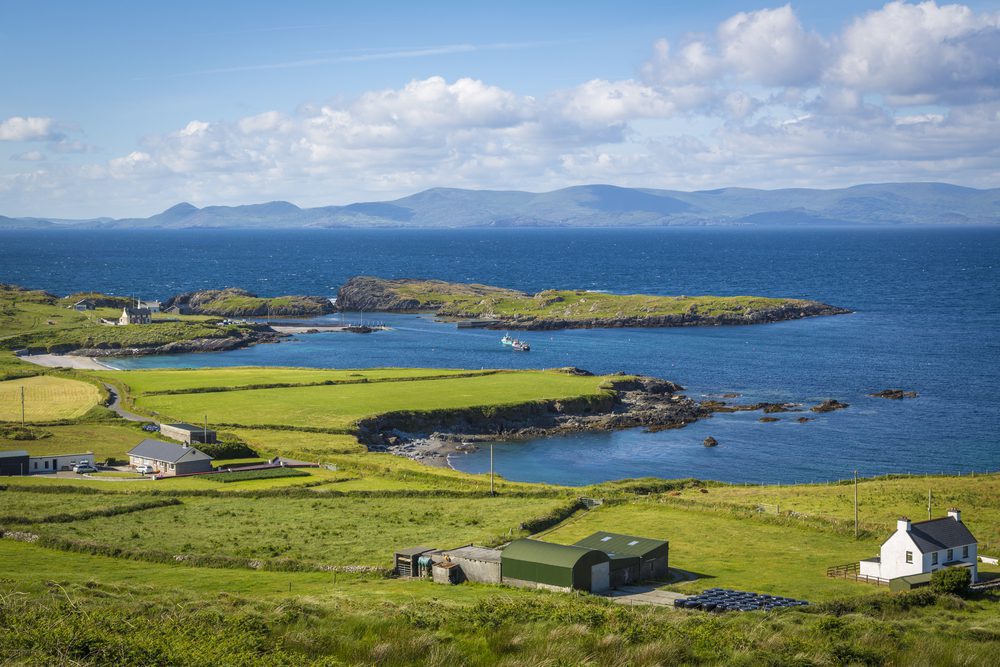
There’s a moment, just before landing in Ireland, when everything shifts. You look out the window and see it the patchwork of greens, the winding stone walls, the sudden appearance of a ruined castle rising from nowhere. It’s the exact moment that explains why Ireland earned its nickname, the Emerald Isle, and why so many travellers feel an immediate pull to explore its landscapes.
That first glimpse sets the tone for what follows: a country where history, myth, and raw natural beauty are layered so tightly together that every corner feels like a story waiting to unfold.
What makes Irish landmarks different from anywhere else in the world isn’t just their age though many date back to the 5th century and 6th century, long before much of Europe’s better-known sites it’s how alive they still feel. You’re not just visiting a heritage site or ticking off a list of famous landmarks. You’re walking through places that are still deeply woven into Irish identity.
Take somewhere like the Glendalough monastic site, tucked into a glacial valley in the Wicklow Mountains national park. It’s more than just a historic monastic site with a perfectly preserved round tower. It’s a place where you can stand among early Christian ruins, hear nothing but wind and birds, and feel a quiet connection to a world that existed over a thousand years ago. That’s the difference here these places don’t feel staged; they feel real.

Across Ireland, that sense of continuity is everywhere. A medieval castle isn’t just a relic it’s often tied to stories of Viking raids, Norman invasions, or figures like King John, whose influence still echoes through the country’s architecture. In cities like Dublin, landmarks such as Kilmainham Gaol and the Guinness Storehouse reveal a completely different layer of Irish history one shaped by rebellion, resilience, and culture.
Then there’s the natural side of Ireland’s landmarks, which are just as iconic as the built ones. Along the west coast in County Clare, the Atlantic crashes against towering cliffs, while further north, routes like the Causeway Coastal Route in Northern Ireland deliver some of the most dramatic coastal drives in the world. These aren’t just scenic stops they’re experiences shaped by weather, light, and time.
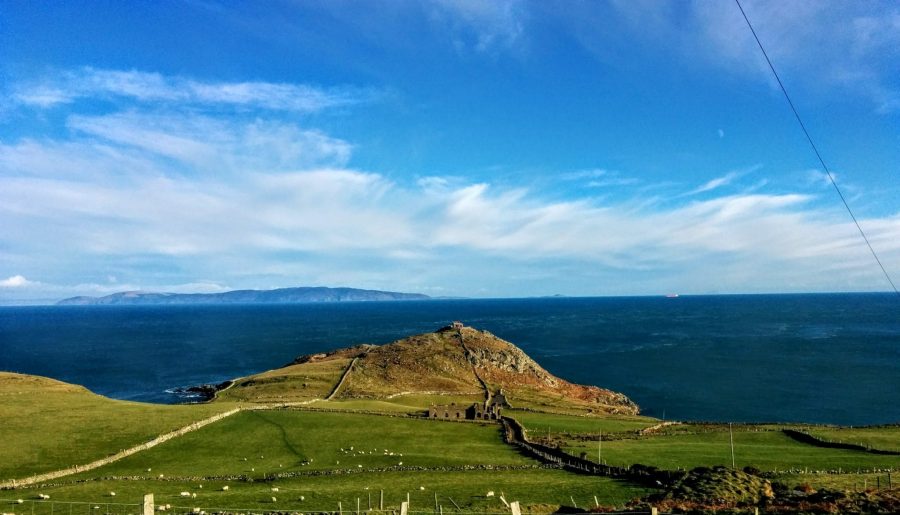
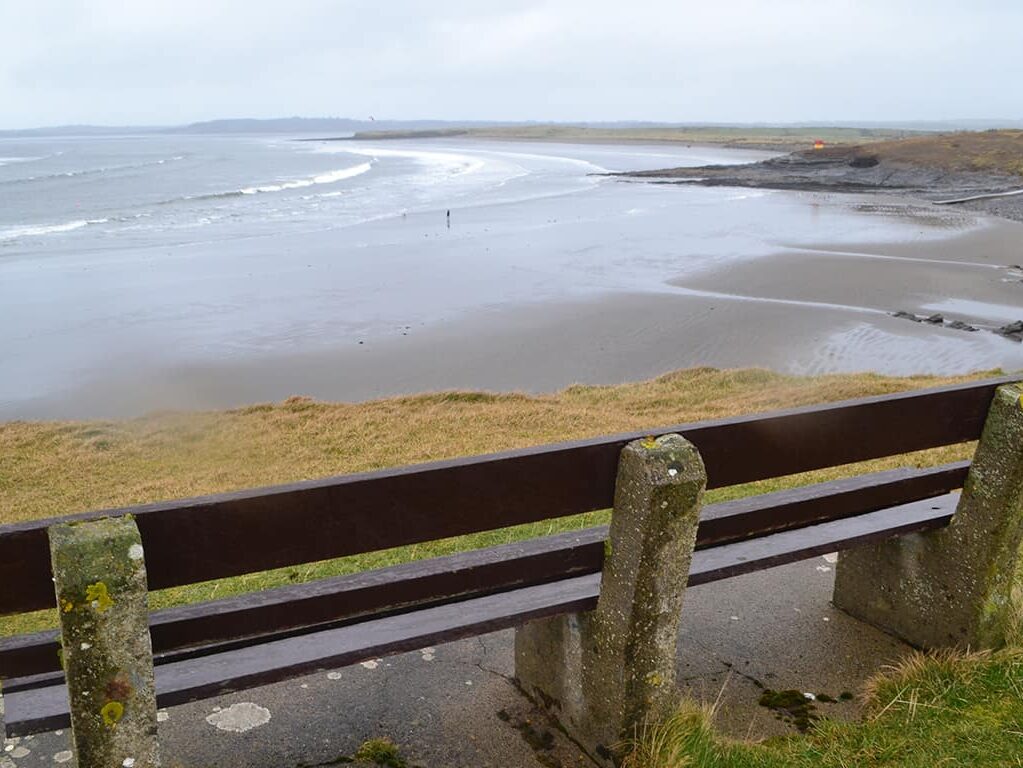
And of course, Ireland is home to globally recognised UNESCO World Heritage treasures. Sites like Skellig Michael, rising sharply from the Atlantic, or ancient passage tombs aligned with the winter solstice, remind you that Ireland has always held a deep connection to both spirituality and the natural world. These world heritage sites aren’t isolated monuments they’re part of a wider cultural landscape that still feels intact.
What I’ve learned from travelling across Ireland, from quiet rural counties to lively cities, is that you can’t rush it. Each landmark isn’t just a stop it’s a place to pause, to take in the view, and to understand the layers beneath it. Whether it’s a ruined abbey, like Mellifont a windswept coastal rock formation, or a centuries-old house tucked into the countryside, every location carries its own story.

In this guide, I’m not listing everything I’m focusing on the 30 most unforgettable Irish landmarks. The ones that stay with you long after you leave. The ones worth building an entire road trip around.
- 30 Outstanding Landmarks in Ireland: A Local's Guide
- How to Explore Irish Landmarks: Routes, Regions & Planning Your Trip
- Top 30 Irish Landmarks
- Cliffs of Moher (County Clare)
- Glendalough Monastic Site (County Wicklow)
- Blarney Castle (County Cork)
- Skellig Michael (County Kerry)
- Rock of Cashel (County Tipperary)
- Kilmainham Gaol (Dublin)
- Guinness Storehouse (Dublin)
- The Burren (County Clare)
- Newgrange (County Meath)
- Kylemore Abbey (County Galway)
- Ring of Kerry (County Kerry)
- Dublin Castle (Dublin)
- Connemara National Park (County Galway)
- Dingle Peninsula (County Kerry)
- Clonmacnoise Monastic Site (County Offaly)
- Achill Island (County Mayo)
- Glenveagh National Park (County Donegal)
- Jerpoint Abbey (County Kilkenny)
- St. Patrick’s Cathedral (Dublin)
- Slieve League Cliffs (County Donegal)
- Killarney National Park (County Kerry)
- The Rock of Dunamase (County Laois)
- Dunguaire Castle (County Galway)
- Cobh (County Cork)
- Croagh Patrick (County Mayo)
- Birr Castle & Gardens (County Offaly)
- The Guinness Lake (Lough Tay, County Wicklow)
- Hook Lighthouse (County Wexford)
- Galway City (County Galway)
- Trinity College & The Book of Kells (Dublin)
- FAQS – Irish Landmarks
- Start Planning Your Trip
- Exploring the fascinating regions of Ireland
How to Explore Irish Landmarks: Routes, Regions & Planning Your Trip
If there’s one thing I’ve learned after exploring Ireland extensively, it’s this: how you travel matters just as much as where you go. Irish landmarks aren’t designed to be rushed. They reveal themselves slowly through winding back roads, unexpected detours, and those unplanned stops where you pull over simply because the view demands it.
The best way to experience Ireland’s landmarks is, without question, by taking a road trip. Public transport will get you to major cities like Dublin, but it won’t bring you to the heart of a remote monastic site, a hidden coastal cliff, or a quiet medieval abbey tucked deep within a rural county. Driving gives you the freedom to explore Ireland properly to follow curiosity rather than a timetable.

Most first-time visitors gravitate toward the west coast, and for good reason. The Wild Atlantic coastline delivers some of the most iconic famous landmarks in Ireland, particularly in County Clare and Kerry. This is where you’ll find dramatic cliffs, ancient stone structures, and landscapes that feel almost untouched by time. It’s also where you begin to understand how Ireland’s natural beauty and human history are inseparable.
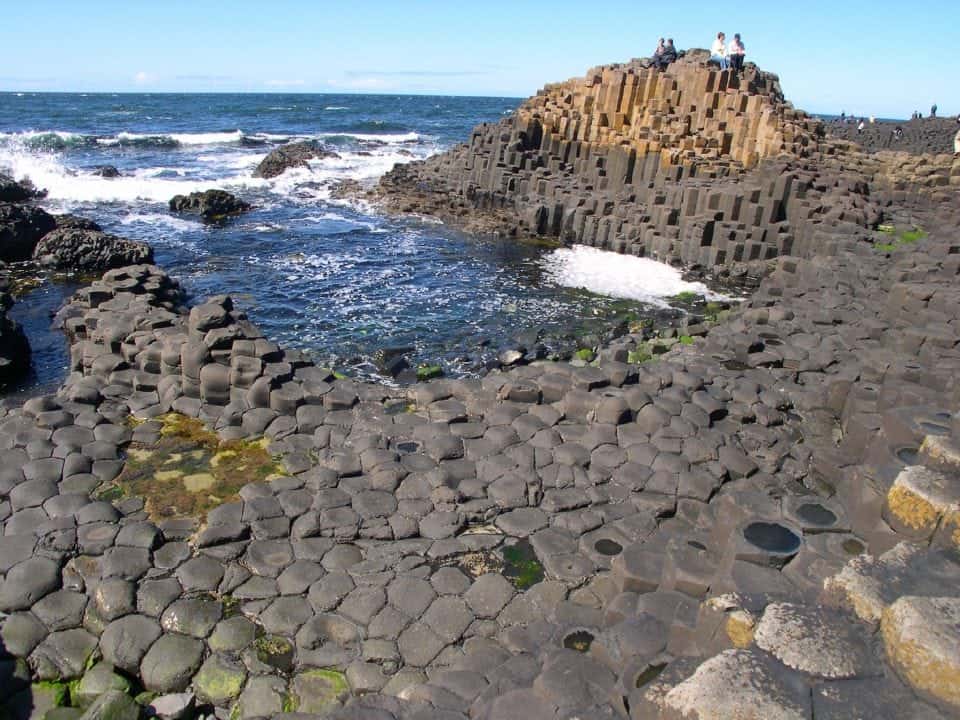
For those wanting a structured route, the Causeway Coastal Route in Northern Ireland offers one of the most scenic drives in the world. It’s a journey that blends rugged coastline with myth-rich locations and carefully preserved heritage sites. But even outside of well-known routes, Ireland rewards those willing to explore lesser-known regions. Some of the most powerful experiences I’ve had came from pulling off the main road and discovering a quiet castle ruin or a centuries-old round tower with barely another visitor in sight. Take a look at my article on 101 Landmarks in Northern Ireland for more information.

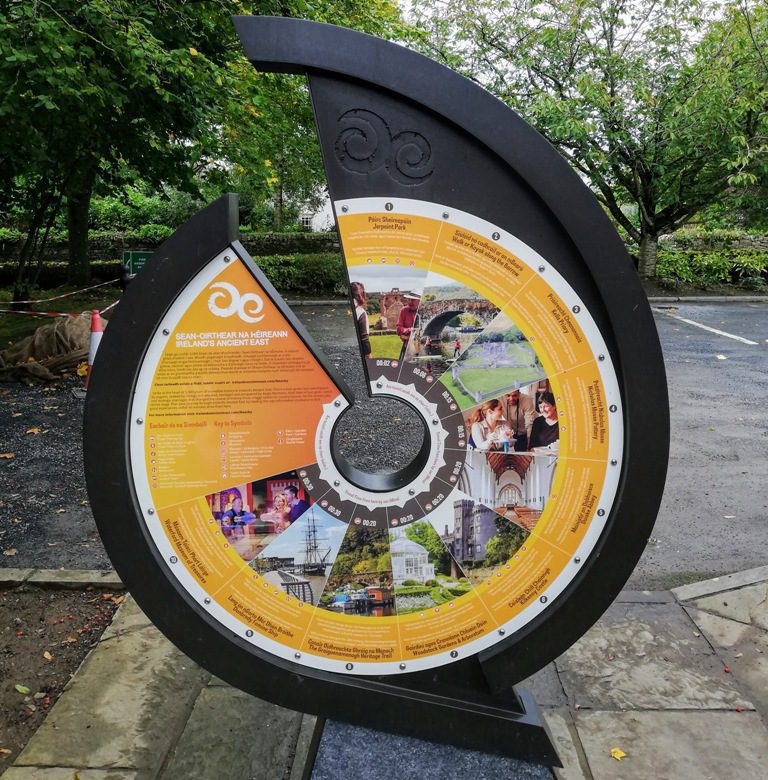
Ireland’s Ancient East, often overlooked, is equally rich particularly for those interested in ancient and medieval history. Here, you’ll find dense clusters of heritage landmarks, including early Christian settlements, grand estates, and some of the country’s most significant UNESCO World Heritage locations. It’s also where sites aligned with events like the winter solstice offer a glimpse into Ireland’s prehistoric past.
Beyond the well-trodden paths of the Wild Atlantic Way and the bustling streets of Dublin lie Ireland’s hidden heartlands—a quiet, rolling tapestry of drumlins, loughs, and boglands that stretch across counties like Roscommon, Longford, and Leitrim.
Here, time seems to move at the pace of a slow cloud shadow drifting over a pasture, where ancient ringforts slumber unnoticed in sheep-dotted fields and the echo of a lone curlew carries farther than the nearest town’s church bell. In these unassuming landscapes, you’ll find the true essence of old Ireland: villages where the pub is still the hearth of the community, storytellers who remember the fireside tales, and calm, unpolished beauty that rewards those who wander without a plan.
Timing your trip can also completely change your experience. Summer brings long days and lively visitor centre activity, but it also draws crowds to the most famous sites. In contrast, visiting in autumn or early spring gives you space those same landmarks feel quieter, more atmospheric, and often more authentic. I’ve stood at major sites with barely anyone else around, and those moments tend to stay with you the longest.

Ireland isn’t a place you conquer in a single trip. It’s a country you return to, again and again, each time uncovering another layer another location, another story, another connection to its deep-rooted past.
And with that in mind, it’s time to dive into the landmarks themselves the places that truly define Ireland.
Top 30 Irish Landmarks
Cliffs of Moher (County Clare)
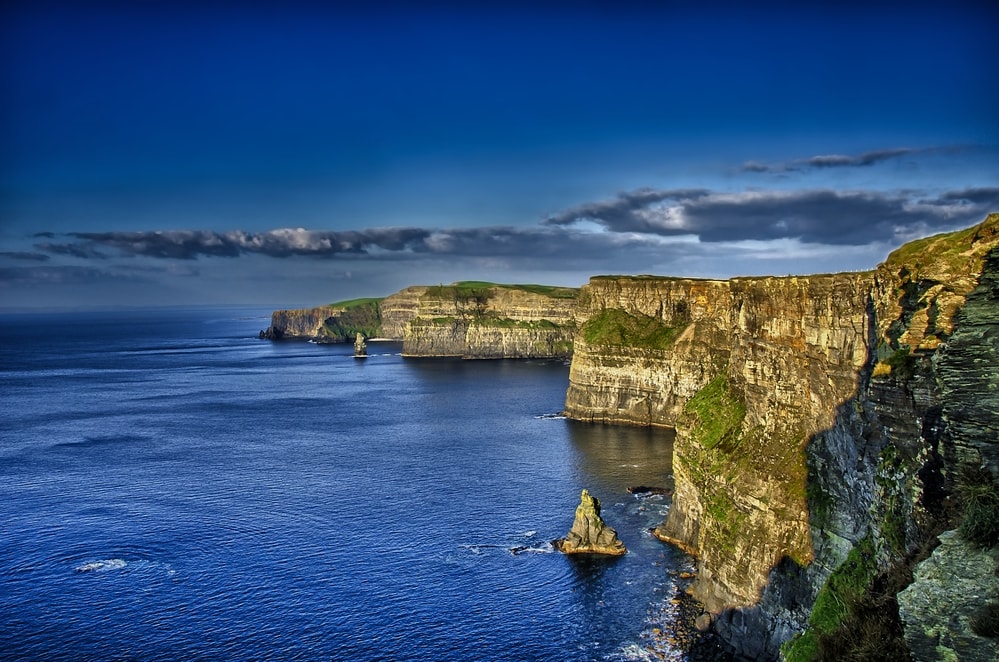
Few Irish landmarks capture the imagination quite like the Cliffs of Moher. Rising dramatically from the Atlantic along the coast of County Clare, these towering cliffs stretch for miles, their jagged edges constantly shaped by wind and sea. I’ve visited more than once, and no two experiences have ever been the same sometimes you’re met with crystal-clear views across the ocean, other times the mist rolls in and transforms the entire location into something almost otherworldly.
Standing at the edge, you quickly realise why this is one of the most famous landmarks in Ireland. The scale is hard to comprehend until you’re there, looking down at waves crashing hundreds of feet below. The on-site visitor centre blends seamlessly into the landscape and offers context on the geology and wildlife, but the real magic happens when you step away from the crowds and walk along the cliff path.
This stretch of coastline is part of a broader network of protected heritage sites, and it embodies the raw, untamed beauty that defines Ireland’s west. It’s not just a viewpoint it’s an experience shaped by nature, history, and atmosphere. If you are in doubt and want to visit the best of Irish cliffs you can read my post on Moher vs Kerry vs Slieve League.
Glendalough Monastic Site (County Wicklow)
There’s something deeply grounding about walking through the Glendalough monastic site. Nestled within a glacial valley in the Wicklow Mountains national park, this early Christian settlement dates back to the 6th century, founded by St. Kevin.
What immediately stands out is the perfectly preserved round tower, rising above the ruins like a marker of time itself. But beyond the structures the cathedral, stone churches, and ancient graves it’s the setting that makes this place unforgettable. Surrounded by lakes the Wicklow mountains and forested hills, Glendalough feels both peaceful and powerful at the same time.
This isn’t just a historic site; it’s one of Ireland’s most important spiritual landscapes. You can wander freely through the ruins, follow walking trails deeper into the valley, and begin to understand how early monks chose places like this remote, beautiful, and completely immersed in nature.

Blarney Castle (County Cork)
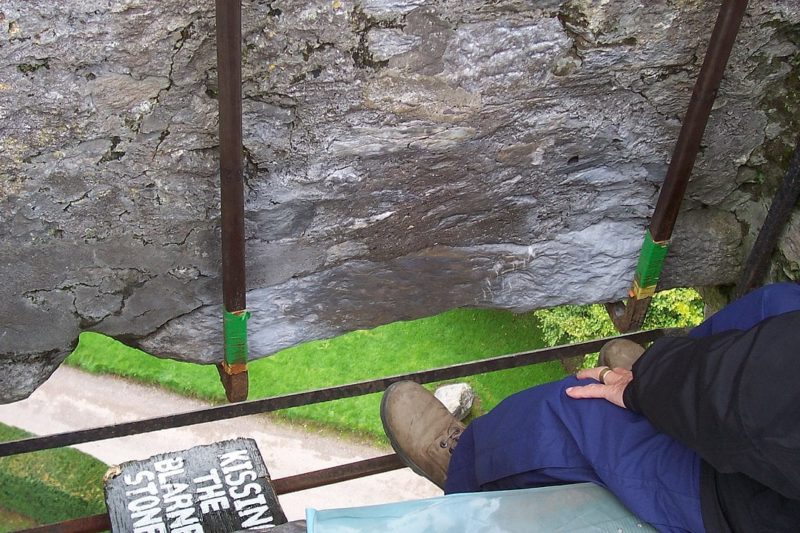
There’s a reason Blarney Castle consistently ranks among the most famous places in Ireland. Yes, people come to kiss the stone and I’ll admit, leaning backwards from the castle wall is a slightly surreal experience but there’s far more to this medieval castle than that single moment.
The castle itself dates back to the 15th century, and climbing its narrow stone staircases feels like stepping directly into Ireland’s past. But what really surprised me was the surrounding estate. The gardens are expansive, filled with hidden corners, ancient trees, and even mystical features like the Poison Garden.
This is one of those landmarks where history, folklore, and tourism intersect. It’s busy, yes but it earns its place on any Ireland itinerary because it offers a full experience, not just a photo opportunity.

Skellig Michael (County Kerry)
Few places in Ireland feel as remote or as unforgettable as Skellig Michael, a designated UNESCO World Heritage site rising sharply from the Atlantic Ocean. Reaching it requires a boat journey, and even then, weather conditions don’t always allow landings. But if you make it, the experience is unlike anything else.
Climbing the steep stone steps carved into the island leads you to an ancient monastic site, believed to date back to the early medieval period. The beehive huts built by monks still stand, remarkably intact, perched high above the sea.
It’s hard to describe the feeling of standing there. The isolation, the sound of the wind, the sheer drop into the ocean it all adds up to something profound. This isn’t just a landmark; it’s a testament to human endurance and spiritual devotion.


Rock of Cashel (County Tipperary)
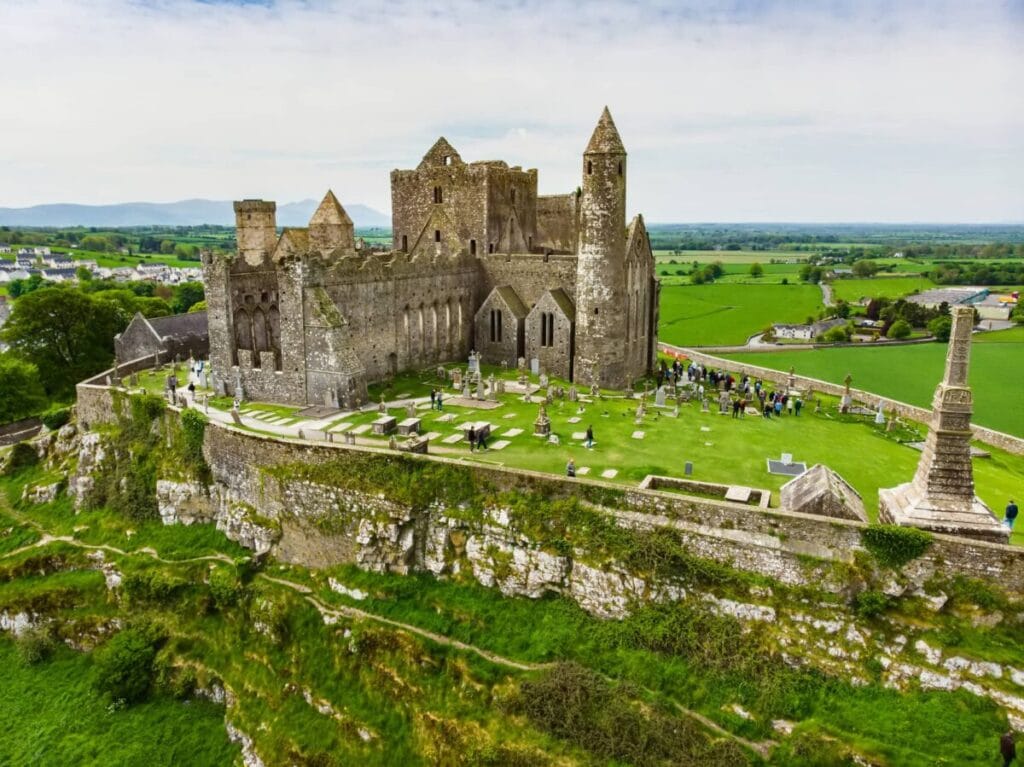
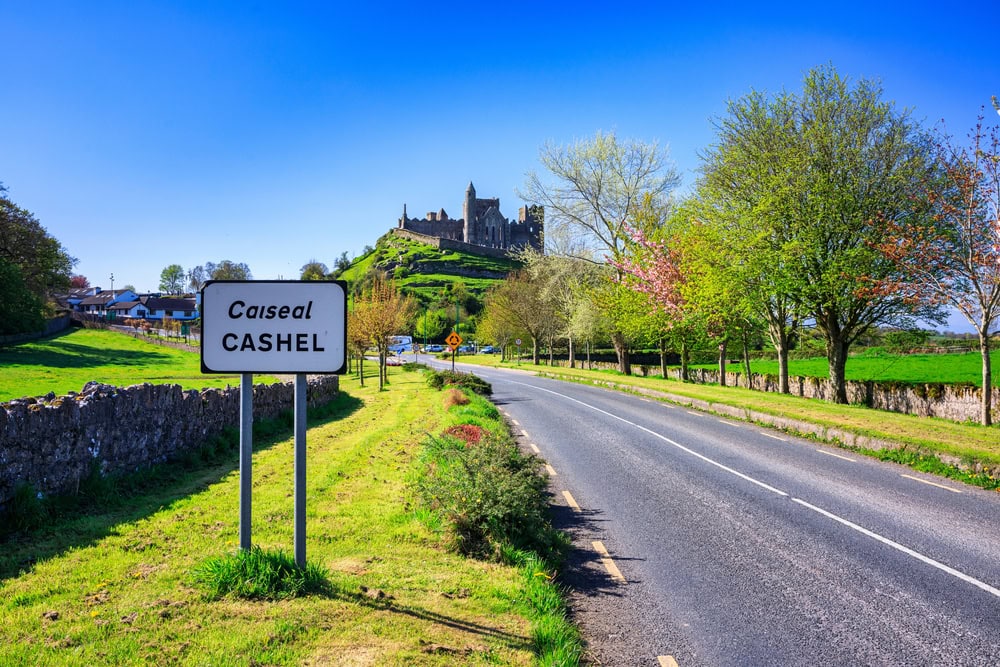
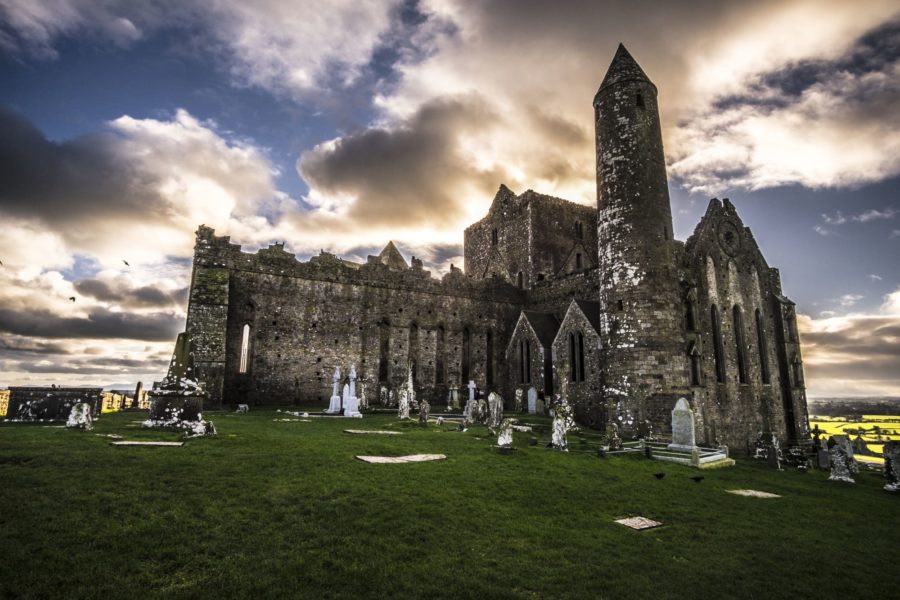
Rising dramatically from the surrounding countryside, the Rock of Cashel is one of Ireland’s most iconic historic heritage sites. This cluster of medieval buildings including a cathedral, chapel, and round tower sits atop a limestone outcrop, visible for miles across the county.
Walking through the complex, you can trace centuries of Irish history, from early religious foundations to its role in political power struggles. The 12th-century chapel, with its rare frescoes, is particularly striking.
What makes this site stand out isn’t just its architecture it’s its presence. You see it long before you reach it, and once you’re there, the panoramic view of the surrounding landscape adds to its impact.
Kilmainham Gaol (Dublin)
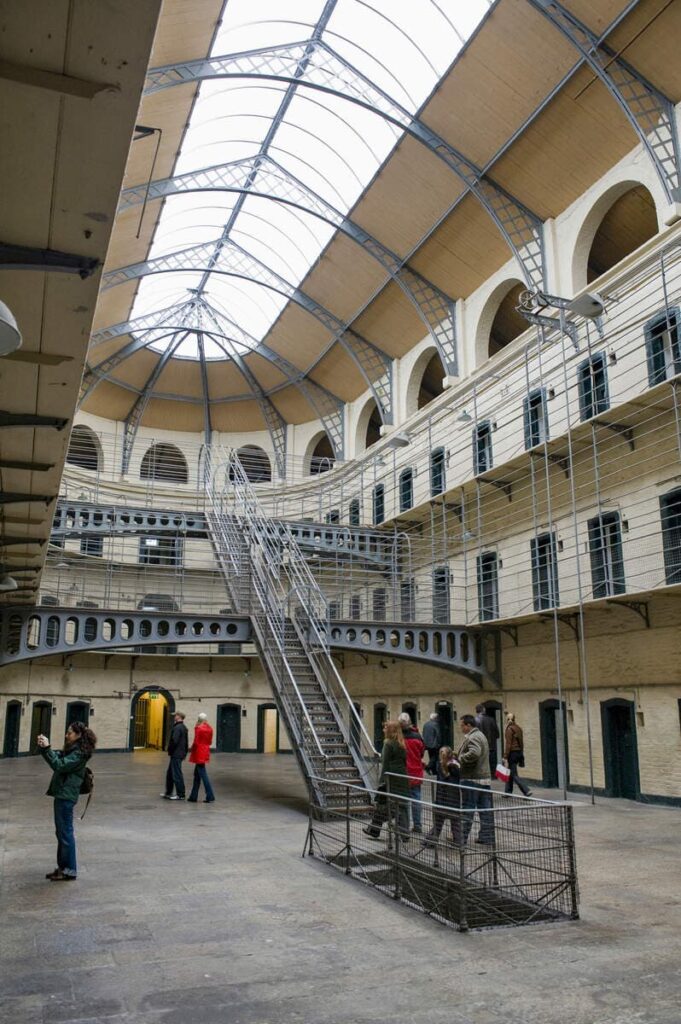
If you want to understand modern Irish history, a visit to Kilmainham Gaol in Dublin is essential. This former prison, now a museum, tells the story of Ireland’s struggle for independence through the lives of those who were held and executed within its walls.
Walking through the corridors is a powerful experience. The cells are stark, the atmosphere heavy, and the stories shared during guided tours bring everything into sharp focus. It’s not just a historical site it’s an emotional one.
This is one of those landmarks that stays with you long after you leave, offering a deeper understanding of Ireland beyond its landscapes.
Guinness Storehouse (Dublin)
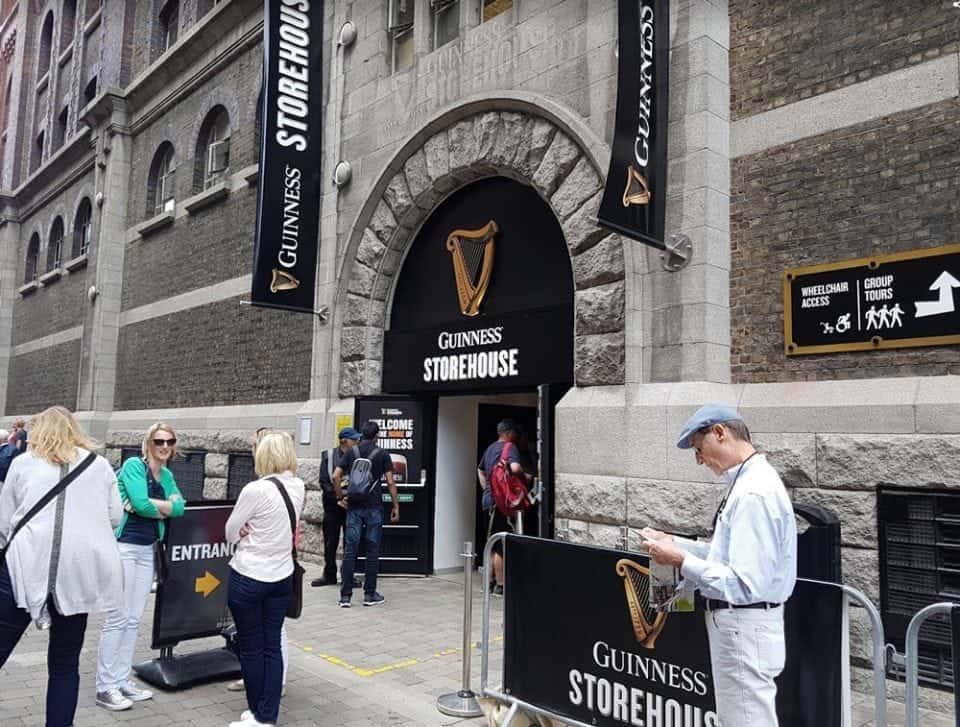
At first glance, the Guinness Storehouse might seem like a modern addition compared to Ireland’s ancient landmarks, but it’s just as important culturally. Located in Dublin, this immersive experience takes you through the story of Ireland’s most famous export.
The highlight, of course, is the Gravity Bar at the top, where you’re rewarded with a panoramic view of the city while enjoying a perfectly poured pint. But what makes this place stand out is how it connects Ireland’s industrial past with its present-day identity.
It’s more than a brewery it’s a symbol of Irish culture recognised around the world.
The Burren (County Clare)
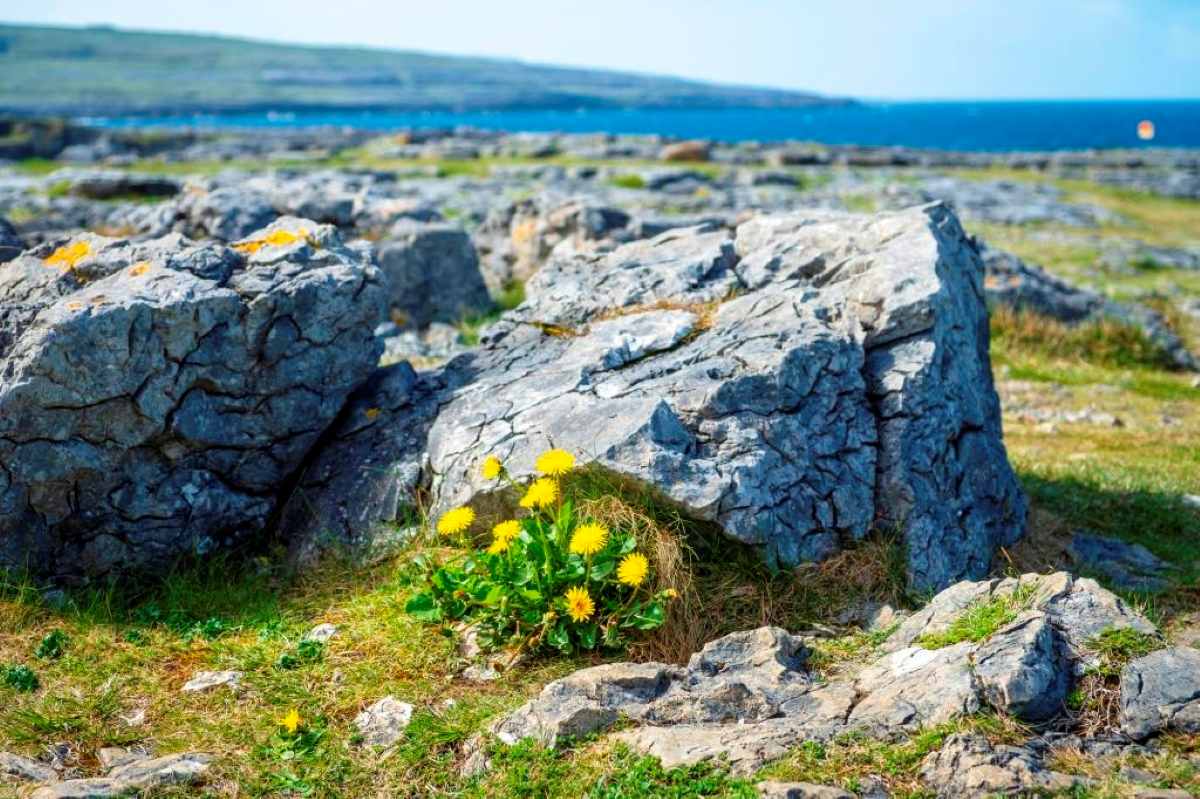
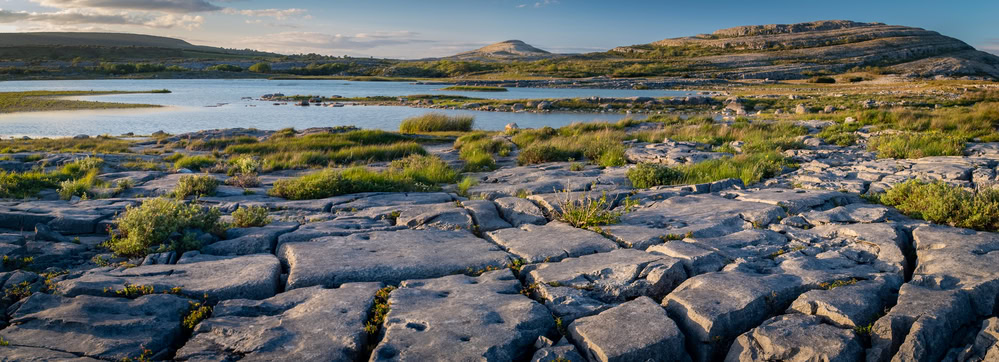
The Burren feels like stepping onto another planet. Located in County Clare, this vast limestone landscape is unlike anywhere else in Ireland or even Europe. Cracked rock pavements stretch across the land, dotted with rare flora and ancient tombs.
This region is rich in archaeology, with numerous prehistoric sites scattered throughout. It’s also closely tied to Ireland’s mythological past, adding another layer of intrigue.
Exploring the Burren isn’t about ticking off a single landmark it’s about immersing yourself in a landscape that tells a story spanning thousands of years.
Newgrange (County Meath)
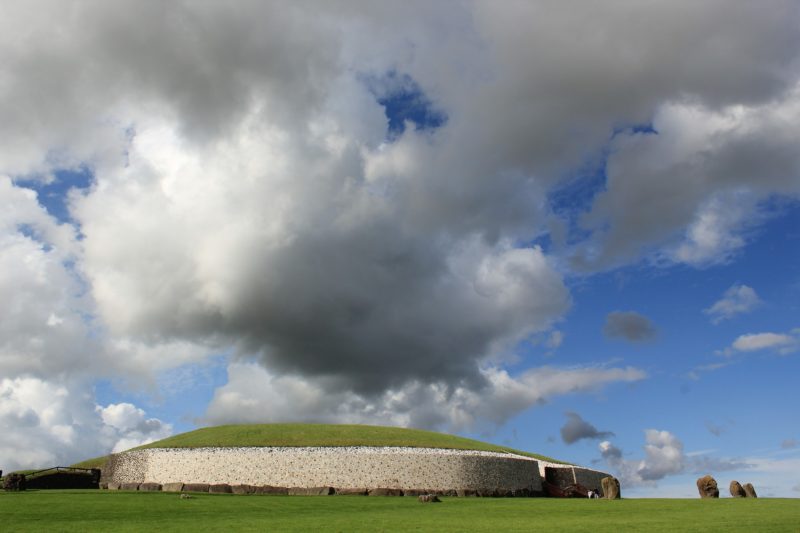
Older than the pyramids of Egypt, Newgrange is one of Ireland’s most extraordinary prehistoric heritage sites and part of a wider UNESCO World Heritage complex.
This ancient passage tomb is best known for its alignment with the winter solstice, when sunlight enters the chamber and illuminates its interior. Even outside of that event, visiting Newgrange is a powerful experience.
The structure itself is massive, and the precision with which it was built over 5,000 years ago is remarkable. It’s a place that challenges your sense of time and connects you to Ireland’s earliest inhabitants.

Kylemore Abbey (County Galway)
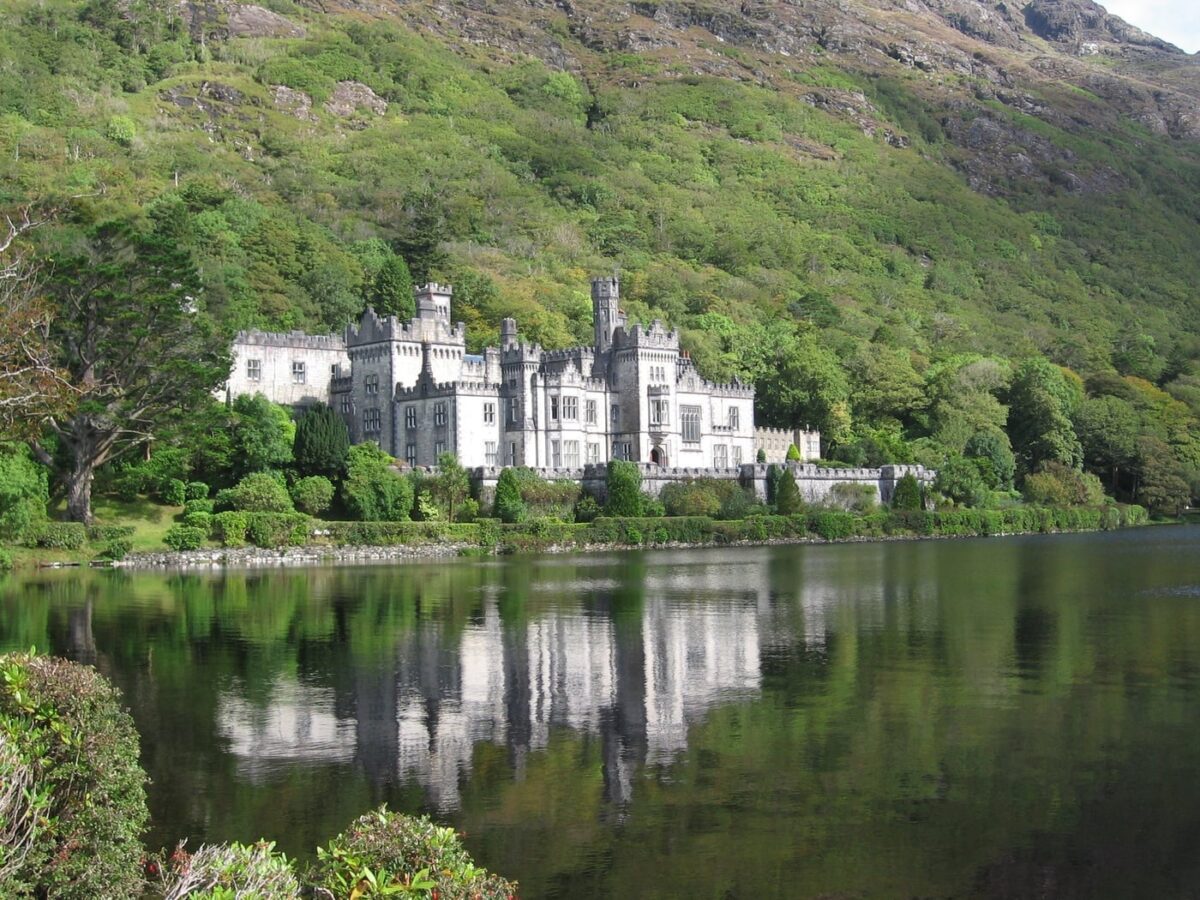
Set against a backdrop of mountains and reflected in a still lake, Kylemore Abbey is one of the most visually striking landmarks in Ireland. Originally built as a private house in the 19th century, it later became a Benedictine abbey.
Walking the grounds, you’ll find beautifully restored Victorian gardens, woodland paths, and a sense of calm that contrasts with some of Ireland’s more rugged locations.
It’s a place where architecture, nature, and history come together seamlessly quiet, elegant, and deeply memorable.


Ring of Kerry (County Kerry)
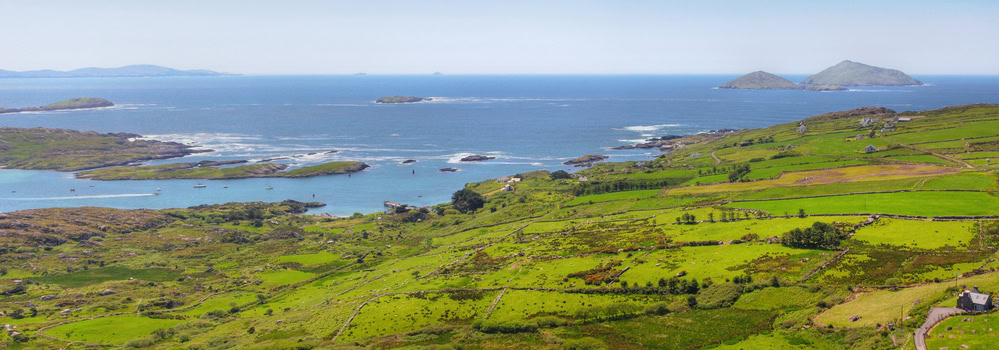
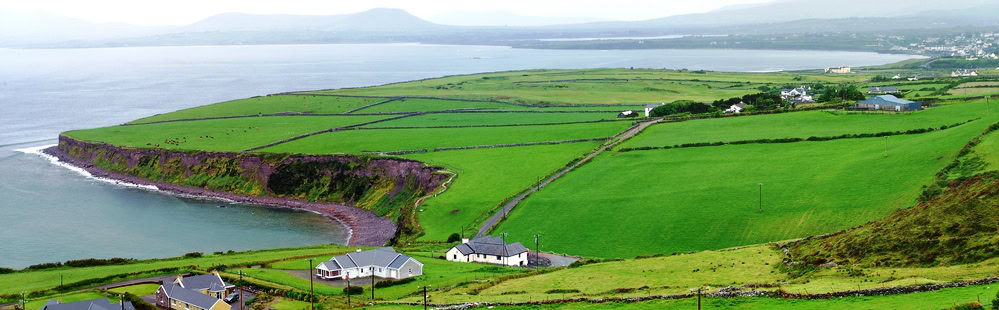
If you want a single journey that captures the essence of Ireland, the Ring of Kerry is it. This circular road trip route winds through one of the most scenic parts of the country, revealing a constantly changing landscape of mountains, lakes, coastline, and traditional Irish villages.
Driving it feels less like ticking off a route and more like moving through a living postcard. One moment you’re overlooking vast Atlantic views, the next you’re passing through quiet countryside dotted with stone walls and historic sites. What stands out most is how seamlessly the natural and cultural landscapes blend together.
This part of Ireland has been shaped over centuries not just by nature, but by people who have lived here for generations. It’s a journey that captures the rhythm of rural Irish life, and one that rewards slowing down. For travelers seeking authentic Irish landscapes, it’s Dingle vs the Ring of Kerry each offering stunning views, but Dingle wins for those who want fewer tour buses and a bit more craic.

Dublin Castle (Dublin)
In the heart of Dublin, Dublin Castle stands as a powerful symbol of Ireland’s complex past. Originally built in the 13th century on a Viking settlement, it served as the centre of British administration in Ireland for centuries.
Walking through the castle grounds today, you move between architectural styles and historical eras. From medieval foundations to grand state apartments, the site reflects the layers of Irish history that have unfolded here.
What I find most compelling about Dublin Castle is its transformation. Once a symbol of control, it now plays a role in modern Irish state ceremonies an evolution that mirrors Ireland’s journey as a nation.

Connemara National Park (County Galway)
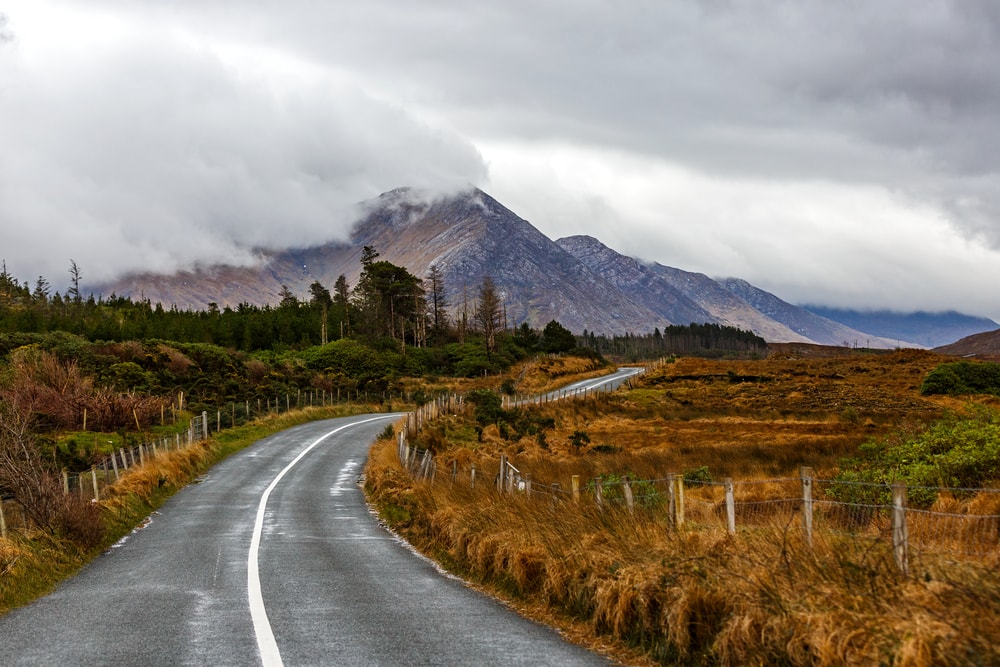
Wild, rugged, and beautifully untamed, Connemara National Park offers a completely different perspective on Irish landscapes. Located in County Galway, this protected national park is a place where mountains, boglands, and open skies dominate.
Hiking here feels immersive in a way that’s hard to replicate elsewhere. The trails vary from gentle walks to more demanding climbs, but all offer sweeping views that stretch across the region.
What makes Connemara special isn’t just its beauty it’s the sense of space. You can walk for hours and feel completely removed from the modern world, surrounded by a landscape that has remained largely unchanged for centuries.

Dingle Peninsula (County Kerry)
The Dingle Peninsula is often described as one of the most beautiful places on earth, and after experiencing it, it’s easy to see why. Stretching into the Atlantic, this region combines dramatic coastline with deep-rooted Irish culture.
Driving along Slea Head, you’ll encounter ancient stone huts, early Christian ruins, and breathtaking ocean views. It’s a place where the past feels incredibly close where language, tradition, and landscape all intertwine.
Unlike some of Ireland’s busier destinations, Dingle still retains a strong sense of authenticity. It’s not just a scenic location it’s a cultural experience.


Clonmacnoise Monastic Site (County Offaly)
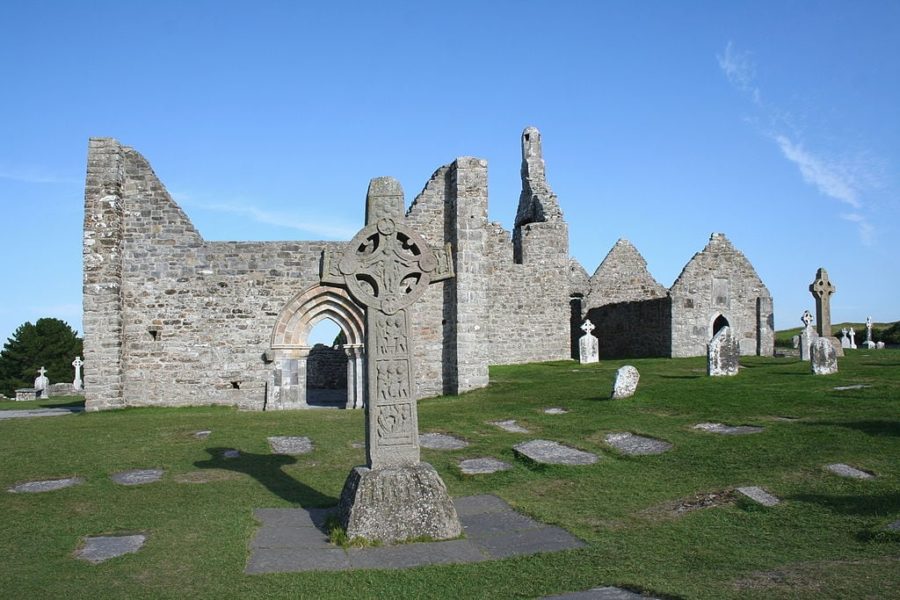
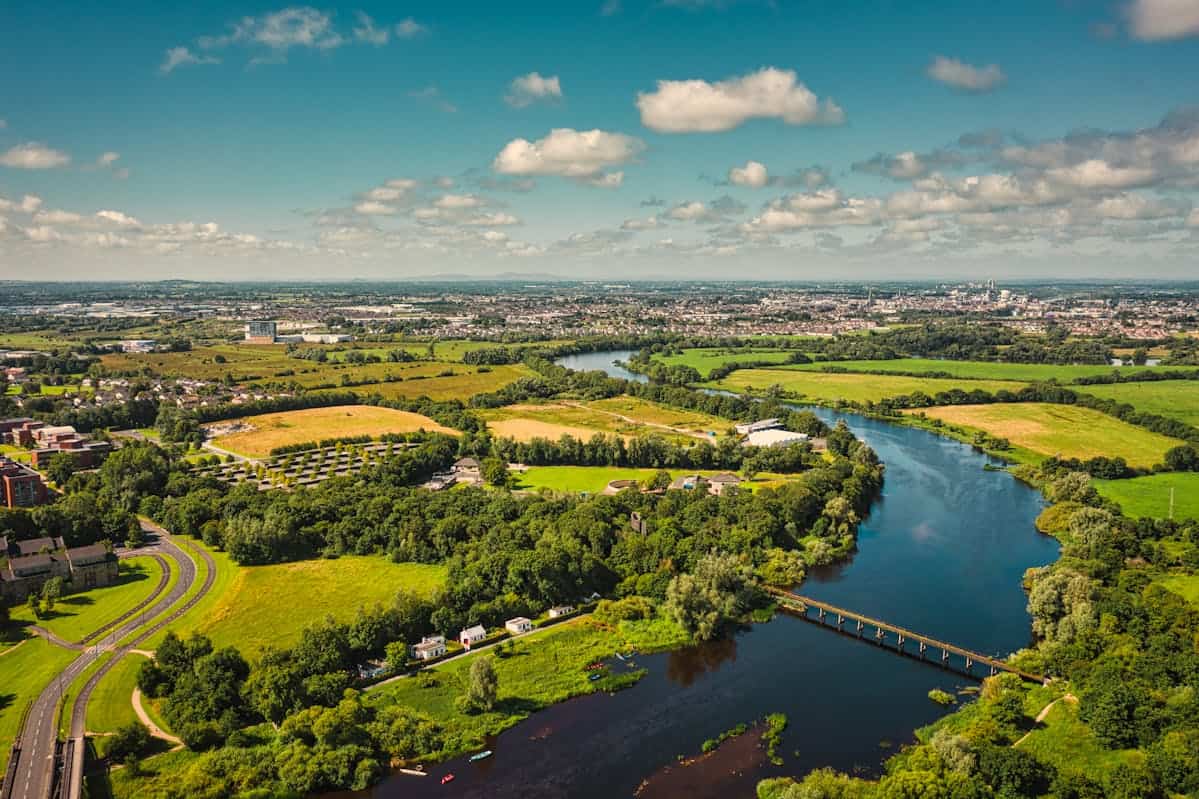
Situated along the River Shannon, Clonmacnoise is one of Ireland’s most important early Christian monastic sites, dating back to the 6th century. Founded by St. Ciarán, it became a major centre of religion, learning, and craftsmanship.
The site includes a cathedral, multiple churches, high crosses, and a striking round tower. Walking through it, you can almost imagine the community that once thrived here scholars, monks, and pilgrims passing through.
What sets Clonmacnoise apart is its atmosphere. It’s open, expansive, and deeply connected to the surrounding landscape, making it one of the most evocative historic sites in Ireland.
Achill Island (County Mayo)
Achill Island feels like Ireland at its wildest. Connected to the mainland by a bridge, it offers dramatic coastal scenery, rugged cliffs, and some of the most beautiful beaches in the country.
The island’s coastline stretches for miles, and driving here feels like an adventure in itself. You’ll find abandoned villages, quiet coves, and sweeping Atlantic views that change with the light and weather.
There’s a rawness to Achill that’s hard to describe it’s not polished or curated. It’s simply Ireland, untouched and unforgettable.

Glenveagh National Park (County Donegal)
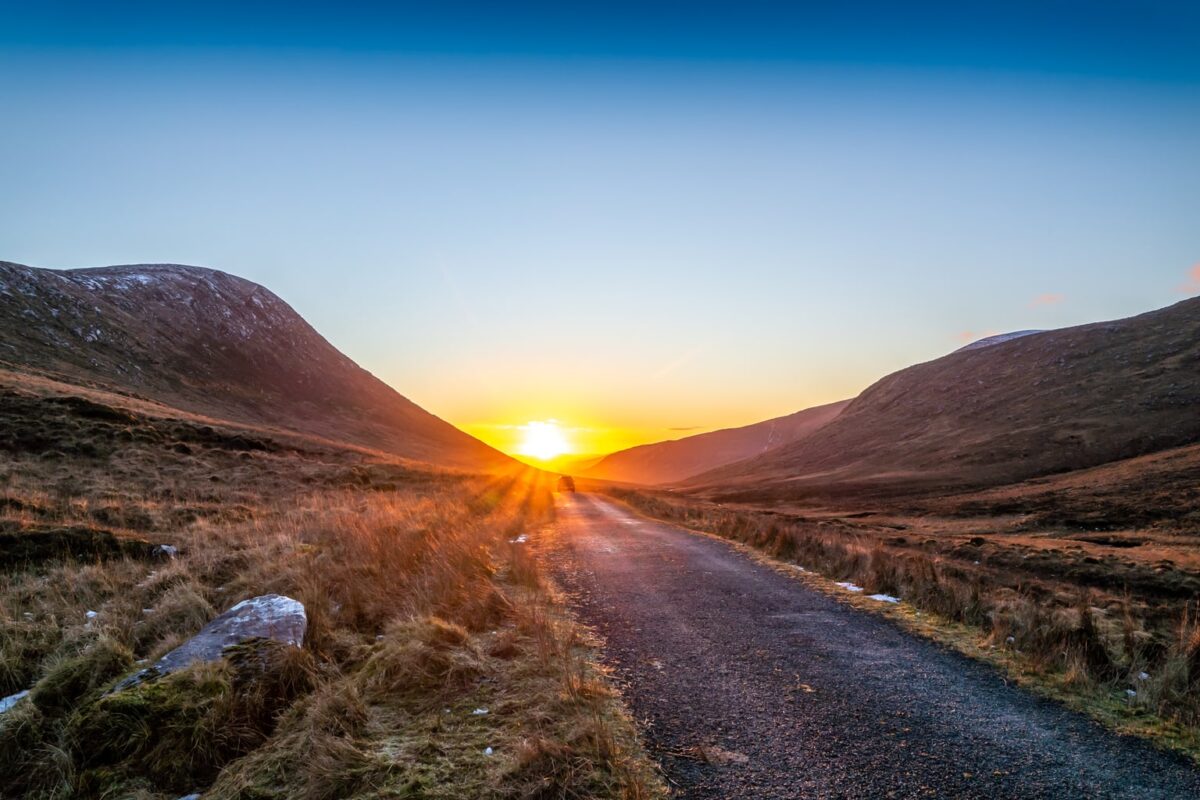
Tucked away in County Donegal, Glenveagh National Park is one of Ireland’s most remote and atmospheric landscapes. It’s the kind of place that feels slightly hidden, even when you’re there.
At its heart sits Glenveagh Castle, a 19th-century house surrounded by gardens and wilderness. But beyond the castle, the park stretches into mountains, lakes, and vast open spaces.
What makes Glenveagh stand out is its sense of isolation. It’s quieter than many other national parks, offering a more reflective and immersive experience for those willing to explore it.
Jerpoint Abbey (County Kilkenny)
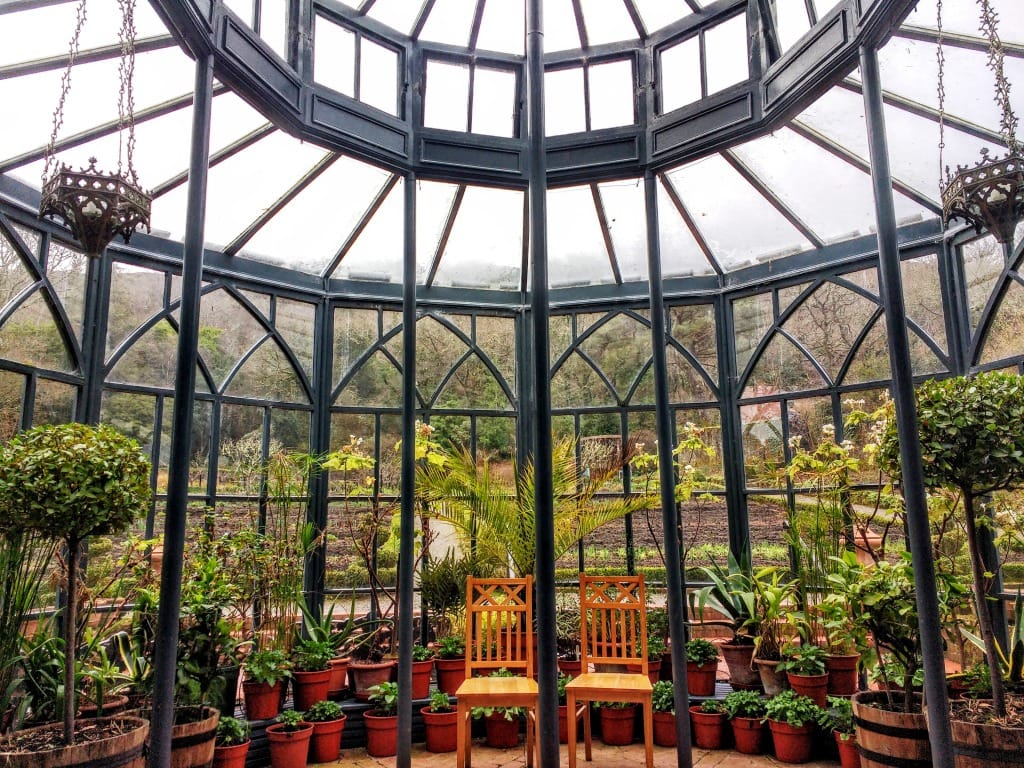
Among Ireland’s many historic religious sites in the Ancient East, Jerpoint Abbey stands out for its remarkable detail. Founded in the 12th century, this Cistercian abbey is known for its beautifully preserved stone carvings and cloister arcade.
Walking through the ruins, you’ll notice the craftsmanship immediately intricate figures, symbolic carvings, and architectural precision that has endured for centuries.
It’s a quieter landmark compared to others, but in many ways, that enhances the experience. You can take your time here, absorbing the detail and reflecting on the lives that once filled this space.


St. Patrick’s Cathedral (Dublin)
As the largest cathedral in Ireland, St. Patrick’s Cathedral is a landmark that blends religious significance with architectural grandeur. Located in Dublin, it dates back over 800 years.
Inside, the space feels vast and serene, filled with light filtering through stained glass windows. It’s still an active place of worship, which adds to its sense of continuity and relevance.
This isn’t just a historic site it’s a living part of Ireland’s spiritual and cultural landscape.

Slieve League Cliffs (County Donegal)
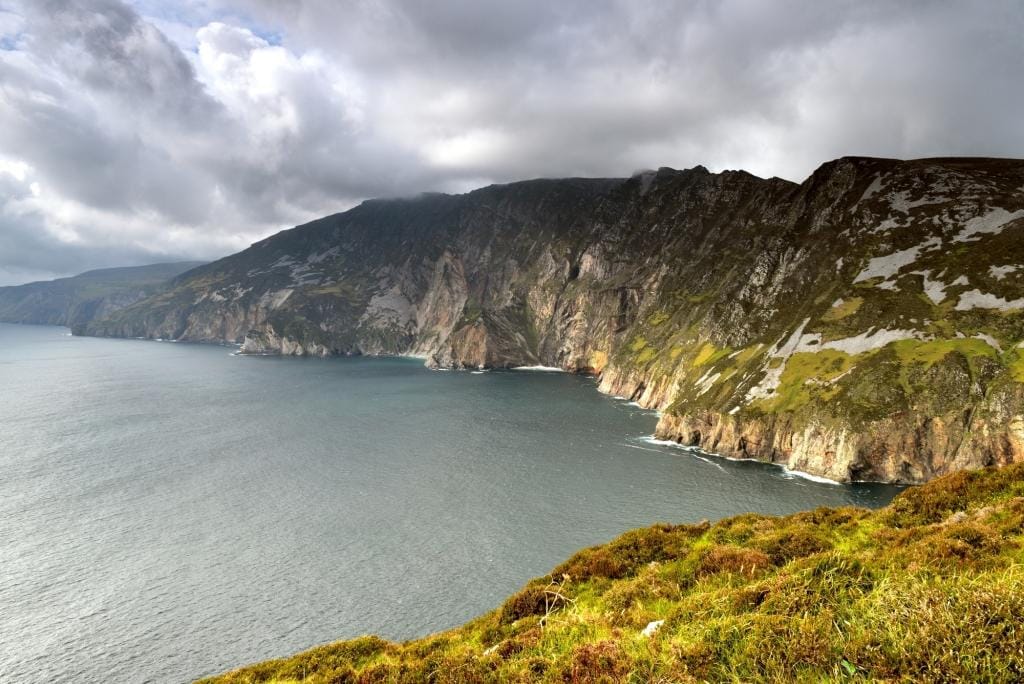
While often compared to the Cliffs of Moher, Slieve League offers something different height, scale, and solitude. These cliffs are among the highest in Europe, rising dramatically above the Atlantic in County Donegal.

What struck me most here was the sense of space. There are fewer crowds, fewer barriers, and a more direct connection to the landscape. The wind, the sound of the waves, the vastness of the ocean it all feels more immediate.
It’s one of those places where you don’t just look at the view you feel it. If you have mobility issues take a look at my Accessible Donegal article.

Killarney National Park (County Kerry)
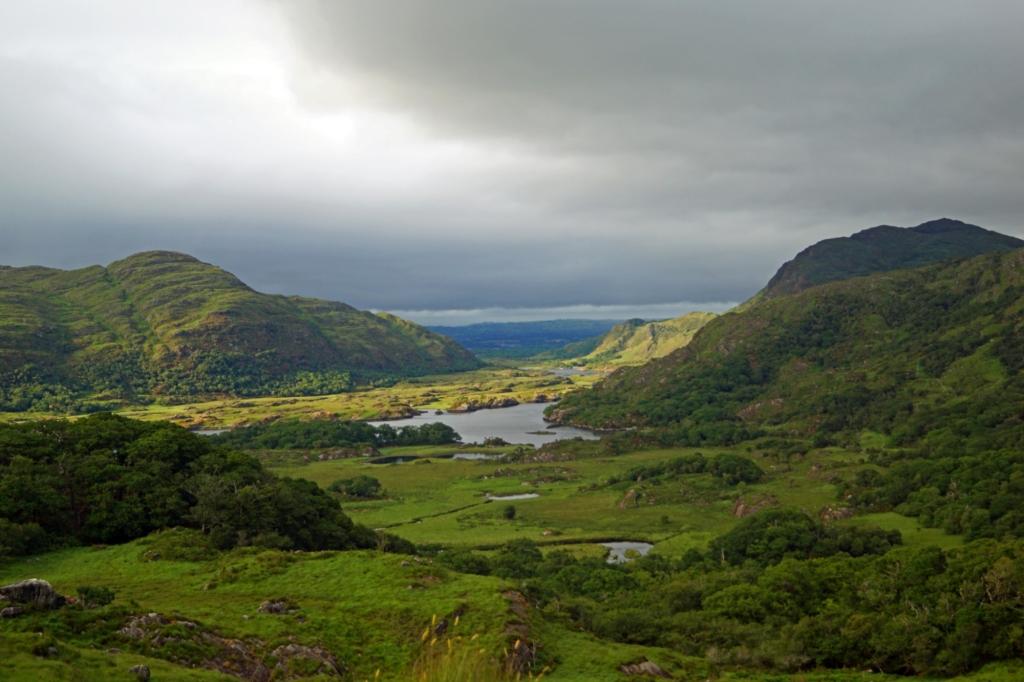
There are places in Ireland where everything seems to come together effortlessly, and Killarney National Park is one of them. Spanning lakes, woodlands, mountains, and waterfalls, this protected national park feels like a condensed version of the Irish landscape at its very best.
I’ve spent full days here without ever feeling like I’d seen enough. You can walk along quiet forest trails, take in sweeping lake views, or cycle through routes that reveal new perspectives at every turn. The park is also home to historic sites, including Muckross House, which offers insight into life in a grand Irish house from another era.
What makes Killarney special is its accessibility without losing authenticity. It’s popular, yes but it never feels overrun. Instead, it feels alive.


The Rock of Dunamase (County Laois)
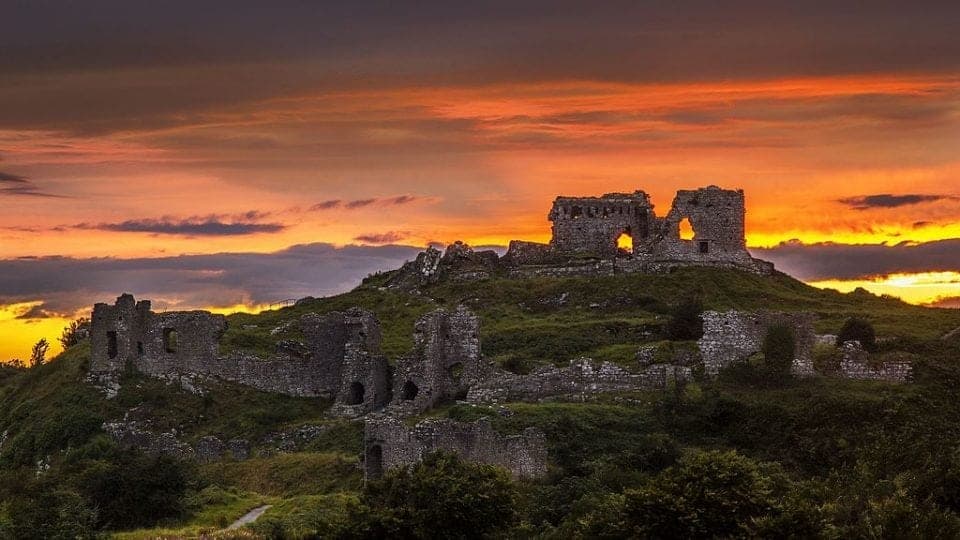
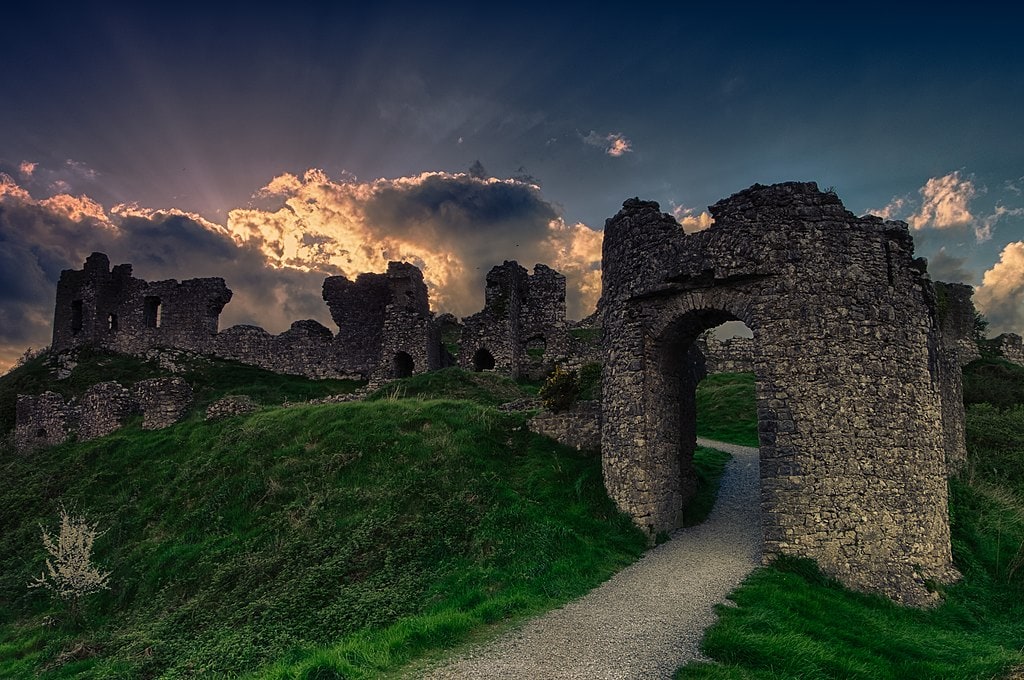
Perched high above the surrounding countryside, the Rock of Dunamase is one of those landmarks that immediately captures your attention. The ruins of this medieval castle sit dramatically atop a rocky outcrop, offering panoramic views across the county.
There’s something striking about its simplicity. Unlike more restored sites, Dunamase remains largely untouched, which adds to its atmosphere. You can wander freely among the ruins, imagining the stronghold it once was.
It’s a place that feels both powerful and quiet a reminder of Ireland’s past without the layers of modern interpretation.
Dunguaire Castle (County Galway)
Set along the edge of Galway Bay, Dunguaire Castle is one of the most photographed castles in Ireland and for good reason. Its position, rising directly from the water’s edge, gives it a storybook quality that’s hard to ignore.
Dating back to the 16th century, the castle is closely tied to Ireland’s literary revival. Figures like W.B. Yeats and Lady Gregory gathered here, connecting the site not just to medieval history, but to Ireland’s cultural identity.
It’s a smaller castle, but one that leaves a lasting impression, especially when seen at sunset with the bay reflecting the light.

Cobh (County Cork)
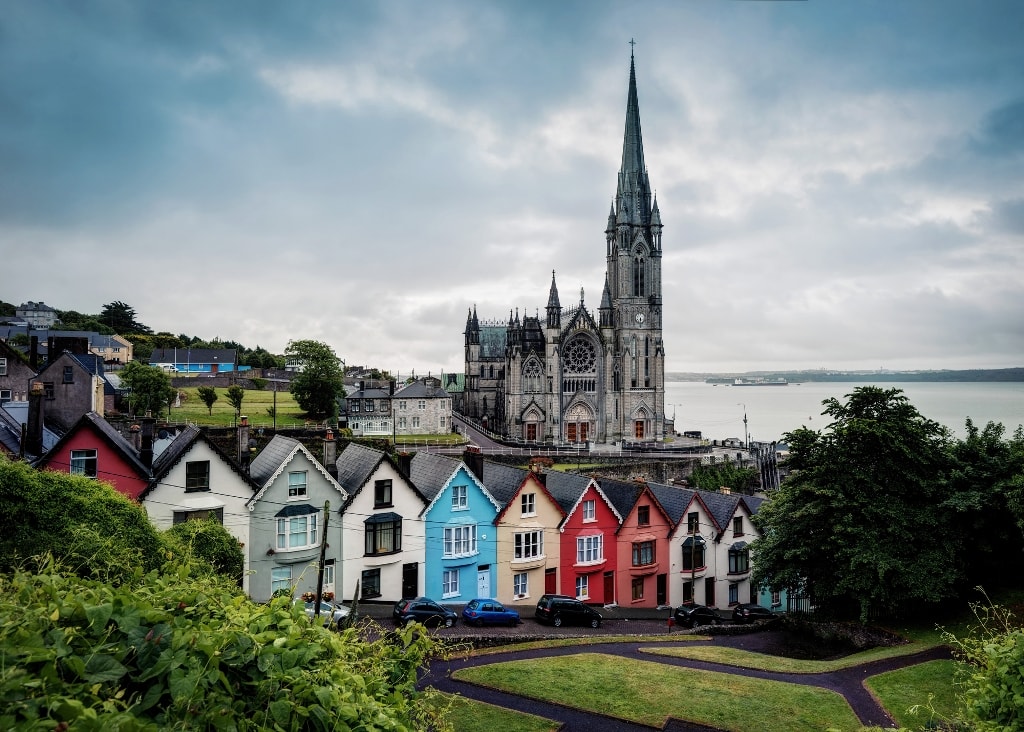
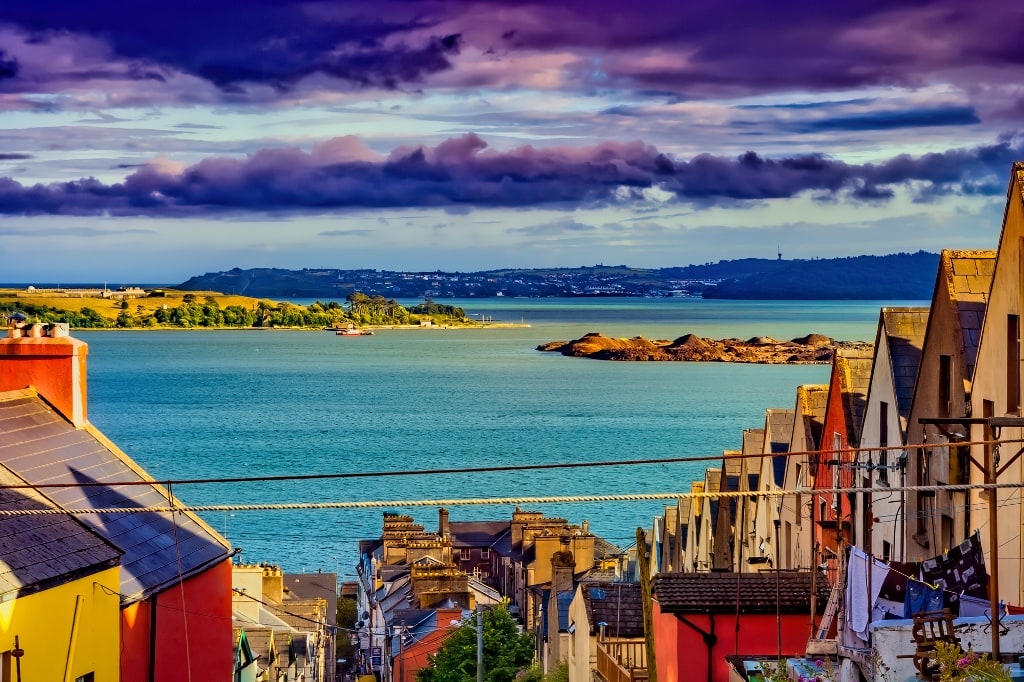
Colourful, historic, and deeply moving, Cobh is more than just a scenic coastal town it’s a place shaped by emigration and memory. Located in County Cork, it was the last port of call for the Titanic, and that connection still defines much of its identity.
Walking through Cobh, you’ll notice the rows of brightly painted houses climbing the hillside, with the cathedral overlooking the harbour. But beneath the beauty is a deeper story of people leaving Ireland in search of new lives.
It’s one of those locations where the emotional weight of history is just as powerful as the visual appeal.
Croagh Patrick (County Mayo)
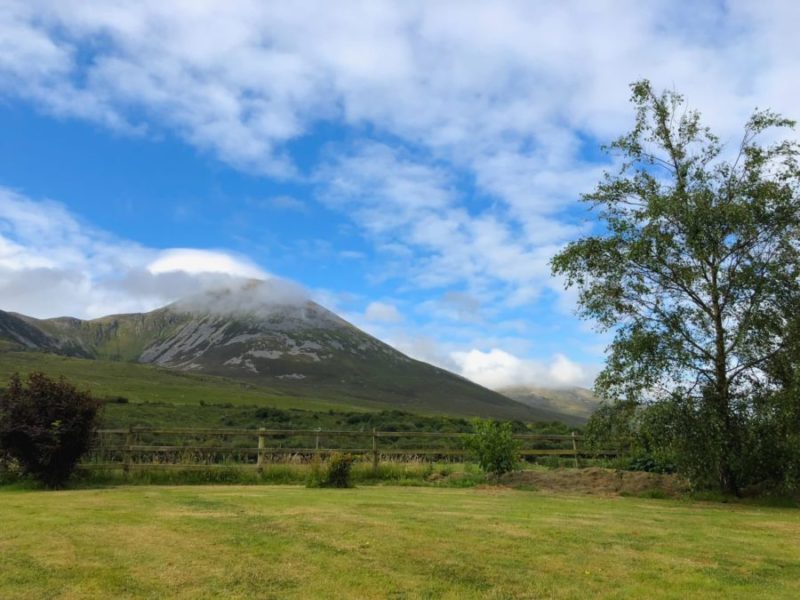
Known as Ireland’s holy mountain, Croagh Patrick rises above Clew Bay and holds deep spiritual significance. Pilgrims have climbed it for centuries, some even barefoot, following a tradition that dates back generations.
The climb itself is challenging, but the reward is worth it. From the summit, the view stretches across the bay and surrounding landscape, offering a perspective that feels both physical and reflective.
Even if you don’t make the full ascent, standing at its base gives you a sense of its importance not just as a landmark, but as a place of belief and tradition.
Birr Castle & Gardens (County Offaly)
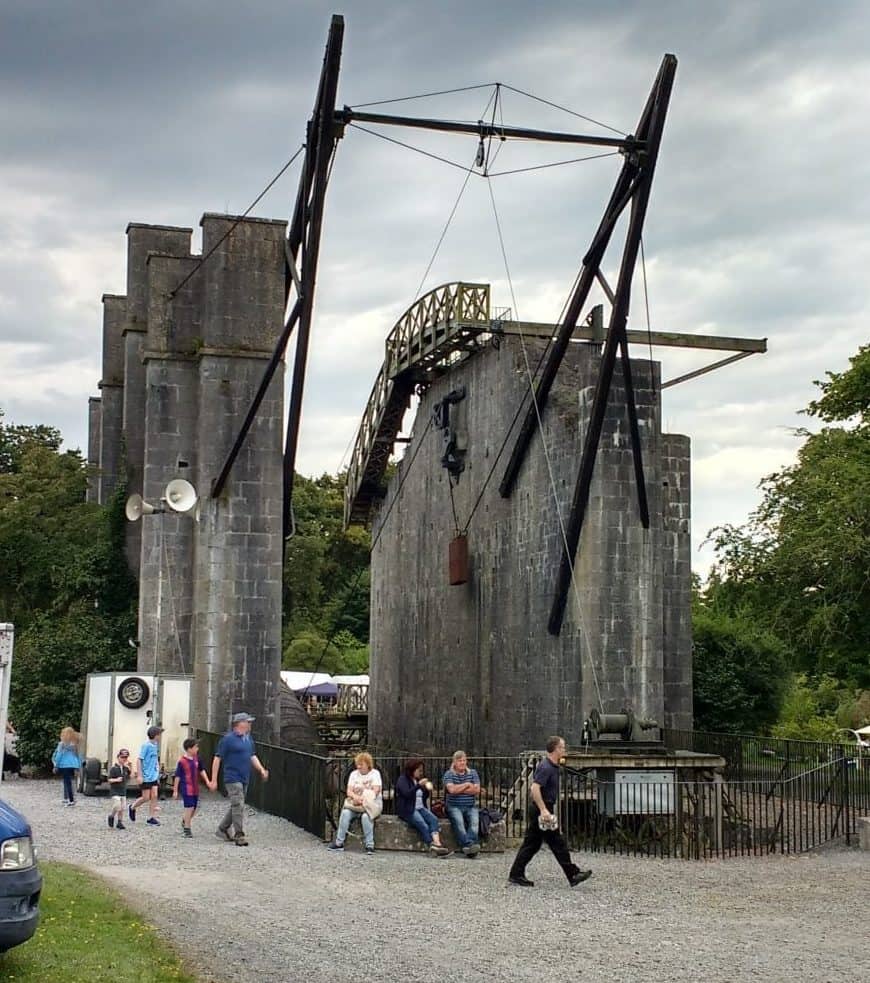
Birr Castle offers a different kind of landmark experience one that blends science, history, and beautifully maintained grounds. While the castle itself is still a private residence, the gardens and science centre are open to visitors.
The highlight is the Great Telescope, once the largest in the world, which reflects Ireland’s contribution to scientific discovery. Walking through the gardens, you’ll also encounter rare plants, sculptures, and peaceful pathways.
It’s a reminder that Irish landmarks aren’t just ancient they can also tell stories of innovation and curiosity.

The Guinness Lake (Lough Tay, County Wicklow)
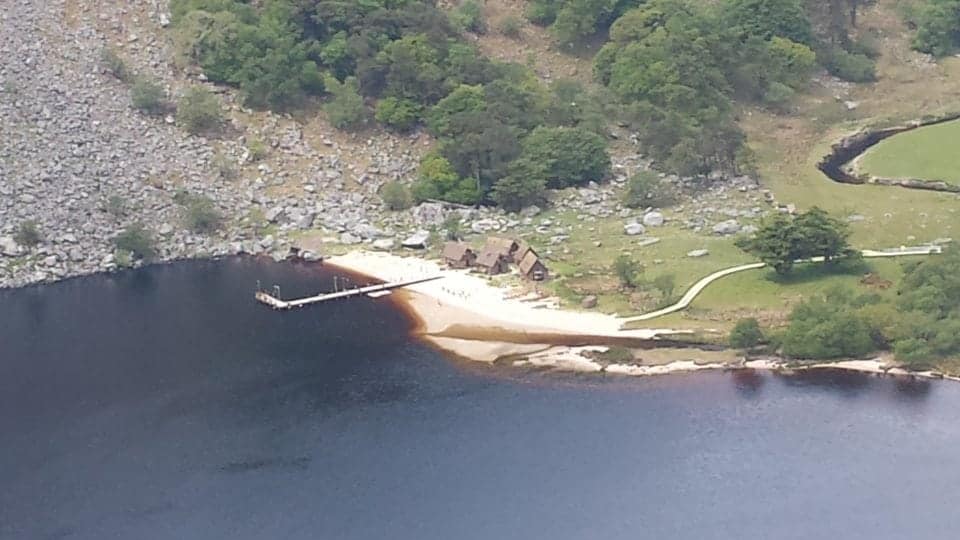
Few places are as instantly recognisable as Lough Tay, often referred to as the Guinness Lake. Surrounded by mountains in Wicklow, its dark waters and bright shoreline give it the appearance of a perfectly poured pint.
The view from above is what draws most visitors, and it’s easy to see why it’s one of the most photographed landscapes in Ireland. But beyond the visual appeal, the area itself is part of a wider network of scenic routes and historic sites within the Wicklow region.
It’s a place where nature and visual identity come together in a way that feels uniquely Irish. It’s also where you will find most of the Vikings TV show filming sites.

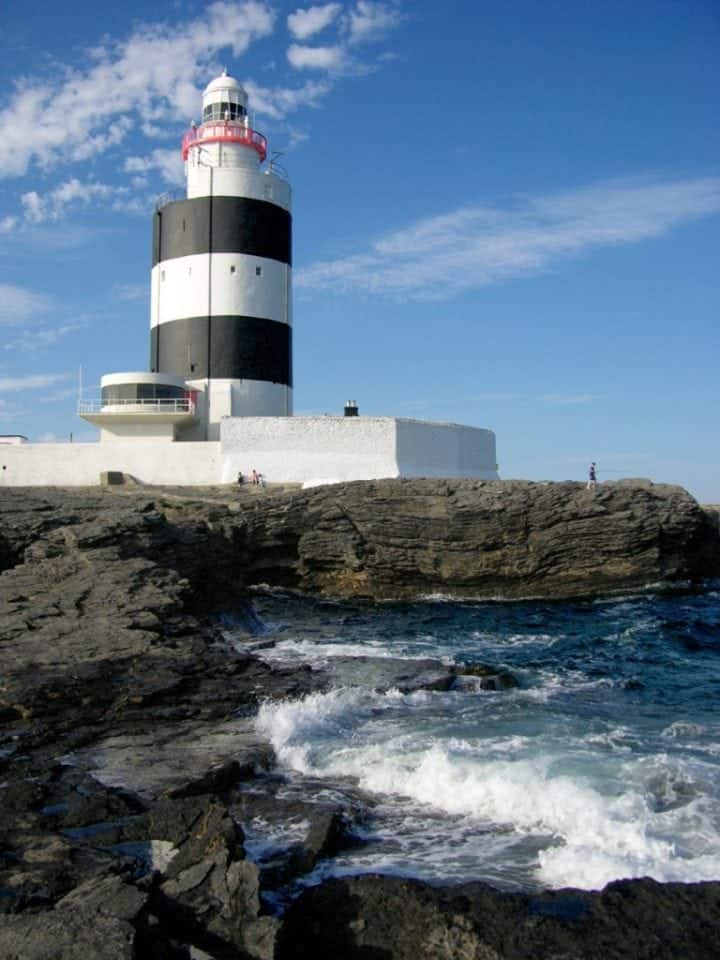
Hook Lighthouse (County Wexford)
Standing for over 800 years, Hook Lighthouse is one of the oldest operational lighthouses in the world. Built during the medieval period, it continues to guide ships along Ireland’s southeast coast.
Visiting the lighthouse offers more than just a coastal view. Inside, guided tours bring its long history to life, from its construction to its role in maritime safety.
Climbing to the top rewards you with sweeping ocean views, and a deeper appreciation for how Ireland’s landmarks are often tied to survival and navigation.
Galway City (County Galway)
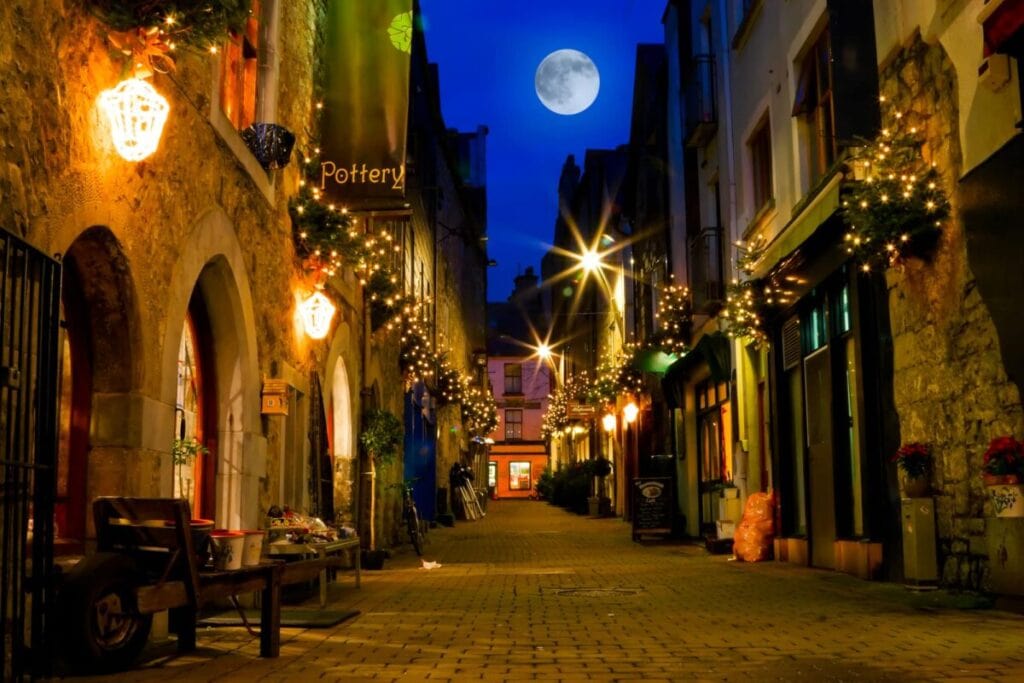
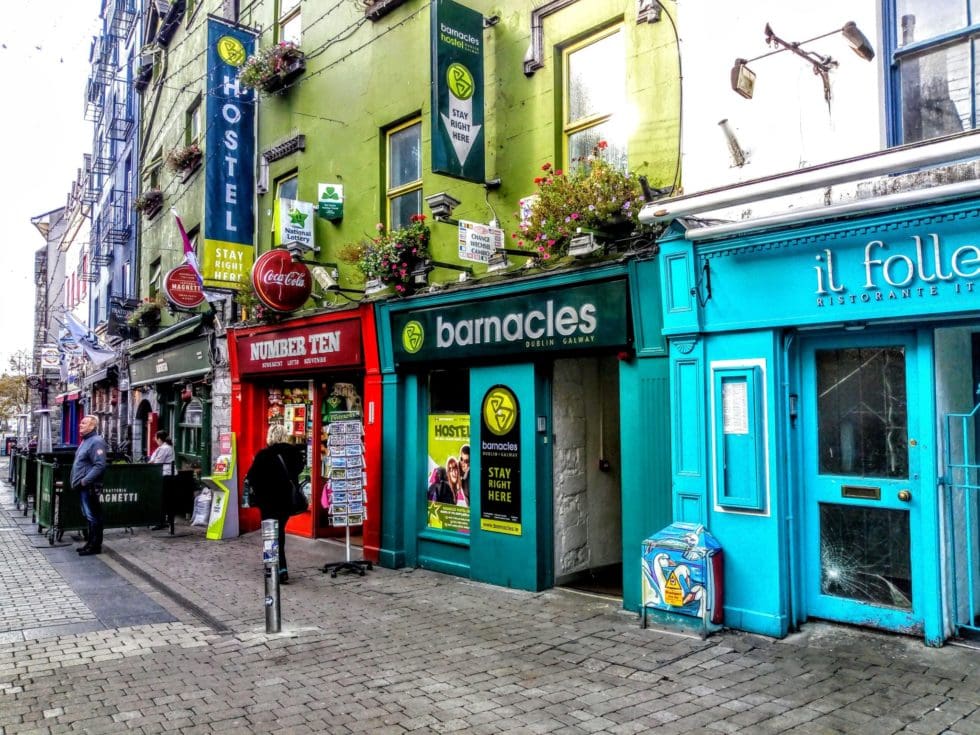
Not all landmarks in Ireland are rural or ancient. Galway City represents the vibrant, cultural side of the country a place where music, art, and everyday life come together.
Walking through Galway, especially along its pedestrian streets, you’re constantly surrounded by sound buskers playing traditional Irish music, conversations spilling out from pubs, and a general sense of energy that defines the city.
It’s a different kind of landmark experience, but an essential one. It shows that Ireland’s identity isn’t just preserved in ruins it’s lived daily.

Trinity College & The Book of Kells (Dublin)
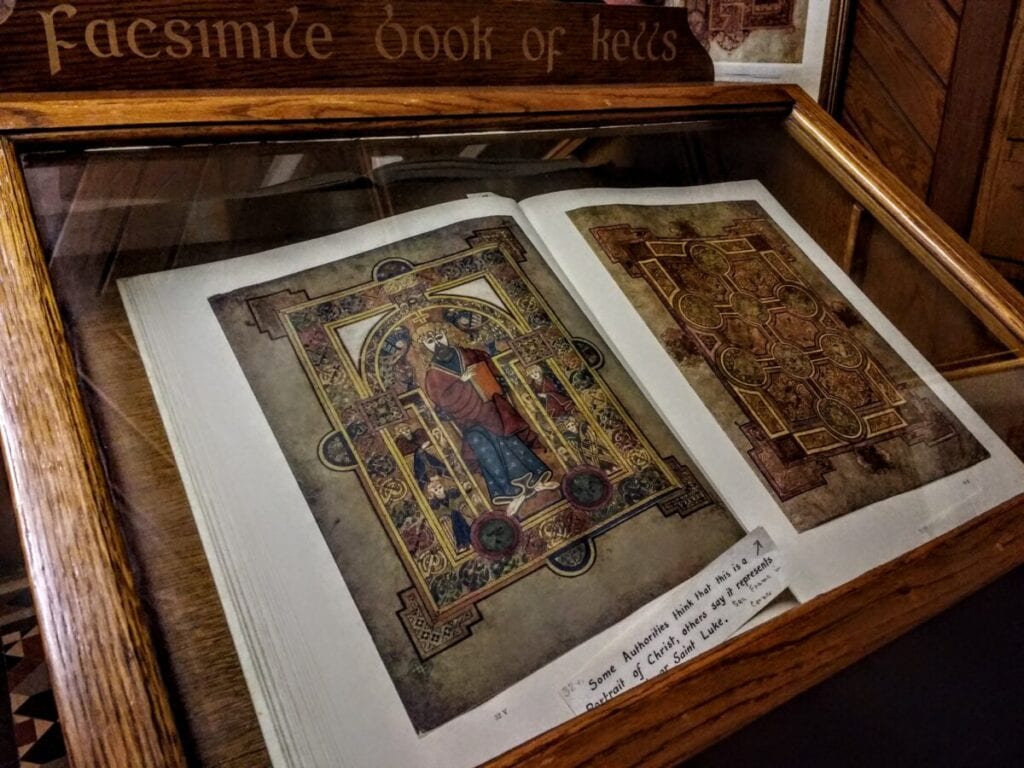
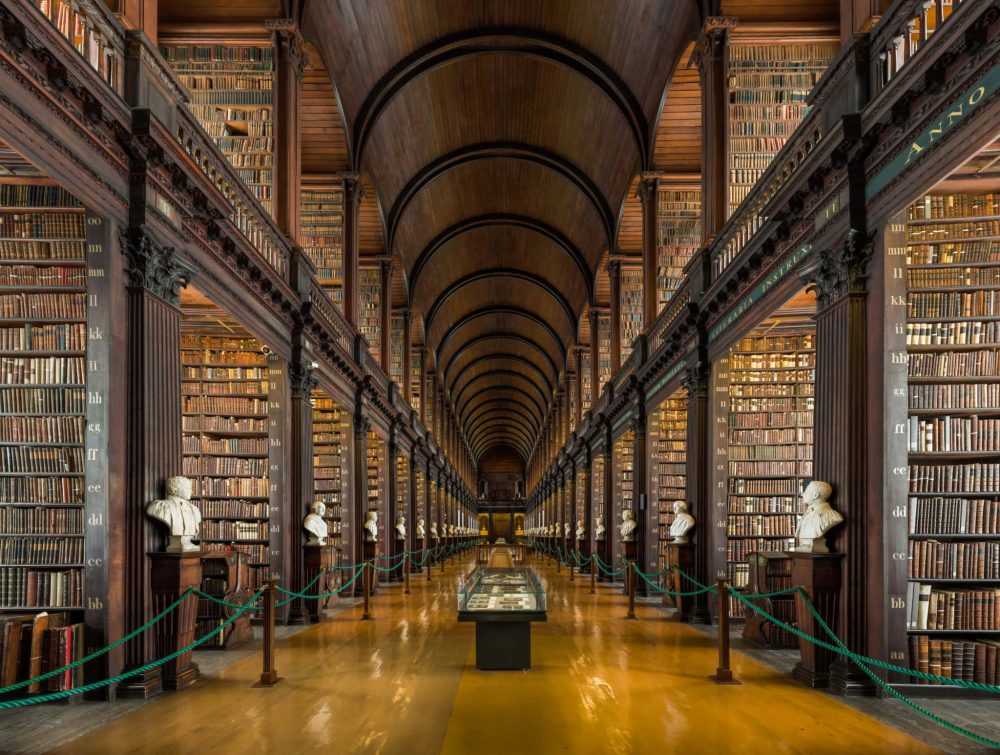
Ending this journey in Dublin, Trinity College is home to one of Ireland’s greatest cultural treasures the Book of Kells. This illuminated manuscript, created by monks over a thousand years ago, is one of the most important pieces of Irish heritage.
The Long Room library, with its towering shelves and historic atmosphere, adds to the experience. It’s a place where scholarship, art, and history intersect.
Visiting Trinity isn’t just about seeing a famous artefact it’s about understanding the depth of Ireland’s intellectual and cultural legacy.

From ancient monastic sites rooted in the 5th century and 6th century, to towering medieval castles, to globally recognised UNESCO World Heritage treasures like Skellig Michael, Ireland offers a depth that few destinations can match. What makes these landmarks truly unforgettable isn’t just their age or status it’s how naturally they sit within the landscape, and how connected they still feel to everyday Irish life.
You’ll find that some of the most powerful moments don’t happen at the busiest site or the most photographed location, but in quieter places a windswept coastal path, a hidden abbey, or a simple view that stops you mid-journey.
Whether you base yourself in Dublin, travel through County Clare, or venture further into rural counties, Ireland reveals itself gradually. It’s a place that rewards time, curiosity, and a willingness to explore beyond the obvious.
And while this guide highlights 30 of the most famous landmarks, it’s only the beginning. Because once you start discovering Ireland, you realise very quickly there’s always more waiting just around the corner.
FAQS – Irish Landmarks
What are the most famous landmarks in Ireland?
Some of the most famous landmarks in Ireland include the Cliffs of Moher in County Clare, the Glendalough monastic site, Skellig Michael (a UNESCO World Heritage site), the Rock of Cashel, and Kilmainham Gaol in Dublin. These sites represent a mix of natural beauty, early Christian history, and modern Irish heritage.

What UNESCO World Heritage sites are in Ireland?
Ireland has several important UNESCO World Heritage locations, including Skellig Michael and the Brú na Bóinne complex (which includes Newgrange). These heritage sites are globally recognised for their cultural and historical significance, with some dating back thousands of years and even aligning with events like the winter solstice.
What is the oldest landmark in Ireland?
Some of the oldest landmarks in Ireland are prehistoric sites such as Newgrange, which dates back over 5,000 years. Early Christian monastic sites from the 5th century and 6th century, including places like Glendalough, are also among the oldest surviving structures in the country.
What is the best way to see landmarks in Ireland?
The best way to explore Irish landmarks is by taking a road trip. This allows you to travel between counties, visit remote locations, and discover both major attractions and hidden gems. Routes like the Wild Atlantic coast and the Causeway Coastal Route in Northern Ireland are particularly popular.
Are Irish landmarks free to visit?
Many Irish landmarks, especially outdoor heritage sites, ruins, and natural locations, are free to visit. However, some locations particularly those with a visitor centre, guided tours, or preserved interiors may charge an entry fee.
Why are monastic sites important in Ireland?
Monastic sites are central to Irish history because they were hubs of learning, religion, and community during the early medieval period. These sites, often marked by a round tower, played a key role in preserving knowledge and shaping Irish culture.
Click here to subscribe
Start Planning Your Trip
Begin with my full Ireland Travel Guide
Then explore itineraries and road trips
This guide is part of a wider Accessible Ireland travel series, offering realistic, first-hand advice for limited-mobility travel across Ireland.
➡️Accessible Causeway Coast Route
➡️Accessible Wild Atlantic Way
If you encounter changes (e.g., temporary lift closures or construction), please let me know so I can update this page promptly.
Start Planning Your Trip
👉 Public Transportation in Ireland
👉 Hidden Gems in Ireland – 32 Secret places to visit
👉 Answering all your travel questions about Ireland
👉What to pack for your Ireland trip
👉 Northern Ireland Public Transportation