
20 Beautiful Towns and Villages in Ireland Worth Visiting
My pick of the best: Ireland’s most beautiful towns and villages include Dingle (Co. Kerry), Kinsale (Co. Cork), Adare (Co. Limerick), Kenmare (Co. Kerry), Westport (Co. Mayo), and Clifden (Co. Galway). Each offers a unique blend of scenery, Irish folklore, heritage, and warm hospitality that transforms any trip into an unforgettable experience.
- 20 Beautiful Towns and Villages in Ireland Worth Visiting
- Why Ireland's Smaller Towns Deserve a Place on Your Itinerary
- What Makes a Town or Village in Ireland Worth Visiting?
- How to Plan a Road Trip Through Ireland's Most Beautiful Villages
- 20 of the Most Beautiful Towns and Villages in Ireland
- Natural Attractions Near Ireland's Most Beautiful Towns and Villages
- Don't Overlook Northern Ireland
- Quick Picks by Interest
- A Note on accessible-travel-guides-ireland-uk-europe in Ireland
- The Beautiful Towns and Villages in Ireland Are Waiting for You
- Frequently Asked Questions About Beautiful Towns and Villages in Ireland
- Driving in Ireland articles
Why Ireland’s Smaller Towns Deserve a Place on Your Itinerary
Ireland is world-renowned for its rugged coastlines, emerald hills, and warm welcomes. Yet some of its true treasures hide in plain sight: in harbour towns where fishing boats still come in at dawn, in heritage villages where the traditional music starts before the sun goes down, and in little towns where the locals know your name before you’ve finished your first pint.
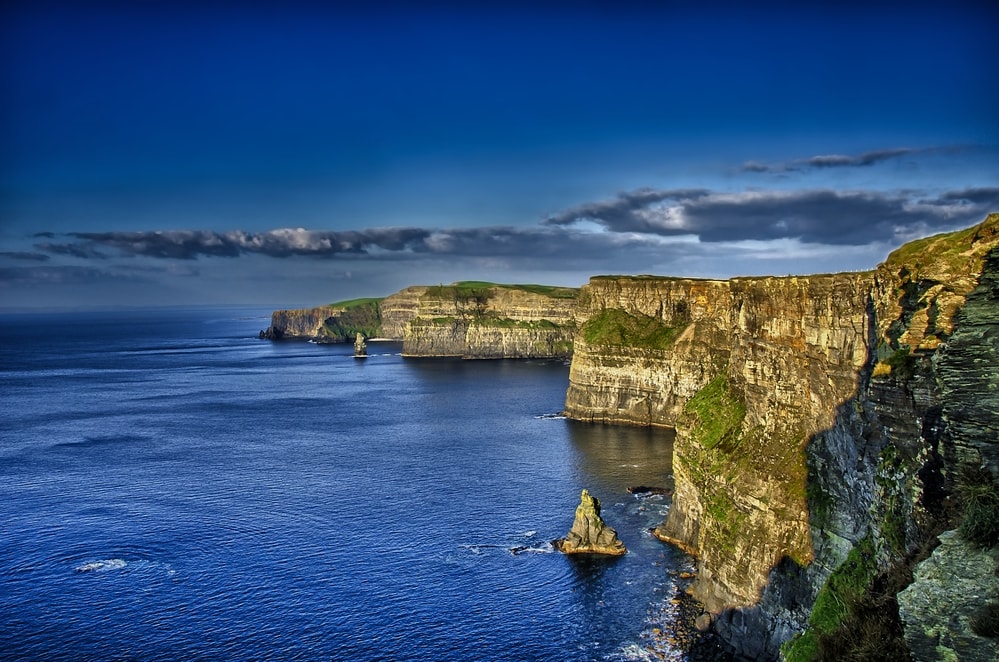
Most visitors arrive with Dublin, the Cliffs of Moher, or the Ring of Kerry locked in. Those are worth every moment. But if you stop there, you miss the Ireland that Irish people actually cherish. The beautiful towns and villages in Ireland I’m sharing here are places I have visited more than once, often taking friends and visitors who have left each one declaring it their favourite.
From the wild, windswept Dingle Peninsula and the painted harbours of West Cork to the Georgian elegance of Westport in County Mayo and the quiet drama of Donegal’s coast, this guide will show you exactly where to go, where to park, where to eat, and how to get the most from every stop, whether you are fully mobile or, like me, navigating with some physical limitations.
What Makes a Town or Village in Ireland Worth Visiting?
Ireland’s prettiest towns and villages share a handful of defining qualities: genuine character shaped by centuries of history, landscapes that stop you mid-sentence, food rooted in the land and sea around them, and a community spirit that hasn’t been manufactured for tourists.
The 20 places below span the Republic of Ireland from north to south and east to west. Some sit along the Wild Atlantic Way. Others lie deep in Ireland’s Ancient East. Several connect directly with the landscapes and lore that gave Irish folklore its richest stories, from the fairy forts of the midlands to the mythological peaks of County Mayo. All of them are real, visited repeatedly, and recommended without reservation.
How to Plan a Road Trip Through Ireland’s Most Beautiful Villages
A road trip is by far the best way to visit these towns and villages. Ireland’s roads range from motorways to narrow single-track country lanes, so planning in advance makes a significant difference to your enjoyment. Here is a simple sequence to follow:
- Decide on your entry point. Dublin, Belfast, Cork, Shannon, and Knock airports all give easy access to different regions. If you want to start with Northern Ireland and work south, fly into Belfast. For the Wild Atlantic Way, Shannon or Knock are better bases.
- Choose a central region for your first few nights. Moving every day exhausts you and means you miss the best of each place. Three nights in one base lets you explore properly.
- Book accommodation in advance, especially between May and September. Villages like Adare, Dingle, and Clifden fill up fast. Accessible rooms are limited in older buildings, so book early and call ahead to confirm ground-floor access, wet rooms, or lifts.
- Rent a car. Public transport to smaller villages is limited. A compact car handles narrow roads more easily. If you use a wheelchair or have mobility needs, book an automatic and request hand controls early.
- Download offline maps. Mobile signal drops in Donegal, Connemara, and parts of Kerry. Google Maps or Maps.ie work well offline.
- Build in slow time. The Irish concept of time is not what you expect. Block an extra hour per stop. The best conversations, the best views, the best food happen when you are not rushing.
- Check local festivals. Ardara’s Cuppa Tae Traditional Music Festival in May, the Kilkenny Arts Festival in August, and Clifden’s Connemara Pony Show in September all reshape the feel of a visit entirely.
- If you’re working out what your trip will actually cost, read my How Much Does a Trip to Ireland Cost? 2026/27 Budget Breakdown for a full pricing breakdown by category.
20 of the Most Beautiful Towns and Villages in Ireland
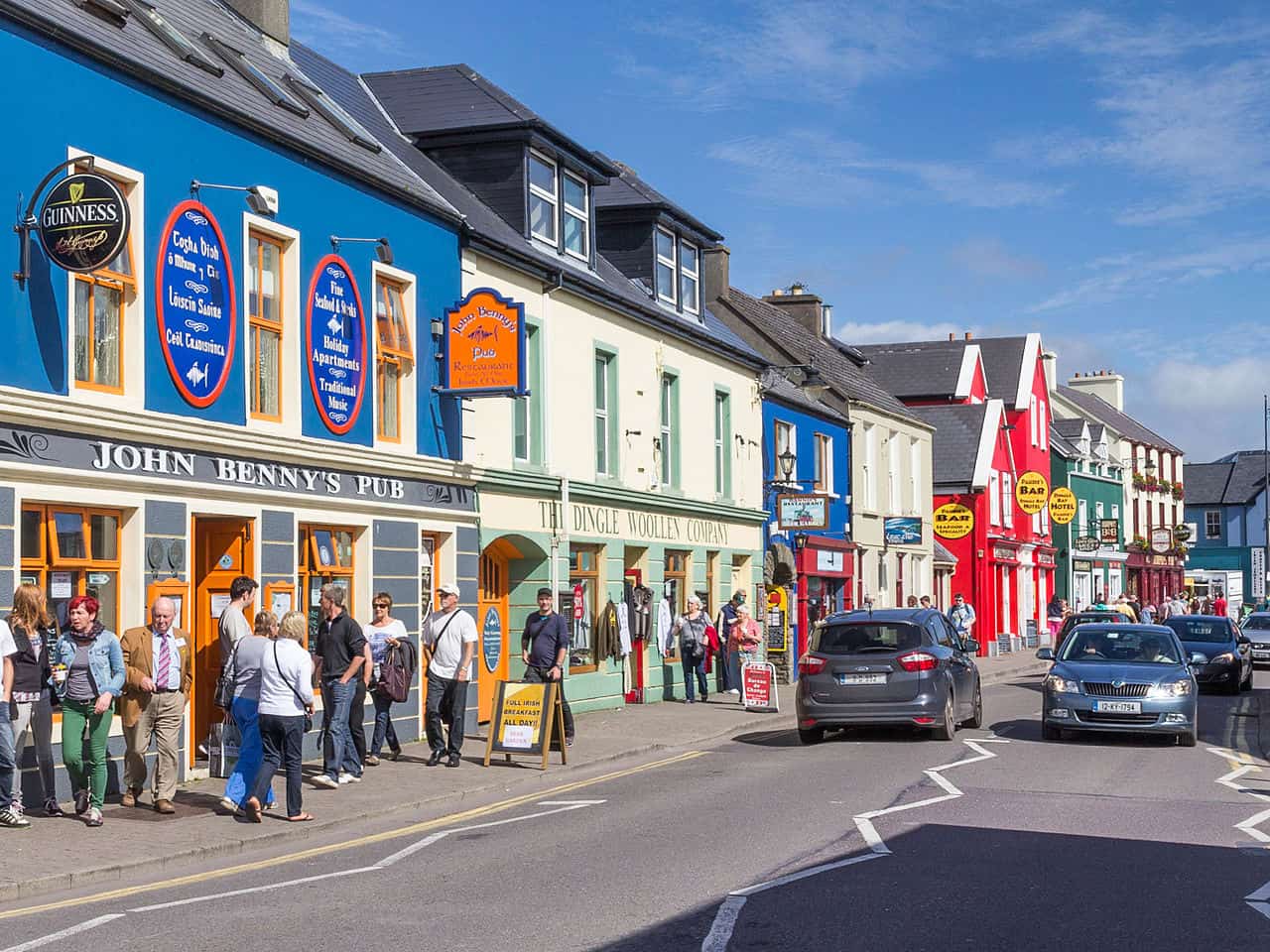
1. Dingle, County Kerry: A Jewel of the Wild Atlantic Way
Nestled on a fishing harbour and framed by the rugged Conor Pass, Dingle is as close to a perfect Irish village as you will find. The Dingle Peninsula stretches out into the Atlantic with prehistoric stone forts, beehive huts (clochans), and early Christian sites dotting the landscape. Irish, or Gaelic, is widely spoken here, and the pubs echo with traditional music late into the night.
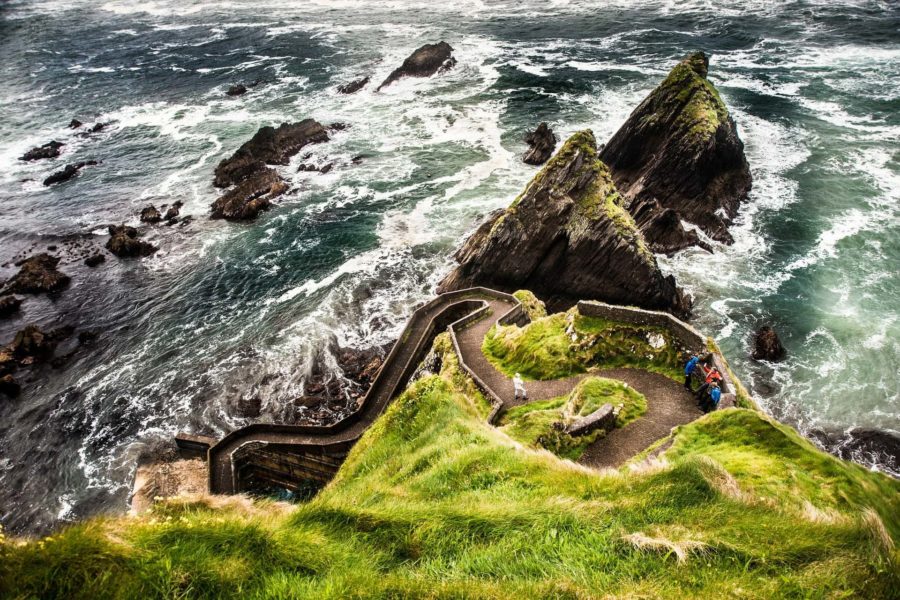
The Slea Head Drive is one of the great scenic loops in Ireland, looping around the westernmost tip of the Dingle Peninsula past Dunquin Pier, the Blasket Island viewpoint, and some of the finest archaeological remains in Europe. Skellig Michael, the UNESCO World Heritage site made famous globally by its appearance in the Star Wars films, is visible on clear days from Slea Head.

Don’t miss: A pint with live trad music at Dick Mack’s Pub, or dolphin spotting in the bay with Dingle Dolphin Boat Tours.
Parking: There is a main car park at the Dingle Harbour area, close to the town centre. Blue Badge parking is available. The town centre itself is compact and walkable, though some footpaths are uneven. A park-and-walk approach works well.
Accessible accommodation: The Dingle Skellig Hotel has accessible rooms and a lift. Call ahead to confirm room specifics.

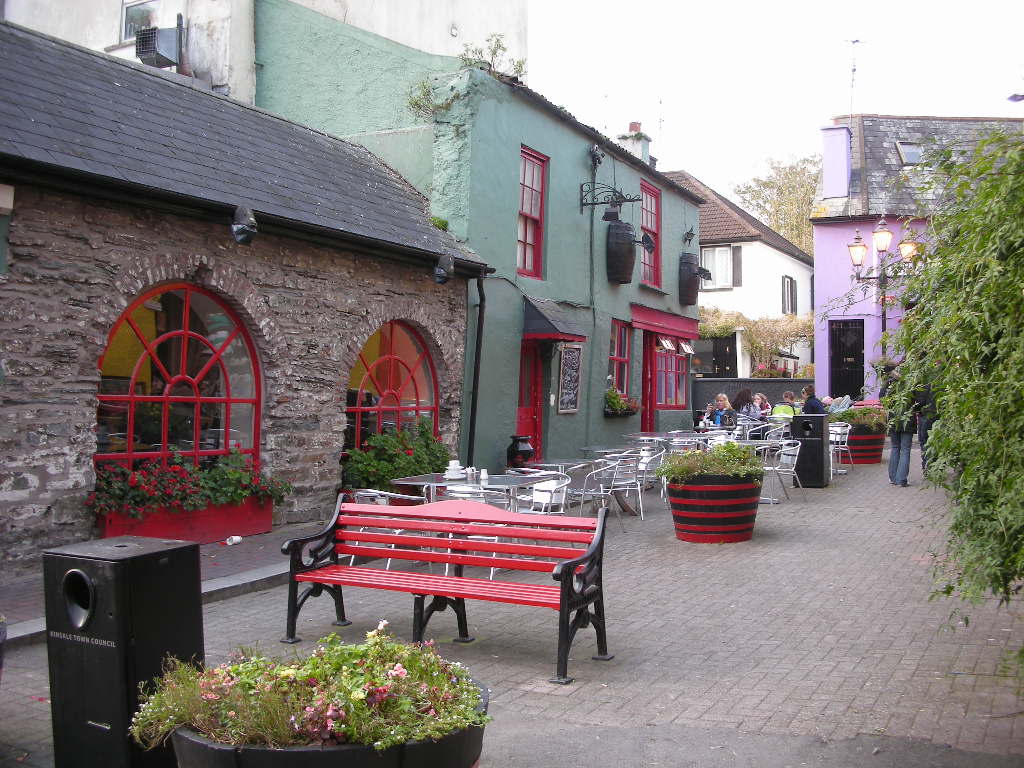
2. Kinsale, County Cork: Ireland’s Gourmet Capital
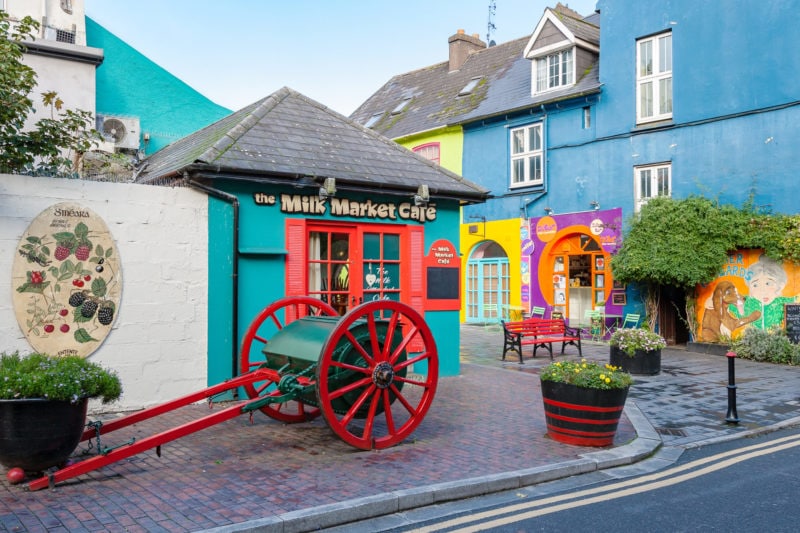
Known as the gourmet capital of Ireland, Kinsale charms with colourful houses, narrow winding streets, and a beautiful working harbour. The town sits at the mouth of the Bandon River in West Cork and has been drawing food lovers for decades. History buffs will find the story of the 1601 Battle of Kinsale here too, a pivotal moment in Irish history marked at Charles Fort and James Fort.
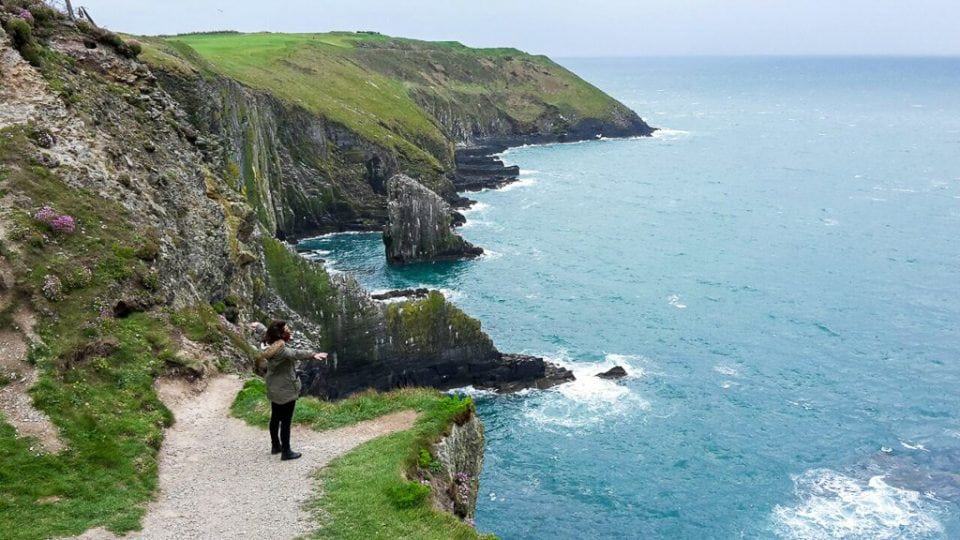
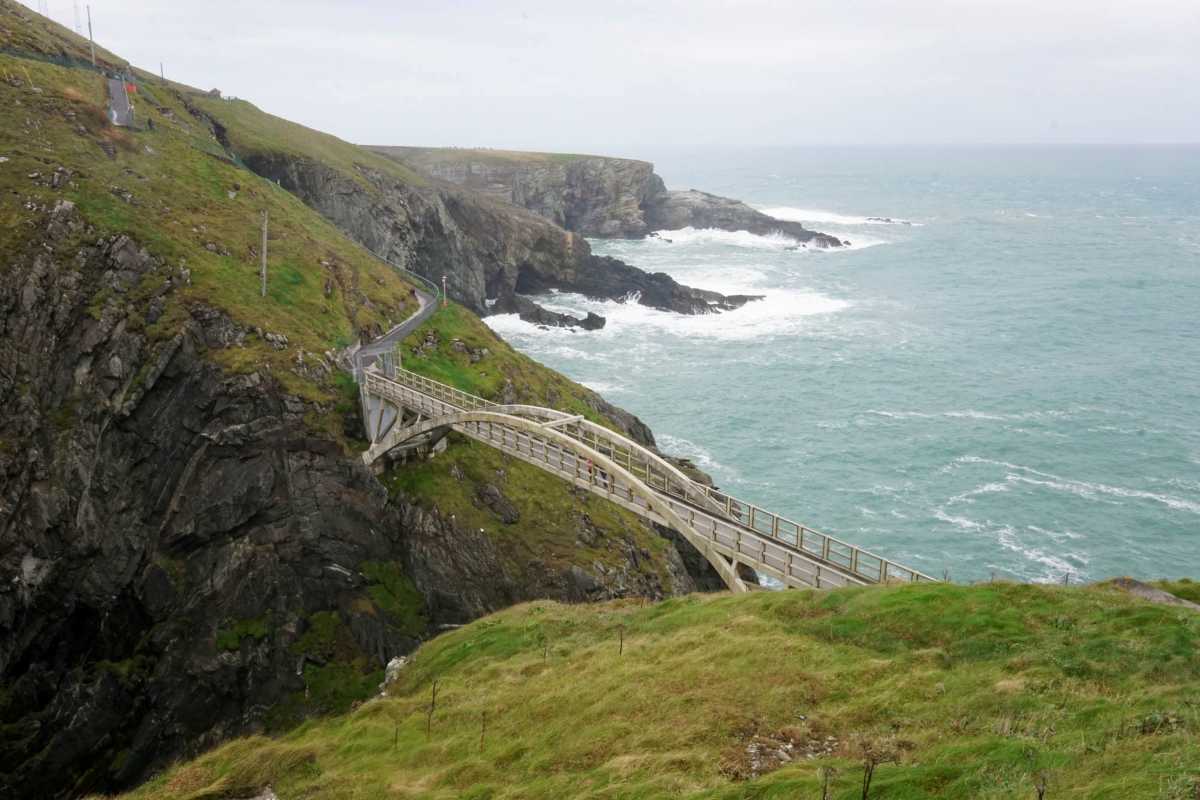
The Old Head of Kinsale, a narrow headland to the south, offers dramatic cliff walks and views across the Celtic Sea. The Lusitania memorial and museum at nearby Cobh connect to this broader maritime history of West Cork and County Cork.
Don’t miss: A harbour walk at sunset, followed by dinner at one of Kinsale’s award-winning restaurants. The Kinsale Good Food Circle lists the best options.
Parking: There are several car parks in town, including at Pier Road and the town centre. Blue Badge spaces are marked. The main street has some gradient, so a wheelchair user may need a companion on steeper sections.
Food and accommodation: Fishy Fishy Restaurant is the town’s most celebrated seafood spot. The Blue Haven Hotel offers central, comfortable accommodation.

3. Galway City, County Galway: Where Culture and Craic Collide
Galway retains the feel and energy of a lively village despite being a city. The colourful streets of the Latin Quarter, the medieval Spanish Arch, and the world-class music and arts scene make it unlike anywhere else in Ireland. It is the gateway to Connemara and the Aran Islands, making it the ideal base for several days of exploration.
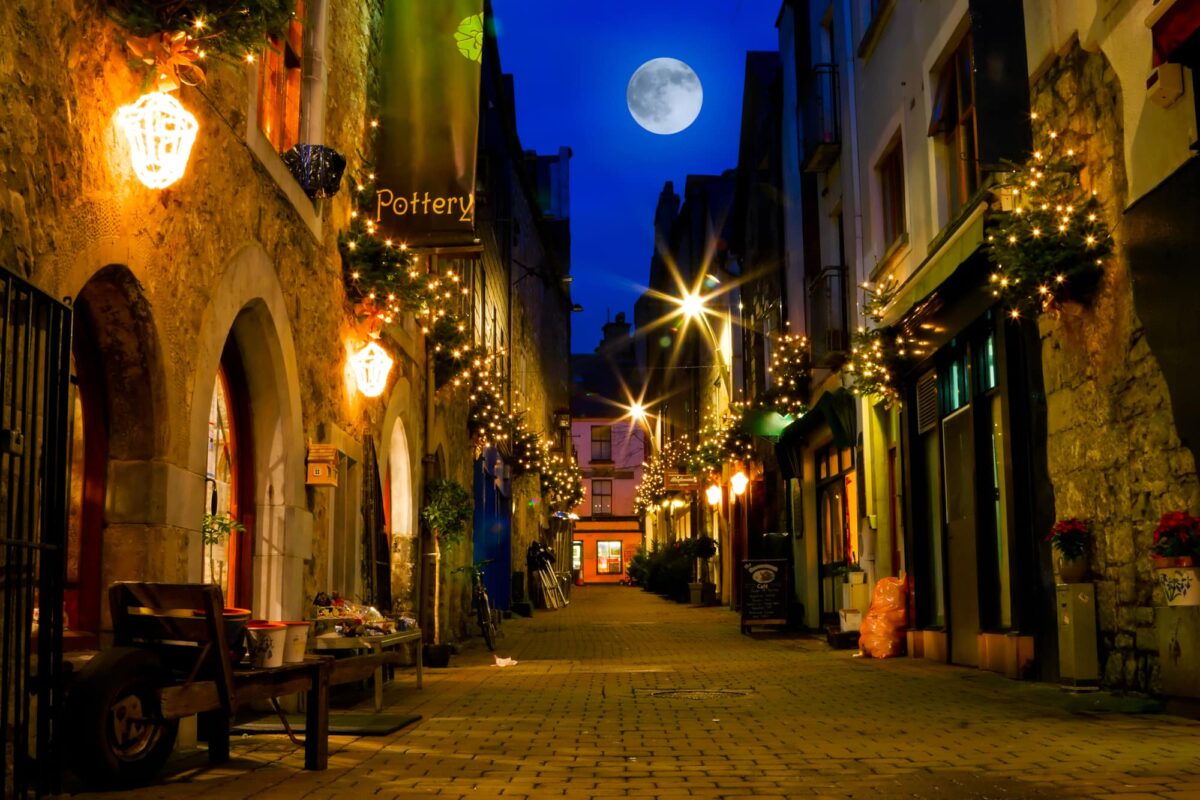
The city was designated a European Capital of Culture in 2020. Its arts calendar is rich year-round, and the Galway Races in July and the Galway International Arts Festival in the same month draw visitors from across the world.
Don’t miss: The Latin Quarter and a stroll along Salthill Promenade. The Galway City Museum is free and excellent.
Parking and access: Galway city centre has multiple multi-storey car parks. Eyre Square and the surrounding area have Blue Badge spaces. The city centre is largely flat and accessible.

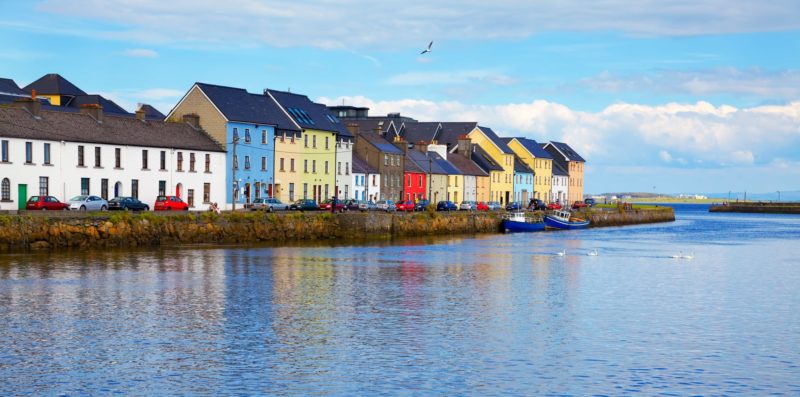
4. Westport, County Mayo: A Georgian Town With a Wild Heart
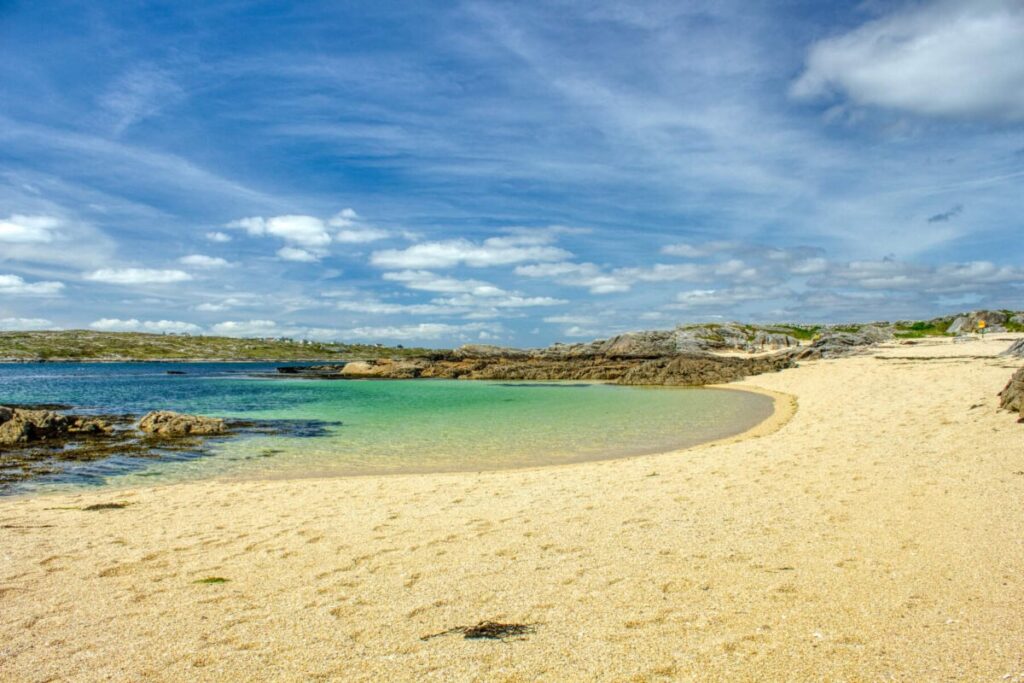
A beautifully planned Georgian town on the banks of the Carrowbeg River in County Mayo, Westport is a favourite for both its architecture and its extraordinary natural setting. Clew Bay stretches to the west with its 365 islands, and Croagh Patrick, Ireland’s sacred pilgrimage mountain, rises dramatically to the south.
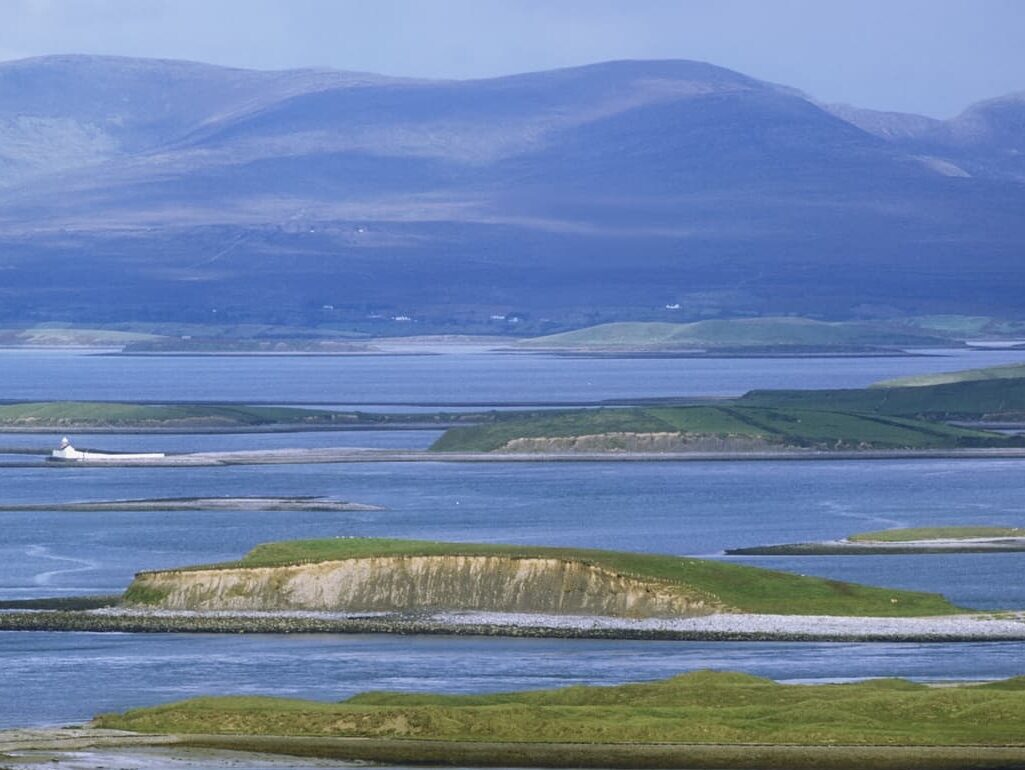
The Great Western Greenway is one of Ireland’s finest off-road cycling trails, running 42 kilometres from Westport to Achill Island entirely along traffic-free paths. It is accessible in sections for those with limited mobility who can use adapted cycles, available locally.
Don’t miss: Cycling the Great Western Greenway or enjoying fresh seafood by the harbour. The Great Western Greenway website has maps and accessibility information.
Parking: The main town car park off James Street has Blue Badge spaces. The town centre is relatively flat and walkable. Westport House nearby has its own car park.
Accommodation: The Wyatt Hotel on the town’s central mall is well-located and has accessible rooms.


5. Adare, County Limerick: Often Called Ireland’s Prettiest Village
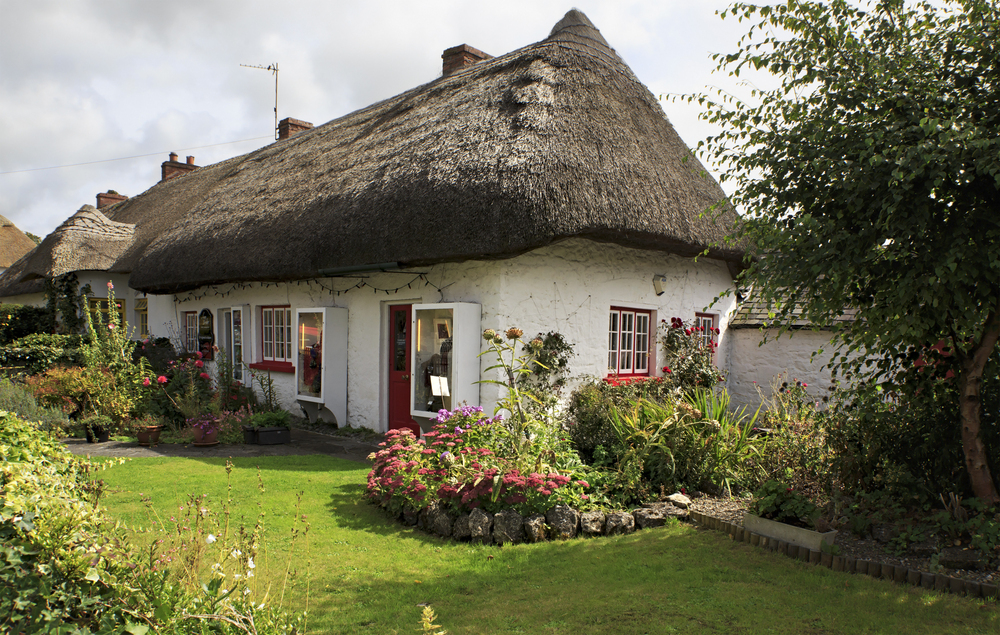
Adare is the village that appears on every postcard and in almost every Ireland travel guide, and with good reason. Thatched cottages line its main street, medieval abbeys and friary ruins sit in manicured grounds, and the village has a timeless quality that makes it feel as though time has slowed deliberately.
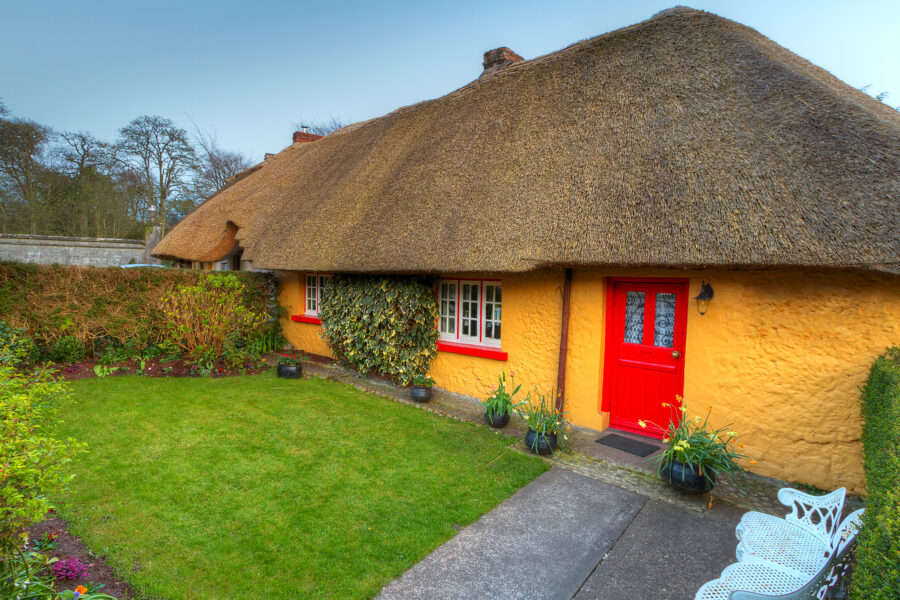
Adare Manor, the five-star hotel at the edge of the village, occupies a Gothic Revival mansion on the banks of the River Maigue. It is one of the finest luxury hotels in Ireland and worth visiting for afternoon tea alone, even if you are not staying overnight.
My own opinion, having brought many visitors to Adare: the village is best in morning light, before the coach tours arrive. A 9am walk through the village followed by breakfast in one of the cottage cafes is genuinely one of the loveliest ways to start a day in Ireland.
Don’t miss: A walk through the village followed by a visit to Desmond Castle, the Franciscan Friary ruins, and the Trinitarian Abbey. Adare Heritage Centre provides context.
Parking: There is a public car park at the heritage centre in the village. Blue Badge spaces are available. The main street is flat and accessible.
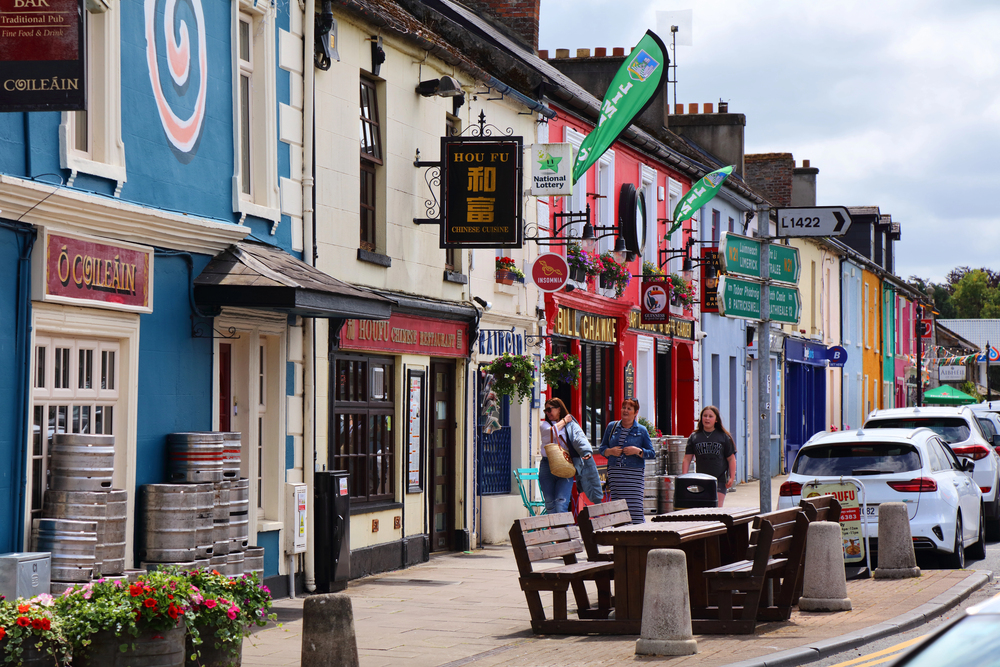
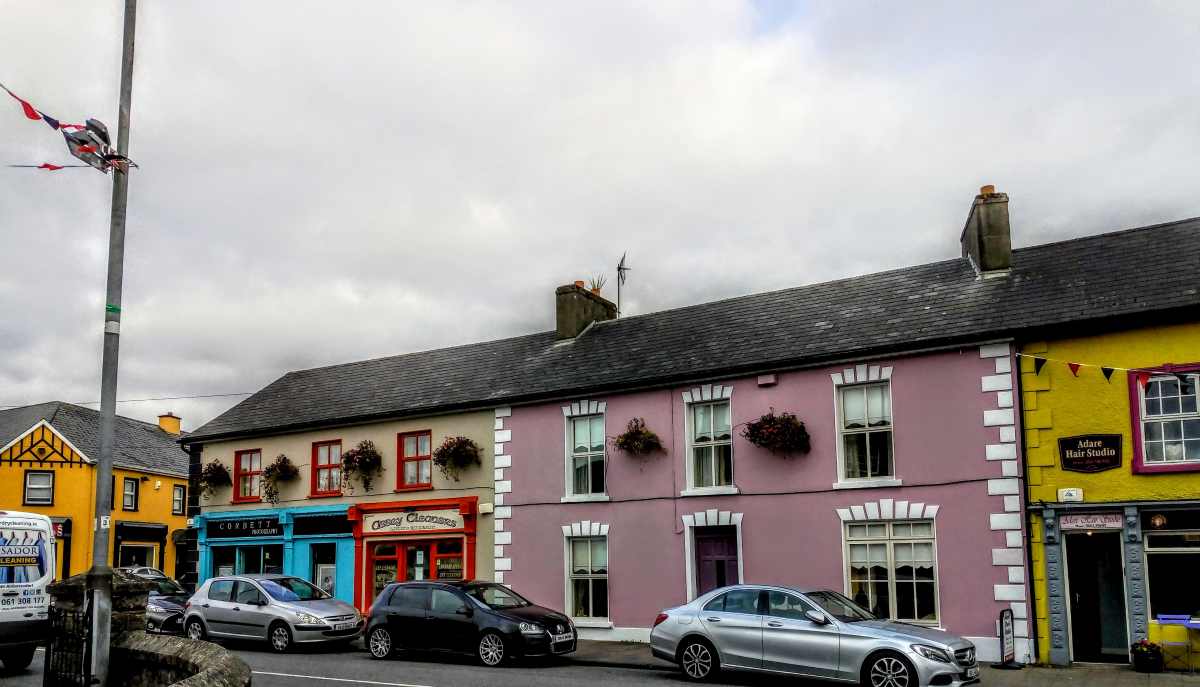
6. Cobh, County Cork: Where Ireland Waved Its Emigrants Goodbye
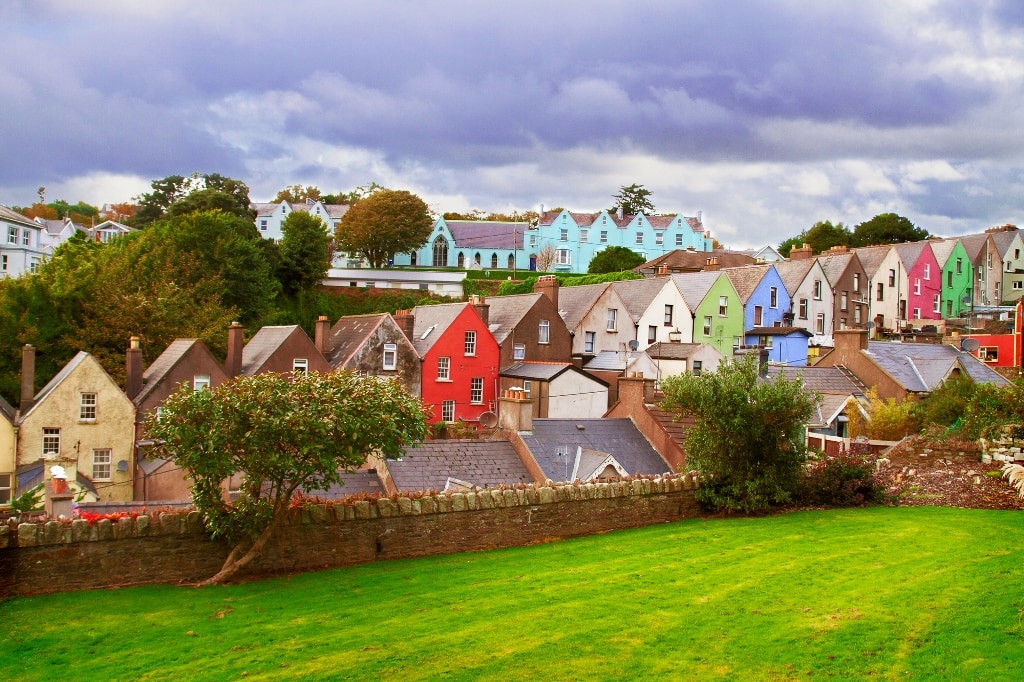
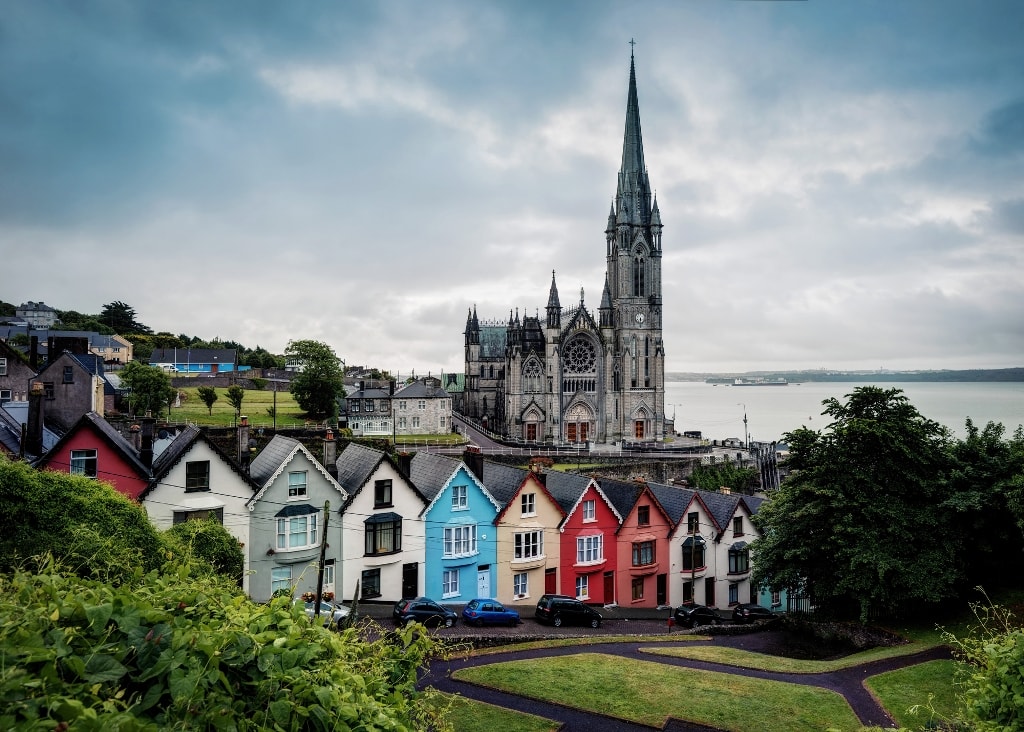
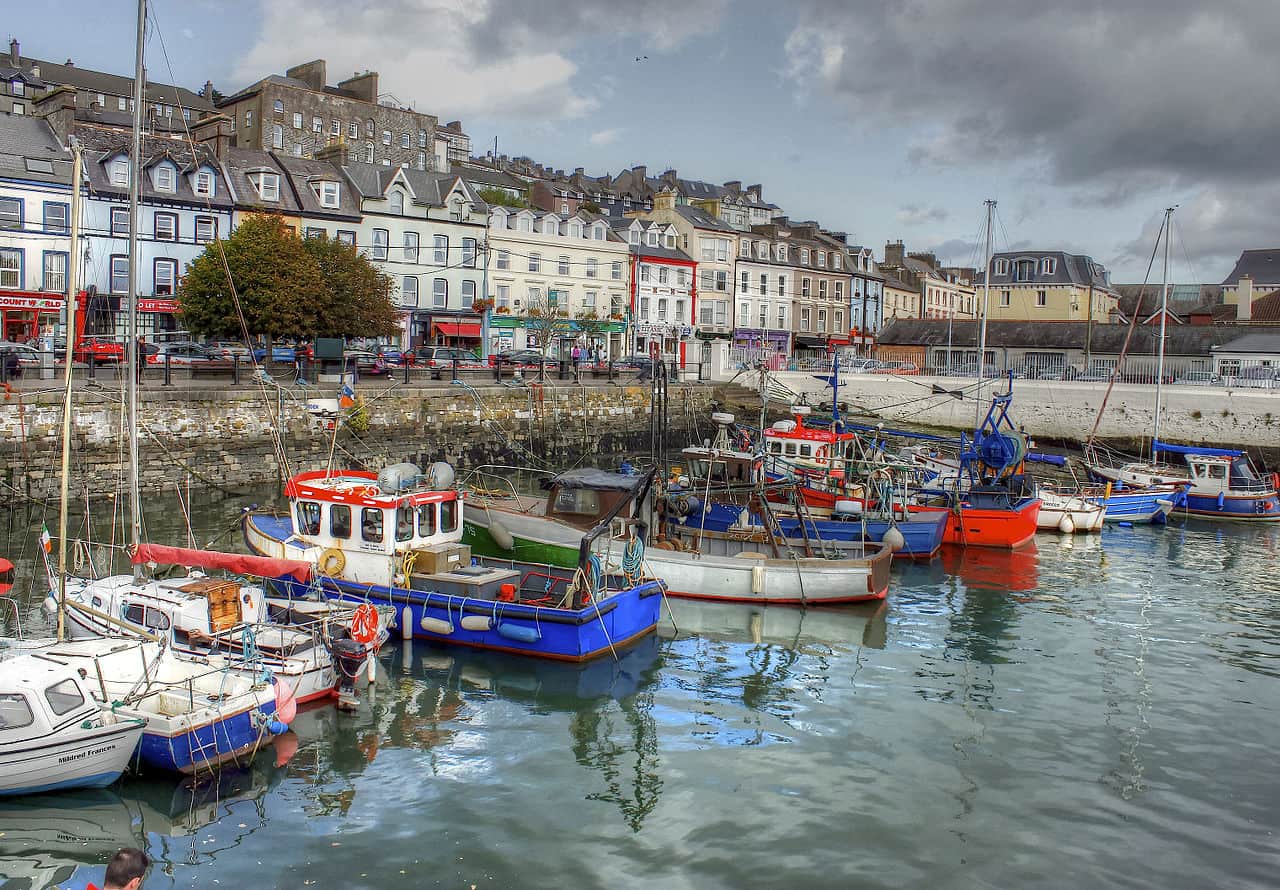
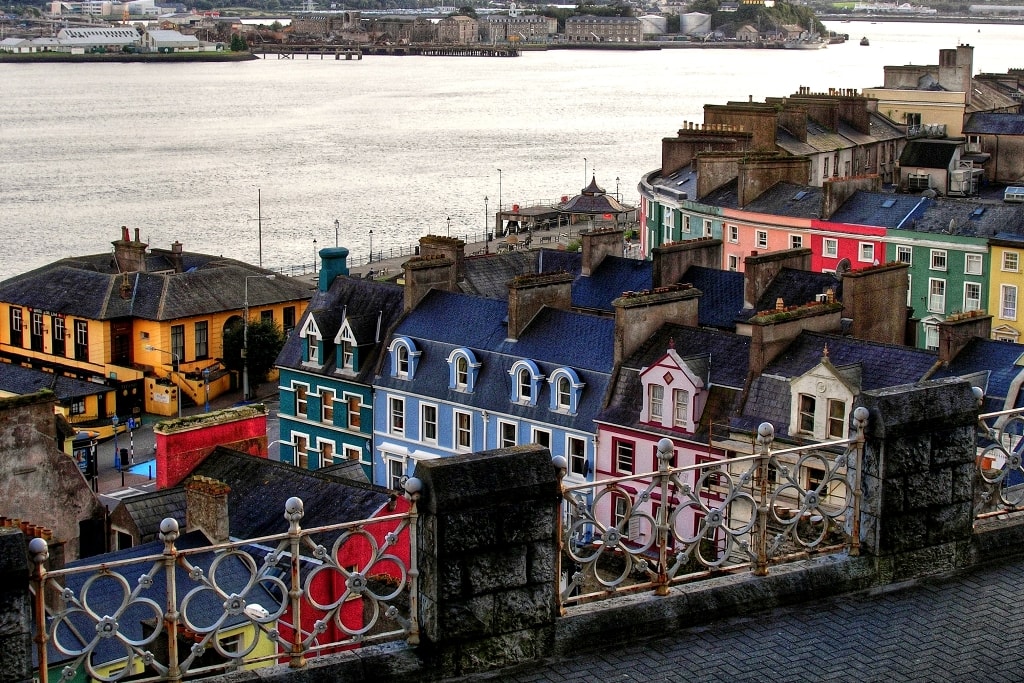
Cobh (pronounced Cove) is one of the most visually striking towns in Ireland. Rainbow-coloured terraced houses climb the hillside above the harbour, dominated by the soaring Gothic spire of St. Colman’s Cathedral. This was the last port of call for the RMS Titanic in 1912 and for decades before that the departure point for millions of Irish emigrants bound for America during and after the Great Famine.
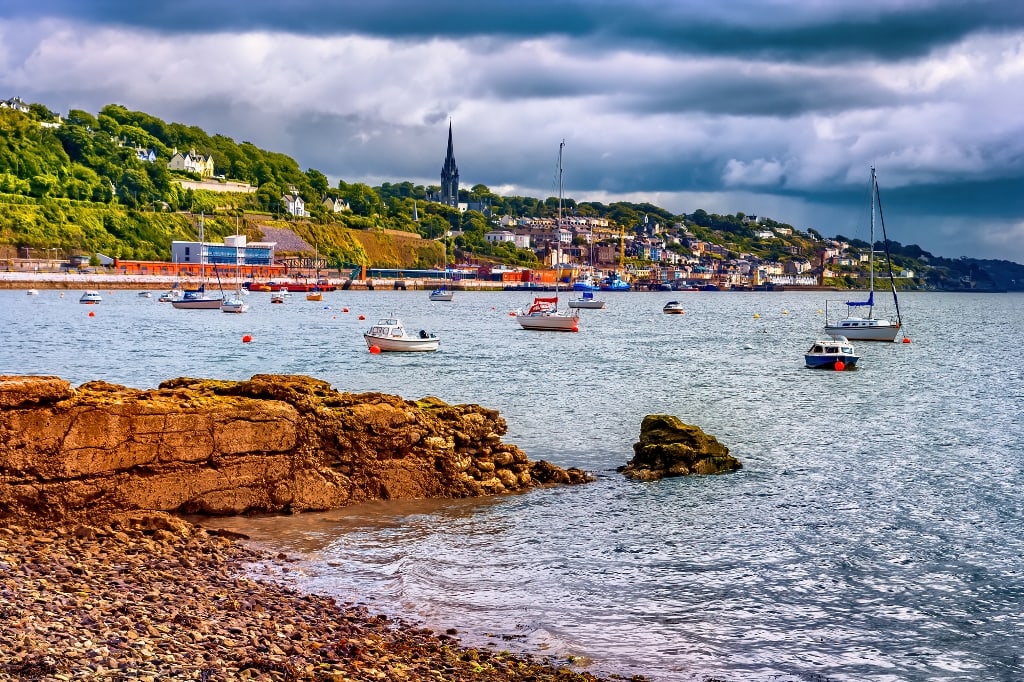
The Cobh Heritage Centre tells the story of emigration, and the Titanic Experience Cobh is an immersive and moving attraction. Spike Island, a former fortress and prison in Cork Harbour, is accessible by ferry from Cobh and was once described as the Alcatraz of Ireland.
Don’t miss: The Titanic Experience Cobh and a ferry trip to Spike Island.
Parking: There is a car park at the waterfront. The town centre rises steeply from the harbour, which can be challenging for those with limited mobility. The waterfront promenade and heritage centre are accessible.
Ticket costs: Titanic Experience Cobh: Adults approximately 13.50 euros, reduced rates available. Spike Island: check spikeislandcork.ie for current prices and ferry times.
7. Ardara, County Donegal: Tweed, Tunes, and Breathtaking Scenery
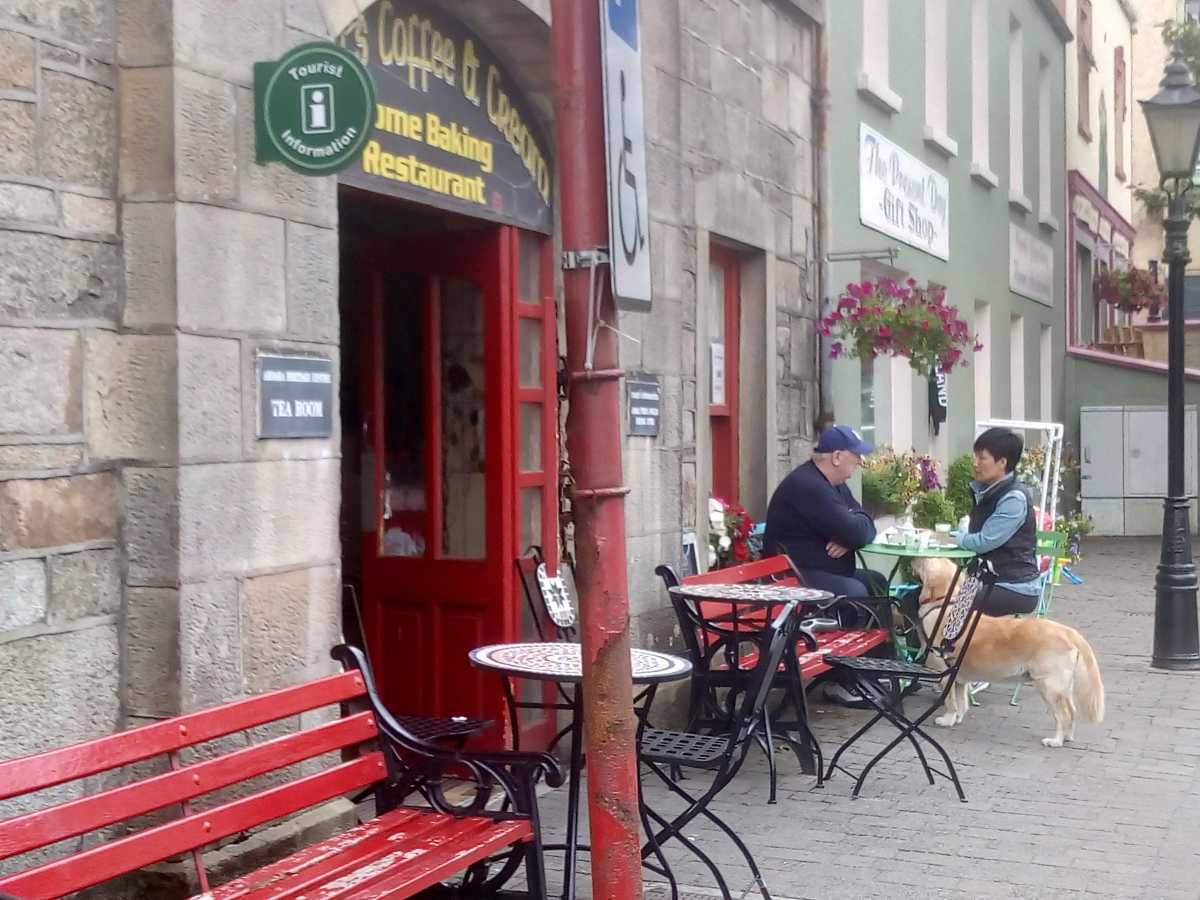
Ardara is a designated Heritage Town in south County Donegal, best known for its living tradition of handwoven Donegal tweed and Aran knitwear. The woollen mills and craft shops here sell the real thing, not factory approximations, and a visit to one of the working weavers is a genuine insight into a craft that has shaped this part of Ireland for generations.

The Cuppa Tae Traditional Music Festival in May is one of the friendliest and most authentic music events in Ireland, drawing musicians and listeners from across the country. Outside the village, the Glengesh Pass drops dramatically through the Donegal hills, and Assaranca Waterfall and Maghera Beach caves are within easy reach.
Don’t miss: The Cuppa Tae Traditional Music Festival and a visit to C. Bonner and Son for genuine Donegal tweed.
Parking: Street parking is available in the village centre. The village is small and relatively flat in the centre, though surrounding roads are hilly.


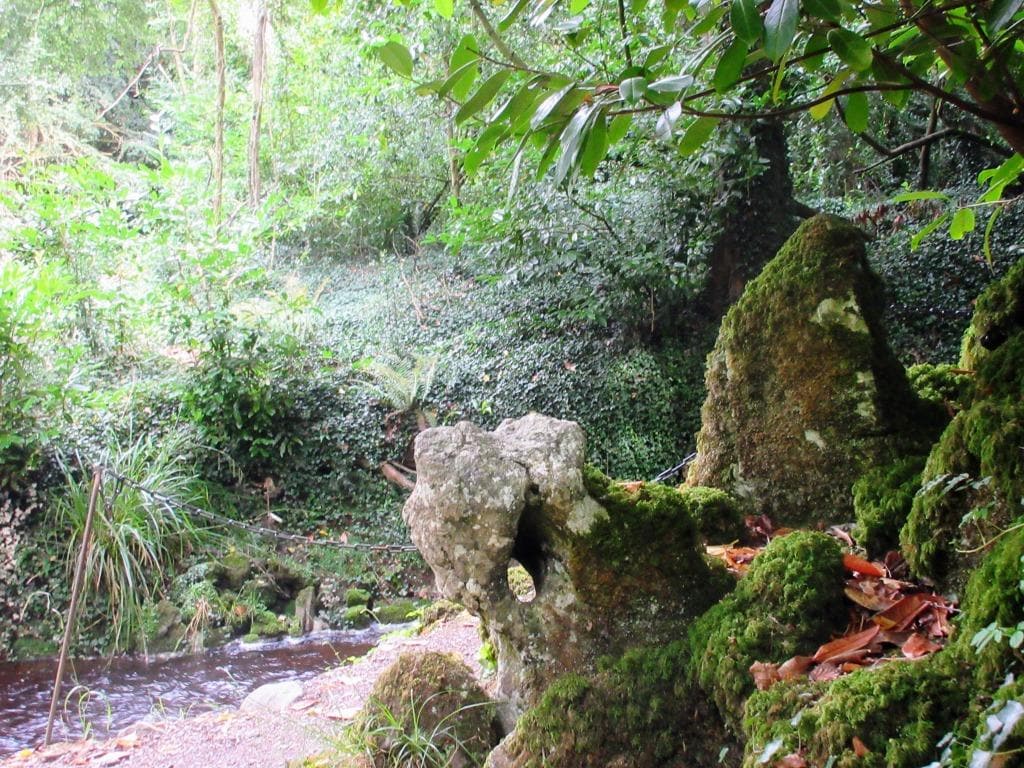
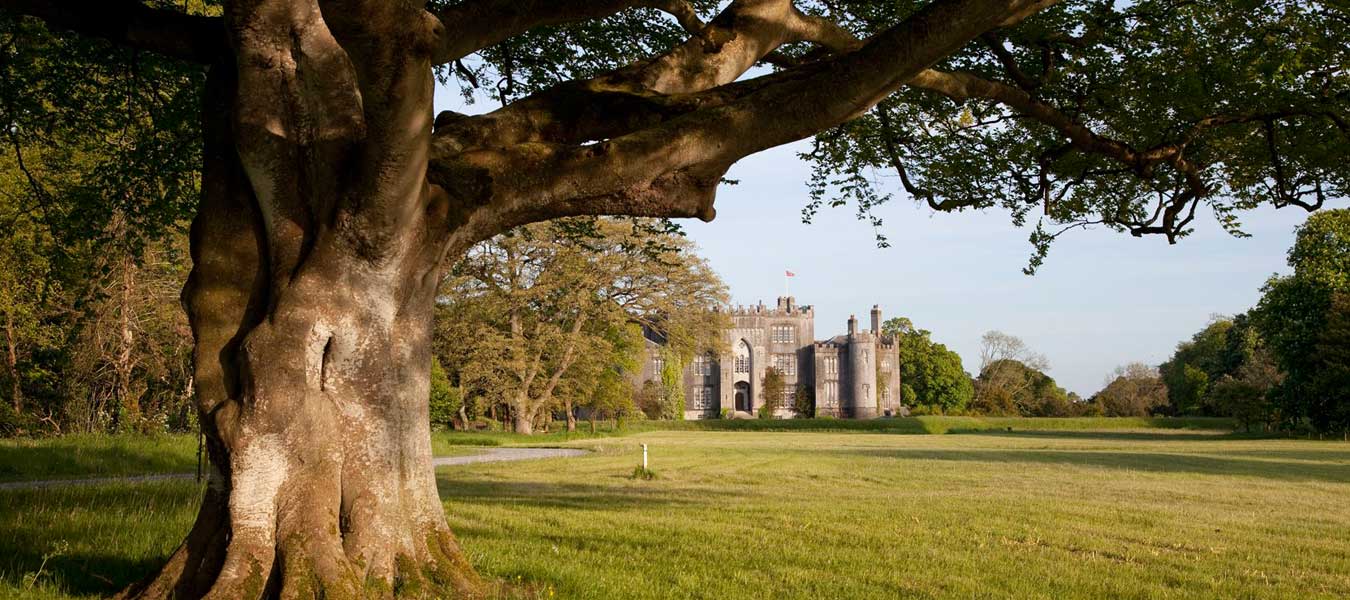
8. Birr, County Offaly: Georgian Elegance and Scientific Heritage
Birr is a Georgian heritage town in the heart of the Irish midlands, built around the extraordinary Birr Castle Demesne. The castle is home to one of the great gardens of Ireland as well as the Great Telescope, built in the 1840s by the 3rd Earl of Rosse, which was the largest telescope in the world for over 70 years.
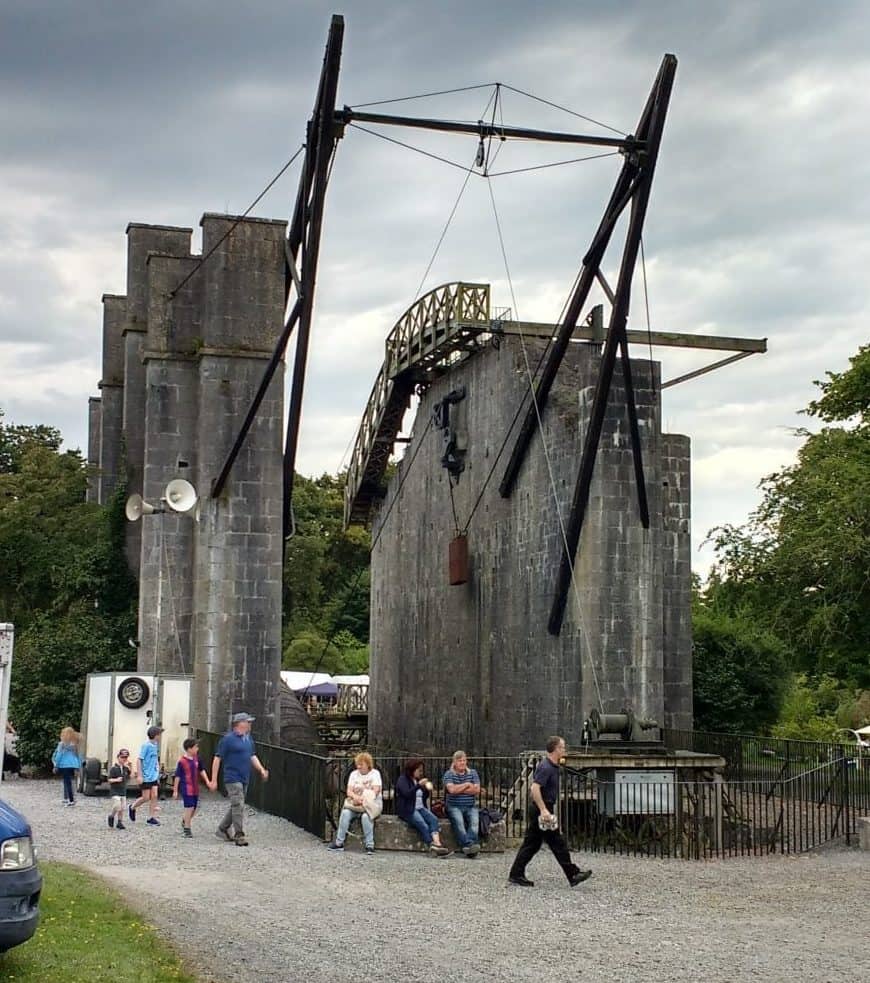
The castle and science centre are fascinating for visitors of all ages. The town itself has a beautifully preserved Georgian streetscape, good local restaurants, and serves as a relaxed base for exploring the Slieve Bloom Mountains.
Don’t miss: The Birr Castle Demesne, including the restored Great Telescope, stunning gardens and the Ireland Historic Science Centre.
Parking and access: The castle has a car park with Blue Badge spaces. The grounds are largely accessible, with some gravel paths. The town centre has on-street parking.
Ticket costs: Check birrcastle.com for current admission prices.
9. Clifden, County Galway: Capital of Connemara
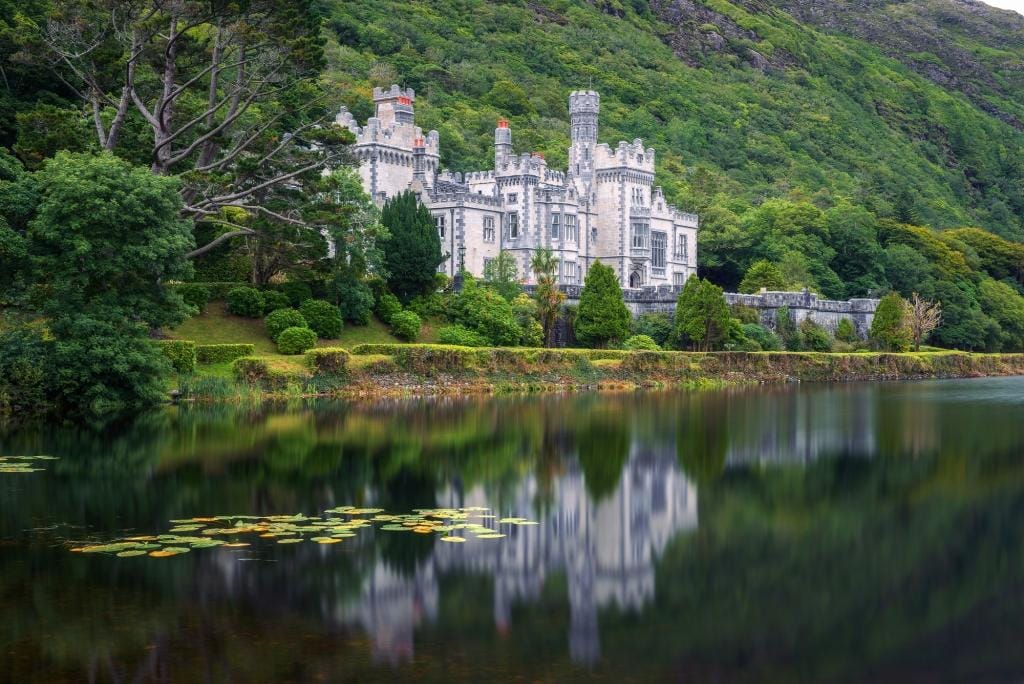
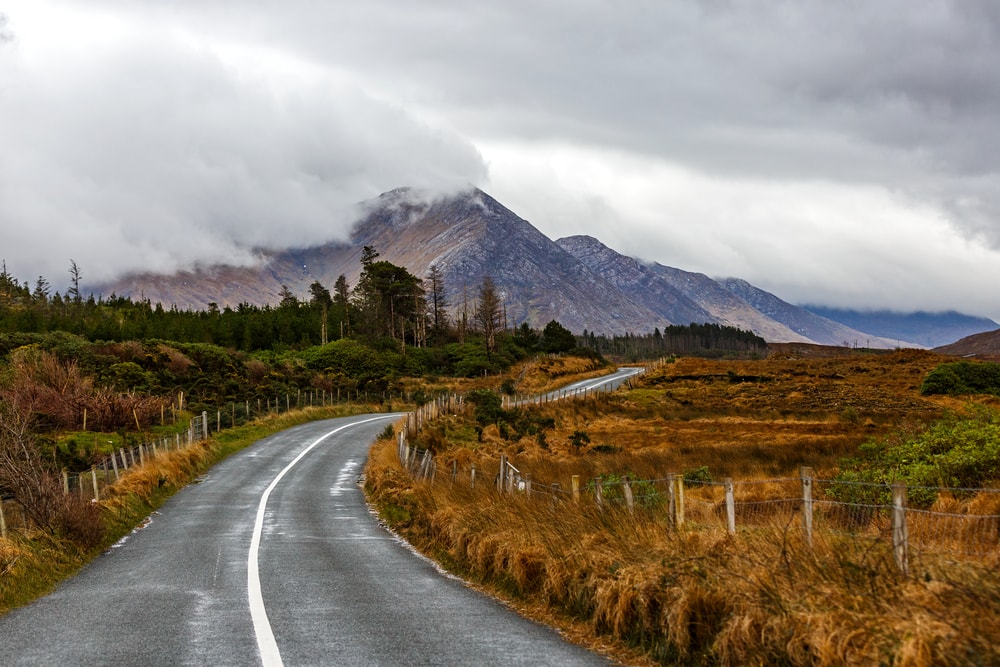
Known as the Capital of Connemara, Clifden sits against the backdrop of the Twelve Bens mountain range in one of the wildest and most beautiful landscapes in Ireland. The town is the main hub for exploring Connemara National Park, the Sky Road, and Kylemore Abbey, one of Ireland’s most photographed buildings.
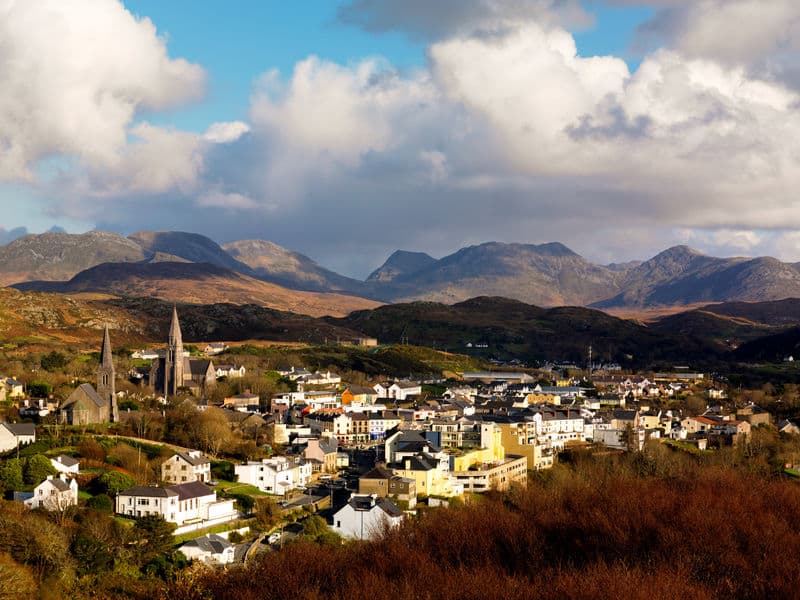
Clifden also has a proud place in aviation history as the site from which Alcock and Brown landed after completing the world’s first non-stop transatlantic flight in 1919. The Irish culture around this stretch of the Wild Atlantic Way runs deep, with Irish folklore woven into every bog, mountain, and coastal inlet.
Don’t miss: The Sky Road Drive for panoramic views over the Atlantic and a visit to Kylemore Abbey.
Parking: There is public parking in Clifden town centre. Kylemore Abbey has a large car park with accessible spaces and the abbey itself has good accessibility provisions.
10. Donegal Town, County Donegal: Gateway to the Wild Northwest
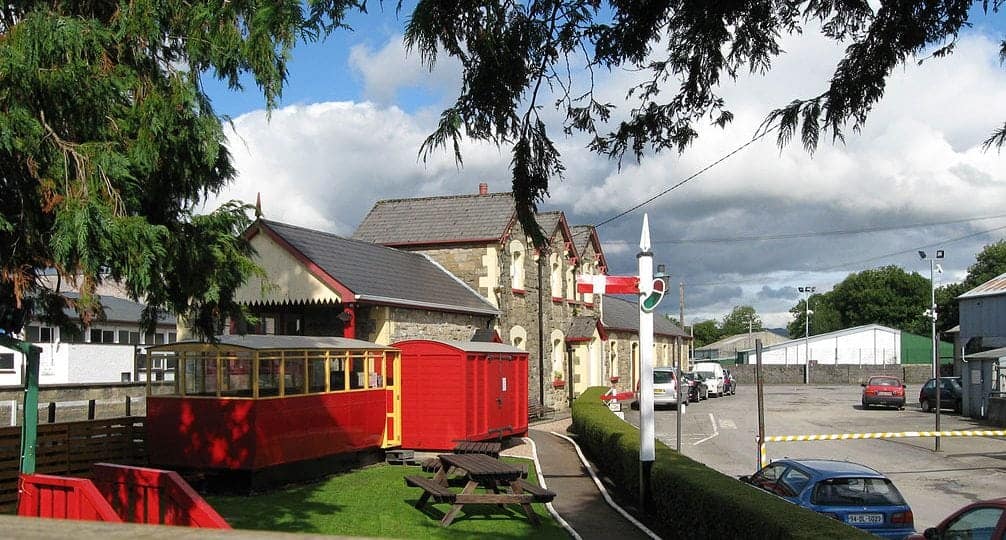
Donegal Town sits where the River Eske flows into Donegal Bay, with the Bluestack Mountains rising to the north. The town’s ruins of Donegal Castle and the Abbey on the Diamond give it genuine historical weight, and the surrounding countryside is some of the most spectacular in Ireland.

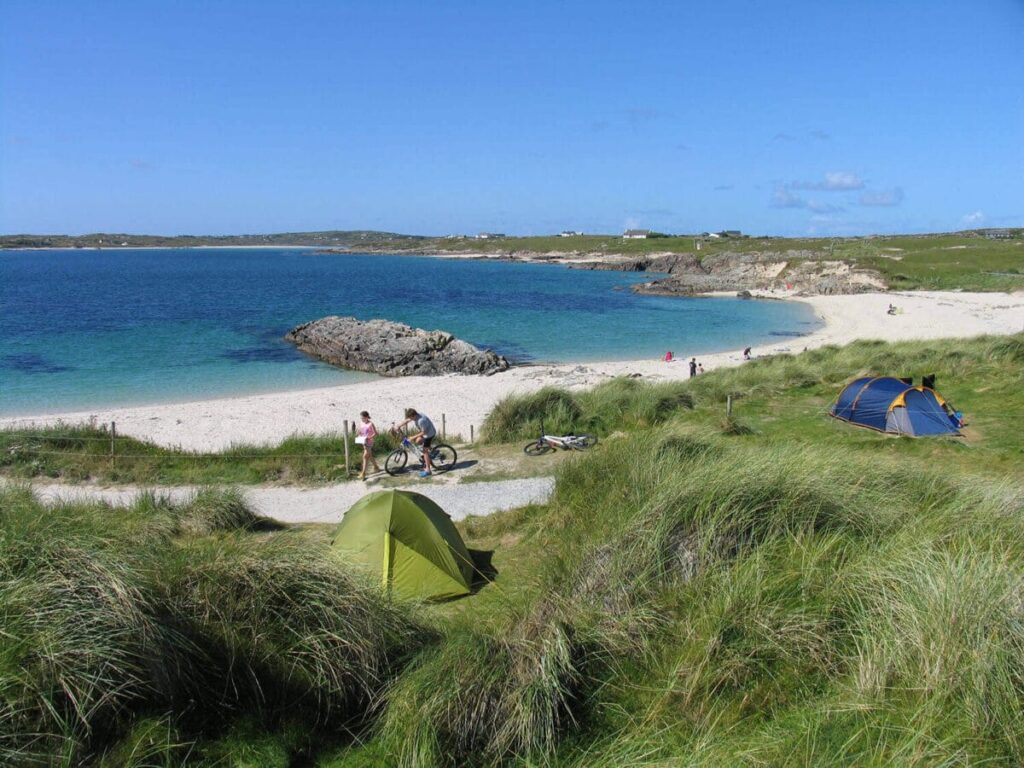
Donegal Town is an excellent base for exploring the wider county: Killybegs, Ireland’s largest fishing port, is 28 kilometres west; the Slieve League sea cliffs, among the highest in Europe, are within easy reach; and Glenveagh National Park lies to the north. The beaches of Donegal, including Rossnowlagh and Murvagh, are some of the finest and least crowded in Ireland.
Don’t miss: A trip through the Barnesmore Gap en route to or from the town, and boat tours of Donegal Bay from the town pier.
Parking: The Diamond, the town’s central square, has parking nearby. There is a public car park on Quay Street. Accessible spaces are available.

11. Strandhill, County Sligo: Surf, Seaweed, and Sacred Landscape
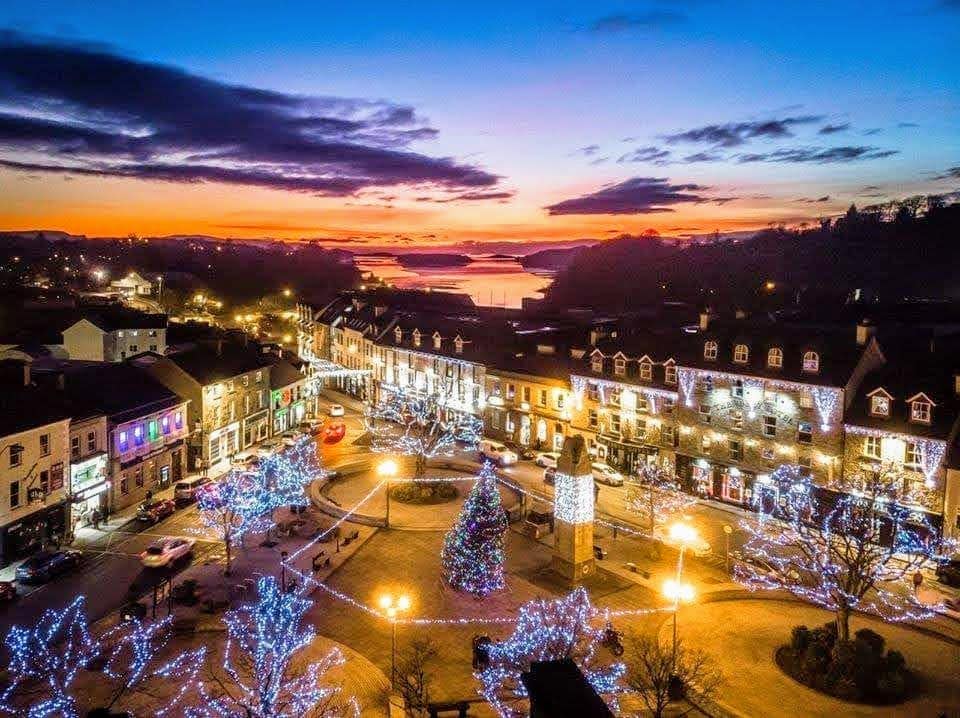
Strandhill is a vibrant seaside village on the Coolera Peninsula, facing the open Atlantic on the western coast of County Sligo. It is renowned as one of Ireland’s finest surfing destinations, but the village is as much about the landscape and its ancient connections as it is about sport.

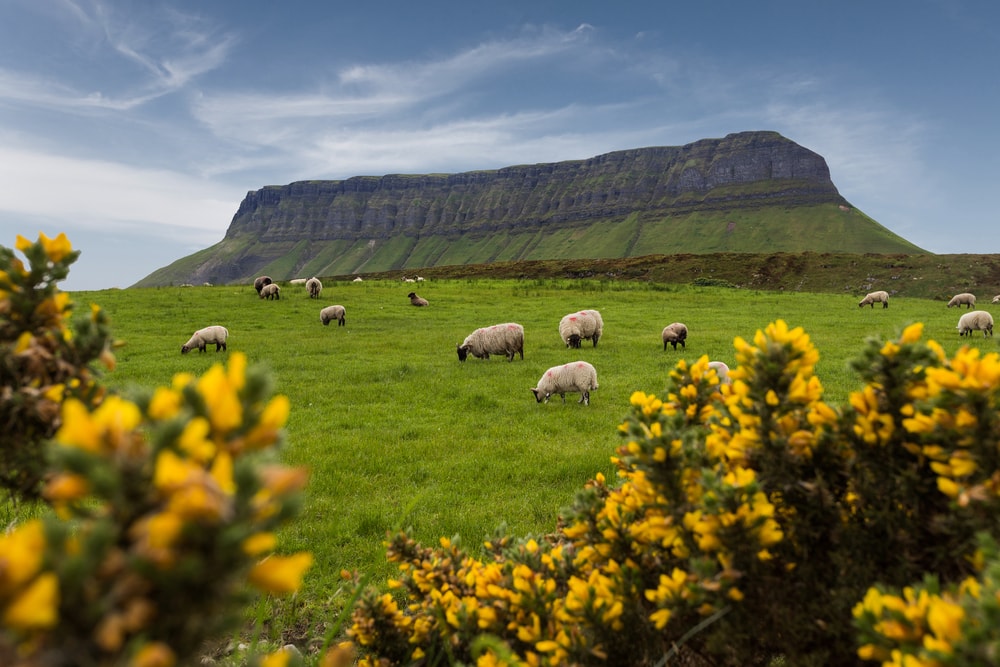
The Carrowmore Megalithic Cemetery, the largest and oldest passage tomb cemetery in Ireland, sits just minutes from the village. Knocknarea Mountain, topped by the enormous cairn said to be the burial place of the legendary Queen Maeve of Connacht, dominates the skyline. In the nearby town of Drumcliff, W.B. Yeats, one of Ireland’s greatest poets, is buried under the shadow of Ben Bulben, approximately 20 minutes from Strandhill.
The Sunday market and the Voya Seaweed Baths, where you soak in warm seaweed-filled tubs overlooking the bay, are two of the most distinctive local experiences in Ireland.
Don’t miss: Voya Seaweed Baths (accessible with assistance), the Carrowmore tombs, and the sunset over the Atlantic from the beach.
Parking: There is a large public car park at the beach, with Blue Badge spaces. The seafront is flat and accessible. The beach itself is accessed via a gentle ramp.


12. Kenmare, County Kerry: Where the Ring of Kerry Meets Kenmare Bay
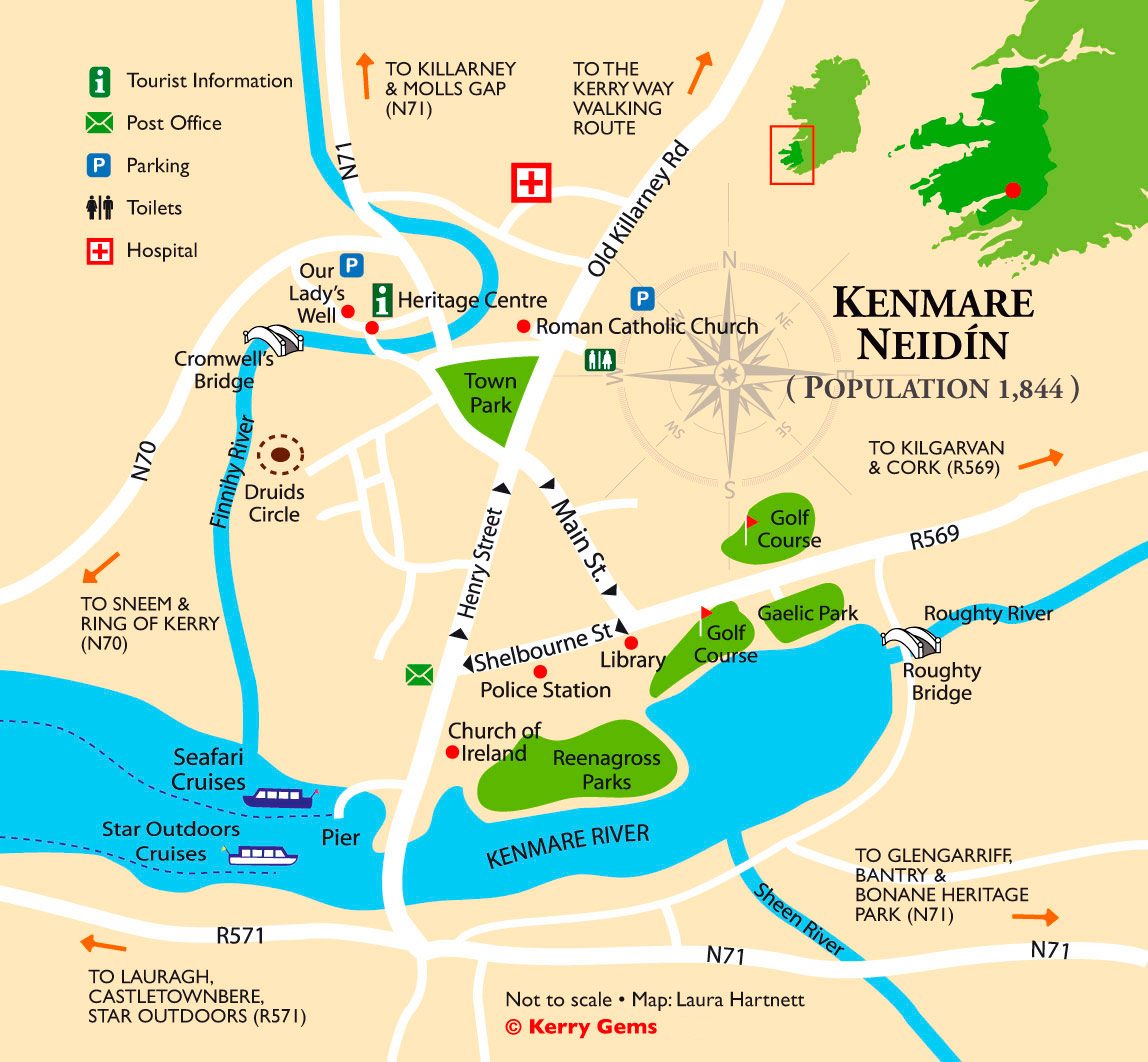
Kenmare is a beautifully kept town at the point where the Ring of Kerry meets the Beara Peninsula, overlooking the tidal estuary of Kenmare Bay. It has a warmth and sense of pride that is immediately apparent, with flower boxes on every window and an independent food and craft culture that punches well above its size.

The town is famed for its lace-making tradition, a craft that dates to the famine era when the nuns of the Poor Clares established a lacemaking school as a means of income for local women. That heritage is kept alive at the Kenmare Lace and Design Centre. The Bronze Age stone circle at the edge of town is one of the largest in Ireland and free to visit.
Don’t miss: The Kenmare Lace and Design Centre, the Bronze Age stone circle, and Moll’s Gap on the drive towards Killarney.
Parking: There is public parking in the town centre, including spaces on Henry Street. Blue Badge spaces are available. The town centre is flat and very walkable.
Food: Kenmare has an excellent restaurant scene for its size. Mulcahy’s Restaurant and Packie’s are long-established favourites. Several cafes along the main street offer accessible entry.

13. Kilkenny, County Kilkenny: Ireland’s Medieval Capital
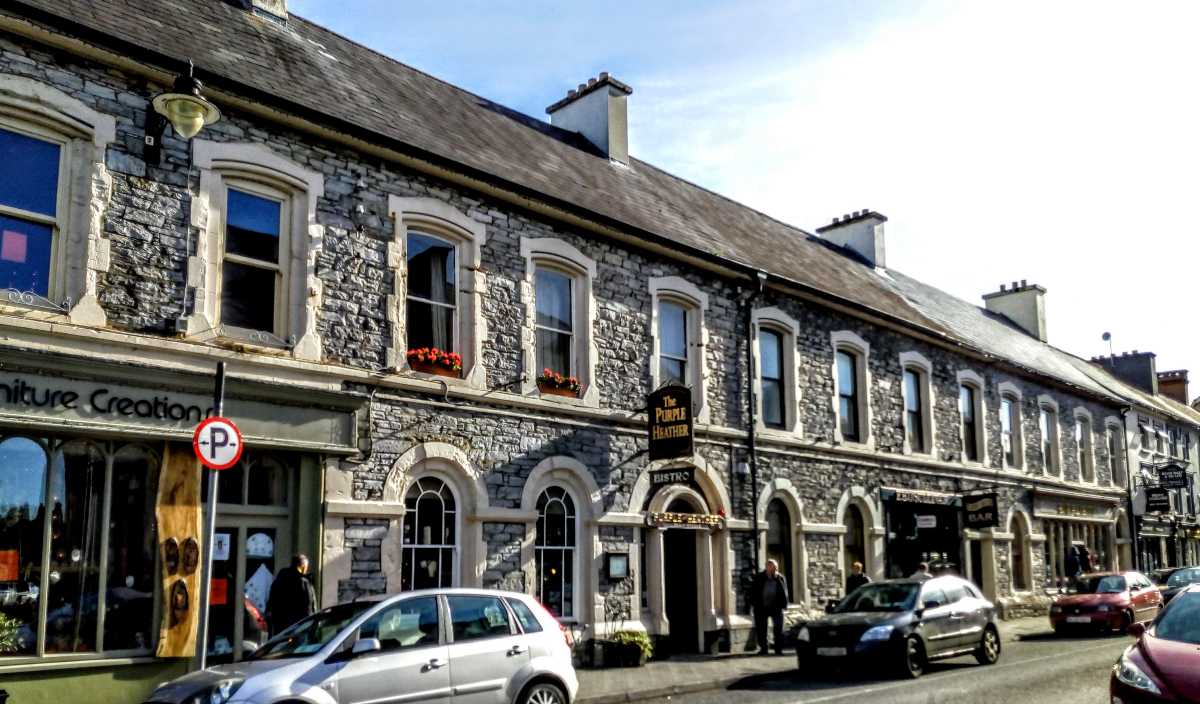
Kilkenny is the jewel of Ireland’s Ancient East. Its castle, St. Canice’s Cathedral, the Black Abbey, and the Rothe House are extraordinary in their preservation and accessibility. The Medieval Mile, linking the castle to the cathedral, is one of the most rewarding heritage walks in the country.
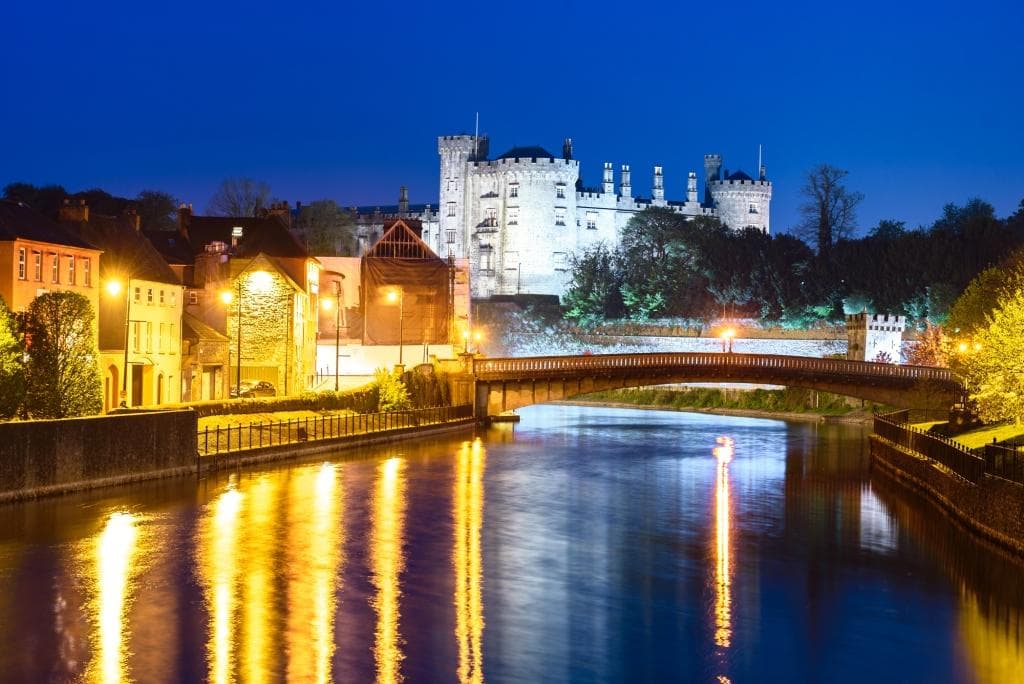
The city has a thriving arts and craft scene anchored by the Kilkenny Design Centre, and the Kilkenny Arts Festival in August transforms the streets with performance, music, and visual art. The food culture here is equally strong, with the Kilkenny Farmers Market on Thursdays and Saturdays drawing producers from across the county.
Don’t miss: The Kilkenny Castle grounds (free to enter) and a walk along the Medieval Mile. The Medieval Mile Museum is housed in the 13th-century St. Mary’s Church.
Parking: The main car parks are at the Castle Road and at the Parade. Blue Badge spaces are available close to the castle entrance. The castle grounds are accessible, with some uneven cobblestones near the entrance.
Ticket costs: Kilkenny Castle admission: Adults approximately 8 euros. Check kilkennycastle.ie for current prices.

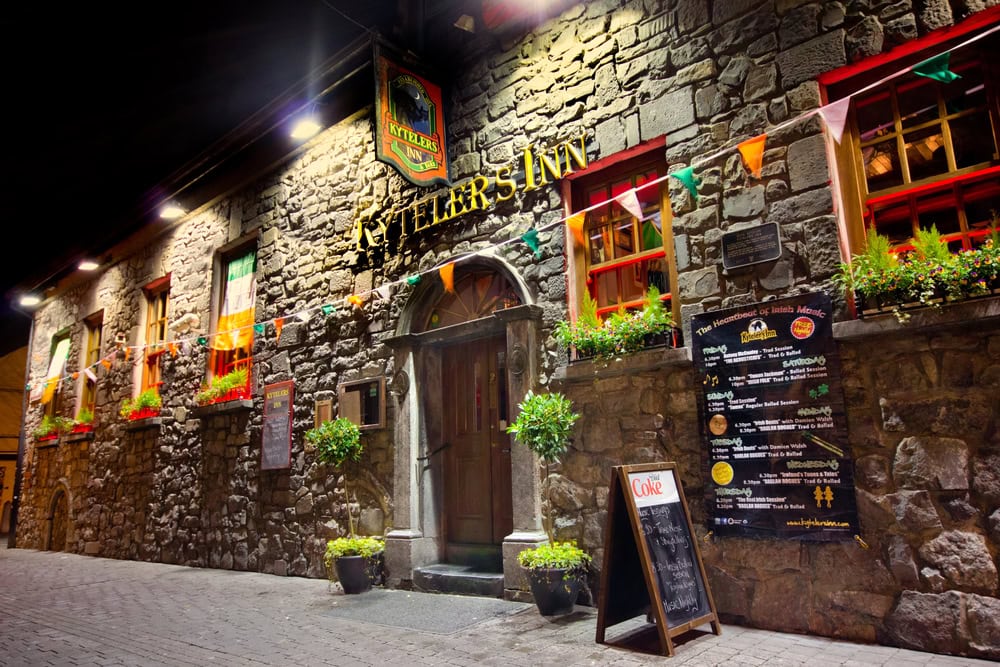

14. Killarney, County Kerry: Lakes, Jaunting Cars, and National Park
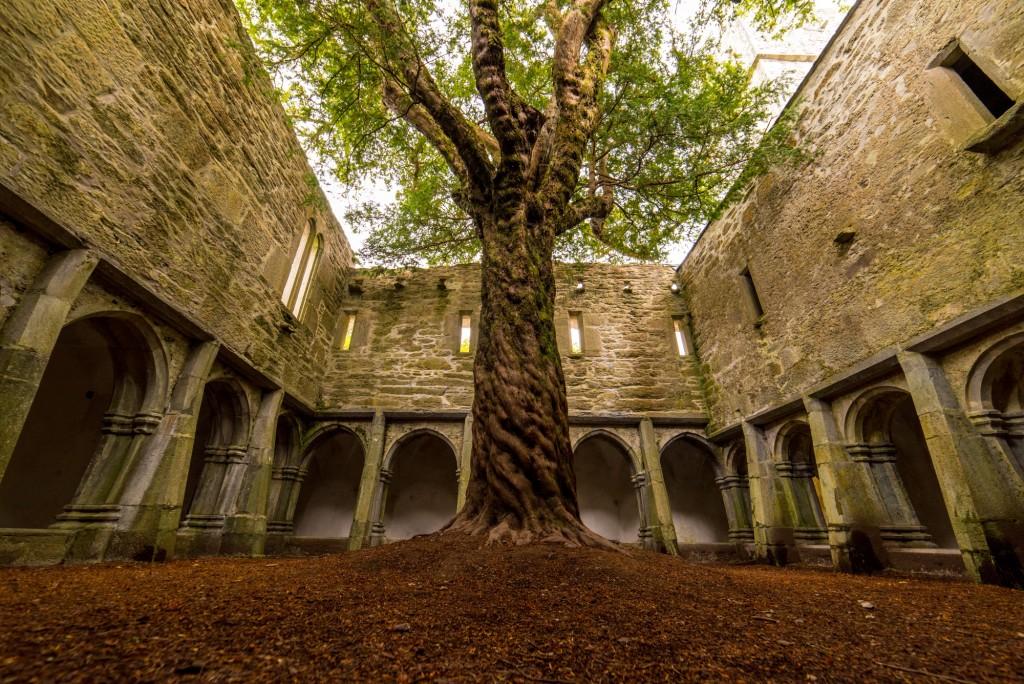
Set beside Killarney National Park, Ireland’s oldest national park, the town of Killarney has been welcoming visitors since the 18th century, when the landscape was declared one of the most picturesque in Europe. The Lakes of Killarney, Torc Waterfall, Muckross House, and the dramatic Gap of Dunloe are all within easy reach.

A jaunting car ride through the national park with a local jarvey (driver) is one of those experiences that sounds touristy and turns out to be genuinely wonderful. The Gap of Dunloe, a narrow glacial valley between the MacGillycuddy’s Reeks and the Purple Mountain, is best explored on foot or by horse trap.
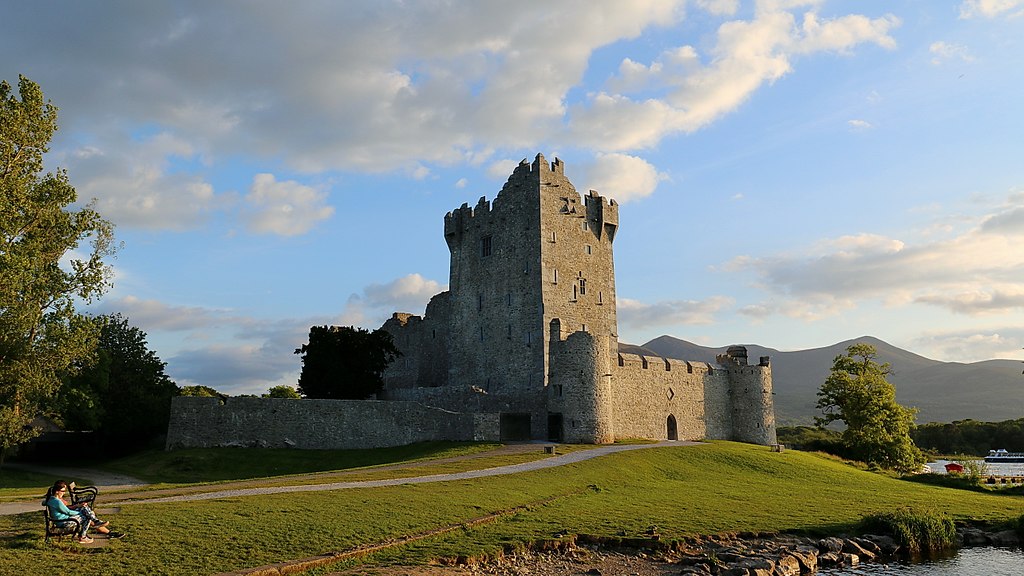
Don’t miss: A boat trip on Lough Leane and a visit to the 15th-century Ross Castle. Both are accessible with assistance.
Parking: Multiple car parks are available in Killarney town. The national park has dedicated car parks at Muckross and Torc Waterfall with Blue Badge spaces.

15. Oughterard, County Galway: Gateway to Connemara
Oughterard sits on the western shore of Lough Corrib, one of Ireland’s great fishing lakes, and is the last village before the landscape opens fully into the heart of Connemara. It is a quiet, genuine town with good food, excellent fishing, and easy access to the Connemara Loop and the west of Ireland’s most dramatic scenery.
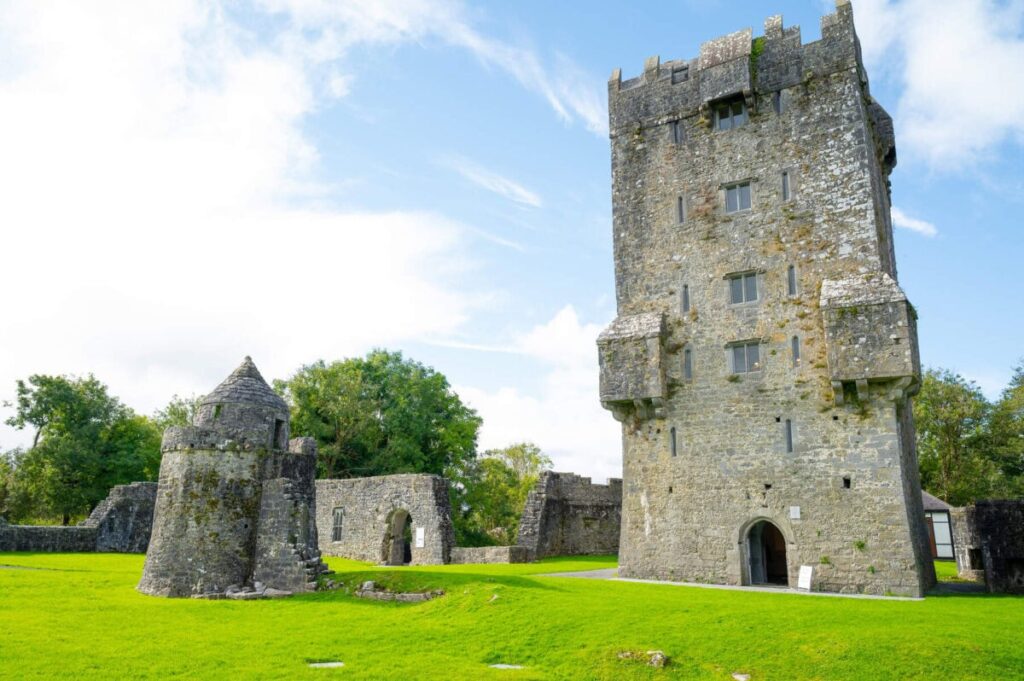
Aughnanure Castle, a 16th-century tower house on the banks of the River Drimneen, is a short walk from the town and is one of the best-preserved examples of a Norman tower house in the west of Ireland.
Don’t miss: Exploring the Connemara Loop by car and visiting Aughnanure Castle and visit the only fjord in Ireland at Killary.
Parking: On-street parking is available in the town centre. The castle has a small car park nearby.
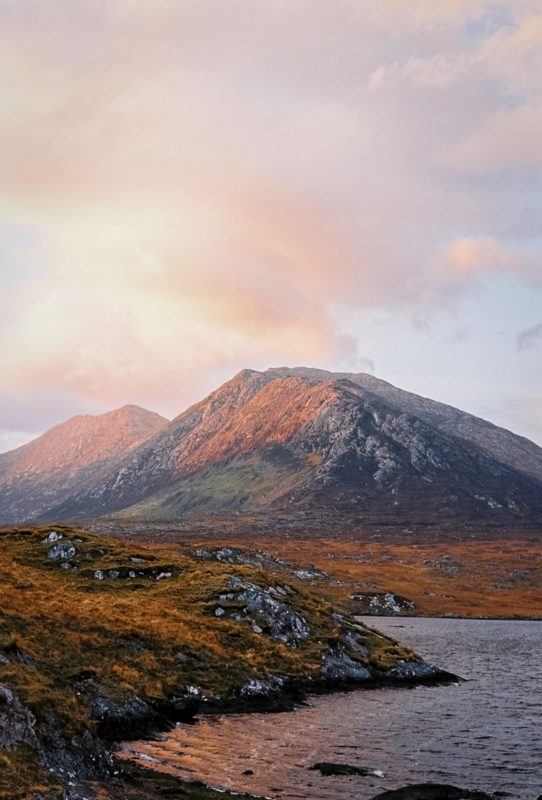


16. Cong, County Mayo: The Quiet Man Village
Cong straddles the border of County Mayo and County Galway, between Lough Corrib and Lough Mask. It is famous as the filming location for John Ford’s The Quiet Man (1952), starring John Wayne and Maureen O’Hara, and the village has embraced that heritage warmly without being overwhelmed by it.
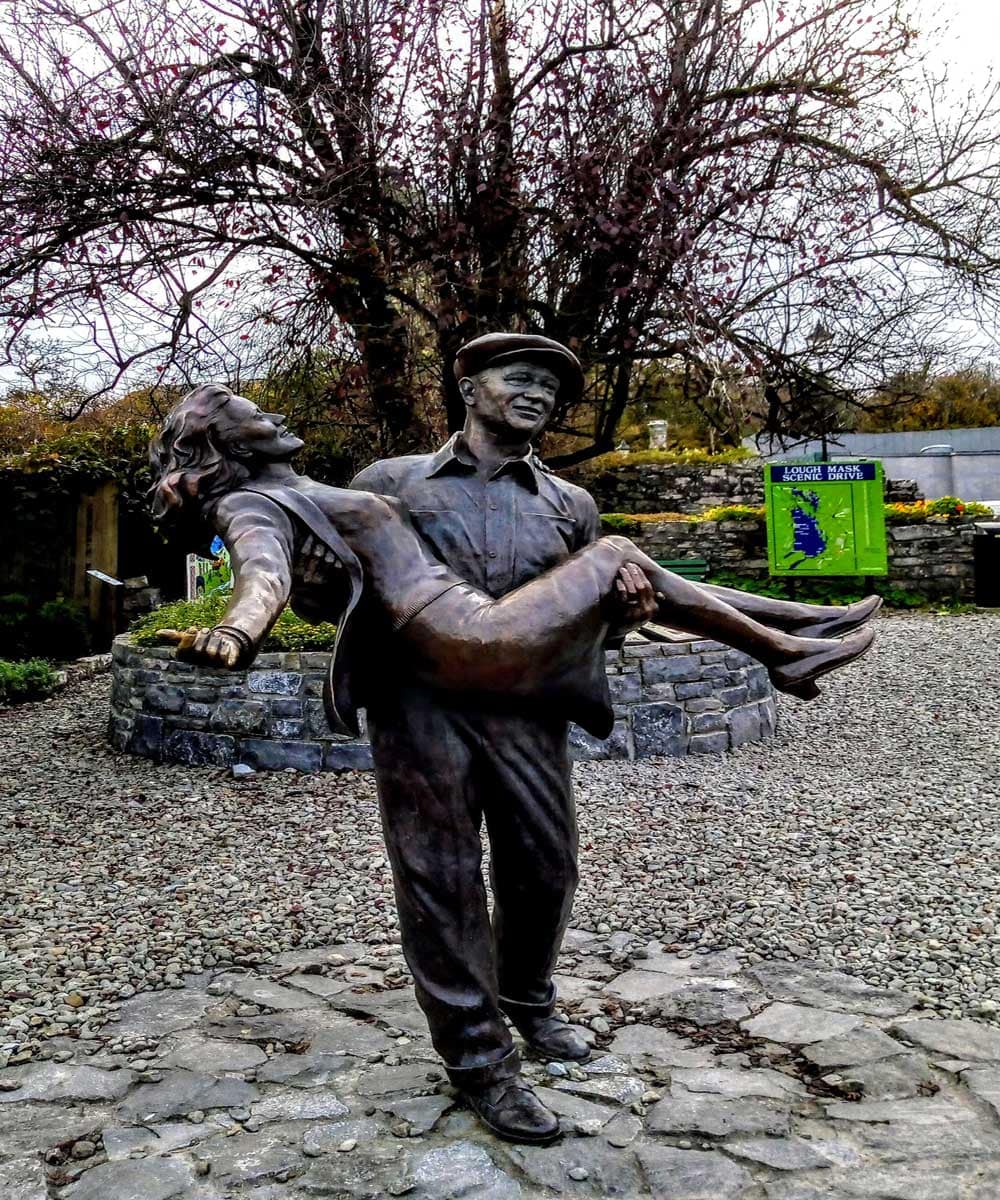
The ruins of Cong Abbey, a 12th-century Augustinian monastery, sit right in the village centre and are freely accessible. Ashford Castle, now one of Ireland’s premier luxury hotels, occupies an extraordinary position on the shores of Lough Corrib and is worth visiting for the grounds and the bar alone.
Don’t miss: A lakeside walk between Lough Corrib and Lough Mask, and the free Quiet Man Museum in the village.
Parking: There is free parking in the village centre. Ashford Castle has its own car park for visitors using the facilities.


17. Doolin, County Clare: Traditional Music, the Burren, and Cliffs of Moher
Doolin is small, unpretentious, and one of the most important centres of traditional Irish music in the country. On any given evening, particularly in Gus O’Connor’s Pub or McDermott’s, you will hear sessions that are the real thing rather than a performance, with musicians gathering because the music matters.
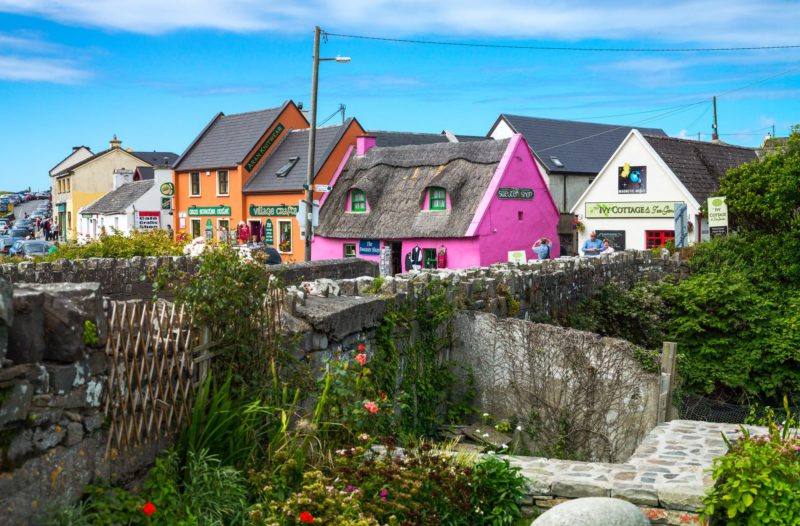
The village sits at the edge of the Burren, one of the world’s most unusual landscapes, a limestone karst plateau scattered with rare wildflowers, ancient tombs, and stone walls that have stood for millennia. The Cliffs of Moher are a 20-minute drive or a spectacular cliff walk from Doolin. Ferry services from Doolin Pier also run to the Aran Islands.
Don’t miss: The cliff walk from Doolin to the Cliffs of Moher and a night of trad music in Gus O’Connor’s Pub.
Parking: There is a public car park at Doolin Pier and limited on-street parking in the village. The Cliffs of Moher visitor centre has a large accessible car park.
Ticket costs: Cliffs of Moher: Adults approximately 8 euros. See cliffsofmoher.ie for current prices and accessibility information.
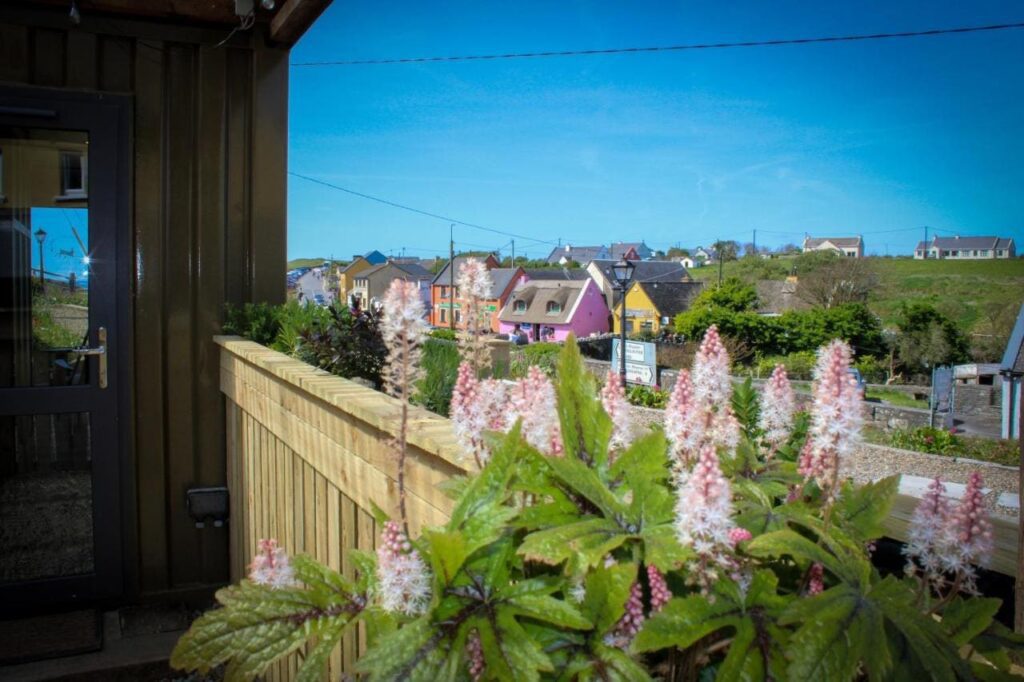
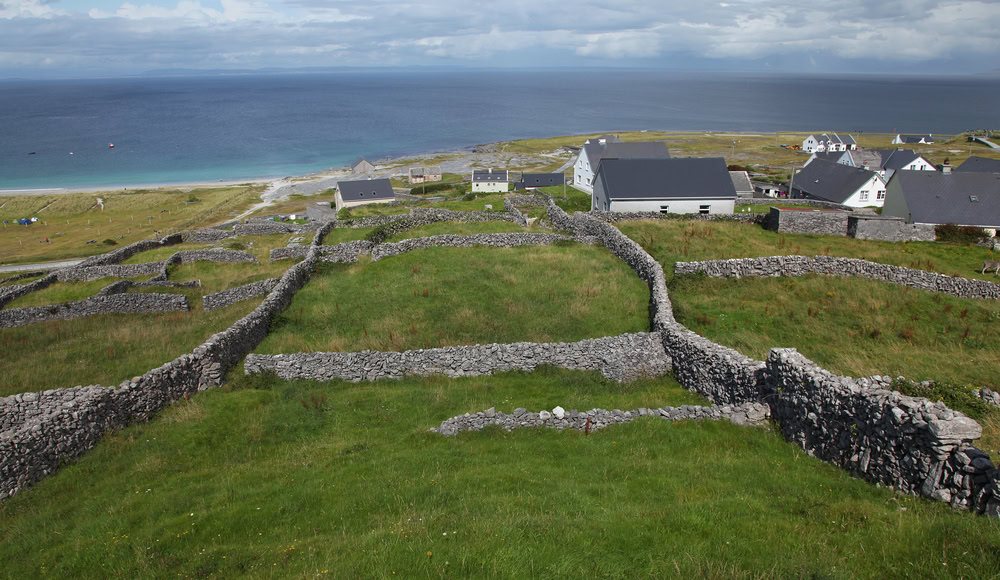
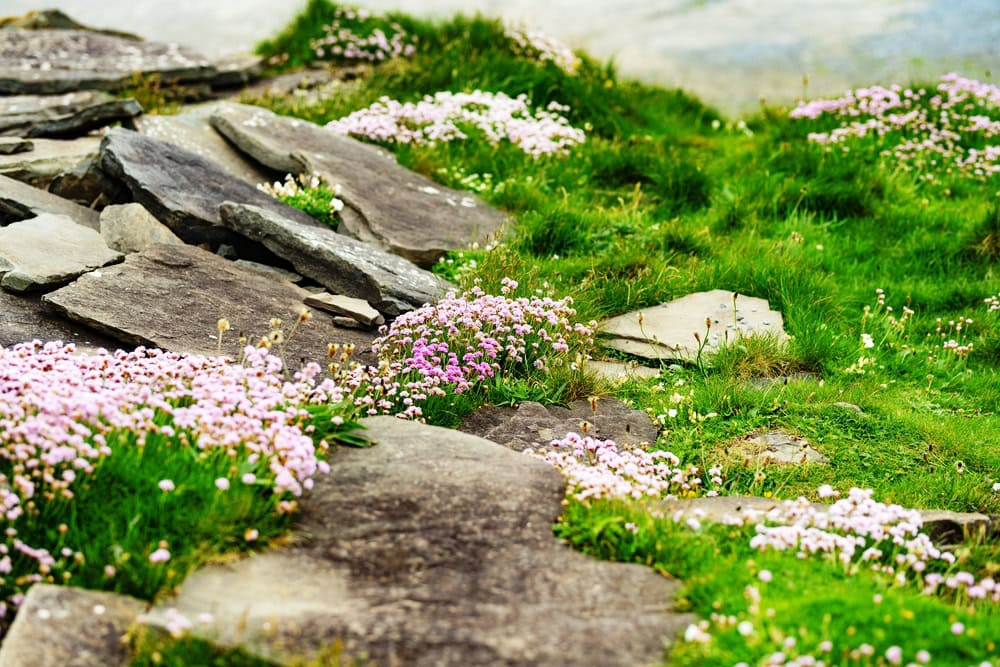
18. Schull, County Cork: Harbour Village at the Edge of West Cork
Schull is a vibrant harbour village on the Mizen Peninsula in West Cork, beloved by artists, sailors, and food lovers alike. It comes alive in summer with a marina full of yachts, a farmers market that draws producers from across West Cork, and a social atmosphere that feels entirely unselfconscious.

The Schull Planetarium, housed in the local community college, hosts public shows and is a genuinely unexpected delight in such a small place. Cape Clear Island and Sherkin Island are both accessible by ferry from Schull, offering birdwatching, whale watching, and one of the most atmospheric Irish-speaking communities in the country on Cape Clear.
Don’t miss: Stargazing at the Schull Planetarium and a ferry trip to Cape Clear Island.
Parking: On-street and pier-side parking are available in the village. Limited Blue Badge spaces. The village itself is small and walkable.
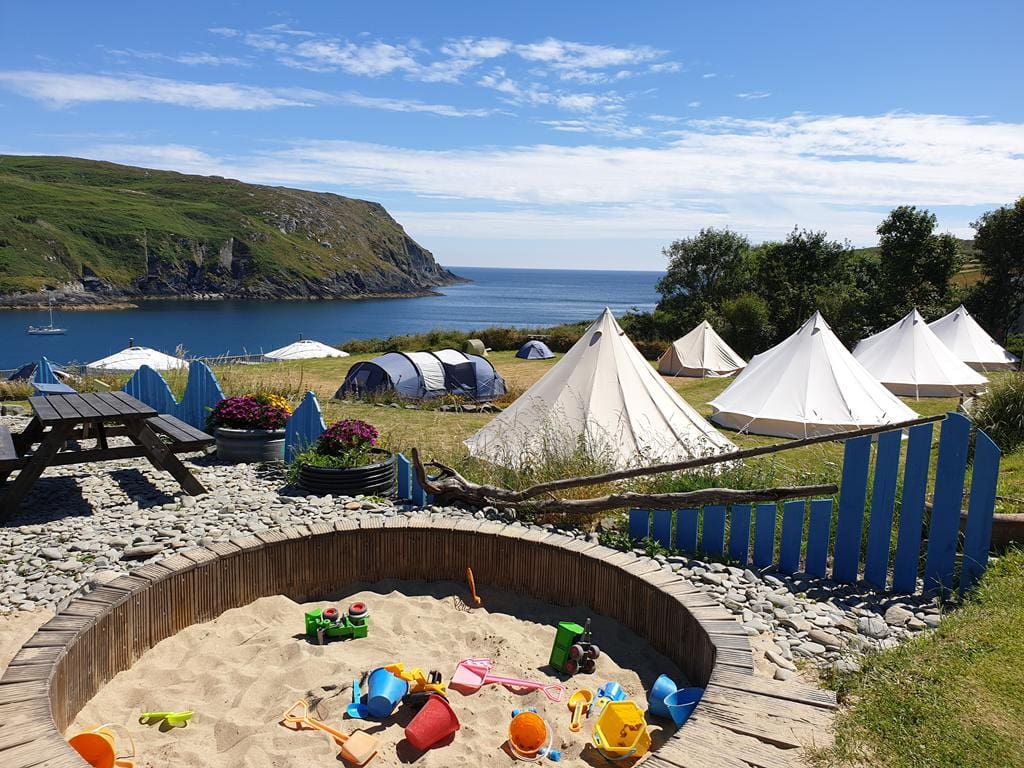
19. Baltimore, County Cork: Maritime History and Roaring Water Bay
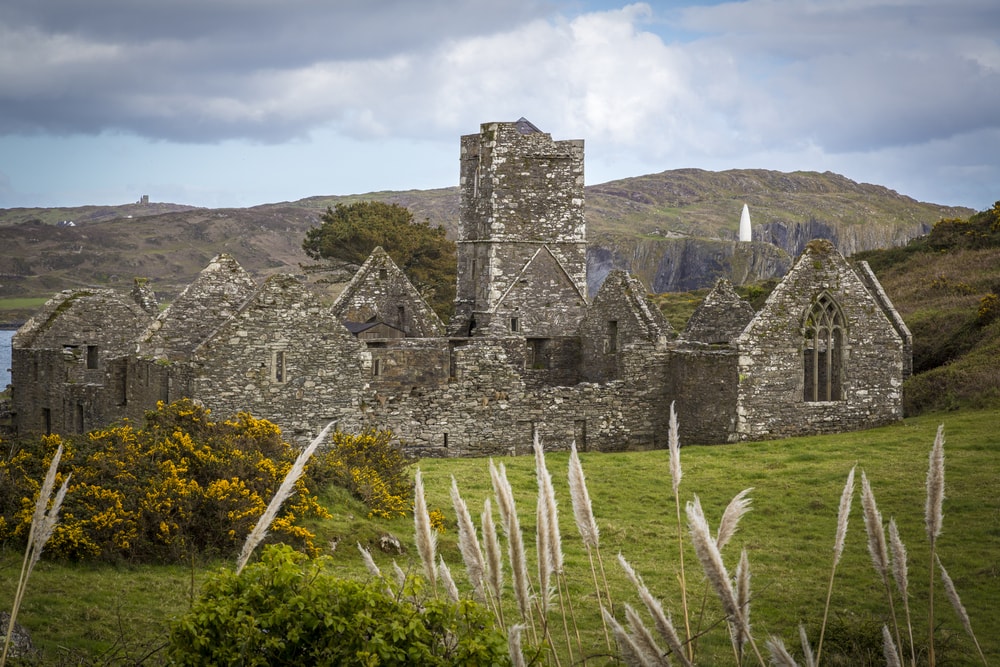
Baltimore is a small harbour town at the very tip of a peninsula in West Cork with a maritime history that is both dramatic and layered. In 1631, Barbary pirates from North Africa raided the village and took over 100 inhabitants into slavery, an event known as the Sack of Baltimore that is still remembered in the town.
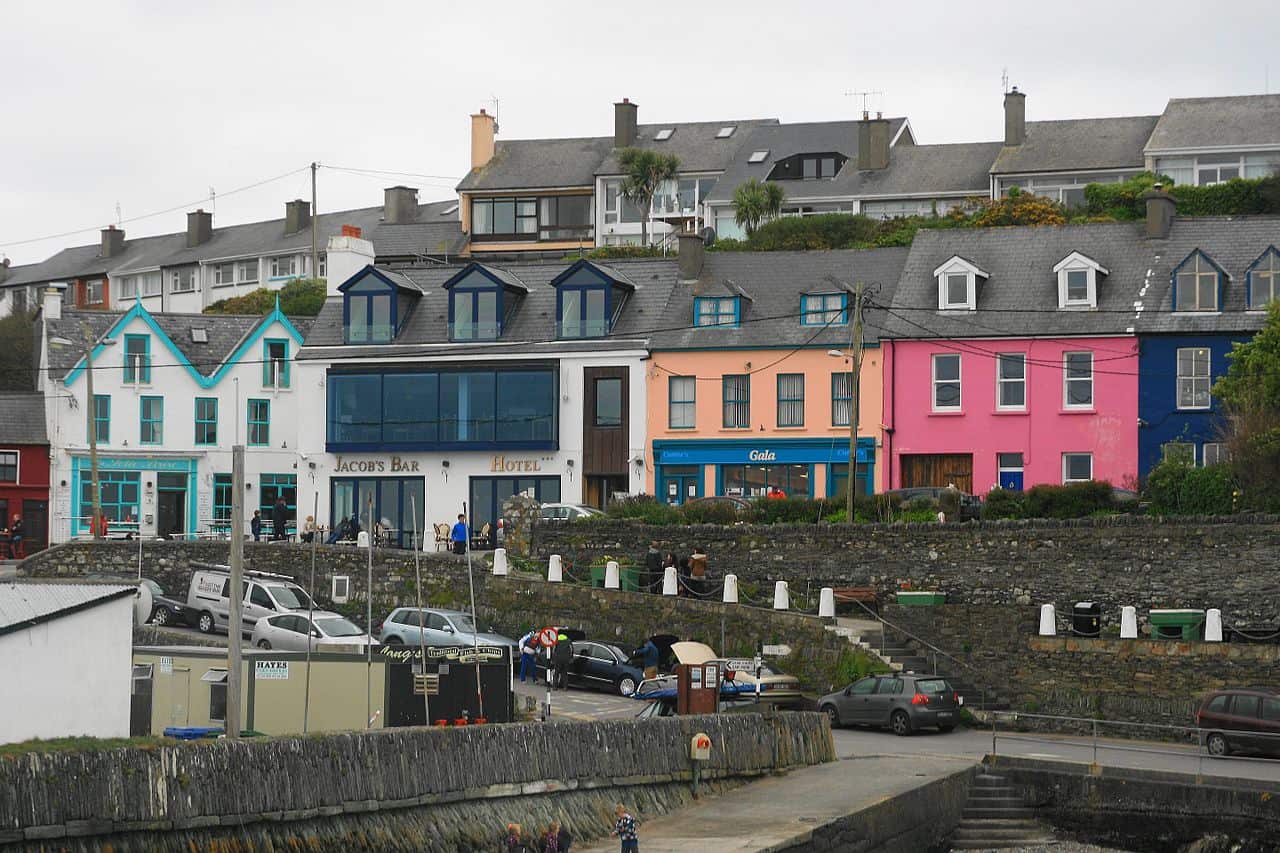
Today Baltimore is known for its seafood, sailing culture, and extraordinary setting on Roaring Water Bay, with Sherkin Island and Cape Clear Island visible from the harbour. The Baltimore Beacon, a white tower on the headland, is a short walk from the village and offers panoramic views across the bay and beyond. Whale and dolphin watching trips are available from the harbour, making it one of the best places in Ireland for marine wildlife.
Don’t miss: Climbing to the Baltimore Beacon and whale watching with Baltimore Sea Safari.
Parking: There is a car park at the harbour with Blue Badge spaces. The pier area is flat and accessible.

20. Inistioge, County Kilkenny: A Riverside Village That Stops You in Your Tracks
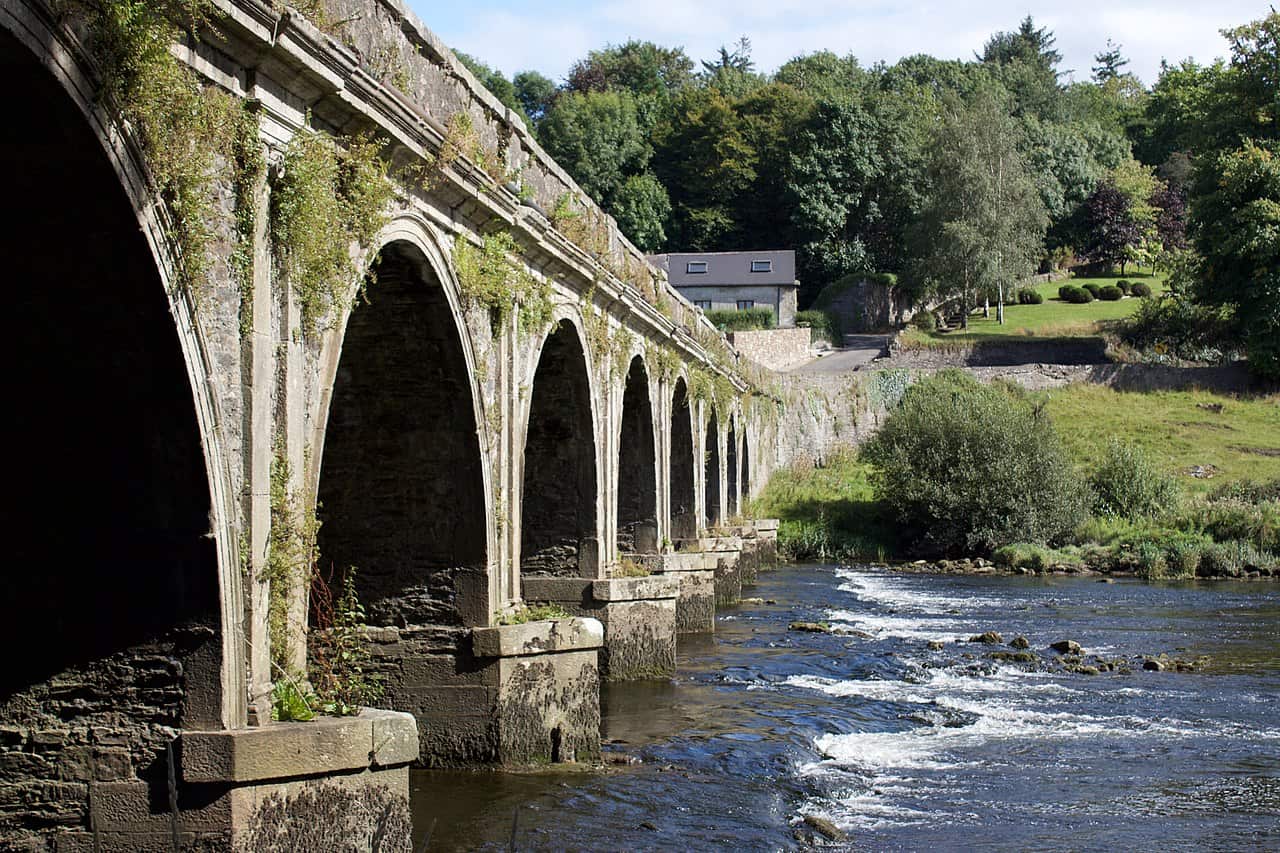
Inistioge (pronounced Inn-ish-teeg) is one of those villages that makes you pull over without quite knowing why. A 10-arched stone bridge over the River Nore, a tree-lined square, a ruined Augustinian priory, and woodland that closes in around the village like something from an Irish fairy tale. It has appeared in several films, including Widow’s Peak, and the surrounding landscape of the Nore Valley is among the quietest and most beautiful in County Kilkenny.
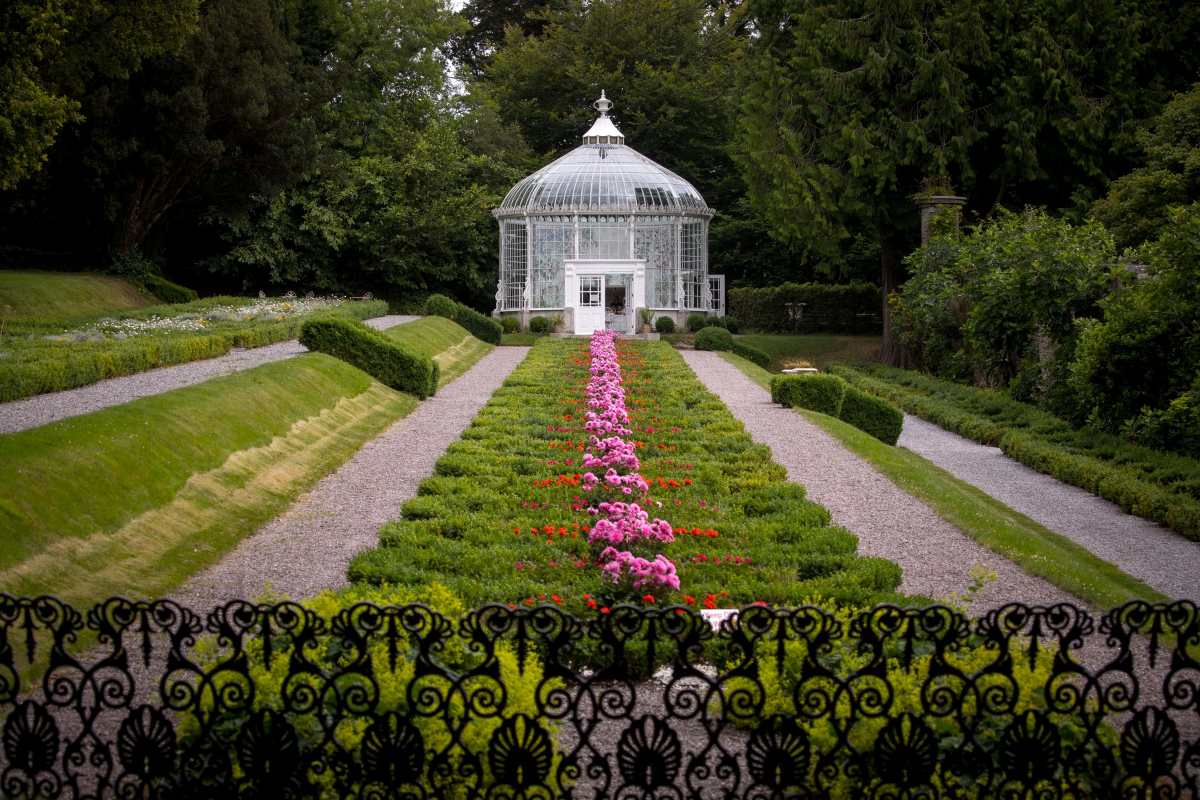
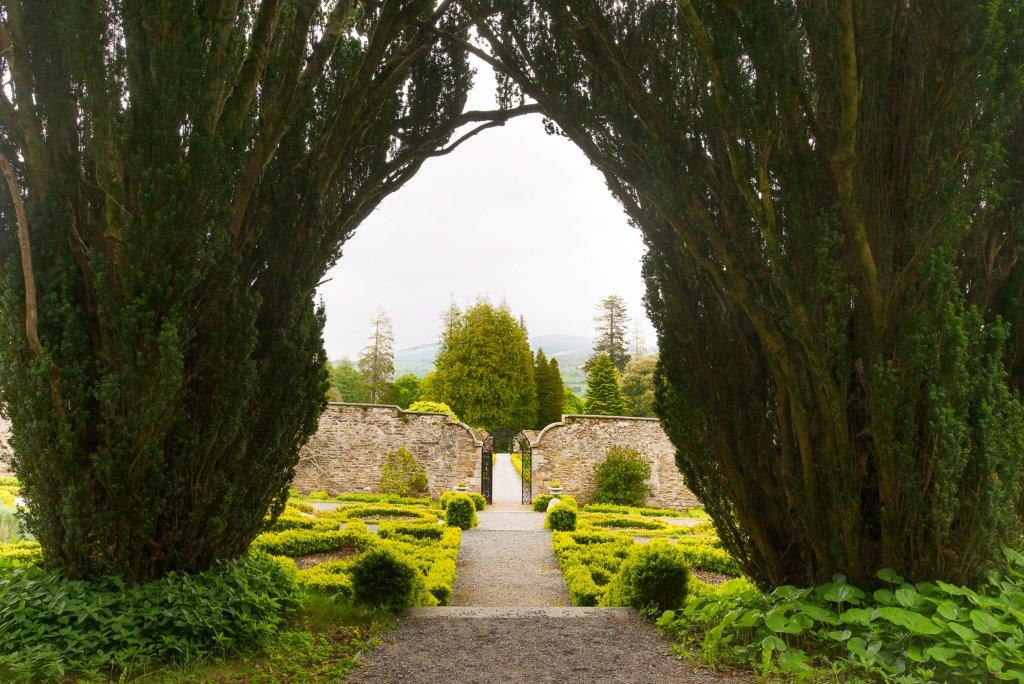
The nearby Woodstock Gardens and Arboretum, once part of a great estate, are free to enter and reward a long, unhurried walk through restored Victorian walled gardens and wooded paths. A short drive away you can visit Jerpoint Abbey famous for its stone carvings.
Don’t miss: A riverside walk followed by tea in the village square and a visit to Woodstock Gardens.
Parking: Limited on-street parking in the village square. Woodstock Gardens has a car park with Blue Badge spaces. The garden paths are largely accessible.

Natural Attractions Near Ireland’s Most Beautiful Towns and Villages
Every town on this list sits within reach of a natural wonder. Here is a quick reference for planning:
Adare (Co. Limerick): Curraghchase Forest Park for woodland trails and lakes.
Kinsale (Co. Cork): The Old Head of Kinsale with dramatic cliffs and ocean views.
Dingle (Co. Kerry): Slea Head Drive and the Blasket Islands.
Westport (Co. Mayo): Croagh Patrick pilgrimage mountain and Clew Bay.
Cobh (Co. Cork): Spike Island and panoramic Cork Harbour.
Kilkenny (Co. Kilkenny): Woodstock Gardens and Arboretum in nearby Inistioge.
Kenmare (Co. Kerry): Moll’s Gap and the Beara Peninsula.
Killarney (Co. Kerry): Lakes of Killarney, Torc Waterfall, and Gap of Dunloe.
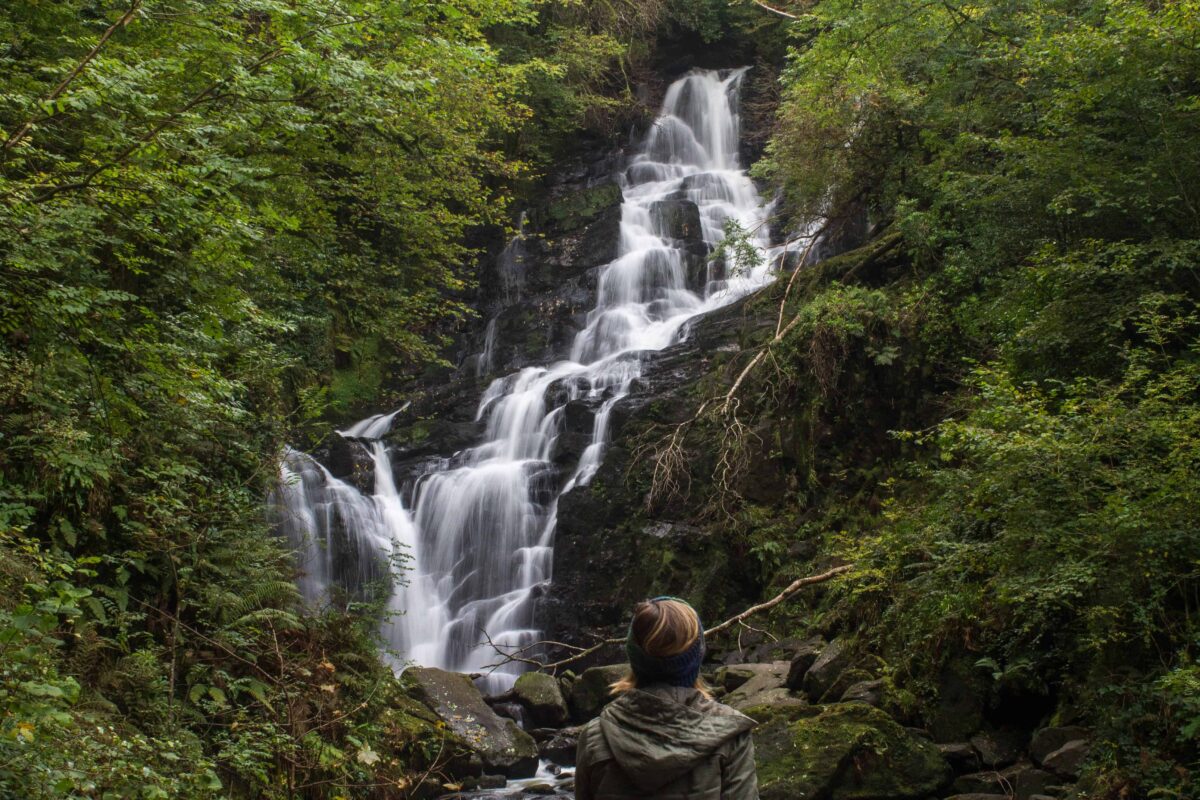
Clifden (Co. Galway): Sky Road and Connemara National Park.
Ardara (Co. Donegal): Assaranca Waterfall and Maghera Beach caves.
Birr (Co. Offaly): The Slieve Bloom Mountains and Birr Castle.
Cong (Co. Mayo): Lough Corrib boat tours and Cong Forest walks.
Doolin (Co. Clare): Cliffs of Moher and The Burren National Park.
Strandhill (Co. Sligo): Knocknarea Mountain and the Carrowmore megalithic tombs.

Roundstone (Co. Galway): Dog’s Bay and Gurteen Bay beaches.
Dunfanaghy (Co. Donegal): Horn Head cliffs and Glenveagh National Park.
Schull (Co. Cork): Mizen Head cliffs and Barleycove Beach.
Baltimore (Co. Cork): Roaring Water Bay, Sherkin and Cape Clear islands, and the Baltimore Beacon.
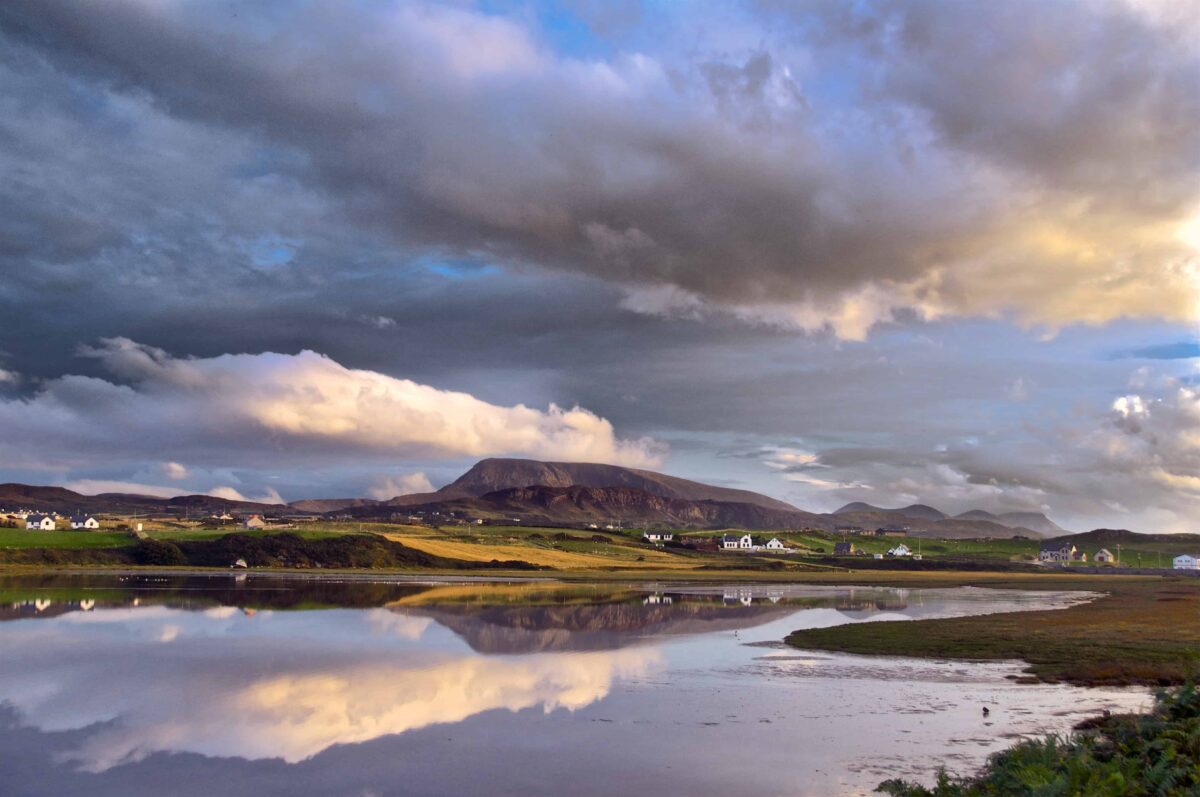
Don’t Overlook Northern Ireland
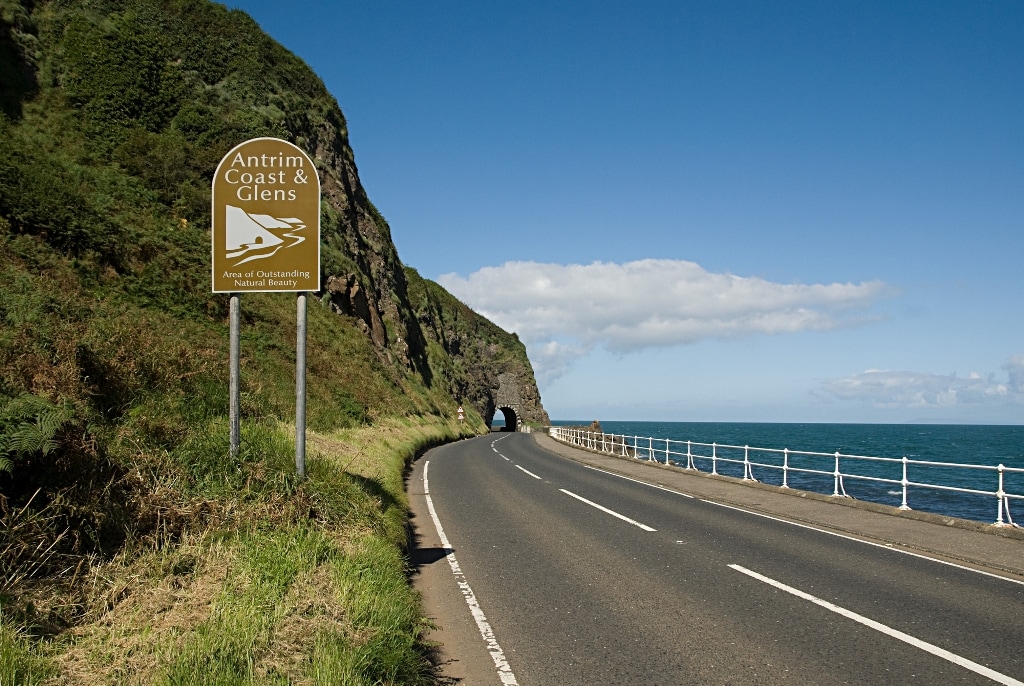
Northern Ireland deserves its own article, but it is worth noting that a trip to beautiful towns and villages in Ireland is incomplete without at least a consideration of what lies north of the border. The Causeway Coastal Route, stretching from Belfast to Londonderry, passes through some of the most dramatic scenery in Europe.
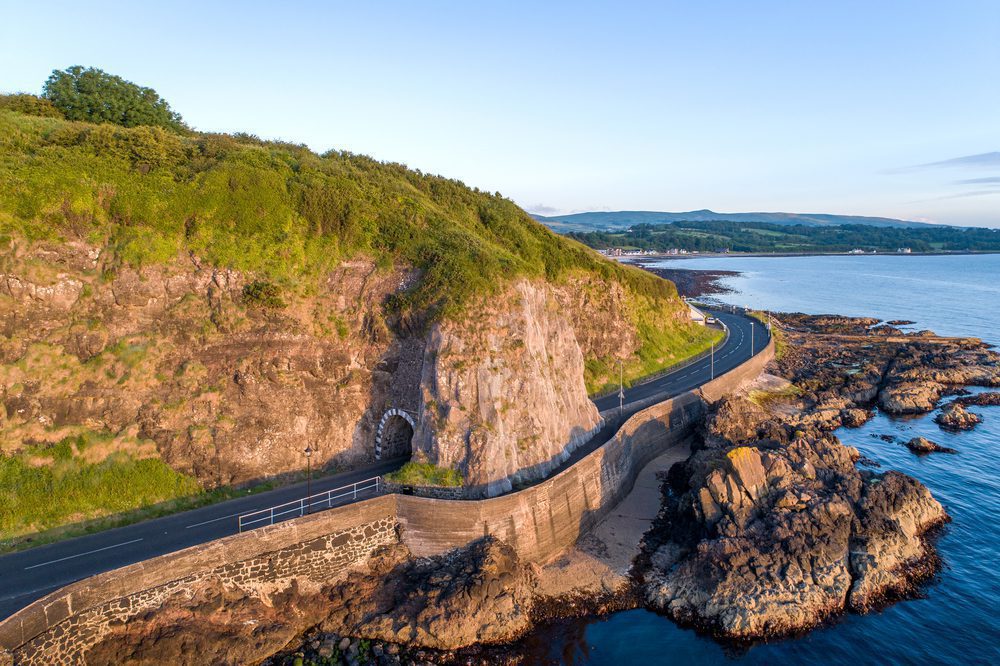


Cushendall, Cushendun, Ballycastle, the Glens of Antrim and Carrickfergus Castle each offer their own character, history, and welcome. Bushmills, home to the world’s oldest licensed whiskey distillery, and the extraordinary geological wonder of the Giant’s Causeway are within easy reach of Belfast and make ideal day trips. The drive from Belfast south into County Down, through Hillsborough, Strangford, and along the shores of Strangford Lough, is one of the great underrated routes in Ireland.

Quick Picks by Interest
| Interest | Best Towns |
| Colourful harbours | Cobh, Kinsale, Baltimore, Schull |
| Traditional music | Dingle, Ardara, Doolin, Galway |
| History and heritage | Kilkenny, Adare, Birr, Cobh |
| Wild Atlantic Way | Clifden, Donegal Town, Kenmare, Dingle |
| Food and dining | Kinsale, Kenmare, Kilkenny, Galway |
| accessible-travel-guides-ireland-uk-europe | Westport, Killarney, Kilkenny, Kenmare |
| Irish folklore | Strandhill, Clifden, Cong, Doolin |
| Bucket list scenery | Dingle, Clifden, Cobh, Strandhill |
A Note on accessible-travel-guides-ireland-uk-europe in Ireland
As a mobility-challenged traveller who has visited every place on this list, I want to be straightforward about accessibility in Irish towns and villages. Ireland’s built heritage is genuinely ancient, and that means cobblestones, narrow doorways, steep steps, and uneven surfaces in many town centres and historic sites.
That said, progress is real. Most major heritage sites now have accessible routes, audio guides, and adapted facilities. Kilkenny Castle, Killarney National Park, the Cliffs of Moher visitor centre, Cobh Waterfront, and Westport town centre are all navigable with a wheelchair or mobility aid with some planning.
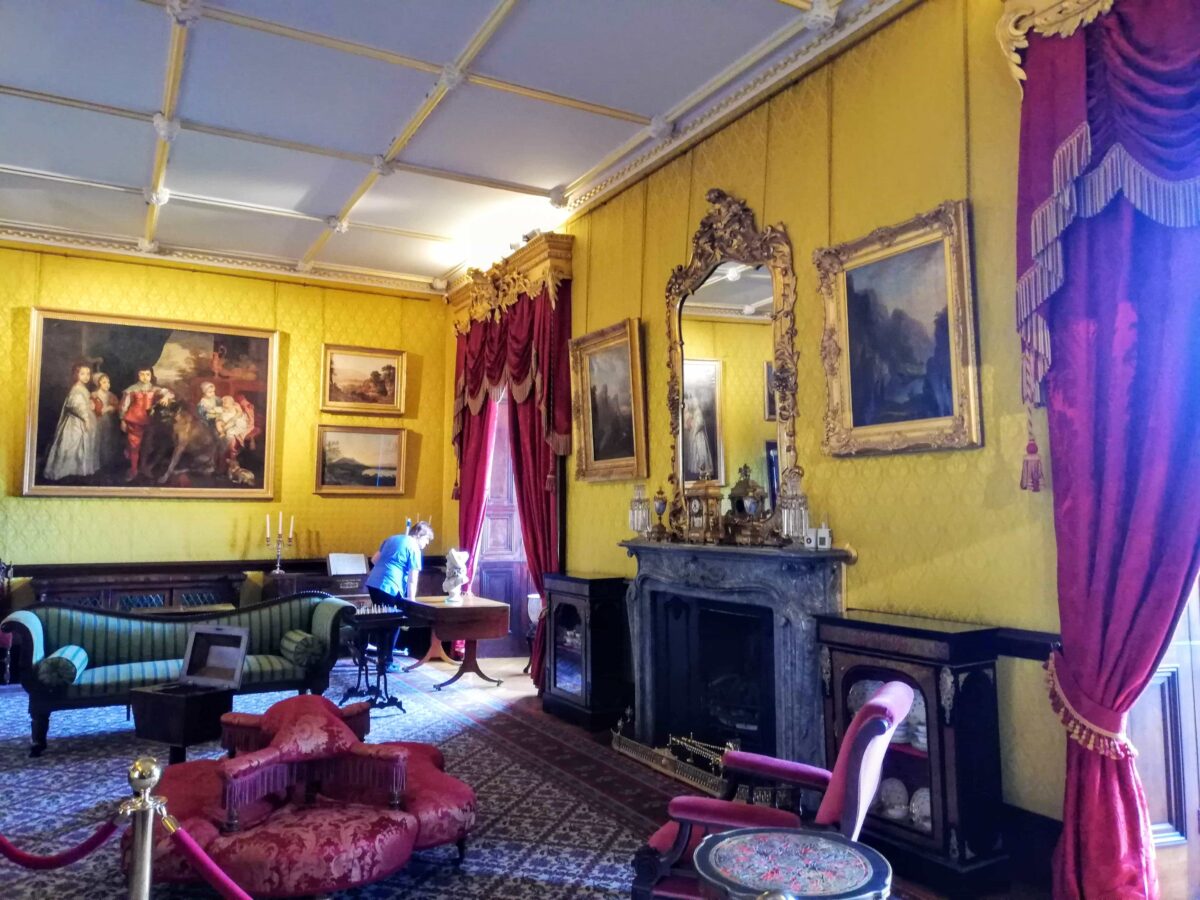
The key is to call ahead. Irish hospitality means that if you explain your needs, people will genuinely go out of their way to help. Failte Ireland’s accessibility guides at Ireland are a practical starting resource. You will also find lots of accessiblity guides on this site from towns like Westport to Northern Ireland locations.
The Beautiful Towns and Villages in Ireland Are Waiting for You
Ireland’s beauty is not only in its sweeping landscapes but also in the towns and villages where history and hospitality come together. Whether it is strolling the Medieval Mile in Kilkenny, listening to trad music in Doolin, taking in a festival in Galway, or watching the sun set over Kenmare Bay, every county has something timeless to offer.
From County Donegal’s wild coasts to the charming fishing villages of West Cork, from the heritage towns of Ireland’s Ancient East to the rugged beauty of Northern Ireland, the journey is as rewarding as the destination. The Wild Atlantic Way connects many of these places, but the best discoveries are often the ones you make by stopping somewhere unplanned and walking through a village you had never heard of before.
The beautiful towns and villages in Ireland will not disappoint. Slow down, savour the craic, and let your own bucket list road trip through Ireland unfold at its own pace.


Frequently Asked Questions About Beautiful Towns and Villages in Ireland
What is the prettiest town in Ireland?
Adare in County Limerick is most frequently cited as Ireland’s prettiest village, thanks to its thatched cottages, medieval ruins, and riverside setting. Kinsale in County Cork and Kenmare in County Kerry are close behind, and both have stronger food cultures. Dingle on the Dingle Peninsula is widely regarded as the most atmospherically Irish of all the towns on the Wild Atlantic Way.
Which Irish villages are best for a first-time visitor?
For a first visit, a combination of Kilkenny, Kinsale, Dingle, and Westport covers heritage, food, landscape, and traditional culture beautifully. All four are well set up for visitors, have accessible facilities, clear signage, and good parking. Kilkenny makes an especially good first stop as it is within two hours of Dublin and offers a full day of history and excellent eating.
Is a car necessary for visiting villages in Ireland?
For most of the towns on this list, a car is strongly recommended. Bus Eireann and Public Transport services connect some towns, but the frequency and routes make it difficult to visit smaller villages and natural attractions without your own transport. A rental car, ideally a compact or midsize automatic, gives you the freedom to stop when the view demands it, which happens constantly in Ireland.
What are the best villages on the Wild Atlantic Way?
The Wild Atlantic Way stretches 2,500 kilometres from Donegal to Cork along Ireland’s western seaboard. The most celebrated village stops include Dingle (County Kerry), Clifden (County Galway), Doolin (County Clare), Westport (County Mayo), Ardara (County Donegal), and Kenmare (County Kerry), where the route meets Kenmare Bay and the Beara Peninsula. Each is distinct in character and worth a minimum of a half-day stop.
Are there good places to eat in these villages?
Yes, and the qualityof Irish food has improved dramatically over the past decade. Kinsale remains Ireland’s gourmet capital, but Kenmare, Dingle, Kilkenny, and Westport all have outstanding restaurants across every price range, from excellent cafes to fine dining. In smaller villages like Ardara, Doolin, and Inistioge, pub food is the backbone of local eating, a full Irish Breakfast is the best way to start the day and it is often exceptional. Fresh seafood along the Wild Atlantic Way coast and in West Cork is some of the best in Europe.


Is Ireland’s folklore connected to these towns and villages?
Irish folklore runs through the landscape here as much as through books or museums. Strandhill sits in the shadow of Knocknarea, said to be the burial site of Queen Maeve of Irish mythology. Clifden’s Connemara landscape is steeped in stories of the Tuatha De Danann, the ancient supernatural race of Irish legend. The Burren near Doolin is home to prehistoric tombs and fairy forts that predate written history. Cong’s Ashford Castle stands near landscape associated with Fionn Mac Cumhaill. You do not need to seek out Irish folklore; in these places, it finds you.
Can I do day trips from Belfast to these villages?
Several excellent day trips are possible from Belfast. The Causeway Coastal Route takes you through extraordinary scenery in Northern Ireland, including the Giant’s Causeway, Carrick-a-Rede Rope Bridge, and the village of Cushendall. For the Republic, Kilkenny and Galway City are both achievable in a long day from Belfast, though both deserve an overnight stay to do them justice.
Join 7,500 Ireland travellers in my Ireland Uncovered Facebook Group and 1,897 on my XYUandBEYOND PAGE
This guide is part of a wider Accessible Ireland travel series, offering realistic, first-hand advice for limited-mobility travel across Ireland.
➡️Accessible Causeway Coast Route
➡️Accessible Wild Atlantic Way
If you encounter changes (e.g., temporary lift closures or construction), please let me know so I can update this page promptly.
Driving in Ireland articles
How to visit Glenveagh without a car
Travelling in Ireland without a car
Start Planning Your Trip
👉 Public Transportation in Ireland
👉 Hidden Gems in Ireland – 32 Secret places to visit
👉 Answering all your travel questions about Ireland
Im traveling to Ireland next month and found all your information to be very helpfull.
Ireland has some beautiful areas! Love the colourful houses and boats.
LOL yep everyone loves those tiny villages with multi-coloured houses. I always thought it was because the weather can be sort of grey and overcase a lot they need to cheer themselves up.
Wow! What a great post!
Our family traveled to Ireland several years ago and LOVED it. We were only there for a week, so we didn’t have nearly enough time to see everything we wanted. I hope we get to go back and explore more. One topic we’d like to hear more about is places to go in Ireland by public transit [by train from a major airport?] that are walkable once you arrive at your destination. As Americans, driving on the opposite side of the road was quite stressful, so we’d love to find ways to avoid that without having to go on a large group bus tour.
Great idea Nancy I’ve just finished a post on Dublin Airport how to get in and out and use public transport from the airport to various places in Ireland and am currently working on an itinerary post using buses. Public transport here once you get out of major cities is diabolically bad lol, but there are lots of small towns and villages where you can get tours from that aren’t too expensive. But you have given me inspiration to write more about travelling on transit in Ireland so thanks.
What a great post! Ireland is hovering at the top of my bucket list, so this will come in handy when I finally get to plan for it. Thanks so much.
Well, when you start planning feel free to ask me for itinerary help.
This is a wonderful article and very timely! My best friend is spending her honeymoon in Ireland in a couple weeks so I’ll definitely share with her! Thanks!!!
Ireland is so lovely. Unfortunately for us, it rained nearly the entire time we were there. We did see a few of the places you mentioned here, and we fell in love with Adare. We hadn’t even planned to stop, but ended up adding a night. So many lovely photos and towns. Reading this made me want to go back.
LOL yep that’s Ireland we often say there are 4 seasons in one day but sadly you seemed to have just the rainy one. There is so much to see here that at some point you must come back.
Such an extensive list! I was all set to go this fall, but Covid happened. I have pinned this for revisiting my planning of what places to go and see.
I hope it’s useful but truth is there are so many pretty places in Ireland that you will run across many that never make anyone’s list which is the truly awesome thing about Ireland
OMG I had no idea! This is just about the best post I’ve seen on Ireland as it is the small villages that attract me anywhere I go. Your photos are great and really show how pretty all these villages are. You make me want to pack up and go right now!
Aw thanks Alison there are many more which you will find if you just rent a car and drive through the country. Getting lost is the best method for finding those little villages that speak to you of ancient stories and pub tales.
Last summer I enjoyed a week in Ireland and was dreaming to explore its small towns on a longer trip ever since! Both Kinsale and Sligo are on the top of my bucket list (the fact that both are known for delish foods inspires me to visit even more)
Sligo is so underrated and very few tourists but the beaches and seafood are amazing.
We didn’t get to Ireland the last time we went to Europe. So it is at the very top of my list for next time. These gorgeous villages are exactly where I’d like to visit. Thank you, I will pin for when I go.
Thanks Kelly if you do go I can guarantee you will be back many times lol
There are lots of beautiful villages in Ireland. I particularly like the ones that have colourful painted buildings.
Pretty much every village across the country has painted houses and its like viewing cotton candy colours every day
I love Ireland!! Dingle is adorable – I wish I’d had more time to explore on my recent trip. Cobh is also lovely! The Cathedral there is absolutely stunning. I need to go back to check out the towns I haven’t been to.
So much to see and that means many trips back lol
Love love looooove all these. My heart will always be in co Galway and Co Mayo, so I am glad you included Clifden. There is something about the seaside towns with their brightly coloured houses that always makes me happy.
Clifden is fabulous and driving the Connemara loop is simply outstanding so much beauty in such a small space.
My favourite cute town in Ireland was Adare. It was not on our travel schedule, but as we passed through, we changed our minds and stayed a night.
Loved Adare all those thatched cottages and the best breakfast ever lol
So many ideas and places to visit next time. We’ve visited a few of these places. But most visit more.
And you’re photos are so beautiful and colourful.
There’s a pretty town around every corner of Ireland and so easy to take great photos.
What a wonderful and inspiring list! Thank you for putting together such a detailed guide to Ireland’s most beautiful towns and villages. I really appreciate how you didn’t just name places, but also highlighted nearby natural attractions and unique experiences in each area – it makes trip planning so much easier for first-time visitors.
I especially loved the balance between famous spots and smaller hidden gems off the typical tourist trail. It truly shows how much charm Ireland has beyond the big cities. This post has definitely added several new places to my bucket list, and I’m sure it will be very helpful for anyone planning their itinerary.
Thank you for your kind compliments Hopefully you will fufill your bucket list in the near future.