
Best Things to Do in Cork: 30 Attractions in Cork City and County
Quick answer: the best things to do in Cork The best things to do in Cork are the English Market, the Shandon Bells and Tower, St Fin Barre’s Cathedral, Elizabeth Fort and Cork City Gaol in the city, plus day trips to Blarney Castle, Cobh, Kinsale and Fota Wildlife Park. Give Cork City one to two days, then add days for East Cork (Cobh, Fota, Midleton) and West Cork (Bantry, Baltimore, Mizen Head).

Cork is the second-largest city in the Republic of Ireland and has a strong claim to being its food capital: a compact, walkable centre on an island in the River Lee, an 18th-century covered market, a red-and-white church tower you can climb, and pubs where live music is everywhere. It is also the gateway to Blarney, Cobh, Kinsale and the whole of West Cork, and the county holds the southern end of the Wild Atlantic Way.
We loved Cork City from the moment we stepped out of the car. From its charming streets lined with colourful buildings to its bustling markets and lively pubs, Cork has something for everyone, whether you are a history buff, a foodie or an outdoor enthusiast. I have spent several days in Cork exploring independent cafés, riverside walks, historic streets and the food scene around the English Market.
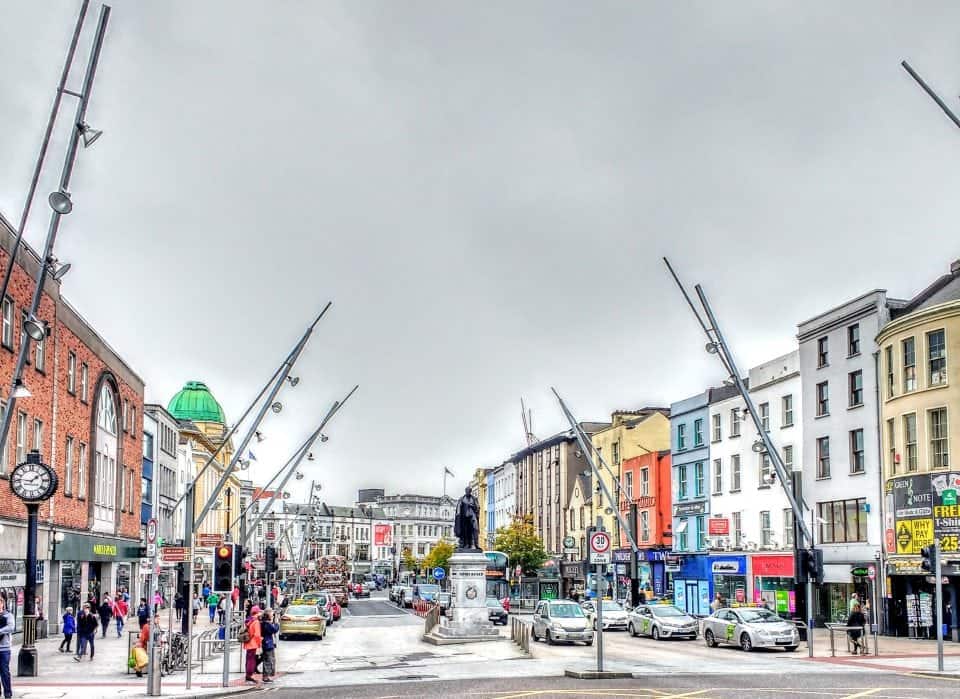
Cork is also known as the Rebel City and the Rebel County. The nickname goes back to 1491, when the city backed the pretender Perkin Warbeck against Henry VII, and it was reinforced by Cork’s central role in the War of Independence between 1919 and 1921. Cork people even call their city the real capital. If you are choosing between two Irish cities, my Galway vs Cork guide compares them in detail.
- Best Things to Do in Cork: 30 Attractions in Cork City and County
- Cork fast facts
- Top 10 Must-See Sights in Cork
- 30 Best Things to Do in Cork
- In Cork City
- Things to Do Near Cork: Day Trips in East Cork, Cork Harbour and Nearby
- West Cork and the Wild Atlantic Way
- Free Things to Do in Cork
- Unique and Fun Things to Do in Cork
- Tours in Cork
- Cork in One, Two and Three Day Itineraries
- Where to Eat in Cork
- How to Get to Cork
- Best Time of Year to Visit Cork – So When Should You Go?
- Accessibility in Cork
- Where to Stay in Cork
- Cork Quick FAQs
- Final Thoughts on Cork
- Plan More of Your Ireland Trip
- Exploring the fascinating regions of Ireland
Cork fast facts
| Where | Munster, south-west Ireland. Second-largest city in the Republic, on the River Lee |
| Getting there | Dublin to Cork about 2.5 hours by train or 2 hours 45 by car. Cork Airport is about 6 km south of the city |
| Time needed | 1 to 2 days for the city, 3 or more for the wider county |
| English Market | Free. Open Monday to Saturday, about 8am to 6pm. Trading since 1788 |
| Top ticketed sights | Blarney Castle: €24 adult. Shandon tower: about €5. Elizabeth Fort: free |
| Day trips | Blarney 8 km, Kinsale about 25 km, Cobh about 25 km (train about 25 minutes) |
| Getting around | The centre is walkable. Bus 226 runs Kent Station to Cork Airport and Kinsale |
| Best months | May to September for the driest, warmest weather. March (St Patrick’s Festival) and late October (Jazz Festival) for events |
| Known as | The Rebel City and the Rebel County |
Top 10 Must-See Sights in Cork
Short on time? These are the top sights in Cork, in the order I would do them. Full details are in the list below.
- English Market: Cork’s food heart, free to enter.
- Shandon Bells and Tower: climb 132 steps and ring the bells.
- St Fin Barre’s Cathedral: Gothic Revival at its best.
- Elizabeth Fort: free, with the best view of the city.
- Cork City Gaol: a castle-like prison museum.
- Blarney Castle and Gardens: kiss the stone, then explore the gardens.
- Cobh: the Titanic’s last port and the Deck of Cards houses.
- Kinsale: colourful harbour town and Charles Fort.
- Fota Wildlife Park: free-roaming animals near the city.
- Mizen Head or the Beara Peninsula: the best of West Cork.
Cork City or County Cork?
“Cork” can mean the city or the whole county, which is Ireland’s largest. This guide covers both: the first 12 things to do are in Cork City itself, then day trips from the city, then West Cork and the Wild Atlantic Way.
30 Best Things to Do in Cork
The first 12 are in Cork City. The next six are day trips from the city, in East Cork and around Cork Harbour. The last 12 are in West Cork and along the Wild Atlantic Way. Prices and hours are correct at the time of writing, but check before you go.
In Cork City
1. English Market
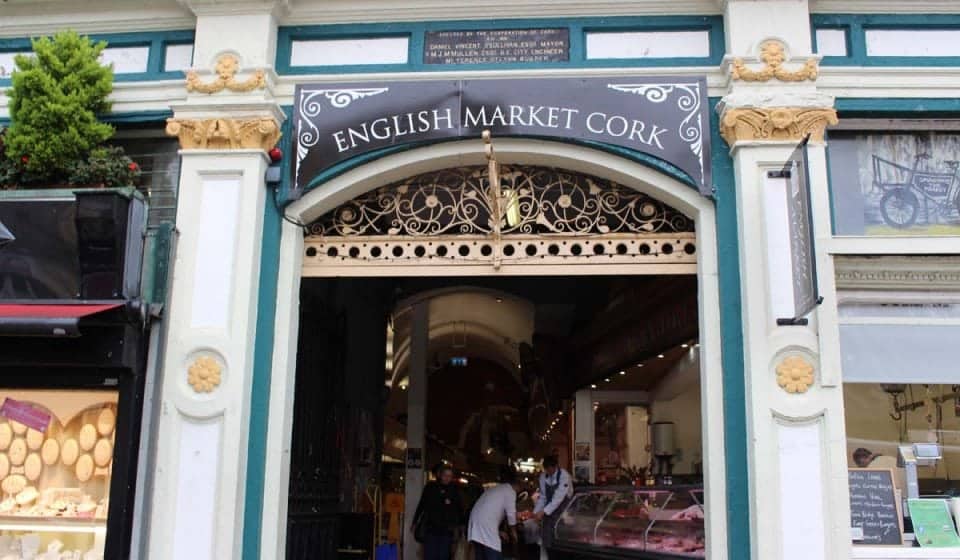
The English Market is the heart of Cork’s food scene and the best place to start. It opened on 1 August 1788, created by the Protestant, or “English”, corporation that ran the city at the time. When local government was reformed in 1840 and the Catholic, Irish majority took over, they set up a second covered market at St Peter’s, which became known as the “Irish Market”, and the older market kept the name it has today. A fire in 1980 destroyed part of the building, which was restored, and Queen Elizabeth II famously visited in 2011.

The stalls sell fresh fish, meat, cheese, bread and produce, alongside old-school Cork favourites: spiced beef, buttered eggs, drisheen and tripe. Crubeens are boiled, battered and fried pigs’ feet, and drisheen is a type of blood pudding. Tripe comes from a cow’s stomach. When I was a kid my grandfather used to boil it on the stovetop for hours (yes, it was disgusting). Upstairs, the Farmgate Café is a great place to sit down and take in the Cork experience.

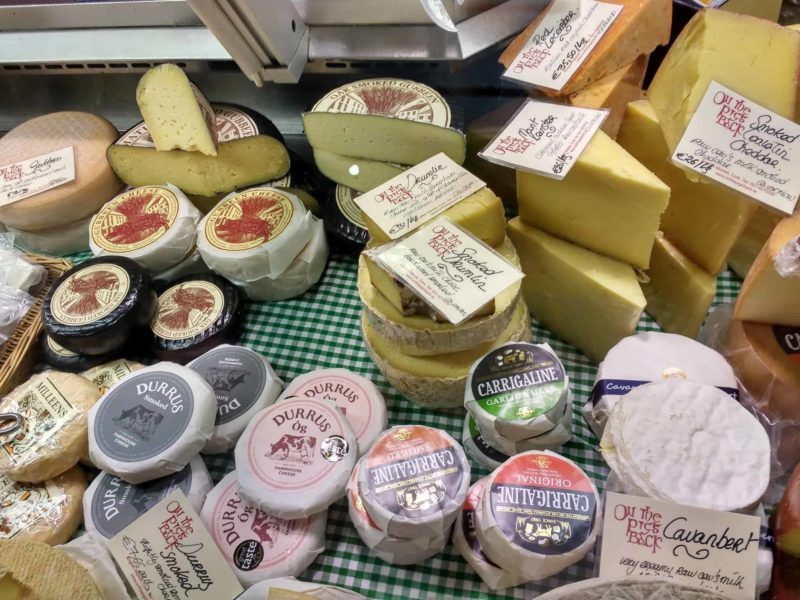
Practical info: Free entry. Open Monday to Saturday, about 8am to 6pm, and closed on Sundays and bank holidays. There are entrances on Grand Parade and Princes Street, and tour groups are asked to avoid the peak hours. See the food tour under Tours in Cork below.
2. Shandon Bells and Tower
St Anne’s Church in Shandon is Cork’s most recognisable landmark, with its red sandstone and white limestone tower and a gilded salmon weathervane locals call the “Goldie fish”. The church was built in 1722, and the tower is home to eight bells that first rang in 1752. Climb 132 steps to ring them yourself, then step out on the balcony, 36.6 metres up, for a 360-degree view of the city. The clock, added in 1847, is known as the “four-faced liar” because its faces once showed slightly different times.
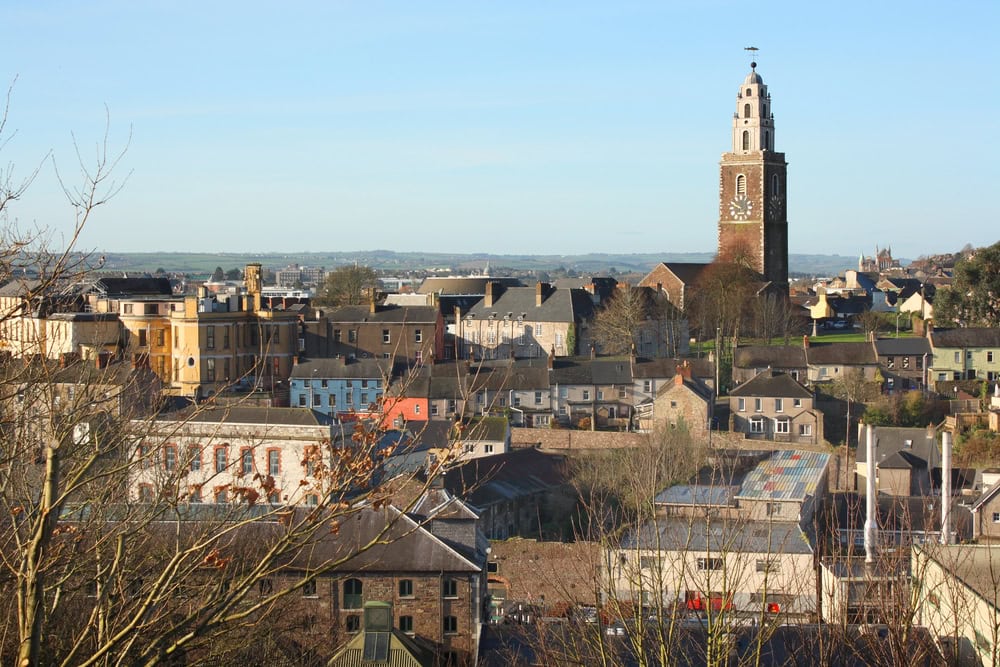
Practical info: The church is free. The tower costs about €5 for adults, €4 for seniors and students, and €12 for a family. Hours vary by season, roughly 10am to 4pm Monday to Saturday in spring and autumn, a little later in summer and shorter in winter, with later Sunday openings. Last entry is 30 minutes before closing. The top of the climb is narrow, so it is not for anyone with mobility problems or claustrophobia.
3. St Fin Barre’s Cathedral
St Fin Barre’s Cathedral is a Gothic Revival masterpiece designed by William Burges, built between 1865 and 1879 on the site of an early monastery founded by Cork’s patron saint. Burges designed almost every detail, from the three limestone spires to the mosaics, stained glass and more than 1,200 carvings, and the interior is lined with Cork red marble. Look out for a cannonball dating from the 1690 Siege of Cork.

Practical info: Admission was around €8 for adults and €7 for seniors and students at the last check. Open Monday to Saturday, roughly 10am to 5:30pm, with guided tours available. The cathedral reports full wheelchair access. Check current times before you go.
4. Elizabeth Fort
Elizabeth Fort was first built in 1601 by Sir George Carew as a timber-and-earth fort on a rocky outcrop above the city and named after Queen Elizabeth I. Cork’s citizens attacked it after her death in 1603, and it was rebuilt in stone in the 1620s. It later served as a barracks, a women’s prison for convicts awaiting transportation, a food depot during the Famine, an RIC station and a Garda station until 2013. The walls give one of the best views of the city.

Practical info: Free entry. Open 10am to 5pm, Tuesday to Saturday from October to April and Monday to Saturday from May to September, and 12pm to 5pm on Sundays. A guided tour at 1pm each day costs €5, with no booking needed, and audio guides cost €3. Disability access is restricted.
5. Cork City Gaol
Cork City Gaol is a castle-like Gothic Revival prison in Sunday’s Well, built between 1818 and 1824 and used as a prison until 1923. Today it is a museum with restored cells, life-size wax figures, sound effects and an audio-visual presentation about 19th-century prison life and the social history behind it. It is one of the best things to do in Cork when it rains.
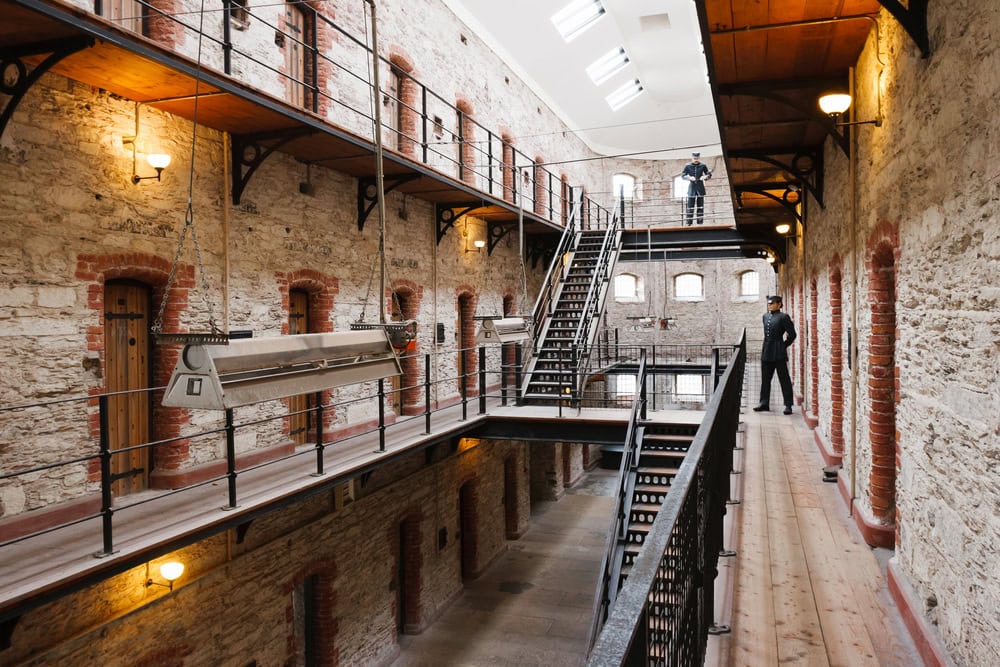
Practical info: About a 30-minute walk from the centre, or take bus 202, 202A or 208. Adult prices are around €10 to €14 depending on the source, so check the Gaol’s own website, and winter opening days are limited. Allow one to two hours.
6. Cork Butter Museum
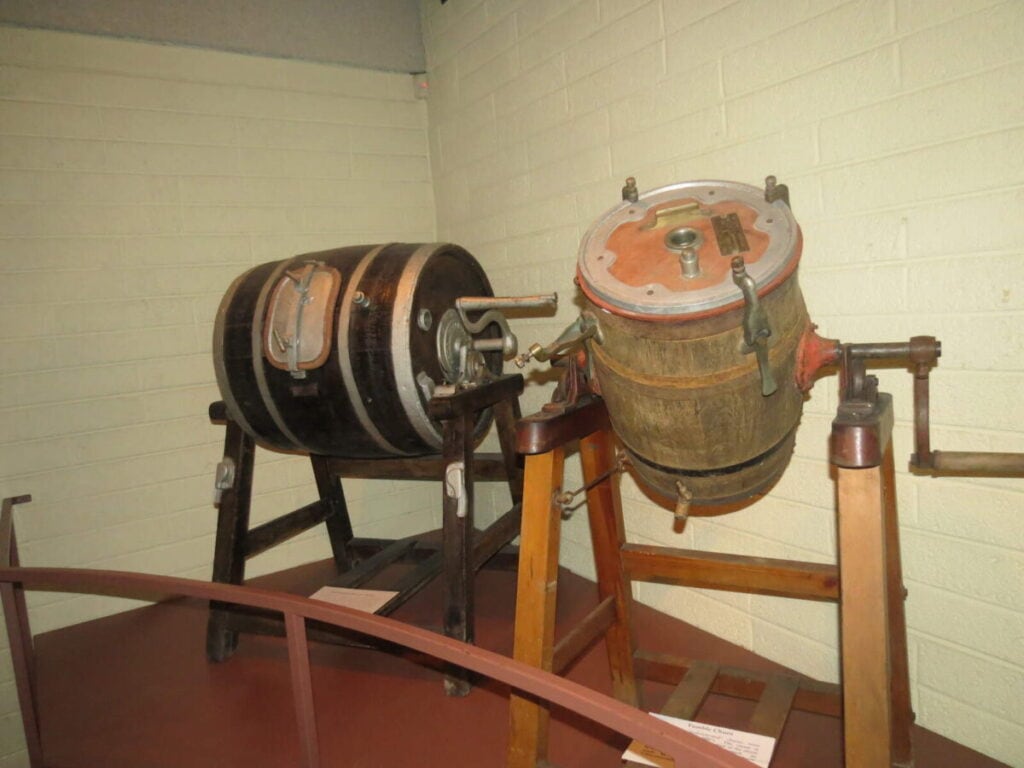
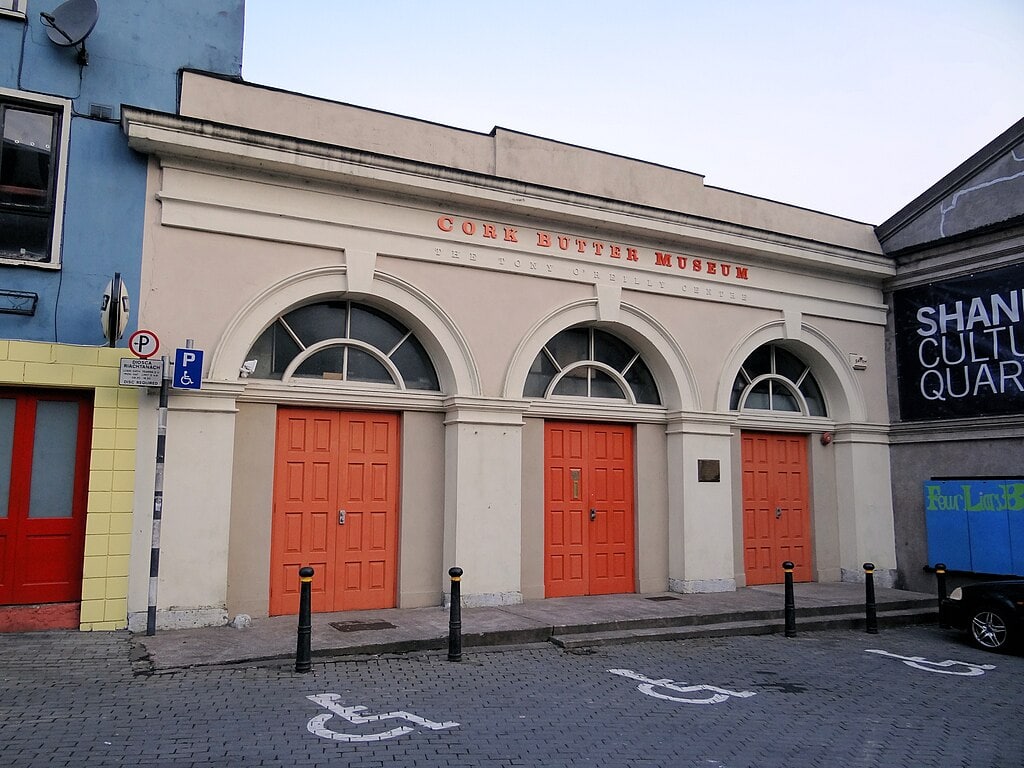
On O’Connell Square in the Shandon area, the Butter Museum is housed in the old Butter Exchange building and tells the story of Ireland’s butter trade, with vintage churns, moulds and interactive displays. It is small, quirky and easy to combine with Shandon. Admission is around €5 at the last check.
7. Crawford Art Gallery
Housed in the old Customs House, the Crawford Art Gallery has plaster casts of Graeco-Roman statues, Irish art and portraits of writers such as Samuel Beckett, and it is free to enter. The airy café makes a good post-tour coffee stop.

8. University College Cork
University College Cork, founded in 1845, sits beside the River Lee with a Tudor-Gothic quadrangle and green spaces. Visit the Lewis Glucksman Gallery for contemporary art and the Crawford Observatory, or join a guided campus tour for the history. It is a peaceful break from the busy centre.

9. Fitzgerald Park and Cork Public Museum
Fitzgerald Park is a green oasis by the river with a playground and space for a picnic. Inside, Cork Public Museum traces around 7,000 years of local history, from Viking finds to the War of Independence, and is free. A refurbishment was planned for the museum’s 80th anniversary in 2026, so check that it is open before you go.

10. Blackrock Castle Observatory
A few kilometres east of the centre on the River Lee, Blackrock Castle is an old fortification, rebuilt in 1828, that now houses an observatory and interactive science exhibits. It suits families and anyone who likes a riverside walk out of town. Check opening hours and ticket prices before you go.

11. Pubs and Live Music
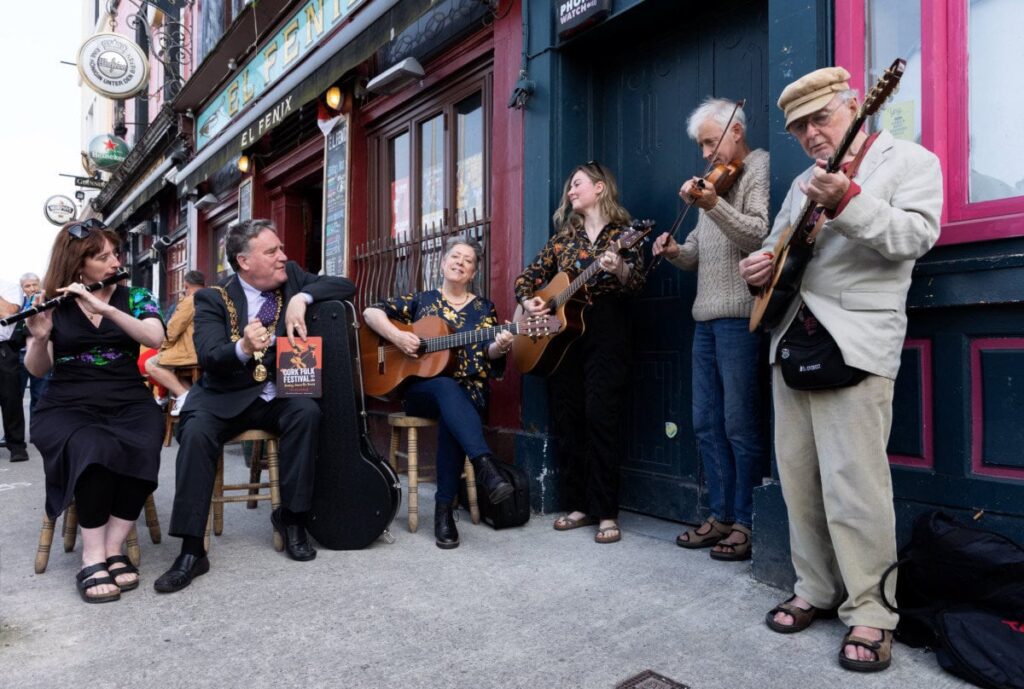
In Cork music is everywhere and on every street corner. Sin É is a favourite for impromptu traditional sessions, the Oliver Plunkett pub is known for Irish stew and live bands, and Crane Lane Theatre hosts blues and jazz. Sessions vary by night, so ask locally or check the pubs’ pages. See my guide to Irish festivals if you are planning around an event.

12. The City Centre and Quays
Cork’s centre sits on an island between two channels of the River Lee, which is why the city’s motto is “a safe harbour for ships”. St Patrick’s Street, the main thoroughfare, is perfect for shopping and people-watching, and the quays and bridges make for an easy stroll. If you stay in the centre, most attractions are within walking distance and you get to meet the incredibly welcoming people of Cork.

Things to Do Near Cork: Day Trips in East Cork, Cork Harbour and Nearby
13. Cobh
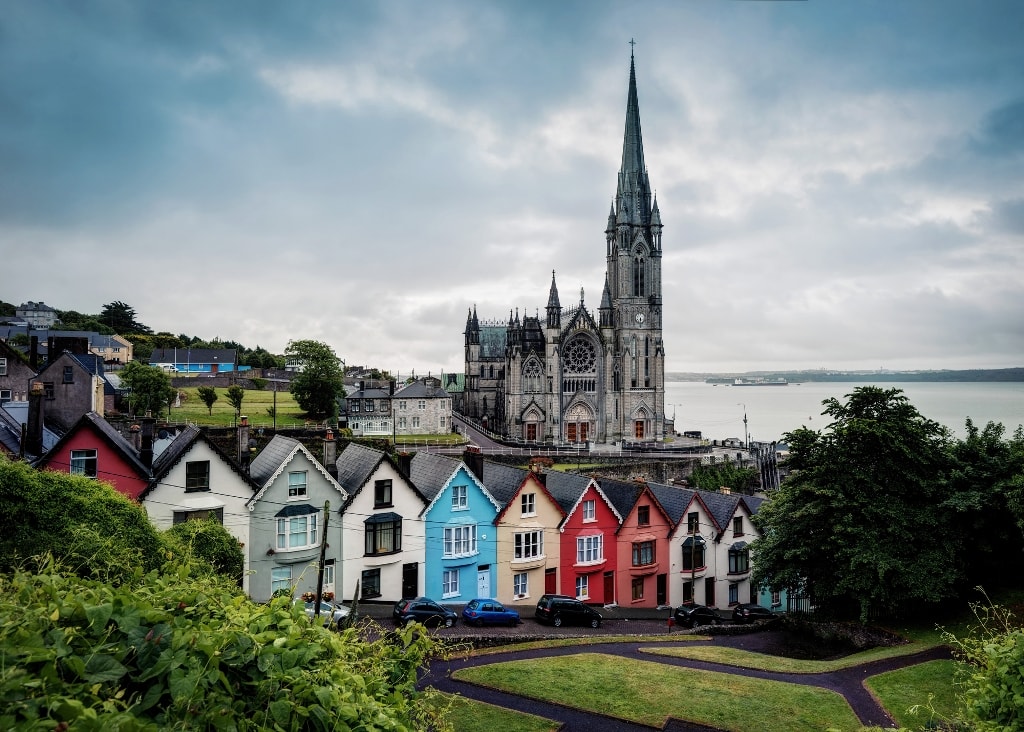
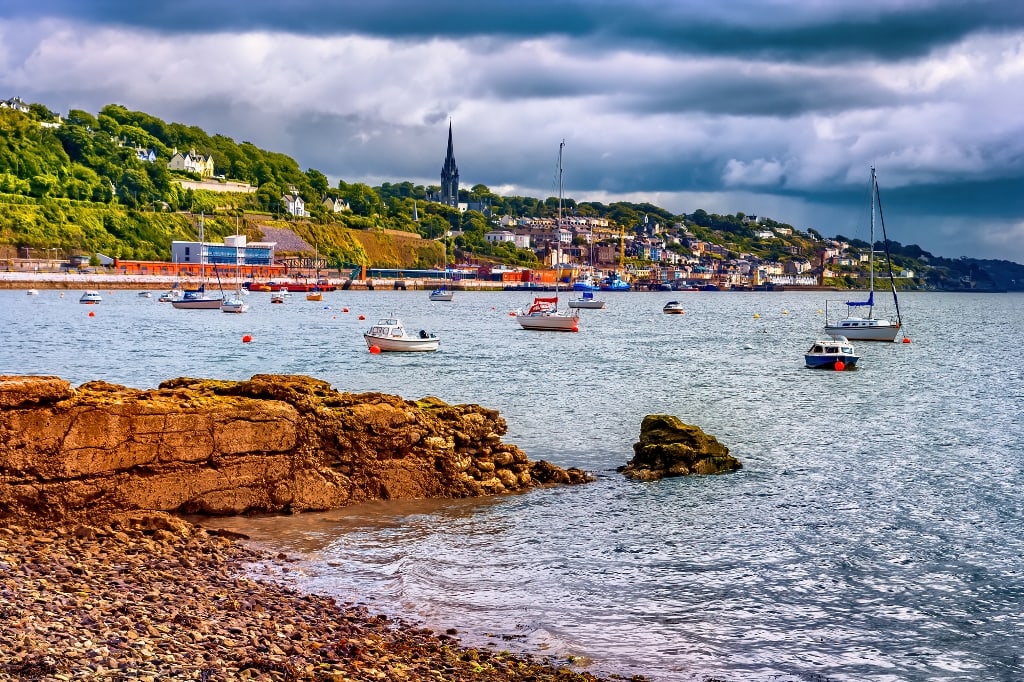
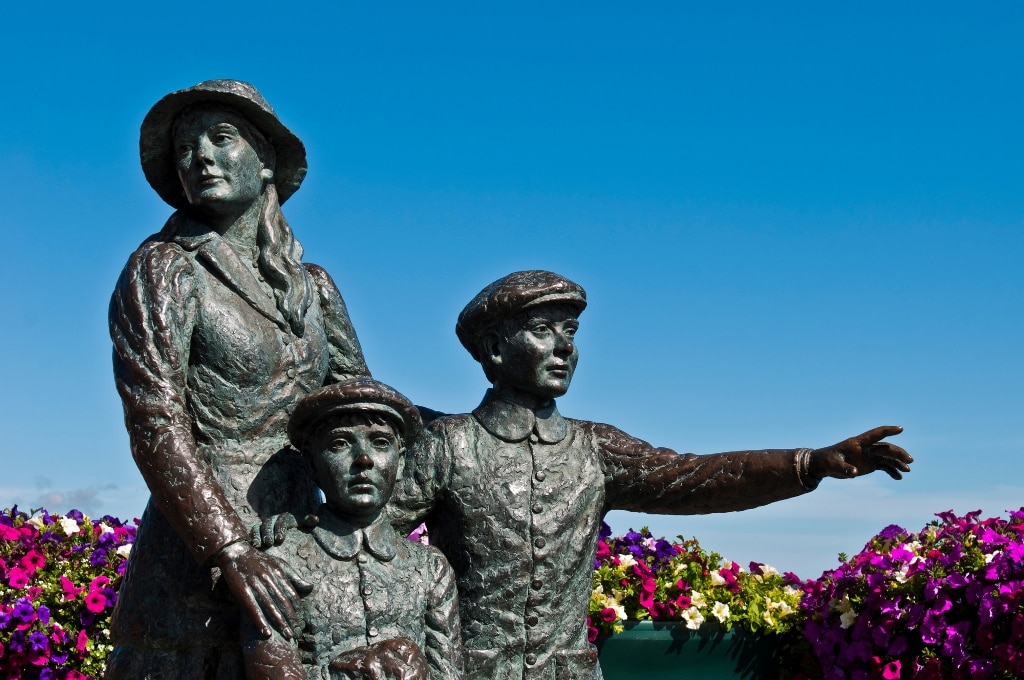
Cobh is steeped in history: it was the Titanic’s last port of call in April 1912, and a colourful harbour town with St Colman’s Cathedral dominating the skyline. Visit the Titanic Experience, in the original White Star Line ticket office, and the Cobh Heritage Centre, which explores emigration, and climb the hill for photographs of the “Deck of Cards” houses. It is about 25 km from Cork, and the train from Cork Kent Station takes around 25 minutes. My full guide to things to do in Cobh has current prices, and cruise passengers should see my Ireland cruise ports guide.
14. Spike Island
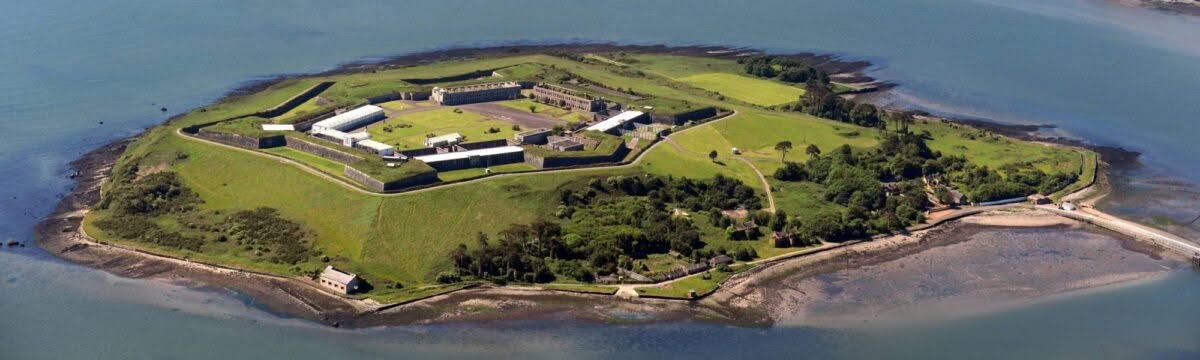
Known as “Ireland’s Alcatraz”, Spike Island is a 24-acre island fort in Cork Harbour reached by ferry from Cobh. Guided tours explore its star-shaped defences and its long prison and military history. Book the ferry and tour in advance and check the current price.
15. Fota Wildlife Park and Fota House
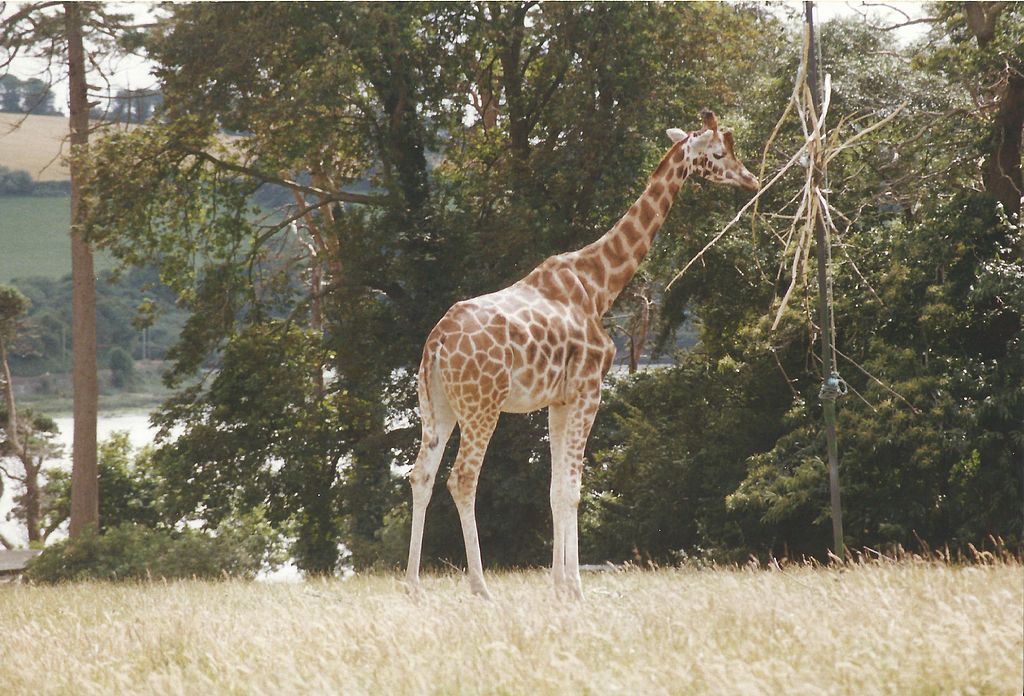
Fota Wildlife Park, on Fota Island, is one of Ireland’s best days out for families and animal lovers. Across around 100 acres, many animals, including giraffes, kangaroos, cheetahs and ring-tailed lemurs, roam in large open enclosures, and the Asian Sanctuary is home to Sumatran tigers, Asiatic lions and Indian rhinos. Most visitors spend around 2.5 to 3 hours. It is a conservation charity and is closed only from 24 to 26 December.
Next door, Fota House and Gardens, run by the Irish Heritage Trust, was designed by the 19th-century architects Richard and William Morrison, with a well-preserved servants’ kitchen and service wing, a Victorian nursery, an arboretum and a rose garden. Practical info: Fota has its own entrance beside Fota station on the Cork to Cobh line, so you can come by train. Driving costs a €3 car park charge per visit, which also covers the House grounds and arboretum. Check the park’s website for tickets.

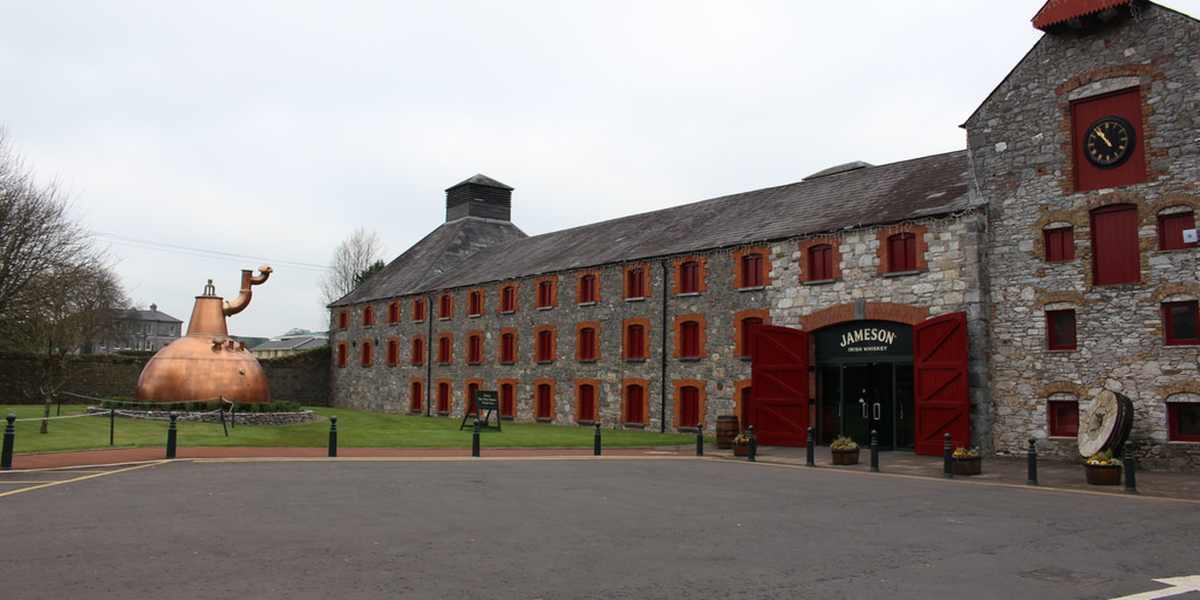
16. Midleton and the Jameson Distillery
Whiskey fans should not miss the Jameson Distillery in Midleton, around 25 km east of Cork. A guided tour explains the history and process of whiskey production, and finishes with a tasting. Book ahead in high season. For more distilleries across the country, see my guide to the best Irish whiskey tours.
17. Blarney Castle and Gardens
No visit to Cork is complete without Blarney Castle. About 8 km northwest of the city, this medieval fortress, built by the MacCarthy clan nearly 600 years ago, is famous for the Blarney Stone: legend says kissing it gives you the gift of eloquence. The climb to the top is part of the adventure, and the grounds are worth exploring in their own right, with more than 60 acres of gardens, the Poison Garden, the Fern Garden and the enchanting Rock Close. Blarney Woollen Mills next door is a popular souvenir stop.
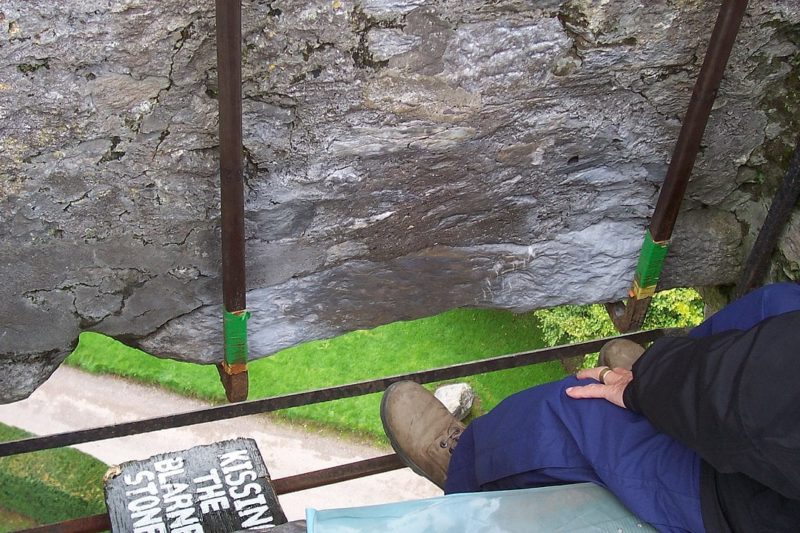
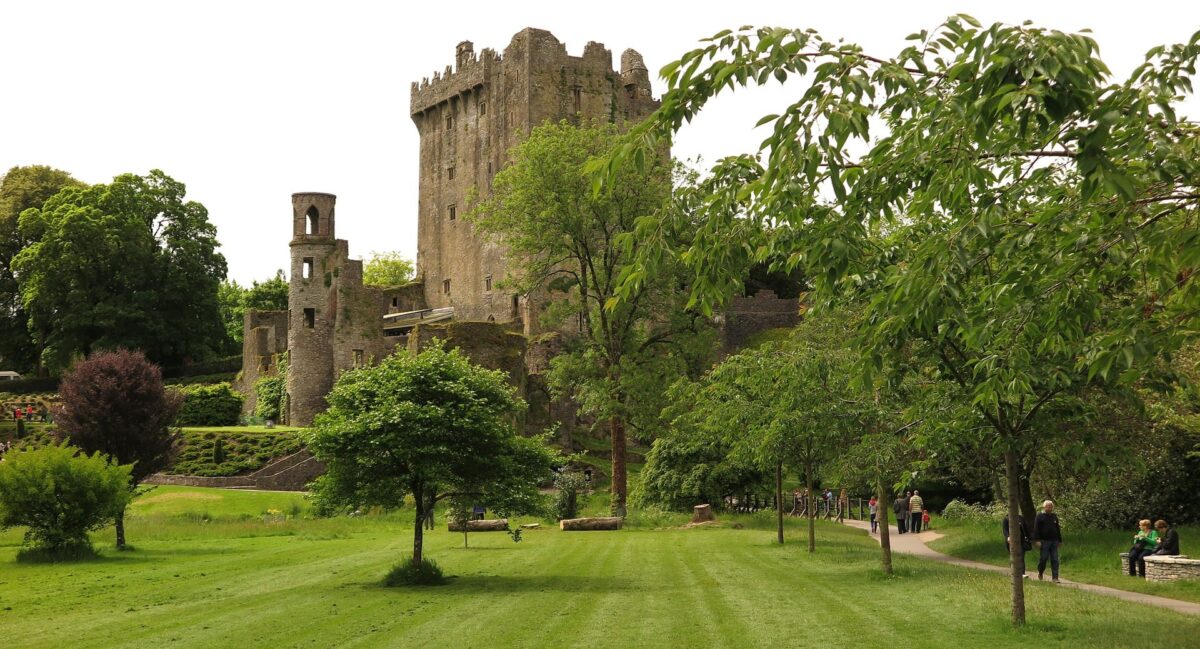
Practical info: Adults €24, students and seniors (65+) €19, children (6 to 16) €12, family (2 adults and 2 children) €65, with no timed slots. Open 9am to 5:30pm in April and October, 9am to 6pm from May to September and 9am to 5pm in November and December, with last admission one hour before closing, and closed on 24 and 25 December. Expect a queue for the stone in summer; visitors report waits of up to an hour. The castle is not wheelchair accessible, although parts of the gardens are.
18. Kinsale
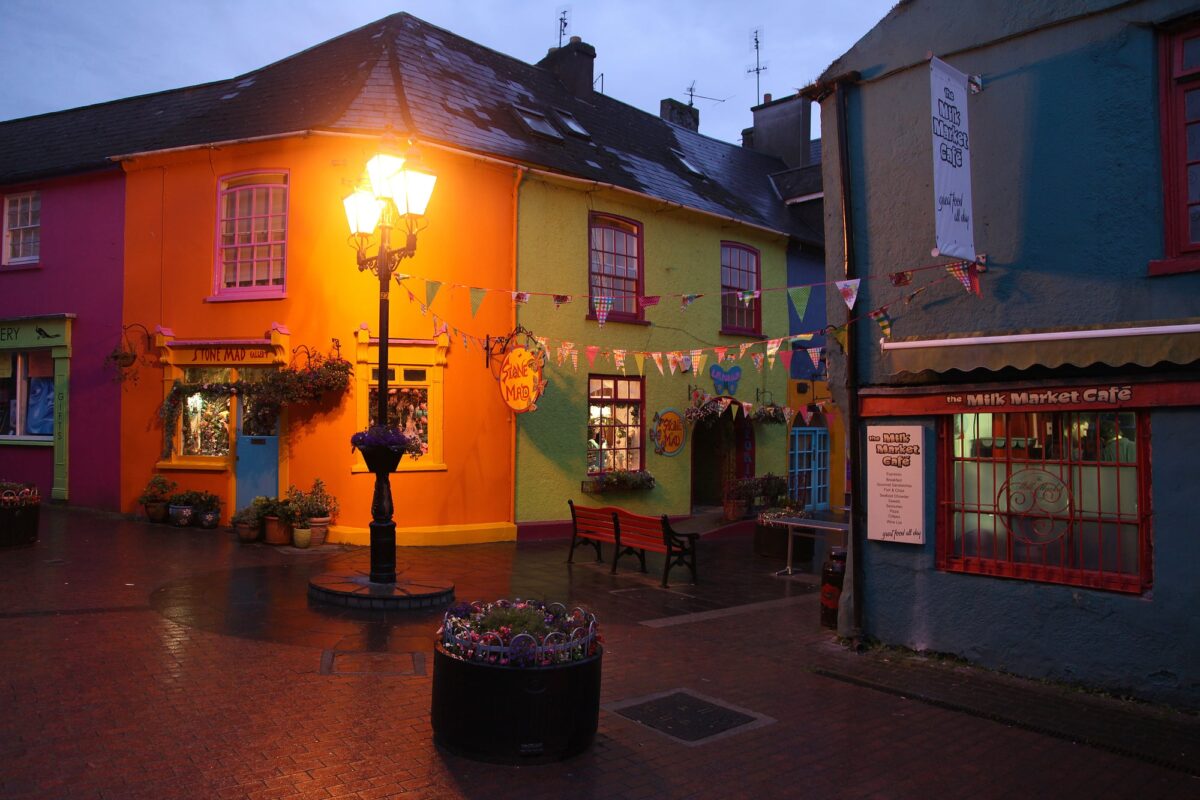
The picturesque harbour town of Kinsale is known for its colourful buildings, gourmet restaurants and maritime heritage. Stroll the harbour, visit the 17th-century, star-shaped Charles Fort (€5 for adults) and enjoy a meal at one of the town’s renowned seafood restaurants. Kinsale is about 25 km south of Cork and Bus Éireann route 226 runs there from Kent Station roughly hourly. Kinsale marks the southern end of the Wild Atlantic Way. My full guide to things to do in Kinsale covers the fort, the food, the Old Head and more.
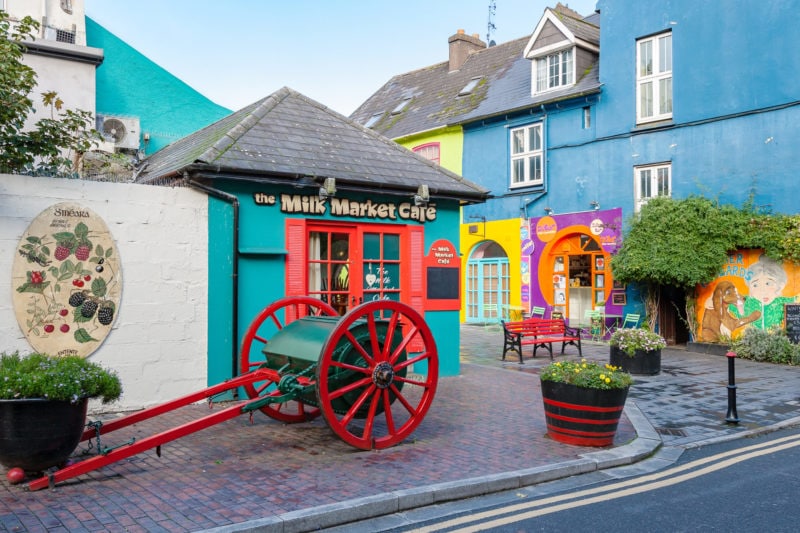
West Cork and the Wild Atlantic Way
West Cork is famous for artisan food producers, dramatic peninsulas and small harbour towns. You will want a car here, as buses can be infrequent. A base such as Bantry, Skibbereen or Baltimore lets you cover most of it over a few days.
19. Bantry House and Gardens
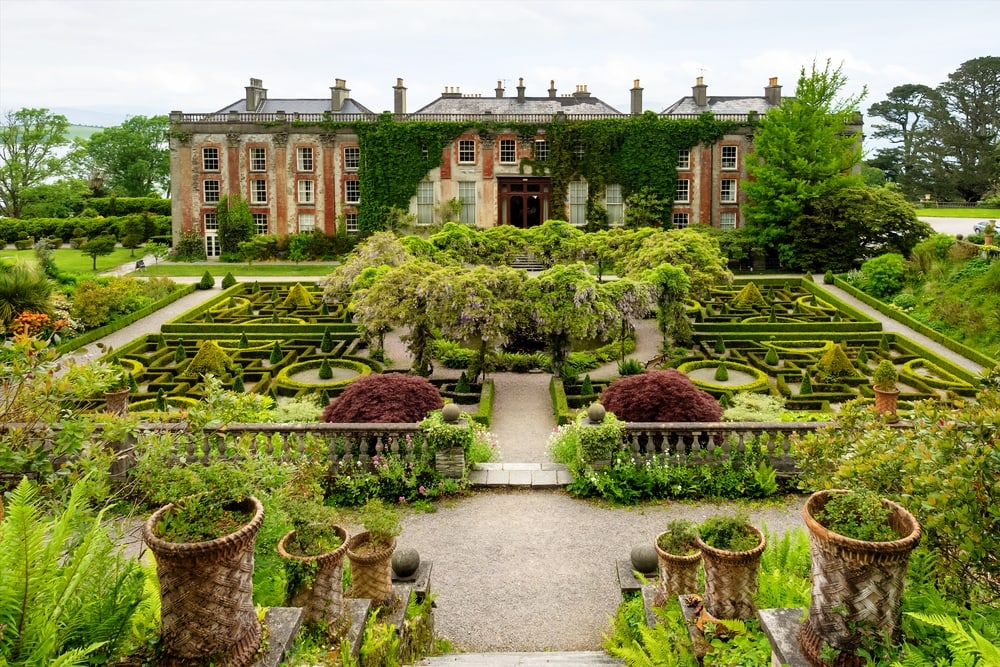
Overlooking Bantry Bay, Bantry House is one of Ireland’s most beautiful historic houses, filled with antique furnishings and art. The terraced Italianate gardens are a delight, with spectacular views over the bay and the surrounding countryside, and the house has stayed in the same family since the 18th century. Open daily from April to October, 10am to 5pm, with adult admission listed at €14 for 2026 (€11.50 for seniors and students, €5 for children).
20. Skibbereen
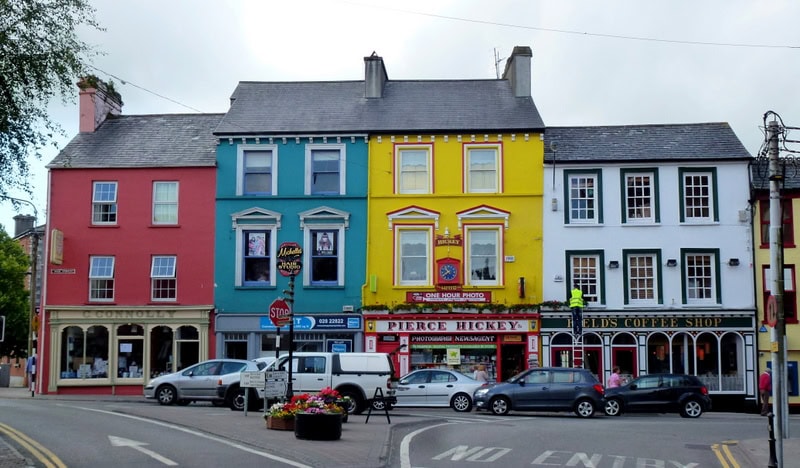
Skibbereen is a market town at the heart of West Cork’s history, and its Heritage Centre tells the story of the Great Famine, which struck the area particularly hard. It is a good base for Lough Hyne, Baltimore and the islands.
21. Baltimore
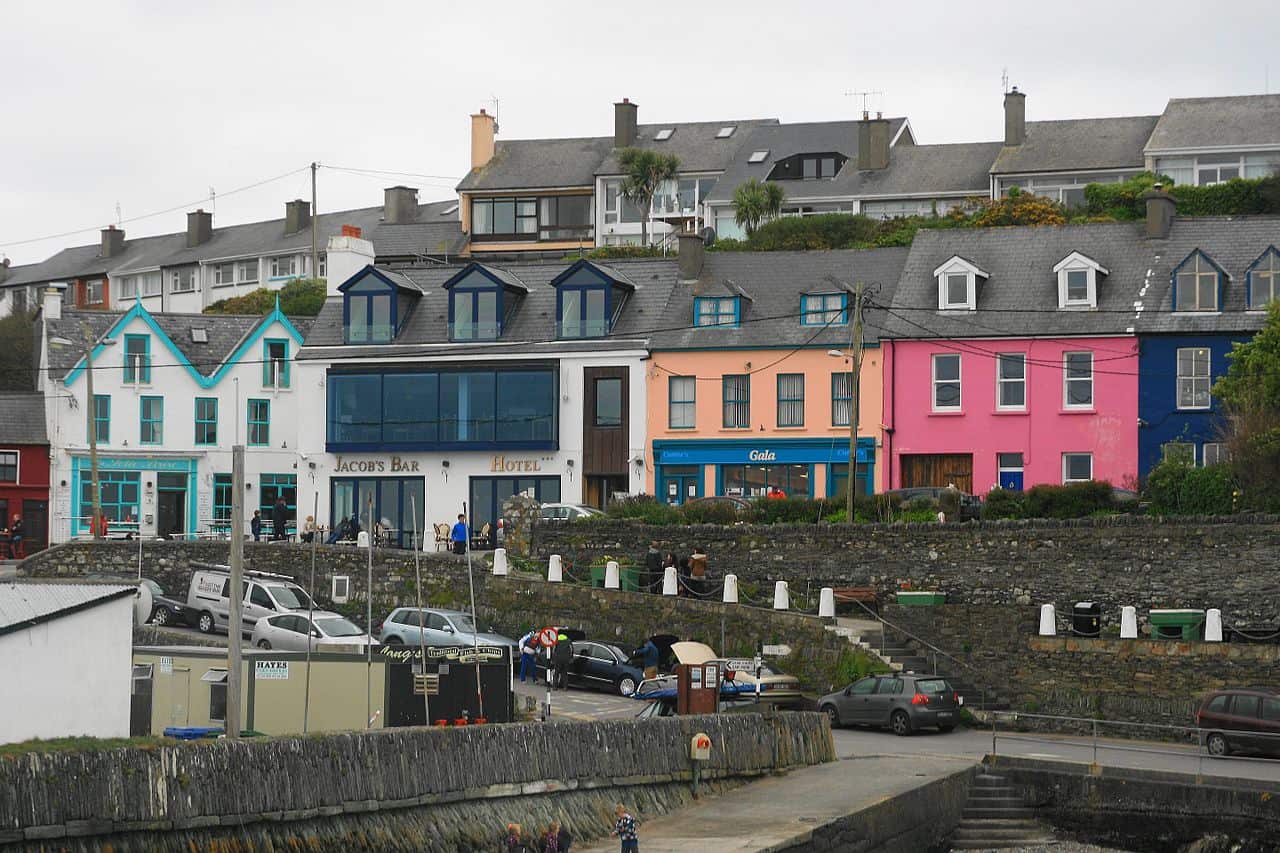
The coastal village of Baltimore is a picturesque fishing harbour with a strong maritime heritage and views of the islands around it, and ferries run to Sherkin Island and Cape Clear. Small-group whale- and dolphin-watching trips leave from the harbour, and with luck you may see basking sharks, and in the right season even an orca. See the Baltimore whale-watching tour under Tours in Cork below.
22. Clonakilty
A lively West Cork town, Clonakilty is best known for Clonakilty Black Pudding, and it is also close to the birthplace of Michael Collins, so it is a good stop for revolutionary history. Try the local delicacies such as black pudding and Gubbeen cheese, and head to nearby Inchydoney Beach for surfing.

23. Mizen Head and Barleycove
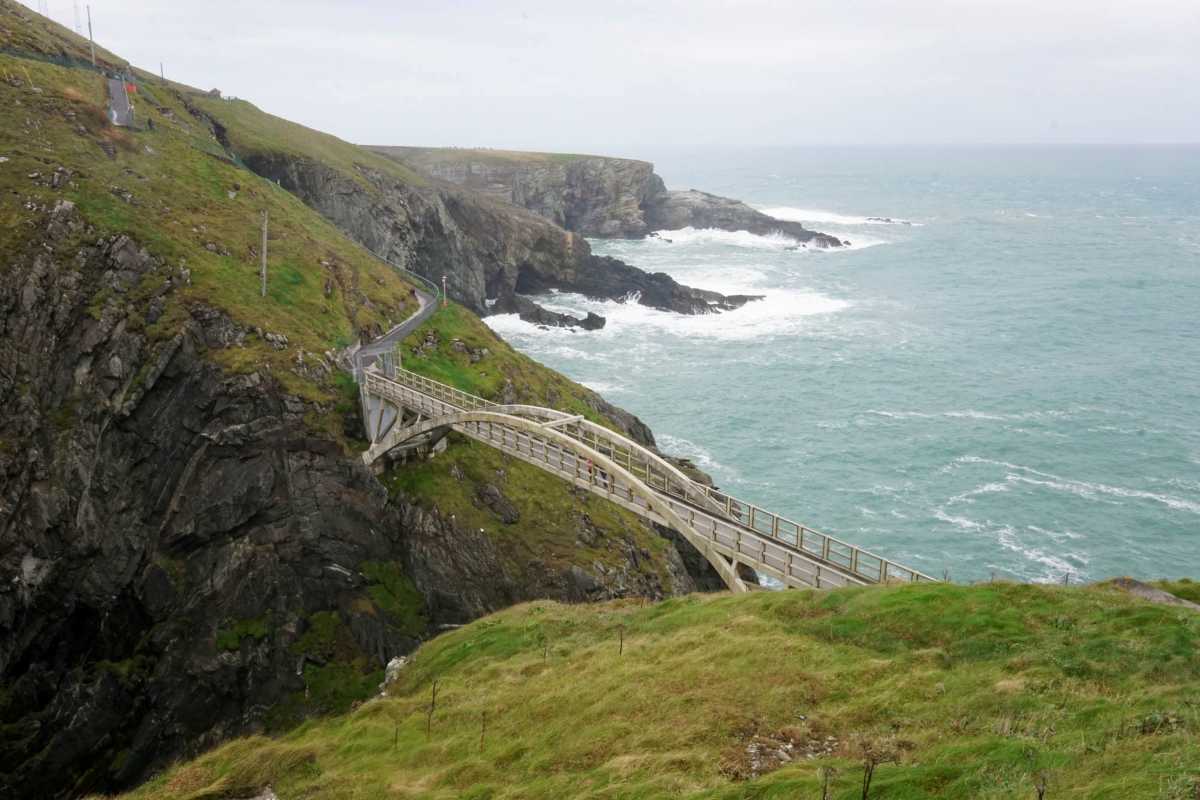
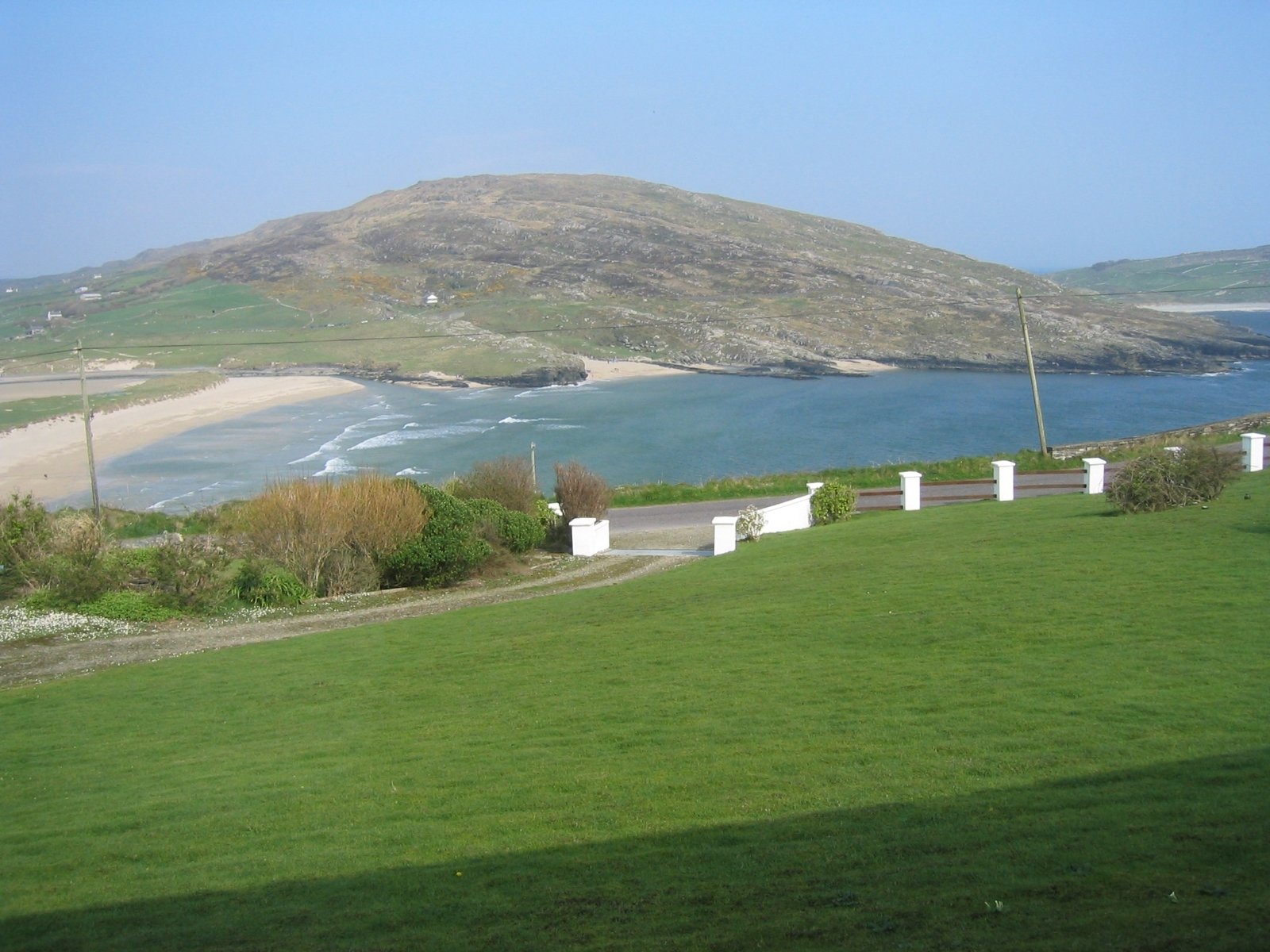
Mizen Head is Ireland’s most south-westerly point, with a signal station, a visitor centre and a spectacular arched footbridge over the crashing waves. Nearby, the village of Goleen has coastal views, and Barleycove is a dune-backed beach that is perfect for swimming on a fine day.

24. Gougane Barra
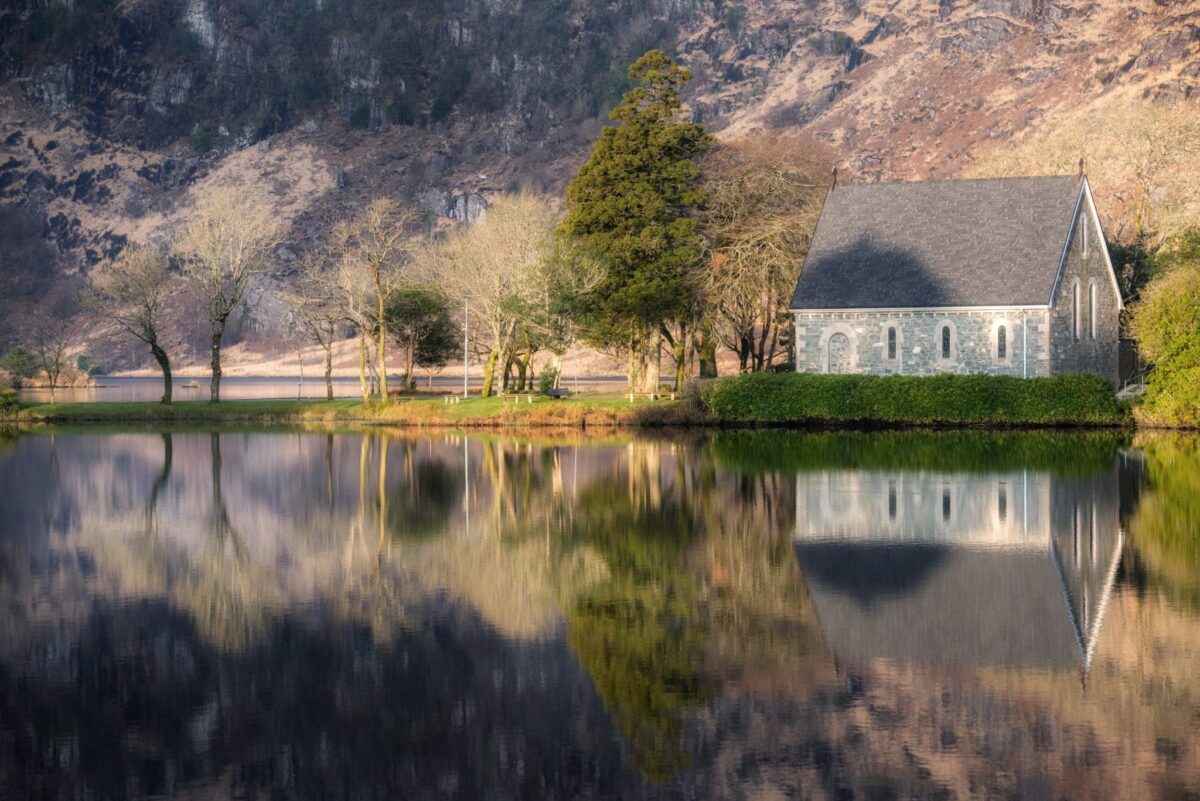
Set in the foothills of the Shehy Mountains, Gougane Barra is a serene glacial valley with a lake, forest trails and St Finbarr’s Oratory. It is associated with St Finbarr, Cork’s patron saint, who is said to have founded a hermitage here at the source of the River Lee. It is a peaceful spot for reflection.
25. Timoleague Abbey
The village of Timoleague is known for the ruins of its medieval Franciscan abbey. Explore the ruins, walk along the local waterways and enjoy the quiet.

26. The Beara Peninsula
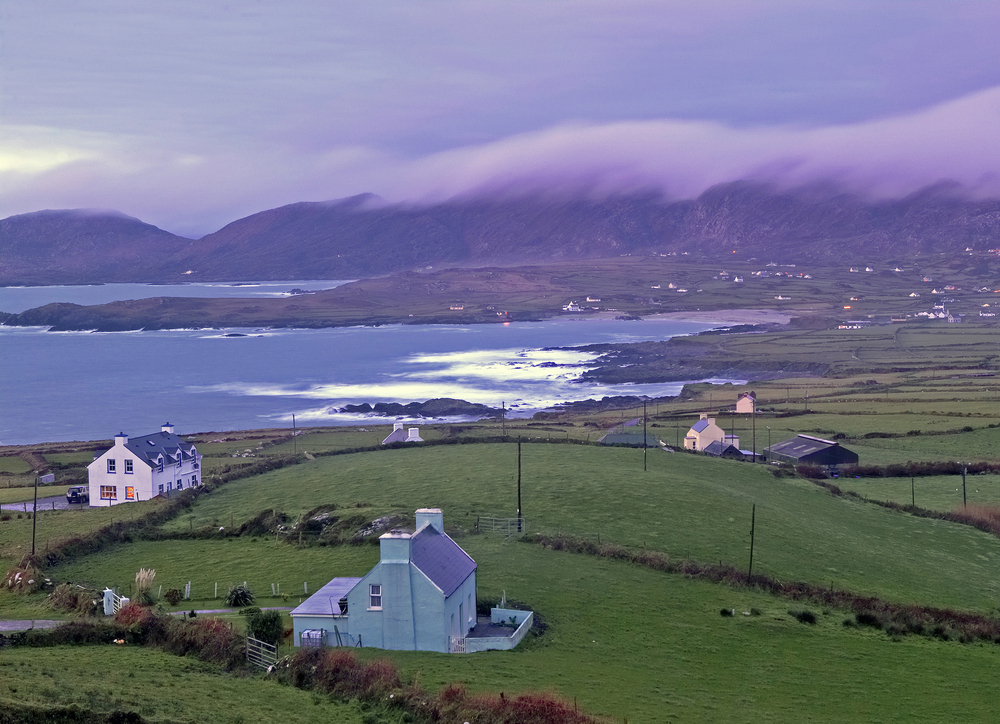
The Beara Peninsula is one of the best drives in County Cork, with rugged coastlines, mountains and quaint villages such as Allihies, and it is less touristy than the Ring of Kerry. Highlights include the scenic drive and the Dursey Island cable car. If you prefer to leave the driving to someone else, there is a private tour of the Beara Peninsula with a local driver, guide and genealogist that takes in the seat of the O’Sullivan clan and the Allihies copper mines museum. See my comparison of the Ring of Kerry vs Dingle vs Beara.


27. Dursey Island Cable Car
Dursey Island’s cable car is Ireland’s only cable car, and the only one in Europe that crosses open seawater, with a 374-metre trip above Dursey Sound to the island. On the island there are walking routes, birdwatching, whale and dolphin watching and a historic burial ground.


Practical info: €10 return for adults and €5 for children under 16, first come, first served with no booking, and priority given to island residents. It runs roughly 9:30am to 7:30pm from March to October and 9:30am to 4:30pm in winter, and pauses for lunch, so phone the station on 027 73851 before you travel.
28. Lough Hyne
About 5 km from Skibbereen, Lough Hyne is Ireland’s first marine nature reserve, a seawater lake with a steep but rewarding walk up Knockomagh Hill for panoramic views.

29. The Ballyhoura Mountains
For outdoor enthusiasts, the Ballyhoura Mountains have hiking and mountain-biking trails through rolling hills, forests and rivers, in an area rich in ring forts and standing stones.

30. The Wild Atlantic Way
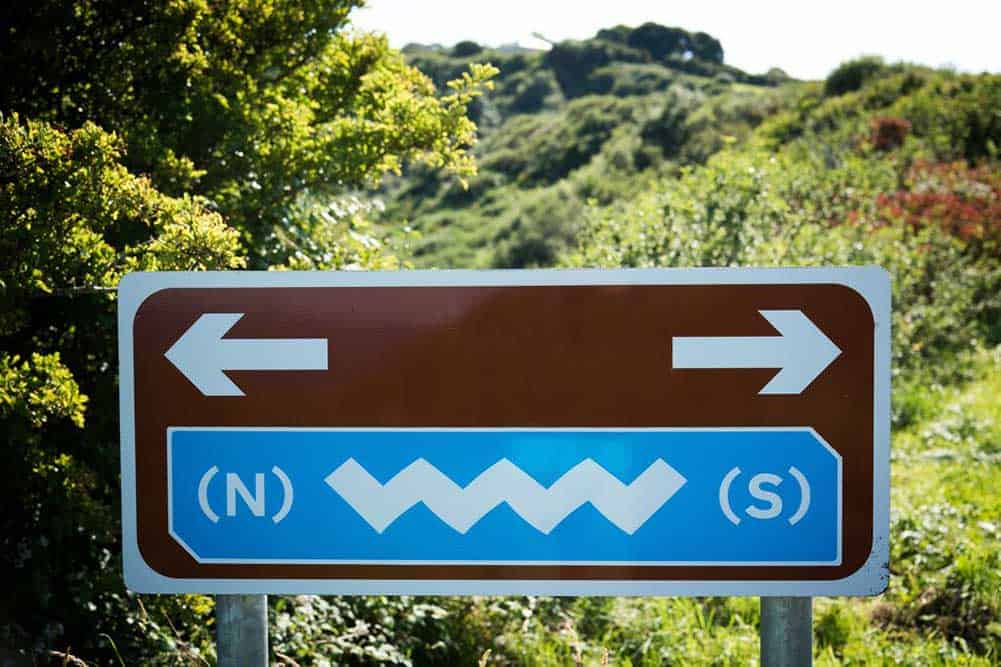
County Cork has some of the most scenic stretches of the Wild Atlantic Way, with rugged cliffs, secluded beaches and picturesque villages, from Kinsale in the east to the Beara Peninsula and Mizen Head in the west. Drive or cycle it to see the best of the south-west, and continue north into Kerry. See my Wild Atlantic Way route guide, things to do in Kerry and Dingle guide.
Free Things to Do in Cork
- English Market: free to wander and the best free lunch-time browse in the city.
- Elizabeth Fort: free to enter and walk the walls (the 1pm guided tour is €5).
- Crawford Art Gallery: free, with Irish art and a café.
- Fitzgerald Park and Cork Public Museum: free, though check the museum’s 2026 refurbishment.
- St Anne’s Church, Shandon: the church is free; only the tower has a charge.
- The quays and city centre: a free walk along the River Lee and St Patrick’s Street.
- Red Abbey Tower: a free stop for medieval history, a surviving Augustinian tower.

Unique and Fun Things to Do in Cork
Looking for something a bit different? These are the cool, unusual things to do in Cork:
- Ring the Shandon Bells yourself at the top of the tower.
- Taste Cork’s oddest specialities at the English Market: drisheen, tripe, spiced beef and buttered eggs.
- Kiss the Blarney Stone and walk through the Poison Garden.
- Cross Dursey Sound on Ireland’s only cable car, the only one in Europe over open seawater.
- Take the ferry to Spike Island, known as Ireland’s Alcatraz.
- Go whale and dolphin watching from Baltimore.
- Walk past life-size wax prisoners at Cork City Gaol.
- See free-roaming giraffes, kangaroos and lemurs at Fota Wildlife Park.
- Catch an impromptu trad session in a Cork pub.

Tours in Cork
If you would rather have a guide, these are the main bookable tours. Details come from the operators, so check current availability and prices when you book.
Cork Culinary Tour
A foodie-friendly guided tour of Cork’s food scene, centred on the English Market, where you chat with local traders and taste local treats such as fish, bread and sweets. It finishes with a light pub lunch, included in the price.
Private Tour of the Beara Peninsula
A private car tour of the Beara Peninsula with an experienced local driver and guide who is also a genealogist, on narrow, off-the-beaten-path roads with incredible scenery.
Private Cork City Tour, Jameson Distillery, Blarney and Cobh
A full-day private tour that brings together three of the region’s most memorable highlights in one relaxed day: Blarney Castle, Jameson Distillery Midleton and the historic harbour town of Cobh.
Cork in One, Two and Three Day Itineraries
One Day in Cork City
- Morning: the English Market when it opens at 8am, breakfast or coffee at the Farmgate Café, then St Fin Barre’s Cathedral.
- Midday: cross the river to Shandon, climb the tower and ring the bells, and visit the Butter Museum.
- Afternoon: walk the walls of Elizabeth Fort, then Crawford Art Gallery, or take bus 202 to Cork City Gaol.
- Evening: dinner in the centre and a live music session in a pub.

Two Days
- Add a day trip: Blarney in the morning and Kinsale in the afternoon, or Cobh, Fota and the Jameson Distillery in Midleton.
Three Days or More
- Base yourself in Bantry, Skibbereen or Baltimore for West Cork, with Mizen Head, Bantry House, Gougane Barra and the Beara Peninsula, or continue into Kerry. See my Ireland itineraries and one week in Ireland for ways to fit Cork into a longer trip.
Where to Eat in Cork
Cork has a strong reputation for food, and the English Market is the obvious start. Farmgate Café upstairs serves hearty Irish dishes, and the market stalls are the place to try Cork specialities such as spiced beef, buttered eggs, drisheen, tripe and battlebord (dried salted ling). Around the city, look for local produce, Clonakilty black pudding, Gubbeen cheese and Murphy’s and Beamish stout in the pubs. Oliver Plunkett pub is known for Irish stew, and Sin É for music. In the morning, try a proper traditional Irish breakfast, and see my traditional Irish food guide for what to order.

Cork’s restaurant scene has been recognised by the Michelin Guide, with places such as Ichigo Ichie Bistro & Natural Wine on Sheares Street awarded a Bib Gourmand in the 2024 selection, but menus and awards change, so check the current Guide before booking.
How to Get to Cork
| From | How | Time and notes |
| Dublin | Train from Heuston to Cork Kent Station | About 2.5 hours, hourly, typically €22 to €35 |
| Dublin | Coach (Aircoach, Citylink, GoBus, Dublin Coach, Bus Éireann) | About 3 hours, roughly hourly |
| Dublin | Car | About 250 km, around 2 hours 45 minutes |
By train from Dublin: Irish Rail runs direct trains from Dublin Heuston to Cork Kent Station, and it is the most comfortable public option. By bus: several companies run coaches between Dublin and Cork, many with stops at Dublin Airport. By car: the drive is straightforward, and my Dublin to Cork road trip guide has stops along the way. If you are renting, see renting a car in Ireland, or for a driver see how to hire a private driver in Ireland. Use the TFI Journey Planner and my list of free travel apps for Ireland to plan connections.
Getting around: the centre is walkable. Bus 226 runs between Kent Station, the city bus station, Cork Airport and Kinsale, and trains run from Kent Station to Cobh, calling at Fota. A car is best for West Cork.


Best Time of Year to Visit Cork – So When Should You Go?
Best weather: May to July for the driest, brightest days.
Fewer crowds with mild weather: September.
Festivals: March for St Patrick’s Festival, June for the Midsummer Festival, and the October bank holiday weekend for the Jazz Festival. Book accommodation early for these.

Quiet visit: January to March, though some attractions have reduced hours.
Not sure when to go overall? My guides to planning a trip to Ireland and Ireland trip cost will help.
Accessibility in Cork
Cork’s centre is largely level, but the hills of Shandon and Sunday’s Well are steep. St Fin Barre’s Cathedral reports full wheelchair access, while Elizabeth Fort has restricted disability access and Blarney Castle itself is not wheelchair accessible, although parts of the gardens are. The Shandon tower has 132 steps and a narrow top section. For more on planning, see my Accessible Ireland guide.
Where to Stay in Cork
Staying in the city centre puts most attractions within walking distance. Here are some of the best places to stay:
Hayfield Manor: a luxury five-star hotel near University College Cork and about ten minutes from Elizabeth Fort.

River Lee Hotel: a riverside hotel close to the city.
Rochestown Park Hotel & Leisure Centre: a four-star hotel with leisure facilities.
Imperial Hotel: a central hotel a short walk from the main sights.

Shandon Bells Guest House: a three-star guesthouse in the historic Shandon area.
Curious about Cork? Lock in great travel deals now. Find your hotel on Booking.com, plan tours with Viator, or rent a car with Discover Cars to explore the coastline and countryside beyond the city.
Cork Quick FAQs
What is Cork best known for?
Cork is best known for its food, especially the English Market, for Blarney Castle, and for its lively pub and music scene. It is the second-largest city in the Republic of Ireland, nicknamed the Rebel City, and a gateway to Cobh, Kinsale, West Cork and the Wild Atlantic Way.
What are the best things to do in Cork?
The best things to do in Cork are the English Market, the Shandon Bells and Tower, St Fin Barre’s Cathedral, Elizabeth Fort and Cork City Gaol in the city, plus day trips to Blarney Castle, Cobh, Kinsale and Fota Wildlife Park.
How many days do you need in Cork?
One to two days covers Cork City. Add a day each for Blarney and Kinsale, for Cobh and Fota, and three to four more days if you want to explore West Cork, including Bantry, Baltimore and Mizen Head.
Is Cork worth visiting?
Yes. Cork is compact and walkable, has one of Ireland’s best food scenes and a strong pub and music culture, and puts you within about an hour of Blarney, Cobh and Kinsale. It makes a relaxed, food-focused base for the south of Ireland.
Should I visit Cork or Galway?
Galway is smaller, more colourful and centred on traditional music and the arts, while Cork is larger, more food-focused and a better base for Kinsale, Cobh and West Cork. My Galway vs Cork guide compares the two in detail.
How do you get from Dublin to Cork?
The fastest public option is the direct Irish Rail train from Dublin Heuston to Cork Kent Station, about 2.5 hours, with fares typically around €22 to €35. Coaches take about 3 hours, and driving takes around 2 hours 45 minutes over roughly 250 km.
How do you get from Cork Airport to the city centre?
Cork Airport is about 6 km south of the city. Bus Éireann route 226 runs between Cork Kent Station, the city bus station, the airport and Kinsale, and taxis and hire cars are also available.
How much does Blarney Castle cost and how far is it from Cork?
Blarney Castle is about 8 km northwest of Cork City. Adult admission is €24, students and seniors €19, children €12 and a family ticket €65, with no timed slots (blarneycastle.ie, September 2026).
What is the English Market in Cork?
The English Market is a covered food market in central Cork, trading since 1788. Entry is free, and it is open Monday to Saturday from about 8am to 6pm and closed on Sundays and bank holidays. It is known for spiced beef, drisheen, tripe and buttered eggs, and has the Farmgate Café upstairs.
Why is Cork called the Rebel County?
The nickname is usually traced to Cork’s support for the pretender Perkin Warbeck against Henry VII in 1491, and it was reinforced by the county’s central role in the War of Independence from 1919 to 1921. Cork people also call their city the real capital.
Is Cork City walkable?
Yes. The centre sits on an island between two channels of the River Lee, and the English Market, Shandon, St Fin Barre’s Cathedral and Elizabeth Fort are all within walking distance. Cork City Gaol is farther out, about a 30-minute walk or a short bus ride.
When is the best time to visit Cork?
May to September is the driest and warmest, with April to July the driest months and highs around 18 degrees C in July and August. Festival fans might prefer March for St Patrick’s Festival or late October for the Cork Jazz Festival, though October is the wettest month.
What can you do in Cork when it rains?
Good wet-weather options are the English Market, Cork City Gaol, the free Crawford Art Gallery, the Butter Museum, St Fin Barre’s Cathedral, a food tour and a pub music session.


Can you visit Cobh, Kinsale and Blarney as day trips from Cork?
Yes. Blarney is about 8 km from the city, Kinsale about 25 km and Cobh about 25 km, with a train from Cork Kent Station to Cobh taking around 25 minutes. Many day tours combine Kinsale, Charles Fort and the Jameson Distillery in Midleton.
What food is Cork famous for?
Cork is known for spiced beef, drisheen (a type of blood pudding), tripe, buttered eggs and battlebord at the English Market, plus Clonakilty black pudding and Gubbeen cheese from West Cork.

Is Cork accessible for wheelchair users?
Partly. St Fin Barre’s Cathedral reports full wheelchair access, but Elizabeth Fort has restricted disability access, and Blarney Castle itself is not wheelchair accessible, though parts of its gardens are.
What are the must-see sights in Cork?
The must-see sights in Cork are the English Market, the Shandon Bells and Tower, St Fin Barre’s Cathedral, Elizabeth Fort and Cork City Gaol in the city, and Blarney Castle, Cobh, Kinsale and Fota Wildlife Park nearby. Mizen Head and the Beara Peninsula are the top picks in West Cork.

What are the free things to do in Cork?
Free things to do in Cork include the English Market, the walls of Elizabeth Fort, Crawford Art Gallery, Fitzgerald Park, St Anne’s Church in Shandon (the tower has a charge) and a walk along the quays. Cork Public Museum is also free, but check whether it is open during its 2026 refurbishment.
What are the most unique things to do in Cork?
Unique things to do in Cork include ringing the Shandon Bells, tasting local specialities such as drisheen and spiced beef at the English Market, kissing the Blarney Stone, riding Ireland’s only cable car to Dursey Island, visiting Spike Island, known as Ireland’s Alcatraz, and catching a live traditional music session in a pub.
What are the best things to do near Cork?
The best things to do near Cork are Blarney Castle (8 km), Cobh and Spike Island (about 25 km), Fota Wildlife Park, the Jameson Distillery in Midleton and the harbour town of Kinsale (about 25 km). West Cork, including Bantry, Baltimore and Mizen Head, is a longer trip best done over a few days.
Final Thoughts on Cork
If you are looking for things to do in Ireland, County Cork is a treat. Cork is one of the best places to see in Ireland, with the vibrant city, the panoramic views from the top of Shandon and St Fin Barre’s, and the picturesque landscapes of East and West Cork. Whether you are exploring the lively streets of Cork City, kissing the Blarney Stone or driving along the Wild Atlantic Way, there is something for everyone in this enchanting part of Ireland.

Plan More of Your Ireland Trip
Cork fits neatly into a bigger Irish adventure. These guides will help you stitch it together:
- Ireland itineraries, one week in Ireland and my Ireland road trip guide
- Kinsale, Cobh and the Wild Atlantic Way route
- Kerry, Dingle and the Ring of Kerry
- Best places to see in Ireland, landmarks in Ireland and the Irish bucket list
- Castle hotels in Ireland and 15 haunted castles in Ireland
- Ireland off the beaten path and Irish things to know before you visit
- Ireland trip planning tool and the most common Ireland travel questions
Galway delivers the classic lively west of Ireland atmosphere, while Cork offers a calmer and more food-focused experience. My Galway vs Cork guide compares both in detail.