
Hidden Gems in Ireland: 32 Secret Places, Coastal Walks, and Quiet Stops Locals Love
What Are the Best Hidden Gems in Ireland? The best hidden gems in Ireland are found away from the country’s most-photographed stops in County Donegal, County Sligo, and West Cork, where landscapes stay quiet even in peak season. Standouts include Slieve League Cliffs, Glenveagh National Park, Gleniff Horseshoe, Loop Head Peninsula, and Gougane Barra. The key to finding them: go early, slow down, and take the smaller roads.
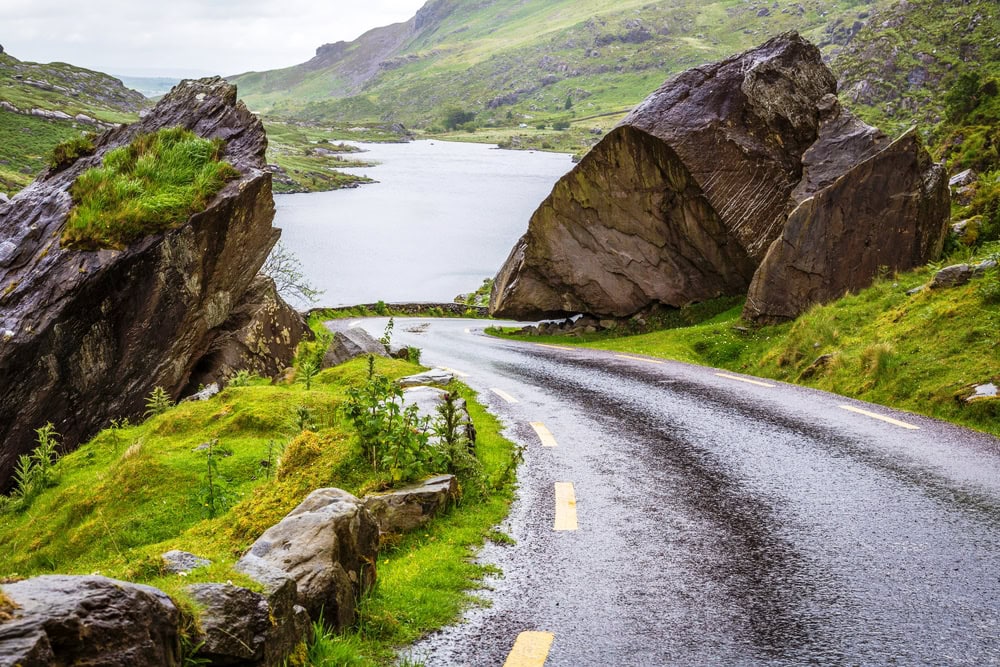
Living in County Donegal changes how you experience Ireland. When you first visit Ireland, you tend to follow the same routes as everyone else. You move between Dublin, Galway, and Kerry, stopping at the most photographed places and trying to fit as much as possible into a short amount of time. It feels productive, but it rarely feels memorable.
That changes the longer you spend here. You begin to notice that the most meaningful experiences are not the busiest ones. They are the quiet stops between destinations, the unexpected roads that lead to the coast, and the places where you linger longer than planned simply because there is no reason to leave.
Ireland is not short on beauty. What most visitors miss is how to experience it.
⭐ Best Hidden Gems in Ireland
The best hidden gems in Ireland include:
- Slieve League Cliffs for wild Atlantic views without heavy crowds
- Glenveagh National Park for quiet landscapes and space
- Gleniff Horseshoe for an underrated scenic drive
- Loop Head Peninsula for coastal scenery away from tour routes
- Gougane Barra for peaceful inland beauty
The key: go early, slow down, and explore beyond the main road.
31 Hidden Gems in Ireland
County Donegal
1. Slieve League Cliffs
Slieve League Cliffs offer one of the most powerful coastal experiences in Ireland, yet the Cliffs remain far less crowded than the Cliffs of Moher. What makes them stand out is not just their height, but how exposed they feel to the Atlantic. There are fewer barriers, fewer structured viewpoints, and a stronger sense that you are standing on the edge of something vast.
The best time to visit is early in the morning or later in the evening, when the light softens and the crowds thin out. The Bunglass viewpoint allows you to access dramatic scenery without a long hike, making it one of the most accessible yet wild landscapes in the country. Even a short visit here feels immersive.

2. Glenveagh National Park
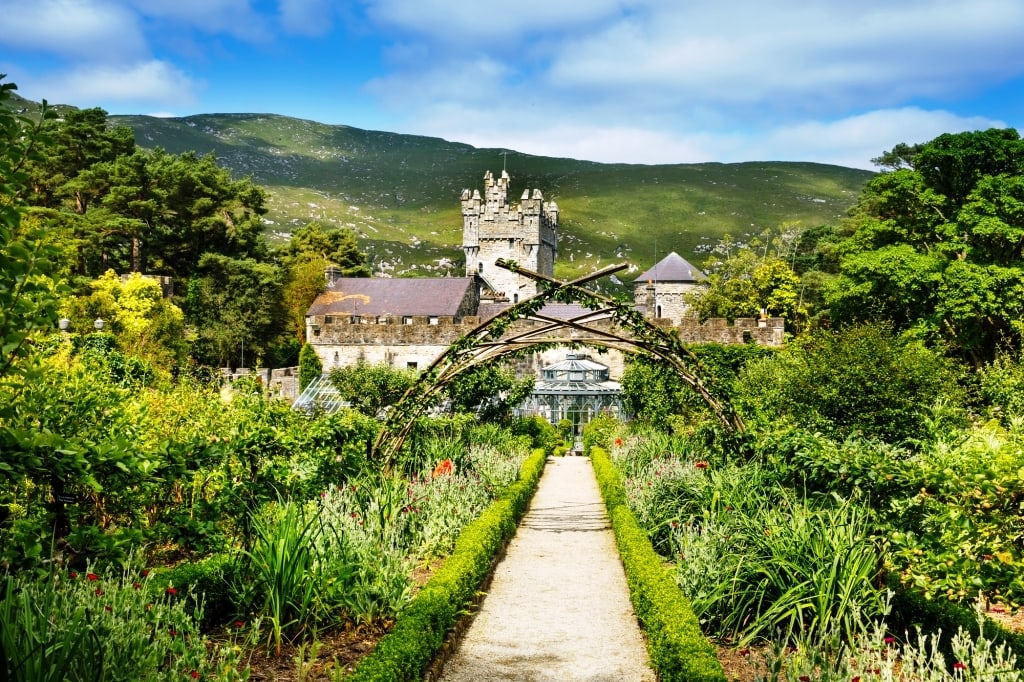
Glenveagh National Park offers a completely different type of experience. Instead of a single standout viewpoint, it provides a sense of space that unfolds gradually. The road along Lough Veagh, the surrounding mountains, and the long stretches without interruption make it one of the most peaceful landscapes in Ireland. Visitors often focus on the castle, but the real value lies beyond it, where fewer people venture. Even during peak season, it is possible to spend hours here without encountering crowds. This is not a place to rush. It rewards slowing down, stopping often, and allowing the landscape to reveal itself.
3. Cruit Island
Cruit Island is a small detour that feels far more remote than it actually is. Connected by a narrow bridge, it offers quiet coastal roads, scattered beaches, and viewpoints that appear without warning. What makes it special is the absence of structure. There are no major attractions, no tour buses, and very little signage. You explore by instinct, stopping when the view feels right. The coastline shifts constantly, revealing small coves, rocky edges, and wild Atlantic way views. It is one of the easiest places in Donegal to experience that sense of discovery without needing to travel far.

4. Assaranca Waterfall
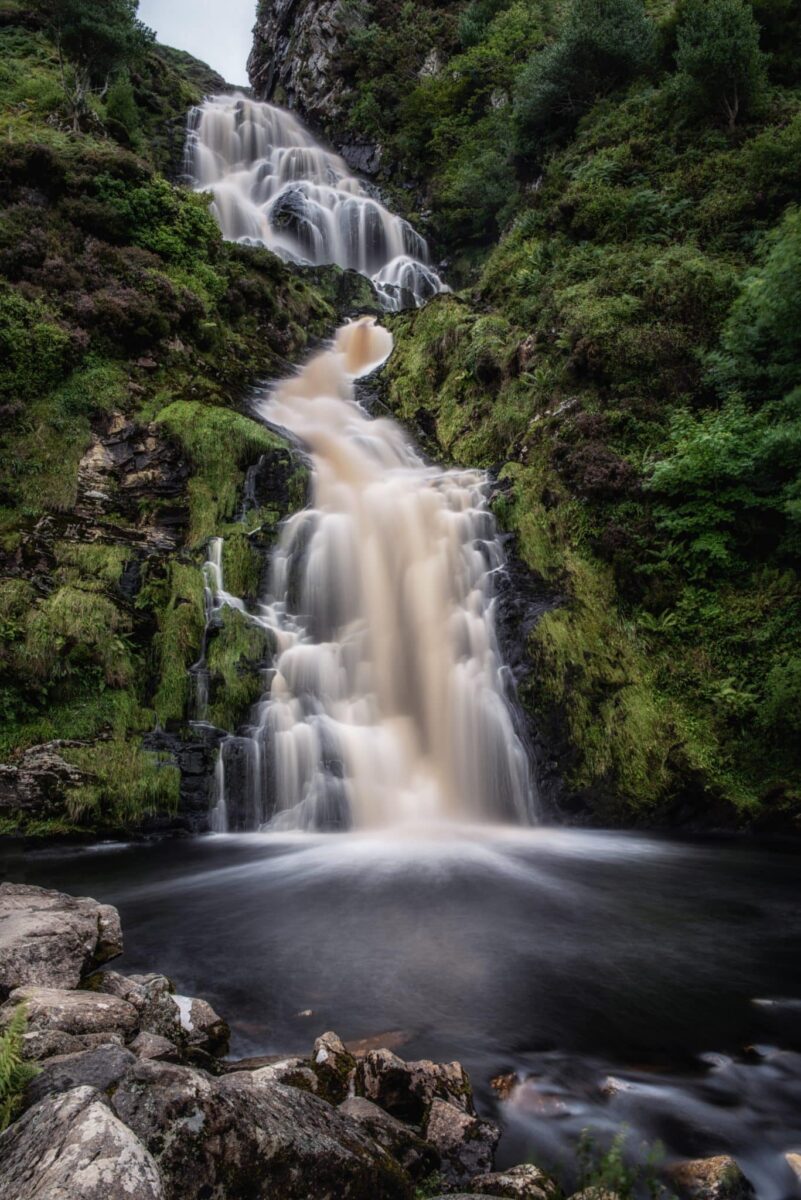
Assaranca Waterfall is one of those hidden waterfalls that can feel almost too easy to reach, yet still delivers a strong impression. Located right beside the road near Ardara, it requires no hike, making it accessible to almost everyone. After rainfall, the waterfall becomes particularly powerful, cascading down a steep rock face with surprising force.
My son one year decided to walk along the ledge by the waterfall and of course fell in, but many folks go for a quick swim in the waters when it is summer time. It is a perfect example of how Ireland often hides its most rewarding moments in plain sight. Many people drive past without stopping, but taking even a few minutes here can add something memorable to your journey.
County Sligo
5. Gleniff Horseshoe
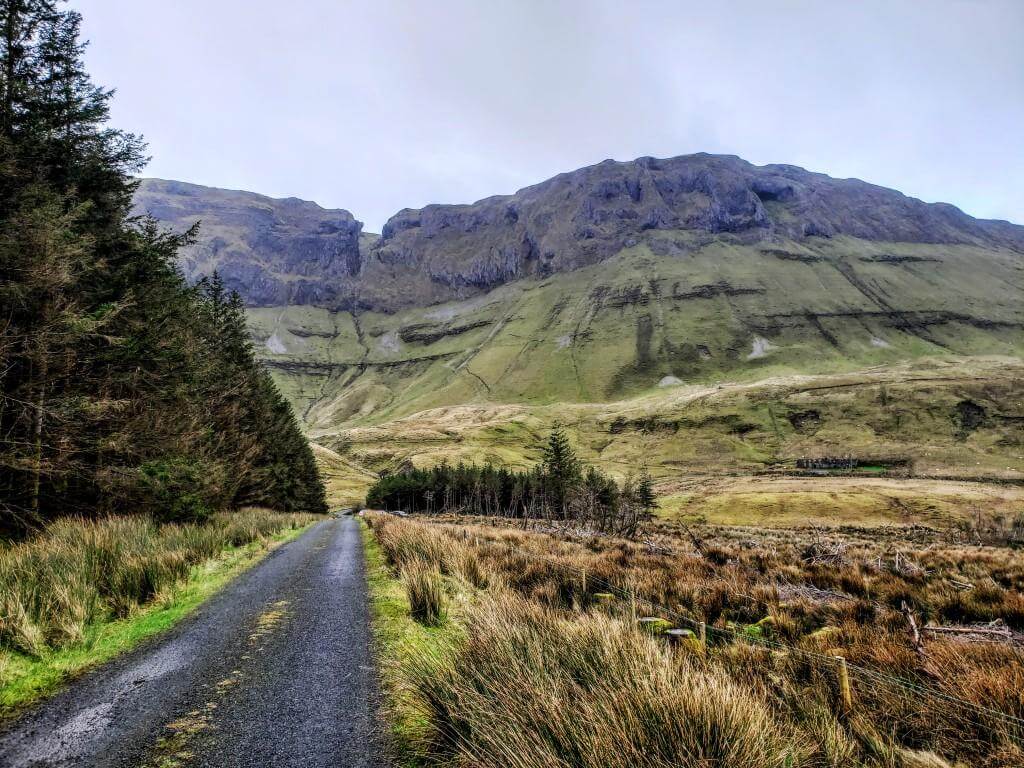
One of the more unique places to visit Ireland Gleniff Horseshoe is one of the most underrated scenic drives. The loop winds through a quiet valley surrounded by mountains, creating a landscape that feels enclosed yet expansive. Unlike more famous routes, it rarely feels busy, even in summer. The drive is slow and deliberate, with multiple places to pull over and take in the views. What makes it special is the atmosphere. There is a stillness here that encourages you to take your time, rather than move quickly from one stop to another.
6. Streedagh Strand
Streedagh Strand offers one of the most open coastal experiences in Ireland. The beach stretches for miles, with uninterrupted views of Benbulben in the distance. Even during peak season, it rarely feels crowded. The wide shoreline and constant sound of the Atlantic create a sense of calm that is difficult to replicate elsewhere. It is a place where you can walk without a plan, simply following the shoreline and taking in the landscape.
7. Rosses Point
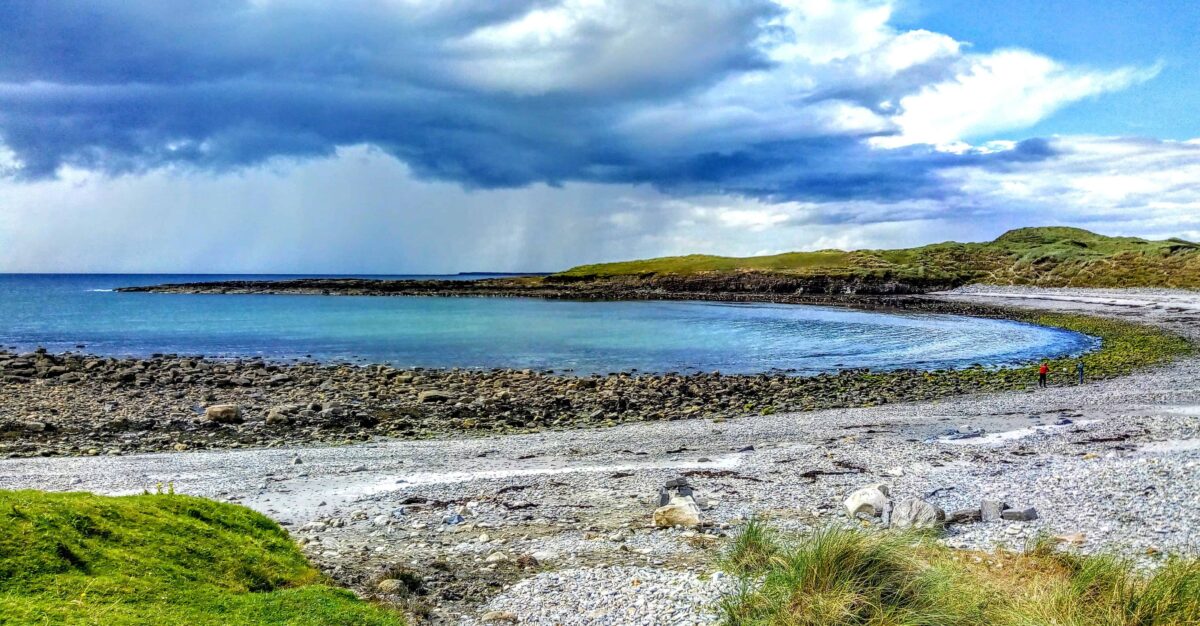
A favourite of mine and off the beaten path Ireland Rosses Point provides an accessible yet relaxed coastal stop. Located just outside Sligo town, it combines harbour views, beach walks, and a slower pace. It works well as a day trip, but it also rewards those who stay longer. The atmosphere here is noticeably calmer than more tourist-heavy areas, making it an ideal place to pause and take in the coastline.

County Galway
8. Connemara Sky Road
The Sky Road near Clifden is one of the most famous scenic routes in Connemara, but it can feel completely different depending on when you visit. Early morning or evening transforms the experience, with fewer cars and softer light. The views stretch across the Atlantic, and the road feels more personal than crowded. It is not just about the viewpoint, but the gradual unfolding of the landscape as you drive.
9. Roundstone
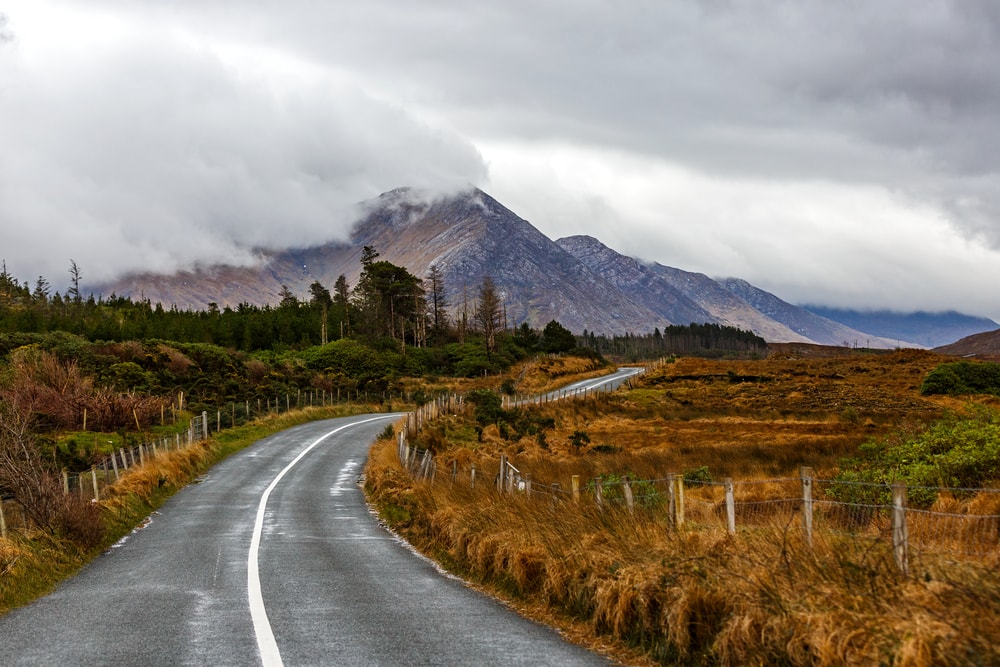
Roundstone is a small harbour village that offers a quieter alternative to busier parts of Galway. Its charm lies in its simplicity. The harbour, the surrounding hills, and the nearby beaches create a setting that feels calm and unhurried. It is a place where you can spend time without needing an itinerary.

10. Ballyconneely
A true hidden gem in Ireland is Ballyconneely offers wide coastal views and open landscapes that feel almost untouched. The beaches stretch out with very few visitors, and the sense of space becomes the defining feature. It is one of the best places in Connemara to experience the coastline without crowds.

11. Aran Islands
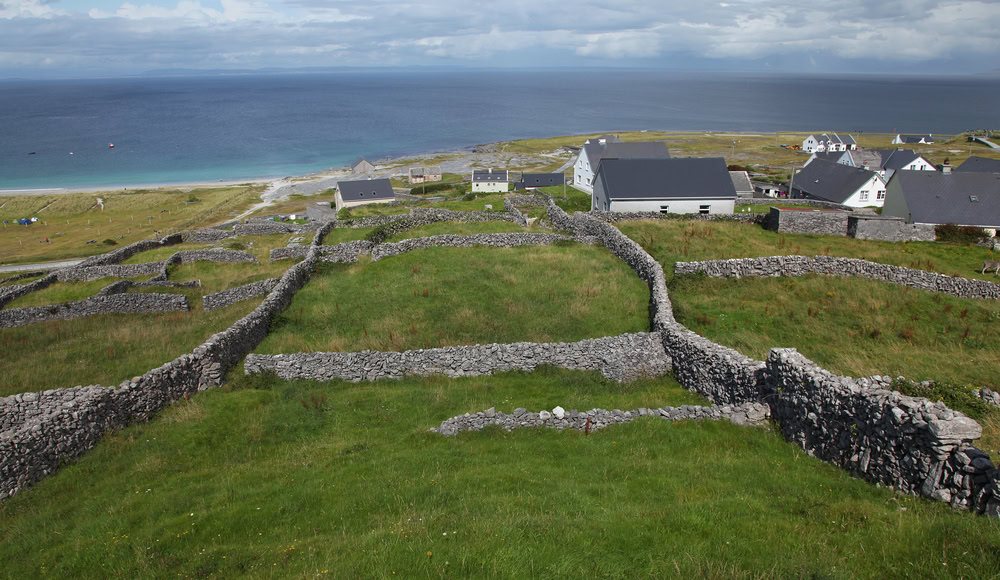
The Aran Islands are often visited as a quick trip, but staying overnight reveals their true character. Once the last ferry leaves, the islands become quieter, and the atmosphere shifts. The stone walls, narrow lanes, and sound of the Atlantic create a sense of place that is difficult to capture in a short visit.
County Clare
12. Loop Head Peninsula
Loop Head Peninsula is one of the strongest alternatives to the Cliffs of Moher, yet it remains significantly quieter. The drive out toward the lighthouse feels increasingly remote, with fewer cars and wider views of the Atlantic. What makes Loop Head stand out is how accessible it is without feeling developed. You can pull over at multiple points along the road and experience dramatic coastal scenery without walking far. The cliffs here feel just as exposed, but without the infrastructure or crowds. It is particularly rewarding in the late afternoon when the light softens and the coastline becomes more defined.

13. Burren Backroads
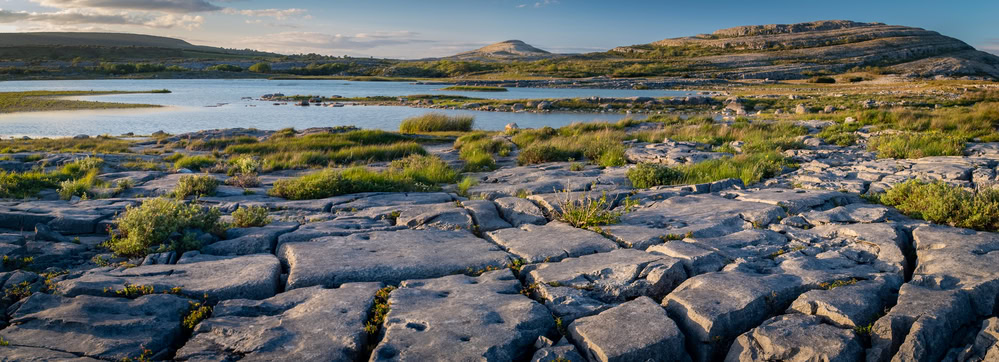
Burren National Park is often misunderstood when viewed quickly. From the main road, it can appear stark and empty, but the smaller backroads reveal a completely different experience. Limestone formations stretch across the landscape, broken by wildflowers, stone walls, and subtle elevation changes. The key is to slow down and take detours rather than staying on the main route. These quieter roads offer a more personal connection to the landscape and far fewer visitors. It is one of the best places in Ireland to experience how time and geology shape a place.
14. Fanore Beach
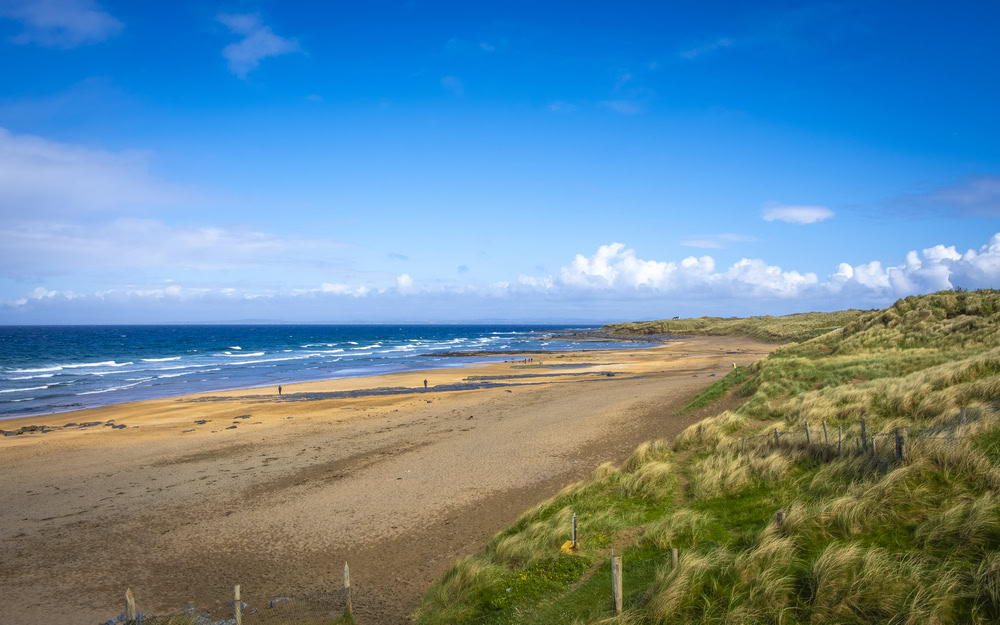
Fanore Beach sits between the Burren and the Atlantic, creating a setting that feels both rugged and open. Unlike more popular beaches, it rarely feels crowded, even in summer. The wide shoreline allows for long walks without interruption, and the surrounding hills add depth to the landscape. It is a place where you can stop without a plan and stay longer than expected. The changing light and constant movement of the ocean make it feel different each time you visit.
County Kerry
15. Gap of Dunloe
On your hidden gems Ireland road trip itinerary – The Gap of Dunloe is often included, but it is rarely experienced at the right time. During midday, it can feel busy and crowded, especially with tour traffic. Early morning changes everything. The road becomes quiet, the landscape feels more atmospheric, and the experience becomes far more immersive. The narrow valley, surrounded by mountains and dotted with lakes, creates a sense of enclosure that encourages you to slow down. Whether walking, cycling, or driving, it is one of the most rewarding places in Kerry when approached patiently.
For travelers seeking authentic Irish landscapes, it’s Dingle vs the Ring of Kerry each offering stunning views, but Dingle wins for those who want fewer tour buses and a bit more craic.

16. Muckross Lake
Part of Killarney National Park, Muckross Lake offers a quieter alternative to the more visited areas of the park. The paths here feel less crowded, and the views across the water toward the surrounding mountains create a sense of calm. It is particularly rewarding in the early morning when mist often sits low over the lake. Spending time here allows you to experience the park without the constant movement of tour groups.
17. Dingle Peninsula Backroads
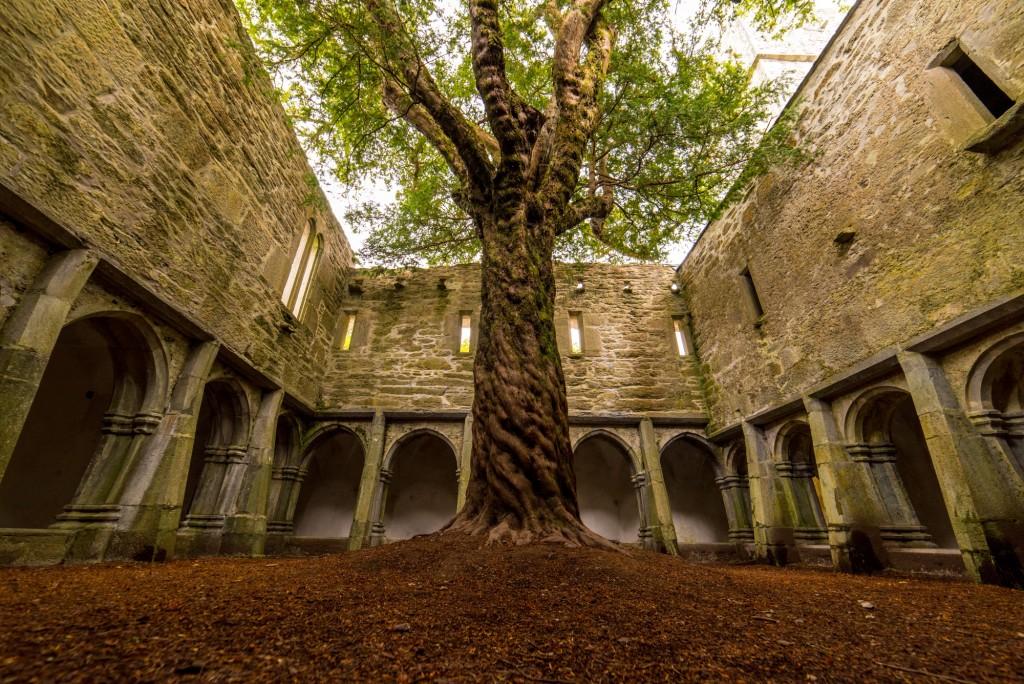
Dingle Peninsula is best known for its main drive, but the quieter experience lies beyond it. Smaller roads leading away from Slea Head offer equally dramatic views with far less trafficand remain one of the best secret spots in Ireland away from tourists. These routes pass through farmland, along cliffs, and toward small beaches that feel far removed from the main tourist flow. Taking these detours transforms the peninsula from a scenic drive into something more personal and exploratory.

County Cork
18. Beara Peninsula
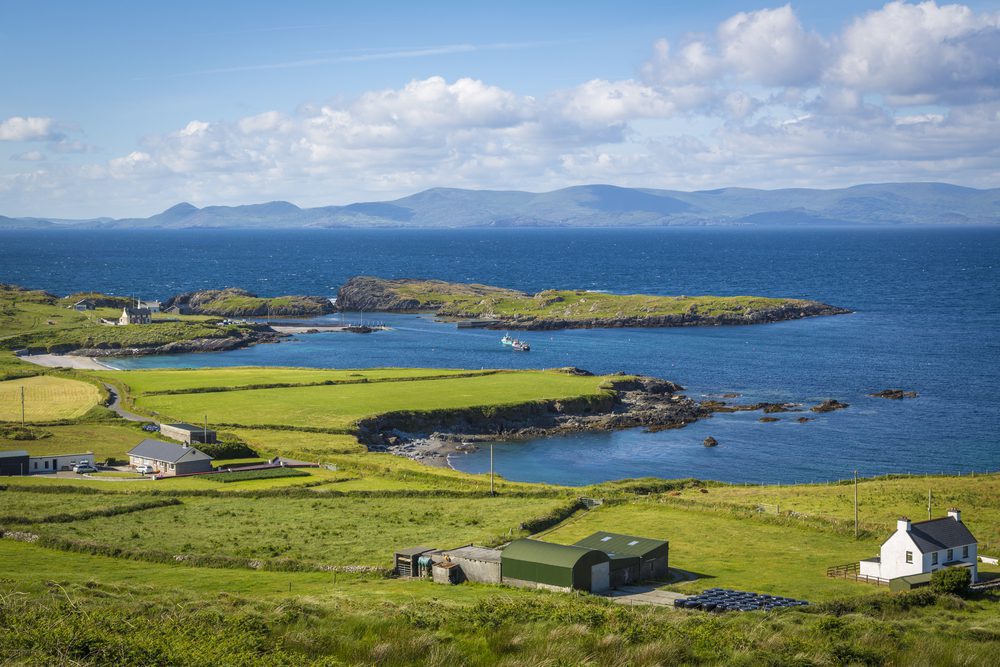
The Beara Peninsula is often compared to Kerry, but it offers a noticeably quieter experience. The roads are narrower, the landscape feels less structured, and there are fewer defined stops. This creates a sense of exploration rather than following a route. Coastal views, mountain passes, and small villages appear gradually rather than all at once. It is one of the best places in Ireland to drive without a strict plan, allowing the journey itself to shape the experience.
19. Gougane Barra
Gougane Barra is one of the most atmospheric places in Ireland. A small lake surrounded by forest and mountains creates a setting that feels calm and slightly removed from the rest of the country. The chapel on the water is a true romantic hidden gem and adds a focal point, but the real appeal lies in the quiet. Early morning visits are particularly rewarding, when the light reflects off the lake and the area feels almost still.

20. Baltimore
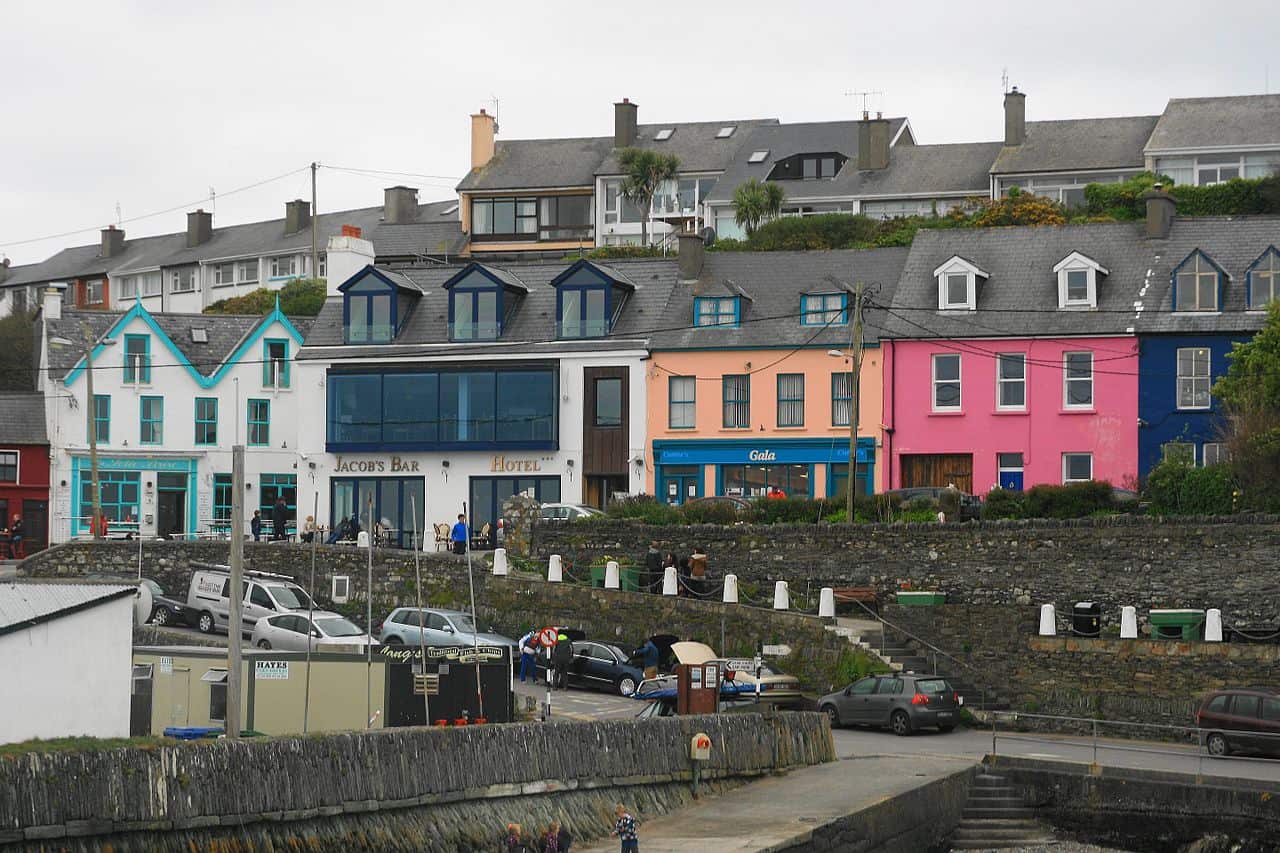
Baltimore is a small harbour town in West Cork one of the quiet villages in Ireland to visit. That offers a slower pace than more visited coastal areas. The harbour, the surrounding coastline, and the access to nearby islands create a relaxed environment where time feels less structured. It is a place to sit, watch the water, and take in the rhythm of the coast rather than move quickly from one attraction to another.
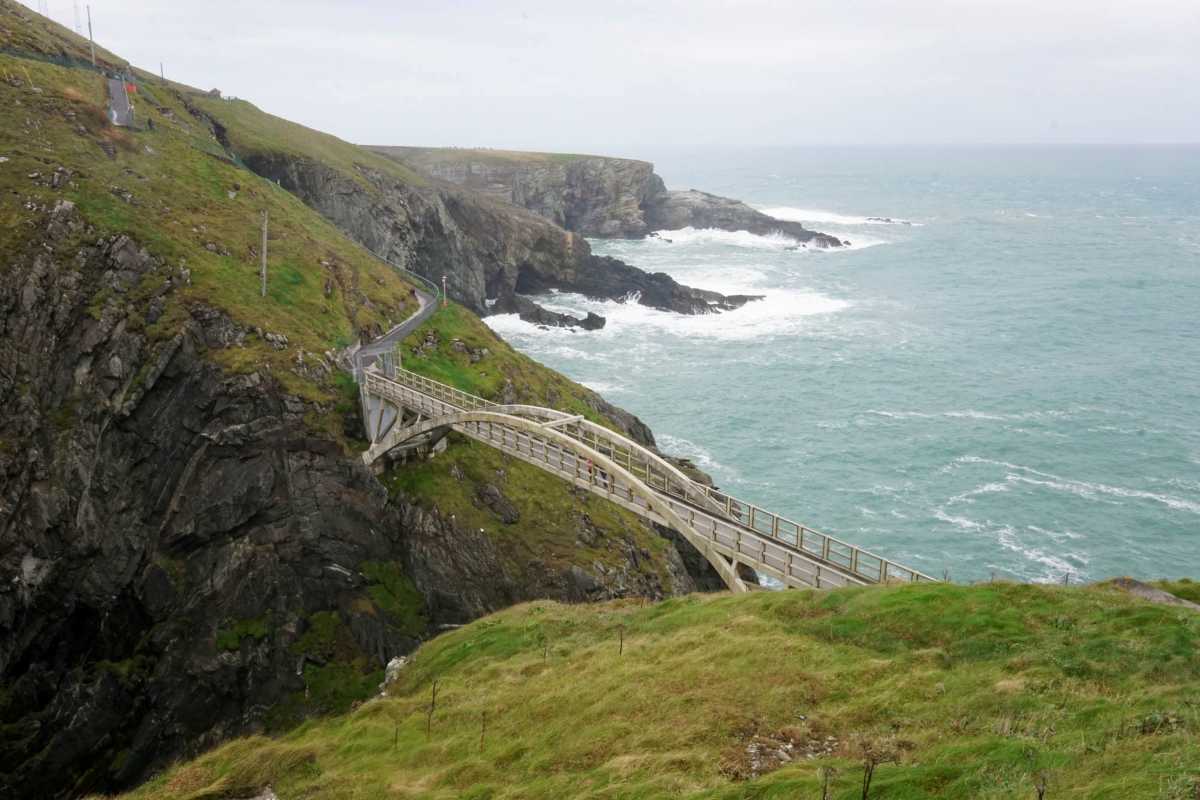
21. Mizen Head
Mizen Head sits at the southwestern edge of Ireland and feels appropriately remote it is one of those secret spots in Ireland away from tourists. The drive itself is part of the experience, gradually leading you further away from busier areas. The cliffs, ocean views, and sense of distance create a strong connection to the Atlantic. It is a place that feels exposed and powerful, particularly in changing weather conditions.
County Waterford
22. Copper Coast
Copper Coast offers one of the quietest coastal drives in Ireland. Unlike the Wild Atlantic Way, it receives far less traffic, which makes the experience more relaxed. Cliffs, small beaches, and open views appear along the route, often without signage. This encourages exploration rather than following a fixed path. It is ideal for travellers who prefer to stop frequently and take in the landscape at their own pace.
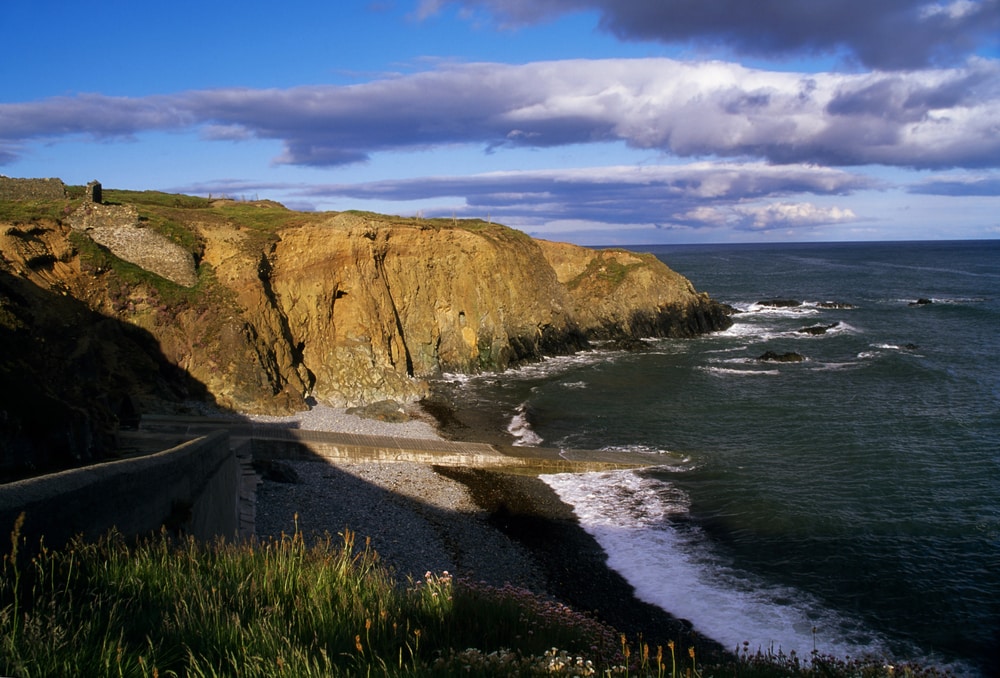
23. Bunmahon Beach
One of the hidden beaches in Ireland Bunmahon Beach is one of the highlights along the Copper Coast. Its wide shoreline and surrounding cliffs create a sense of openness that feels calm and unhurried. It is rarely crowded, making it an ideal place to stop and spend time rather than just pass through.

24. Dunmore East
Dunmore East is a small harbour village that offers a relaxed coastal atmosphere. Walking beyond the harbour reveals quieter paths and viewpoints, where the coastline feels less developed. It works well as both a short stop and a longer stay.

Dublin
25. Howth Cliff Walk
The Howth Cliff Walk is a true hidden gem near Dublin and is one of the easiest ways to experience coastal scenery near Dublin, but timing is essential. Early morning or evening visits reduce crowds significantly. Taking the longer loop spreads people out and creates a more relaxed experience. The views across Dublin Bay and the open sea make it feel far removed from the city.

26. Poolbeg Lighthouse Walk
The walk out to Poolbeg Lighthouse offers a different perspective on Dublin’s coastline. It is less scenic in a traditional sense, but the openness and fewer visitors make it appealing. It is particularly atmospheric on calmer days when the sea reflects the sky.

County Mayo
27. Achill Island
Achill Island offers some of the most dramatic landscapes in Ireland. The drive across the island reveals beaches, cliffs, and open views that feel expansive and uncrowded. It is one of the best places to experience the scale of Ireland’s west coast without the same level of tourism as other regions.

28. Céide Fields
Céide Fields offers a quieter, more reflective experience. Walking paths across the landscape reveal ancient field systems and coastal views. It is less about visual impact and more about understanding the depth of history in the landscape.

County Wexford
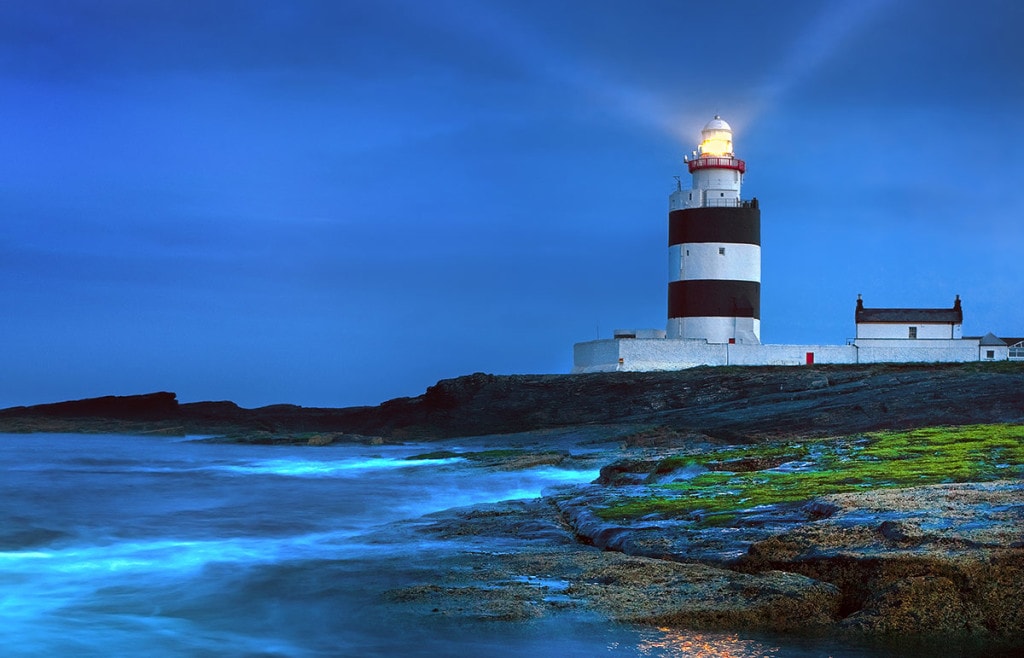
29. Hook Peninsula
Hook Peninsula offers a quieter coastal experience in the southeast. The lighthouse, surrounding cliffs, and open views create a sense of calm that contrasts with busier parts of Ireland. It is a place where you can take your time and enjoy the coastline without crowds.
Northern Ireland
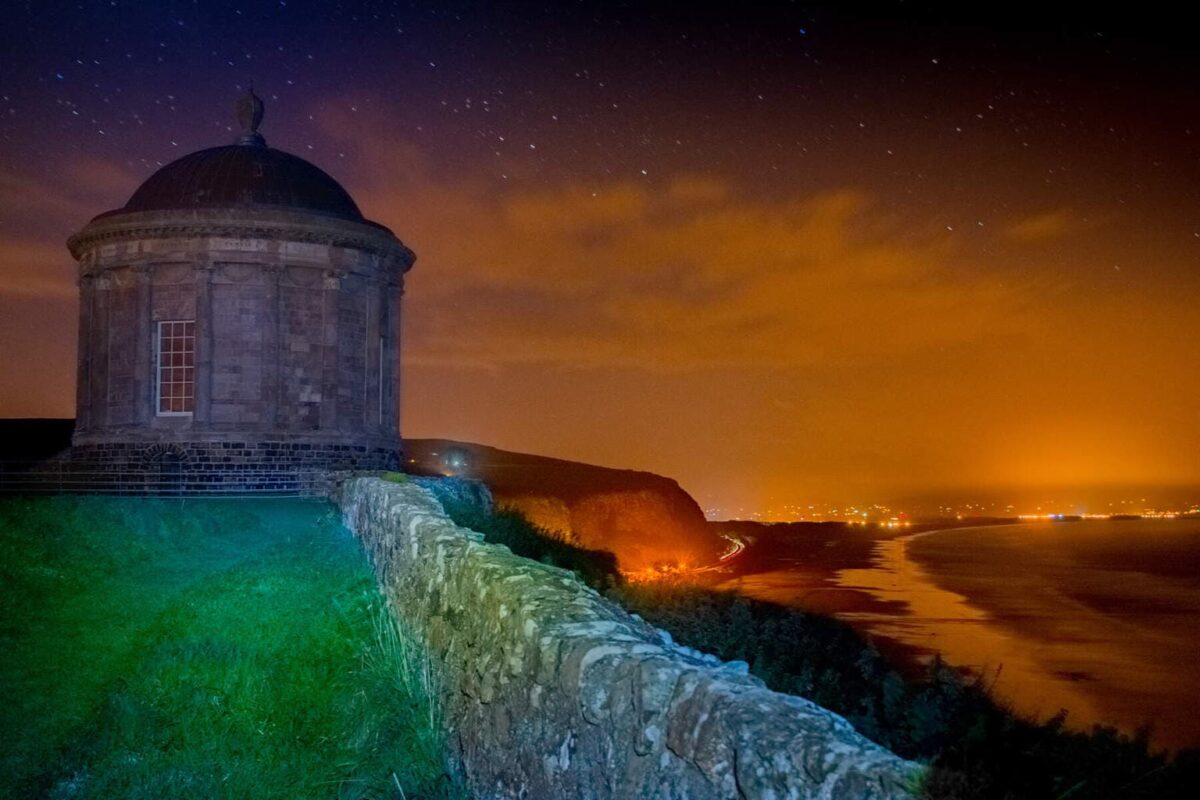
30. Mussenden Temple
Mussenden Temple sits dramatically on a clifftop overlooking the Atlantic. While it is known, it rarely feels overcrowded. The surrounding coastal paths offer space to walk and take in the views without rushing.
31. Glenariff Forest Park
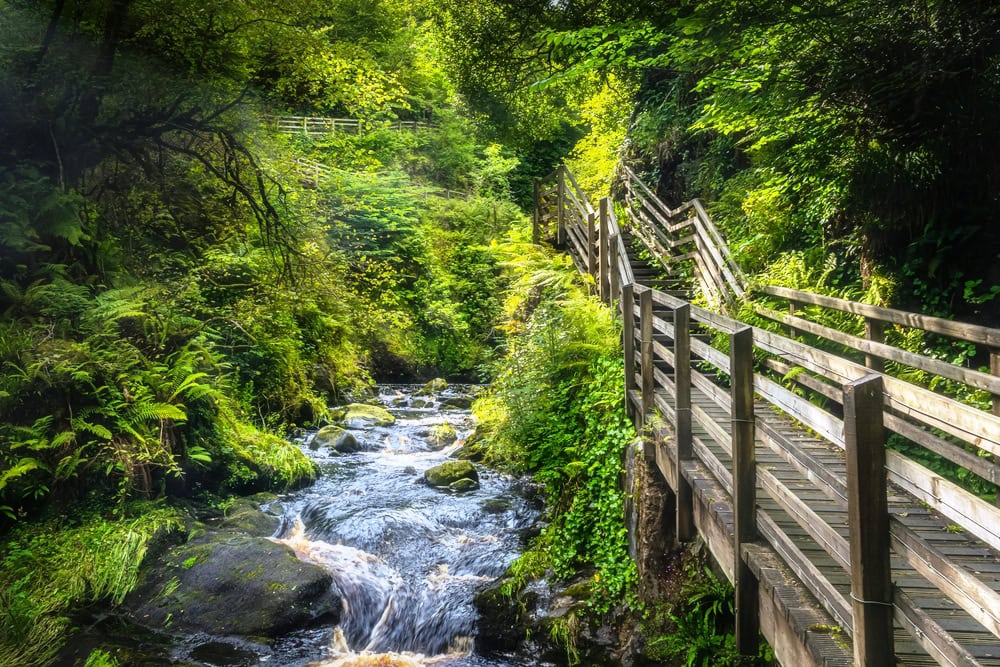
Glenariff Forest Park in the stunning 9 Glens of Antrim offers a completely different environment, with forest trails and waterfalls. The paths are well maintained, making it accessible while still feeling natural.
32. The Giant’s Ring
Tucked just outside Belfast, the Giant’s Ring is one of Northern Ireland’s most quietly impressive ancient sites. This massive Neolithic henge, dating back around 5,000 years, features a perfectly circular earthwork enclosing a mysterious dolmen at its center. Unlike more crowded landmarks, the Giant’s Ring offers a peaceful, almost untouched atmosphere—ideal for wandering, picnicking, or simply soaking in its deep sense of history.

The Real Secret to Ireland
Ireland does not hide its beauty. What it does is resist being rushed. The places that stay with you are rarely the ones you plan around. They are the ones you find when you leave space in your journey. A quiet stretch of road, a beach with no name, a viewpoint you almost didn’t stop for. Ireland may be small, but it’s packed with unforgettable landscapes, rich history, and welcoming towns that are best explored over a little more time. A 10-day itinerary gives you the chance to dive deeper, combining iconic sights with off-the-beaten-path experiences. Take a look at our 10-day Ireland itinerary to start planning your journey.
Living in County Donegal has taught me that the most meaningful experiences here come from choosing less, not more. Fewer stops, more time. Fewer plans, more attention.
You don’t need to see everything. You just need to experience a few places properly. And when you do, Ireland feels completely different.
FAQs: Hidden Gems in Ireland
What are the best hidden gems in Ireland?
Some of the best hidden gems in Ireland are found in County Donegal, County Sligo, and County Cork, where landscapes remain less developed and visitor numbers are lower. Places like Slieve League Cliffs, Gleniff Horseshoe, and Gougane Barra stand out because they combine accessibility with a sense of space and quiet. The best hidden gems are not always completely unknown. They are places experienced at the right time, often early in the morning or later in the day when the atmosphere shifts and the crowds thin out.
Is the Wild Atlantic Way good for finding hidden gems?
Yes, the Wild Atlantic Way is one of the best routes for discovering hidden gems in Ireland, but only if you approach it differently. Many travellers try to complete the route quickly, focusing only on major stops. The better approach is to choose a smaller section and explore it slowly. The most memorable places are often between the headline locations, along smaller roads, in quiet villages, or at unmarked viewpoints that don’t appear on standard itineraries.
Do you need a car to find hidden gems in Ireland?
In most cases, yes. While some hidden gems can be reached by public transport or a guided tour, many of the quieter and less visited places are located along smaller roads or in remote areas. Having a car allows you to stop when something catches your attention and to explore beyond the main routes. This flexibility is one of the most important parts of experiencing Ireland properly.
Are guided tours worth it for hidden gems?
A guided tour can be useful if you have limited time or prefer not to drive. Smaller, locally run tours sometimes include lesser-known stops that are not part of standard itineraries. However, independent travel generally offers a more flexible and personal experience. Hidden gems often appear unexpectedly, and having control over your schedule allows you to take advantage of those moments.
What is the best county in Ireland for hidden gems?
County Donegal is often considered one of the best counties for hidden gems because of its scale, coastline, and lower visitor numbers. However, County Sligo, County Mayo, and County Waterford also offer excellent options. Each region has its own character, and the best choice depends on the type of landscape and pace you are looking for.
Can you find hidden gems near Dublin?
Yes. Even near Dublin, places like the Howth Cliff Walk and the Poolbeg Lighthouse walk offer quieter experiences, especially if visited outside peak hours. Exploring neighbourhoods beyond the city centre can also reveal a more relaxed and local side of Dublin.
When is the best time to visit hidden gems in Ireland?
Early mornings and evenings are usually the best times to visit hidden gems in Ireland. Many popular locations feel completely different outside peak hours. Shoulder seasons such as spring and autumn also offer fewer crowds and a more relaxed atmosphere, while still providing good conditions for exploring.
How do you find hidden gems in Ireland yourself?
The best way to find hidden gems is to slow down and stay flexible. Take smaller roads, stop when something catches your attention, and avoid trying to see too much in one trip. Ireland rewards curiosity more than planning. Some of the most memorable places are the ones you did not intend to visit.
s Slieve League safe to visit?
Slieve League is safe for most visitors if you stick to the main Bunglass viewpoint, which offers dramatic views without requiring a hike along the cliff edge. The higher walking trails beyond the viewpoint are more exposed, with steep drops and few barriers, so they’re best avoided in poor weather, high wind, or low visibility. Sturdy footwear is recommended, and it’s worth checking conditions before heading up.
Is Assaranca Waterfall safe for kids?
Assaranca Waterfall sits right beside the road with no barriers around the pool or ledge, so it’s worth keeping a close eye on children nearby the rocks can be slippery, especially after rain, and the water is deeper and faster-moving than it looks from a distance.
Is Loop Head Peninsula safe to drive and explore?
Yes, Loop Head is generally safe and one of the more accessible dramatic coastlines in Ireland most viewpoints are reachable by pulling directly off the road, without a long or exposed walk. As with any cliff-edge location, stay back from unfenced drops, especially in wind or wet conditions.
Is the Gap of Dunloe safe to drive?
The Gap of Dunloe is a narrow mountain road best suited to cautious, slow driving rather than a typical scenic drive — during midday tour traffic it can feel congested with cars, cyclists, and walkers sharing the same narrow space. Early morning is both quieter and safer.
If you’re working out what your trip will actually cost, read my How Much Does a Trip to Ireland Cost? 2026/27 Budget Breakdown for a full pricing breakdown by category. Planning the rest of your trip? My Irish Bucket List covers 39 of my favourite Ireland experiences, from landmarks to whiskey tours.
Join 7,500 Ireland travellers in my Ireland Uncovered Facebook Group and 1,897 on my XYUandBEYOND PAGE
Start Planning Your Trip
👉 Public Transportation in Ireland
👉 Hidden Gems in Ireland – 32 Secret places to visit
👉 Answering all your travel questions about Ireland
👉What to pack for your Ireland trip
👉 Northern Ireland Public Transportation
Bookmark these hubs for updates and dive into the detailed guides to build an itinerary that fits your energy, comfort, and interests.