
Northern Ireland Travel Guide: Best Places to Visit, Hidden Gems, Food and Local Tips
Northern Ireland is a land of dramatic coastlines, ruined castles, ancient myths, lively cities, and landscapes that seem pulled straight from folklore. From the Giant’s Causeway and the wild Causeway Coastal Route to the Mourne Mountains and the walled city of Derry, Northern Ireland offers one of the most rewarding travel experiences anywhere on the island of Ireland.
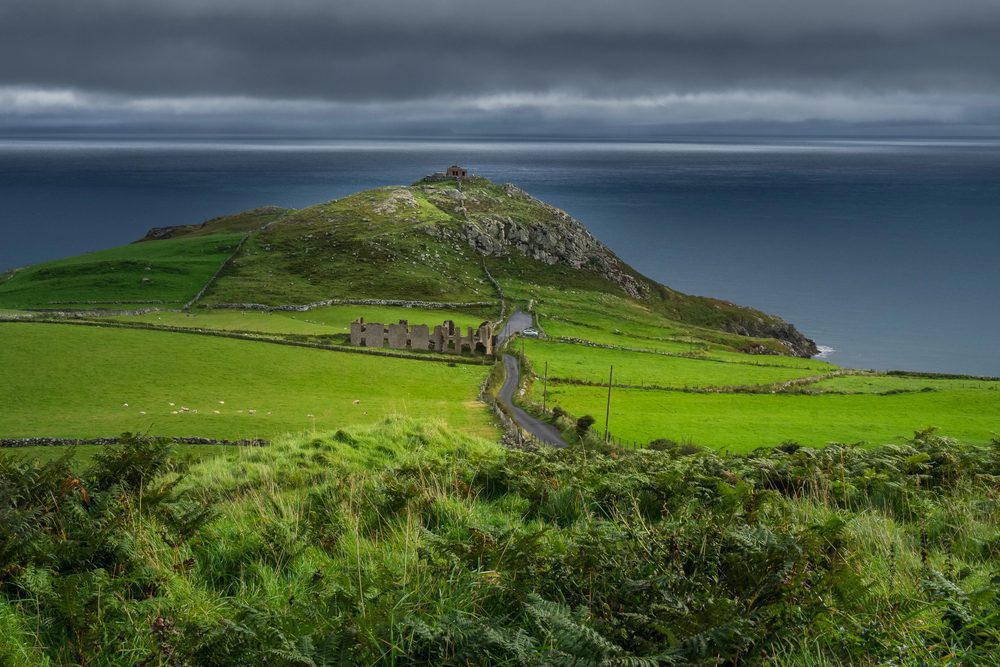
About this guide: I’m Faith, a Donegal local who has spent years exploring Northern Ireland by car, on foot, and occasionally down some very questionable rural roads. I’ve walked the Causeway Coast, navigated Belfast’s Cathedral Quarter on a rainy Tuesday, hunted down hidden abbeys in County Down, and hiked the Stairway to Heaven in Fermanagh. Everything in this guide comes from real experience, not a press trip or a checklist.
This Northern Ireland travel guide brings together everything you need to plan a trip: county guides, itineraries, transport, food, accessibility, Belfast attractions, hidden gems, folklore, and honest local advice.

- Northern Ireland Travel Guide: Best Places to Visit, Hidden Gems, Food and Local Tips
- Start Here: Plan Your Northern Ireland Trip
- Why Visit Northern Ireland?
- Belfast: Where to Start
- The Causeway Coastal Route
- Explore Northern Ireland by County
- County Down
- County Fermanagh
- County Tyrone
- County Armagh
- Accessible Northern Ireland
- Northern Ireland Hidden Gems
- Culture, Folklore and Storytelling
- Food in Northern Ireland
- Frequently Asked Questions About Northern Ireland
Start Here: Plan Your Northern Ireland Trip
Before you dive into the destinations, here is the practical information that will shape your trip.
Northern Ireland uses pound sterling (£), not euros. Driving is the easiest way to get around, though trains and buses connect the major cities. Weather changes fast — pack layers, waterproofs, and comfortable walking shoes no matter what time of year you travel.
- 👉 Northern Ireland Travel Tips: What to Know Before You Go
- 👉 Best Time to Visit Ireland: A Local’s Guide
- 👉 What to Pack for Ireland: The Ultimate Packing List
- 👉 Public Transport in Northern Ireland: Complete Guide
- 👉 Ireland Cruises: Best Ports, Excursions and What to Expect (Belfast is one of Ireland’s busiest cruise ports)
- 👉 Trying to choose between Scotland or Ireland? Read my Ireland vs Scotland: Which Should You Visit?

Why Visit Northern Ireland?
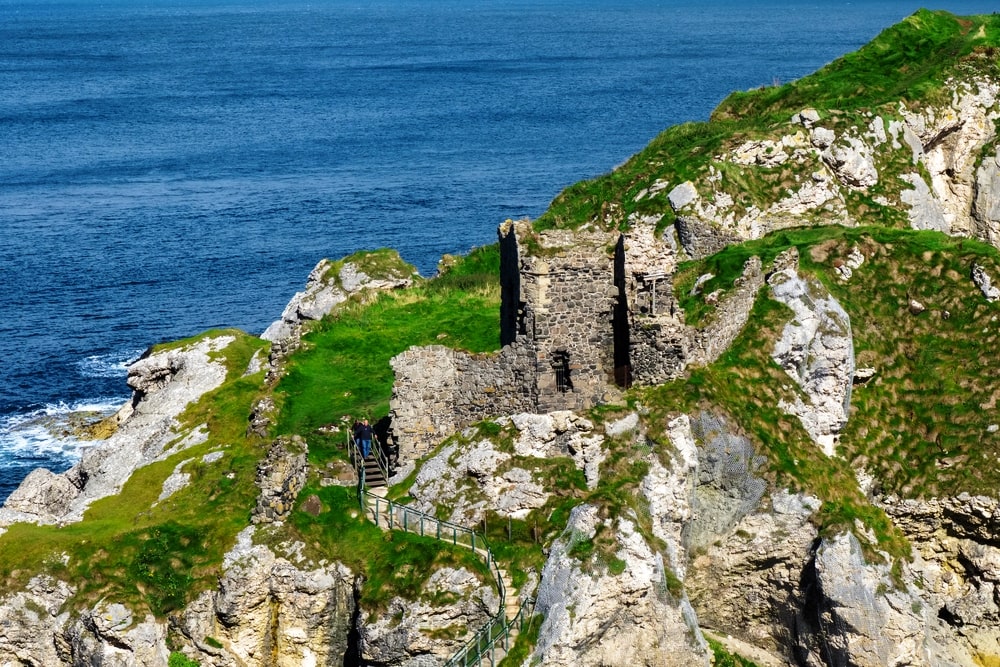
Northern Ireland combines some of the best scenery in Ireland with rich history, fascinating culture, and road trip routes that rival anywhere in Europe. Distances are short, which makes it easy to combine coastal drives, historic cities, beaches, castles, and deep countryside in a single itinerary.
Visitors come here for:
- The Giant’s Causeway and the Causeway Coastal Route
- Belfast and the Titanic story
- Game of Thrones filming locations
- Historic castles and medieval abbeys
- Traditional Irish music, storytelling, and folklore
- Dramatic coastal scenery and hidden beaches
- Food, markets, and local craic
What makes Northern Ireland especially memorable is its atmosphere. Ancient legends sit alongside modern cities. One moment you are standing in front of a prehistoric stone older than the pyramids, and the next you are eating seafood chowder in a tiny harbour village listening to locals debate football, politics, and the weather simultaneously.
- 👉 26 Hidden Gems in Northern Ireland: Local Secrets
- 👉 What to See in Northern Ireland: 101 Landmarks Guide
Belfast: Where to Start
Belfast has become one of the most exciting small cities in Europe. Once defined internationally by conflict and shipbuilding, the city is now known for its food scene, live music, world-class museums, historic pubs, and creative energy. It also works brilliantly as a base for day trips along the Causeway Coast and into County Down.


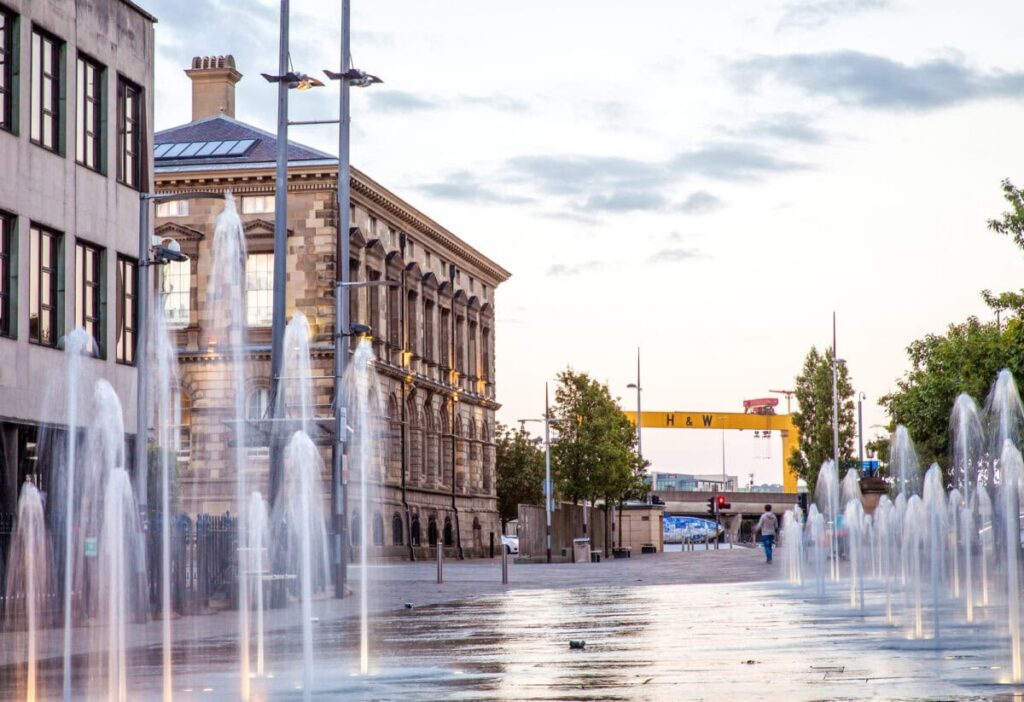
Start with Titanic Belfast — one of the best museums in Ireland and a genuinely moving introduction to the city’s maritime history. From there, wander through the Cathedral Quarter where traditional pubs, murals, live music, and cobbled streets create one of the liveliest atmospheres in the city.
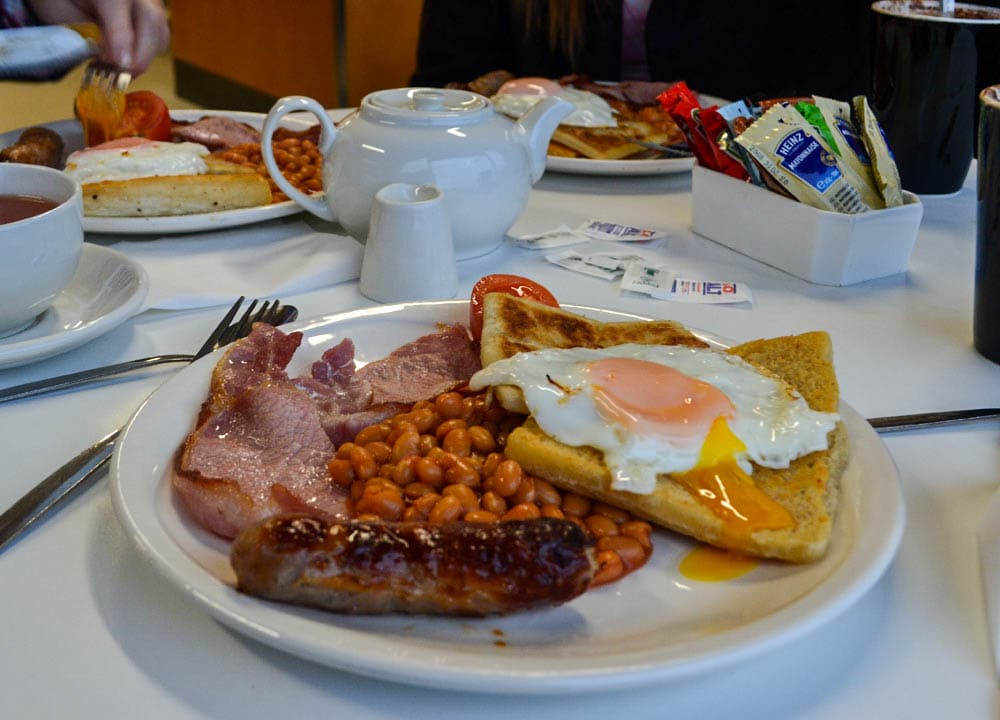
St George’s Market is one of the best places to experience local food culture, especially on a Friday or Saturday morning when producers bring in fresh seafood, soda bread, local cheeses, and an Ulster Fry that will ruin all other breakfasts for you permanently.
Other Belfast highlights worth your time:
- Belfast Castle and Cave Hill
- The Ulster Museum (free entry)
- Political murals on Falls Road and Shankill Road
- Black Cab tours of the peace walls
- The Game of Thrones Tapestry
- Botanic Gardens
If you are travelling with limited mobility, Belfast is one of the easiest cities on the entire island to navigate. Most major attractions are step-free and the city centre is compact and walkable.
- 👉 Belfast Travel Guide: Top Sights, Food and Local Secrets
- 👉 Best Day Trips from Belfast: Northern Ireland Gems
- 👉 Belfast Black Taxi Tours: What to Expect and How to Choose
- 👉 The Magnificent Game of Thrones Tapestry Belfast
- 👉 Christmas in Belfast: Festive Things to Do — A Local’s Guide
- 👉 Accessible Belfast: One of the Easiest Cities on the Island


The Causeway Coastal Route
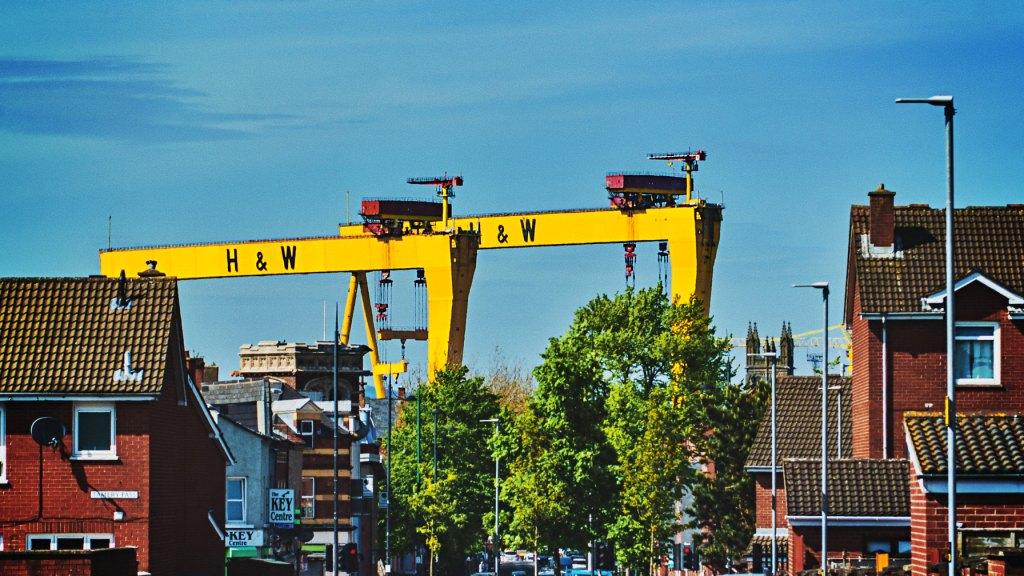
The Causeway Coastal Route stretches from Belfast to Derry and is widely considered one of the most scenic drives in Europe. This route combines sea cliffs, white beaches, waterfalls, ruined castles, tiny harbours, and some of Northern Ireland’s most famous landmarks in a single unforgettable road trip.
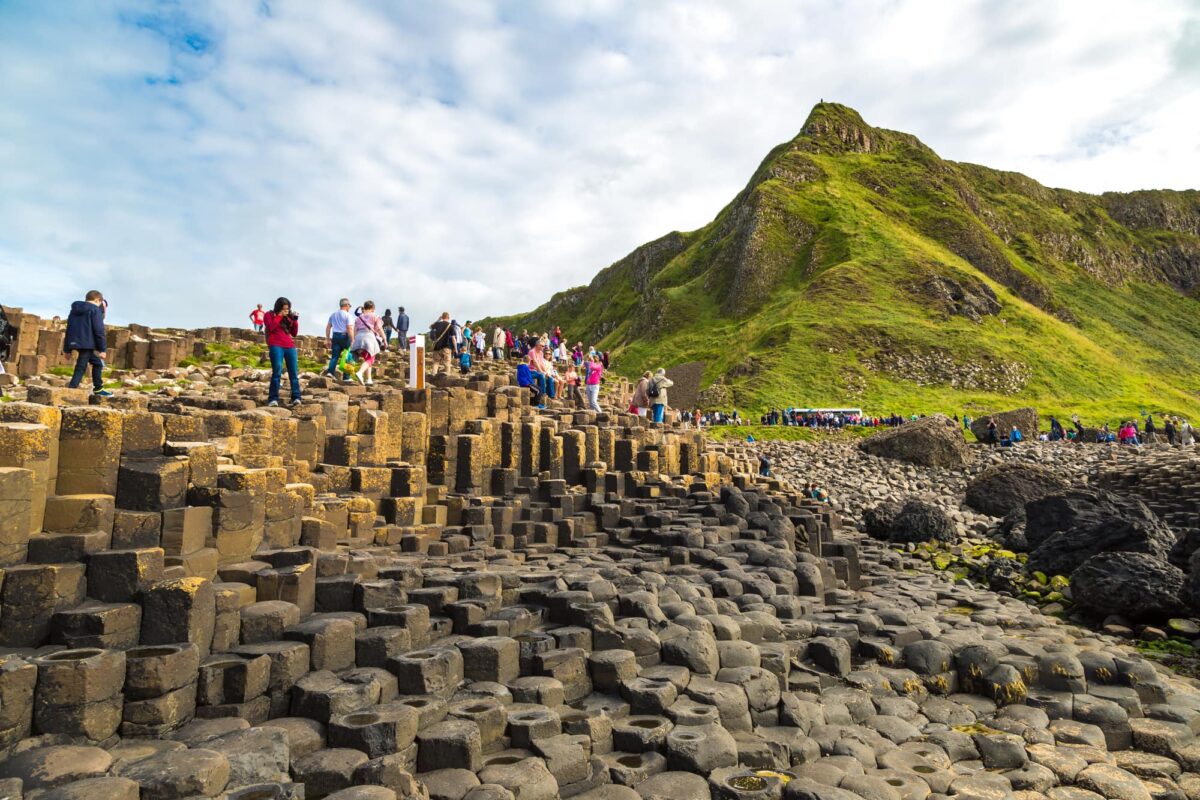
The Giant’s Causeway is the headline attraction and deservedly so. Around 40,000 interlocking basalt columns, formed by ancient volcanic activity, create a landscape that looks genuinely otherworldly. According to local legend, the giant Finn McCool built the causeway to challenge a Scottish rival across the sea and standing there in the early morning before the crowds arrive, the legend feels entirely plausible.
Nearby you will find:
- 👉 Dunluce Castle — a dramatic clifftop ruin above the sea
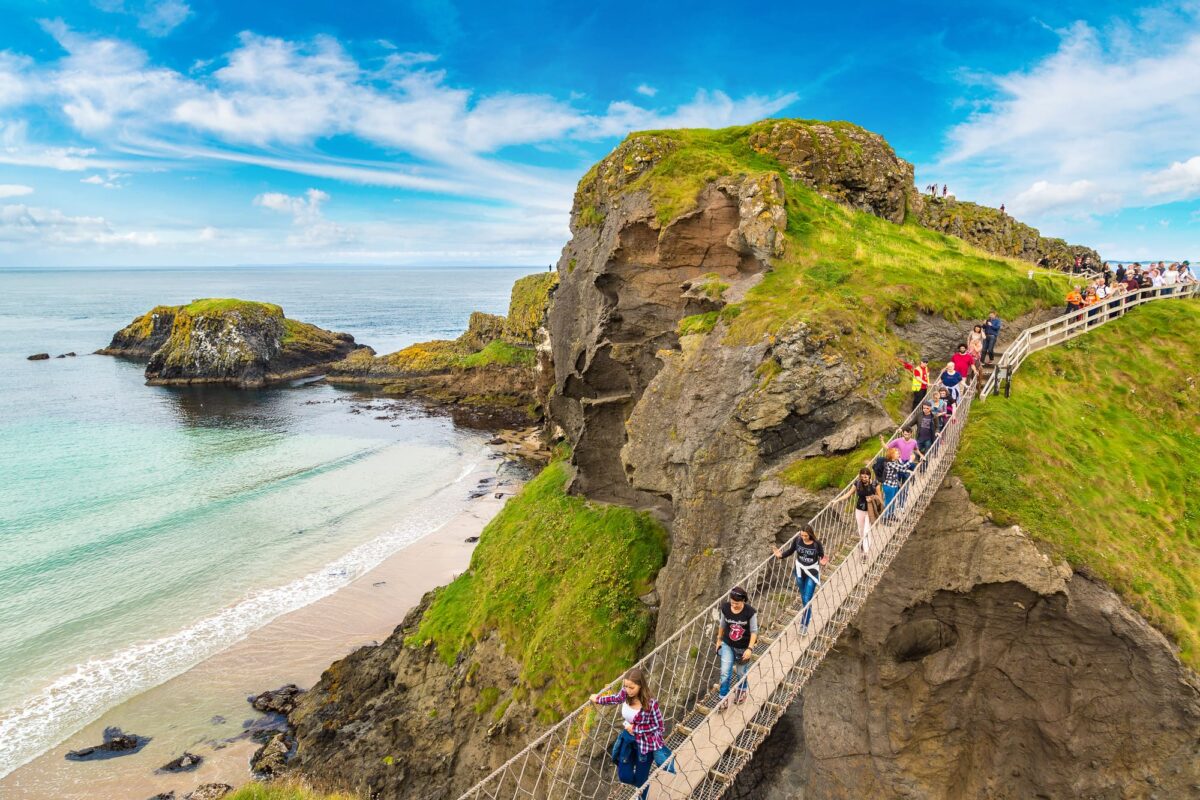
- 👉 Carrick-a-Rede Rope Bridge — one of the most exhilarating short walks in Ireland
- 👉 Ballintoy Harbour — a Game of Thrones filming location and one of the prettiest harbours on the coast
- 👉 Rathlin Island — Northern Ireland’s only inhabited island, famous for puffins and sea views
- 👉 The Nine Glens of Antrim — a quieter, greener side of the Causeway Coast
- 👉 Carrickfergus Castle — one of the best-preserved Norman castles in Europe
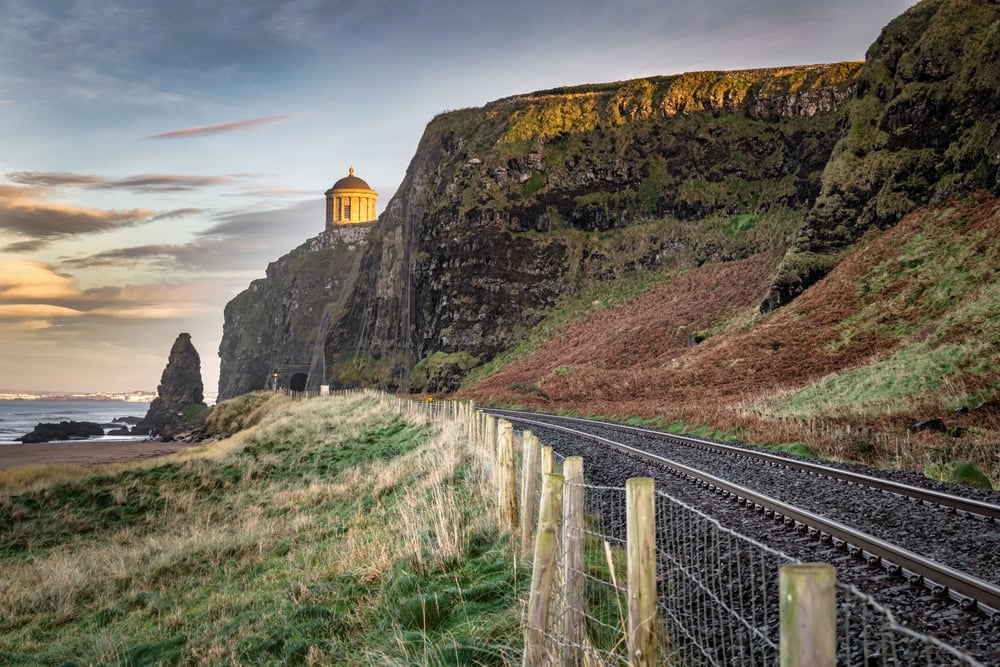
- 👉 Mussenden Temple — a clifftop folly that looks almost too dramatic to be real
- 👉 Accessible Giant’s Causeway Guide for Limited Mobility
- 👉 Game of Thrones Doors Northern Ireland
- 👉 Accessible Causeway Coast: Scenic Coastal Route Guide


Derry: The Walled City
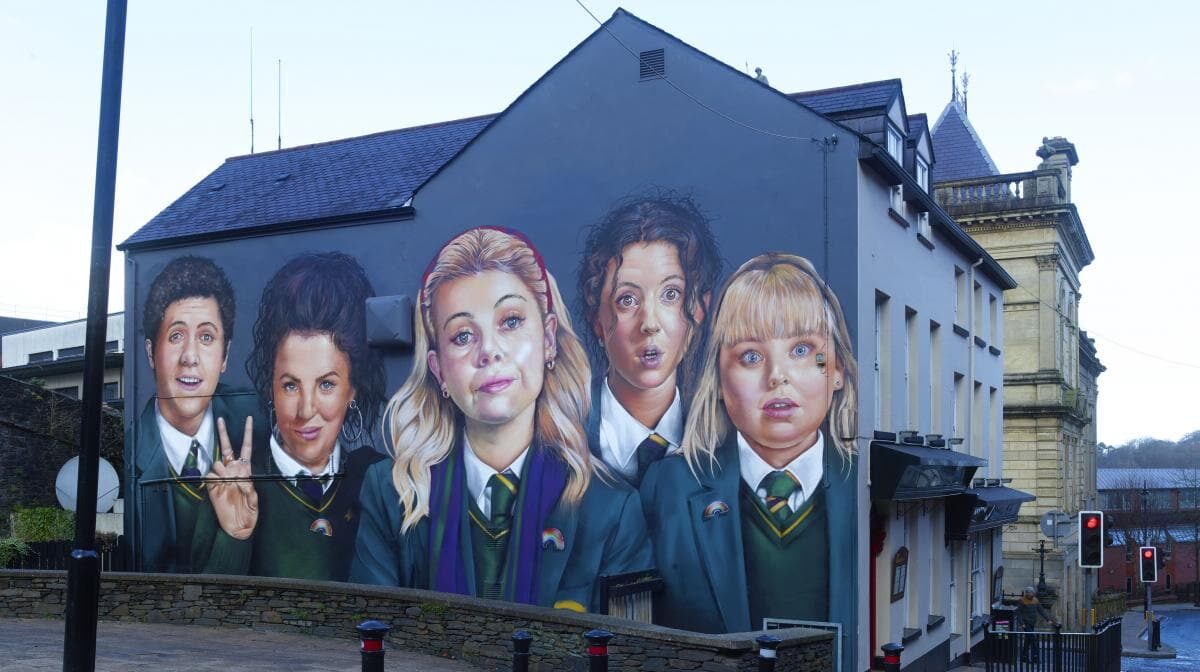
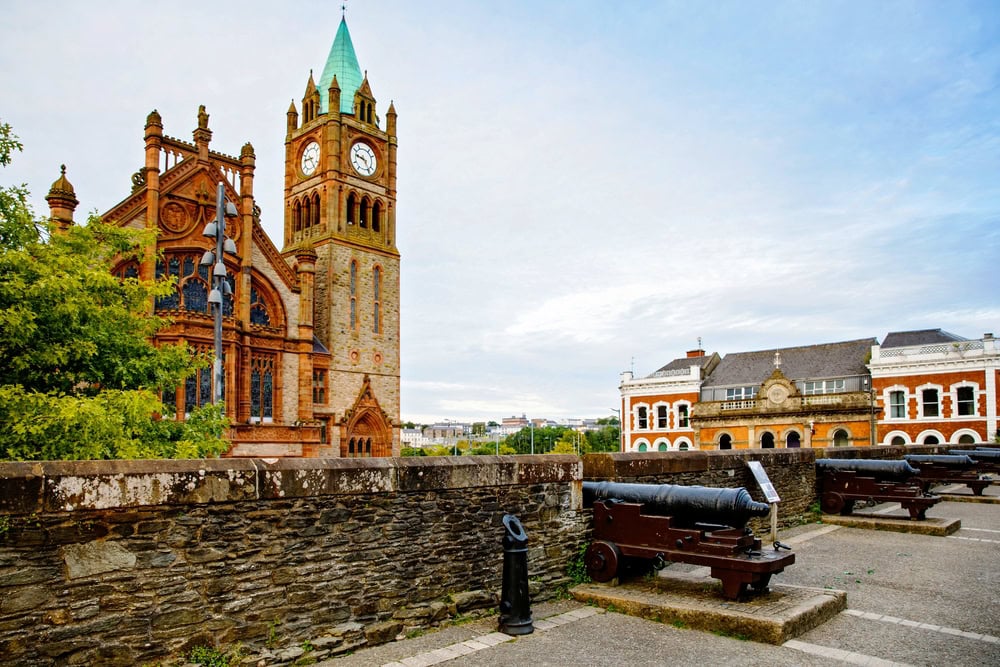
Derry, also known as Londonderry, is one of the most historically fascinating cities in Ireland. The perfectly preserved city walls, powerful political murals in the Bogside, world-class museums, and a warm local culture create an atmosphere that is completely unlike anywhere else on the island.


The surrounding county stretches to the Atlantic coast and contains some of the most dramatic scenery in Northern Ireland, including the clifftop Mussenden Temple at Downhill Demesne.
- 👉 Best Things to Do in Derry: 15 Must-Sees from a Local
- 👉 All the Best Things to Do in County Derry
- 👉 Derry’s Bogside Murals: The People’s Gallery
- 👉 Mussenden Temple: Visit Downhill Demesne, Northern Ireland
- 👉 Accessible Derry: Northern Ireland Mobility Guide

Explore Northern Ireland by County
One of the best ways to see beyond the tourist trail is to explore Northern Ireland county by county. Each one has its own distinct character, landscape, and hidden gems.
County Antrim
County Antrim contains most of Northern Ireland’s best-known attractions — the Giant’s Causeway, Dunluce Castle, Carrick-a-Rede, and the full length of the Causeway Coastal Route. The Glens of Antrim offer a quieter, greener side of the county with waterfalls, forests, traditional villages, and roads that feel genuinely untouched.
- 👉 Best Things to Do in County Antrim
- 👉 9 Glens of Antrim: Northern Ireland’s Hidden Gem
- 👉 Carrickfergus Castle: Ghosts, Pirates and Normans
- 👉 Discover the Ulster Scots Heritage


County Down
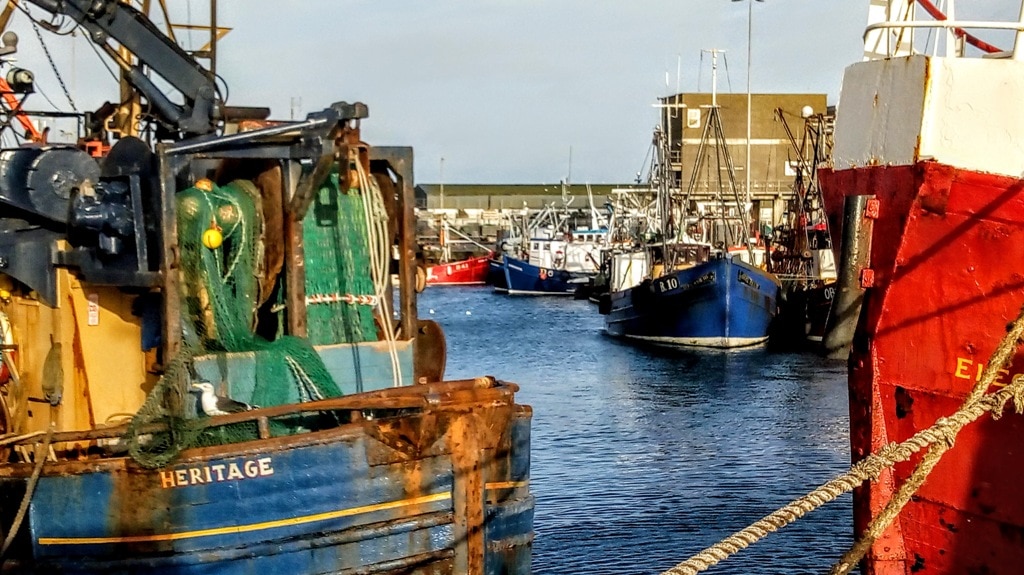
County Down combines the Mourne Mountains, sandy beaches, medieval abbeys, and fishing villages in a compact and deeply rewarding area. The ruins of Inch Abbey and Grey Abbey add extraordinary layers of history while the Ards Peninsula is famous for its seafood and quiet coastal scenery.
- 👉 Things to Do in County Down
- 👉 Inch Abbey: History, Ruins, Game of Thrones and Visitor Guide
- 👉 Grey Abbey: An Evocative Ruin in Northern Ireland
- 👉 Portavogie and the Ards Peninsula: Famous for Prawns

County Fermanagh
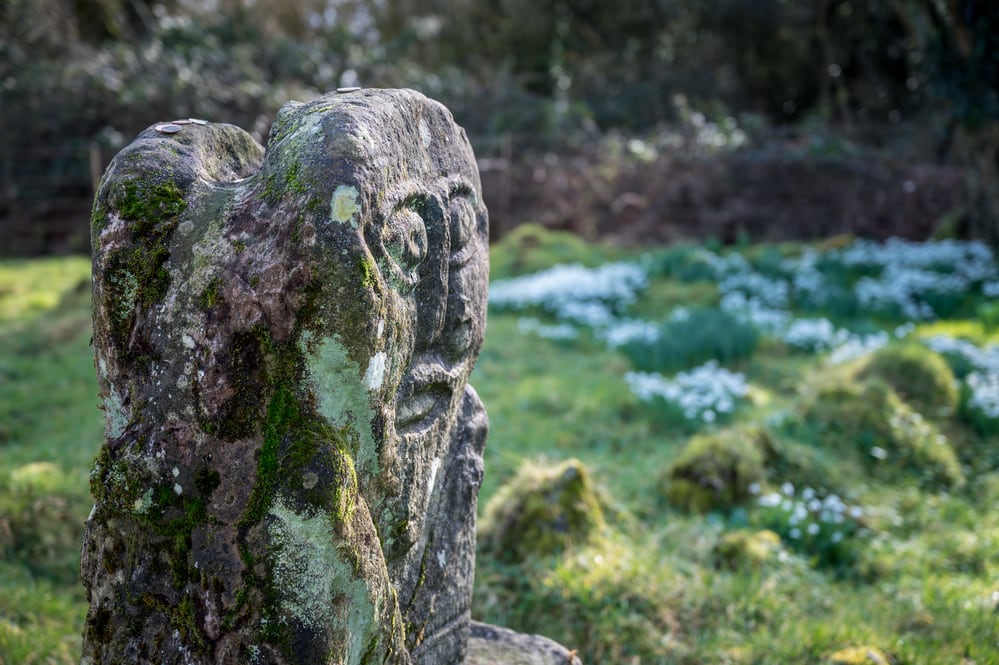
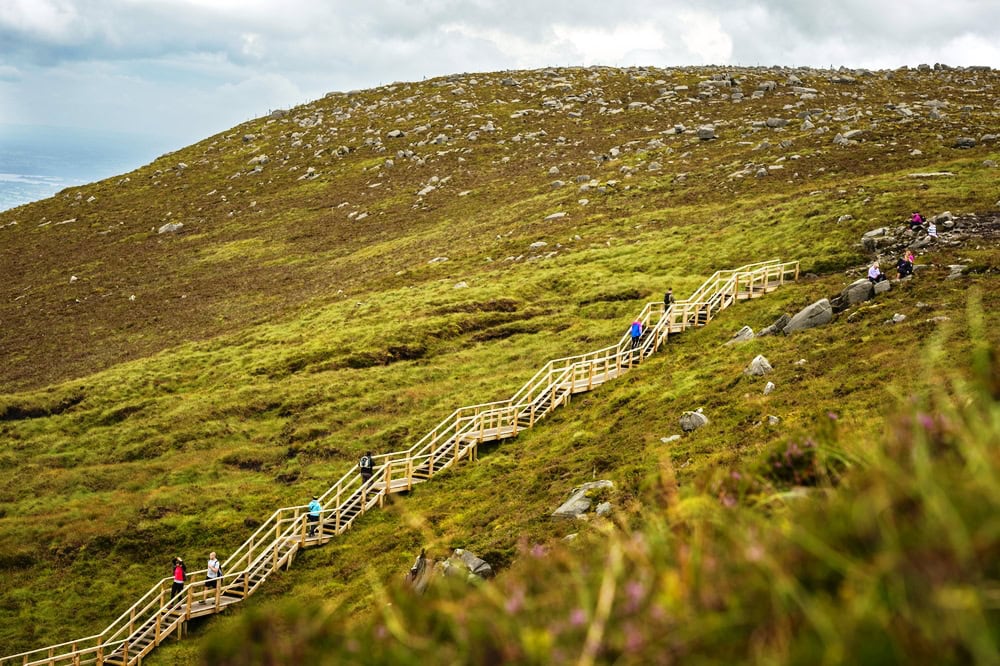
Fermanagh is the lake county — a landscape of waterways, islands, cave systems, and remote scenery that rewards slow travellers enormously. Boa Island contains one of the most mysterious ancient stone figures in Ireland, predating Christianity by centuries, while the Stairway to Heaven hike on Cuilcagh Mountain has become one of the most famous walks in the country.
- 👉 Top Things to Do in Fermanagh: Castles, Caves and Lakes
- 👉 Boa Island and the Mystery of the Caldragh Janus Head
- 👉 Stairway to Heaven Ireland: Cuilcagh Mountain Guide
County Tyrone
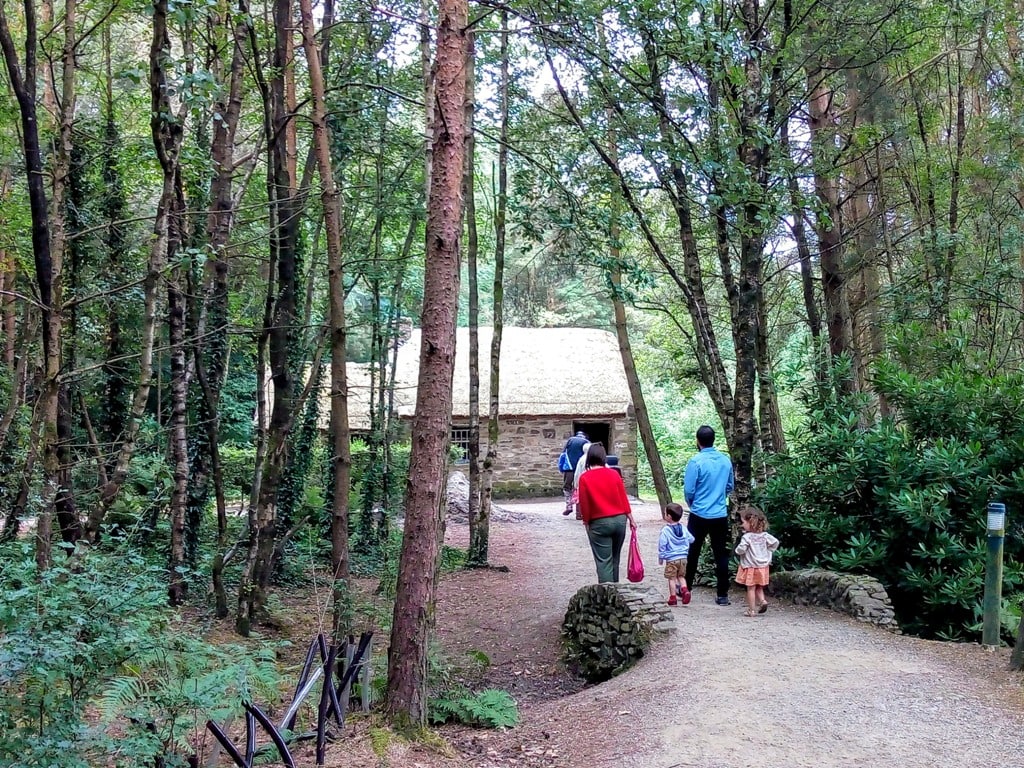
County Tyrone offers rolling countryside, ancient sites, and strong connections to Irish emigration history. The Ulster American Folk Park in Omagh is one of the best outdoor museums in Ireland for understanding the story of the millions who left Ireland for North America.
- 👉 Visit Tyrone, Ireland: Scenic Landscapes and Rich History
- 👉 Ulster American Folk Park Omagh: A Step Back in Time

County Armagh
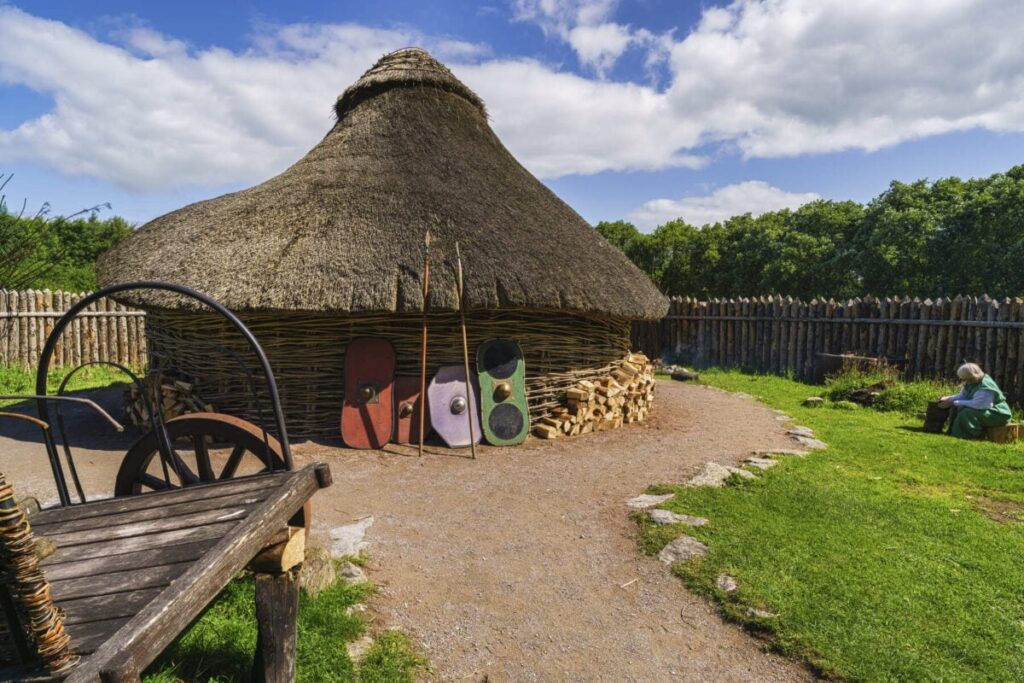
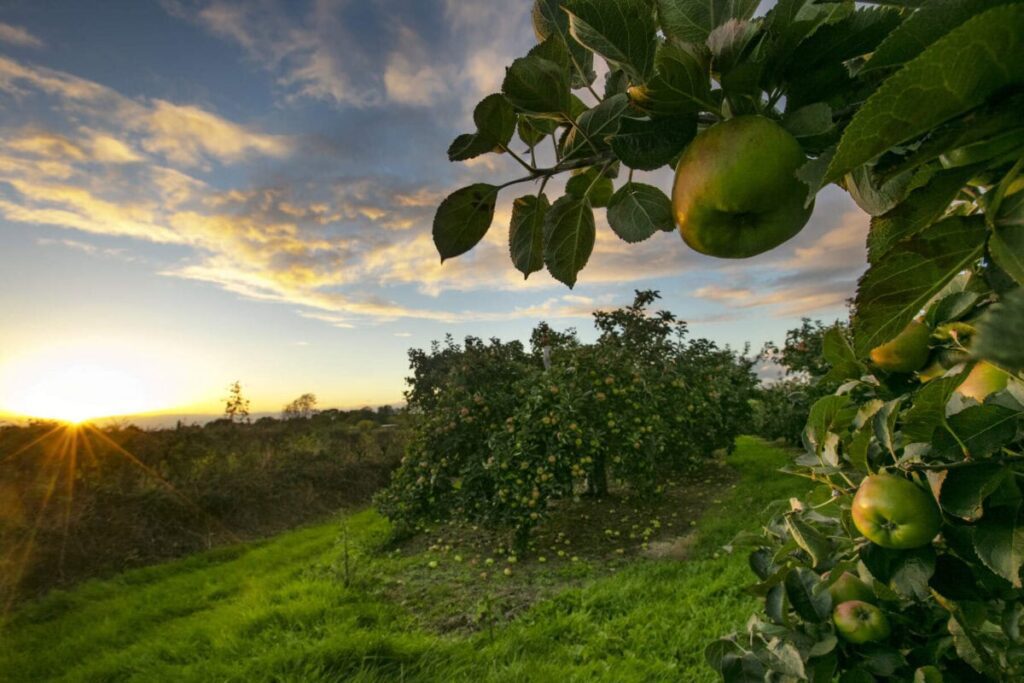
Often called Ireland’s spiritual heartland, County Armagh combines deep religious history with apple orchards, ancient mythology, and a landscape that blooms spectacularly every spring. This is Saint Patrick’s county — his story is woven into the landscape here in a way you won’t find anywhere else.
Accessible Northern Ireland
Practical accessible-travel-guides-ireland-uk-europe information for Northern Ireland is still surprisingly hard to find online, which is exactly why these guides exist. They are based on real visits, not generalised advice.
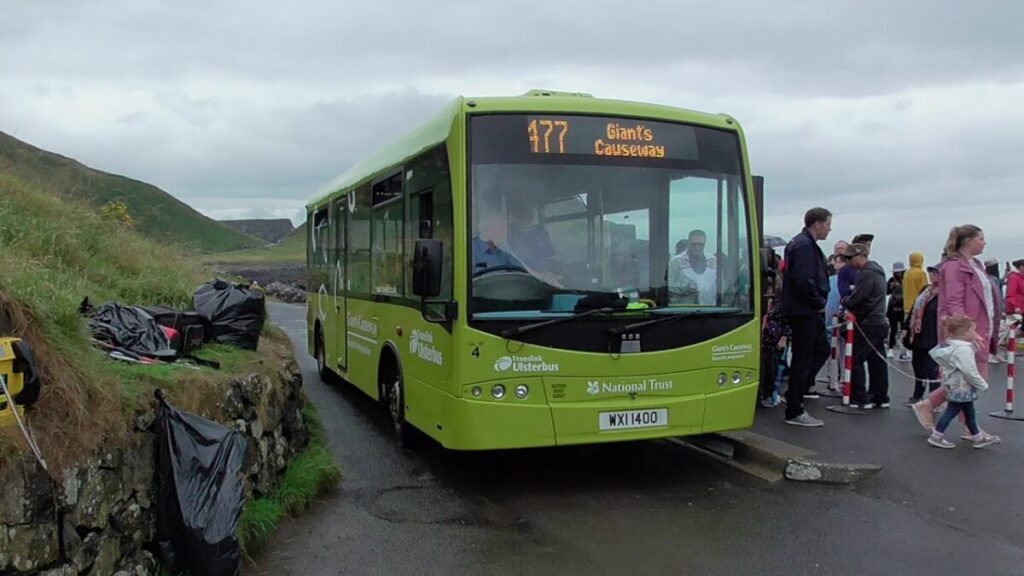
Belfast is one of the easiest cities on the island of Ireland for visitors with limited mobility. The Giant’s Causeway offers shuttle access from the visitor centre to the stones. The Causeway Coastal Route has accessible viewpoints, parking, and beaches throughout. Derry’s city centre is more navigable than many historic walled cities.
Rural attractions and older buildings can be more challenging always research individual sites before you go, and these guides will help you do exactly that.
- 👉 Accessible Belfast: One of the Easiest Cities on the Island
- 👉 Accessible Giant’s Causeway Guide for Limited Mobility
- 👉 Accessible Causeway Coast: Scenic Coastal Route Guide
- 👉 Accessible Derry: Northern Ireland Mobility Guide
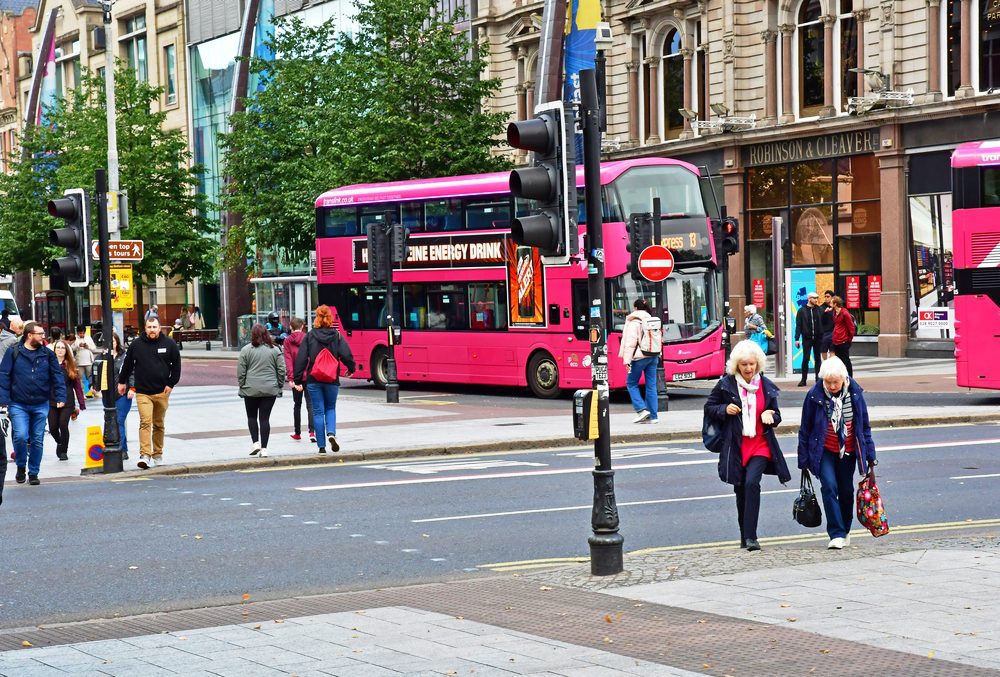
- 👉 Public Transport in Northern Ireland: Complete Guide
Northern Ireland Hidden Gems
Some of the most memorable places in Northern Ireland are the quietest ones. Once you move beyond the Causeway Coast and Belfast, the crowds thin out fast and the rewards get bigger.
Mussenden Temple perched on a cliff above the Atlantic feels almost unreal at sunset. Boa Island has an atmosphere that still feels genuinely ancient. The fishing villages around the Ards Peninsula offer incredible seafood without a tourist in sight. Murlough Bay is one of the most remote and beautiful corners of the entire coast.
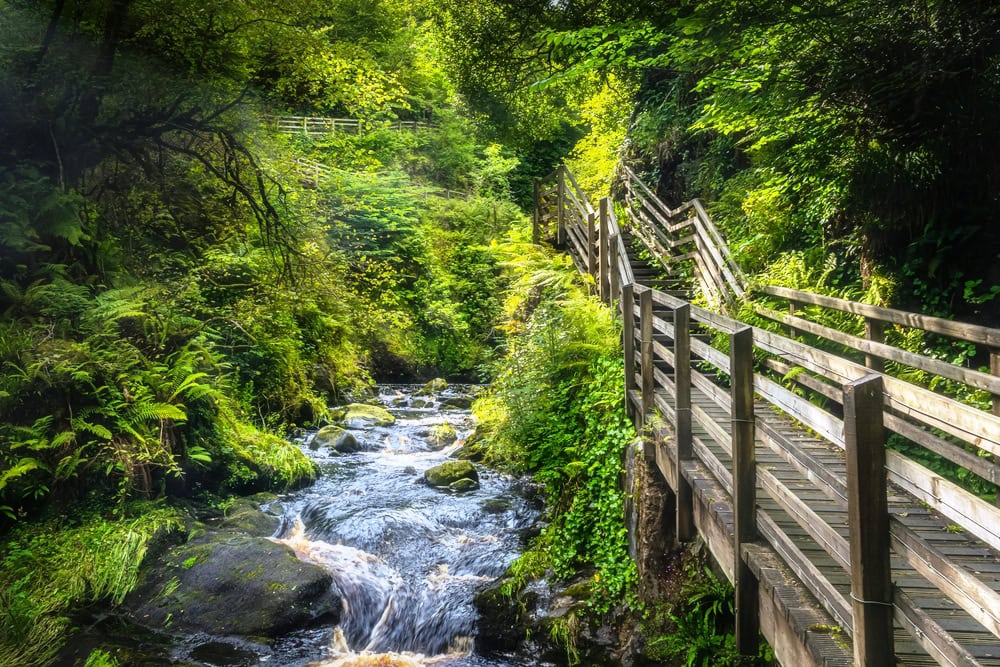
Other hidden gems worth finding: Glenariff Forest Park, Cushendun Caves, Silent Valley Reservoir, Whitehead Railway Walk, the Giant’s Ring neolithic monument outside Belfast.
- 👉 26 Hidden Gems in Northern Ireland: Local Secrets
- 👉 What to See in Northern Ireland: 101 Landmarks Guide
- 👉 Haunted Places in Northern Ireland: Ghost Guide
- 👉 Mussenden Temple: Visit Downhill Demesne, Northern Ireland
Culture, Folklore and Storytelling
Northern Ireland’s culture is deeply shaped by storytelling. Across the region you will encounter myths about giants, fairy forts, haunted castles, saints, sea spirits, and ancient warriors. These are not just tourist attractions — they are stories that locals still tell, landscapes that still carry the weight of old belief.
The Irish storytelling tradition known as the seanchaí remains an important part of Irish identity. As a child I became fascinated by Irish folklore, reading every book I could find about fairies, banshees, ancient Ireland, and Celtic legends. Studying ancient texts later from a feminist perspective deepened that fascination. Northern Ireland is one of the places where mythology, history, politics, and storytelling still feel genuinely alive in the landscape itself.
Folklore sites across Northern Ireland include the Giant’s Causeway, Boa Island, fairy forts and ring forts scattered across every county, ancient abbeys, and megalithic sites like the Giant’s Ring outside Belfast.
- 👉 Haunted Places in Northern Ireland: Ghost Guide
- 👉 Boa Island and the Mystery of the Caldragh Janus Head
- 👉 Irish Slang Guide: Craic, Grand and More Words Explained
- 👉 Discover Ulster-Scots Heritage: Northern Ireland
- 👉 Derry’s Bogside Murals: The People’s Gallery
- 👉 Filmed in Ireland: Epic Movies in Irish Locations
- 👉 Game of Thrones Filming Locations: Your Ultimate Travel Guide
- 👉 Game of Thrones Doors Northern Ireland


Food in Northern Ireland
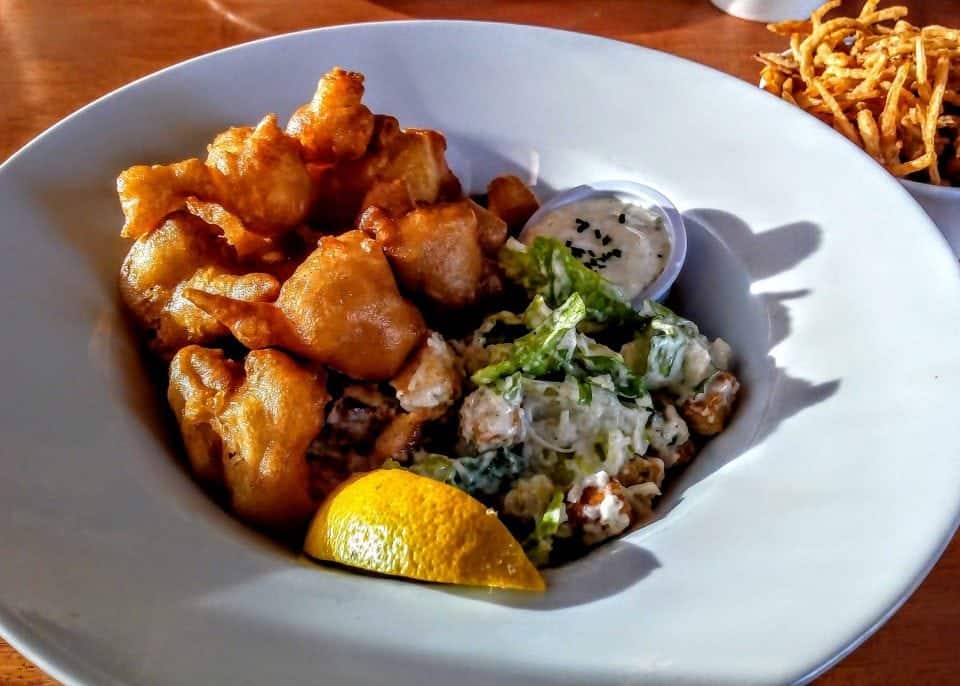
Food in Northern Ireland has transformed over the last decade and is now one of the genuine highlights of travelling here. Fresh seafood, artisan producers, local cider, and traditional comfort food all play a central role in the culture.
Try before you leave:
Ulster Fry (the definitive full Irish breakfast, done Northern Irish style)
Seafood chowder
Dulse (dried seaweed, sold in paper bags at the seaside)


Yellowman (a brittle honeycomb toffee from the Auld Lammas Fair)
Portavogie prawns (some of the best shellfish in Ireland)

St George’s Market in Belfast remains one of the best food experiences in Northern Ireland. Coastal towns along the Causeway Coast are excellent for seafood, particularly Ballycastle and Portballintrae.



- 👉 Food in Northern Ireland: Traditional Dishes and Where to Eat
- 👉 Belfast Travel Guide: Top Sights, Food and Local Secrets
- 👉 Portavogie and the Ards Peninsula
Northern Ireland Itinerary Ideas
3 Days in Northern Ireland
Day 1 — Belfast: Titanic Belfast in the morning, Cathedral Quarter for lunch, political murals and Black Cab tour in the afternoon, dinner at St George’s Market area.
Day 2 — Causeway Coastal Route: Drive north from Belfast stopping at Carrickfergus Castle, Cushendall through the Glens of Antrim, Ballycastle, Carrick-a-Rede Rope Bridge, Dunluce Castle, and the Giant’s Causeway. Stay overnight on the coast.
Day 3 — Derry: Drive the final section of the Causeway Coast to Mussenden Temple, then into Derry for the city walls, Bogside murals, and the Museum of Free Derry before heading home.


7 Days in Northern Ireland
A full week lets you go much deeper. Add County Down and the Mourne Mountains, a day on Rathlin Island, a detour into Fermanagh for Boa Island and the Stairway to Heaven, and time in County Tyrone and Armagh.
- 👉 Best Day Trips from Belfast: Northern Ireland Gems
- 👉 Causeway Coastal Route: The Complete Driving Guide
- 👉 Northern Ireland Travel Tips: What to Know Before You Go
Frequently Asked Questions About Northern Ireland
Is Northern Ireland worth visiting? Absolutely. Northern Ireland offers world-class scenery, fascinating history, some of the best road trips in Europe, and a local culture that is genuinely warm and welcoming. Most visitors say they did not leave enough time.
How many days do you need in Northern Ireland? Three days covers Belfast and the Causeway Coast highlights. Five days lets you breathe and adds Derry and County Down. A full week allows you to explore the quieter counties and hidden gems that most visitors never reach.
What is the best way to get around Northern Ireland? Driving gives you the most freedom, especially for the Causeway Coast and rural counties. Trains connect Belfast with Derry, Portrush, and Bangor. Buses reach smaller towns. The Giant’s Causeway can be reached by bus from Belfast or on a tour if you do not have a car.
What currency does Northern Ireland use? Pound sterling (£), not euros. This catches some visitors by surprise, particularly those arriving from the Republic of Ireland.
Is Northern Ireland expensive? Generally more affordable than the Republic of Ireland and significantly cheaper than London. Accommodation and food on the Causeway Coast in summer can be pricier, so booking ahead helps.
Is Northern Ireland safe to visit? Yes. Northern Ireland is a safe and welcoming destination. Belfast in particular has changed enormously and the vast majority of visitors have entirely positive experiences.
Northern Ireland is one of the most rewarding destinations on the island of Ireland. Beyond the famous landmarks you will find ruined abbeys down quiet country roads, tiny fishing villages with extraordinary seafood, folklore that still shapes how locals see their own landscape, and a humour and warmth that gets under your skin fast.
The longer you spend here, the more layers you uncover. Come for the Giant’s Causeway. Stay for everything else.
All guides on this page are written from first-hand experience. XYUandBEYOND is an independent travel site with no sponsored content.