
Accessible Ireland Travel Guide: Transport, Destinations and Practical Planning
Ireland is genuinely accessible but it rewards careful planning more than most destinations. The scenery is extraordinary, the welcome is warm, and many of the best experiences require very little walking. At the same time, historic town centres have uneven surfaces, rural public transport is limited, and accessibility information is not always easy to find in one place.
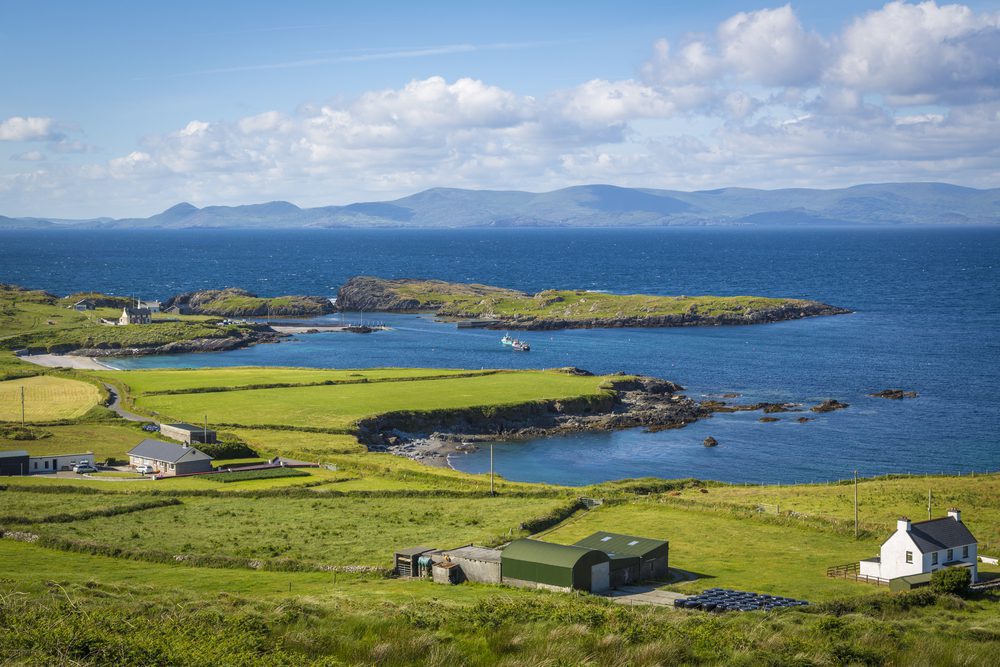
This guide is written from thirty years of travelling Ireland with hidden disabilities and mobility challenges, across Dublin, Galway, Cork, Belfast, Donegal, Mayo, Kerry, and the Causeway Coast. It covers transport choices, destination guides, practical planning, and the things most travel sites do not tell you including what Ireland’s best scenery actually demands physically, and how to see it without overextending yourself.
I live in Ireland. This is not research from a distance. It is what I have learned from actually being here, repeatedly, with a body that requires more planning than most guidebooks assume.
- Accessible Ireland Travel Guide: Transport, Destinations and Practical Planning
- Accessible Destinations in Ireland
- Choosing Your Transport in Ireland
- Best Transport by Travel Style
- Travelling Ireland with Hidden Disabilities
- What Most Travel Guides Do Not Tell You
- Practical Planning Checklist
- Building your itinerary:
- Accessibility Resources for Ireland
- Driving in Ireland: Further Reading
- Frequently Asked Questions
Accessible Destinations in Ireland
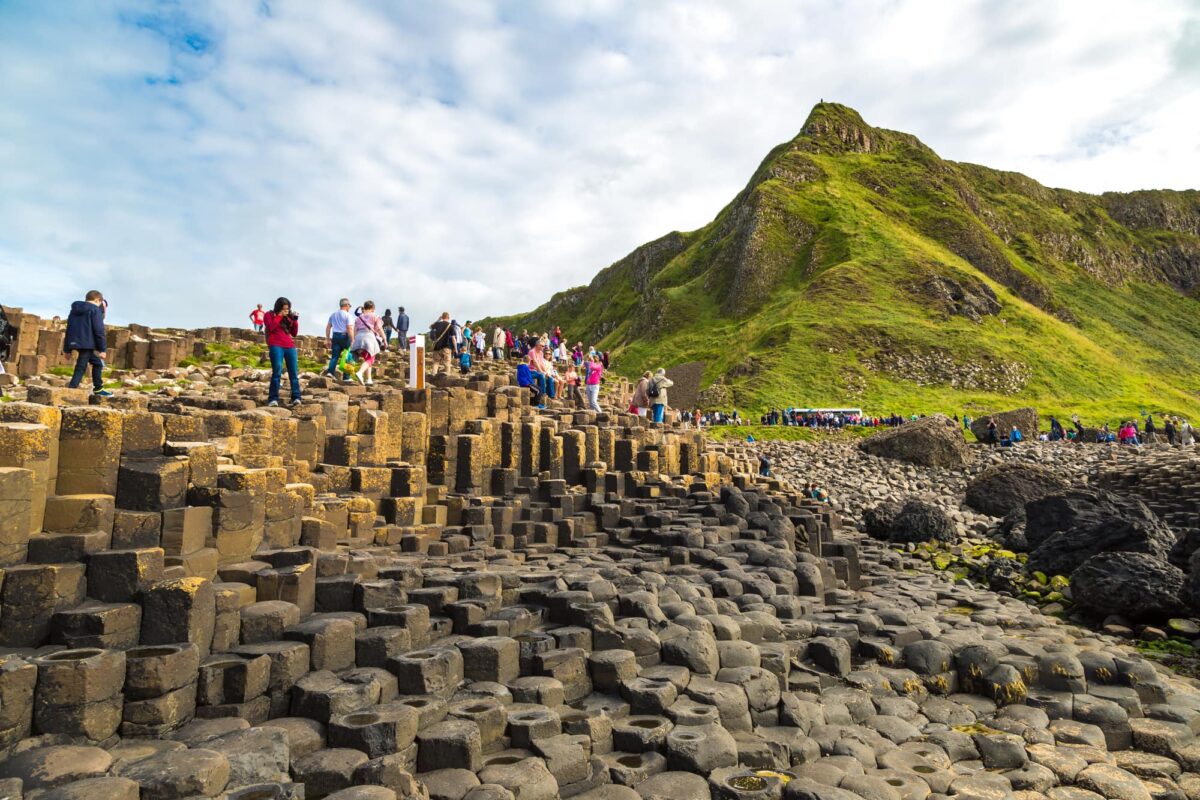
These guides cover specific cities, regions, and attractions with detailed accessibility information surfaces, transport options, rest points, and honest notes on where challenges exist. For Northern Ireland, see my full Accessible Northern Ireland guide, covering Belfast, Derry, the Giant’s Causeway, and the Causeway Coast in detail.
Cities and Towns
- Accessible Dublin: getting around the capital
- Accessible Galway City
- Accessible Waterford
- Accessible Westport


Regions and Scenic Routes
- Accessible Donegal
- Accessible Wild Atlantic Way Route
- Accessible Wicklow
- Accessible County Galway
- Accessible Dingle Peninsula

Choosing Your Transport in Ireland
Transport choice defines the accessible Ireland experience more than almost any other decision. The right choice depends on your mobility needs, your itinerary, and how much flexibility you need. Here is an honest breakdown.
Rental Car: the most flexible option for most travellers
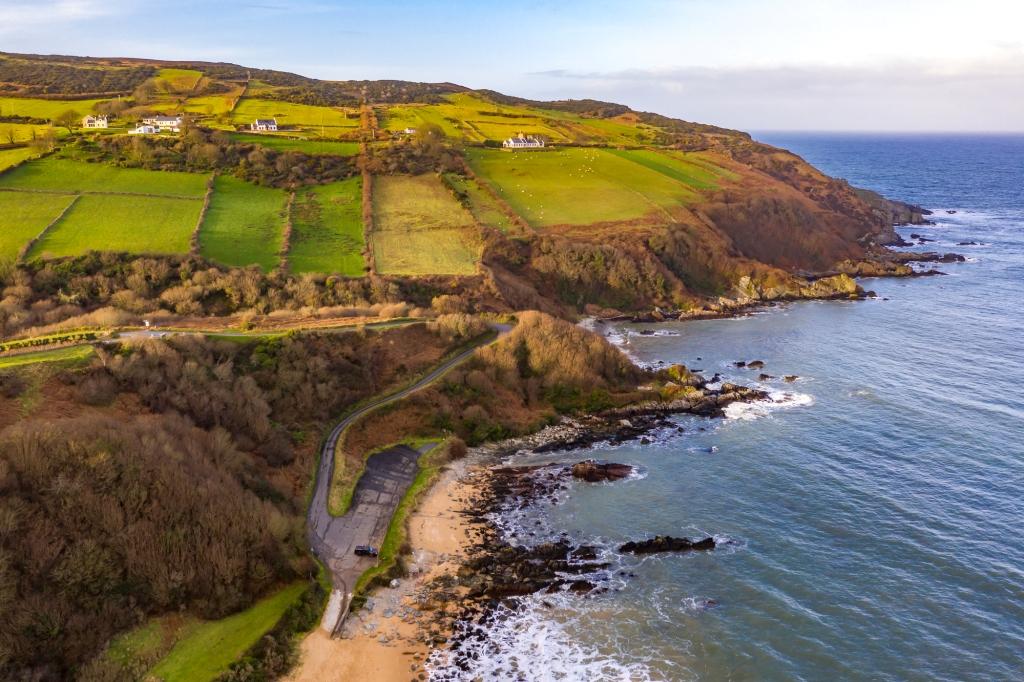
For most people with limited mobility, an automatic rental car is the single best decision you can make for an Ireland trip. Ireland’s best scenery the Wild Atlantic Way, the Causeway Coast, Connemara, the Ring of Kerry is road-based. Many of the finest viewpoints are true park-and-see stops where you pull over, take in the view, and drive on without needing to walk at all.
Why it works well
- Door-to-door travel with no waiting, rushing, or standing
- Full access to rural areas, coastal routes, and scenic viewpoints
- Ability to stop, rest, or change plans at any time
- “Park-and-see” days are genuinely possible across much of the country

What to know before booking
- Irish cars are manual by default request automatic transmission when you book, not on arrival
- Book early, especially in summer; automatic availability is limited
- Rural roads can be very narrow a compact car or small SUV is easier than a large vehicle
- Ask about hand controls in advance if needed; not all rental companies carry them
- Confirm boot space is sufficient for any mobility equipment you are travelling with
- Many scenic viewpoints have gravel pull-offs rather than paved surfaces worth checking before you exit the car
Practical tip: Build your days around 3 to 4 stops maximum, with rest time built in. The Sky Road near Clifden, the Slea Head Drive lay-bys, and the Causeway Coast viewpoints are all examples of routes where the driving itself is the experience and walking is entirely optional.
Best for: Coastal scenery, rural regions, Donegal, Mayo, Kerry, Connemara, Causeway Coast


Irish Rail: most comfortable for city-to-city travel
Iarnród Éireann (Irish Rail) is the most reliable public transport option for intercity travel, with bookable assistance, accessible carriages on major routes, and generally helpful staff.
Why it works well
- Comfortable seating with minimal walking once you are on board
- Onboard accessible toilets on intercity routes
- Bookable passenger assistance for boarding, alighting, and connections
- Step-free boarding at major stations, with lifts available at most hubs
- Staff can deploy ramps for platform gaps


What to know before travelling
- Book passenger assistance at least 24 hours before travel this guarantees support rather than hoping staff are available
- Contact Irish Rail directly by phone if the online booking process is unclear
- Arrive 20 to 30 minutes early and use the station help points on arrival
- Smaller stations may have limited or no lift access check individual station pages before planning a journey
- Trains do not reach most scenic coastal regions; rail works best for city-to-city legs combined with a rental car or taxi at the destination end
How to book: Go to the Irish Rail accessibility page and request passenger assistance with your travel date, route, and mobility requirements.
Best for: Dublin to Galway, Dublin to Cork, Dublin to Belfast, Dublin to Limerick, Dublin to Waterford


Bus: useful in cities, limited elsewhere
Bus travel in Ireland has improved, but it remains the least predictable option for travellers with limited mobility and is not recommended as a primary transport method for scenic or rural travel.
Where it can work
- Short urban journeys in Dublin, Cork, and Belfast where low-floor buses are standard
- Modern city routes with known accessibility
- As a connector inside a city when combined with train or taxi for longer legs
Honest challenges
- Not all buses are accessible, particularly on rural or regional routes
- Bus stops can be poorly marked and sometimes require standing roadside
- Rural services involve multiple connections and unpredictable timing
- Crowding on popular city routes can make boarding and disembarking difficult
Best practice: Use buses only within cities where low-floor vehicles are standard. Avoid planning multi-connection rural journeys unless you are comfortable with significant variability and have a backup plan


Taxis: the unsung solution for accessible Ireland
Taxis are widely underused as a serious accessibility tool in Ireland, and they solve problems that no other transport option addresses as well.
Why taxis work so well
- Completely door-to-door, including into historic town centres where parking is impossible
- No waiting, no platforms, no steps, no gaps
- Particularly effective in Galway, Cork, Dublin, and Belfast, where historic streets and uneven surfaces make driving yourself and parking difficult
- Drivers are generally helpful and familiar with local accessibility challenges

What to know
- Wheelchair-accessible vehicles (WAVs) are available in major cities but supply varies ask the taxi dispatch specifically for an accessible vehicle when booking
- Pre-booking is more reliable than hailing on the street for accessible vehicles
- For smaller towns, ask your accommodation to book a local taxi in advance
Best for: Getting around historic town centres, short hops between attractions, arriving into a city after a train journey


Best Transport by Travel Style
| Travel style | Best transport choice |
| Scenic coast and countryside | Rental car |
| City-to-city travel | Train, then taxi at destination |
| Compact city stays | Taxi and short walks |
| Rural regions | Rental car |
| One base, day trips | Train or rental car depending on destination |
| Historic town centres | Taxi in, walk minimally |
Travelling Ireland with Hidden Disabilities
Many of Ireland’s accessibility challenges are invisible ones and they affect travellers with hidden disabilities, chronic illness, fatigue conditions, and anxiety as much as those with visible mobility needs.
A few things that are rarely said clearly enough:
Weather affects everything. Ireland’s climate is changeable and damp. Cold, wet days increase physical fatigue considerably. Build weather backup plans into every itinerary, especially for outdoor attractions.
Noise and crowds are a real factor. Dublin, Galway, and Killarney are genuinely busy in summer. If sensory overload is a concern, plan major attraction visits for early morning, avoid July and August in the most popular spots, or choose less-visited regions like Donegal and the Hidden Heartlands.
Pacing matters more than distance. The most common mistake is fitting too much in. Ireland rewards slow travel a day with two unhurried stops is almost always better than a day with five rushed ones. Build recovery time into every day, not just rest days.
The Sunflower Lanyard is recognised in Ireland. Dublin Airport, many major attractions, and a growing number of retailers and transport operators recognise the Hidden Disabilities Sunflower scheme. Wearing one signals that you may need additional time, patience, or support without requiring you to explain your needs in detail.
Assistance exists but requires advance planning. Whether it is Irish Rail passenger assistance, pre-booked accessible transport, or confirming in advance that an attraction has a quiet hour, almost everything is achievable with planning that is done ahead of time rather than on the day.

What Most Travel Guides Do Not Tell You
These are the things I have learned from actually travelling Ireland with mobility challenges that guidebooks rarely mention:
Ireland’s best scenery often requires very little walking. The Wild Atlantic Way, the Causeway Coast, Dingle, and the Ring of Kerry are all road-based experiences where the car window is a perfectly legitimate viewing platform. Do not let assumptions about what “counts” as travel stop you from experiencing them.
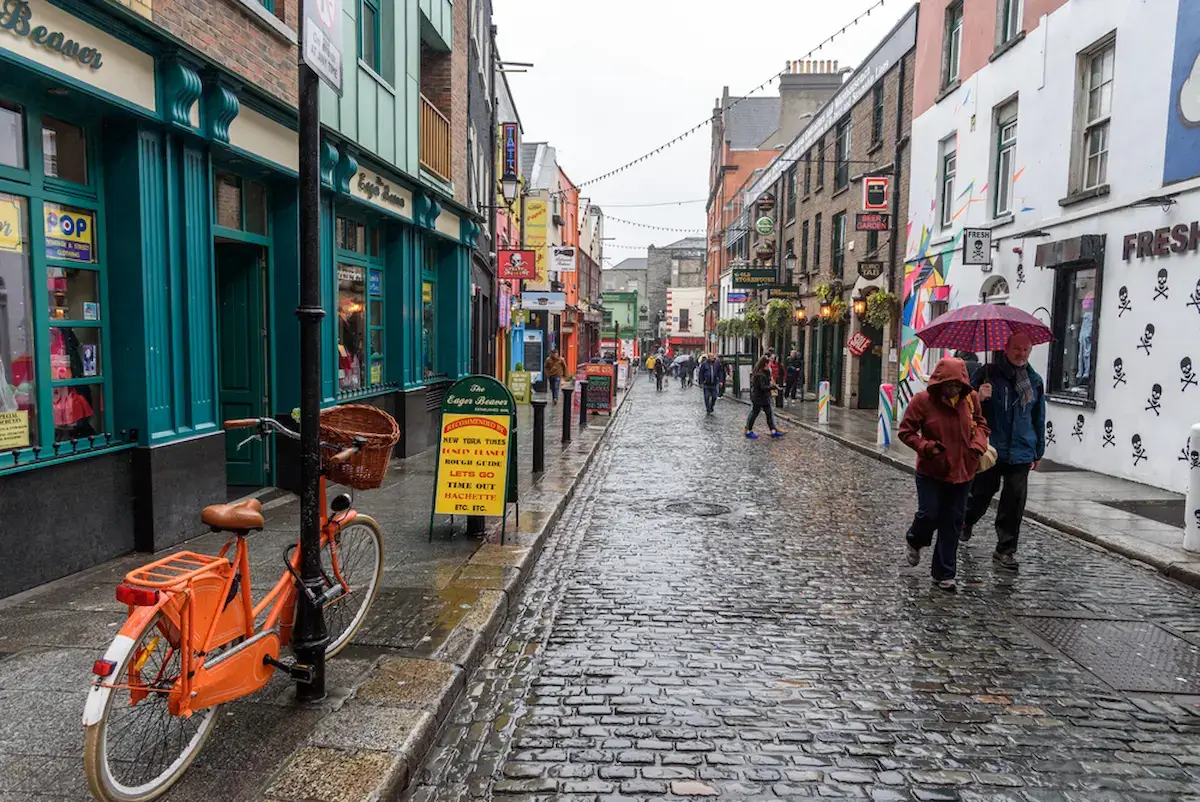
Compact Irish cities are more tiring than they look. Galway, Cork, and Killarney are small by international standards but involve uneven cobblestones, hills, and surfaces that are significantly harder on mobility than a larger flat city. Factor this in when planning daily energy.
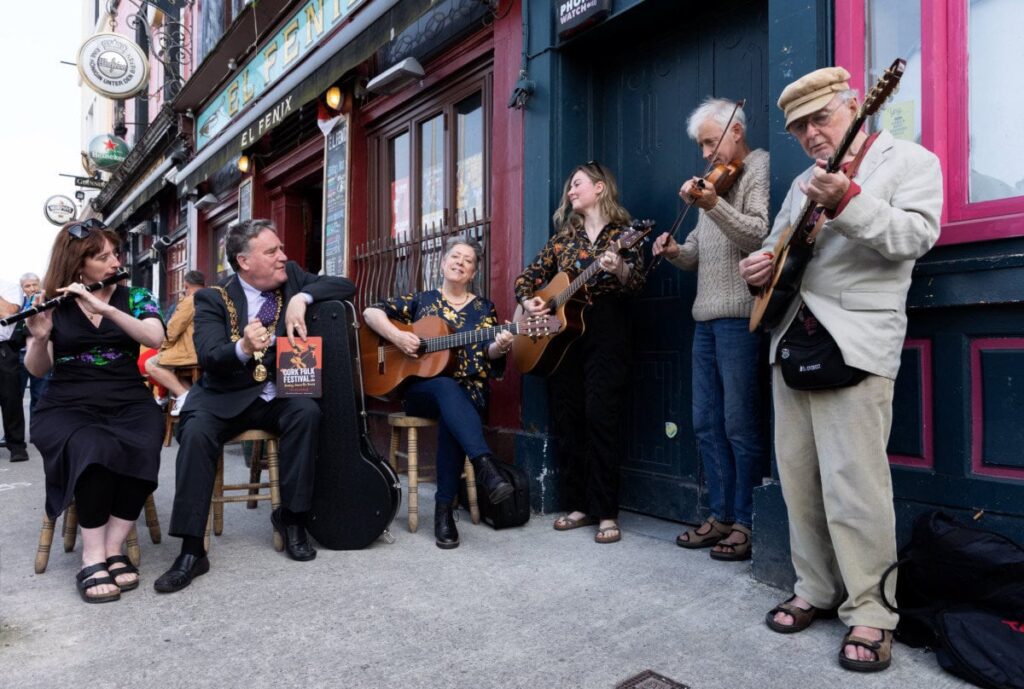
The best pub sessions are in small towns. If traditional music and atmosphere matter to you, a Friday night in a pub in Donegal or Leitrim involves far less crowding, noise, and difficult navigation than the tourist pubs of Dublin or Galway.
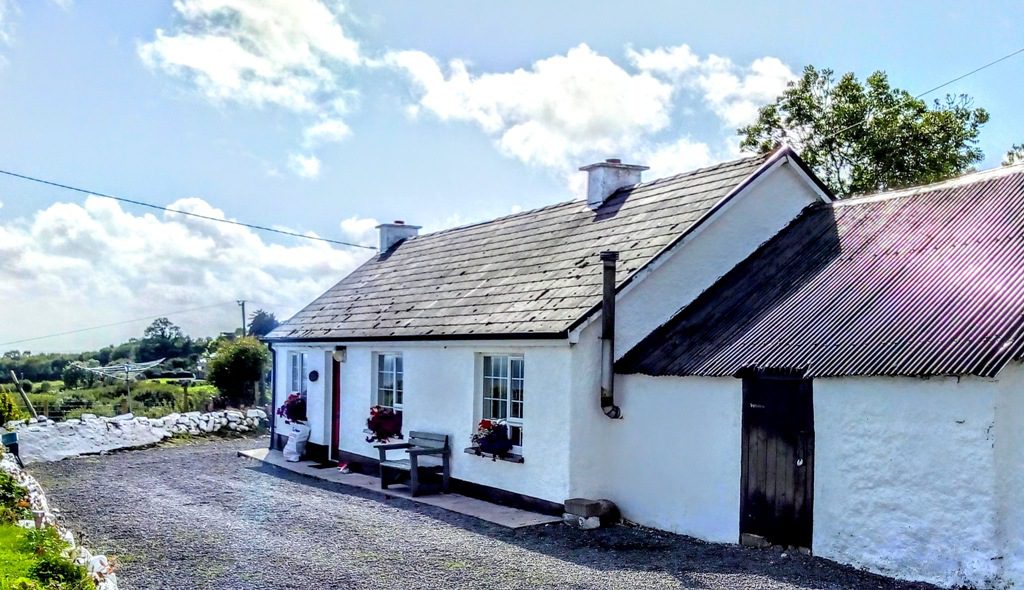
Rural Ireland is where accessibility gets harder and more rewarding simultaneously. The crowds disappear, the roads are quiet, and people are genuinely helpful but transport options almost entirely disappear too. A rental car is not optional in these regions.

Practical Planning Checklist
Before you go:
- Book rental car with automatic transmission do not leave this until arrival
- Request Irish Rail passenger assistance at least 24 hours before each train journey
- Confirm wheelchair-accessible vehicle availability with taxi companies in each city you plan to visit
- Check individual attraction accessibility pages and confirm lift, ramp, and toilet access
- Look up whether your destination recognises the Hidden Disabilities Sunflower

Building your itinerary:
- Cap each day at 3 to 4 stops maximum
- Identify paved viewpoints versus gravel pull-offs on scenic routes
- Build at least one rest window into every day
- Have a wet weather backup for every outdoor plan
- Plan city arrivals to allow taxi access rather than parking in historic centres
- Confirm room specifics directly with the property bed height, wet room or roll-in shower, turning radius, proximity to lift
- Ask for ground floor or near-lift rooms at time of booking, not on arrival
- Check that accessible rooms have been recently updated and are not simply older rooms with grab rails added

Accessibility Resources for Ireland
These are the most useful official and practical resources for planning an accessible Ireland trip. Verify details before travel as information changes.
- Irish Rail Passenger Assistance book support for train travel including boarding, alighting, and connections
- Transport for Ireland (TFI) accessibility information across public transport
- Dublin Bus and Bus Éireann accessibility statements route and vehicle information
- National Transport Authority (NTA) taxi regulation and wheelchair-accessible vehicle information
- Euan’s Guide crowdsourced real-world accessibility reviews for attractions, restaurants, and venues across Ireland
- Hidden Disabilities Sunflower information on where the scheme is recognised in Ireland
Driving in Ireland: Further Reading
- How to visit Glenveagh National Park without a car
- Driving in Ireland over 60
- Renting a car in Ireland: complete guide
- Travelling in Ireland without a car
- Do you need a car in Donegal?

Frequently Asked Questions
Is Ireland accessible for wheelchair users? Yes, with planning. Major cities have accessible transport, and many of Ireland’s most famous scenic attractions are road-based with minimal walking required. Historic town centres present more challenges due to cobblestones and uneven surfaces. Individual destination guides on this site cover specific accessibility details for each area.
Do I need a car in Ireland if I have limited mobility? For most of Ireland’s best scenery, yes. Public transport does not reach coastal or rural areas effectively, and a rental car with automatic transmission gives you the flexibility to stop, rest, and adjust plans that no other transport option provides. In cities, taxis are a good alternative to driving yourself.
Is Ireland good for travellers with hidden disabilities? Ireland is increasingly aware of hidden disabilities. The Sunflower Lanyard scheme is recognised at Dublin Airport and many major attractions. The country’s slower pace, rural quiet, and genuinely warm welcome make it a good fit for travellers who need flexibility and low-pressure environments.
Are Irish trains accessible? On main intercity routes, yes. Book passenger assistance at least 24 hours in advance, arrive early, and check individual station accessibility before planning a journey. Smaller rural stations have more limited facilities.
What is the best part of Ireland for accessible-travel-guides-ireland-uk-europe? It depends on what you want. For accessible city breaks, Dublin and Belfast are the most developed. For scenic driving with minimal walking, Donegal, the Wild Atlantic Way, and the Causeway Coast are exceptional. For a quieter, slower experience, the Hidden Heartlands offer a genuinely unhurried pace with less physical demand than the popular coastal routes.
Is the Hidden Disabilities Sunflower recognised in Ireland? Yes, at Dublin Airport and a growing number of attractions, retailers, and transport operators. It is worth wearing if you have hidden disabilities, as it signals your needs without requiring explanation.
Accessible Ireland is less about distance and more about smart choices. Match your transport to your mobility needs, build rest time into every day, and do not underestimate how much of Ireland’s best scenery is genuinely within reach from a car window or a well-placed bench. With realistic pacing and a little advance planning, Ireland is one of the most rewarding destinations in Europe for travellers who need to take things at their own pace.
Travelling north of the border? See our Accessible Northern Ireland guide, covering Belfast, Derry, the Giant’s Causeway and the Causeway Coast. Planning the rest of your trip? My Irish Bucket List covers 39 of my favourite Ireland experiences, from landmarks to whiskey tours.
If you’re curious about the Irish language, my guide to the Donegal Gaeltacht explains what it is, where it is, and where to learn Irish if you’re coming from abroad.
Last updated: 2026. Accessibility details change always confirm current information directly with operators and attractions before travel.
Start Planning Your Trip
👉 Public Transportation in Ireland
👉 Hidden Gems in Ireland – 32 Secret places to visit
👉 Answering all your travel questions about Ireland