
Moving a Pet to Europe: USA & Canada to UK and EU Without Quarantine
Moving a pet to Europe from North America is one of the most detail-sensitive parts of any international relocation. Whether you are coming from the United States or Canada, the process involves strict timelines, government documentation, airline restrictions, and country-specific rules that must be followed precisely.

After going through the process of relocating a dog from Canada to the United Kingdom, one thing became very clear. The difficulty is not the individual steps, but understanding how everything fits together. Missing a single requirement or getting the timing wrong can lead to delays, extra costs, or even your pet being refused entry.
This guide explains everything you need to know about moving a dog, cat, or ferret to Europe in 2026. It covers both UK and EU rules, includes USA and Canada export requirements, and explains alternative travel routes that can make the process easier.
- Moving a Pet to Europe: USA & Canada to UK and EU Without Quarantine
- What do you need to move a pet to Europe?
- UK vs EU Pet Travel Rules After Brexit
- Requirements for Moving a Pet from the USA or Canada to Europe
- The Correct Timeline for Pet Relocation
- Common Mistakes When Moving a Pet to Europe (and How to Avoid Them)
- Pet Travel Checklist for Moving to Europe (USA & Canada)
- Quick Pre-Travel Check
- Flying Pets Directly to the UK
- Northern Ireland and Service or Support Animals
- Easier Alternative Route via France and the Channel Crossing
- Best EU Entry Points for Pet Travel to Europe
- Understanding EU Pet Passport and Key Requirements
- Airline Options for Pet Travel to Europe
- Cost of Moving a Pet to Europe from North America
- Final Thoughts on Moving a Pet to Europe
- Frequently Asked Questions
- Approved Pet shippers to UK from Canada
- Approved Pet Shippers from USA
What do you need to move a pet to Europe?
To move a pet to Europe, you need:
- A microchip (ISO compliant)
- A rabies vaccination given at least 21 days before travel
- An Animal Health Certificate endorsed by Canadian Food Inspection Agency or United States Department of Agriculture
- A tapeworm treatment if entering the UK
- An approved travel route and airline

UK vs EU Pet Travel Rules After Brexit
The first thing to understand is that the United Kingdom and the European Union no longer operate under the same pet travel system. EU countries follow a unified framework set by the European Commission, while the UK has its own regulations enforced by UK Department for Environment, Food & Rural Affairs.
For pet owners, the requirements are similar but not identical. Both systems require microchipping, rabies vaccination, and official health certification. The key difference is that the UK has stricter entry controls, including mandatory approved routes and a required tapeworm treatment for dogs before arrival.
Northern Ireland remains aligned with EU rules, which adds another layer of complexity depending on your final destination.

Requirements for Moving a Pet from the USA or Canada to Europe
The rules for exporting pets from the United States and Canada are broadly similar, but the authorities involved are different. In Canada, export documentation must be endorsed by the Canadian Food Inspection Agency. In the United States, this is handled by the United States Department of Agriculture.
Regardless of origin, the core requirements remain consistent. Your pet must be microchipped with an ISO compliant chip before receiving a rabies vaccination. The rabies vaccine must then be administered and a minimum waiting period of 21 days must pass before travel.
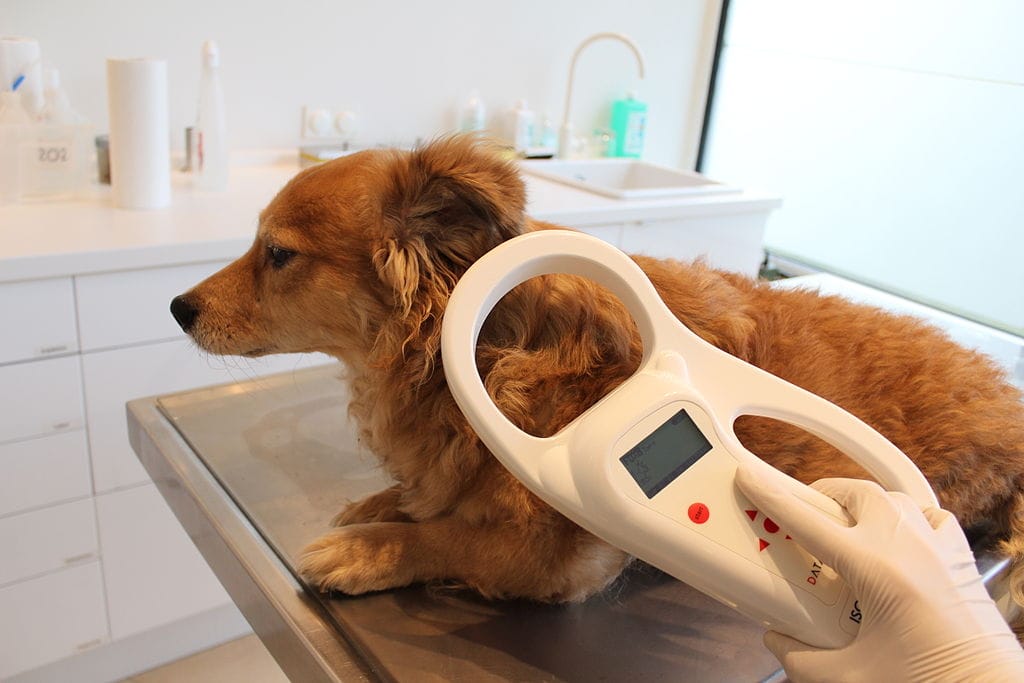
Following this, a licensed veterinarian must complete an Animal Health Certificate. This document confirms that your pet is healthy, properly vaccinated, and fit for travel. It must then be endorsed by the relevant government authority, either CFIA or USDA.
For dogs entering the UK, an additional tapeworm treatment is required within a strict window of 24 to 120 hours before arrival. This requirement does not apply to most EU destinations.
The Correct Timeline for Pet Relocation
Timing is one of the most critical aspects of moving a pet internationally. The process always begins with microchipping, which must be done before any vaccinations. Once the microchip is in place, the rabies vaccination can be administered.
After the rabies vaccine, you must wait at least 21 days before your pet can travel. This waiting period is mandatory and cannot be shortened. In the final days before departure, your veterinarian will issue the Animal Health Certificate, which must be completed within a limited validity window and endorsed by a government veterinarian.
If you are entering the UK with a dog, the tapeworm treatment must be carefully timed within the 24 to 120 hour window before arrival. Missing this window is one of the most common reasons pets are delayed at the border.

Common Mistakes When Moving a Pet to Europe (and How to Avoid Them)
One of the biggest reasons pets are delayed, refused entry, or placed into quarantine is not because the rules are complicated, but because small details are missed. Even minor errors in timing or paperwork can cause major problems at the border, especially when entering the United Kingdom.
A very common mistake is getting the rabies vaccination at the wrong time. Your pet must be vaccinated after being microchipped, and you must wait at least 21 days before travel. If the vaccine is given before the microchip is implanted, or if you travel too early, the vaccination is considered invalid and your pet will not be allowed to enter.
Another frequent issue is using a microchip that does not meet ISO standards. Europe requires a 15 digit ISO compliant microchip, and if your pet has a different format, you may need to bring your own scanner or have a second chip implanted. Many people assume all microchips are the same, but this is not the case, and it can cause serious delays at inspection points.
Paperwork errors are one of the most common and frustrating problems. The Animal Health Certificate must match your pet’s details exactly, including microchip number, vaccination dates, and owner information. Even small inconsistencies between documents can trigger additional checks or refusal. This is why it is essential to double check every detail before travel and ensure your veterinarian completes the forms correctly.
Timing mistakes with the health certificate also catch people off guard. These certificates are only valid for a limited period, usually 10 days before entry into the EU or UK. If your flight is delayed or rescheduled outside this window, you may need to obtain a new certificate, which can be both stressful and expensive at the last minute.
For those traveling to the UK, the tapeworm treatment requirement is another area where mistakes happen frequently. The treatment must be administered between 24 and 120 hours before arrival, and it must be recorded correctly by a veterinarian. If this timing is missed or documented incorrectly, your dog may be refused entry or required to undergo treatment upon arrival at your expense.
Choosing the wrong travel route is another common issue. Many pet owners assume they can bring their pet into the UK in the cabin, only to discover that pets must usually enter as cargo. This often leads to last minute changes, higher costs, or missed flights. Planning your route in advance, including considering entry through France and crossing via the Eurotunnel Le Shuttle, can avoid these problems entirely.
Another mistake is underestimating airline restrictions and crate requirements. Airlines follow strict rules set by the International Air Transport Association, and if your crate does not meet size, ventilation, or safety standards, your pet may be refused at check in. This can be especially stressful on the day of travel, so it is important to confirm all requirements well in advance.
Finally, many people simply leave the process too late. Because of the rabies waiting period and the coordination required between vets, government authorities, and airlines, this is not something that can be arranged in a few days. Starting early gives you time to correct mistakes and avoid unnecessary stress for both you and your pet.
Taking the time to understand these common pitfalls and planning carefully around them will make the entire process smoother and significantly reduce the risk of delays or complications when entering Europe.

Pet Travel Checklist for Moving to Europe (USA & Canada)
Before you travel, it helps to work through a clear checklist to make sure nothing is missed. Moving a pet to Europe is not something you can fix at the airport if something goes wrong, so having everything prepared in advance is essential.
Start with identification. Your pet must be microchipped with a 15 digit ISO compliant chip. This must be done before any rabies vaccination is given, as the microchip number is used to link all medical records and official documents. If your pet already has a microchip, confirm that it meets ISO standards and can be scanned internationally.
Once the microchip is in place, the next step is the rabies vaccination. Make sure the vaccine is administered after microchipping and that you allow at least 21 full days before travel. This waiting period is mandatory for both the UK and EU and cannot be shortened under any circumstances.
After the rabies requirement is satisfied, you will need an Animal Health Certificate issued by a licensed veterinarian. This document confirms that your pet is healthy, vaccinated, and fit to travel. It must then be endorsed by the appropriate authority, either the Canadian Food Inspection Agency or the United States Department of Agriculture, depending on where you are travelling from. Make sure this is completed within the correct timeframe before your departure, as the certificate is only valid for a limited period.
If you are travelling to the United Kingdom with a dog, you must also arrange a tapeworm treatment. This must be given by a veterinarian within 24 to 120 hours before arrival and recorded correctly in your documentation. Missing this step or getting the timing wrong is one of the most common reasons for delays at UK entry points.
Next, confirm your travel route and airline requirements. If you are flying directly into the UK, your pet will almost certainly need to travel as cargo. If you want a simpler option, many pet owners choose to fly into France and then cross into the UK using the Eurotunnel Le Shuttle or a ferry. This route can reduce complexity and give you more flexibility with airlines.
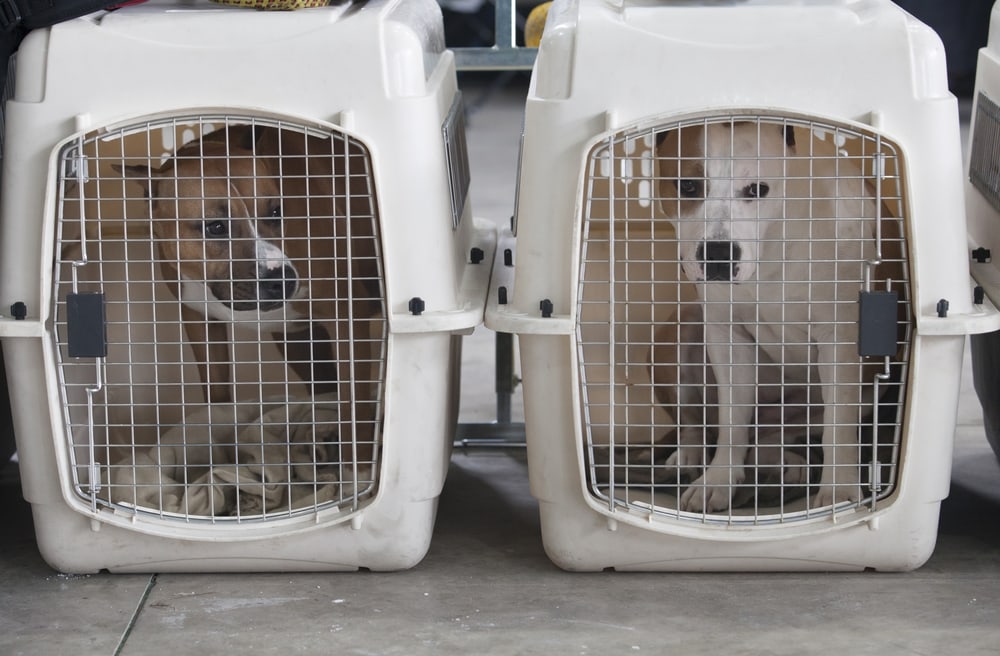
You should also ensure your pet’s travel crate meets all airline requirements. Crates must follow standards set by the International Air Transport Association, including proper ventilation, secure fastenings, and enough space for your pet to stand, turn, and lie down comfortably. Airlines may refuse boarding if the crate does not meet these standards, so it is important to verify this well before your travel date.
In the days leading up to travel, double check all documentation carefully. Make sure the microchip number, vaccination dates, and personal details match exactly across every document. Even small inconsistencies can cause delays during inspection.
On the day of travel, allow extra time at the airport, especially if your pet is travelling as cargo. Bring copies of all documents and keep them easily accessible. Once you arrive in Europe, your pet will be inspected, and as long as everything is correct, they will be released without quarantine.
Quick Pre-Travel Check
Before you leave, make sure you can confidently confirm the following:
- Your pet is microchipped with an ISO compliant chip
- Rabies vaccination was given after microchipping and at least 21 days ago
- Animal Health Certificate is issued and endorsed
- Tapeworm treatment completed if entering the UK with a dog
- Airline and route are approved for pet travel
- Travel crate meets airline standards
All documents match exactly
Flying Pets Directly to the UK
Flying directly into the UK is often the most restrictive option. In most cases, pets are not allowed to travel in the cabin and must be transported as manifest cargo. This means your pet travels in a temperature controlled section of the aircraft and is handled through a specialized cargo system.
Airlines such as Air Transat, Air Canada and British Airways regularly transport pets to the UK, but bookings are often required through approved pet shippers. These companies coordinate the flight, documentation, and arrival handling at animal reception centres.

When your pet arrives in the UK, it will be taken to a government approved facility for inspection. Microchip scanning and document verification are carried out before your pet is released. This process can take several hours depending on workload and compliance.
If your pet is scheduled to travel on a different flight than you, there is no need to worry. This happens frequently with international pet transport. A professional pet relocation company will coordinate everything and ensure your pet is transferred to a secure, high-quality kennel facility on arrival. Your pet will be looked after by trained staff and kept comfortable until you are able to collect them.
Northern Ireland and Service or Support Animals
If you are travelling to Northern Ireland, it is important to understand that pet travel rules differ slightly from the rest of the United Kingdom. Northern Ireland follows European Union pet travel regulations rather than those used in Great Britain. This means pets entering Northern Ireland must meet EU requirements set by the European Commission, including microchipping, rabies vaccination, and an Animal Health Certificate endorsed by the United States Department of Agriculture or the Canadian Food Inspection Agency.
For service dogs, including guide dogs and assistance animals, the same health and documentation requirements apply regardless of destination. However, many airlines allow trained service dogs to travel in the cabin with their handler, provided they are accredited by a recognized organization. Emotional support animals are treated differently. Most airlines no longer recognize emotional support animals as service animals, which means they must follow standard pet travel rules and may be required to travel as cargo or within airline size limits in the cabin.
Because regulations and airline policies can vary, it is important to confirm requirements with both your airline and the relevant authorities before travelling. Ensuring your service or support animal meets all entry and travel conditions will help avoid delays and ensure a smooth journey.

Easier Alternative Route via France and the Channel Crossing
Many experienced pet owners choose to avoid the complexity of flying directly into the UK by entering Europe through France and then travelling onward to the UK.
Flying into France is often easier because EU rules allow pets to travel in the cabin on many airlines, especially for smaller animals. Airports such as Paris Charles de Gaulle are commonly used entry points.
Once in France, you can travel to the UK using either the Eurotunnel Le Shuttle or a ferry service. The Eurotunnel is one of the most popular options because pets remain in your vehicle during the crossing, which is generally less stressful for them.
This route simplifies logistics because you avoid UK cargo restrictions and animal reception centre processing. However, you must still meet all UK entry requirements before crossing, including microchipping, rabies vaccination, documentation, and tapeworm treatment for dogs.

Best EU Entry Points for Pet Travel to Europe
When flying into other European Union countries such as Netherlands or Italy, the requirements follow the same framework set by the European Commission. Your pet must be microchipped with an ISO compliant chip, vaccinated against rabies, and accompanied by a valid Animal Health Certificate endorsed by either the Canadian Food Inspection Agency or the United States Department of Agriculture.
Unlike the United Kingdom, there is generally no requirement for tapeworm treatment when entering most EU countries. Pets are usually checked at the airport on arrival, and if all documentation is correct, they are released without quarantine. This makes EU entry points like Amsterdam or Milan popular choices for pet owners who want a more straightforward arrival process before continuing their journey within Europe or onward to the UK.
When planning to move a pet to Europe, choosing the right entry point can make a significant difference in how smooth the process is. Many pet owners from the United States and Canada prefer to enter through major EU hubs where pet handling is efficient and airline options are more flexible.
Airports in cities like Amsterdam, Paris, and Milan are among the most popular entry points. These locations are well equipped to handle international pet arrivals and often provide quicker processing compared to UK animal reception centres. Airlines such as KLM and Air France also offer more flexibility for pets travelling in the cabin on transatlantic routes, which is not typically allowed when flying directly into the UK.
Another advantage of entering through the EU is that once your pet has cleared entry requirements in your destination country, onward travel within the EU is generally straightforward. Many pet owners then choose to continue their journey to the UK via the Eurotunnel Le Shuttle or ferry routes.
Regardless of which EU country you choose as your entry point, the requirements are standardized across member states under rules set by the European Commission. This means your pet must meet the same core requirements before departure and upon arrival.
Understanding EU Pet Passport and Key Requirements
Once your pet has entered an EU country, you may hear the term pet passport used frequently. A pet passport is an official EU document that records your pet’s microchip number, rabies vaccination, and health status, allowing easier travel between EU countries after entry. While you cannot obtain a pet passport in North America before travel, one can be issued by an EU-based veterinarian once your pet has arrived.
Before travel, your pet must have an Animal Health Certificate completed by an accredited veterinarian and endorsed by a government authority such as the United States Department of Agriculture or the Canadian Food Inspection Agency. This endorsement confirms that your pet meets all health and vaccination requirements for the destination country.
One specific requirement that often causes confusion is treatment for Echinococcus multilocularis. This tapeworm treatment is mandatory for dogs entering certain countries, including the United Kingdom, and must be administered within a strict time window before arrival. It is not generally required for entry into most EU countries, which is another reason why entering via the EU can simplify the process.
It is also important to understand that all documentation must align with the rules of your destination country. Even if you are entering through one EU country and travelling onward, your paperwork must still meet the requirements of your final destination, especially if that destination is the UK.
Working with an accredited veterinarian and ensuring proper USDA endorsement or CFIA approval before departure is one of the most important steps in the process. These checks ensure your pet meets all regulatory requirements and can travel without delays or complications.

Airline Options for Pet Travel to Europe
Several international airlines operate pet friendly routes between North America and Europe. KLM and Air France are particularly popular for EU routes because they allow small pets in the cabin on transatlantic flights under certain conditions.
All airlines follow standards set by the International Air Transport Association, which regulates crate requirements, ventilation, and safety protocols. Even when pets travel in cargo, these environments are pressurized and temperature controlled.
Choosing the right airline often depends on your destination, your pet’s size, and whether you plan to use the France entry route instead of flying directly into the UK.

Cost of Moving a Pet to Europe from North America
The cost of relocating a pet varies depending on the size of the animal, the route taken, and whether you use a transport company. Veterinary costs such as microchipping, rabies vaccination, and health certificates are relatively predictable, but transportation costs can vary significantly.
For most pet owners, total costs range between $2,000 and $4,000 CAD or USD. Larger pets and cargo transport tend to be more expensive, while smaller pets traveling in cabin to EU destinations can reduce costs. Additional expenses may include boarding, customs clearance, and handling fees at arrival facilities. It cost us just under $3000 Canadian to bring out small dog via Air Transat to Manchester Airport.

Final Thoughts on Moving a Pet to Europe
Moving a pet from the USA or Canada to Europe is a structured process that requires careful planning, but it is entirely manageable when you understand the rules. The key is to follow the correct order of steps, allow enough time for each requirement, and choose the right travel route for your situation.
For many people, entering Europe through France and then crossing into the UK is the simplest and least stressful option. Others prefer to work with a professional pet transport company and fly directly into the UK using an approved route.
Whatever approach you choose, preparation is everything. When done correctly, your pet can travel safely, avoid quarantine, and arrive ready to start their new life with you in Europe.
Frequently Asked Questions
Can I bring my dog to Europe without quarantine?
Yes. Pets can enter Europe without quarantine if they meet all requirements including microchipping, rabies vaccination, and proper documentation.
Is it easier to fly a pet into France instead of the UK?
Yes. Many pet owners choose to fly into France because pets can often travel in cabin, then enter the UK via the Eurotunnel Le Shuttle or ferry.
How long does it take to move a pet to Europe?
The process typically takes a minimum of 21 to 30 days due to the rabies vaccination waiting period.
Can pets fly in the cabin to the UK?
No. Pets entering the UK must usually travel as cargo, except for registered assistance dogs.
This guide is based on real-world experience relocating a dog from Canada to the United Kingdom, combined with official guidance from UK Department for Environment, Food & Rural Affairs, Canadian Food Inspection Agency, and United States Department of Agriculture. All information has been carefully verified to reflect current 2026 pet travel regulations.
Approved Pet shippers to UK from Canada
Top Pet Shipping Services
Worldwide Animal Travel (WWAT): Based in Vancouver/Toronto, expert in global relocations and charter flights.
Pearl Lemon Pets: Specializes in Canada-to-Europe transport, including documentation and customs.
Continental Pet Relocation: Handles complex international moves and document services.
Ferndale Kennels: Offers worldwide, including Canada, pet relocation services.
Approved Pet Shippers from USA
Top Approved/Specialized Pet Shippers
- Air Animal: Family-owned pet relocation specializing in Pet Travel Schemes.
- PetRelocation: Experts in USDA endorsements and 5-day rule requirements.
- FF Express (Feathers and Fur Express): Experienced in international pet shipping, covering documentation and USDA, with a strong focus on US to UK routes.
- Noah’s Pet Transport (The ARK at JFK): Provides USDA-certified handlers, door-to-door, and VIP options.
- IPATA Members: The International Pet and Animal Transportation Association (IPATA) is the primary organization for professional pet shippers. The City of London (Heathrow Animal Reception Centre) advises using an IPATA member
Explore more of the region with guides to England, Scotland, Wales, Northern Ireland, or the full United Kingdom Travel Guide.
If you want to move to Europe Check out all my Living Abroad posts here
Fallen in love with Europe and thinking of moving here? Make sure you check our European Highlights guides.