
Donegal Travel Guide: Things to Do, Hidden Gems and Local Tips
County Donegal sits at the wild edge of Ireland, where the Atlantic Ocean shapes cliffs, beaches, and mountains into some of the most dramatic landscapes in the country. With more than 1,200 kilometres of coastline along the Wild Atlantic Way, Donegal offers an extraordinary mix of rugged scenery, traditional villages, and quiet places that still feel largely untouched.

I live in Donegal and spend much of the year exploring the county’s coastline, hills, and small towns. What makes this part of Ireland special isn’t just the well-known landmarks, but the feeling of space and discovery that still exists here. It’s common to drive down a narrow road expecting nothing more than a viewpoint and suddenly find a beautiful beach or coastal walk waiting at the end.
This guide brings together my articles about Donegal so you can easily explore the county’s best beaches, mountains, scenic drives, and hidden places along with practical distances, accessibility notes, and a suggested route if this is your first visit.
- Donegal Travel Guide: Things to Do, Hidden Gems and Local Tips
- A Quick Travel Guide to Donegal
- Map of the Best Places to Visit in Donegal
- Why Visit Donegal?
- Suggested 3-Day Donegal Route
- My Donegal Travel Guide – things to do here
- Best Beaches in Donegal
- Explore Donegal Town and Killybegs
- Famous Places to Visit in Donegal
- Distances Between Donegal's Key Sights
- Accessibility in Donegal
- Practical Tips for Visiting Donegal
- When to Visit Donegal
- Is Donegal Worth Visiting?
- Travel Costs in Donegal
- Where to Eat in Donegal Town
- Getting Around Donegal
- Where to Stay in Donegal
- Donegal vs Kerry: Which Should You Choose?
- Frequently Asked Questions About Visiting Donegal
- Final Thoughts
- Exploring the fascinating regions of Ireland
A Quick Travel Guide to Donegal
| Location | Northwest Ireland along the Wild Atlantic Way |
| Famous for | Dramatic cliffs, quiet beaches, Gaelic culture, and wild landscapes |
| Best time to visit | May–September for weather; spring and autumn for fewer crowds |
| Ideal trip length | 3–5 days |
| Nearest airports | Donegal Airport and City of Derry Airport |
| Do you need a car? | Yes, for most travellers exploring the county |
| Top highlights | Slieve League, Glenveagh National Park, Donegal Town, Malin Head |
| Getting around | Car recommended; distances between highlights can be 1–3 hours |
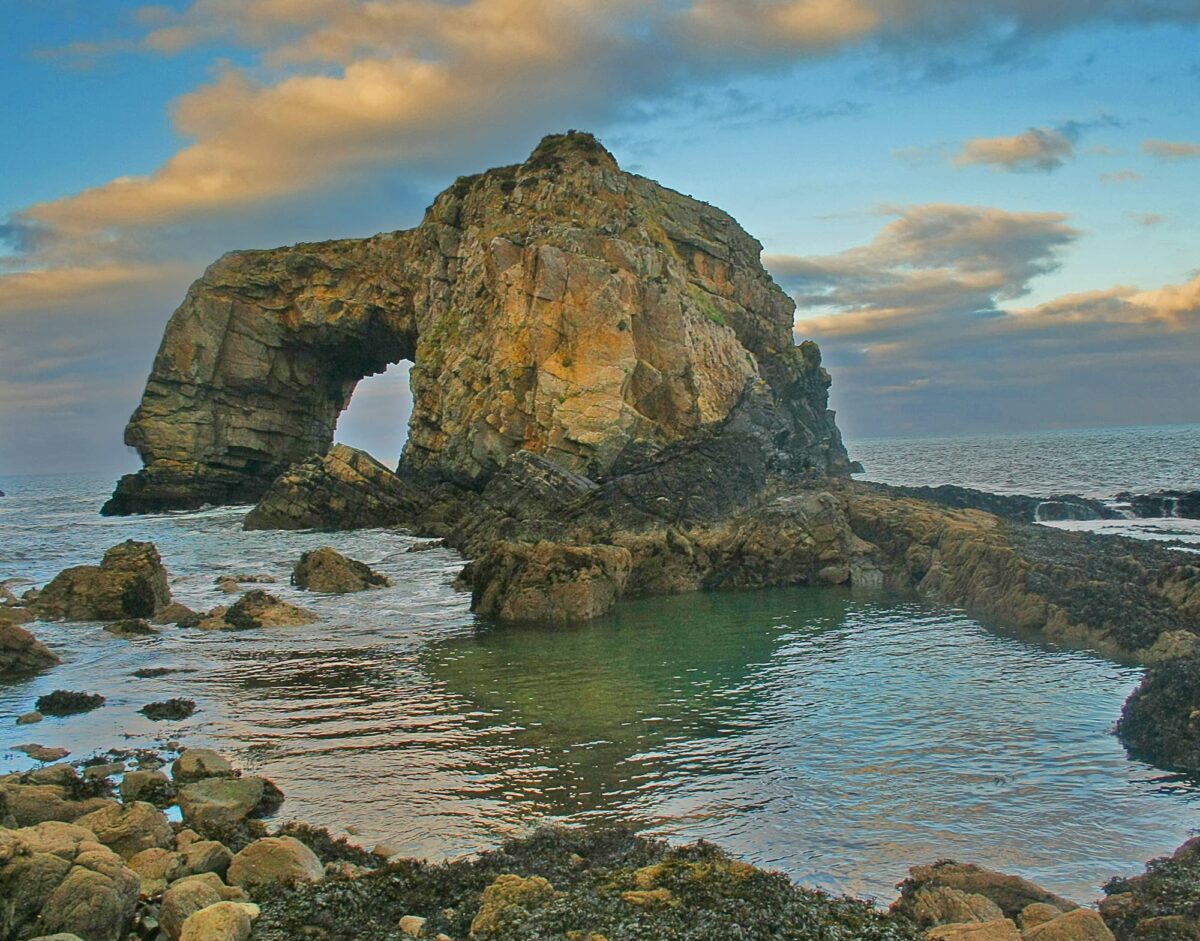
Map of the Best Places to Visit in Donegal
This map shows the best places to visit in Donegal, including beaches, cliffs, hidden gems, and scenic drives along the Wild Atlantic Way.
Why Visit Donegal?
Donegal is one of Ireland’s most scenic counties, yet it remains quieter than many of the country’s better-known destinations. Visitors come for the dramatic Atlantic coastline, traditional music in small pubs, and landscapes that feel both vast and untamed.
Highlights of the county include towering sea cliffs, long sandy beaches, remote peninsulas, and mountain ranges like the Derryveagh Mountains. The region is also home to several Gaeltacht areas, where Irish is still spoken as a daily, living language rather than a classroom subject you’ll hear it in shops and pubs around Gweedore and Glencolmcille, which gives parts of Donegal a cultural texture that’s different from most of the rest of Ireland’s tourist trail.
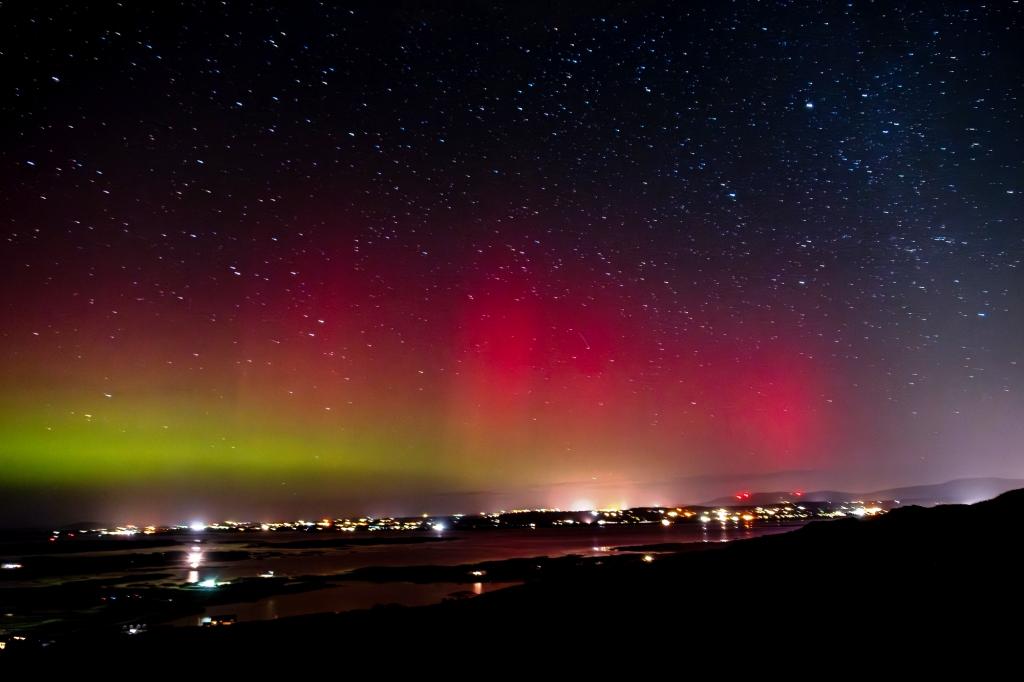
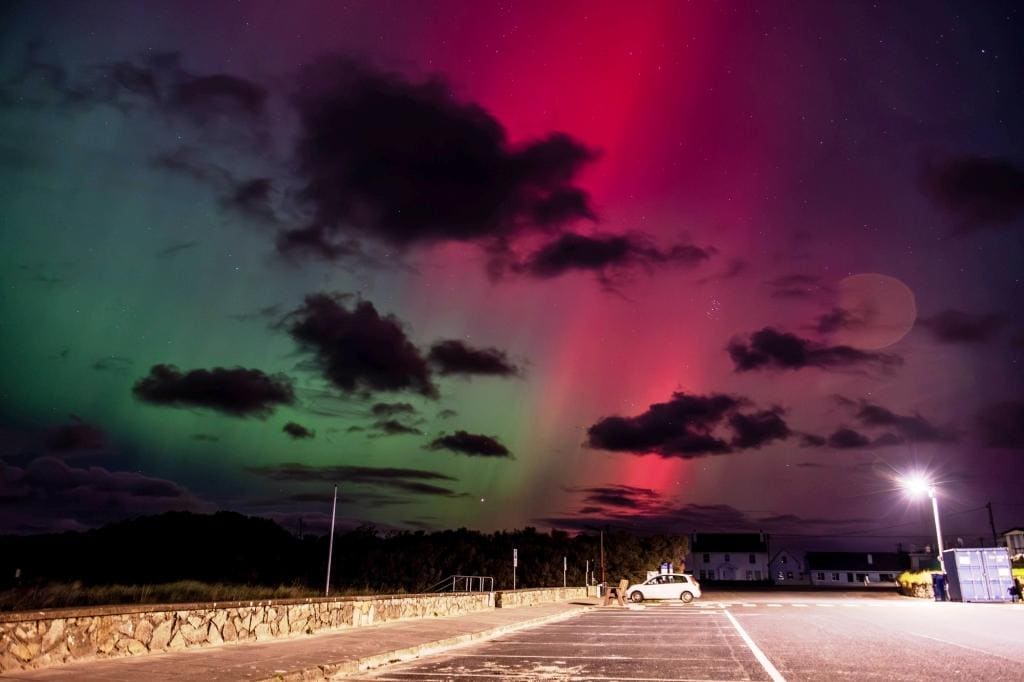
Donegal’s northerly latitude and low light pollution also make it one of the more reliable places in Ireland to catch the Aurora Borealis on a clear, active night Malin Head in particular is a known viewing spot among locals during winter months.
For travellers exploring the Wild Atlantic Way, Donegal offers some of the most memorable and least crowded scenery anywhere along the route.

Suggested 3-Day Donegal Route
Donegal is a big, spread-out county, and the single most common planning mistake is underestimating drive times between highlights. I’ve put together a full 3-day itinerary with a map, drive times, and where to stay each night: 3 Days in Donegal: Perfect Road Trip Itinerary and Map.
If you have more time, extending to 5 days lets you add Inishowen and Malin Head properly rather than rushing them see the drive-time table further down before you commit to a day plan.
My Donegal Travel Guide – things to do here
Donegal’s highlights range from world-class cliffs to quiet forest walks. You can read my full guide here: The Last Wild Corner of Ireland: Things to Do in Donegal. A few more specific guides worth pairing with it:
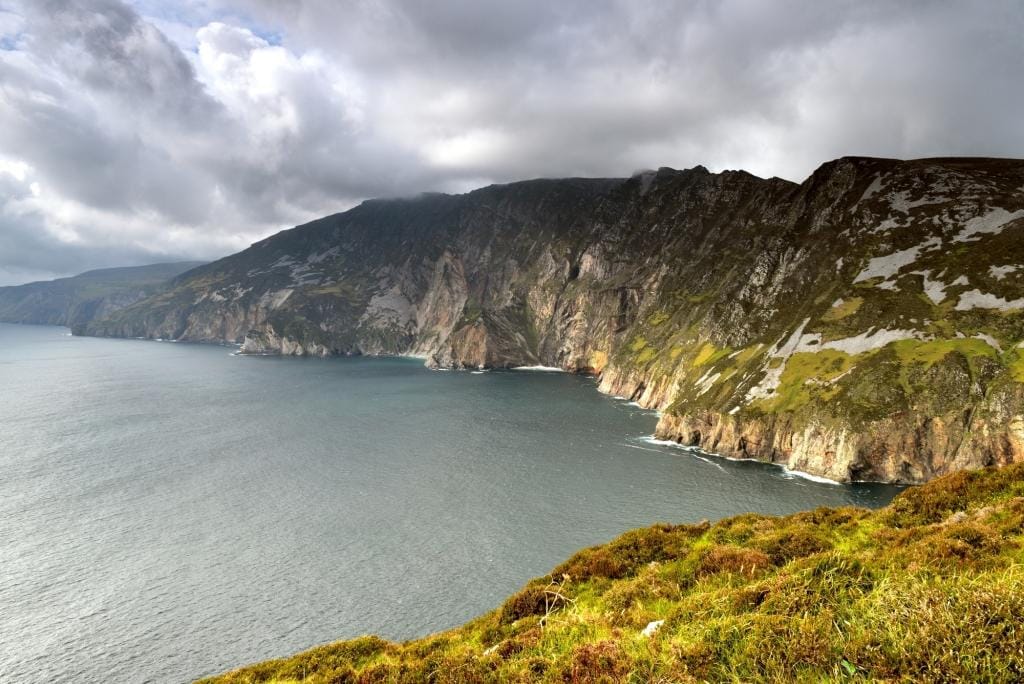
Slieve League Cliffs among the highest sea cliffs in Europe. See how they compare to Ireland’s other big cliff walks in Slieve League vs Cliffs of Moher vs Kerry Cliffs: Which?, and check Is Slieve League Safe or Dangerous? before you go if you’re visiting with kids or a dog.
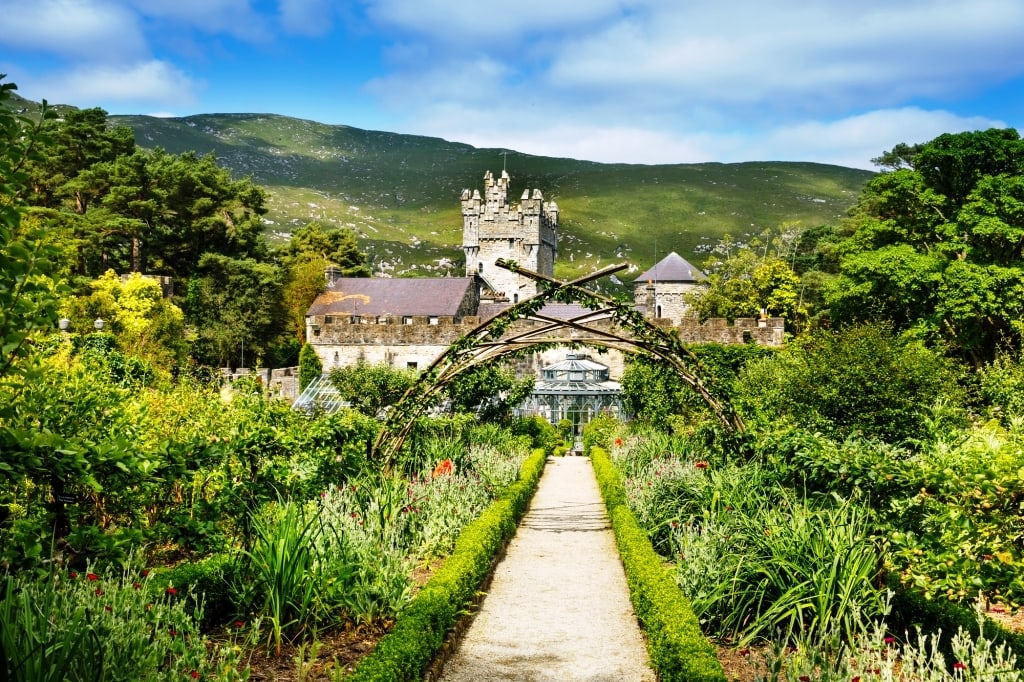
Glenveagh National Park and Castle parkland and gardens around a 19th-century castle. If you won’t have a car, see How to Visit Glenveagh National Park Without a Car for routes from Donegal Town, Killybegs, and Derry. For the history, read Historic Glenveagh Castle and Glenveagh National Park.
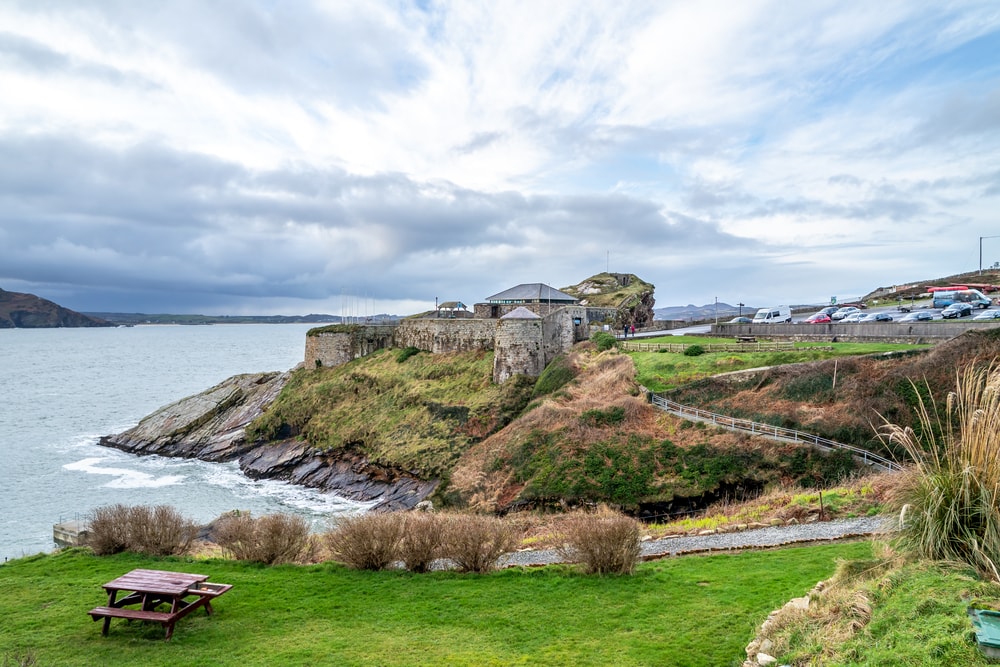
Inishowen Peninsula and Malin Head Ireland’s most northerly point, and a filming location for Star Wars. Full guide: Inishowen Peninsula: Malin Head and Hidden Gems Guide. If the Star Wars connection interests you, see Star Wars in Ireland: Location & Travel Guide.
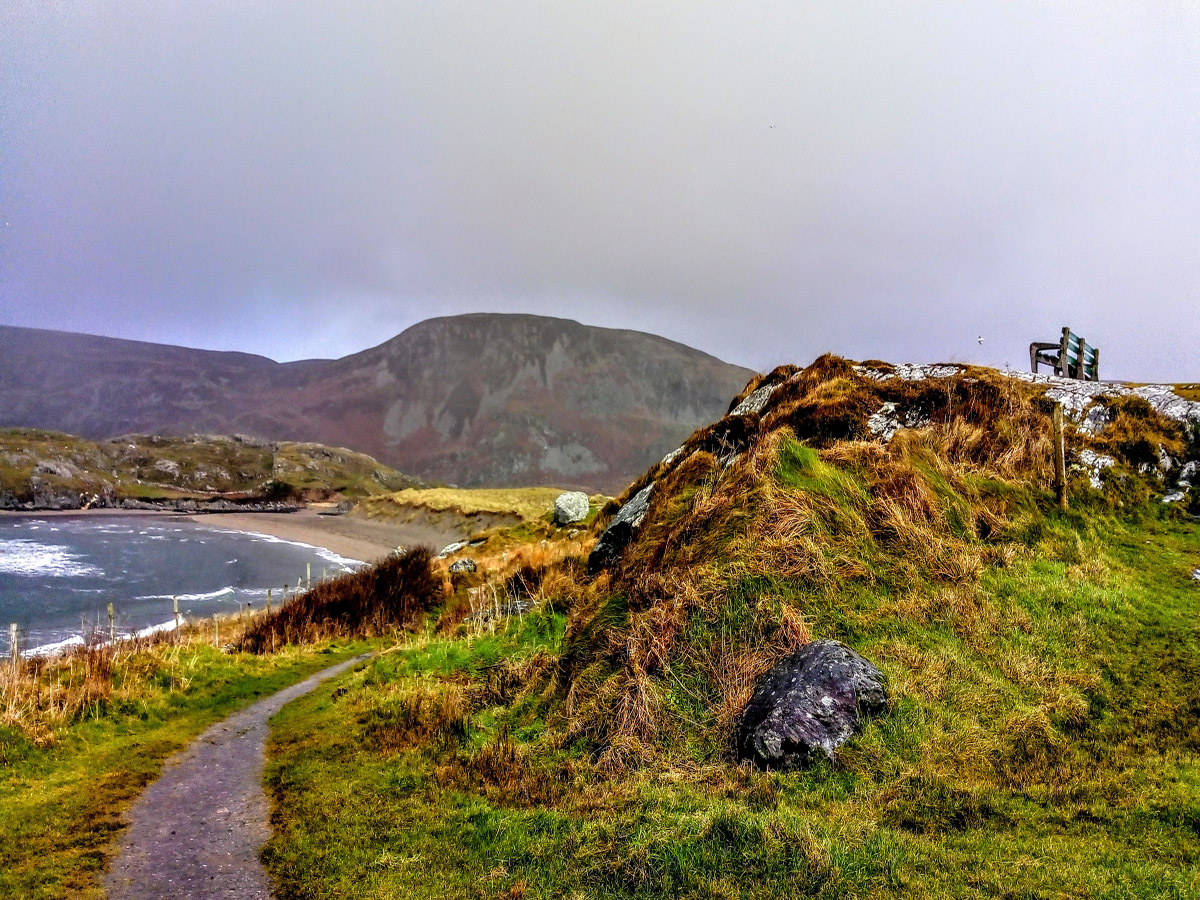
Glencolmcille a valley in the southwest with roughly 5,000 years of visible history and strong Gaeltacht culture. Full guide: Glencolmcille Ireland: 5000 years of history in Donegal.
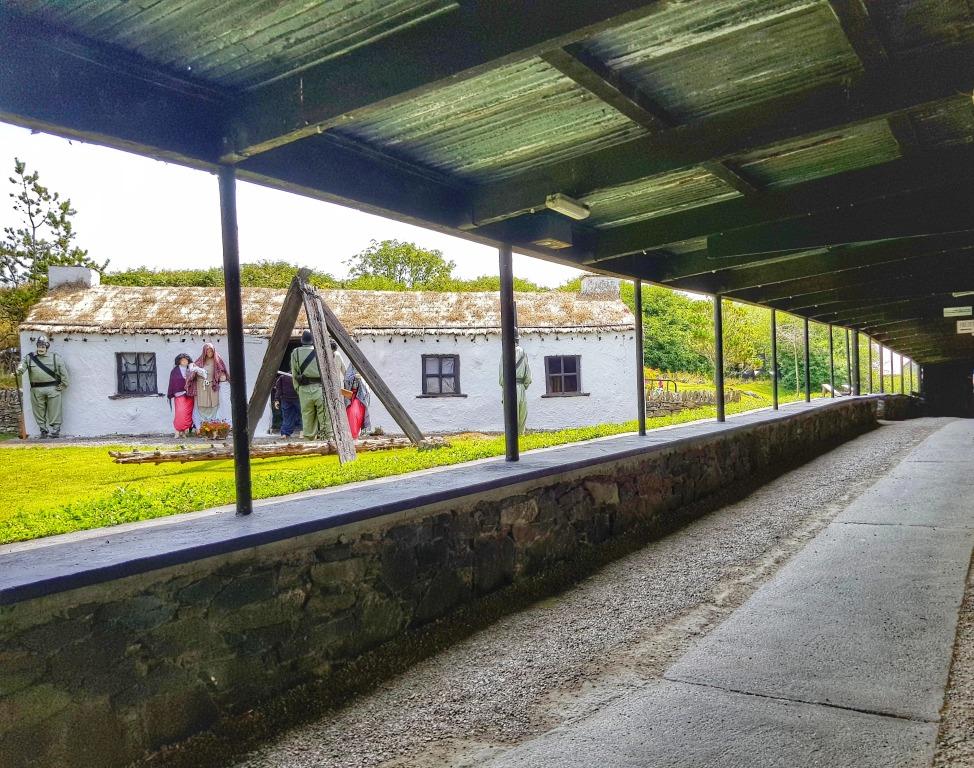
Doagh Famine Village, Inishowen a preserved famine-era village and one of the county’s more moving heritage stops. Full guide: Doagh Famine Village Attraction in Inishowen Donegal.
Best Beaches in Donegal
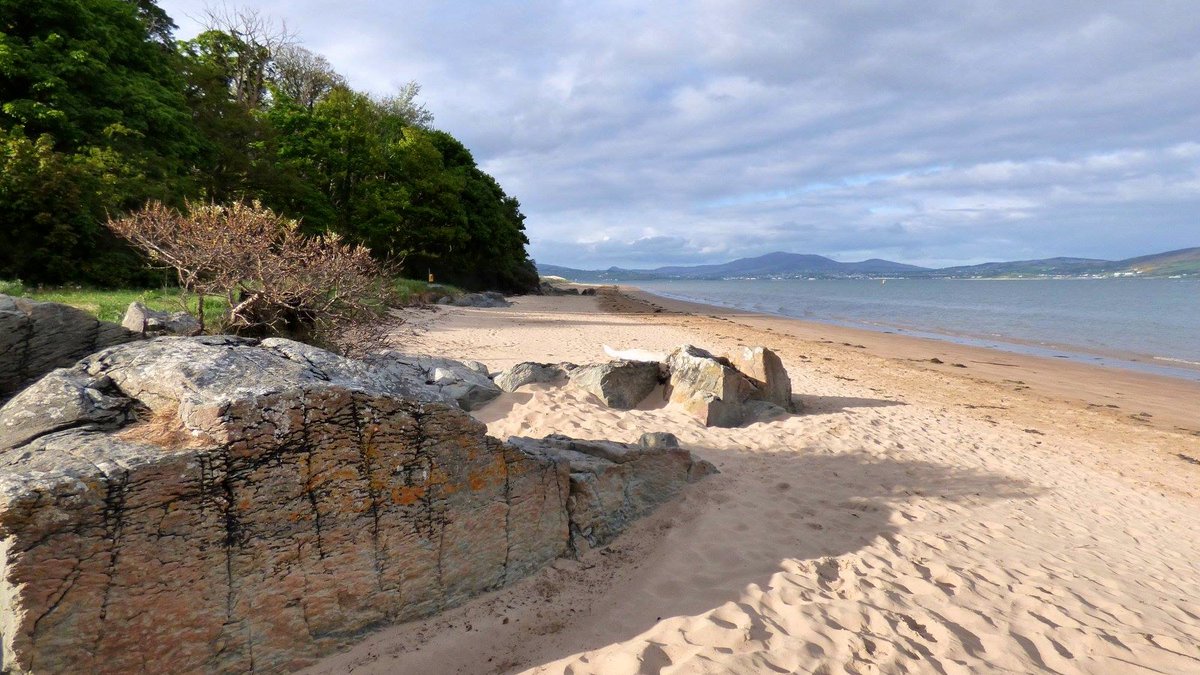
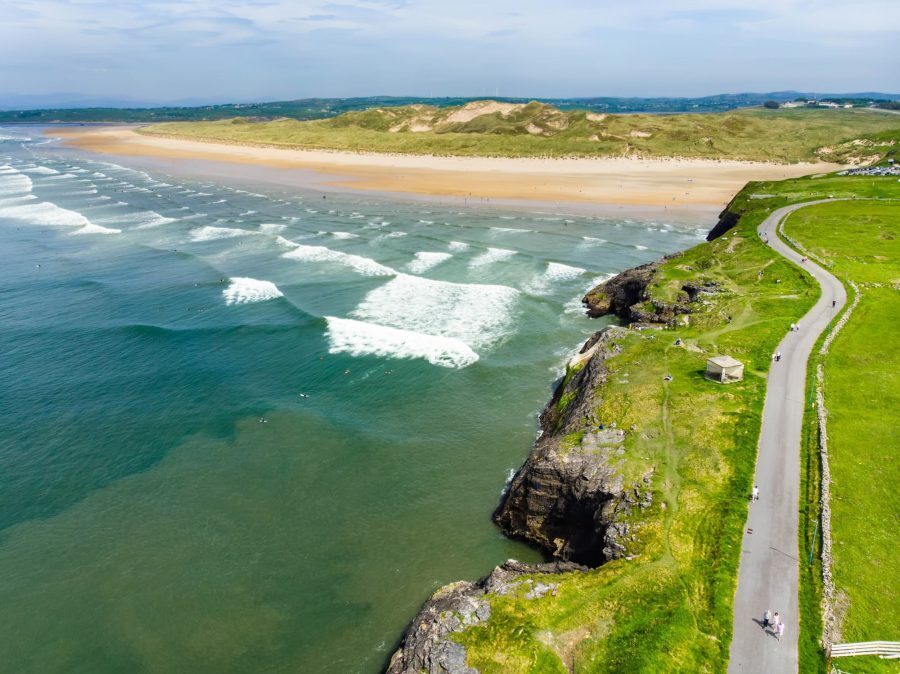
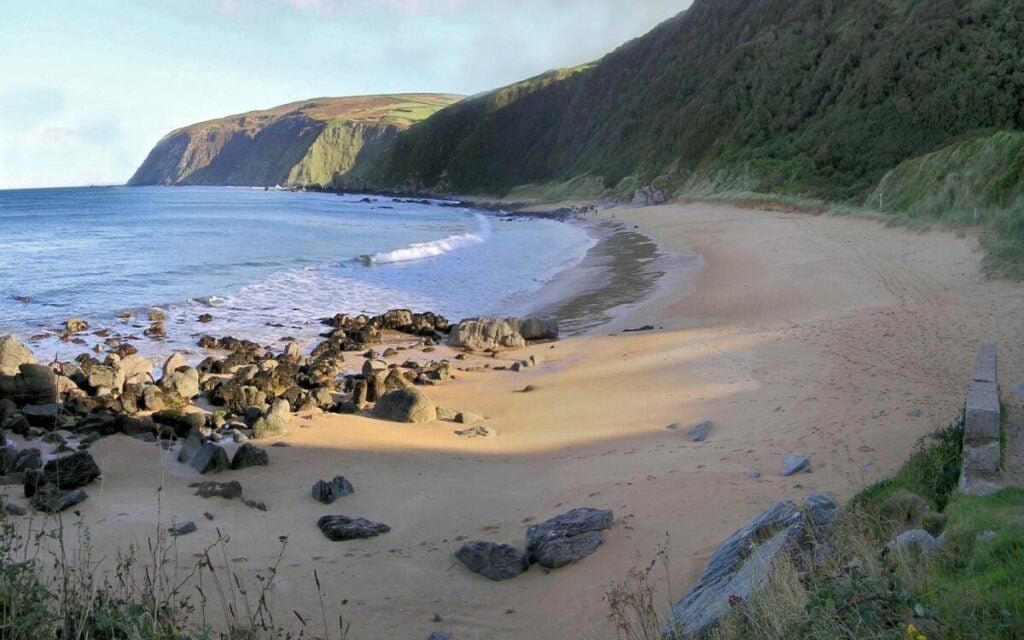
Donegal has some of the most beautiful beaches in Ireland, ranging from long surfing beaches to quiet coves hidden beneath cliffs. My full guide covers the county’s best: Best Beaches in Donegal: Hidden Coves and Local Favourites.
Two worth calling out individually: Tullan Strand near Bundoran, a long surf beach in the south of the county (see Tullan Strand Bundoran), and Culdaff Beach in Inishowen for family-friendly sand and shallow water.
Explore Donegal Town and Killybegs
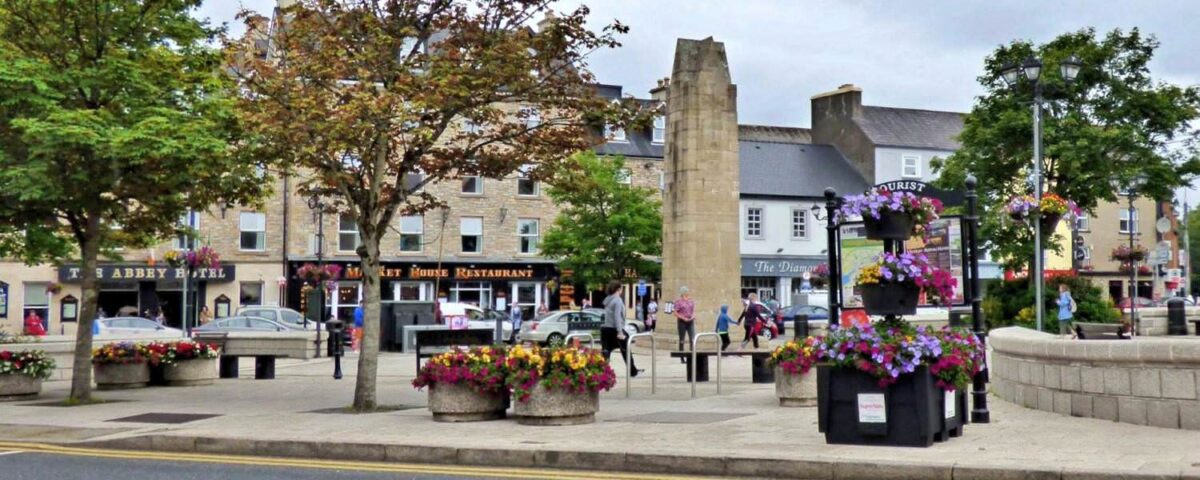
Nestled where the River Eske meets the bay, Donegal Town is a compact gem of rugged beauty and history. You can explore the 15th-century Donegal Castle, stroll past colourful shops selling traditional tweed, and soak in the lively atmosphere of The Diamond. For an easy, unhurried day, see Donegal Town Slow Travel: A Local’s Guide to Easy Days.
Nearby Killybegs, Ireland’s largest fishing port, makes a good pairing for a half-day trip see Killybegs, Donegal: Complete Visitor Guide for heritage, food, and views over the harbour.

Famous Places to Visit in Donegal
County Donegal is home to some of Ireland’s most breathtaking landmarks, alongside a number of quieter spots that reward a bit of extra driving. For the county’s best-kept secrets, see my dedicated guide: Donegal Hidden Gems: 16 Spots Only Locals Know.
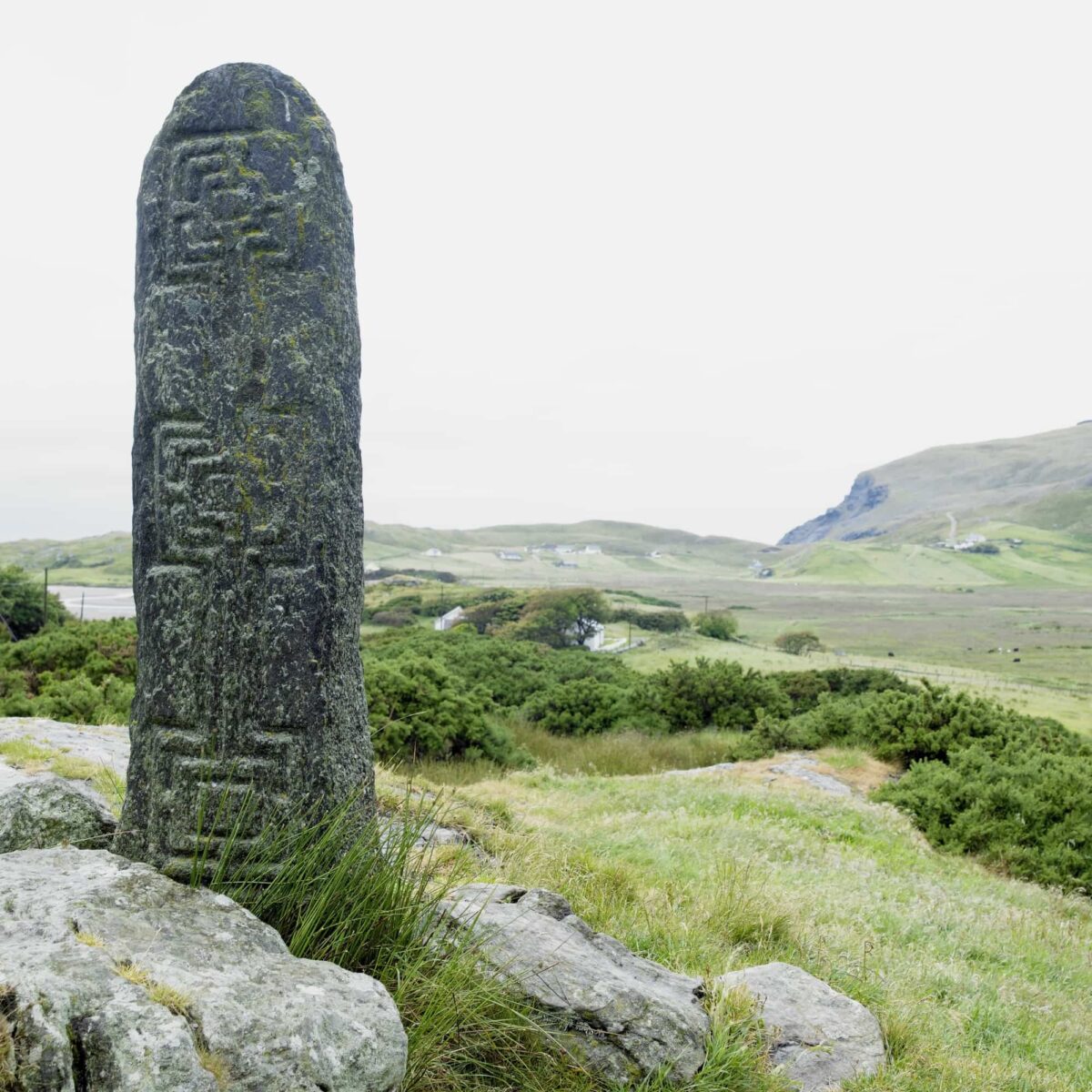
Close to the small settlement of Dunkineely, the ancient Killaghtee Cross features intricate Celtic carvings that have endured since the seventh century. Dating back to the seventh century, the Carndonagh High Cross stands as one of Ireland’s oldest free-standing stone crosses, located in the town of Carndonagh on the Inishowen Peninsula.


Slieve League Cliffs some of the highest accessible sea cliffs in Europe, towering nearly 600 metres above the Atlantic.
Inishowen Peninsula and Malin Head the largest peninsula on the island, crowned by Ireland’s most northerly point.
Glencolmcille layered history and Gaeltacht culture in one southwest Donegal valley.
Glenveagh Castle a picturesque castle and gardens tucked inside a national park.
The secret Largy waterfall a lesser-known spot most visitors never find; see Finding the Secret Waterfall in Donegal for exact access, tides, and safety tips.

Doagh Famine Village a preserved 19th-century village telling the story of the Famine and Irish emigration.
Distances Between Donegal’s Key Sights
Donegal’s highlights are spread across a large, rural county, so planning around realistic drive times matters more here than in most of Ireland. Use this as a rough guide when building your itinerary:
| From | To | Approx. Drive Time |
| Donegal Town | Slieve League | 45–50 minutes |
| Slieve League | Glenveagh National Park | 1 hour |
| Glenveagh National Park | Malin Head | 1 hour 20 minutes |
| Slieve League | Malin Head | About 3 hours (opposite ends of the county) |
| Donegal Town | Dunfanaghy | 1 hour |
| Donegal Airport | Donegal Town | 1 hour 15 minutes |
| Dublin | Donegal Town | 3 hours |
Accessibility in Donegal
Donegal’s landscapes are wild, which means accessibility varies a lot from place to place worth checking before you plan a day around a specific spot if mobility is a factor for anyone in your group. I’ve written a full guide covering scenic drives, beaches, parking, transport, and mobility tips for seniors and wheelchair users: Accessible Donegal Guide for Slow Travel & Mobility Tips.
A quick preview of what it covers: which of the county’s big-name viewpoints (Slieve League, Malin Head) are reachable with only a short, level walk from parking, versus which involve a genuine hike; where a shuttle bus is the easier option (Glenveagh Castle); and which towns, like Donegal Town itself, are flat and walkable from central parking.


Practical Tips for Visiting Donegal
- Driving distances can be long allow more time between stops than you would elsewhere in Ireland.
- Weather changes quickly pack for four seasons in one day, even in summer.
- Summer accommodation fills quickly book ahead for July and August.
- Many scenic areas require a car public transport doesn’t reach most of the coastline.
When to Visit Donegal
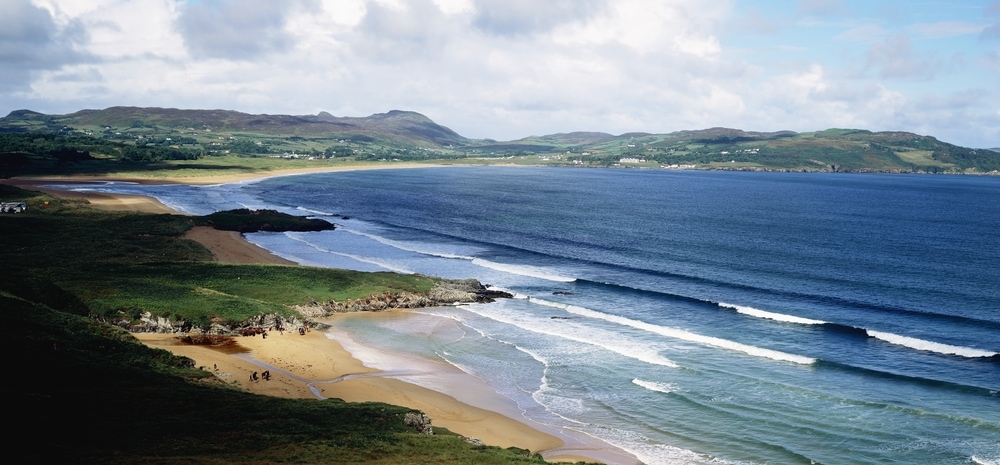
Donegal is beautiful in every season, but the experience can change dramatically depending on the weather, daylight hours, and crowds. Summer brings the best conditions for coastal walks and beaches, while spring and autumn offer quieter roads and dramatic Atlantic scenery. Winter is quieter still, and clear nights occasionally bring a chance of the Aurora Borealis, particularly around Malin Head. If you’re planning a trip, read Best Time to Visit Donegal: Weather, Seasons and Travel Tips to understand what each season is really like.
Is Donegal Worth Visiting?
Absolutely. Donegal is one of Ireland’s wildest and least crowded counties, known for its dramatic cliffs, quiet beaches, and strong Gaelic culture. Travellers who venture here discover landscapes that feel far removed from the busier tourist routes. If you’re wondering whether it should be part of your trip, read Is Donegal Worth Visiting? A Local’s Complete Guide.
Travel Costs in Donegal
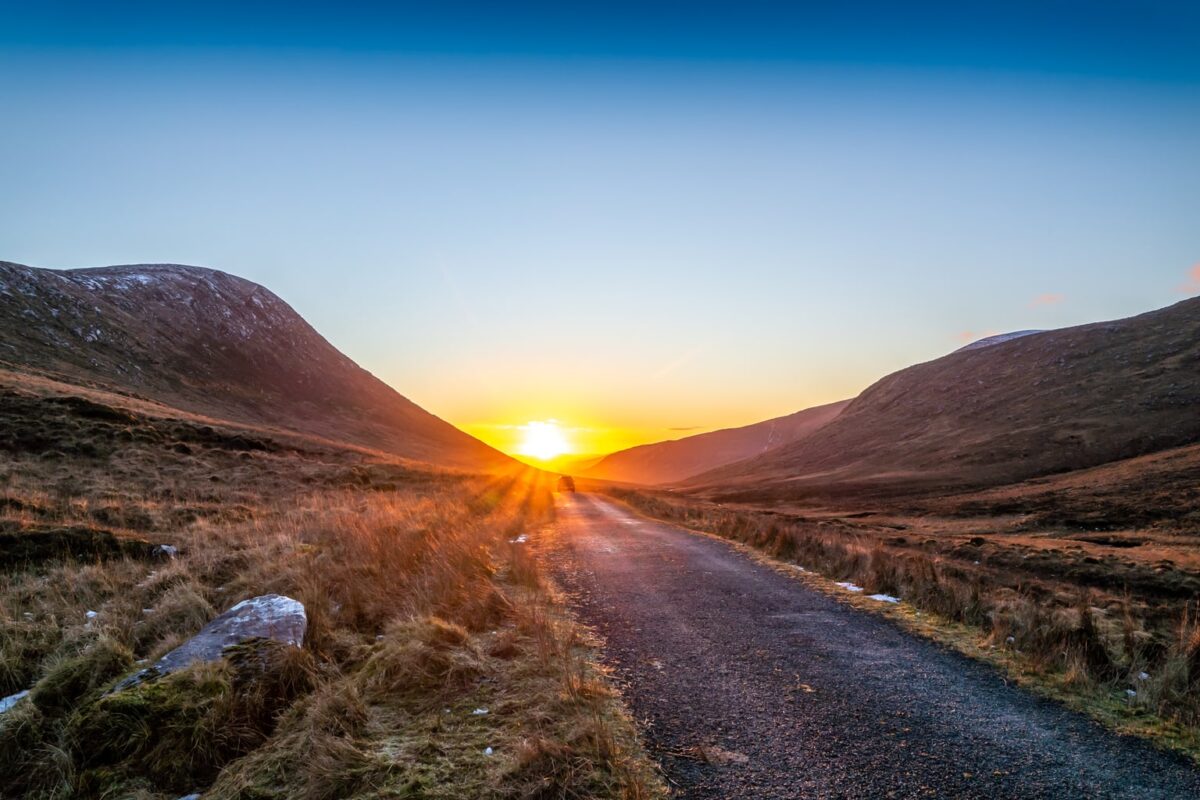
Compared with many popular destinations in Ireland, Donegal can be surprisingly affordable, especially outside the peak summer months. Accommodation, food, and activities vary depending on where you stay and when you visit. For a realistic breakdown of prices, see Is Donegal Expensive to Visit? Cost Guide by a Local.
Where to Eat in Donegal Town
Donegal Town has an excellent food scene for a small coastal town, with everything from traditional pubs serving hearty Irish dishes to seafood restaurants overlooking the harbour. Local produce and Atlantic seafood feature heavily on many menus. For the best places to try, see Best Restaurants in Donegal Town.


Getting Around Donegal
Donegal is a large and rural county with many scenic areas far from train stations or major transport hubs. While buses connect some towns, many of the most beautiful places are easiest to reach by car. To understand the options and when a car is essential, read Do You Need a Car in Donegal? What to Know Before You Visit.
Where to Stay in Donegal
Accommodation in Donegal ranges from cosy guesthouses and boutique B&Bs to luxury lakeside hotels surrounded by wild landscapes. Many visitors base themselves near Donegal Town or along the coast to explore the Wild Atlantic Way. One of the county’s most memorable places to stay is Lough Eske Castle Hotel, Donegal read the full story of the restoration, rooms, dining, and spa in Lough Eske Castle Hotel, Donegal: a restored ruin with stories in its stones.


Donegal vs Kerry: Which Should You Choose?
If you’re deciding between the two, or trying to fit both into one Ireland trip, I’ve written a full comparison covering scenic drives, beaches, hiking, Irish culture, and how each stacks up against the other’s road trips and national parks: Donegal vs Kerry: Which Part of Ireland Is Better?
Frequently Asked Questions About Visiting Donegal
How many days do you need in Donegal?
Most visitors need 3–5 days to explore Donegal properly. This allows time to visit the dramatic cliffs at Slieve League, explore Glenveagh National Park, enjoy Donegal Town, and discover some of the county’s quieter beaches and coastal drives. Because the county is so spread out, 5 days gives a much more comfortable pace than 3.
What is Donegal famous for?
Donegal is famous for its wild landscapes along the Wild Atlantic Way, including towering sea cliffs, remote beaches, traditional Irish culture, and scenic drives. Highlights include Slieve League cliffs, Glenveagh National Park, Malin Head, and the lively harbour town of Donegal.

Do you need a car to visit Donegal?
In most cases, yes. While buses connect some towns, many of the county’s most spectacular places including beaches, cliffs, and scenic viewpoints are easier to reach with a car. Having your own transport makes it much easier to explore at your own pace.
Is Donegal expensive to visit?
Donegal can be more affordable than many other Irish destinations, especially outside the summer months. Accommodation ranges from budget-friendly guesthouses to luxury hotels, and many of the best experiences beaches, coastal walks, and scenic drives are completely free.
What is the best time of year to visit Donegal?
Late spring through early autumn (May to September) generally offers the best weather and longest daylight hours. However, spring and autumn can be excellent times to visit if you prefer fewer crowds and dramatic Atlantic scenery, and winter offers a small chance of the Aurora Borealis on clear nights.
Where should I base myself in Donegal?
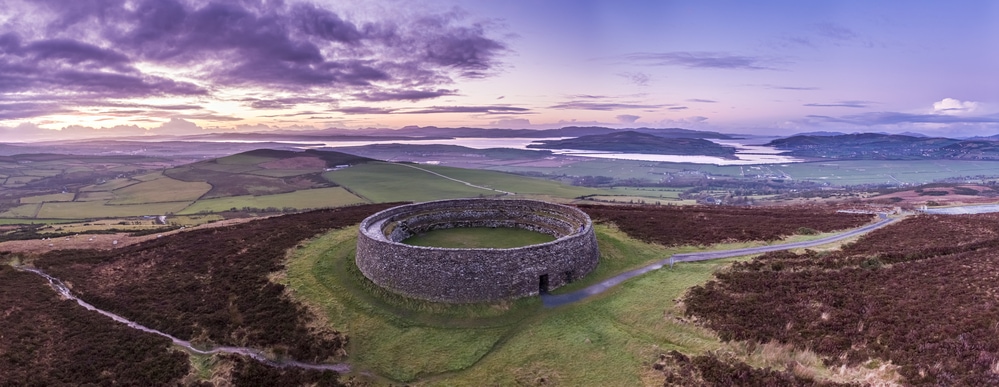
Many travellers choose Donegal Town as a base because it has restaurants, accommodation, and easy access to nearby attractions. Other popular areas include Dunfanaghy, Ardara, and parts of the Inishowen Peninsula, depending on which areas of the county you want to explore.
How far apart are Donegal’s main attractions?
Further than they look on a map. Slieve League to Malin Head, for example, is about a 3-hour drive, since they sit at opposite ends of the county. Build in extra time between stops rather than assuming short distances see the drive-time table above for the most common routes.
Is Donegal accessible for visitors with mobility challenges?
Some of Donegal’s best-known sights, including the Slieve League viewpoint, Malin Head, and Donegal Town itself, are reachable with only short, level walks from parking. Others, like the Pilgrim’s Path at Slieve League or the walk to Glenveagh Castle, involve longer or steeper stretches. Checking each site in advance is worth doing if accessibility is a concern for anyone in your group.
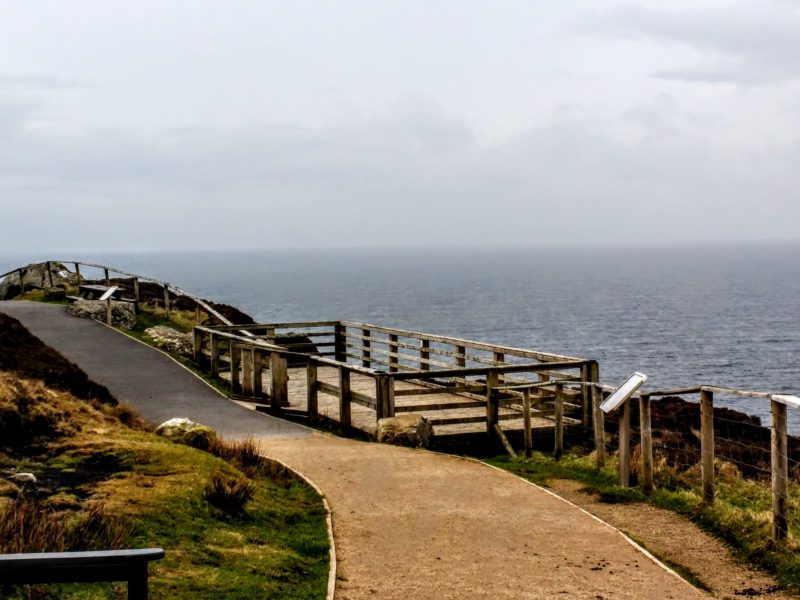
Final Thoughts
Donegal is one of Ireland’s most remarkable regions, where rugged cliffs, quiet beaches, and traditional culture combine to create a landscape that still feels wild and untouched. Whether you come for the dramatic scenery of the Wild Atlantic Way, peaceful coastal drives, or the welcoming atmosphere of small towns and villages, the county offers a travel experience that is both authentic and unforgettable.
From exploring hidden beaches and scenic headlands to enjoying fresh seafood in Donegal Town or hiking through Glenveagh National Park, there is always something new to discover. With a little planning and a realistic sense of how spread out the county is a trip to Donegal can easily become one of the highlights of any journey through Ireland.
Planning the rest of your trip? My Irish Bucket List covers 39 of my favourite Ireland experiences, from landmarks to whiskey tours.