
Canada Travel Guide: A Local’s Guide to the Great White North
Quick answer: Canada spans 6 time zones, 10 provinces, and 3 territories, with sales tax ranging from just 5% in Alberta to 15% in the Atlantic provinces. Tipping 10-20% is expected, English and French are the two official languages (though Quebec runs predominantly in French), and most visitors need at least an Electronic Travel Authorization to enter. Here’s what’s genuinely useful to know, from someone who’s spent over 20 years travelling this country.
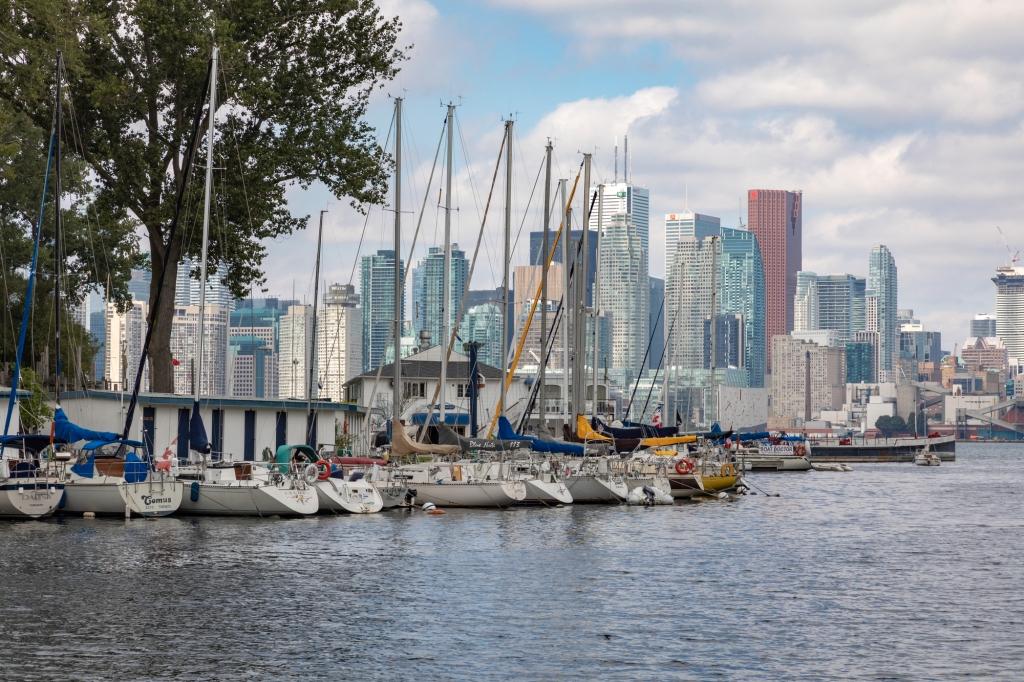
I’m Canadian, and I spent over 20 years travelling across the country as a food product developer, visiting food markets and communities from coast to coast looking for new product ideas. That’s given me a pretty grounded sense of just how different Canada feels depending on where you land Vancouver has almost nothing in common with rural Quebec, and Newfoundland might as well be a different country from Alberta. This guide covers the practical basics that actually matter for visiting or living here, region by region.
Fast Facts: Canada
| Provinces and territories | 10 provinces, 3 territories, spanning 6 time zones |
| Official languages | English and French |
| National dish | Poutine |
| National sport | Hockey |
| Standard tip | 10-20% of the bill |
| Sales tax range | 5% (Alberta, territories) to 15% (New Brunswick, Newfoundland and Labrador, PEI) |
Getting Around
Canada spans 6 time zones and is made up of 10 provinces and 3 territories if you want to see a real slice of the country, rent a car or a campervan. Trains exist, and Greyhound-style buses run between many major cities and provinces, but both will take considerably longer and cost more than most visitors expect. Distances here are genuinely vast; don’t plan a road trip the way you would in a smaller country.
Weather: It Depends Entirely on Where You Are
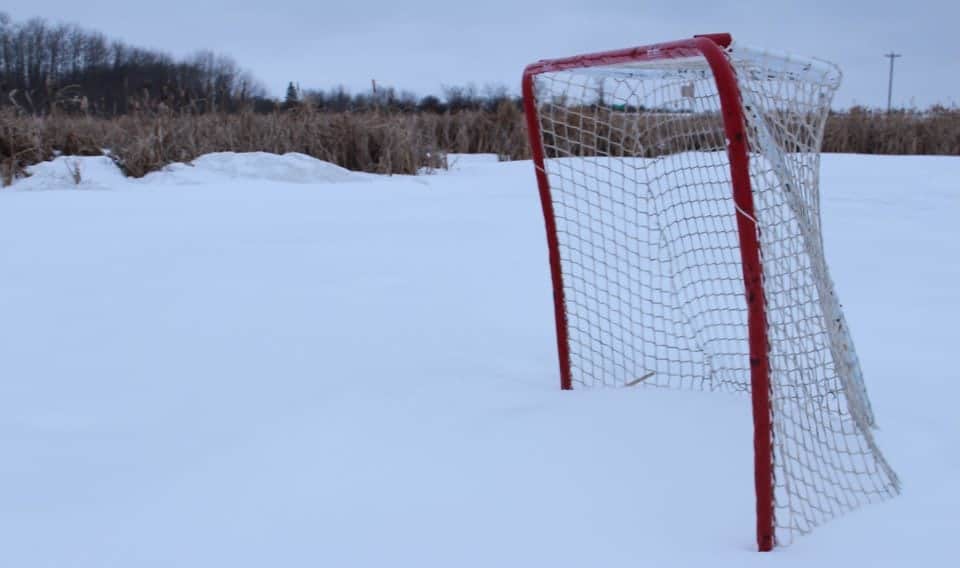
Weather in Canada runs the full gamut depending on region. In Ontario, expect serious snow and cold in winter, with summers that can heat up considerably and turn genuinely humid. Yes, hockey is our national sport, and poutine is our national dish.
On the west coast, Vancouver and British Columbia lean closer to English weather cooler and rainier than most of the country. On the east coast, the weather resembles Ireland or Wales. In central Canada, honestly, anything goes.
Language
Canada has two official languages. Most of the country operates primarily in English, but Quebec is dominantly French locals there can usually speak English, but won’t always choose to unless they know you’re not a French speaker.
Tipping
Yes, tipping is expected in Canada, usually 10-20% of the total bill. Wait staff and restaurant workers are typically paid a lower base wage on the assumption tips will make up the difference, and they pay tax on those tips regardless so tip well.
Sales Tax: It Varies a Lot More Than You’d Think
Canada charges sales tax on most purchases, so the price on the tag is rarely the price at the till but exactly how much varies dramatically by province, not a flat national rate.
| Province/Territory | Combined Sales Tax |
| Alberta, Yukon, NWT, Nunavut | 5% (federal GST only, no provincial tax) |
| Saskatchewan | 11% |
| British Columbia, Manitoba | ~12% |
| Ontario | 13% |
| Nova Scotia | 14% |
| Quebec | ~14.975% |
| New Brunswick, Newfoundland & Labrador, PEI | 15% |
Basic groceries are tax-exempt nationwide, but prepared food, restaurant meals, and most other purchases are taxed at your province’s combined rate.

Entry Requirements
From outside North America, you’ll normally need either a visa or an Electronic Travel Authorization (eTA) to enter Canada. What you specifically need depends on which passport you hold, so check well before your travel date rather than assuming processing times and requirements genuinely vary.
More on Living in Canada
- Only in Canada, eh? the quirks and habits that genuinely surprise visitors
Explore More of Canada
If you’re planning where to actually go, here’s where to start:
- Things to Do in Quebec: 29 Places to See in Quebec City an old European feel with genuinely great food and architecture
- Things to Do in Toronto: 11 Things to Experience memorable things to do in a bustling, youthful city
- 16 Free Things to Do in Niagara Falls, Canada real local picks, not just the tourist-trap version
- 10 Most Haunted Places in Canada from old train tracks to genuinely haunted hotels
- The Ultimate Guide to Traditional Canadian Food 51 dishes, from poutine and butter tarts to PEI mussels and Indigenous specialties
- 24 Best Food Markets and Food Halls in Canada farm-to-table produce, meats, and gifts, region by region
- Moving a Pet to Europe: USA & Canada to UK and EU Guide relocating a dog or cat from Canada, step by step


Frequently Asked Questions About Living in and Visiting Canada
How much sales tax will I pay in Canada?
It depends entirely on the province from just 5% in Alberta and the territories (federal GST only) up to 15% in New Brunswick, Newfoundland and Labrador, and PEI, where GST and provincial tax are combined into a single HST. Ontario sits at 13%, Quebec at 14.975%, and British Columbia around 12% combined.
Do I need a visa to visit Canada?
It depends on your passport. Many visitors need only an Electronic Travel Authorization (eTA), a quick online approval, while others require a full visitor visa. Check your specific requirement well before booking, since processing times vary.
How much should I tip in Canada?
10-20% of the bill is standard at restaurants and for other service staff, who are typically paid a lower base wage on the assumption tips will make up the difference, and who pay tax on those tips. Tipping well is genuinely expected, not optional.
Is Canada bilingual everywhere?
Officially yes English and French are Canada’s two official languages but in practice, most of the country operates primarily in English. Quebec is the major exception, where French dominates; locals can usually speak English but won’t always choose to unless they know you’re not a French speaker.
What’s the weather like across Canada?
It varies enormously by region. Ontario gets serious snow and cold winters with hot, humid summers. British Columbia’s coast is milder and rainier, closer to English weather. Atlantic Canada resembles Ireland or Wales. Inland and northern regions can swing to extremes in both directions.