
Global Food Guide: Cuisines, Dishes and Food Culture Around the World
Food is the fastest way to understand a place. Before you learn the language or find your bearings on the map, food tells you who lives here, what the land grows, and how people come together.

This guide explores cuisines, traditional dishes, and food cultures from around the world — combining on-the-ground travel experience with a professional background in food product development. That combination matters: it means these guides go beyond “what to order” to explore why dishes taste the way they do, how ingredients travel across cultures, and what food reveals about the people who make it.
Whether you are planning a trip and want to eat well, or exploring global cuisine from your own kitchen, you will find practical, well-researched guides here not generic lists.
This global food guide explores cuisines, traditional dishes, and food cultures from around the world, combining travel insight with professional experience in food development.
What You Will Find in This Guide
Drinks — the beverages that complete each food culture, from Turkish coffee to European wine
Global Food by country — traditional dishes, local ingredients, and what to eat where
Food culture and traditions — how meals are shared, what foods mark celebrations, and how culinary identity is shaped
Iconic dishes and ingredients — the foods most closely tied to a place and why
Markets and food experiences — where to eat, shop, and taste like a local
Unesco Intangible Cultural Heritage food guide – UNESCO’s culinary heritage recognises food traditions as part of our shared cultural heritage, preserving the skills, rituals, ingredients and social practices that communities have passed down through generations.
National Dishes of Asia & Oceania: Authentic Regional Cuisines – Explore more than 40 national dishes from across Asia and Oceania, discovering the history, ingredients and cultural traditions behind foods such as Vietnamese pho, Kabuli pulao and Māori hāngī.
National Dishes of Central, South America and the Caribbean – Discover the national dishes of Central and South America and the Caribbean, exploring the history, ingredients and cultural influences behind iconic foods from Costa Rica’s gallo pinto to Peru’s ceviche.
National Dishes of the Americas: Canada, USA and Mexico – Explore the distinctive national and regional dishes of Canada, the United States and Mexico, and discover how Indigenous traditions, immigration, geography and local ingredients have shaped their food cultures.

Global food guide and regions
Every cuisine tells a different story. Geography shapes what grows. History shapes what stays. Trade shapes what arrives and never leaves. Explore traditional dishes, regional specialties, and culinary heritage from around the world, organized by region.
Ireland
Irish food is rooted in simplicity, local ingredients, and strong culinary traditions shaped by farming and coastal life.
- Traditional Irish food and authentic dishes
- Full Irish breakfast guide
- Irish bread and baking traditions
- Irish Boxty
- Irish Whiskey Trail
- Best Irish Whiskey Distillery Tours
- Irish markets and local food experiences (Limerick Milk Market, Cork’s English Market)
- My Favourite Irish Cookbooks
- Traditional Food in Northern Ireland
- Where to eat in Donegal Town
- Where to eat in Dublin
- Best coffee shops in Dublin
United Kingdom
British cuisine varies widely across England, Scotland, and Wales, with hearty dishes and strong regional identities.
- Must-try British foods
- Scottish traditional dishes
- Welsh food guide
- Yorkshire food and regional flavours
- History of the Cornish Pasty
- Guide to London’s Food Halls
- Fabulous street food markets in London
- Afternoon Tea in London
- Best British Desserts to try
- Best food to try in Borough Market London
Spain
Spanish cuisine is defined by regional diversity, seasonal ingredients, and bold flavours.
Portugal
Portuguese food highlights seafood, rustic cooking, and regional traditions.
France
French cuisine is globally influential, known for technique, regional specialties, and culinary heritage.
- History of Macarons
- Best food in Paris
- French cheese guide
- Food culture in France
- Authentic oyster culture in Cancale
- Food in Brittany
Italy
Italian food is deeply regional, focusing on fresh ingredients, simplicity, and tradition.
Germany
German cuisine is hearty and varied, with strong regional influences.
Greece
Greek food blends Mediterranean ingredients with centuries of culinary tradition.
Malta
Netherlands
Dutch cuisine reflects both local traditions and global influences.
- Traditional Dutch foods
- What to eat in Amsterdam
Denmark
Danish food combines Nordic traditions with modern influences.
Norway
Norwegian cuisine focuses on seafood, preservation, and seasonal ingredients.
Sweden
Swedish food reflects Nordic simplicity and seasonal cooking.
Turkey
Turkish cuisine is rich and diverse, influenced by Ottoman history and regional ingredients.
Poland
Polish food is hearty and comforting, shaped by Central European traditions.
Czech Republic
Czech cuisine is known for rich flavours and traditional dishes.
Slovenia
Slovenian food blends Alpine, Mediterranean, and Balkan influences.
Croatia
Croatian cuisine reflects Mediterranean and Central European influences.
Bosnia & Herzegovina
Bosnian food is influenced by Ottoman and Balkan traditions.
Armenia
Armenian cuisine is deeply rooted in tradition, with bold flavours and ancient techniques.
Lebanon
Lebanese food is known for fresh ingredients, mezze, and vibrant flavours.
Americas
Cuisine across the Americas is shaped by Indigenous traditions, colonial influences, and regional diversity.
Traditional Canadian Food
Explore traditional Canadian food and the regional dishes that reflect the country’s Indigenous heritage, immigrant communities, geography and long history of food traditions.
American Food Guide
Discover the foods that have become part of American culinary culture, from regional specialities and Indigenous ingredients to dishes shaped by generations of immigration.
Mexican Street Food
Explore Mexico’s vibrant street-food culture, from tacos and tamales to regional snacks and drinks, and discover the history and traditions behind these everyday foods.
Food of Oaxaca
Discover the distinctive food culture of Oaxaca, exploring its Indigenous roots, regional ingredients, traditional cooking methods and celebrated dishes such as mole and tlayudas.
Cuban Cuisine Guide
Explore traditional Cuban cuisine and the Spanish, African, Caribbean and Indigenous influences that have shaped its distinctive dishes, ingredients and cooking traditions.
Yucatán Food
Discover the distinctive cuisine of Mexico’s Yucatán Peninsula, where ancient Maya food traditions combine with local ingredients, European influences and cooking methods such as underground pib cooking.
American BBQ Joints
Take a journey through America’s legendary barbecue regions and discover the distinctive meats, sauces, smoking techniques and traditions that make each BBQ style different.
National Dishes of the Americas
Explore national dishes from across the Americas and discover how Indigenous ingredients, colonial history, migration and regional traditions have shaped the food served today.
History of Barbecue Around the World
Trace the history of barbecue across different cultures and continents, exploring the cooking techniques, ingredients and regional traditions that have turned fire-cooked food into a global culinary tradition.
Ethnic Cuisine History in New York
Explore the history of New York’s immigrant food cultures and discover how successive waves of migration created neighbourhoods, restaurants and culinary traditions that transformed the city’s food landscape.
Africa & Middle East
This region offers diverse flavours shaped by trade, history, and geography.
Asia & Oceania
Asian and Oceanian cuisines are among the most diverse in the world.
Food Culture & Traditions
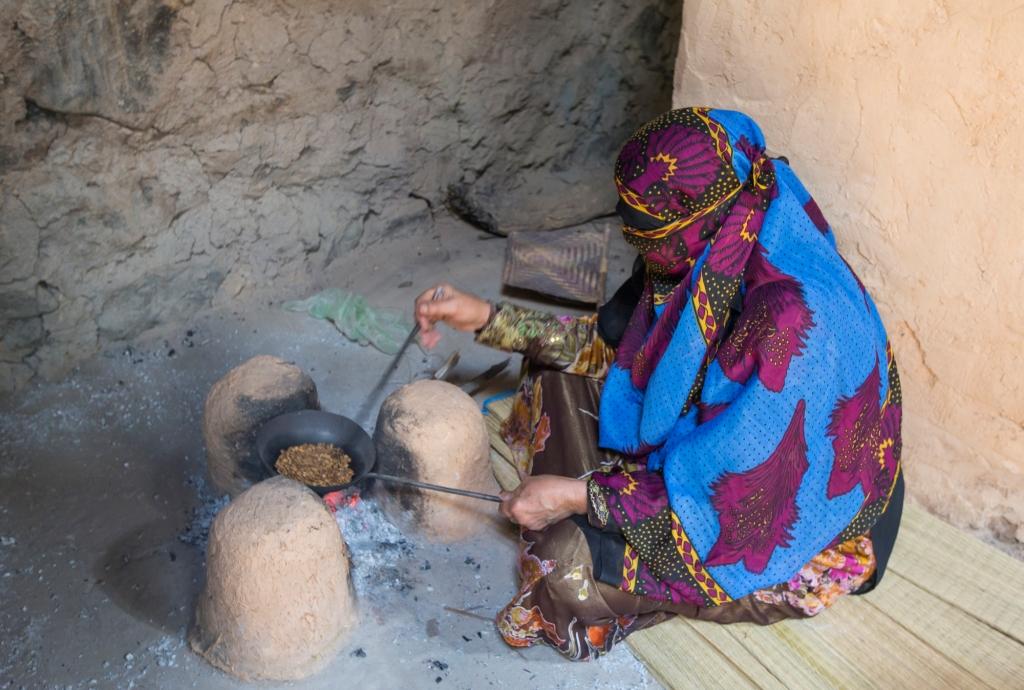
Food traditions are not just recipes they are living records of migration, religion, trade, and seasonal life. Understanding food culture means understanding how a society eats together, what it celebrates, and what it refuses to forget.

These guides explore food as a cultural force:
Food tourism and exploring culture through cuisine
Food Culture: How culinary traditions shape Global Identity
Jewish Food and Traditions from Ashkenazi to Mizrahi
Indigenous foods and culinary heritage
Unusual foods and unique global delicacies
Iconic Dishes & Ingredients
Some foods become inseparable from the places they come from. They reflect local ingredients, traditional methods, and deep cultural meaning — and they travel, changing shape as they move.

Explore global favourites
Sausages from around the world: Explore the history of sausages and discover the remarkable variety of sausages made and eaten around the world.
Dumplings across global cuisines: Discover the long history of dumplings and the many shapes, fillings, cooking methods and regional varieties found around the world.
Noodle dishes from different cultures: Trace the history of noodles and explore the extraordinary range of noodle dishes, ingredients and traditions found across the world.
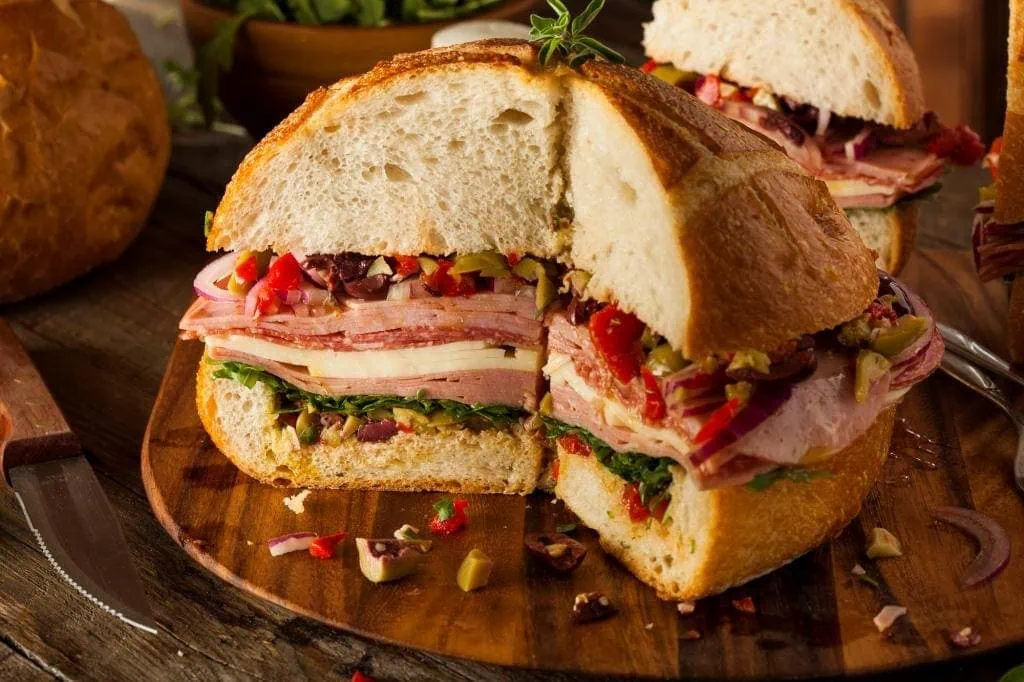
Sandwiches from around the world: Explore the history of the sandwich and discover how different cultures have created their own distinctive versions around the world
Flatbreads and their origins: Flatbreads were the first bread ever developed our ancestors were cooking flatbread over 75,000 years ago. Here are 23 flatbreads from around the world to try.
Uniquely American Foods: Hit the road with a travel-tested guide to uniquely American foods from scrapple and Rocky Mountain oysters to donut burgers and Kool-Aid pickles.

Food Experiences & Markets
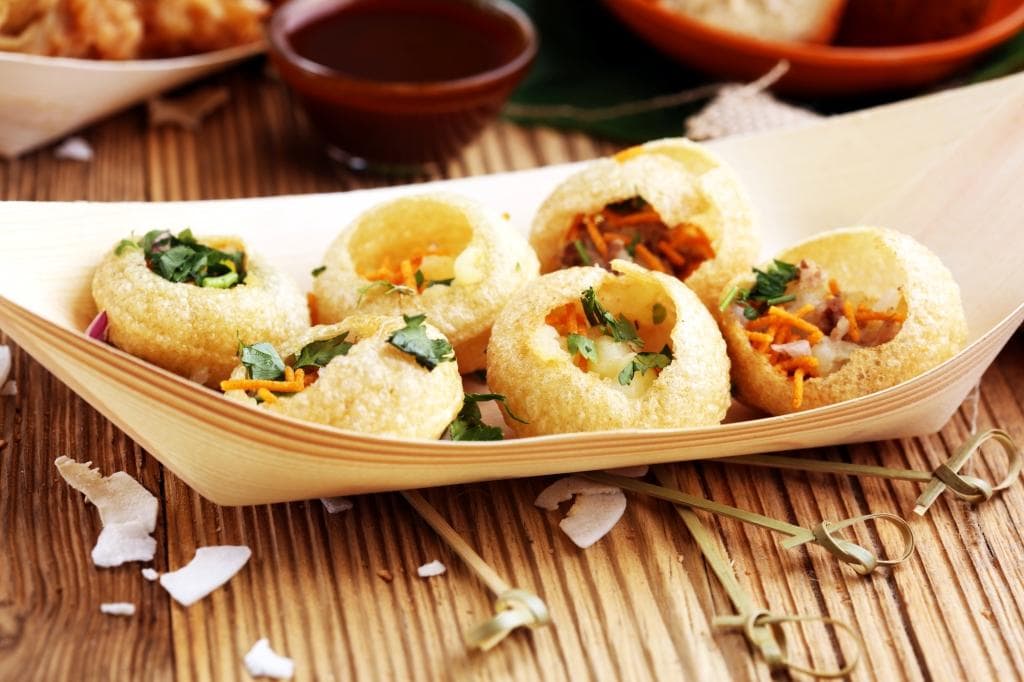
The best food experiences are rarely in restaurants. Markets, street food stalls, cooking classes, and local kitchens get you closer to how people actually eat. These guides cover the most rewarding food experiences across Europe and beyond.
Best food markets in Europe: Explore some of Europe’s best food markets, from historic market halls to lively street markets, and discover the local foods, ingredients and traditions that make each one distinctive.
Leather Lane Market London – street food at its best: Explore the history of Leather Lane Market and its long-standing reputation for street food, with a look at the stalls, dishes and multicultural flavours found along this busy London market street.
Food Culture: How culinary traditions shape Global Identity: Discover how food traditions develop through history, migration, geography and local ingredients, and how what people cook and eat can reveal the cultural identity of communities around the world.
Fabulous Food Street Markets in London: Take a culinary tour of London’s street markets, exploring the foods, vendors and international influences that reflect the city’s diverse food culture.
Cooking Class in Tuscany: Step into the kitchens of Tuscany and discover the ingredients, techniques and traditional dishes that form the foundation of this distinctive Italian food culture.
History of Barbecue: Trace the long and fascinating history of barbecue, from its early cooking traditions to the distinctive regional styles and techniques that developed around the world.
Uniquely American Foods: Explore the history behind some of America’s most distinctive foods and discover how Indigenous ingredients, immigration and regional traditions shaped the dishes now associated with American cuisine.


Drinks: Sip Your Way Around the World
Every food culture has its drinks — and they matter just as much as the food. From the rituals around Turkish coffee to the wine traditions of southern Europe, these guides explore what people drink, how they drink it, and what that reveals about where they are from.
Los Caballos Caravaca de la Cruz Festival of Horses and Wine: : Discover the extraordinary history of Los Caballos del Vino in Caravaca de la Cruz, where elaborately decorated horses, wine and centuries-old traditions come together in one of Spain’s most unusual festivals.
Best Wine Tasting tours in Europe: Explore Europe’s great wine regions through wine tasting tours that introduce you to local vineyards, historic wine-making traditions and the distinctive wines produced across the continent.
Tea cultures and ceremonies around the world: Explore the history of tea and the many cultures, rituals and ceremonies that have developed around this ancient drink, from everyday traditions to elaborate formal occasions.
The World of Drinks – the Weird and the Wonderful: Take a journey through the world of drinks and discover the unusual, surprising and sometimes downright strange beverages people have created and enjoyed across different cultures.
World’s Best Brews – A global guide to Coffee: Trace the journey of coffee around the world, from its origins and historic trade routes to the distinctive brewing methods and coffee traditions found in different countries.
Turkish Coffee – the 7 secrets: Discover the history and traditions behind Turkish coffee, including the distinctive preparation methods, finely ground beans and rituals that make this centuries-old drink unique.
The Best Coffee Shops in Dublin: Explore Dublin’s coffee culture through a selection of its best coffee shops, from long-established cafés to newer independent spots serving distinctive local and international brews.
What to drink in Mexico the Ultimate Guide: Explore Mexico through its drinks, from ancient Indigenous beverages and regional spirits to refreshing aguas frescas, traditional drinks and modern Mexican favourites.


A Note on Expertise
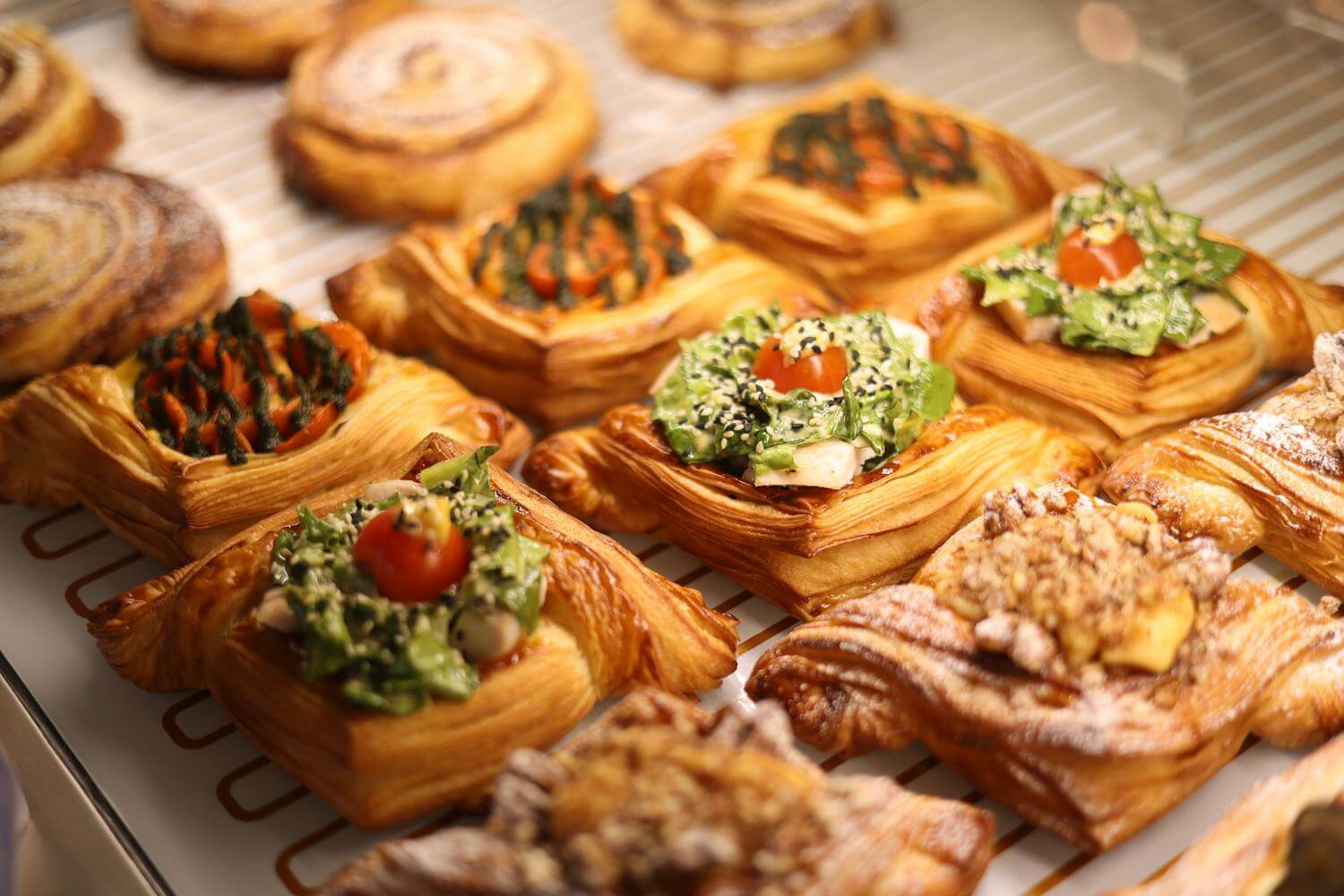
These food guides are written with a background in food product development — work that involves understanding how ingredients behave, how flavours are built, and how cultural context shapes the way food is made and experienced. That professional lens informs every guide here, whether the subject is Irish soda bread, West African spices, or the fermentation traditions of Eastern Europe.
Food writing is at its best when it connects the practical to the meaningful. That is the standard this guide aims for.

Frequently Asked Questions
What is a global food guide? A global food guide explores cuisines, dishes, and food traditions from different countries and regions. This one focuses on the connection between food, culture, and travel — giving you both practical eating advice and cultural context.
Which countries are covered in this food guide? Which countries are covered in this food guide? Guides currently span more than 25 countries and regions across Europe, the Americas, Africa, the Middle East, and Asia from Ireland and the UK to Armenia, Lebanon, and Australia. The focus is on depth over breadth, with more added regularly.
Is this guide useful if I am not travelling? Yes. Many readers use these guides to explore global cuisine at home, understand the background of dishes they already love, or plan future trips. You do not need a flight booked to find value here.
What makes this guide different from other food travel resources? The professional food development background behind these guides means they go deeper than most travel food content — exploring why dishes are made a certain way, how ingredients have travelled across cultures, and what food tells us about the people who prepare it.
Follow a culinary tradition, or start with a dish you are curious about. Food is not just something you eat while travelling it is one of the most meaningful ways to experience the world.