
National Dishes of the Americas: Canada, USA and Mexico’s Iconic Foods
The culinary landscape of the Americas and Caribbean represents one of the world’s most diverse and dynamic food cultures, shaped by centuries of migration, colonization, and cultural exchange. Just a note here that the Americas includes: Canada, USA and Mexico.

I have travelled extensively in all three countries as a food product developer and tasted all the dishes mentioned below. Working in product development probably most of the food products we developed were based on cuisines outside of our home country.
From the Arctic Circle to Tierra del Fuego, these regions showcase a remarkable fusion of indigenous traditions, European colonialism, African influences brought through the slave trade, and waves of immigration from Asia, the Middle East, and beyond.
Indigenous peoples first developed sophisticated culinary traditions using native ingredients like corn, potatoes, beans, and cassava—foods that would later transform global cuisine. When European colonizers arrived, they brought their own cooking methods, livestock, and ingredients, forever changing the region’s food culture.
African enslaved peoples introduced techniques and ingredients that became fundamental to many national dishes, particularly in the Caribbean and South America. Later waves of immigrants from Jewish communities bringing delicatessen traditions to Chinese workers introducing wok cooking further enriched this culinary tapestry.

In this culinary journey through the Americas and Caribbean, we’ll explore signature national dishes that showcase the region’s diversity, creativity, and historical heritage. You’ll discover how these beloved foods emerged from complex cultural interactions and continue to evolve while maintaining their essential character.
Food carries the same weight of history and migration you’ll find throughout the Global Food Guide, which explores food as cultural memory worldwide. This is part of a much bigger story for how food traditions like these connect across cultures worldwide.
- National Dishes of the Americas: Canada, USA and Mexico's Iconic Foods
- National dishes of the Americas: Indigenous Foundations to Modern Fusion
- Canadian Culinary Traditions
- Maritime Provinces
- Central Canada: Ontario and Quebec
- Prairie and Western Canadian Cuisine
- Western Canada (British Columbia)
- National dishes of the USA
- Mesoamerican Heritage
- Preserving Culinary Heritage While Embracing Change
National dishes of the Americas: Indigenous Foundations to Modern Fusion
Native American and First Nations Heritage
Food preparation was deeply intertwined with spiritual practices and community gatherings. Many traditional dishes were (and still are) central to ceremonies, celebrations, and healing practices. The sharing of food embodied important cultural values of community and gratitude. If you would like to learn more about indigenous culinary traditions take a look at my article on indigenous foods.
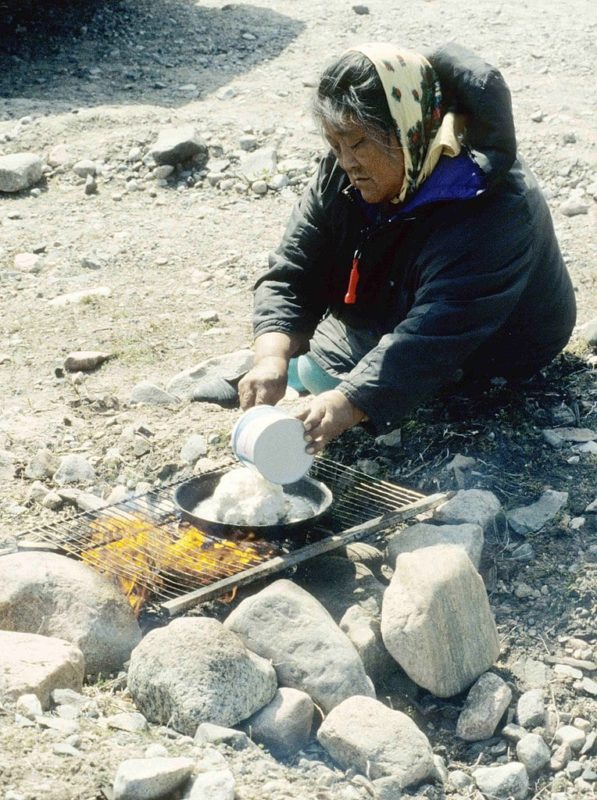
Indigenous foods in the Americas form the foundation of many modern cuisines across the continent. Staples like corn (maize), beans, squash, potatoes, and chili peppers were first cultivated by Indigenous peoples and remain central to diets today. These foods, along with wild game, fish, and foraged plants, reflect a deep connection to the land and seasons. Traditional preparation methods, such as pit cooking, smoking, and fermentation, showcase the resourcefulness and culinary knowledge developed over thousands of years.
Canadian Culinary Traditions
Canadian cuisine emerged from three primary influences: indigenous foodways, French colonial traditions, and British settlement patterns. The harsh climate and vast geography led to distinct regional cooking styles and preservation methods. The railway’s completion in the 1880s connected these regional cuisines and helped create national dishes.
Canadian dishes reflect the country’s multicultural heritage and adaptation to extreme climates. Many national dishes originated as working-class foods (poutine, butter tarts) before becoming celebrated cultural symbols. Modern Canadian cuisine celebrates both tradition and diversity.
Maritime Provinces
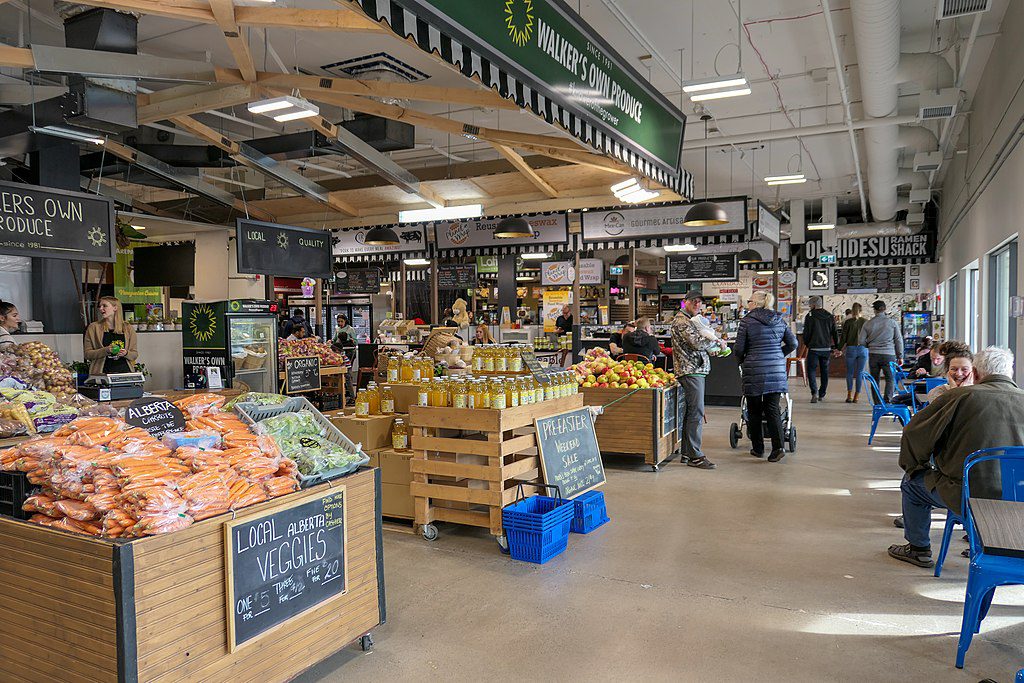
The Maritime provinces—Nova Scotia, New Brunswick, and Prince Edward Island—boast a rich culinary heritage shaped by Indigenous, Acadian, British, Scottish, and Irish influences. Here are some iconic dishes and their origins:
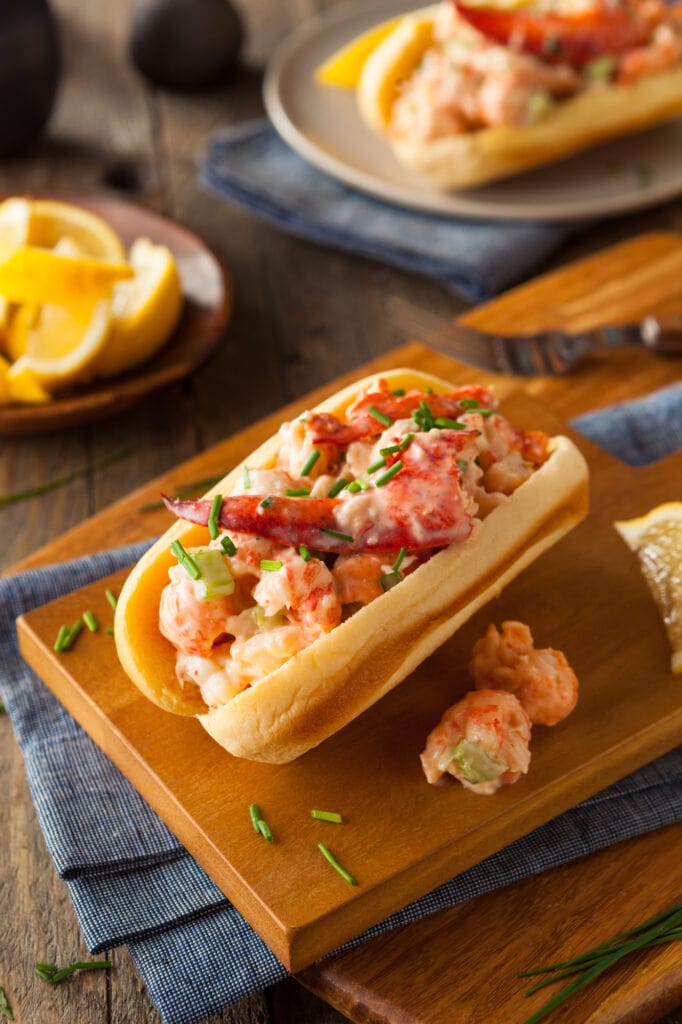
Lobster Rolls
While now popular across Eastern Canada and New England, lobster rolls became a Maritime staple thanks to the region’s abundant lobster fisheries. Served chilled with mayo or warm with butter in a toasted bun, they reflect the area’s fishing traditions.
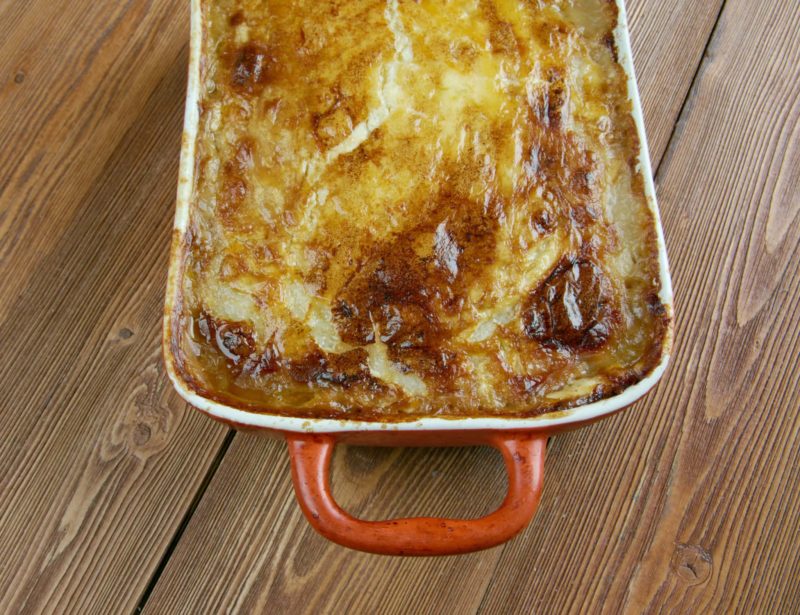
Rappie Pie (Pâté à la Râpure)
An Acadian dish from Nova Scotia and New Brunswick, made with grated potatoes (traditionally hand-râpé) mixed with chicken or pork broth and baked. Its roots trace back to French pâté aux pommes de terre, adapted by Acadians with local ingredients.
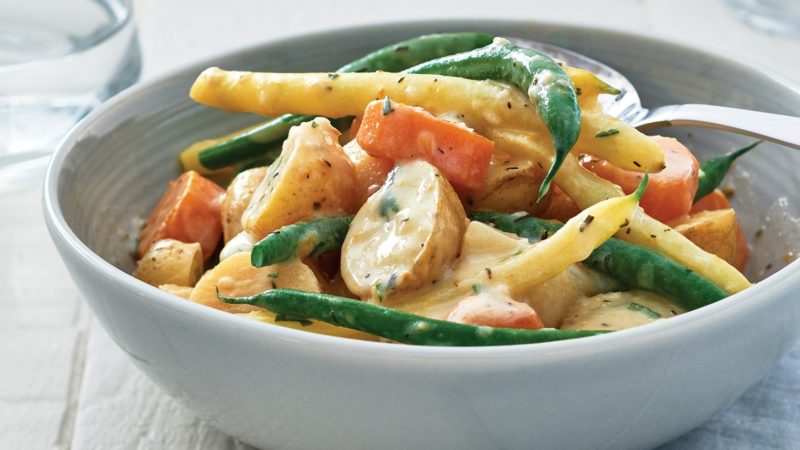
Hodge Podge
A creamy summer vegetable stew from Nova Scotia, made with fresh peas, beans, carrots, and potatoes in a butter-and-cream sauce. This rustic dish stems from British settler farming traditions, using whatever was harvest-ready.
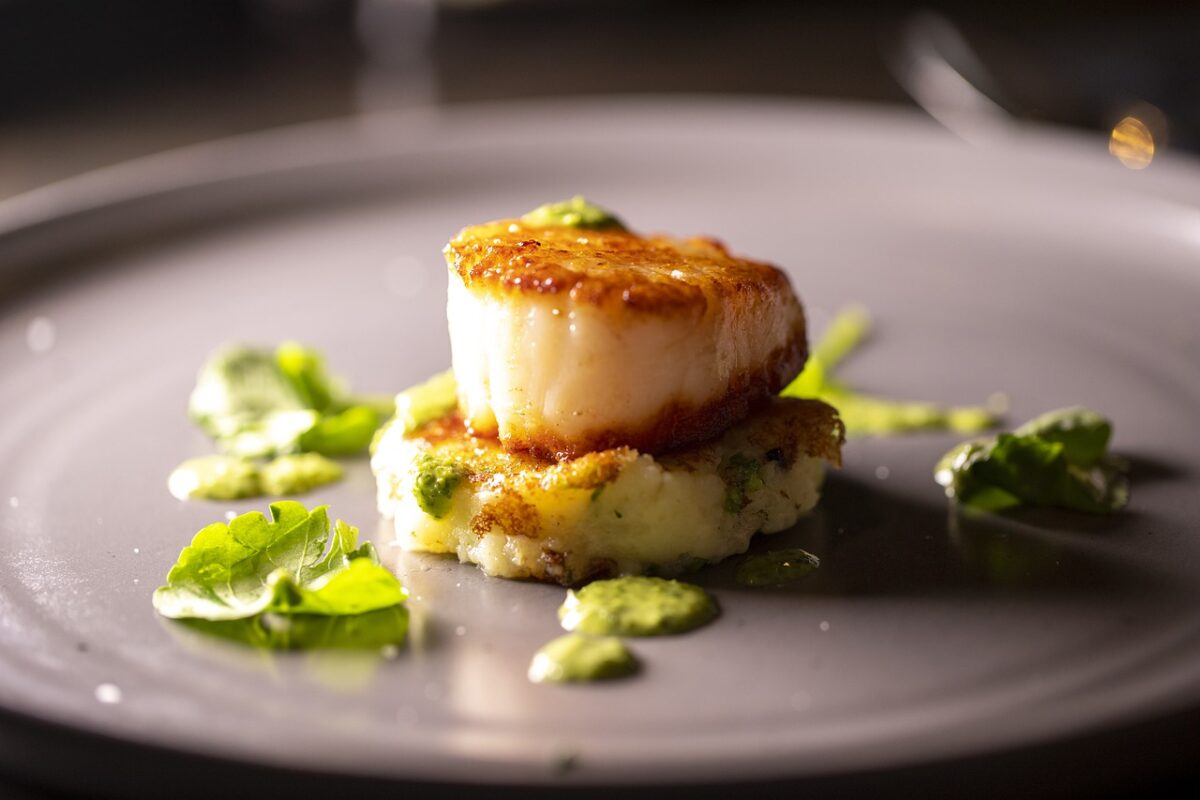
Digby Scallops
Named after Digby, Nova Scotia, a historic scallop-fishing town founded by Loyalists in the 1780s. The cold Atlantic waters produce sweet, plump scallops, often pan-seared or wrapped in bacon.
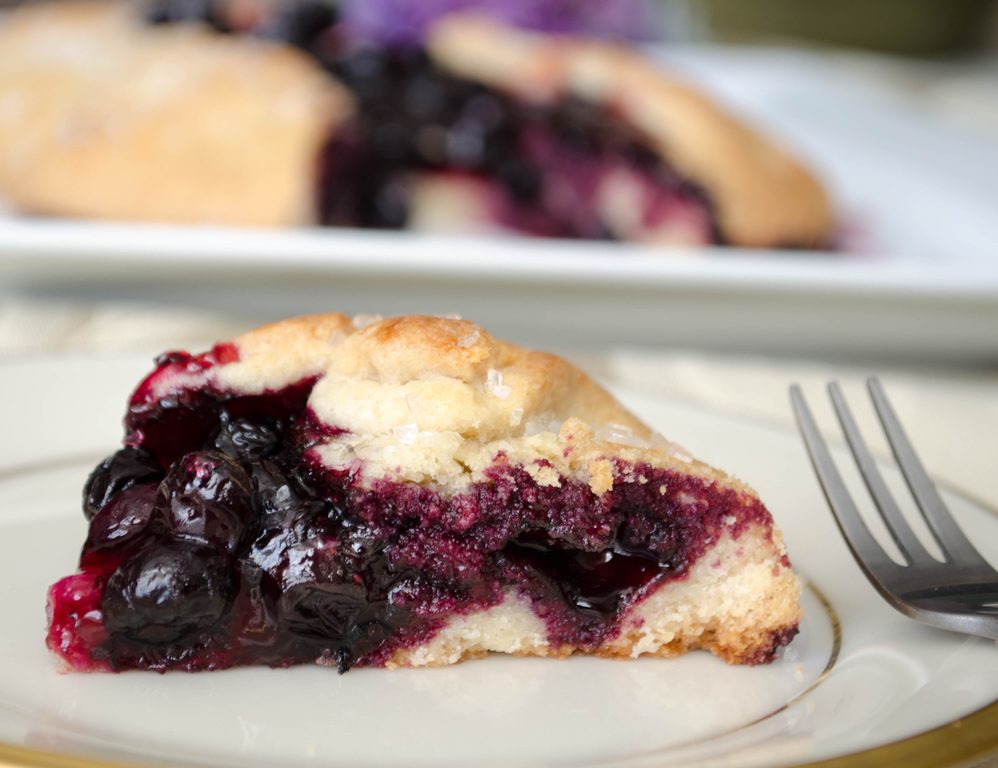
Blueberry Grunt
A Nova Scotian dessert (similar to a cobbler) where blueberries are stewed with dumplings steamed on top. The name “grunt” comes from the sound the dumplings make while cooking—likely a British-inspired adaptation using wild blueberries.
Dulse
A dried, salty seaweed snack harvested in the Bay of Fundy (especially Grand Manan, NB). Eaten for centuries by Indigenous Mi’kmaq and later Irish and Scottish settlers, it’s now a Maritime delicacy.

These dishes highlight the Maritimes’ reliance on local seafood, dairy, and produce, blending Indigenous knowledge and immigrant traditions into a unique coastal cuisine.
Central Canada: Ontario and Quebec
Poutine
The dish consists of crispy french fries topped with fresh cheese curds and smothered in rich gravy, creating a deliciously messy combination. While its exact birthplace is debated, many credit either Warwick or Drummondville, where diners first began serving the now-iconic trio of ingredients. Today, poutine is a national treasure, enjoyed in countless variations across Canada and beyond, but Quebec remains its true home.
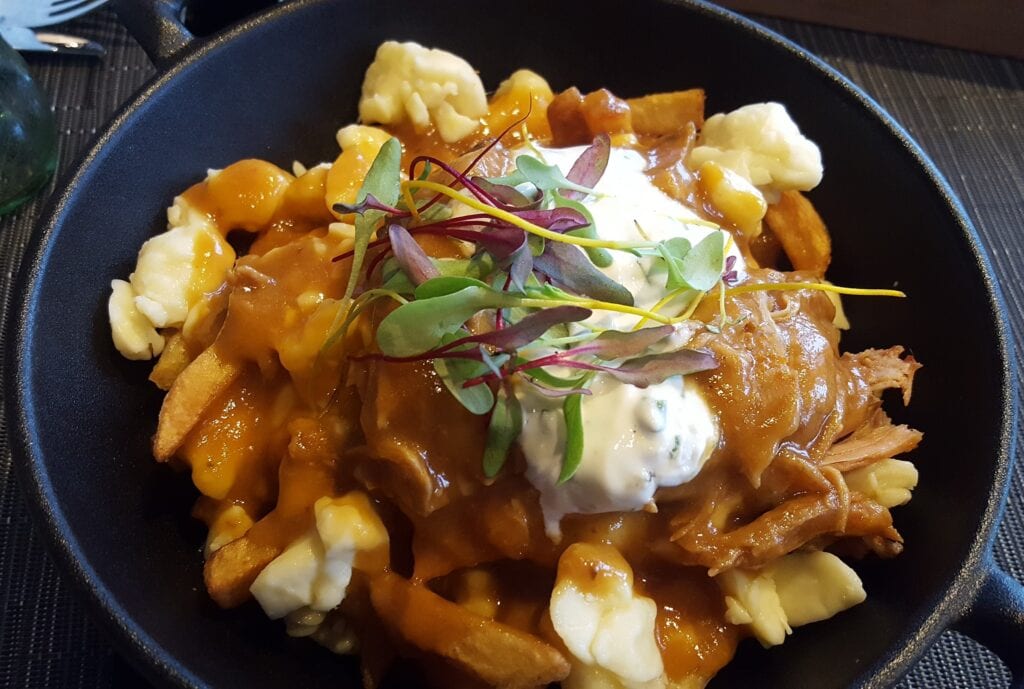
The creation of poutine was influenced by Quebec’s rural casse-croûtes (snack bars) and diners in the late 1950s, where simple, hearty comfort food was in demand. The dish likely evolved from the Quebec tradition of pairing fries with gravy (frites sauce), combined with the widespread love for fresh cheese curds—a staple of the province’s dairy farms.
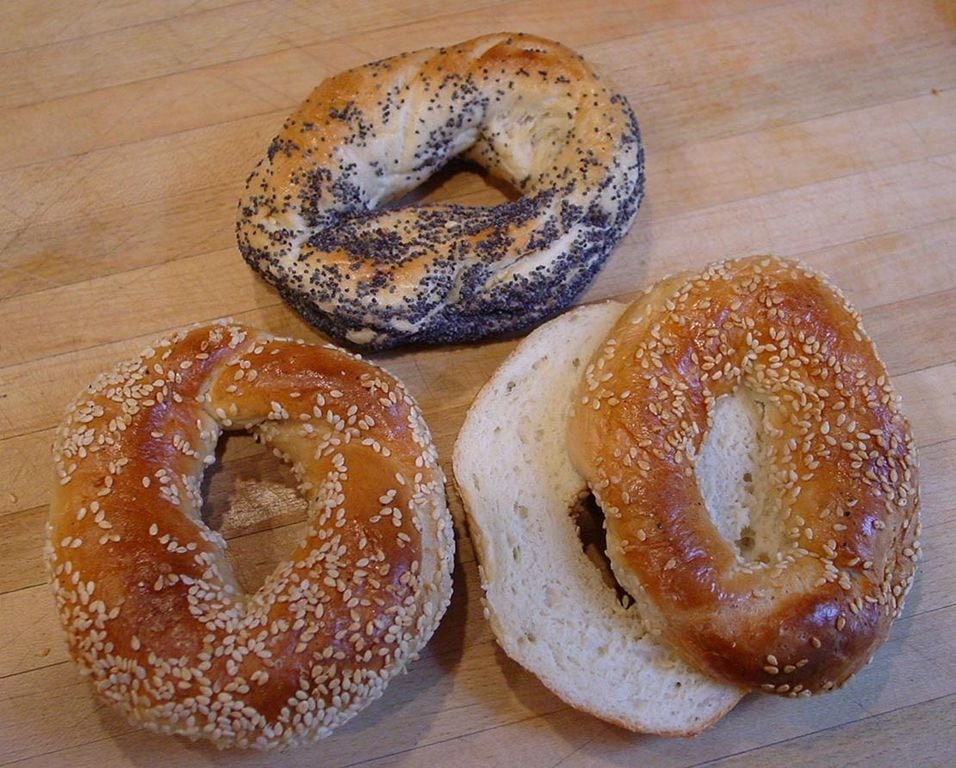
Montreal Smoked Meat & Bagels
Montreal bagels trace their roots to Jewish immigrants from Eastern Europe who settled in the city in the early 1900s, bringing traditional Ashkenazi baking methods. What sets them apart is their hand-rolled, honey-sweetened dough, wood-fired baking (which gives them a crisp, slightly smoky crust), and lean, chewy texture—distinct from New York-style bagels.
Pioneered by iconic bakeries like Fairmount Bagel (1919) and St-Viateur Bagel (1957) in Montreal’s Mile End, these bagels became a local staple, reflecting the city’s Jewish heritage and artisanal food culture. Today, they’re a beloved symbol of Montreal’s immigrant history and culinary identity.
Montreal Smoked Meat
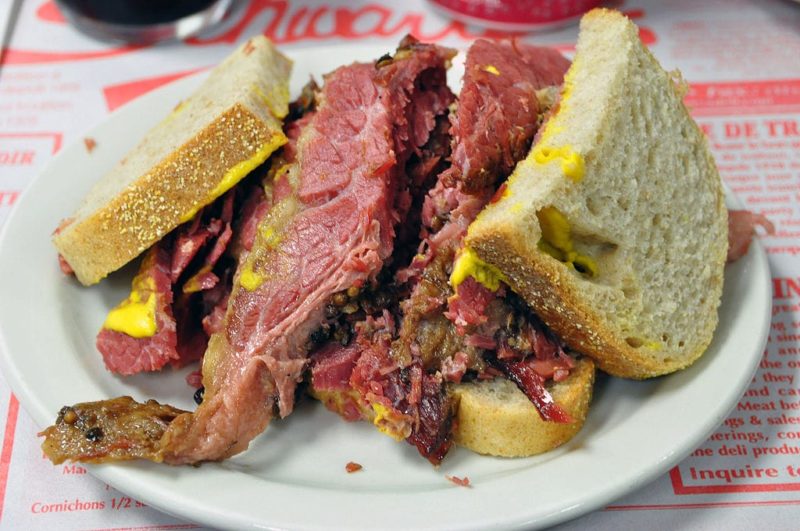
Montreal smoked meat was influenced by the Jewish diaspora, particularly Ashkenazi immigrants from Eastern Europe who settled in Montreal in the late 19th and early 20th centuries. A specialty of Montreal’s Jewish delis (most famously from Schwartz’s Deli). Montreal smoked meat is typically made from the leaner flat cut of brisket. Smoked over hardwood (like oak or maple) for a few hours and served thinly sliced on rye bread with yellow mustard (classic Montreal-style sandwich).
Butter Tarts
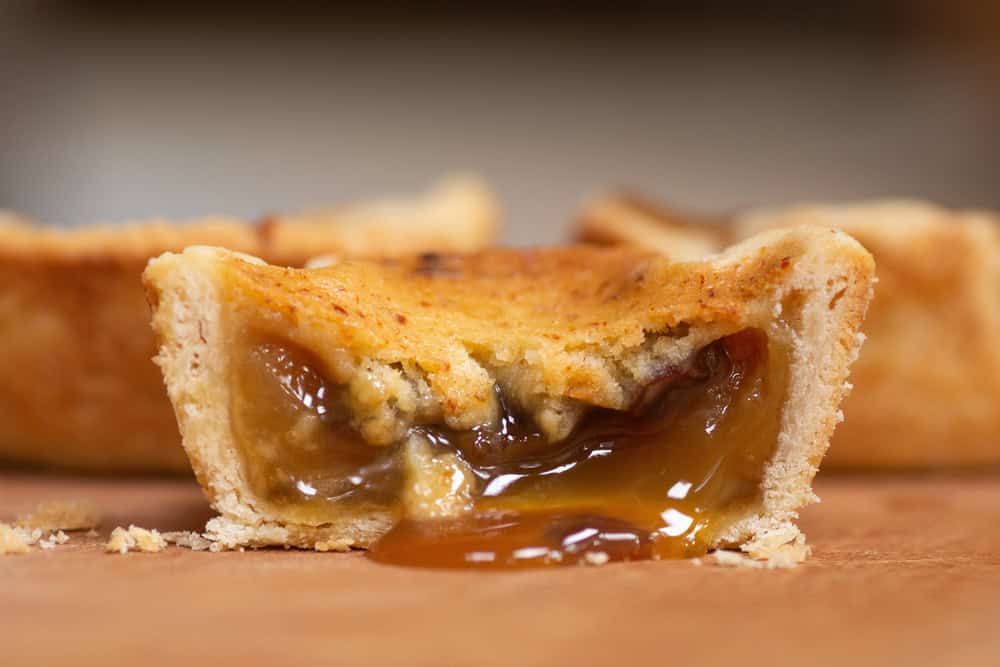
Butter tarts, a quintessential Canadian dessert, trace their origins to early 20th-century rural Ontario, with roots in Scottish and French-Canadian baking traditions. The sweet, gooey pastries—filled with a rich mixture of butter, sugar, syrup, and eggs—likely evolved from similar treats like Quebec’s tarte au sucre (sugar pie) or British treacle tarts.
Today, butter tarts are celebrated as a distinctly Canadian indulgence, with debates over raisins, nuts, or a runny center adding to their charm.
Prairie and Western Canadian Cuisine
The Prairie Provinces (Alberta, Saskatchewan, Manitoba) and Western Canada (British Columbia) have a food culture shaped by Indigenous traditions, European settlement, and rugged frontier life.
Perogies (Pierogi)
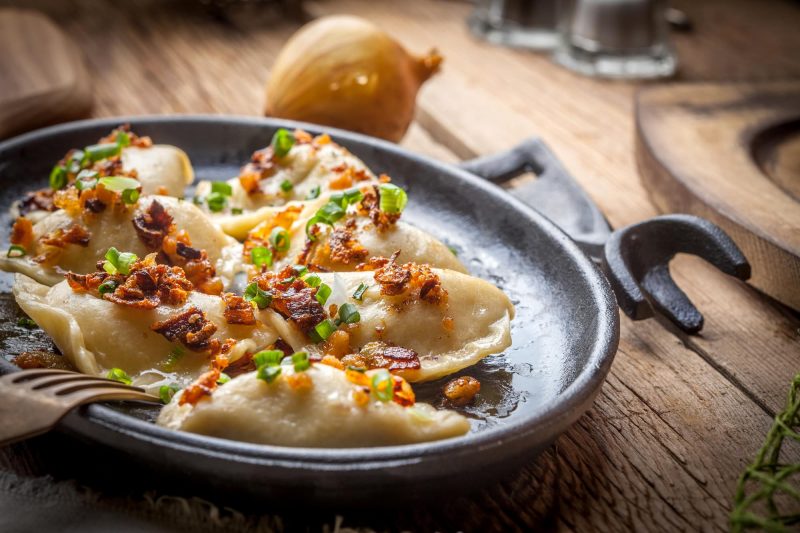
Brought by Ukrainian, Polish, and Eastern European immigrants in the late 19th and early 20th centuries. These dumplings are stuffed with potato, cheese, or sauerkraut, they became a staple in Prairie comfort food, often served fried with onions and sour cream.
Bison/Buffalo Meat
A traditional Indigenous food bison was a staple for Plains First Nations (Cree, Blackfoot, Métis). Today, it’s farmed sustainably and appears in burgers, stews, and jerky, symbolizing Prairie heritage.

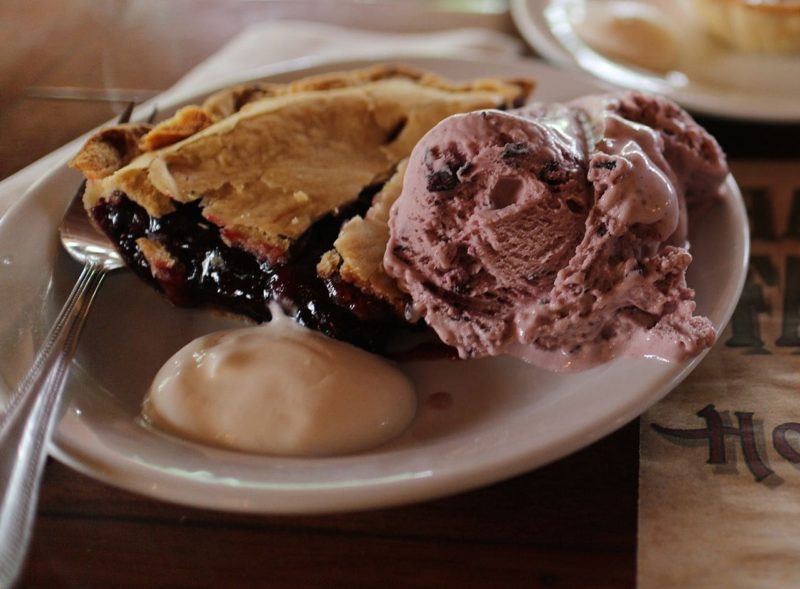
Saskatoon Berry Pie
Named after Saskatoon, Saskatchewan, these sweet, nutty berries (similar to blueberries) have been foraged by Indigenous peoples for centuries. Settlers adopted them into pies, crisps, and jams.
Beef & Grain-Based Dishes (Alberta Steak, Prairie Grain Breads)
Alberta’s ranching culture made it Canada’s beef capital, while Saskatchewan’s wheat fields led to hearty breads, dumplings, and kubasa (Ukrainian sausage)-based meals.
Honey Dill Sauce
A Manitoba-born condiment (likely from a 1980s Winnipeg restaurant), pairing sweet honey and tangy dill with chicken fingers—now a regional obsession.
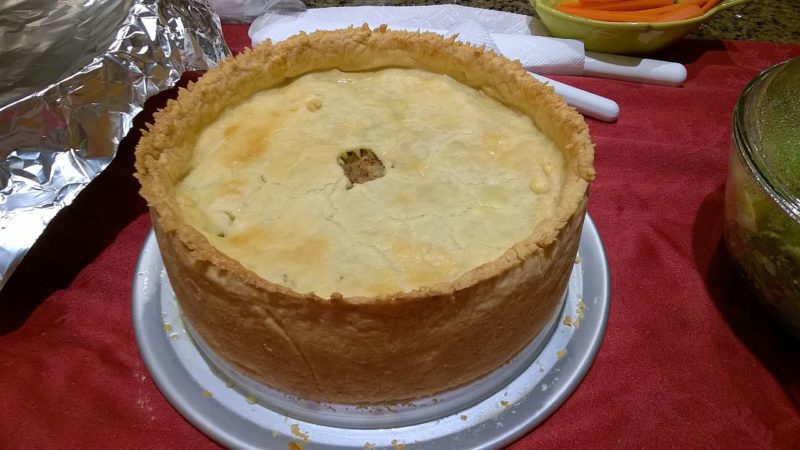
Tourtière (Quebec Influence, but Prairie Variations)
French-Canadian settlers brought this spiced meat pie, but Prairie versions often use bison, beef, or wild game instead of pork.
Western Canada (British Columbia)
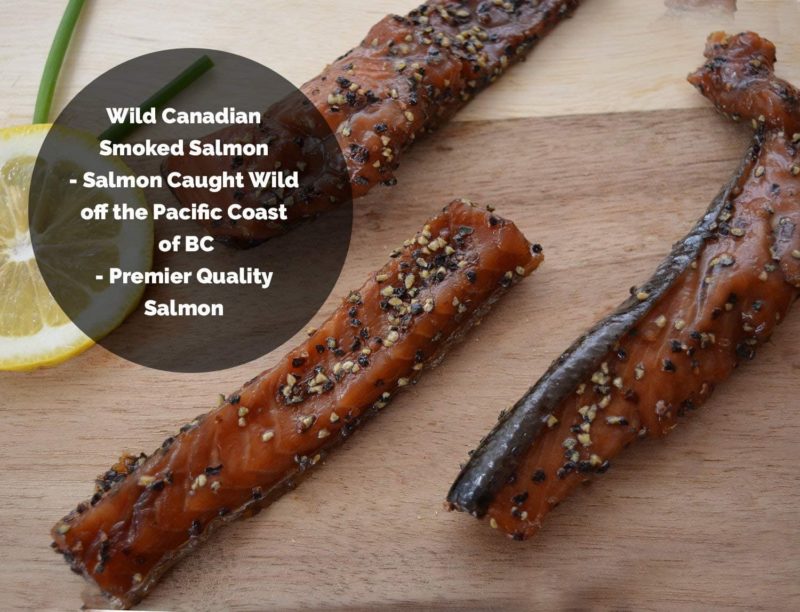
Pacific Salmon (Smoked, Candied, or Grilled)
A cornerstone of Indigenous coastal diets (Salish, Haida), salmon is now prepared in diverse ways—from cedar-plank BBQ to candied “Indian candy” (a sweet-smoked Indigenous delicacy).
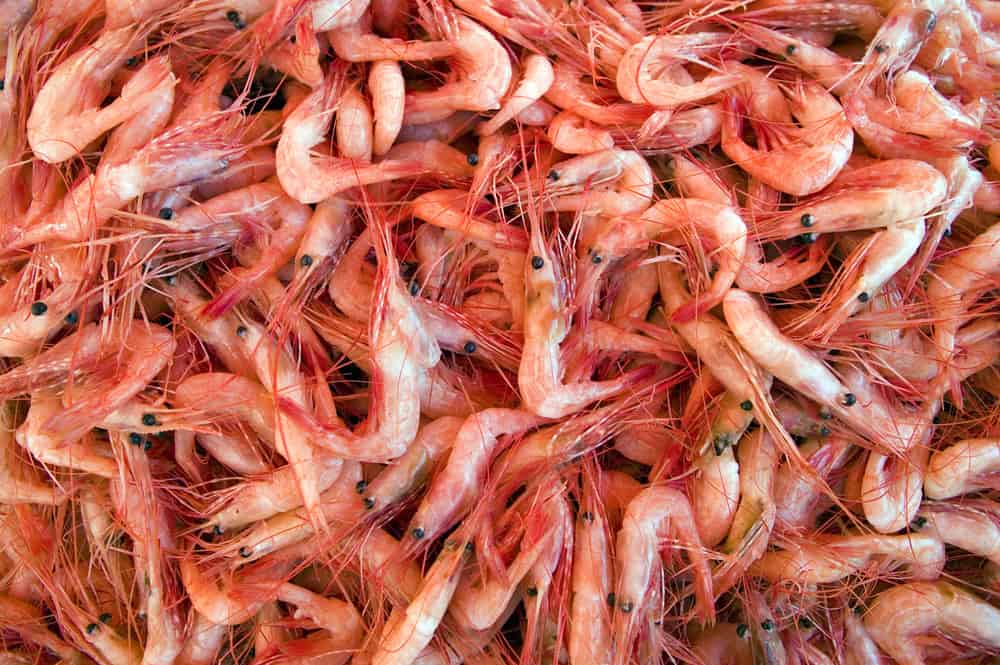
Spot Prawns
A BC coastal specialty, harvested sustainably and served grilled, in sushi, or in creamy pasta—celebrated with an annual Spot Prawn Festival in Vancouver.
Japadog (Japanese-Inspired Hot Dogs)
A Vancouver street-food fusion, created in 2005, topping hot dogs with teriyaki, wasabi mayo, and seaweed—reflecting the city’s Asian culinary influence.

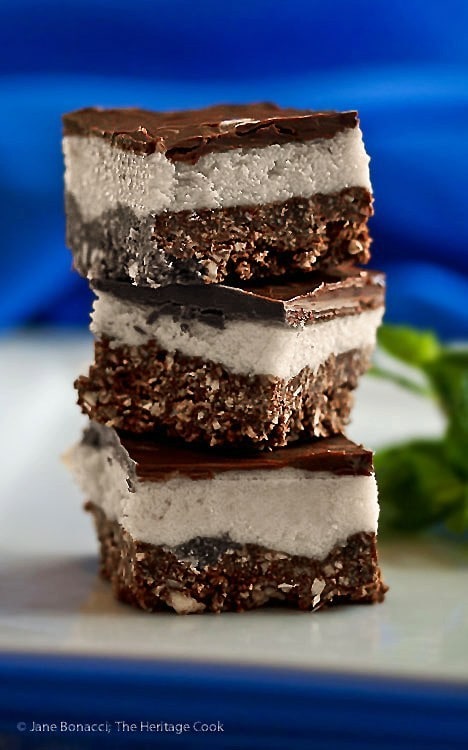
Nanaimo Bars
British Columbia’s layered dessert contribution and if you think butter tarts sound teeth-achingly sweet try the Nanaimo Bar. They must have three layers, a base of cracker crumbs and coconut. Sweet custard for the middle and a chocolate ganache-like topping.
National dishes of the USA
American food culture represents both unity and diversity – national dishes adapted to regional tastes while maintaining core identities. Food often marks cultural belonging and regional pride.
Now being a melting pot the USA doesn’t have a national dish but you could count things like “as American as apple pie” or perhaps all things Barbecue would constitute an American National Dish. But here are 3 that I think cover the USA and are loved by many.
Hamburgers
A basic 85 to 15% fat ground beef is mixed together and formed into a patty. The patty is then barbequed or grilled and served with a huge array of potential toppings.

Hot dogs
Originally these emigrated with the Germans who came to America but it was adopted by the Americans who perfected the perfect ‘dog’. The sausages are made from beef or chicken that is cured, smoked, cooked and then served in a long bun. The toppings again like hamburgers are numerous.

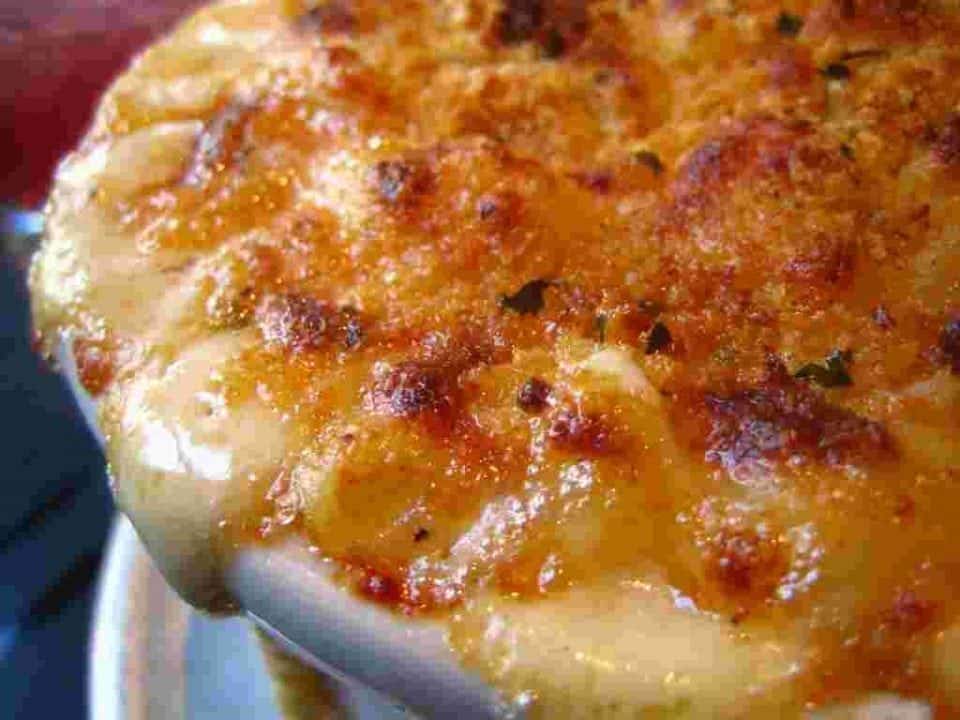
Mac n Cheese
North American favourite Kraft Mac ‘n’ Cheese is luminescent orange colour but loved by many in N. American. When cooked at home either a good white or orange cheddar is used with elbow macaroni. The top is grilled to a brown bubbly cheesy perfection.
Mesoamerican Heritage
Mexican cuisine represents over 7,000 years of continuous culinary evolution, from pre-Hispanic civilizations through Spanish colonization to modern innovations. The meeting of indigenous and European ingredients created one of the world’s first true fusion cuisines. UNESCO recognized Mexican cuisine as an Intangible Cultural Heritage in 2010.
Chiles en Nogada
National colors and pride: Chiles en nogada is the signature dish of Mexico with its colours of the Mexican flag this is a mild chile stuffed with meat and topped with a walnut sauce decorated with pomegranate seeds.

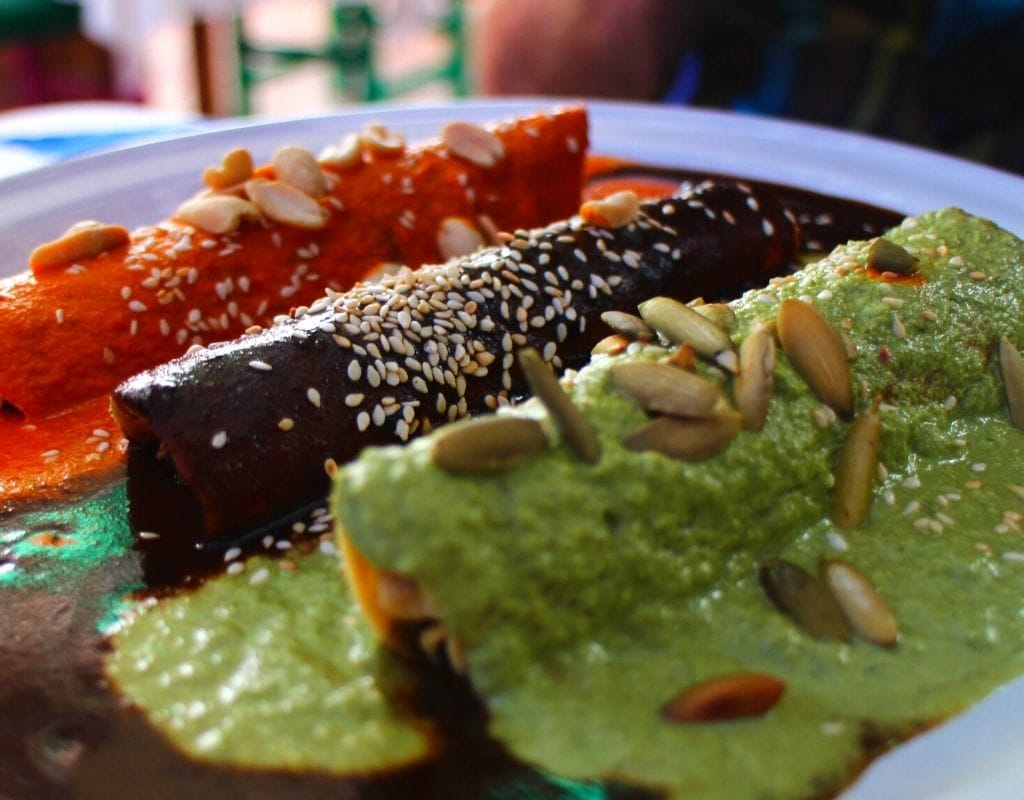
Mole Poblano
Pre-Hispanic origins combined with colonial influences: An ancient dish native to the state of Puebla, it has been called the national dish of Mexico. It is a sauce that is poured over enchiladas or various meats including turkey, chicken, beef or vegetables.
You’ll be surprised to learn that the national dish of Mexico isn’t one dish but many, as there are several different types of mole. Among the Mole Poblano, you will find up to 4 different kinds of chilli, cacahuate (nuts), chocolate, and ajonjolí (sesame seeds).
Tacos
Pre-Hispanic Tacos in Mexico (unlike in the USA) are usually a soft corn tortillas filled with ground beef or shredded pork or chicken and then topped with cheese, and salsa. The heat of the chillies the meat is cooked in is tempered by the addition of sour cream and guacamole.

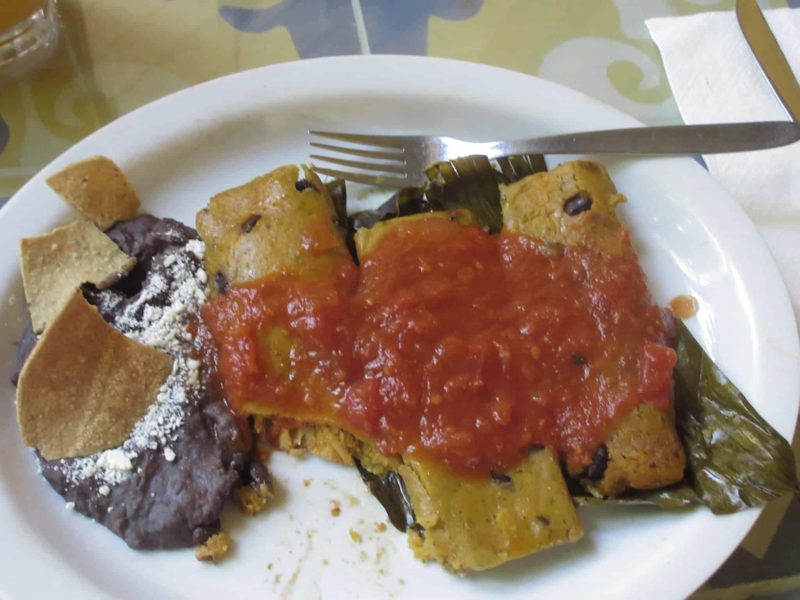
Tamales
Ancient Mesoamerican dish (circa 8000 BCE): From the Yucatan to Mexico City tamales are the mainstay of many Mexican celebrations. A cornmeal type of smooth filling is paired with a variety of meats and cheese or vegetables and rolled in a banana leave or corn husk then steamed for hours.
Preserving Culinary Heritage While Embracing Change
The national dishes of the Americas and Caribbean represent more than just food—they tell stories of survival, adaptation, and celebration. From Canadian poutine to Chiles en Nogada, each dish carries centuries of history while continuing to evolve.
As global influences and modern techniques reshape traditional recipes, the core cultural significance of these national dishes remains strong. They continue to bring families together, mark celebrations, and pass down heritage through generations. Understanding these dishes helps us appreciate not just the flavors of the Americas and Caribbean, but the rich tapestry of human experience they represent.
Whether enjoying street food in Mexico City, sampling seafood in Nova Scotia, or experiencing traditional barbecue in the USA, these national dishes invite us to explore the diverse culinary landscape of the Americas — one plate at a time.
If you love food and travel here are some of my best foodie articles to read:
Unusual Foods around the World
Where to eat the best food in Krakow
All the Best Aussie Dishes to try
Food in Northern Ireland and where to eat it
What is a Full Irish breakfast?
British food – from jellied eels to fish and chips
Scottish Food – Haggis to Clootie dumplings
Welsh Food – Caul to Welsh Cakes