
Lebanese Food Guide: 20+ Must-Try Dishes, Culture and What to Eat
What Is Lebanese Food? Lebanese food is a Mediterranean-style Levantine cuisine built around fresh vegetables, olive oil, grains, herbs, and grilled meats, typically served as shared dishes known as mezze. Popular dishes include hummus, tabbouleh, falafel, shawarma, and kibbeh Lebanon’s national dish and it’s widely considered one of the healthiest cuisines in the world.
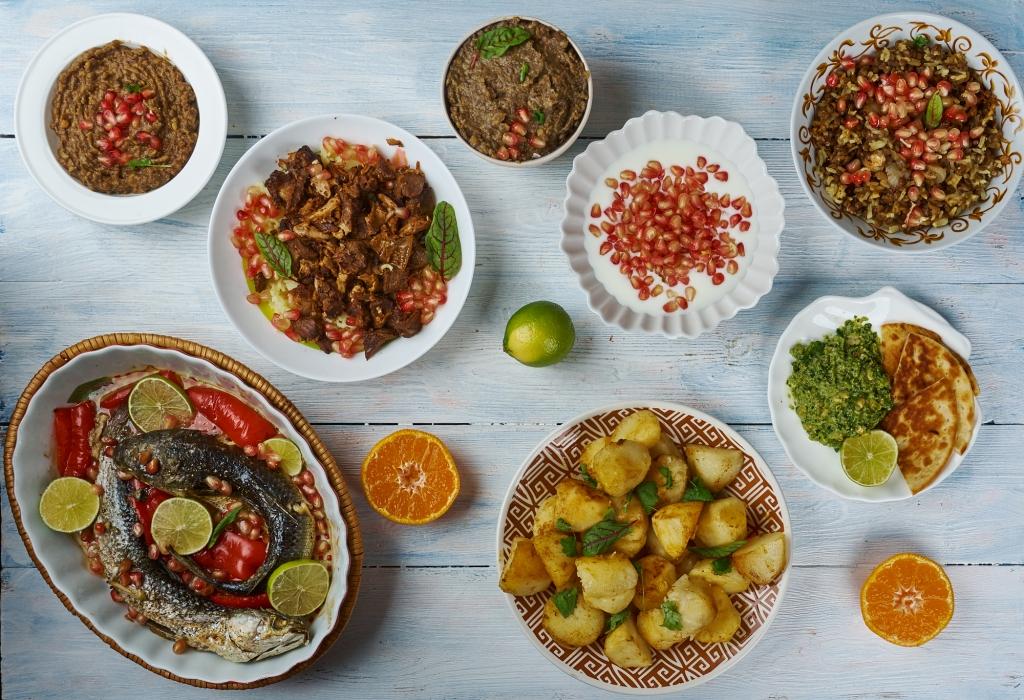
Explore Lebanese food with 20+ must-try dishes, mezze, street food, and local favourites. Learn what to eat in Lebanon in this complete guide.
Lebanese food is often described as one of the best cuisines in the world, but that description doesn’t really prepare you for what it actually feels like to experience it properly. Before going to Lebanon, I thought I already understood the cuisine. I’d eaten hummus, tried shawarma, ordered falafel wraps countless times. It all felt familiar.
But the first real meal I had there made it clear that what most of us know as “Lebanese food” is only a small part of the full picture. The table didn’t arrive as a single plate. It unfolded. First came bread warm, soft, still slightly puffed from the oven. Then a bowl of hummus appeared, smoother than anything I had tasted before. Then came something fresh, then something warm, then something sharp and lemony. Before I had time to process it, the table was full.

And what struck me immediately was that none of it was mine. Everything was shared. That one detail completely changes how you experience Lebanese cuisine. It’s not built around individual portions or structured courses. It’s built around the idea that food is something you experience together. You don’t order “your dish.” You participate in the table. That is the foundation of traditional Lebanese food, and it’s something that doesn’t fully translate outside of the country.
Lebanese cuisine’s layered history is exactly the kind of story the Global Food Guide is built around food as a record of culture and place.

- Lebanese Food Guide: 20+ Must-Try Dishes, Culture and What to Eat
- What is Lebanese Food?
- A Cuisine Built on Freshness and Simplicity
- The Role of Mezze in Lebanese Cuisine
- Why Lebanese Food Feels Different from Other Cuisines
- The Influence of History on Lebanese Food
- Why Lebanese Food is Considered One of the Healthiest Diets
- A First Impression That Stays With You
- Why Understanding Lebanese Food Starts Here
- What Food is Lebanon Famous For?
- Other Essential Lebanese Dishes
- Where Does Lebanese Food Come From?
- What Are the Main Ingredients in Lebanese Food?
- What Spices Are Used in Lebanese Cooking?
- Lebanese Breakfast: A Daily Ritual Rooted in Freshness and Simplicity
- The “Day3a”: Why Lebanese Food Starts in the Village
- From Breakfast to Mezze: The Transition to Lunch and Dinner
- The Balance of a Lebanese Meal
- Lebanese Street Food: Where Lebanese Cuisine Feels Most Alive
- Traditional Lebanese Desserts: Sweetness with Balance
- What Do People Drink in Lebanon?
- Why Lebanese Food Continues to Grow in Popularity
- What is the Best Food in Lebanon?
- Frequently Asked Questions About Lebanese Food

What is Lebanese Food?
Lebanese food is a Mediterranean-style Levantine cuisine built around fresh vegetables, olive oil, grains, herbs, and grilled meats, typically served as shared dishes known as mezze. It includes popular Lebanese dishes such as hummus, tabbouleh, falafel, shawarma, and kibbeh, and is widely considered one of the healthiest cuisines in the world.
Lebanese cuisine isn’t just defined by ingredients. It’s defined by how those ingredients are used, how meals are structured, and how food fits into everyday life. It sits within the broader category of Levantine cuisine, which includes neighbouring regions, but it has developed its own identity that feels lighter, fresher, and more herb-driven than many other types of Middle Eastern cuisine.
There’s a noticeable emphasis on balance. You rarely encounter a dish that feels overwhelming. Even when something is rich, it’s usually paired with something fresh or acidic to bring it back into balance.

A Cuisine Built on Freshness and Simplicity
One of the first things you notice when eating authentic Lebanese food is how fresh everything tastes. That might sound obvious, but it goes deeper than just “good ingredients.”
Tomatoes taste like they were picked that morning. Cucumbers are crisp and clean. Mint isn’t just a garnish it’s sharp, almost peppery, and strong enough to stand on its own. Olive oil isn’t neutral; it has depth, sometimes even a slight bitterness that makes it feel alive.

This comes from the way Lebanese cuisine is built. It doesn’t try to hide ingredients behind heavy sauces or complex techniques. Instead, it highlights them.
You’ll see this in dishes like tabbouleh, where parsley is not just an addition but the main component. Or in labneh, where something as simple as strained yogurt becomes a central part of the meal.


The Role of Mezze in Lebanese Cuisine
To really understand Lebanese food, you have to understand mezze. Mezze is often translated as “small plates,” but that doesn’t fully capture what it is. It’s not just a style of serving food it’s a completely different way of eating.
Instead of ordering one main dish per person, you order multiple dishes that are shared across the table. These can include dips, salads, pastries, and grilled items, all served together or in waves.
At first, it can feel like too much food. The table fills quickly, and there’s no clear starting point. But that’s the point. You’re not meant to eat in a straight line from starter to main to dessert. You move between dishes, combining flavours, building bites, and returning to things multiple times.
You might start with hummus, then switch to something fresh like fattoush, then something warm, then back again. There’s no strict order, and that freedom changes the way the meal feels. It becomes less about finishing and more about experiencing.

Why Lebanese Food Feels Different from Other Cuisines
There’s something about Lebanese cuisine that feels different from the moment you start eating it. Part of that comes from the ingredients, and part of it comes from the structure of the meal. But a large part of it is cultural.
Meals are not rushed. People sit for longer, talk more, and return to dishes repeatedly. There’s no pressure to finish quickly or move on.
I remember one meal that stretched far longer than I expected. Plates were refilled, bread kept coming, and even when it felt like everything was finished, something else would appear on the table. At one point, I said I was full. The response was immediate: “You haven’t eaten yet.”


The Influence of History on Lebanese Food
Lebanese cuisine has been shaped over thousands of years, and you can taste that history in the food.
Lebanon sits in the Levant, one of the oldest continuously inhabited regions in the world. Over time, it has been influenced by multiple civilizations, including the Phoenicians, Egyptians, Persians, Romans, Ottomans, and the French. Each of these left something behind.
The use of olive oil, grains, and wine reflects ancient Mediterranean traditions. Grilled meats and spice combinations show Ottoman influence. Some desserts and baking techniques hint at French refinement.

Why Lebanese Food is Considered One of the Healthiest Diets
Lebanese food is often ranked among the healthiest cuisines in the world, and once you look closely at how it’s structured, it makes sense.
The Lebanese diet is built around vegetables, legumes, olive oil, whole grains, and lean proteins. Many dishes are naturally vegetarian or vegan, not because of modern trends, but because historically, meat was used sparingly. Meals are balanced without trying to be.
You might have something rich like hummus, but it’s eaten alongside fresh vegetables, herbs, and bread. You might have grilled meat, but it’s surrounded by salads and dips that lighten the overall meal.

A First Impression That Stays With You
What stays with you after experiencing Lebanese food isn’t just the taste. It’s the feeling of the meal.
It’s the way the table fills gradually, the way dishes are passed back and forth, the way no one is in a hurry to leave. It’s the sense that food is not just something you consume, but something you share. Even now, thinking back on those meals, it’s not one specific dish that stands out. It’s the combination of everything.
Why Understanding Lebanese Food Starts Here
If you’re trying to understand what Lebanese food really is, this is where it starts. Not with a recipe. Not with a single dish. But with the idea that food is shared, meals are unhurried, and everything is built around balance. Once you understand that, everything else from mezze to street food starts to make sense.
What Food is Lebanon Famous For?
If you ask what food Lebanon is famous for, the most accurate answer isn’t a single dish it’s a way of eating.
Lebanon is known for its mezze culture, where meals are built from a variety of dishes that are shared across the table. But within that structure, there are certain traditional Lebanese dishes that appear again and again, both in Lebanon and around the world.
Before going, I thought I already knew these dishes. Hummus, falafel, shawarma they felt familiar. But eating them in Lebanon was something else entirely.
Hummus wasn’t overloaded with garlic or tahini. Shawarma wasn’t heavy or greasy. Falafel wasn’t dry. Everything felt calibrated, like each ingredient had been adjusted until it sat perfectly within the dish.
That’s when it becomes clear why Lebanese cuisine is so widely respected. It doesn’t rely on intensity it relies on precision.

Hummus: The Most Recognised Lebanese Dish
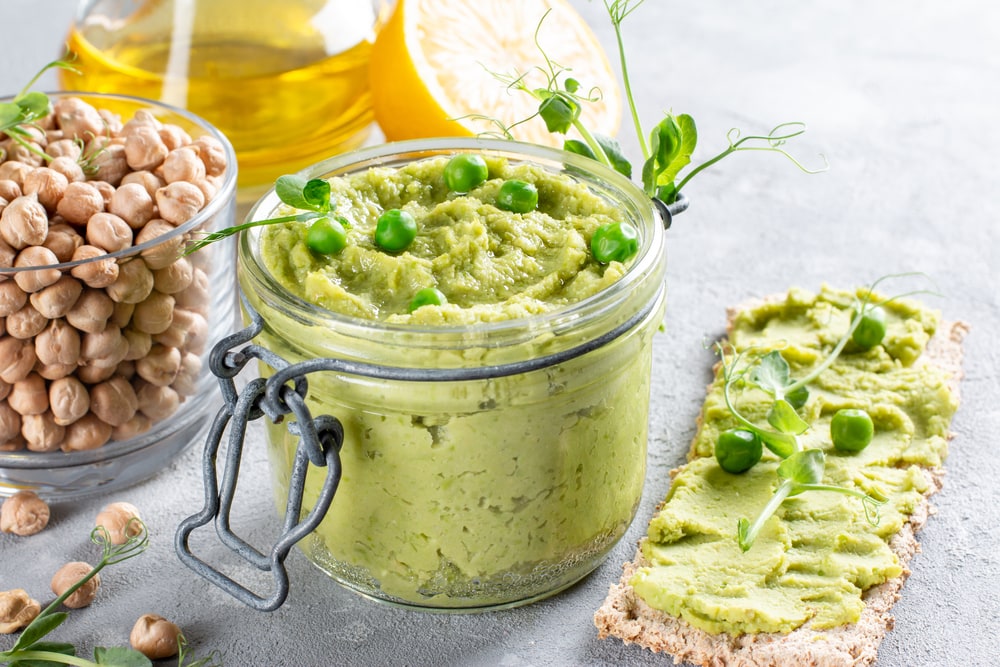
Hummus is probably the most famous Lebanese dish globally, but in Lebanon, it feels completely different from what most people are used to. The texture is the first thing you notice. It’s smoother, almost silky, without the graininess that often appears in versions abroad. The flavour is balanced no single ingredient dominates.
It’s made from chickpeas, tahini, lemon juice, and garlic, but the proportions matter. Too much tahini and it becomes heavy. Too much garlic and it overwhelms everything else. It’s often served with olive oil and pine nuts, and always eaten with fresh bread. But more importantly, it’s never treated as just a side dish.
I remember watching people return to it repeatedly throughout the meal, dipping, scooping, combining it with other dishes. It becomes part of everything else on the table.


Tabbouleh: A Dish That Redefines Freshness
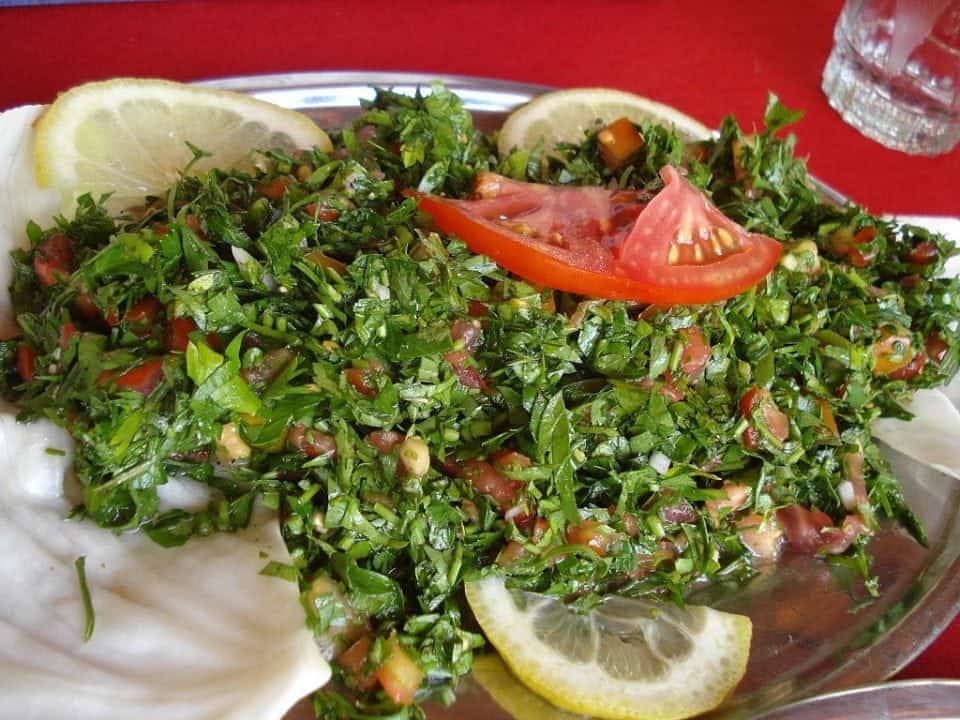
Tabbouleh is one of the most misunderstood dishes outside Lebanon. Many versions focus heavily on bulgur, treating it as a grain salad. But in traditional Lebanese cuisine, bulgur is secondary. Parsley is the main ingredient.
Finely chopped, packed in generously, and mixed with tomatoes, onion, lemon juice, and olive oil, tabbouleh is closer to a herb salad than anything else. The first time I tried it in Lebanon, the flavour was sharper than I expected. The lemon was more pronounced, the herbs more intense.
Shawarma: Lebanese Street Food at Its Best
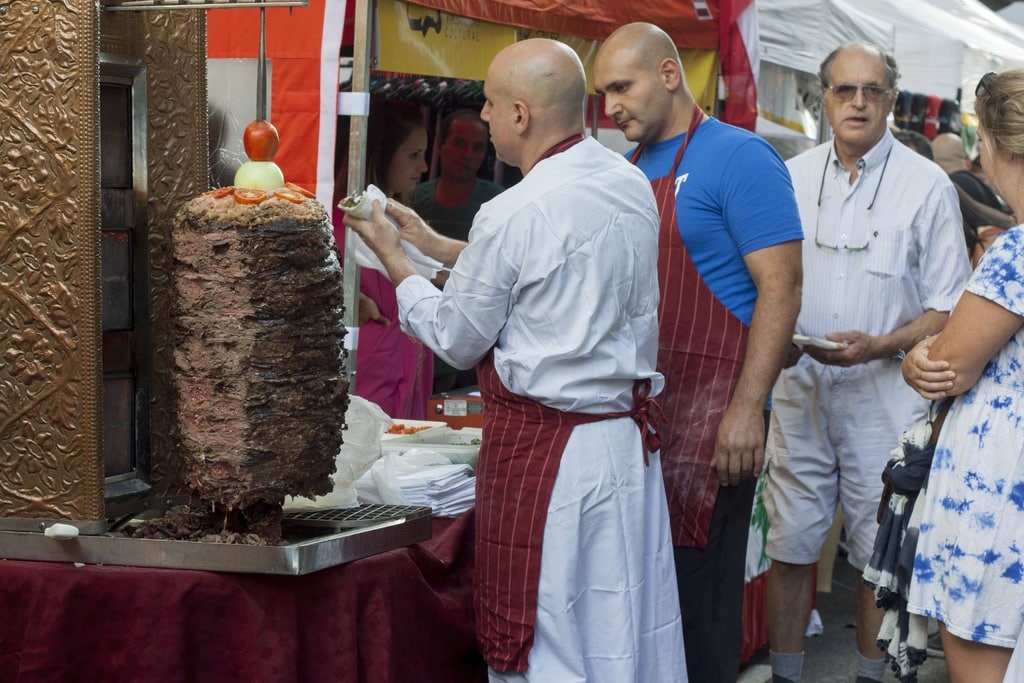
Shawarma is one of the most globally recognised examples of Lebanese street food, but the version you find in Lebanon is noticeably more balanced. The meat whether chicken, lamb, or beef is marinated and stacked on a vertical spit, then cooked slowly as it rotates. Thin slices are shaved off and wrapped in flatbread.
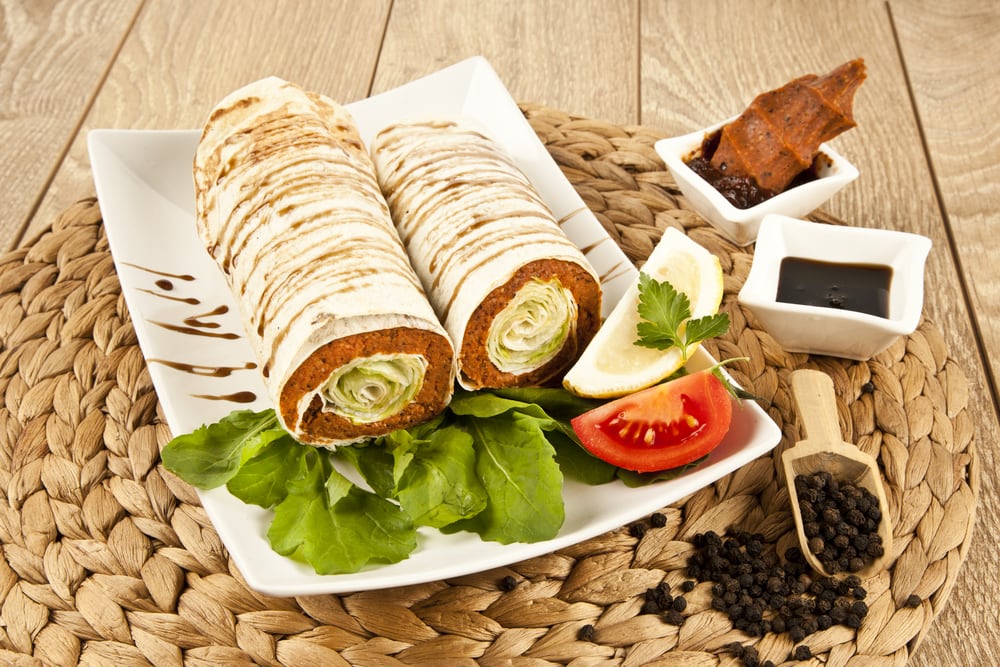
The wrap isn’t overloaded. The garlic sauce is strong but controlled. The pickles add sharpness, but don’t dominate. The meat is rich, but not heavy. I remember grabbing a shawarma late at night, expecting something greasy and filling. Instead, it felt clean, almost light, despite being packed with flavour.
Falafel: The Benchmark for Vegetarian Lebanese Food
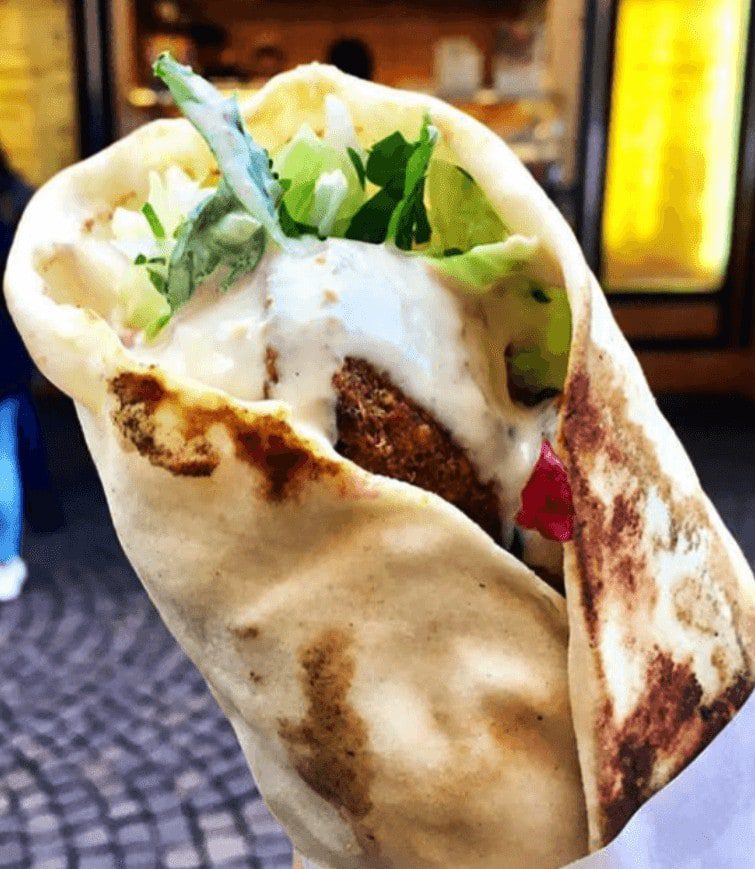
Falafel is one of the best examples of how Lebanese cuisine handles plant-based food. Made from chickpeas, herbs, garlic, and spices, it’s shaped into small balls or patties and fried until crisp. But what makes Lebanese falafel stand out is the texture.
The outside is golden and crunchy, while the inside remains soft and packed with herbs. It’s not dense or dry it’s light and flavourful. It’s usually served in pita bread with vegetables and tahini sauce, creating a combination that feels complete on its own. And unlike many vegetarian dishes elsewhere, it never feels like a substitute.
Kibbeh: The National Dish of Lebanon
Kibbeh is widely considered the national dish of Lebanon, and it represents the depth of traditional Lebanese cuisine. It’s made from minced meat, bulgur wheat, onions, and spices, and can be prepared in several different ways.
Fried kibbeh is the most common, with a crisp outer shell and a soft, spiced filling. Baked versions are more delicate, often served in large trays and cut into portions.

Then there’s kibbeh nayye, the raw version, which surprises many visitors. Made from finely minced raw meat mixed with bulgur and spices, it’s served with olive oil and herbs. It’s not something everyone is comfortable trying, but it reflects a long-standing tradition and a confidence in ingredient quality. Kibbi can be found all over the world and in particular within Mexican Food.

Other Essential Lebanese Dishes
Beyond the most famous dishes, there are many others that define Lebanese cuisine.
Baba ghanoush is a smoky eggplant dip that adds depth to the mezze table. Fattoush is a salad that combines vegetables with toasted bread and a tangy dressing.

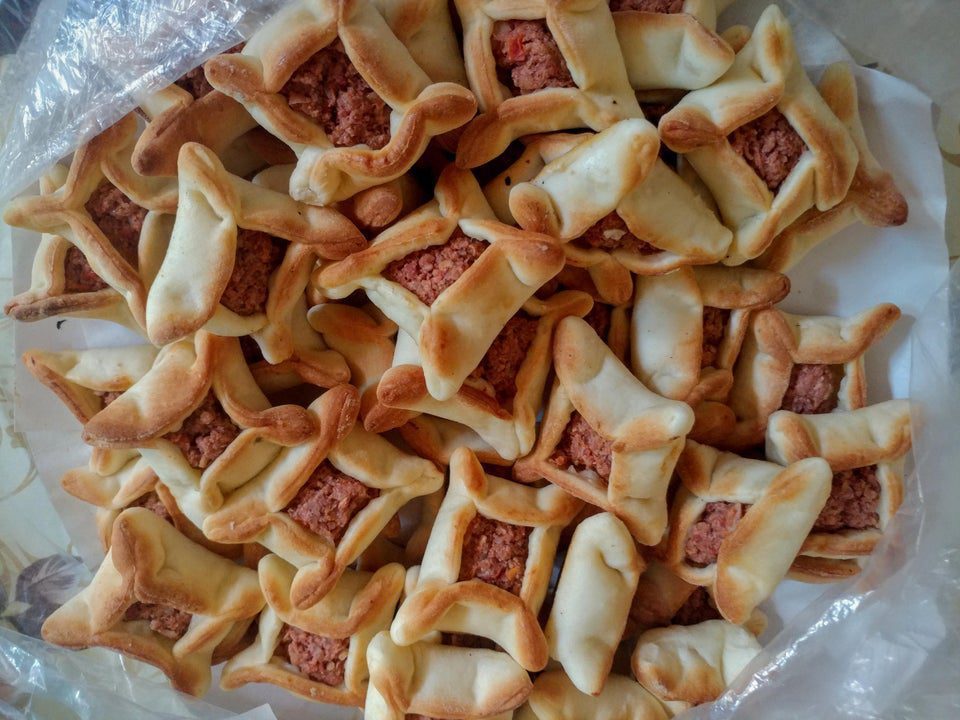
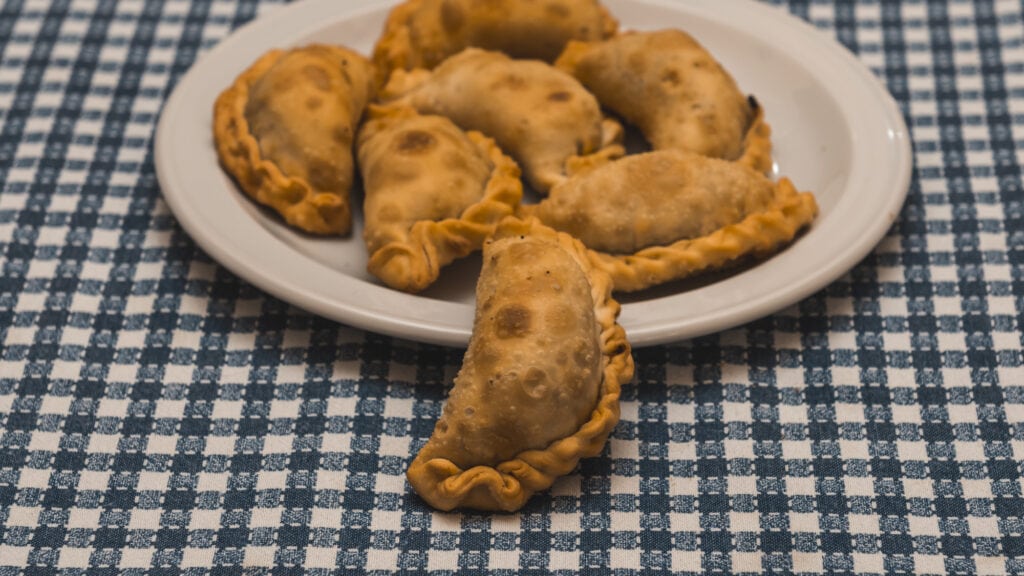
Sambousek, small pastries filled with meat or cheese, add texture and richness. Batata harra, spiced potatoes, bring warmth and a slightly crisp bite. These little handpies can be found around the world in a multitude of versions from Cornish Pasties to Latin American epanadas.
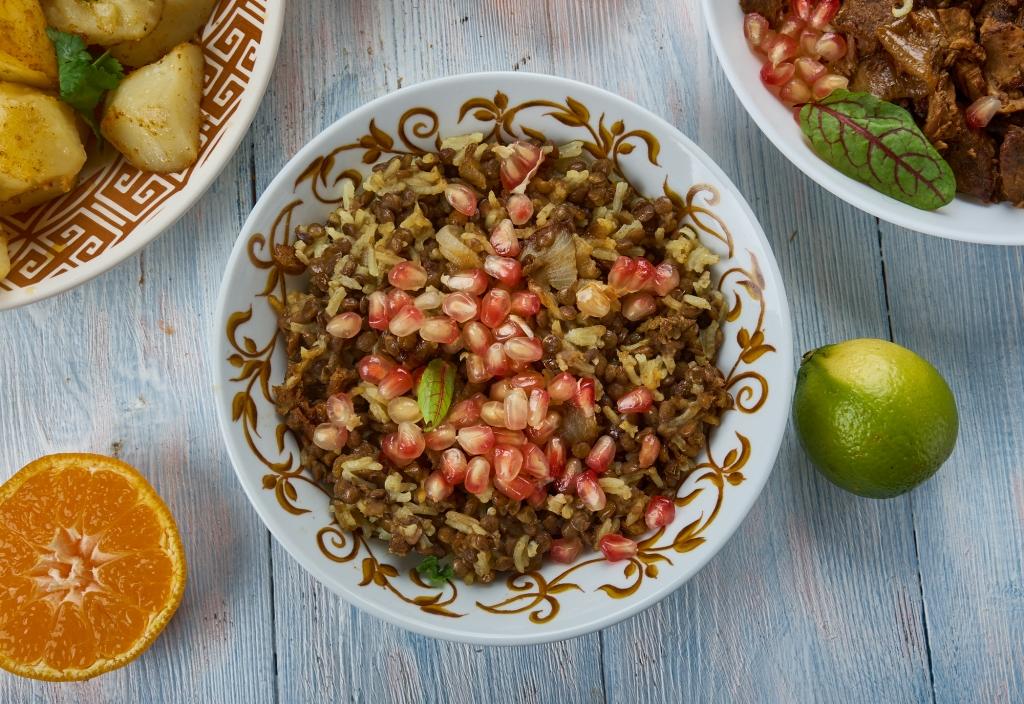
Mujaddara, made from lentils and rice, is one of the simplest yet most comforting dishes in Lebanese food.
Where Does Lebanese Food Come From?
Lebanese food comes from the Levant, a region that includes modern-day Lebanon, Syria, Jordan, and Palestine. This area has been a centre of agriculture and trade for thousands of years, which explains the diversity and depth of the cuisine.
Many traditional Lebanese dishes have roots that go back centuries, shaped by both geography and history. When you eat Lebanese food, you’re not just eating a national cuisine you’re experiencing a continuation of one of the oldest culinary traditions in the world.

Is Lebanese Food Middle Eastern?
Yes, Lebanese food is part of Middle Eastern cuisine, but it belongs specifically to the Levantine branch. This distinction matters because Lebanese cuisine is generally lighter and more herb-focused than many other Middle Eastern cuisines. It relies less on heavy spices and more on fresh ingredients, citrus, and balance.
Is Lebanese Food the Same as Turkish or Greek?
Lebanese cuisine shares similarities with Turkish and Greek food due to overlapping histories, but the differences become clear once you taste them side by side.
Lebanese food uses more lemon, herbs, and ingredients like sumac and pomegranate molasses, giving it a brighter flavour profile.
Turkish cuisine often leans toward richer, more spice-driven dishes, while Greek food tends to be simpler, focusing on olive oil and grilled ingredients.

What Are the Main Ingredients in Lebanese Food?
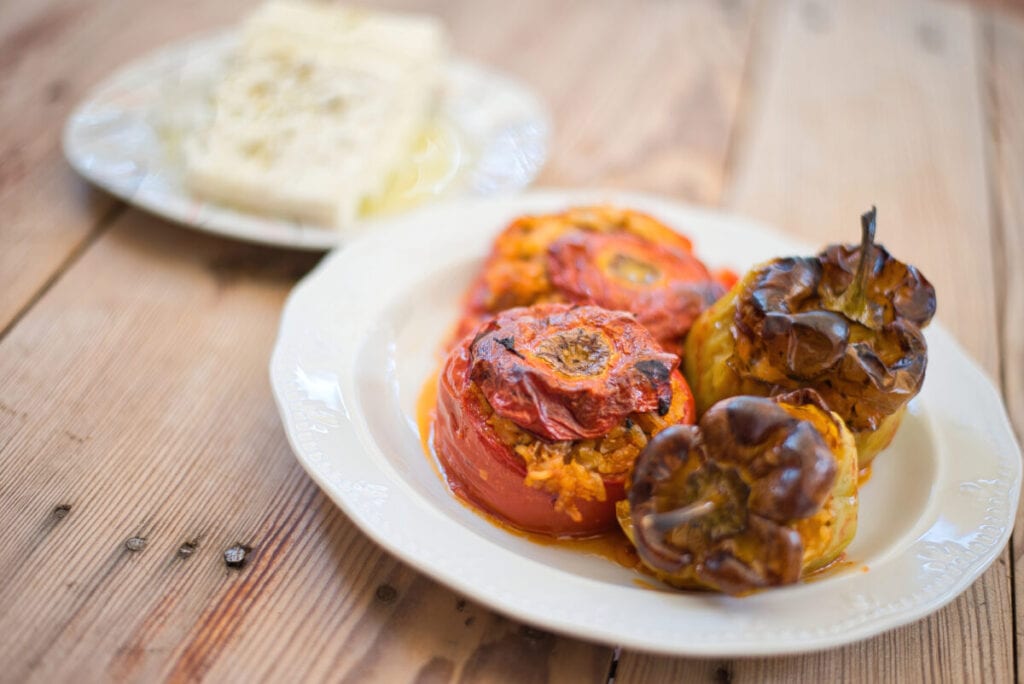
Lebanese cuisine is built on a foundation of fresh, simple ingredients. Common ingredients include chicken, lamb, fish, chickpeas, lentils, yogurt, cheese, eggplant, tomatoes, cucumbers, and nuts. Supporting ingredients like olive oil, garlic, lemon juice, parsley, mint, and burghul define the flavour of many dishes.
What Spices Are Used in Lebanese Cooking?
Lebanese food is not about heat it’s about aroma. Common spices include za’atar, sumac, cinnamon, allspice, and Lebanese seven-spice blends. These ingredients create layers of flavour without overwhelming the dish.

Lebanese Breakfast: A Daily Ritual Rooted in Freshness and Simplicity
Lebanese breakfast is one of the clearest reflections of traditional Lebanese cuisine, but it’s also one of the most misunderstood parts of it. Many people assume breakfast is something quick or light, something you eat and move on from. In Lebanon, it feels completely different.
It’s not rushed. It’s not eaten in isolation. And it’s not treated as an afterthought. Instead, it feels like a continuation of everything that defines Lebanese food fresh ingredients, shared dishes, and a pace that allows you to actually enjoy what you’re eating.
The first time I experienced a proper Lebanese breakfast, it wasn’t in a restaurant. It was in a home, where everything on the table seemed to have come directly from somewhere meaningful. The tomatoes were soft and sweet in a way that felt almost unfamiliar. The cucumbers were crisp, but not watery. The mint had a sharpness that cut through everything else.

The “Day3a”: Why Lebanese Food Starts in the Village
To understand Lebanese breakfast properly, you need to understand the idea of the “day3a.”
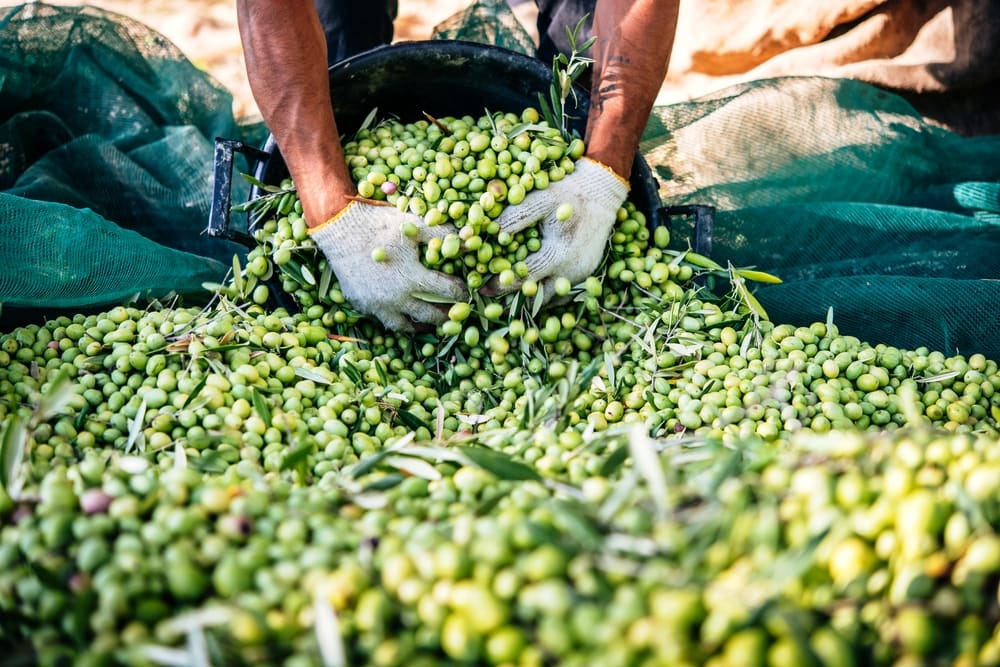
The day3a is the village that many Lebanese families come from, even if they now live in cities like Beirut. It’s where ingredients are grown, where olive oil is produced, and where traditional recipes are preserved.
Ingredients used in Lebanese breakfasts are often sourced from these rural areas, which is why they taste different. Vegetables are fresher. Herbs are stronger. Olive oil has more depth.
What a Traditional Lebanese Breakfast Looks Like
A traditional Lebanese breakfast isn’t built around one dish. Instead, it’s a collection of small components that come together to form a complete meal.
Labneh usually sits at the centre. Thick, creamy, and slightly tangy, it’s often drizzled with olive oil and eaten as a dip or spread. It’s simple, but it anchors the entire table.
Around it, you’ll find fresh vegetables tomatoes, cucumbers, olives along with cheeses like akkawi or halloumi. Za’atar, a mix of herbs and sesame seeds, is combined with olive oil and used for dipping bread.
Fresh mint leaves are placed on the table whole, not chopped, and eaten alongside everything else. And then there’s the bread. Bread is essential. It replaces utensils entirely. You tear off pieces, scoop labneh, wrap cheese, dip into olive oil and za’atar, and build each bite yourself.

Manakish: The Most Popular Lebanese Breakfast Dish
If there’s one dish that defines Lebanese breakfast, it’s manakish. You don’t need to search for it you’ll smell it. In the early morning, bakeries begin preparing flatbreads topped with za’atar, cheese, or minced meat. The smell of baking dough and herbs fills the street, and people gather to pick up their breakfast fresh from the oven.
Manakish is simple, but incredibly satisfying. The edges are slightly crisp, the centre soft, and the toppings soak into the dough just enough to bring everything together. It’s one of the most popular Lebanese dishes not because it’s complex, but because it fits perfectly into daily life.
I remember standing outside a small bakery, watching people come and go, each leaving with a freshly wrapped manakish. No one lingered long, but no one rushed either.

Saj and Arishe: The Lighter Side of Lebanese Breakfast
When the dough is rolled thinner and cooked on a dome-shaped surface, it becomes saj bread. This version is lighter, slightly crisp, and often used to wrap simple fillings like cheese or za’atar.
One variation that stands out is arishe, where the thin bread is layered with soft cheese and drizzled with honey. It’s simple, slightly sweet, and feels almost like a bridge between breakfast and dessert.

Hearty Breakfast Dishes: Foul, Balila, and Eggs
While many Lebanese breakfasts are light and fresh, there are also dishes that provide more substance.
Foul mdammas is one of the most traditional. Made from fava beans cooked slowly with olive oil, garlic, lemon juice, and cumin, it’s warm, filling, and deeply rooted in Levantine cuisine.

Balila is similar, but uses chickpeas instead of fava beans. The flavour profile is familiar, but the texture is slightly different.
Eggs are also common, usually fried in olive oil until the edges become slightly crisp. They’re often served simply, but sometimes paired with kawarma, preserved lamb cooked in its own fat.

Sweet Breakfasts: Where Lebanese Food Breaks Expectations
One of the more surprising aspects of Lebanese breakfast is how naturally sweet dishes fit into it.
Knafeh is the most well-known example. A pastry made with cheese and soaked in syrup, it’s often eaten in the morning rather than saved for dessert.
At first, it feels unusual. But once you try it, it makes sense. The sweetness is balanced by the cheese, and the texture soft, slightly crisp, and syrupy makes it satisfying rather than overwhelming. It’s often served inside bread, creating a combination that feels both familiar and completely unique.

From Breakfast to Mezze: The Transition to Lunch and Dinner
As the day moves on, the structure of Lebanese food shifts, but the core principles remain the same. Breakfast introduces you to freshness and simplicity. Lunch and dinner expand that into variety and depth. This is where mezze becomes central.
Lebanese Mezze: The Core of Traditional Lebanese Cuisine
Mezze is not just a part of Lebanese cuisine it is the centre of it. A mezze table includes a variety of Lebanese dishes served together, creating a meal built on contrast and balance.
You’ll find dips like hummus and baba ghanoush, salads like tabbouleh and fattoush, and small hot dishes like sambousek. Each dish plays a role. Fresh dishes bring acidity. Dips add smoothness. Warm dishes introduce richness. Together, they create something that feels complete.

How Mezze Changes the Way You Eat
What makes mezze different from other styles of dining is how it changes your behaviour. You don’t eat in a straight line. You don’t focus on one plate. Instead, you move between dishes, combining flavours and building bites. You might scoop hummus, add a bit of salad, wrap it in bread, and then switch to something completely different.
The Balance of a Lebanese Meal
A well-structured Lebanese meal is built on balance. You’ll rarely find a table that is entirely heavy or entirely light. There is always contrast.
vegetables sit alongside rich dips. Grilled meats are balanced with salads. Bread connects everything. This balance is what makes Lebanese food so satisfying.

Lebanese Street Food: Where Lebanese Cuisine Feels Most Alive
If mezze shows you the structure of Lebanese cuisine, street food shows you its energy. This is where traditional Lebanese food becomes immediate and part of daily life. It’s not planned or scheduled. You don’t sit down for it in the same way. Instead, you come across it as you move through the streets on your way somewhere, after a long day, or late at night when everything else has slowed down.
What stood out to me most about Lebanese street food wasn’t just the flavour it was how naturally it fit into everyday routines. People weren’t treating it like a separate experience. It was simply part of life.
You’d see someone stop briefly, grab something freshly made, eat it standing nearby, and then carry on. But even in those short moments, the food never felt rushed or careless.

Shawarma: The Most Famous Lebanese Street Food
Shawarma is the most recognisable example of Lebanese street food, and it’s often one of the first things people try when exploring what to eat in Lebanon.
The meat whether chicken, lamb, or beef is marinated and stacked on a vertical spit, where it rotates slowly as it cooks. Thin slices are shaved off and wrapped in flatbread.
It’s not overloaded with ingredients. The garlic sauce, known as toum, is strong but controlled. The pickles add sharpness without dominating the flavour. The meat is rich but never feels heavy.
I remember grabbing a shawarma late at night, expecting something filling and heavy. Instead, it felt surprisingly light, even though it was packed with flavour.

Falafel: A Staple of the Lebanese Diet
Falafel is another essential part of Lebanese street food and one of the most accessible dishes for anyone exploring traditional Lebanese cuisine.
Made from chickpeas, herbs, garlic, and spices, falafel is fried until crisp on the outside while remaining soft and full of flavour inside. It’s not dense or dry. It’s light, almost airy, with a strong presence of herbs that gives it a fresh, green flavour.
It’s usually served in pita bread with vegetables and tahini sauce, creating a combination that feels complete without needing anything else. And unlike many vegetarian dishes, it doesn’t feel like a substitute for something else.
Manakish, Kaak, and Everyday Street Food
While shawarma and falafel are the most well-known, Lebanese street food goes far beyond those two dishes.
Manakish, which you see at breakfast, continues throughout the day. Freshly baked flatbreads topped with za’atar or cheese are sold from bakeries and eaten immediately.

Then there’s kaak, a sesame-covered bread that is often sold from small carts or roadside stands. It’s simple, slightly crisp on the outside, soft inside, and often filled with cheese or za’atar.
Small pastries like mouajanet and sambousek are also widely available, offering quick bites that are full of flavour.
Traditional Lebanese Desserts: Sweetness with Balance
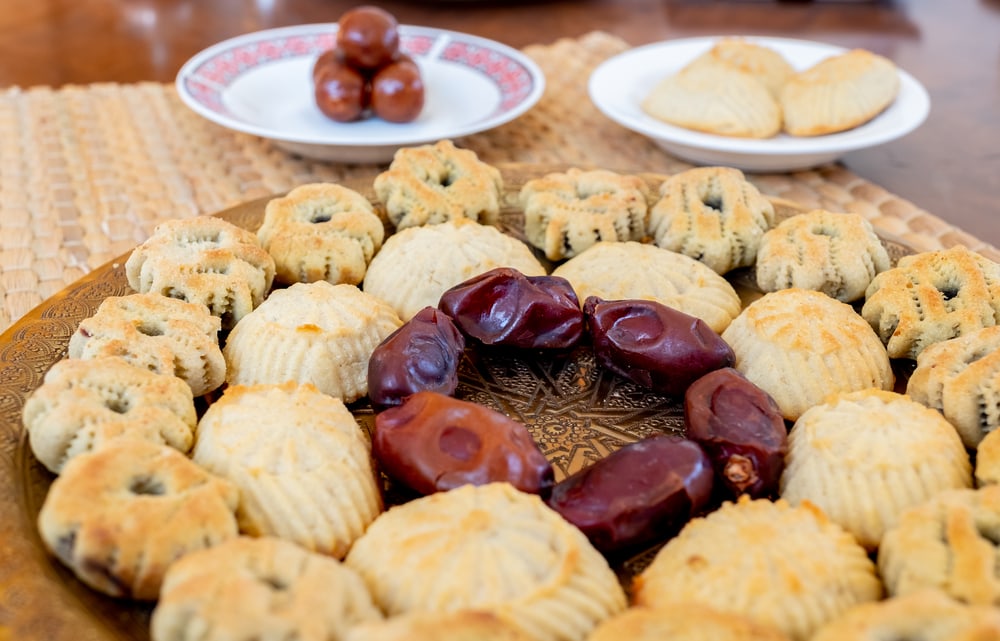
Lebanese desserts are rich, but they rarely feel heavy in the way you might expect. They rely on ingredients like nuts, syrup, semolina, and floral flavours such as rose water or orange blossom, creating desserts that are layered rather than overwhelming. What makes them stand out is not just their sweetness, but their texture and aroma.
Baklava: A Familiar Dessert Done Properly
Baklava is one of the most famous Middle Eastern desserts, but in Lebanon, it feels more refined. Layers of thin pastry are filled with nuts and soaked in syrup, but the texture is what makes it different.
It’s crisp, slightly chewy, and light enough that you can keep eating it without feeling overwhelmed. in small portions, which makes it easy to try more than one piece.

Knafeh: The Most Iconic Lebanese Dessert
Knafeh is one of the most distinctive desserts in Lebanese cuisine. Made with melted cheese, semolina or shredded pastry, and soaked in syrup, it combines sweet and savoury in a way that feels unusual at first.
The sweetness is balanced by the cheese, and the texture soft, slightly crisp, and syrupy creates something that feels both indulgent and satisfying.

Everyday Desserts and Cultural Meaning
Not all Lebanese desserts are elaborate. Halva, made from tahini and sugar, has a crumbly texture and a nutty flavour that balances sweetness with depth. Meghle, a spiced pudding, is often served during celebrations, particularly to mark important life events.
Cakes like sfouf and namoura are simpler, but deeply rooted in Lebanese culture and often associated with gatherings and holidays.

What Do People Drink in Lebanon?
Drinks in Lebanon are closely tied to food and social interaction.
Coffee is strong, unfiltered, and served in small cups. It’s often part of a ritual offered when you arrive somewhere or after a meal.
Tea is also common, usually black and sometimes flavoured with mint.
Arak, an anise-flavoured spirit, is one of the most distinctive drinks in Lebanon. When mixed with water, it turns cloudy white and is typically enjoyed alongside mezze.

Non-alcoholic drinks like jallab, made from date and grape molasses, offer a refreshing alternative, especially in warmer weather.
Fresh juices are also widely available, reflecting the abundance of produce in Lebanese cuisine.

Why Lebanese Food Continues to Grow in Popularity
Lebanese cuisine has become increasingly popular worldwide, and it’s not just because of flavour. It aligns with how people want to eat today.
It is: Fresh, balanced, rich in plant-based options, built on simple, natural ingredients. But beyond that, it offers something deeper. It offers a way of eating that feels more connected to people, to ingredients, and to tradition.
What is the Best Food in Lebanon?
After experiencing Lebanese cuisine fully from breakfast to mezze to street food it becomes clear that the question doesn’t have a simple answer.
The best food in Lebanon isn’t just one dish. It’s the entire experience. It’s the way the table fills with dishes. The way flavours balance each other. The way meals stretch longer than expected.
It’s the feeling of being part of something rather than just eating. Because in Lebanon, food is never just food.It’s connection.


Frequently Asked Questions About Lebanese Food
What is Lebanese food best known for?
Lebanese food is best known for its mezze culture a table built from shared dishes rather than individual plates. Signature dishes include hummus, tabbouleh, falafel, baba ghanoush, and grilled meats like shawarma, but what defines Lebanese cuisine most is balance: dishes are rarely heavy on their own, always paired with something fresh, acidic, or herb-driven to bring them back into harmony.
Why is Lebanese food healthy?
Lebanese food is built around vegetables, legumes, olive oil, whole grains, and lean proteins, with many dishes naturally vegetarian or vegan not as a modern trend, but because meat was historically used sparingly. Even richer dishes like hummus are typically eaten alongside fresh vegetables, herbs, and bread, so meals stay balanced without anyone having to try.

What does a typical Lebanese meal look like?
A typical Lebanese meal is built from multiple shared dishes rather than a single main course, served together or in waves rather than in a fixed starter-main-dessert order. You might begin with hummus, move to something fresh like fattoush, try something warm, then circle back the meal is meant to be moved through, not finished in a straight line.
What is the national dish of Lebanon?
Kibbeh is widely regarded as the national dish of Lebanon, made from minced meat, bulgur wheat, onions, and spices. It’s prepared several ways fried kibbeh has a crisp shell around a spiced filling, baked versions are more delicate, and kibbeh nayye, the raw version, reflects a long-standing tradition and real confidence in ingredient quality.
Is Lebanese food vegetarian or vegan?
Lebanese food is highly vegetarian-friendly, with many traditional dishes naturally plant-based dishes like tabbouleh, baba ghanoush, falafel, and mujaddara (lentils and rice) were built this way long before “plant-based” was a marketing term, simply because historically meat was used sparingly in everyday cooking. Lebanese food is also highly vegetarian-friendly, with many traditional dishes naturally plant-based.

Food carries the same weight of history and migration you’ll find throughout the Global Food Guide, which explores food as cultural memory worldwide. This is part of a much bigger story for how food traditions like these connect across cultures worldwide.
It’s Sharab el Toot not Toor .. toot being mulberries in Lebanese
Many thanks for the correction I’ve fixed that now.