
Best 10-Day Ireland Itinerary: Dublin Loop with Northern Ireland, Galway, Cliffs of Moher & Kerry
A great 10-day Ireland trip doesn’t try to do everything; it chooses a satisfying loop and leaves room for weather, music, and slow roads. This plan starts and ends in Dublin, gives you two-city bookends, and spends the middle in the southwest and west where coastal peninsulas, national parks, and limestone cliffs do the heavy lifting.
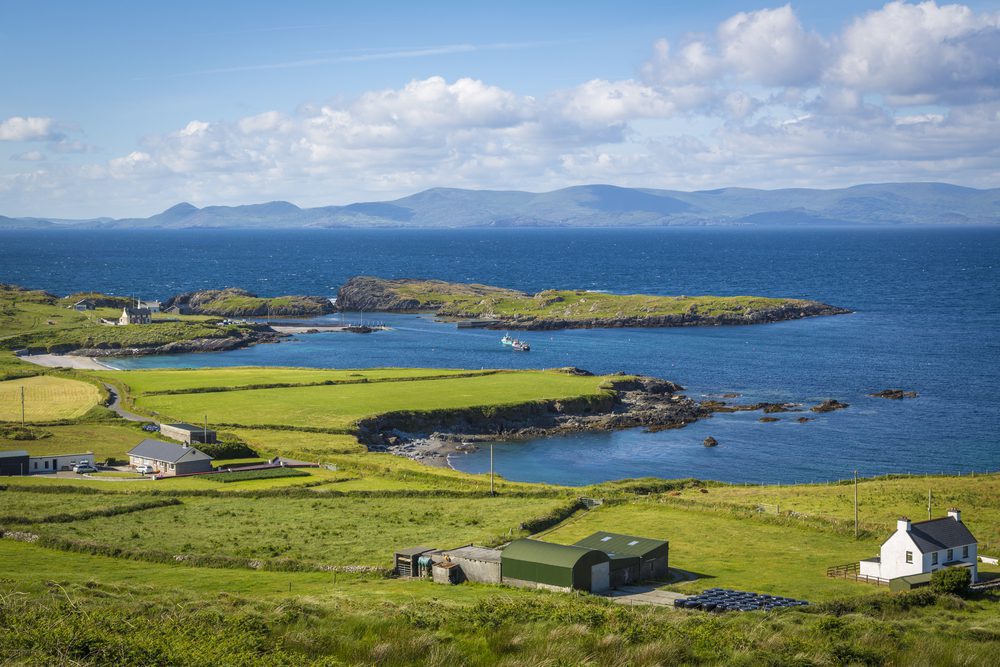
👉 If you want a complete step-by-step plan, start with my detailed Ireland itinerary guide.
👉 2 Week UK and Ireland Itinerary for First-Time Visitors
- Best 10-Day Ireland Itinerary: Dublin Loop with Northern Ireland, Galway, Cliffs of Moher & Kerry
- At a Glance: Route & Pacing
- Map of the Loop
- Dublin vs. Shannon: Which Airport to Use
- What Is the Best 10 Day Ireland Itinerary?
- Who This 10 Day Ireland Itinerary Is Best For
- 10 Day Ireland Itinerary at a Glance
- Ireland Road Trip Route Overview
- Dublin Airport vs Shannon Airport: Where This Trip Should Start
- Days 1–2: Dublin without the rush
- Day 3: Dublin to Belfast and the Causeway Coast
- Day 4: Driving from Northern Ireland to Galway (Route, Stops & Timing)
- Arrival in Galway: Why This Feels Like a Turning Point
- Day 5: Aran Islands Day Trip from Galway
- Day 6: Connemara
- Day 7: Cliffs of Moher and the Burren
- Days 8–9: Killarney, Ring of Kerry or Dingle Peninsula
- Day 10: Return to Dublin or Depart from Shannon
- Why This Itinerary Works
- Ireland Itinerary FAQs
At a Glance: Route & Pacing
Who it’s for
First-time visitors who want highlights without rushing
Self-drivers comfortable with 2–3 hour days (one longer transfer)
Travelers who prefer scenic drives and small towns over big-city time
If 10 days is too much – or too little check out my 7 and 14 day Ireland Itineraries
Route summary (clockwise)
- Dublin (2 nights) → Belfast/Causeway Coast (1 night) → Galway (2 nights) → Cliffs of Moher & Burren (1 night or pass-through via Doolin) → Killarney for Dingle or Ring of Kerry (2 nights) → Return to Dublin or depart Shannon (1 night/drive)
Time & distance
- Total driving: ~1,200–1,500 km; ~18–24 hours over 10 days
- Typical day: 2–3 hours; one long day crossing Northern Ireland → Galway (plan 7–9 hours door-to-door with stops)
Skimmable day plan
Days 1–2: Dublin on foot (Book of Kells, Kilmainham, Howth)
Day 3: Dublin → Belfast &/or Causeway Coast (Titanic Quarter, Giant’s Causeway)
Day 4: Northern Ireland → Galway via Athlone & Clonmacnoise (long transfer)
Day 5: Aran Islands (Inis Mór) day trip
Day 6: Connemara (Sky Road, Kylemore Abbey)
Day 7: Cliffs of Moher + Burren (Poulnabrone Dolmen)
Days 8–9: Killarney base for Dingle (Slea Head) or Ring of Kerry
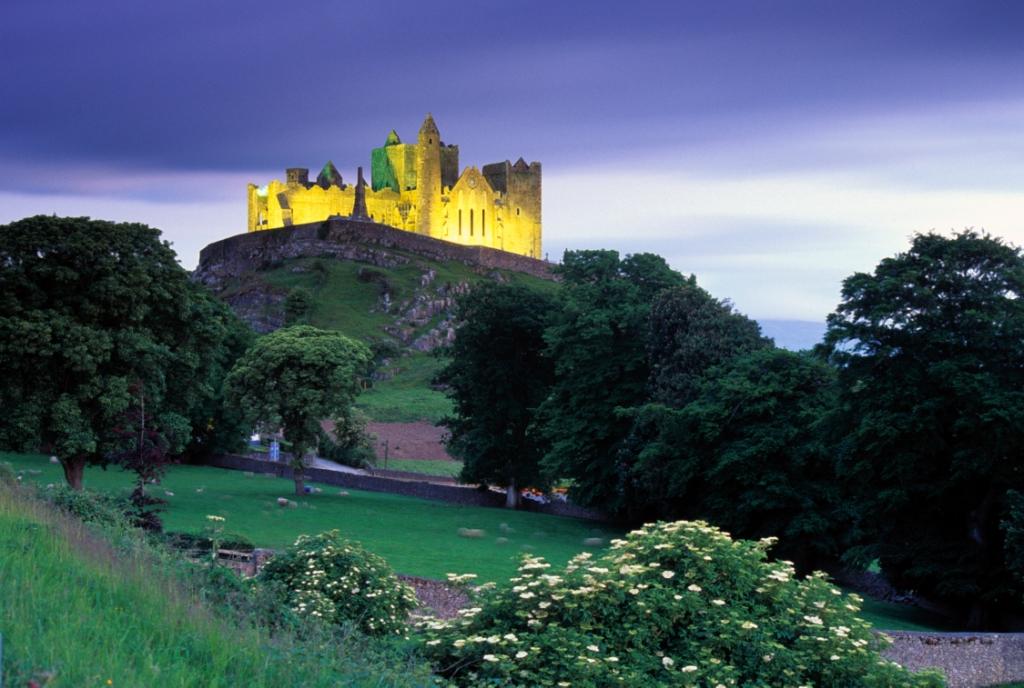
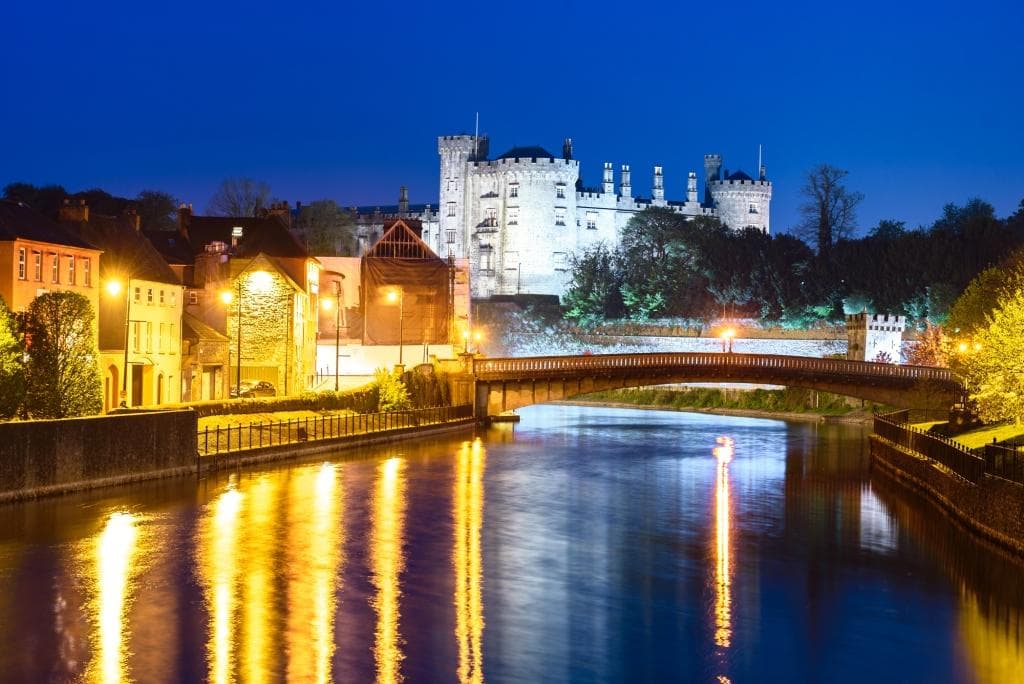
Day 10: Return to Dublin (Rock of Cashel or Kilkenny) or depart Shannon
Callouts that save trips
Don’t stack Ring of Kerry and Dingle the same day.
Keep the Aran Islands flexible for weather; book early ferries.
Cliffs of Moher visibility swings wait 30–60 minutes before bailing.
For travelers seeking authentic Irish landscapes, it’s Dingle vs the Ring of Kerry each offering stunning views, but Dingle wins for those who want fewer tour buses and a bit more craic.
Map of the Loop
Use this live map to visualize day-by-day routing and pins for major stops and tickets.
View full-size interactive map
Map Key:
Blue line = Route
Red = Overnight stops
Green = Day trips
Yellow = Scenic highlights
Dublin vs. Shannon: Which Airport to Use
Dublin (most flights): Pros: ease into Ireland on foot for 48 hours; no driving jet-lagged; great intro to culture. Cons: adds several hours of total driving vs. Shannon.
Shannon (western access): Pros reach Galway/Cliffs/Killarney within ~2 hours; less total driving. Cons rural roads sooner; you’ll likely drive within 60–90 minutes of landing.
Quick rule: Choose Dublin for the “full” first-time experience and no immediate driving; choose Shannon if minimizing driving and maximizing west coast time is your priority.

What Is the Best 10 Day Ireland Itinerary?
A well-balanced 10 day Ireland itinerary follows a loop from Dublin to Northern Ireland, across to Galway, down through the Cliffs of Moher and County Kerry, and back to Dublin. This route covers Ireland’s top highlights while keeping daily driving manageable at 2–3 hours, with one longer cross-country drive between Belfast and Galway.
This builds on that exact loop and layers in two additions that many first-time itineraries either skip or handle poorly: Northern Ireland and the Aran Islands. It also addresses a practical decision that affects your entire trip but is rarely explained clearly whether you should start in Dublin Airport or Shannon Airport.
I’ve driven this loop more than once, most recently in 2025, and the biggest lesson holds: keep the driving windows modest, build weather flexibility into the middle, and don’t change hotels every night if you can help it. If you’re self-driving, you’ll average two to three hours most days with one longer transfer. If you prefer trains and buses, the same arc works with a few tweaks and organized day tours for the wilder bits.

Who This 10 Day Ireland Itinerary Is Best For
This itinerary is designed specifically for:
- First-time visitors to Ireland who want a complete introduction
- Travelers who prefer scenic drives and small towns over major cities
- Visitors comfortable with moderate daily driving (2–3 hours most days)
- Those who want flexibility rather than a tightly scheduled trip
- Couples or small groups self-driving rather than relying on tours
If your goal is to experience Ireland at a realistic pace without turning the trip into a checklist this route is built for that.
What consistently separates a smooth Ireland trip from a frustrating one isn’t the destinations it’s how well the route accounts for Ireland’s driving reality. Distances are short, but time expands quickly due to narrow roads, weather shifts, and the natural tendency to stop more often than planned.
On multiple drives across this exact loop, the pattern has been consistent: the travelers who enjoy Ireland the most are the ones who under-schedule rather than over-schedule. This itinerary is structured to reflect that reality. It deliberately builds in “white space” in the middle days so that when weather shifts or when you find a place worth lingering you’re not forced to move on too quickly.
This 10 day Ireland itinerary works because it balances driving time with meaningful stops rather than trying to cover too much ground. If you’re planning your timing, it’s worth reading a guide to the best time to visit Ireland before finalizing this route.
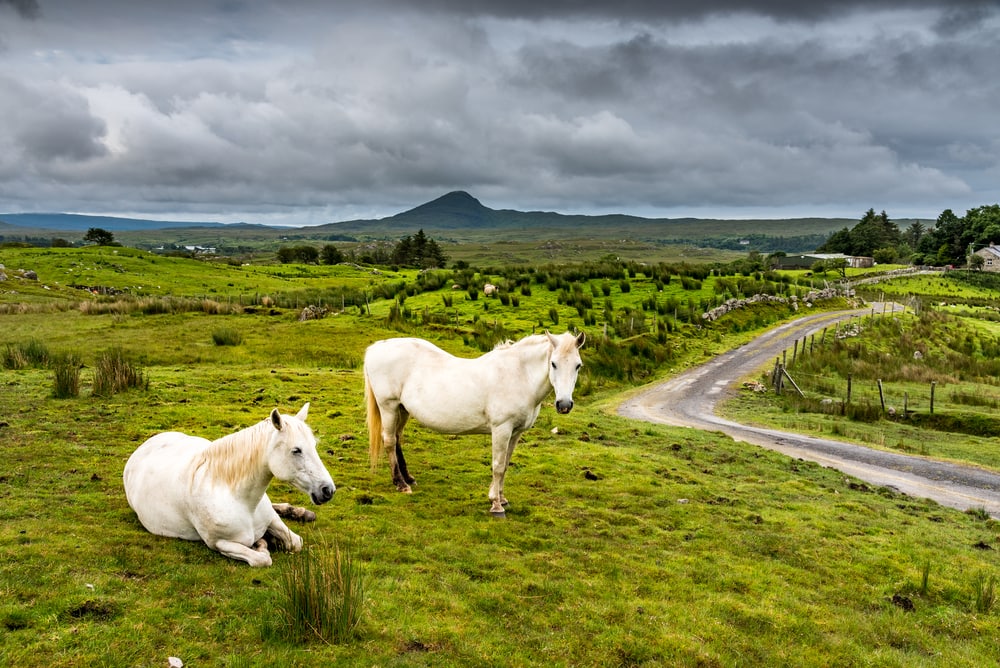
10 Day Ireland Itinerary at a Glance
Before you get into the day-by-day detail, it helps to understand how the route fits together as a whole, because this is what makes the pacing work.
This is a full Ireland road trip loop that can begin in either Dublin Airport or Shannon Airport. If you start in Dublin, you’ll spend your first two days adjusting and exploring the city, then head north toward Belfast or the Causeway Coast in Northern Ireland.
From there, you cut across to Galway, use it as a base for the Aran Islands and Connemara, continue south through the Cliffs of Moher and the Burren, then base yourself in Killarney to explore both the Ring of Kerry and the Dingle Peninsula before returning east.

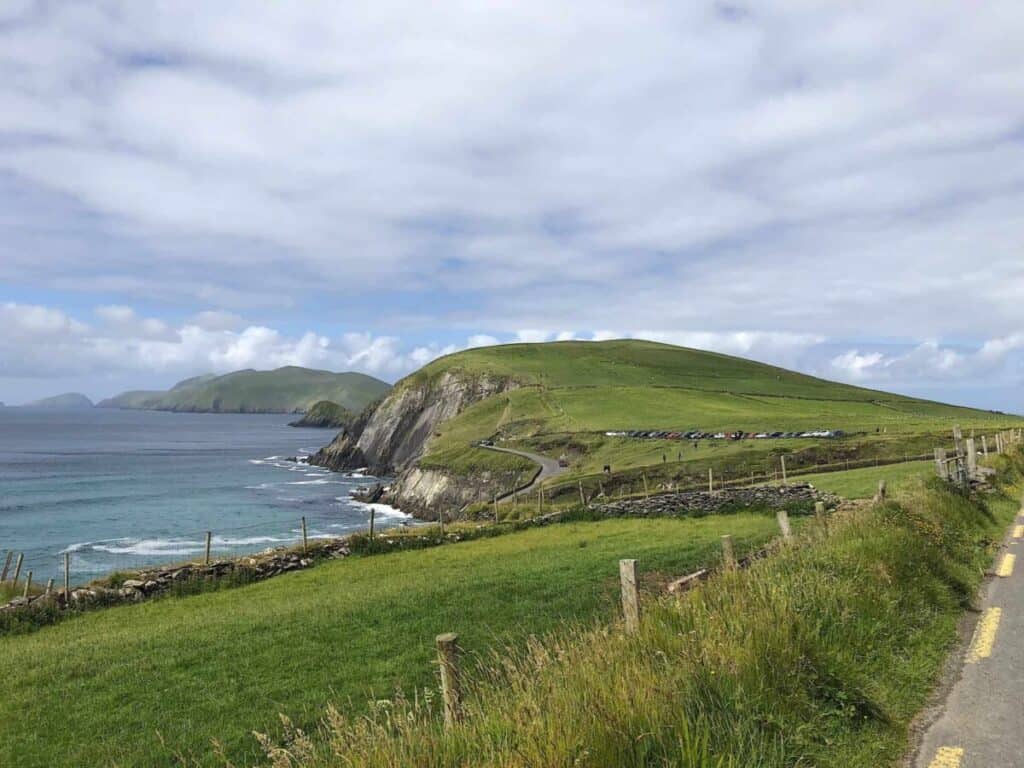
If you start in Shannon instead, the structure remains the same but reversed, allowing you to reach Galway or Killarney within a couple of hours of landing and saving several hours of total driving across the trip.
The key stops along this route include Dublin, Kilkenny and the Rock of Cashel if you’re coming from Dublin, Belfast or the Causeway Coast in Northern Ireland, Galway, the Aran Islands (Inis Mór), Connemara, the Cliffs of Moher, the Burren, Killarney National Park, the Ring of Kerry, and the Dingle Peninsula.
Across the full itinerary, you’re looking at roughly 18 to 24 hours of total driving spread over 10 days. Most days stay within two to three hours of driving, which is manageable given Ireland’s road conditions, with one or two longer transitions where you’ll want to build in extra stops. As an Ireland road trip itinerary, this route avoids backtracking and keeps the experience cohesive from start to finish.
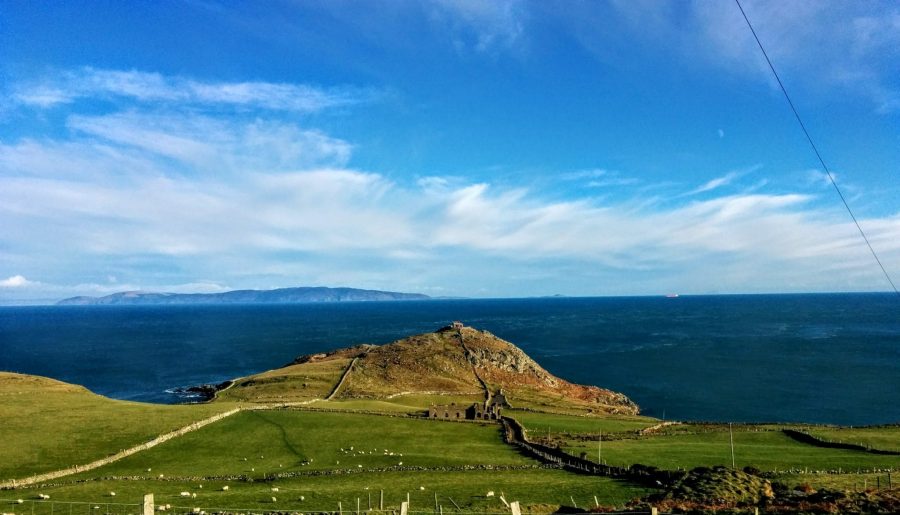
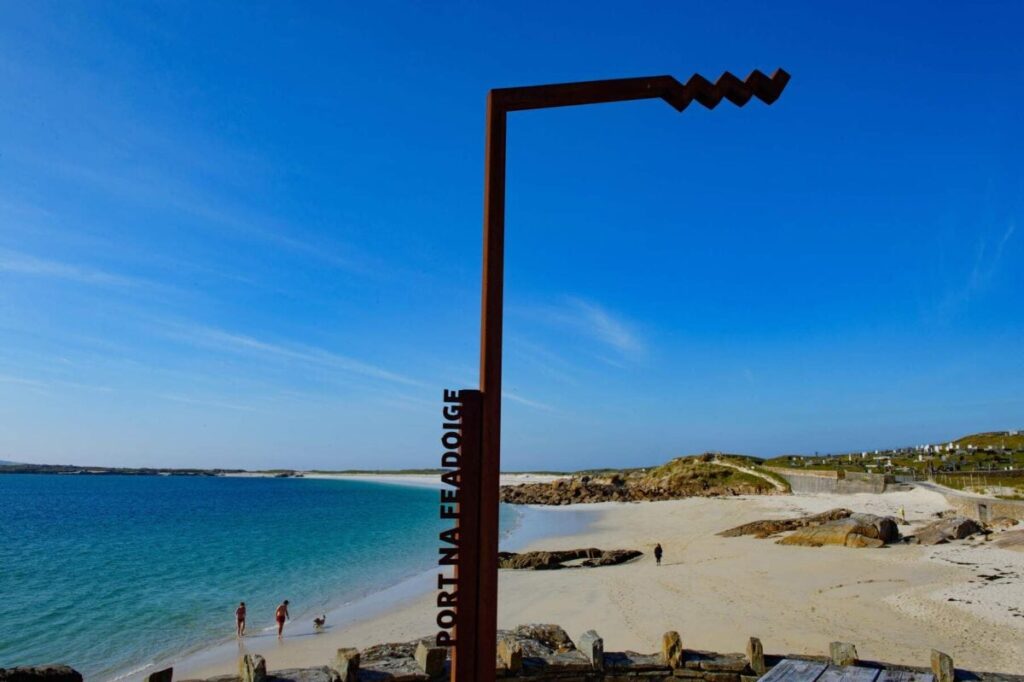

This itinerary is best suited for first-time visitors who want to see Ireland’s highlights without rushing, and who value scenic drives, flexibility, and time in smaller towns over trying to check off every region in one trip.
This loop avoids:
- Backtracking (which wastes hours over a 10-day trip)
- One-night stops in every location (which increases fatigue)
- Overloading single days with too many “must-see” sites
Instead, it uses strategic base locations particularly Galway and Killarney to reduce packing, unpacking, and unnecessary driving.
Ireland Road Trip Route Overview
This 10 day Ireland itinerary follows a clockwise loop starting in Dublin, heading north to Belfast and the Causeway Coast, crossing west to Galway, continuing south through the Cliffs of Moher and County Kerry, and returning east to Dublin.
In total, the route covers roughly 1,200–1,500 km depending on detours, with most driving days limited to 2–3 hours and one longer cross-country drive between Northern Ireland and Galway.


Dublin Airport vs Shannon Airport: Where This Trip Should Start
One of the decisions that will shape your entire itinerary is where you fly into, and it’s not as simple as picking the cheapest ticket.
Dublin Airport is the most common entry point, with the widest range of international flights. Starting here gives you a natural introduction to Ireland, lets you spend your first two days on foot adjusting to the time zone, and makes logistical sense if Dublin is high on your list. The trade-off is that you will add several hours of total driving compared to starting in the west.
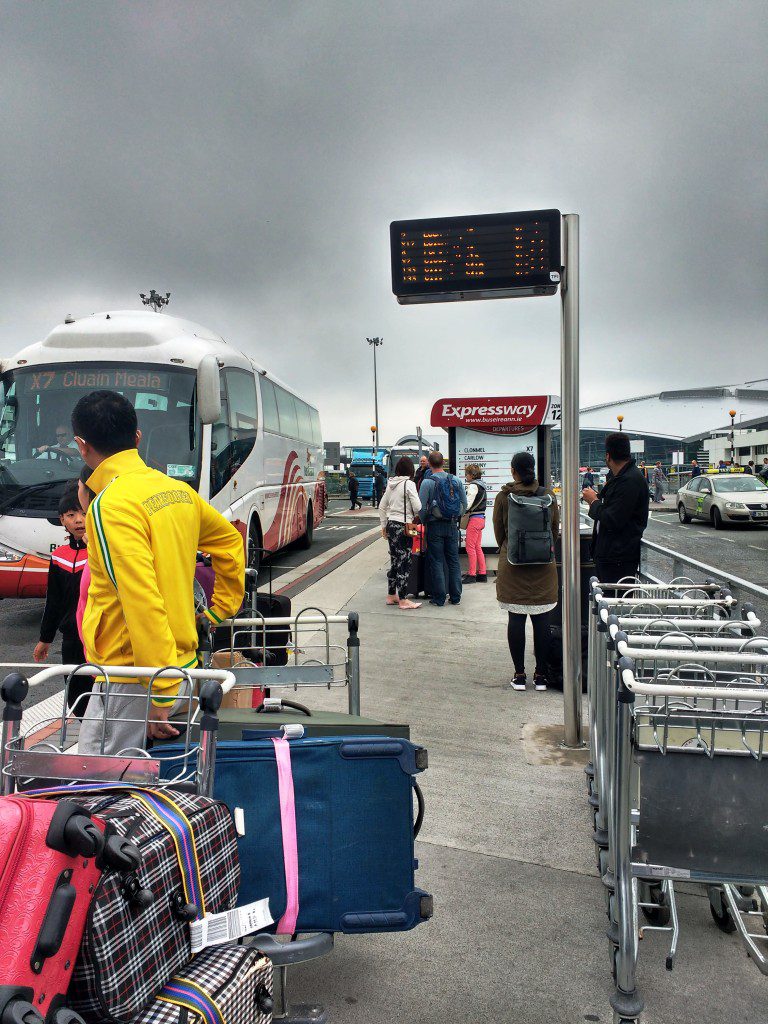
Shannon Airport is smaller but strategically located. Within two hours of landing, you can be in Galway, the Cliffs of Moher, or Killarney. This significantly reduces driving time across the trip and gets you into Ireland’s most scenic regions almost immediately. You can then add Dublin at the end when you’re more adjusted.
Having done this both ways, I still recommend Dublin for a first trip if you want the full experience, but Shannon is the better choice if your priority is minimizing driving and maximizing time on the west coast.
From experience, the “right” choice depends less on price and more on how comfortable you are driving immediately after landing.
If you land in Shannon:
- You’ll likely be driving within 60–90 minutes
- Roads are narrower and more rural immediately
- Jet lag can make early navigation harder
If you land in Dublin:
- You can delay driving for 48 hours
- You ease into Ireland culturally and physically
- Your confidence behind the wheel improves before rural roads
For first-time visitors, that adjustment period is often underestimated but it has a noticeable impact on the overall trip.
Days 1–2: Dublin without the rush
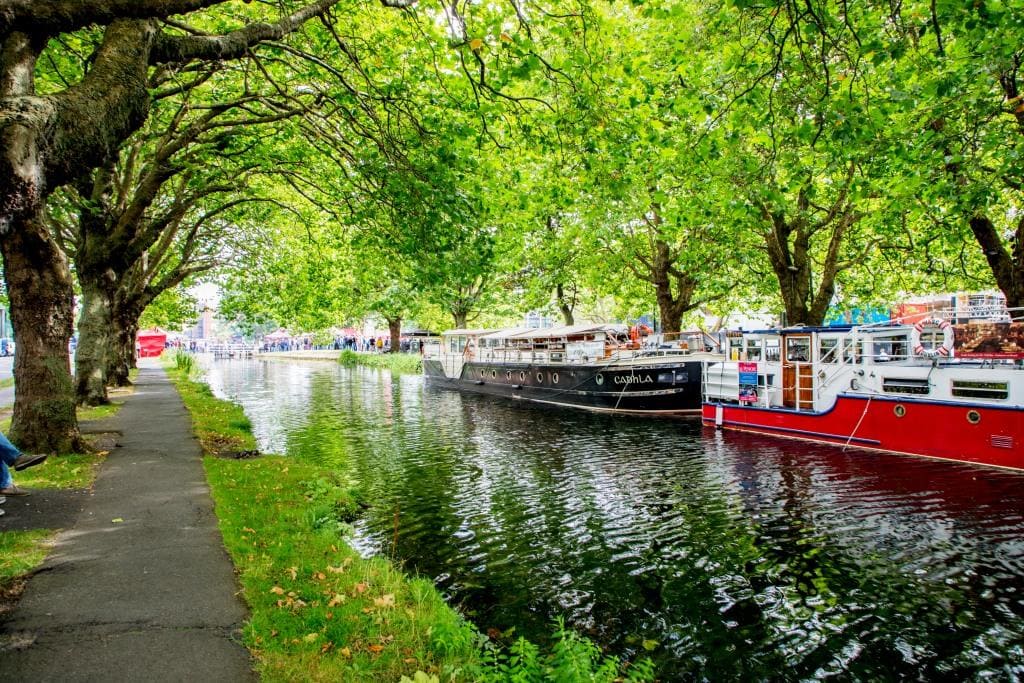
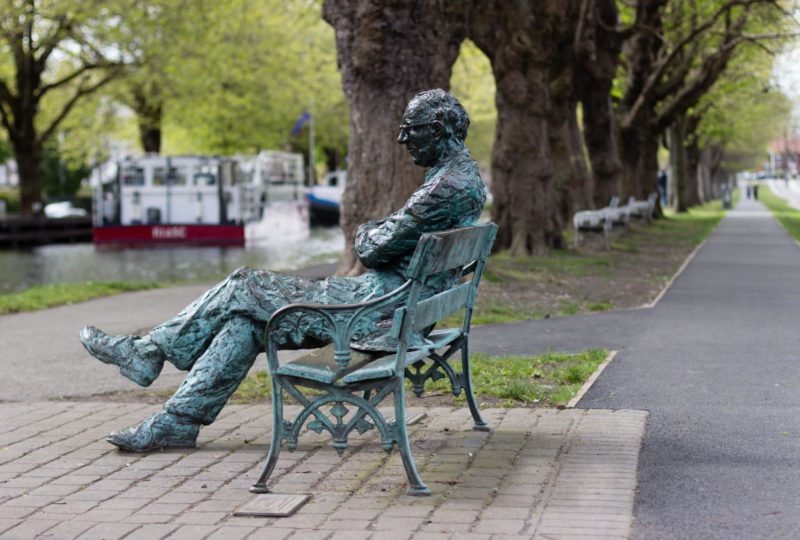
Land at Dublin, shake off the flight, and base yourself in the south city center for walkability. D2/D4 gives you museums, parks, and nightly pub options on foot; staying near Grafton Street and St. Stephen’s Green means Trinity College, the Book of Kells, and Merrion Square are natural anchors for your first day.


Pre-book the Book of Kells to avoid standing in line, wander Grafton Street to hear buskers, slip into St. Stephen’s Green, and choose one major museum that matches your energy Chester Beatty for manuscripts or the National Museum of Archaeology for bog bodies.
For a proper dinner that puts a modern spin on Irish produce, Mr Fox near Parnell Square is a reliable bet with a seasonal set menu; if you want a lively, less touristy scene than Temple Bar, Coppinger Row near the Creative Quarter makes a good pre- or post-theatre stop, and The Westbury’s Sidecar bar is an elegant cocktail perch close by.
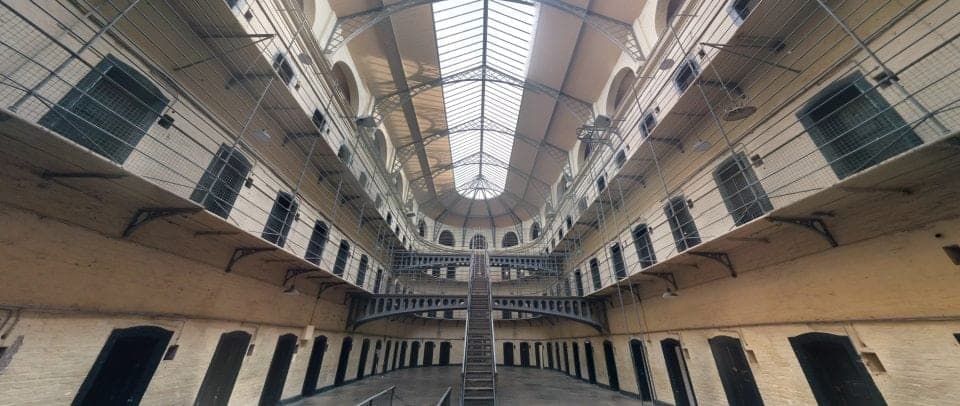
On day two, book Kilmainham Gaol early (slots fill fast), then decide between the Guinness Storehouse or EPIC The Irish Emigration Museum. If your legs need air rather than exhibits, hop out to Howth in the afternoon for a cliff walk and fish-and-chips before returning to the city.

Where to stay and why in Dublin: pick D2/D4 for an easy, walkable start. Midrange properties span sleek to classic Marlin Hotel Stephens Green is a central, modern base; The Westbury straddles luxury and boutique with on-site dining and a polished bar; The Fleet is another solid four-star within strolling distance of the core. Dublin inventory shifts quickly, so booking early for May–June and September matters.
Dublin 2 (D2): The City Heart Location: Includes Grafton Street, St. Stephen’s Green, Merrion Square, Temple Bar, and Trinity College. Dublin 4 (D4): The Leafy Suburb Location: Includes Ballsbridge, Donnybrook, Sandymount, and Merrion.
Because Dublin accommodation is one of the biggest cost variables in this itinerary, it’s worth checking current prices early and locking in flexible rates. Central locations consistently deliver more value than cheaper options further out once you factor in transport time and convenience.

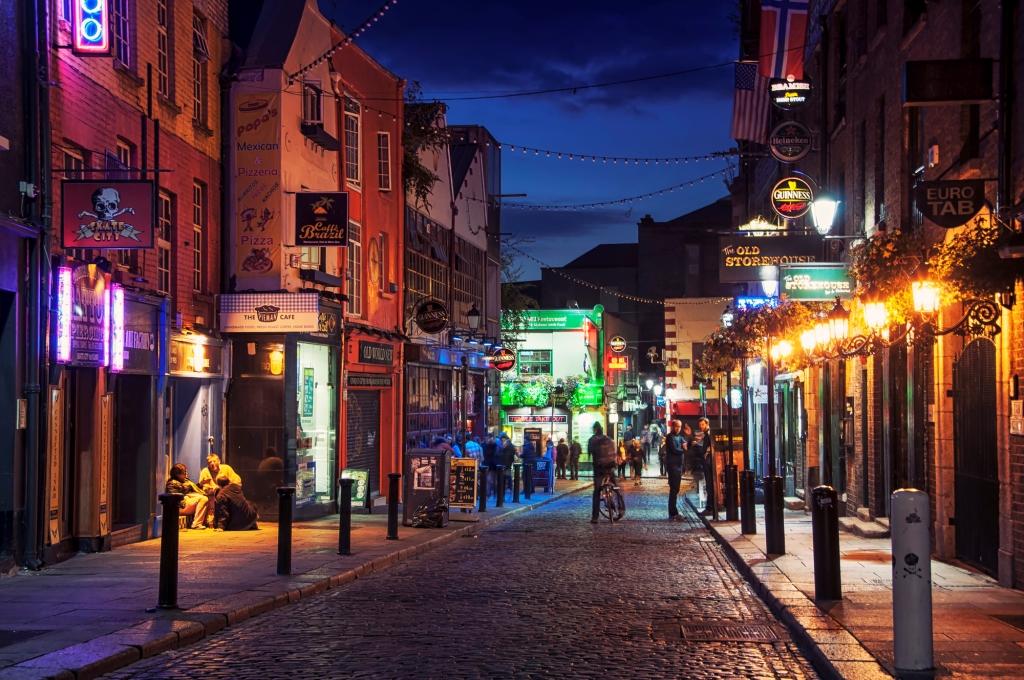
Dublin rewards unstructured time more than structured sightseeing. Some of the best moments here won’t come from major attractions, but from:
- Walking between neighbourhoods
- Stepping into a pub with live music you didn’t plan
- Spending more time in fewer places
One mistake I’ve made on earlier trips is overloading Dublin with too many “must-see” stops. In practice, choosing two or three anchor experiences per day leads to a much better experience than trying to cover everything.
Day 3: Dublin to Belfast and the Causeway Coast
This is where this version of the itinerary expands beyond the standard first-time loop.
Collect your car this morning to avoid city driving on days one and two, then head north toward Belfast. From here, you can either spend time exploring the city particularly the Titanic Quarter or continue along the Causeway Coast.
The Causeway Coastal Route is one of the most scenic drives on the island, with stops like the Giant’s Causeway and Carrick-a-Rede Rope Bridge offering a completely different landscape from the southwest. It’s rugged, dramatic, and feels distinctly separate from the rest of the trip.

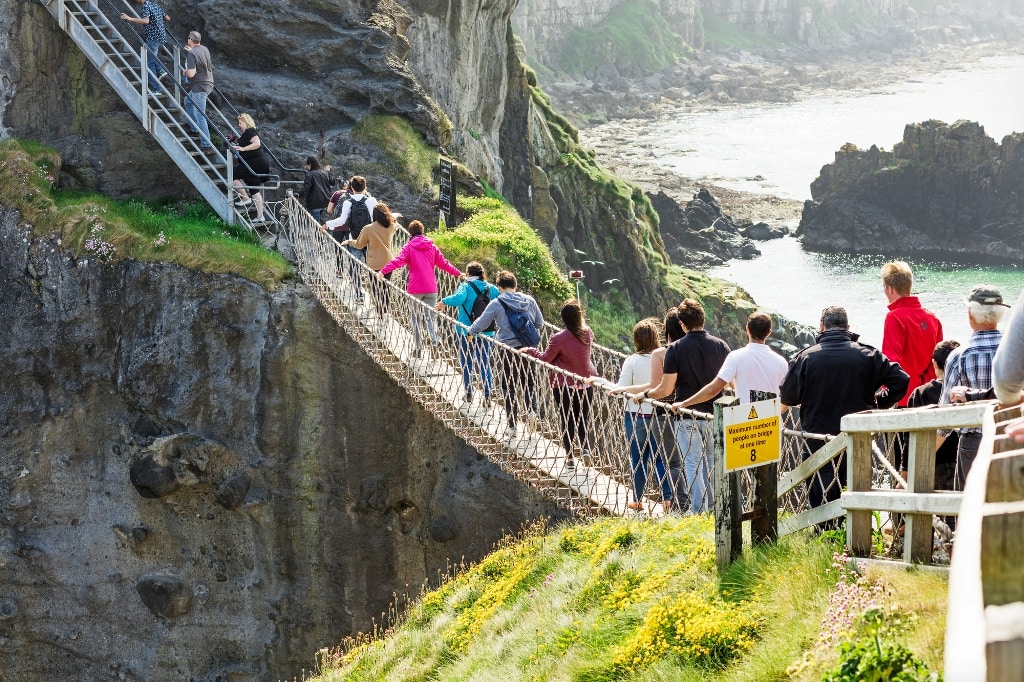
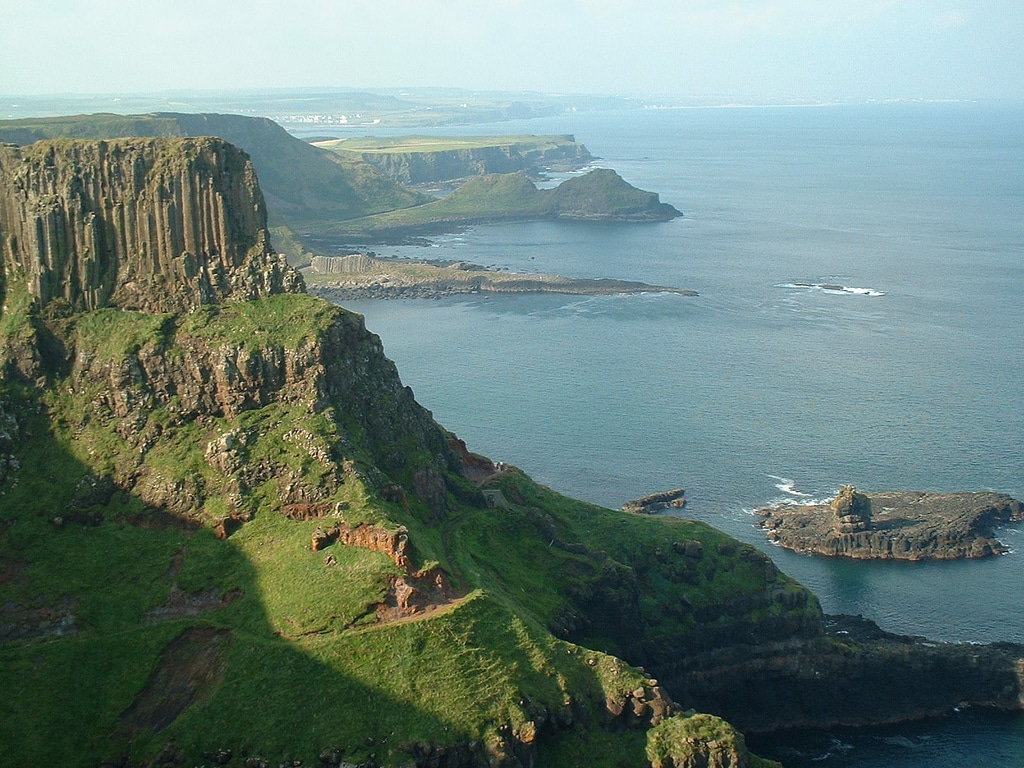
This is a longer day, but it works because it sets up the rest of the route without requiring backtracking. Stay overnight either in Belfast or along the north coast depending on how far you go and how much you want to explore.
By including Northern Ireland early in the trip, you experience a different tone visually and culturally before moving into the west. That contrast makes the rest of the itinerary feel more dynamic rather than repetitive.
Day 4: Driving from Northern Ireland to Galway (Route, Stops & Timing)
This is your longest reposition and the connective tissue between the north and west.
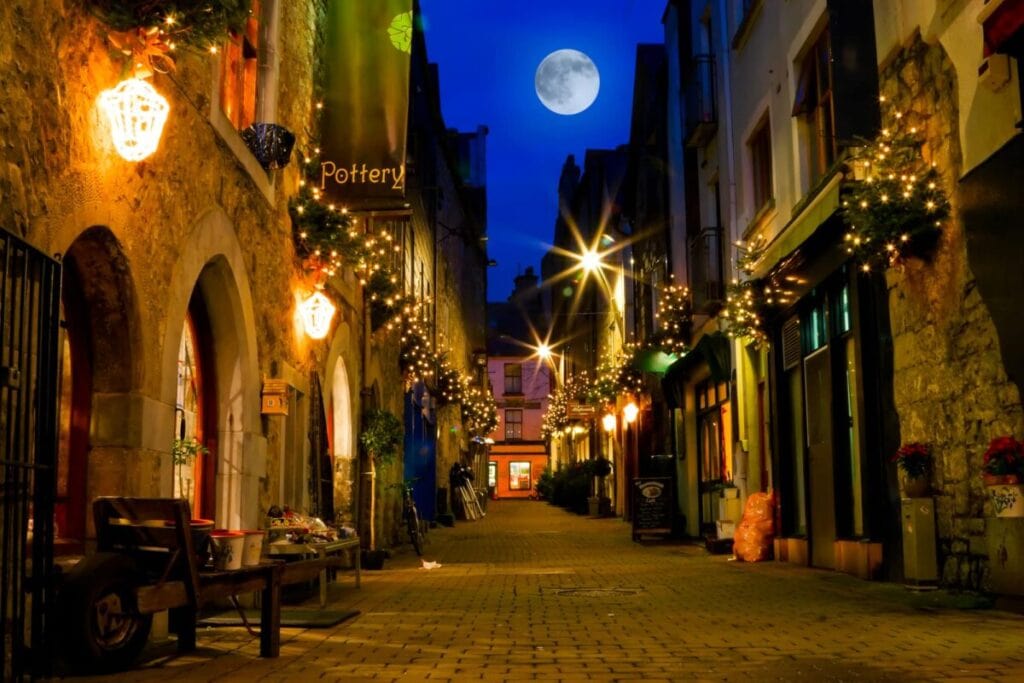
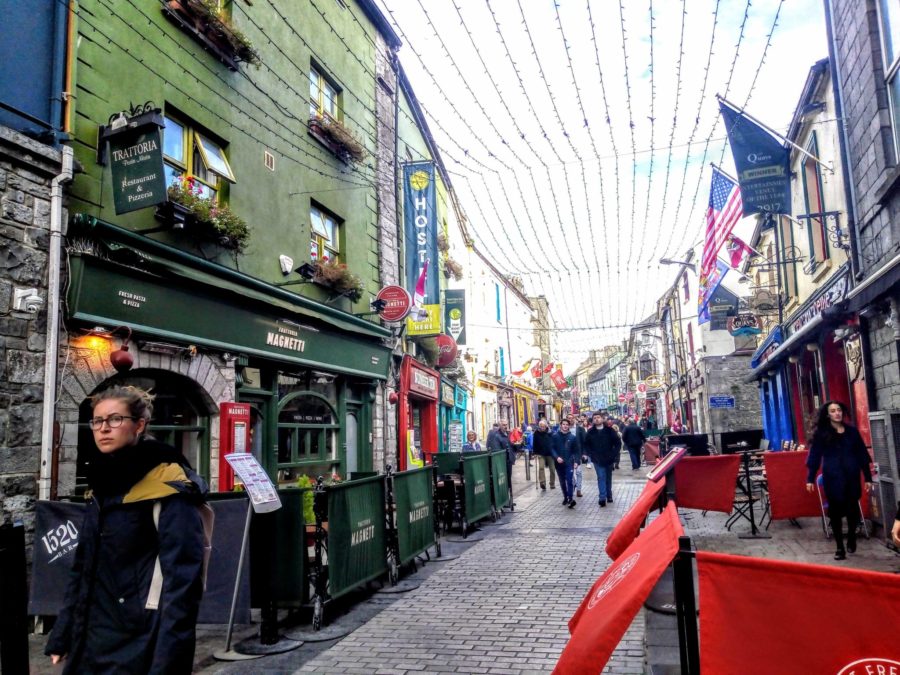
Rather than rushing straight across, build in a stop or two to break up the drive. Once you reach Galway City, the shift in atmosphere is immediate. The city is compact, lively, and easy to navigate, with street music, pubs, and a steady energy that makes it one of the most enjoyable bases in Ireland. Plan a relaxed evening here rather than overloading the day.
Driving Guide: Northern Ireland to Galway (Realistic Timing, Routes, and Stops)
This is the most important logistical day of the trip, and in my experience, it’s the one that most often gets underestimated when people are planning their itinerary.
On paper, driving from Belfast (or the Causeway Coast) to Galway looks straightforward. Most navigation apps will suggest somewhere between five and six hours depending on your exact starting point.
In reality, that estimate is optimistic. Every time I’ve driven this route, the total door-to-door travel time has landed closer to seven to nine hours, and that’s without excessive stops. The difference comes down to how Ireland’s road network actually behaves:
- Motorways are efficient, but limited
- Secondary roads slow you down quickly
- Roundabouts, towns, and tractors all affect pace
- You will stop more than you expect
Route Options: Fast vs Scenic (What Actually Works)
There are two main ways to approach this drive:
1. Motorway Route (Fastest Option)
This route follows major roads (M1 → M4/M6) and is the most efficient way to get across the country. If you’re short on time or dealing with poor weather, this is the practical choice.
However, it’s also the least memorable. You’ll cover distance efficiently, but you won’t see much of Ireland beyond the road itself.
2. Midlands Route (Recommended for First-Time Visitors)
This is the route I consistently recommend and personally take.
Instead of focusing on speed, it prioritizes breaking the drive into segments and adding stops that give the day structure. It transforms what could feel like a long transfer into a series of shorter, more interesting experiences.
Where to Stop (and Why It Matters)
The key to this drive is not just where you stop, but how those stops change the rhythm of the day.
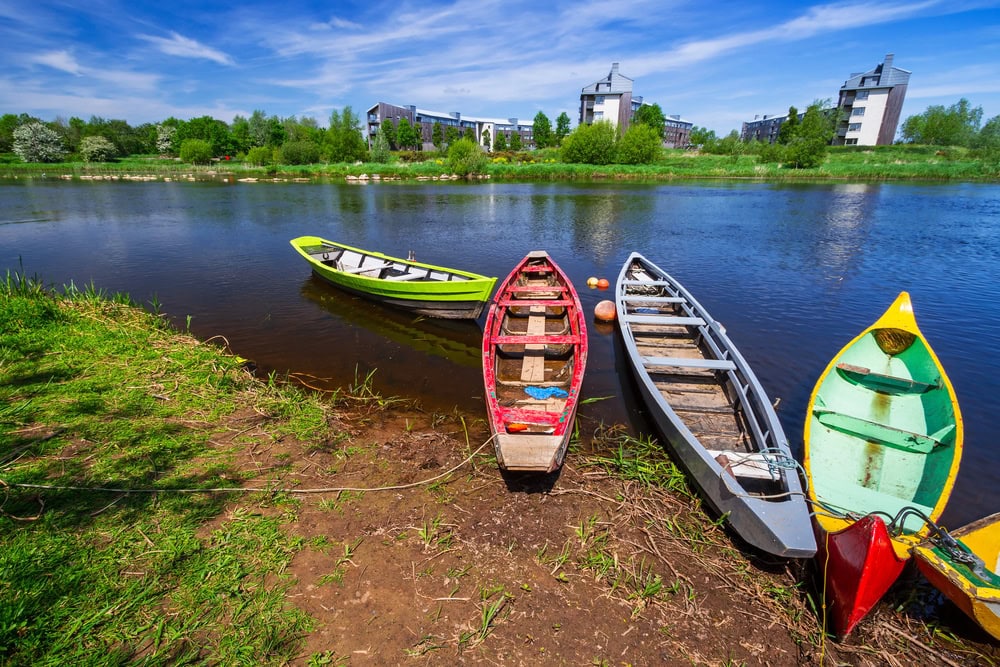
Stop 1: Athlone The Natural Midpoint
Athlone sits almost exactly halfway between Belfast and Galway, making it one of the most practical and effective stops.
After two to three hours of driving, this is where you want to pause not just for fuel or food, but to reset the day.
What works well here:
Lunch along the River Shannon
A short walk through town
A visit to Athlone Castle if you want a quick historical stop
From experience, this stop makes a noticeable difference. Without it, the drive feels long and continuous. With it, the day naturally divides into two manageable halves.


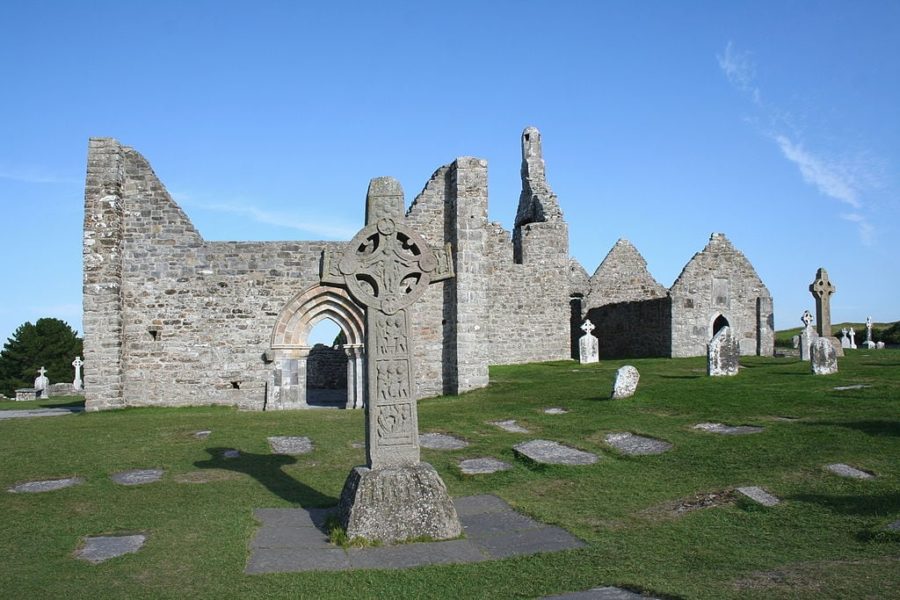
Stop 2: Clonmacnoise The Unexpected Highlight
If there’s one stop I would strongly recommend not skipping, it’s Clonmacnoise.
Set along the River Shannon, this early Christian monastic site has a completely different feel from Ireland’s more famous landmarks. It’s quieter, less commercial, and carries a sense of stillness that’s hard to describe until you’re there.
On multiple trips, this has consistently been one of the most memorable stops not because it’s the most visually dramatic, but because it feels authentic and unhurried. Allow about an hour here. It’s enough time to walk the grounds, take in the setting, and continue without rushing.
What This Drive Actually Feels Like
One thing that doesn’t show up on maps is how the feel of the drive changes over time.
The first stretch leaving Belfast feels efficient and straightforward
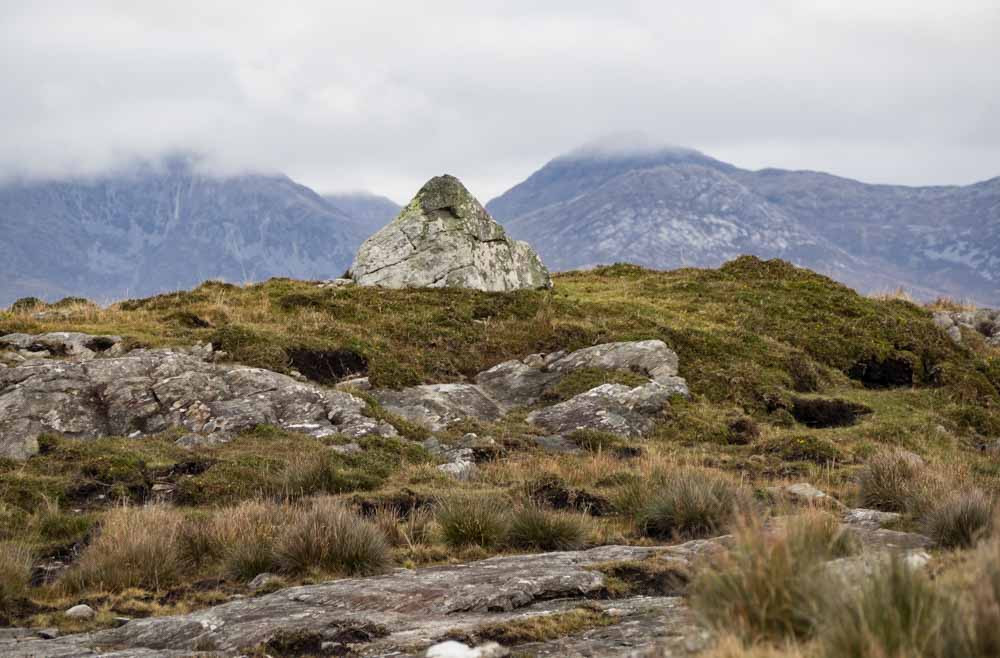
As you move into the Midlands (known as the Hidden Heartlands), the landscape becomes quieter and less dramatic
Roads narrow, traffic slows, and the pace shifts
This is where many travelers get frustrated but it’s also where the trip starts to feel more like Ireland and less like a route between destinations.
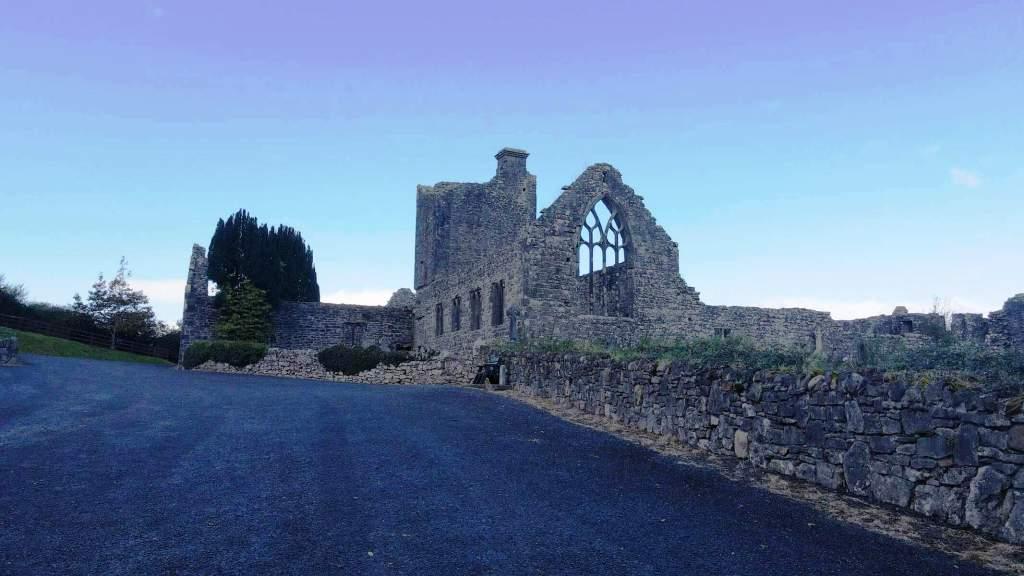
By the time you approach Galway, you’ve adjusted to that slower rhythm and that transition is part of what makes arriving in the west feel so distinct. This Ireland road trip itinerary is designed to give first-time visitors a complete experience without excessive driving.


Arrival in Galway: Why This Feels Like a Turning Point
Arriving in Galway City after this drive always feels like a reset.
The city is compact, energetic, and immediately engaging. After a long day on the road, the contrast is noticeable:
- Street performers in the Latin Quarter
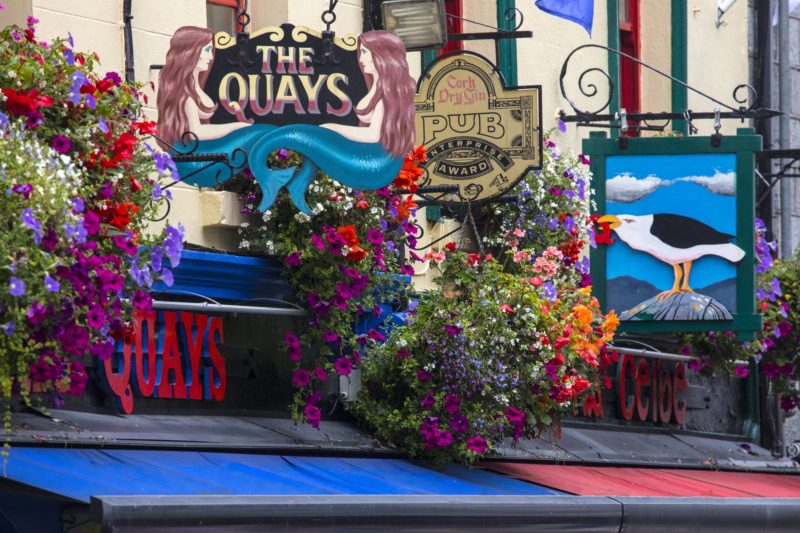
- Busy pubs spilling onto the streets
- A walkable, lively center
This is not a night to overplan.
From experience, the best approach is simple:
- Check in
- Take a walk without a fixed destination
- Find a pub with live music
- Keep the evening flexible
You’ll feel the shift from “moving through Ireland” to actually being in it.
Day 5: Aran Islands Day Trip from Galway
The Aran Islands are one of the most worthwhile additions to this itinerary and are often skipped simply because they require a bit more planning than a typical day trip.
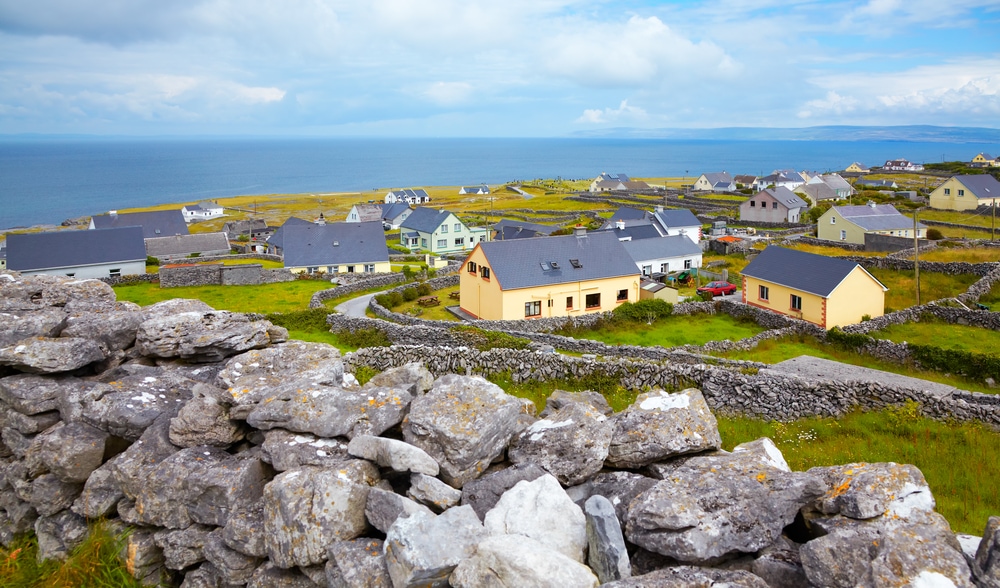
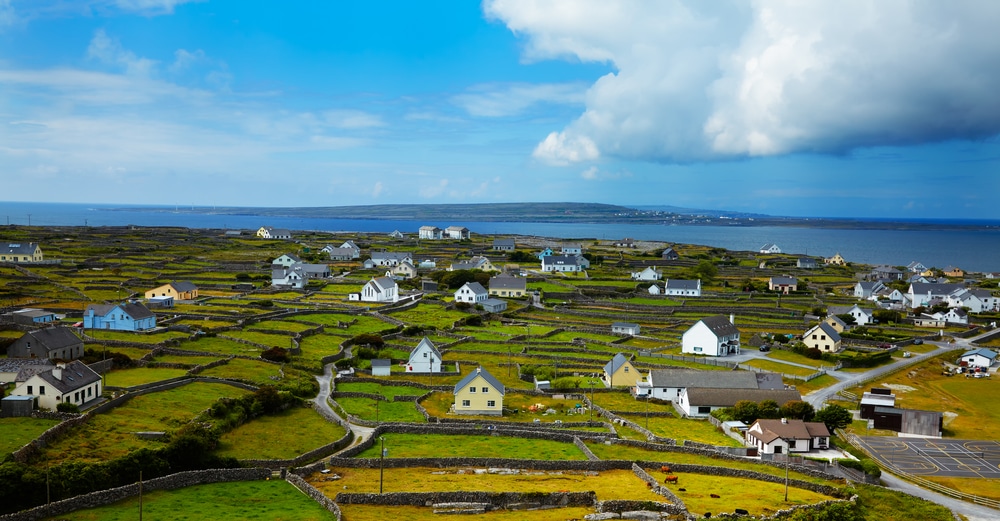
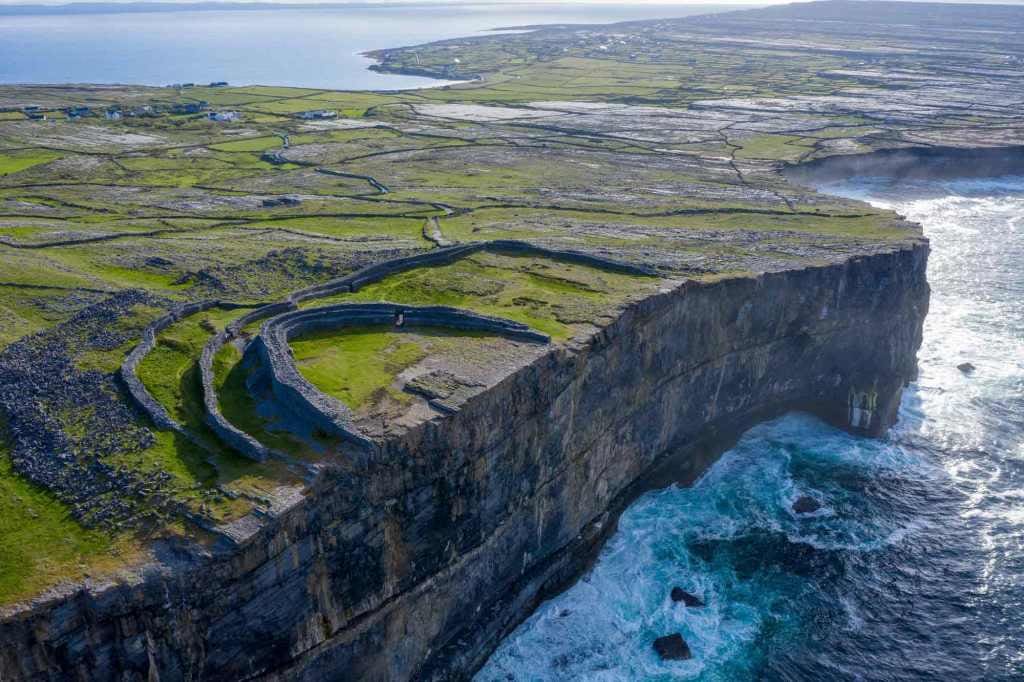
Take a ferry from Rossaveal or a short flight from Connemara Airport to Inis Mór. Once there, rent a bike or join a small tour so you can move at your own pace. The island is compact enough to explore in a day but varied enough that it never feels repetitive.
Dún Aonghasa, a prehistoric stone fort perched above the Atlantic, is the standout site, but the experience of cycling between stone walls, open fields, and coastal cliffs is what makes the day memorable.
If this is a priority for your trip, it’s worth booking your ferry or flight in advance. On clear days, demand increases quickly, and leaving it too late can mean missing one of the most distinctive experiences on the Wild Atlantic Way.
From experience, this day works best when you:
- Book early morning ferry slots
- Allow buffer time for weather delays
- Bring layers (conditions change quickly)
Cycling the island is one of the most immersive ways to experience it, but if weather conditions aren’t ideal, small guided tours are a solid alternative.
Day 6: Connemara
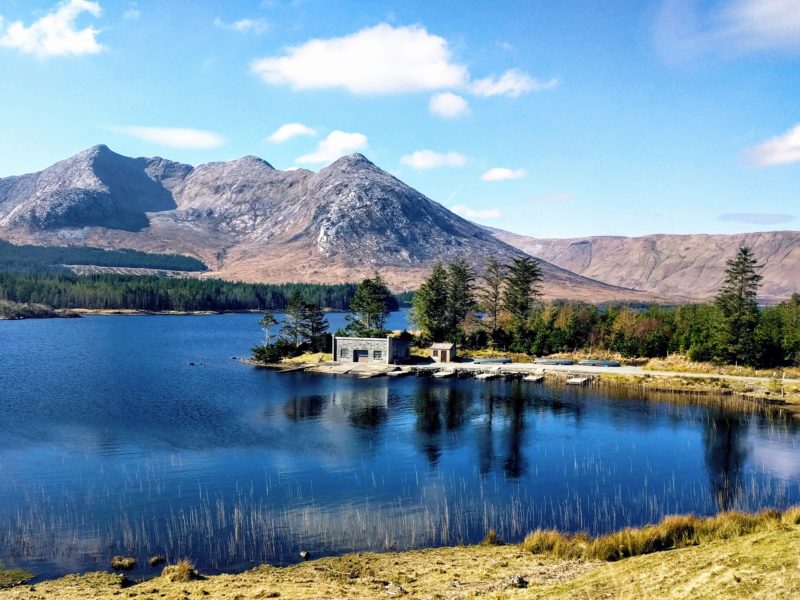
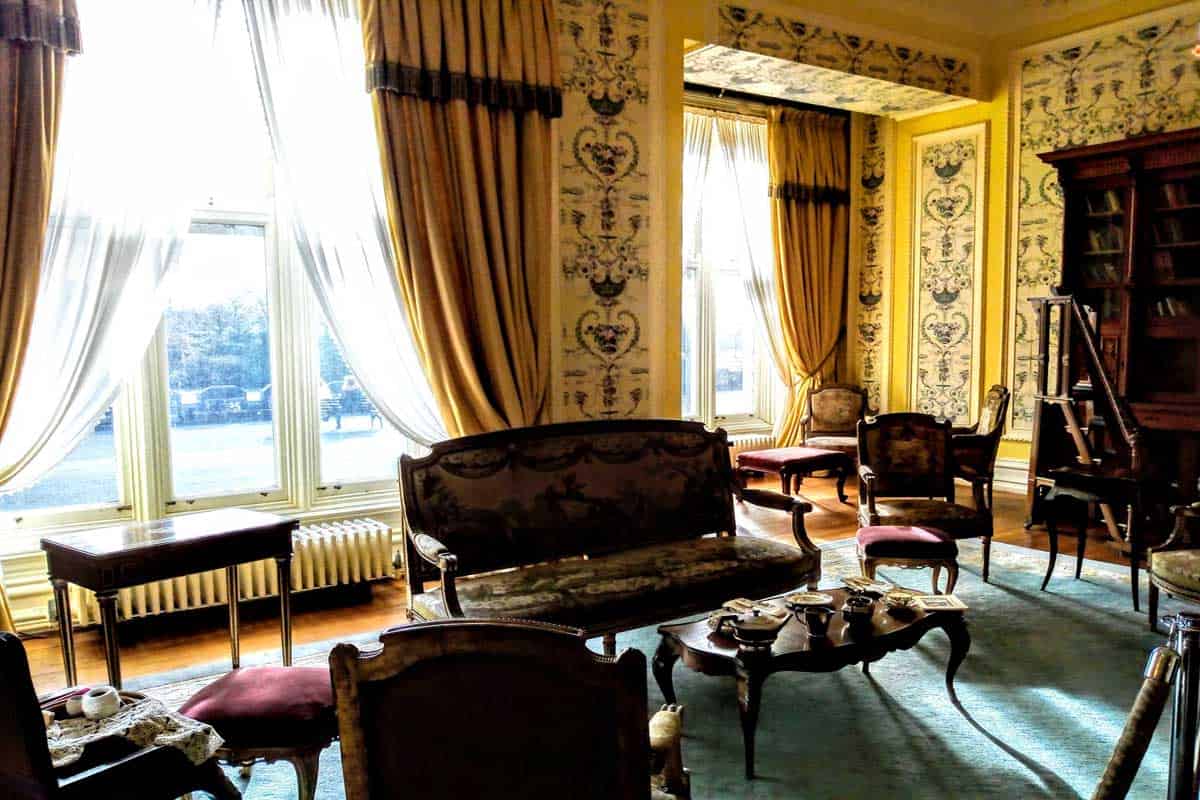
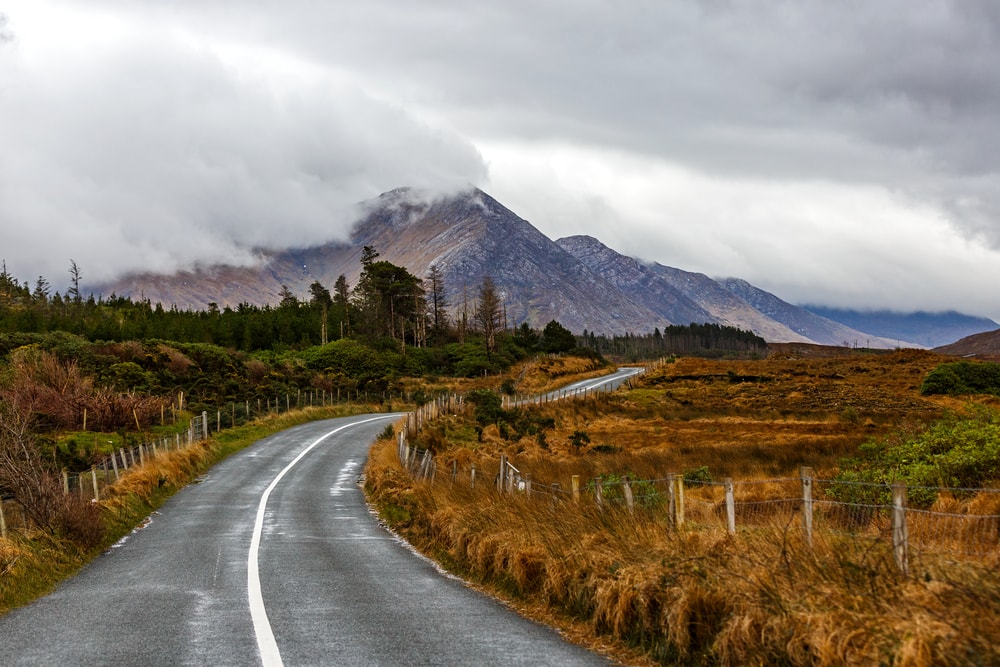
Connemara always feels older than the map. Bogs, lakes, and stone walls stretch out in a way that resists tight scheduling.
Drive the Sky Road loop near Clifden, visit Kylemore Abbey if you want a more structured stop, and then give yourself permission to slow down. This is a day where the best moments often come from unplanned stops rather than fixed destinations.
Expect changing weather, shifting light, and long stretches of quiet road. Connemara rewards patience more than efficiency.

Day 7: Cliffs of Moher and the Burren
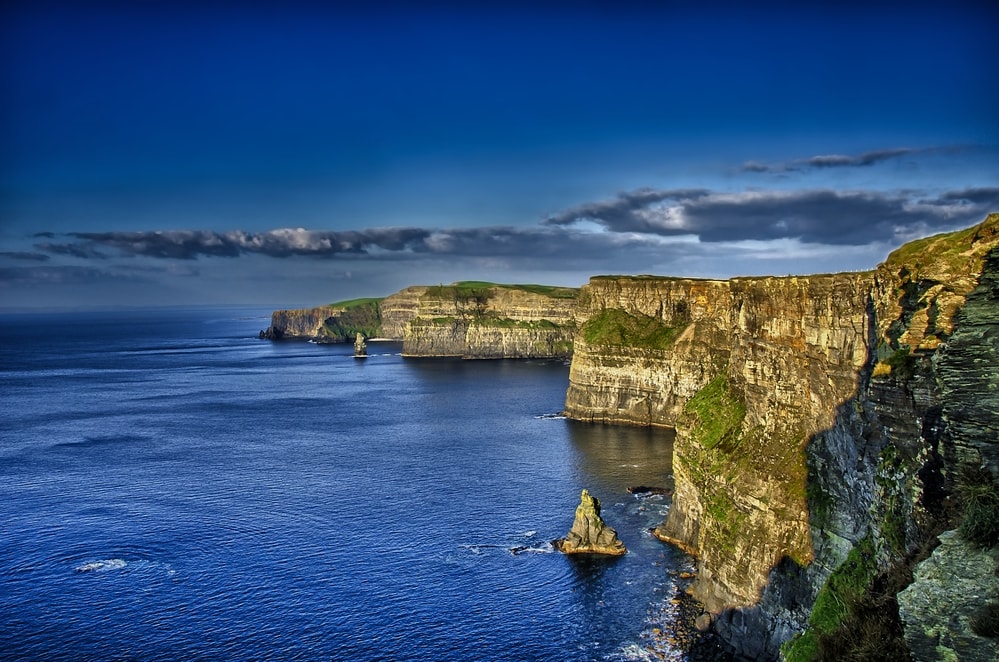
Head south toward the Cliffs of Moher, and if you’re traveling in peak season, book a timed entry in advance. The cliffs are one of Ireland’s most visited sites, and planning your arrival makes a noticeable difference in both crowd levels and overall experience.
Weather is the biggest variable here. It’s common for the cliffs to be completely fogged in and then clear within an hour, so keeping your schedule flexible within the day is more effective than locking into a rigid time.
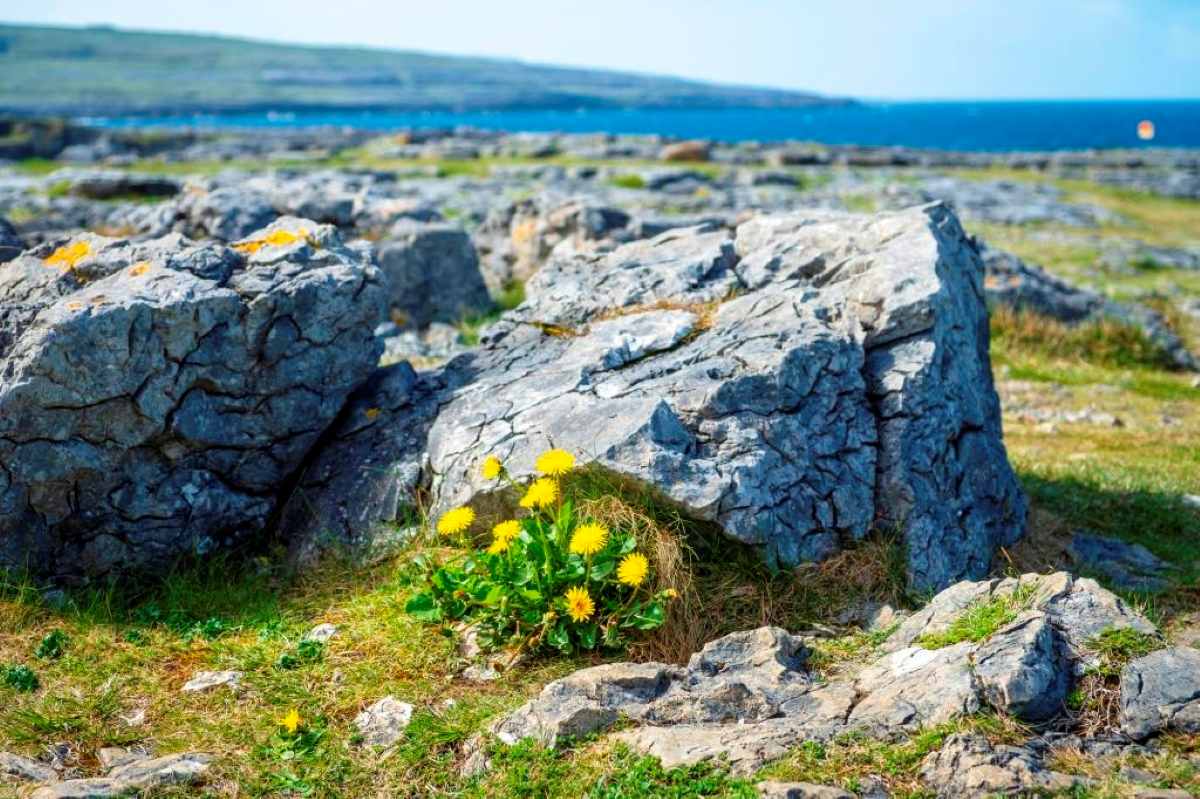
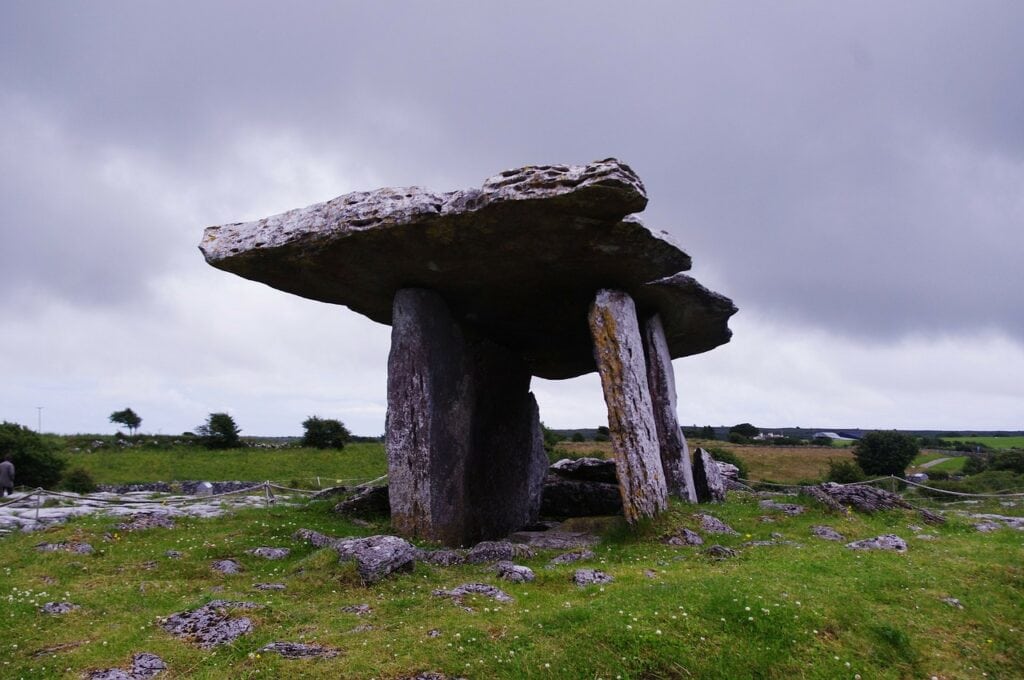
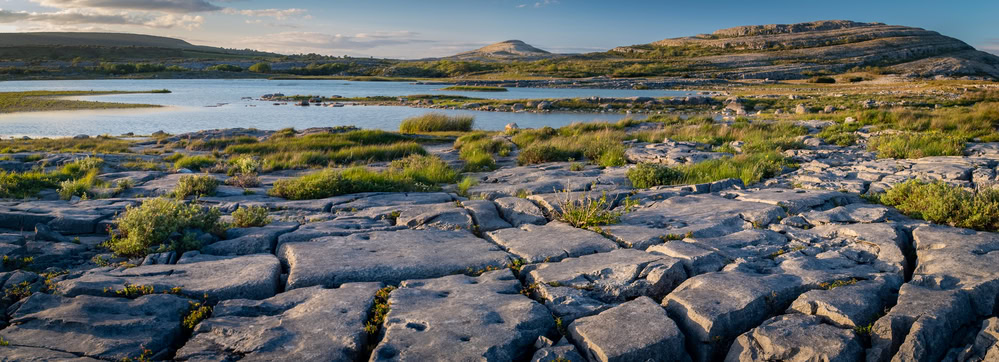
From the cliffs, continue into The Burren, where the landscape shifts into limestone pavements, wildflowers, and scattered archaeological sites like Poulnabrone Dolmen. The contrast with the rest of Ireland is striking and worth taking time to explore.
Stay in Doolin if traditional music is a priority, or continue on depending on your pace.
Days 8–9: Killarney, Ring of Kerry or Dingle Peninsula
Killarney works best as a base rather than a pass-through. Staying here for two nights means you can explore the surrounding region without repacking and allows you to adjust your plans based on weather.
Spend one day in Killarney National Park visiting Muckross House, Torc Waterfall, Ross Castle, and the surrounding lakes. The proximity of these sites makes it easy to build a full day without long drives.
Your second day is where you choose between the Ring of Kerry and the Dingle Peninsula.
Slea Head Drive (Dingle Peninsula Highlight)
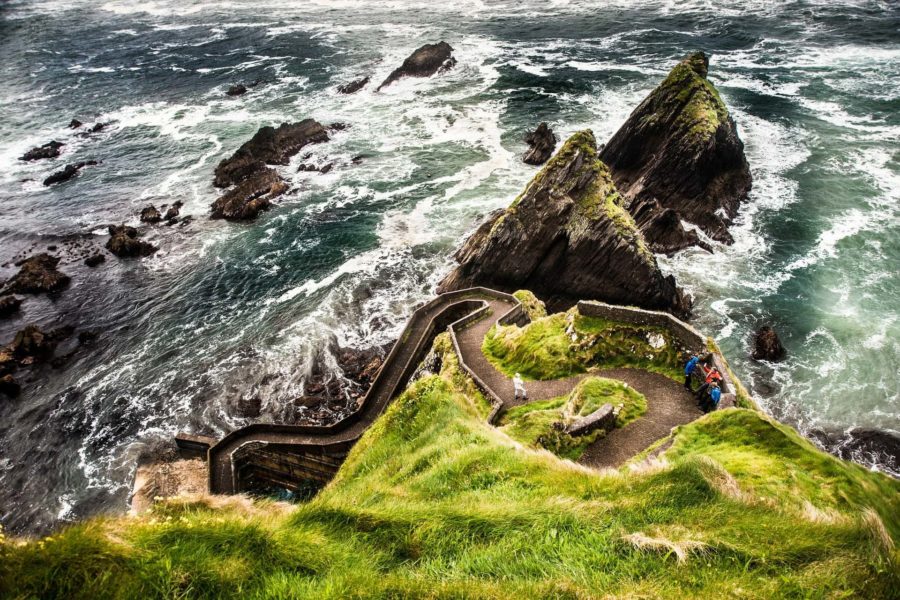
One of the standout experiences on the Dingle Peninsula is the Slea Head Drive, a loop that consistently ranks among the most scenic coastal drives in Ireland. This route traces the western edge of the peninsula, offering uninterrupted views of the Atlantic, the Blasket Islands, and a series of pull-offs that are worth stopping for even if you think you’ve already seen “enough” coastline. In practice, this is not a drive you rush.
The full loop can technically be completed in two to three hours, but every time I’ve driven it, it has taken closer to four or five once you factor in stops, short walks, and simply taking time to absorb the views.


Driving it clockwise (the recommended direction, and the one tour buses follow) makes navigation easier on the narrow roads and keeps you on the coastal side of the lane. Highlights include Dunquin Pier, Coumeenoole Beach, and the views toward the Blasket Islands, but the stretches in between are just as memorable.
What makes Slea Head different from other drives in Ireland is how immediate the landscape feels there’s very little separation between you and the Atlantic, and the terrain shifts quickly from cliffs to beaches to open farmland.
From experience, this is one of the drives where weather matters, but not always in the way you expect. Clear days offer sweeping visibility across the ocean, but overcast or shifting conditions often make the landscape feel more dramatic. If you’re deciding between the Ring of Kerry and Dingle, this stretch of road is one of the strongest arguments for choosing Dingle.
Day 10: Return to Dublin or Depart from Shannon
Your final day depends on where you started.
If you began in Dublin, make your way back east, breaking the drive with stops like the Rock of Cashel or Kilkenny. If you began in Shannon, your route naturally finishes nearby, making departure simpler.
Allow extra time for returning your rental car and reaching the airport, particularly during peak travel periods.
I built this route from repeated drives, on-the-ground timing, and adjusting for what actually works not what looks good on a map.
The biggest improvement you can make to this itinerary isn’t adding more stops it’s protecting your flexibility.
Ireland rewards unhurried travel. The best parts of this trip won’t be the major stops they’ll be the stretches in between.
Why This Itinerary Works
This route is built from repeated trips across Ireland, not theoretical planning. Driving times, stop suggestions, and pacing have all been adjusted based on real conditions traffic, weather, and how long places actually take to experience. The structure reflects what consistently works for first-time visitors rather than what looks efficient on a map.

Ireland Itinerary FAQs
Is 10 days enough for Ireland?
Yes, 10 days is enough to see Ireland’s highlights if you follow a structured route like this. The key is limiting daily driving and using base locations like Galway and Killarney.
Do you need a car in Ireland?
For this itinerary, a car is strongly recommended. Driving allows you to reach rural areas like Connemara, the Dingle Peninsula, and the Aran Islands efficiently.
What is the best route for a 10 day Ireland road trip?
The best route is a loop starting in Dublin, heading north to Northern Ireland, crossing to Galway, continuing south through the Cliffs of Moher and Kerry, then returning to Dublin.
How long is the drive from Belfast to Galway?
The drive takes about 5–6 hours without stops, but realistically 7–9 hours with breaks in places like Athlone and Clonmacnoise.
What is better: Ring of Kerry or Dingle Peninsula?
Both are excellent, but many travelers prefer the Dingle Peninsula for its slightly quieter roads and equally dramatic scenery.
Join 7,500 Ireland travellers in my Ireland Uncovered Facebook Group and 1,897 on my XYUandBEYOND PAGE
Explore a few of my Ireland itineraries below:
👉 An Itinerary for exploring Wicklow
👉 An Itinerary for exploring Kilkenny
👉 A 10 Day Itinerary to discover Ireland
👉 5 Historical Places to visit near Dublin
👉Causeway Coastal Route Itinerary
👉 Celtic Symbols a road trip itinerary
Start Planning Your Trip
👉 Public Transportation in Ireland
👉 Hidden Gems in Ireland – 32 Secret places to visit
👉 Answering all your travel questions about Ireland
👉What to pack for your Ireland trip
👉 Northern Ireland Public Transportation
This guide is part of a wider Accessible Ireland travel series, offering realistic, first-hand advice for limited-mobility travel across Ireland.
➡️Accessible Causeway Coast Route
➡️Accessible Wild Atlantic Way
If you encounter changes (e.g., temporary lift closures or construction), please let me know so I can update this page promptly.