
2-Week UK and Ireland Itinerary: What to See (and What to Skip)
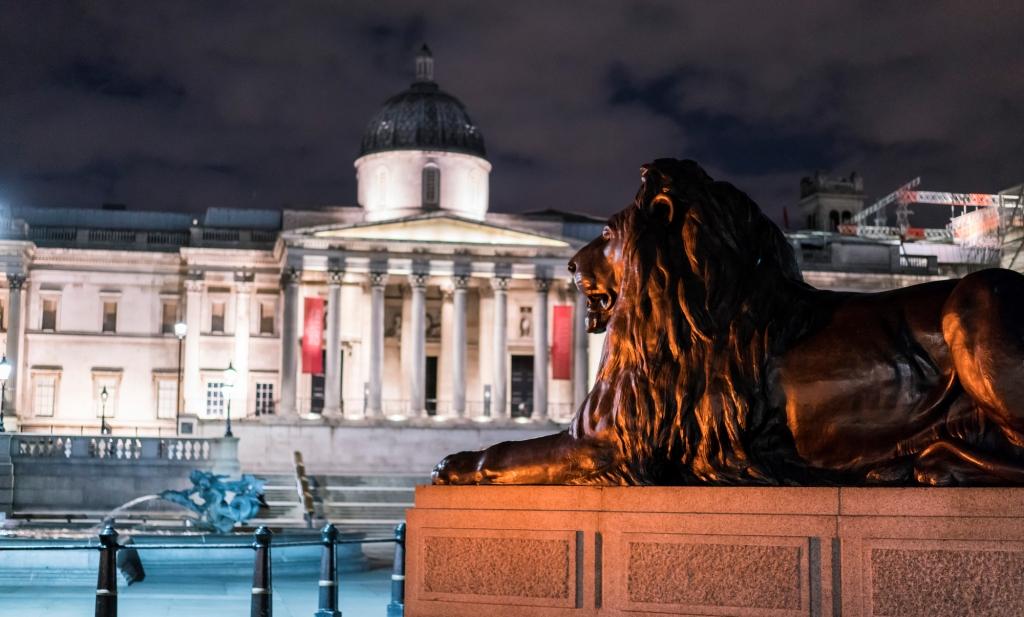
This guide is for first‑time visitors who want iconic experiences without constant packing, 6 a.m. alarms, or marathon drives. It focuses on high‑impact stops, realistic travel times, and the confidence to skip what doesn’t fit. If you want a calm, enjoyable introduction to the UK and Ireland, this route works.
Why trust this guide
Experience: I’ve travelled this route (and its Scotland swap) multiple times and most recently in 2025.
Method: I re‑check transport, booking windows, and seasonal crowd patterns annually and after major changes.
- 2-Week UK and Ireland Itinerary: What to See (and What to Skip)
- Why trust this guide
- At a glance (Recommended route):
- Is 2 Weeks Enough for the UK & Ireland?
- Best Route for a 2‑Week Trip
- Sample 2‑Week England & Ireland Itinerary
- Optional – Days 5–6 Edinburgh
- What worked for me: Edinburgh
- Days 7-13: Dublin
- Logistics at a glance:
- Days 11–13: Killarney
- Day 14: Departure
- What to Skip on a 2‑Week Trip (Important)
- From my trips:
- Who This Itinerary Is Best For
- Travel times and typical advance costs (pp):
- Packing that works:
- FAQs
If you’re looking for a calm, enjoyable introduction to the UK and Ireland — this is the route that works.
At a glance (Recommended route):
Days 1–4: London (train + bus; no car)
Days 5–7: Dublin (short flight; no car). Optional Scotland Day 5 & 6
Days 8–10: Galway (pick up rental car; Cliffs of Moher day trip)
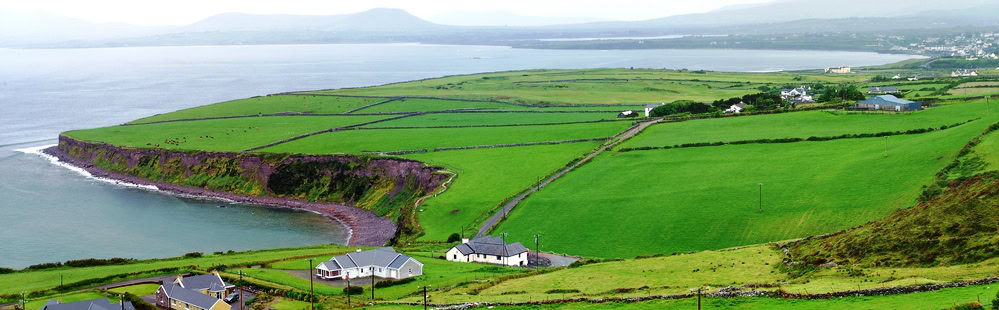
Days 11–13: Killarney (Ring of Kerry, National Park)
Day 14: Fly out (Shannon or Dublin)
Is 2 Weeks Enough for the UK & Ireland?
Yes—with limits.
In two weeks, you should focus on:
England + Scotland, or England + Ireland
Trying to do England, Scotland, and Ireland in two weeks usually means rushed, shallow days.
This guide assumes:
City travel by train
One short flight
Minimal car hire: Why this works: Trains between big cities, a single hop to Dublin, and a car only out west = fewer dawn alarms, more time in museums and pubs, and no “lost” ferry days. If you are worried about driving in Ireland with narrow roads and renting a car read my article on driving in Ireland over 60.
Decisions to be made:
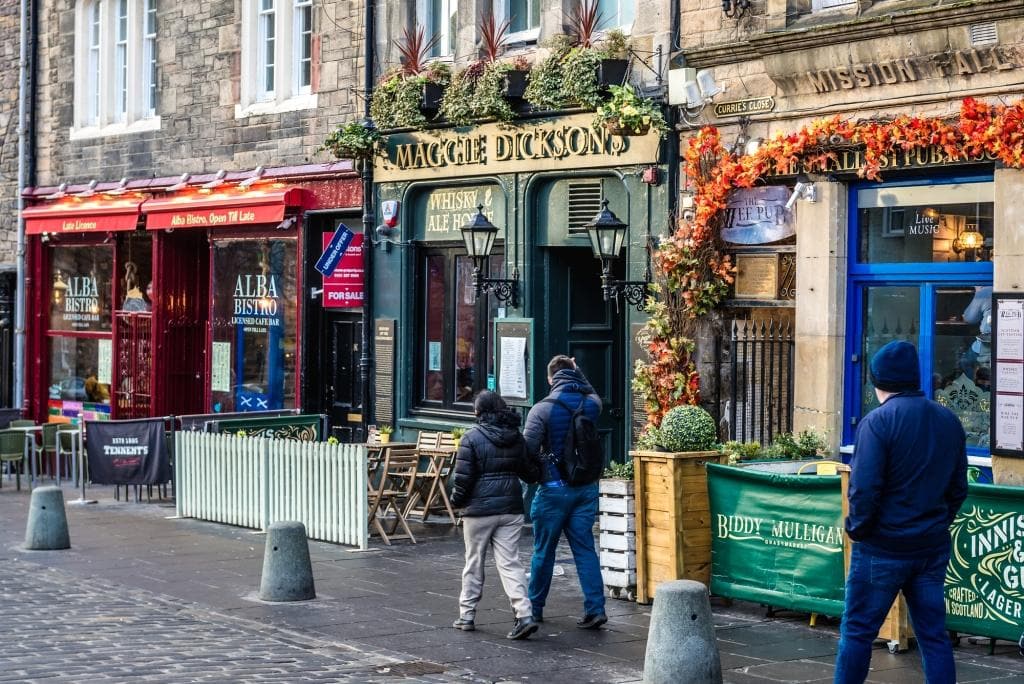
Choose England + Scotland if your group wants whisky tastings, castle ruins, and big hikes.

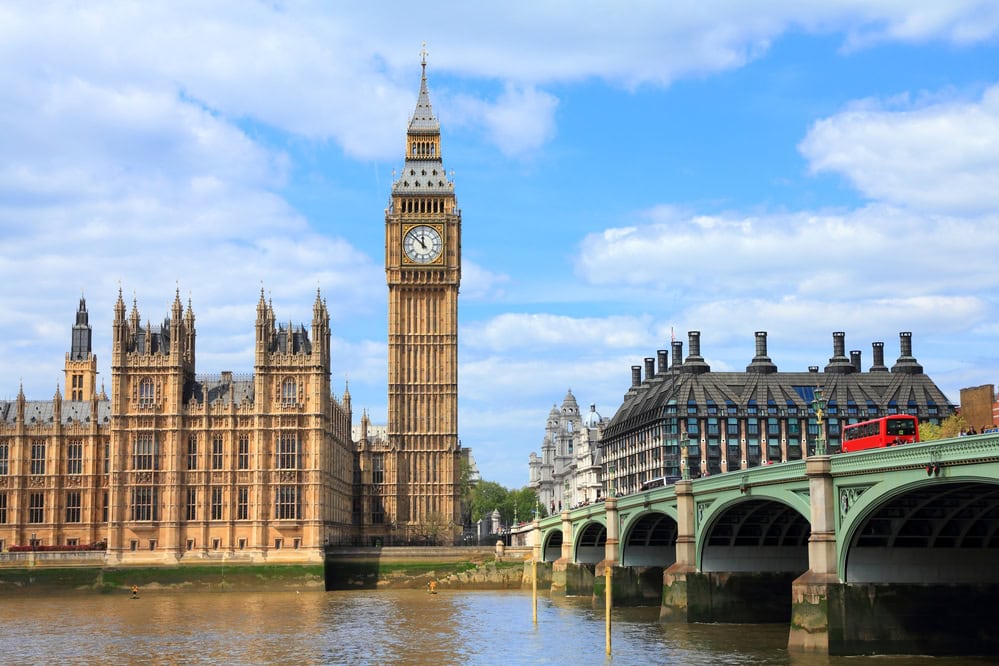
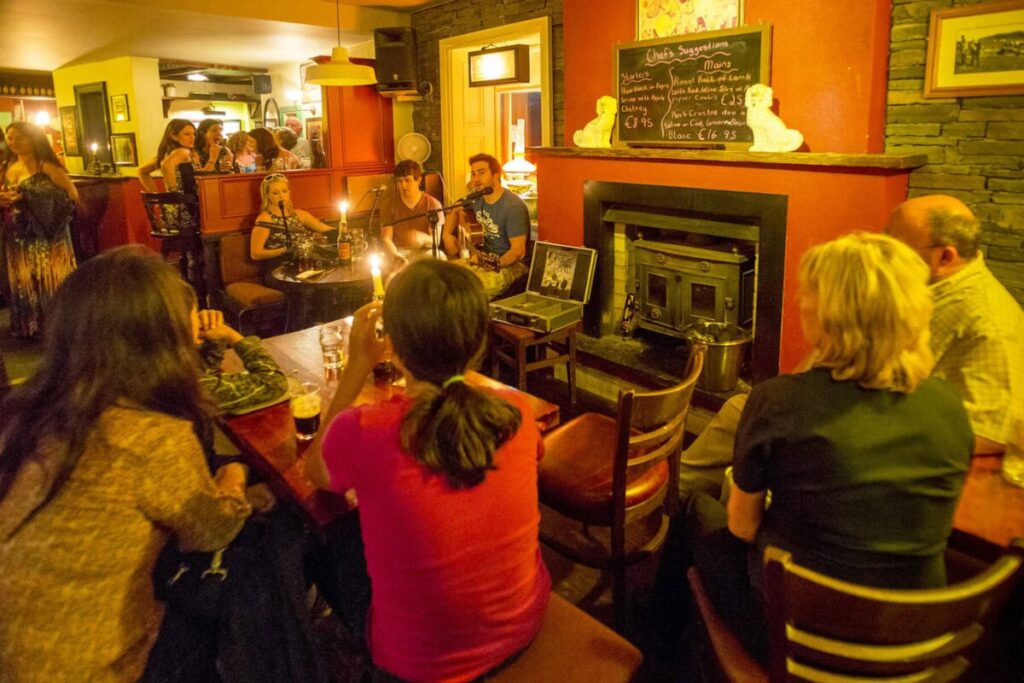
Choose England + Ireland if you prefer live music, coastal drives, and pub culture.
Best Route for a 2‑Week Trip
Recommended: England + Ireland
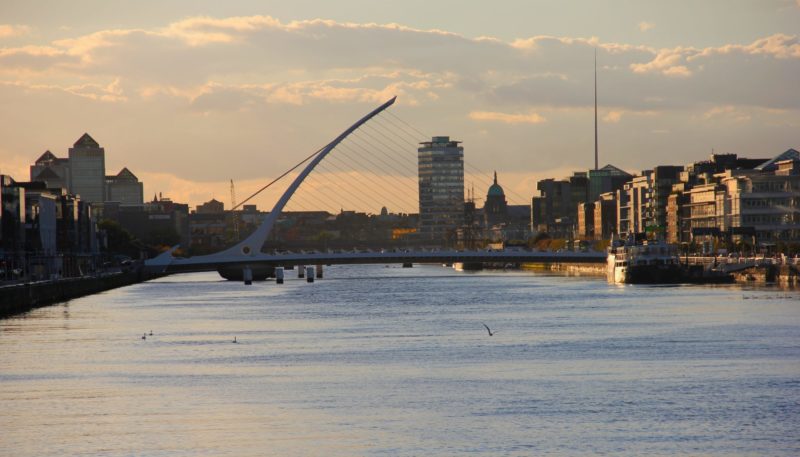
This route offers the best balance of culture, scenery, and manageable distances.
Why I’d choose Scotland: If you’re excited about whisky tastings, castle ruins, and big hikes. I’d swap Dublin/Galway/Killarney for Edinburgh + a Highlands base. If I want music, coastal drives, and pub culture, Ireland wins.

Sample 2‑Week England & Ireland Itinerary
Days 1–4: London
Why start here: Easy international flights, world‑class sights, no car needed.
Highlights:
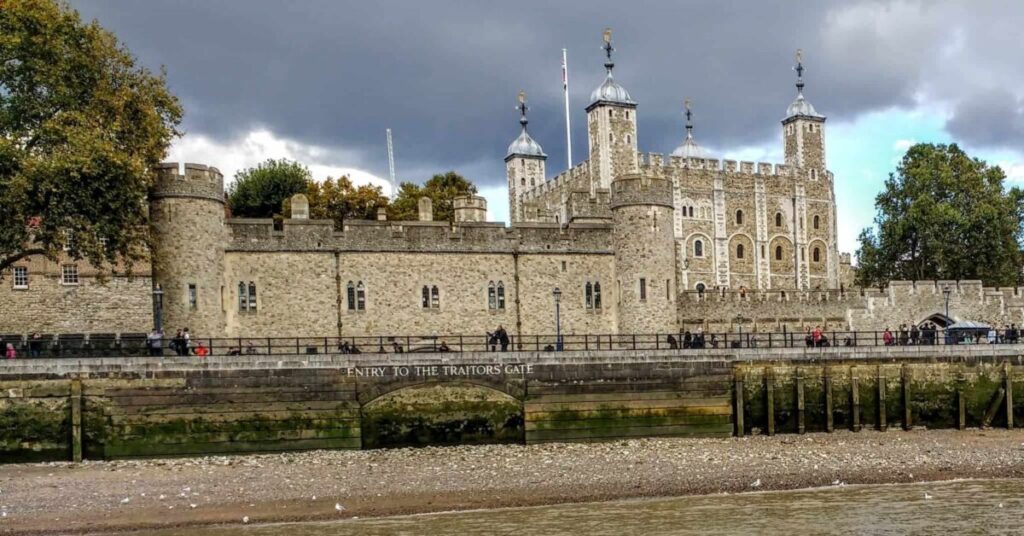
Tower of London and London Bridge
Take in a free museum in Chelsea like the V&A
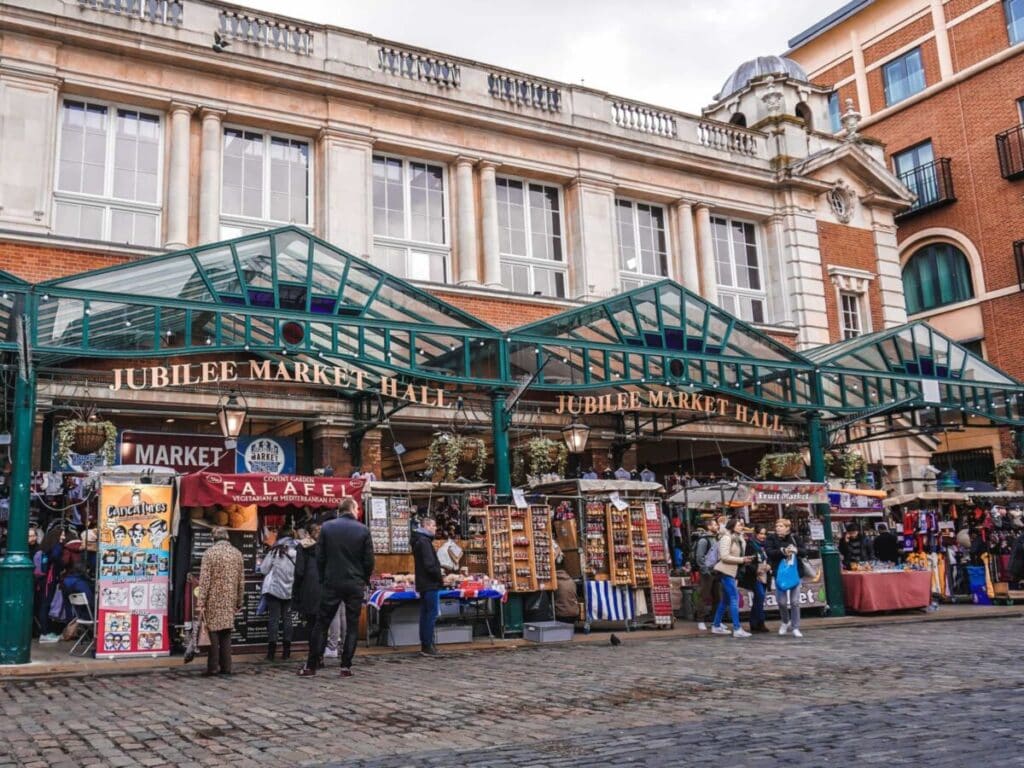
Find a great market or head to Covent Garden
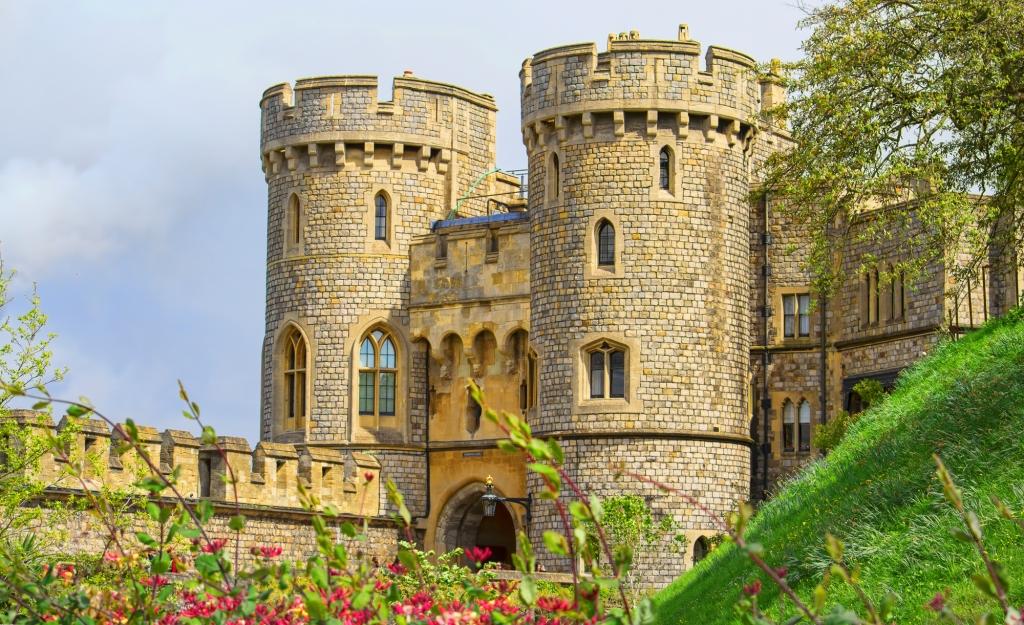
Optional day trip:
Logistics at a glance:
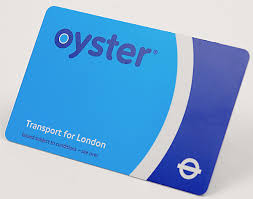
Typical arrival: LHR → Elizabeth line to central London (~35–45 min; pay contactless, daily cap applies).
In‑city: Tap‑to‑pay caps fares; no need to preload Oyster. Buses are step‑free and good for accessibility.
Example costs (advance, pp): Tower of London from ~£34; many major museums are free (donate if you can).
What worked for me:
Airport: LHR + Elizabeth line is the least stressful arrival; I avoid late‑night LGW landings to dodge longer transfers. Generally speaking if arriving from North America you will land first thing in the morning.
TIP: Change your watches to UK time it helps with jet lag
Getting around: Contactless cards cap fares—no need to preload Oyster. I plan one “big museum” morning (British Museum or V&A), then aim for neighborhood walks (Bloomsbury, South Bank) to keep energy up.
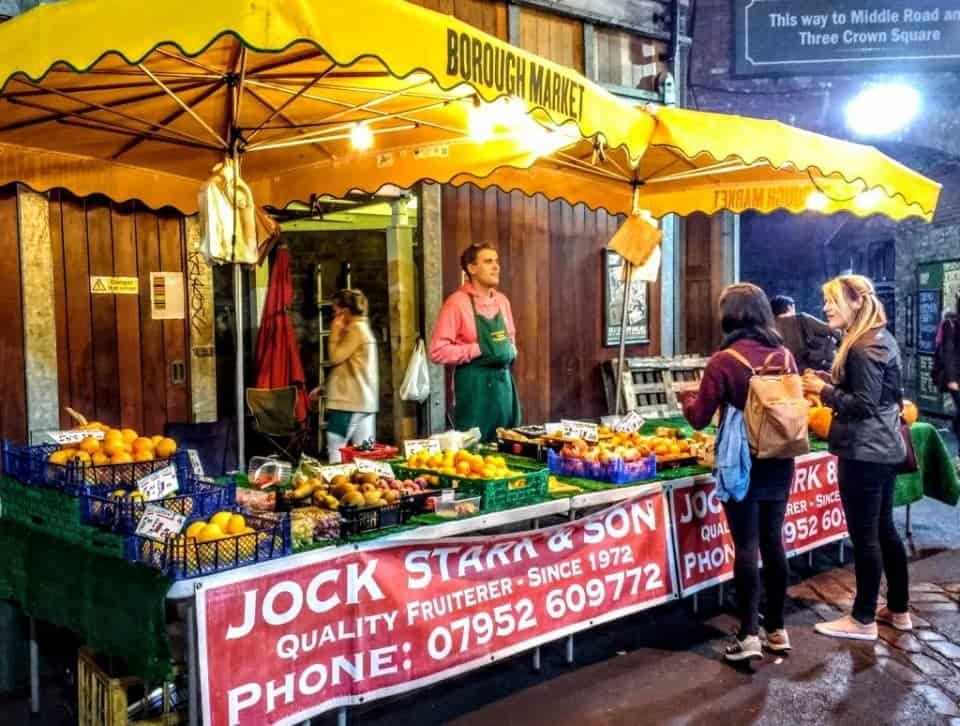
Spending a day: Tower of London and London Bridge and then head to St. Paul’s Cathedral around a 20 minute walk. After St. Paul’s head to the Borough Market across the Millenium Bridge for a ton of choices for lunch. After Lunch stroll over to the Tate Modern Gallery. You’ll pass the Globe Theatre and can catch a play in the evening.

Eat/drink: A great place for dinner near the Tate is the Founders Arms with stunning views across the Thames is serves up traditional British grub and drinks.
Accessibility: With companions needing step‑free access, I default to buses and plan Tube hops only at stations with lifts (Transport for London’s map helps)
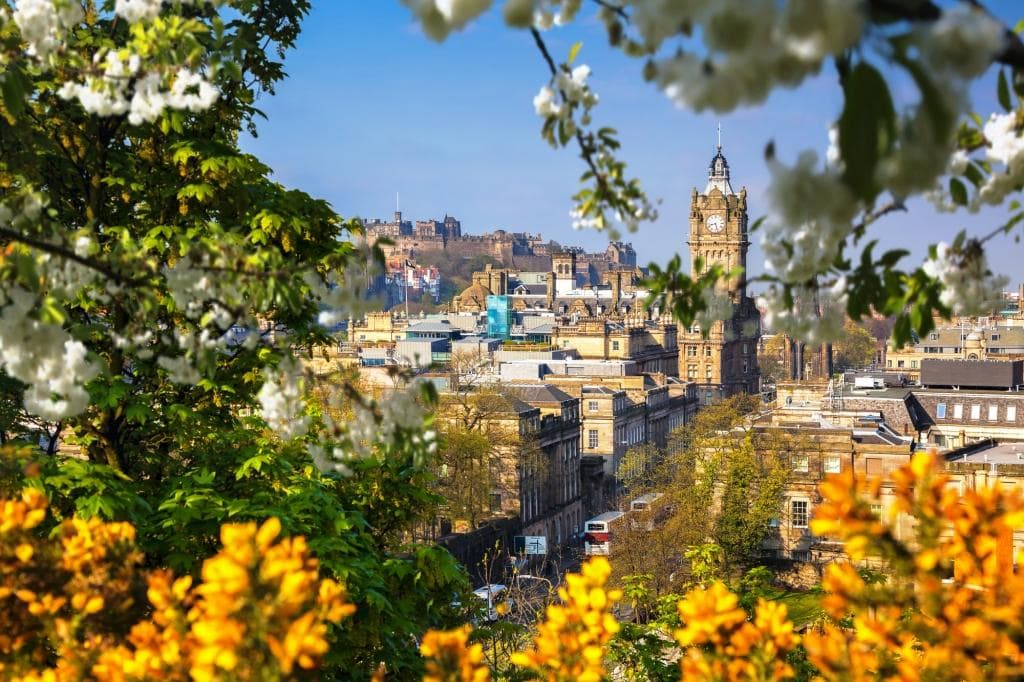
Optional – Days 5–6 Edinburgh
Highlights:
Edinburgh Castle
Royal Mile
Arthur’s Seat
Train to Edinburgh from Kings Cross: LNER in standard class with Advance fares and grab seats on the right side northbound for coastal views.

What worked for me: Edinburgh
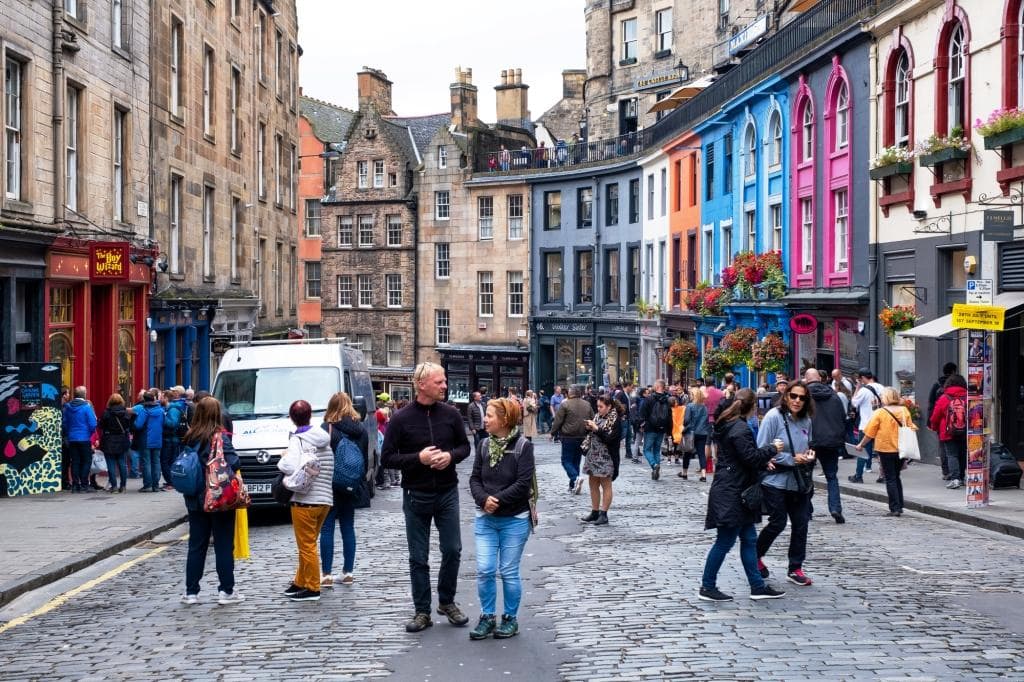
Castle timing: Enter by 9:30 a.m., then loop back to the Royal Mile for coffee—midday lines balloon. Wander the Royal Mile and head to the Grassmarket for lunch and iconic photographs. You could also walk the 10 minutes to the famous Greyfriars bobby statue.
Arthur’s Seat: I watch the weather and pick the clearest morning; wind can be fierce, so layers are non‑negotiable and its a hike. A great place to visit near Arthurs Seat is Holyrood Palace if you want something less strenuous. From Holyrood go and visit Dynamic Earth which explores the concept of our planet as a constantly changing system (tectonics, climate, water cycles).
Fringe season: In August, I book lodging first and accept that dining is walk‑in only with waits—snacks in the daypack save the mood.
Days 7-13: Dublin
To Ireland: EDI → DUB is straightforward; I aim for midday flights to avoid rushed hotel checkouts
Highlights:
Trinity College Dublin
Book of Kells
Guinness Storehouse
No car needed yet.
Logistics at a glance:
London→Dublin or Edinburgh to Dublin : 1–1.5 hr flight; door‑to‑door typically ~3.5–4.5 hrs including airports. Ferry is slower on a 2‑week clock.
In‑city: Tap‑to‑pay on buses/LUAS; cards widely accepted.
What works for me:
Flight over ferry: The time savings are real on a two‑week clock.
Trinity & Book of Kells: First morning slot, then coffee nearby and stroll over to check out Temple Bar. I don’t eat or drink in Temple Bar as the prices are ridiculously high. However if I need lunch I will stop at the Boxty House serving authentic traditional Boxty which is a sort of potato pancake in all sorts of non-traditional ways.
Guinness: Late afternoon visit, then sunset at the Gravity Bar great views but a bit of a tourist trap. I find this over-priced and ridiculously expensive as there is no actual brewing being done just interactive displays. If you want a great view of Dublin choose The Marker Hotel’s swanky rooftop terrace—one of Dublin’s first—offers 360-degree views from the Docklands to distant mountains and sea. Secure a spot at sunset to watch the city light up, cocktail in hand.

Evenings: I keep dinners within walking distance of lodging (Temple Bar is lively but I often pick quieter streets in Portobello or near Grand Canal Dock). Try The Celt on Talbot Street serves some of Dublin’s finest, most authentic Irish food in a cozy, welcoming atmosphere. It’s a local favorite—rated 4.6 on Google—that pairs hearty home-style cooking with live traditional music every night.
Safety & transit: Tap‑to‑pay on buses is easy; I carry less cash and use a zippered daypack in busy areas
Days 8–10: Galway
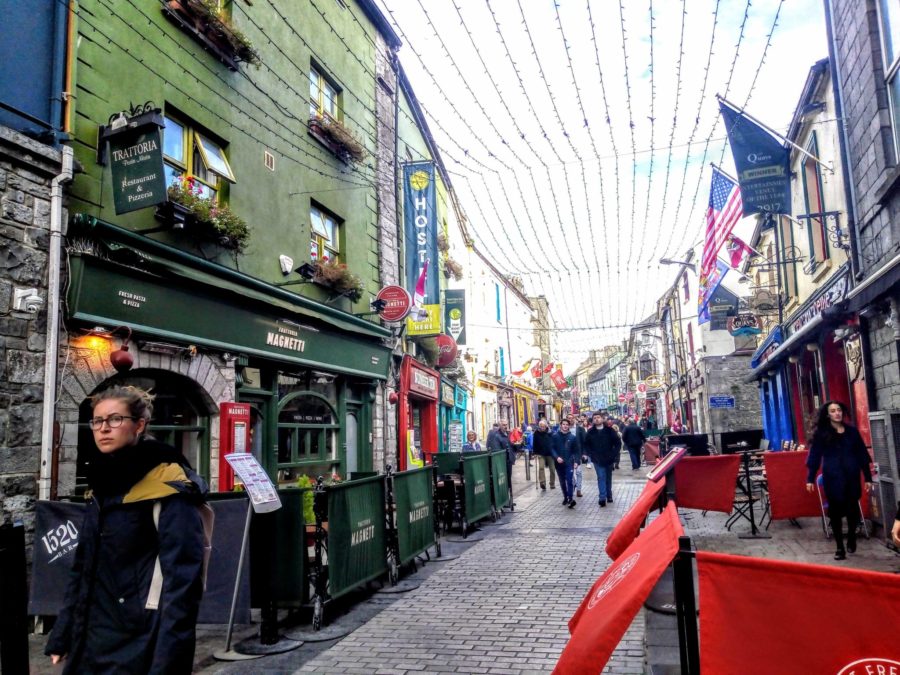
Pick up a car here
Highlights:
Colorful city centre
Traditional music pubs
Coastal scenery
Day trip:
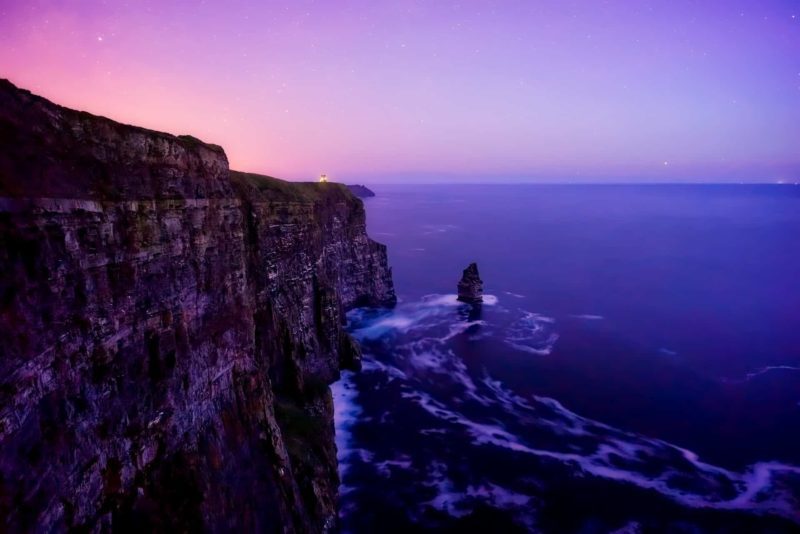
Cliffs of Moher
What to do and how
Train to Galway: Heuston → Galway mid‑morning, lunch by Eyre Square, car pickup at 2 p.m.—avoid rush‑hour exits
Car Rental routine: I photograph every panel, fuel gauge, and mileage at pickup/return; CDW with a reasonable excess keeps surprises down.
Cliffs of Moher: I aim for 3–4 p.m. after buses thin; add Doolin for lunch or early dinner. If the forecast is foggy, I swap days—views are worth waiting for. In Doolin head to McDermott’s a long-standing, family-run pub since 1876, renowned for its traditional Irish dishes and lively atmosphere. Or head to McGann’s
another local favorite, offering delicious food, a warm welcome, and authentic traditional music sessions.
Evenings: Music sessions usually start between 7 and 9:30 p.m.; I eat earlier and settle in before the crowd to actually get a seat.
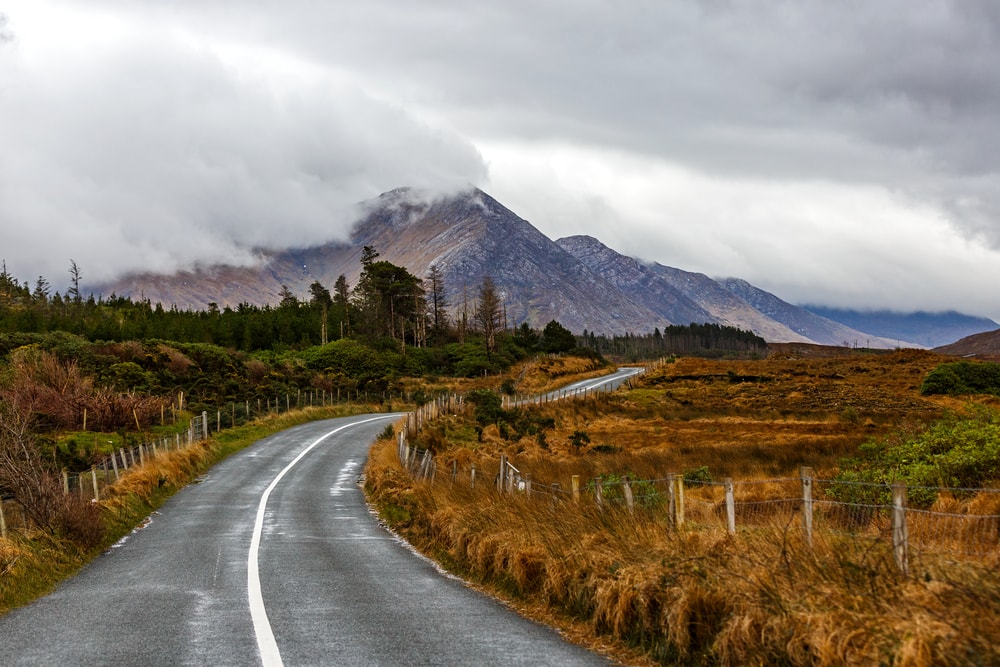
Bonus coastal loop: When weather’s clear, I drive part of the Sky Road near Clifden, Connemara for sunset—my favorite on the Wild Atlantic way for great photos.
Days 11–13: Killarney

Highlights:
Ring of Kerry
Lakes and mountain scenery
National Park walks
Lessons learned: Driving notes and stops
Galway → Killarney: I leave by 9 a.m., stop in Adare for coffee and breakfast or brunch at the fabulous Cafe Lógr Adare, and reach Killarney around lunch time to fit in a National Park walk the same day
Ring of Kerry: Clockwise, out the door by 8 a.m.; I plan 2–3 intentional stops (Derrynane, Staigue Fort, Rossbeigh strand) rather than dozens of pull‑offs that eat the day.
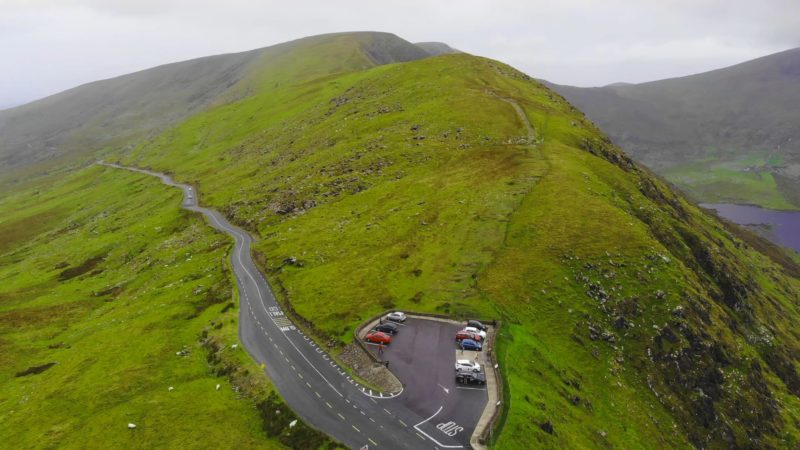
Gap of Dunloe: Pony + boat is memorable, but I book it only with stable weather—wind or rain can make it miserable. Book a bus, boat and jaunting cart tour of Killarney to sit back and relax.
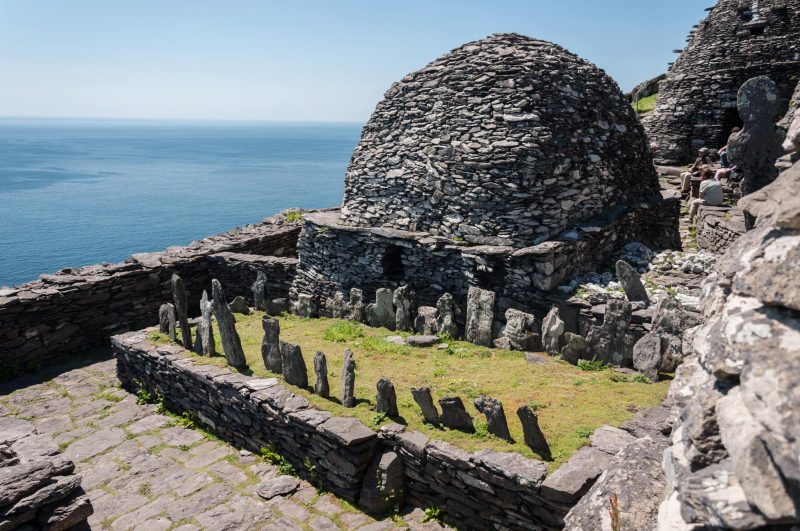
Skellig Michael: Requires advance booking and calm seas; I hold it as a “maybe” and keep a backup plan (Skellig Ring viewpoints) so the day isn’t wasted. Remember there are no facilities on the boats or the Island and it is over 618 steps to the top, so for the mobility challenged it is an incredibly difficult walk.
Car‑free hours: Renting bikes for the park gave me my favorite Killarney memories—quiet lanes, lake views, and no parking stress
Day 14: Departure
Fly home from:
Shannon Airport or Dublin Airport.
What to Skip on a 2‑Week Trip (Important)
To protect your experience, skip:
Isle of Skye
Northern Ireland: check out my page on Northern Ireland so much to see and do.
One-night stays
Skipping is a strategy — not a failure.
From my trips:
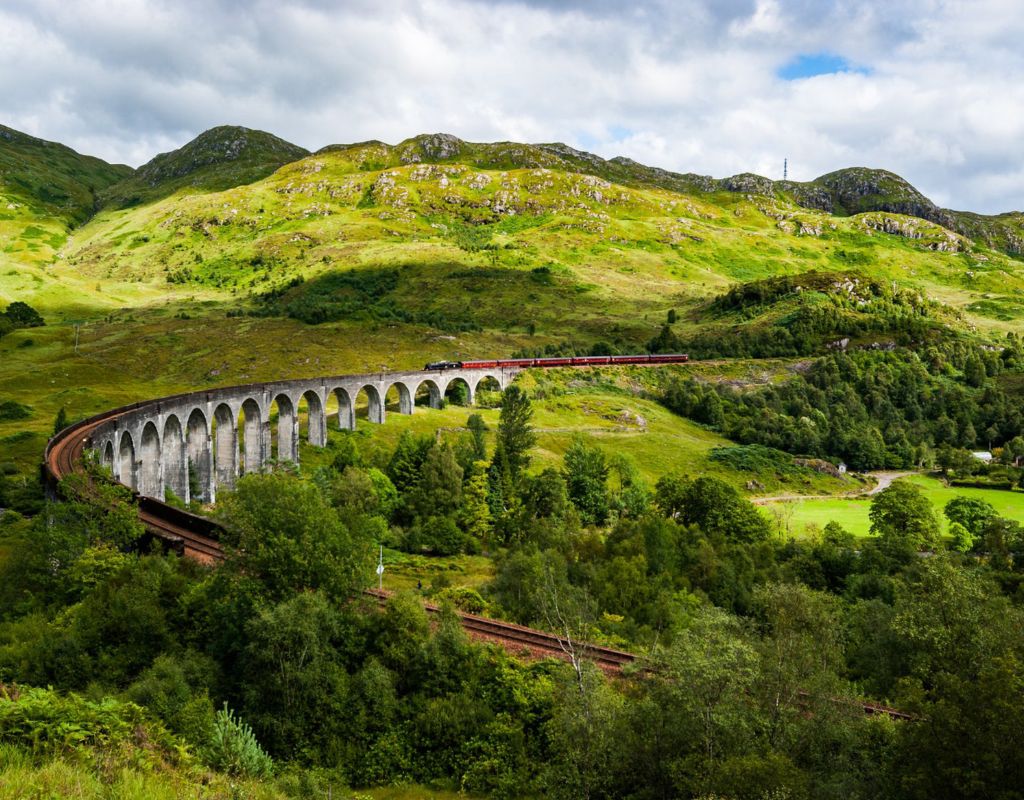
Skye: I’ve had breathtaking days—and full whiteouts. On a two‑week England + Ireland plan, it’s too far a swing; save it for a Scotland‑focused trip.
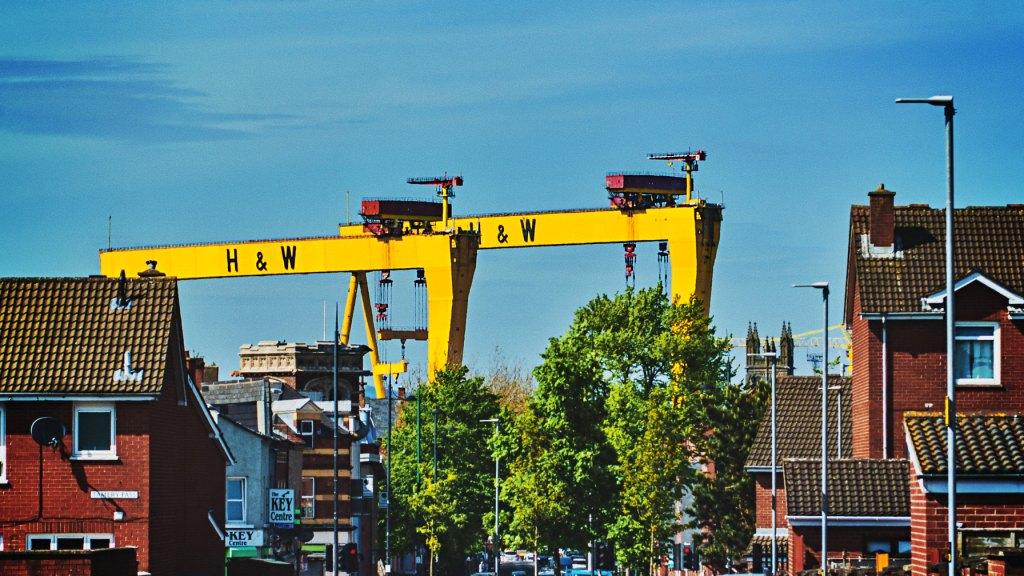
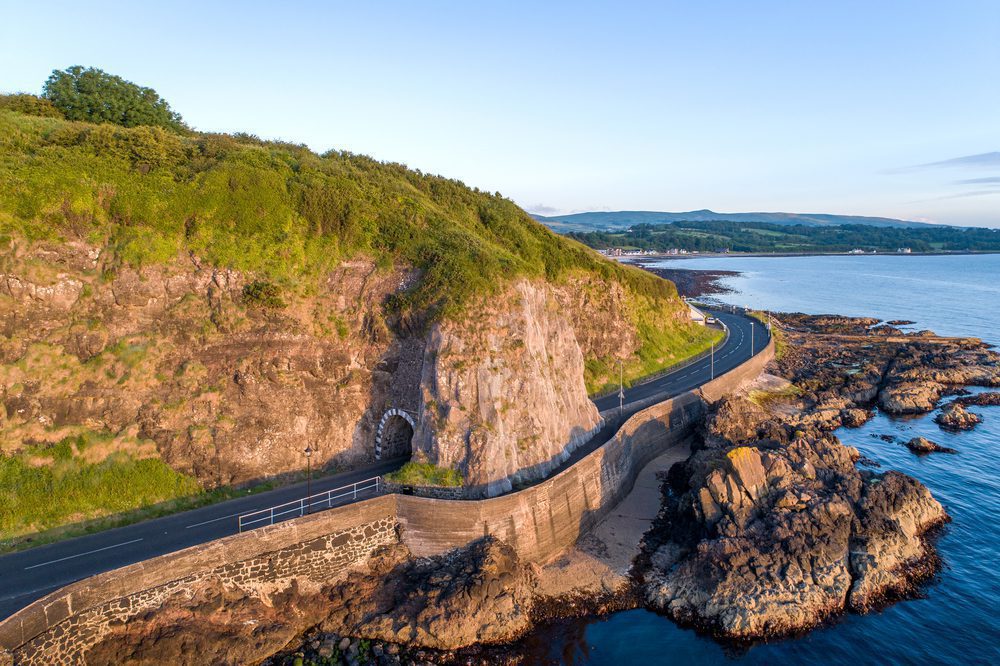
Northern Ireland: Belfast and the Causeway Coastal Route deserve focused time; cramming them into this route diluted my west‑Ireland days.
Long loops: Rural speed limits don’t equal real‑world speeds. After one marathon loop, I now cap drives at 3–3.5 hours.
One‑night stays: I’ve done them; they burn energy. Two‑night minimums keep the trip enjoyable.
Who This Itinerary Is Best For
First-time visitors
Active travellers
People comfortable with a moderate pace
If you prefer slower travel, see my slow-travel UK and Ireland itinerary.
Travel times and typical advance costs (pp):
London→Edinburgh (train): ~4h20m; Advance from ~£30–£70.
London→Dublin (flight): 1–1.5 hrs; low‑cost carriers often £30–£90 + bag.
Dublin→Galway (train): ~2h20m; from ~€20–€35.
Fuel in Ireland: plan ~€1.70–€2.00/litre; parking in towns can be tight.
When to go:
Sweet spots: May–June and September. Long days, fewer crowds, and reliable enough weather for coastal drives.
Peak: July–August costs more; I book transport and lodging early and keep days simpler.
Budget reality (mid‑range, pp for 14 days): £/€2,800–4,200 excluding flights.
My saves: Advance train fares, guesthouses a few blocks off center, and shoulder‑season bookings.
My splurges: One great guided day (e.g., specialist walking tour) and well‑located lodging in capital cities—it pays back in time.
Save: Advance train fares; guesthouses a few blocks off‑center; shoulder‑season bookings.
Packing that works:
Waterproof layer + comfortable walking shoes; windproof hat for cliffs.
No‑FX‑fee card and tap‑to‑pay everywhere.
eSIM that covers UK + EU so crossing the Irish Sea doesn’t kill data.
Trust & transparency:
I revisit and re‑check transport notes annually or when major changes land.
No paid placements. If I recommend something, it’s because it worked for me—in real conditions.
I re‑check transport, booking windows, and seasonal patterns annually or when major changes land.
No paid placements. If I recommend something, it’s because it worked for me in real conditions.
FAQs
Is the ferry ever better than flying London↔Dublin? Not on a 2‑week clock; door‑to‑door it’s slower. Fly.
Do I need an International Driving Permit in Ireland? Most visitors don’t, but check your country’s rules and your rental’s terms.
How “slow” are rural drives? Expect averages closer to 60–70 km/h on scenic routes despite higher limits; cap drives at ~3–3.5 hrs.
Which airport should I use at the end? From Killarney, Shannon is closer and calmer; Dublin has more flights. Choose based on schedule/price.
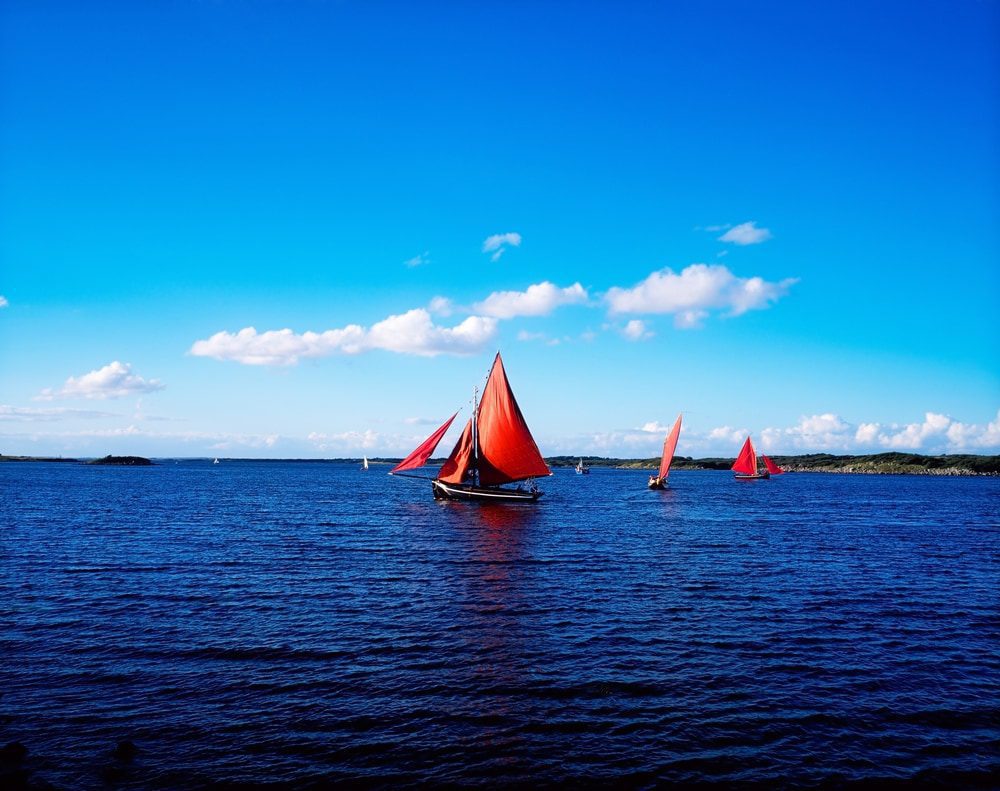
This first‑timer‑friendly, two‑week plan prioritizes depth over distance: start in London, hop to Dublin, then road‑trip west through Galway and Killarney, with an optional Edinburgh swap for Scotland‑leaning folks. You’ll use trains and one short flight for stress‑free city travel, pick up a car only where scenery and flexibility pay off, and skip time‑sinks like Skye and one‑night stays. Clear crowd‑timing tips, accessibility notes, realistic drive/train durations, and budget ranges keep the days calm and rewarding.
Explore more of the region with guides to England, Scotland, Wales, Northern Ireland, or the full United Kingdom Travel Guide. Trying to choose between the two? Read my Ireland vs Scotland: Which Should You Visit?.