
Slow Travel UK & Ireland: 3‑Week Accessible, Train‑Based Itinerary
Slow travel is the intentional choice to do less and experience more: fewer bases, longer stays, gentler days, and space for weather, energy, and serendipity to lead. Instead of racing between highlights, you build simple routines coffee, a short wander or museum, an unhurried meal, a local evening so you connect more deeply with place and people.

Slow travel in the UK and Ireland works beautifully: compact, walkable cities, reliable trains, accessible paths, and culture on every corner. If fast itineraries leave you exhausted, a slow travel plan will help you return rested, connected, and satisfied.
This slow travel guide is for travellers who value comfort, connection, and calm—especially mature travellers, those managing fatigue or mobility needs, and anyone who prefers fewer places, more deeply. We prioritise step‑free options, short walks, and train‑based moves. If you’re thinking of extending your trip, you might also like my 2-week UK and Ireland itinerary, which shows how to combine England, Scotland, and Ireland into one seamless route.
- Slow Travel UK & Ireland: 3‑Week Accessible, Train‑Based Itinerary
- What Slow Travel Means (and Why It Fits the UK & Ireland)
- Best Bases for Slow, accessible-travel-guides-ireland-uk-europe
- London: Best for museum days, markets, and step‑free transport
- Edinburgh: Compact, culture‑rich, with gentle alternatives to steep climbs
- Dublin: Walkable core, museums, and easy seaside by DART
- Galway: Music, cafés, and easy access to the Cliffs of Moher
- Killarney: Paved lakeside paths and Ring of Kerry coach options
- 3‑Week UK & Ireland Itinerary by Train (Accessible, Minimal Driving)
- Days 11–13: Dublin
- Days 13–15: Galway
- Days 16–21: Killarney & Ring of Kerry (nature at a gentle pace)
- Who Slow Travel UK & Ireland Is Best For
- Practical Slow Travel Tips (UK & Ireland)
- Slow Travel UK & Ireland: FAQ
- Explore Historic Great Britain
What Slow Travel Means (and Why It Fits the UK & Ireland)
Slow travel here means:
Fewer bases
Longer stays
Minimal driving
Time for weather, rest, and spontaneity
Travel primarily by train and accessible public transport
You don’t need to see everything to feel like you’ve truly been somewhere. In this UK & Ireland slow travel itinerary, “easy” means ≤90 minutes each way on transport, ≤2 hours gentle walking, and minimal stairs or steep gradients.

Best Bases for Slow, accessible-travel-guides-ireland-uk-europe
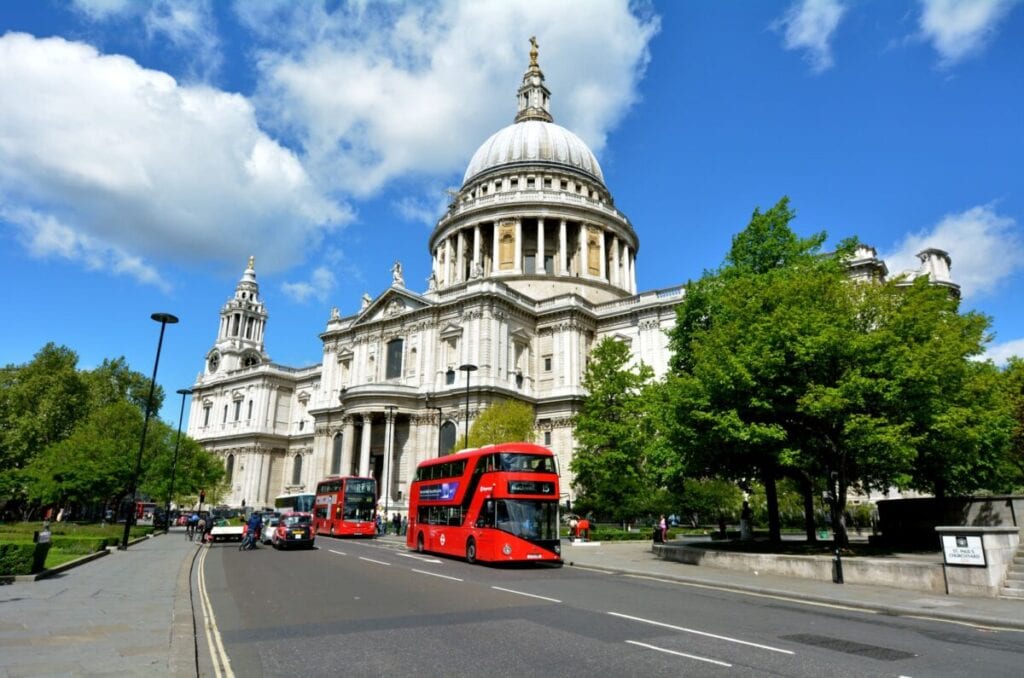
London: Best for museum days, markets, and step‑free transport
Excellent public transport
The London Eye Ferris Wheel even has wheelchair accessibility

Outstanding historic sites
World-class museums many of which are free entry
High proportion of step‑free options across DLR, trams, Elizabeth line, and many Overground/TfL stations; see TfL’s Step‑Free Tube Guide
Easy rainy‑day alternatives (museums, markets, indoor gardens)
Accessibility notes:
Transport for London step‑free overview
Many major museums have lift access and accessible toilets; check site‑specific pages
Edinburgh: Compact, culture‑rich, with gentle alternatives to steep climbs
Walkable sights
Tram and buses with low floors; steep gradients in Old Town
Edinburgh Castle has accessible routes to key areas, but upper levels can be challenging; alternatives include Calton Hill for views with gentler access.

Accessibility notes:
VisitScotland (attractions and accessibility filters): visitscotland.com
Edinburgh Castle access information via official pages
Dublin: Walkable core, museums, and easy seaside by DART
Compact centre around Trinity College, the National Gallery, and Merrion Square
Low‑effort day trips: DART to Howth or Bray for level promenades and sea views
Rainy‑day options: Chester Beatty, EPIC, National Museum; keep pacing flexible to avoid crowds

Accessibility notes:
Irish Rail assistance and accessibility (intercity, step‑free support)
DART and Dublin Bus offer low‑floor access
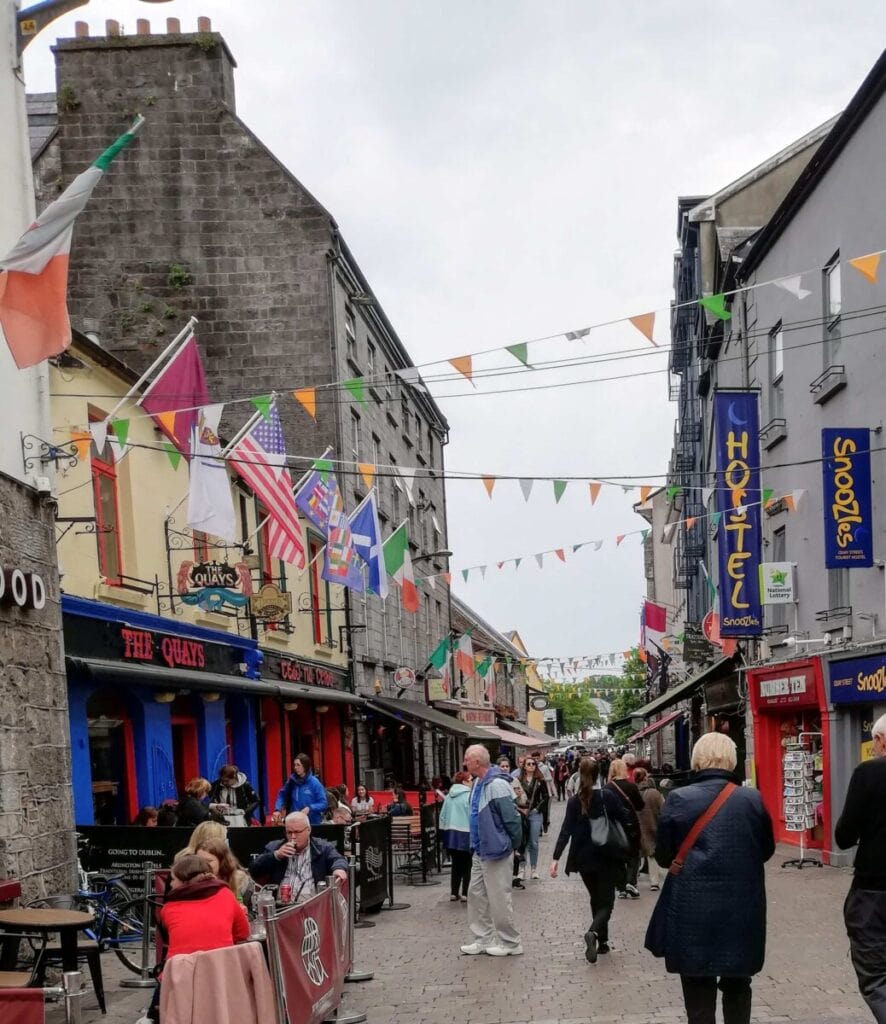
Galway: Music, cafés, and easy access to the Cliffs of Moher
Ideal base for the west of Ireland and the Wild Atlantic Way
Step‑free train access on Irish Rail; compact town centre; frequent accessible coach tours to nearby sights.
Accessibility notes:
Irish Rail assistance and accessibility
Galway Station has wheelchair spaces and assistance booking available
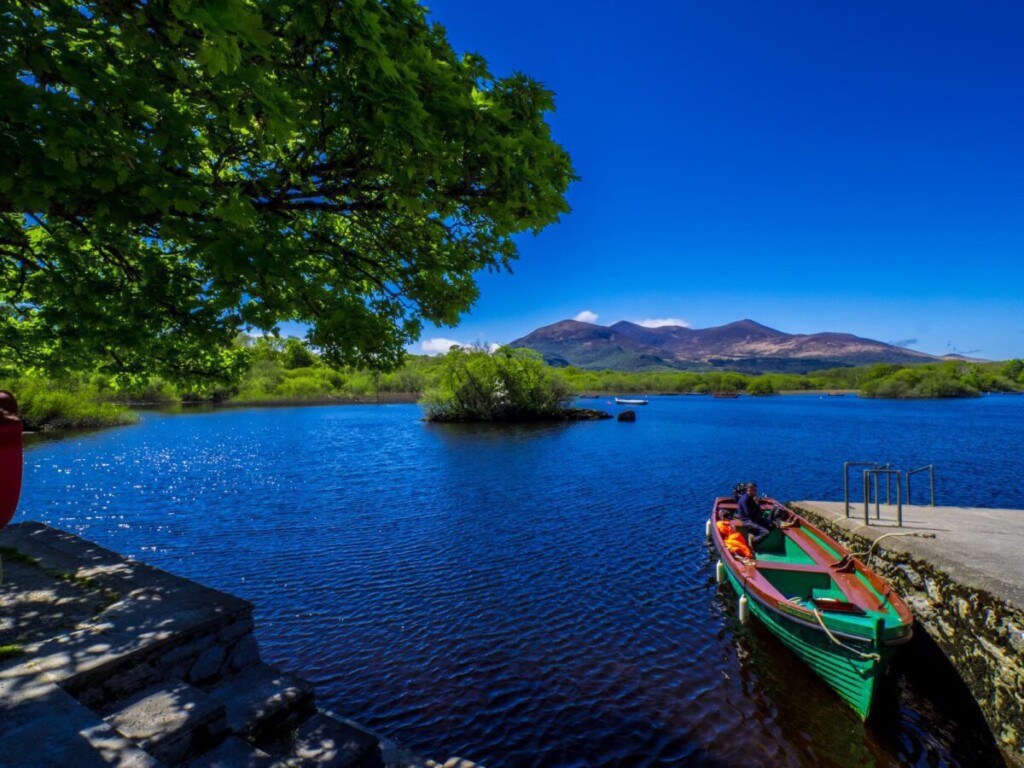
Killarney: Paved lakeside paths and Ring of Kerry coach options
Gentle pacing
Scenic short drives
Paved lakeside paths near Muckross House; accessible gardens; coach tours for the Ring of Kerry with minimal stairs at key viewpoints.
Accessibility notes:
Killarney National Park paths and facilities
Ask tour operators about ramp access and seat reservations
3‑Week UK & Ireland Itinerary by Train (Accessible, Minimal Driving)
Days 1–5: London (slow travel start)
Museums and neighbourhood walks
Markets and cafés
Optional Windsor day trip including Windsor Castle, Stonehenge and Oxford, wheelchair accessible

Rainy‑day Plan B: V&A, British Museum, Sky Garden (step‑free), Borough Market
Transport: Heathrow or Gatwick Express services are step‑free; Elizabeth line offers level boarding at all 41 stations; use TfL’s Step‑Free Tube Guide for planning
Days 6–10: Edinburgh (urban history, gentle hills)
Castle and Royal Mile
Arthur’s Seat (weather-dependent)
Day trip to the Highlands
Visit Rosslyn Chapel, Stirling Castle and Dunfermline Abbey on a day trip wheel chair accessible

Getting there: London to Edinburgh on LNER via the East Coast Main Line typically 4–5 hours; seat reservations are common—check lner.co.uk
Gentle alternatives: Calton Hill for views; Leith Shore walk; National Museum of Scotland (lifts, quiet galleries)
Tram and buses are low‑floor; expect steep streets in Old Town—plan rest stops
Official resources:
LNER timetables, reservations, and assisted travel
ScotRail accessibility (stations, ramps, assisted travel)
VisitScotland accessibility filters
Days 11–13: Dublin
Botanic Gardens (Glasnevin): greenhouse meander, tea in the café, slow loops through seasonal beds.
Seaside by DART: level promenade in Howth Harbour with a long lunch, or Bray seafront ice cream and people‑watching.
EPIC or the National Museum on a rainy day: pick a single story, skip the rest.
A snug in a traditional pub (afternoon, off‑peak): one pint, conversation, live trad session if you find one.
Music night in a small venue: sit, listen, let the evening unfold—no schedule.

Accessibility‑friendly picks to prioritize:
Flat promenades (Howth Harbour, Bray seafront, Sandymount Strand).
Step‑free museums (National Gallery, EPIC, Chester Beatty).
Parks with paved paths (Phoenix Park, Botanic Gardens, Merrion Square).
DART and Dublin Bus for low‑floor access; request assistance with Irish Rail for intercity.

Days 13–15: Galway
Getting there: Dublin to Galway on Irish Rail ~2.5 hours; reserve assistance if needed (irishrail.ie)
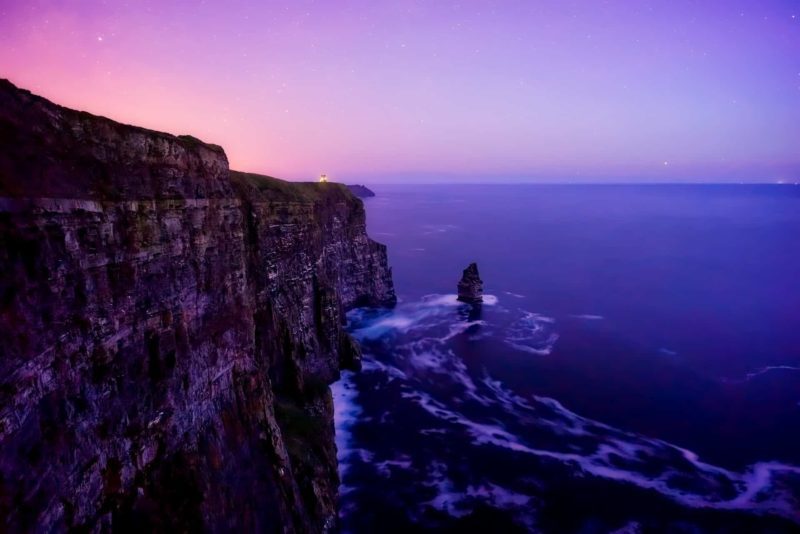
Cliffs of Moher: visitor centre with lifts; wheelchair‑friendly paths to main viewing areas, though some sections are exposed and can be windy
Choose one accessible day tour with clear coach accessibility policies
Accessibility Notes:
Irish Rail assistance and accessibility (step‑free boarding, wheelchair spaces; book in advance)
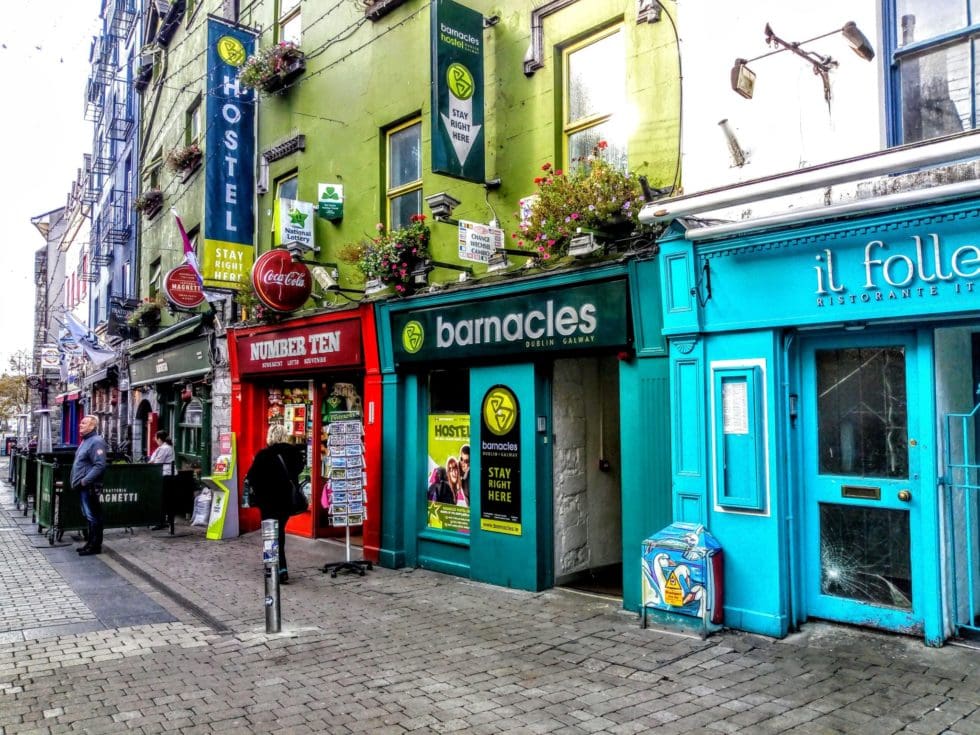
- Galway city centre is compact; Shop Street and the Latin Quarter are largely pedestrianised with mixed surfaces—expect some cobbles and occasional uneven paving
- Salthill Promenade offers a long, flat, paved seafront walk with benches and cafés at intervals; good for low‑effort coastal time
- City buses: many Bus Éireann services are low‑floor with ramps—confirm specific routes/times; Transport for Ireland accessibility: transportforireland.ie/accessibility
Cliffs of Moher: visitor centre has lifts and accessible toilets; paved/compacted paths lead to main viewing areas, but exposure to strong wind is common—check conditions and stay within fenced sections.
Example tour (verify accessibility directly): Galway, Cliffs of Moher and Burren from Galway.
Days 16–21: Killarney & Ring of Kerry (nature at a gentle pace)
Base in Killarney for paved lakeside paths (Muckross House gardens), accessible café culture, and short, scenic coach tours.
- Getting there: Irish Rail assistance for Killarney Station (step‑free boarding, wheelchair spaces)—book in advance.
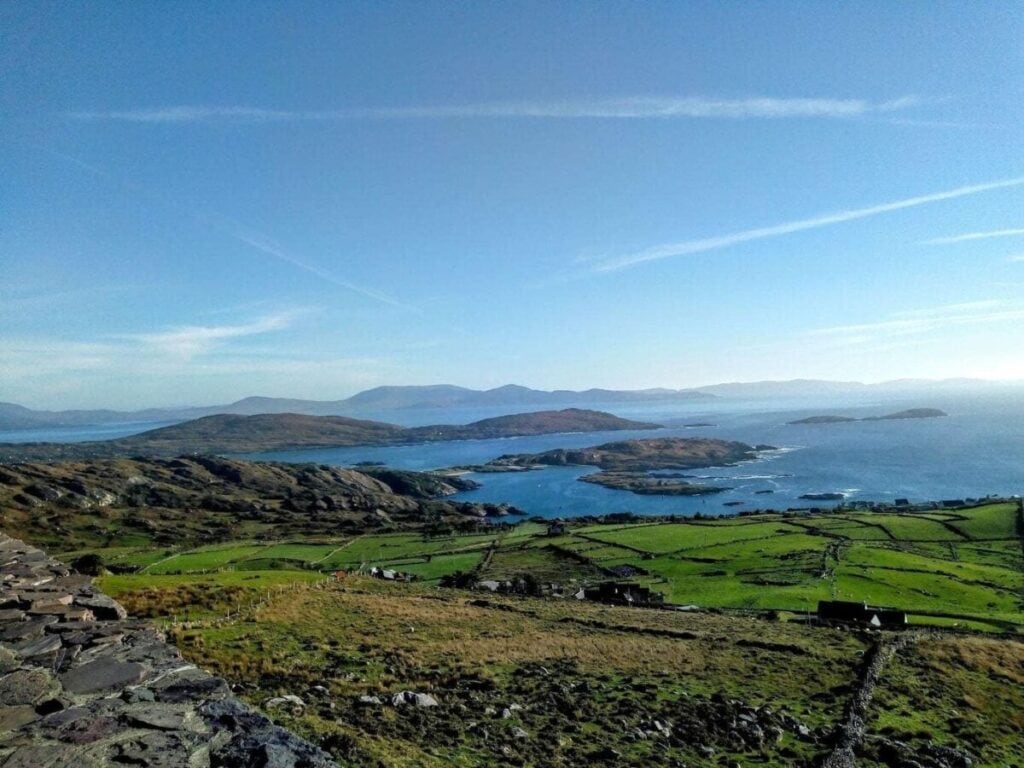
Ring of Kerry: consider a guided coach with limited stops at viewpoints that have minimal stairs; confirm ramp/assistance before booking
Accessibility Notes:
Killarney National Park: paved and compacted‑gravel paths around Muckross House & Gardens and the Killarney House Demesne; many lakeside sections are suitable for wheelchairs/mobility scooters; gradients generally gentle
Torc Waterfall: nearest viewpoint from car park includes uneven ground and steps—not fully step‑free; consider viewing from the Muckross Lake side for a shorter, gentler approach
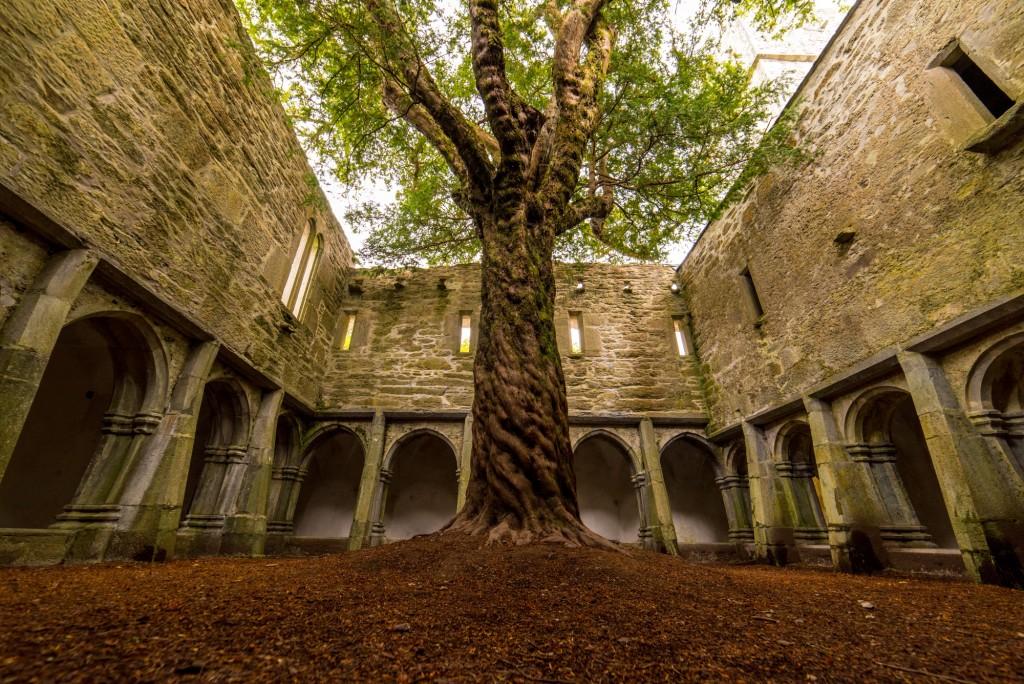
Muckross Abbey: atmospheric but uneven stone surfaces and steps; partial access only
Ross Castle: grounds and some ground‑floor areas are accessible; upper rooms via stairs only; lake boats often involve steps/gaps—confirm operator access in advance
Gap of Dunloe: narrow, uneven road; pony traps (jaunting cars) are not typically wheelchair‑accessible—only attempt with a pre‑arranged vehicle shuttle that fits your needs
Official info: Killarney National Park and Transport for Ireland accessibility
Who Slow Travel UK & Ireland Is Best For
Mature travellers – Travellers with hidden disabilities – Sensory-sensitive travellers – Anyone who hates rushing
This style of travel prioritises how you feel, not how much you cover—lower daily mileage, more seated time, and flexible weather pivots suited to UK & Ireland conditions.
Practical Slow Travel Tips (UK & Ireland)
Book accommodation for comfort, not location alone

Choose trains over cars where possible
Build in at least one “nothing planned” day per week
Accept that weather will shape your days — and let it
Book seats on LNER and intercity services; request assisted travel in advance (LNER, ScotRail, Irish Rail)
Use TfL’s Step‑Free Tube Guide and station lifts; Elizabeth line offers level boarding
Pack a lightweight waterproof, quick‑dry layers, and a compact umbrella; wind exposure is real on coastal paths
For sensory comfort: visit major museums early, use noise‑reducing earplugs, and plan café/bookshop breaks
Budget: cities £120–£200 per person/day; countryside £80–£140; check senior/disability discounts
Disclosure: confirm accessibility with operators before booking; facilities can change due to maintenance
Slow Travel UK & Ireland: FAQ
Q: Is three weeks enough for the UK and Ireland by train? A: Yes, if you focus on four bases. London–Edinburgh is ~4–5 hours on LNER. Dublin–Galway is ~2.5 hours on Irish Rail. This plan trades breadth for depth.
Q: How accessible are London museums and Edinburgh Castle?
A: London’s major museums have lifts and accessible toilets; use TfL’s step‑free maps for journey planning. Edinburgh Castle offers accessible routes to key areas, but steep sections remain—consider Calton Hill for gentler views.
Q: What pace works for older travellers or those with fatigue?
A: Aim for one anchor activity per day, seated breaks every 60–90 minutes, and at least one unplanned day each week. Define “easy day trips” with short transport times and minimal stairs.
Q: When is the best time for slow travel in the UK & Ireland?
A: Late spring and early autumn balance milder weather with lighter crowds. Always carry a waterproof; wind is a factor on the west coast.

Slow travel in the UK & Ireland isn’t about seeing less—it’s about experiencing more with a calmer, train‑based, accessible itinerary. Choose a handful of bases—London, Edinburgh, Dublin, Galway, Killarney—build gentle days, and let weather and energy lead. Use official resources for step‑free routes, reserve seats where needed, and keep one plan in your pocket and another for rain. Start simple: pick your dates, book the first rail leg, and leave room for those Dublin slow‑travel moments, museum afternoons in London, quiet views in Edinburgh, and easy coastal walks out west. You’ll come home rested, connected, and satisfied.
England is far more diverse than many visitors expect, from historic cathedral cities and rugged coastlines to literary landscapes, ancient folklore, seaside towns, castles, and national parks. Explore more of the region with guides to England, Scotland, Wales, Northern Ireland, a London Travel Guide or the full United Kingdom Travel Guide.
If Yorkshire’s on your route, start with the Yorkshire Travel Guide for the wider picture before diving into individual stops.This is just one part of a much bigger country see the full England Travel Guide for everywhere else worth building into your trip, and my United Kingdom travel Guide for a broader picture of the whole country. Explore more of the region with guides to Scotland, Wales, Northern Ireland. If you are a foodie take a look at my Global Food Guide.
Explore Historic Great Britain
Historic Britain is layered with Roman ruins, medieval abbeys, castles, ancient monuments, and historic market towns. Exploring beyond the major tourist cities often reveals some of the country’s most memorable experiences.
- Avebury Henge
- Roman ruins in Britain
- Hadrian’s Wall and Vindolanda
- The Mysterious Rosslyn Chapel – Scotland
- Evocative Ruined Abbeys in Yorkshire
- Walk the Suffragette Trail across the UK
- Shibden Hall Yorkshire – home of Anne Lister – widely celebrated as “the first modern lesbian”
- Alan Turing and Bletchley
- Rievaulx Abbey
- Whitby Abbey
- Kenilworth Castle
- Bamburgh Castle