
Hidden Gems in Donegal: 16 Quiet Spots Locals Love
County Donegal is famous for dramatic landscapes like Slieve League, Glenveagh National Park, and Malin Head. Yet some of the most memorable places in the county are the quieter ones small beaches, hidden waterfalls, scenic viewpoints, and coastal walks that many visitors simply drive past.

Living in Donegal has given me the chance to explore much of the county beyond the well-known highlights. Some of these places appear on very few travel guides, while others are well known locally but still feel surprisingly undiscovered, especially outside peak summer hours.
Often referred to as the “forgotten county,” Donegal sits in a unique position, geographically detached from the rest of the Republic and sharing a land border with Northern Ireland, which gives it a distinct, hybrid identity.
If you’re deciding between Ireland’s top cliffs, see our guide to Slieve League vs Cliffs of Moher, and find out is Slieve League dangerous before you go. Travellers often compare County Donegal and County Kerry for dramatic coastal drives, traditional towns and outdoor adventures, but the experience in each region feels very different.
If you’re curious about the Irish language, my guide to the Donegal Gaeltacht explains what it is, where it is, and where to learn Irish if you’re coming from abroad.

As the northernmost point of the Wild Atlantic Way, its rugged coastline feels like the final, dramatic frontier of the route, where the untamed Atlantic crashes against towering sea cliffs and deserted beaches. This isolation, far from Dublin and the main tourist hubs, has helped preserve its ancient culture and raw, breathtaking landscapes, making it a hidden gem for those willing to venture to Ireland’s remote northern edge.
If you enjoy wild scenery, quiet coastal roads, and the feeling of stumbling upon somewhere special, these hidden gems in Donegal are well worth seeking out.
16 Donegal Hidden Gems
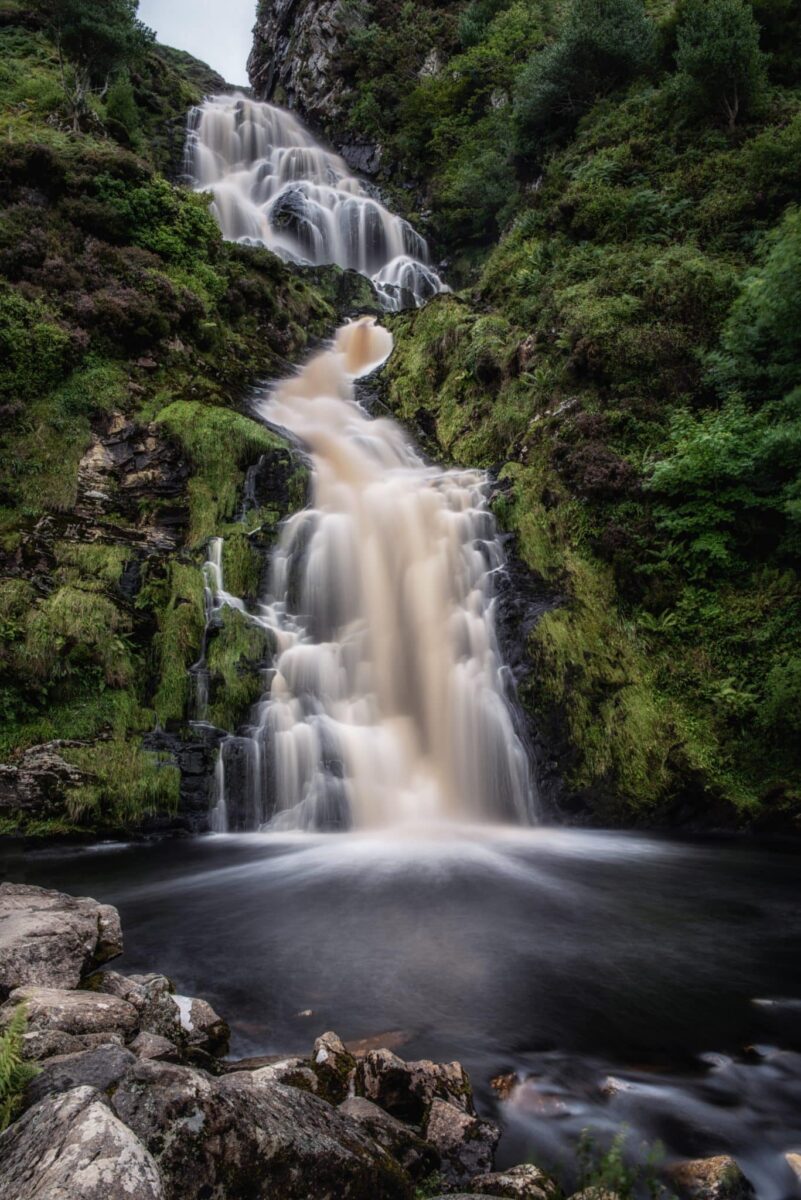
Assaranca Waterfall
Just outside the town of Ardara along the road toward Maghera Beach sits one of Donegal’s most beautiful waterfalls. Assaranca Waterfall drops down a rocky hillside into a clear pool below and is easily reached from the roadside. Locals do swim in the pool at the bottom of the waterfall and my son attempted to cross and actually fell in.
Many people stop here briefly on the way to the nearby Maghera caves, but it’s worth taking a few minutes to explore the surrounding area. After heavy rain the waterfall swells dramatically the sound of the water echoing through the valley makes the stop even more atmospheric.
Local Tips: Small roadside lay-bys fit 6–8 cars; no toilets. Surfaces can be slick after rain. Maghera caves require a low tide to access safely check tides locally.

Trá na Rosann Beach
Located on the Rosguill Peninsula near the village of Downings, Trá na Rosann is one of the most scenic beaches in Donegal. The drive in follows a narrow coastal road with Atlantic views, take care on blind bends.
When you arrive, the beach sits quietly beneath steep cliffs with clear water and pale sand. Even during summer it often feels peaceful compared with more famous beaches elsewhere in Ireland.
Local Tips: Limited parking at the end of the lane; no lifeguards. Short dune path to the sand; exposed to northerly winds—best on calmer days. Leave no trace and avoid dune erosion.

St John’s Point
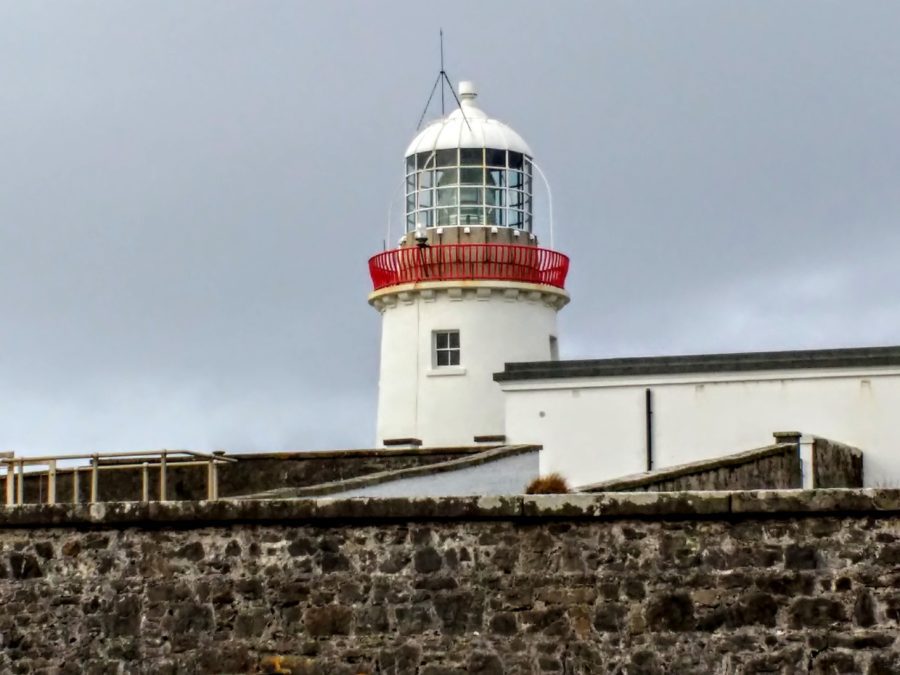
St John’s Point is one of the longest peninsulas in Ireland, stretching almost 11 kilometres into Donegal Bay. The narrow road leading out along the point offers spectacular views with the Atlantic on both sides.
Near the end of the peninsula you’ll find a small beach sometimes called “Coral Beach”, where the sand takes on a pink colour from crushed shells and coral. The waters around the point are also known among divers for their marine life.
Local Tips: Very narrow approach roads with few passing places drive slowly. Respect signage near the lighthouse; parts are private. No public facilities so bring water and layers.


Knockalla Pass
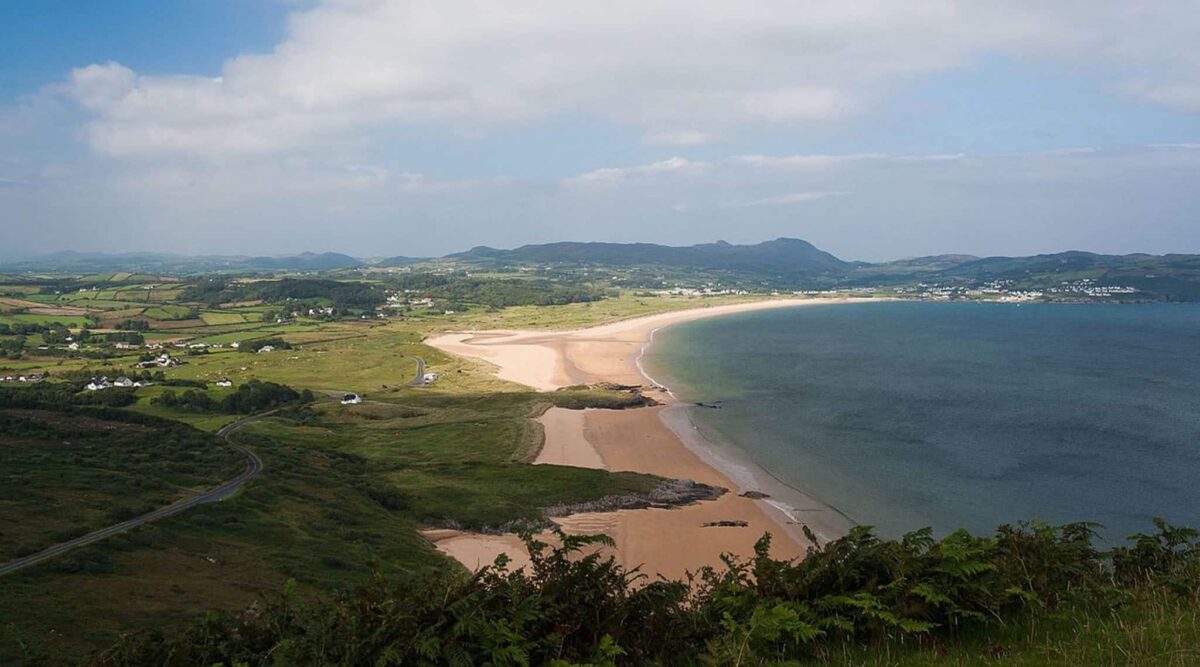
Knockalla Pass is one of the most breathtaking viewpoints in Donegal, yet many travellers pass nearby without realising what they’re missing.
The winding road climbs above Ballymastocker Bay and reveals an incredible view of the long golden beach below. On a clear day the entire bay stretches out beneath the cliffs, making it one of the most photographed landscapes in the county.
Local Tips: Two small lay-bys overlook the bay; space is tight. Steep gradients and sharp bends—use low gear on descent. Best light: morning for the bay, evening for the headlands.

Muckross Head
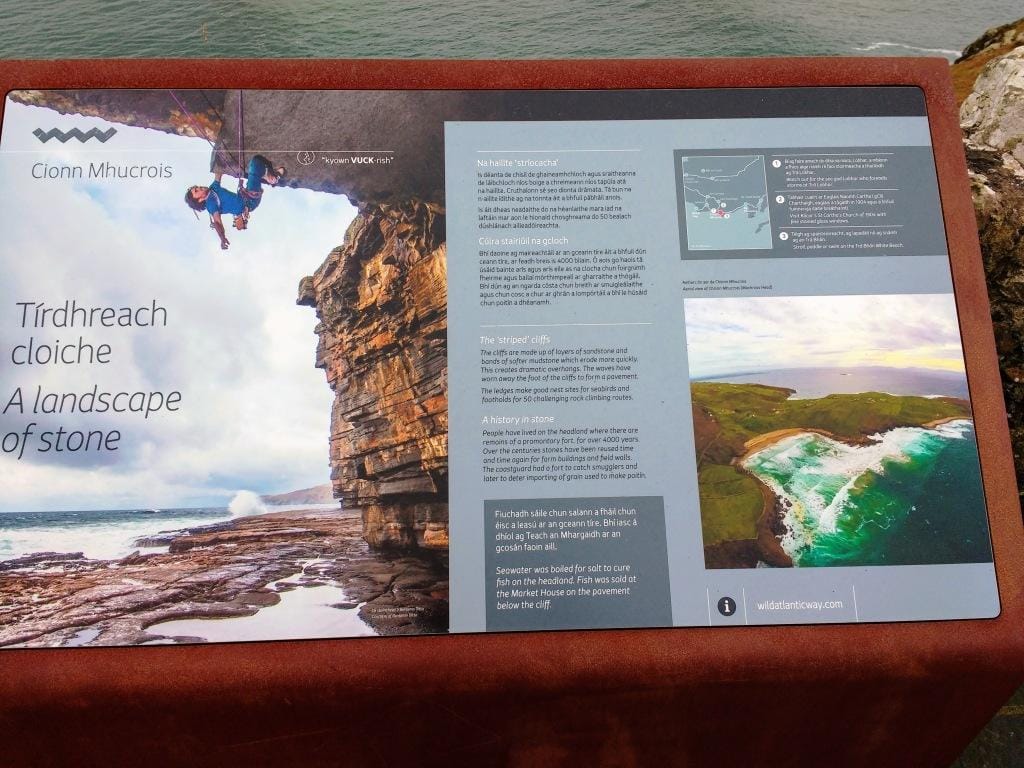
Just a short drive from Kilcar lies Muckross Head, a dramatic coastal headland overlooking Donegal Bay. The cliffs here rise sharply above the Atlantic, and the views stretch across the water toward County Sligo.
The area is popular with rock climbers thanks to the striking sea cliffs, but it’s also a beautiful place simply to walk along the headland and watch the waves crashing against the rocks below. Nearby you’ll also find two small beaches with very different characters one wild and exposed, the other calmer and more sheltered.
Local Tips: Unfenced cliff edges keep well back in wind. Parking is limited. Respect farmland gates and leave no trace.

Killaghtee Cross
Located near Dunkineely, the Killaghtee Cross is an often‑overlooked gem and among Ireland’s oldest inscribed Christian monuments (early medieval, often dated around the 7th century). The carved stone slab is linked locally with St Aedh.
It stands by the ruins of a later church; you can make out a cross motif near the head and faint interlace below. Its quiet setting in a shared graveyard offers a powerful connection to Donegal’s early Christian heritage.
Local Tips: Small roadside pull-in; please be respectful this is an active burial ground. Do not climb or touch the monument.

Beltany Stone Circle
Perched on a hilltop near Raphoe, the Beltany Stone Circle is a truly atmospheric Bronze Age site from the late Bronze Age (c. 1400–800 BC). Its name likely derives from the Celtic festival of Beltane, hinting at its ancient ceremonial importance.
The circle is over 44 metres in diameter and comprises about 64 standing stones, some of which are decorated with cup marks, enclosing a low platform that may have been a burial cairn. The panoramic views of the Donegal countryside from this ancient ritual site are as captivating as the monument itself.
Local Tips: Short uphill walk from a small car park; ground can be muddy. Best light at sunrise/sunset; bring boots after rain. Do not disturb stones or leave offerings.


Oakfield Park
Also near Raphoe, Oakfield Park is a stunning 100‑acre Georgian estate that feels like a hidden wonderland. While the beautiful walled gardens, ponds, and sculptures are a joy to explore, the park’s crowning glory is its charming narrow‑gauge railway.
You can ride the ‘Duchess of Difflin’ train on a 4.5 km journey through woodlands, flower meadows, and past sparkling lakes. With a faerie tree, a hedge maze, and a fantastic restaurant, it’s a perfect destination for families and romantics alike.
Local Tips: Opening months, hours, and ticketing vary by season check the official site before visiting.


Doagh Famine Village
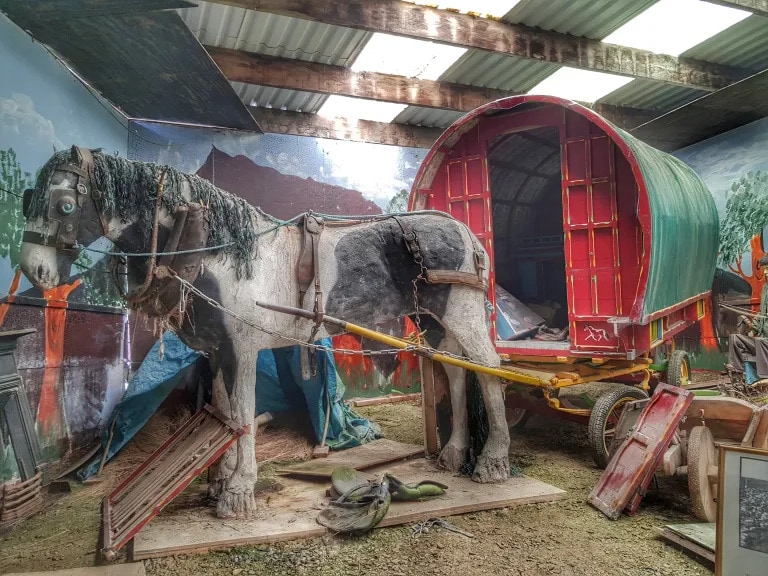
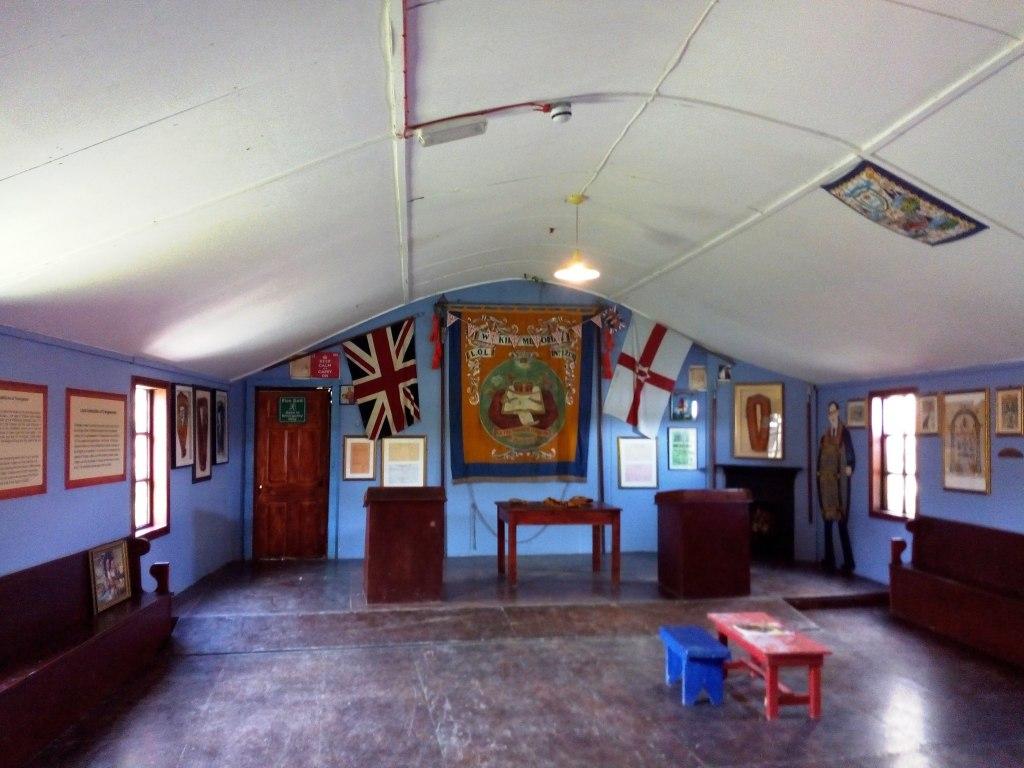
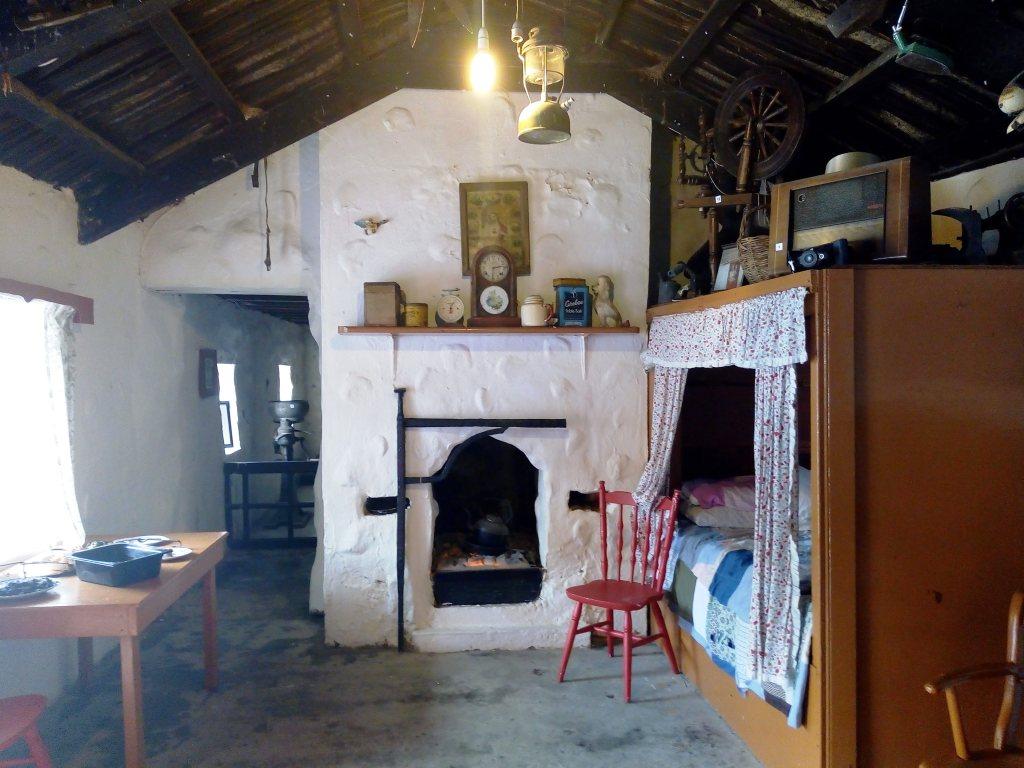
Situated on the scenic Inishowen Peninsula, the Doagh Famine Village is a unique and immersive living‑history museum, not just a collection of old buildings. It tells the story of Irish life from the Great Famine of the 1800s right up to the modern day, using authentic thatched cottages where the founder’s family lived until 1984.
Passionate guides lead you through exhibits on topics like poitín‑making, traditional wakes, and even the Troubles, providing a balanced and deeply personal insight into the resilience of the local people. The stunning beach and coastal views add to the experience.
Local Tips: Seasonal operation with set tour times—arrive early in high season. Allow 60–90 minutes.
Buncrana Castle
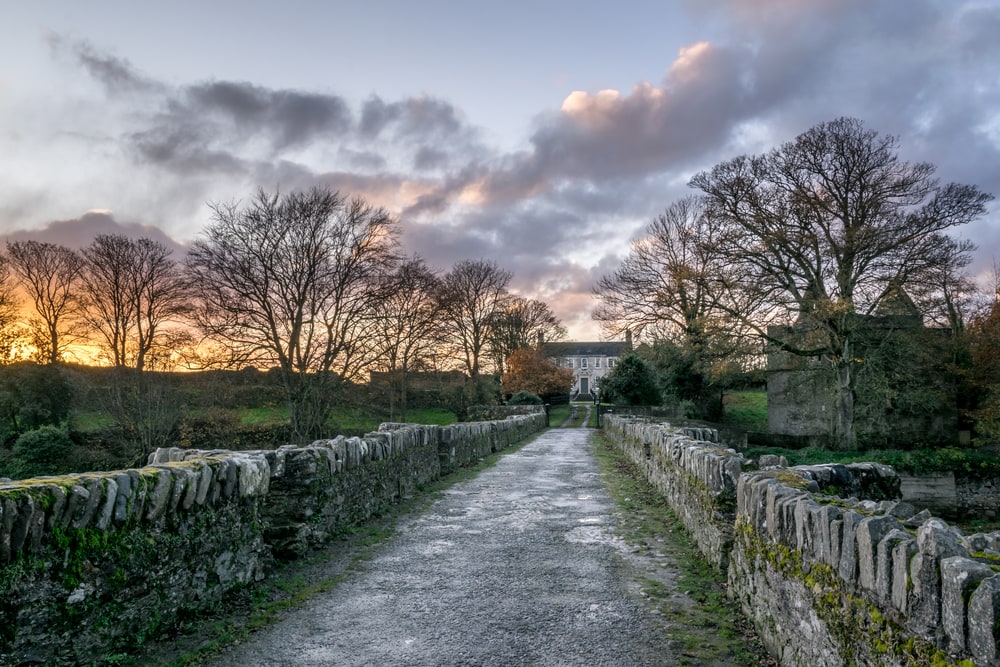
Set on the banks of the Crana River in Buncrana, this early‑18th‑century house—known as Buncrana Castle—sits beside the much older O’Doherty’s Keep, a medieval tower that guarded Lough Swilly. The contrast of the riverside mansion and the stout tower house tells the layered story of Inishowen’s shift from Gaelic stronghold to planter estate.
From the paths in Swan Park you get atmospheric views across the river to the castle and keep, framed by woodland and the sound of the falls.
Local Tips: The castle is privately owned and not generally open enjoy it from the public riverside trails and respect all signage. Start from Swan Park for an easy loop; small car parks fill on fine days. Combine with a stroll to O’Doherty’s Keep and the Buncrana shore on Lough Swilly. After rain, paths can be muddy, wear waterproof footwear.
Glenveagh Poisoned Glen Viewpoint
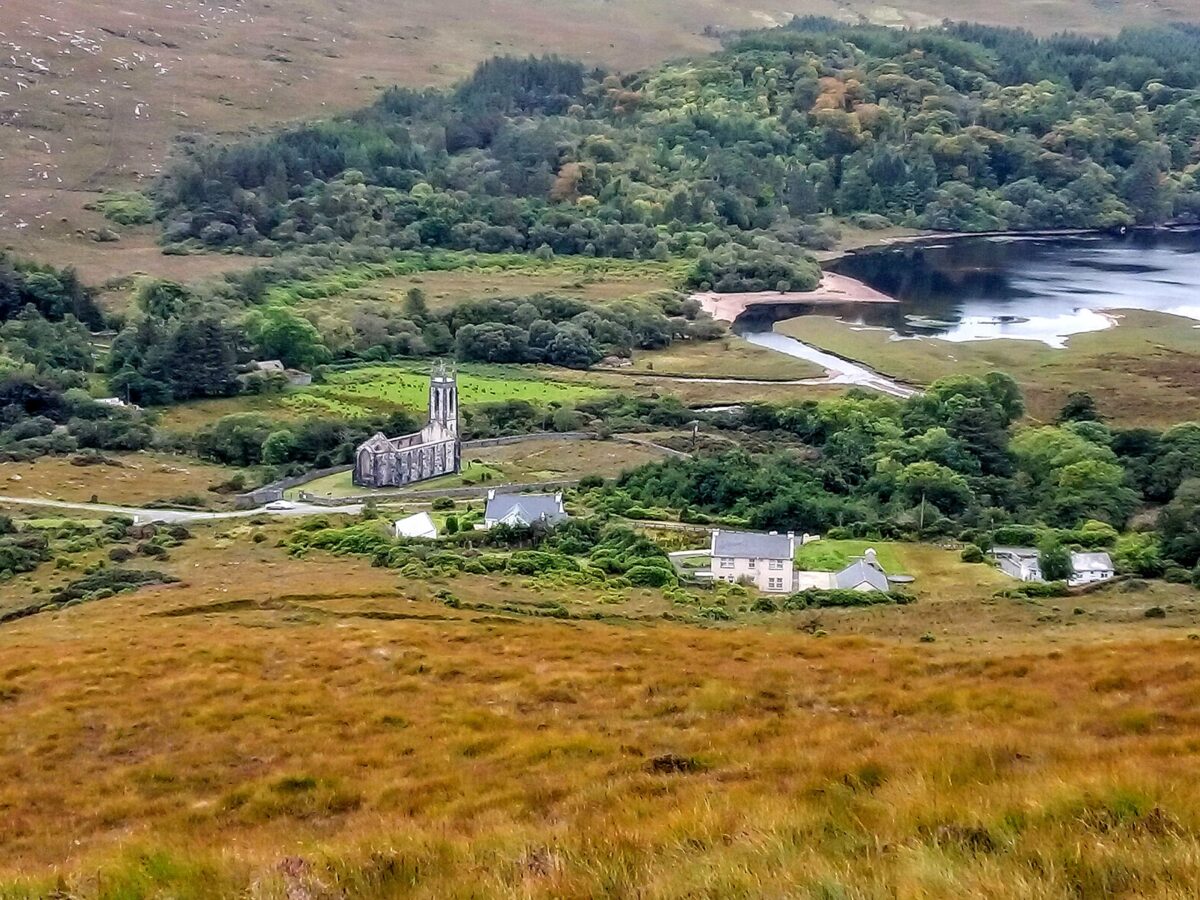
While many visitors explore Glenveagh National Park itself, the nearby Poisoned Glen is often overlooked. This dramatic valley sits beneath Mount Errigal and offers sweeping views of the surrounding mountains.
The landscape here feels almost untouched, with mist often drifting across the valley floor and the slopes of Errigal rising sharply in the distance. It’s a wonderful place for photography, especially early in the morning or late in the evening when the light catches the mountain.
Local Tips: Limited parking near the church at Dunlewey; paths can be boggy, waterproof footwear recommended. Mobile signal is patchy.


Tory Island
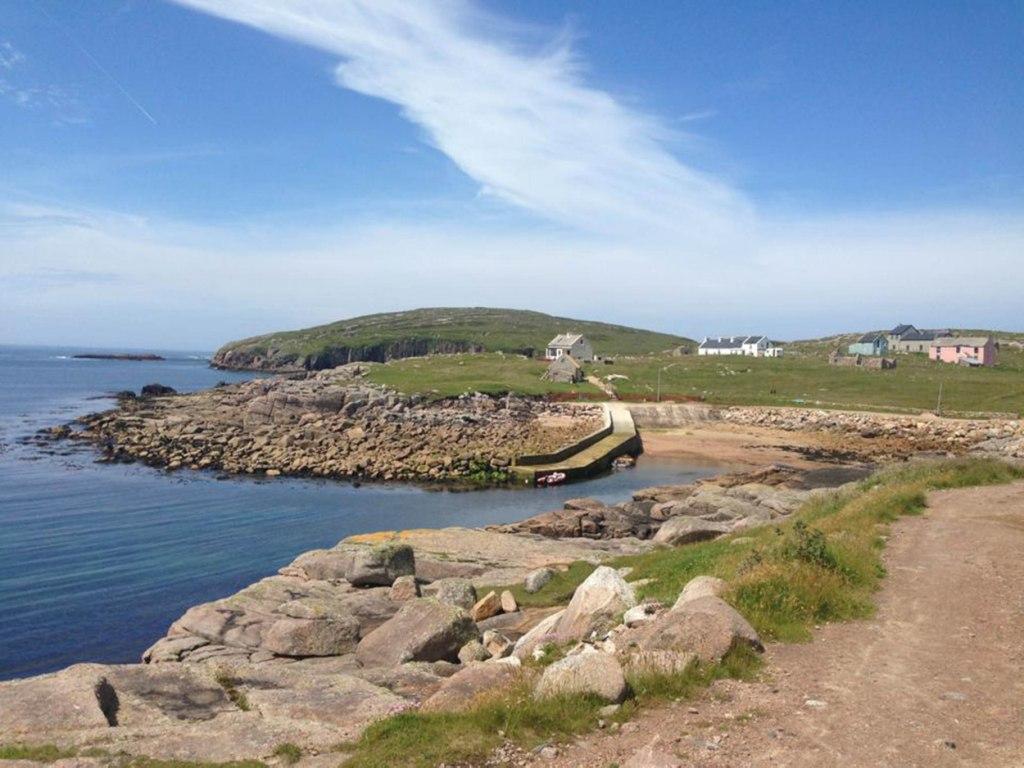
Tory Island lies several kilometres off the north coast of Donegal and can be reached by ferry from Magheraroarty. The island is known for its rugged landscapes, dramatic cliffs, and strong cultural traditions.
Despite its small population, Tory has a rich history and a vibrant artistic community. Visitors often explore the island by bicycle or on foot, taking in views of the Atlantic and visiting the historic lighthouse. The journey across to the island alone makes for a memorable day trip.
Local Tips: Ferries are weather‑dependent and more limited outside summer, check schedules on the official operator’s site. Limited services on the island, bring snacks and water; card acceptance varies.

Gola Island
Located just one kilometre off the coast of Gweedore, Gola Island is a small, rugged island with a poignant history of emigration and a vibrant rebirth. Once home to a thriving fishing community, it was largely abandoned by the 1970s; in recent decades, many cottages have been restored as holiday homes. Today, the island is a haven for sandy beaches, secluded bays, and excellent granite sea‑cliff climbing.
Local Tips: Seasonal ferry from Magheragallon (Bunbeg); crossings depend on weather and tides, check the operator. No shops—bring provisions. Way‑marked loop walks on uneven ground.
Mamore Gap
Mamore Gap is a dramatic mountain pass in the Urris Hills on the Inishowen Peninsula. The steep, winding road once linked Buncrana with the remote Urris area and has long associations with smugglers—including the short‑lived “Poitín Republic of Urris.” Near the summit you’ll find a holy well dedicated to St Columcille and a statue of the Virgin Mary, still a pilgrimage site.
Local Tips: Very steep gradients—use low gear and watch for oncoming traffic. Strong crosswinds at the top.

Lenane Head Fort
Lenan Head Fort (often spelled “Lenane” locally) is a large, derelict coastal artillery site on the Inishowen Peninsula in County Donegal. Built by the British between 1895 and 1900, it formed part of the Lough Swilly defences, protecting a key deep‑water anchorage alongside batteries such as Dunree. The fort mounted 9.2‑inch breech‑loading guns and included extensive infrastructure, barracks, underground magazines, and a deep landward ditch.
Transferred with the Treaty Ports in 1938, it was manned by the Irish Army during the Second World War (The Emergency) before being disarmed and abandoned in the early 1950s. Today the site is a ruin: empty gun emplacements and a “forest” of redbrick chimney stacks from the demolished barracks testify to its military past.
Local Tips: Access is via rough tracks with no facilities; parking is very limited. Cliffs are unfenced and hazardous in wind—keep well back and respect any signage and private land boundaries.

Croaghconnellagh (Garland Sunday Pilgrimage)
For hikers and climbers who like their summits with a story, Croaghconnellagh is a true hidden gem. Each year on the Sunday nearest 25 July (the feast of St James), locals from Donegal Town and the surrounding area make a Garland Sunday ascent often called the local “Reek Sunday,” echoing Croagh Patrick’s famous pilgrimage.
In some years a Mass is held (or has been held) at the top; in all years it’s a social, quietly spiritual occasion, with families of all ages sharing the trail. Trail and terrain: Expect a rough, mostly unmarked hill route over heather and bog with occasional rock underfoot, sturdy boots are essential, and gaiters help after rain. Choose a clear day; low cloud can make navigation tricky near the top.
Local Tips: Parking is limited on minor roads do not block gates or passing places and respect private land. Dogs on leads around livestock. No facilities. Safety and timing: Weather changes fast; carry layers, map/compass or GPS, and enough water. Allow 2–3 hours return depending on route and conditions.

Why These Places Make Donegal Special
What makes Donegal unique isn’t just the famous landmarks it’s the quieter places that appear unexpectedly along the way. A narrow road might lead to a hidden beach, a cliff-top viewpoint, or a small waterfall tucked into the hills.
Even after years of living here, I still find new corners of the county that surprise me.
If you enjoy exploring beyond the obvious attractions, these hidden gems offer a glimpse of the quieter, wilder side of Donegal that many visitors never see.

Explore More Donegal Guides
If you’re planning a trip around the county, you might also enjoy these guides:
Best Beaches in Donegal – A local guide to the most beautiful beaches along the coast
Best time to visit Donegal – A guide to our 4 seasons in one day when visiting
Things to Do in Donegal – The county’s most spectacular landscapes and attractions
Donegal Travel Guide – Tips for exploring Ireland’s wild northwest
Donegal without a Car – Ways to explore Donegal without a car
Is Donegal worth visiting? Yes. It is wild, spacious, deeply local and unforgettable if you approach it the right way
Is Slieve League Dangerous? No not at all but it is a highlight of your Donegal trip
How to visit Glenveagh National Park and Castle without car – All you need to know about getting to Glenveagh
For travelers planning a slower-paced trip through the northwest, my Accessible Donegal guide covers wheelchair-friendly viewpoints, scenic drives, beaches, parking, transport, and realistic tips for visiting Donegal with limited mobility.
Start Planning Your Trip
👉 Public Transportation in Ireland
👉 Hidden Gems in Ireland – 32 Secret places to visit
👉 Answering all your travel questions about Ireland