
Accessible Causeway Coastal Route: Real Tips for Limited Mobility
The Causeway Coastal Route is one of the most spectacular road trips in Ireland and, surprisingly, one of the easiest regions in Northern Ireland to adapt for slower travel, seniors, wheelchair users, and travelers with limited mobility.

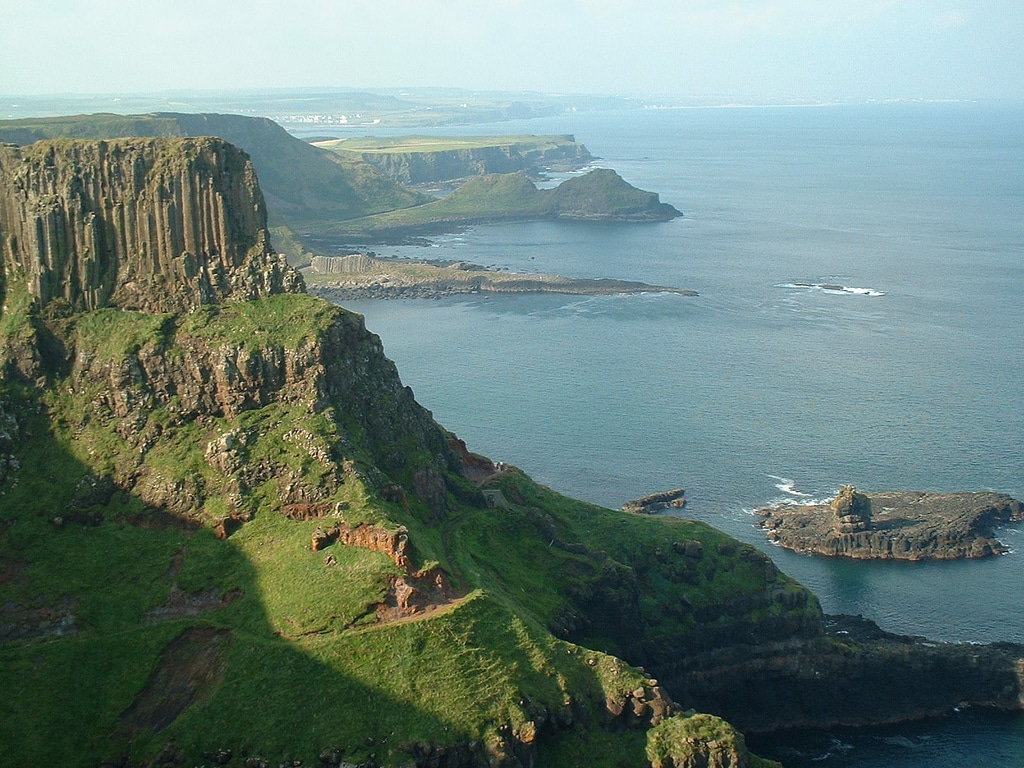
Stretching between Belfast and Derry, the route winds through dramatic Atlantic coastline, castle ruins, fishing villages, beaches, glens, waterfalls, harbours, and some of the most famous scenery in Ireland. It is regularly ranked among the world’s great scenic drives, yet many travel guides still present it as an exhausting checklist of cliff hikes, rope bridges, crowded attractions, and rushed day trips. That version of the Causeway Coast misses the point entirely.
After years of driving this coastline in every kind of Atlantic weather, I honestly believe the Causeway Coast is one of the best accessible road trips in Ireland for slower travelers. Unlike many destinations where the scenery requires strenuous hiking, much of the beauty here unfolds directly beside the road. Some of the best views come from scenic lay-bys, quiet harbours, cafés overlooking the sea, and beaches where you can experience the Atlantic without walking far at all.
For travelers with limited mobility, that changes everything.
This guide is based on first-hand experience driving the accessible Causeway Coast over many years and focuses on realistic pacing, accessibility, parking, weather, road fatigue, wheelchair access, transport, accommodation, and the practical realities most tourism websites never mention.
The Causeway Coast route is not about conquering the landscape. It is about slowing down enough to actually experience it.
- Accessible Causeway Coastal Route: Real Tips for Limited Mobility
- Why the Causeway Coastal Route Works So Well for Limited Mobility
- My Experience Driving the Accessible Causeway Coast
- Why Crowds Create Fatigue Faster Than Terrain
- The Hidden Exhaustion of Irish Coastal Driving
- Accessible Giant’s Causeway
- Dunluce Castle Accessibility
- Accessible Beaches Along the Causeway Coast
- Accessible Game of Thrones Locations
- Bushmills: The Best Accessible Base on the Causeway Coast
- Parking Along the Accessible Causeway Coast
- Transportation for Limited Mobility Travelers
- Why Slower Travelers Often Enjoy the Causeway Coast More
- Suggested Low-Exertion Causeway Coast Itinerary
- FAQs About the Accessible Causeway Coast
- Visiting the Accessible Causeway Coast
Why the Causeway Coastal Route Works So Well for Limited Mobility
One of the biggest misconceptions about Northern Ireland is that its best scenery requires difficult walking. The reality is almost the opposite.
An accessible Causeway Coast route works remarkably well because many of the region’s most dramatic viewpoints are directly accessible from the road itself. Unlike mountainous regions where you must hike long distances for scenery, the Causeway Coastal Route constantly reveals cliffs, beaches, sea stacks, castle ruins, and Atlantic panoramas with surprisingly little effort.
For wheelchair users, slower travelers, and seniors, this makes the region far more manageable than people expect.
Many travelers with limited mobility can comfortably enjoy:
- scenic coastal drives
- Atlantic viewpoints
- accessible beaches
- harbours and villages
- castle viewpoints
- Game of Thrones filming locations
- cafés with sea views
- short paved coastal walks
- accessible visitor centres
without exhausting themselves physically.
Personally, I think this coastline rewards slower travel more than almost anywhere else in Ireland. The people rushing through on packed coach tours often miss the atmosphere completely.
My Experience Driving the Accessible Causeway Coast
I have driven the Causeway Coast in heavy rain, dense Atlantic fog, bright summer sunshine, icy winter mornings, and strong coastal wind that almost pushes you sideways while opening the car door. The weather changes the entire accessibility experience.
A short coastal stroll on a calm spring morning may feel effortless. The exact same location in strong Atlantic wind can suddenly become physically draining even for confident walkers. Damp air, uneven surfaces, cold temperatures, and sea spray create fatigue much faster than people expect.
What most travel guides fail to explain is that Atlantic weather matters more than walking distance.
This is especially true for:
- seniors
- travelers with arthritis
- wheelchair users
- people managing fatigue conditions
- visitors with chronic pain
- slower-paced travelers
Cold wind drains energy quickly. Wet basalt rock becomes slippery. Coastal paths become harder to navigate. Even standing still at exposed viewpoints can become tiring after a while.
Personally, I think calm overcast days are often the best conditions for exploring the Causeway Coast. Bright sunshine may look beautiful in photographs, but soft grey light often creates a calmer, more comfortable experience physically.
Why Crowds Create Fatigue Faster Than Terrain
One thing many tourism websites never discuss is how physically exhausting crowds become for slower travelers.
During peak summer afternoons, many of the major Causeway Coast attractions become packed with tour buses and day-trippers. Suddenly you are not simply enjoying scenery anymore. You are:
- navigating around crowds
- waiting for parking
- avoiding uneven footing while people stop abruptly
- manoeuvring mobility aids through congested pathways
- standing longer than expected
- concentrating constantly
That kind of stop-start movement creates exhaustion surprisingly quickly.
I find the entire coast dramatically easier before 10am or later in the afternoon once tour buses begin leaving. Quiet mornings completely transform accessibility here. Spring and early autumn are often the most comfortable seasons because parking is easier, cafés feel calmer, and the viewpoints are less congested than during peak July and August afternoons.
The Hidden Exhaustion of Irish Coastal Driving
The Causeway Coastal Route is beautiful, but it can also be mentally tiring. Many travelers underestimate how exhausting Irish coastal driving becomes after several hours. Narrow roads, changing weather, cyclists, tourist traffic, sharp bends, and constant scenery all demand concentration.
People often arrive at attractions already tired before they even start walking. This is one reason I strongly recommend staying overnight somewhere along the coast instead of attempting the entire route as a rushed day trip from Belfast or Dublin.
The accessible Causeway Coast works best when you slow the pace dramatically. I think one major attraction, one scenic drive section, and one relaxed meal is the perfect rhythm for this coastline.
Accessible Giant’s Causeway
The Giant’s Causeway is the most famous stop along the accessible Causeway Coast and one of Northern Ireland’s most iconic natural attractions.
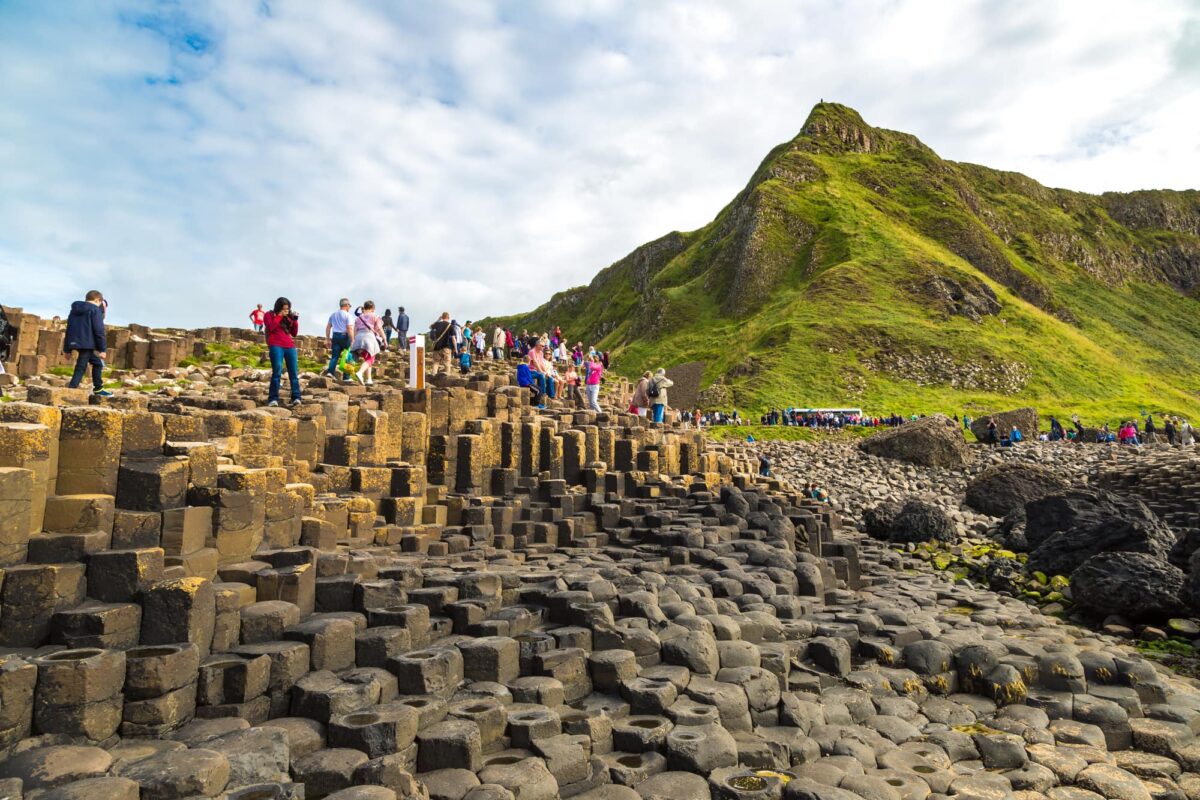
The UNESCO World Heritage Site is famous for its volcanic basalt columns, dramatic Atlantic scenery, and legends surrounding the Irish giant Finn McCool.
If you want a deeper look at the geology, myths, viewpoints, and hidden highlights of the UNESCO site, read my full guide on what to see at the Giant’s Causeway.
Many travelers worry the Giant’s Causeway will be inaccessible because photographs focus heavily on uneven basalt stones and dramatic cliff walks. In reality, the experience is much more manageable than people expect if approached realistically.
The visitor centre itself is modern and accessible with:
- lifts
- accessible toilets
- seating areas
- wide entrances
- step-free access
- staff assistance
There are benches and indoor seating throughout the centre, which makes a major difference on crowded or wet days when energy levels drop faster than expected.

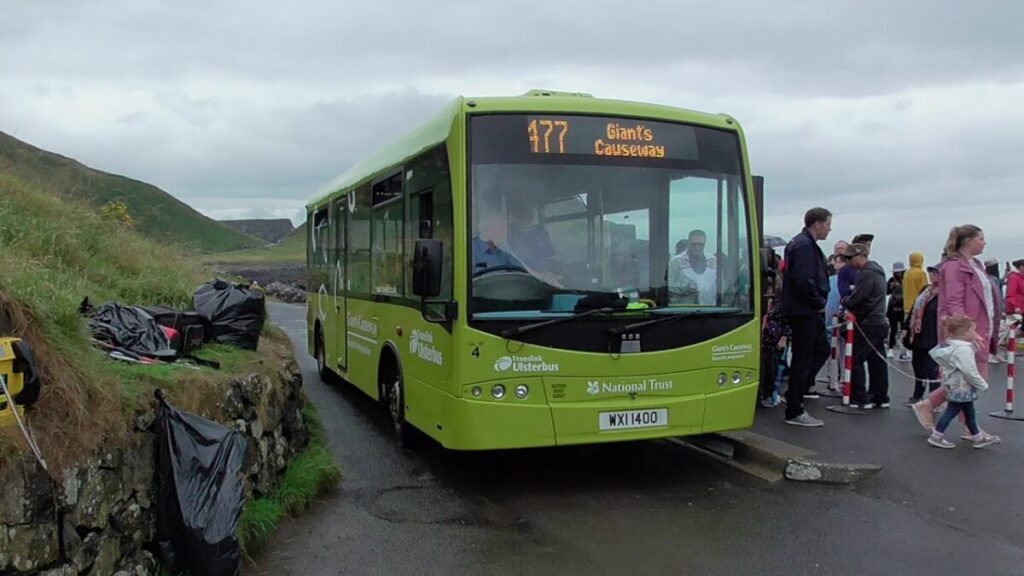
The accessible shuttle bus is one of the best features for travelers with limited mobility. Many visitors do not realise the shuttle only costs around £1 return and leaves from behind the visitor centre. It dramatically reduces the steep downhill and uphill section between the centre and the lower Causeway area, making the site much easier for:
- wheelchair users
- seniors
- slower travelers
- people managing fatigue or pain conditions
I always recommend using the shuttle even if you normally walk independently. Save your energy for the scenery itself rather than the hill.
Many visitors also do not realise you do not have to use the official visitor centre parking. Nearby alternatives include The Nook pub, where customers eating at the restaurant may sometimes be allowed to leave their car while visiting the Causeway. Several nearby private parking lots also operate seasonally around Bushmills and Causeway Road.
The lower pathways near the Causeway are mostly paved at first, but surfaces become rougher and more uneven closer to the stones themselves. Wet basalt can become extremely slippery even when rain has stopped.
From the shuttle drop-off point, the lower viewing area is only a relatively short walk, although the final approach near the stones becomes uneven in places.
I think many visitors feel pressure to physically stand on the columns because that is the image promoted online. In reality, some of the best views come from slightly above the formations where you can appreciate the scale of the coastline without struggling across unstable surfaces.
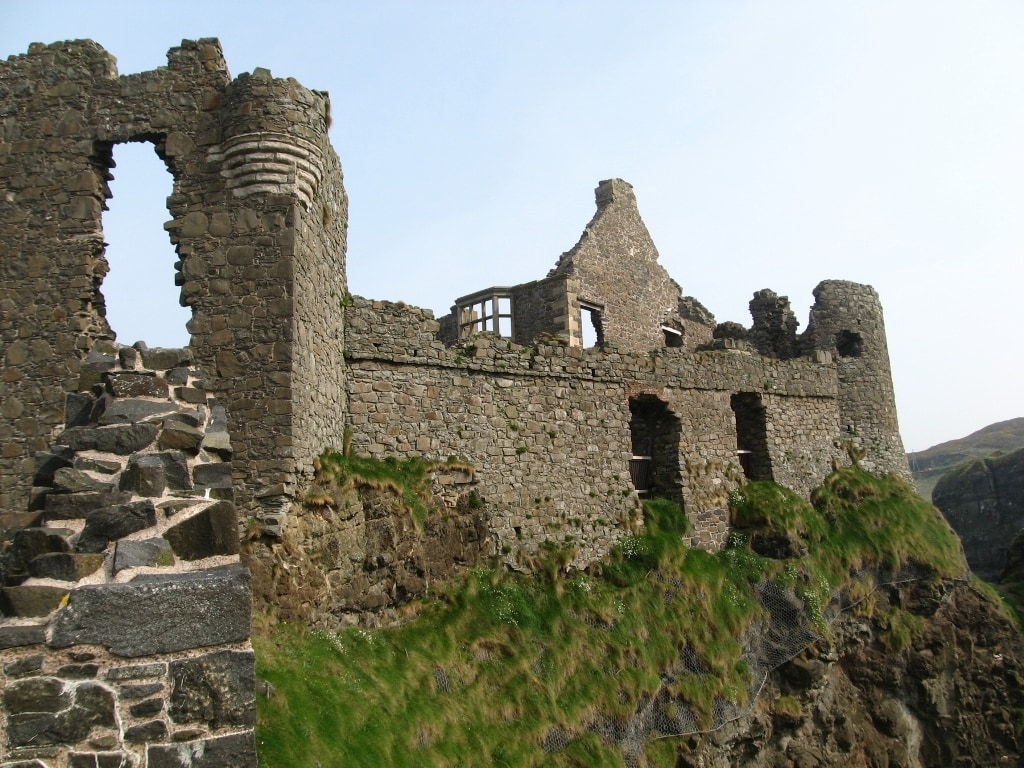
Dunluce Castle Accessibility
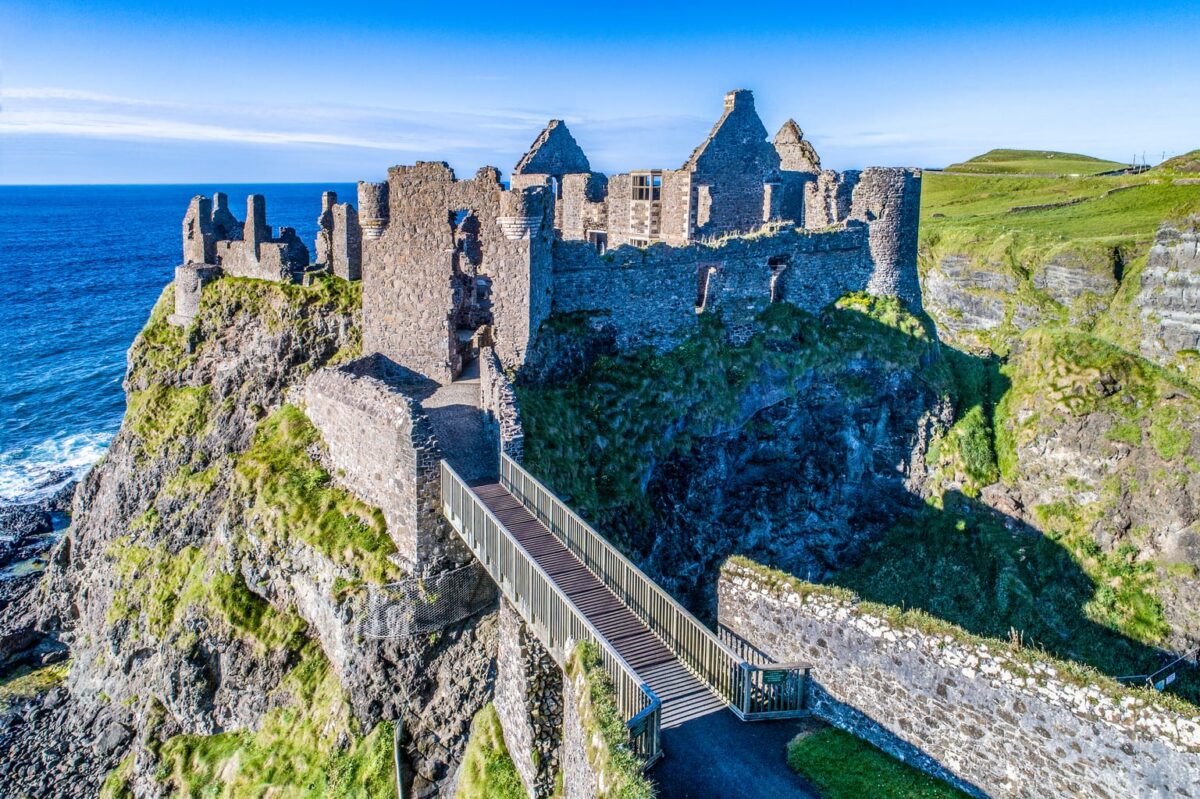
Dunluce Castle is one of the most dramatic coastal ruins in Ireland and one of my favourite scenic stops along the accessible Causeway Coast.
For travelers with limited mobility, the real highlight is often the scenery surrounding the castle rather than the interior ruins themselves.
Several nearby viewpoints and roadside pull-offs allow you to appreciate the cliffs and Atlantic coastline with minimal walking. Parking sits relatively close to the main viewing areas and the upper viewpoints are mostly paved and manageable for many slower travelers. I think the exterior setting is more impressive than the inside.
The castle interior includes uneven worn stone, loose gravel, narrow passages, and stairs in places, so accessibility is limited. However, slower travelers can still enjoy extraordinary coastal scenery without needing to explore every section of the ruins.
There are usually places to sit overlooking the coastline nearby, which helps enormously if you prefer building breaks into the day. Sunset here is particularly beautiful.
Accessible Beaches Along the Causeway Coast
One thing many travel guides overlook is how accessible some beaches along the Causeway Coast actually are.
Benone Beach
Benone Beach is one of the easiest beaches in Northern Ireland for slower travelers because vehicles can access sections of the sand during certain periods. This significantly reduces walking distance and makes the coastline accessible for many people who struggle with uneven terrain.
The flatter compact sand near vehicle access points is often much easier for mobility aids than softer dune areas.

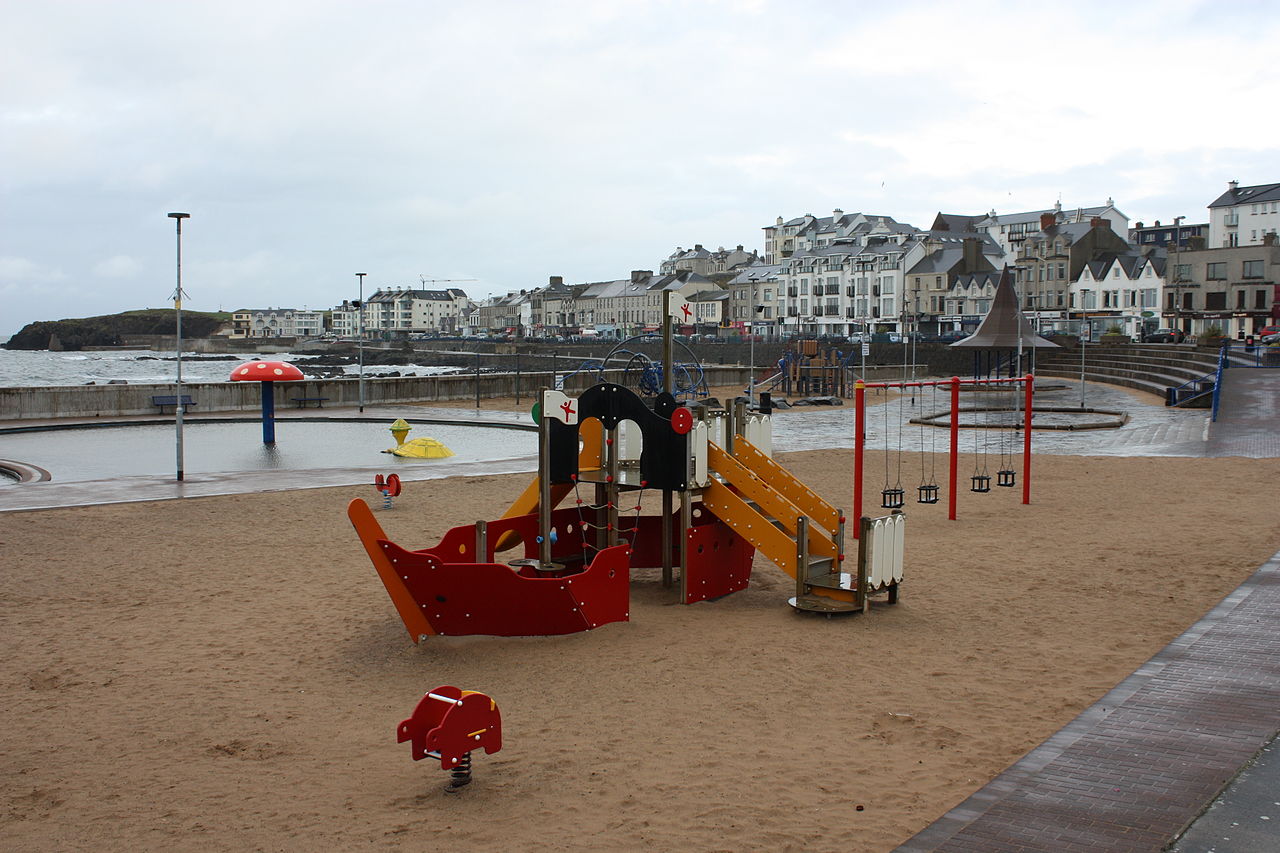
Portstewart Strand
Portstewart Strand combines dramatic Atlantic scenery with relatively straightforward access and nearby facilities. Conditions vary depending on tides and weather, but many seniors and slower travelers find it manageable.
Nearby facilities and toilets make the beach much easier for travelers planning slower-paced outings.
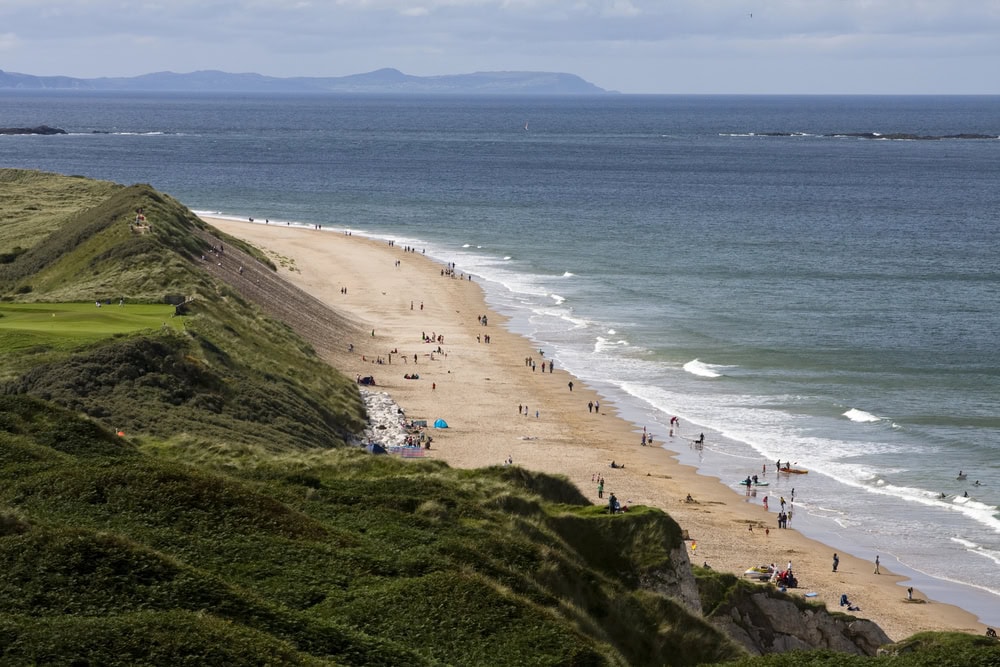
Whiterocks Beach
Whiterocks Beach near Portrush offers spectacular coastal scenery and several easier viewing points. Even visitors who prefer avoiding sand can still enjoy the coastline from accessible clifftop viewpoints nearby.
I know from my own experiences that these beaches are best explored early or late in the day when parking is easier and the atmosphere feels calmer. Summer afternoons can become crowded very quickly, especially during warm weather.
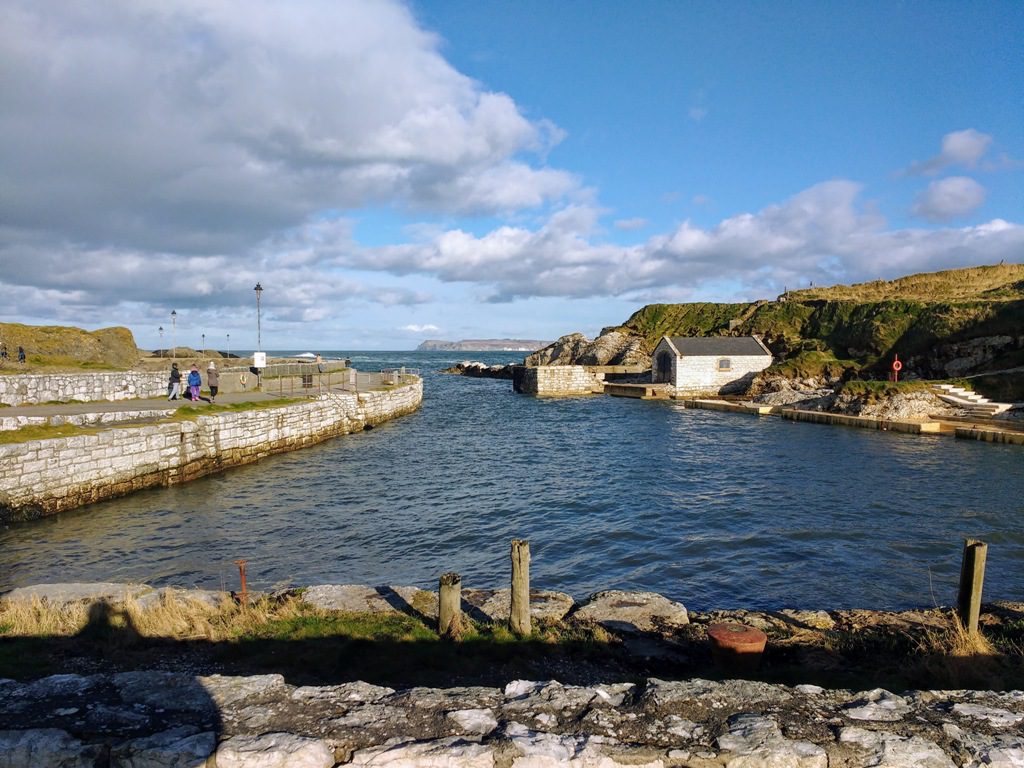
Ballintoy Harbour Accessibility
Ballintoy Harbour is one of the best accessible Northern Ireland attractions for slower travelers.
The harbour became internationally famous through Game of Thrones filming, but honestly the atmosphere matters more than the television connection. The combination of black basalt rock, crashing Atlantic waves, fishing boats, and steep cliffs creates one of the most cinematic landscapes anywhere in Ireland.
Parking sits close to the harbour itself, which means many visitors can experience the scenery without major walking distances.
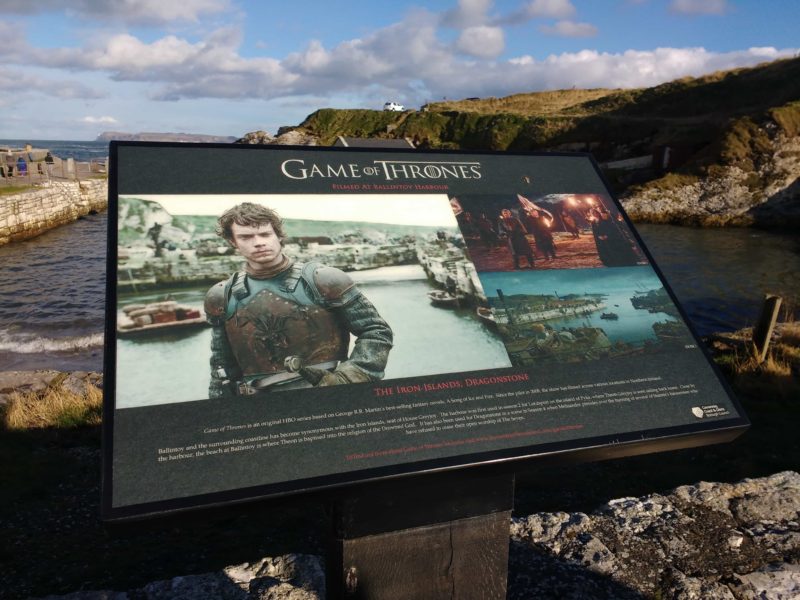
The lower harbour sections can be uneven with rough stone and harbour surfaces in places, but many slower travelers comfortably enjoy the views from upper areas without difficulty. You also have to watch in high tide that the waters crashing onto the pier don’t overwhelm you.
There are also several places nearby where you can sit quietly overlooking the water, which makes the harbour particularly enjoyable for slower-paced visits.
This is one of the places where I always recommend simply sitting for a while and watching the coastline rather than rushing through for photographs.
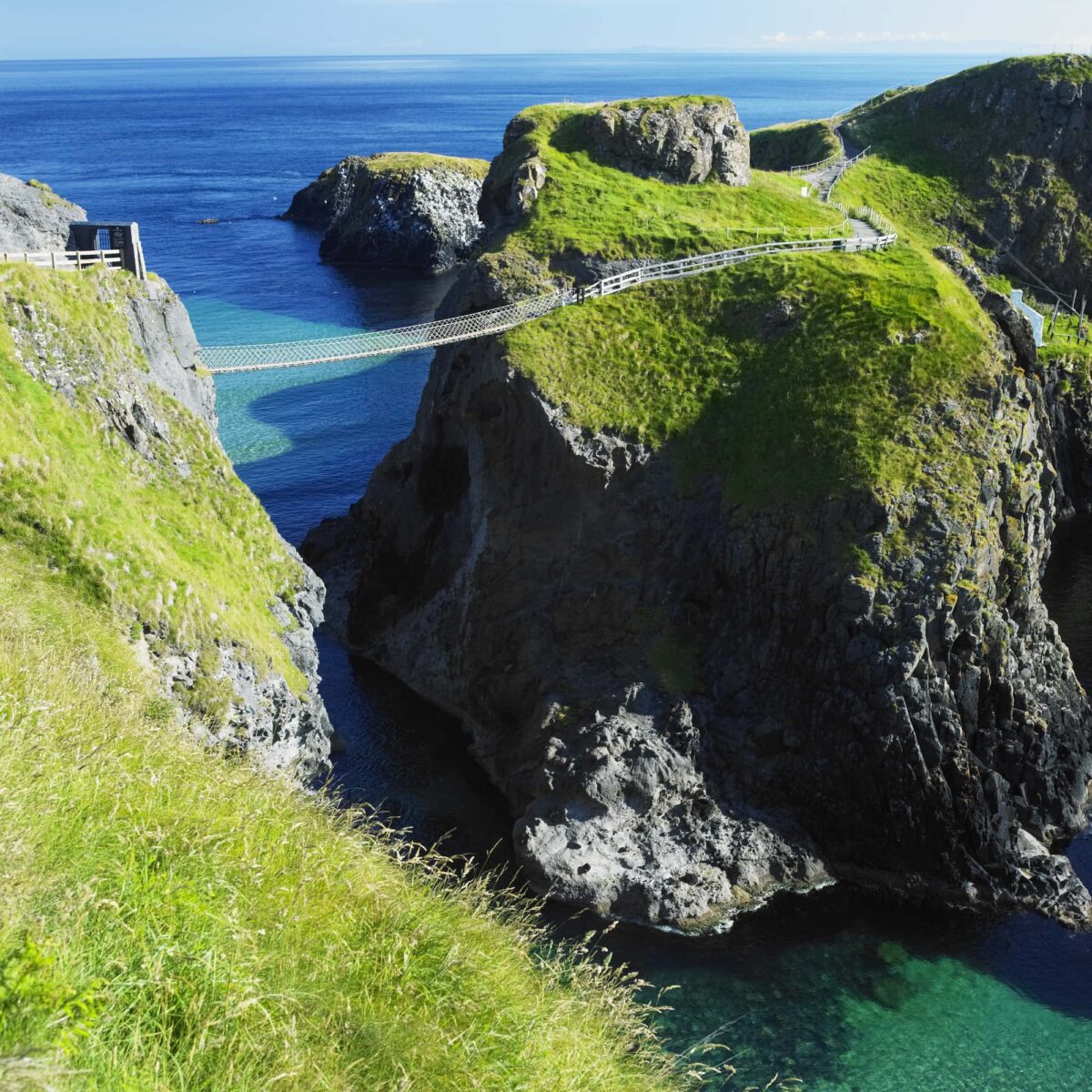
Carrick-a-Rede Rope Bridge and Limited Mobility
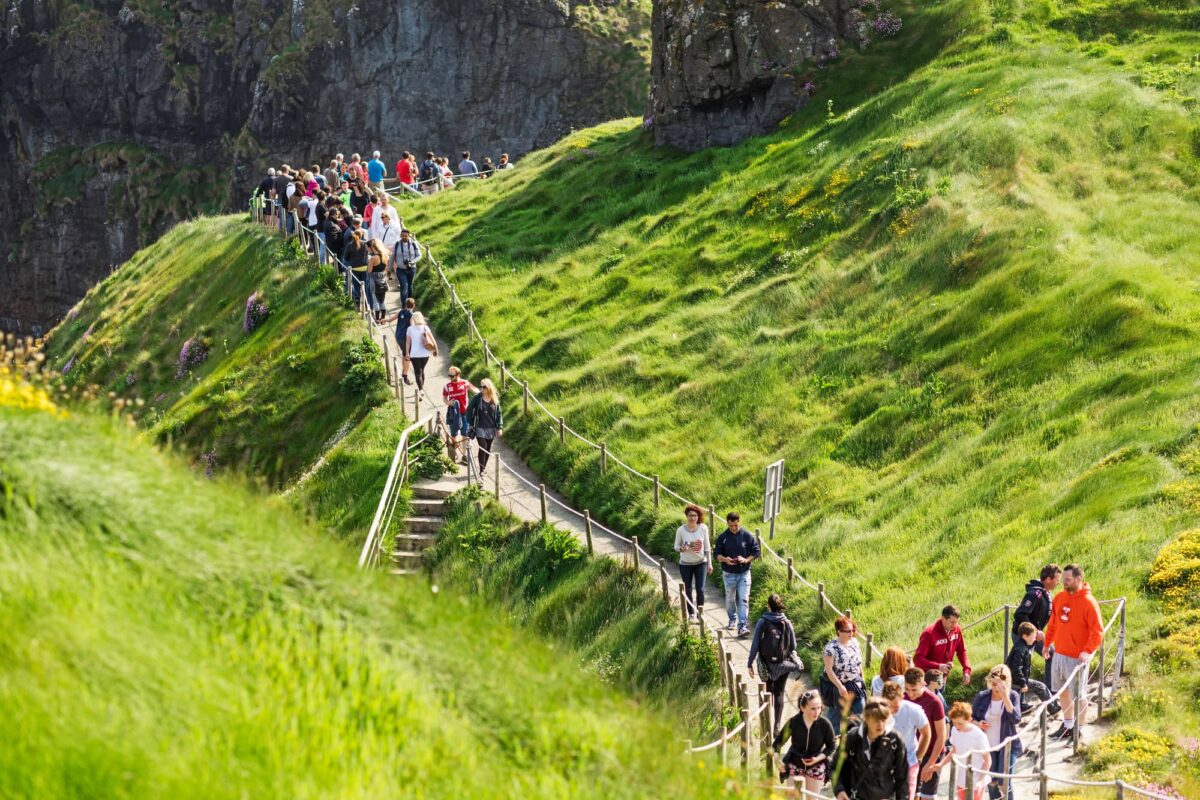
Carrick-a-Rede Rope Bridge is one of the least accessible major attractions along the Causeway Coast.
The bridge crossing itself involves uneven paths, steep sections, exposed terrain, and longer walking distances than many visitors expect. For travelers with limited mobility, the experience can become physically demanding quite quickly during good weather but since Irish weather is so changeable you can never know what will make a good crossing.
The return route also involves uphill sections that feel significantly harder after time spent exposed to coastal wind. However, that does not mean the location should automatically be skipped. Slower travelers can enjoy the surrounding coastal viewpoints far more than the actual bridge crossing itself. The scenery along this section of coastline is spectacular even without completing the walk.
Accessible Game of Thrones Locations
The Causeway Coast contains several Game of Thrones filming locations that work surprisingly well for slower travelers.
Ballintoy Harbour
Ballintoy remains one of the easiest filming locations to experience with limited mobility because the harbour scenery itself requires relatively little walking.
The Dark Hedges
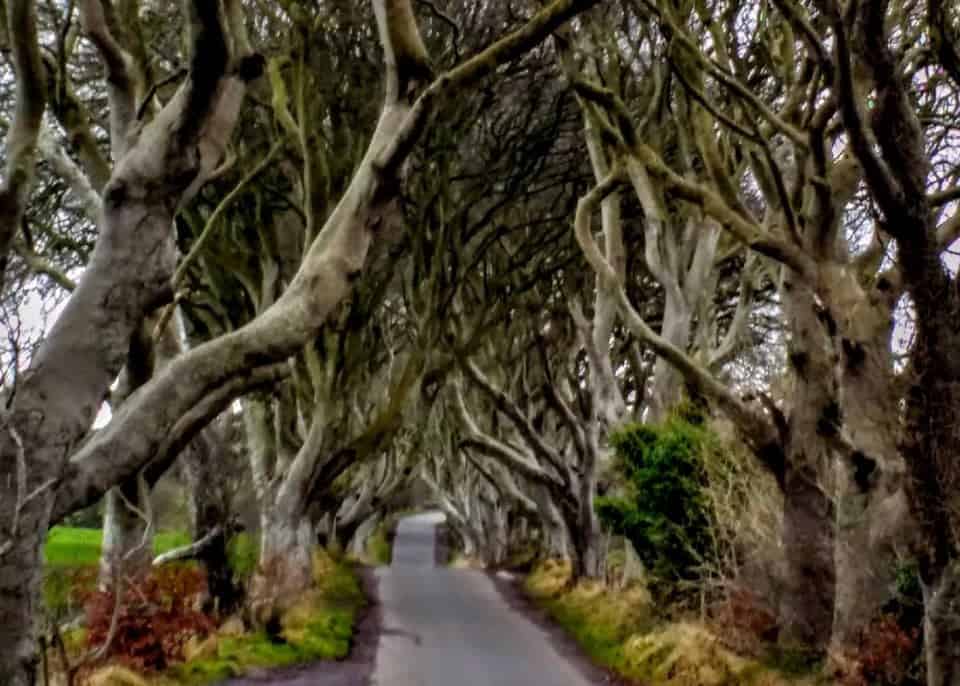
The Dark Hedges are visually stunning, although accessibility has changed over the years due to parking restrictions and erosion management.
Walking distances now vary depending on where you park, and surfaces can become muddy and uneven after rain. Early mornings are essential here because crowds quickly overwhelm both the atmosphere and accessibility.
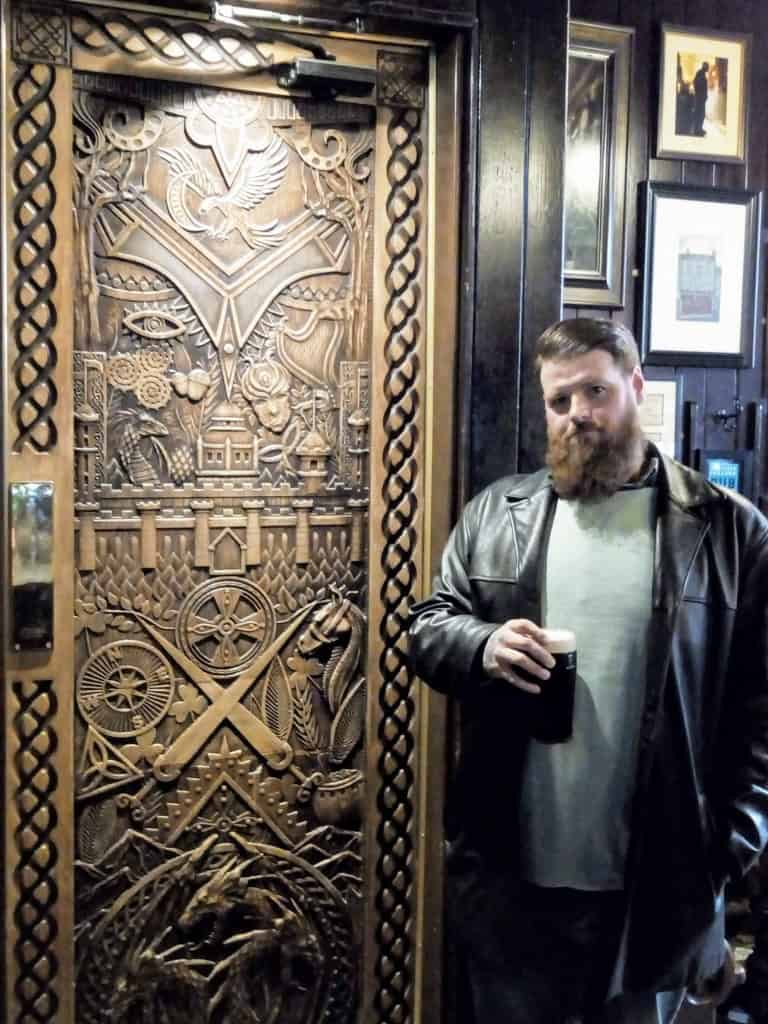
The trees are now over 100 years old and dying and many have been blown over by storms, however the trees have not gone to waste they have been carved into stunning doors with the Houses of the Game of Thrones depicted. These can be seen in various pubs throughout Northern Ireland on the Tour of Doors.

Cushendun
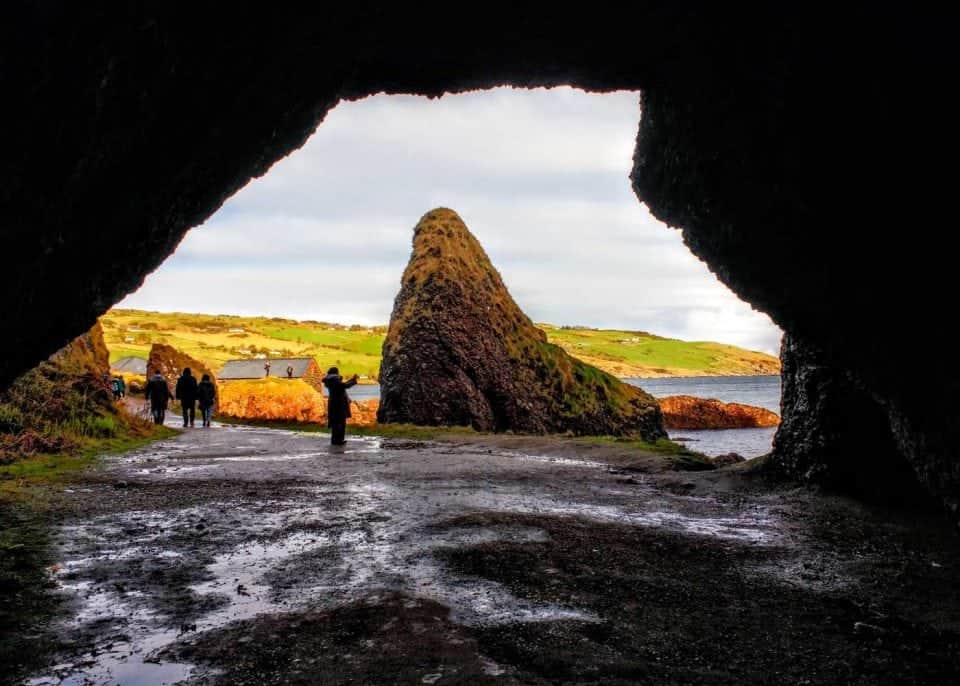
Cushendun itself is one of the loveliest villages along the route and works well for slower-paced travel. The caves involve uneven terrain, but the village, coastline, and nearby scenery are rewarding even without extensive walking.
Bushmills: The Best Accessible Base on the Causeway Coast
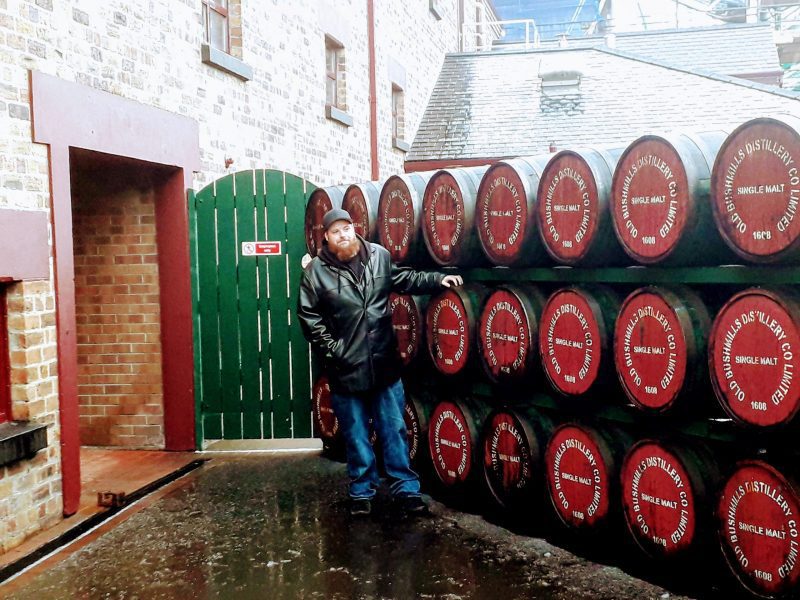
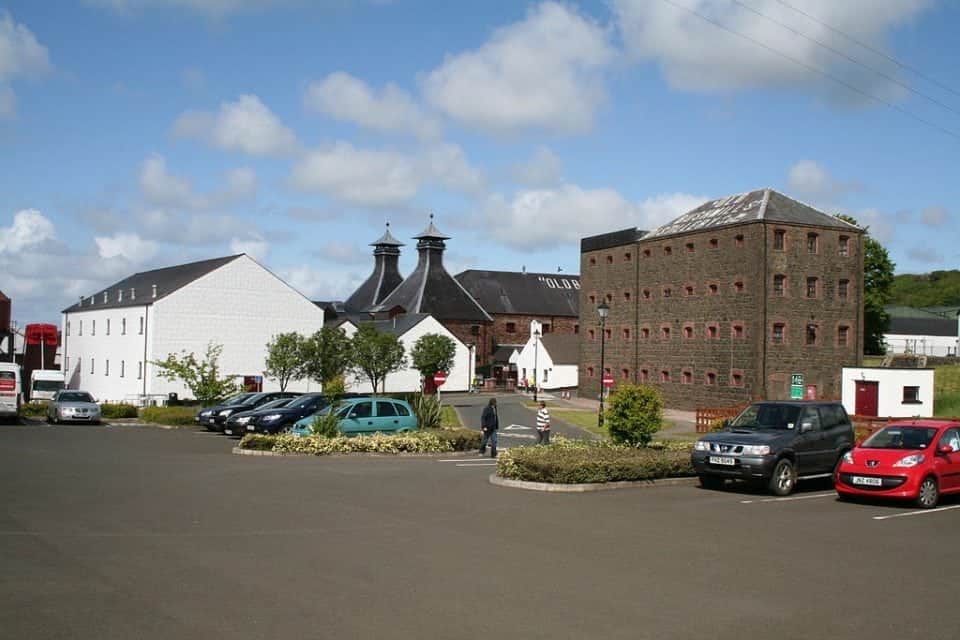
Bushmills is probably the best overall base for accessible Causeway Coast travel.
The village sits close to:
- Giant’s Causeway
- Dunluce Castle
- Ballintoy
- Portrush
- Portstewart
- Carrick-a-Rede
- Dark Hedges
without requiring long driving days.
The town itself is relatively compact and calmer than larger tourist centres. There are accessible restaurants, cafés, toilets, hotels, and places to rest between outings.
Many of the pavements in the centre are relatively flat and manageable compared to steeper coastal villages elsewhere along the route.

When booking accommodation, always ask specifically about:
- ground floor rooms
- lift access
- accessible parking
- walk-in showers
- distance from reception
- step-free entrances
Many traditional guesthouses along the coast are charming but can be difficult for limited mobility travelers due to historic layouts and narrow staircases.
Parking Along the Accessible Causeway Coast
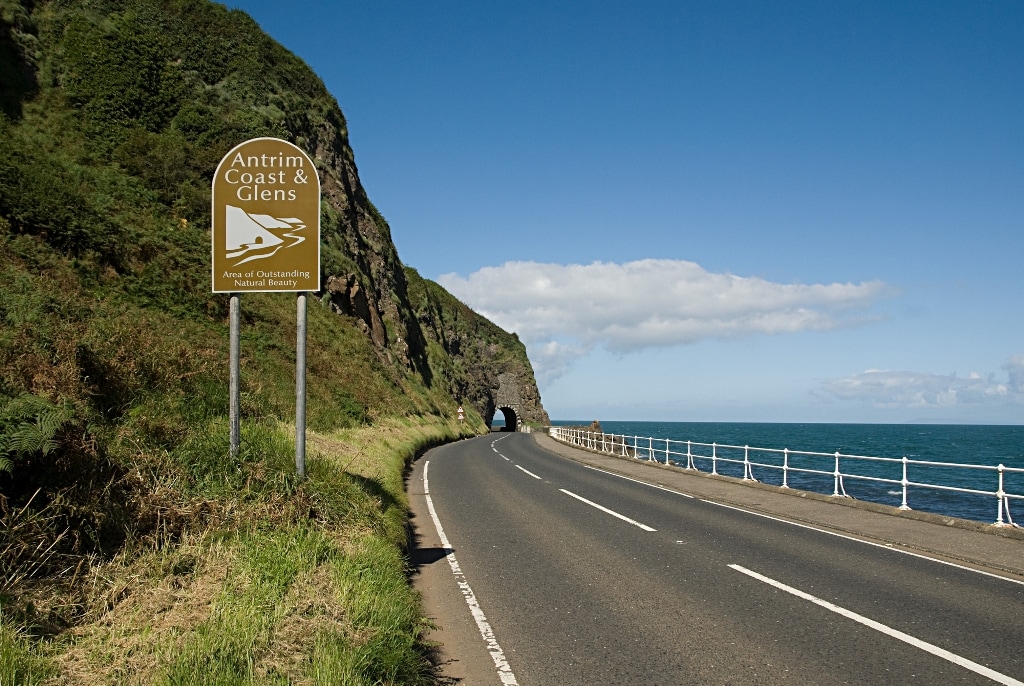
Parking is one of the biggest accessibility realities along the route. Many scenic viewpoints have free roadside parking or small pull-offs, but spaces fill quickly during summer and holiday weekends.
Arriving early changes everything. Not only does this improve parking availability, but it also reduces physical exhaustion caused by crowds, congestion, and long waits.
Some important parking realities most guides fail to explain:
- some parking areas are gravel
- some involve steep uphill returns
- coastal wind affects transfers
- accessible spaces fill quickly
- rain changes surface conditions fast
- tour buses create congestion around entrances
Always allow extra time and don’t over schedule your visit you may miss out on the best parts of Irish culture and landscapes.
Transportation for Limited Mobility Travelers
Driving remains the easiest way to explore the accessible Causeway Coast because it allows:
- flexible pacing
- weather adjustments
- easier scenic stops
- reduced standing
- less timetable stress
- better fatigue management
Public transport exists between larger towns, but connections can involve additional walking and waiting.
Taxis work well for shorter regional journeys around:
- Bushmills
- Portrush
- Portstewart
- Ballycastle
Although I do like a good tour I think organised day tours move far too quickly for most slower travelers. Overnight stays create a dramatically better experience.
Why Slower Travelers Often Enjoy the Causeway Coast More
This coastline rewards patience. Some of the best moments happen while:
- sitting in a harbour café enjoying a traditional full Irish Breakfast or a Belfast Bap and some traditional Northern Irish food.
- watching Atlantic rain move across cliffs
- stopping at empty viewpoints
- listening to waves below Dunluce Castle
- pulling into quiet lay-bys with nobody else around
Fast itineraries often miss the atmosphere completely. The accessible Causeway Coast works best as:
- one major attraction
- one scenic drive section
- one relaxed meal
- several quiet pauses
That pacing transforms the experience from exhausting into memorable.


Suggested Low-Exertion Causeway Coast Itinerary
Start early at the Giant’s Causeway before large tour groups arrive. Use the fully accessible shuttle bus rather than walking the steep route. You don’t need to buy entry to the Visitor Centre if it seems over-priced the shuttle is found behind the Centre and you only pay £1 to take it.
Afterward, drive slowly toward Dunluce Castle with scenic coastal stops along the way. Stop for lunch in Bushmills or Portrush before visiting one accessible beach or harbour in the afternoon. Finish with a quiet Atlantic viewpoint rather than trying to squeeze in multiple attractions.
This kind of pacing works dramatically better for limited mobility travelers than attempting the entire coast in one rushed day.


FAQs About the Accessible Causeway Coast
Is the Causeway Coastal Route suitable for seniors?
Yes. Many of the best viewpoints require very little walking and the region works beautifully for slower-paced travel.
Is the Giant’s Causeway wheelchair accessible?
Partly. The visitor centre and some viewing paths are accessible, but the basalt columns themselves remain uneven natural terrain.
What is the best accessible base on the Causeway Coast?
Bushmills is one of the easiest and most practical bases for slower travelers exploring the coast.
Are there accessible beaches along the Causeway Coast?
Yes. Benone Beach, Portstewart Strand, and parts of Whiterocks Beach are among the easiest options.
Is driving the Causeway Coast difficult?
The roads are manageable but can become mentally tiring because of weather, winding routes, and tourist traffic. Slower pacing helps enormously.
Is the Causeway Coast good for travelers with limited mobility?
Absolutely. Many scenic viewpoints, harbours, beaches, and attractions can be enjoyed with realistic pacing and careful planning.
Visiting the Accessible Causeway Coast
The Causeway Coast is not about racing between attractions. It is about atmosphere, changing light, Atlantic weather, dramatic cliffs, and allowing yourself time to absorb one of the most beautiful coastlines in Ireland.
For travelers with limited mobility, the key is reducing pressure. Use scenic pull-offs. Take breaks. Avoid peak crowds. Choose meaningful stops instead of trying to do everything. The accessible Causeway Coast becomes extraordinary when you allow the landscape to unfold slowly.
For travellers exploring Northern Ireland beyond the Causeway Coast, a Belfast black taxi tour provides important context about the region’s recent history and identity.


Travelling with limited mobility? Our Accessible Northern Ireland Guide covers wheelchair-friendly attractions, accessible transport, and first-hand mobility tips across Belfast, the Causeway Coast, and Derry.
Planning a trip to Northern Ireland? Our complete Northern Ireland Travel Guide covers Belfast, the Causeway Coastal Route, county guides, hidden gems, itineraries, food, and local tips from a Donegal native.
Start Planning Your Trip
👉 Public Transportation in Ireland
👉 Hidden Gems in Ireland – 32 Secret places to visit
👉 Answering all your travel questions about Ireland