
Accessible Europe: A Guide for Mobility Challenged Travellers
Europe can be genuinely accessible for mobility challenged travellers, whether that means a wheelchair, a scooter, a cane, a rollator, or simply not being able to walk or stand for long. Cities such as Paris, Amsterdam, Berlin and the Nordic capitals now offer step free routes, adapted lifts, rest points and mobility scooter hire at major landmarks including the Eiffel Tower, Notre Dame and the Louvre Museum, though accessibility still varies street by street, so planning ahead matters here more than almost anywhere else in the world.

I am mobility challenged. Walking distances, standing in queues and staying on my feet for a full day are the things that wear me down, not stairs alone, and not a wheelchair. I run this blog from Ireland, in the northwest corner of the Wild Atlantic Way, but I have called ten different European countries home, and I have taken friends and visitors of every kind of mobility challenge, wheelchair users, cane users, people with rollators, people like me who simply cannot walk far or stand long, to every place in this guide, more than once.
Most accessible travel content online is written as though mobility challenged means wheelchair user, full stop. It does not. It also means someone who can walk two hundred metres but not two kilometres, someone who needs to sit down every twenty minutes, someone with a hidden condition that makes a full day of sightseeing genuinely exhausting in a way that does not show from the outside. This guide is written for all of that, not just for wheelchair access, though wheelchair access is covered in detail too.

This article is the hub for accessible travel in Europe: what accessible Europe actually looks like in 2026/27 for the full range of mobility challenges, how countries compare, and how to plan a trip that does not fall apart on day two. For the detail on specific countries and cities, follow the links through to our dedicated Accessible France, Accessible Spain, Accessible Italy and Accessible Paris guides, where the street level specifics, landmark by landmark, live.
Where something is my own opinion rather than a fact you can verify, I say so. Where I am not certain a detail is still current, I flag it, because accessibility information changes fast and a guide that pretends otherwise is not trustworthy.
What Accessible Europe Actually Means
Accessible Europe describes destinations, transport, accommodation and attractions across the continent that have been adapted, in whole or in part, for people with mobility, sensory or hidden disabilities. That covers wheelchair users, but it also covers scooter users, cane and rollator users, and mobility challenged travellers who can walk and stand, just not for long, which is its own category that most guides ignore.
It is not one standard, and it is not one type of traveller either. A city can have excellent step free access and still be exhausting if there is nowhere to sit down between sights. A landmark can have a lift to one level and stairs only after that, and that detail matters differently depending on whether stairs are impossible for you or simply tiring. This is why a country by country, site by site guide, written with the full range of mobility challenges in mind, is more useful than a single accessibility rating or a wheelchair only checklist.

Mobility Challenges Beyond Wheelchairs: Walking Distance, Stamina and Rest
If your issue is distance and stamina rather than steps, the questions you need answered are different from a wheelchair user’s questions, and most accessibility pages do not answer them at all. How far is it, really, from the entrance to the thing I actually want to see. Is there somewhere to sit along the way. Can I hire a scooter instead of pushing through on foot. These are the questions I try to answer throughout this guide and in each of the country and city guides linked below.
Major European museums and palaces are often far larger inside than they look from the street. Mobility scooters, sometimes called electric wheelchairs, can usually be hired free or for a small deposit at major sites across the continent, and they are worth requesting even if you can walk short distances unaided, simply to preserve your energy for the parts of the day that matter most to you.
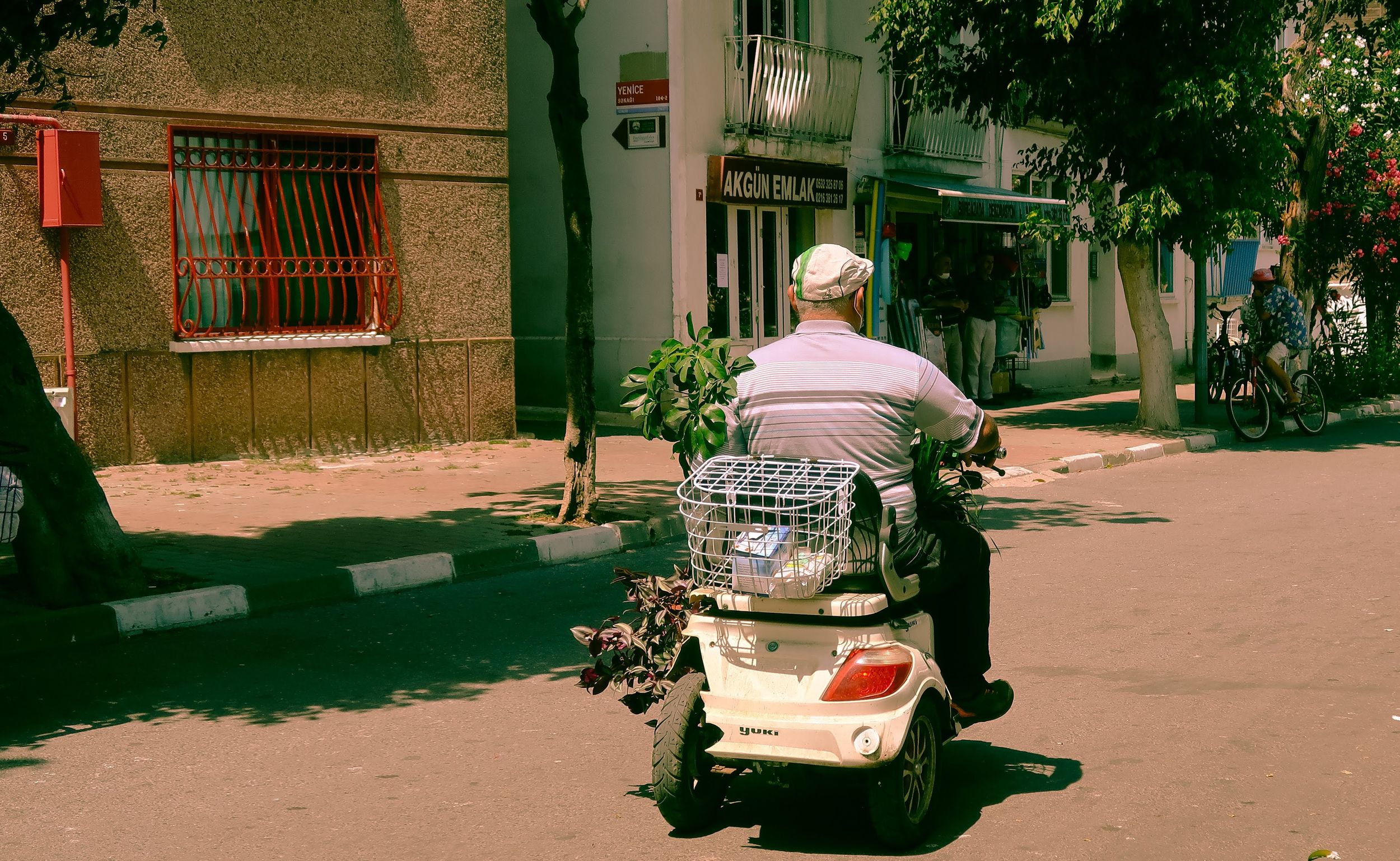
Benches and rest points are unevenly distributed across European cities. Older town centres and hill towns tend to have fewer than modern city centres. When you are planning a day, build in a stop every twenty to thirty minutes rather than pushing for the next landmark, and treat cafes as rest points as much as places to eat, since a five minute sit down with a coffee can be the difference between an enjoyable afternoon and a painful one.
Queuing is often the hardest part of a mobility challenged trip, harder than the walking itself, because standing still in one place for forty minutes uses muscles differently to walking. Where an attraction offers a priority or accessible entrance, it is usually available to visitors with a genuine need to avoid standing and waiting, not only to wheelchair users, though the exact policy varies by venue and is worth confirming when you book.

Accessible Hotels Across Europe
Booking an accessible hotel room is not the same as booking a hotel that says it is accessible. If you are not a wheelchair user but struggle with distance and stairs, the details that matter most are slightly different: is there a lift at all, how close is the room to that lift, and is there somewhere to sit down in the lobby if you need to rest after checking in. Always ask about door width, roll in shower versus bath with a grab rail, bed height, and whether the accessible room is on the ground floor or reachable by a lift big enough for a wheelchair, since some older European hotels have lifts that fit one person and a folded pushchair but not a wheelchair.
This pattern holds across most of Western and Northern Europe: newer builds and international chains are the safer bet for guaranteed accessible rooms, while older or heritage properties can be wonderful but need a direct enquiry, by phone or email, before you book. Southern and Eastern Europe follow the same rule, only more so, since heritage buildings are more common and lift retrofits are not universal.
Where to Eat: Accessible Cafes to Fine Dining
Cafes across much of Europe still favour narrow doorways, a step at the entrance, and toilets down a spiral staircase, so it pays to check before you commit to a booking, especially for dinner when you do not want to be turned away.
For casual, step free cafes, look for newer chains and department store food halls, which are almost always level entry with wide aisles. For a proper sit down meal, many fine dining rooms across Europe are on the ground floor of grand hotels, which tend to have step free entrances and accessible toilets as standard, so a formal dining room is sometimes easier to get into than a small neighbourhood bistro. Most casual cafes have outdoor seating you can reach, although the route to accessible facilities inside may still be difficult.
My own rule of thumb after years of doing this: call ahead, ask specifically about the entrance step and the toilet, and do not rely on a restaurant’s website accessibility claim alone. Staff on the phone will usually give you an honest, specific answer.

Hidden Gems for Accessible Travel in Europe
Locals rarely recommend the landmarks everyone already knows, and some of the best accessible experiences in Europe are the quiet ones: resurfaced riverside promenades, flat botanical gardens away from the main tourist gardens, and department store or shopping centre rooftop terraces reachable by lift, which give you a city skyline view without a single step and without a landmark’s queue.
A tip that applies across the whole continent: smaller towns are often kinder to mobility challenged travellers than famous capitals, simply because everything worth seeing tends to be within a few hundred metres rather than spread across a sprawling city centre. Our country guides for France, Spain and Italy each flag the specific hidden gems worth the detour, and our wider Europe hidden gems guide and underrated European cities guide lean into exactly this.

Accessible Europe for Families and Kids
Travelling with a mobility challenged family member and children at the same time doubles the planning, but Europe is genuinely good at this if you pick your spots. Pushchair friendly and wheelchair friendly often overlap, since both need step free routes, lifts and wide doorways.
Major museums, palaces and science and natural history centres across Europe increasingly run family activity trails alongside their accessible routes, so a wheelchair using parent or grandparent and a curious child can usually follow the same path together rather than splitting up. Look for museums with dedicated family and accessibility desks, since staff there tend to know shortcuts that are not published online.

How Accessible Europe Compares by Country
Northern Europe generally leads on accessible travel, with cities such as Amsterdam, Berlin, Copenhagen and Stockholm investing early in step free transport and modern building codes. Southern and parts of Eastern Europe are improving quickly but still carry more cobblestones, hill towns and older infrastructure, which does not mean skip them, it means plan more carefully and expect a slower pace. Our Accessible France, Accessible Spain and Accessible Italy guides go into exactly how that plays out in each country.
The European Disability Card, where recognised, gives disabled visitors that reside in the EU, and often a companion, reduced or free entry to many museums, transport services and attractions across participating countries. Coverage is not universal across every country yet, so check whether your destination participates before you travel.

Accessible Europe for North American Visitors
There is currently no formal agreement between the EU and North America recognising disability documentation across borders, so US and Canadian visitors are not able to obtain the EU Disability Card itself. That does not mean you arrive with nothing to show, it just means you rely on different paperwork.
Bring documentation from home: a state or provincial disability identification card, a signed letter from your doctor outlining your specific needs, or your usual accessible parking placard are all worth packing. Expect this to be handled site by site: there is no single rule that applies everywhere, and most individual museums, cultural sites and transit systems in Europe decide for themselves whether to honour documentation issued outside the EU. Check each major site’s accessibility or ticketing page before you go, since it will usually spell out precisely which foreign documents it accepts for a reduced rate or priority entry.
This guidance draws on traveller experiences shared in various forums rather than an official EU source, so treat it as a useful starting point and confirm the specific policy on each venue’s own accessibility page before you travel.


What Most Accessible Europe Guides Get Wrong
Most accessible travel content online falls into one of two traps. Either it is a generic list of wheelchair accessibility icons pulled from booking sites with no first hand verification, or it is written by someone who has never actually needed the accessible entrance and is guessing at what matters.
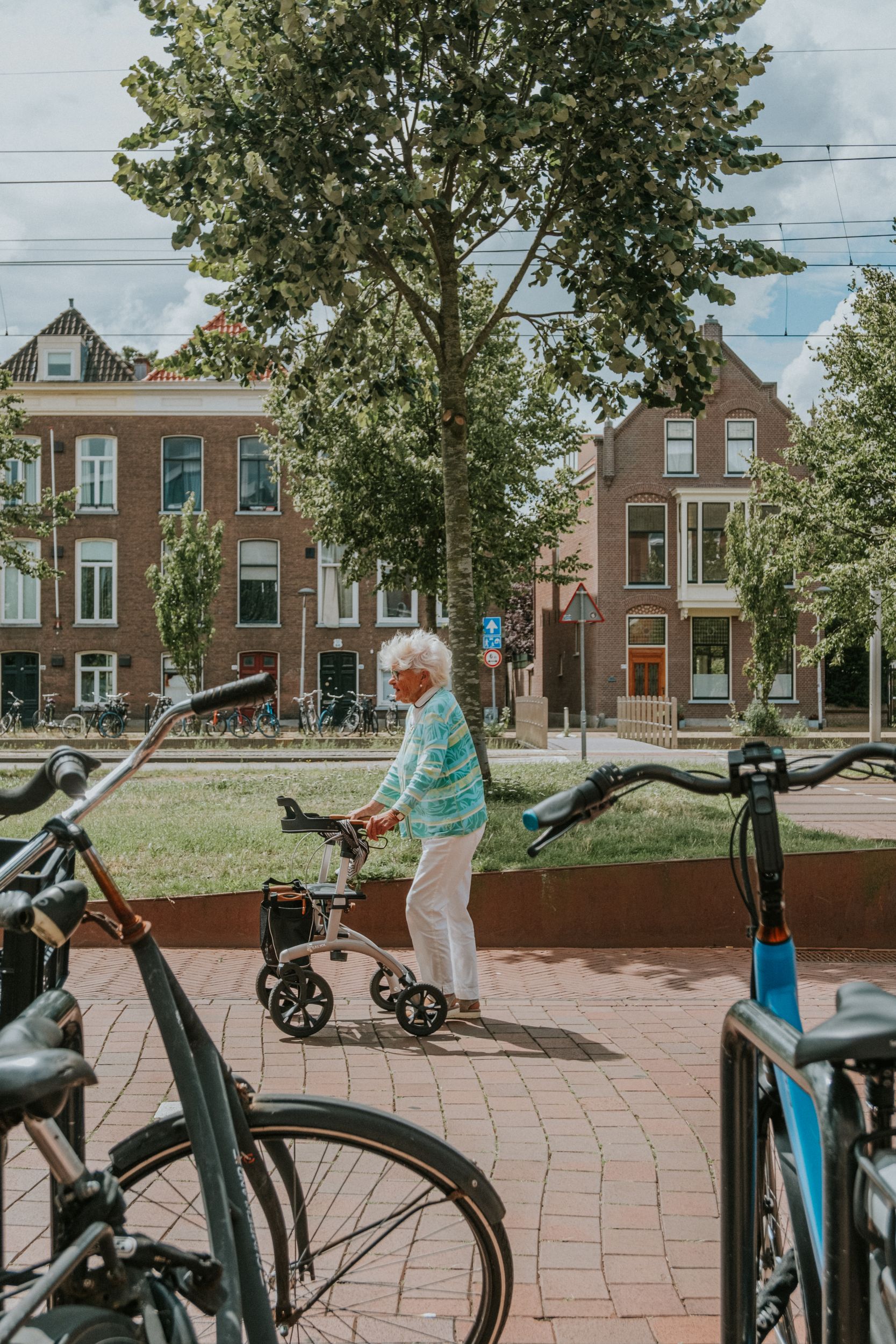
The bigger gap, in my experience, is that almost everything published under accessible travel assumes the reader is a wheelchair user and nobody else. Very little is written for the much larger group of mobility challenged travellers who can walk and stand, just not for long, and who need to know about rest points, walking distances and mobility scooter hire rather than step free routes alone. I have tried to write for both here, and in each of the country and city guides, because leaving out the second group is exactly what most competitor pages do.
The other details that actually change a trip are rarely the ones covered: whether an accessible entrance queue is genuinely faster or just differently slow, whether a hotel lift fits a wheelchair and a suitcase at the same time, and whether staff have been trained to help or are simply pointing at a sign. I have tried to include those specifics in the guides linked below rather than repeat the standard checklist you will find on most competitor pages.
This is also an honest limitation of any guide, including this one: accessibility details change with renovations, staff turnover and new regulations, so treat every specific detail in this article, and in the linked guides, as a strong starting point to confirm directly with the venue, not a guarantee.

Little Trains are generally available across Europe and make visiting a city or town much easier for those of us with mobility challenges. Although not wheelchair accessible they are perfect for those of us with mobility issues. Most historic sites also provide shuttle buses that are accessible for wheelchair users.


How to Plan an Accessible Trip to Europe: Step by Step
- Research each destination’s specific access details rather than relying on a country level accessibility reputation, since access can vary from street to street within the same city.
- Book accessible accommodation directly, by phone or email, and confirm door widths, lift size, shower type and floor level rather than trusting a single icon on a booking platform.
- Sort transport in advance, including airport assistance, any accessible parking permits you are entitled to use abroad, and which local transport options are genuinely step free.
- Book timed tickets for major sites in advance, and specifically request the accessible entrance and any companion discount when you book.
- Pack your documents, including any disability card, medical letters and repair details for mobility equipment, since finding a wheelchair repair shop abroad on short notice is stressful.
- Plan a realistic daily pace with built in rest, because accessible travel in Europe usually takes longer between sights than standard itineraries assume, and rushing is where trips go wrong.
- Ask about mobility scooter or wheelchair hire at large sites even if you can walk unaided, since preserving your energy for the parts of the day you care most about is often more useful than pushing through on foot.

Related Guides for Planning Your Accessible Europe Trip
A few other guides on this site will help you build out the rest of the trip around this accessible Europe hub.
- Accessible Paris: our full guide to the Eiffel Tower, Notre Dame, the Louvre, Paris transport, hotels and hidden gems.
- Accessible France: how accessibility looks beyond the capital, region by region.
- Accessible Spain: city and region specific access details for Barcelona, Madrid, Seville, Valencia, Malaga and beyond.
- Accessible Italy: what to expect in Rome, Tuscany, the Amalfi Coast and other Italian regions.
- Hidden Disabilities Travel Guide: Adventures at Any Age, for travellers managing conditions that are not always visible.
- Schengen Area Rules Explained: ETIAS, Visas, EU and UK Travel, essential before any first trip to mainland Europe.
- Europe Travel Documents and Insurance Checklist, including why travel insurance matters even more with mobility equipment.
- Best Travel Apps for Europe: What to Download First, several of which include accessible route planning.
- How to Pay in Europe: Cards, Cash and Tipping, useful once you are budgeting for accessible transport add ons.
- A Mature Traveller’s Guide to Europe and Ireland, which overlaps closely with slower, accessible pacing.
- Never Too Old to Travel, for anyone worried that age or mobility should rule out a European trip.
- Finding Hidden Gems in Europe: 41 Unique Places, several of which were chosen for being flat and manageable.
Heading to Europe, it is also worth reading the EuansGuide for accessibility for crowdsourced, first hand access notes.


The Bottom Line on Accessible Europe
Accessible Europe is not a myth and it is not a solved problem either. Landmarks across the continent increasingly offer genuinely useful step free routes and disability tickets, city transport lags behind its landmarks almost everywhere, and the rest of the continent ranges from excellent to genuinely challenging depending on the city.
The single biggest factor in a good trip is not the country you choose, it is how specifically you plan around your own needs before you go. I have tried to give you that specificity here and in the country and city guides linked throughout, because that is the guide I wish I had the first time I did this.


Frequently Asked Questions About Accessible Europe
Which is the most accessible city in Europe?
Cities including Amsterdam, Berlin, Copenhagen and Stockholm are generally considered among the most accessible in Europe, thanks to newer infrastructure, step free public transport and consistent building standards, though every city still has stronger and weaker districts.
What is the European Disability Card?
The European Disability Card is a scheme that gives recognised EU disabled visitors, and often a companion, reduced or free access to museums, attractions and some transport in participating countries. Not every country participates yet, so check coverage for your specific destination before you travel.
How much extra time should I add to a trip for accessible travel in Europe?
As a general rule of thumb from personal experience, add at least thirty to fifty percent more time between stops than a standard itinerary suggests, since accessible entrances, lifts and slower pacing all add up across a full day.
Are European trains wheelchair accessible? Many long distance European trains have designated wheelchair spaces and require booking assistance in advance, often twenty four to forty eight hours ahead, while regional and older trains vary widely, so always check the specific operator’s accessibility policy for your route.
If you have mobility issues here is a selection of posts that may be of help to you:
Bookmark these hubs for updates and dive into the detailed guides to build an itinerary that fits your energy, comfort, and interests.
➡️Accessible Historical sites in the UK
Fallen in love with Europe and thinking of moving here? Make sure you check our European Highlights guides.