
How to Pay in Europe: Cards, Cash and Tipping
A contactless card is all you need for most of a European trip, but the two mistakes that actually cost travellers money aren’t about cards vs. cash at all they’re saying yes to Dynamic Currency Conversion at the till, and tipping like you’re still at home. Get those two things right and the rest of paying your way across Europe is straightforward.

I’ve paid my way through ten different countries living and travelling across Europe, and the same two questions come up every single time someone visits: “do I need cash?” and “how much do I tip?” Here’s what actually works, not what the guidebooks assume.
Card or Cash: What You Actually Need
Card is king almost everywhere in Western and Northern Europe. Contactless debit and credit cards are the primary payment method in shops, restaurants, transport, and even many markets. Make sure your card has both a chip and a PIN set up before you travel some smaller European terminals still ask for PIN entry rather than accepting a tap for larger amounts.
Cash still matters for a specific short list of situations: – Small purchases at independent shops and market stalls – Public toilets (genuinely many charge a small coin fee) – Smaller, older-style cafés and rural establishments that haven’t upgraded terminals – Tipping in cash, which is often preferred even where the bill itself was paid by card
Notify your bank before you go. A simple travel notice on your account (or in your banking app) prevents your card being frozen the first time it’s used abroad a frustrating, avoidable way to start a trip.
The One Mistake That Actually Costs You Money
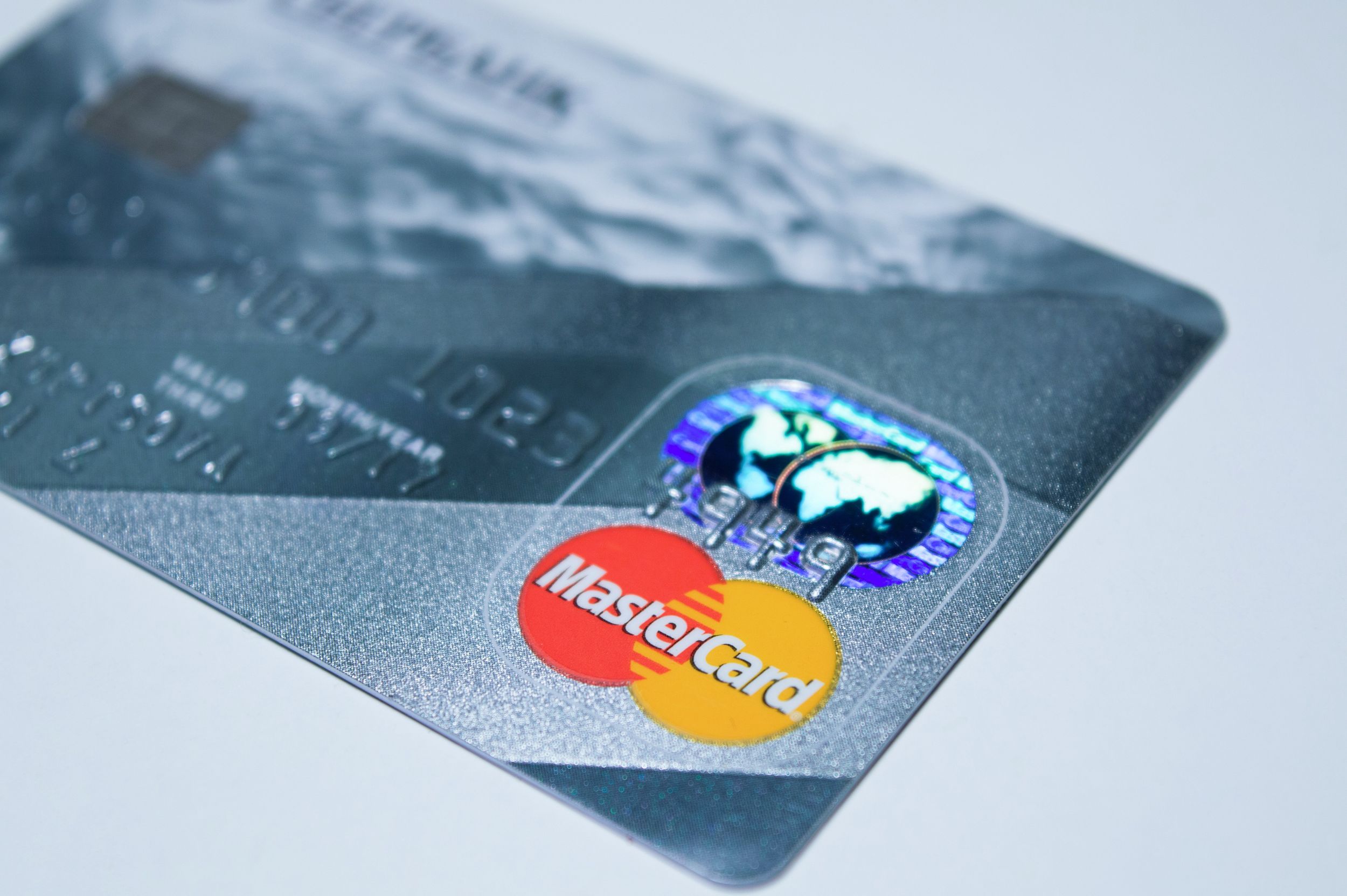
When you pay by card anywhere in Europe, you’ll sometimes be asked: “Would you like to be charged in your home currency instead?” This is called Dynamic Currency Conversion (DCC), and the answer is always no.
DCC sounds convenient you get a number in dollars or pounds right there on the receipt but the exchange rate used is set by the merchant’s payment processor, not your bank, and it’s reliably worse than what your own card issuer would give you. Always choose to be charged in the local currency. Your bank’s exchange rate, applied automatically, will beat the DCC rate every time.
When you’re paying at the counter for tickets or entry, it’s worth asking upfront about senior discounts in Europe they’re not always advertised
Where Your Money Actually Goes: The Euro and Its Exceptions
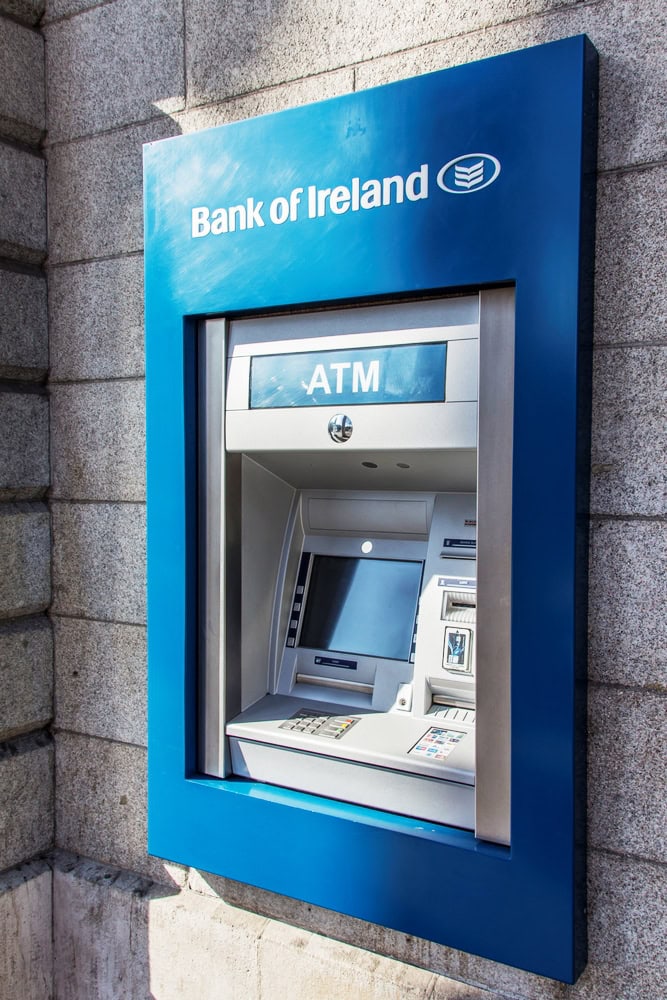
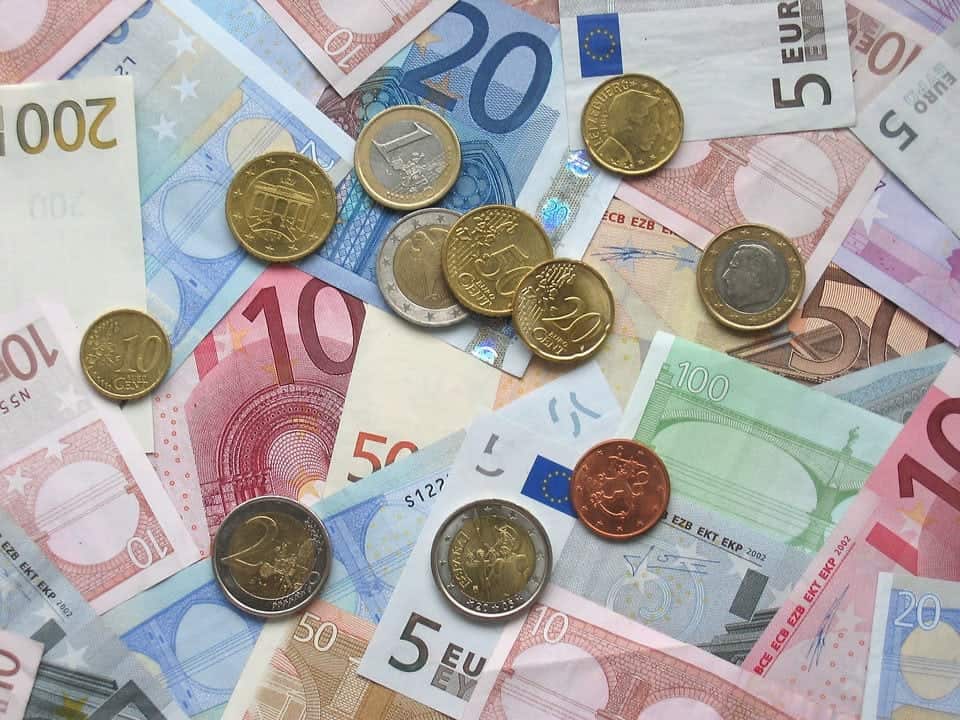
The Euro (€) is used in 20 of the European Union’s 27 member countries France, Germany, Spain, Italy, and the Netherlands among them. But several major destinations are notable exceptions, and it catches travellers out on multi-country trips:
| Country | Currency |
| United Kingdom | Pound (£) |
| Switzerland | Franc (CHF) |
| Denmark | Krone (DKK) |
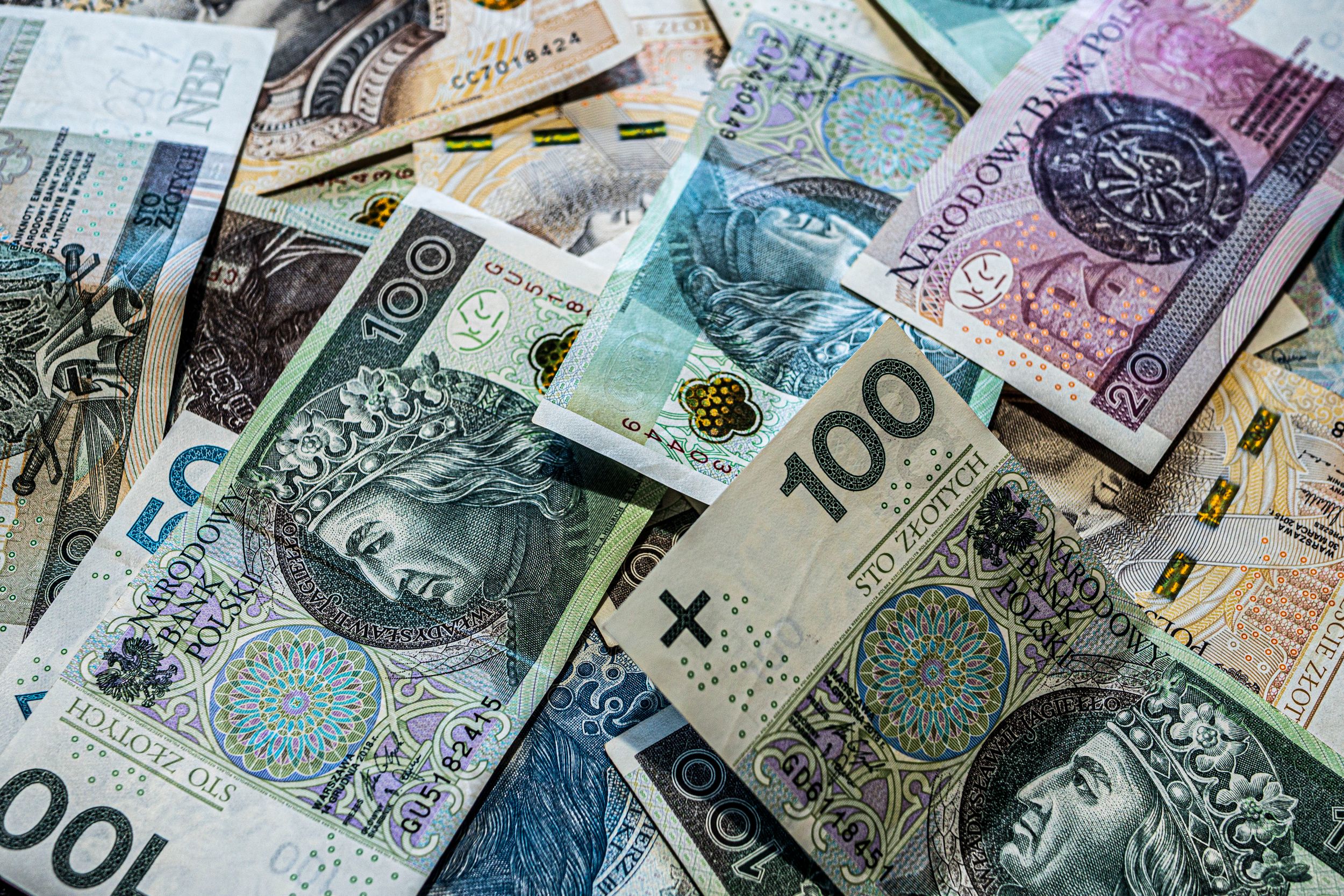
| Poland | Złoty (PLN) |
| Czechia | Koruna (CZK) |
| Hungary | Forint (HUF) |
If your route crosses any of these borders, budget a few minutes to understand the local currency before you land rather than assuming Euros will work.
ATMs: Getting Cash Without Losing Money to It
Skip airport currency exchange kiosks entirely their rates are consistently the worst you’ll find anywhere on your trip, arrival-day convenience notwithstanding.
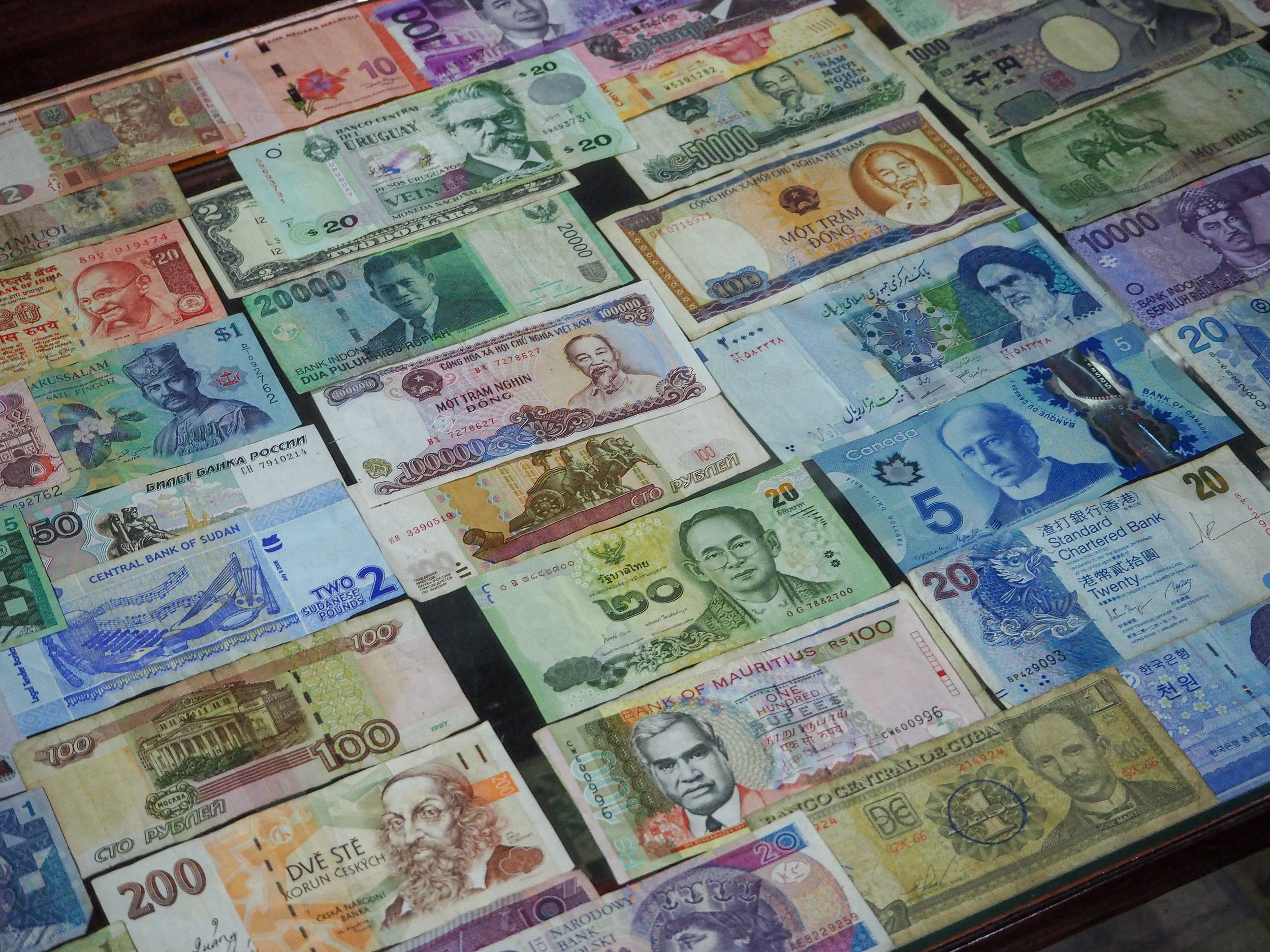
Use a bank ATM instead, ideally attached to an actual bank branch rather than a standalone kiosk in a tourist area. Bank ATMs give a fairer exchange rate and carry less risk of card skimming than independent cash machines clustered around train stations and airports. When the ATM asks whether you want it to convert the amount for you or let your bank handle the conversion, choose your bank it’s the same DCC trap in a different form.
If you’re regularly converting currency across a multi-country trip, a service like WISE (which converts at the real mid-market rate with minimal fees) is worth setting up before you leave rather than relying on ad-hoc ATM withdrawals the whole way. I’ve now used WISE for the past 8 years and am very happy with the ability to switch currencies and add a currency.
Tipping: It’s Genuinely Different Here
This is the one area where visitors, especially from North America, consistently over-tip without realising it.
Service is usually already included in the bill across most of continental Europe look for “service compris” in France or similar wording elsewhere. Where it isn’t automatically included, the norm is far more modest than US tipping culture:
- Round up the bill, or leave the equivalent of 5-10% for good service
- Large, American-style tips (15-20%+) are not expected and can occasionally come across as overcompensating rather than generous
- Cash tips are generally preferred over adding a tip through a card terminal, even when the bill itself is paid by card

Quick Reference: Payment Checklist
- Set up a travel notice with your bank before departure
- Confirm your card has a working chip and PIN, not just contactless
- Always decline Dynamic Currency Conversion pay in local currency
- Use bank-attached ATMs, not standalone kiosks
- Carry some local cash for markets, toilets, and tipping
- Tip 5-10% by rounding up, in cash where possible not US-style percentages
FAQs
Should I bring cash to Europe or just use my card? Bring both. Card covers the vast majority of purchases across most of Europe, but keep some local cash on hand for markets, public toilets, small independent shops, and tipping.
What is Dynamic Currency Conversion and why should I decline it? It’s an option some card terminals and ATMs offer to charge you in your home currency instead of the local one. The exchange rate used is set by the merchant’s payment processor and is reliably worse than your own bank’s rate always choose to pay in the local currency instead.
Do I need to tip in restaurants in Europe? Often not required, since service is usually included in the bill already. Where it isn’t, rounding up or leaving 5-10% is standard large US-style tips aren’t expected.
Which European countries don’t use the Euro? The UK, Switzerland, Denmark, Poland, Czechia, and Hungary are the main exceptions among widely visited destinations each uses its own national currency.
What Credit Cards are best to use in Europe? The best credit cards for Europe have no foreign transaction fees and run on the Visa or Mastercard networks, ensuring widespread acceptance. Because European merchants heavily use chip-and-PIN systems, ensure your card is contactless-enabled and doesn’t tack on a 1-3% fee for overseas purchases
Can I use my American Express or Discover card? Avoid using American Express or Discover for everyday purchases, as acceptance can be spotty outside of major tourist hubs and high-end hotels.
Continue planning your trip with the full Europe Travel Resource Guide, or check Travel Scams in Europe for more on protecting your money while travelling. Other resources include Best Travel Apps for Europe and Europe Travel Documents needed along with Do you need a voltage converter in Europe.
check out these European Travel Guides