
Travel Scams in Europe: How to Spot, Avoid and Outsmart Them
Europe remains one of the world’s most captivating travel destinations, a tapestry of ancient history, stunning architecture, and diverse cultures. However, amidst the romance of Parisian cafes, the grandeur of Roman ruins, and the charm of Amsterdam’s canals, a less savoury industry thrives: travel scams. These deceptions range from simple, opportunistic cons to sophisticated, organized operations designed to separate you from your money, belongings, and peace of mind.

I experienced my first scam when I moved to the UK at 21, my second was a near miss in Paris much later – someone tried to pick my pockets and my third in Spain walking along the boardwalk. I am now much more aware and haven’t been scammed in many years.
The key to a safe and enjoyable trip isn’t paranoia, but preparedness. By understanding the most common scams, their mechanisms, and the psychology behind them, you can transform from a potential target into a confident, street-smart traveler. This comprehensive guide will walk you through the landscape of European travel scams, providing you with the knowledge to protect yourself without sacrificing the joy of discovery.
- Travel Scams in Europe: How to Spot, Avoid and Outsmart Them
- Top 5 Scams to Watch For
- Avoiding Travel Scams – Tips
- Understanding the Scammer's Playbook: Common Tactics
- Regional Scam Atlas: What to Watch for Where
- The Digital Age: Online & Tech-Based Scams
- The Psychology of the Victim: Why We Fall For It
- Your Anti-Scam Armour: Proactive Defence Strategies
- What to Do If You Get Scammed
- FAQ: Quick Answers to Common Concerns
- Travel Smart, Not Fearful
- Printable Checklist: European Travel Scam Prevention
- Official Resources and Links
Top 5 Scams to Watch For
1. The Petition / Charity Distraction
2. The “Friendly” Bracelet or Gift (The Friendship Band)
3. The Taxi Meter Scam
4. The “Found” Ring Scam
5. The Menu / Bill Switch
Avoiding Travel Scams – Tips
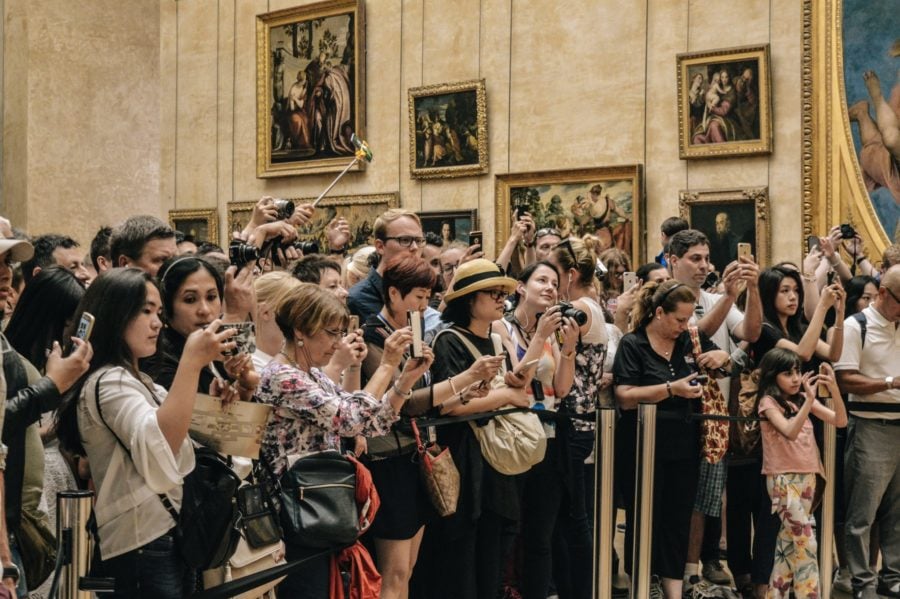
Decline unsolicited help, gifts, and petitions; keep walking and don’t engage.
Use ATMs inside bank branches during business hours; shield your PIN and walk away if approached.
Verify “police” by asking to go to the nearest station; never hand over your wallet or cash in the street.
Use licensed taxis or reputable ride-hailing apps; confirm an estimated fare and pay with small bills.
Carry a cross-body, zippered bag in front; never keep your wallet in your back pocket.
Book and pay only on official sites; avoid wire/gift-card payments and use a reputable VPN on public Wi‑Fi.

Understanding the Scammer’s Playbook: Common Tactics
Before diving into specific scams, it’s crucial to recognize the universal tactics scammers employ. These are the foundational tricks you’ll see repeated across the continent.
The Distraction: This is the cornerstone of most theft-oriented scams. While one person engages you—asking for directions, “finding” a ring on your shoe, spilling something on you—an accomplice is picking your pocket, slashing your bag, or snatching your unattended luggage. Your focus is the weapon.
The False Authority: A person in a uniform (real or convincingly fake) approaches you, demanding to see your ticket, inspect your currency for “counterfeits,” or issue an on-the-spot fine for a dubious infraction (like stepping on grass). They create urgency and rely on your instinct to obey authority.
The Overly Friendly Helper: Appearing out of nowhere at a ticket machine, taxi queue, train station or crowded attraction, this person offers unsolicited help. Their goal is to snatch your change, overcharge for a “service,” or pocket your card. Friendliness is a facade for theft.
The Emotional Play: Using children, pregnant women, or people appearing destitute, this tactic preys on your sympathy. A crying child with a note, a mother begging for milk—these are often fronts for pickpocketing rings where your guard is down as you reach for your wallet.

Regional Scam Atlas: What to Watch for Where
While many scams are pan-European, some have become specialties in specific cities or regions.
Italy & France: The Masters of Misdirection
The Bracelet Scam (Paris, Rome, Florence): A friendly person approaches, says they’re making a “friendship bracelet” for you, and swiftly ties it around your wrist. Once it’s on, they become aggressive, demanding €10-€50. Saying no is difficult once their “gift” is physically attached to you.
Defense: A firm, loud “NO!” before they can touch you. Keep walking without making eye contact. If it’s already on your wrist, immediately take it off, drop it on the ground, and walk away.

The Menu / Bill Switch: Common in tourist-trap restaurants, particularly in Prague, Barcelona, and Amsterdam. You’re given a menu with reasonable prices. When you get the bill, the prices are much higher (a different, “tourist” menu). Or, the waiter “helps” by calculating the bill quickly, intentionally overcharging you, counting on you not to check.
Defense: Always check the menu prices before sitting down. Take a photo of the menu outside. When the bill comes, check it item by item. If challenged, calmly ask to see the manager and show your photo. Pay with a card if possible.

The Petition/Distraction Scam (Paris, Milan): Primarily targeting women, a group of young girls with clipboards will surround you, asking you to sign a petition for a “deaf charity” or similar cause. While you’re occupied, their hands are in your bag and pockets.
Defense: Do not stop. Wave them off firmly. Shield your bag with your arm and exit the circle immediately.
The Rose/Gift Scam (Rome, Barcelona, Paris): A charming gentleman offers a single rose or a “lucky” herb sprig to your companion as a “beautiful gift.” Once she accepts, he turns to you and demands payment, often becoming intimidating.
Defense: Refuse the item before it touches your hands. A simple, “No, thank you” suffices.

Eastern Europe & The Balkans: The Currency Conundrum
The Taxi Scam (Prague, Budapest, airports everywhere): You get into an unlicensed taxi or one with a rigged meter. The fare skyrockets, and upon arrival, the driver may threaten you for an exorbitant amount, sometimes swapping your large bill for a smaller one and claiming you didn’t pay enough.
Another version of this which happened to us in Paris is that the taxi driver says I know a shorter way which is cheaper to I won’t use the meter – don’t let them turn off the meter.
Defense: Only use official taxi stands or reputable ride-hailing apps (Bolt, Uber, Freenow). Ask for an estimated fare before getting in. Have small bills ready.

The “Closed” Attraction/Great Deal Scam (Prague, Warsaw): A friendly local informs you that the castle/museum/attraction you’re headed to is “closed for a private event.” They then direct you to a different, inferior attraction where they get a commission, or offer you a “special tour” at a high price.
Defense: Verify opening hours on the attraction’s official website before your trip. Thank them and walk to the entrance yourself to check.
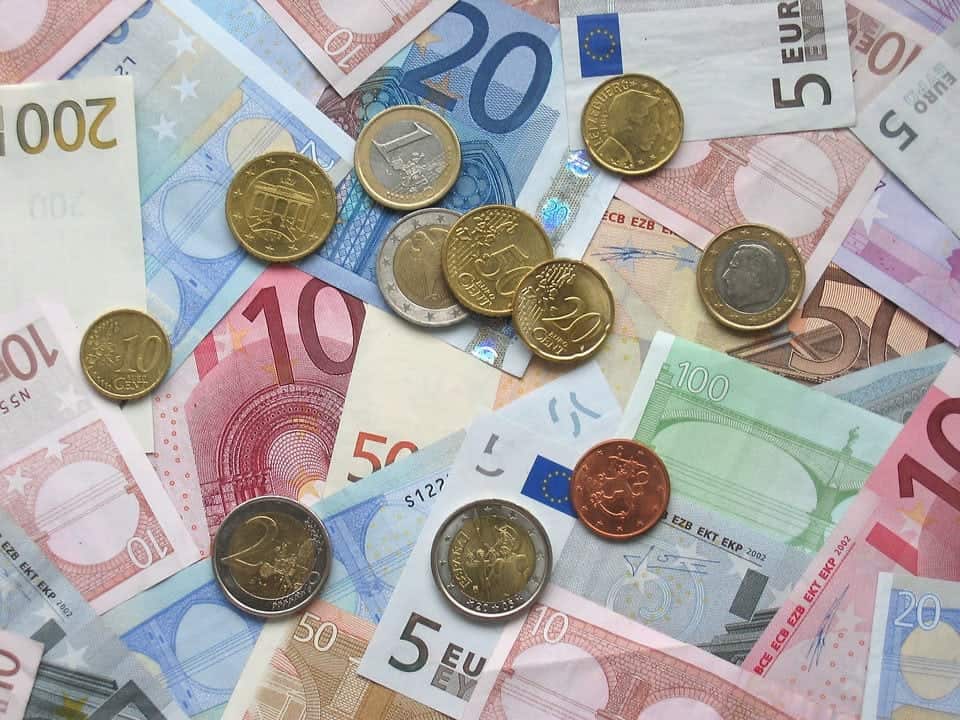
The Currency Swap (Various): When paying in cash, a server or shopkeeper will swiftly swap your large denomination note (like a €50) for a smaller one (like a €10), claiming you underpaid. They rely on confusion and the fact that foreign currency all looks somewhat unfamiliar.
Defense: When handing over a bill, state its value aloud (“Here is fifty euros”). Watch the transaction closely.
The United Kingdom & Europe: Opportunistic Theft
The “Spill” or “Bird Poop” Scam (London, Amsterdam, Brussels): A substance (mustard, ketchup, what looks like bird droppings) is squirted on your shoulder or back. A “kind” stranger points it out and offers to help clean it. In the commotion and awkward positioning, their accomplice robs you blind.
Defense: If something is spilled on you, do not let anyone touch you or your bag. Politely but firmly decline help and head to the nearest public restroom to handle it yourself, keeping your belongings secured.

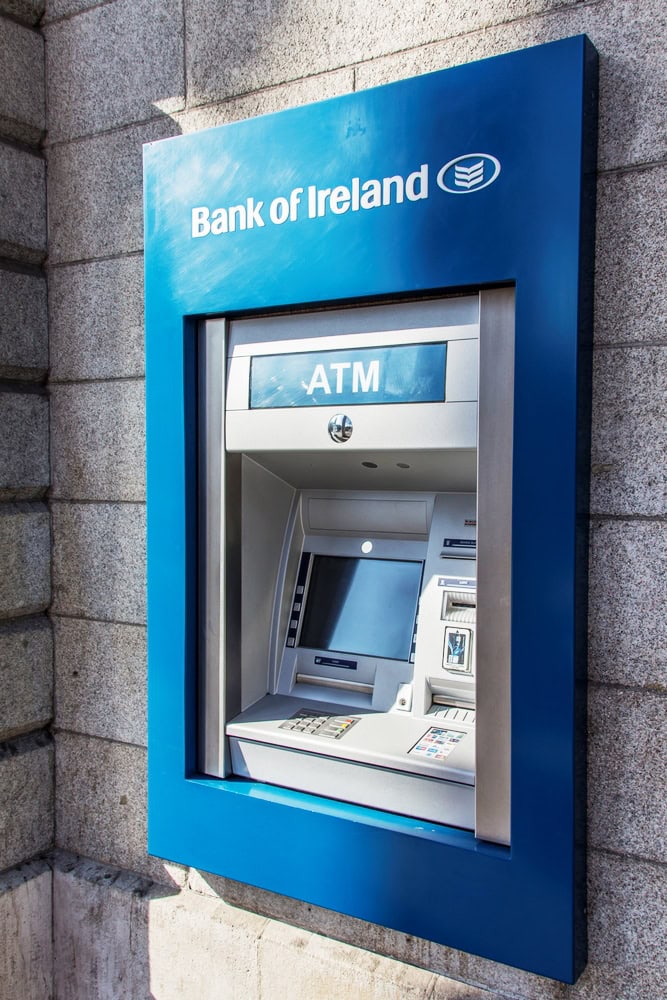
The ATM Skimmer & “Helpful” Withdrawal Assistants (Major cities everywhere): Thieves install skimming devices on public ATMs to clone your card. This has happened to us somehow a skimmer got our cards or at least our card numbers. I called our bank and they immediately cancelled the cards which was a huge problem. We called again because we realised that the scammers were only attempting online purchases so the bank made sure our cards were fine and blocked any online purchases. A variant involves an “assistant” who offers to help you with the machine (which may have been tampered with) while watching your PIN.
Defense: Only use ATMs attached to bank branches during business hours. Shield your PIN with your hand. If anyone approaches, cancel the transaction and walk away.
The Pan-European Classics
The Three-Card Monte/Pickpocket Team (Public Squares everywhere): A crowd gathers around a fast-talking card shark running a “find the queen” game. The game is rigged, but the real threat is the dense crowd of “onlookers”—who are accomplices—jostling you and picking your pockets.
Defense: Never engage with street gambling. Give any such crowd a wide berth.

The Fake Police Scam (Train stations, tourist areas): One scammer does something shady (like selling drugs) near you. Two “police officers” (in convincing but fake badges) confront you both, demanding to see passports and wallets to “check for counterfeit bills.” They take your cash and vanish.
Defense: Real police will almost never ask for your wallet or to count your cash on the street. Ask to see their identification carefully and insist on walking to the nearest police station together. Offer to show your passport but do not hand over your wallet.

The Broken Camera/Tripod Scam (Rome, Athens, Istanbul): A friendly tourist asks you to take their photo with their “expensive” camera. As you hand it back, they fumble and drop it, then demand you pay hundreds of euros for the broken device (which was already broken).
Defense: Be wary of handing expensive equipment. If you agree, do so on a strap or in a clear transfer. If they drop it, it is not your fault. Refuse to pay and walk away, offering to call the real police if they persist.
The Digital Age: Online & Tech-Based Scams
Your vulnerability starts long before you board the plane.
Fake Vacation Rental Listings: Scammers copy photos from legitimate listings on sites like Airbnb and Vrbo, post them on other platforms (or even the same one) with too-good-to-be-true prices, and pressure you to pay via wire transfer or gift cards outside the platform’s secure system.
Defense: Never communicate or pay outside the official platform. Reverse-image search the listing photos. Be skeptical of deals far below market rate.

Public Wi-Fi Hacking: “Free Airport WiFi” or “Cafe_Guests” networks can be set up by hackers to intercept your data, including login credentials and credit card info.
Defense: Use a paid, reputable VPN on all public networks. Never access sensitive accounts (banking) on public Wi-Fi.
Fake Booking & Ticket Sites: Sites with URLs mimicking legitimate airlines or attractions sell non-existent tickets. They often appear at the top of Google Ads.
Defense: Always book through the company’s official website. Look for the padlock symbol (https://) and check the URL for slight misspellings.

The Psychology of the Victim: Why We Fall For It
Scams work because they exploit fundamental human psychology.
Trust in Authority: We’re conditioned to comply with uniforms or official-sounding requests.
Social Politeness: It feels rude to say no, ignore someone, or suspect a “helpful” person.
Distraction & Overload: Travelers are often tired, disoriented, and processing new information, making them less observant.
The Fear of Making a Scene: Many would rather pay a small, unfair fee than risk a confrontation in a foreign place.

Your Anti-Scam Armour: Proactive Defence Strategies
Knowledge is your first line of defence. Here is your actionable checklist:
Before You Go:
1. Research: Read up on common scams in your specific destinations.
2. Secure Your Finances: Inform your bank of travel plans. Carry a primary credit card (for better fraud protection) and a backup debit card, stored separately. Get a small amount of local currency before arrival for immediate needs.
3. Digital Hygiene: Install a VPN on your devices. Download offline maps (Google Maps) and official city transport apps.
4. Copy Documents: Photocopy or take photos of your passport, visa, and insurance documents. Store them separately from the originals and email a copy to yourself.
On the Ground:
1. The Right Mindset: Adopt a polite but assertive demeanor. It’s okay to ignore people who approach you unsolicited.
2. The “No, Gracias, No, Merci, No, Grazie” Rule: Have a firm, polite rejection phrase ready in the local language. Use it and keep walking.

3. Smart Carrying:
o Use a cross-body bag with a zippered closure, worn in front of you in crowds.
o Never keep your wallet in your back pocket. Consider a money belt or hidden pouch for backup cash and passport.
o In restaurants, never hang your bag on the back of your chair. Keep it on your lap or loop a strap around your leg.

4. Spatial Awareness: Be extra vigilant in classic “chokepoints”: train stations (especially when buying tickets), crowded metros, tourist queues, and popular squares.
5. The Power of Noise: If you’re being aggressively harassed or scammed, don’t be afraid to make a scene. Yell “NO!” or “POLICE!” loudly. Scammers rely on quiet compliance and will flee attention.
What to Do If You Get Scammed
Despite all precautions, it can still happen. Here’s your action plan:
1. Stay Calm: Panic clouds judgment. Your safety is the priority.
2. Secure What’s Left: Immediately move to a safe, public place. Check for any remaining belongings.
3. Cancel Cards: Call your bank and credit card companies immediately to freeze cards.
4. File a Police Report: Go to the nearest police station. You’ll need the official report for insurance claims. Manage your expectations—recovering stolen items is unlikely, but the report is crucial documentation.
5. Contact Your Embassy: If your passport is stolen, this is your first stop for an emergency travel document.
6. Don’t Beat Yourself Up: You are the victim of a crime, practiced by professionals. Learn from it, but don’t let it ruin your entire trip.

FAQ: Quick Answers to Common Concerns
Is Europe safe?
Yes—violent crime against tourists is rare. Most incidents are petty theft and low-level scams in crowded, tourist-heavy areas. Stay alert, follow the defenses in this guide, and you’ll likely have a trouble-free trip.
How do I spot fake police?
Red flags: demanding your wallet or cash “to check for counterfeits,” pressure to pay a fine on the spot, reluctance to go to a station, and low-quality badges. Response: ask to see ID carefully, and insist on walking to the nearest police station before showing documents. Never hand over your wallet.
Should I use money belts?
Use a slim, hidden pouch or money belt for backups (passport, spare card, emergency cash), not for frequent access. Keep your spending wallet minimal and in a front pocket or zipped cross-body bag in front.
What do I do if my passport is stolen?
Go to a safe place and secure remaining items. 2) File a police report for documentation. 3) Contact your embassy/consulate to obtain an emergency travel document. 4) If needed, reschedule travel and notify your accommodation and airline. 5) Monitor for identity misuse and keep copies of the report.
Travel Smart, Not Fearful
The goal of this guide is not to make you view every stranger with suspicion, but to equip you with the awareness that allows for confident exploration. Europe is overwhelmingly safe, and its people are overwhelmingly kind and honest. The scammers are a tiny minority who operate in predictable patterns.
By integrating these precautions into your travel habits, you shift the odds overwhelmingly in your favor. You can sip that espresso in Piazza Navona, marvel at the Sagrada Familia, and stroll across Charles Bridge with a light step, knowing you’re savvy to the tricks of the trade. Your greatest travel asset is your judgment—now fortified with knowledge. Go forth and explore with eyes wide open, ready to embrace the genuine wonders Europe has to offer, scam-free.

Printable Checklist: European Travel Scam Prevention
Before You Go
- Research local scams for each destination.
- Tell your bank you’re traveling; carry a primary credit card and a backup card stored separately.
- Set up a reputable VPN; download offline maps and official transport apps.
- Photograph/photocopy passport, visa, insurance; store copies separately and email them to yourself.
On the Ground
- Default to polite, firm refusals; keep walking if approached unsolicited.
- Carry a cross-body, zippered bag in front; keep your wallet out of your back pocket.
- In restaurants, keep your bag on your lap or secured to your leg, not on a chair back.
- Use ATMs inside bank branches during business hours; shield your PIN.
- Verify “police” at a station; never hand over your wallet or cash on the street.
- Use licensed taxis or reputable ride-hailing apps; confirm the fare and pay with small bills.
- State bill amounts aloud when paying cash; watch the transaction.
- Avoid street gambling and crowds around “games.”
- Don’t accept “gifts” (bracelets, roses); decline petitions and unsolicited help.
- Book and pay only through official websites; avoid wire/gift-card payments.
- Be ready to make noise—draw attention if harassed (“NO!” “POLICE!”).
If You’re Scammed
- Move to a safe, public place; take stock of what remains.
- Immediately freeze/replace cards via your bank.
- File a police report; you’ll need it for insurance.
- Contact your embassy if your passport is stolen.
- Learn, adjust, and continue your trip if safe to do so.
Official Resources and Links
Emergencies and general EU info
European emergency number 112
Passenger rights in the EU (delays, cancellations, etc.): Police, scams, and payment-card safety
Europol: Payment card fraud and skimming overview
Europol: General crime prevention and alerts
Consumer protection and dispute help
European Consumer Centres Network (ECC-Net)
Embassies, passports, and traveler registration
United States: Lost or stolen passport abroad
United States: STEP traveler enrollment and advisories
U.S. embassies/consulates worldwide
United Kingdom: Emergency Travel Document (if passport lost/stolen)
United Kingdom: Report a lost or stolen passport
Accommodation platform safety
Airbnb Trust & Safety resources
Booking.com scam alerts
This is one part of the full Europe Travel Resource Guide see also How to Pay in Europe and the Europe Travel Documents Checklist. Continue planning your trip with check Travel Scams in Europe for more on protecting your money while travelling. Other resources include Best Travel Apps for Europe and Do you need a voltage converter in Europe. Don’t forget to read up on Essential carry-on guidelines in Europe.
If you’re exploring more of Europe, or thinking about living here longer term, I’ve put together a few guides that might help:
Europe Travel Guide and the Ultimate Europe Travel Resource Guide
How to Avoid Travel Scams in Europe
Schengen Rules Explained when travelling to Europe
Accessible Travel Guides Ireland UK Europe
Carryon Luggage Rules Across Europe