
Ireland’s Hidden Heartlands complete travel guide
In Ireland’s Hidden Heartlands, the country exhales. Riverways like the Shannon and tranquil lakes such as Lough Derg thread through drumlin hills, old boglands, and native woodland, inviting slow adventures over spectacle. Blueways, towpaths, and quiet boreens lead to heritage towns where stone bridges, market squares, and monastic ruins hold centuries of story and the welcome is warm without fuss.

This is the Ireland of small moments: a pint by the fire, a ruined abbey at dusk, a mirror-still canal at dawn. Authenticity here is not curated. It is lived. And time feels generously unhurried.
- Ireland's Hidden Heartlands complete travel guide
- What Are Ireland's Hidden Heartlands?
- Is the Hidden Heartlands Worth Visiting?
- How to Get Around the Hidden Heartlands
- Best Time to Visit
- How Long to Spend in the Hidden Heartlands
- What to Do in Ireland's Hidden Heartlands
- Historic Sites and Heritage Towns
- Walking and Cycling
- Wildlife and Nature
- Food and Drink
- Where to Stay in the Hidden Heartlands
- Explore the Hidden Heartlands by County
- Combining the Hidden Heartlands with the Rest of Ireland
- Frequently Asked Questions
What Are Ireland’s Hidden Heartlands?
Ireland’s Hidden Heartlands is one of three official tourism regions promoted by Fáilte Ireland, alongside the Wild Atlantic Way and Ireland’s Ancient East. It covers the rural midlands and lakelands stretching across counties Leitrim, Roscommon, Longford, Offaly, Westmeath, Cavan, and parts of Clare, Galway, and Tipperary.

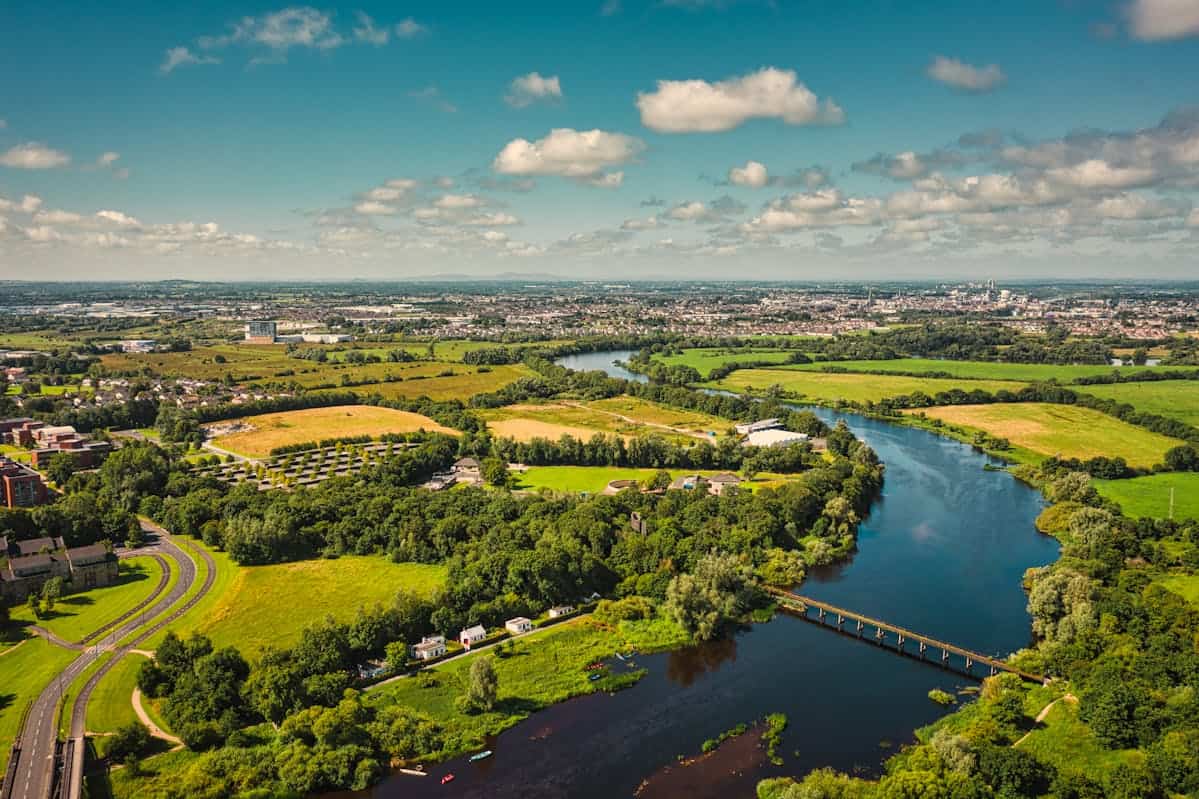
The defining feature is water. The River Shannon Ireland’s longest river runs through the heart of the region, connecting lakes, canals, and wetlands that have shaped life here for thousands of years. The landscape is quieter and less dramatic than Ireland’s coasts, but that is exactly the point. This is Ireland for people who want to slow down.
Unlike the Wild Atlantic Way or the tourist trail around Dublin and Killarney, the Hidden Heartlands attracts fewer international visitors. Roads are quiet, towns are unhurried, and you are far more likely to have a castle ruin or a stretch of canal towpath entirely to yourself.
Is the Hidden Heartlands Worth Visiting?
Yes with the right expectations. This is not a region of dramatic cliffs or iconic postcard views. It rewards a different kind of traveller: one who finds pleasure in a slow morning on a hire boat, a walk through ancient woodland, or an evening of traditional music in a pub that has not changed much in fifty years.
If you are travelling between Dublin and the west of Ireland, routing through the Heartlands adds almost no extra time and a great deal of interest. Many travellers who include 2–4 days here describe it as an unexpected highlight of their Ireland trip.

How to Get Around the Hidden Heartlands
A car is essential. Public transport in this region is limited, and the best experiences quiet lakeshore roads, forest drives, heritage towns off the main routes are only accessible by road. The driving is easy and low-stress, mostly on well-maintained regional roads with light traffic.
Cycling is possible and increasingly well-supported, with several greenways and quiet routes linking towns. The towpath along the Royal Canal between Dublin and Longford is one of the best long-distance cycling routes in Ireland.
Boating on the Shannon and its connected lakes is a popular option for longer stays. Several companies operate hire boat bases along the river, and no previous experience is needed for most cruisers.
Best Time to Visit
May to September suits most visitors. The longer days, better weather, and open attractions make this the most practical window, though summer weekends can bring some crowds to the main towns.
April and October are excellent for those who prefer quieter roads and autumn colour. Weather is unpredictable but the light is often beautiful, and accommodation prices drop.
Winter is quiet very quiet. Some attractions close or reduce hours. Best suited to those who genuinely want isolation, open fires, and the kind of silence that is hard to find anywhere else in Europe.
How Long to Spend in the Hidden Heartlands
3 to 5 days gives you a satisfying sampler: one lake, a stretch of the Shannon, two or three heritage towns, and time to stop without feeling rushed.
6 to 8 days suits travellers focused on boating, angling, walking, or cycling. This gives you time to settle into the pace, link multiple blueways, and explore the smaller counties properly.
Many visitors combine the Heartlands with the Wild Atlantic Way or Ireland’s Ancient East, using it as a quieter counterpoint to the more dramatic coastal routes.

What to Do in Ireland’s Hidden Heartlands
On the Water
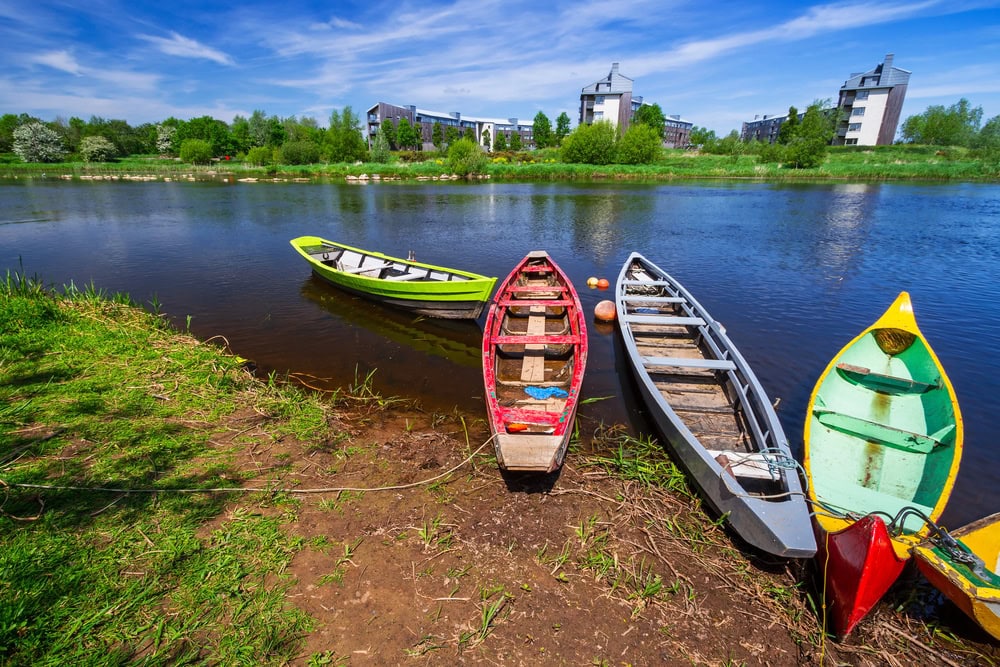
The Shannon Blueway is the headline experience a network of paddling, walking, and cycling routes that follows the river from Drumshanbo in Leitrim south through Lough Allen, Lough Boderg, and Lough Bofin. Hire a canoe or kayak at several points along the route, or take a Shannon cruiser for a multi-day river journey.
Lough Derg, on the border of Clare, Tipperary, and Galway, is one of Ireland’s largest lakes and a centre for sailing, fishing, and hire boat holidays. The lakeside town of Killaloe is a particularly good base.
The Royal Canal Greenway follows the old canal towpath from Dublin to Longford 130 kilometres of traffic-free walking and cycling through the quiet midlands.
Historic Sites and Heritage Towns
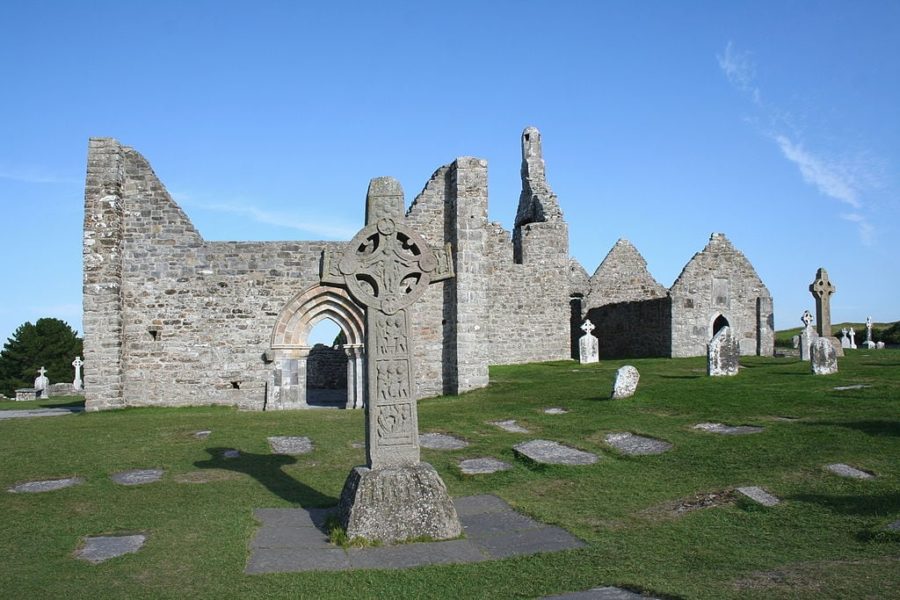
Clonmacnoise, County Offaly one of Ireland’s most important early Christian monastic sites, set dramatically on the banks of the Shannon. The remains include a cathedral, eight churches, two round towers, and some of the finest high crosses in Ireland. Few places in the country carry this much history in such a quietly powerful setting.
Athlone, County Westmeath the largest town in the region and a good base. Athlone Castle sits at the crossing point of the Shannon and houses an excellent museum covering the town’s turbulent history. The old part of town on the west bank of the river has good restaurants and traditional pubs.
Roscommon Town a compact heritage town with a Norman castle ruin, a Dominican friary, and a county museum. Easy to explore on foot in half a day.
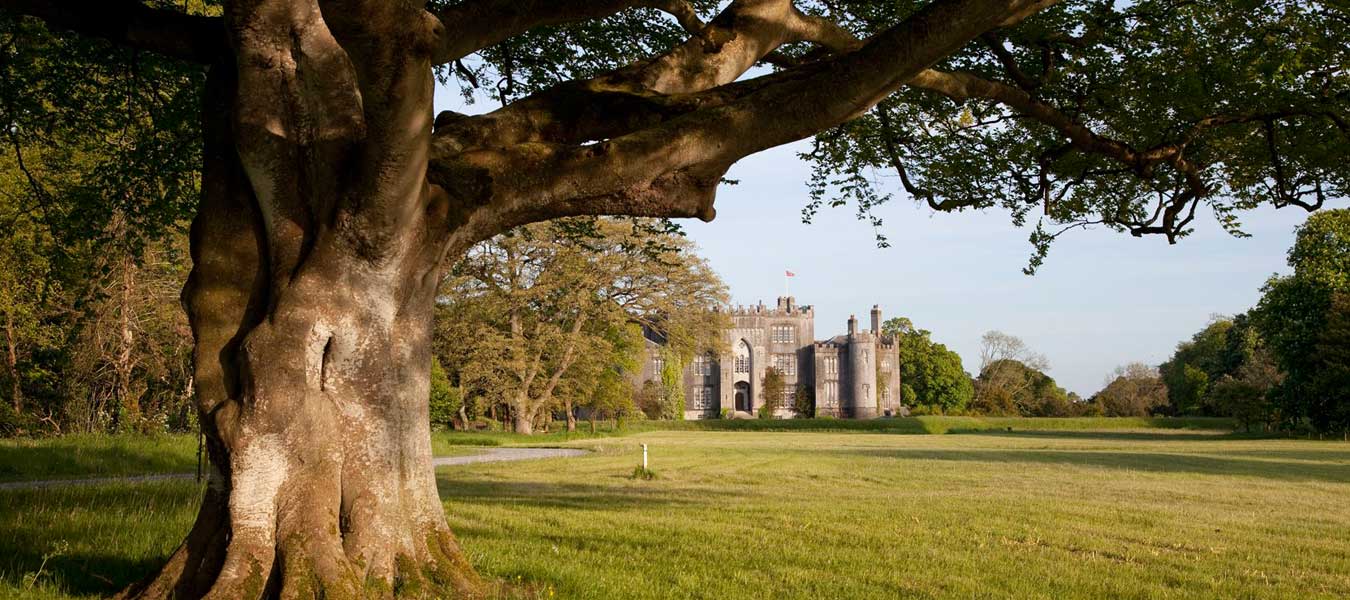
Birr, County Offaly one of the best-preserved Georgian estate towns in Ireland, centred on Birr Castle and its extraordinary gardens. The castle houses the restored Great Telescope, which was the largest in the world when built in the 1840s.
Strokestown Park, County Roscommon a Palladian mansion with one of the longest herbaceous borders in Ireland and a deeply affecting Famine Museum that tells the story of the 1845–52 Great Famine with unusual honesty and detail.

Walking and Cycling
The Lough Derg Way is a 180-kilometre walking route circling Lough Derg through counties Clare, Tipperary, and Galway. Well-marked and suitable for walkers of moderate fitness.
The Beara-Breifne Way passes through the Heartlands region, linking the west coast of Cork to County Cavan along ancient pilgrimage and historical routes.
Several shorter forest trails and looped walks exist throughout the region, many managed by Coillte (Ireland’s forestry service) and signposted from local towns.
Wildlife and Nature
The Heartlands contains some of Ireland’s most important wetland habitats. The Little Brosna, a tributary of the Shannon in Offaly and Tipperary, is one of the best birdwatching sites in the country, particularly for waders and wildfowl in autumn and winter.
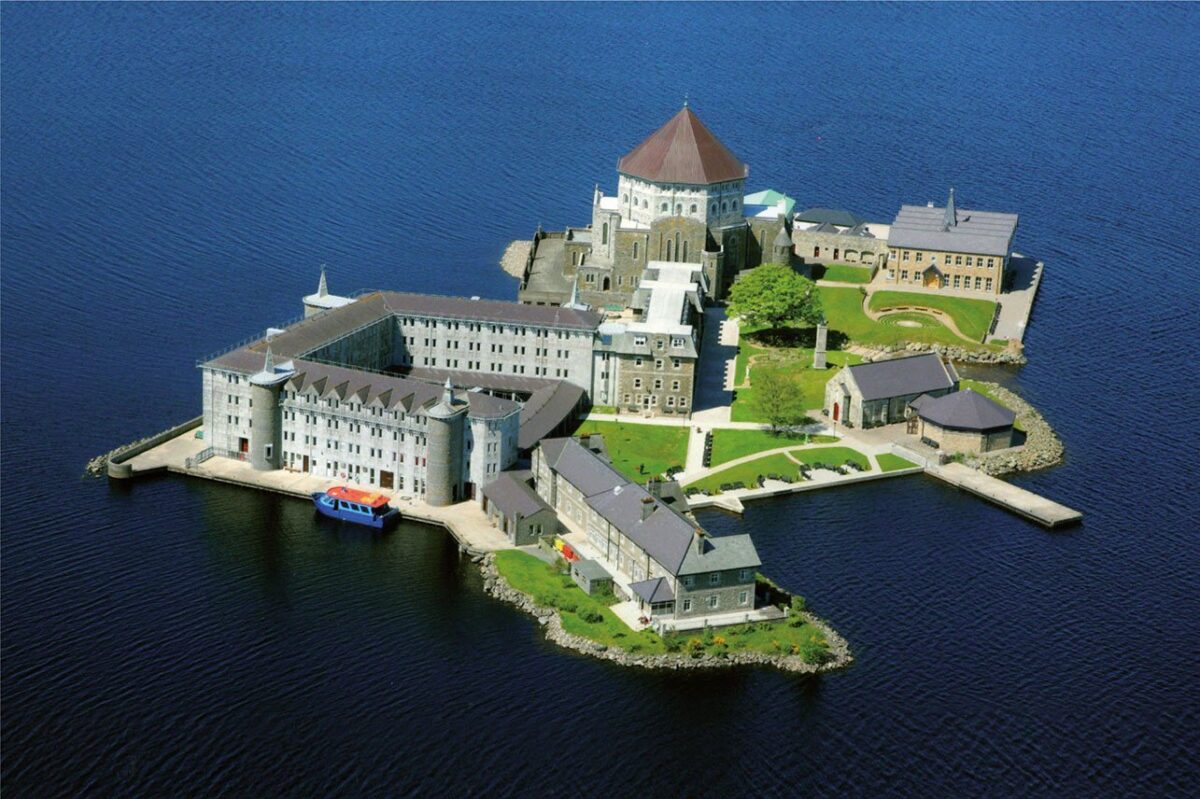
Lough Ree, between Longford, Roscommon, and Westmeath, supports significant populations of breeding and wintering birds. The lake’s islands include early monastic sites accessible by boat from Athlone.
Food and Drink
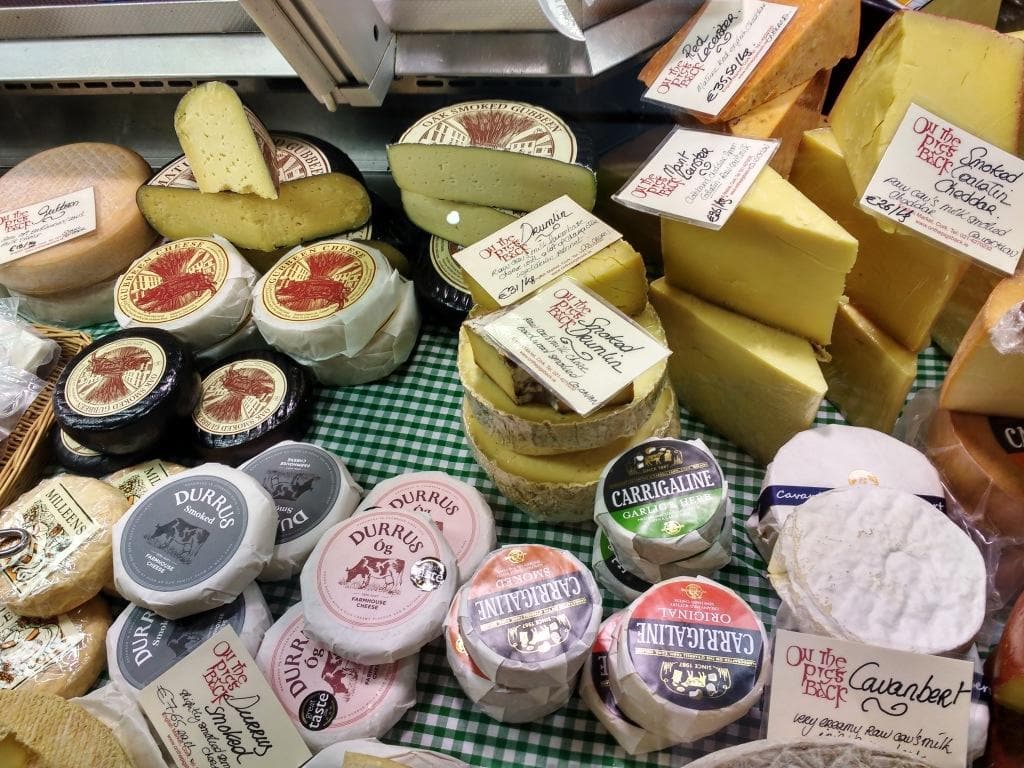
The Hidden Heartlands does not have the food scene of Dublin or Galway, but good eating exists if you know where to look. Towns like Athlone, Birr, and Killaloe have restaurants worth seeking out. Local markets in Roscommon, Carrick-on-Shannon, and Nenagh provide excellent produce.
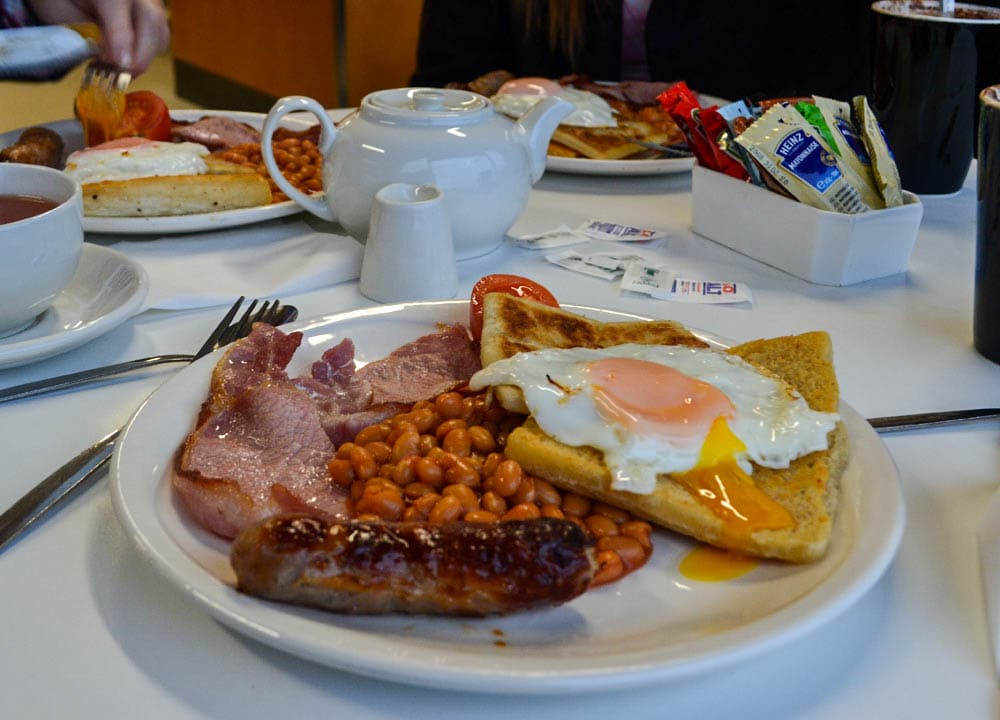
For traditional pub culture, the smaller towns deliver far more authentically than the more tourist-facing towns on Ireland’s coasts. A session of traditional music in a small Leitrim or Offaly pub on a Friday or Saturday night is one of the quietly great experiences of Irish travel.
Where to Stay in the Hidden Heartlands
Accommodation ranges from heritage hotels in estate houses to simple B&Bs in market towns and self-catering cottages beside the water.
Athlone is the most practical base for first-time visitors, with the widest choice of accommodation and easy access to both the Shannon and the surrounding counties.
Carrick-on-Shannon, County Leitrim, is a popular boating hub with several hotels and good restaurants along the riverfront.
Birr and Strokestown suit those prioritising heritage and gardens over water activities.
For a more immersive experience, self-catering properties on or near the Shannon or its lakes allow you to fully settle into the unhurried rhythm of the region.


Explore the Hidden Heartlands by County
Each county in the Hidden Heartlands has its own character and highlights. These guides go deeper into individual destinations:
Westmeath: royal sites and serene lakelands
Offaly: Clonmacnoise, Birr Castle and a peaceful authentic Ireland
Roscommon: lakes, woodland and ancient royal sites
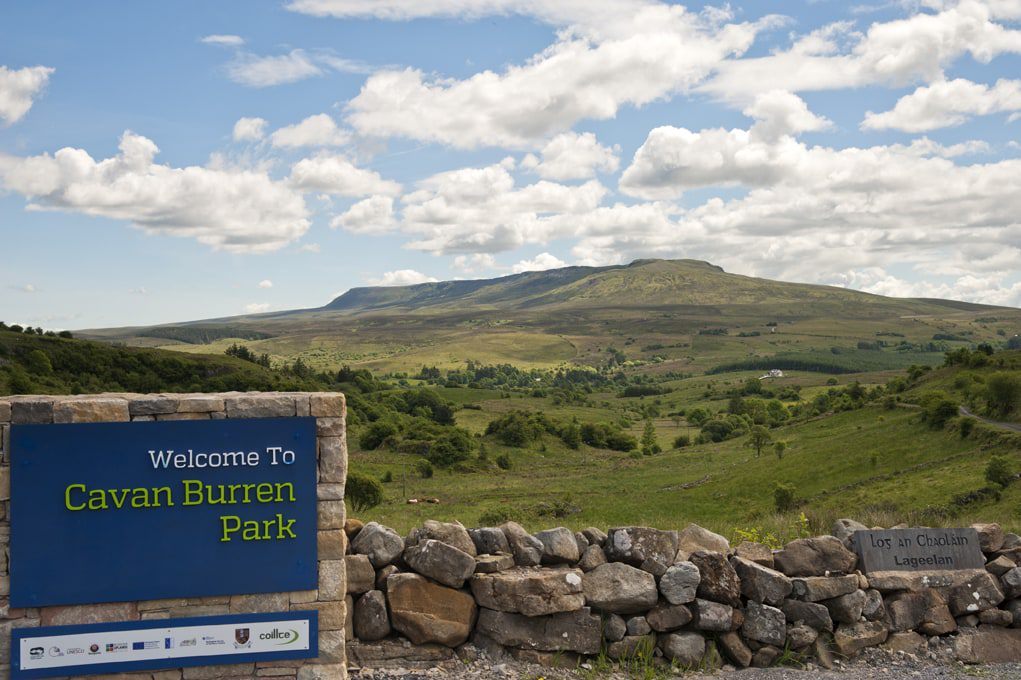
Cavan: perfect for nature lovers and quiet countryside
Laois: a blend of culture, nature and the outdoors


Combining the Hidden Heartlands with the Rest of Ireland
The Heartlands work best as part of a longer Ireland itinerary. Common combinations include:
Dublin → Hidden Heartlands → Galway or Clare a natural west-facing route that lets you decompress from the city before reaching the Atlantic coast.
Wild Atlantic Way → Hidden Heartlands → Dublin adding 2–4 inland days as a quieter counterpoint to the coastal drama.
Ireland’s Ancient East → Hidden Heartlands both regions share a focus on heritage and slower travel, making them natural companions.
- Ireland’s Wild Atlantic Way guide
- Ireland’s Ancient East guide
- Ireland itineraries
- Donegal travel guide
- Dublin travel guide


Frequently Asked Questions
What exactly is Ireland’s Hidden Heartlands? It is one of three official tourism regions in Ireland, covering the rural midlands and lakelands of counties including Leitrim, Roscommon, Offaly, Westmeath, Longford, and Cavan. It is centred on the River Shannon and its connected lakes, canals, and wetlands.
Is the Hidden Heartlands good for families? Yes, particularly for families who enjoy outdoor activities. The blueways, greenways, and lake experiences are low-stress and accessible. Towns like Athlone and Carrick-on-Shannon have good facilities, and hire boat holidays are popular with families.
Do I need a car to visit the Hidden Heartlands? Yes. Public transport is very limited in this region. A car gives you access to the quiet roads, heritage sites, and natural areas that make the Heartlands worth visiting.
How does the Hidden Heartlands compare to the Wild Atlantic Way? The Wild Atlantic Way is dramatic, coastal, and well-developed for tourism. The Hidden Heartlands is quieter, inland, and more suited to slow travel. They complement each other well as part of a longer Ireland trip.
Is the Hidden Heartlands suitable for older or less mobile travellers? Much of it is. The boating and river experiences are accessible to most people, and towns like Athlone and Birr are easy to navigate. Walking trails vary some are flat and well-surfaced, others rougher. Individual county guides include accessibility notes.
The Hidden Heartlands will not give you the dramatic coastline of Donegal or the busy energy of Dublin. What it gives you instead is something harder to find: genuine quiet, real Ireland, and the sense that you have discovered something most visitors miss entirely.