
Accessible Mayo, Ireland: Your Complete Guide to Visiting County Mayo with Limited Mobility
This guide is written for people who need honest, detailed, on-the-ground information rather than vague reassurances that a destination is “disability-friendly.” County Mayo is one of Ireland’s most spectacular counties Wild Atlantic Way coastline, prehistoric monuments, charming market towns, and the iconic Great Western Greenway and it is genuinely becoming more accessible every year.
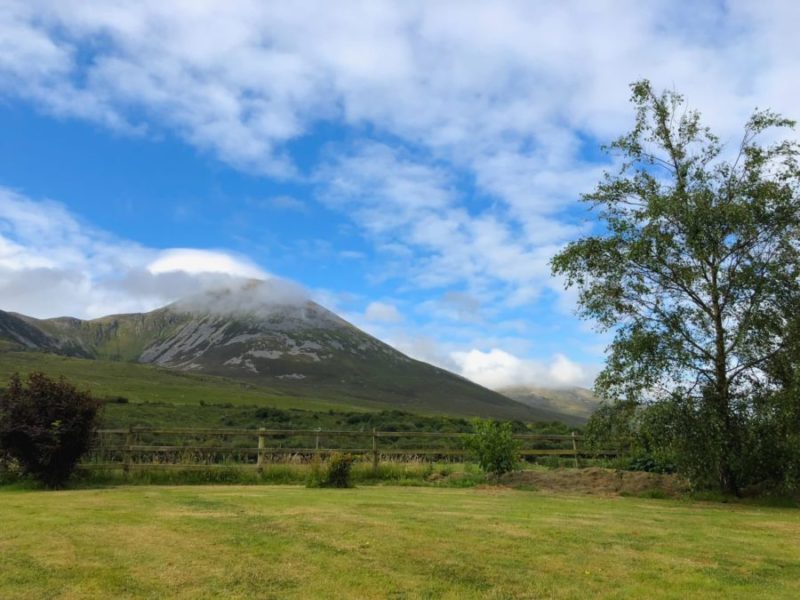
After visiting County Mayo many times while managing my own limited mobility and walking difficulties, I’ve found it to be one of the more rewarding places in Ireland to explore at a slower pace. While Mayo is known for its rugged landscapes and wild Atlantic scenery, there are still plenty of accessible ways to experience the county without tackling long hikes or uneven mountain trails.
I’ve enjoyed scenic coastal drives along Clew Bay and the Wild Atlantic Way, accessible promenades in towns like Westport, and gentle walks around places such as Belleek Woods where there are flatter paths and places to stop and rest. Many cafés, hotels, heritage sites, and visitor attractions across Mayo have also become more mobility-friendly over the years, making it easier to enjoy the county comfortably while still soaking up its incredible scenery, culture, and relaxed atmosphere.

- Accessible Mayo, Ireland: Your Complete Guide to Visiting County Mayo with Limited Mobility
- Why Mayo? The Case for Choosing Ireland's Wild West
- Getting There: Accessible Transport Options
- Getting Around Mayo: Roads, Taxis, and Local Transport
- The Great Western Greenway: Ireland's Most Accessible Long-Distance Trail
- Westport: Mayo's Most Accessible Town
- Céide Fields: Prehistoric Wonder on the North Mayo Coast
- Achill Island: Accessible Beauty at the Edge of the Atlantic
- Knock Shrine: A Place of Peace and Pilgrimage
- Accessible Beaches in Mayo
- Accessible Accommodation in County Mayo
- Hidden Disabilities in Mayo: What to Know
- Frequently Asked Questions
Why Mayo? The Case for Choosing Ireland’s Wild West
County Mayo sits on Ireland’s western seaboard, its Atlantic coastline stretching from the boggy grandeur of the Mullet Peninsula in the north to the island-scattered waters of Clew Bay in the south. It is a county of extraordinary contrasts: ancient mountain pilgrimage sites and modern off-road greenways; remote Gaeltacht communities and a thriving contemporary arts scene; wild blanket bogs and genteel Victorian estate gardens.
For travellers with disabilities, Mayo has historically been underrated overlooked in favour of Dublin or Killarney but that is starting to change. Investment in the Great Western Greenway has delivered one of Ireland’s most genuinely wheelchair-accessible long-distance routes.
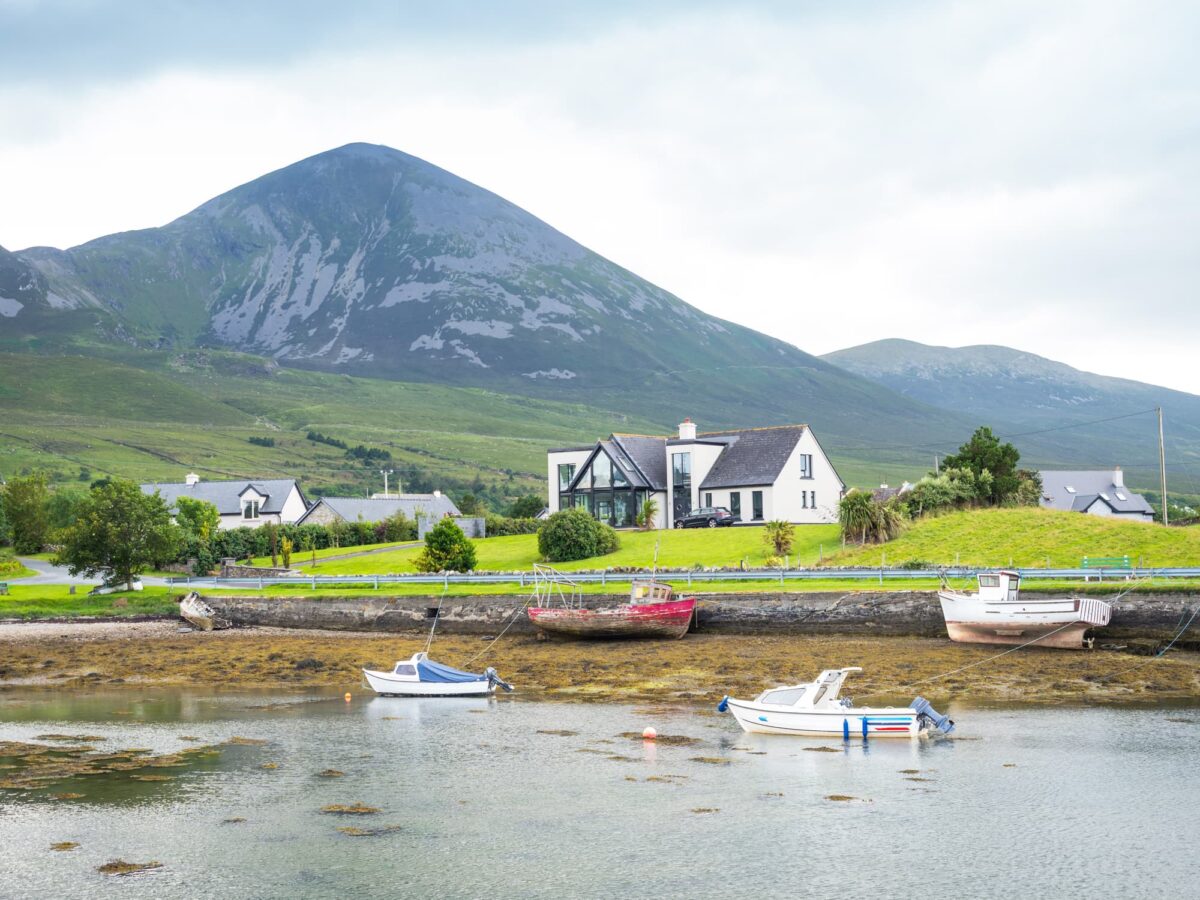
The National Museum of Country Life at Turlough Park offers free entry and full wheelchair access. Mayo County Council has been leading the country on accessible beach infrastructure, installing mobility mats at Trá Oiligh (Elly Beach) on the Lorras peninsula. Westport, regularly voted one of Ireland’s favourite towns, has a compact, largely flat town centre with dropped kerbs throughout.
None of this means Mayo is without difficulty for disabled travellers. Rural roads, rough Atlantic terrain, and older stone buildings all present genuine obstacles.
Getting There: Accessible Transport Options
By Car: The Preferred Option for Many Disabled Travellers
For most visitors with mobility difficulties, travelling by car remains the most practical option in Mayo. The county is well-connected by national primary roads including the N5 from Dublin (via Castlebar), and the M6/N60 route from Galway. Journey time from Dublin to Westport is approximately two and a half to three hours.
Ireland operates the standard European Blue Badge scheme, and Blue Badge holders from EU countries may use their badge throughout Ireland. Visitors from outside the EU, including the UK post-Brexit, should check current reciprocal arrangements in advance, as these can change. Most visitor attractions, car parks, and town centres in Mayo have designated disabled parking bays, clearly marked with the standard international symbol.
Motability Ireland provides car rental to customers with reduced mobility, with vehicles featuring fully comprehensive insurance and 24-hour AA roadside assistance, including airport and ferry collection services.

By Rail: Westport Station
Westport is served by direct rail from Dublin Heuston, operated by Iarnród Éireann (Irish Rail). The Dublin to Westport journey takes approximately three hours and thirty minutes. Trains on this route have dedicated wheelchair spaces. It is recommended to contact Irish Rail in advance to confirm arrangements and ensure the guard is informed.
Castlebar also has a train station on the same line, approximately eight kilometres from the National Museum at Turlough Park.

By Coach
Bus Éireann operates coach services to Castlebar and Westport from Dublin and other major cities. Modern Bus Éireann coaches are low-floor and wheelchair accessible. However, rural connections within Mayo are limited, and visitors planning to explore beyond the main towns will almost certainly need a car or accessible taxi.
Getting Around Mayo: Roads, Taxis, and Local Transport
Driving
Driving is by far the most practical way to explore Mayo for visitors with mobility requirements. The main roads in the county are well-surfaced. Secondary roads, particularly in west and north Mayo, can be narrow and winding, but they are generally passable. Distances in rural Mayo can be deceptive on a map the Wild Atlantic Way route, for example, follows a meandering coastal road that adds significantly to journey times.
Wheelchair-Accessible Taxis
Wheelchair-accessible taxis are available in Mayo’s main towns, though supply is limited. Ireland’s National Transport Authority maintains a register of wheelchair-accessible taxis and hackneys nationwide. Accessible taxis carry a wheelchair icon on the roof and are modified with ramps, wheelchair anchorages, and appropriate seatbelts. If you have difficulty locating an accessible taxi service, the NTA Information Line (+353 761 064000) can provide contact details for local operators.
On Achill Island, wheelchair-accessible taxi availability has historically been very limited. If you are planning to explore Achill, it is essential to arrange transport in advance and have backup options in place.

Local Bus Services
The 454 Route, operated by Mayo Local Link, provides a daily bus service connecting the National Museum at Turlough Park to Castlebar and Ballina. Mayo Local Link’s rural transport programme serves smaller communities across the county, and some services use accessible vehicles, but coverage is patchy. Check current timetables directly with Mayo Local Link before planning any journey that depends on bus connectivity and public transportation.

The Great Western Greenway: Ireland’s Most Accessible Long-Distance Trail
Without doubt, the single most significant asset for accessible tourism in County Mayo is the Great Western Greenway. Completed in 2011, this 42-kilometre off-road trail follows the route of the old Midlands Great Western Railway from Westport to Achill Sound, passing through the towns of Newport and Mulranny along the way. More than 250,000 people use the Greenway every year, and it has inspired similar trails across Ireland.
The Great Western Greenway is explicitly designated as a shared space for walkers, cyclists, wheelchair users, and families with buggies. The surface is largely paved tarmac, with some sections of compacted gravel, making it suitable for standard wheelchairs, powered wheelchairs, and mobility scooters on most stretches. The trail runs on the former railway line, which means gradients are gentle the maximum incline on the railway section is modest by any standard, and there are only minor undulations throughout.

The route is waymarked using fingerpost signage throughout. Key access points with car parking include Westport Quay, Newport town, Mulranny (at the old railway station, now part of the Mulranny Park Hotel), and Achill Sound. Several sections can be completed as shorter out-and-back trips for those who cannot manage the full distance or who tire easily. The Mulranny to Achill Sound section, regarded as the most scenic stretch, offers dramatic views of Clew Bay and the Corraun Peninsula coastline, and is particularly well-suited to an accessible half-day trip.
For those who want to cycle the Greenway, handcycles and adapted cycles are increasingly available from bike hire operators. Standard bike hire is available in Westport and at the Mulranny Park Hotel, among other locations. If you require an adapted cycle or handcycle, it is worth contacting operators in advance to check availability, as adapted fleets are still growing.

The Castlebar Urban Link extends the Greenway network, connecting Castlebar town and Lough Lannagh through the National Museum at Turlough Park. This 7.3-kilometre route is flat-graded and follows the course of the Castlebar River through woodland and open countryside before arriving at the museum grounds.
Practical note for Greenway users with mobility difficulties: The first 800 metres from Achill Sound has no special provision for bikes and requires more care. Carry water and snacks, particularly on sunny days, as food and drink facilities are limited along the route itself, though cafés and pubs are accessible in the main towns. Public toilet facilities are available at the main trailhead access points.
Westport: Mayo’s Most Accessible Town
Westport is widely regarded as one of Ireland’s finest towns, and for accessible-travel-guides-ireland-uk-europelers it represents perhaps the best base in the county. The town was planned in the late eighteenth century by the architect James Wyatt, which means it has an unusually coherent and relatively flat layout compared with many Irish towns that grew more organically. The octagonal town centre, known as The Octagon, is the social and commercial hub, with a good variety of restaurants, cafés, pubs, and independent shops all within close walking or wheeling distance of one another.

Dropped kerbs and tactile paving are present throughout Westport town centre, and the main streets are wide enough to navigate comfortably by wheelchair or scooter. The river running through the middle of the town, the Carrowbeg, adds considerable character, and its tree-lined boulevard, known as The Mall, provides a pleasant, largely flat promenade.
Castlebar and the National Museum of Country Life
Castlebar is Mayo’s county town and administrative centre, and it offers an important accessible cultural attraction: the National Museum of Ireland – Country Life at Turlough Park, located 8 kilometres from Castlebar on the N5.
This is the only branch of the National Museum of Ireland outside Dublin, and it is extraordinary on multiple counts. Entry is completely free. The modern exhibition building is fully wheelchair accessible, with lifts serving all four gallery floors. Wheelchairs are available to borrow at the reception desk on request, and seating areas are provided throughout the galleries. Guide and assistance dogs are welcome.
The permanent collection tells the story of Irish rural life between 1850 and 1950 through thousands of artefacts agricultural tools, textiles, furniture, fishing equipment, and the objects of everyday domestic life. The galleries are rich and engaging, with good interpretive signage. For visitors who may find long museum visits tiring, the collection can be explored in sections, and the café on site provides a comfortable rest stop.

The grounds of Turlough Park which include the Victorian gardens, the historic Turlough Park House, lakeside walks, woodland trails, and an award-winning community playground are also largely accessible. A dedicated set-down and pick-up area in front of Turlough Park House is available for mobility-impaired visitors. Free car parking with several designated disability bays is provided.
At Castlebar’s leisure complex at Lough Lannagh, a PoolPod has been installed to allow wheelchair users easy access to the swimming pool a facility that remains rare in Ireland’s leisure sector.
Céide Fields: Prehistoric Wonder on the North Mayo Coast
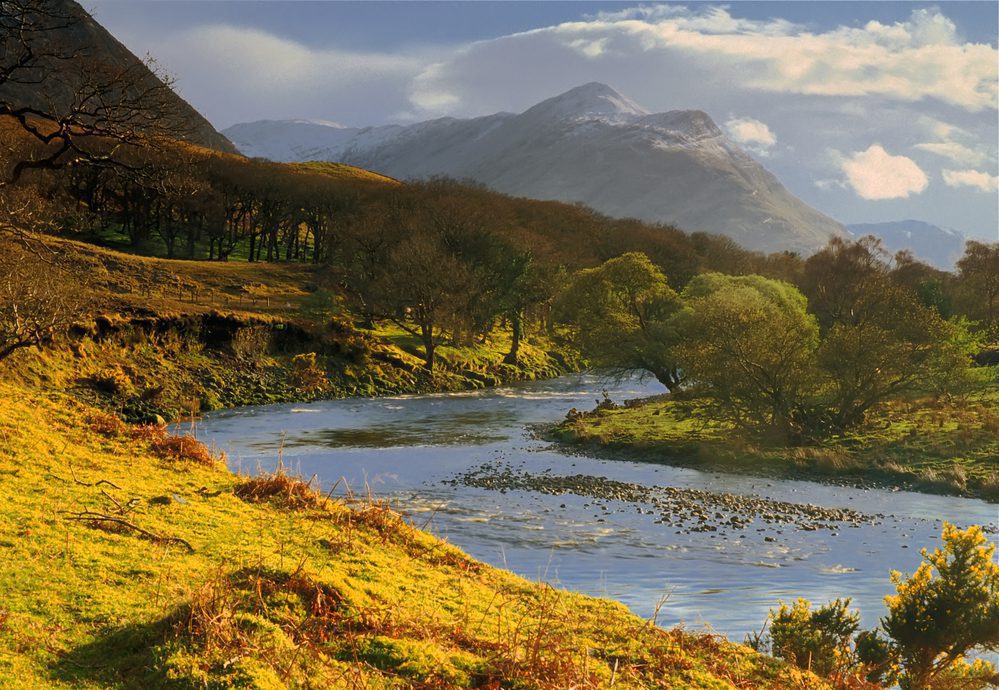
In north Mayo, on the dramatic sea cliffs above Ballycastle, lies one of the most extraordinary archaeological sites in the world. Céide Fields contains the most extensive Stone Age field system on the planet a network of stone walls, dwelling areas, and megalithic tombs covering some 1,500 hectares, preserved for nearly 6,000 years beneath a blanket of peat bog.
The award-winning visitor centre is an architectural landmark in its own right: a limestone and peat pyramid with a glazed apex, perched on the cliff edge. Inside, state-of-the-art audio-visual displays, including an immersive 360-degree presentation and an infinity box model, bring the Neolithic landscape to life in a way that is engaging for visitors of all ages and abilities.

For wheelchair users and those with limited mobility, access to the ground floor of the visitor centre and the tearoom is provided. A wheelchair-accessible toilet is on site. A social guide for the site is available to download from Heritage Ireland’s website in advance, making it easier for visitors with developmental or learning disabilities to prepare for the experience.
The outdoor site itself presents genuine challenges: the terrain is boggy, uneven, and exposed to Atlantic weather, and the cliff edge paths require sturdy footwear. Visitors who cannot manage the outdoor sections can still have a meaningful and worthwhile experience through the indoor visitor centre, the viewing platform, and the café, which looks out over the spectacular coastal cliffs.
Honest assessment: Céide Fields is a site where the indoor experience is excellent and largely accessible, but the outdoor archaeological site is difficult terrain for anyone with significant mobility limitations. The visitor centre experience alone justifies the journey for many visitors, and the views from the building itself are breathtaking.

Achill Island: Accessible Beauty at the Edge of the Atlantic
Achill Island, connected to the Mayo mainland by a bridge at Achill Sound, is Ireland’s largest offshore island and one of its most dramatically beautiful. The island has soaring sea cliffs, Blue Flag beaches, and a pace of life that is genuinely removed from modern pressures.
For wheelchair users and those with significant mobility difficulties, Achill Island presents a mixed picture. The island is described by experienced wheelchair travellers as very rural, and accessible transport options particularly taxis have historically been limited. The island’s landscape is beautiful but rugged, and many of its most celebrated attractions (the Croaghaun cliffs, the deserted village at Slievemore, the Keem Bay beach path) involve uneven ground, steps, or significant gradients.

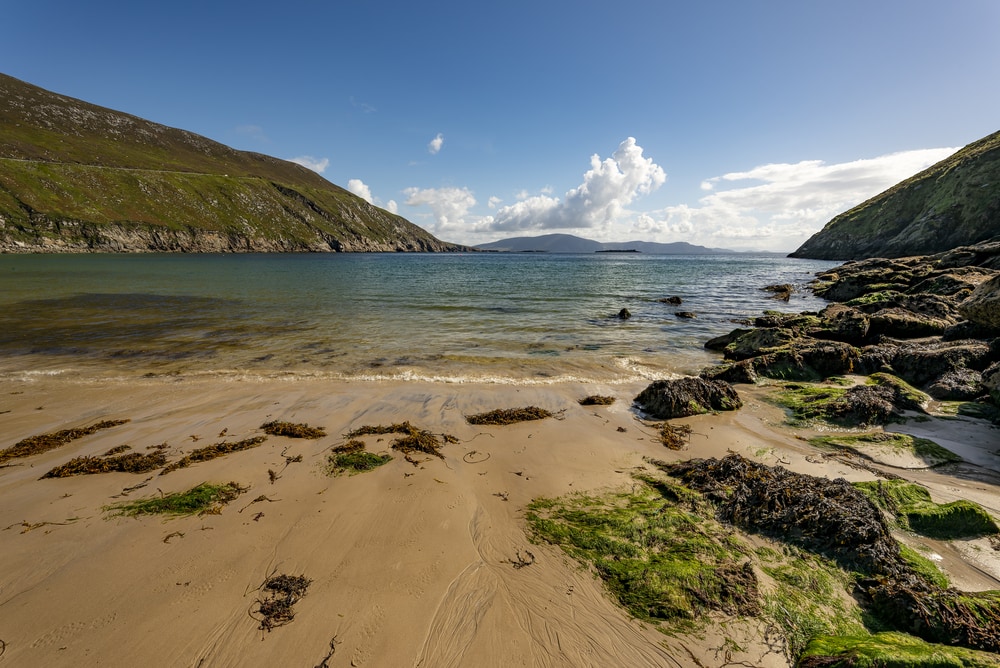
That said, Achill does have much to offer. Keem Bay, one of Ireland’s most photographed beaches, has a car park at the top of the descent and spectacular views that can be enjoyed without leaving the car or moving far from the parking area. The beach road itself is surfaced but steep. Achill Sound village is the gateway to the Great Western Greenway, which offers excellent accessible cycling and walking from this point.
Achill Cliff House Hotel in Keel is described as a fully wheelchair-accessible, family-run hotel and restaurant a notable option for those who want to stay on the island itself.

Knock Shrine: A Place of Peace and Pilgrimage
Knock Shrine, in the east of County Mayo, is Ireland’s national Marian shrine and one of the most visited pilgrimage sites in Europe. In 1879, fifteen witnesses reported an apparition of the Virgin Mary, St Joseph, and St John the Apostle at the village church, and the site has drawn pilgrims from across the world ever since.
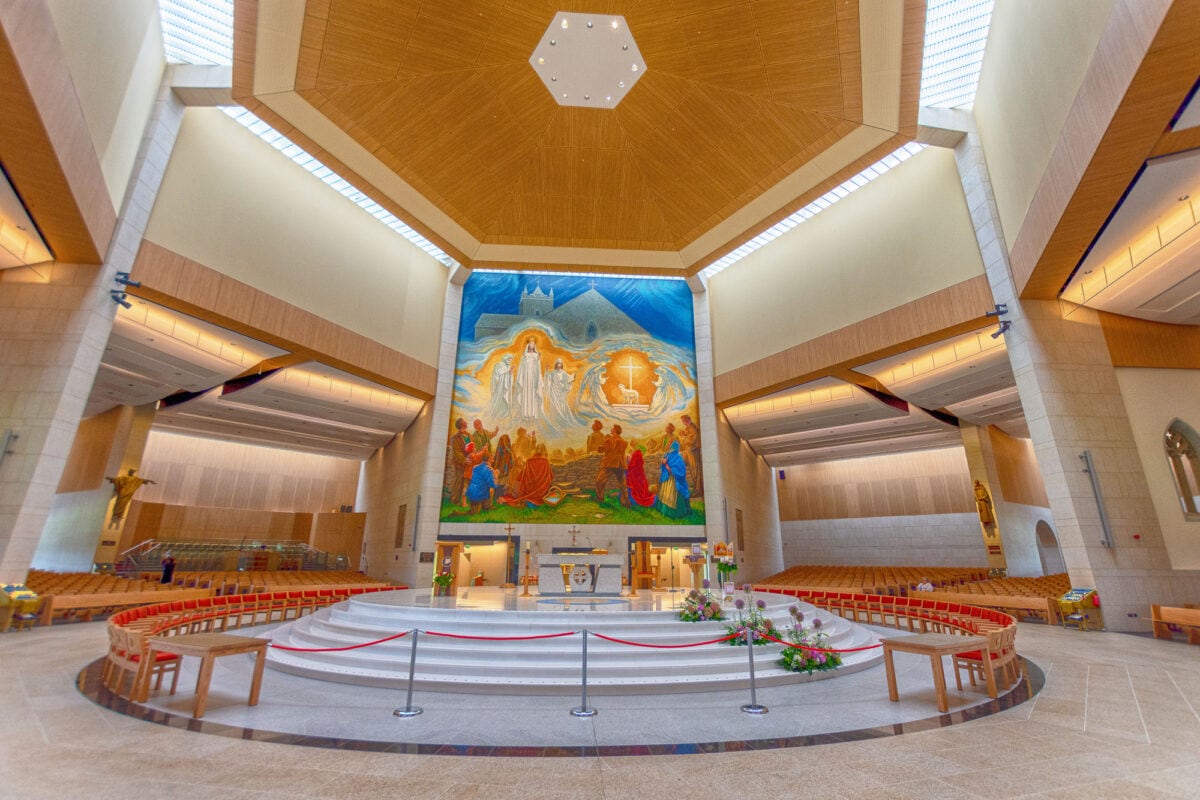
For visitors with disabilities, Knock has some important advantages. The shrine grounds are extensive and largely flat, with smooth pathways throughout. Wheelchair users and those with mobility difficulties are well accommodated, and the site has a long tradition of welcoming pilgrims and visitors of all physical abilities.
The Knock House Hotel, adjacent to the shrine, has six wheelchair-accessible rooms and is noted for its facilities for guests with mobility needs. It is less than a five-minute walk from the shrine and basilica, making it an excellent option for those who want accommodation immediately beside the pilgrimage site.
Knock Shrine also holds special services for the sick and those with disabilities throughout the year, and the shrine’s staff are experienced in supporting visitors who may need assistance.
Cong: Mayo-Galway Border Village
Perched on the Mayo-Galway border between Lough Corrib and Lough Mask, Cong is a small, charming village made famous as the filming location of the 1952 John Wayne classic The Quiet Man. The village centre and its cafés are largely level with free parking close by, but Cong Abbey sits on uneven ground with several steps and level changes, these are relatively easy to mange but the woodland trails involve steep steps neither is suitable for wheelchair users or those with significant mobility difficulties.
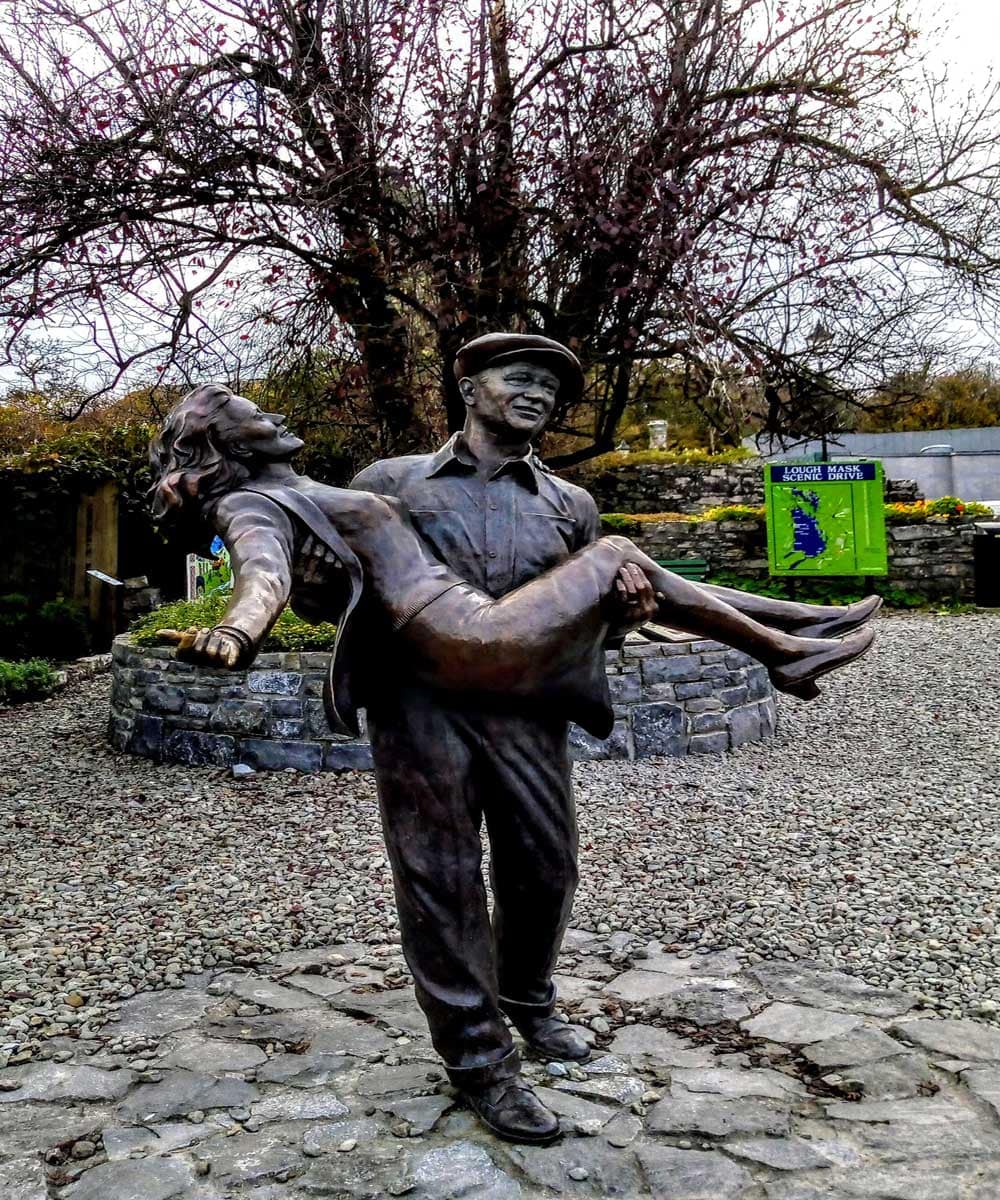

The standout accessible draw is Ashford Castle, Ireland’s legendary five-star hotel set in 350 acres of estate grounds on Lough Corrib. The castle’s paved pathways make the estate easy to explore by wheelchair. Even non-guests can enjoy the lakeside grounds for £5.00 each and the village’s quiet, unhurried atmosphere.
Accessible Beaches in Mayo
Mayo’s coastline is studded with Blue Flag beaches, but accessible beach access has historically been one of Ireland’s most significant gaps in accessible tourism. That is beginning to change, thanks in large part to campaigning by the Irish Wheelchair Association.
Trá Oiligh, Iorras Peninsula (Béal an Mhuirthead/Belmullet area): This Blue Flag beach in the Irish-speaking Iorras Gaeltacht had mobility mats installed, allowing wheelchair users to access the beach directly.
Carrowniskey Beach (near Louisburgh): One of the finest beaches on Ireland’s western seaboard, Carrowniskey is a short drive from Westport. A designated disabled parking area is available. The beach itself is wide and flat at low tide, and while there is no formal mobility mat, the firm sand makes wheeling easier than at many Atlantic beaches.
Achill’s Beaches: Beaches such as Keel Beach have car parks with reasonable proximity to the sand, though formal accessible infrastructure is limited compared to the Iorras example. There are three accessible beaches on Achill – two at Keel and one in Dugort.
Practical note: Atlantic beaches in Ireland can be challenging even with good infrastructure the sand is soft, the weather is changeable, and summer crowds can make navigation more difficult. Visiting on weekday mornings in shoulder season (May/June or September) will generally give the most comfortable experience.

Accessible Accommodation in County Mayo
Accommodation with verified accessibility features has grown considerably in Mayo, though it remains essential to contact properties directly and ask specific questions about your needs rather than relying on general statements.
Westport
Westport Woods Hotel has newly built and refurbished accessible rooms close to the reception area and is regarded as one of the better-equipped accessible hotel options in Westport.

Westport Coast Hotel and Knockranny House Hotel (a 4-star spa property with views of Clew Bay and Croagh Patrick) are both popular upmarket options in or near Westport town, and both have accessible room options.
Castlebar Area
Breaffy House Resort, set in 90 acres near Castlebar, combines two hotels Breaffy House Hotel and Breaffy Woods Hotel with a spa and leisure facilities, and can accommodate guests with mobility needs.
Achill Island
Achill Cliff House Hotel, Keel described as fully wheelchair accessible, a family-run property in the heart of the island.
Hidden Disabilities in Mayo: What to Know
Hidden disabilities conditions that may not be immediately apparent but which significantly affect daily life include autism spectrum conditions, chronic pain, fatigue conditions such as ME/CFS and fibromyalgia, chronic heart and lung conditions, epilepsy, mental health conditions, and many others.
The Hidden Disabilities Sunflower scheme, which allows people with hidden disabilities to wear a distinctive sunflower lanyard to signal that they may need a little extra time or assistance, has been adopted by Aer Lingus, Irish Ferries, Bank of Ireland, and other major organisations operating in Ireland.

Frequently Asked Questions
Is Westport accessible for wheelchair users? Westport is one of the more accessible towns in the west of Ireland, with a relatively flat, planned town centre, dropped kerbs throughout, and accessible parking. Many restaurants and cafés are accessible, though older pubs may have steps. The Great Western Greenway begins at Westport Quay and is wheelchair accessible.
Can I do the Great Western Greenway in a wheelchair? Yes, for most of its length. The trail is surfaced tarmac on the former railway line, with gentle gradients. Some sections have compacted gravel. It is recommended to check current surface conditions for specific sections before setting out, as occasional maintenance work may affect access.
Is Croagh Patrick accessible? No, not the main pilgrim route. The path up Croagh Patrick is steep, rocky scree that is challenging even for experienced walkers and is not accessible by wheelchair. There are good views of the mountain and of Clew Bay from the lower car park and viewing area.
Can I visit the Céide Fields as a wheelchair user? The ground floor of the visitor centre and the tearoom are accessible. The outdoor site presents uneven boggy terrain that is difficult for wheelchair users. The indoor audio-visual displays and exhibits make the visitor centre experience worthwhile even without accessing the outdoor site.
Are there accessible beaches in Mayo? Trá Oiligh on the Iorras Peninsula now has mobility mats, disabled parking, and accessible toilets, thanks to campaigning by the Irish Wheelchair Association. Other beaches have car parking with varying proximity to the sand, but formal accessible beach infrastructure is limited across most of the county.
Is the National Museum of Country Life accessible? Fully. The museum has lifts to all floors, free admission, designated disabled parking, a set-down area for mobility-impaired visitors, and wheelchairs available to borrow. It also provides Social Stories and sensory maps for visitors with hidden disabilities.
What is the best base for an accessible holiday in Mayo? Westport is the most practical base for most visitors with accessibility needs: it has the widest range of accessible hotels, restaurants, and cafés; it is the starting point for the Great Western Greenway; and it provides easy car access to the county’s main attractions. Castlebar is a good alternative, particularly if the National Museum is a priority.
Information in this guide was accurate as of May 2026. Accessibility provisions at specific venues can change; always contact attractions and accommodation directly before your visit to confirm current arrangements.
Key Resources:
Tourism Ireland Accessibility Information
Motability Ireland: providing accessible wheelchair rental cars
Join 7,500 Ireland travellers in my Ireland Uncovered Facebook Group and 1,897 on my XYUandBEYOND PAGE
These are the most useful official and practical resources for planning an accessible Ireland trip. Verify details before travel as information changes.
- Irish Rail Passenger Assistance book support for train travel including boarding, alighting, and connections
- Transport for Ireland (TFI) accessibility information across public transport
- Dublin Bus and Bus Éireann accessibility statements route and vehicle information
- National Transport Authority (NTA) taxi regulation and wheelchair-accessible vehicle information
- Euan’s Guide crowdsourced real-world accessibility reviews for attractions, restaurants, and venues across Ireland
- Hidden Disabilities Sunflower information on where the scheme is recognised in Ireland
This guide is part of a wider Accessible Ireland travel series, offering realistic, first-hand advice for limited-mobility travel across Ireland.
➡️Accessible Causeway Coast Route
➡️Accessible Wild Atlantic Way
If you encounter changes (e.g., temporary lift closures or construction), please let me know so I can update this page promptly.