
Accessible Giant’s Causeway: Real Tips for Limited Mobility
The Giant’s Causeway is one of the most famous natural landmarks in Northern Ireland and one of the places travelers worry most about visiting with limited mobility. Photographs often focus on steep cliffs, uneven volcanic stones, long coastal walks, and dramatic Atlantic scenery that can make the site feel intimidating if you use a wheelchair, walking aid, mobility scooter, or simply prefer slower-paced travel.
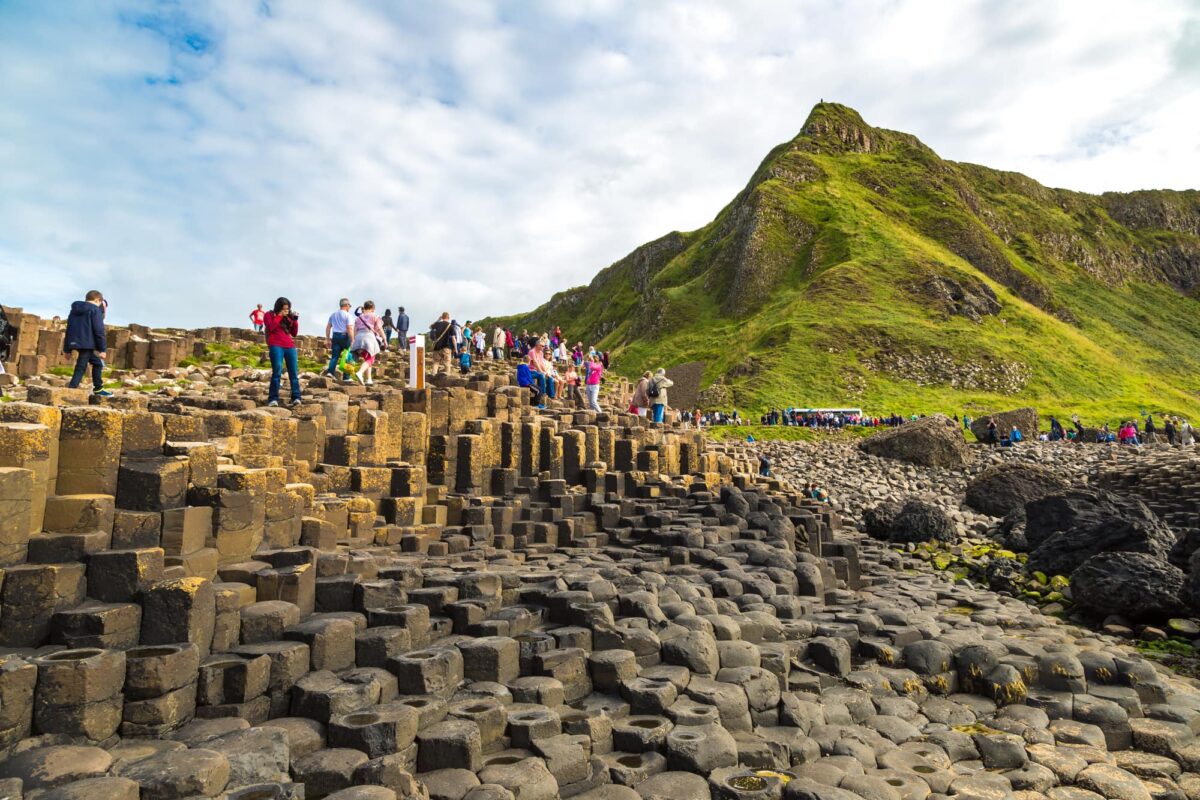
The Giant’s Causeway is not only Northern Ireland’s most famous natural landmark but also a UNESCO World Heritage Site known for its extraordinary basalt columns, Atlantic coastal scenery, and deep connections to Irish mythology and folklore. For travelers wanting to explore beyond the main viewing areas, my detailed guide to what to see at the Giant’s Causeway covers the basalt columns, hidden viewpoints, folklore, photography spots, and quieter corners many visitors miss
The reality is far more manageable than many guides suggest.
After visiting the Giant’s Causeway multiple times over the years in different seasons, weather conditions, and mobility situations, I have found that the experience can absolutely work for slower travelers, seniors, and many visitors with mobility challenges if you understand what the accessibility issues actually are before arriving.
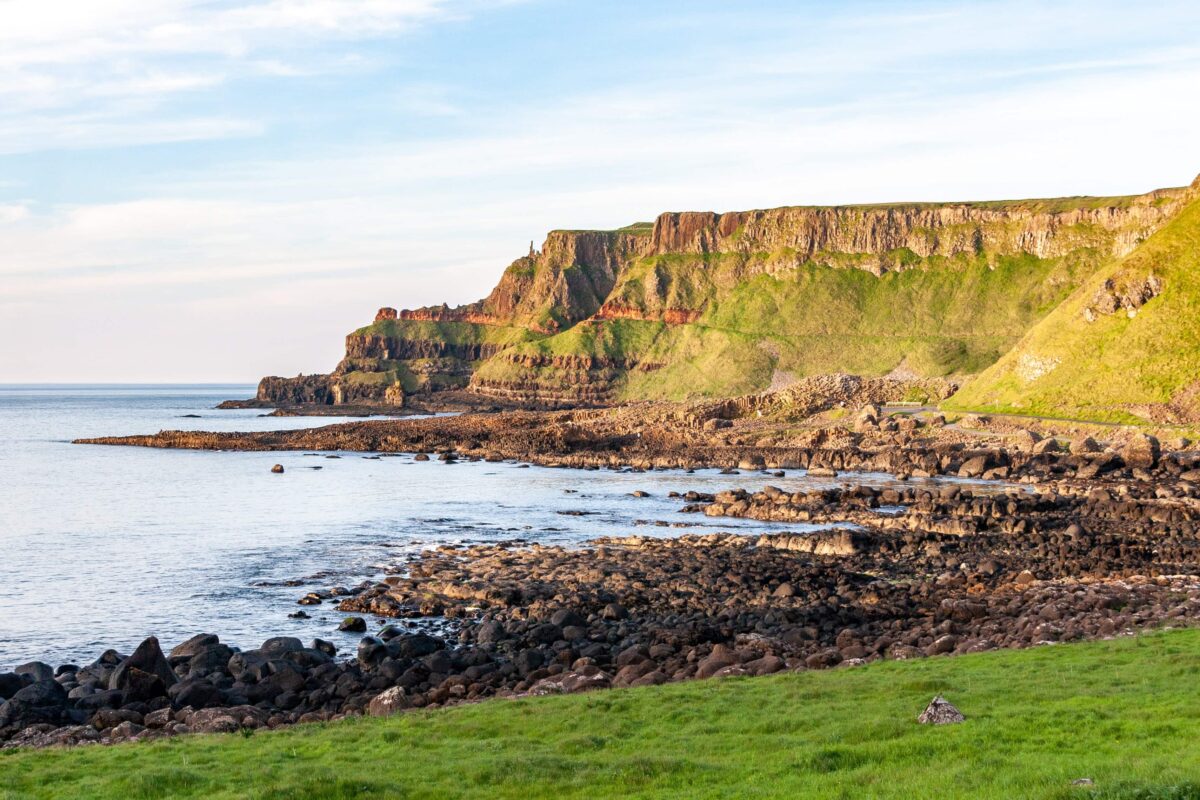
This is not a perfectly step-free attraction in the modern museum sense. The basalt columns themselves are naturally uneven and parts of the coastline remain physically demanding even for able-bodied visitors. But the visitor centre, accessible shuttle, parking options, scenic viewpoints, and lower walking routes make the wheelchair accessible Giant’s Causeway experience far more realistic than most people expect.
The key is knowing how to experience the landscape without trying to do everything.
This guide focuses on realistic pacing, parking, terrain, transportation, fatigue management, wheelchair accessibility, and the practical details most tourism websites ignore. I also include nearby accessible Northern Ireland attractions and scenic stops along the accessible Causeway Coast that work well for slower-paced itineraries.
- Accessible Giant’s Causeway: Real Tips for Limited Mobility
- Is the Giant’s Causeway Accessible for Wheelchair Users?
- My Experience Visiting the Giant’s Causeway with Limited Mobility
- Giant’s Causeway Accessibility and Visitor Centre Costs
- Accessible Parking at the Giant’s Causeway
- Alternative Parking Near the Giant’s Causeway
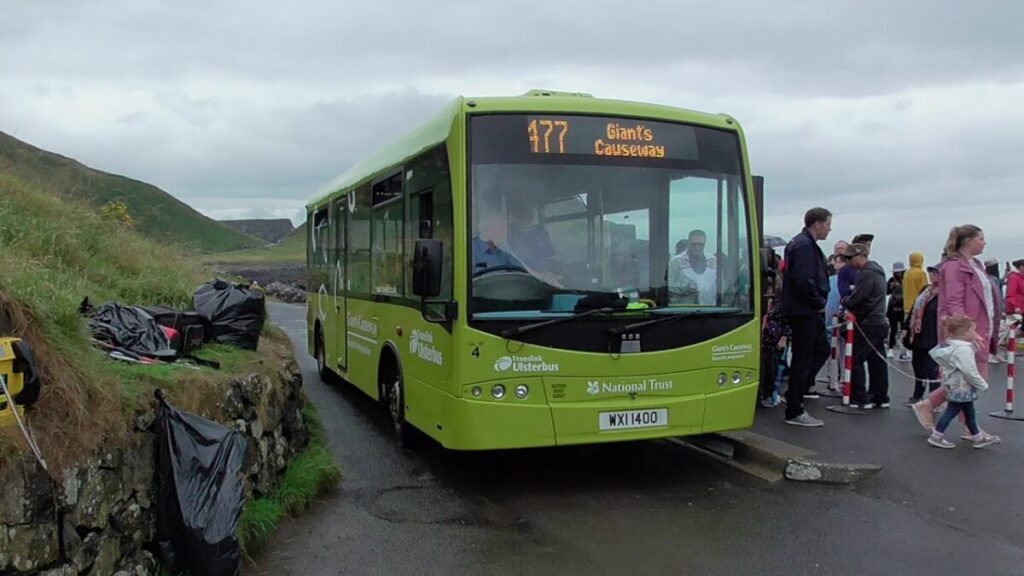
- The Accessible Shuttle Bus at the Giant’s Causeway
- Terrain and Wheelchair Accessibility at the Giant’s Causeway
- What Most Guides Miss About the Giant’s Causeway
- Best Time to Visit the Giant’s Causeway for Limited Mobility
- Accessible Attractions Near the Giant’s Causeway
- Accessible Accommodation Near the Giant’s Causeway
- Getting Around the Causeway Coast with Limited Mobility
- Why Slower Travelers Often Enjoy the Causeway Coast More
- Suggested Low-Exertion Itinerary for the Giant’s Causeway
- FAQs About Giant’s Causeway Accessibility
- Final Thoughts on Visiting the Giant’s Causeway with Limited Mobility
Is the Giant’s Causeway Accessible for Wheelchair Users?
Yes, partly.
The Giant’s Causeway accessibility situation is best understood as accessible in sections rather than fully accessible as a whole. Some areas are manageable for wheelchair users and travelers with limited mobility while others remain difficult because of steep gradients, uneven volcanic stone, and natural coastal terrain.
The visitor centre itself is modern and accessible with:
- lifts
- accessible toilets
- wide entrances
- seating areas
- smooth flooring
- step-free access throughout
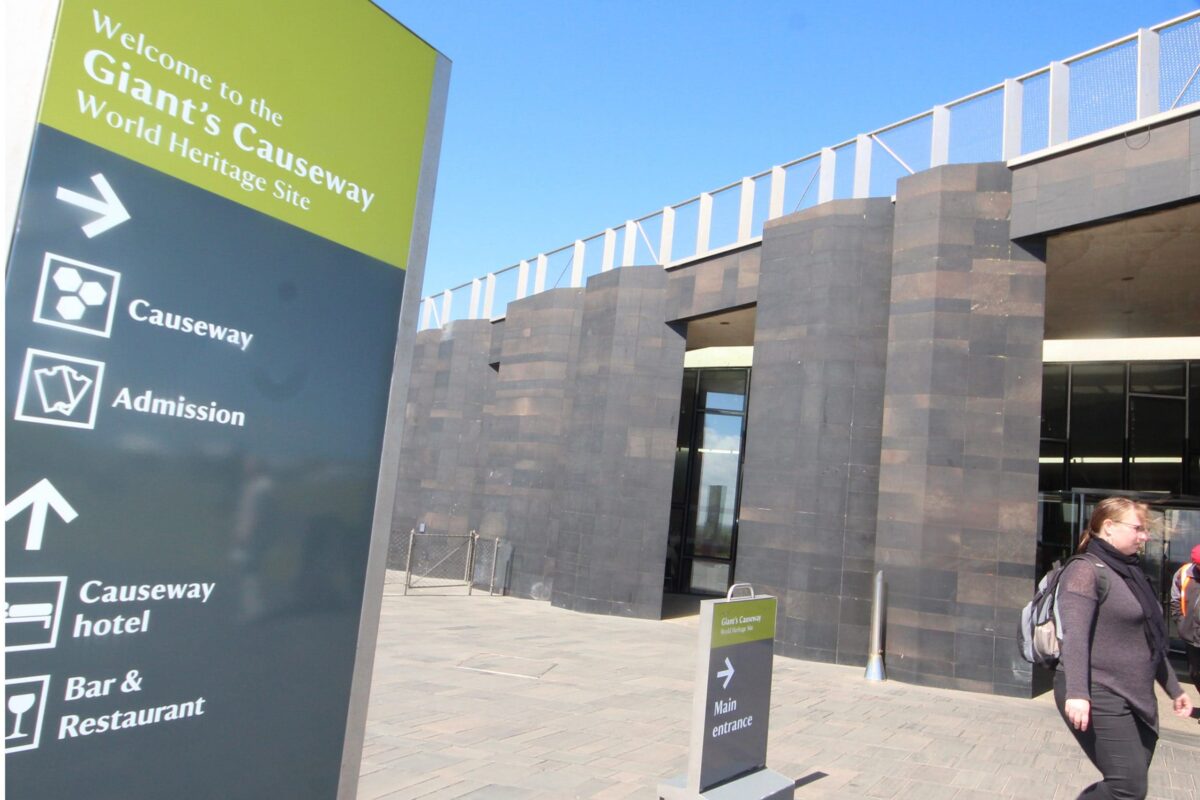
The shuttle bus down toward the stones is one of the most important accessibility features because it removes the steep downhill approach that many visitors underestimate.
Many visitors with limited mobility can comfortably enjoy:
- the visitor centre
- panoramic viewpoints
- the accessible exhibition spaces
- lower coastal pathways
- scenic photography stops
- several viewing areas near the basalt formations
The actual stones themselves are another matter.
Some travelers can carefully transfer onto flatter lower stones while others may prefer viewing the formations from nearby paths instead. Personally, I think many visitors feel pressure to physically stand on the hexagonal stones because that is the image promoted online. In reality, some of the best views come from slightly elevated viewpoints where you can fully appreciate the scale of the coastline without struggling across slippery rock surfaces.
One thing I always tell slower travelers is this: the Giant’s Causeway is not about conquering the landscape. It is about experiencing it.

My Experience Visiting the Giant’s Causeway with Limited Mobility
I have visited the Causeway in sunshine, fog, Atlantic storms, heavy rain, and strong coastal wind, and honestly the weather changes the accessibility of the site more than the distance itself.
On dry calm mornings, the lower pathways can feel relatively manageable and enjoyable. On wet days, the basalt stones become slippery extremely quickly and even confident walkers slow down dramatically. Strong Atlantic wind also creates exhaustion faster than many people expect, especially for seniors or travelers managing fatigue, pain conditions, or breathing issues.
The biggest surprise for many visitors is how much energy crowds consume.
During busy summer afternoons the pathways become congested and movement slows considerably. You spend more time stopping, adjusting, avoiding uneven footing, and navigating around groups taking photographs. I find the site dramatically easier during early mornings or later afternoons when the atmosphere feels calmer and more controlled.
Personally, I prefer arriving early, using the shuttle, spending time around the lower viewing areas, then retreating back toward the café before fatigue sets in. Trying to force the entire cliff route rarely improves the experience for slower travelers.

Giant’s Causeway Accessibility and Visitor Centre Costs
One of the biggest misconceptions about the Giant’s Causeway is that you must pay for the official visitor centre experience in order to access the site itself.
You do not.
The Giant’s Causeway is legally free to visit. What visitors are paying for at the official visitor centre is:
- parking
- exhibitions
- toilets
- cafés
- guided information
- accessible facilities
- lifts
- staff support
Parking through the official visitor centre is usually bundled into the visitor experience ticket and typically costs around £13.50 to £15 per adult rather than simply charging per vehicle.
For some travelers this feels expensive if they mainly want to see the coastline itself. Over the years I have met many locals and repeat visitors who prefer using nearby independent parking areas and walking shorter alternative routes toward the Causeway instead.
However, there is an important detail many guides completely fail to mention. The accessible shuttle bus only costs around £1 each way and departs from the back of the visitor centre so you don’t need to pay for it inside the centre if you have change. Many visitors wrongly assume they must buy the full visitor centre ticket to use it. For travelers with limited mobility, this shuttle can save a huge amount of uphill walking and physical exhaustion.
The visitor centre maybe worthwhile for many seniors and slower travelers because the accessible toilets, indoor seating, shelter from Atlantic weather, lifts, staff support, and shuttle service remove a huge amount of stress from the day.

Accessible Parking at the Giant’s Causeway
Parking is located at the official Giant’s Causeway Visitor Centre operated by the National Trust.
Accessible parking spaces sit close to the entrance, but during summer and holiday weekends they fill quickly. Arriving early makes a major difference both for parking availability and overall crowd levels.
The surface around the visitor centre is generally smooth and manageable for wheelchairs and mobility aids. Staff are usually helpful if you need directions toward accessible pathways or shuttle access.
One thing many visitors fail to realise is that the route from the visitor centre down toward the stones is downhill on the way out but uphill on the return. That uphill climb can feel surprisingly demanding even for people who normally walk comfortably.
This is exactly why the shuttle matters so much. If conserving energy is important, save your strength for the viewpoints rather than exhausting yourself on the return climb.
Alternative Parking Near the Giant’s Causeway
Many travelers looking for Causeway Coast road trip accessibility prefer using nearby parking alternatives instead of paying the full visitor centre admission cost.
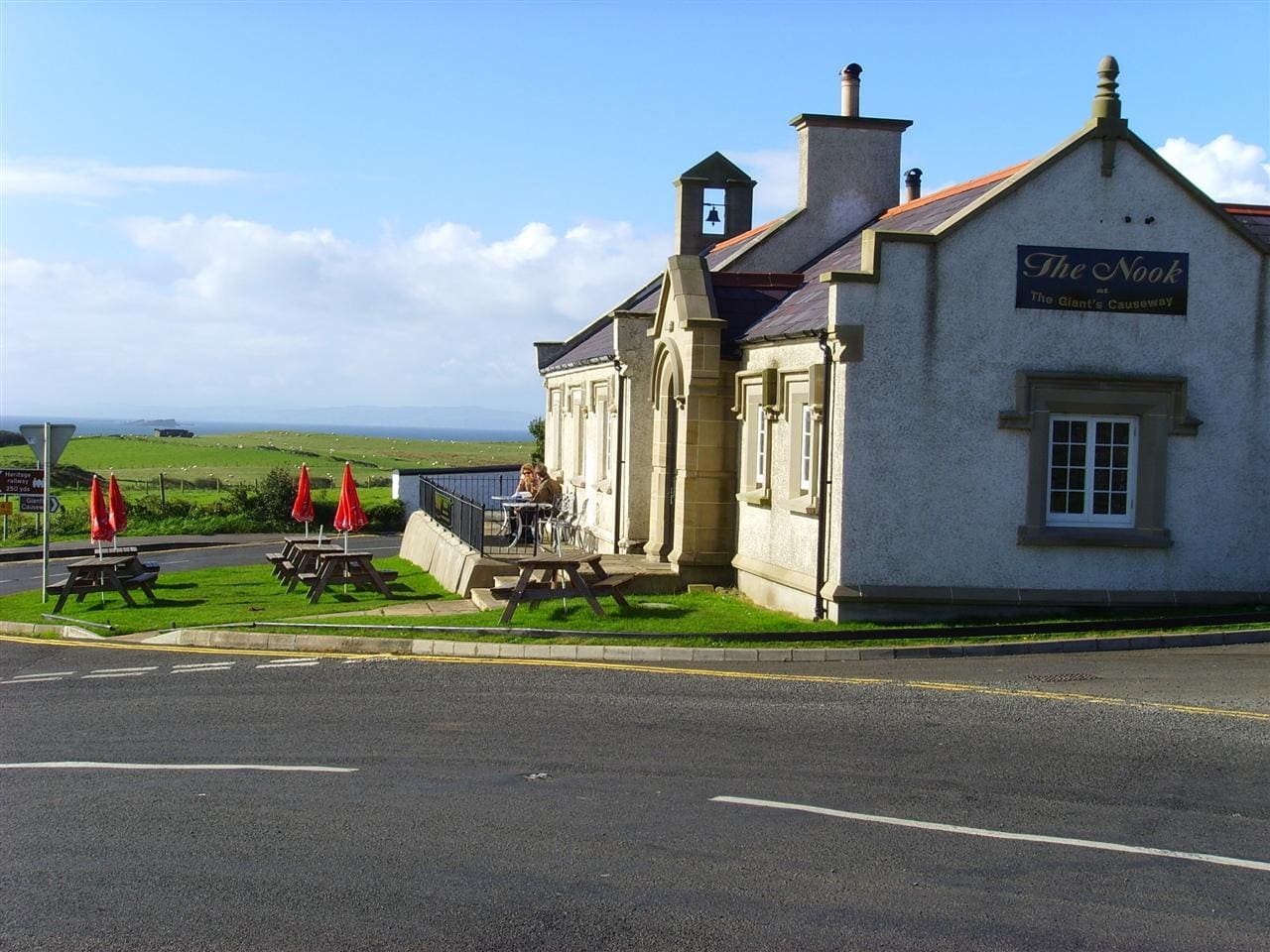
One of the most useful local options is The Nook pub near the Causeway. The pub has a fairly large car park and if you stop for food or drinks, staff will often allow customers to leave their vehicle while visiting the coastline. Personally, I think this works particularly well for slower travelers because you combine parking, restrooms, and a meal stop in one location.
There are also:
- small independent car parks near Causeway Road
- seasonal parking areas operated by local businesses
- roadside scenic lay-bys
- additional parking areas closer to Bushmills with buses to the Causeway
Prices usually range from around £5 to £10 per vehicle depending on season and location.
The trade-off is accessibility.
Most alternative parking areas involve steeper walking routes, fewer facilities, rougher surfaces, or longer distances compared to the official visitor centre setup. For wheelchair users or travelers with significant mobility issues, the visitor centre infrastructure may still provide the least physically demanding option overall.
The Accessible Shuttle Bus at the Giant’s Causeway
The shuttle bus is one of the best features for visitors with limited mobility and one of the most overlooked parts of Giant’s Causeway accessibility.

The shuttle runs between the visitor centre and the lower Causeway area and significantly reduces walking distance and steep gradients. This alone makes the Giant’s Causeway for seniors far more realistic than many travelers expect. The Shuttle costs £1 and it wheelchair accessible.
Even if you normally walk independently, I strongly recommend considering the shuttle because the Atlantic coastal environment tires people faster than expected.
The shuttle stop near the stones still involves some walking and natural surfaces, but it removes the most physically exhausting uphill section of the experience.
Terrain and Wheelchair Accessibility at the Giant’s Causeway
This is where realistic expectations matter. The pathways near the Giant’s Causeway vary considerably. Some are paved and relatively smooth while others become rough, uneven, or steep.

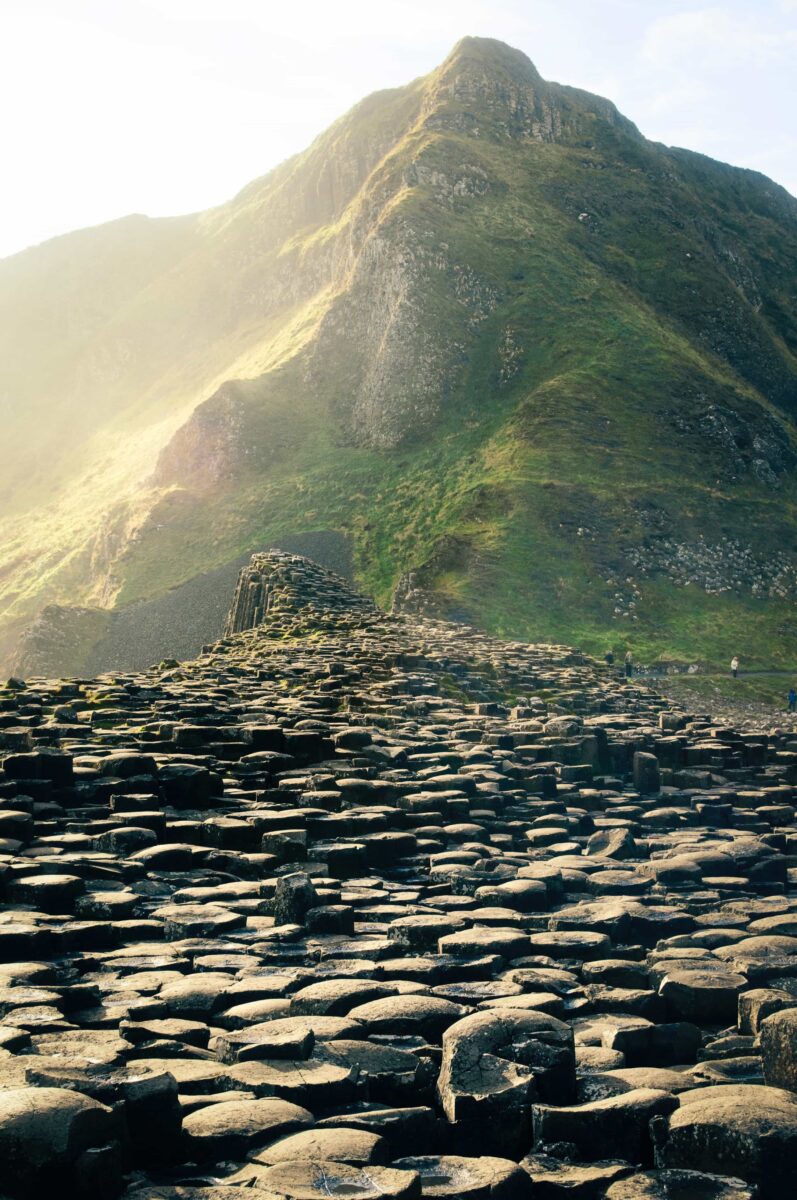
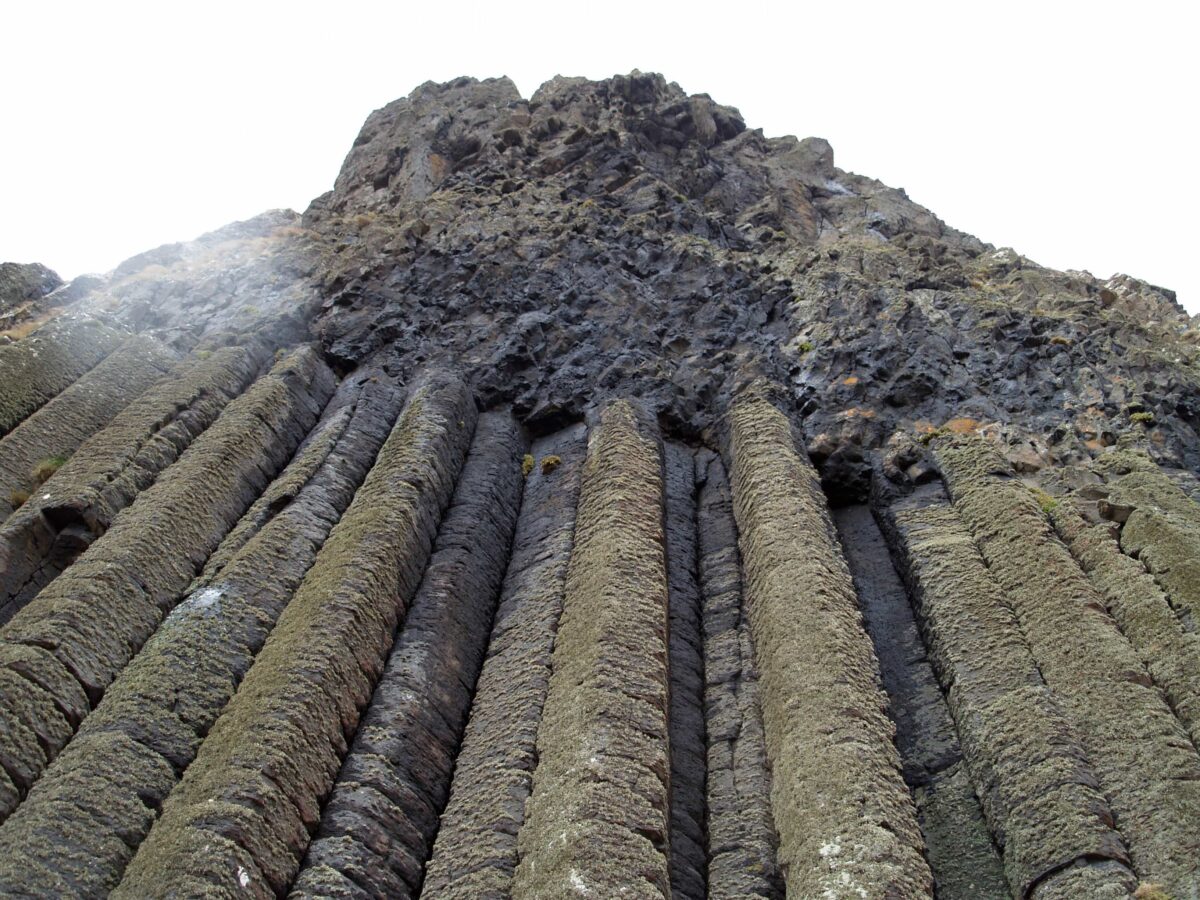
The basalt columns themselves are natural volcanic rock formations. They are uneven, irregular, and often slippery in wet weather. Full wheelchair access directly onto the stones is limited. However, many visitors can still enjoy excellent views without climbing extensively over the formations themselves.
Several lower viewing paths allow you to get close enough to appreciate the geological formations while remaining on more stable surfaces. Personally, I think these areas often provide better photographs than standing directly on the busiest sections of rock.
Mobility scooters may struggle on rougher surfaces depending on weather and wheel size. Manual wheelchair users will likely require assistance in certain sections.
If you use a walking stick or cane, bring one with a strong non-slip tip because Atlantic moisture makes surfaces slick even when rain is not actively falling.
What Most Guides Miss About the Giant’s Causeway
Most travel guides focus almost entirely on the stones themselves. But for travelers visiting the Giant’s Causeway with limited mobility, the experience is shaped just as much by:
- weather exposure
- crowd levels
- parking logistics
- seating availability
- fatigue management
- wind conditions
- recovery time after walking
Why Atlantic Weather Matters More Than Walking Distance
Cold Atlantic wind drains energy rapidly, particularly for seniors and people managing chronic health conditions. A relatively short coastal walk in strong wind can feel far more exhausting than a much longer city stroll on flat ground.
Rain also changes the entire accessibility experience. The basalt stones become slippery quickly and movement slows dramatically.

Why Crowds Create Fatigue Faster Than Terrain
Crowded pathways require constant adjustment and concentration. You stop repeatedly, navigate around groups, wait for photographs, and carefully manage uneven surfaces while surrounded by other visitors. Quiet mornings make the site dramatically easier to navigate.
The Hidden Exhaustion of Irish Coastal Driving
One of the biggest accessibility issues many visitors underestimate is the exhaustion created by Irish coastal driving itself.
The Causeway Coast roads are beautiful but mentally tiring. Narrow lanes, changing weather, tourist traffic, and constant scenic distractions all increase fatigue. Many travelers arrive already tired before they even begin exploring the Giant’s Causeway.
This is why I usually recommend pairing the Causeway with only one or two nearby attractions rather than attempting an overloaded sightseeing day.
Best Time to Visit the Giant’s Causeway for Limited Mobility
Early morning is by far the easiest time to visit if visiting Ireland in the Spring or Summer months.
You avoid:
- tour bus crowds
- packed pathways
- parking stress
- long shuttle waits
- congestion near the stones
Shoulder season can also work beautifully. Spring and early autumn often provide calmer conditions with fewer visitors while still offering decent weather.
Winter visits can be incredibly atmospheric, but accessibility becomes much more weather-dependent because of wind, rain, wet surfaces, and shorter daylight hours.
Personally, I think calm overcast days are ideal. Bright sunshine can create glare on wet rock while softer cloudy light makes the coastline easier to appreciate visually and physically.

Accessible Attractions Near the Giant’s Causeway
One of the best aspects of the accessible Causeway Coast is that many scenic viewpoints require very little walking.
Dunluce Castle Viewpoint
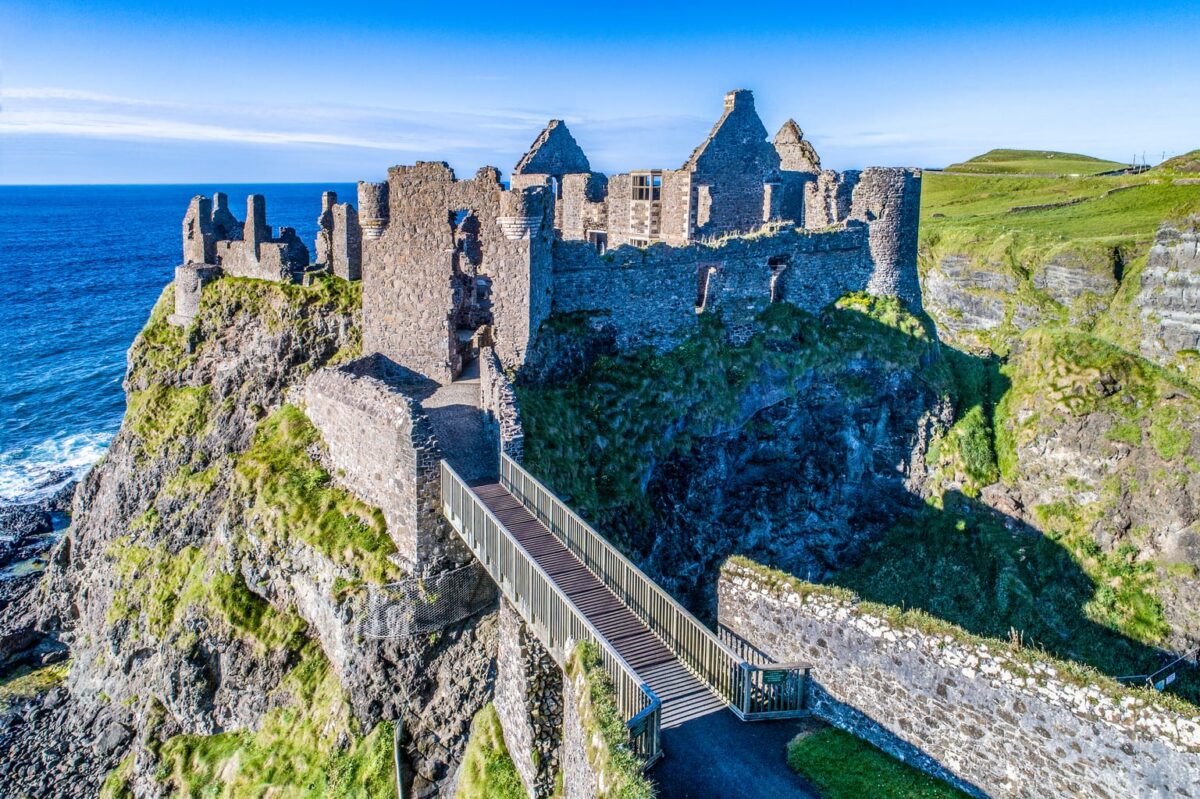
Dunluce Castle is one of the most dramatic coastal ruins in Ireland. Even without entering the castle itself, roadside viewpoints provide spectacular scenery with minimal walking required. Several nearby pull-offs allow slower travelers to enjoy ocean and cliff views comfortably.
Causeway Coastal Route Viewpoints
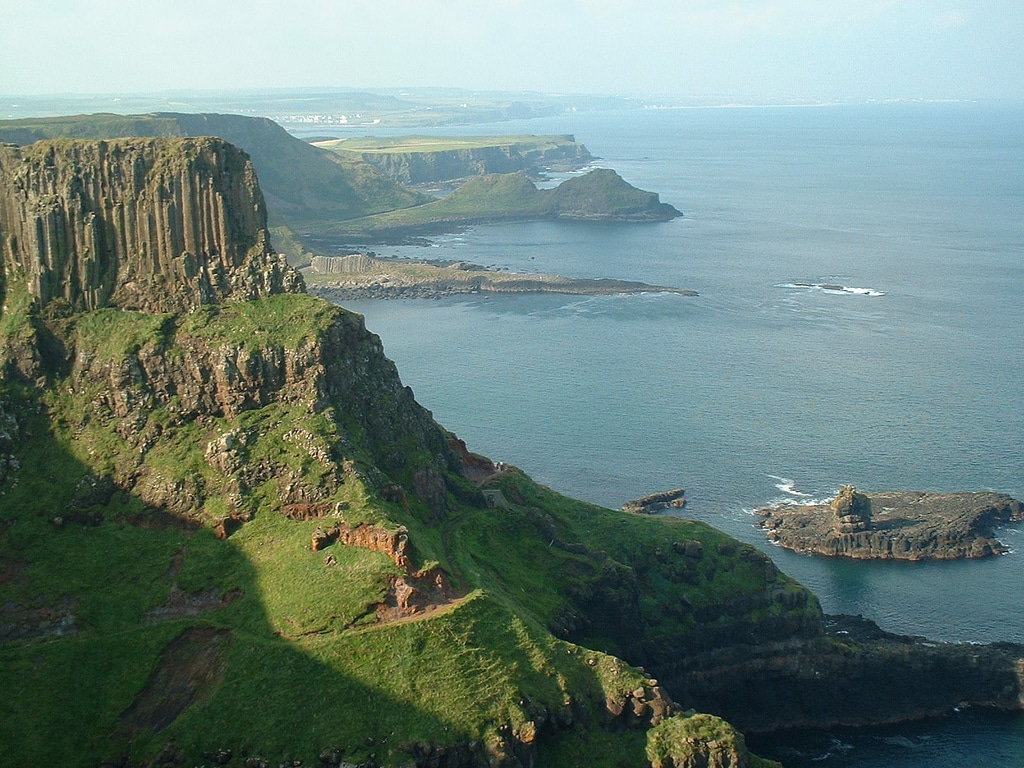
The Causeway Coastal Route contains numerous scenic lay-bys and viewpoints ideal for slower-paced travel days. This is one of the rare places in Ireland where some of the best scenery can genuinely be enjoyed directly from the car or after only a short stroll.
Bushmills
Bushmills works very well as a quieter base near the Causeway. The village is compact and generally easier to navigate than larger tourist centres.
There are accessible cafés, calmer accommodations, and slower-paced dining options that pair well with reduced-energy itineraries.

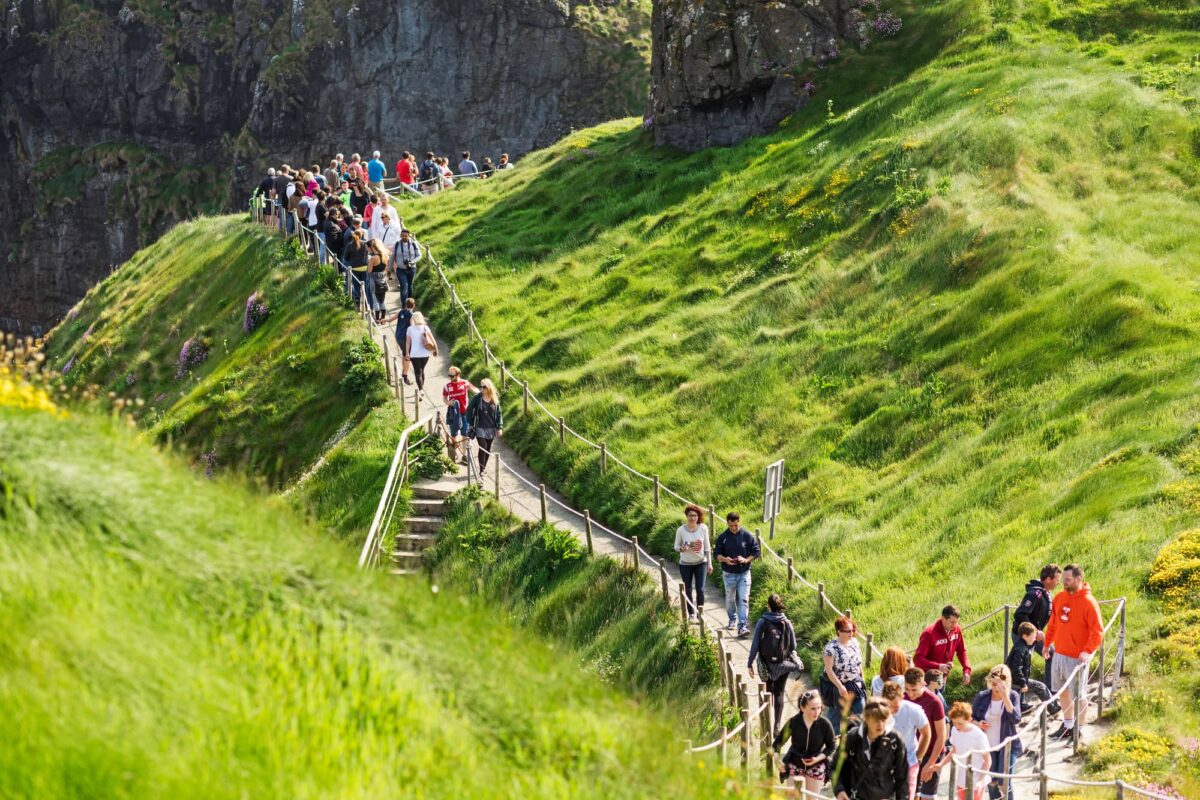
Carrick-a-Rede Rope Bridge
Carrick-a-Rede Rope Bridge itself is not ideal for travelers with mobility limitations because of steep pathways and uneven surfaces. However, nearby viewpoints remain worth visiting for the scenery alone.
Personally, I think many slower travelers enjoy the surrounding coastline far more than the bridge crossing itself.
Accessible Accommodation Near the Giant’s Causeway
When planning an accessible Northern Ireland attractions itinerary, location matters more than luxury.
Staying close to the Giant’s Causeway reduces driving fatigue and allows you to visit during quieter morning or evening periods.
Bushmills is often one of the easiest places to stay because it remains compact, manageable, and close to the coast.
Some older guesthouses along the Causeway Coast are charming but can involve narrow staircases and limited accessibility due to historic layouts.
Personally, I usually find modern hotels or purpose-adapted guesthouses less stressful than traditional properties when mobility is a concern.
Getting Around the Causeway Coast with Limited Mobility
Driving remains the easiest way to explore the accessible Causeway Coast because it allows:
- flexible pacing
- weather adjustments
- easier viewpoint access
- reduced waiting times
- scenic stop flexibility
Public transport exists but can feel tiring because some rural stops involve longer walking distances and slower connections. Taxis can be useful for shorter regional journeys, particularly during busy summer months when parking becomes stressful.
For travelers arriving from Belfast, organized tours often move too quickly for slower travelers. Personally, I think overnighting near the Causeway creates a far better experience than attempting it as a rushed day trip.
Why Slower Travelers Often Enjoy the Causeway Coast More
This coastline rewards patience. The experience is not simply about ticking off famous landmarks. Some of the best moments happen while sitting quietly watching Atlantic rain move across the cliffs or pulling into an empty viewpoint as the evening light changes across the sea.
Faster itineraries often miss the atmosphere completely. Done properly, the Giant’s Causeway works beautifully as part of a slower travel rhythm.
Suggested Low-Exertion Itinerary for the Giant’s Causeway
Start early at the visitor centre before large tour groups arrive. Use the shuttle down toward the lower Causeway viewing areas and spend time appreciating the scenery without rushing toward every viewpoint.
Afterward, take a relaxed coastal drive toward Dunluce Castle with scenic stops along the way. Finish with dinner in Bushmills before returning to your accommodation.
This kind of pacing works far better for limited mobility travelers than trying to combine the Giant’s Causeway, rope bridge, Dark Hedges, Belfast, and multiple cliff walks into one exhausting day.
FAQs About Giant’s Causeway Accessibility
Is the Giant’s Causeway wheelchair accessible?
Partly. The visitor centre and several viewing pathways are accessible, but the basalt stones themselves are uneven natural terrain and may be difficult for wheelchairs.
Is there disabled parking?
Yes. Accessible parking spaces are available close to the visitor centre entrance.
Is the shuttle accessible?
Yes. The shuttle significantly reduces walking distance and is extremely useful for seniors and travelers with limited mobility.
How much does the shuttle cost?
The shuttle generally costs around £1 each way and departs from the back of the visitor centre.
Do you have to pay to visit the Giant’s Causeway?
No. The Giant’s Causeway itself is free to access, although the official visitor centre charges for parking and facilities.
Is the Giant’s Causeway suitable for seniors?
Yes, particularly with realistic pacing, quieter visiting times, and use of the shuttle system.
Is the Giant’s Causeway difficult to walk?
Parts of the site can be physically demanding due to steep sections, uneven stones, Atlantic weather, and crowds. You do not need to complete the full cliff walk to enjoy the experience.
Final Thoughts on Visiting the Giant’s Causeway with Limited Mobility
The Giant’s Causeway does not need to be conquered to be appreciated.
Some of the most meaningful experiences here come from simply watching Atlantic waves crash against the dark basalt cliffs while seabirds circle overhead and mist rolls across the coastline. Northern Ireland’s coast is dramatic, atmospheric, and deeply memorable even if your visit only covers a small section of the site.
For slower travelers, the key is reducing pressure.
Use the shuttle. Take breaks. Avoid peak crowds. Prioritize viewpoints over distance. Let the landscape come to you instead of forcing yourself across every stone.
With thoughtful pacing and realistic planning, the Giant’s Causeway can absolutely become one of the highlights of an accessible Ireland itinerary.
Bookmark this Accessible Ireland hub for updates and dive into the detailed guides to build an itinerary that fits your energy, comfort, and interests.
➡️Accessible Giant’s Causeway Northern Ireland
Start Planning Your Trip
👉 Public Transportation in Ireland
👉 Hidden Gems in Ireland – 32 Secret places to visit
👉 Answering all your travel questions about Ireland