
Public Transportation in Ireland: Trains, Buses and Tips
Ireland’s transport system combines national railways, urban tram systems, city buses, rural transport networks, airport coaches, and ferry connections. For both residents and visitors, understanding transport in Ireland can make travelling around the country significantly easier.
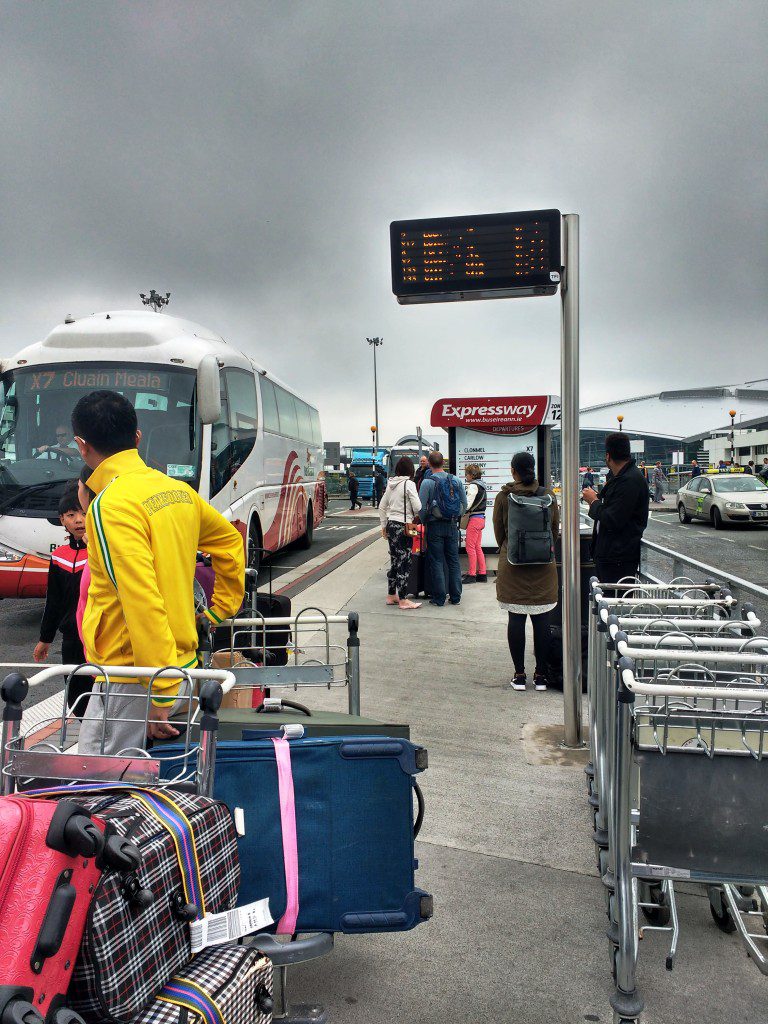
Over the past decade, Ireland has invested heavily in improving public transport Ireland, expanding regional bus routes, modernising rail services, and strengthening rural transport through programmes such as Local Link.
From my experience researching and using the system, Ireland’s transport network works best when you understand how the different services connect. Trains usually provide the fastest intercity travel, buses fill in regional gaps, and local transport services help reach rural destinations. If you’re considering driving instead, see our complete guide to transport in Ireland including car rental and road trips.
This guide explains how the system works and how you can use it effectively whether commuting daily, travelling between cities, or planning to travel Ireland without a car. If you’re deciding whether to rent a car or rely on trains and buses, read our guide to how to get around Ireland.
- Public Transportation in Ireland: Trains, Buses and Tips
- Understanding the Public Transport System in Ireland
- Train Travel in Ireland
- DART: Dublin’s Coastal Railway
- The Luas Tram System
- Dublin Public Transport
- Buses in Ireland: Regional and Intercity Services
- Rural Transport and Local Link
- Dublin Airport Transport
- Ferry Transport from Ireland
- Can You Travel Ireland Without a Car?
- Practical Tips for Using Public Transport in Ireland
- Driving in Ireland articles
Understanding the Public Transport System in Ireland
Most public transport services across the Republic of Ireland operate under the national brand Transport for Ireland (TFI).
TFI coordinates:
- National rail services
- City bus networks
- Dublin’s tram system
- Rural transport programmes
- Integrated ticketing systems
The system is regulated by the National Transport Authority, which plans routes, sets fares, and oversees transport development across the country.
Tip from experience: If you plan to use multiple types of public transport Ireland, getting a Leap Card is usually the easiest and cheapest way to pay fares in Dublin and many surrounding areas.

Train Travel in Ireland
Rail travel remains one of the most efficient ways to move between Ireland’s cities.
The national railway network is operated by Iarnród Éireann, commonly known as Irish Rail.

InterCity Rail Services
InterCity trains connect Dublin with major cities across the country.
The main routes include:
Dublin – Cork
Dublin – Galway
Dublin – Limerick
Dublin – Waterford
Dublin – Sligo
Dublin – Westport
Dublin – Tralee
These trains are modern, comfortable and generally reliable. In my experience, the Dublin–Cork and Dublin–Galway routes are among the most popular and tend to fill up quickly during weekends and holidays.
Personal Tip: Booking train tickets online in advance can significantly reduce the cost of train travel Ireland.

Commuter Rail
Commuter services run from towns surrounding Dublin into the city centre, connecting places like:
- Drogheda
- Dundalk
- Maynooth
- Kildare
- Bray
These trains are particularly important for daily commuters.
DART: Dublin’s Coastal Railway
The DART (Dublin Area Rapid Transit) is a coastal electric railway also operated by Iarnród Éireann.
The line runs between:
- Malahide / Howth
- Dublin city centre
- Bray
- Greystones
For visitors, the DART is one of the best ways to explore coastal towns near Dublin.
Personal tip: If you want a scenic journey using Dublin public transport, the DART trip between Dun Laoghaire and Bray is particularly beautiful on a clear day.

The Luas Tram System
Dublin’s modern tram network is called Luas.
The system has two main lines.
Red Line
Tallaght / Saggart → Docklands
Green Line
Brides Glen → Broombridge
The Luas connects residential suburbs with business districts, universities and major transport hubs.

Tip: During peak hours, trams can be extremely busy. If possible, try travelling outside the busiest commuting times.
Dublin Public Transport
The majority of daily public transport journeys in Ireland occur within the capital city.
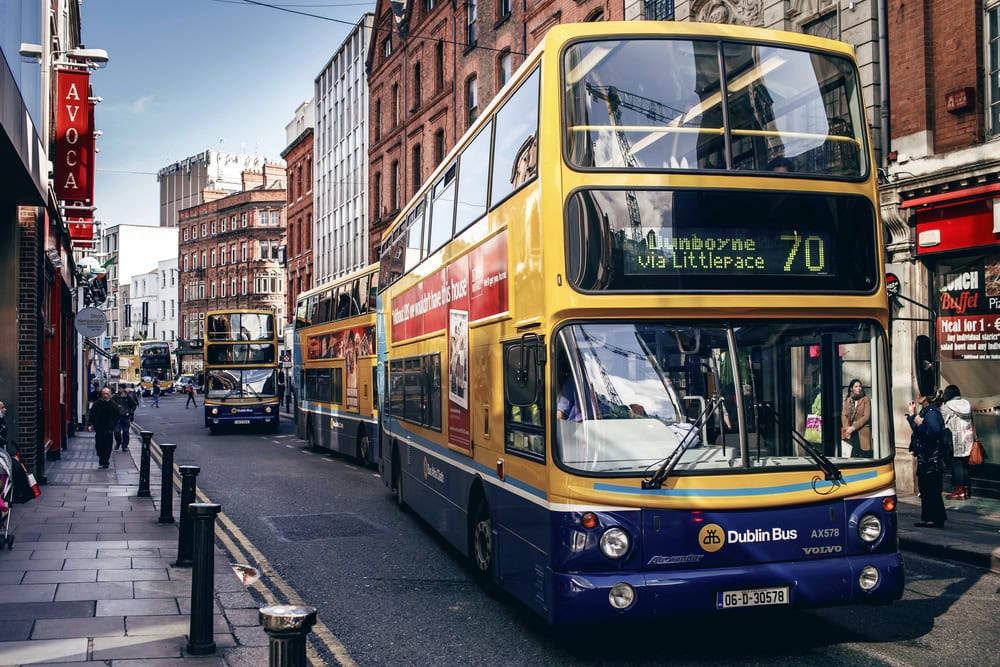
The primary bus operator is Dublin Bus.
Dublin Bus Network
Dublin Bus operates:
- City centre routes
- Suburban routes
- High frequency corridors
- Night services
Another operator in the Dublin network is Go-Ahead Ireland, which operates several commuter routes under the TFI system.
Personal observation: Dublin’s bus network can look complicated at first because of the number of routes. However, once you learn the main corridors, it becomes easier to navigate.
Tip: Use transport apps or journey planners when navigating Dublin public transport, especially if you are unfamiliar with the routes.

Buses in Ireland: Regional and Intercity Services
Outside Dublin, buses are the primary way many people travel between towns.
The main national operator is Bus Éireann.
Bus Éireann Services

Bus Éireann operates:
- Regional bus routes
- Intercity coach services (Expressway)
- Rural transport connections
The Expressway network links cities such as:


Private Coach Operators
Several private companies also operate long-distance routes across Ireland.
These include:
- Aircoach
- Dublin Express
- Citylink
- GoBus – between Dublin and Galway
- JJ Kavanagh & Sons
- Wexford Bus
- Matthews Coach Hire –commuters and private hire
In many cases, these coaches are the fastest option between certain cities.
Rural Transport and Local Link
One of the most important improvements to public transport Ireland in recent years has been the expansion of rural transport services.
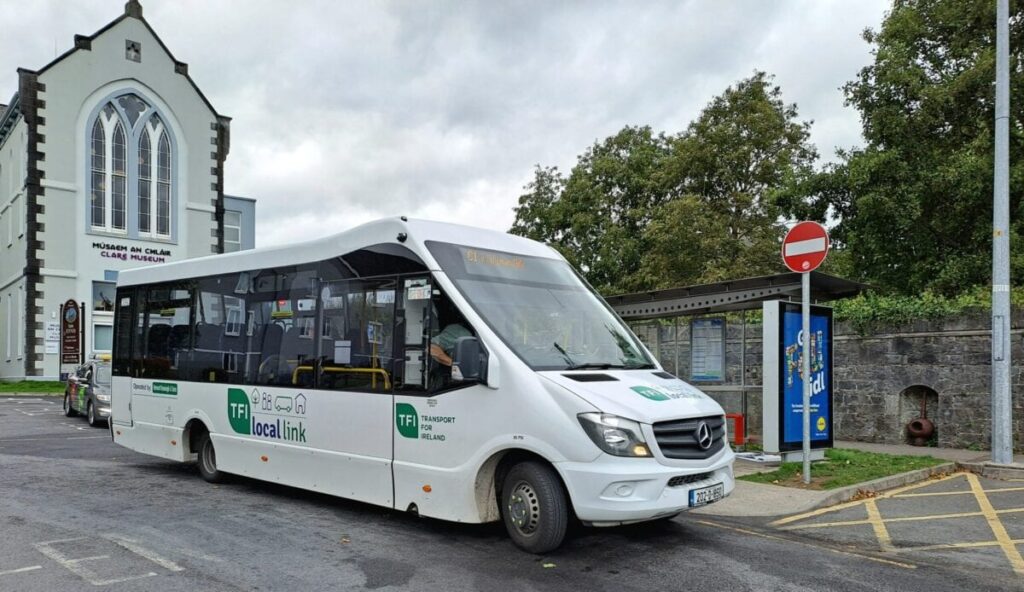
These services are provided through the Local Link network.
Local Link operates across every county and provides:
- Scheduled rural bus routes
- Demand-responsive transport
- Community transport for older passengers
Personal observation and Tip: Local Link services are extremely useful for reaching smaller towns and villages that have no rail service. Check the Local Link timetable in advance because many routes run only a few times per day.
Dublin Airport Transport
Dublin Airport is the busiest airport in Ireland.
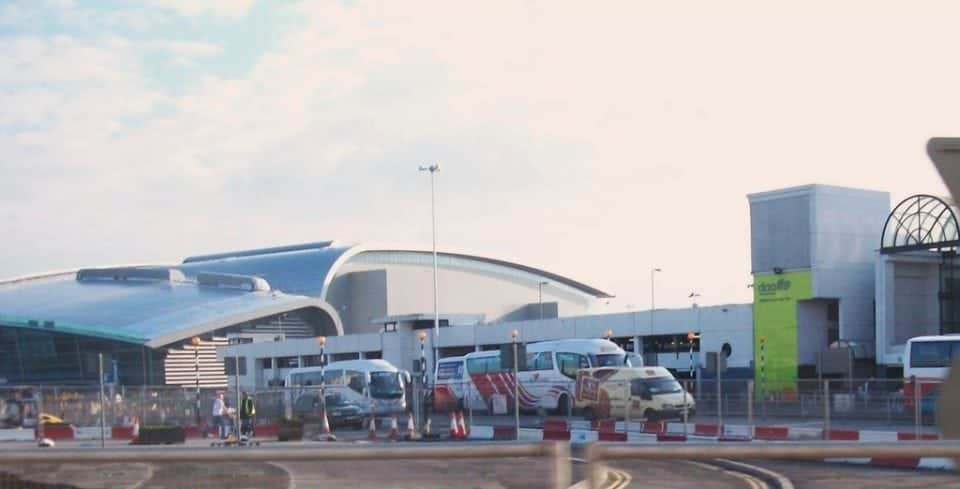
There is currently no rail station at the airport, so Dublin airport transport mainly relies on buses and coaches.
Main Airport Transport Options
Dedicated airport coaches include:
Other services include:
- Dublin Bus airport routes
- Bus Éireann regional connections
- Taxi services
Tip: Airport coaches often run 24 hours per day, making them the most reliable option for early flights.
Ferry Transport from Ireland
Because Ireland is an island, ferry travel remains an important part of international transport.
Major ferry operators include:
These services connect Irish ports with:
Great Britain
The Isle of Man

Can You Travel Ireland Without a Car?
Yes, it is increasingly possible to travel Ireland without a car, particularly if you focus on major cities and towns.
A typical journey might involve:
Train travel between cities
Regional buses between towns
Local Link services for rural destinations
Trams and buses within Dublin
Personal advice: Ireland’s transport network works best when you combine different modes of transport rather than relying on just one.

For example:
Train → Bus → Local Link
This combination can reach many places that appear difficult to access at first.

Practical Tips for Using Public Transport in Ireland
1. Book train tickets early
Advance fares can be significantly cheaper.
2. Use integrated ticketing
Leap Cards simplify payments across many transport services.
3. Check timetables carefully
Some rural services operate only a few times per day.
4. Allow extra time when transferring
Connections between buses and trains may require some planning.
5. Travel outside peak hours if possible
City transport is busiest during commuting times.
Ireland’s transport network continues to expand and improve, offering more ways to move between cities, towns and rural areas than ever before.
From train travel Ireland and buses in Ireland to trams, rural transport programmes and ferry routes, the country provides a diverse transport ecosystem that supports commuters, residents and visitors alike.
Whether you are navigating Dublin public transport, catching a coach for Dublin airport transport, or planning to travel Ireland without a car, understanding the available services will make your journey easier and more efficient.
With a little planning, Ireland is a country that can be explored comfortably using public transport alone.
Join 7,500 Ireland travellers in my Ireland Uncovered Facebook Group and 1,897 on my XYUandBEYOND PAGE
Driving in Ireland articles
How to visit Glenveagh without a car
Travelling in Ireland without a car
Start Planning Your Trip
👉 Public Transportation in Ireland
👉 Hidden Gems in Ireland – 32 Secret places to visit
👉 Answering all your travel questions about Ireland