
Best Things to Do in Limerick, Ireland: Top Attractions, Activities & Hidden Gems
Limerick is one of Ireland’s most lively and historical cities, sitting right on the banks of the River Shannon. From ancient castles and cathedrals to modern museums and lively pubs, there’s something for everyone here. Here are the best things to do when visiting this vibrant County.

Nestled in the heart of County Limerick, is the town of Limerick now from the outside Limerick Town can look a bit rundown but there are plenty of hidden gems here if you want to explore a relatively untouristed location in Ireland. Whether you’re a history buff, a nature enthusiast, or an art lover, Limerick has something to offer everyone.
Additionally, the picturesque University of Limerick provides a stunning backdrop for leisurely strolls along the River Shannon, making it a perfect spot for some time out and a picnic.
- Best Things to Do in Limerick, Ireland: Top Attractions, Activities & Hidden Gems
- How to get to Limerick
- The best things to do in Limerick
- Wild Atlantic Way
- Kings Island
- King Johns Castle
- St Mary’s Cathedral
- The Hunt Museum
- Limerick City Gallery of Art
- People’s Park
- Limerick Milk Market
- Limerick Race Course
- The Treaty Stone
- Thomond Park Stadium
- Cranberries Walking Tour
- Frank McCourt Museum
- Bishop's Palace
- River Shannon Cruises
- Bunratty Castle & Folk Park (Nearby)
- Limerick’s Pubs and Nightlife
- Adare Village a short drive from Limerick
- What to eat in Limerick
- FAQS about Limerick County
How to get to Limerick
From Dublin
To travel from Dublin to Limerick, you can take a bus, the journey typically takes around two and a half to three hours. Alternatively, you can opt for a train, departing from Dublin Heuston Station to Limerick Junction, with a transfer to a local train that brings you directly into the city.
If you prefer driving and you have rented a car, the distance is approximately 200 kilometers, and the journey via the M7 motorway is straightforward.
From Galway
To get to Limerick from Galway, you have a few options. The most popular route is by a direct bus. You can catch a bus from the Galway Bus Station, and the journey typically takes around 1.5 to 2 hours, depending on traffic. Alternatively, you might consider driving; the distance is approximately 100 kilometers, and the drive offers scenic views along the way.
The best things to do in Limerick
Wild Atlantic Way
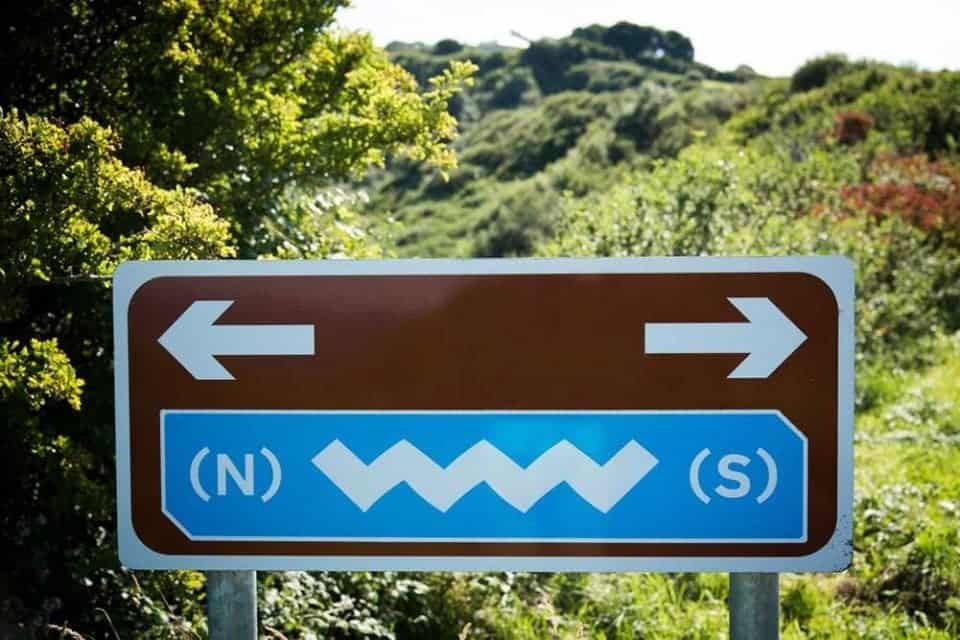
The Wild Atlantic Way in Limerick is a breathtaking stretch of rugged coastline that showcases Ireland’s natural beauty. Visitors can explore dramatic cliffs, serene beaches, and charming villages. Along the way, you’ll discover historical sites, local pubs, and stunning vistas that make every stop memorable.
Kings Island
Kings Island is bordered by the River Shannon, which adds to its charm and scenic beauty. Visitors can explore historical sites, including the impressive King John’s Castle, and its quaint streets filled with colorful shops, inviting cafes, and lovely outdoor spaces with lots of parks to wander and relax in.
King Johns Castle
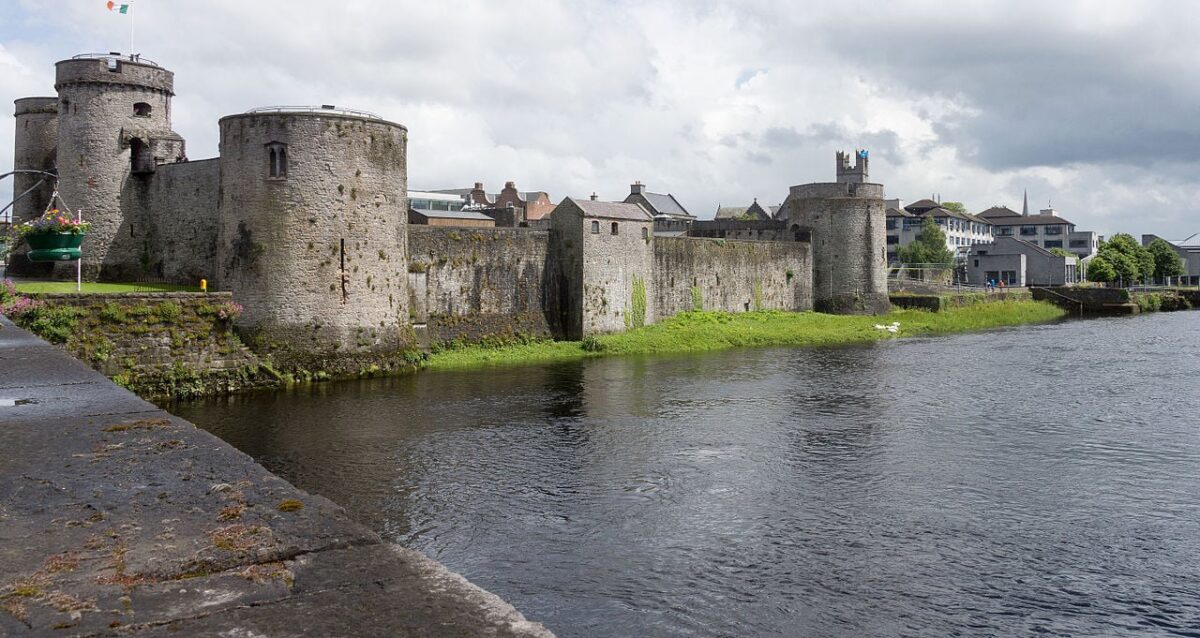
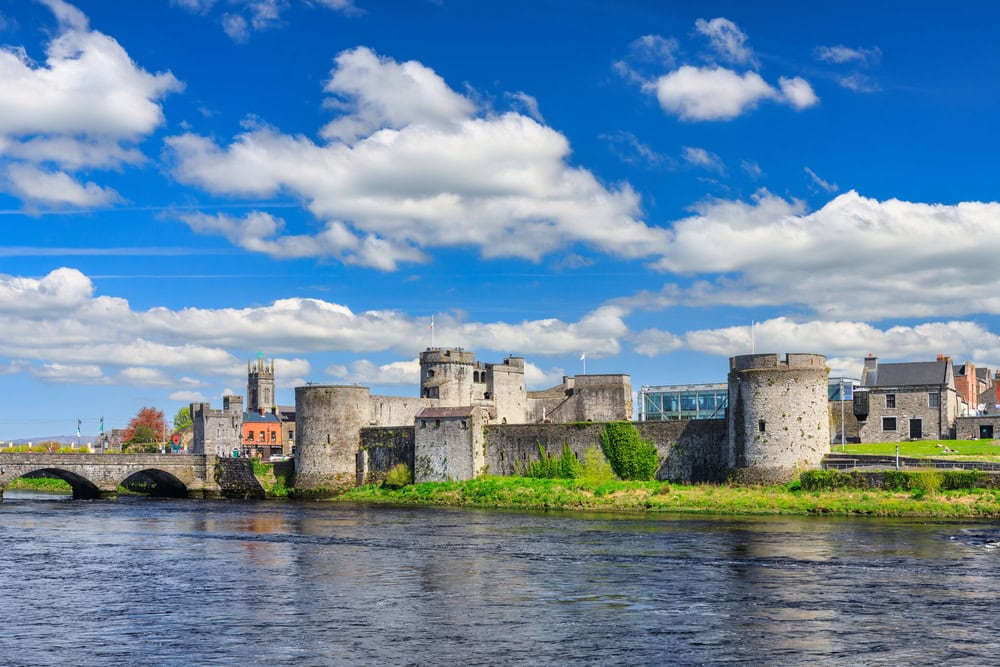
King John’s Castle is the star attraction in Limerick. This 13th-century castle sits on the banks of the River Shannon and offers stunning views of the city and surrounding areas. Inside, the interactive museum brings the medieval period to life with engaging exhibits, including a chance to see what life was like during the siege of Limerick. You can explore the castle’s towers, walk the walls, and get an up-close look at its history.
St Mary’s Cathedral
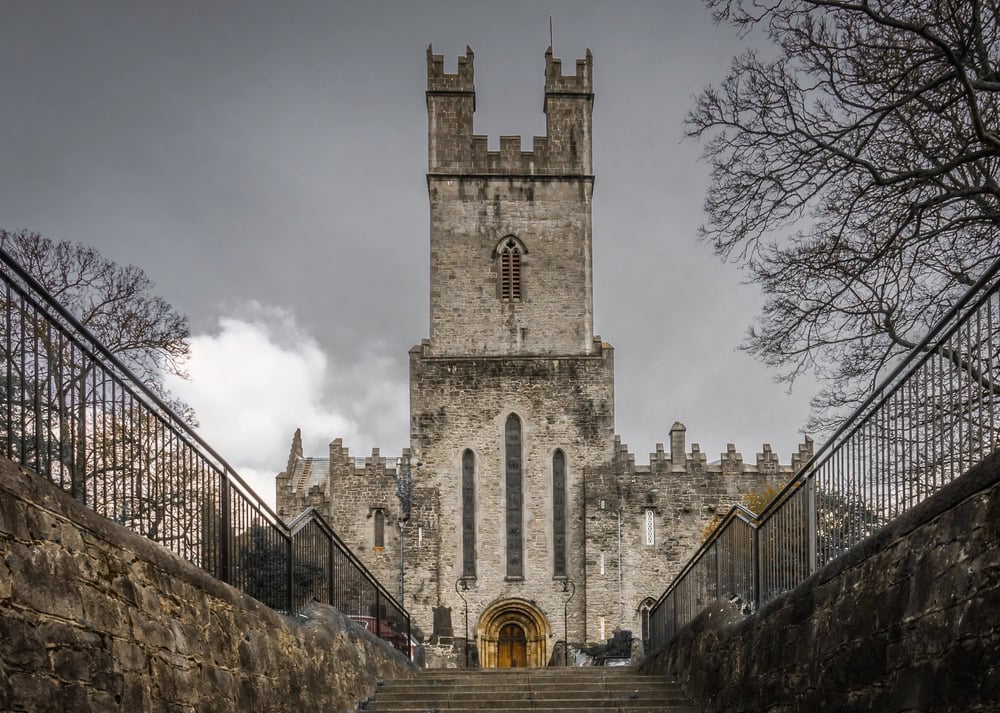
Founded in 1168, St. Mary’s Cathedral is the oldest building in Limerick still in use today. This beautiful medieval church is full of history, with its gothic architecture, ancient tombs, and a peaceful atmosphere that offers a quiet break from the busy city.
The Hunt Museum
In the heart of Limerick on the banks of the Shannon, the Hunt Museum’s collections are one of Ireland’s greatest private collections of its founders, John and Gertrude Hunt. This museum houses a fantastic collection of art, antiques, and artifacts from all over the world, including works by famous artists like Pablo Picasso and Renoir. But it’s not just paintings—there are also ancient Irish treasures, medieval jewelry, and even a bronze horse thought to be sculpted by Leonardo da Vinci.

Limerick City Gallery of Art
For modern art lovers, the Limerick City Gallery of Art offers a great collection of contemporary Irish art. The gallery hosts temporary exhibitions that showcase the best of modern creativity.
People’s Park
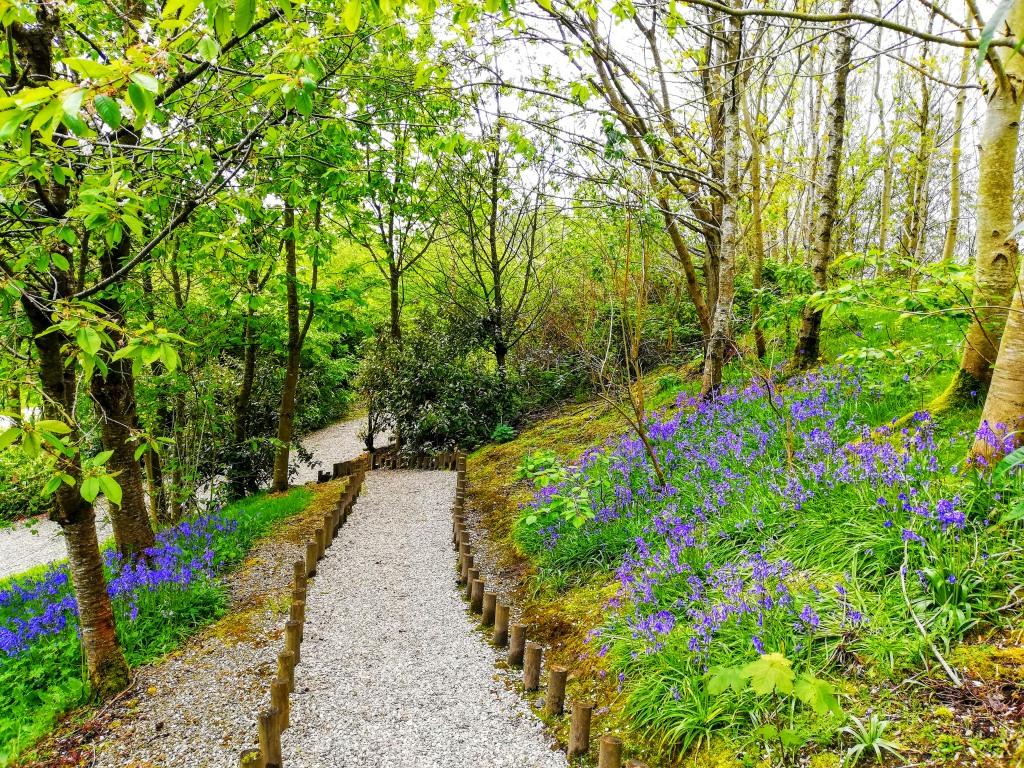
Right next to the Limerick City Gallery of Art is People’s Park is a charming green space in the city center. It’s ideal for a peaceful walk or a picnic, with beautiful gardens, a bandstand, and plenty of benches to relax and people watch from.
Limerick Milk Market
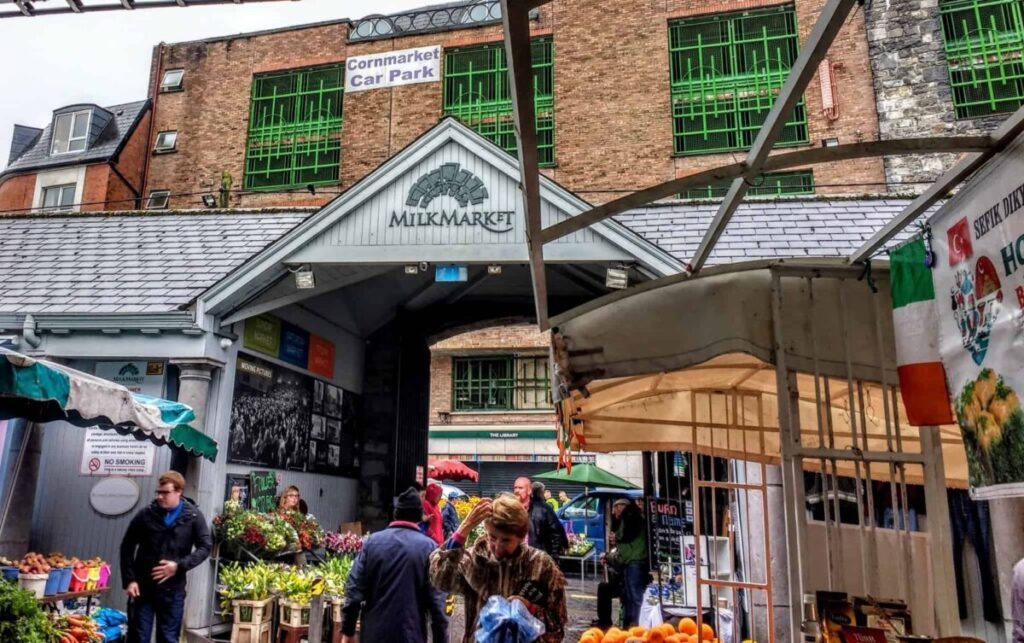
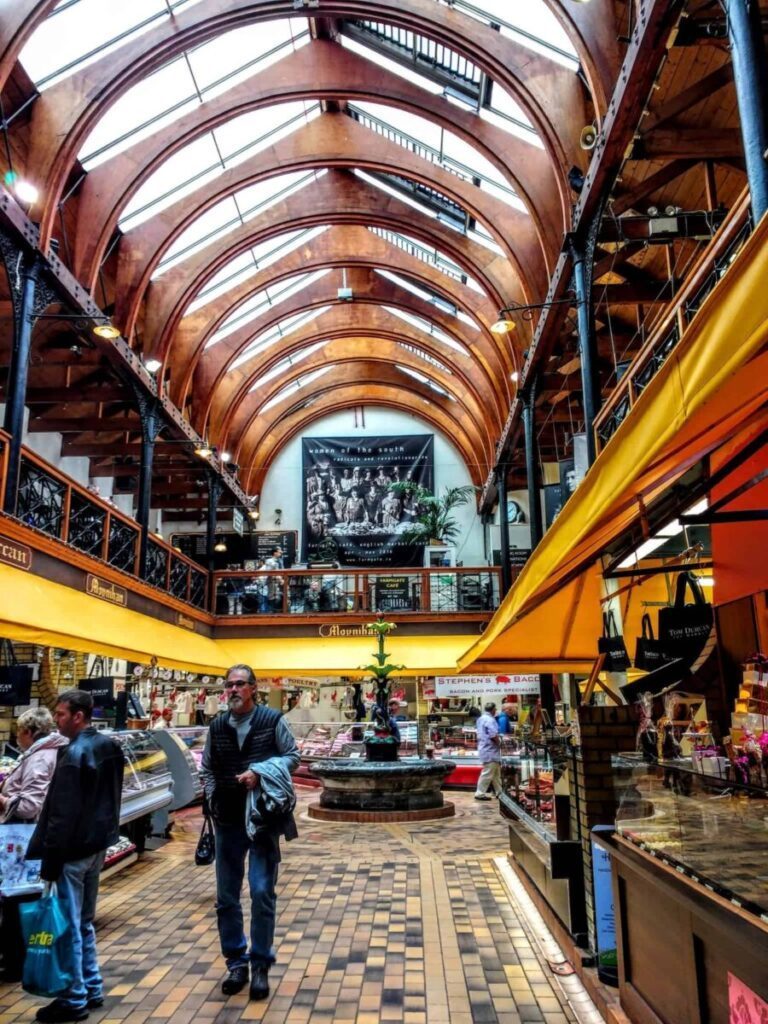
The Milk Market is a food lover’s dream and the best place to check out the local Artisan foods scene. Open on weekends, the market is packed with stalls selling fresh local produce, artisan breads, cheeses, baked goods, and crafts. It’s a great spot to grab a delicious snack, try some local specialties, or even pick up some unique souvenirs. There’s usually live music, which adds to the great atmosphere. It is here you can sample local cuisine and enjoy the usual market banter.
Limerick Race Course
The facilities at Limerick Race Course are top class, with everything you need from bars to food stalls to comfortable indoor spaces in case of poor weather. The grounds themselves offer plenty of parking if you drive and the grandstand is sheltered from the rain and all the races can be watched from here.
The Treaty Stone
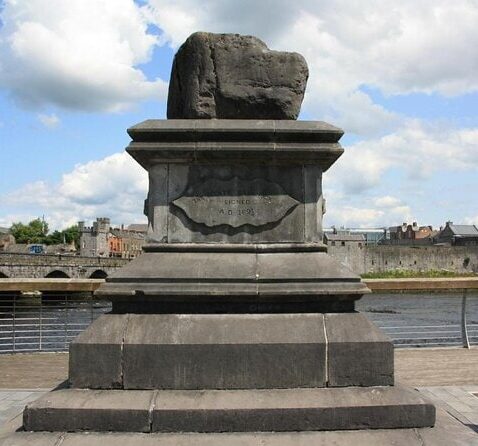
The Treaty Stone is one of Limerick’s most important historical landmarks. This large rock on the banks of the River Shannon is where, according to legen, the Treaty of Limerick was signed in 1691, ending the Williamite War in Ireland.
Thomond Park Stadium
For sports fans, especially rugby lovers, Thomond Park Stadium is home to the Munster Rugby team,. If you can’t catch a game, you can still take a guided tour of the stadium, including a visit to the Munster Rugby Museum.

Cranberries Walking Tour
Limerick is the hometown of the legendary band The Cranberries. Fans of the band can enjoy a self-guided walking tour that takes you to key spots in the city connected to the band and its late lead singer, Dolores O’Riordan. Dolores was originally from Tipperary and is now buried there.

Frank McCourt Museum
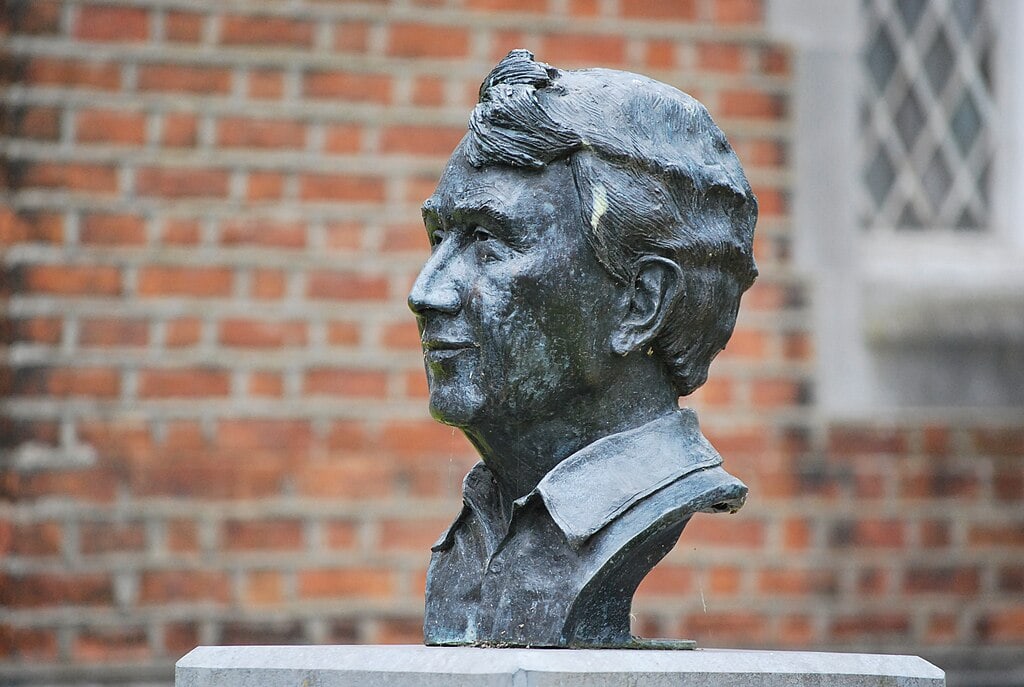
The Frank McCourt Museum is a tribute to the author of “Angela’s Ashes,” showcasing his life and literary contributions. Located in his birthplace of Limerick, Ireland, the museum offers visitors an immersive experience into McCourt’s childhood and the struggles he faced.
Bishop’s Palace
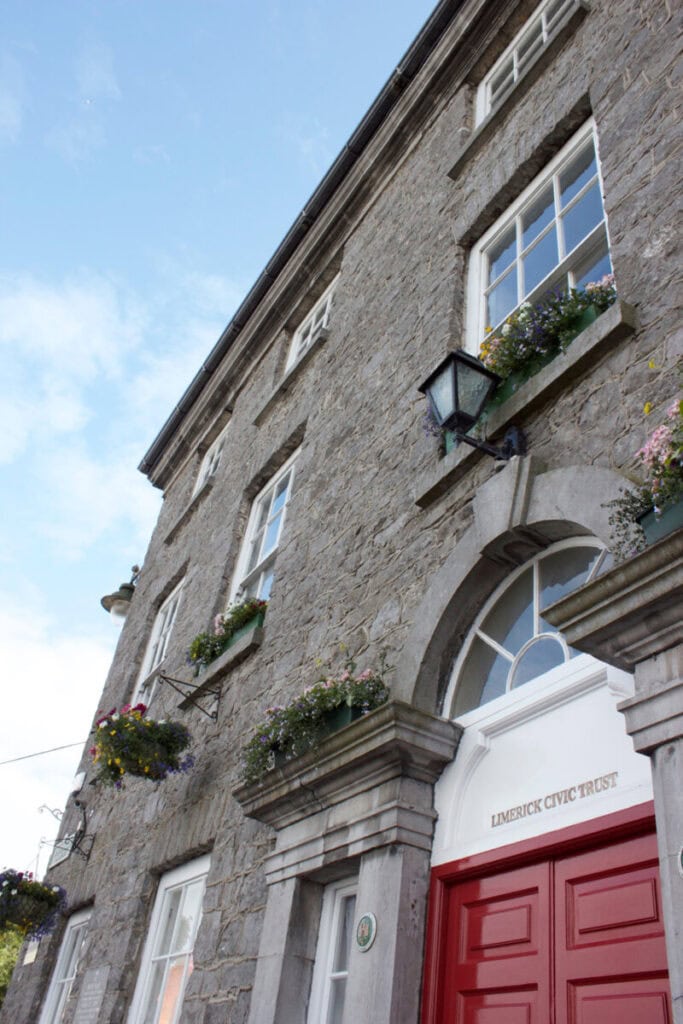
This former home of the Protestant Bishop of Limerick city is right next to St. John’s Castle and houses the Limerick Civic Trust. The Trust offers walking tours (there’s a small fee) of the city’s historic sites, including the stylish apartments of the Bishop’s Castle itself.
River Shannon Cruises
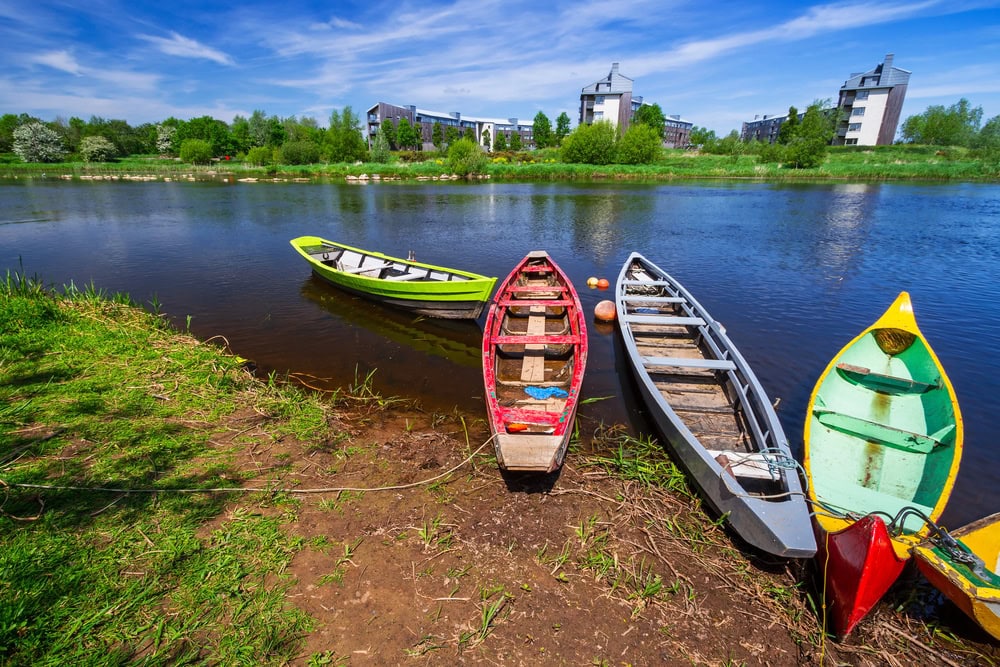
One of the best ways to see Limerick is from the water. A River Shannon cruise offers a unique perspective of the city, with scenic views of landmarks like King John’s Castle and St. Mary’s Cathedral. There are various options, from short sightseeing trips to dinner cruises, which let you relax and take in the beauty of Limerick’s waterfront.
Bunratty Castle & Folk Park (Nearby)
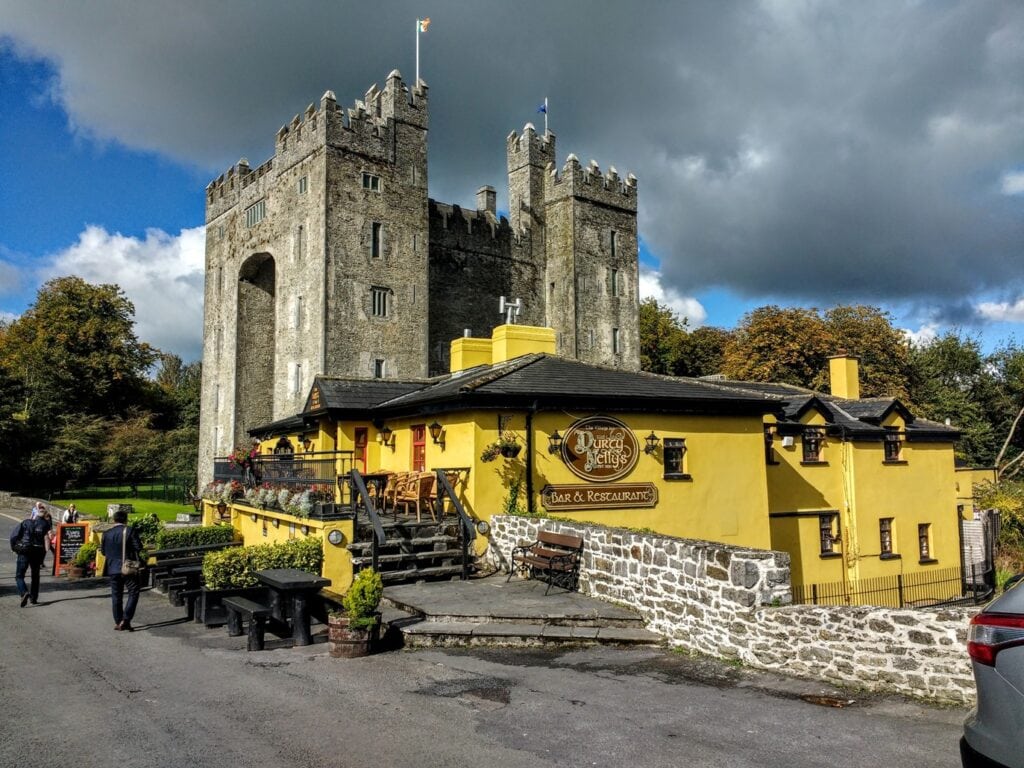
Near Limerick just a short drive away is Bunratty Castle and Folk Park is one of Ireland’s top attractions. The 15th-century castle is fully restored and offers a glimpse into medieval life, complete with period furnishings and décor. The surrounding Folk Park is a recreated 19th-century village, where you can explore traditional thatched cottages, shops, and farms.
Limerick’s Pubs and Nightlife
No visit to Limerick is complete without experiencing its lively pub scene. In the heart of the city you will find traditional Irish pubs with live music to trendy cocktail bars, the city offers something for everyone. Head to spots like Nancy Blake’s, Dolan’s Pub, or The Locke Bar for a great atmosphere, local beers, and some great live music.

Adare Village a short drive from Limerick
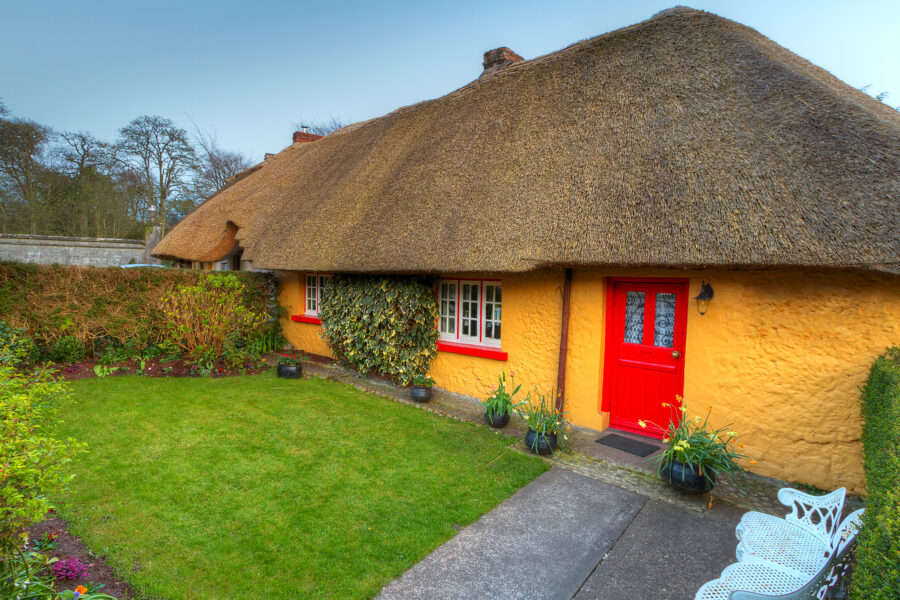
Adare village, only a 20-minute drive from Limerick, is touted as Ireland’s prettiest village. The village is famous for its thatched cottages, which line the streets, each adorned with colorful flowers and a unique character.
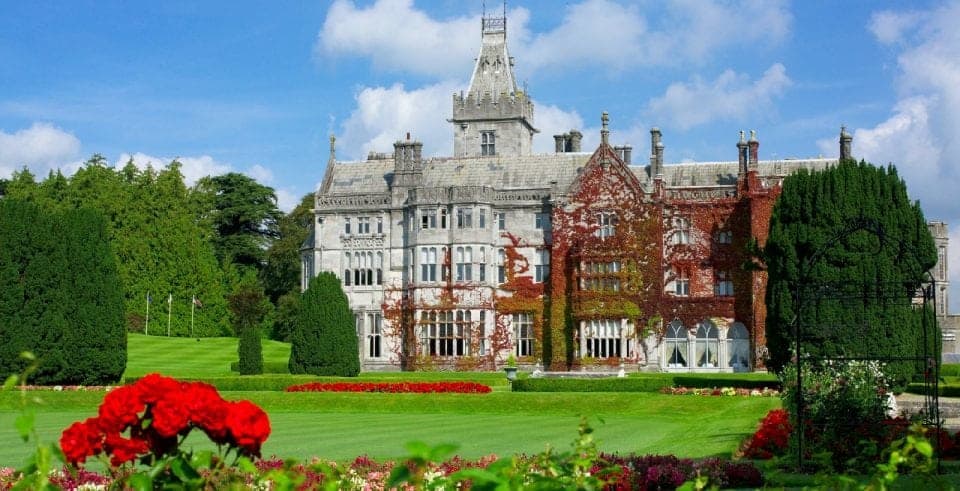
Visitors are often captivated by Adare Manor, a hotel and magnificent estate that showcases neo-Gothic design and lush gardens, making it a popular spot for photography and relaxation. The village also boasts a rich history, with landmarks such as the Augustinian Friary and the Trinitarian Abbey, which offer glimpses into its medieval past.
What to eat in Limerick
Limerick’s food scene offers a satisfying blend of traditional charm and modern ambition. For an authentic taste of local tradition, the city’s pubs and dedicated eateries serve excellent hearty classics like Irish stew, bacon and cabbage, and freshly baked soda bread.

Mention fish and chips in Limerick, and the name Donkey Ford’s inevitably leads the conversation. Open for more than seven decades, this iconic spot has truly mastered its craft, consistently praised for its crisp, golden batter and flawlessly flaky cod. It’s a testament to the city’s broader culinary spirit—where quality, locally-sourced ingredients and comforting, genuine Irish fare truly shine.
FAQS about Limerick County
What are the best things to do in Limerick?
When visiting Limerick city, there are numerous attractions to explore. Start with King John’s Castle, a well-preserved medieval fortress that offers stunning views of the River Shannon. Next, the Hunt Museum is a must-visit for art lovers, showcasing a collection of decorative arts and antiquities. Don’t forget to stroll through the Milk Market, where you can enjoy local produce and crafts.
What is there to see in Limerick?
Limerick offers a rich tapestry of history and culture. Key attractions in Limerick include the historic Cathedral of Saint Mary, which features stunning architecture and beautiful stained glass windows. The Limerick Museum provides insights into the city’s past, while Lough Gur offers breathtaking natural beauty and archaeological sites worth exploring. You can also visit King’s Island in Limerick for a taste of medieval history and charm.

Is Limerick easily accessible?
County Limerick is an increasingly accessible destination in the west of Ireland, offering a welcoming blend of urban and rural experiences. The county is well connected by road and rail, with Limerick City acting as a transport hub, and many public spaces, attractions, and accommodations providing step-free access and mobility-friendly facilities. Scenic riverside walks, historic towns like Adare, and cultural sites have made efforts to improve inclusion, while accessible buses, taxis, and nearby Shannon Airport help ensure visitors of varying abilities can explore the region comfortably and confidently.
What are some outdoor activities in Limerick?
For those who love nature, there are plenty of outdoor activities in Limerick. The Limerick Greenway offers a scenic trail perfect for walking, cycling, or jogging along the River Shannon. Lough Gur is another wonderful spot for hiking, picnicking, and enjoying water activities. If you’re interested in sports, catching a Munster rugby match at Thomond Park can be an exhilarating experience, providing a glimpse into the local sports culture.

For anyone considering a trip to Limerick in 2026, you’ll find that Limerick is packed with fun attractions and rich history. A visit to the iconic cathedral in Limerick is a must, where you can admire stunning architecture and learn about the history of Limerick.
If you’re looking for things to fill your itinerary, the Limerick City Museum and the city art gallery are excellent choices, offering diverse exhibitions that reflect the cultural richness of the area. For those interested in exploring beyond the city, there are numerous trips from Limerick that allow you to discover Ireland’s stunning landscapes and historical landmarks.
Start Planning Your Trip
👉 Public Transportation in Ireland
👉 Hidden Gems in Ireland – 32 Secret places to visit
👉 Answering all your travel questions about Ireland
👉What to pack for your Ireland trip
👉 Northern Ireland Public Transportation
There are 26 counties in the Republic of Ireland and you can start discovering them all
Carlow – Ceatharlach Four lakes though the lakes are now gone
Dublin -Baile Átha Cliath Town of the hurdled ford
Kildare – Cill Dara Church of the oak
Kilkenny – Cill Chainnigh Church of Cainnech a saint
Laois – Laois Named after the Uí Laoighis tribe
Longford – An Longfort The fortress or ship port
Louth -Lú – Named after the god Lugh
Meath – An Mhí The middle once the heart of Ireland
Offaly – Uíbh Fhailí Descendants of Failí a tribal name
Westmeath – An Iarmhí West Meath
Wexford – Loch Garman Lake of Garman a mythical figure
Wicklow – Cill Mhantáin Church of the toothless one a monk
Clare – An Clár The plank a bridge across the River Fergus
Kerry – Ciarraí People of Ciar a tribe named after a dark-haired warrior
Limerick – Luimneach Bare spot or bare marsh
Tipperary – Tiobraid Árann Well of Ara a spring near the River Ara
Waterford – Port Láirge Lárag’s port a Viking leader
Galway – Gaillimh Stony river named after the River Corrib
Mayo – Maigh Eo Plain of the yew trees
Roscommon – Ros Comáin Wood of Comán a saint
Sligo – Sligeach Shelly place plentiful shellfish in the river
Cavan – An Cabhán – The hollow