
21 Dublin Don’ts: Mistakes to Avoid When Visiting Ireland A Local’s Guide
Dublin Don’ts what not to do when planning a trip to Ireland… with tongue planted firmly in cheek, I researched deeply the cultural do’s and don’ts in Ireland. Here are 21 things you shouldn’t do in Dublin, or really anywhere in Ireland, written up from years of actually living here in Donegal. The biggest Dublin mistakes are calling an Irish person British or English, not paying your round in a pub, tipping like you would at home, expecting pubs to stay open late, and skipping real Irish food. The full list below covers pub etiquette, driving, language, and cultural sensitivities in detail.

A few faux pas come up again and again beyond that: mixing up Ireland and Northern Ireland (Northern Ireland is part of the United Kingdom), assuming all Irish people believe in leprechauns, and trying to cram far too much into one itinerary. Take your time, take your rubbish with you, and drink responsibly the rest of this list covers the specifics.
Read my How Much Does a Trip to Ireland Cost? 2026/27 Budget Breakdown
Dublin Don’ts – fast facts
| Fast Facts: Dublin Don’ts Tipping: not expected at the bar; 10% is standard in restaurants. Pub hours: close around 11:30pm Sun–Thu, 12:30am Fri–Sat; clubs and late bars can run to ~2:30am. Northern Ireland: no hard border, but non-Irish/UK citizens should carry a passport and may need a UK ETA. Museums: many national museums and galleries are free; specialty ones like EPIC and the Guinness Storehouse charge. Book of Kells: only two pages are on display at a time, rotated every 8–12 weeks. Terminology: never call an Irish person British or English it’s a real point of offence, not a minor slip. |
Border and Documents
Don’t assume you can cross into Northern Ireland without ID.
There’s no hard border between the Republic of Ireland and Northern Ireland, and Irish and UK citizens can travel freely without showing a passport. Everyone else should carry valid photo ID usually a passport and many travellers will also need a UK ETA (Electronic Travel Authorisation) to enter Northern Ireland from the Republic. Check current requirements before you go.

Language and Identity
Don’t expect Irish (Gaelic) to be commonly spoken.
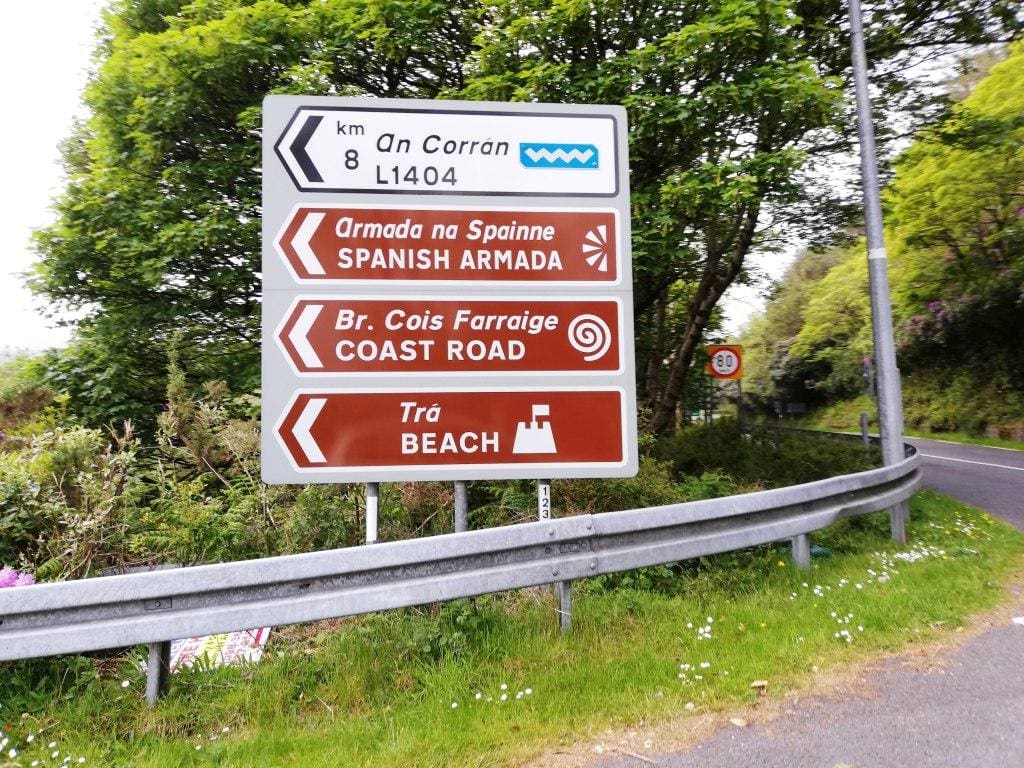
Irish is an official language and taught in schools, and road signs are often bilingual, but daily conversation is almost entirely in English.
Don’t call an Irish person British or English.
This causes real offence, not a minor slip Irish, British and English are distinct identities and conflating them is one of the fastest ways to get off on the wrong foot.
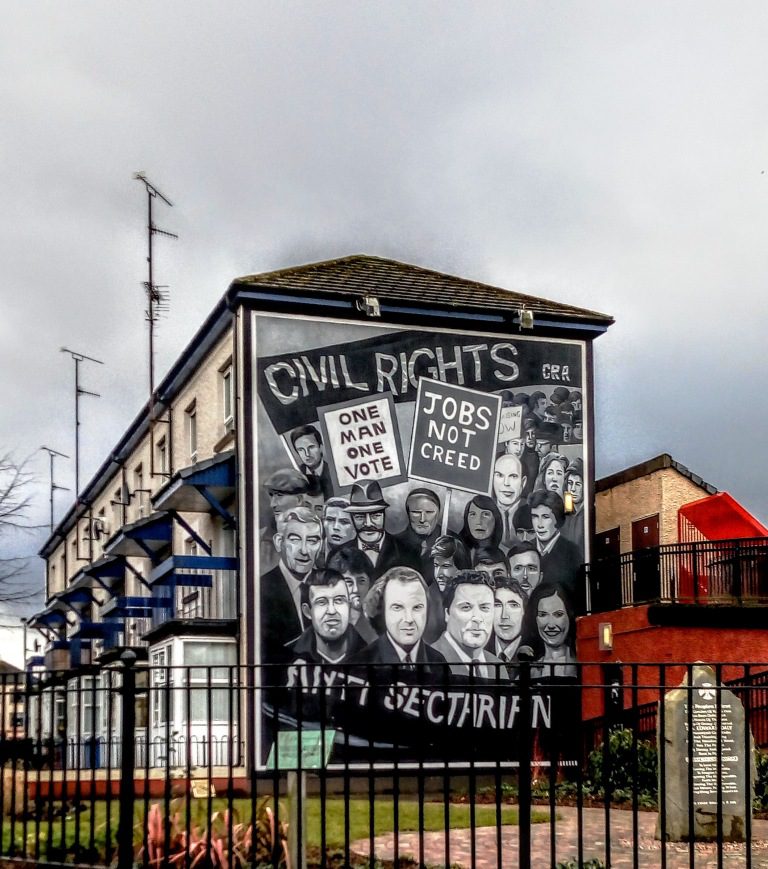
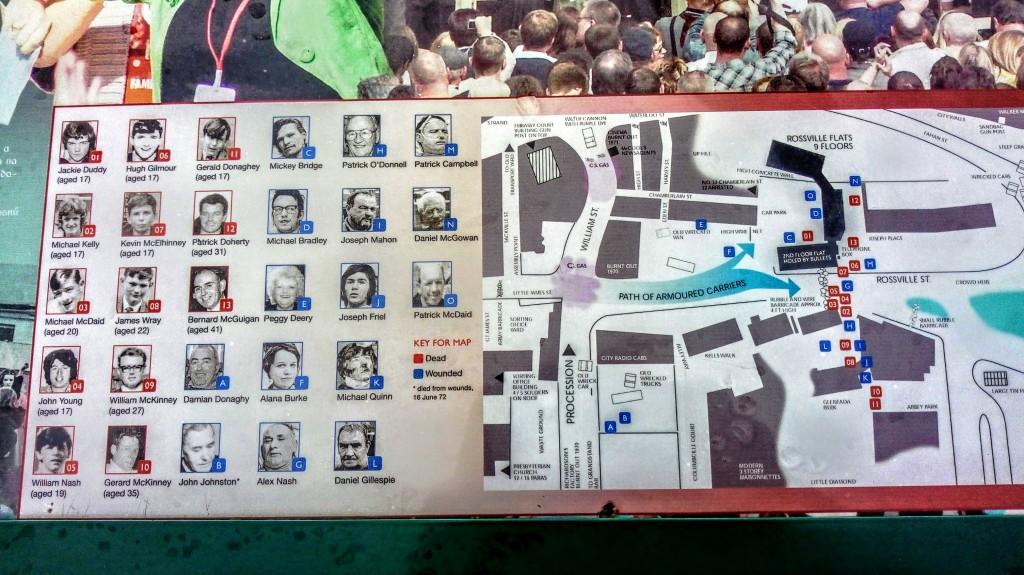
Don’t bring up the Troubles casually.
It’s a sensitive, complex topic fine to discuss with people who are comfortable raising it, but not something to approach lightly with strangers. A Black Taxi tour in Northern Ireland or a walk past Derry’s political murals is a respectful way to learn more.


Don’t try out your Irish accent.
Unless you’ve genuinely got it down, attempting one is more likely to get a laugh at your expense than any credit.
Don’t be surprised by the swearing.
You’ll hear it everywhere in Dublin and it’s not usually meant with any real venom the Irish have few filters here compared with North America.
Don’t take the slagging personally.
Irish people will make fun of almost anyone and anything to their face being the butt of a joke usually means they like you, not the opposite. It’s all part of the Irish slang and craic.
Don’t forget the craic.
“Craic” the pursuit of good conversation, company and fun is close to a national value. Expect pubs without blaring TVs or music; the point of the visit is often simply to talk.

Don’t say “top o’ the morning to you.”
Nobody in Ireland actually says this. It’s a stage-Irish cliché and will mark you out immediately as a tourist repeating a film line.
Pub Culture
Don’t expect pubs to stay open all night.
Dublin pubs typically close around 11:30pm Sunday–Thursday and 12:30am Friday–Saturday; clubs and late bars can run to about 2:30am. Look for venues advertising a “late license” if you want a longer night. In rural areas, ask about a “lock-in” the doors close to new arrivals after last call, but people already inside can keep drinking.
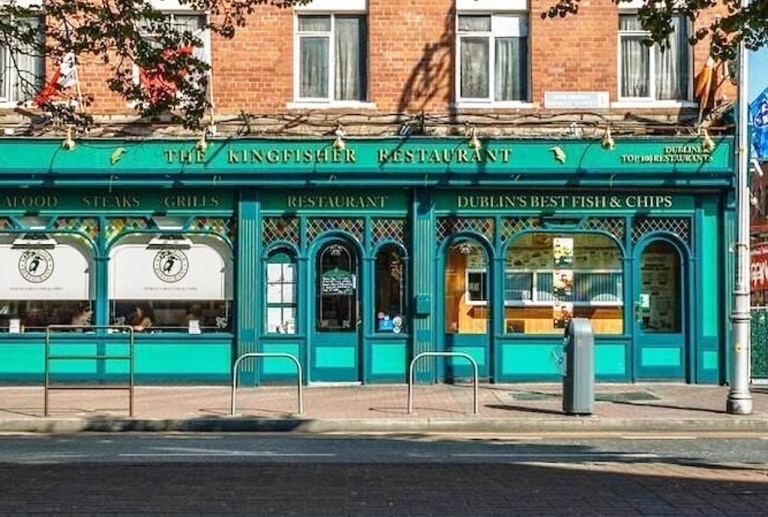
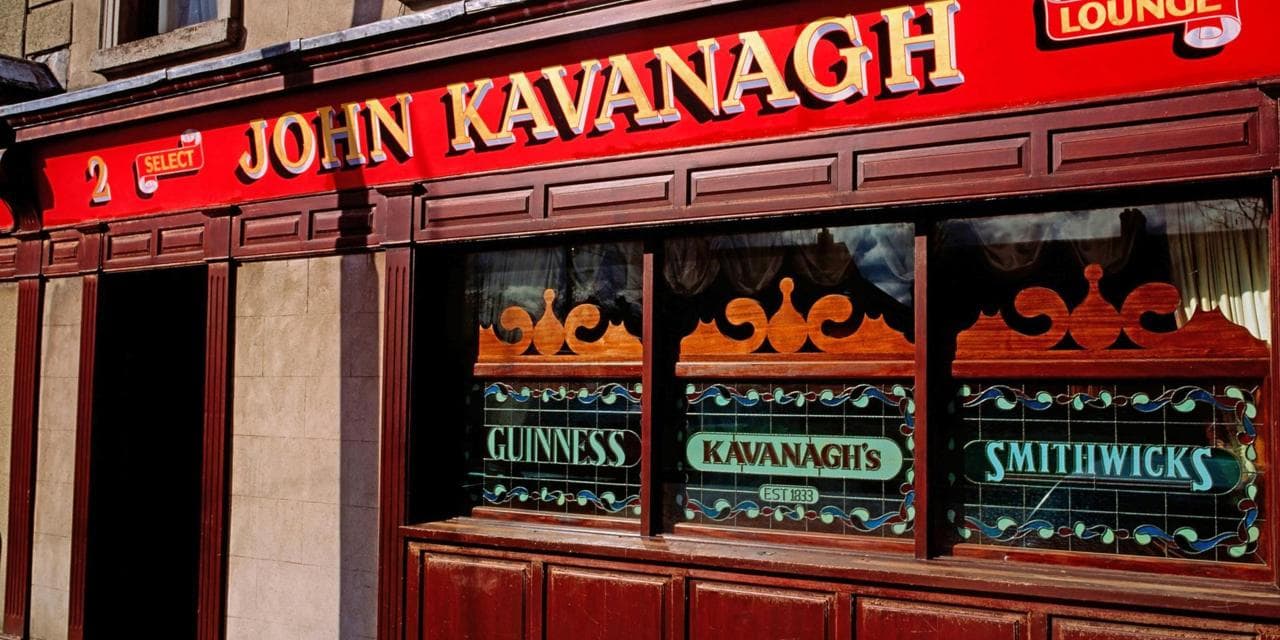
Don’t skip your round when out with a group.
Not paying your round is considered genuinely rude it doesn’t matter if there are twelve people, a round is a round. This custom is fading with younger crowds and larger groups, so read the room, but here in Donegal where I live, we still do it as a matter of course unless the group is unusually large.
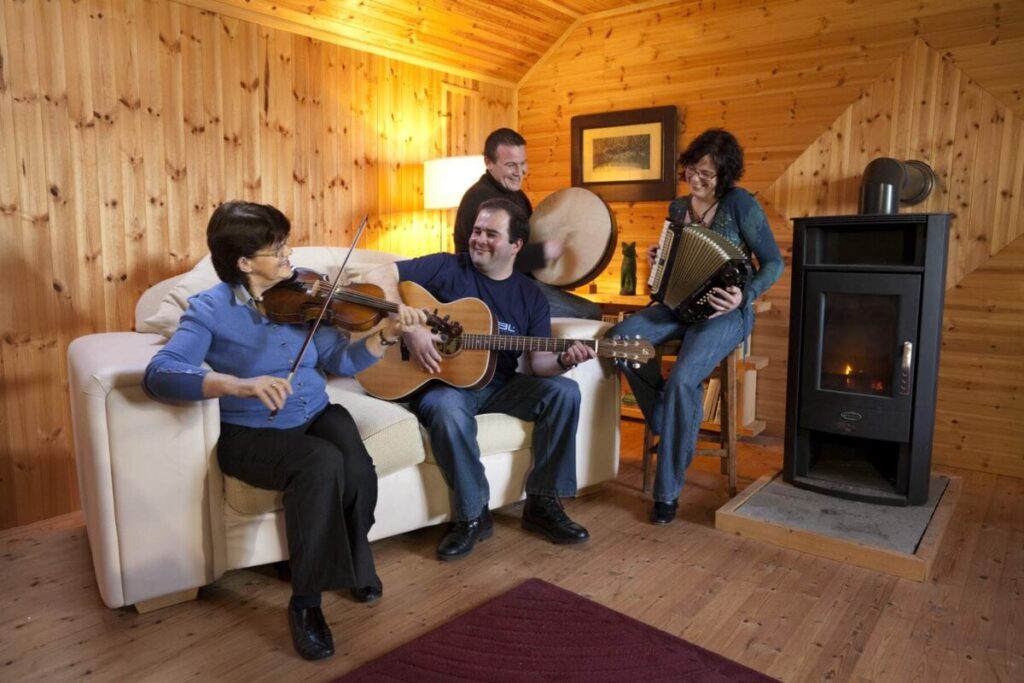
Don’t expect a spontaneous trad session everywhere.
Authentic sessions don’t just appear on demand many pubs run a scheduled, more polished version for tourists, so choose your venue carefully if you want the real thing.


Don’t wait for table service or a bill in a pub.
You order and pay at the bar, one drink at a time, unless the pub has table numbers for food orders. There’s no running tab brought to your table at the end of the night the way there is in many restaurants.
Don’t tip the way you would at home.
In pubs, tipping isn’t expected the accepted gesture is to tell the bartender to “have one yourself,” covering the price of a drink for them. In restaurants, around 10% is standard for good service.
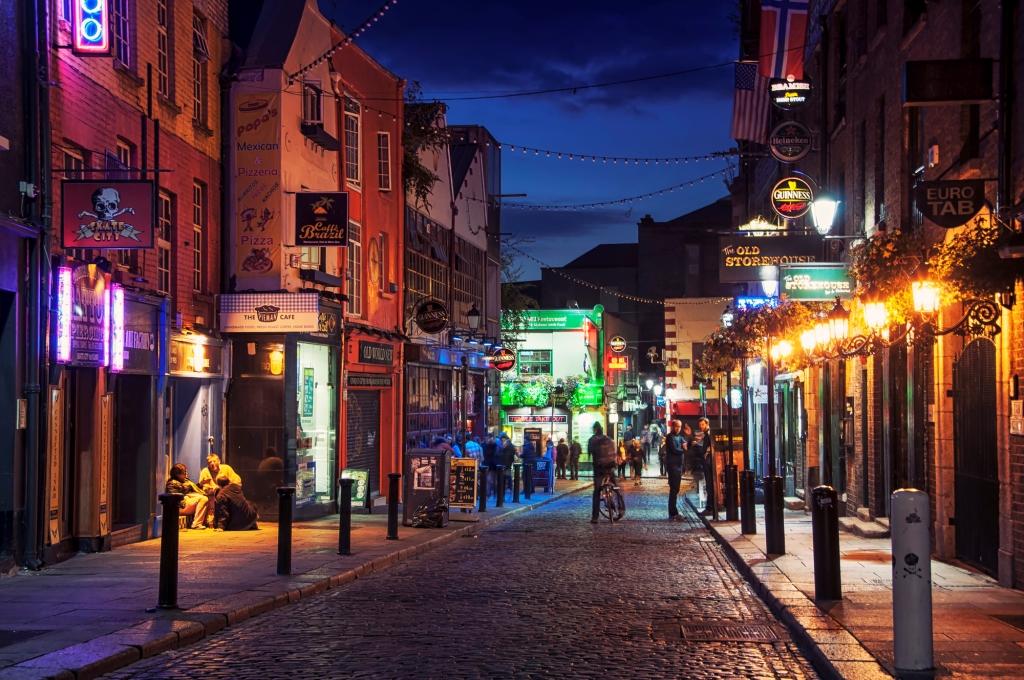
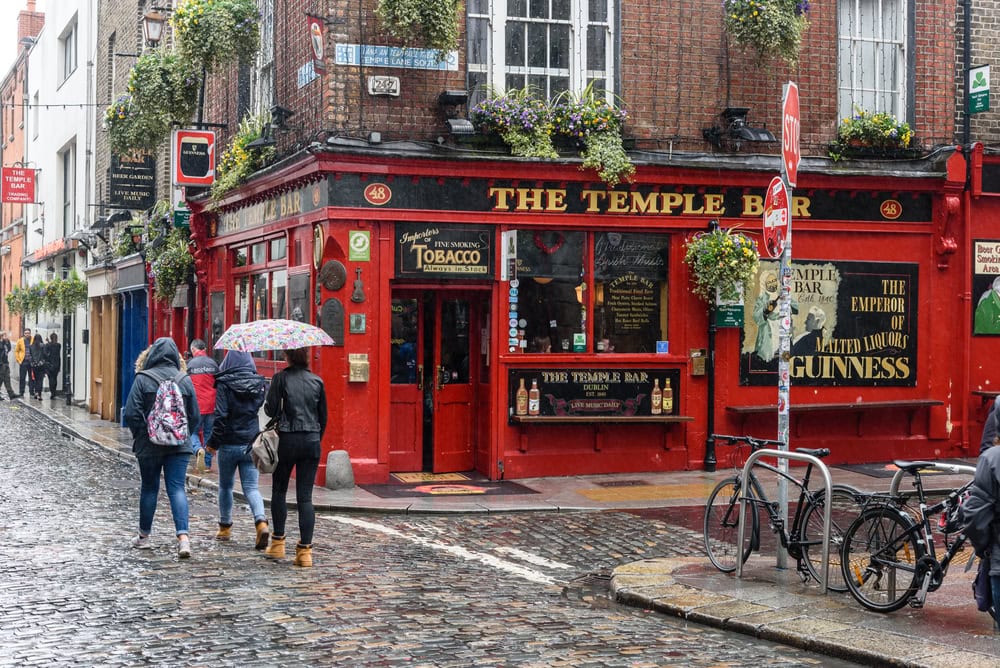
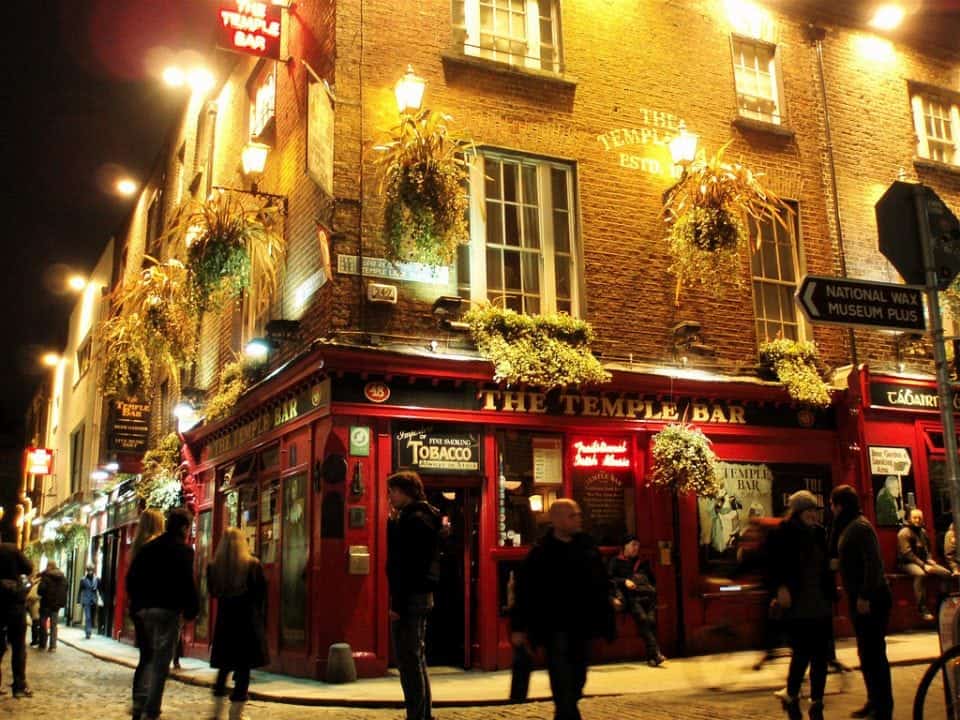
Don’t go to Temple Bar expecting an authentic pint.
It’s lively but touristy and expensive, with pints often running €8–€9. Most genuinely local pubs are in the compact South City Centre, with a few gems just north of the river in Smithfield and the Liberties.
Don’t order an “Irish Car Bomb.”
It’s considered offensive given its name’s origin order a pint of Guinness instead and skip the novelty cocktail entirely.
Getting Around
Don’t drive in central Dublin if you can avoid it.
Traffic is heavy and the roundabouts take some getting used to for visitors used to driving on the right. A Leap Card covers buses, the LUAS tram and the DART rail line, and public transport is a much less stressful way to see the city centre.

Don’t cross the street without checking both ways.
Most crossings have the direction to look painted right on the road pay attention to it, especially if you’re used to traffic flowing the other direction.
Sightseeing and Food
Don’t assume every museum charges admission.
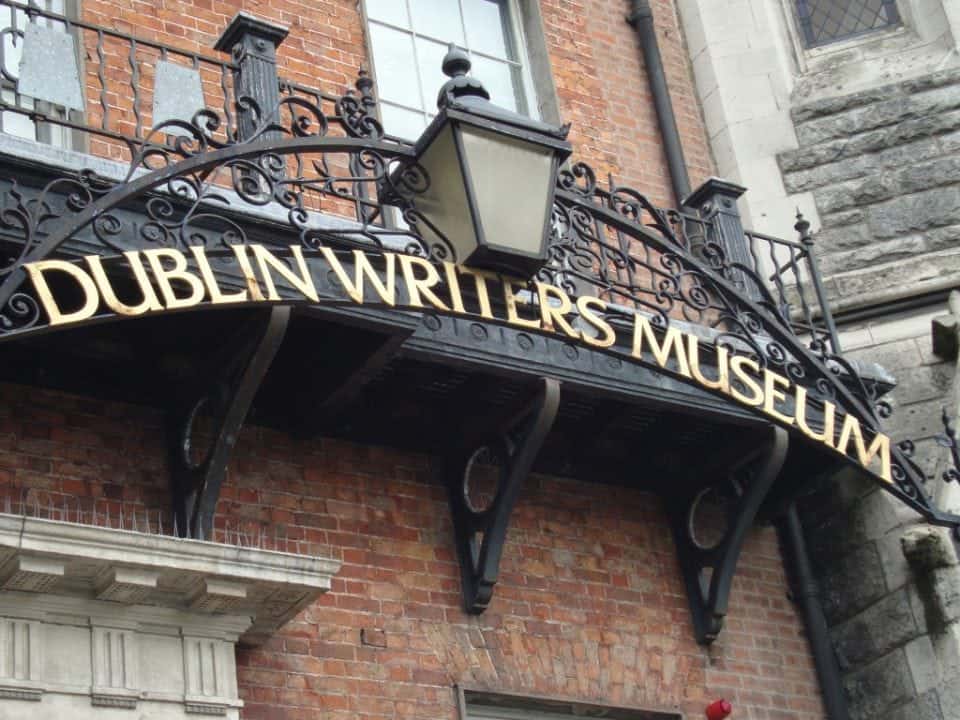
Dublin has excellent free museums, including the National Museum of Ireland’s archaeology, decorative arts and natural history branches, plus the National Gallery. Specialty museums like EPIC The Irish Emigration Museum and the Guinness Storehouse do charge, so plan ahead.
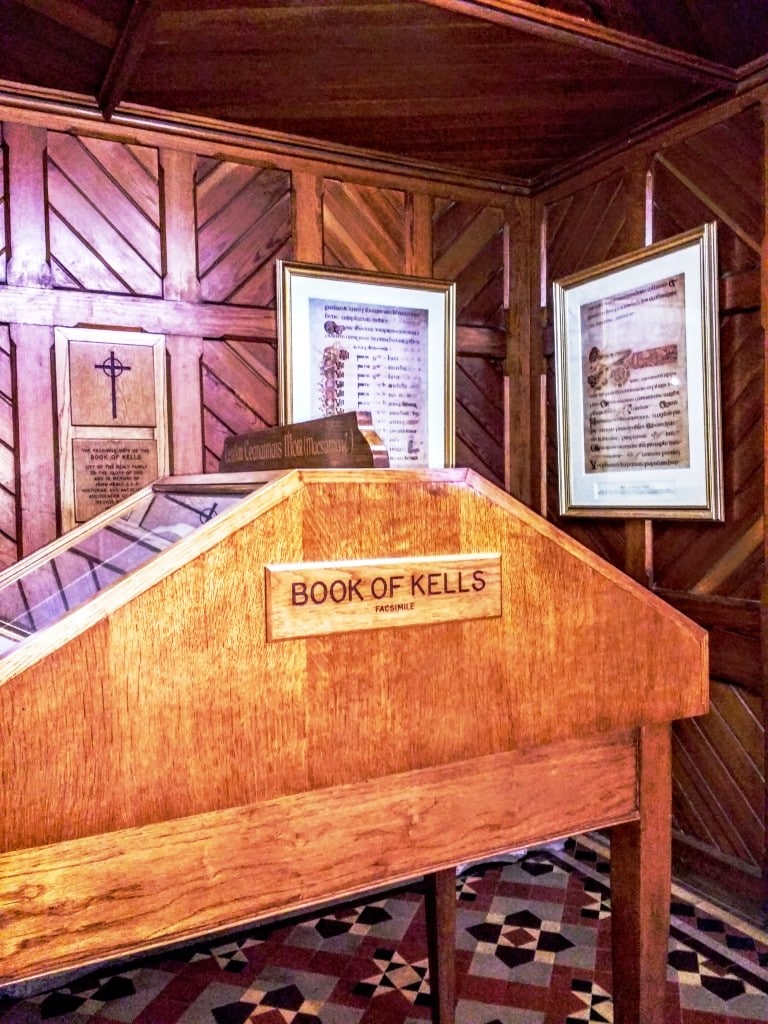
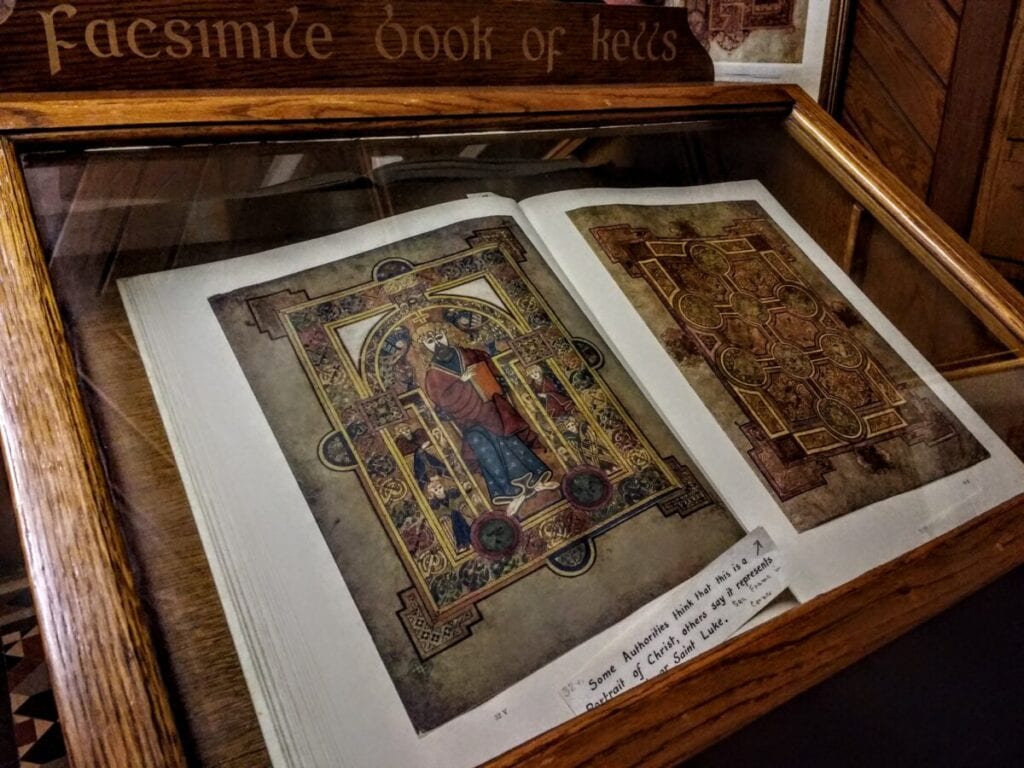
Don’t expect to see the whole Book of Kells.
Only two pages of the 9th-century manuscript are on display at Trinity College at any time, rotated roughly every 8–12 weeks to protect the vellum. The Long Room library exhibition alongside it is worth the visit regardless. You can however visit a replica at Kells itself when you head out to visit some of the Ancient East sites like Monasterboice at its Celtic Crosses.

Don’t leave without trying real Irish food.
A Full Irish breakfast bacon, sausages, eggs, black and white pudding, grilled tomatoes, boxty and brown Soda bread is a essential start. Beyond that, look for Irish stew, fresh seafood chowder, and soda bread with butter.

FAQs About Visiting Dublin
Do I need a passport to go from Dublin to Northern Ireland?
Yes, unless you’re an Irish or UK citizen. Other travellers should carry a passport, and many will also need a UK ETA.
Is Temple Bar worth visiting?
It’s worth a look, but it’s touristy and expensive, with pints around €8–€9. For a more local pint, head to the South City Centre, Smithfield, or the Liberties instead.
What time do pubs close in Dublin?
Most close by 11:30pm on weekdays and 12:30am on weekends. Late bars and clubs can run until around 2:30am.
Are Dublin museums free?
Many major museums and galleries are free, including the National Museum of Ireland branches and the National Gallery. Specialty museums like EPIC or the Guinness Storehouse charge admission.


Can I see the whole Book of Kells?
No only two pages are on display at any time, rotated every few months to protect the manuscript.
Do you tip in Dublin pubs?
Not directly the custom is to tell the bartender to have one on you rather than leaving cash.
Is it rude to talk about the Troubles?
Not inherently, but it’s a sensitive subject best approached with people who are comfortable discussing it, rather than raised casually with strangers.
What is the biggest mistake tourists make in Dublin?
Calling an Irish person British or English causes genuine offence and is the single most common cultural mistake. Close behind it are not paying your round in a pub and tipping the way you would at home.
Should you tip in Dublin restaurants?
Yes around 10% is standard for good service. This is different from pubs, where tipping isn’t expected at the bar.
Further Reading: Plan Your Ireland Adventure
If this list was useful, dig into more of the site’s Ireland guides: the Cliffs of Moher, hidden gems in Dublin, where to eat in Dublin, the Dublin to Cork road trip, Ireland’s essential bucket list, the Wild Atlantic Way, Newgrange and the Hill of Tara, the Wicklow Mountains, Ireland’s best hiking trails Ireland’s most scenic drives and many more in my Ireland Travel Guides.
Essential Apps and Resources
• Transport: Irish Rail, Bus Eirean, Dublin Bus, Local Link
• Weather: Met Éireann app
• Navigation: Google Maps (download offline areas)
• Heritage: Heritage Ireland app
Exploring the fascinating regions of Ireland
Ireland’s The Wild Atlantic Way
Start Planning Your Trip
👉 Public Transportation in Ireland
👉 Hidden Gems in Ireland – 32 Secret places to visit
👉 Answering all your travel questions about Ireland
Don’t frequent pubs before 5pm cos you’ll only meet wasters and bullshit artists.
Have a coffee in some of the very nice cafés that are not one of the global brands.
Go to a cattle mart for an authentic Irish experience and have dinner in the Mart canteen. It’ll give you months of talking points.
Go to a hurling match. It doesn’t matter where, just go.
good points David I loved the hurling matches we went to and absolutely avoid the global cafes they totally suck…lol
don’tgo to the pub before 5??? that’s complete BS. I used to live in Dublin and I can tell you that quite a few locals go to the pub for their lunch hour, and yes, having a pint, or at least a half with that, is often considered normal.
if you only go the pub at night, you’ll just meet more tourists than during the day. pubs and beer are a normal part of everyday culture there (just as they are in the United Kingdom), not just for partying and getting drunk, but for also for daytime socializing, just as cafés are in most other European cities.
Nowhere in this article did I say don’t go to the pub before 5 – perhaps you were reading something else????????
Ha!! Good article. We went to Ireland 3 yrs ago. Drove around those scary roundabouts :O….on our first day there. So that was a very well-advised “don’t”. You forgot one thing which we learned: “Don’t expect to eat corned beef in Ireland”. We couldn’t find any restaurant that served it, & when we asked someone about that, he said we will not find corned beef in any Ireland restaurant.
LOL good point about corned beef, I have never seen anyone who is Irish in Ireland eat the stuff but I do know a lot of Canadians who love their kosher corned beef.
Spot on! My husband was born and raised for 27 years in Dublin, and I’ve visited many times. So refreshing to see such an “on point” list!
Thanks Katie that is lovely to hear – there’s a few more points I could add but thought I would keep them as a surprise…lol
Not sure if ‘your other’ is a term? ‘ I’m from Dublin and have never heard that before! It’s usually Yer man’ (male) and ‘yer one (female) 🙂 😉
Ok list, bit heavy on the stereotypes, there’s a lot more to Dublin than alcohol. Also it’s not that Irish people or indeed British people drive on the Wrong side, its simply different to the USA.
Nah! Yer wrong there, the Yanks drive on the wrong side of the road.
These points are somewhat exaggerated. The Irish are very friendly and understanding, especially if you are a tourist. The only time they will be rude is if you are rude and/or obnoxious, or ignorant/condescending towards them (*cough Americans). That is my experience with family/friends/locals over there. It really is an amazing place to visit!
Ummm yeah exaggerated that was the point…lol… that’s why it’s a bit of craic and tongue in cheek. Where I live (Donegal) it’s all about the sarcasm, the cynics, the craic, taking the piss and more…
Sarcasm, cynics, taking the p*** – charming !
I think rounds are more of an older person thing, anyone that turned 18 during the recession doesn’t really adhere to that unless the drinks are cheap. Don’t buy a round for 12 people, you most certainly won’t get 12 drinks back. Also when a drink costs anything from 6 to 12 euro it wouldn’t be hard to spend a hundred on a round.
Also don’t bring up politics if you’re American… or British
You could be right about rounds Paul, I notice its mainly us old folk doing that these days lol. Good point on the politics as well.
We do not drink alcohol, but we’d very much like to experience the local life styles and are looking forward to meeting the people. So, when in pub, and not wanting to not be rude or hurt anyone’s feelings, what might be a good way for us to deal with this? And, as a rule, what reaction might we expect from the locals?
You don’t need to worry I’m not a drinker and don’t like the taste of alcohol so I usually order a coffee, tea or water. Most pubs have fancy coffee machines and are well accustomed to folks not having alcohol as drink drive laws are very strict here. You can easily go into a pub and order just an orange juice or a coke and the locals won’t think anything of it.
Have just booked for my 1st trip next spring – excited to read all these reviews!
If you pass by a bog and folks are hand digging peat. Stop, chat and dig. The Irish are accommodating and digging and tossing peat is not easy. Try it. Your B & B hosts are your best tour guides. We’ve been to Ireland 9 times for 3 weeks or more each and we haven’t seen it all yet so don’t try to see it all in 10 days
And forget all the tacky attempts to speak as they do. After all they have been at it for centuries.
The Irish don’t drive on the wrong side. We do! It is a fun place. Can’t wait to go back
I agree with Paul… pub rounds are now more an older person thing in Ireland, or perhaps something that lingers in some parts of the country. It’s considered nice if you offer to buy the next “round” for one or two friends you are spending a lot of time with, but do NOT feel pressured into buying for a larger group of people.
You will be seen as a bit of a fool if you are not drinking as much as you are paying for in rounds. Far too often I have seen visitors buying a round for a table, while they sit with just one or two pints all night. Drink in Ireland is expensive, especially if some are ordering spirits and shots – which will surely happen if they see you are easily parted from your freshly converted dollars!
Irish people are generally kind, friendly and considerate, but in the drunken… I mean merry… haze of a pub, you can end up emptying your wallet in the mistaken belief that you are just doing what is expected of you.
And, Don’t Ever order an Irish Car Bomb!
Very true totally insensitive, I’ve never heard of one here and only ever heard Texans ordering them in Merida Mexico