
Things to Do in Dublin The Ultimate Insider’s Guide
After visiting Dublin regularly for over many years, I can confidently say there’s no city quite like it. From my morning walks along the Liffey to evening pints in centuries-old pubs, Dublin will weave itself into your memories of visiting Ireland. What started for me as a short visit to Ireland’s capital turned into a love affair that’s lasted years, and I’m excited to share the Dublin I know and love with you—not just the tourist highlights, but the hidden gems and local secrets that make this city truly special.

Dublin isn’t just Ireland’s largest city; it’s a living, breathing tapestry of over 1,000 years of history, where Viking settlements blend seamlessly with Georgian architecture and modern innovation. According to Fáilte Ireland, Dublin welcomes over 6.5 million visitors annually, but most only scratch the surface of what this incredible city offers.
Whether you’re planning a weekend getaway or an extended Irish adventure, this comprehensive guide will help you experience Dublin like a local. I’ve organized everything from must-see attractions and free things to do to neighbourhood secrets, ensuring you’ll leave with memories that last a lifetime and perhaps, like me, a piece of your heart forever tied to this remarkable city. Planning the rest of your trip? My Irish Bucket List covers 39 of my favourite Ireland experiences, from landmarks to whiskey tours.
- Things to Do in Dublin The Ultimate Insider's Guide
- Getting to Dublin: Your Gateway to Ireland
- Getting Around Dublin: Navigate Like a Local
- When to Visit Dublin: A Local's Seasonal Guide
- Must-See Dublin Attractions
- Dublin's Museum Treasures
- Dublin's Literary Legacy
- Neighbourhoods to Explore
- Iconic Dublin Landmarks
- Food and Drink: A Culinary Renaissance
- Modern Irish Dining
- Essential Dublin Drinks
- Tours Worth Taking
- Specialized Tours
- Day Trips from Dublin
- Practical Dublin Tips
- Accommodation Recommendations
- Seasonal Events and Festivals
- Hidden Dublin: Local Secrets
- Budget Planning
- Final Thoughts: Why Dublin Captures Hearts
Getting to Dublin: Your Gateway to Ireland
Dublin Airport to City Center:
Dublin Bus: Routes 747 (€6, every 15 minutes) and 757 (€3, every 20 minutes) connect to the city center
Airlink Express: €7 for adults, fastest option at 30-40 minutes Source: Dublin Bus
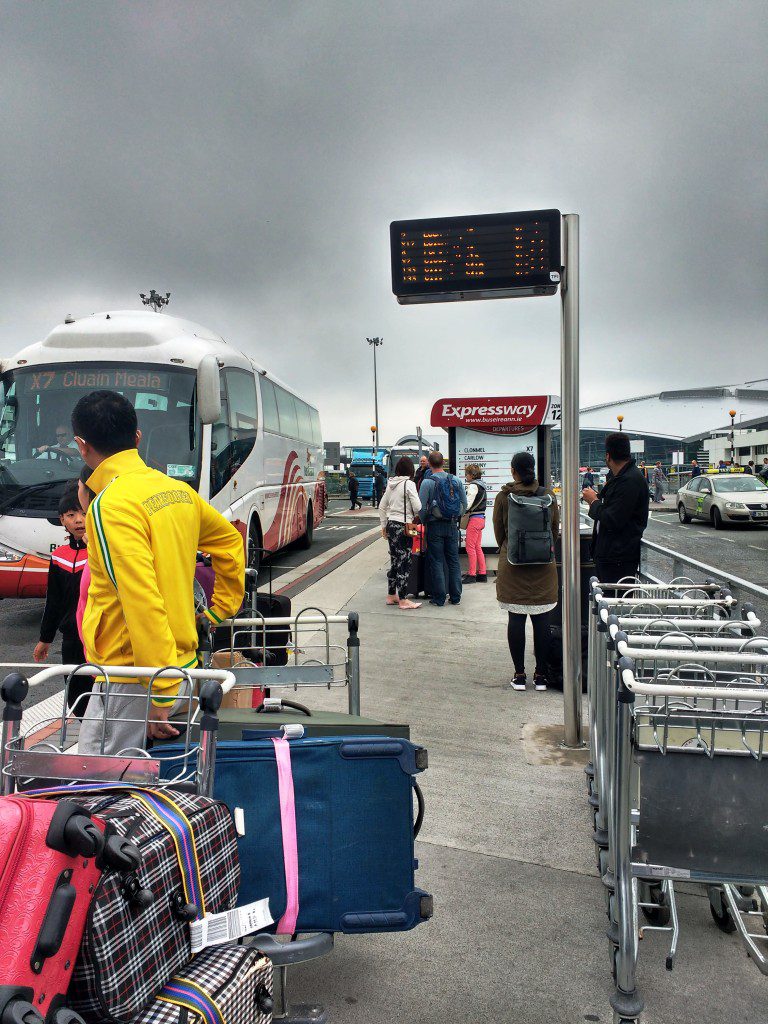
Taxi: €20-30, 45 minutes depending on traffic
Car Rental: Available from all major companies, though I recommend against driving in the city center
Pro tip from experience: Change your watch to Dublin time before landing and fight the urge to nap immediately upon arrival. Trust me, walking the city on your first day is the best way to beat jet lag.
Getting Around Dublin: Navigate Like a Local
Dublin’s compact city center makes it incredibly walkable—most major attractions are within a 20-minute stroll of each other. After years of using every public transport option available, here’s what I recommend:
Public Transportation:
Dublin Bus: €2.25-€3.30 depending on distance, exact change required Dublin Bus
Luas (Tram): Red and Green lines, €1.80-€3.90 Transport for Ireland
DART (Rail): Coastal route, €1.65-€7.10 depending on zones
Leap Card: Contactless payment for all public transport, 10% discount on fares

Alternative Transport:
Dublin Bikes: €5 for 3 days, first 30 minutes free each trip dublinbikes.ie

Walking: Honestly, my favorite way to explore—you’ll discover so much more
Taxi Apps: MyTaxi and Uber operate in Dublin
When to Visit Dublin: A Local’s Seasonal Guide
Having experienced Dublin through countless seasons, here’s my honest assessment: Read my Best time to Visit Ireland article.
Best Times to Visit
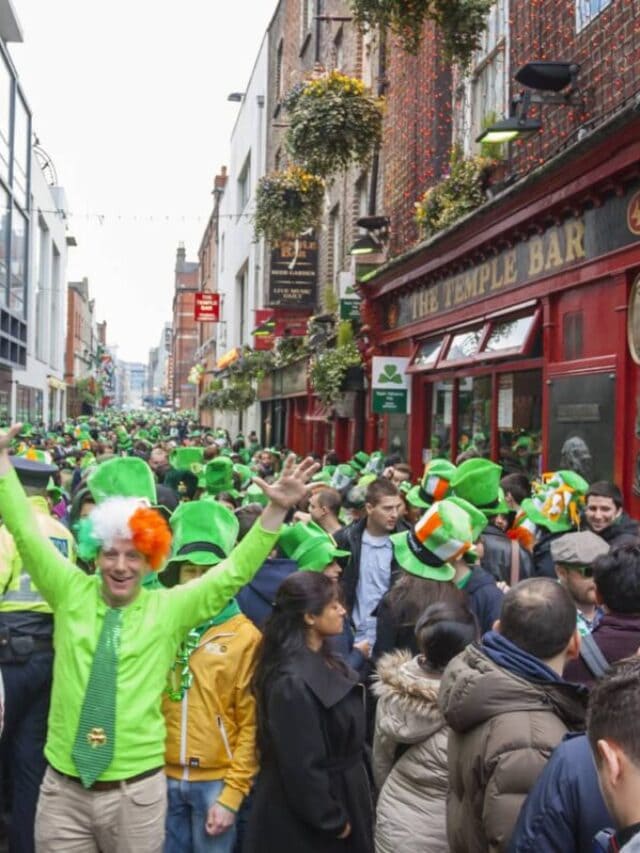
March: St. Patrick’s Day festivities for at least a week around March 17th, but expect ridiculously high prices for everything.
May-September: Warmest weather (15-20°C), longest days, outdoor festivals
October-November: Fewer crowds, comfortable temperatures, autumn colours
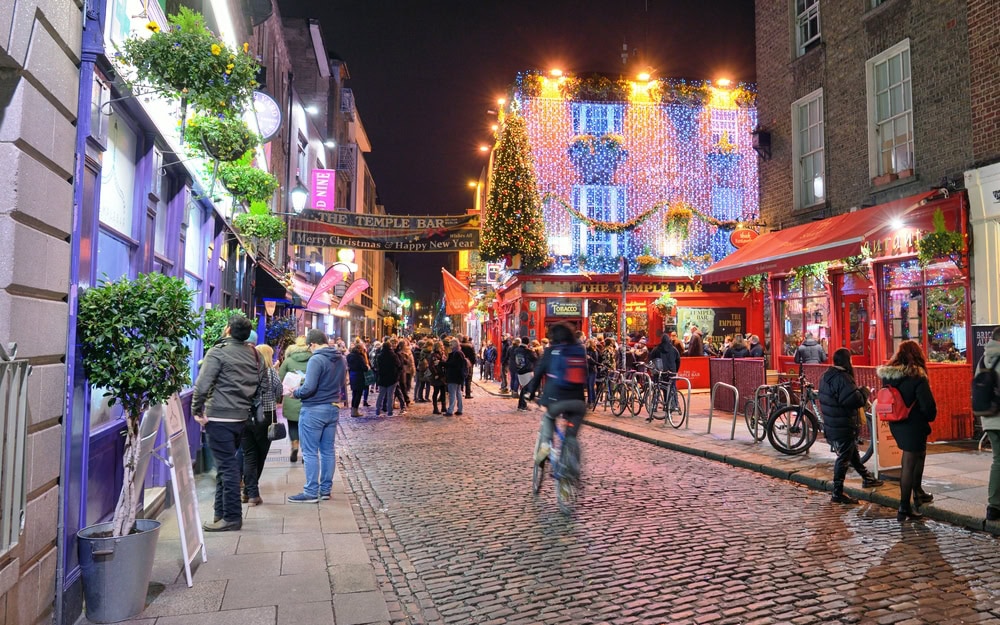
December: Christmas markets and festive atmosphere, though expect rain
Weather Reality Check: Dublin’s weather is famously unpredictable. Pack layers and a waterproof jacket regardless of season. As we say here, “There’s no such thing as bad weather, only inappropriate clothing.”
Current average temperatures: Summer 20°C (68°F), Winter 8°C (46°F) Met Éireann
Must-See Dublin Attractions
Trinity College and the Book of Kells
Details: €14-16 for adults, open daily 9:30 AM-5:00 PM Book of Kells
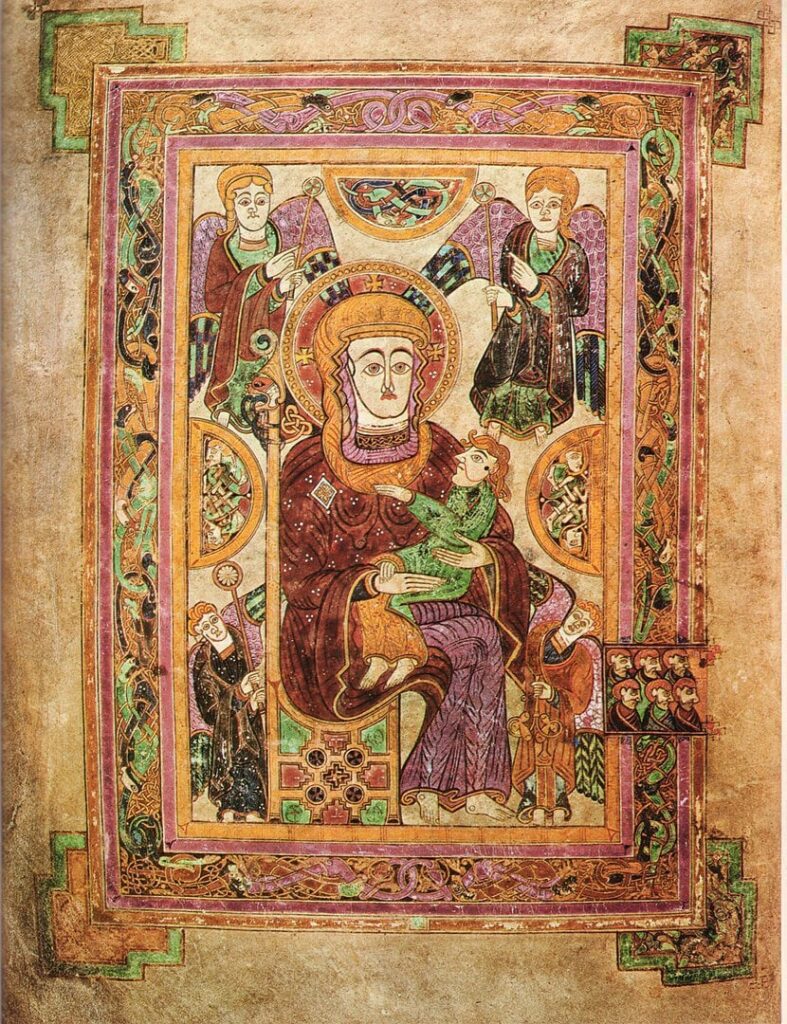
1200Trinity College Library houses one of the world’s most beautiful manuscripts. The Book of Kells, created by Celtic monks around 800 AD, features intricate illuminations that took decades to complete. What most visitors don’t realize is that only two pages are displayed daily, rotating to preserve the manuscript. If you can’t get tickets to see The Book of Kells head to Kells just north of the city and check out the Kells Abbey where the book was found.

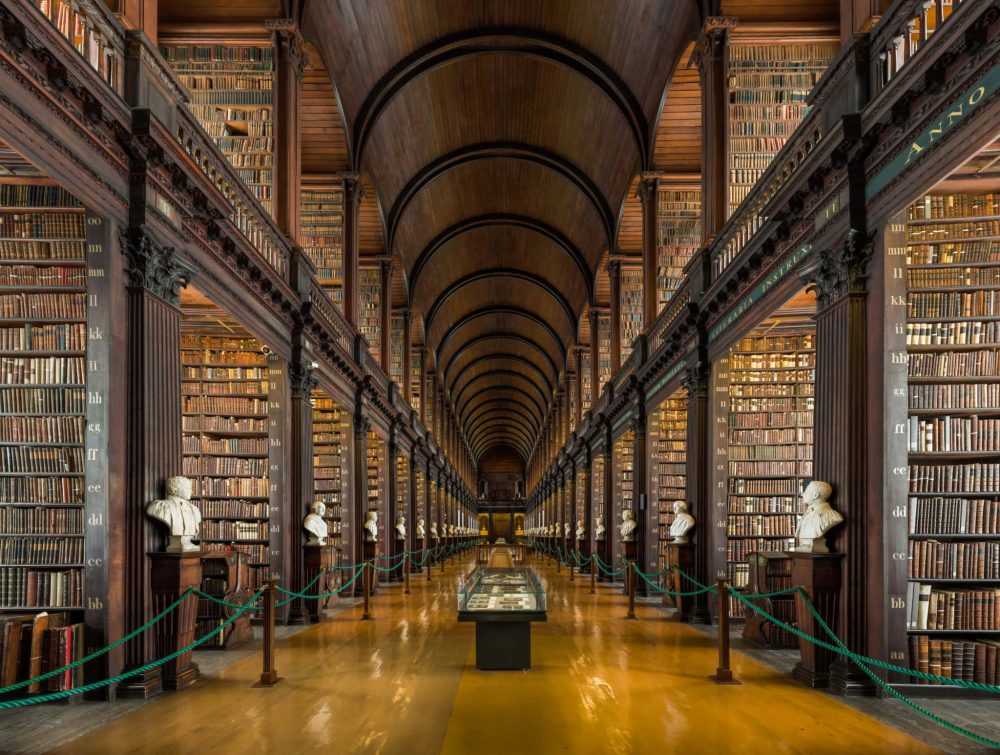
The Long Room Library, with its 200,000 oldest books and marble busts of philosophers and writers, served as inspiration for the Jedi Archives in Star Wars. Having walked these halls countless times, I still get goosebumps entering this literary cathedral.
Insider tip: Visit early morning or late afternoon to avoid crowds, and spend time exploring Trinity’s cobblestone campus—it’s free and equally stunning.
Guinness Storehouse
Details: €18.50-25 online, €25-30 at door, open daily 9:30 AM-7:00 PM Guinness Storehouse
I’ll be honest—as someone who lives here, I find the Guinness Storehouse overpriced and a tourist trap for what it offers. However, the panoramic views from the Gravity Bar are genuinely spectacular, offering 360-degree views across Dublin.
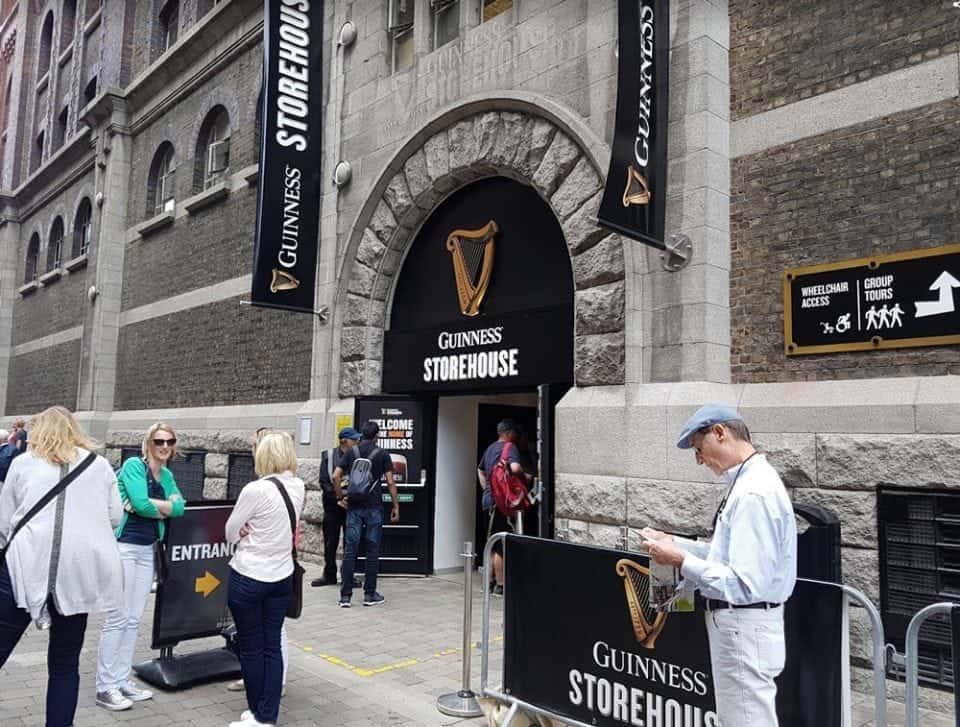

The experience teaches you about Ireland’s most famous export, from Arthur Guinness’s original lease (signed for 9,000 years!) to the brewing process.
Local alternative: Visit the Brazen Head (Ireland’s oldest pub, established 1198) or Mulligan’s for a more authentic Guinness experience at a fraction of the cost.
Dublin Castle
Details: €8 for adults, €6 students/seniors, open daily 9:45 AM-5:45 PM Dublin Castle
Built on the site of a Viking fortress in 1204, Dublin Castle served as the seat of British rule in Ireland for over 700 years. The State Apartments showcase opulent 18th-century rooms where Irish independence was formally handed over in 1922.

Don’t miss the medieval undercroft, where you can see original Viking and Norman foundations discovered during excavations in the 1980s. The castle’s role in Irish history cannot be overstated it witnessed centuries of occupation, rebellion, and ultimately, freedom.
Kilmainham Gaol
Details: €8 for adults, advance booking essential Kilmainham Gaol
No Dublin visit is complete without understanding Ireland’s struggle for independence. Kilmainham Gaol, where leaders of the 1916 Easter Rising were executed, offers a sobering but essential history lesson. The guided tour through the Victorian-era prison brings Irish history to life through personal stories of political prisoners.
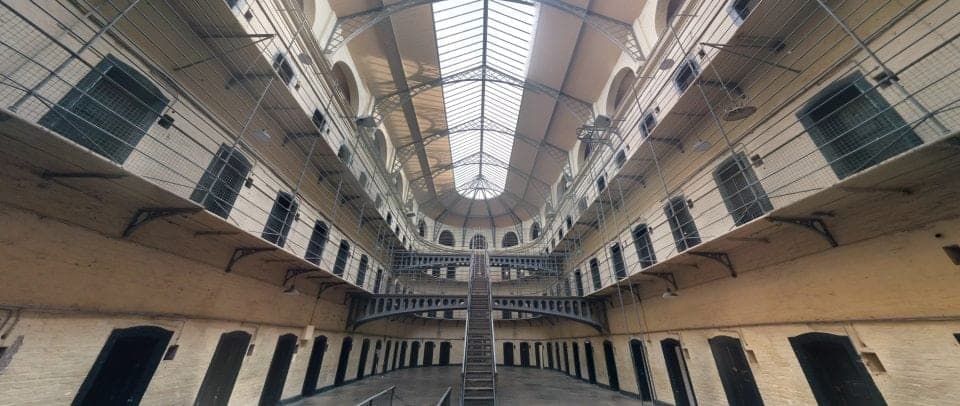
Standing in the stone-breakers’ yard where James Connolly was executed (tied to a chair due to his wounded leg) remains one of the most moving experiences in Dublin. This 150 year old prison witnessed Ireland’s transformation from occupation to independence.
Dublin’s Museum Treasures
Chester Beatty Library
Details: Free admission, Tuesday-Friday 10:00 AM-5:00 PM, weekends 11:00 AM-5:00 PM Chester Beatty
Winner of European Museum of the Year 2002, this hidden gem houses one of the world’s finest collections of manuscripts, including early Gospels, Korans, Buddhist texts, and Japanese prints. Alfred Chester Beatty’s collection spans 5,000 years of human creativity and decorative arts from around the globe.
Personal favorite: The illuminated manuscripts room—it’s like stepping into a medieval scriptorium. If you want to check out more Irish museums in both Dublin and beyond you can read my article here.

EPIC The Irish Emigration Museum
Details: €15 for adults, open daily 10:00 AM-6:45 PM EPIC Museum
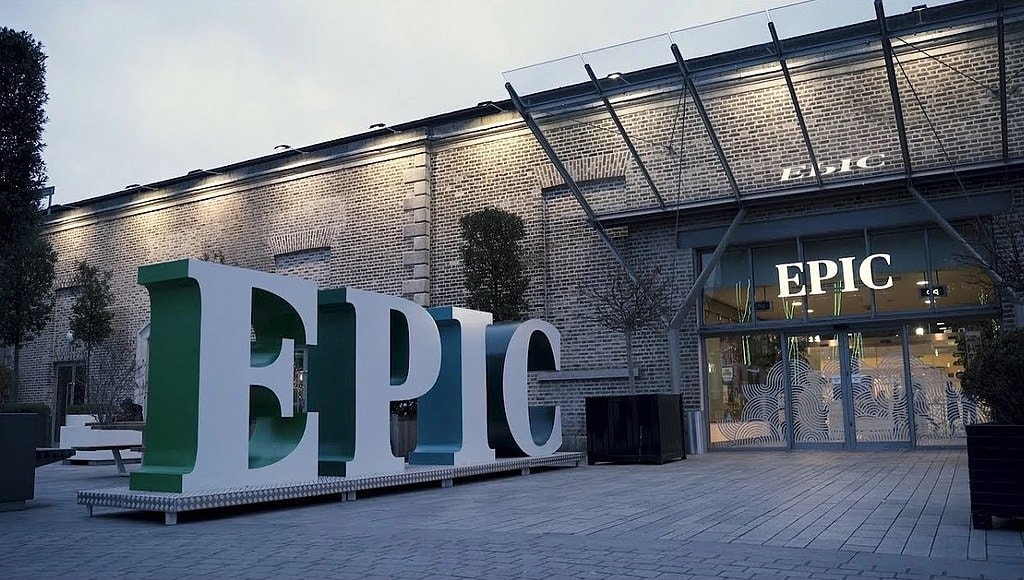
Located in Dublin’s historic docklands, EPIC tells the story of 70 million people of Irish heritage worldwide. The interactive galleries explore why 10 million Irish people left their homeland and how they influenced the world.
As someone whose own family emigrated and returned, this museum resonates deeply with the Irish experience of diaspora and homecoming.
National Museum of Ireland – Decorative Arts & History
Details: Free admission, Tuesday-Saturday 10:00 AM-5:00 PM, Sunday 2:00-5:00 PM National Museum
Home to Europe’s finest collection of Celtic and medieval art, including the Ardagh Chalice and Tara Brooch. The Treasury room displays intricate metalwork spanning 1,500 years of Irish craftsmanship. The decorative arts collection showcases everything from ancient Celtic torcs to modern Irish design, while the history section covers Ireland’s military and political heritage.

Irish Museum of Modern Art (IMMA)
Details: Free admission, Tuesday-Friday 11:30 AM-5:30 PM, weekends 10:00 AM-5:30 PM IMMA
Housed in the magnificent 17th-century Royal Hospital Kilmainham, IMMA showcases contemporary and modern art from Irish and international artists. The museum’s collection spans from the 1940s to present day, featuring works by renowned artists alongside emerging talents. The building itself, Ireland’s finest surviving example of 17th-century architecture, provides a stunning backdrop for cutting-edge exhibitions.
Dublin’s Literary Legacy
Dublin was designated a UNESCO City of Literature in 2010, joining just six other cities worldwide UNESCO. With four Nobel Prize winners for Literature: W.B. Yeats, George Bernard Shaw, Samuel Beckett, and Seamus Heaney, Dublin’s literary credentials are unmatched and you can take a tour of Ireland’s literary heritage and its famous writers.
MOLI – the Museum of Literature Ireland
The Museum of Literature Ireland (MoLI) is a must-visit cultural gem located in the heart of Dublin, on the historic grounds of University College Dublin’s original campus at 86 St Stephen’s Green. A partnership between the National Library of Ireland and UCD, MoLI offers a modern, immersive experience celebrating Irish literary heritage from its past greats to its future voices.
Housed in a beautifully restored 18th-century building, its exhibits include the charming “Copybook” interactive tour and the precious first copy of James Joyce’s Ulysses. General adult admission tickets are currently priced at €12.50, with various concessions available.

Local connection: Walk to nearby Parnell Square to see plaques marking where Joyce, O’Casey, and other writers lived. The James Joyce Centre offers specialized tours for literature enthusiasts.
James Joyce Tower and Museum
Details: €8 for adults, open April-October 10:00 AM-6:00 PM Joyce Tower
Located in Sandycove, this Martello tower where Joyce briefly lived in 1904 now houses Ireland’s premier Joyce museum. The tower features in the opening chapter of “Ulysses,” and guided tours connect Joyce’s life to his literary works. The panoramic views from the tower top offer the same vistas Joyce would have seen over Dublin Bay.

Neighbourhoods to Explore
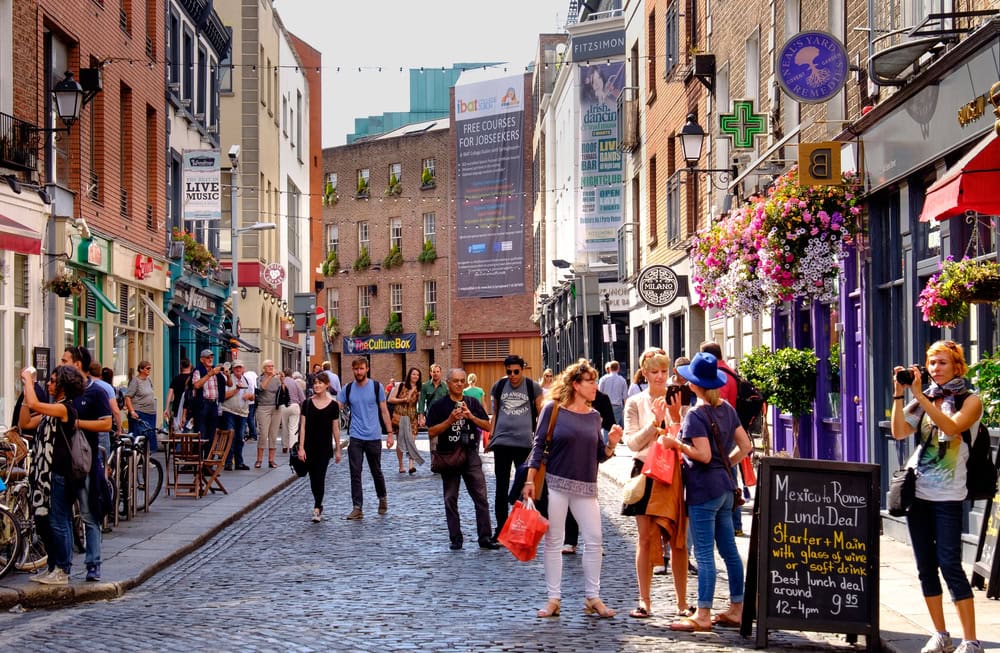
Temple Bar: Beyond the Tourist Traps
While Temple Bar gets dismissed as a tourist trap, I’ve found genuine gems among the souvenir shops:
Temple Bar Gallery + Studios: Contemporary Irish art in working artist studios
Irish Film Institute: Art-house cinema and film archive
Meeting House Square: Weekend food markets and outdoor film screenings
Reality check: Drinks cost 30-50% more than elsewhere in the city. Go for the atmosphere, but don’t make it your only Dublin experience.
Stoneybatter: Dublin’s Coolest Neighborhood
Once overlooked, Stoneybatter has become Dublin’s hippest area without losing its authentic character:
Café culture: Brother Hubbard and Proper Order Coffee

Vintage shopping: Nine Crows and Jenny Vander vintage boutiques
Gastropubs: L. Mulligan Grocer for craft beer and artisanal food
Iconic Dublin Landmarks
Ha’penny Bridge (Liffey Bridge)
Details: Free pedestrian access, illuminated nightly
This elegant cast-iron bridge, officially called Liffey Bridge but known locally as the Ha’penny Bridge, has been Dublin’s most photographed landmark since 1816. Originally, pedestrians paid a half-penny toll to cross, giving the 150 year old bridge its enduring nickname. When you explore Dublin, this Victorian masterpiece offers perfect photo opportunities and connects the bustling Temple Bar area with Dublin’s northside shopping district.
The bridge underwent major restoration in 2001, preserving its original ornate lampposts and decorative ironwork while ensuring it remains safe for the thousands who cross daily.

Georgian Dublin: Architectural Splendor
Dublin’s Georgian squares (1714-1830) represent Europe’s finest collection of Georgian architecture:
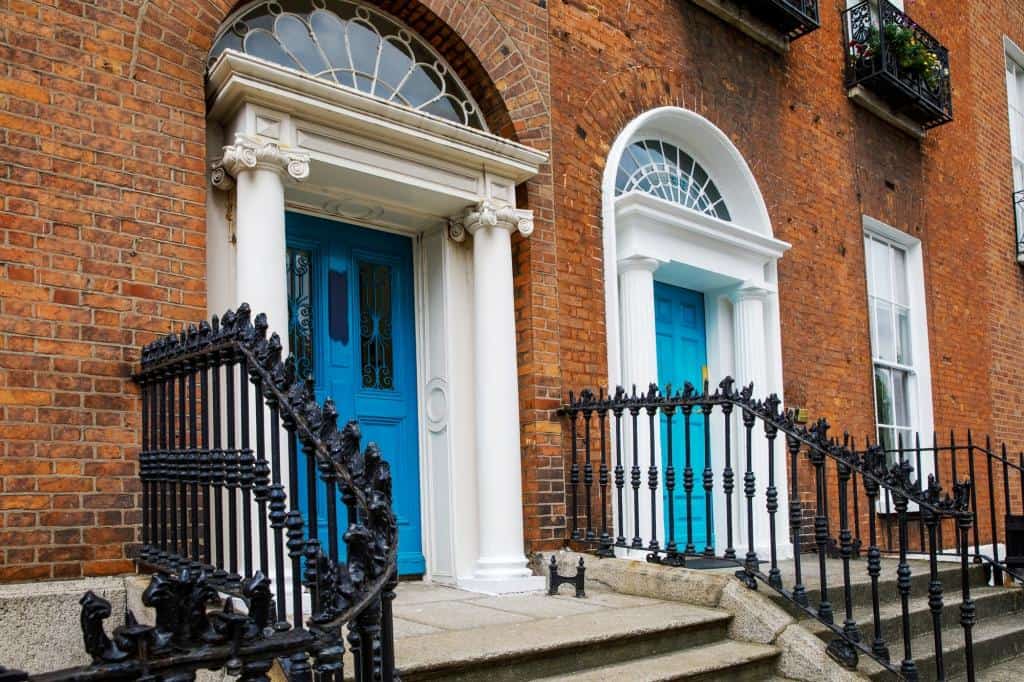
Merrion Square: Oscar Wilde statue and colourful door tours

St. Stephen’s Green: 22-acre Victorian park in the city center

Fitzwilliam Square: Best-preserved Georgian square (still privately owned)
Architecture fact: Dublin has over 12,000 Georgian buildings, more than Bath or Edinburgh Dublin City Council
Food and Drink: A Culinary Renaissance
Dublin’s food scene has transformed dramatically in recent years. Having dined everywhere from Michelin-starred restaurants to corner chipper shops and great authentic pubs here’s my guide to eating well in Dublin:
Traditional Irish Cuisine
Location: 20 Bridge Street Lower, Dublin 8, D08 WV20. Cost Idea: €€ (Moderate). Mains like Irish stew are typically €18-€25.
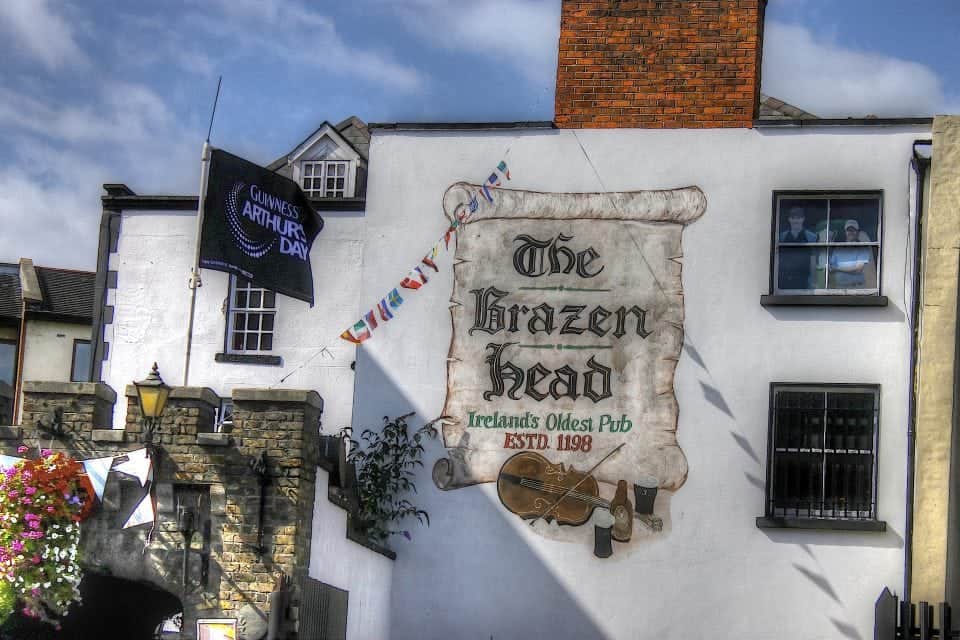
- Location: 40 Lower Ormond Quay, North City, Dublin 1, D01 R9Y5. Cost Idea: €€€ (Expensive). A fine-dining experience with mains from €28-€40.
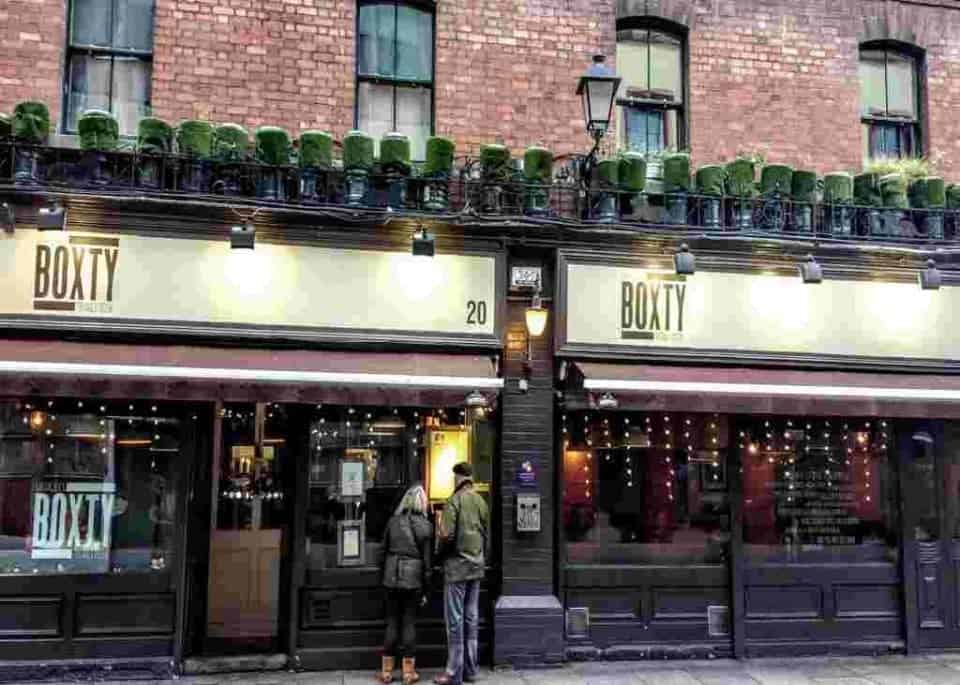
Location: 20-21 Temple Bar, Dublin 2, D02 N725. Cost Idea: €€ (Moderate). Specializes in boxty dishes, with mains around €18-€26.

Modern Irish Dining
Location: 18-19 Parnell Square, North City, Dublin 1, D01 T3V8
Cost Idea: €€€€ (Very Expensive). Tasting menus start from approximately €95 per person.

Location: 8 Sussex Terrace, Sussex Rd, Dublin 4, D04 KX86
Cost Idea: €€€ (Expensive). A set menu experience with 4-course lunch for €65 and tasting dinners from €85.
Location: 111 South Circular Road, Portobello, Dublin 8, D08 R2X7
Cost Idea: €€€ (Expensive). Set menu only, priced around €75-€85 per person.

Vegetarian & Vegan Options
- Location: 19-20 Wicklow Street, Dublin 2, D02 FK27
- Cost Idea: € (Inexpensive to Moderate). Wholesome plates and mains range from €10-€16.
Location: 51-52 Pleasants Place, Saint Kevin’s, Dublin 8, D08 R5NH
Cost Idea: €€ (Moderate). Dinner mains are typically in the €17-€22 range.
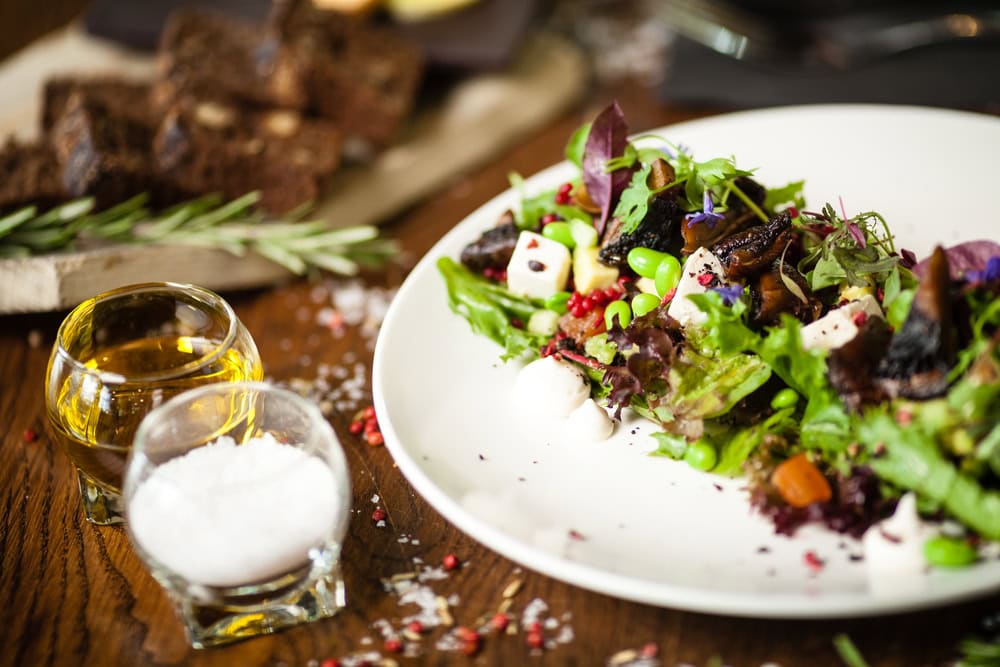
- Location: Fumbally Ln, Dublin 8, D08 XR86
- Cost Idea: € (Inexpensive). A casual café with most dishes under €15.
Disclaimer: Prices are a general guide and are subject to change. Always check the restaurant’s official website for the most current menu, pricing, and reservation requirements.
Essential Dublin Drinks
Irish Coffee: Created at Dublin Airport in the 1940s, best at The Dead Rabbit

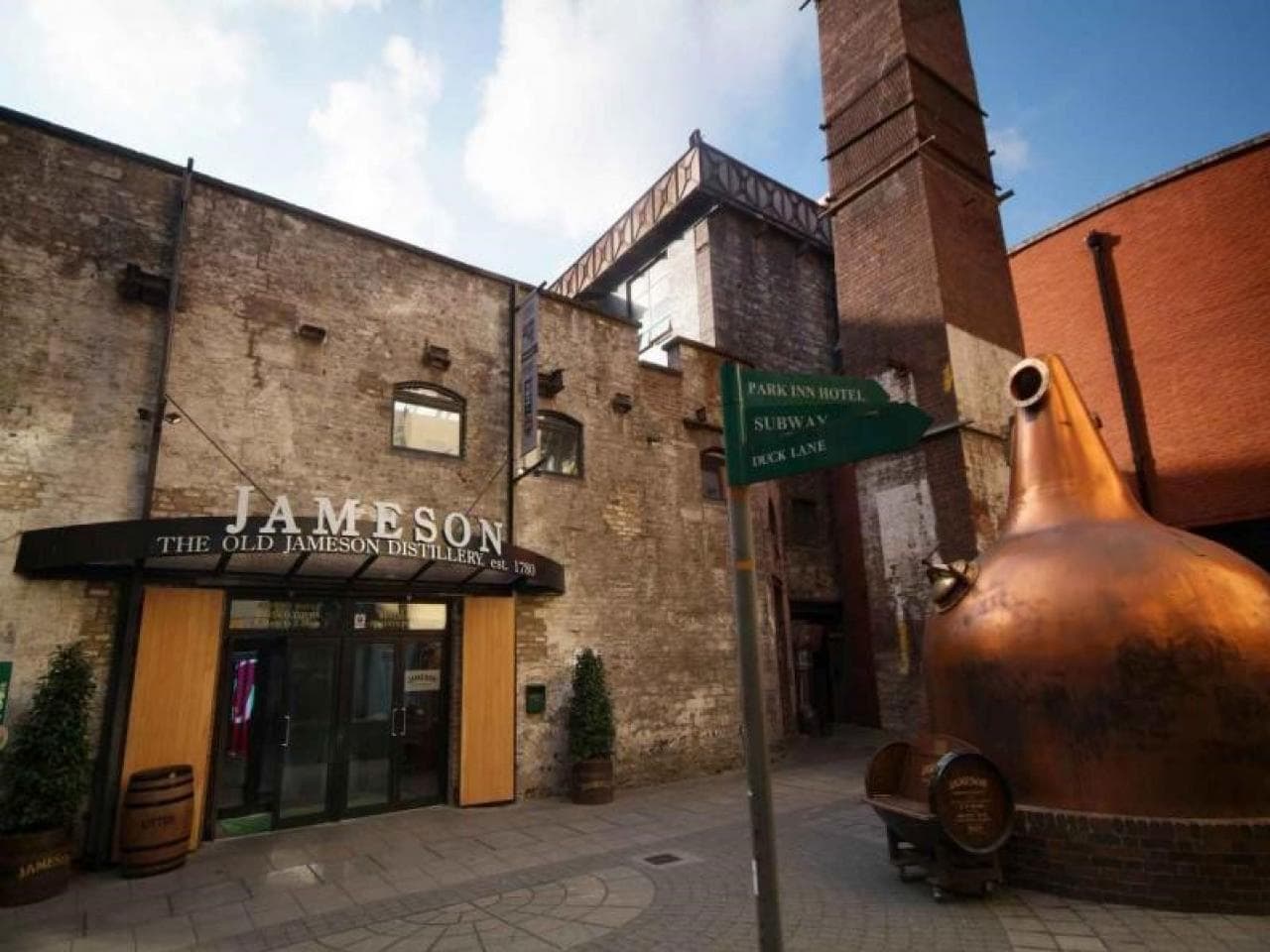
Irish Whiskey: The Jameson Distillery in Bow Street offers comprehensive tours and tastings, showcasing the craft behind Ireland’s most famous whiskey export.
Craft Beer: Dublin’s craft scene includes Metalman, Hope Beer, and White Hag
Celiac-friendly note: Ireland has one of the world’s highest rates of celiac disease, so gluten-free options are excellent Coeliac Society of Ireland
Tours Worth Taking
Walking Tours
Dublin Free Walking Tour: Pay-what-you-wish historical tour, 2.5 hours daily with knowledgeable local guides
Literary Pub Crawl: Actor-led tour through writers’ pubs, €18 per person
1916 Rebellion Walking Tour: Historical tour of Easter Rising sites, €21
Specialized Tours
Professional tour guides in Dublin are certified through Fáilte Ireland, ensuring high-quality experiences across all destinations within the city. Many guides are also local historians, actors, or writers, bringing unique perspectives to Dublin’s stories.
Food Tours
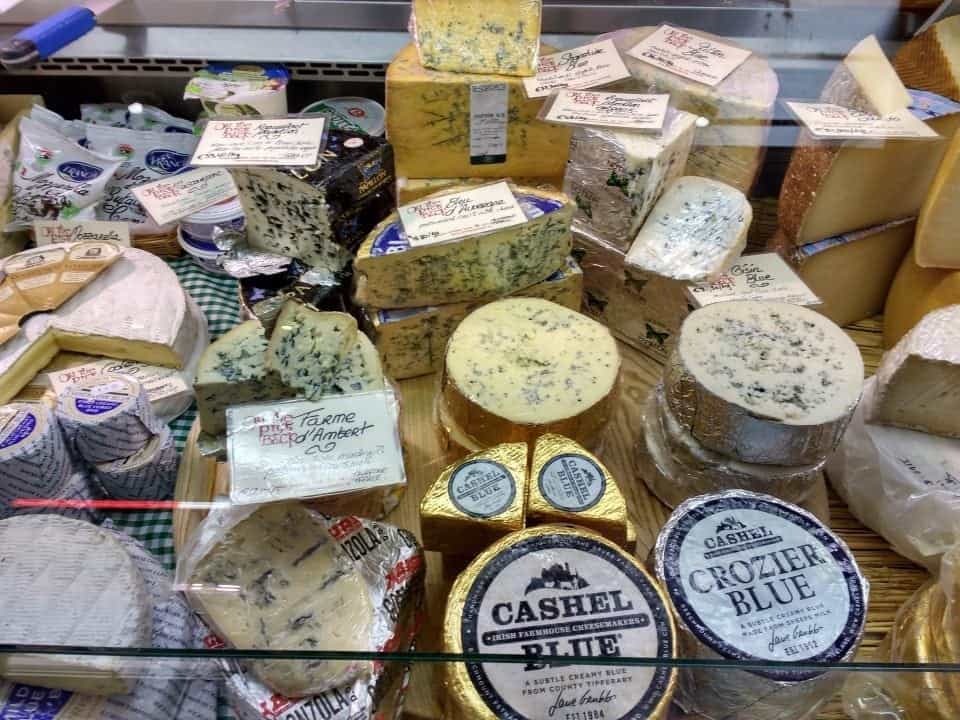
Walking Food Tour with Secret Food Tours: With your guide, seek out authentic pubs, cafés, food shops, and markets, and savor Irish specialties including Irish stew, artisanal cheeses, ice cream, and more.
Coastal Craft Beer and Seafood Trail: Make the most of the historic fishing village of Howth, and see parts of the area most visitors miss. Discover the rich Norman and Viking history of medieval Ireland, pair your sightseeing with a seafood feast and local craft beers.

Whiskey Tasting & 3 Food Pairing Walking Tour with Local: Enjoy an authentic taste of Irish whiskey and get the inside scoop on Dublin’s nightlife during this tour.

Day Trips from Dublin
When you’re ready to explore Dublin’s surrounding destinations, these locations offer perfect day excursions – but I do highly recommend renting a car as some locations are difficult to get to unless you take a private tour:
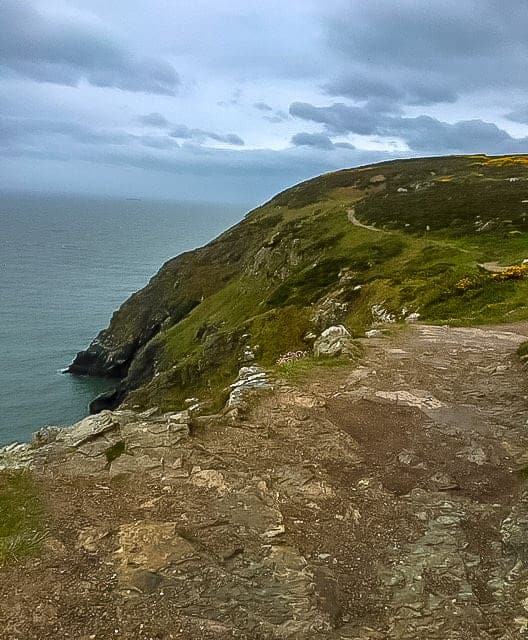
Howth Cliff Walk: 30-minute DART journey to stunning coastal hike.
Glendalough: 6th-century monastic site in Wicklow Mountains, 1-hour drive

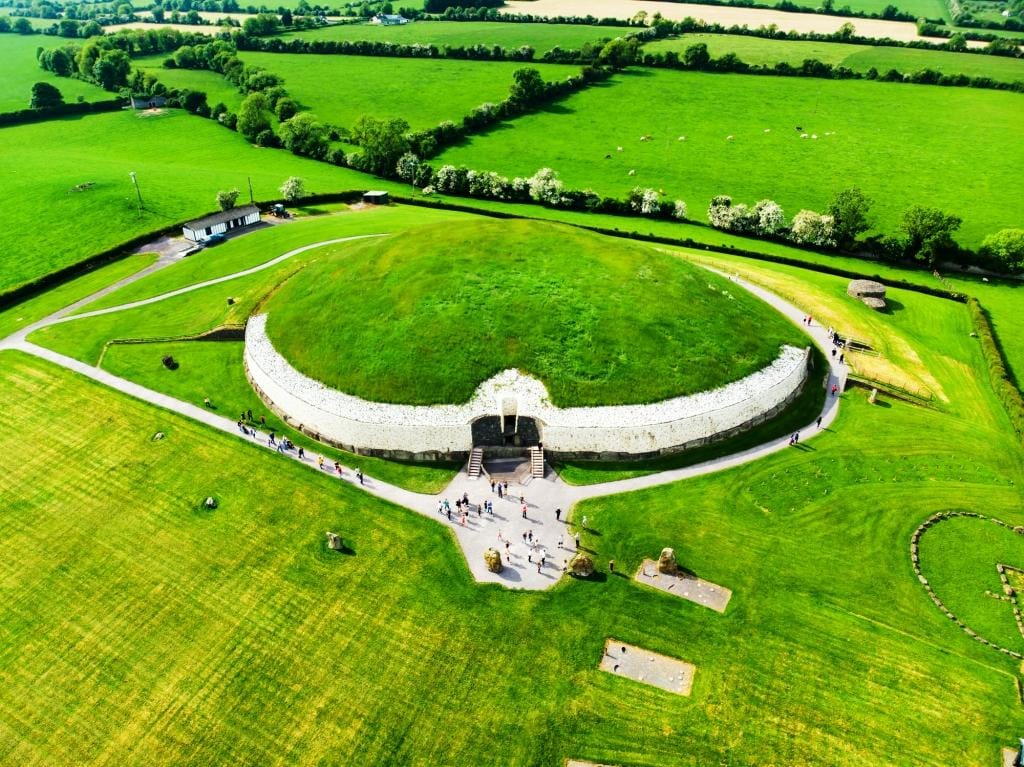
Newgrange: 5,000 year old passage tomb, older than Stonehenge, 1-hour drive
Transportation note: DART (Dublin Area Rapid Transit) runs along the coast from Malahide to Greystones, offering spectacular sea views Irish Rail
Practical Dublin Tips
Money Matters
Currency: Euro (€)
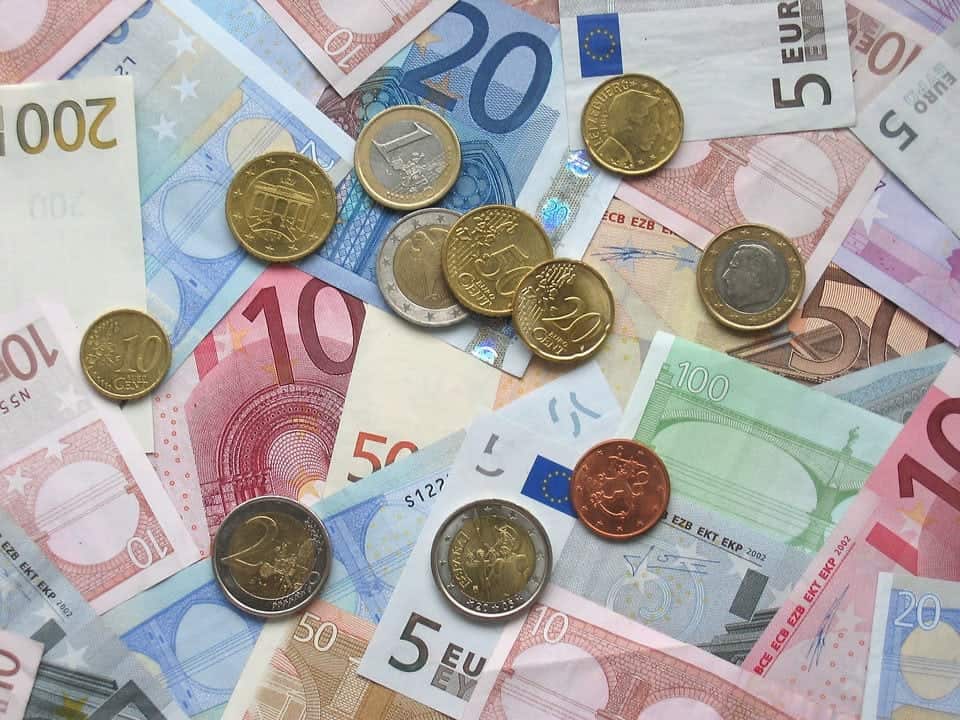
Tipping: 10-15% in restaurants if service charge not included
Cards: Widely accepted, contactless preferred but you need a PIN
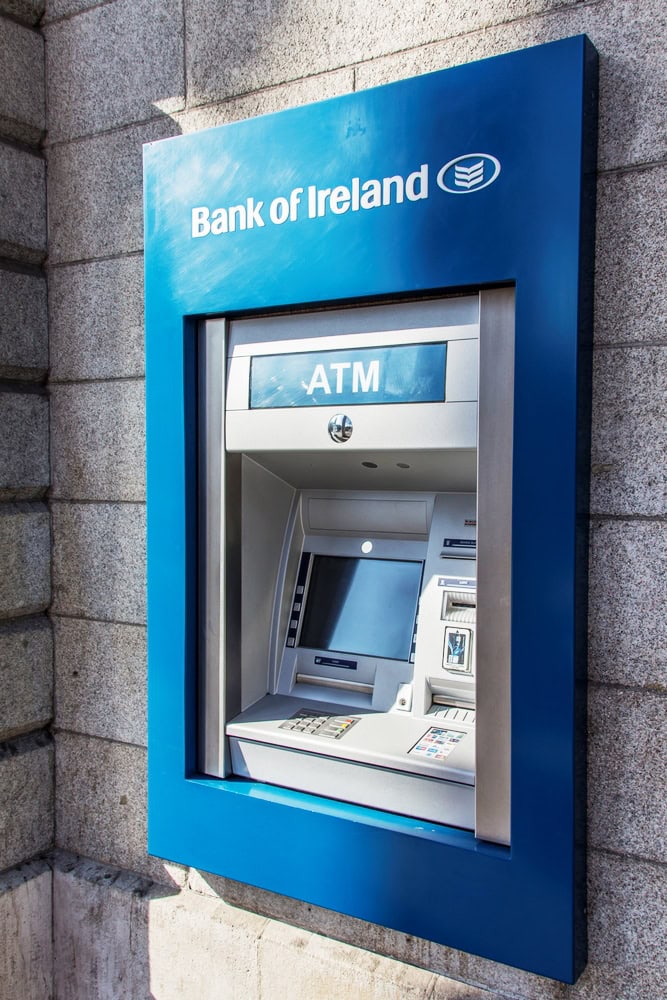
ATMs: Abundant, minimal fees with European bank cards, always use Bank ATM’s to protect against scammers
Cultural Etiquette
Pub culture: It’s acceptable to join conversations with strangers

Queuing: Irish people queue politely—always respect the line
Weather chat: Perfectly normal conversation starter
Rounds: In pubs, taking turns buying drinks for your group is traditional
Safety and Health
Dublin is generally very safe, with low crime rates Garda Crime Statistics. Emergency number: 112 or 999.
Healthcare: European Health Insurance Card accepted, pharmacies abundant Drinking water: Excellent quality tap water throughout the city.

Looking for aspirin or Tylenol? Hit the pharmacy or a Boots store for packages of Ibuprofen or paracetemol, there is a law here that they can’t sell you more than 2 packages of pain killers.
Accommodation Recommendations
Luxury
The Fitzwilliam Hotel: Georgian elegance on St. Stephen’s Green, from €280/night

The Conrad Dublin: Modern luxury near shopping district, from €320/night
Mid-Range
Brooks Hotel: Boutique charm in Georgian setting, from €180/night
The Davenport: Historic elegance near Trinity College, from €200/night

Budget
Generator Hostel: Modern facilities in Smithfield, from €25/night dorms
Drury Court Hotel: Central location, compact rooms, from €120/night

Booking tip: Prices increase significantly during festivals and summer months. Book 2-3 months ahead for best rates.
Seasonal Events and Festivals
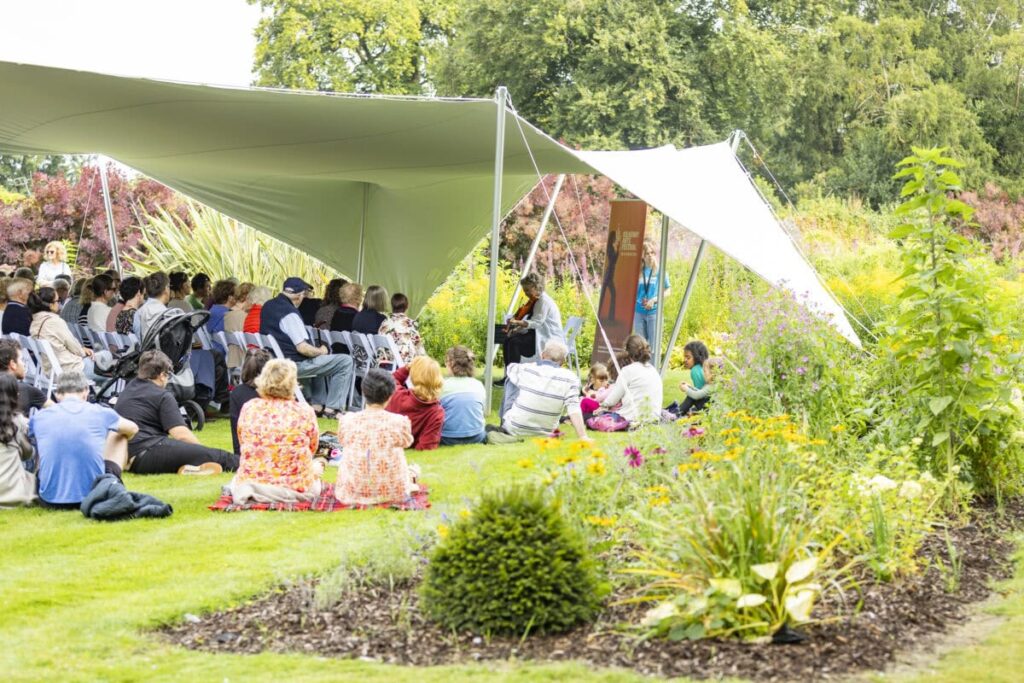
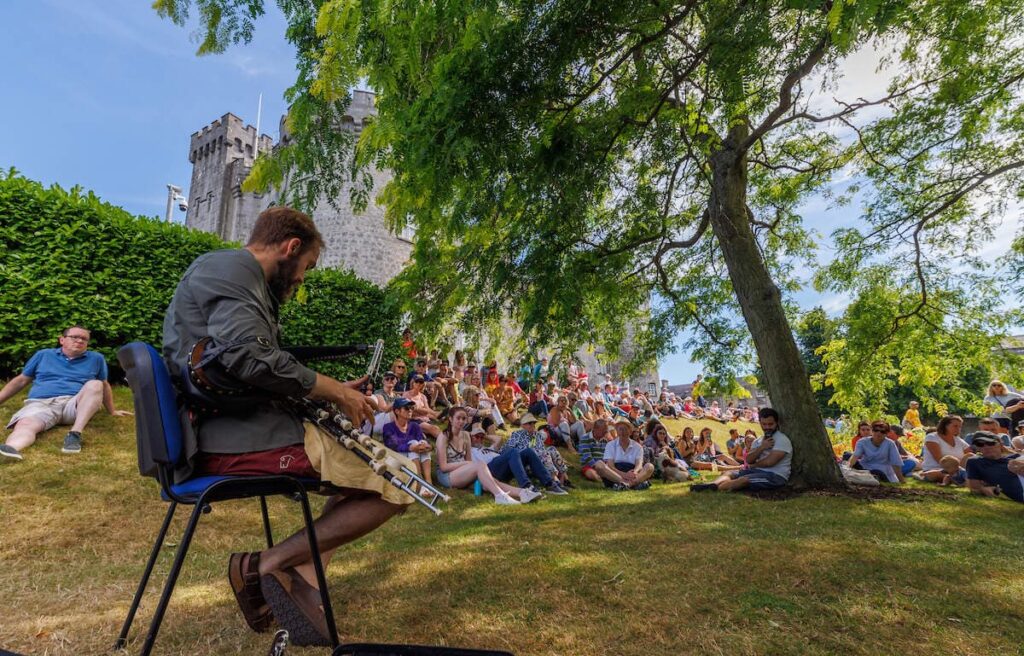
Dublin and Ireland burst with vibrant festivals year-round, celebrating everything from culture and literature to food and drink. The capital comes alive during major events like the St. Patrick’s Festival, while the world-renowned Galway International Arts Festival and Cork Jazz Festival highlight the country’s rich artistic pulse. From traditional music gatherings to contemporary arts, there’s always a reason to celebrate.
Spring
St. Patrick’s Festival (March 17): Four-day celebration, book accommodation one year ahead
Dublin International Film Festival (February): Cinema premieres and industry events
Summer
Bloom in the Park (June): Garden and food festival in Phoenix Park
Temple Bar TradFest (January): Traditional Irish music in venues across the city
Autumn/Winter
Dublin Theatre Festival (October): International and Irish productions
Christmas Parade, Pantos, Christmas markets and lights: end of November until early January
NYF Dublin (December 31): New Year’s Eve festival with outdoor concerts

Festival planning: Major events book out quickly. Check Dublin.ie for current listings and advance booking.
Hidden Dublin: Local Secrets
Secret Spots
War Memorial Gardens: Lutyens-designed WWI memorial, peaceful and rarely crowded
Iveagh Gardens: Dublin’s secret garden, hidden behind Georgian buildings
Phoenix Park: Europe’s largest enclosed park—bigger than Hyde Park and Central Park combined

Local Markets
- Temple Bar Food Market (Saturday): Artisanal producers and international foods
- Dublin Flea Market (last Sunday monthly): Vintage finds in creative quarter
Unique Experiences
Forty Foot Swimming Spot: Year-round sea swimming in Sandycove, perfect for the Christmas swim to raise money for charity.

Dublin Ghost Bus: Evening tours of haunted locations

Croke Park Stadium Tour: Experience Ireland’s largest stadium and Gaelic sports

Budget Planning
Daily Budgets (per person):
- Budget: €40-60 (hostels, street food, walking tours)
- Mid-range: €100-150 (hotels, restaurant meals, paid attractions)
- Luxury: €200+ (luxury hotels, fine dining, private tours)
Money-Saving Tips:
Many museums offer free admission
Happy hours typically 4-7 PM in most pubs
Lunch portions often large enough to share or pick up an on the go lunch from a supermarket to enjoy a picnic

City center attractions walkable—save on transport
Final Thoughts: Why Dublin Captures Hearts
After years of taking family and friends around Dublin, I understand why so many visitors extend their stays or return year after year. This isn’t just a city you visit; it’s a place that welcomes you into its story. Whether you’re tracing your Irish roots, following literary footsteps, or simply enjoying world-class hospitality, Dublin offers experiences that linger long after you’ve returned home.
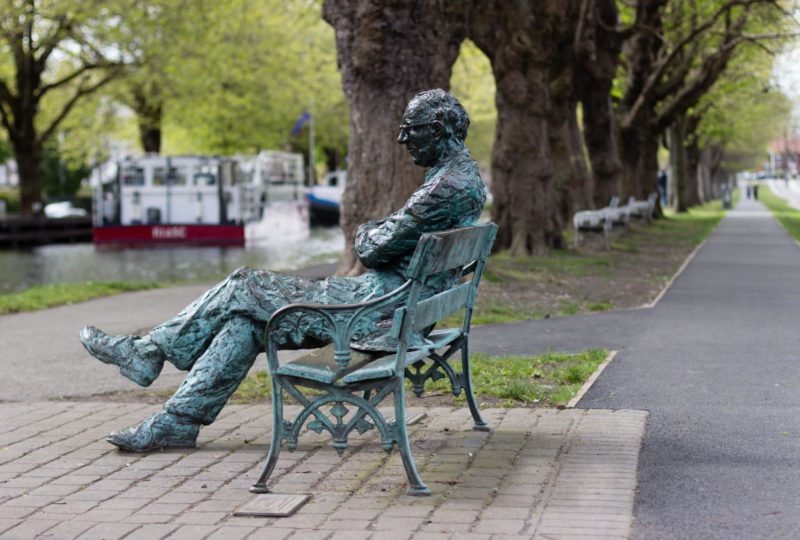
From the morning light hitting Georgian facades to late-night traditional music sessions that spontaneously erupt in neighbourhood pubs, Dublin maintains an intimate scale that allows you to feel like a local rather than a tourist. The city’s greatest treasure isn’t found in any guidebook—it’s the warmth of its people and their genuine interest in sharing their city’s stories with you.
Sláinte—and may your Dublin adventure be everything you hope for and more.
Sources and Further Reading:
- Fáilte Ireland Tourism Statistics
- Dublin City Council Heritage
- Transport for Ireland
- Met Éireann Weather Service
Start Planning Your Trip
👉 Public Transportation in Ireland
👉 Hidden Gems in Ireland – 32 Secret places to visit
👉 Answering all your travel questions about Ireland
Hi!
I was googling around for articles about what to do in Ireland, when i came across your excellent blog, great post, i think)
It seems like you really know about what to do in Ireland and for me Ireland is number 1 in my travelling list.
Maybe you could help me, what do you think about Generation tours I want to book a tour pub crawl. It looks like trusting company, you know…?
Looking forward to your answer!
P.S. thank you for great list must do’s)))
I have heard many good things about Generation and think that since they have been in business for so long and the prices are excellent that you can’t miss with them. Besides any tour of pubs is a good thing right? Dublin is a very walkable easy city to get about with tons of things to do. Did you check out my Different Do’s in Dublin and my Must Do’s articles you will find a ton of things there including walking tours.
Thank’s for your quick answer!
If I wanna taste something or try, why not? Of course in Ireland, everyone can find a different type of adventures, that’s why it is absolutely fabulous country! Walking around your topics today about Must Do’s and found a lot of useful advices .
Thank’s a lot!
x x
I like to visit historical and haunted ghost places and specially I loved to visit ghost walk tours of different places. Your article has sufficient information. Keep doing good work