
7 Days in Ireland: The Ultimate Eastern Ireland Itinerary
Quick answer: this route covers Ireland’s east and southeast Dublin, the Boyne Valley’s ancient sites, the Wicklow Mountains, medieval Kilkenny, and Viking-founded Waterford. It’s genuinely different from my One Week in Ireland guide, which heads south and southwest to Cork and Kerry instead both share the same opening days in Dublin and Wicklow, then split.
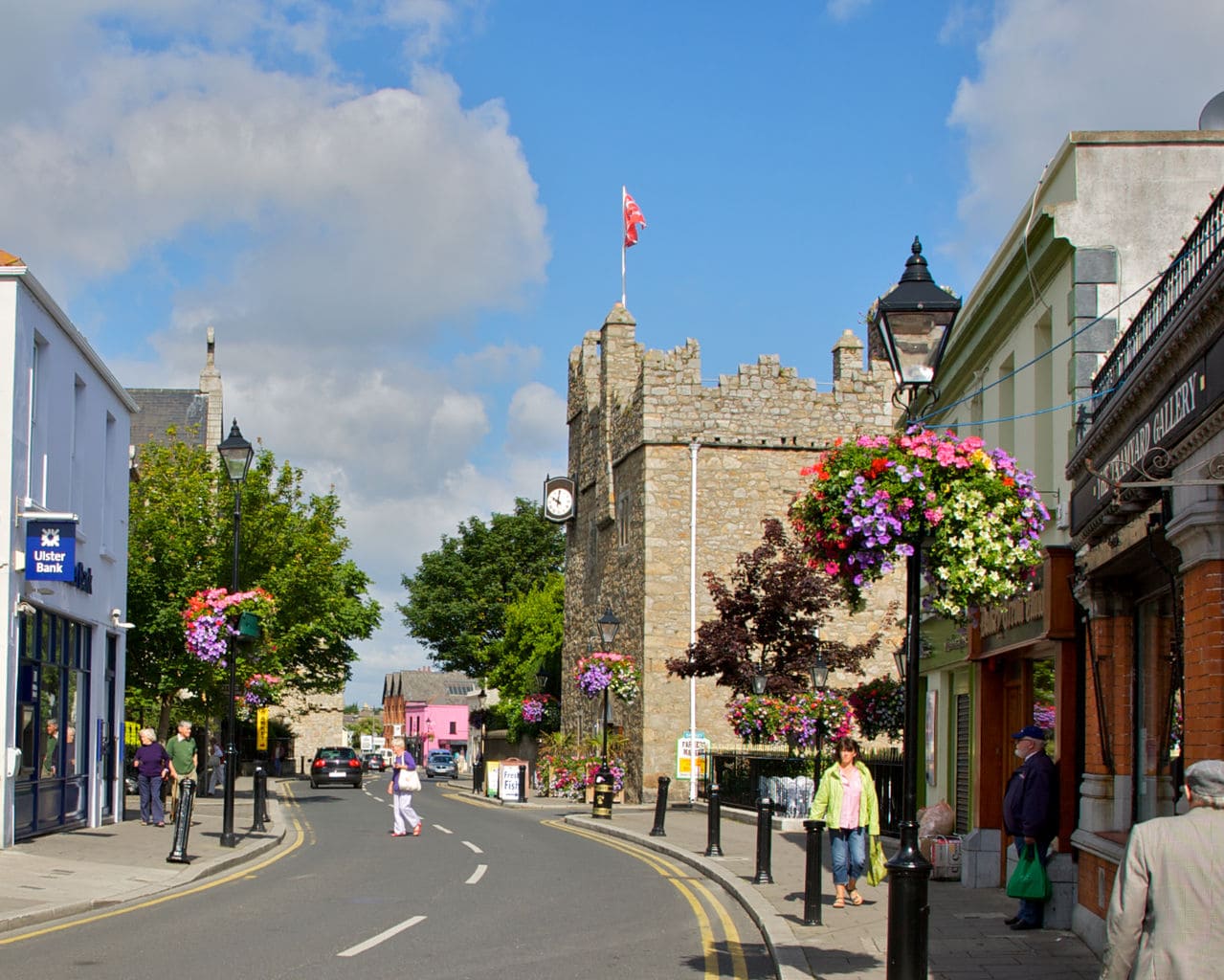
Seven days in Ireland is not enough to see the whole country, and I’ll say that plainly from the start. But it is enough to properly experience the east and southeast from Dublin’s Georgian streets and pubs, through 5,000-year-old passage tombs older than the pyramids, into the Wicklow Mountains, medieval Kilkenny, and the Viking history of Waterford. You’ll need a car from day 3 onward, and a realistic pace, but this route rewards both.
Fast Facts: 7 Days in Ireland (Eastern Route)
| Route covers | Dublin, Boyne Valley, Wicklow, Kilkenny, Waterford |
| Alternative route | One Week in Ireland south/southwest via Cork and Kerry instead |
| Do you need a car? | Not in Dublin (days 1–2); yes from day 3 onward |
| Best time to visit | Shoulder season (May, September) for lower prices and fewer crowds |
| Airport transfer options | Leap Card (€10/24hr), Airlink Express (€6), taxi (~€30) |
| Best base for days 1–2 | Dublin city centre walkable, no car needed |
Day 1–2: Dublin
If you’re arriving from North America, you’ll likely land early morning on a night flight. Push through the jet lag rather than napping it off you don’t have the days to spare. Get your Leap Card at the airport (€10 for 24 hours, €19.50 for 72 hours) for buses and trams, or take the Airlink Express (route 747, €6 one-way, every 15 minutes) into the city centre.
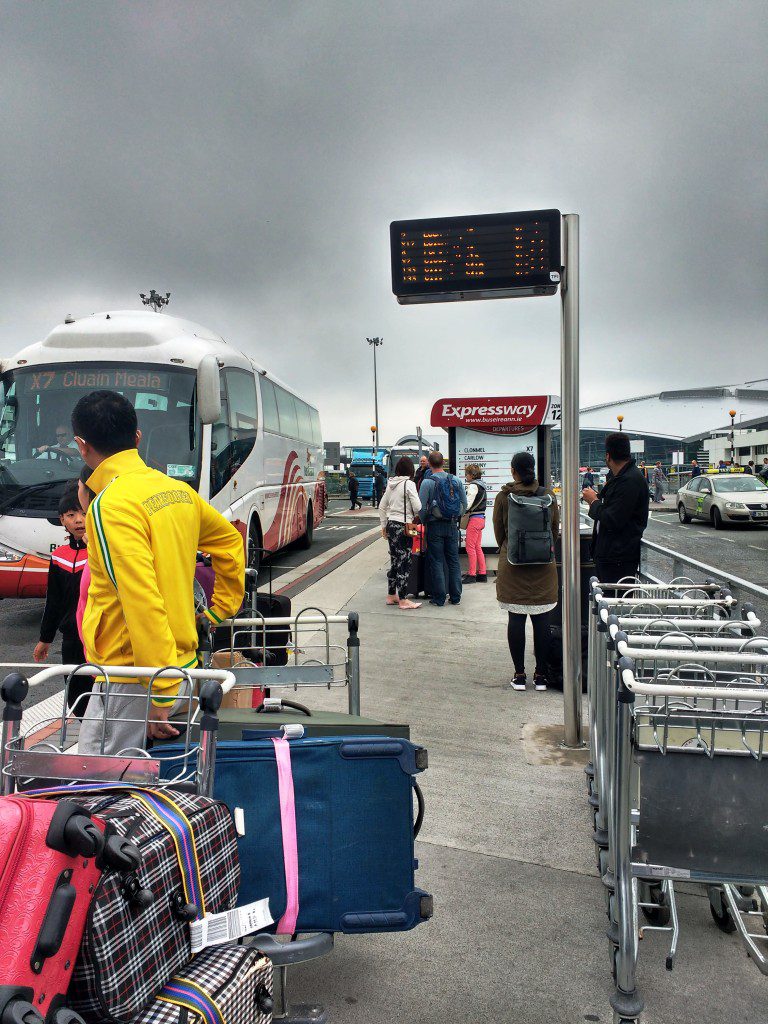
Don’t rent your car yet wait until you’re ready to leave Dublin on day 3. Driving in the city itself is stressful and genuinely unnecessary; Dublin is compact and walkable.
Pick four or five must-sees rather than trying to cover everything: the Molly Malone statue on Suffolk Street, Trinity College and the Long Room library (book Book of Kells tickets online in advance they sell out), the Ha’penny Bridge over the Liffey, and the GPO Museum on O’Connell Street, where the immersive exhibition on the 1916 Easter Rising is genuinely excellent.

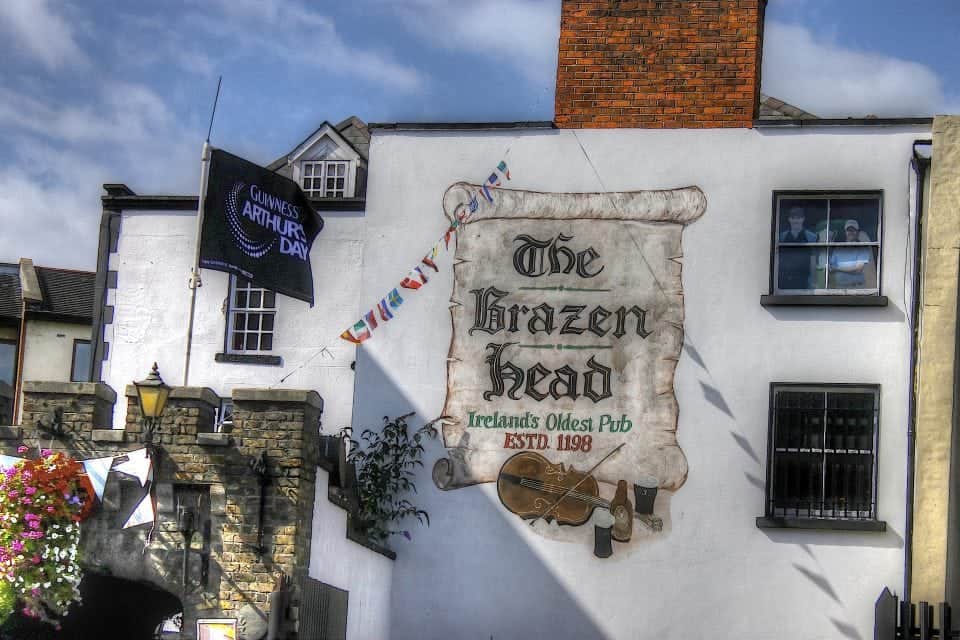
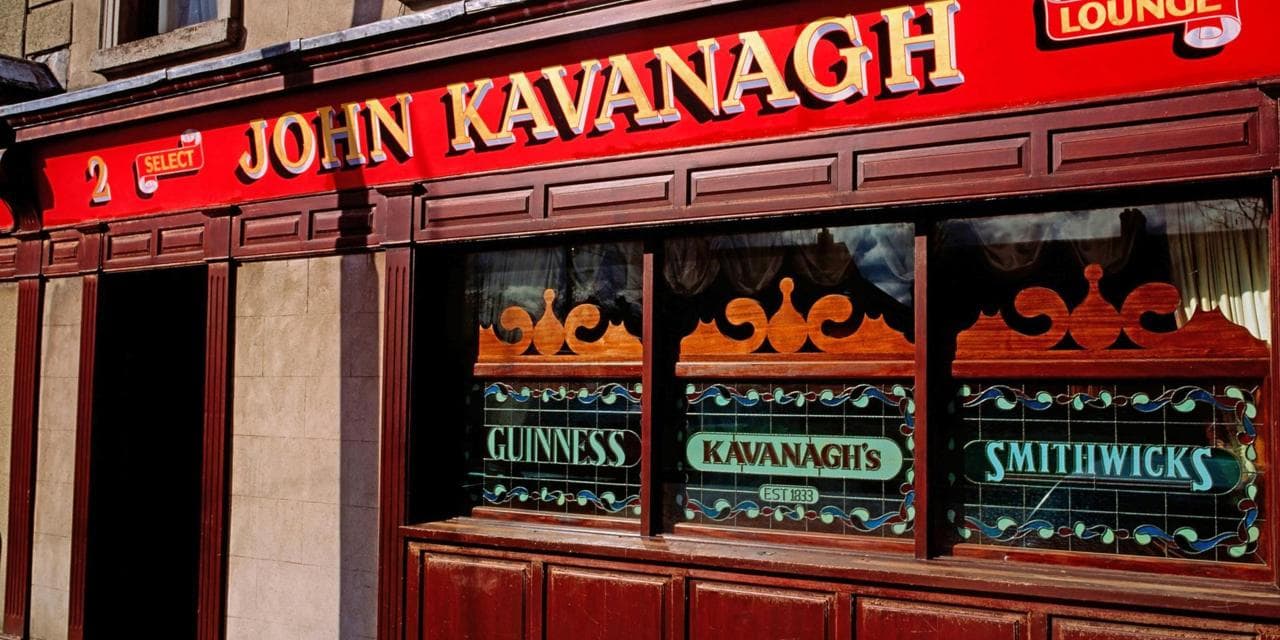
For evenings, three Dublin pubs are worth prioritising: The Brazen Head, dating to 1198 and claiming to be Ireland’s oldest pub; O’Donoghue’s on Merrion Row, a favourite among traditional musicians including The Dubliners; and Kavanagh’s also known as the Gravediggers near Glasnevin and The Cobblestone near Smithfield, self-described as “a drinking pub with a music problem.” For a fuller Dublin guide covering two full days in depth, see my One Week in Ireland itinerary, which opens with the same city.
Day 3: The Boyne Valley Newgrange, Hill of Tara, Monasterboice
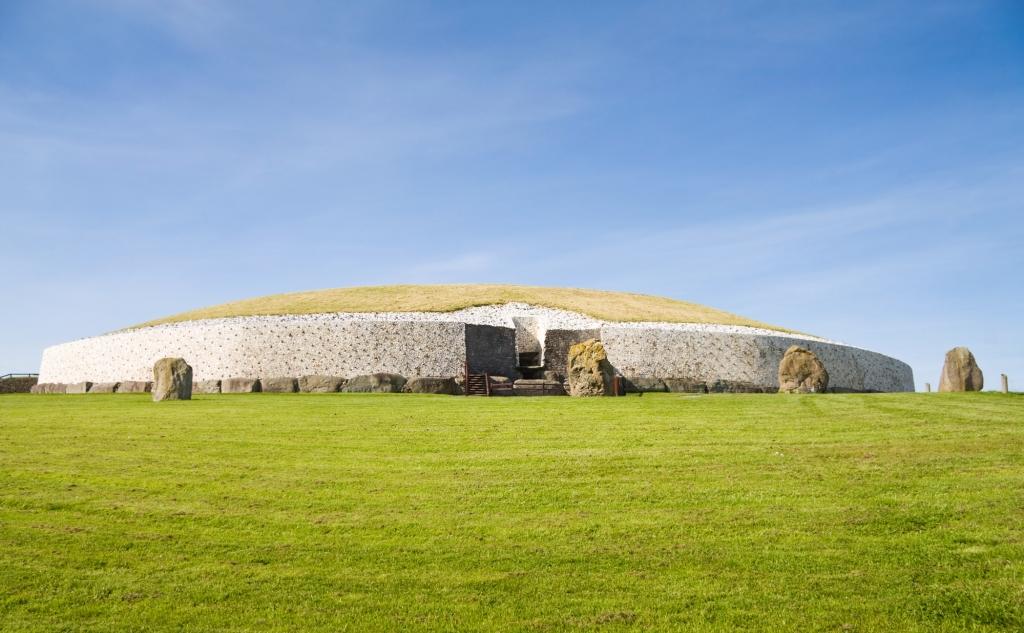
A short drive north of Dublin takes you into some of Ireland’s deepest history. Newgrange is a 5,000-year-old passage tomb, older than both Stonehenge and the Great Pyramids of Giza I’ve covered exactly how to visit, including current ticket prices and the winter solstice lottery, in How to Visit Newgrange. Book ahead; tours sell out.
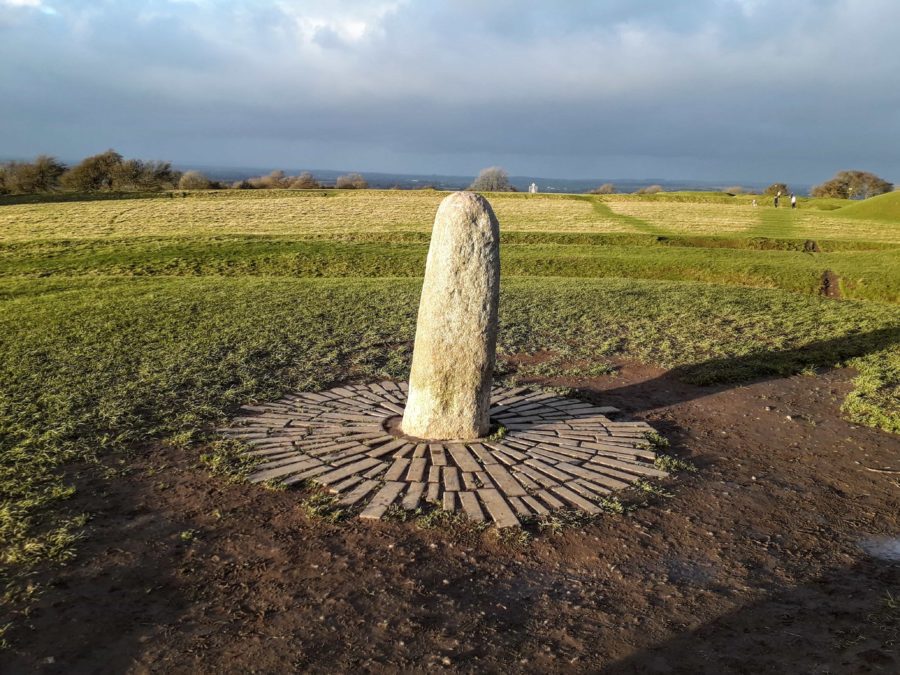
Nearby, the Hill of Tara was once the seat of Ireland’s High Kings, a genuinely atmospheric site of grassy mounds and panoramic views over the countryside. A bit further north, Monasterboice holds some of the finest early Christian High Crosses in Ireland, including the intricately carved Muiredach’s Cross.

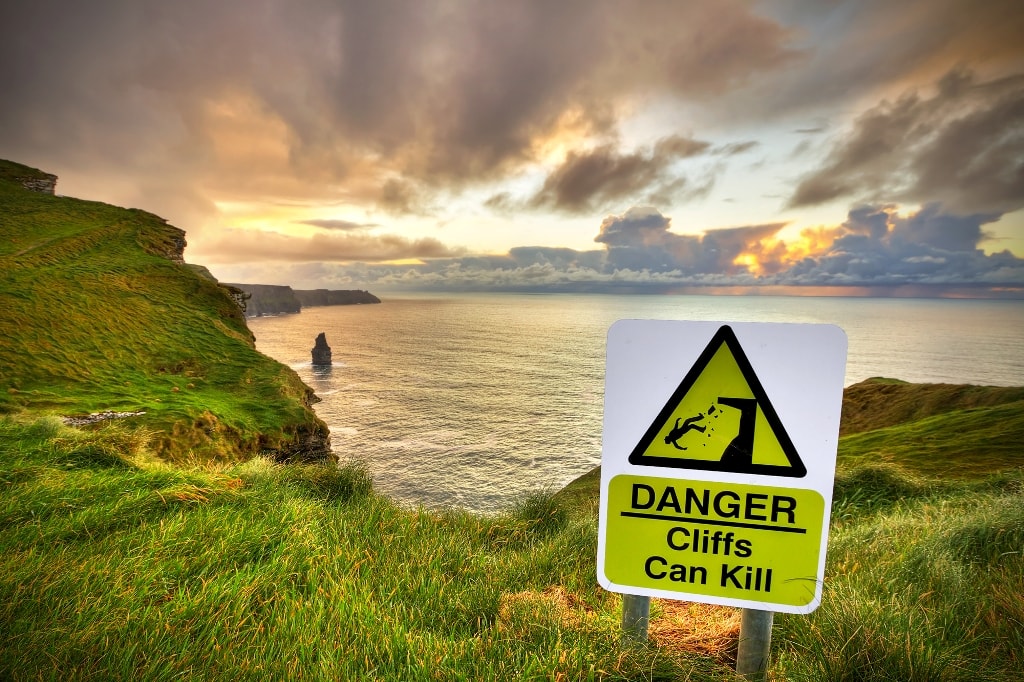
If ancient history isn’t your priority, an alternative day-3 option is a full-day coach tour from Dublin to the Cliffs of Moher, Bunratty Castle, and Galway though this pulls you toward the western route covered in my other itineraries rather than continuing east.
Day 4: Wicklow Powerscourt, Sally Gap, Lough Tay, Glendalough
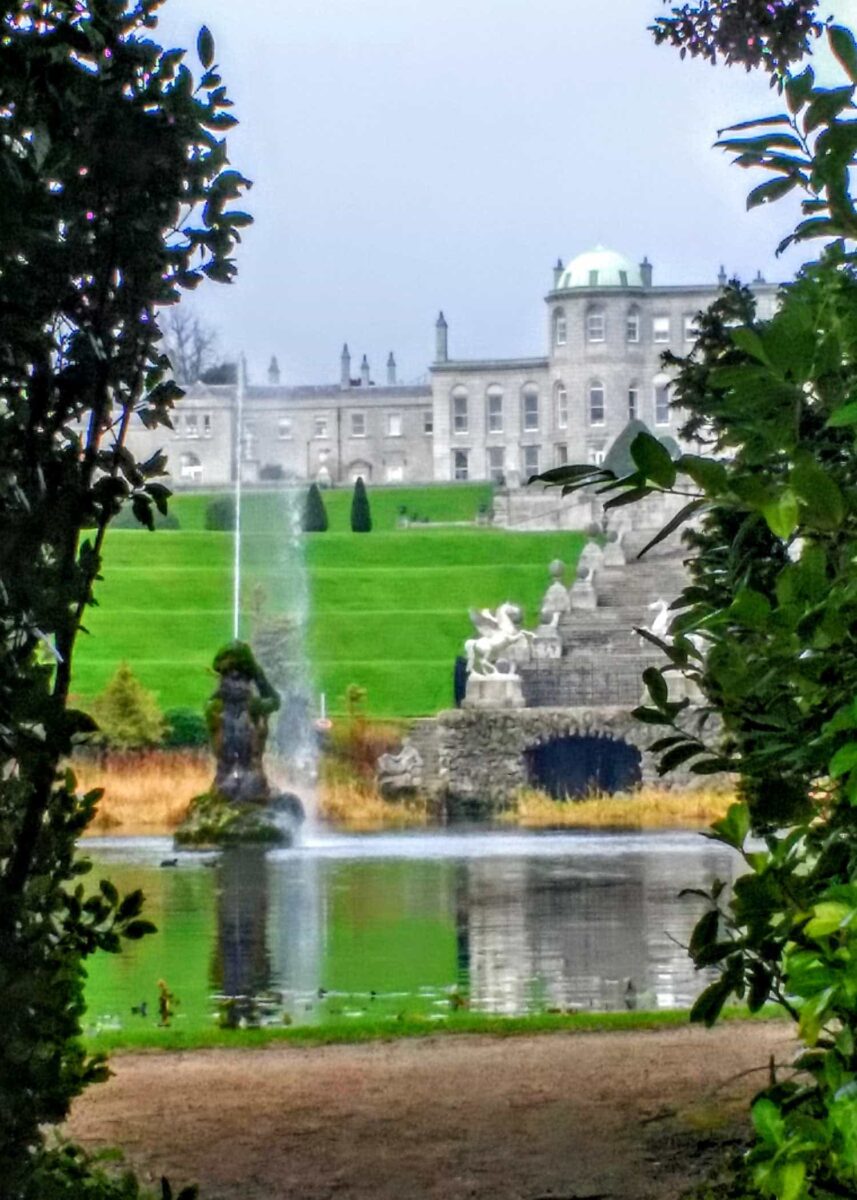
Collect your rental car and head to Powerscourt Estate, about 45 minutes from Dublin. Leave early and have breakfast at the Avoca café inside the estate before exploring the 47-acre gardens formal terraces, a Japanese garden, and views of Sugarloaf Mountain. The Powerscourt Waterfall, a separate ticketed section of the estate, featured in HBO’s Vikings.


From Powerscourt, the Sally Gap is about a 25-minute drive into the Wicklow Mountains. The road through the Gap was built by the British Army following the 1798 Rebellion, to help move troops through the mountains the scenery along it, taking in the Liffey headwaters and Glenmacnass Waterfall, is dramatic in any weather.
Continue to Lough Tay the Guinness Lake where a small roadside car park gives you a view over the dark water and white sand that made this spot famous, including as a filming location for HBO’s Vikings. From there, finish the day at Glendalough, a 6th-century monastic settlement founded by St. Kevin, set between two lakes in a glacial valley. Lonely Planet calls it one of the most beautiful places in Ireland hard to argue after seeing it. The visitor centre sells a trail guide (€0.50) covering nine marked walks.
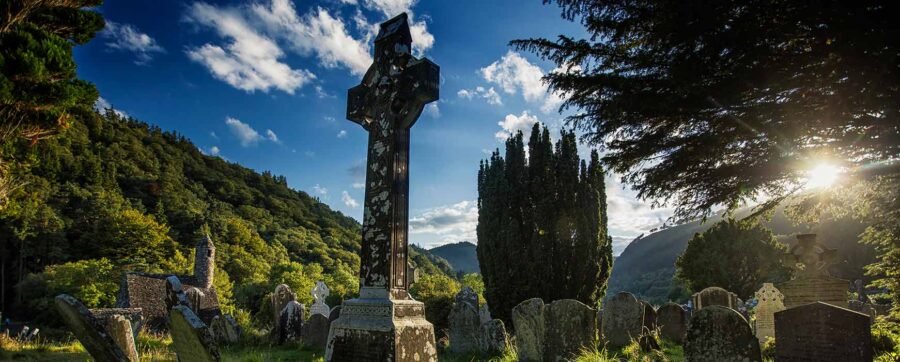

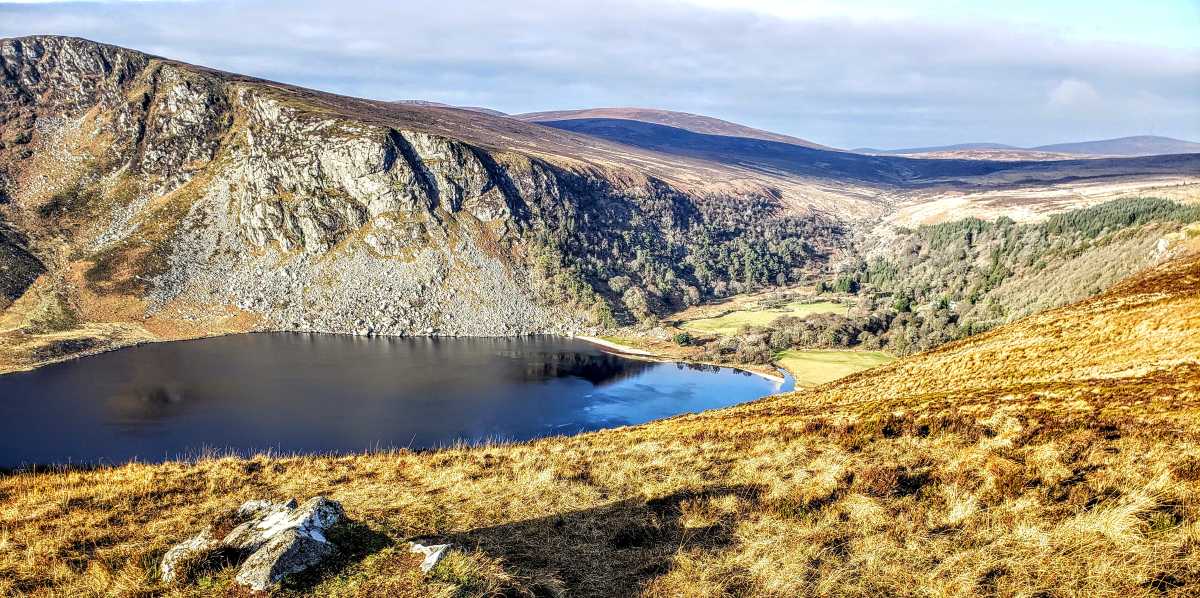
Where to stay: Tudor Lodge or Heather House in Laragh, or the wheelchair-accessible Glendalough International Hostel from €37/night.
Day 5: Kilkenny
Kilkenny’s Medieval Mile runs between Kilkenny Castle at one end and St. Canice’s Cathedral at the other. Park behind the Medieval Mile near Dunnes Stores (paid, a few euros) and walk or, if longer walks are difficult, a mobility-friendly road train tours the city from Kilkenny Castle for €8 per adult.

Kilkenny Castle costs €8 to enter and dates back over 800 years. St. Canice’s Cathedral, built in 1285 on the site of a 6th-century church, costs €7 including access to Ireland’s only climbable round tower. Butter Slip Alley, a narrow cobblestone passage dating to 1616, connects the High Street and St. Kieran’s Street.

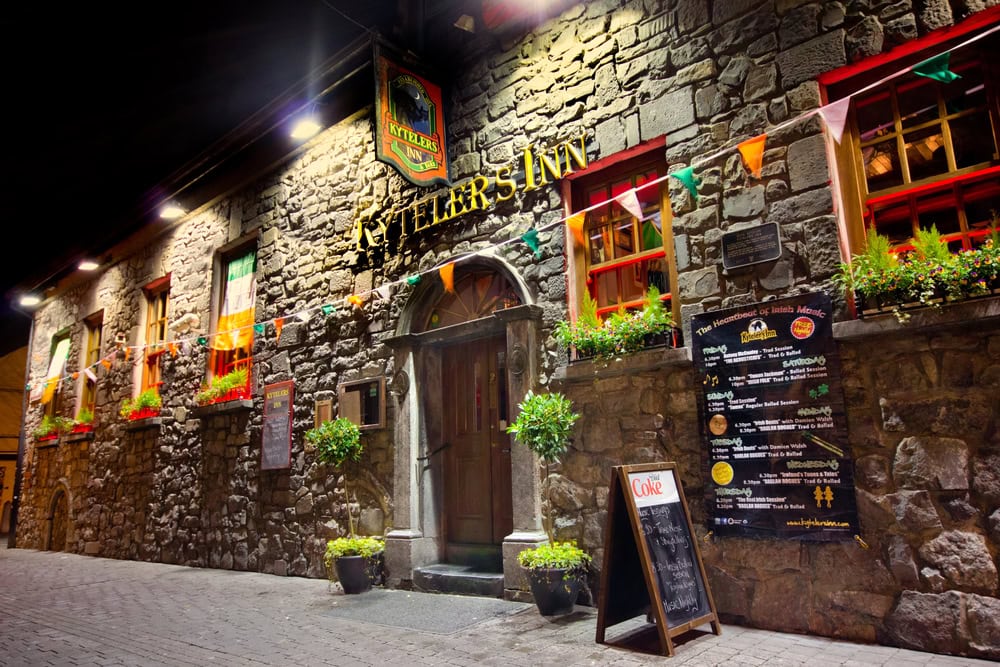
For lunch, Kyteler’s Inn sits directly on the Medieval Mile and comes with a genuinely dark history it’s named for Alice Kyteler, accused of witchcraft in 14th-century Kilkenny. Afterward, Smithwick’s Brewery, founded in 1710 on the site of a former Franciscan abbey, runs hour-long tours for €13. For dinner, Ristorante Rinuccini (Italian, family-run) and Anocht (fine dining, overlooking Kilkenny Castle) are both strong options. For a fuller two-day version of this city, see my Kilkenny Travel Guide.

Day 6–7: Waterford
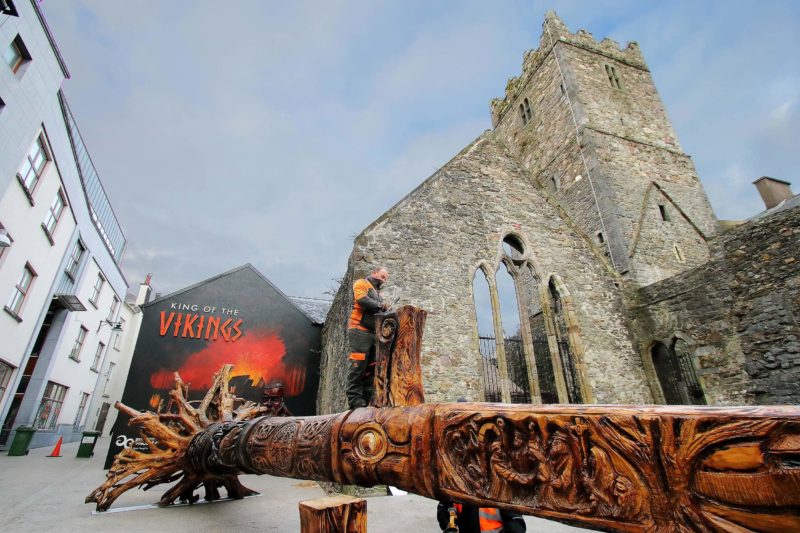
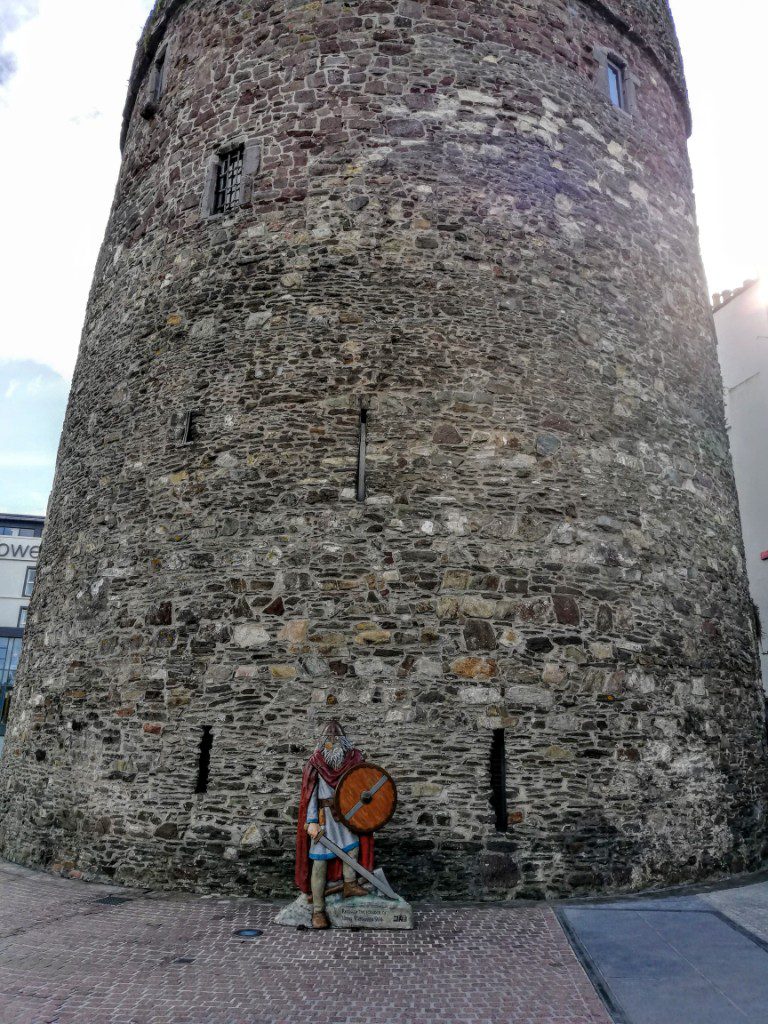
Waterford, founded by Vikings around 1,000 years ago, holds the largest collection of medieval walls and defensive towers in Ireland. Head for the Viking Triangle, easily found via Reginald’s Tower Ireland’s most comprehensive Viking exhibition, including the Waterford Kite Brooch and finds from a warrior’s grave.
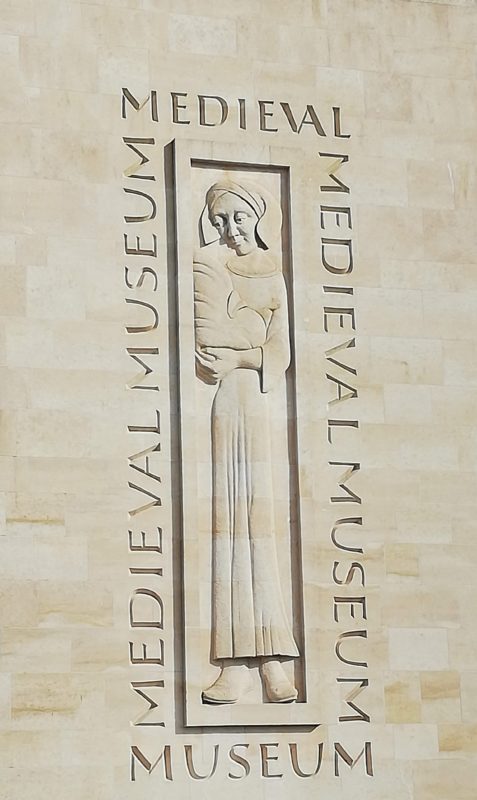
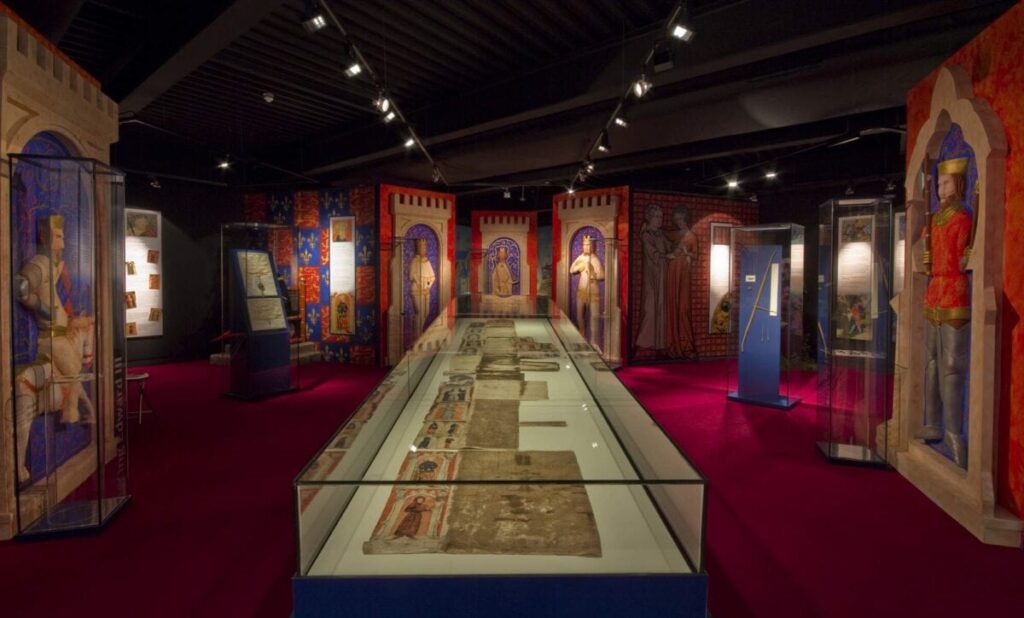
Behind the Tower, the Medieval Museum is Ireland’s only purpose-built museum of its kind, incorporating two genuine medieval chambers, and is fully wheelchair accessible with a tea room to rest in. A combined ticket covering the Medieval Museum and the Bishop’s Palace costs €15.
If you’re interested in Waterford Crystal, the House of Waterford Crystal runs factory tours (€13.05 online) where you can watch glassblowing in progress worth asking staff directly about where production actually happens today, since the manufacturing history here is more complicated than older claims suggest; production shifted abroad after 2009 financial difficulties but has partly returned to Ireland since the factory reopened in 2010.
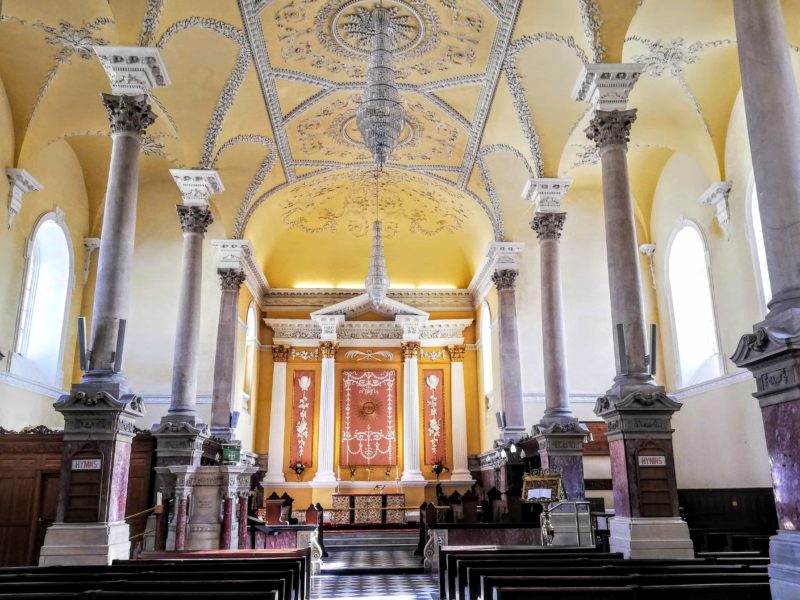
Christchurch Cathedral, modest from outside but striking within, is entry by donation. For lunch, Grow HQ near Waterford Hospital is a genuine grow-it-yourself social enterprise with a cooking school and café. For dinner, La Boheme on George Street is a longstanding local favourite, or head to The Reg beside Reginald’s Tower for live music across its five bars.
Accessibility on This Route
- Trinity College’s Book of Kells exhibition is reached by steps, though a lift is available; the main college buildings are partially accessible.
- Kilkenny’s road train offers a mobility-friendly alternative to walking the full Medieval Mile.
- The Glendalough International Hostel is wheelchair accessible; the upper lake walk itself is not.
- Waterford’s Medieval Museum is fully wheelchair accessible.
- Always confirm specific accessibility needs directly with an attraction in advance historic buildings in particular vary a great deal.
Frequently Asked Questions About 7 Days in Ireland
What’s the difference between this itinerary and your One Week in Ireland guide?
This route covers Ireland’s east and southeast Dublin, the Boyne Valley, Wicklow, Kilkenny, and Waterford. My One Week in Ireland itinerary covers the south and southwest instead Wicklow and Kilkenny too, then Cashel, Cork, Killarney, and the Cliffs of Moher. They share the same opening days but head in genuinely different directions from day 4 onward pick whichever region interests you more, or use one as this trip and the other as your next.
Is 7 days enough to see this route properly?
It’s enough to see Dublin, the Boyne Valley, Wicklow, Kilkenny, and Waterford without constant rushing, but it is a full week expect a genuinely busy pace rather than a relaxed holiday. You won’t reach the west, the north, or Northern Ireland on this route.
Do I need a car for this itinerary?
For days 3 onward, yes. Newgrange, the Hill of Tara, Monasterboice, and most of Wicklow aren’t realistically reachable without one. Don’t rent a car for your Dublin days, though you don’t want to drive in the city, and it’s easily walkable.

What’s the best way to get from Dublin Airport into the city?
A Leap Visitor Card is the easiest option, usable on Dublin buses and trams €10 for 24 hours or €19.50 for 72 hours, available at the airport. The Airlink Express bus (route 747) runs every 15 minutes into the city centre for €6 one-way. A taxi runs about €30.
Is Waterford Crystal still made in Ireland?
It’s a more complicated story than a simple yes or no. Manufacturing moved abroad after the company’s financial difficulties around 2009, but production has partly returned to Ireland since House of Waterford Crystal reopened in 2010. Worth asking on the factory tour itself for the current, accurate picture rather than relying on older claims.

Seven days on this route gives you Dublin’s history, Ireland’s deepest ancient past in the Boyne Valley, the Wicklow Mountains at their best, and two genuinely different medieval and Viking cities. It’s a busy week, not a relaxed one but it’s the kind of busy that leaves you already planning which direction to go next time.
Click here to subscribe
Join 7,500 Ireland travellers in my Ireland Uncovered Facebook Group and 1,897 on my XYUandBEYOND PAGE