
Kilkenny, Ireland: Your Complete Guide to the Medieval City
Quick answer: Kilkenny is a compact medieval city in southeast Ireland, about 90 minutes from Dublin by car or train, built around a 12th-century Norman castle and a mile-long trail of medieval buildings known as the Medieval Mile. It’s known as the “Marble City” for its black limestone, and was once the capital of Confederate Ireland (1642–1649). Yes, it’s absolutely worth visiting most people spend one to two days here, and it’s one of the most walkable historic cities in Ireland.
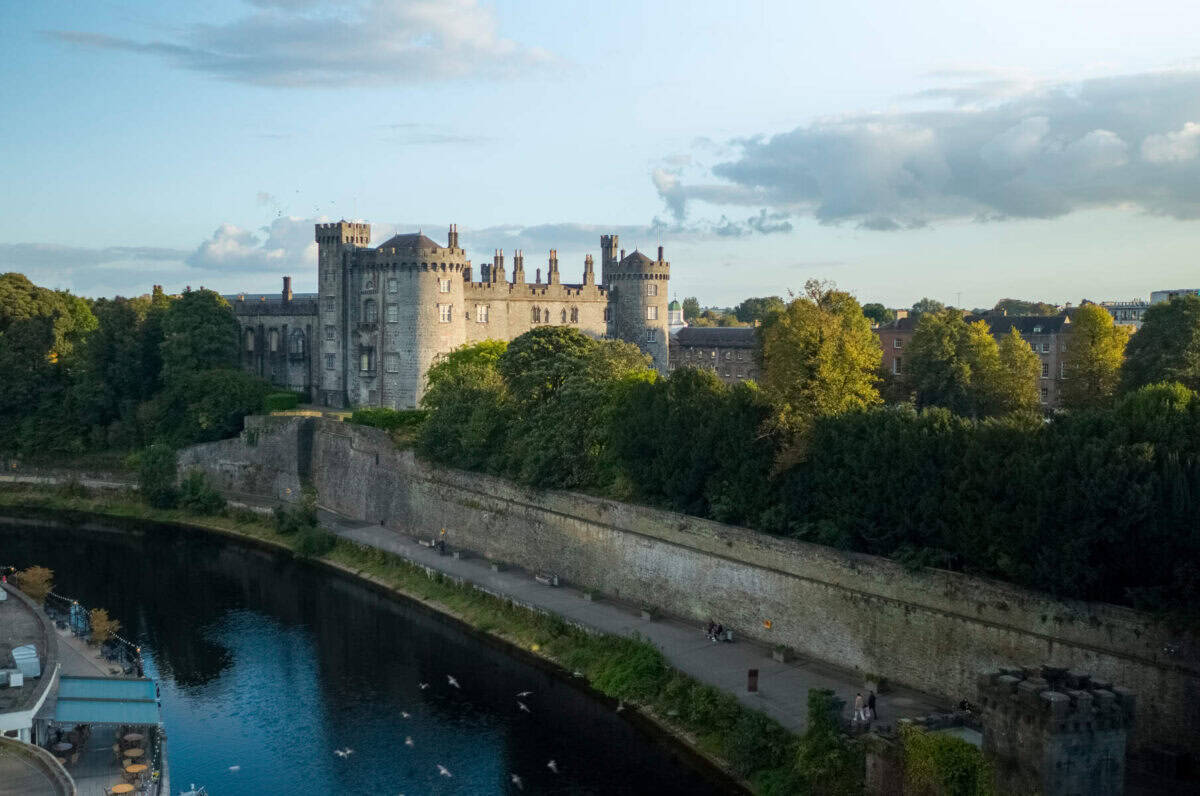
Welcome to Kilkenny, the “Marble City” of Ireland’s Ancient East. This medieval gem, just 90 minutes from Dublin, offers a compelling blend of history and Irish hospitality. From its imposing castle to its winding lanes paved with distinctive black marble, Kilkenny captivates visitors with centuries of stories and authentic experiences.
I’ve visited Kilkenny in every season over the years, and something to keep in mind: Kilkenny isn’t just a city, it’s also an incredibly beautiful county, and there are so many things to do in County Kilkenny it can keep you busy for days.
- Kilkenny, Ireland: Your Complete Guide to the Medieval City
- Fast Facts
- County Kilkenny
- Best Time to Visit Kilkenny
- How to get to Kilkenny from Dublin
- Essential Experiences in Kilkenny
- Cultural Experiences and Fun for Families
- Food and Drink in Kilkenny
- Kilkenny Pubs
- Hidden Gems in Kilkenny
- Best Places to Stay in Kilkenny
- FAQs about Kilkenny
- Planning Your Visit to Kilkenny
- Exploring the fascinating regions of Ireland
Fast Facts
| Where | Southeast Ireland, Leinster, on the River Nore, County Kilkenny |
| Nickname | The “Marble City” for the black limestone used throughout its buildings |
| From Dublin | About 90 minutes by car; about 90 minutes by train from Heuston Station (~€13 return); summer Bus Éireann Xpress ~90 minutes (~€10) |
| Status | City by Royal Charter since 1609; was the capital of Confederate Ireland, 1642–1649 |
| Known for | Kilkenny Castle, the Medieval Mile, St. Canice’s Cathedral & Round Tower, Smithwick’s brewing heritage, hurling |
| Best for | History, food and drink, ghost tours, an easy day trip or weekend from Dublin |
| How long to stay | One day covers the highlights; two days lets you explore at a relaxed pace |
County Kilkenny
Beyond the city limits lies County Kilkenny, where ancient abbeys, rolling countryside, and hidden treasures await exploration. Whether you’re planning a day trip or an extended stay, this guide covers the essential experiences that make Kilkenny a must-visit destination for history enthusiasts, families, and cultural explorers alike.
Best Time to Visit Kilkenny
I’ve been in every season, and Kilkenny genuinely works year-round most of its best sights (the castle, the cathedral, the museums) are indoors. Late spring through early autumn gives you the best weather for wandering the Medieval Mile and the castle grounds. Summer brings the liveliest atmosphere and the festival season, including the Kilkenny Arts Festival in August and the Savour Kilkenny food festival. If you’d rather have the streets to yourself, spring and autumn are quieter, with the same sights and shorter queues.

How to get to Kilkenny from Dublin
If you’re planning your visit to Ireland and renting a car from Dublin airport, you may want to head straight to Kilkenny. If you’re planning on spending a day or two in Dublin first, I’d recommend picking up the car the day you leave. You could also plan a trip around the south coast of Ireland that takes in Kilkenny, Waterford, Wexford, Hook Head, and several other major sites along the way.
Kilkenny train from Dublin
Getting to Kilkenny is easy it’s around an hour-and-a-half drive from Dublin. You can also catch a train from Heuston Station to Kilkenny’s MacDonagh Station, at a cost of around €13 return per person, in about 90 minutes. Buses also run to Kilkenny, and in summer months the Xpress service on Bus Éireann takes around 90 minutes for about €10 per person.

Essential Experiences in Kilkenny
Kilkenny’s Medieval Mile is packed with history, culture, and lively experiences all within easy walking distance.
Walk the Medieval Mile
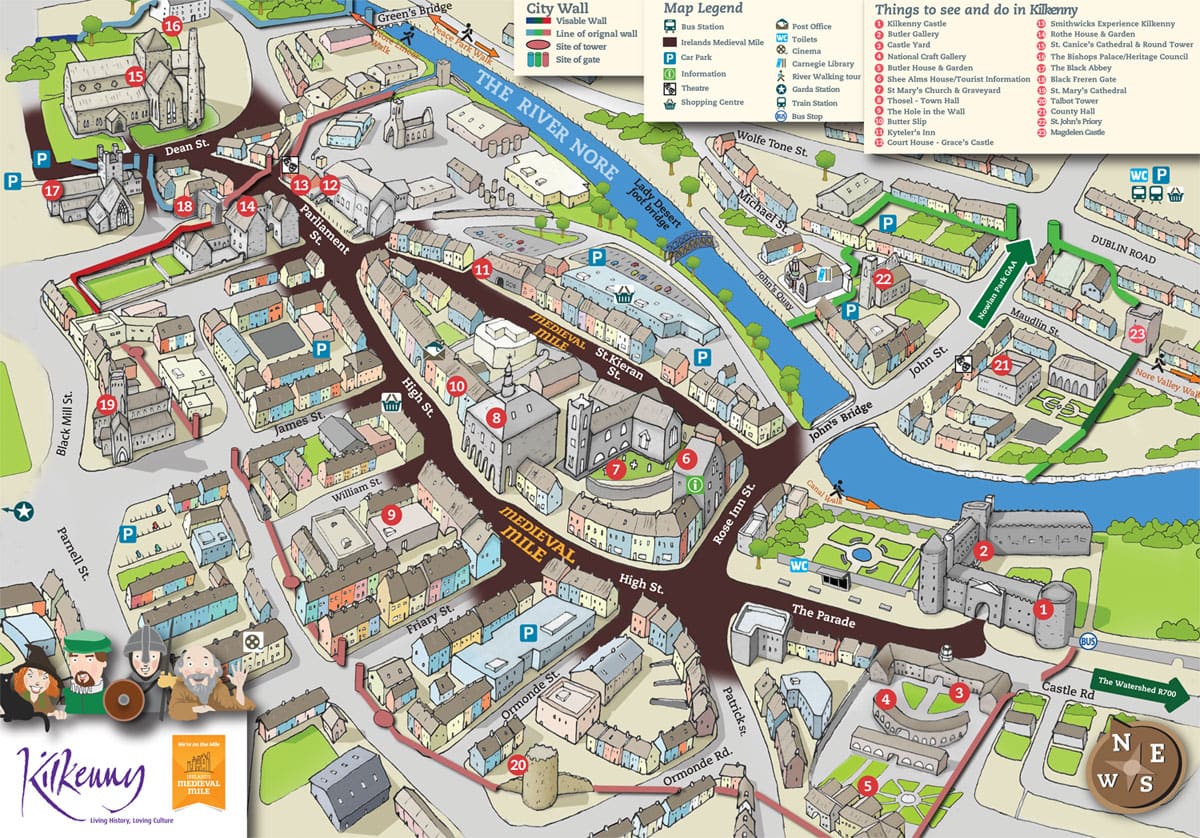
Kilkenny’s most famous attraction is the Medieval Mile stroll the mile-long trail from the castle to St. Canice’s, passing historic buildings, quirky shops, and cosy cafes.
Kilkenny Castle & Park
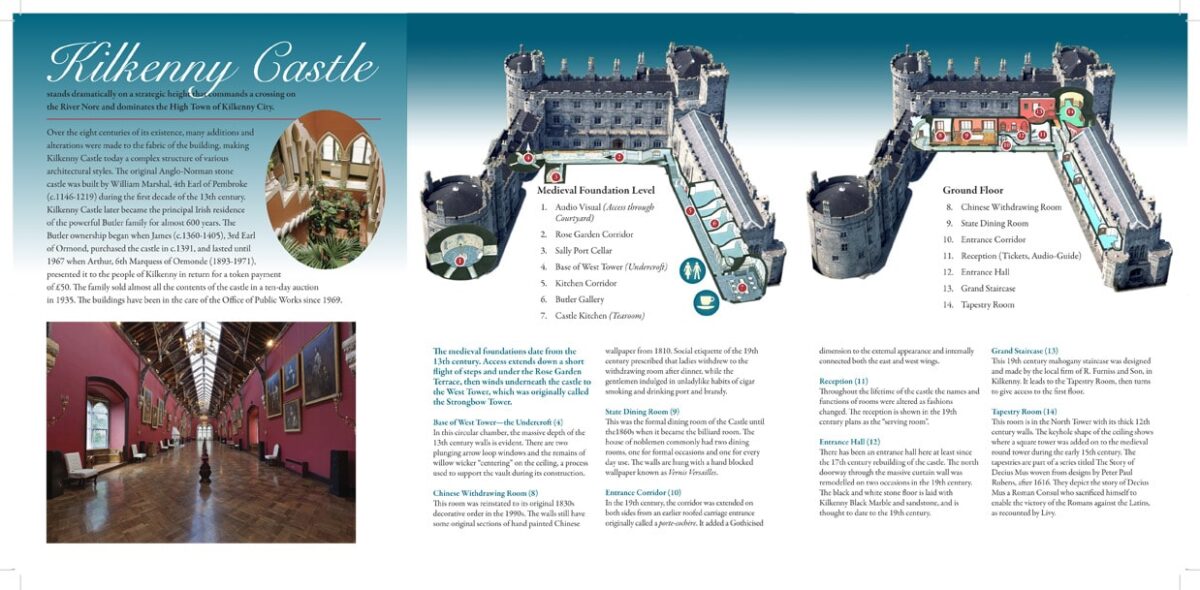
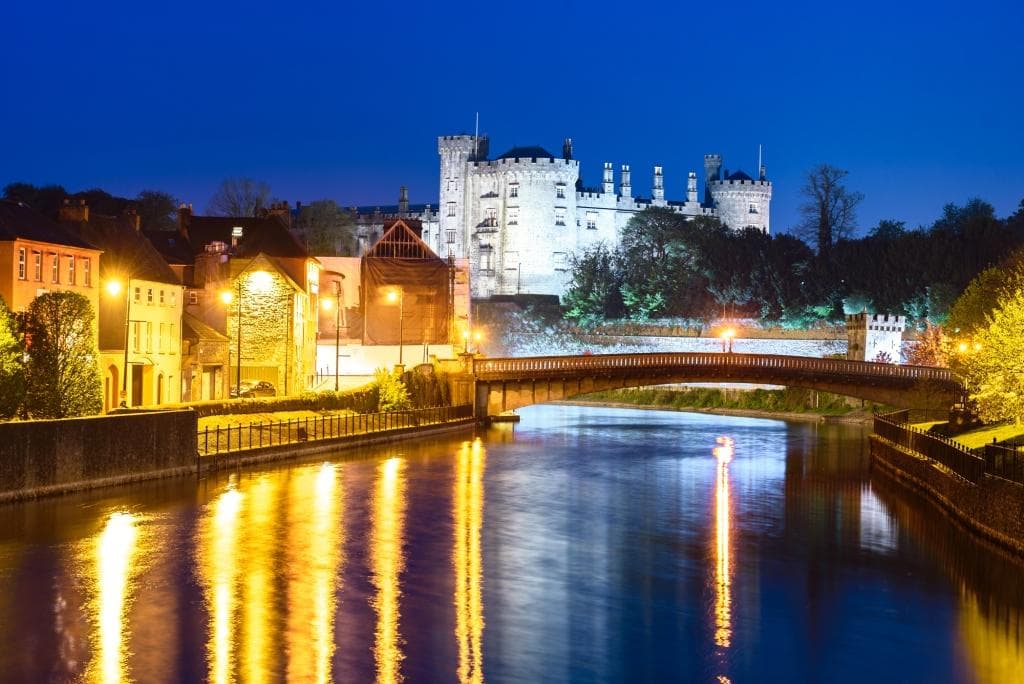
Walk through the grand halls of this 12th-century Norman castle and relax in its beautiful rose gardens and park. Kilkenny Castle stands dramatically on a strategic height that commands the crossing on the River Nore and dominates the ‘High Town’ of Kilkenny City.

The original Anglo-Norman stone castle was built by William Marshal, 4th Earl of Pembroke, in the 12th century. This is one of the greatest Irish castles you can visit, and it’s one of my favourite things to do in Kilkenny. The castle later became the principal Irish residence of the powerful Butler family for almost 600 years their ownership began when James, the 3rd Earl of Ormond, purchased the castle around 1390, and lasted until 1967, when Arthur, 6th Marquess of Ormonde, presented it to the people of Kilkenny for a token payment of £50; the Irish State formally took it over in 1969.
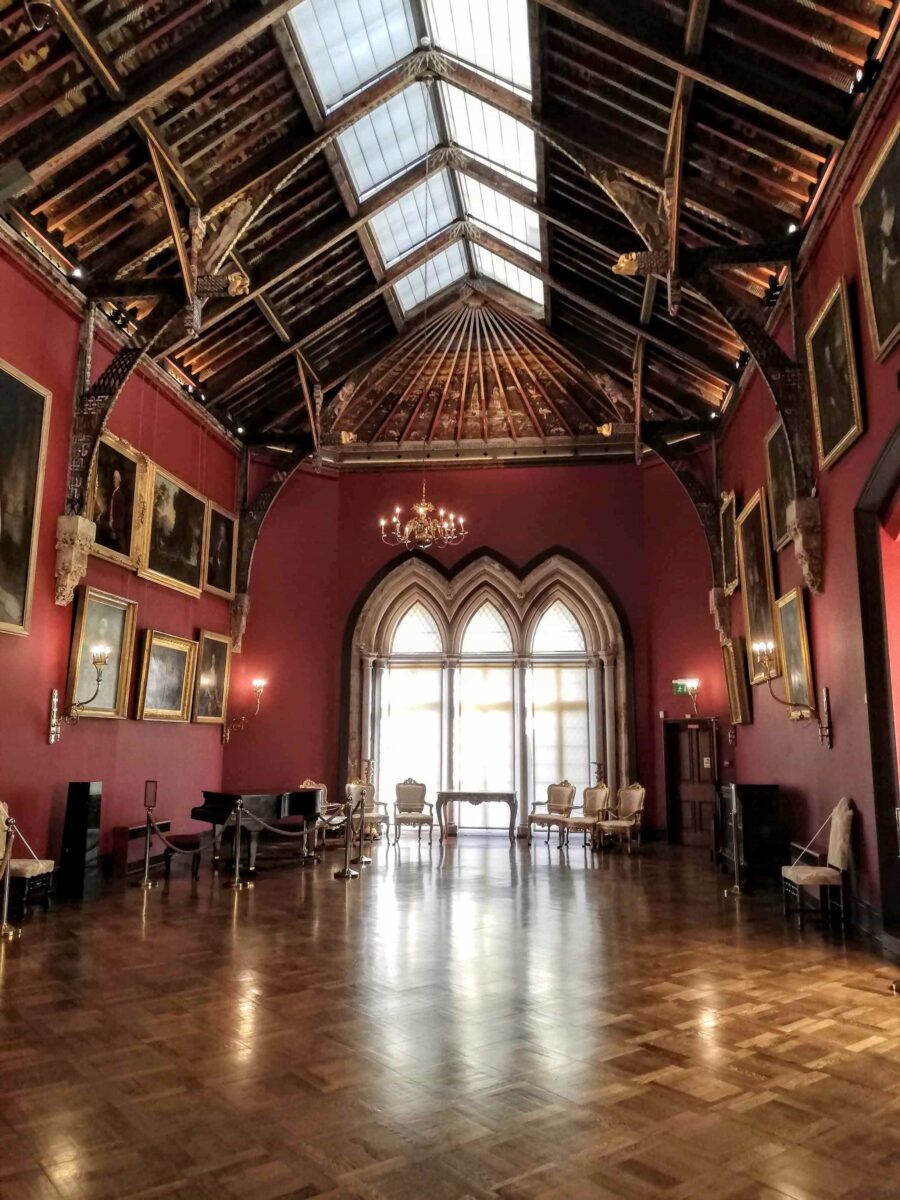
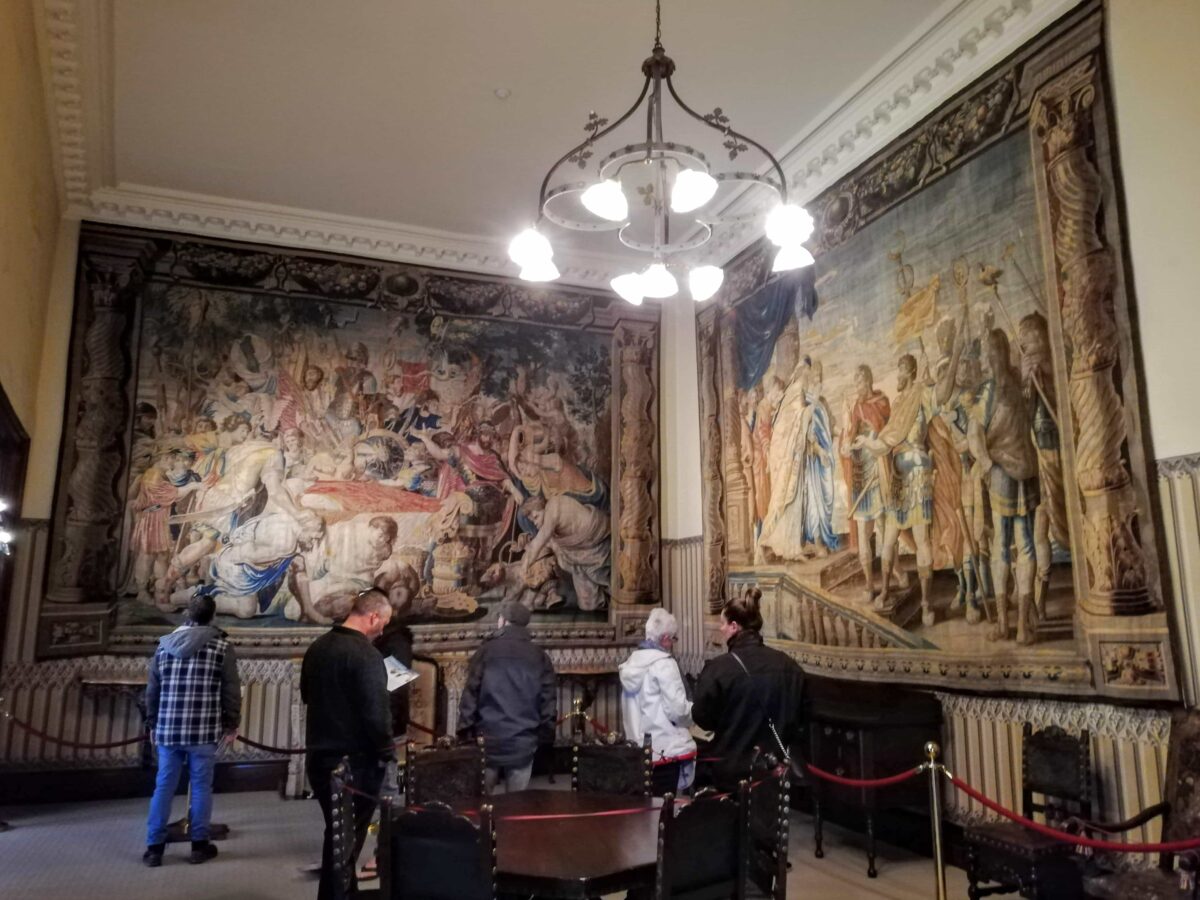
It’s since become one of the country’s most-visited heritage sites Kilkenny Castle was Ireland’s most-visited ticketed OPW site in 2023, with over 546,000 visitors, and remained one of the top sites in 2024. Self-guided adult admission is €8, senior €6, child/student €4, and family (2 adults + 3 children) €20; a new guided “Summer offering” tour runs €12 adult. Children under 12 go free, as do Heritage Card holders for current hours, since they shift seasonally.
I’ve toured the castle myself and always end up lingering in the Picture Gallery the hand-painted hammer-beam roof up there is worth craning your neck for, one of those small details that makes the whole visit.
St. Canice’s Cathedral & Round Tower
St Canice’s Cathedral is one of the most prominent sights in Kilkenny (also called Kilkenny Cathedral); construction ran between 1202 and 1285, though the religious roots of the site go back to the 6th century, when the Church of St Canice stood here.

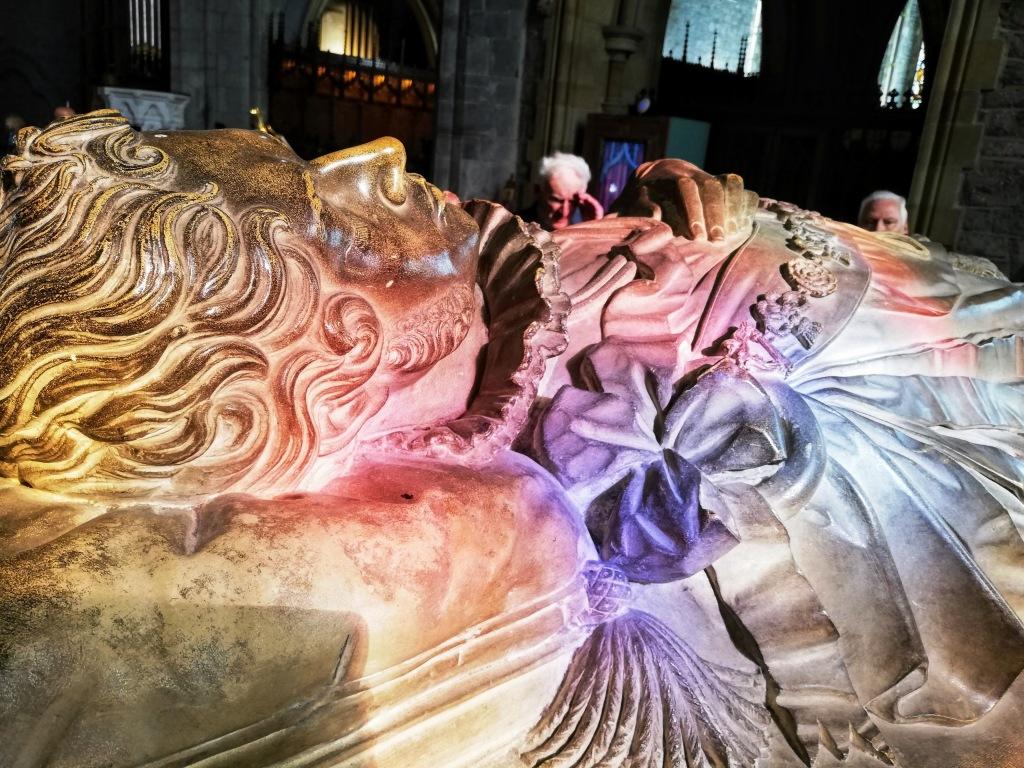
I noticed many tourists just rushing through the place, but it’s well worth at least an hour of your time. I’ve caught organ music playing inside on more than one visit, and there’s a particular kind of stillness to hearing it echo through the nave. The cathedral holds windows by two notable stained-glass makers Harry Clarke Studios and Alfred E. Child and I’ve stood and watched the light through them fall across the 16th-century black marble tombs on the floor, picking out the carving in a way photographs never quite capture.
The original medieval East Window has its own dark history: commissioned in 1354, it survived a Papal Nuncio’s attempt to buy and remove it to Rome in the 1640s, only for the cathedral to be destroyed by Cromwell’s forces in 1650. Fragments of that lost window, rediscovered in 1846, are now held by the National Museum of Ireland.

The round tower, thought to date from the 9th century, is the oldest standing structure in Kilkenny City, and one of only two round towers in all of Ireland that visitors are allowed to climb, weather permitting. From the top of the 30-metre tower, you get wonderful views of Kilkenny and the surrounding countryside. Entry is generally around €4 for the cathedral and €3 for the round tower, with a combination ticket from around €10.

The Medieval Mile Museum
The 13th-century St Mary’s Church and graveyard is the finest example of a medieval church in Ireland, and has been converted into a modern museum and events venue. It tells the story of Kilkenny and its medieval history through interactive displays, with the city’s civic treasures on show alongside replicas of the Ossory High Crosses. A self-guided audio tour costs around €7.

Rothe House & Garden
Said to be one of Ireland’s best surviving examples of a 16th-century merchant’s house, Rothe House is now a museum with artefacts from Viking and Celtic times costumes, artefacts, and exhibits from around the area. Entry is around €10.

The garden is a faithful recreation of the Rothe family garden as it would have appeared in the early 17th century, and is now the only urban garden of this period open to the public. The long, walled burgage plot runs from the rear of John Rothe’s house on Parliament Street to the city wall; archaeological excavations in 2008 uncovered the original layout, right down to 17th-century seeds and pollen.

Black Abbey
The Dominican Black Abbey was founded in 1225; the church has been beautifully restored to its original splendour, with a spectacular stained-glass window. It takes its name from the Black Friars, as the Dominicans were called. Admission is free.

The Shee Almshouse
Founded by the Shee family in 1582, during the Tudor period, to accommodate twelve poor persons in the city. The Shee Almshouse offers guided tours as part of Kilkenny Civic Trust’s historical walking tours, and is one of the best-preserved Tudor almshouses in Ireland. Cost for adults is around €5–€7 per person (prices may vary slightly).

Famine Heritage of MacDonagh Junction
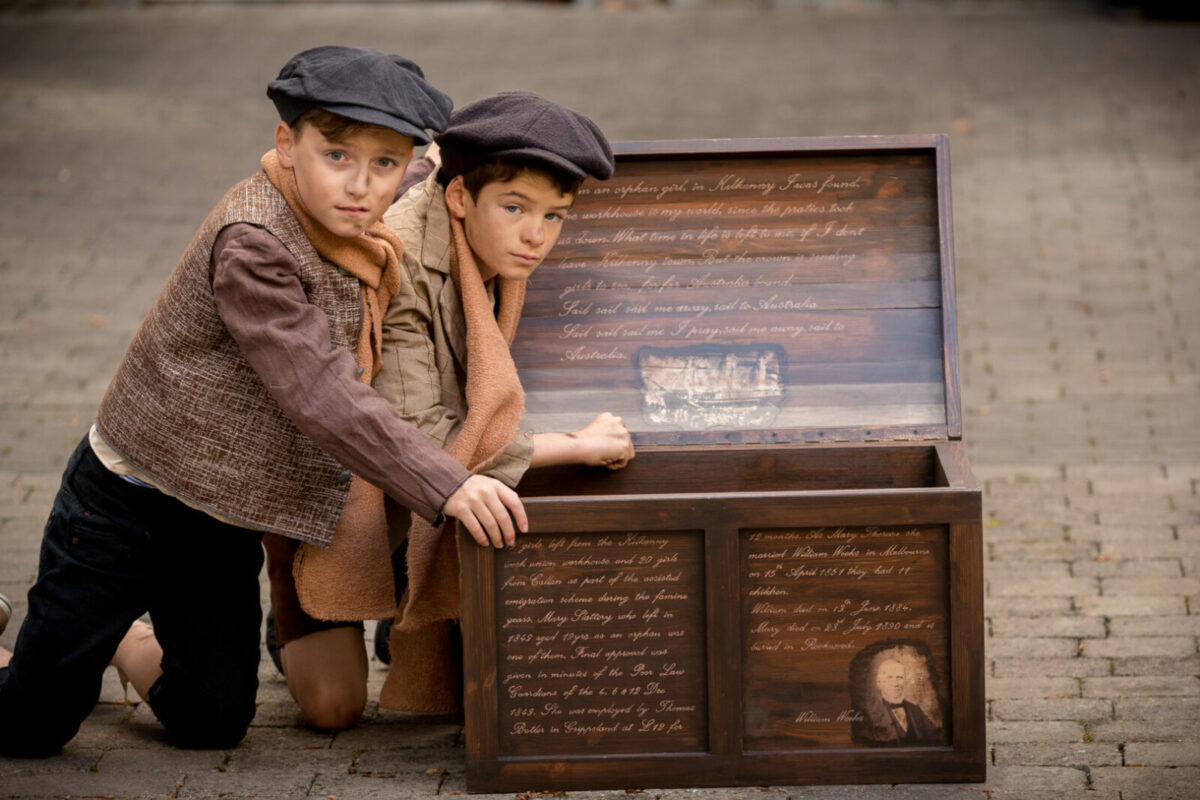
The MacDonagh site was originally the Union Workhouse, built in 1842 to accommodate up to 1,300 local poor. When the Great Famine began in 1845, the Poor House quickly became the City Famine Workhouse. You can visit the Kilkenny Union Workhouse, now beautifully restored, for a free self-guided audio-visual tour at the Kilkenny Famine Experience.
Kilkenny Jail & Courthouse
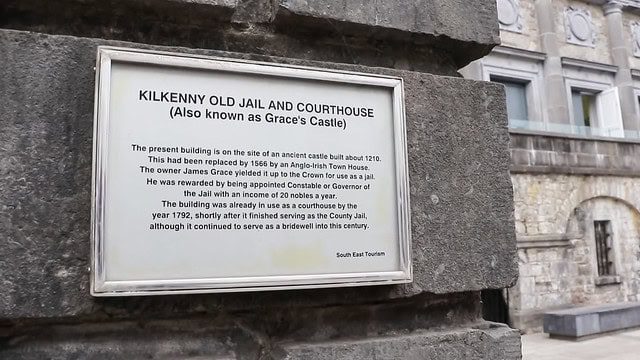
Standing on the site of an ancient castle built around 1210, the present building dates from 1566, and was eventually given to the authorities for use as a jail. It became a courthouse around 1792, and still houses the local district and circuit courts today. The foyer also functions as an exhibition venue during the Kilkenny Arts Festival in August. Entry is free.
Tholsel (City Hall)
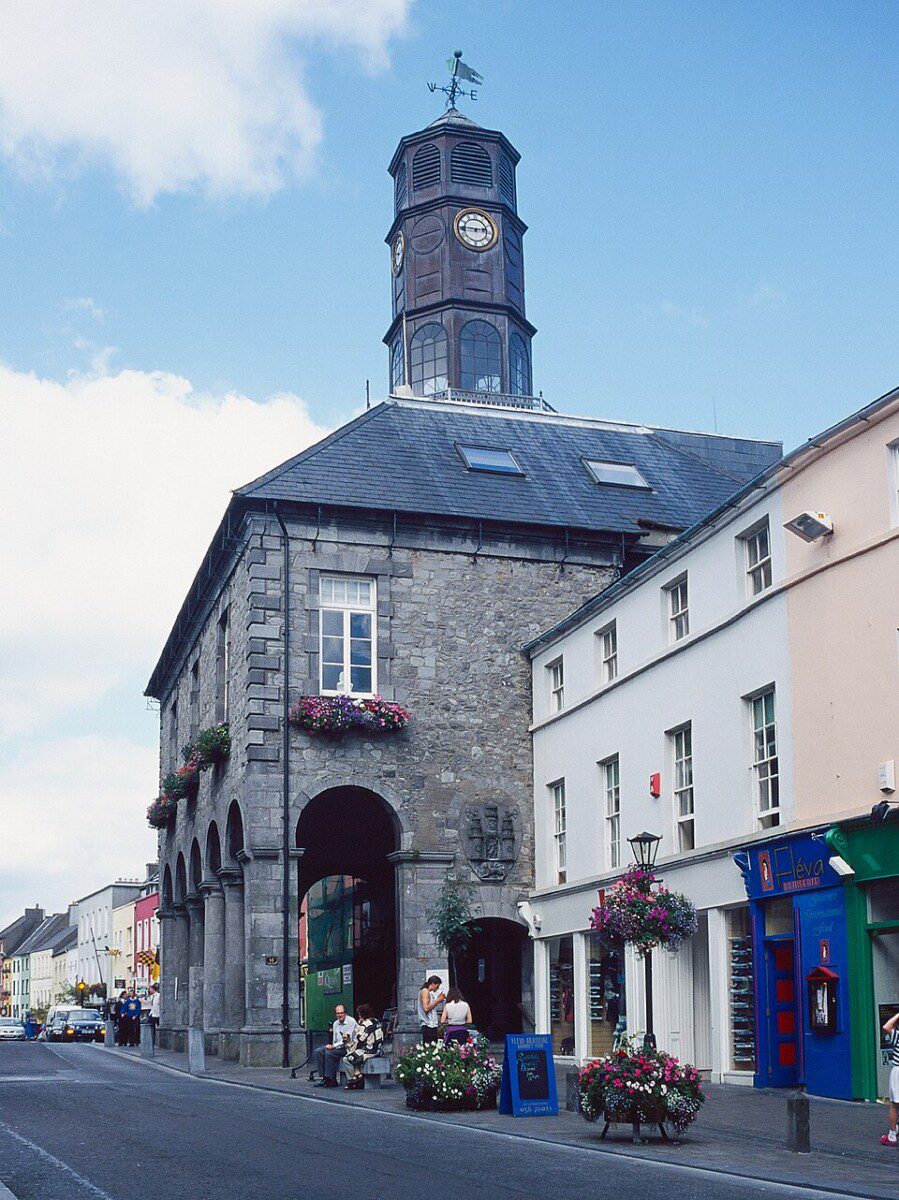
Built in the 1700s as a toll collection point, the Tholsel now acts as Kilkenny’s City Hall its lovely arcade is the place to come and see the buskers of Kilkenny.
Butterslip Lane
A tiny, dark walkway connecting High Street to Low Street (now St Kieran’s Street). This narrow medieval cobblestone alley was built in 1616, and was home to butter vendors.

St. Mary’s Cathedral
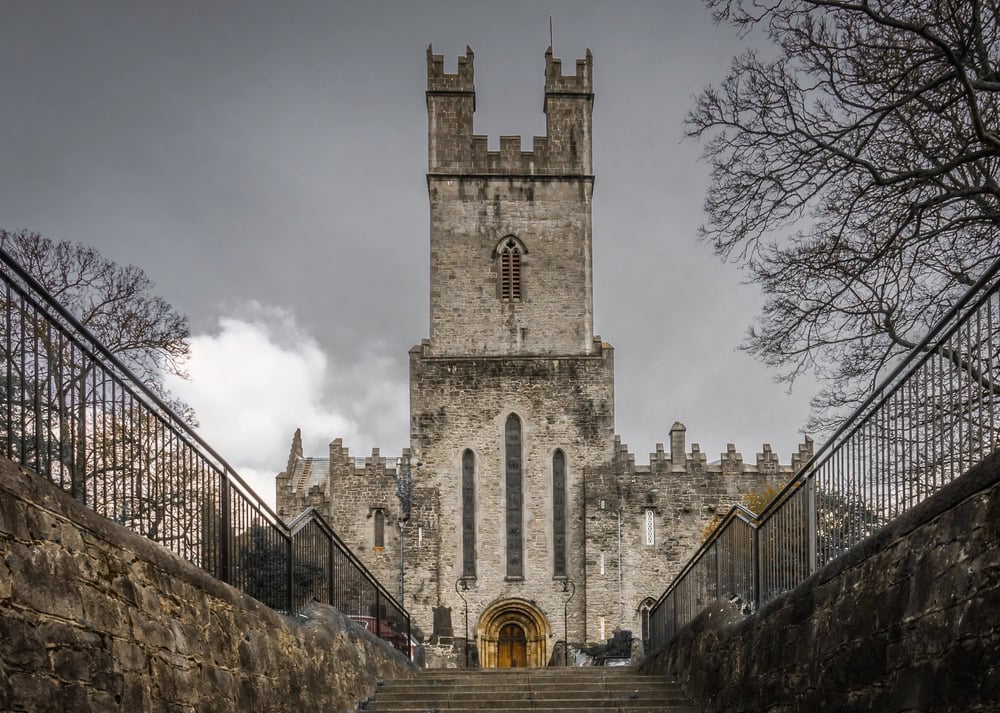
Located on the highest point of Kilkenny, St. Mary’s Cathedral is built in the early Gothic English style, believed to be modelled on Gloucester Cathedral in England. It’s built from cut limestone, all sourced locally, in the 1800s. Entry is free, but donations are gratefully accepted.
Cultural Experiences and Fun for Families
Castlecomer Discovery Park
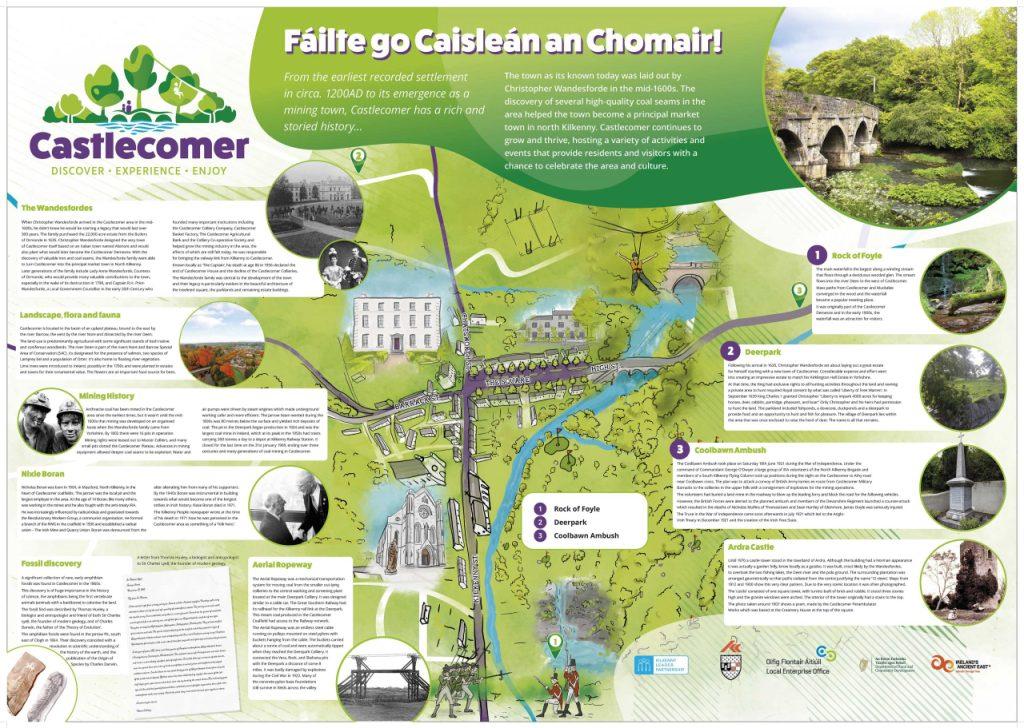
Adventure activities including tree-top walks and climbing walls, set in former coal-mining woodland just outside the city.
Dunmore Cave
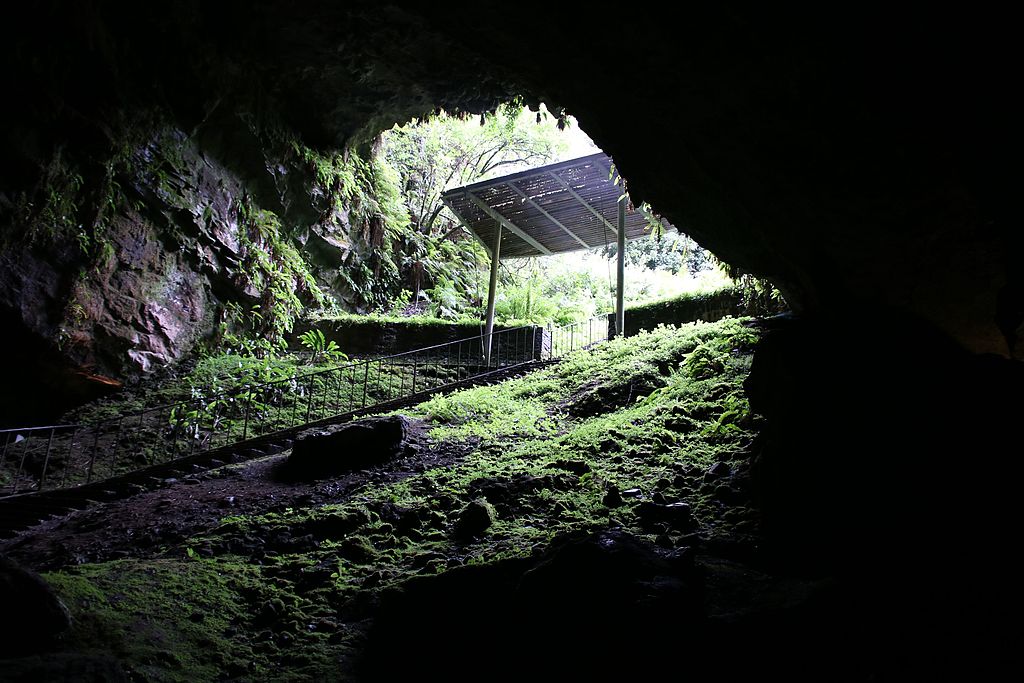
A fascinating limestone cave system with an interactive visitor centre and guided tours. Dunmore has been known for centuries as one of the “three darkest places in Ireland” in an early Irish text called the Triads, and it has a genuinely dark history to match: the Annals of the Four Masters record that in 928 AD, Viking raiders under Godfrey ua hImair massacred as many as 1,000 people sheltering in the cave. Archaeologists haven’t been able to confirm the scale of the massacre, but human remains and Viking-era finds including a hoard of silver and copper-alloy objects discovered in 1999 back up the cave’s dark reputation. It’s about 11km north of Kilkenny City, access is by guided tour only, and the visit involves around 700 steps.
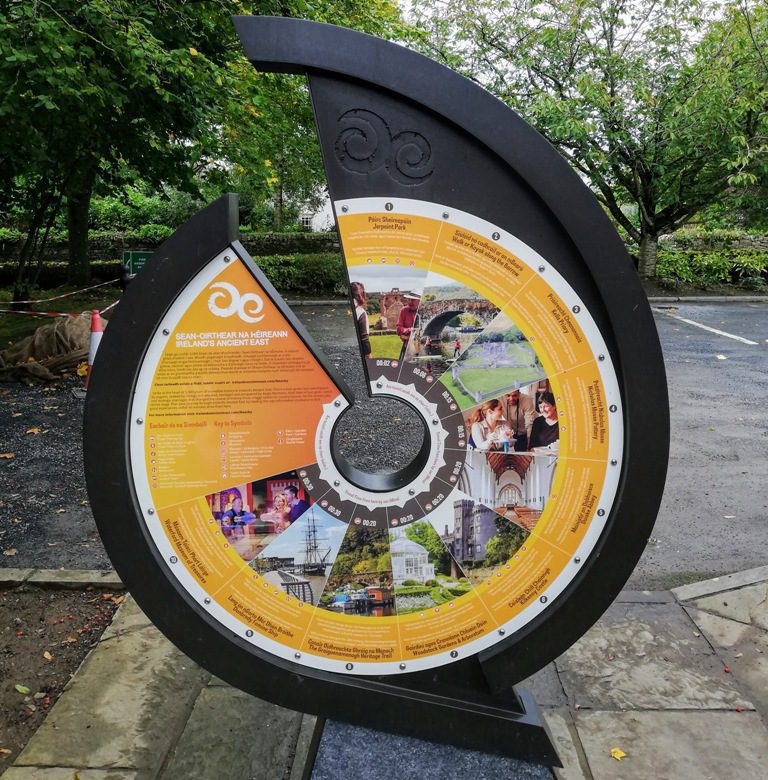
Jerpoint Park and Jerpoint Abbey
In Jerpoint Park you can have a farm visit with sheepdog demonstrations, medieval town tours designed for children, and interactive history lessons. This is also where St. Nicholas (Santa Claus) is said to be buried.
Jerpoint Abbey is a National Monument and 12th-century Cistercian abbey located 2.5km south-west of Thomastown in County Kilkenny, Ireland. Founded around 1160 by Domnall Mac Gilla Patraic, King of Ossory, it is one of the best-preserved medieval monastic ruins in Ireland, renowned for its cloister arcade, stone carvings, and medieval tombs. It is open Monday through Sunday, 9am to 5pm, with adult admission at 5 euros.


Nore Valley Park
A petting farm, camping facilities, mini golf, and nature trails suitable for children.
Medieval Mile Museum Kids’ Activities
Interactive medieval costume experiences, child-focused guided tours, and historical treasure hunts.
Kilkenny Ghost Tours
There’s no shortage of ghostly tales and legends in Kilkenny. If you’re a fan of thin places, take a ghost tour and learn the stories handed down through the generations. You can also take a medieval grave tour of open tombstones and ghastly graves within the city’s famous churchyard.
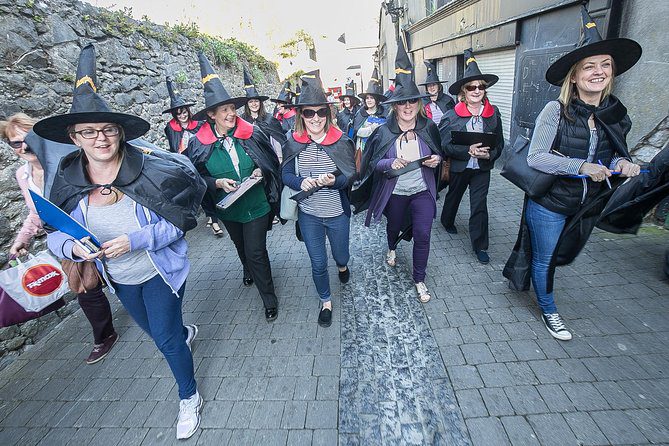
The ghost tour was one of my favourite things to do in Kilkenny hear tales and folklore such as the curse of Sir Richard Shee and Dame Alice Kyteler’s infamous witch trial in the 14th century. The tour takes in the imposing Kilkenny Jail, St Mary’s Cathedral, Rothe House, and the stone tombs of Black Abbey, and you might just bump into a ghostly apparition along the way.
Food and Drink in Kilkenny
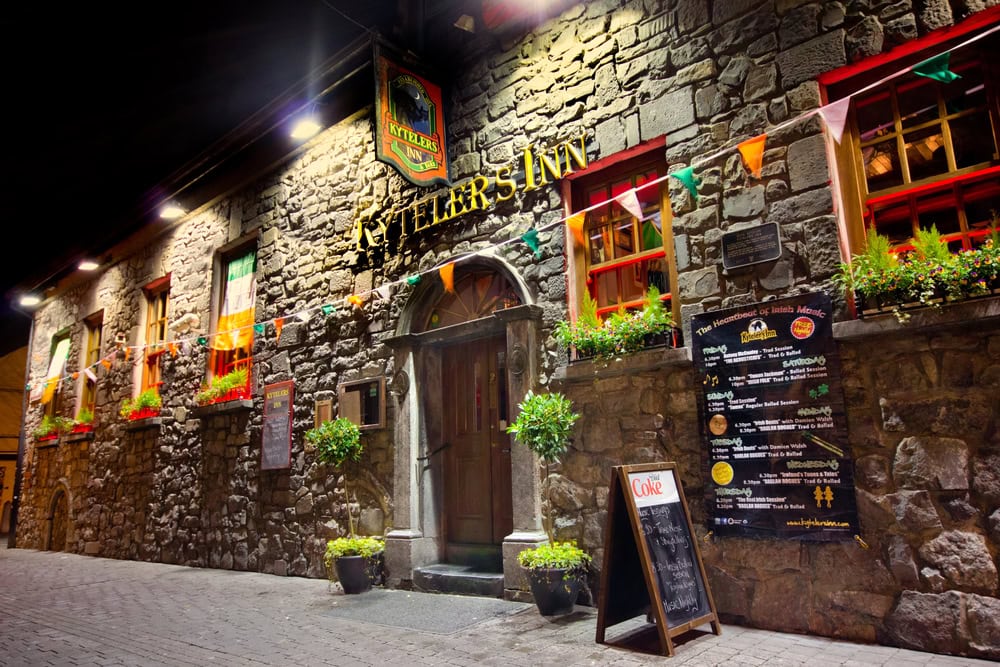
Kyteler’s Inn
One of Ireland’s oldest inns, with a unique story, great food, artisanal beers, live music, and, of course, a ghost. Dame Alice de Kyteler was accused of witchcraft by her husband’s children, who believed she’d poisoned him to get to his money the first known witchcraft trial in Ireland. Under torture, the church obtained confessions, and Dame Alice was sentenced to be burnt at the stake, but escaped the night before her burning in 1325. She’s believed to have fled to London, and nothing more was heard of her.


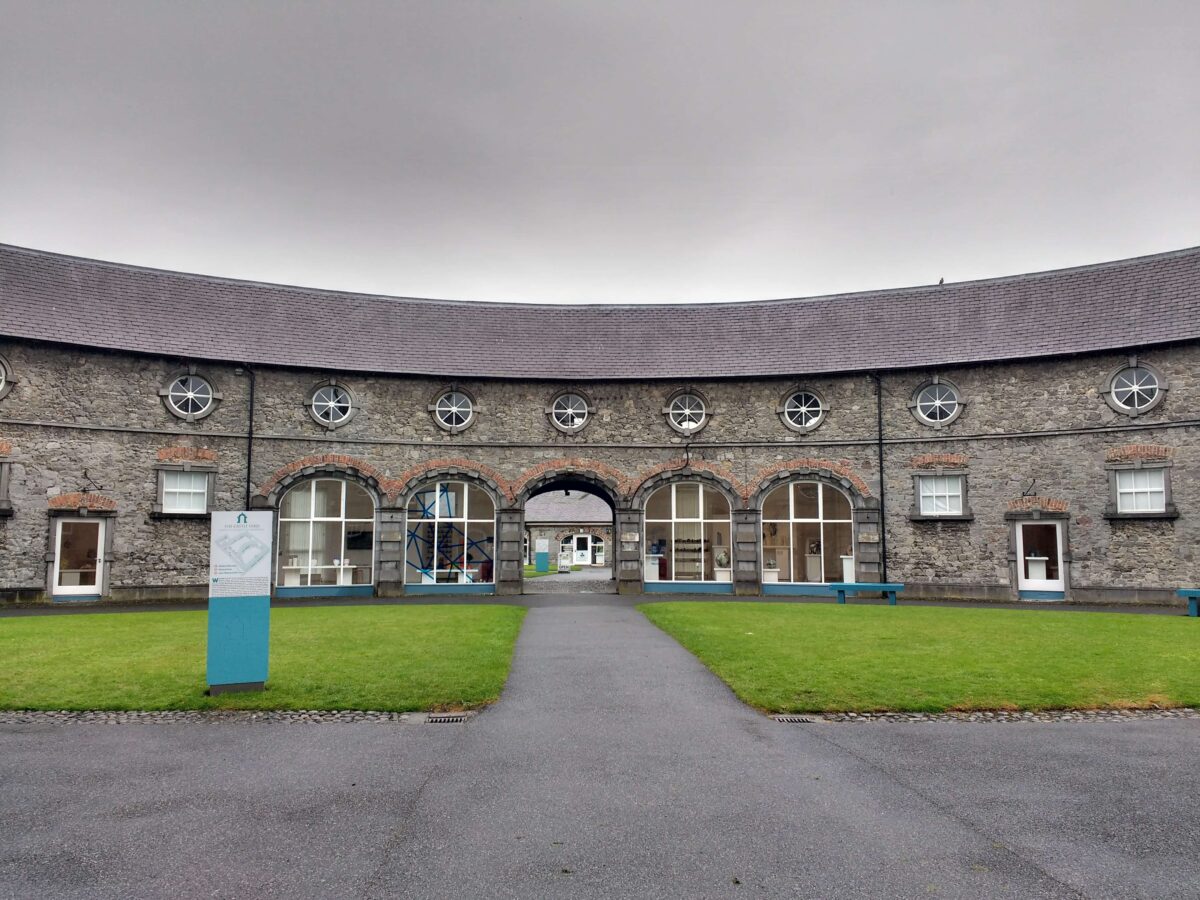
Kilkenny Design Centre
An amazing selection of Irish and international artists’ handcrafted gifts Ireland’s most prestigious source of Irish gifts, chosen for quality, uniqueness, and style. Located directly across from Kilkenny Castle, it houses a fabulous restaurant upstairs and a cafe downstairs serving fresh baked goods and dishes from Ireland’s finest regional producers.
Smithwick’s Experience Kilkenny
A fun, interactive tour of Kilkenny’s famous ale-making history, including tastings. The Masters of Ale Experience costs around €20 per person for those over 18 with valid ID a 75-minute tour with a guided walk-through, a welcome refreshment, a tasting masterclass of four ales, a pint-pouring tutorial, and an engraved glass memento.

Butler House & Gardens
A peaceful Georgian mansion (once the castle’s dower house) with lovely gardens, great for afternoon tea. Adult tickets are around €15.50.

Kilkenny Pubs
Lanigan’s Bar and Hostel
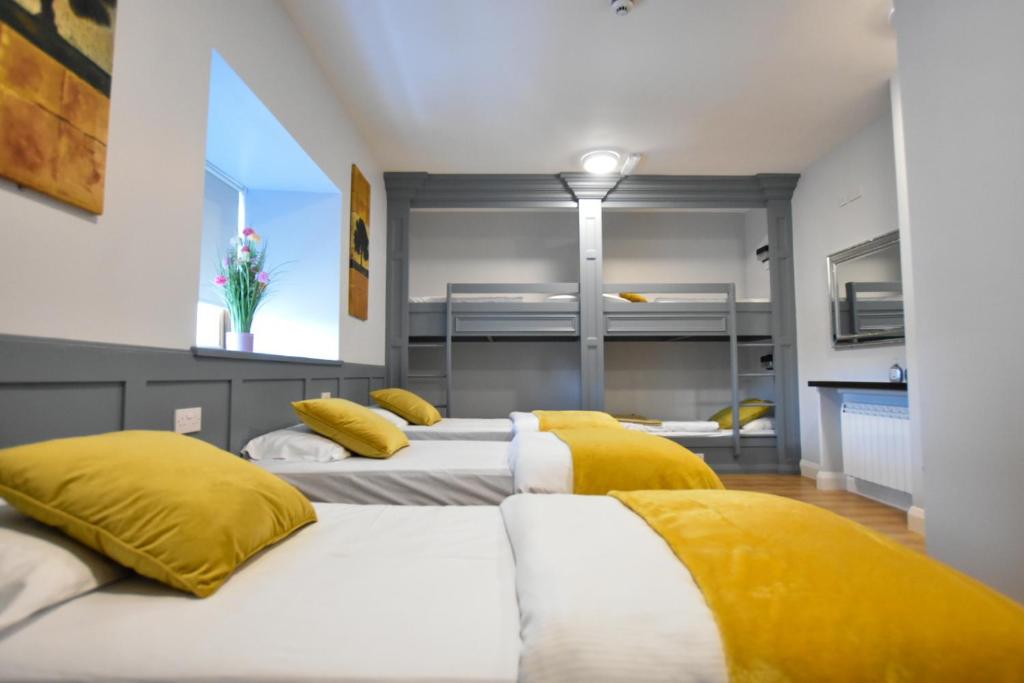
The best-located hostel in Kilkenny safe, comfortable, and clean, approved by the Irish Tourist Board and in the heart of the city. Rooms are ensuite, with female-only options, and there’s an award-winning traditional Irish pub and restaurant attached. Rates start from around €16 a night.
Lenehan’s
An authentic Irish pub that’s been in the Lenehan family since 1911, in a building dating back to the 17th century.
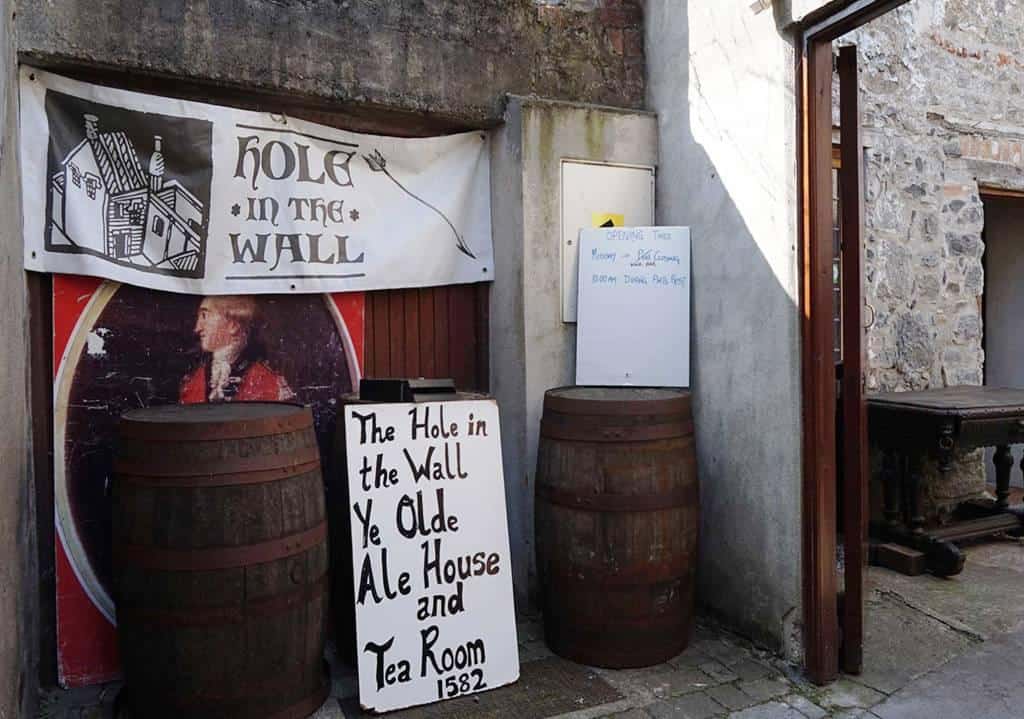
The Hole in the Wall
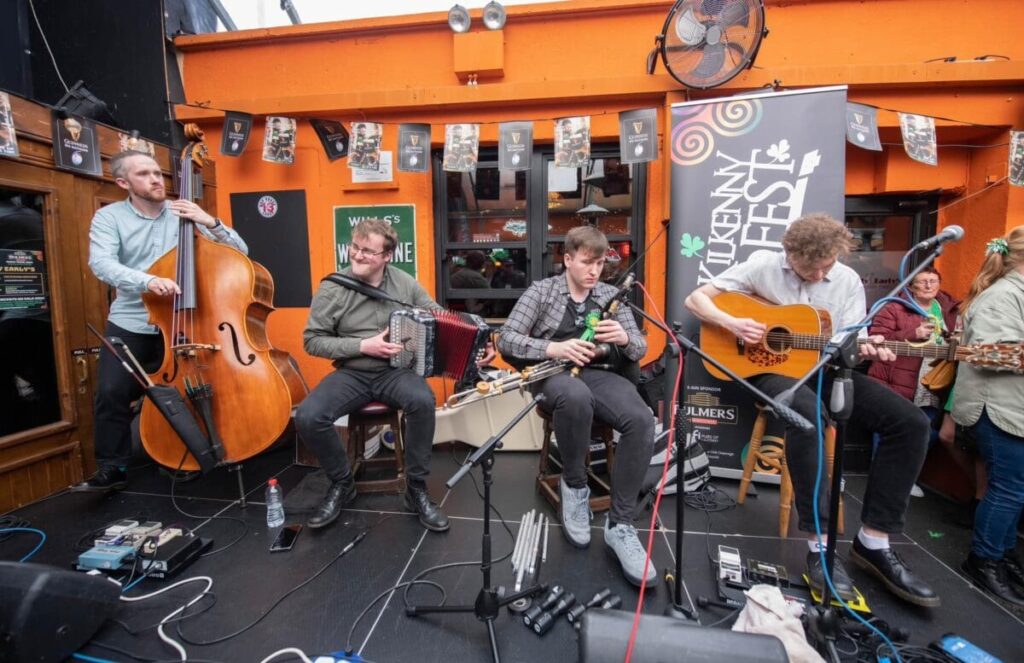
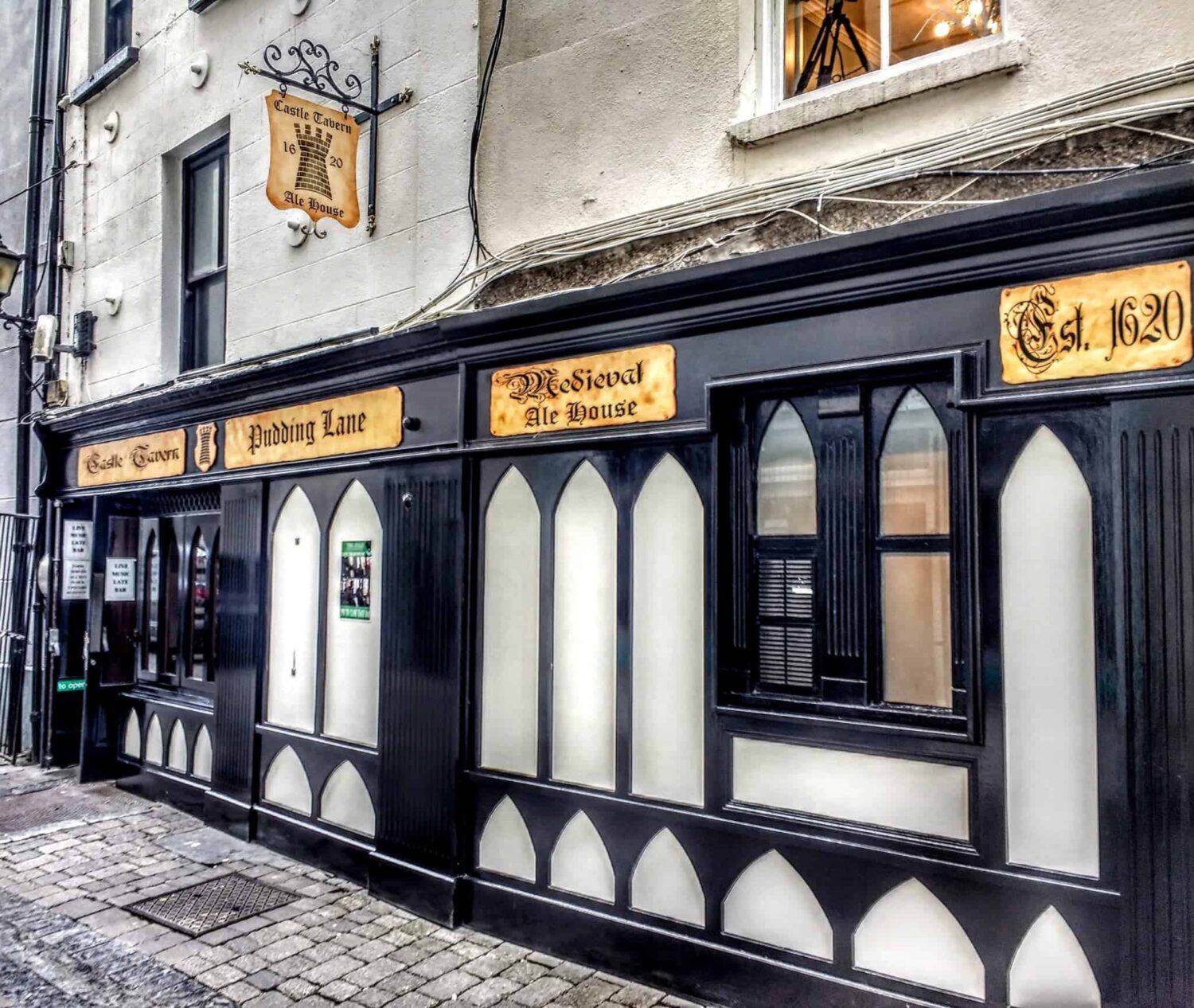
One of Ireland’s oldest surviving pubs, dating back to 1582. Tucked away on a narrow lane, its name possibly comes from an actual hole in the wall used to serve drinks during times when pubs were restricted. Cosy and rustic, with low ceilings, stone walls, and a warm fireplace, it’s known for traditional Irish music sessions.
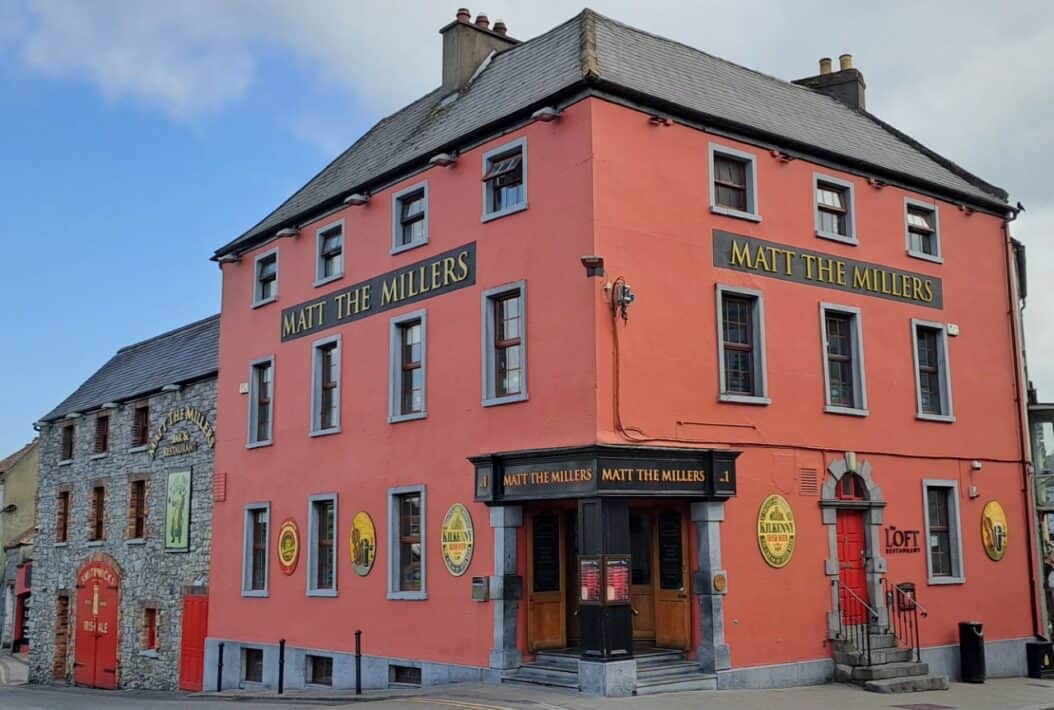
Matt the Millers
Ireland is known for its traditional (“trad”) music, or as they say back home in Donegal, the “diddily i di.” Some of the best can be found at Matt the Millers, across the River Nore from the Medieval Mile.
Hidden Gems in Kilkenny
Kilkenny Road Train Tour
There are so many attractions in Kilkenny you may want to save your feet before you really explore the Road Train Tour is a great way to get around if you’re mobility-challenged. At around €9.50 for adults and €6 for children, this small road train tours all around the city, starting at Kilkenny Castle, with a 30-minute tour of medieval Kilkenny and full commentary on the city’s landmarks.

The Rivers of Kilkenny
Kilkenny was the capital of Confederate Ireland from 1642 until Cromwell’s forces took the city in 1650. It sits in the southeast of Ireland, in the province of Leinster, and County Kilkenny has three major rivers running through it, known as the Three Sisters: the Nore, the Suir, and the Barrow.

The Butler Gallery
One of the finest exhibition spaces in the country, the Butler Gallery is a fantastic venue for touring shows and originates some formidable exhibitions of its own, with an impressive collection of nineteenth- and twentieth-century Irish art.
Canal Walks
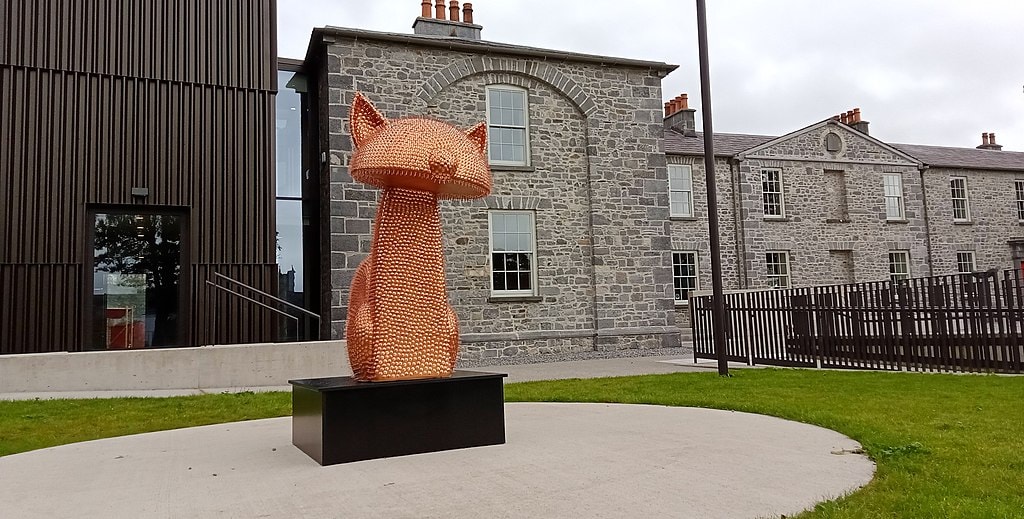
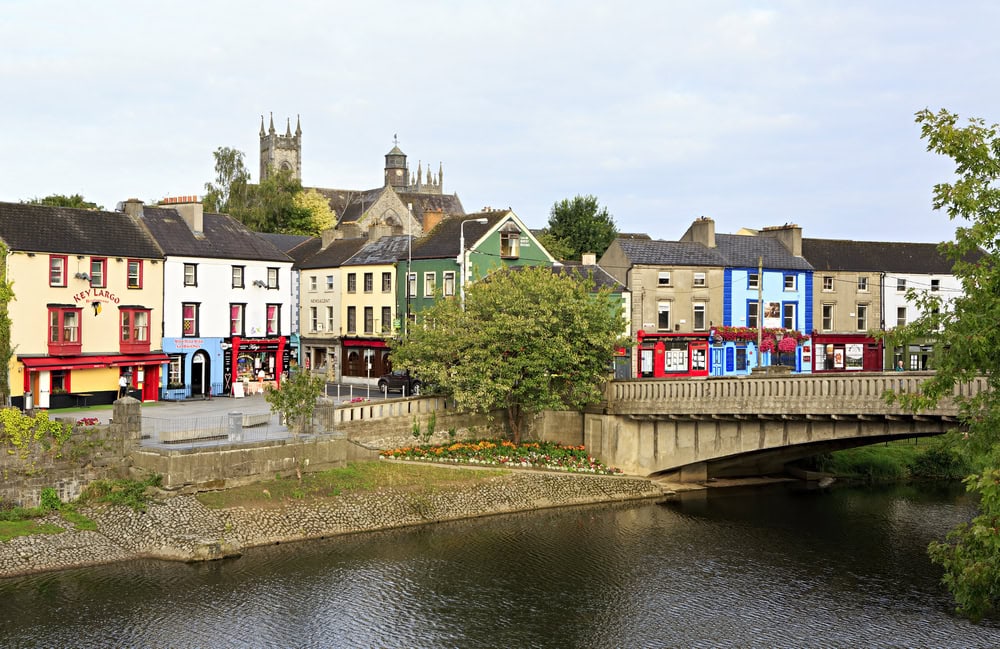
A lovely way to stroll the day away. The canal promenade begins at Canal Square near John’s Bridge remember your ghost tour guide’s story about the sixteen souls lost when the bridge collapsed in 1763 and runs along the lower wall of Kilkenny Castle, following the River Nore for miles into the countryside. Take the trail until you reach the pedestrian bridge, then cross over and return to town on the Lacken walk, with several hotels, restaurants, and pubs along the way for a pint or coffee.
More Walks Along the Nore
If the canal walk leaves you wanting more, the Bishopsmeadow Walk is another riverside stretch worth doing, and more active walkers can follow the Nore Valley Walk all the way to Bennettsbridge, a roughly 12km trail that makes a satisfying half-day out just check the current bus timetable back to Kilkenny before you set off, unless you fancy walking the whole way back too.
Kilkenny Hurling
Hurling is Ireland’s national sport, and pretty much everyone in Kilkenny plays or follows it the sport is over 3,000 years old. Kilkenny is the most successful county in the history of the game, with 36 All-Ireland Senior Hurling titles, though their most recent was 2015. In 2025 Kilkenny won a sixth consecutive Leinster title (their 77th overall) before losing to eventual champions Tipperary at the All-Ireland semi-final stage. You can learn about the game yourself with the Kilkenny Hurling Way Experience there are two-hour tours giving insight into how it’s played, as well as packages that include a meal and a game.

Best Places to Stay in Kilkenny
Butler House
A 5-minute walk from Kilkenny Castle in the centre of Kilkenny, Butler House offers accommodation with access to a garden, and activities like cycling nearby. Kilkenny Railway Station is an 11-minute walk away, and Mount Juliet Golf Club is 11 miles from the property.
Newpark Hotel
A 4-star hotel set on 40 acres of parkland, combining luxury accommodation with a Health Club & Spa and family activities. Its location on the edge of medieval Kilkenny makes it an ideal base for exploring the city’s cultural attractions.
Hibernian House
In Kilkenny city centre, the award-winning Kilkenny Hibernian Hotel offers luxury accommodation, Harper’s Restaurant, and two leading bars. It’s a Georgian guest house on Lower Patrick Street, in the heart of Kilkenny’s cultural quarter, with Kilkenny Castle a 2-minute walk away, and the Smithwick’s Experience and Medieval Mile also within easy walking distance.
Kilkenny Ormonde Hotel
A 4-star city-centre hotel located right next to Kilkenny Castle, the Medieval Mile Museum, and St. Canice’s Cathedral with its round tower.
MacGabhainns Backpackers Hostel
For the more budget-minded traveller, one of the top 10 hostels in Ireland and number one in Kilkenny, for around €17 a night. Located in the city centre, minutes from the bus and train stations, with the best showers in the city and plenty of freebies free breakfast, parking, security lockers, internet access, Wi-Fi, and even a free map of the city.
FAQs about Kilkenny
Is Kilkenny worth visiting?
Yes. Kilkenny packs an enormous amount of medieval history into a small, walkable city Kilkenny Castle, the Medieval Mile, St. Canice’s Cathedral and Round Tower, and dozens of well-preserved buildings, plus a genuinely excellent food and pub scene. It’s one of the most rewarding short-break destinations in Ireland’s Ancient East.
What is Kilkenny famous for?
Kilkenny is famous for its medieval architecture and 12th-century castle, earning it the nickname the “Marble City” for the black limestone used throughout the city. It’s also known as the historic capital of Confederate Ireland (1642–1649), the home of Smithwick’s ale, and one of Ireland’s top hurling counties.
What is medieval Kilkenny?
Medieval Kilkenny refers to the city’s well-preserved medieval core, centred on the Medieval Mile a walkable route linking Kilkenny Castle, St. Canice’s Cathedral, Rothe House, the Black Abbey, and other 13th- to 16th-century buildings and lanes, including the historic Butterslip Lane.
What is there to see in Kilkenny?
Highlights include Kilkenny Castle and its parkland, St. Canice’s Cathedral and Round Tower, the Medieval Mile Museum, Rothe House and Garden, the Black Abbey, Kyteler’s Inn, the Smithwick’s Experience, and Butterslip Lane. Just outside the city are Dunmore Cave, Jerpoint Park, and Castlecomer Discovery Park.
What are Kilkenny’s hidden gems?
Lesser-known Kilkenny highlights include the Butler Gallery’s contemporary Irish art collection, the canal walk along the River Nore, the Kilkenny Road Train tour, Butterslip Lane’s medieval alleyway, and the Famine Heritage exhibit at MacDonagh Junction, built on the site of Kilkenny’s old Union Workhouse.
How far is Dublin to Kilkenny?
Kilkenny is about 90 minutes from Dublin by car. By train from Heuston Station it takes around 90 minutes and costs roughly €13 return; the summer Bus Éireann Xpress service also takes about 90 minutes and costs around €10 per person.
How long should I spend in Kilkenny?
One day is enough to see Kilkenny city’s main sights, but two days lets you explore at a relaxed pace, take a ghost tour in the evening, and fit in a day trip into County Kilkenny to sites like Dunmore Cave or Jerpoint Park.
What are the best things to do in Kilkenny with kids?
Kids enjoy the Kilkenny Road Train tour, exploring Kilkenny Castle and its grounds, the interactive exhibits at the Medieval Mile Museum, a petting farm and nature trails at Nore Valley Park, and the nearby National Reptile Zoo.

Is Kilkenny a city or a town?
Kilkenny is officially a city, granted city status by Royal Charter from King James I in 1609. It’s one of Ireland’s smallest cities by population, which is part of why it’s so easy to explore entirely on foot.
What things to do are there in Kilkenny city centre?
In Kilkenny city centre you can walk the Medieval Mile between the castle and St. Canice’s Cathedral, visit the Medieval Mile Museum and Rothe House, browse the Kilkenny Design Centre, take a Smithwick’s Experience brewery tour, or join an evening ghost walk through the old streets and graveyards.

What is the best time of year to visit Kilkenny?
Late spring through early autumn offers the best weather for sightseeing in Kilkenny. Summer brings the liveliest atmosphere and festival season, including the Kilkenny Arts Festival in August, while spring and autumn are quieter with fewer crowds. Kilkenny is a genuinely good year-round destination, since most of its best sights the castle, the cathedral, the museums are indoors.
Planning Your Visit to Kilkenny
For History Enthusiasts
Start with the Medieval Mile and Kilkenny Castle, then delve deeper at St. Canice’s Cathedral and the Medieval Mile Museum. Don’t miss the hidden stories of Butterslip Lane and Black Abbey.
For Families
The Kilkenny Road Train provides an excellent overview, while the National Reptile Zoo and castle grounds offer entertainment for all ages. Interactive experiences at the Medieval Mile Museum keep young minds engaged.
For Food and Drink Lovers
From the historic Smithwick’s Experience to traditional pubs like Kyteler’s Inn, Kilkenny’s culinary scene combines centuries-old tradition with modern Irish gastronomy. The Kilkenny Design Centre offers local artisanal products and excellent dining.


For Culture Seekers
Time your visit to catch traditional music at Matt the Millers, explore the Butler Gallery’s exhibitions, or take the spine-tingling ghost tour. In summer, the Kilkenny Arts Festival transforms the city into a cultural haven, and the Savour Kilkenny Festival is a foodie treat.
With its perfect blend of medieval charm and modern vitality, Kilkenny stands as one of Ireland’s most captivating destinations. Whether you’re walking the castle grounds at sunset or sharing stories in a centuries-old pub, you’ll find yourself immersed in the authentic Irish experience that makes Kilkenny truly special.
Join 7,500 Ireland travellers in my Ireland Uncovered Facebook Group and 1,897 on my XYUandBEYOND PAGE