
2 Days in Dublin: A Perfect 48-Hour Itinerary
Quick answer: how to spend 2 days in Dublin. Day 1: Book of Kells at Trinity College, Grafton Street and St Stephen’s Green, the free National Museum (Archaeology), then medieval Dublin (Christ Church, St Patrick’s Cathedral and Marsh’s Library), ending with a trad session. Day 2: Kilmainham Gaol in the morning, then either the north side (GPO, Ha’penny Bridge, Glasnevin) or the DART to Howth for the cliff walk and seafood. Book the Book of Kells and Kilmainham Gaol before you travel.

When I housesat in Clondalkin for many repeat visits I took the opportunity to visit Dublin more times than I can count. It was also around two to three hours down the road when I lived in Donegal, and it’s an easy trip from Northern Ireland. I’ve done Dublin as a weekend city break, at St Patrick’s Day (from the grandstand seats), for food festivals, and as tour guide for visiting family more times than I can remember. Two days is genuinely enough to fall for the place, as long as you plan your route, because the centre is small and almost everything is walkable.
This 2-day Dublin itinerary is the one I’d give a friend: timed, walkable, honest about what’s worth your money, updated for what’s closed in 2026, and with my own Hidden Dublin walk for escaping the crowds. If you have longer, my Dublin travel guide covers 33 things to do.
- 2 Days in Dublin: A Perfect 48-Hour Itinerary
- Your 2 days in Dublin at a glance
- Before you go: closed in 2026
- Day 1: Trinity College, Georgian Dublin and medieval Dublin
- Day 2 (Option A): Kilmainham Gaol and north Dublin
- Day 2 (Option B): Dublin by the sea
- My Hidden Dublin walk (2026 route)
- Rainy-day swaps
- An accessible 2 days in Dublin
- Getting around for 2 days
- Dublin walking tours
- Where to eat
- Trad music pubs
- Where to stay for 2 days in Dublin
- How much do 2 days in Dublin cost?
- Got more than 2 days?
- 2 days in Dublin FAQs
- Final thoughts
Your 2 days in Dublin at a glance
| Morning | Afternoon | Evening | ||
| Day 1: Trinity and medieval Dublin | Book of Kells, Grafton Street, St Stephen’s Green | National Museum, Christ Church, St Patrick’s, Marsh’s Library | Dinner in the Liberties, trad at the Brazen Head or Cobblestone | |
| Day 2A: History and the north side | Kilmainham Gaol, IMMA gardens | Ha’penny Bridge, GPO, Glasnevin and the Botanic Gardens | Pint at the Gravediggers, Kehoe’s or the Long Hall | |
| Day 2B: Coast | Kilmainham Gaol (or skip it) | DART to Howth: cliff walk and chowder | Back to town for a session | |
| Good to know | Details | |||
| Book before you go | Book of Kells (timed), Kilmainham Gaol (often sells out), Guinness Storehouse if doing it (cheaper online) | |||
| Getting around | Walk; use a Leap card for buses, Luas and DART (€2 for 90 minutes, €6 daily cap) | |||
| Rough budget for 2 days | €160–€240 per person budget; €300–€400 mid-range (excluding flights, including hotel share) | |||
| Closed in 2026 | Dublin Castle and Dubh Linn Gardens (5 May–31 Dec), Chester Beatty (15 June–end of 2026) | |||
Before you go: closed in 2026
Ireland holds the EU Council Presidency from July to December 2026, and Dublin Castle is the main venue. That means Dublin Castle, the Dubh Linn Gardens and the Chester Beatty are closed to the public until the end of 2026, and are expected to reopen in January 2027. Many older itineraries, and the free walking tours, still list them, so plan around them. The crypt at St Michan’s Church has also been closed since an arson attack in 2024. I visited the vaults before the fire and found them fascinating, so it’s a real loss.

Day 1: Trinity College, Georgian Dublin and medieval Dublin
Walking distance: about 5 km, all flat. Paid: Book of Kells, Christ Church, St Patrick’s and Marsh’s Library. Free: the National Museum, Trinity’s grounds, Grafton Street and the Green.
9:00 – Trinity College and the Book of Kells
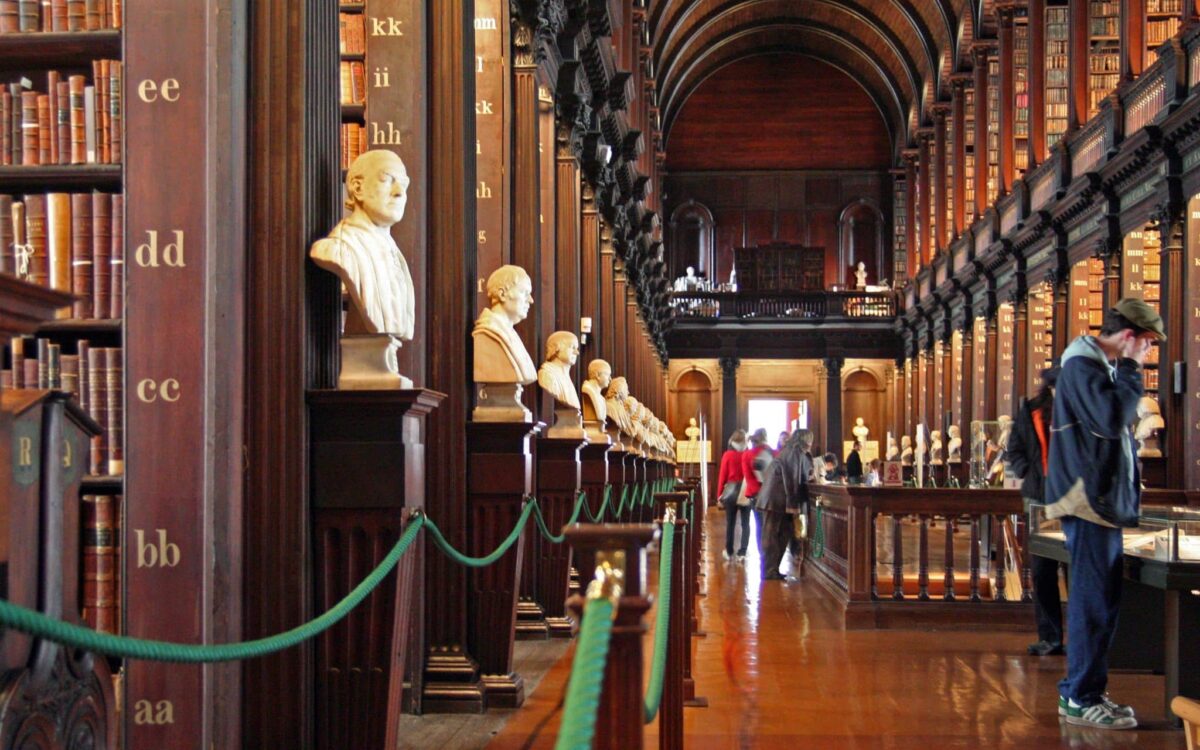
Take the first timed slot of the day. Self-guided Book of Kells Experience tickets run from about €21.50 for off-peak slots to around €26 at peak times, booked online at visittrinity.ie. You get the 9th-century manuscript (two pages on show at a time), the Long Room library, and a digital exhibition in the Red Pavilion. Allow 75–90 minutes.
Here’s my honest heads-up: the Long Room is currently mostly empty of books for a big conservation project, and Trinity says the Old Library will close for works at the end of 2027. It’s still a breathtaking room. Afterwards, wander the cobbled squares, which are free. If you can’t get a slot, the town of Kells is 40 minutes north and has a beautiful facsimile in the church.
10:45 – Grafton Street, Molly Malone and St Stephen’s Green
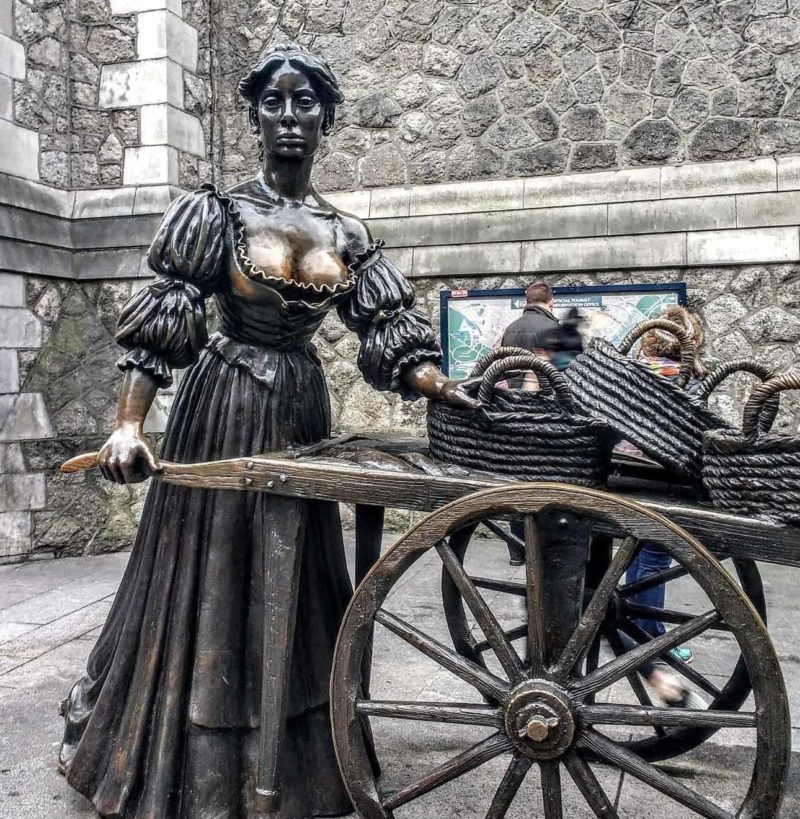
Walk up Grafton Street for the buskers. I’ve seen the whole street jammed the night Bono joined a busk. Molly Malone and her cart are on Suffolk Street at the bottom: she was moved there in 2014 for the Luas works, and locals call her “the tart with the cart”. She almost certainly never existed; the song came first. At the top is St Stephen’s Green, the 22-acre park the Guinness family gave the city in 1880.
11:30 – National Museum of Ireland – Archaeology (free)
On Kildare Street, five minutes from the Green. Go for the Iron Age bog bodies, the Tara Brooch, the Ardagh Chalice and the prehistoric gold. Give it an hour. Closed Mondays. If you’re here on a Monday, swap in the Little Museum of Dublin on the Green instead (€18, guided, now wheelchair accessible).

12:45 – Lunch
Cornucopia on Wicklow Street for hearty vegetarian food, Clement & Pekoe on South William Street for coffee, or Bunsen on South Anne Street for burgers.
14:00 – Walk to Christ Church Cathedral (and Dublinia)
Walk down Dame Street past Dublin Castle (you can see the gates, but it’s closed in 2026). Christ Church was founded by the Viking king Sitric Silkbeard around 1030. Its crypt is one of the oldest working structures in the city and holds Strongbow’s tomb, the heart of St Laurence O’Toole, and the famous mummified cat and rat. With kids, cross the bridge into Dublinia, the Viking and medieval museum.

15:15 – St Patrick’s Cathedral and Marsh’s Library
St Patrick’s is Ireland’s largest cathedral, where Jonathan Swift was Dean and is buried (around €10–€12, audio guide included). Next door, Marsh’s Library (€7, closed Sundays and Mondays) is Ireland’s first public library, opened in 1707, with the cages readers were locked into with rare books and bullet holes from 1916. It’s my substitute for the Chester Beatty this year.


16:30 – Teeling Distillery, Guinness, or a rest
You’re now in the Liberties. Teeling is a working whiskey distillery five minutes away. The Guinness Storehouse is 15 minutes’ walk west (from €26 online, more at the door). I’ll be honest: I think Guinness is a tourist trap, with lots of displays and no real brewery tour. But the Gravity Bar view with your included pint is excellent, and if it’s on your list, take a late slot. More options in my Irish whiskey tours guide.


19:00 – Dinner and trad music
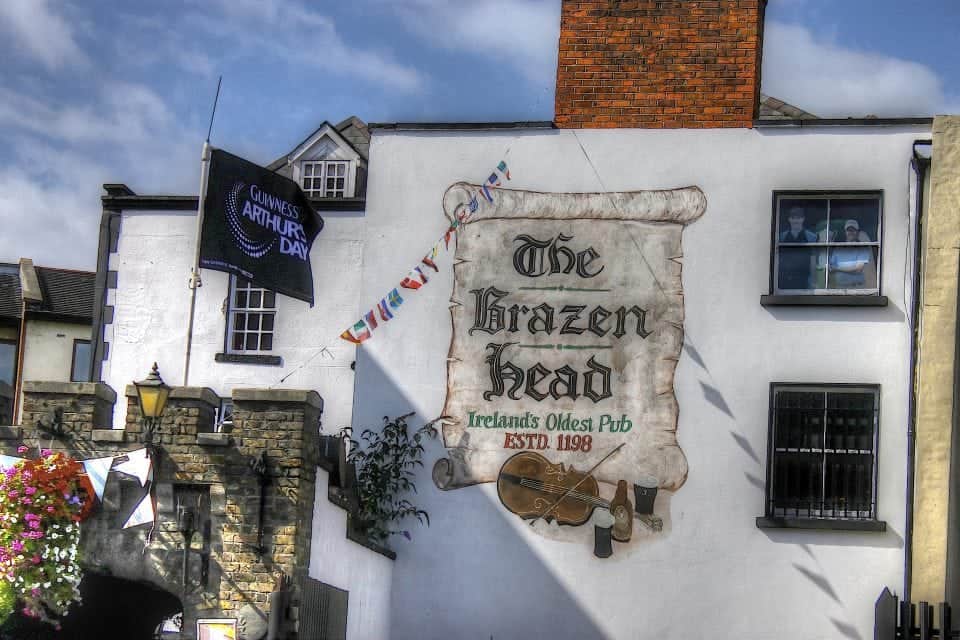
Eat at The Brazen Head (claiming 1198, Dublin’s oldest pub) for Irish stew and nightly music, or head to Smithfield for the Cobblestone, which has, for my money, the best trad session in Dublin. Keep quiet near the musicians; a good session goes silent for a singer.
Day 2 (Option A): Kilmainham Gaol and north Dublin
9:30 – Kilmainham Gaol
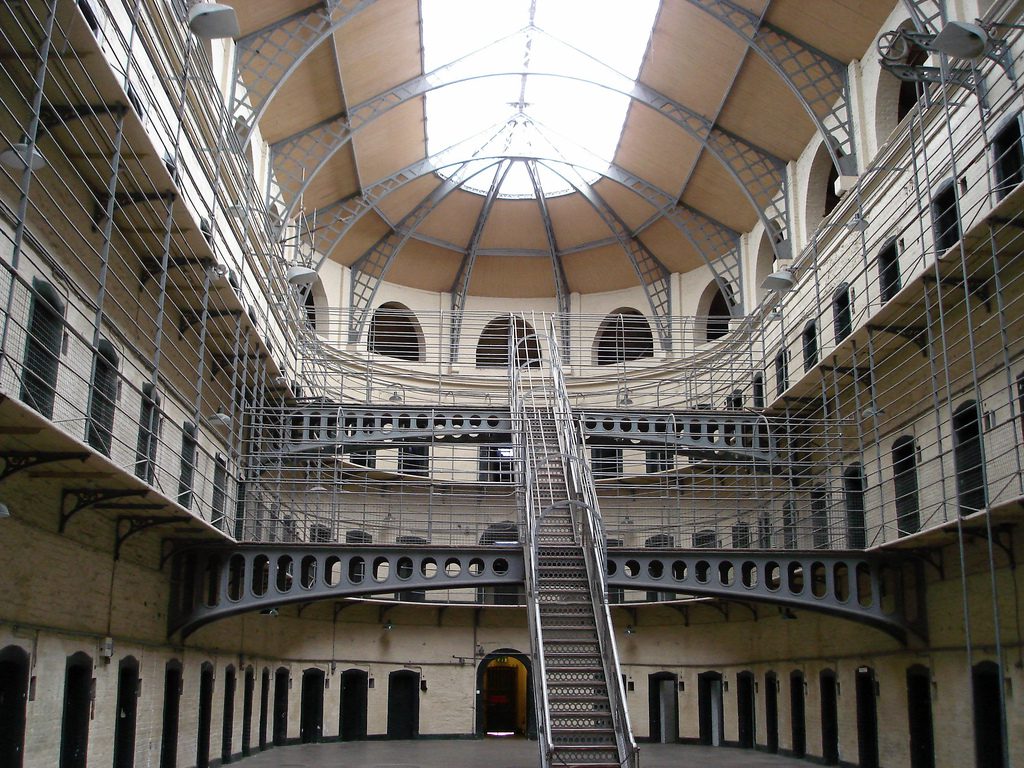
The most powerful two hours in Dublin. Fourteen leaders of the 1916 Rising were executed in the Stonebreakers’ Yard here. It’s guided tours only, at €8 adults, €6 seniors, €4 students and €20 for a family; book ahead, as tours often sell out. Take a bus (13, 40, 69 or 79/79A) or the Luas Red Line to Suir Road. Afterwards, walk five minutes to the free gardens of IMMA at the Royal Hospital Kilmainham.
12:15 – Back along the Liffey: Ha’penny Bridge and the GPO
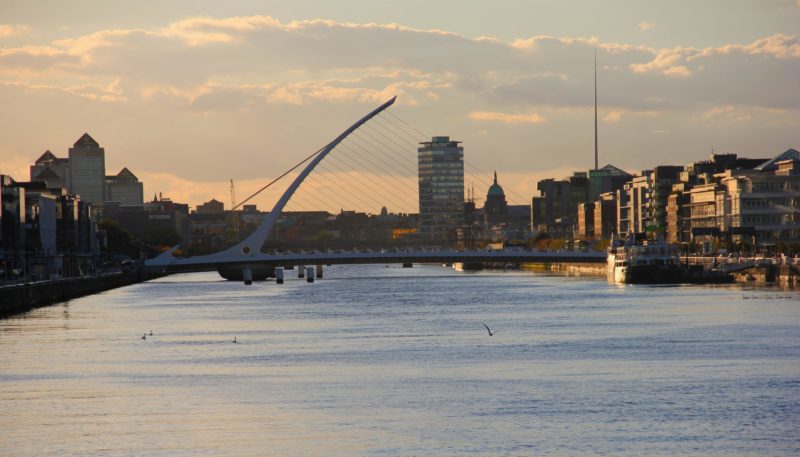
Get the Luas Red Line back to Jervis, cross the 1816 Ha’penny Bridge, and walk up O’Connell Street to the GPO, the rebels’ headquarters in 1916. Look for the bullet marks on the columns. The GPO Witness History museum inside is excellent if you have an hour.


13:15 – Lunch
The Woollen Mills on Ormond Quay serves Irish dishes overlooking the Ha’penny Bridge. For a quick, cheap and filling vegetarian plate, try Govinda’s.
14:30 – Glasnevin Cemetery and the National Botanic Gardens
Take a bus north (about 20 minutes). Glasnevin is Ireland’s national cemetery, with around 1.5 million burials, more than Dublin’s current population. Michael Collins, Daniel O’Connell, Countess Markievicz and Luke Kelly are buried here. The cemetery is free; the museum costs €8 and the excellent guided tours €13. See my Glasnevin guide. A back gate leads into the free National Botanic Gardens and their Victorian glasshouses, which are lovely in any weather.


17:00 – A pint at the Gravediggers
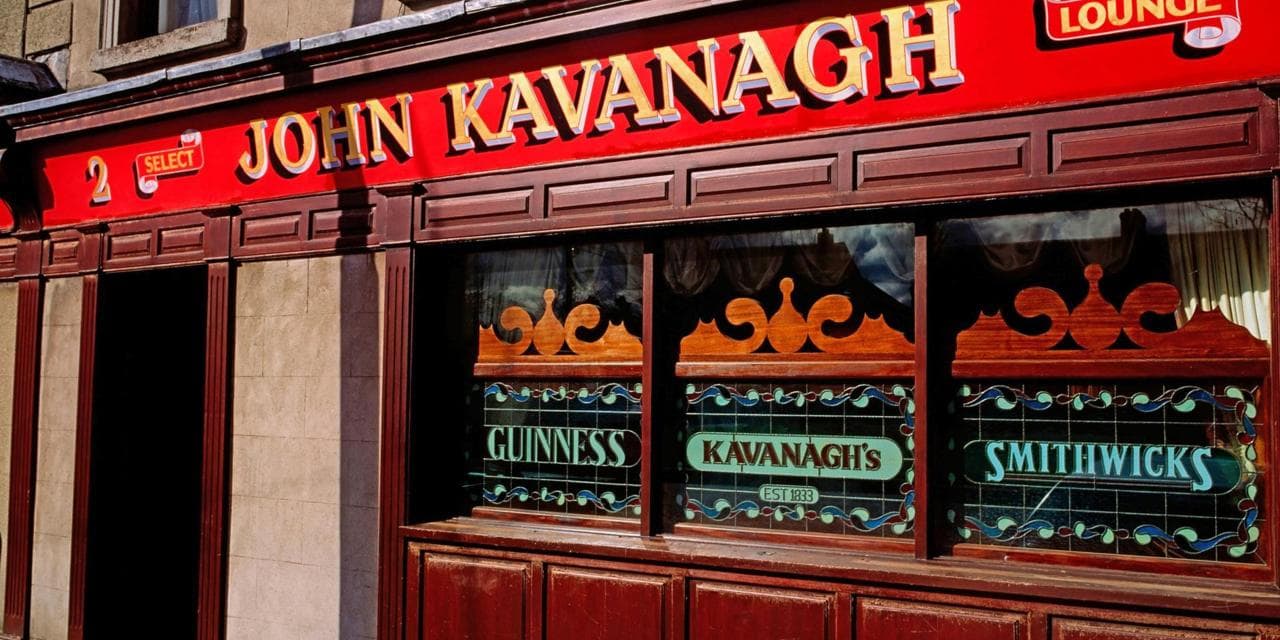
John Kavanagh’s, known as the Gravediggers, has stood by the cemetery wall since 1833. It serves one of the best pints in Dublin, with no music and no TV.
Evening – Temple Bar once, then the real pubs
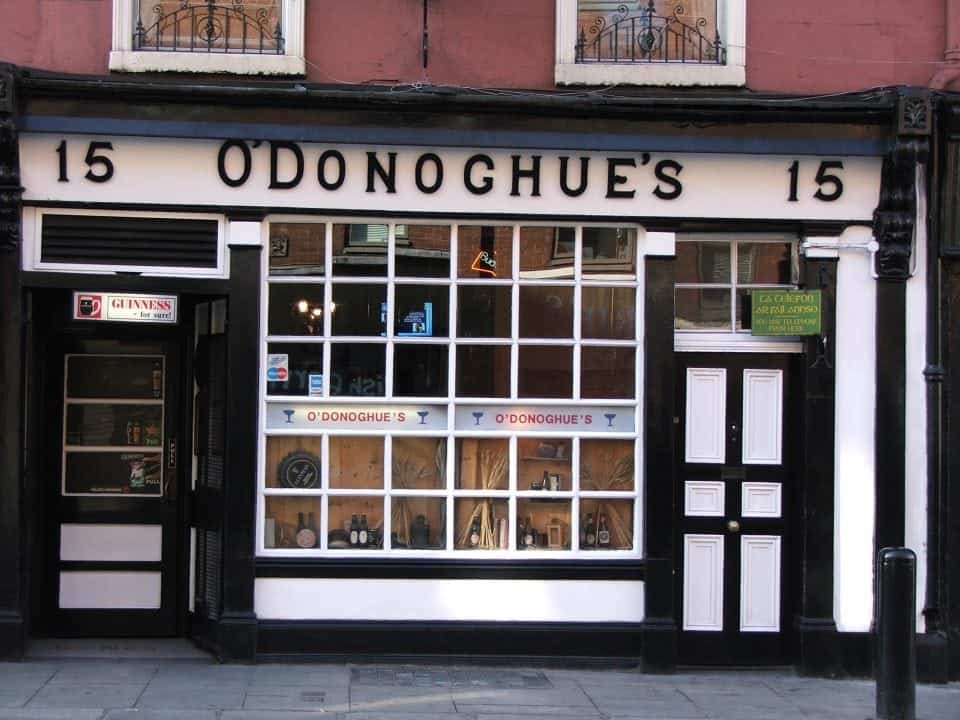
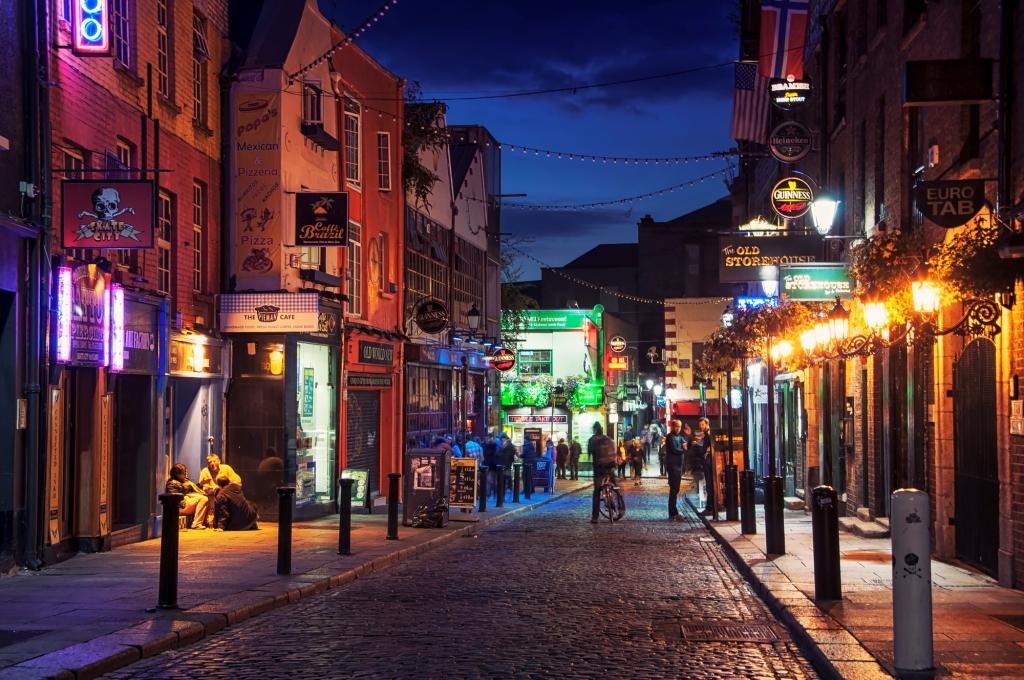
Walk through Temple Bar to see it, because it’s lively. But drinks cost noticeably more than a few streets away, and I’d call it a rip-off zone for a night out. Then go somewhere better: Kehoe’s on South Anne Street (licensed since 1803, with its Victorian snugs), the Long Hall, or O’Donoghue’s on Merrion Row, where The Dubliners started out. More in my famous pubs in Dublin guide.
Day 2 (Option B): Dublin by the sea
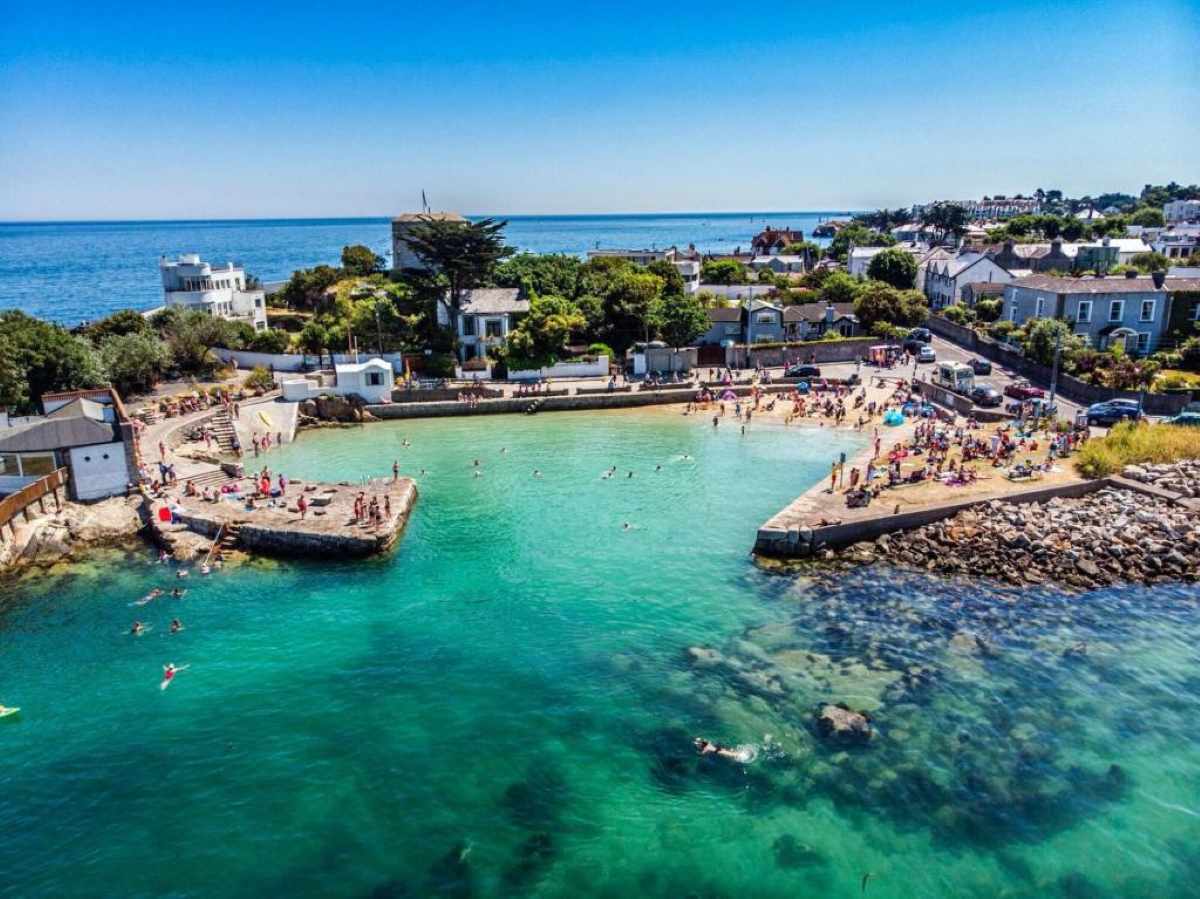
If the sun is out, do this instead. It’s the Dublin most visitors miss.
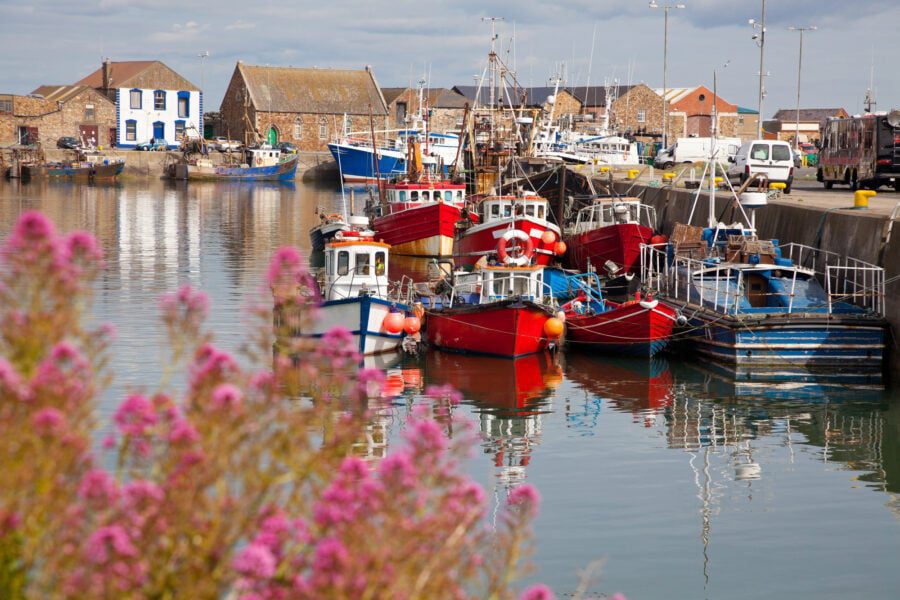
- Howth: about 30 minutes by DART. Walk the cliff path to the Baily Lighthouse (about 6 km, 2 hours, moderate), watch the seals in the harbour, and have chowder in the village. Full route in my Howth Cliff Path walk guide.
- Or go south: take the DART to Dún Laoghaire for a 99 from Teddy’s and a walk out along the East Pier. Then continue to Sandycove for the free James Joyce Tower (not wheelchair accessible) and the Forty Foot swimming spot.
You can still fit in Kilmainham first if you start at 9:30 and catch the DART from Connolly or Pearse by 12:30.


My Hidden Dublin walk (2026 route)
I put this route together to get away from the crowds. It fits neatly into the afternoon of Day 1 or slots in on Day 2. Distance: about 2.5 km in the city, plus a bus to Glasnevin. Time: 2–3 hours with stops.
1. St Audoen’s Church, Cornmarket: Dublin’s only surviving medieval parish church, built around 1190. Find the “Lucky Stone”, an early Christian grave slab that people have touched for luck for centuries.

2. St Audoen’s Arch: go down the steps through the last surviving gate of the medieval city walls.
3. The Brazen Head, Bridge Street: a pint in the courtyard of Dublin’s oldest pub, linked with Robert Emmet and the United Irishmen and name-checked by Joyce in Ulysses.
4. St Patrick’s Park: in 2026 this replaces the Dubh Linn Gardens, which are closed with the castle. It’s a free green space beside the cathedral with plaques to Irish writers.
5. Marsh’s Library: reading cages, 300-year-old bookcases and a resident ghost, according to the librarians.
6. The Gravediggers, Glasnevin: a bus north to finish with a pint at John Kavanagh’s by the cemetery wall.
Rainy-day swaps
- Swap St Stephen’s Green for EPIC The Irish Emigration Museum (€21 online, fully indoors and digital).
- Swap Glasnevin’s grounds for the free National Gallery or the Natural History Museum (the “Dead Zoo”).
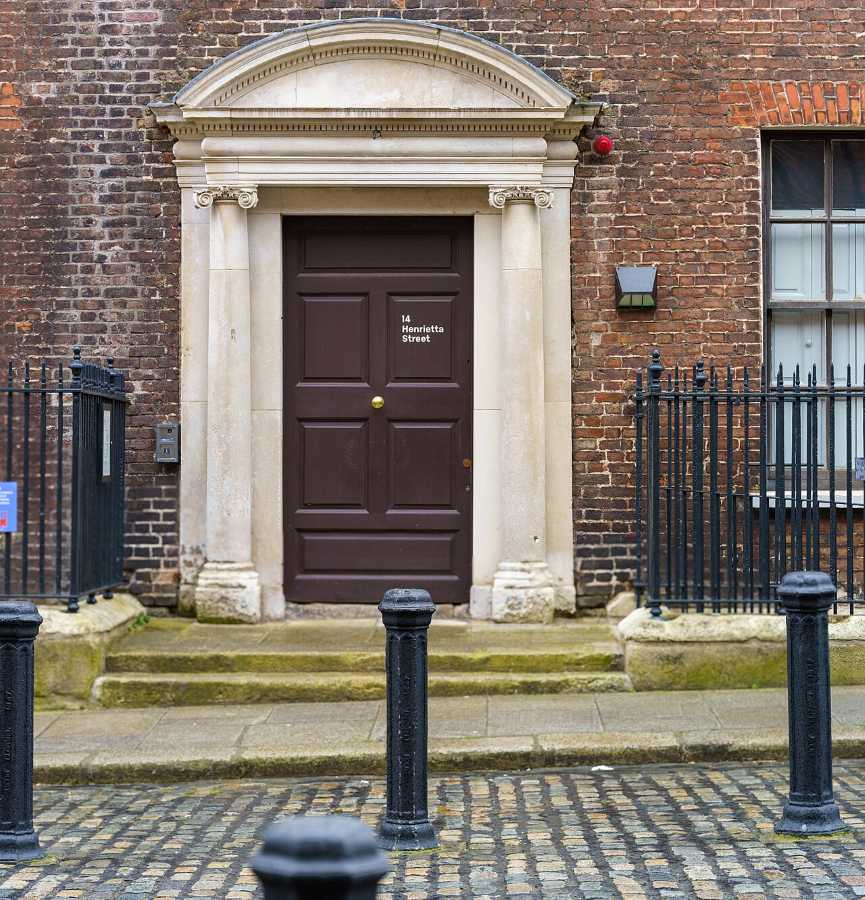
- Swap Howth for the Little Museum of Dublin and 14 Henrietta Street (guided tours of a Georgian tenement).
An accessible 2 days in Dublin
I have mobility issues myself (see my hidden disabilities travel guide), so I always start a new city with a hop-on hop-off bus. In Dublin, Big Bus Dublin has live commentary, two routes, and stops at most of the places in this itinerary, and it saves a lot of walking. Other tips:
- The centre is flat. Luas trams are low-floor and step-free, which makes them easier than buses with luggage or a wheelchair.
- EPIC and the Little Museum are wheelchair accessible. The James Joyce Tower is not. The Long Room is up a level, so check access when you book the Book of Kells.
- The cobbles around Trinity, Temple Bar and Christ Church are hard on wheels and sore knees, so plan routes along Dame Street and the quays.
- For an easier Day 2, do Kilmainham Gaol, then the Luas to the city and EPIC on the quays. More in my Accessible Ireland guide.

Getting around for 2 days
- From the airport: Dublin Express or Aircoach from about €10; a taxi costs roughly €25–€35. There’s no train or tram to the airport.
- Leap card: buy one at a newsagent or the airport. The TFI 90-minute fare is €2 for adults across Dublin Bus, Luas and DART, with a €6 daily cap. Cash fares cost more, and buses don’t give change. A 72-hour Leap Visitor Card also exists, but with the daily cap a standard Leap card is usually as good or better.
- Taxis: FREENOW and Uber both work (Uber books licensed taxis here), or hail one on the street.
- Dublinbikes: a 3-day ticket costs €5, and the first 30 minutes of every ride are free.
- The Dublin Pass: this itinerary leans on free museums and parks, so most people won’t get their money’s worth. It only pays off if you plan three or more paid attractions a day. Check the current list of included sites before you buy.


Dublin walking tours
These are a great way to start Day 1 if you’d rather not use the bus. They run on tips (€5–€20 is typical, bring cash), and routes change, so check that they’re skipping Dublin Castle in 2026.
- Sandeman’s New Dublin Tour: daily, about 2.5 hours, covering Christ Church, the Liffey and the real versus touristy Temple Bar.
- 1916 Rebellion podcast walking tour: from the Spire on O’Connell Street, for Easter Rising sites and rebel stories.
- Evening ghost and dark history tours: for grim Dublin and haunted lanes. Or book the Dublin Ghost Bus.
- Take the Hop on Hop Off bus tour: Discover Dublin from the top deck of a Big Bus hop-on hop-off tour, guided by local storytellers. Visit top sights including Trinity College, Temple Bar, St. Patrick’s Cathedral and the Guinness Storehouse, with 25 stops across the city.
Where to eat
Avoid eating in Temple Bar if you can: it’s overpriced and rarely good. Allergies are well handled in Ireland, because menus must list the 14 major allergens. Full list in where to eat in Dublin.
- The Woollen Mills, Ormond Quay: Irish dishes such as lamb and seafood chowder, with a view of the Ha’penny Bridge.
- The Brazen Head, Bridge Street: Guinness stew and nightly trad. Book at weekends.
- Govinda’s: cheap, filling vegetarian food.
- Gallagher’s Boxty House: Temple Bar. Boxty is a traditional Irish potato pancake made from a mix of grated raw potatoes and mashed cooked potatoes bound with flour and butter. Usually served with a full Irish breakfast in some parts or stuffed and used like a wrap.
- The Old Storehouse, Temple Bar: if you do eat in Temple Bar, it has pub food and live music every night.
- Clement & Pekoe, South William Street: specialty coffee.
- Food tours: Secret Food Tour, Howth craft beer and seafood trail.



Trad music pubs
- The Cobblestone, Smithfield: arguably the best sessions in Dublin, every night, plus weekend afternoons.
- O’Donoghue’s, Merrion Row: home of The Dubliners, always busy.
- Kehoe’s, South Anne Street: licensed since 1803 and unchanged. Small, but brilliant when there’s a session.
- O’Neill’s, Suffolk Street: music, dancing and good pub food.
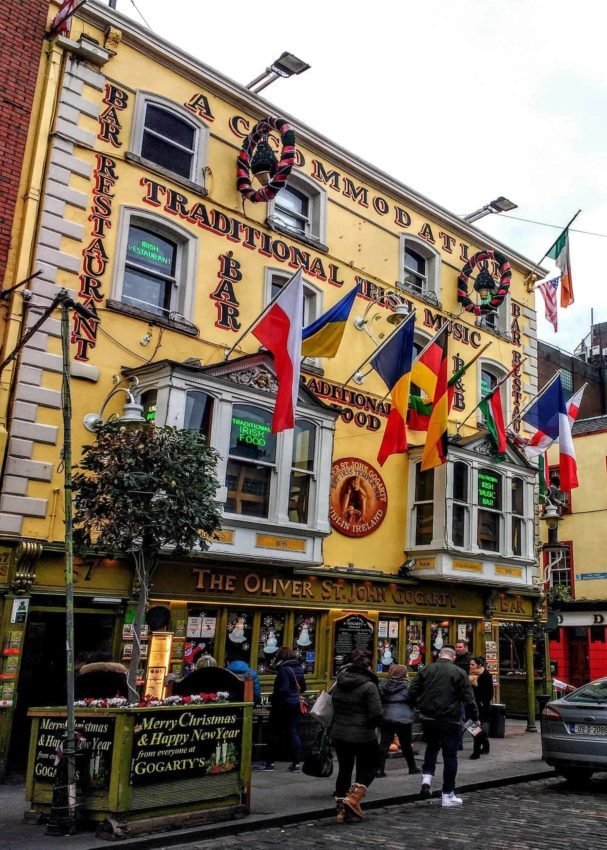
- Gogarty’s, Temple Bar: live music daily from early afternoon to late, but at Temple Bar prices (a pint is around €9).
Where to stay for 2 days in Dublin
My advice: don’t stay in Temple Bar itself, because the noise and the prices will spoil your trip. For two days, stay central so you can walk everywhere, or by the DART if you’re doing Option B. In the summer holidays, Trinity College rents campus rooms. More in my Dublin travel guide.
- Budget: Harding Hotel, beside Christ Church. Simple, well rated, and perfect for this itinerary.
- Apartment: Staycity Aparthotels St Augustine Street, a 5-minute walk to Temple Bar, with kitchens.
- Mid-range: Hotel St George, at the top of O’Connell Street, close to the airport coach stops.
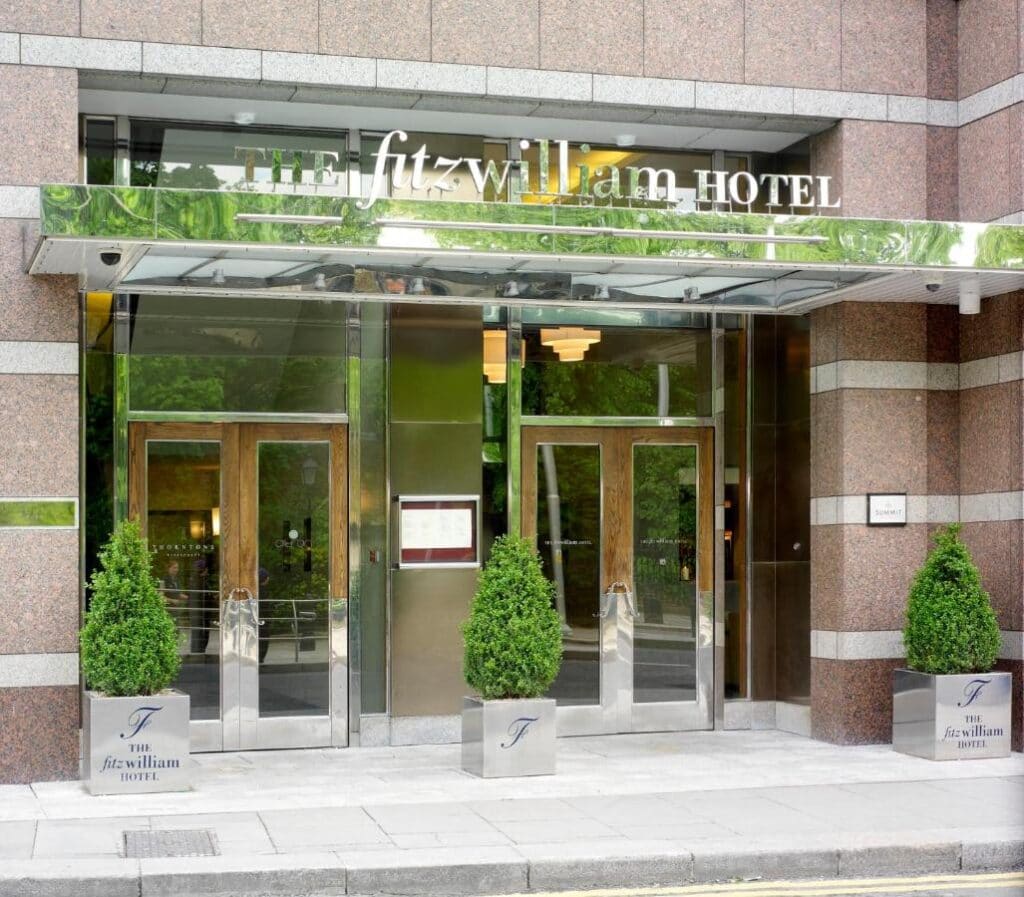
- Luxury: The Fitzwilliam Hotel on St Stephen’s Green, 5 stars with interiors by Terence Conran.
Castle stays near Dublin
There are no castle hotels in central Dublin, but there are two close by. See also my castle hotels in Ireland.
- Clontarf Castle Hotel: 15 minutes north of the centre, on a site with a castle since 1172. Legend says Handel stayed here while Messiah premiered in Dublin. Bram Stoker was born a short walk away in Marino Crescent.
- Luttrellstown Castle Resort: about 30 minutes west, set on 560+ acres with a championship golf course. The 15th-century castle is rented on an exclusive-use basis (it hosted the Beckhams’ 1999 wedding), so check the resort’s site for current stay options.

How much do 2 days in Dublin cost?
| Style | Per person per day | 2 days (approx.) | What it covers |
| Budget | €80–€120 | €160–€240 | Hostel or shared room, pub meals, free museums, Leap card, one paid sight |
| Mid-range | €150–€200 | €300–€400 | Hotel share, Book of Kells and Kilmainham, dinners out |
| Splurge | €250+ | €500+ | Luxury hotel, whiskey tastings, guided tours, fine dining |
Got more than 2 days?
Add a day trip to Glendalough, Newgrange or Powerscourt, or see my best day trips from Dublin. For everything else, including 33 things to do, neighbourhoods and festivals, see my Dublin travel guide. For the quirky side, see Dublin hidden gems.

2 days in Dublin FAQs
Is 2 days enough to see Dublin?
Yes. Dublin’s centre is compact and walkable, so in 2 days you can see Trinity College and the Book of Kells, Kilmainham Gaol, the National Museum, the medieval cathedrals and St Stephen’s Green, and still have evenings in traditional pubs. Add a third day for Howth, Glendalough or Newgrange.
What should I not miss with 2 days in Dublin?
Book the Book of Kells at Trinity College and a guided tour of Kilmainham Gaol before you travel, then add the free National Museum of Ireland (Archaeology), St Patrick’s Cathedral, Marsh’s Library and a trad music session. If the weather is good, take the DART to Howth for the cliff walk.
Is Dublin Castle open in 2026?
No. Dublin Castle and the Dubh Linn Gardens closed to the public on 5 May 2026, and the Chester Beatty closed on 15 June 2026, while Dublin Castle hosts Ireland’s EU Council Presidency. They are expected to reopen in January 2027.
Do I need to book attractions in advance?
Yes for the Book of Kells (timed tickets sell out in summer), Kilmainham Gaol (guided tours often sell out, sometimes weeks ahead) and the Guinness Storehouse, which is cheaper online. The national museums and galleries are free and don’t need booking.
How do I get around Dublin in 2 days?
Walk the centre, as most sights are within 20 to 30 minutes of each other. For longer hops use a Leap card: the TFI 90-minute fare is €2 for adults on Dublin Bus, Luas and DART, with a €6 daily cap. Taxis are available on the FREENOW and Uber apps. Taking the Hop on Hop Off bus is a great way to see all the sites and jump off when you want a closer look – it’s also perfect for the mobility challenged.
Where should I stay for 2 days in Dublin?
Stay in the city centre near Grafton Street, St Stephen’s Green or Christ Church so you can walk everywhere, but avoid sleeping in Temple Bar, which is noisy and expensive. Smithfield is a good-value option near the Cobblestone pub and the Luas.
How much do 2 days in Dublin cost?
Budget travellers spend around €80 to €120 per person per day, mid-range travellers €150 to €200, and luxury travellers €250 or more, excluding flights. Using the free museums and parks keeps costs down.
Is the Dublin Pass worth it for 2 days?
Usually not for this itinerary, because many top sights, such as the National Museum, the National Gallery and the parks, are free. The pass only pays off if you plan three or more paid attractions a day, so compare its current list with your plan before buying.
Is Temple Bar worth visiting?
Walk through Temple Bar once for the atmosphere, street music and colourful pubs, but drinks cost noticeably more than elsewhere. For a better pint and real trad music, go to the Cobblestone, O’Donoghue’s, Kehoe’s or the Long Hall.
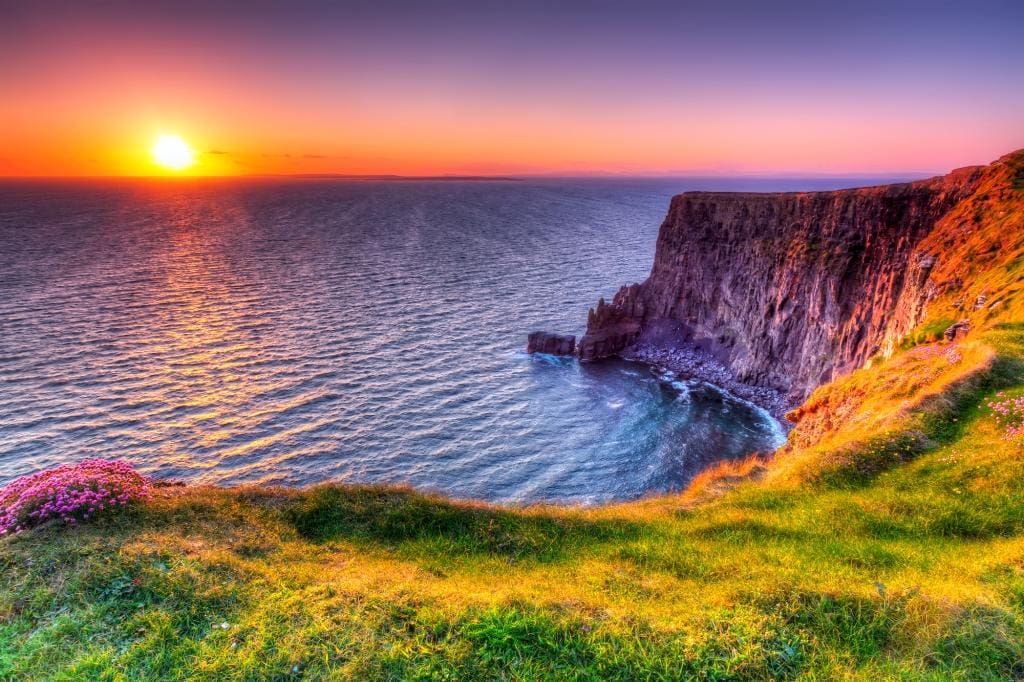
Can I see the Cliffs of Moher with 2 days in Dublin?
Only as a long day trip of around 12 hours on a coach tour, which would use up half your time. With 2 days, Howth, Glendalough or Newgrange are better choices. Save the Cliffs of Moher for a trip that includes the west coast.
What is the best time of year for a weekend in Dublin?
April to May and September to October bring mild weather and fewer crowds. Summer is busiest. December is rainy but festive, with Christmas lights and markets. St Patrick’s week in March is a huge party, but prices soar, so book a year ahead.
Is Dublin good for travellers with limited mobility?
Mostly yes. The city centre is flat, Luas trams are step-free, and a hop-on hop-off bus links most sights. EPIC and the Little Museum are wheelchair accessible, but the James Joyce Tower is not, and cobbled streets around Trinity and Temple Bar can be difficult.
Final thoughts
Two days in Dublin goes fast, so don’t try to see everything. Book the big two (the Book of Kells and Kilmainham), walk between the rest, and leave room for a long lunch and an unplanned session in a pub. That’s the Dublin people remember. Have you done 2 days in Dublin? Tell me your discoveries in the comments.
Plan the rest of your trip: Ireland itineraries · Irish bucket list · Best time to visit Ireland · Getting around Ireland · Where to stay in Ireland · Cliffs of Moher
Sources: Dublin Castle, Chester Beatty, Kilmainham Gaol, Transport for Ireland, Book of Kells