
Ireland Travel Budget, Accommodation, Attractions and Guides
Traveling around Ireland is a dream for many, thanks to breathtaking landscapes, rich history, and a lively culture that draws visitors from around the globe. This guide covers the questions that come up most once you’re past the basics what to expect from your B&B, what’s actually worth seeing, when the festivals happen, and what things really cost.

For visa requirements, currency, packing, driving, and general culture-shock logistics, see my companion guide, 53 Ireland Travel Tips: The Quick-Reference Checklist this page picks up where that one leaves off.
I made the move back to Ireland around 8 years ago. I was born in Northern Ireland but moved to Canada at the age of 8 and obtained my Irish passport so I could travel extensively in Europe and eventually move to Ireland (Donegal, to be precise). Since then I’ve been asked dozens of questions about visiting, moving to, and retiring in Ireland here are my honest answers to the ones that come up most.
Accommodation FAQ: B&Bs, Hotels and What to Expect
Are washcloths provided? Not always. Bring your own if this matters to you.
Why are there no top sheets on the beds? The top sheet is integrated into the duvet cover, which is washed after every guest no separate top sheet needed.
What kind of beds are common in Irish accommodations? Twin, double, queen, and king are all common; twin beds are especially typical in B&Bs and smaller guesthouses.
Are extra pillows and blankets available? Usually, on request ask when booking or at check-in.
Are en-suite bathrooms standard? Common in hotels, guesthouses, and B&Bs, though some budget or older establishments still have shared facilities.
Do accommodations provide toiletries? Hotels typically do; B&Bs and guesthouses may offer less, so consider bringing your own.
Is Wi-Fi available? Usually, though quality and speed vary check reviews or ask directly if reliable internet matters.
Are tea and coffee making facilities available in rooms? Often, especially in hotels and B&Bs.
Is there air conditioning? Not common, given the mild climate most places rely on heating and natural ventilation instead.
Are accommodations wheelchair accessible? Varies widely always confirm directly with the property for specific needs. For a fuller picture, see my accessible Ireland guides.
Do accommodations offer parking? Many hotels and B&Bs do, but city-centre availability can be limited check in advance.
Are laundry facilities available? Larger hotels sometimes have laundry services; for longer stays, look for accommodations with facilities, or check nearby laundromats you’ll often find washing machines and large dryers at petrol station car parks.
Is breakfast included? Often, at B&Bs and some hotels ranging from a full Irish breakfast to a self-catering setup with tea, coffee, milk, and bread left for you, in which case a nearby Spar, Lidl, or Aldi will have the rest of what you need.

Are there on-site restaurants? Larger hotels usually have them; smaller B&Bs and guesthouses mean exploring local dining options instead see my traditional Irish food guide for what to look for.

Can I request early check-in or late check-out? Policies vary, but many places will try to accommodate worth arranging in advance, or at least asking them to hold your luggage until check-in time.
Are pets allowed? Some places are pet-friendly check their policy and inform them in advance. If you’re bringing a pet from abroad rather than just checking policy at a destination, see my guide to moving a pet to Europe.
Where should I book? Booking.com offers a wide B&B and hotel selection; Airbnb covers a broader range including unique stays; TripAdvisor is useful for reviews (though if you find a well-reviewed place, going direct to their own website can get you a better rate); Ireland’s Blue Book is a curated collection of Irish country houses, historic hotels, and castles worth a look for something special.
Top Attractions in Ireland and Northern Ireland
Ireland’s Three Touring Regions
Most first-time visitors end up organizing their trip around one or more of Ireland’s three signature touring regions, and it’s worth knowing what each one actually offers before you start plotting a route.
The Wild Atlantic Way is the big one a signposted coastal route running the length of the west coast from Donegal down to Cork, taking in the Cliffs of Moher, Connemara, the Ring of Kerry, and Dingle along the way. It’s less a single drive than a spine you can join and leave as it suits your itinerary.
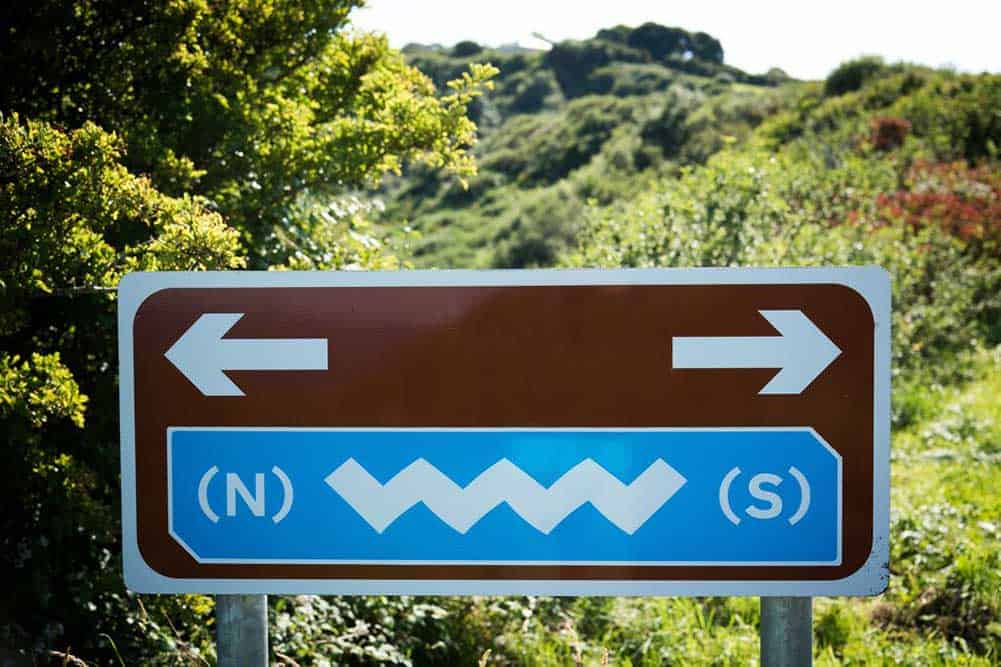
Ireland’s Ancient East covers the opposite side of the country, and trades coastal drama for depth of history Newgrange, the Hill of Tara, and Monasterboice famous for its Celtic Crosses – all sit within it, alongside medieval towns like Kilkenny. It’s the region to prioritize if history and heritage sites matter more to you than scenery.
The Hidden Heartlands is the quieter middle of the country the Shannon, lakes, and midlands counties that most itineraries skip entirely in favor of the coast, which is exactly why it’s worth a look if you’ve already done Ireland once and want something less trodden.
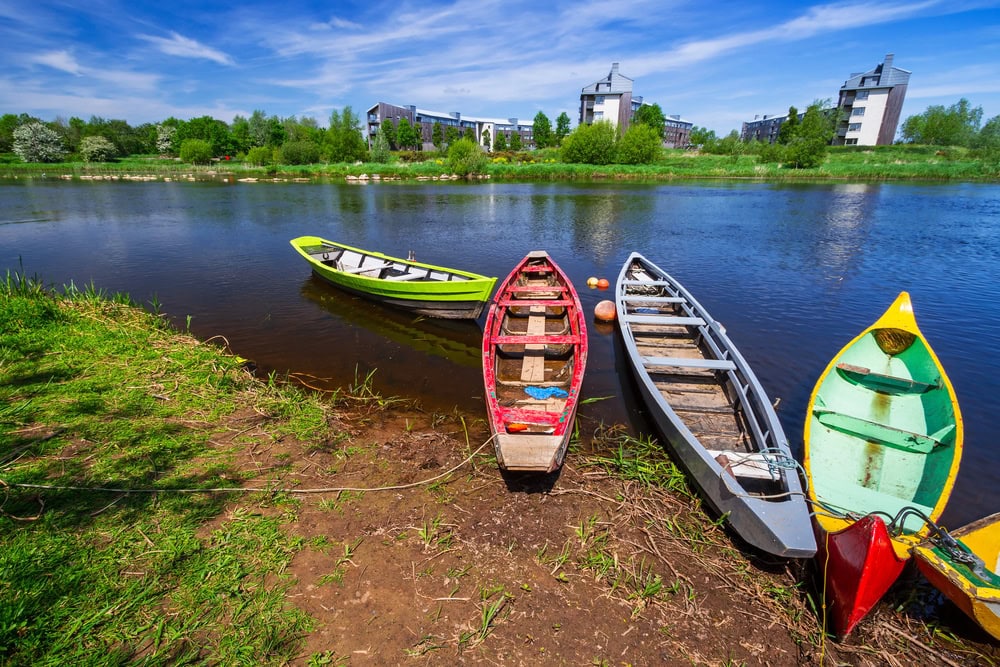
Ireland’s Attractions
Cliffs of Moher (County Clare) dramatic sea cliffs above the Wild Atlantic Way. Go early morning if you can; by mid-afternoon in summer the main viewing platform is shoulder-to-shoulder. If you’re weighing which cliffs to prioritize on your trip, see how they compare to Slieve League and the Kerry Cliffs.

Ring of Kerry (County Kerry) the scenic drive everyone recommends, and for once it deserves the hype, though the tour-bus traffic in July and August is worth planning around. Deciding between routes? See how it stacks up against Dingle, against Dingle and Beara together, or against Donegal if you’re trying to choose between regions entirely. You can find a series of accessible guides to these areas at this link.
Dublin Castle (Dublin) historic complex, now a government building.
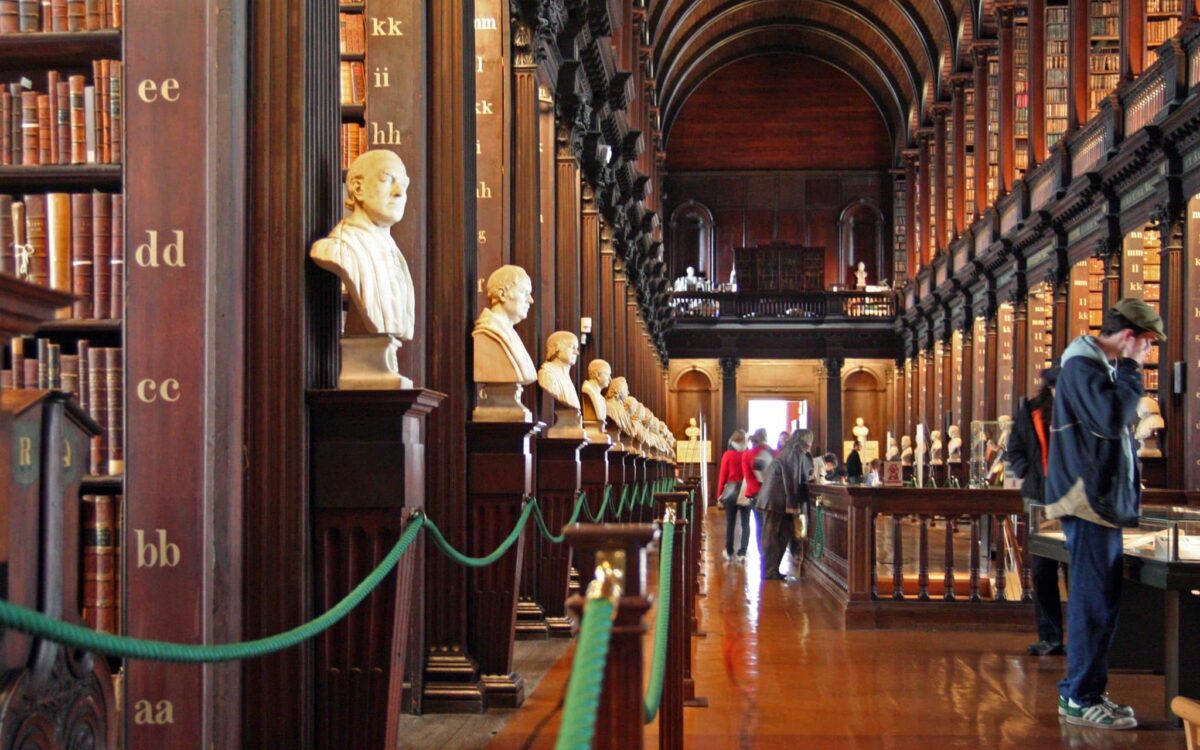
Trinity College and the Book of Kells (Dublin) Ireland’s oldest university, home to the famous manuscript. Only two pages are on display at a time, so temper your expectations of the manuscript itself the Long Room library is the real showstopper.
Guinness Storehouse (Dublin) interactive museum with a rooftop bar overlooking the city; genuinely one of the more polarising “must-sees” some visitors love it, others find it overpriced for what it is.
Kilmainham Gaol (Dublin) historic prison significant to Ireland’s independence movement; book ahead, tours sell out.
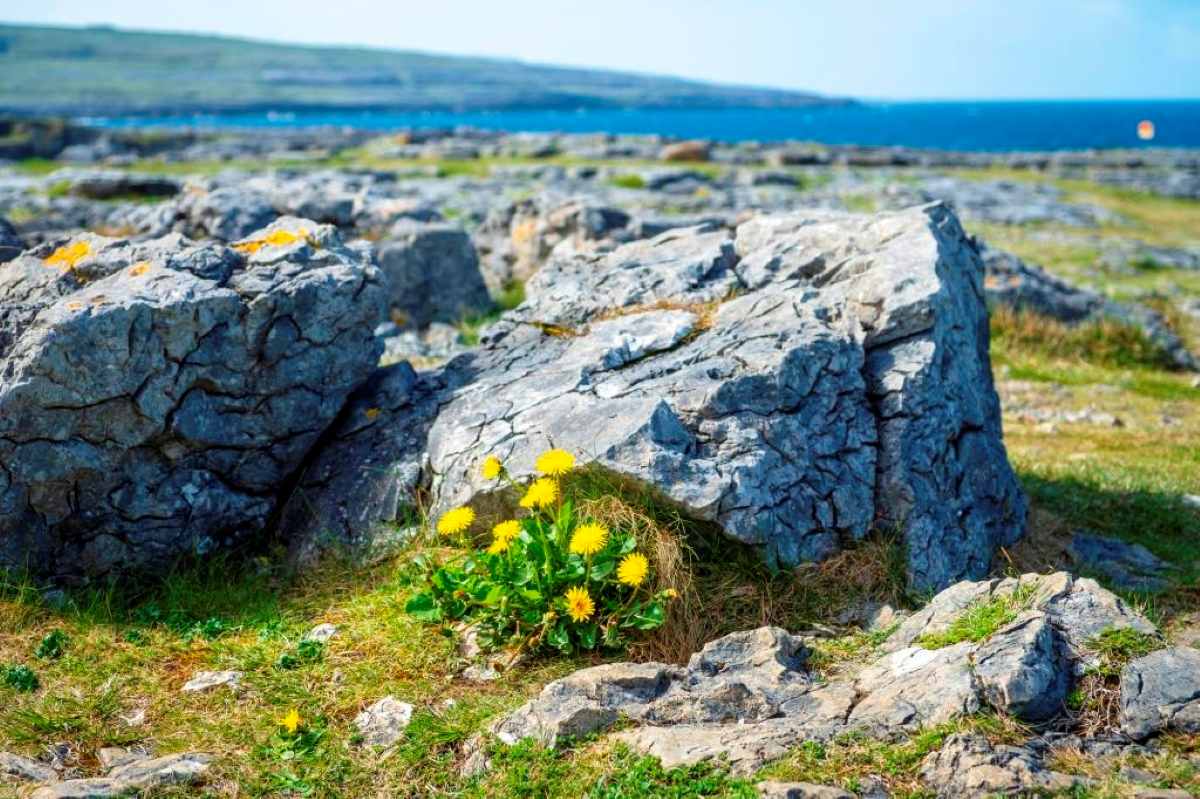
The Burren (County Clare) unique karst landscape with rare flora and ancient monuments, easily paired with the Cliffs since they’re close by.
Killarney National Park (County Kerry) lakes, mountains, and 19th-century Muckross House.
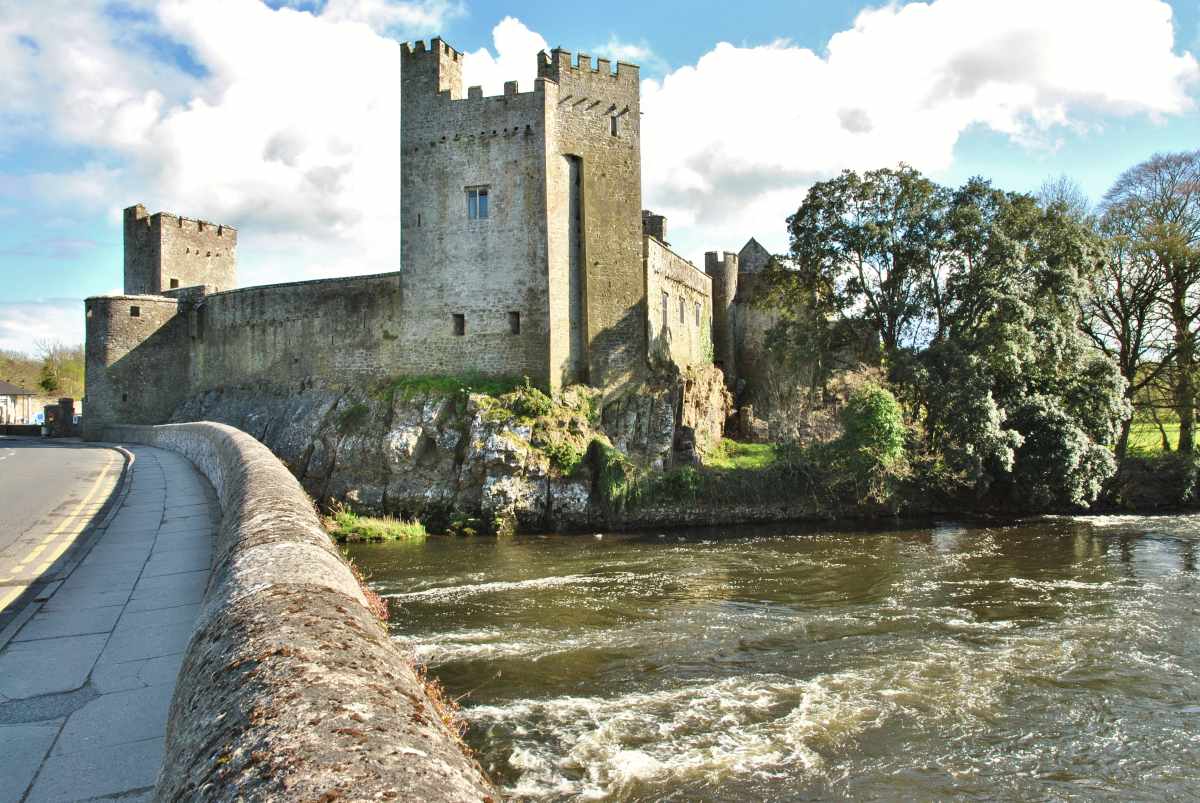
Blarney Castle and Stone (County Cork) the legendary stone said to grant the gift of eloquence; expect a queue for the kiss, and bring hand sanitiser.
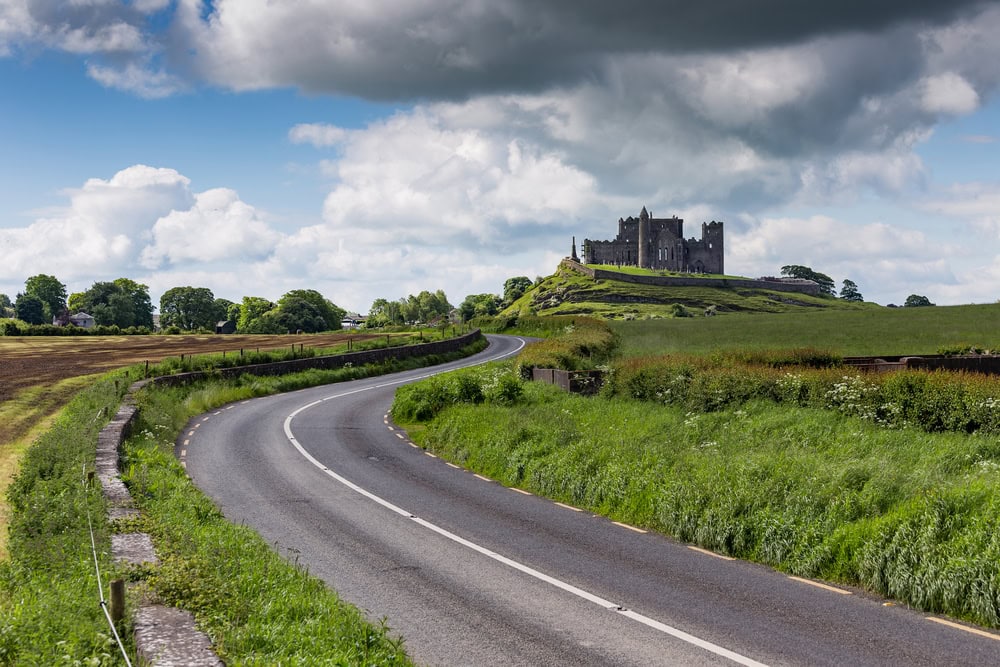
Rock of Cashel (County Tipperary) medieval buildings and an ancient cathedral, one of the free-on-first-Wednesday OPW sites.
Galway City and Eyre Square (County Galway) arts, historic buildings, lively pubs. See my full Galway Travel Guide for a proper breakdown.
Dingle Peninsula (County Kerry) coastal villages, beaches, archaeological sites.
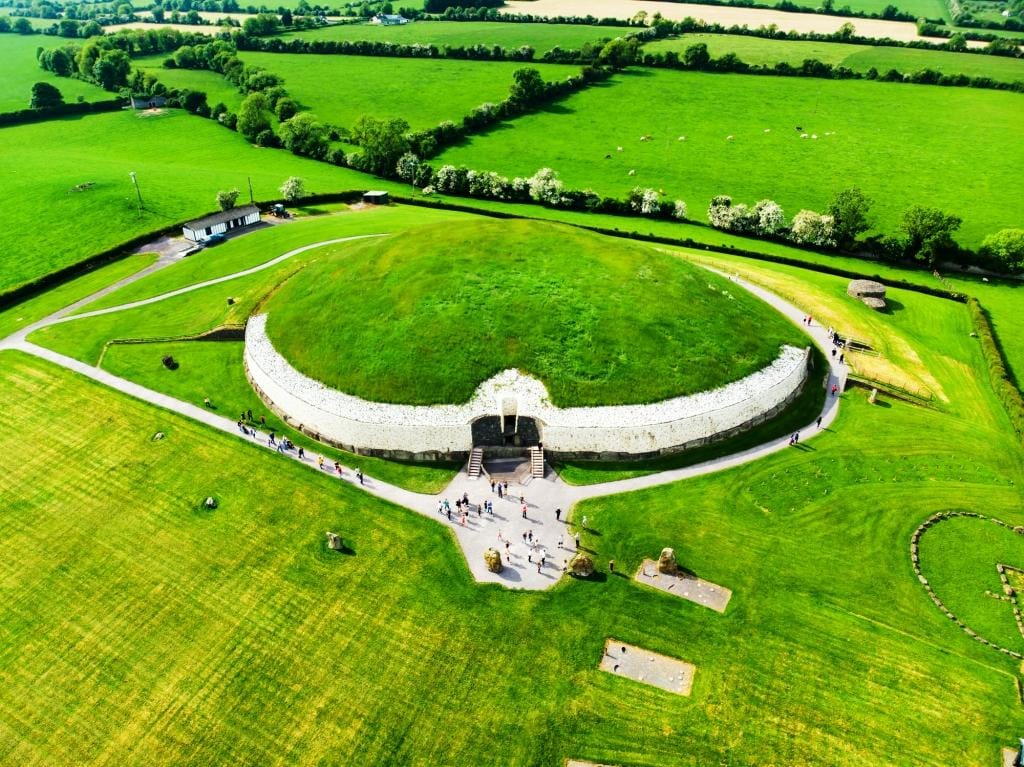
Newgrange (County Meath) a prehistoric monument older than Stonehenge; the winter solstice lottery is a long shot, but the site is worth visiting any time of year.
Connemara National Park (County Galway) mountains, bogs, and rugged scenery best explored slowly, by car. Take a side trip to Kylemore Abbey if you have the time.
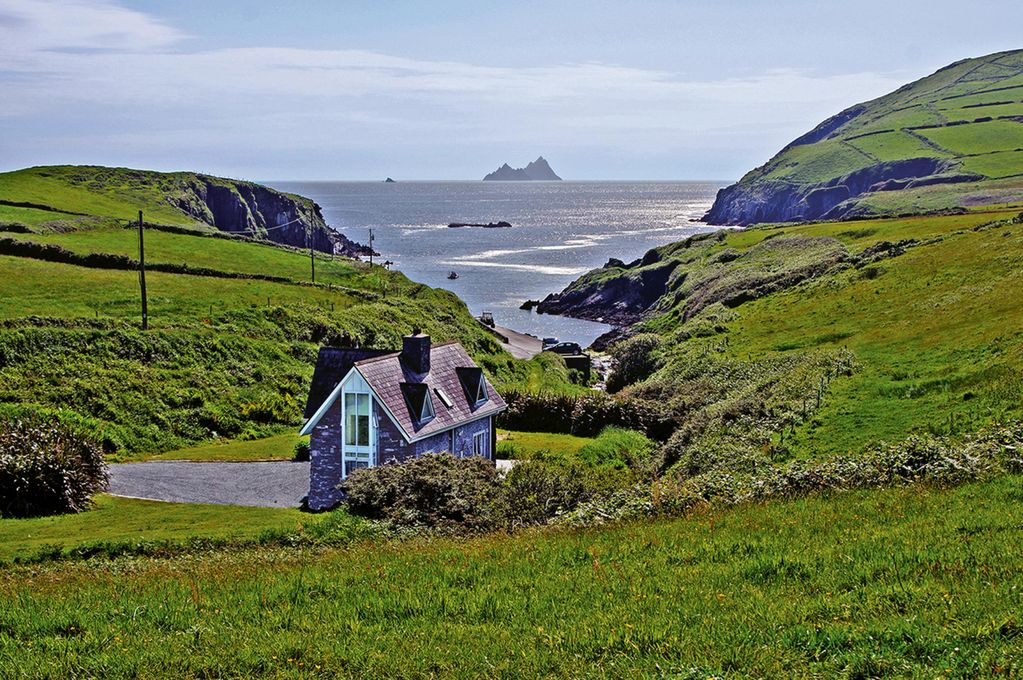
Skellig Michael (County Kerry) remote monastic island, featured in Star Wars; weather-dependent and books out fast in summer.
Christmas in Ireland Celebrating Christmas in Dublin, and Irish Christmas traditions along with Little Christmas also known as Women’s Christmas.
In Northern Ireland:
The Causeway Coastal Route ties this whole stretch of Northern Ireland together a single scenic drive that strings the Giant’s Causeway, Carrick-a-Rede Rope Bridge, Dunluce Castle, and the Dark Hedges along one road, making it easy to hit several of Antrim’s biggest sights in a single day without backtracking. I also have an Accessible Causeway Coast guide for the mobility challenged.
Giant’s Causeway (County Antrim) hexagonal basalt columns formed by volcanic activity. Free to walk the coastline itself; only the visitor centre charges. You can also check out my Accessible Giant’s Causeway Guide if you have mobility issues.
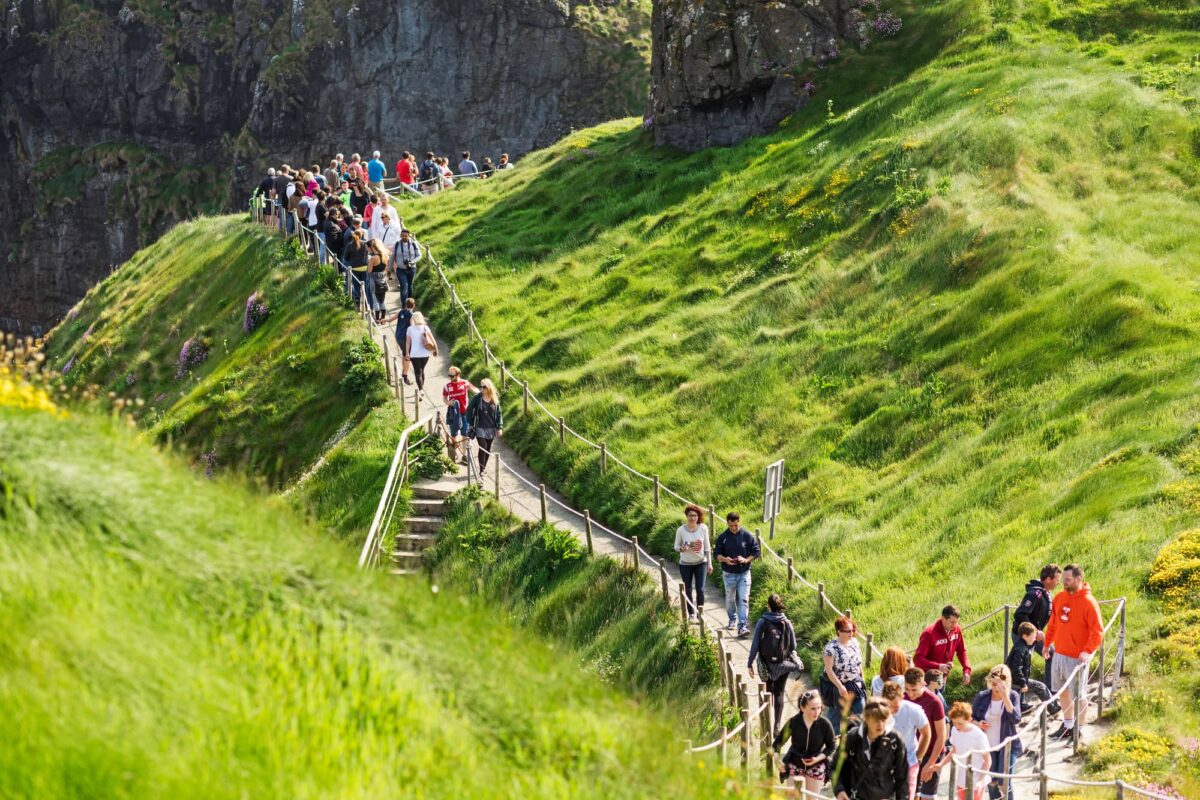
Carrick-a-Rede Rope Bridge (County Antrim) a suspended bridge with thrilling Atlantic views; not for the genuinely nervous.
Dunluce Castle (County Antrim) dramatic cliffside medieval ruins.


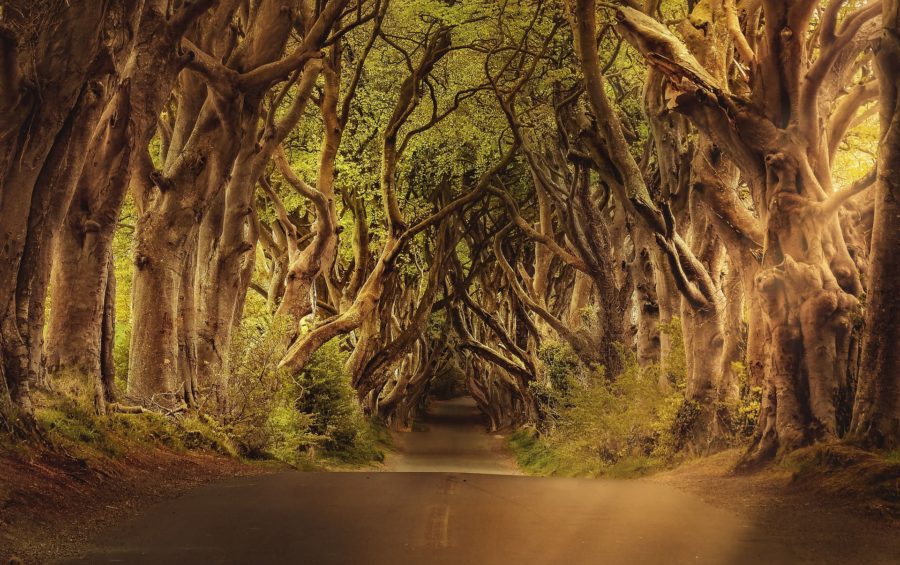
Game of Thrones filming locations, including the Dark Hedges (County Antrim) the beech-tree avenue that’s become one of the most photographed spots in Northern Ireland, for better or worse when it comes to crowds.
Titanic Belfast (Belfast) museum dedicated to the RMS Titanic. See my full Belfast Travel Guide for current pricing and booking tips.
Belfast City Hall (Belfast) striking architecture, informative tours.
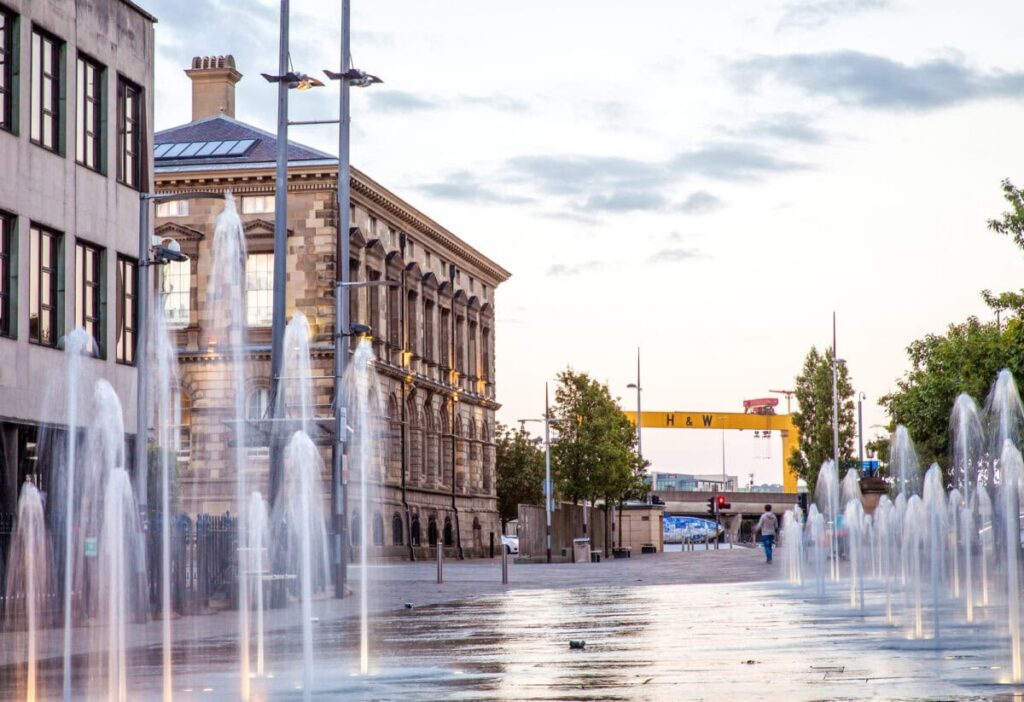


The Ulster Museum (Belfast) art, history, and natural sciences; free entry.
St. George’s Market (Belfast) historic market with local produce and crafts; go on a Saturday for the full atmosphere.
Crumlin Road Gaol (Belfast) Victorian-era prison, now offering guided tours.
Mourne Mountains (County Down) popular for hiking.
Bushmills Distillery (County Antrim) the world’s oldest licensed whiskey distillery.
Armagh’s Cathedrals (County Armagh) two cathedrals dedicated to Saint Patrick, one Catholic and one Anglican.

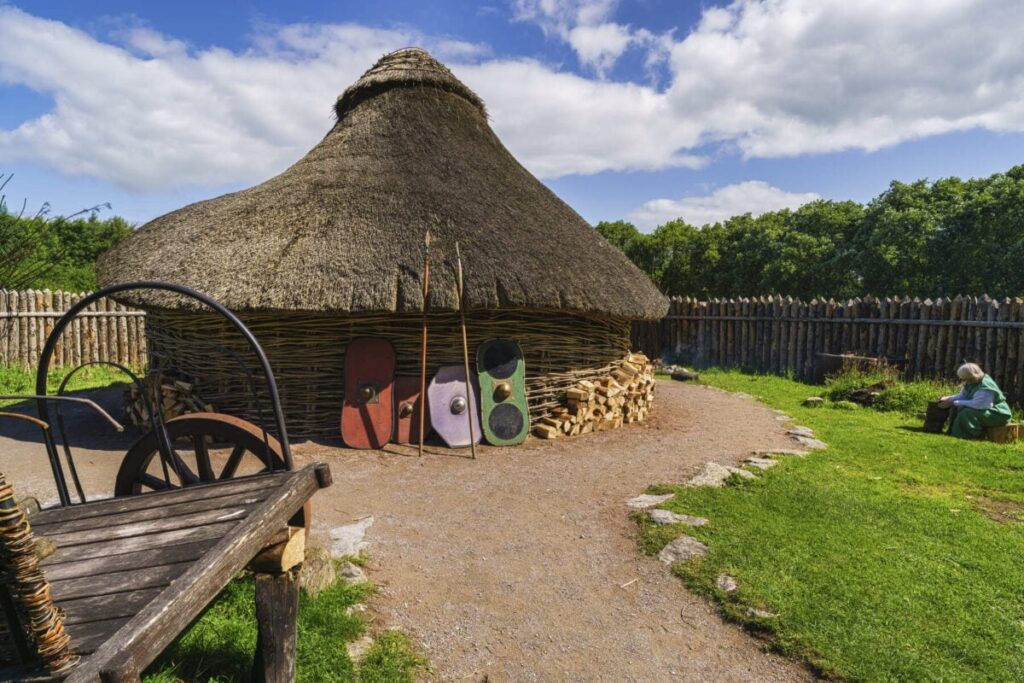
Glenariff Forest Park (County Antrim) waterfalls, trails, scenic views.
Derry City Walls (Derry/Londonderry) well-preserved 17th-century walls, plus the Bogside murals and Bloody Sunday memorial nearby.


Festivals and Events
In Ireland:
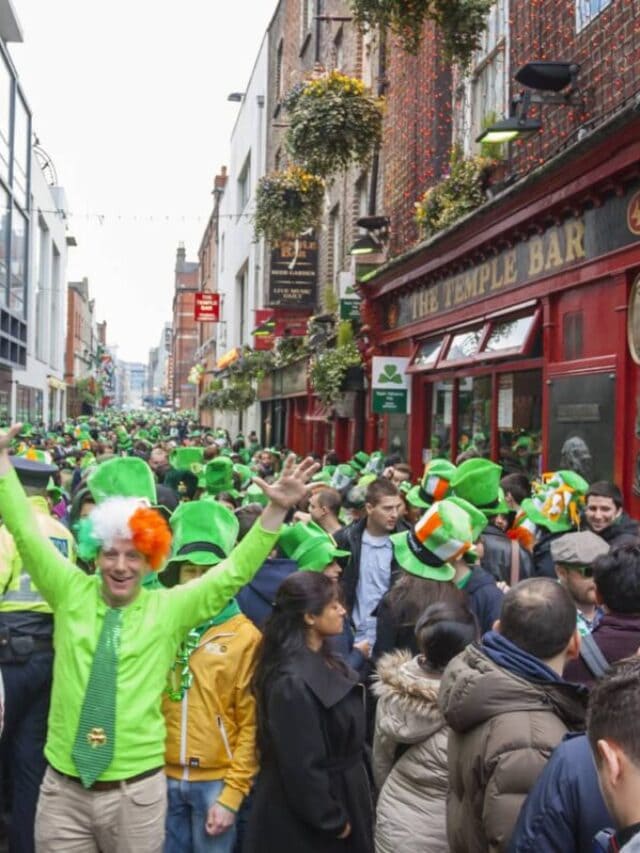
St. Patrick’s Festival March 17th (celebrated over several days), nationwide, with Dublin hosting the largest events. Book accommodation well ahead if you’re aiming for Dublin specifically.

Galway International Arts Festival July, Galway City
Fleadh Cheoil na hÉireann August, rotating host cities, the largest traditional Irish music festival in the country worth planning a trip specifically around if trad music is a draw for you
Cork Jazz Festival October, Cork City, one of Europe’s oldest jazz festivals
Dingle Food Festival October, Dingle, County Kerry


In Northern Ireland:
Belfast Festival at Queen’s October, Belfast
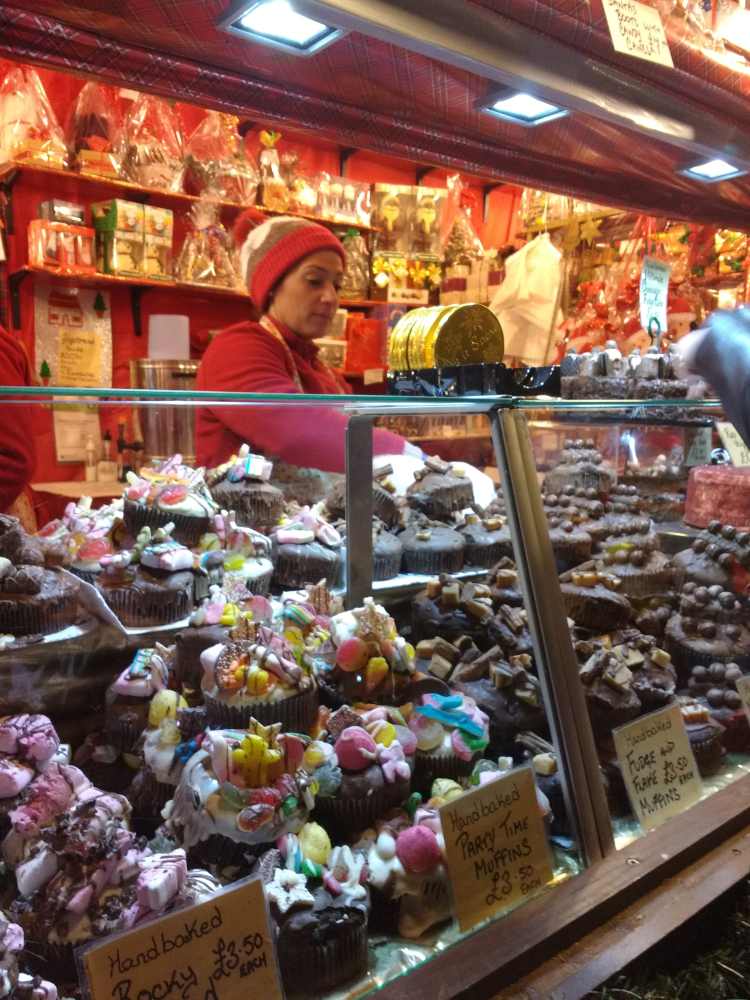
Christmas in Belfast late November through December, Belfast’s Christmas Market at City Hall
Belfast Pride Festival July/August, Belfast
Féile an Phobail (West Belfast Festival) August, West Belfast, Ireland’s largest community arts festival
Culture Night Belfast September, Belfast and other NI cities, a night of free cultural events
What Things Cost: A Realistic Ireland Budget
Prices checked and current as of August 2026 always confirm directly for anything time-sensitive, as costs shift with the season and exchange rates.
Meals
Breakfast: €5–€15 at a café; €10–€20 at a hotel if not included
Lunch: €6–€12 for a sandwich or light meal; €10–€20 for a pub lunch
Dinner: €15–€30 casual; €20–€40 mid-range; €40+ fine dining
Fast food: €8–€12 for a burger meal; €8–€15 for pizza


Activities
Museums and galleries: often free or €5–€10 donation; specialized museums €5–€15, check our my guide to 25 Free Things to do in Dublin.
Guided city walking tours: €10–€20 per person
Day tours to major attractions: €30–€70 per person
National parks and gardens: free or €5–€10
Adventure activities (hiking tours, boat trips): €20–€50
Concerts and theatre: €15–€50 depending on venue and seating

Accommodation
- Budget (hostels, budget hotels): €40–€100/night take a look at Hostelworld.
- Mid-range (hotels, guesthouses): €100–€200/night from Booking.com
- Luxury (upscale hotels, boutique stays): €200+/night look into the Plum Guide or Booking.com

Transport
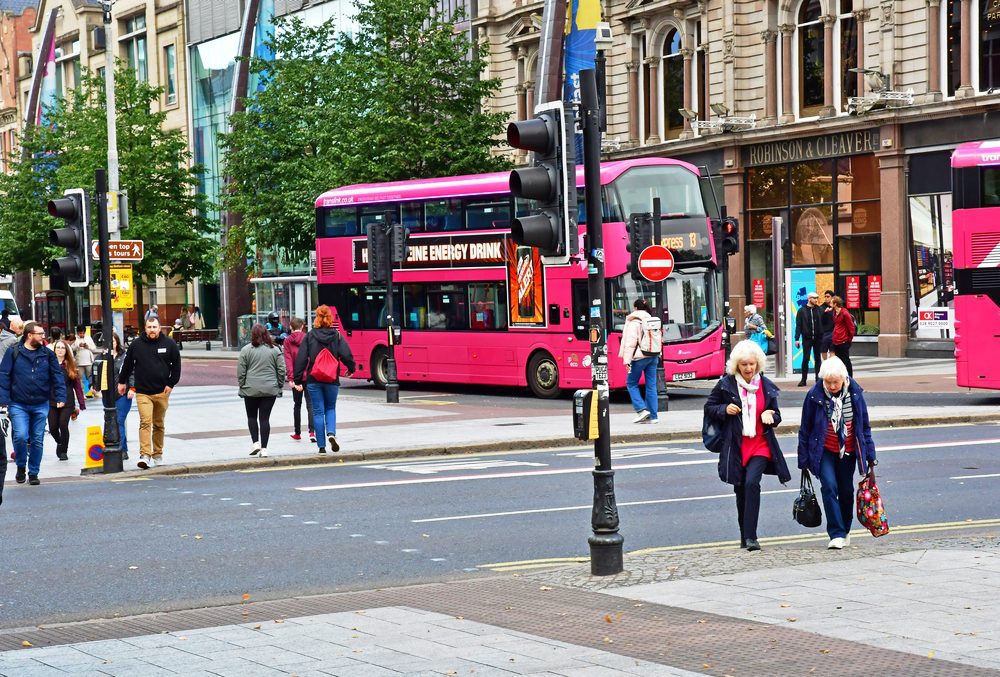
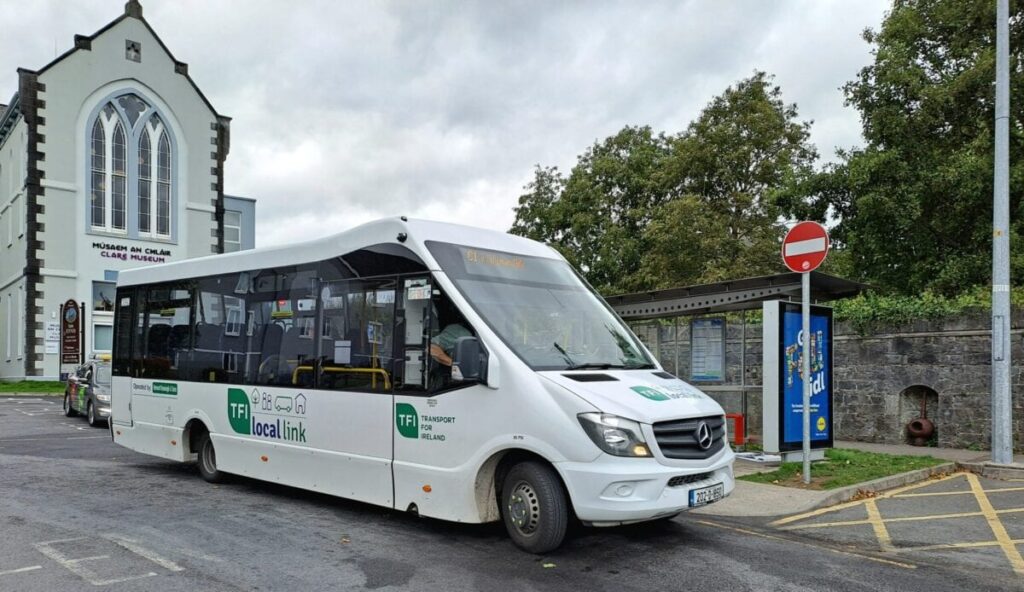
Public transport within cities: €2–€5 per trip see my full guide to public transport in Ireland and public transport in Northern Ireland for passes and specifics
Inter-city trains or buses: €20–€50 depending on distance
Car rental: €30–€70 per day see my guide to renting a car in Ireland for what’s actually included in that price. You can also find tips for drivers over 60

Budgeting tips: look for lunch specials and early-bird menus to cut dining costs; check for free or discounted museum days (many OPW-run heritage sites are free on the first Wednesday of the month); and consider a transport pass if you’re spending several days in one city rather than paying per trip. Read my How Much Does a Trip to Ireland Cost? 2026/27 Budget Breakdown
The Heart of Ireland
Beyond the castles, cliffs, and cost breakdowns, what stays with most visitors is something harder to put a price on. Ring forts and stone circles sit quietly in fields across the country, older than written history and still carrying the folklore attached to them by generations who came after. Celtic symbols and traditions carved into high crosses, worn as Claddagh rings, marked by festivals older than the calendar we now use to track them aren’t museum pieces here so much as things still genuinely lived. That’s the real heart of Ireland: not any single attraction on the list above, but the sense that the past hasn’t been tidied away, just built around. For a proper look at where that comes from, see my full guide to Irish culture and folklore.
Start Planning Your Trip
👉 Public Transportation in Ireland
👉 Hidden Gems in Ireland – 32 Secret places to visit
👉 Answering all your travel questions about Ireland