
How Much Does a Trip to Ireland Cost? 2026/27 Budget Breakdown
How much is a trip to Ireland? Excluding flights, plan on roughly €80–120 per person per day for a budget trip, €150–220 for a comfortable mid-range trip, and €250–350+ per day for a luxury one. Over a week, that’s about €600–850, €1,050–1,550, and €1,750–2,450 respectively. Dublin runs noticeably higher than the rest of the country; rural counties like Donegal, Mayo, and Clare run lower.
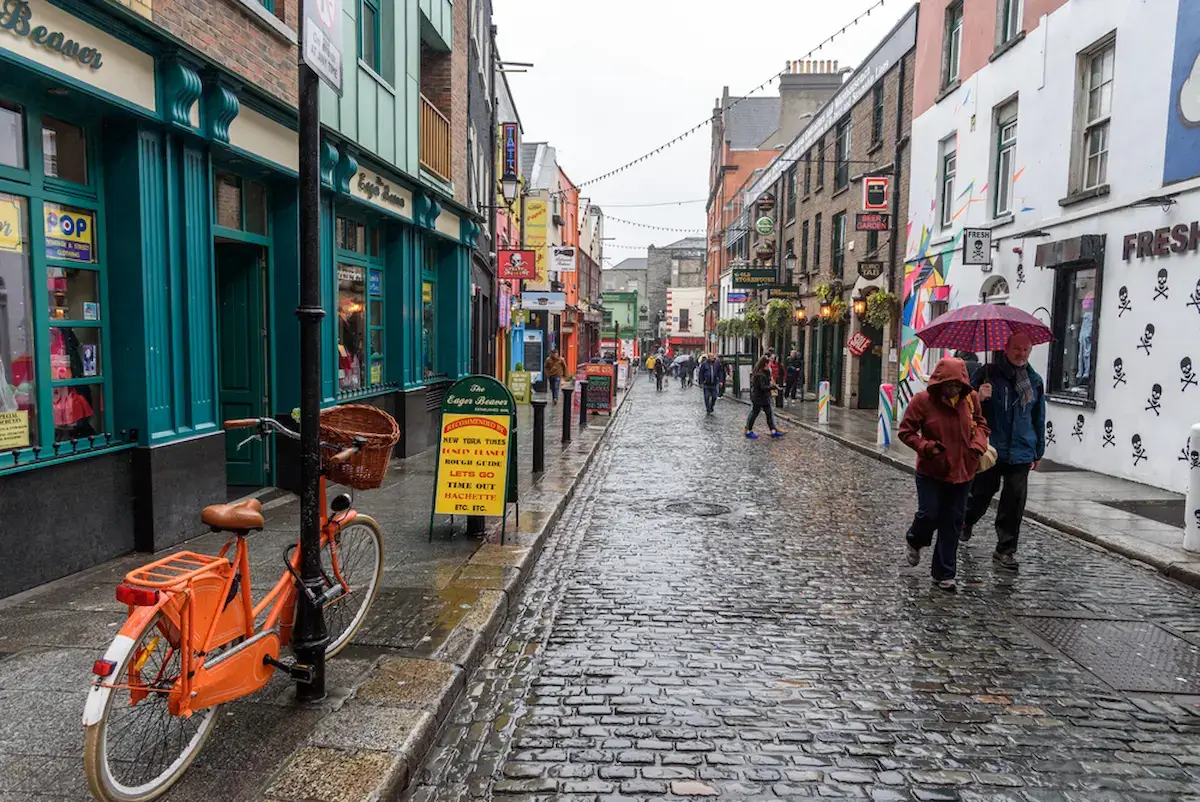
I end up pricing out accommodation, meals, and transport across Ireland fairly constantly, both for my own trips and for planning content for readers. “How much will this actually cost me” is one of the questions I get asked most, and most of the answers online are either wildly out of date or based on a single trip someone took years ago. This guide is built from current 2026/27 pricing across accommodation, food, transport, and attractions, broken down by travel style, with a realistic look at how much cheaper things get once you leave Dublin.
- How Much Does a Trip to Ireland Cost? 2026/27 Budget Breakdown
- Fast Facts: Ireland Trip Costs (2026)
- What Actually Drives the Cost of an Ireland Trip
- Accommodation Costs in Ireland
- Food and Drink Costs in Ireland
- Transport Costs in Ireland
- Attractions and Activities
- Sample 7-Day Ireland Budgets
- How Ireland Compares to Other European Destinations
- Money-Saving Tips That Actually Move the Needle
- Frequently Asked Questions About Ireland Trip Costs
- Driving in Ireland articles
Fast Facts: Ireland Trip Costs (2026)
| Budget daily cost | €80–120 per person, per day (excluding flights) |
| Mid-range daily cost | €150–220 per person, per day |
| Luxury daily cost | €250–350+ per person, per day |
| Average hotel price | Around €140–150 per night nationally; €150–250+ in Dublin |
| Average meal cost | €12–18 for a pub lunch; €35–55 for a mid-range dinner |
| Pint of Guinness | €5.50–7.50 outside Dublin; up to €9 in Dublin’s Temple Bar |
| Cheapest months | January, February, and November |
| Most expensive months | June, July, and August, plus St Patrick’s week in March |
For a specific example of what a shorter trip looks like, see my Only 5 Days in Ireland? Here’s the Smart Route.
What Actually Drives the Cost of an Ireland Trip
Ireland sits toward the pricier end of Western Europe, closer to the Netherlands or the UK than to Portugal or Central Europe. Three things drive that more than anything else: accommodation prices that rose sharply after 2020 and haven’t come back down, a car being close to essential for seeing anywhere outside the cities, and a genuinely small number of budget flight routes compared to somewhere like Spain or Italy. None of that means Ireland is unaffordable it means the trip needs a bit more deliberate budgeting than some other European destinations, particularly around where you sleep and how you get around.
Accommodation Costs in Ireland
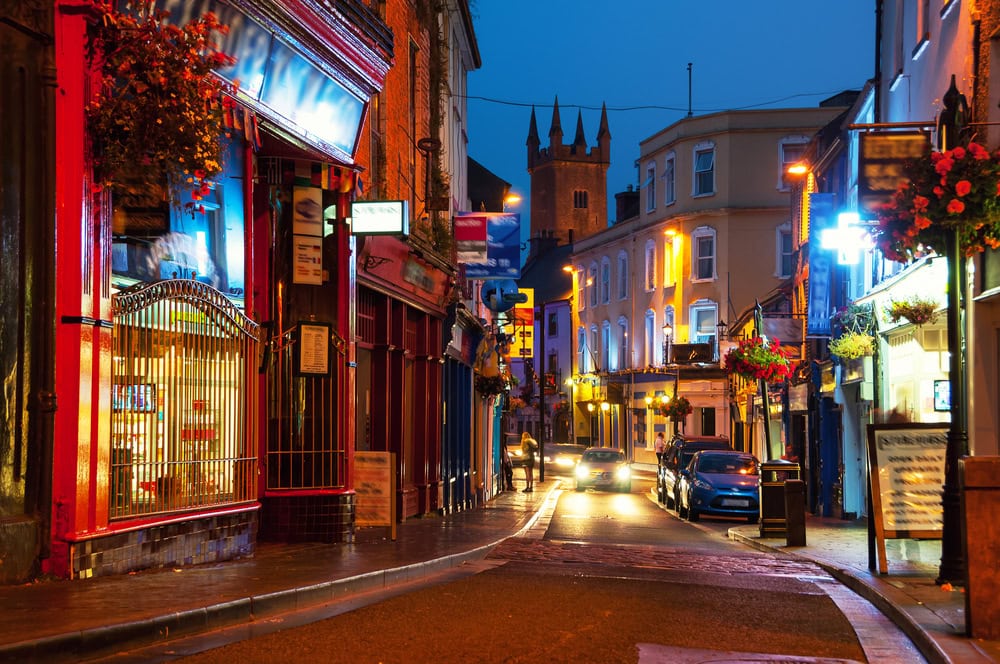
Accommodation is the line item that swings an Ireland budget the most, and where you stay matters more than what type of room you book.
| Accommodation type | Typical price per night | Notes |
| Hostel dorm bed | €30–50 (rural); €40–100+ (Dublin, peak season) | Dublin hostel prices have risen sharply since the pandemic |
| B&B / guesthouse | €60–150 for a double room | Usually includes a full cooked breakfast, which saves on food costs |
| Mid-range hotel (3-star) | €100–200 outside Dublin; €150–280 in Dublin | Shoulder season (April–May, Sept–Oct) runs 20–30% below summer rates |
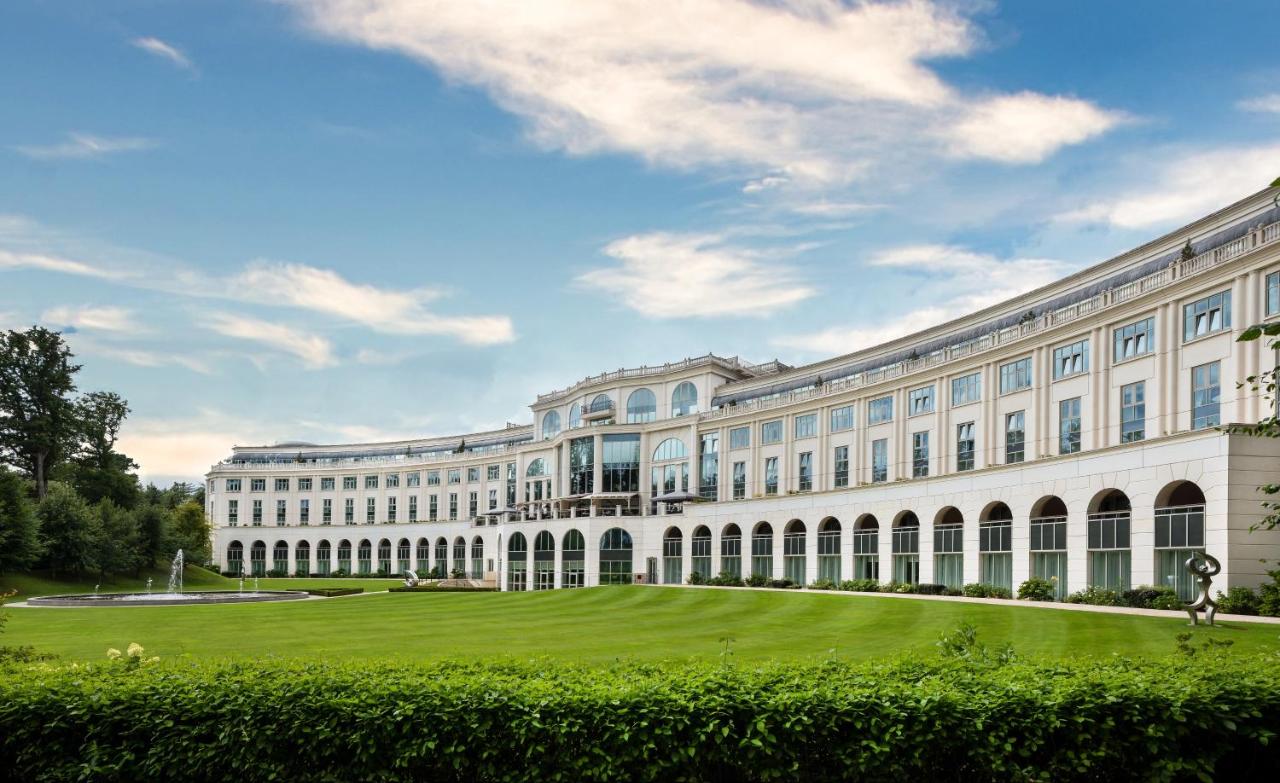
| Luxury hotel / castle stay | €200–600+ | Properties like Lough Eske Castle in Donegal sit at the upper end of this range |
Booking.com offers a wide B&B and hotel selection; Airbnb covers a broader range including unique stays; TripAdvisor is useful for reviews (though if you find a well-reviewed place, going direct to their own website can get you a better rate); Ireland’s Blue Book is a curated collection of Irish country houses, historic hotels, and castles worth a look for something special.
The single biggest lever here is location: a comfortable 3-star hotel in Galway, Cork, or Killarney typically runs 20–40% cheaper than an equivalent room in Dublin, and rural counties are cheaper again. My own patch, Donegal, is a good example I’ve broken down real accommodation numbers for the county in Is Donegal Expensive? Honest Cost Breakdown from a Local, and the gap versus Dublin is significant.


Food and Drink Costs in Ireland
Food costs in Ireland are genuinely controllable, more than almost any other line item, because the price gap between a pub lunch and a sit-down dinner is large.
| Meal type | Typical cost | Notes |
| Self-catering / groceries | €10–15 per day | Supermarket staples are reasonably priced even though restaurant dining isn’t |
| Pub lunch or chipper meal | €12–18 | The best-value hot meal in the country, and available everywhere |
| Mid-range restaurant dinner | €35–55 per person, excluding drinks | Set-price two- or three-course lunch menus (€18–25) are much better value than the same restaurant’s dinner menu |
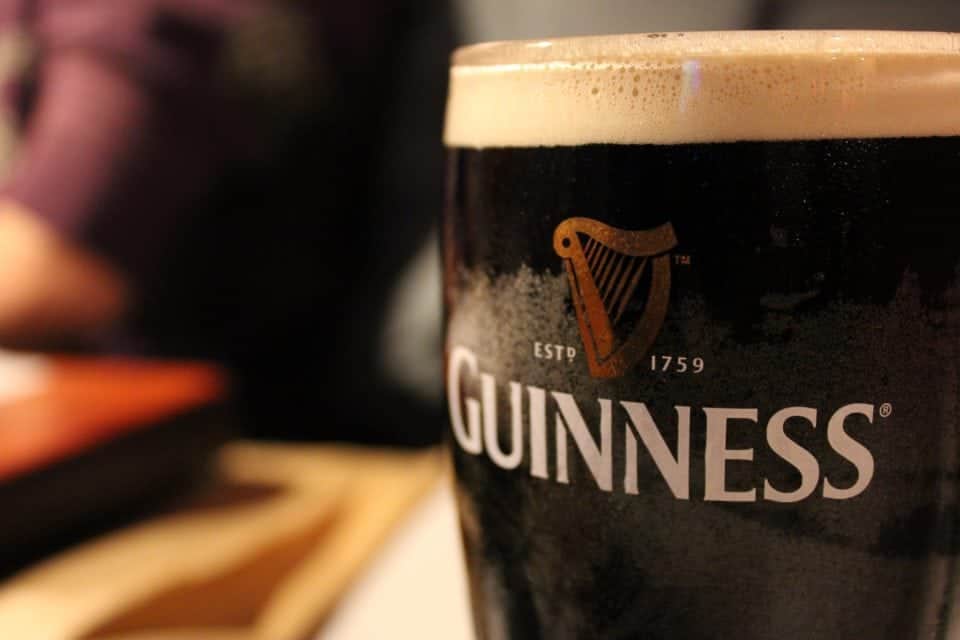
| Pint of Guinness | €5.50–7.50 outside Dublin; €7.50–9 in central Dublin | Prices drop noticeably once you’re outside a city centre or a tourist-heavy area like Temple Bar |
A B&B breakfast is worth factoring into your food budget specifically a full Irish breakfast included in your room rate can genuinely replace lunch for some travellers, which is a real saving most trip-cost guides don’t call out.


Transport Costs in Ireland
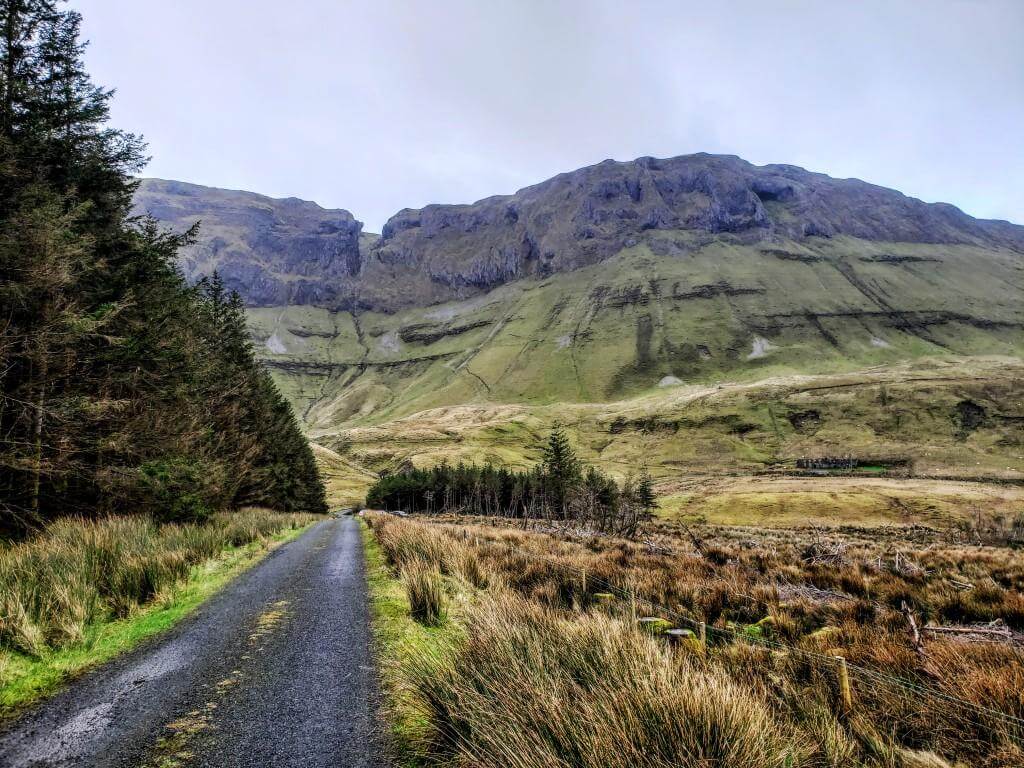
Transport is where an Ireland budget diverges most sharply depending on whether you’re driving or relying on public transport, since a car is close to essential for most of the country outside Dublin, Cork, and Galway city centres.

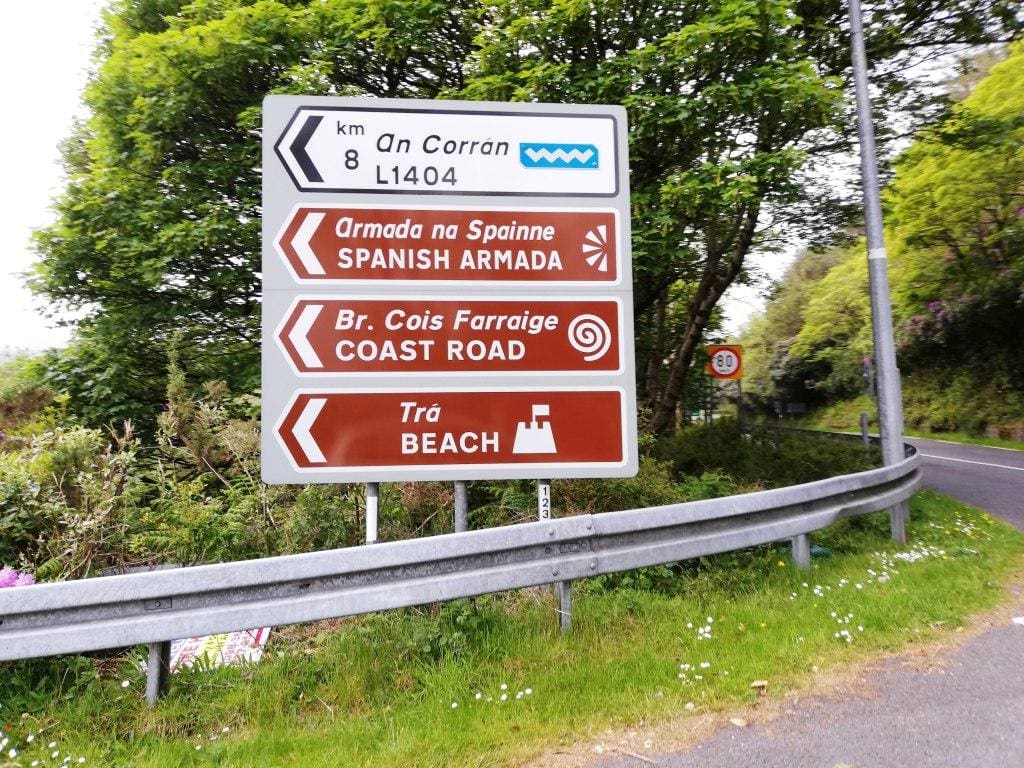
- Car rental: typically €30–60 per day for a standard car, before insurance. Full insurance coverage (CDW plus tyre and windscreen cover) is worth budgeting as a genuine cost rather than an optional extra see my full breakdown in Renting a Car in Ireland: Real Costs and Insurance Guide.
- Fuel: Ireland’s fuel prices are broadly in line with the rest of Western Europe; budget more for it than you would in the US given the higher per-litre price and the driving distances between rural highlights.
- Tolls: mostly around Dublin and on the main motorways, payable by cash, card, or the eToll system.
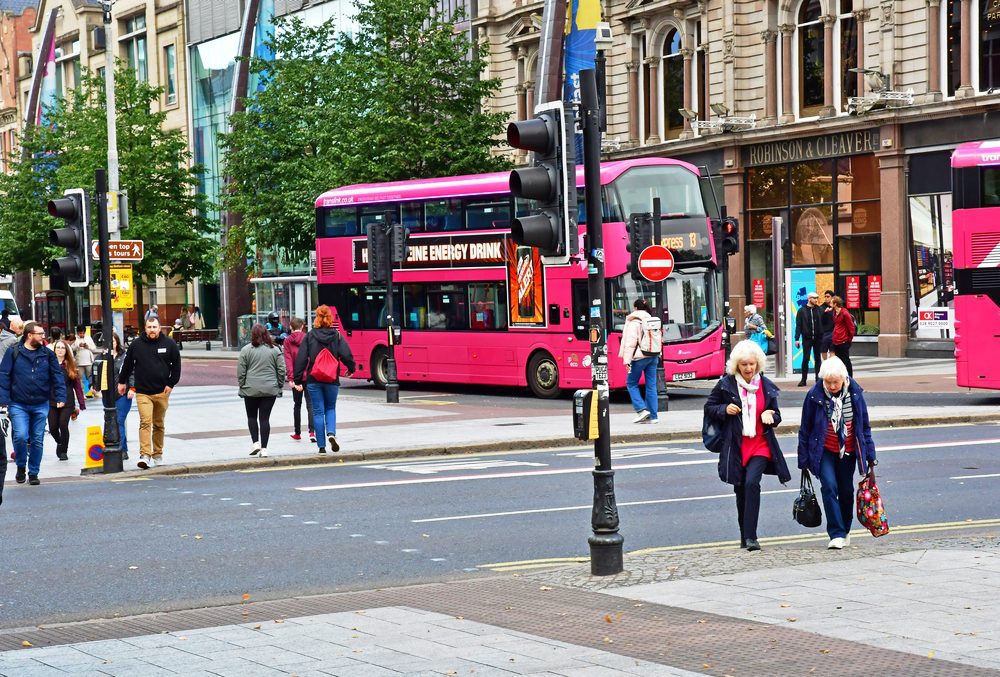
- Public transport: a single Dublin bus or Luas fare runs about €2.10–2.40; a Leap Visitor Card is worth it for anyone spending more than a couple of days in the city.
- Intercity trains and buses: connect the main cities reasonably well, but don’t reach most of the coastal and rural highlights that draw people to Ireland in the first place.
- Travelling without a car: doable around Dublin/Cork/Galway plus organised day tours (€35–55/person to sites like the Cliffs of Moher), with the honest trade-off noted: cheaper for a short trip, but it adds up over a longer one and locks you into a fixed itinerary.
- Hiring a private driver: roughly €600–900/day for a driver-guide and vehicle (current 2026 rates I cross-checked across several Irish chauffeur companies), priced per vehicle rather than per person, so it’s genuinely reasonable once you’re splitting it across a group of four or more


Attractions and Activities
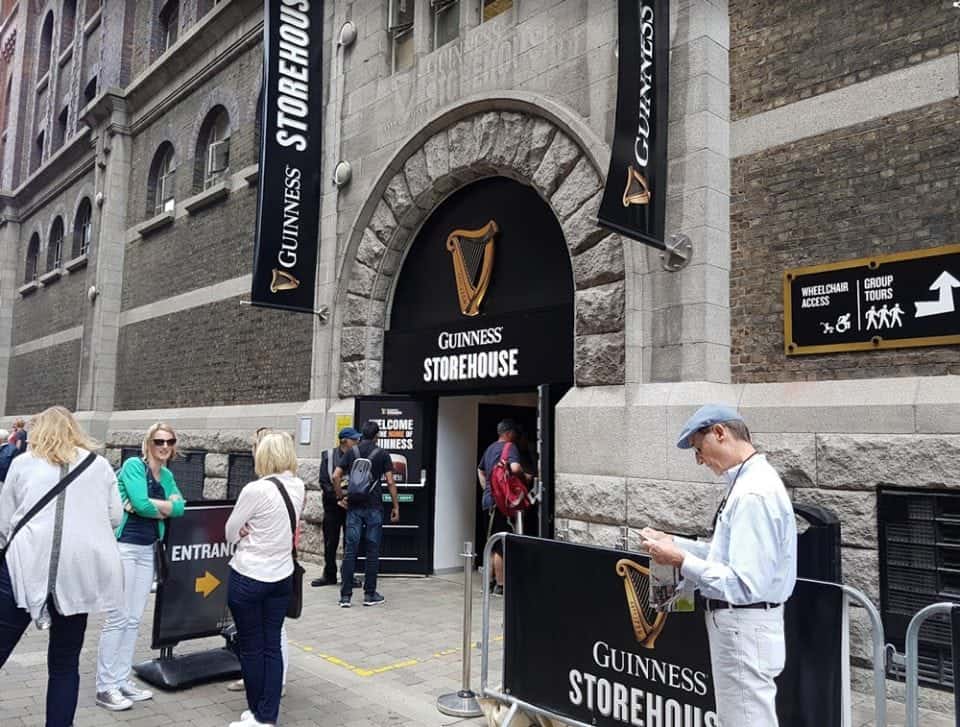
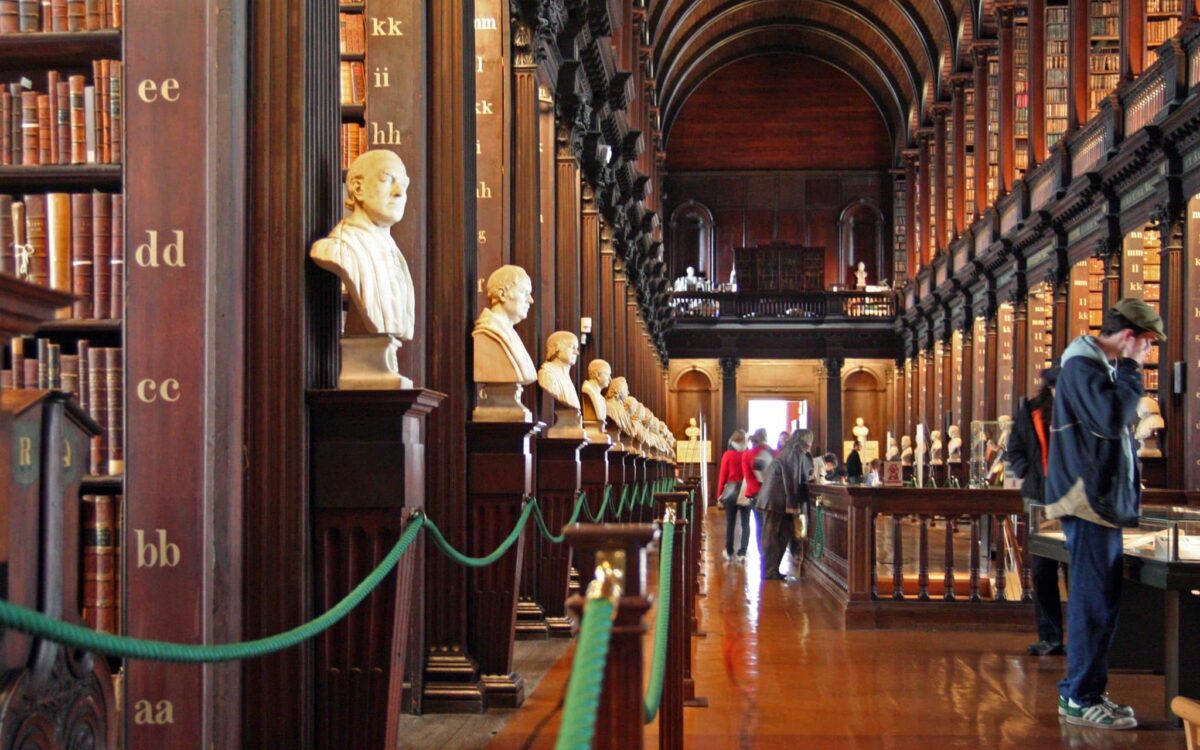
This is the one category where Ireland is genuinely generous to budget travellers. Many of the country’s best experiences coastal walks, beaches, small-town wandering, and a long list of Dublin’s museums and galleries are free. Paid attractions typically run €10–25 per person, with a small number of headline sites (the Guinness Storehouse, guided castle tours) sitting somewhat higher. Building a day around one or two paid attractions and filling the rest with free scenery and walking is the most effective way to keep this category under control.
Sample 7-Day Ireland Budgets
These are per person, excluding flights, based on the pricing above:
| Category | Budget traveller | Mid-range traveller | Comfortable / luxury |
| Accommodation | €280 (hostel/budget B&B) | €700 (3-star hotel) | €1,400+ (upscale hotel/castle) |
| Food & drink | €140 | €350 | €560+ |
| Transport | €100 (bus/train) | €250 (car rental + fuel) | €300 (car rental + fuel) |
| Attractions | €60 | €120 | €200+ |
| Total (7 days) | ≈€580 | ≈€1,420 | ≈€2,460+ |
A couple travelling together saves meaningfully on accommodation and car rental, since both are priced per room or per vehicle rather than per person the gap between solo and two-person daily costs is larger in Ireland than in destinations where dorm beds or public transport dominate.
How Ireland Compares to Other European Destinations
Dublin sits in the mid-to-high tier of European city costs noticeably pricier than Lisbon, Budapest, or Krakow, and broadly comparable to Amsterdam or Copenhagen. Rural Ireland, however, doesn’t follow the same pattern as rural Portugal or rural Eastern Europe, where costs drop dramatically outside the capital. Irish countryside pricing stays closer to UK countryside pricing than to, say, rural Spain, because food, fuel, and construction costs are high nationally, not just in the capital.

Money-Saving Tips That Actually Move the Needle
Travel in May or September rather than July or August accommodation alone can run 20–30% cheaper for near-identical weather odds.
Book a B&B with breakfast included rather than a hotel without one it quietly removes one meal a day from your food budget.
Grab lunch at a petrol station (they are really good value and fresh) or a local shop like a Spar.

Split lunch and dinner between pub food and one nicer meal a day, rather than restaurant dining for every meal.
Base yourself in a smaller town rather than Dublin city centre for at least part of the trip Donegal, Clare, and Mayo all offer significantly lower accommodation costs than the capital.
Use a Leap Visitor Card if you’re spending several days in Dublin, rather than paying single fares each time.
Take advantage of a Heritage Card and if you are in Ireland on the first Wednesday of any month many sites are free.
Book car rental insurance in advance rather than at the counter, where last-minute upsells are common and considerably more expensive.


Frequently Asked Questions About Ireland Trip Costs
How much does a week in Ireland cost per person?
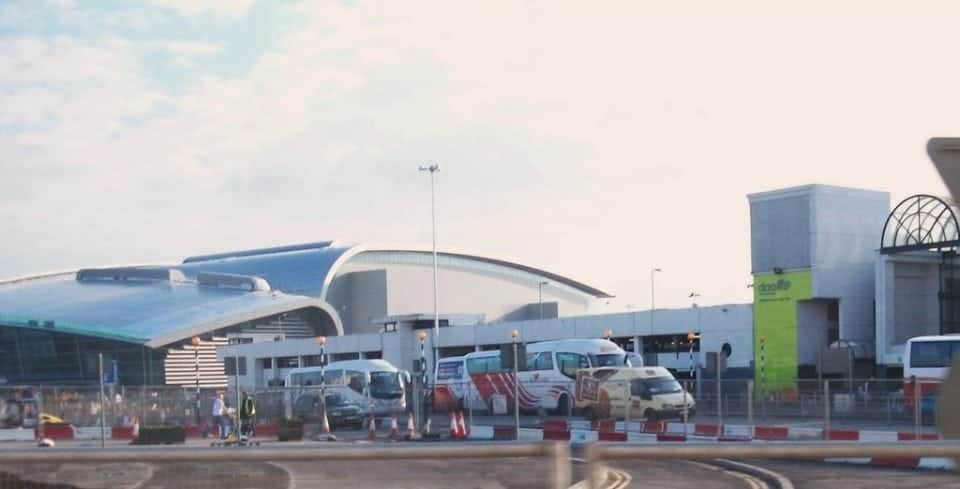
Excluding flights, a budget traveller can get through a week in Ireland on roughly €600–850, a mid-range trip runs about €1,050–1,550, and a comfortable trip with better restaurants, paid attractions, and day tours lands closer to €1,750–2,450. Add flights on top typically $500–900 round trip from the US, or considerably less from the UK with a budget carrier. Generally speaking choose Dublin to fly into Shannon is much more expensive.
Is Ireland more expensive than the UK?
Broadly similar, with Dublin sitting close to London for accommodation and dining, and rural Ireland comparable to rural UK. Ireland’s food and pub prices have risen sharply since 2020 and now feel roughly on par with, or slightly above, equivalent UK prices for the same category of meal.
Is Ireland cheaper outside Dublin?
Yes, noticeably. Hotel and B&B rates in Galway, Cork, and Killarney typically run 20–40% below Dublin prices for a comparable room, and rural counties like Donegal are cheaper again, especially outside July and August.

What’s the single biggest cost on an Ireland trip?
For most travellers it’s accommodation, followed closely by car rental and its associated insurance once young-driver surcharges, fuel, and tolls are factored in. Food is usually the most controllable cost, since pub lunches and B&B breakfasts are considerably cheaper than restaurant dinners.
How much cash should I bring to Ireland?
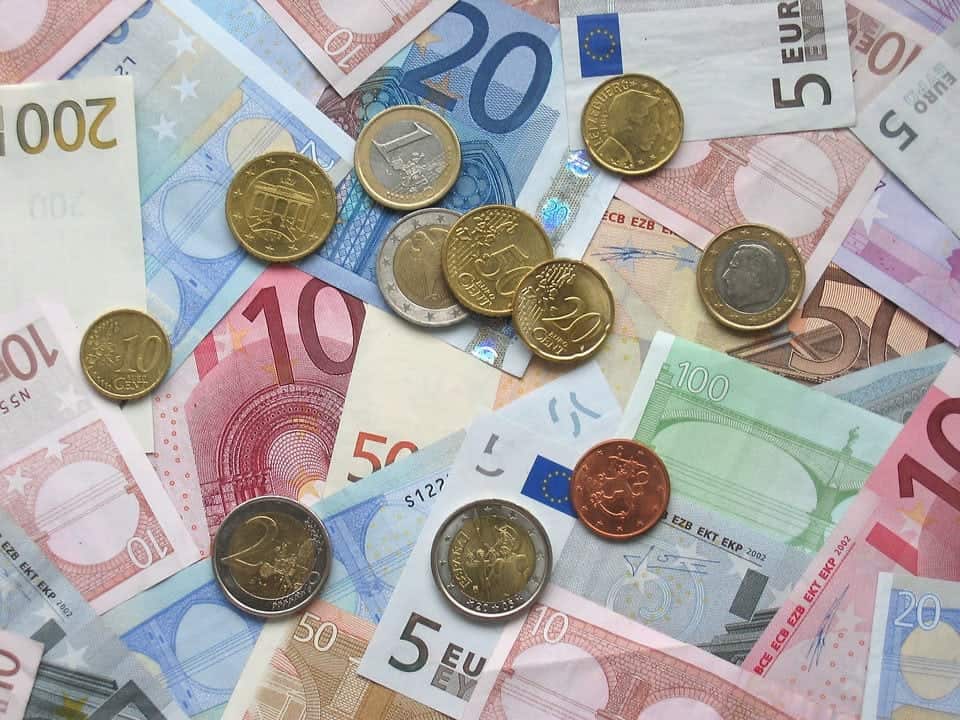
Cards are accepted almost everywhere in Ireland, including small pubs and rural shops, so carrying large amounts of cash isn’t necessary. Having €40–60 on hand for smaller, more remote establishments and the odd cash-only spot is a sensible amount.
What’s the cheapest time of year to visit Ireland?
January and February, followed by November, offer the lowest accommodation and flight prices, though with the shortest daylight hours and the most unpredictable weather. May and September are usually the best compromise between lower shoulder-season prices and reliable, walkable weather.
Ireland isn’t a cheap destination, and it’s fair to go in expecting that. But the gap between a stressful, overpriced trip and a genuinely good-value one usually comes down to a handful of decisions when you travel, where you base yourself, and how many meals happen in a pub versus a restaurant rather than the country being uniformly expensive everywhere you go.
Planning the rest of your trip? Start with Plan Your Ireland Trip or let the Ireland Trip Architect build an itinerary for you, browse full Ireland Itineraries, or go Off the Beaten Path for less-visited spots. For where to base yourself, see Where to Stay in Ireland and explore by the Regions of Ireland — including the Ancient East, Hidden Heartlands, and Wild Atlantic Way. County-level guides are available for Dublin, Donegal, and Galway, plus practical help with Getting Around Ireland and background on Irish Culture and Folklore. If you’re heading north, see the Northern Ireland guide and Belfast Travel Guide.
Planning the rest of your trip? My Irish Bucket List covers 39 of my favourite Ireland experiences, from landmarks to whiskey tours.
Join 7,500 Ireland travellers in my Ireland Uncovered Facebook Group and 1,897 on my XYUandBEYOND PAGE
Essential Apps and Resources
• Transport: Irish Rail, Bus Eirean, Dublin Bus, Local Link
• Weather: Met Éireann app
• Navigation: Google Maps (download offline areas)
• Heritage: Heritage Ireland app
Driving in Ireland articles
How to visit Glenveagh without a car