
Ireland vs Scotland: Which Should You Visit?
Neither one beats the other outright. Ireland tends to suit travellers who want an easy, social trip with dramatic coastal scenery close to the road; Scotland suits travellers chasing wilder, more remote landscapes and don’t mind covering more ground to reach them. Below is a full breakdown by category, plus a straight answer on whether you can just do both.
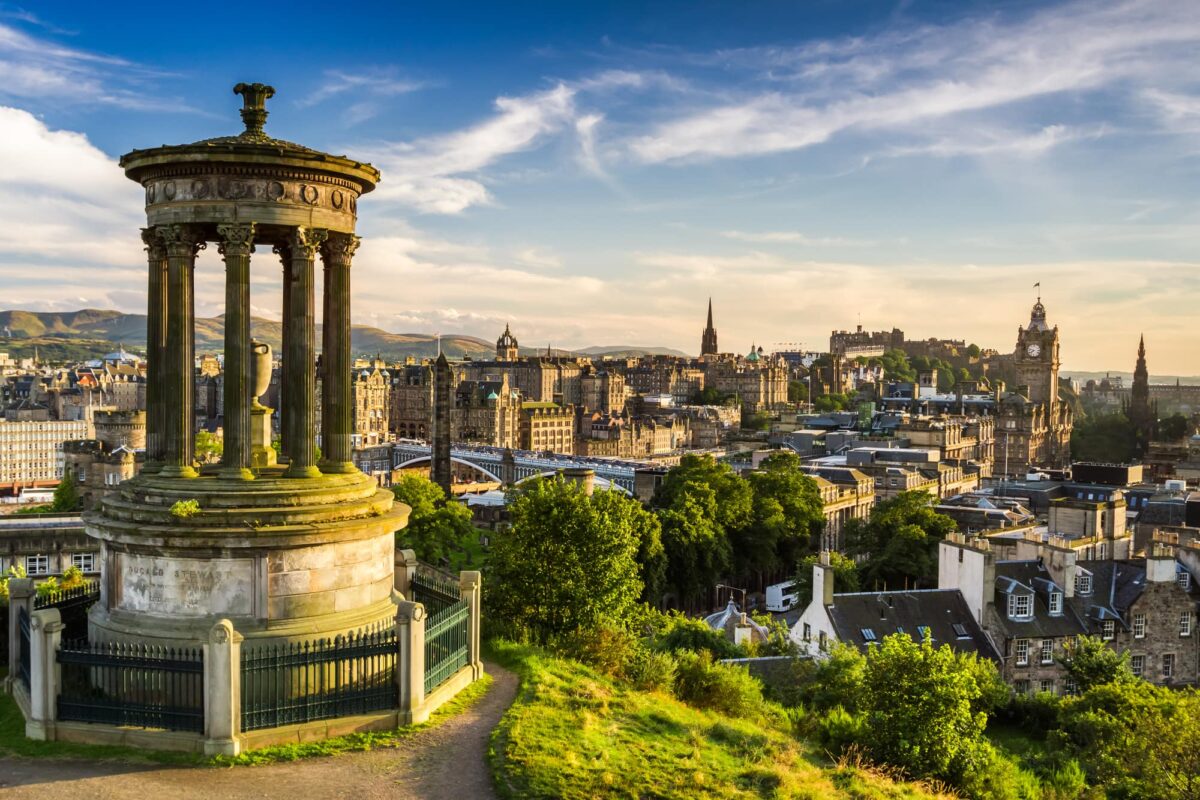
I’ve travelled extensively in both Ireland and Scotland, and it’s genuinely one of the questions I get asked most by readers planning a first trip to either. Most comparison articles online default to declaring a winner, which usually says more about which country the author is being paid to promote than which country actually suits you. This one doesn’t do that. Ireland and Scotland are different trips wearing similar green scenery, and which one is right for you depends far more on what kind of traveller you are than on which country is objectively “better.”
- Ireland vs Scotland: Which Should You Visit?
- Fast Facts: Ireland vs Scotland
- Scenery and Landscape
- Culture and Atmosphere
- Why Scotland and Ireland Look and Feel So Different
- Accessibility
- Cost of Travel
- Getting Around
- Food and Drink
- Weather and Best Time to Visit
- Which Should You Choose?
- Can You Visit Both in One Trip?
- Frequently Asked Questions About Ireland vs Scotland
Fast Facts: Ireland vs Scotland
| Ireland | Scotland | |
| Capital | Dublin | Edinburgh |
| Currency | Euro (€) | Pound Sterling (£) |
| Main airport | Dublin Airport | Edinburgh & Glasgow Airports |
| Driving side | Left | Left |
| Signature spirit | Irish whiskey (triple-distilled, smoother) | Scotch whisky (often smokier, especially Islay) |
| Best-known scenic region | Wild Atlantic Way | The Highlands |
| Typical trip length | 7–10 days | 7–10 days |
| General cost level | Slightly cheaper day to day | Slightly cheaper car rental |
Scenery and Landscape
Both countries are exceptional to look at, but the character of the scenery is genuinely different, not just the accents narrating it.
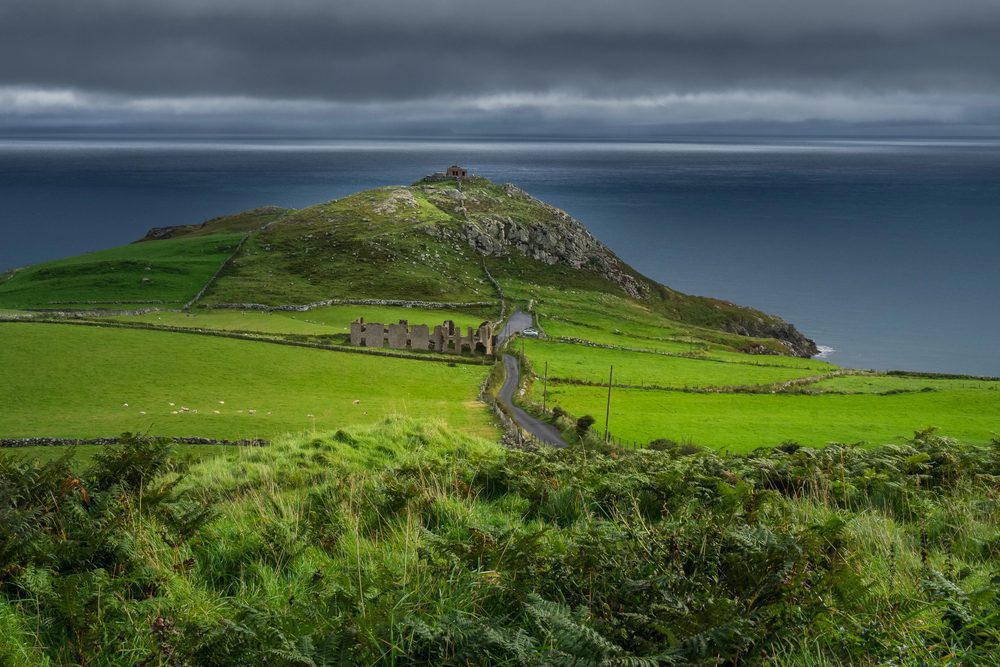
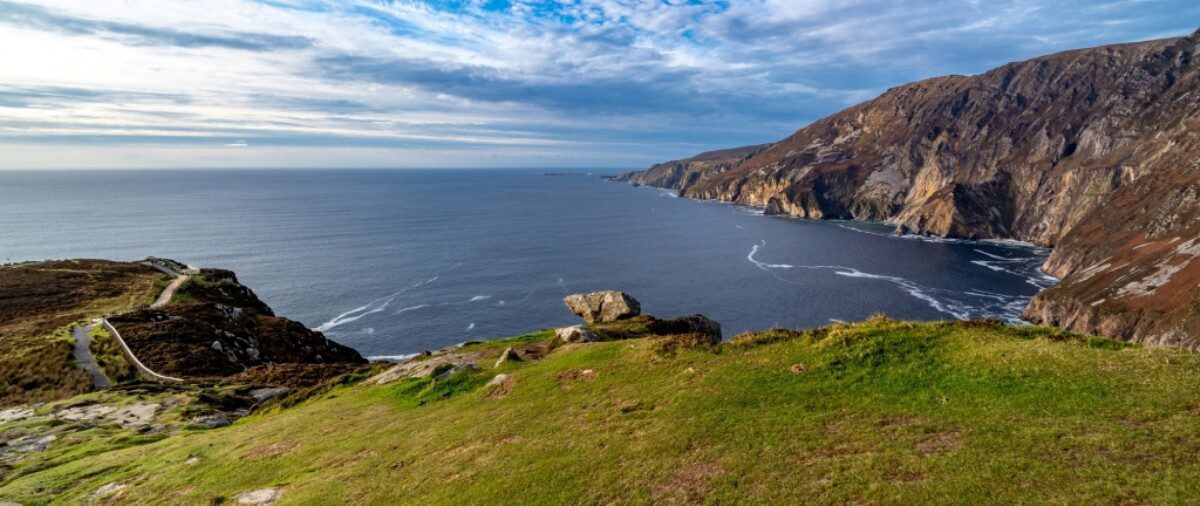
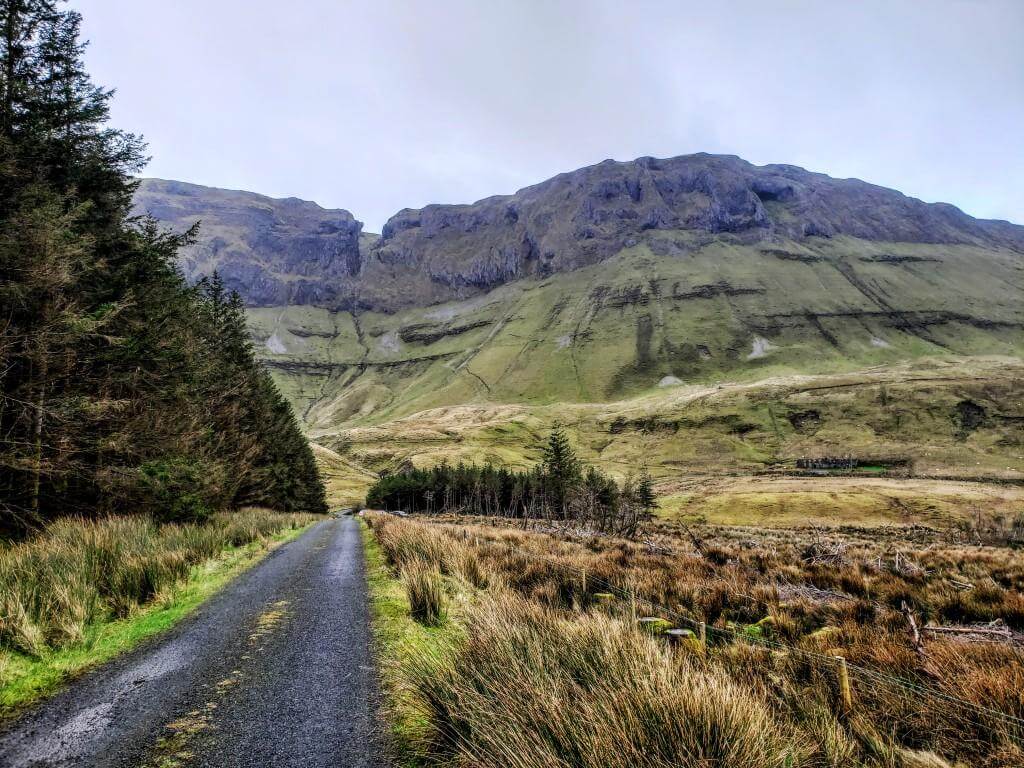
Ireland’s landscape, especially along the Wild Atlantic Way, tends to feel immediate you can be driving a normal coastal road and suddenly have a view like Slieve League or the Cliffs of Moher appear with barely any hike required. The scenery is soft, intensely green, and dotted with small villages that make it easy to stop, wander, and move on.

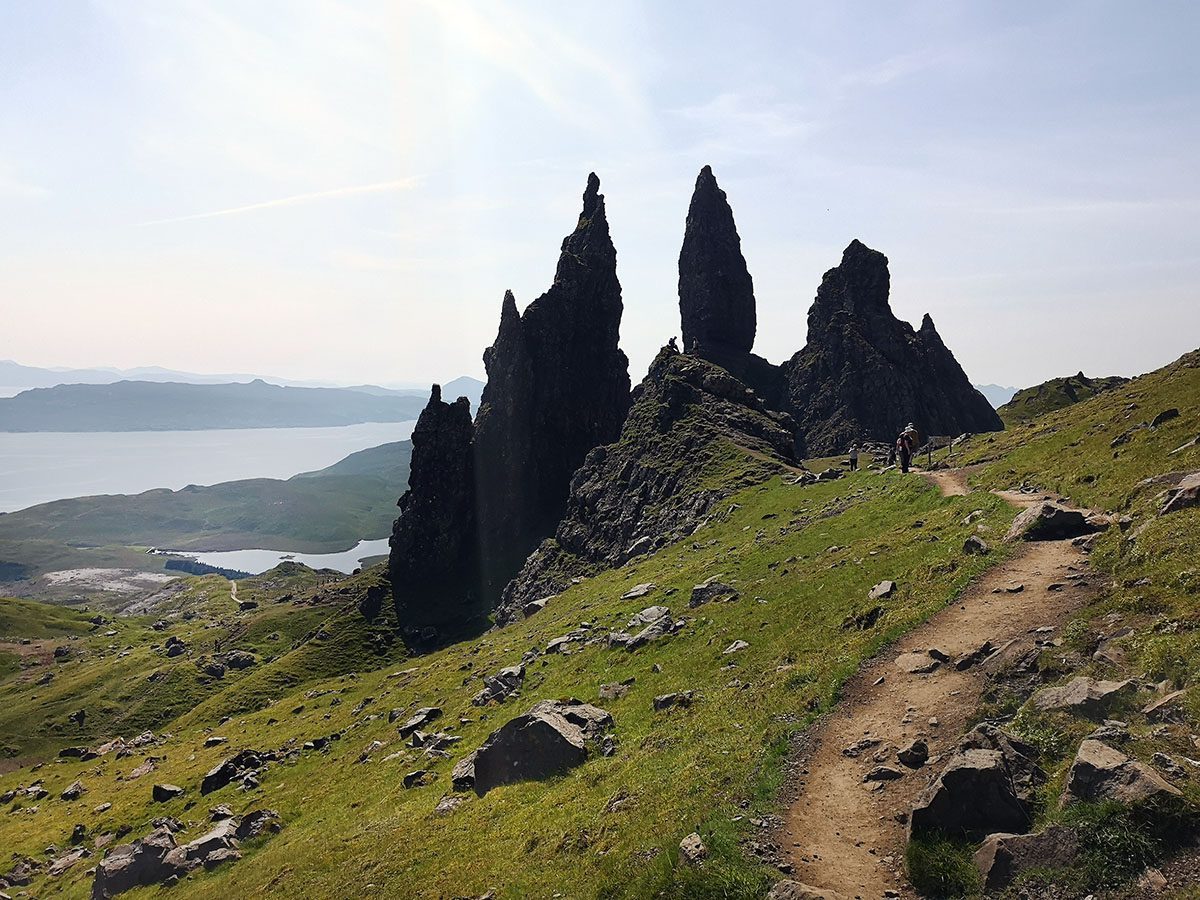
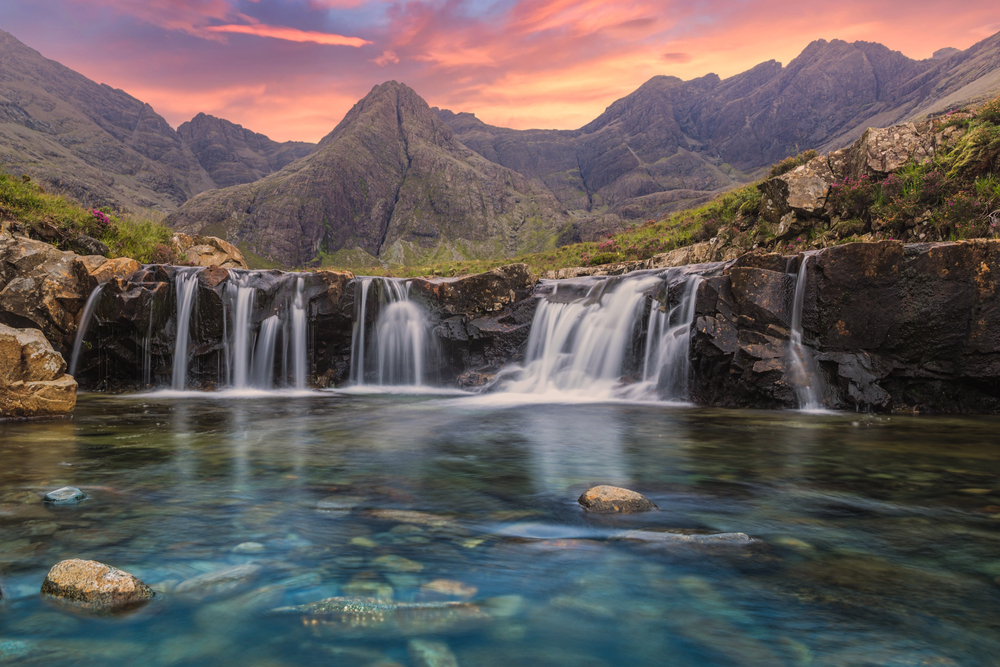
Scotland’s Highlands ask a bit more of you. The scenery is wilder and more remote, and the best of it Glencoe, the Isle of Skye, the North Coast 500 often means longer drives between highlights and, in places, a genuine hike to get the view everyone’s Instagram photo promised. What you get in return is a rawer, more untouched feeling that’s hard to match anywhere in Ireland.

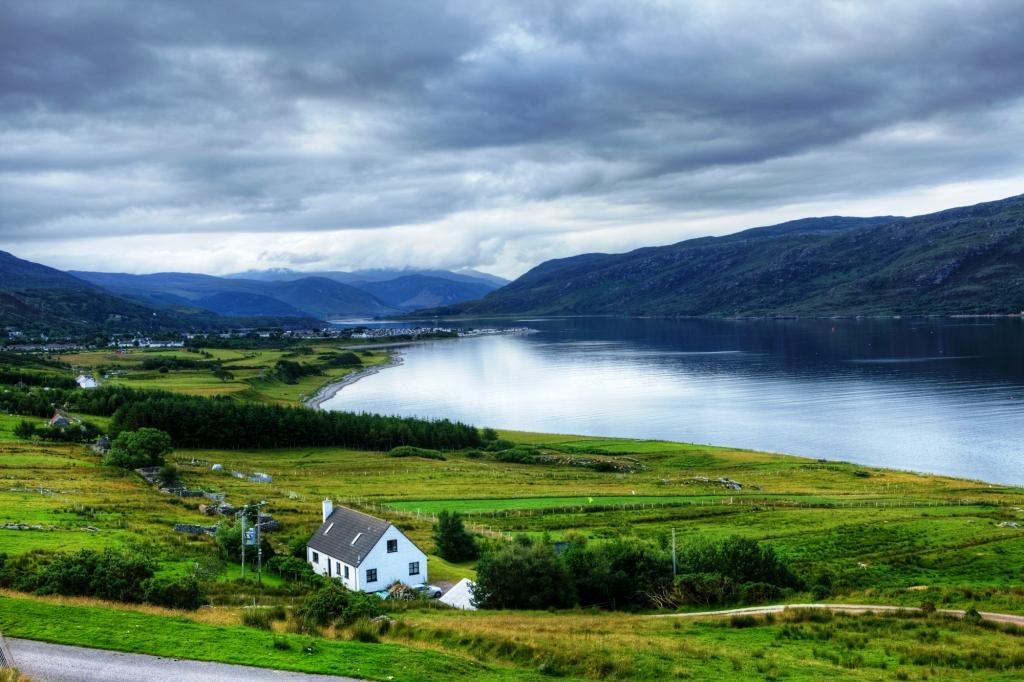
Neither is better. If you want dramatic scenery with minimal effort and a village to eat lunch in nearby, Ireland wins that specific contest. If you want scenery that feels genuinely wild and are happy to work a little for it, Scotland does.
Culture and Atmosphere
This is where the two countries diverge most, in my experience. Ireland is unmistakably social conversation starts easily in pubs, shops, and B&Bs, and even Dublin retains a village-like friendliness once you step off the main tourist streets. The pub is genuinely central to daily life, not just a tourist experience.
Scotland feels quieter and, in places, more formal. It’s not unfriendly Highland hospitality has its own strong reputation but the atmosphere leans more toward castles, clans, and history than toward spontaneous conversation with strangers. Edinburgh in particular carries a more reserved, cultured energy than Dublin’s livelier streets. Some of that difference in feel goes back further than either country’s temperament it’s written into what’s actually still standing on the ground.
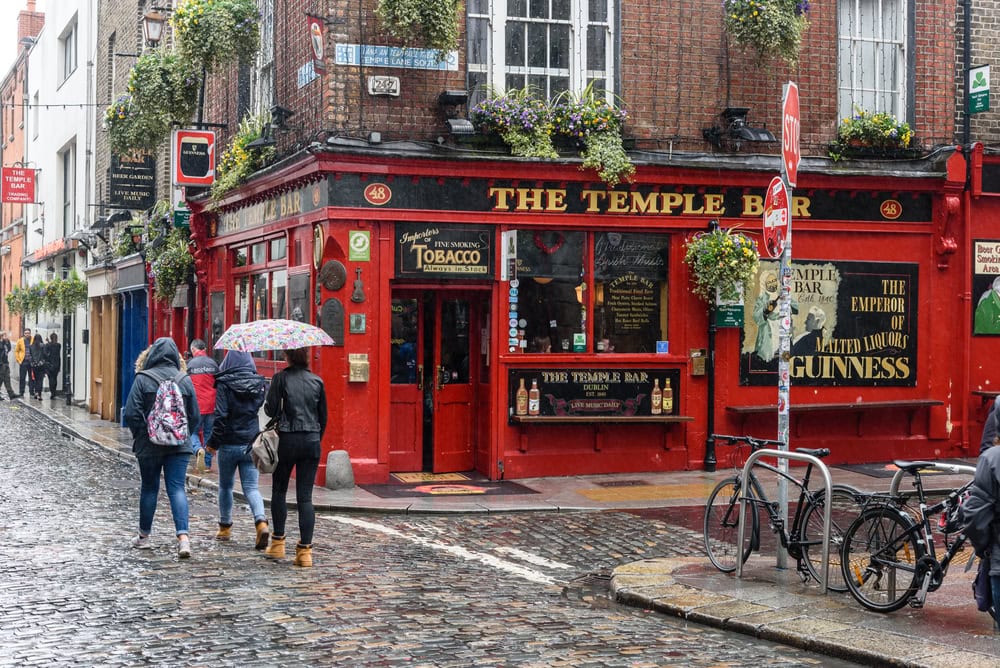
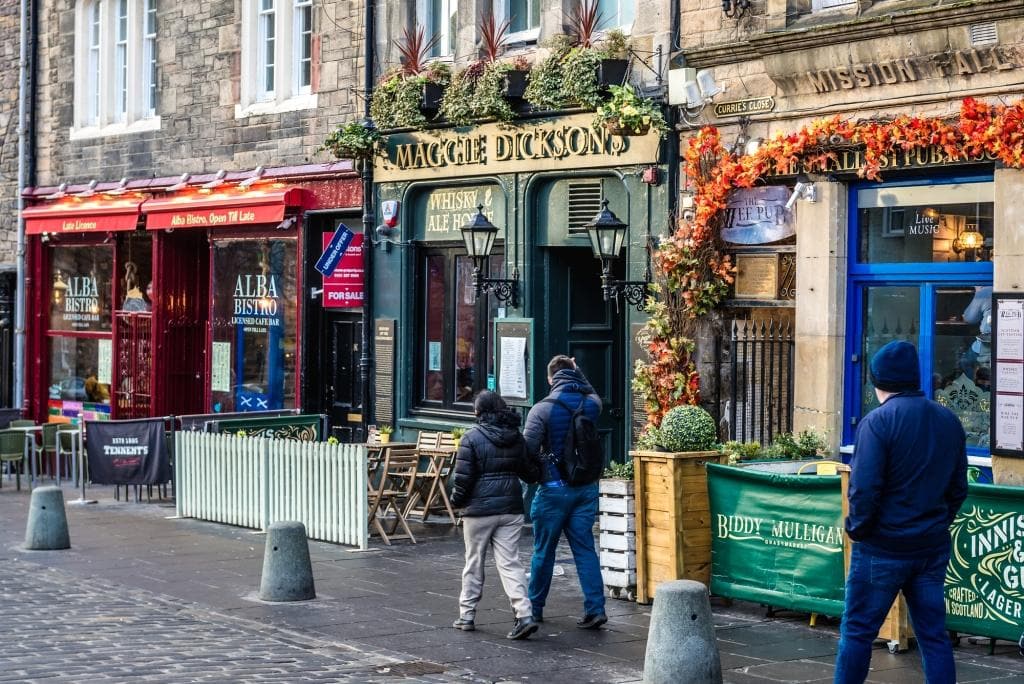
Why Scotland and Ireland Look and Feel So Different
One of the differences that struck me most travelling through both countries is what’s actually still standing, and the history behind that runs deeper than architecture alone.
Scotland has its own story of rural loss to reckon with. The Highland Clearances, from the mid-1700s through the 1800s, saw landlords evict entire communities from the glens to make way for more profitable sheep farming, and later shooting estates. Whole stretches of the Highlands were left empty, their stone cottages, or “touns,” abandoned and left to fall in scenes not so different from Ireland’s post-Famine landscape. But Scotland’s Lowlands and cities tell a different story. Under the 1707 Union with England, Scotland kept its own legal system, its own church, and its own institutions, and its aristocracy largely stayed in place. That continuity, combined with the wealth Glasgow and Edinburgh built through empire trade, is a large part of why Scotland’s towns and cities carry such intact, confident architecture today, even as its Highland countryside carries real scars of its own.

Ireland’s relationship with Britain took a different shape, and for much longer. Centuries of conquest and the Penal Laws worked to dismantle Gaelic Ireland specifically its language, its land system, its native aristocracy so that much of the country’s older architectural heritage, from tower houses to monastic settlements, was already in ruin long before the Famine ever hit. What grand architecture Ireland did build in the following centuries mostly belonged to the Anglo-Irish landlord class rather than the native Irish, which is exactly why so many of those “Big Houses” became targets for burning during the War of Independence and Civil War in the 1920s. Ireland lost its native architectural heritage to conquest, and then lost its colonial-era architectural heritage to independence, leaving the humbler cottages as most of what remains visible today.
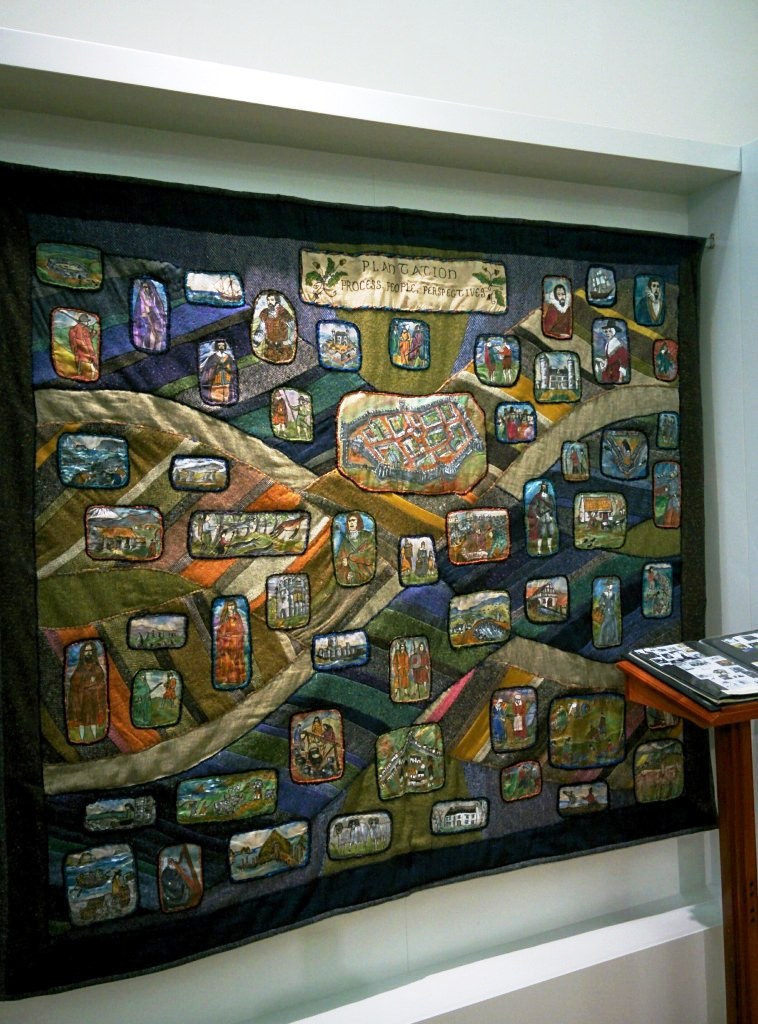
Interestingly, it’s Ulster, Northern Ireland, where this pattern breaks. The early 1600s Plantation of Ulster saw the Crown confiscate land from Gaelic lords and resettle it with Scottish Presbyterian and English settlers, who brought their own architecture, church traditions, and culture with them. It’s a large part of why Northern Ireland’s building stock, and its cultural feel more broadly, still carries a distinctly Scottish imprint today, in a way the rest of the island doesn’t.
Accessibility
Accessibility in Ireland genuinely depends on where you go, since there’s no single national standard applied consistently across the country. Dublin itself is reasonably wheelchair-friendly, with much of the historic centre, tram stops, and key sights like the Guinness Storehouse and Trinity College accessible with some planning.
Rural Ireland is a different story accessibility often comes down to individual attractions and county councils rather than any nationwide system, though sites like the Slieve League, Cliffs of Moher and Loop Head in Clare, and parts of Donegal I’ve covered in my own accessible Donegal guide, show real, practical accessibility once you know where to look. Fáilte Ireland has set an ambitious goal of making the country a world leader in inclusive tourism by 2030, which tells you accurately where things currently stand: improving, but not there yet.


Scotland, by comparison, benefits from having built accessibility into national infrastructure rather than leaving it to individual sites. Euan’s Guide, the widely used disabled-access review charity, is Scottish, headquartered in Edinburgh, and VisitScotland runs a genuinely substantial accessible tourism section pointing to it. The National Key Scheme gives disabled visitors access to locked accessible toilets right across the country, and ScotRail’s Passenger Assist service covers train travel nationally rather than station by station.
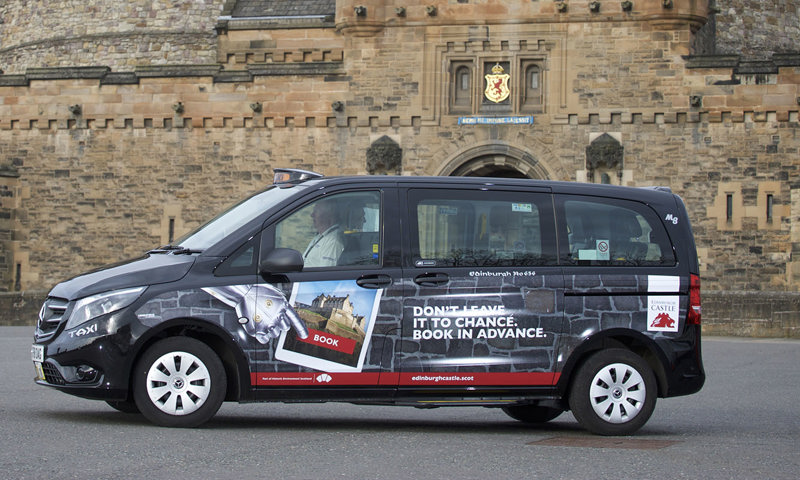
Remote Highland attractions can still be a challenge, and rural bus stops sometimes have no facilities at all, but even castles and battlefields sites you’d assume were hopeless for wheelchair users often turn out to be surprisingly accessible, Edinburgh Castle among them, with a dedicated accessible vehicle touring much of the site.
Cost of Travel
The overall cost gap between the two countries is smaller than people expect. Ireland tends to edge out very slightly cheaper for day-to-day spending meals out and some accommodation categories while car rental and insurance in Ireland typically cost more than the equivalent in Scotland, particularly around Dublin. If you’re weighing up a detailed Ireland budget specifically, I’ve broken the numbers down fully in How Much Does a Trip to Ireland Cost? 2026/27 Budget Breakdown.
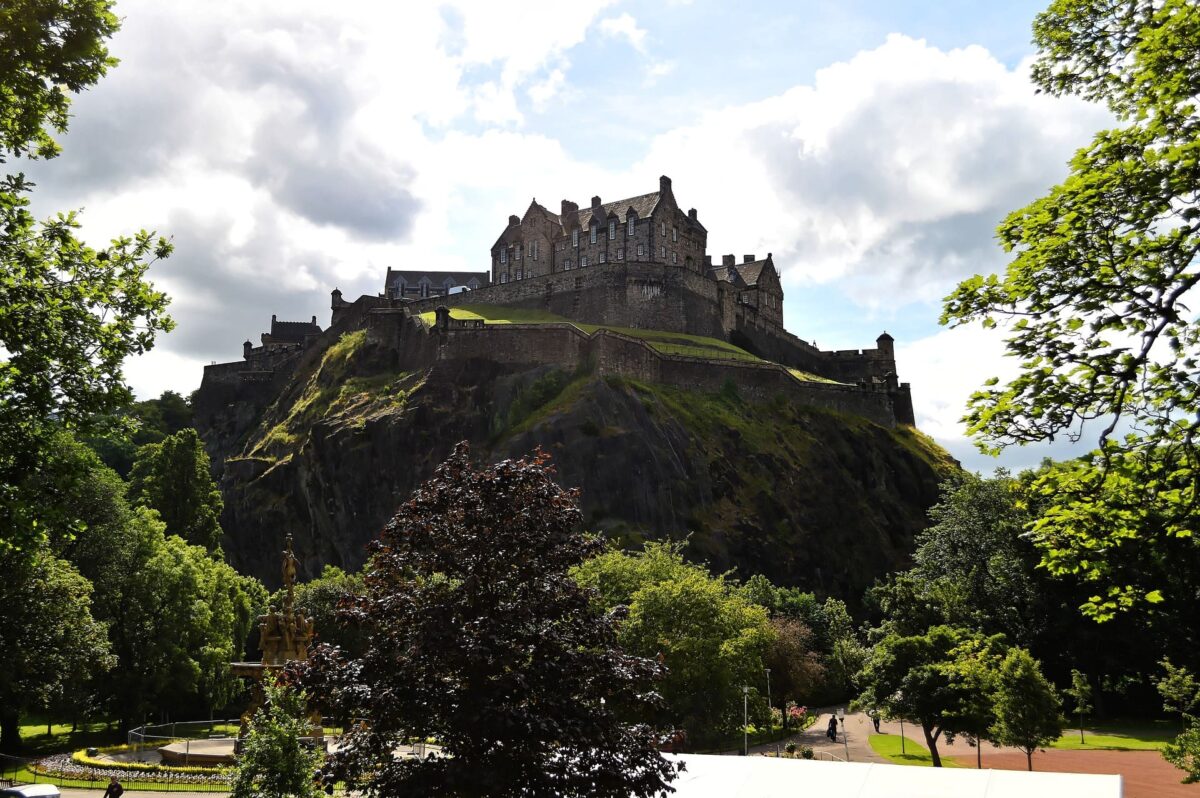
Neither country is a bargain compared to the rest of Europe. Both reward travelling in shoulder season (May or September) over the peak summer months for noticeably lower accommodation prices. This article details the best time to visit Scotland.

Getting Around
Both countries put you on the left side of the road, and in both, a car unlocks meaningfully more of the country than public transport does. The difference is in how much of a compromise going car-free actually is.
- Ireland: a car is close to essential for the coastal and rural highlights. Rural roads tend to be narrow and winding, and drivers coming from wide North American roads sometimes find them the most stressful part of the trip.
- Scotland: the public transport network reaches further into remote areas than Ireland’s does, with ScotRail and Citylink coverage plus ferries connecting the islands, so a car-free Highlands trip is more realistic than a car-free trip through rural Ireland, even if it takes longer.
- Road quality: Scotland’s main routes are generally better maintained than Ireland’s equivalent rural roads, though both have single-track sections in their wildest corners.
Food and Drink
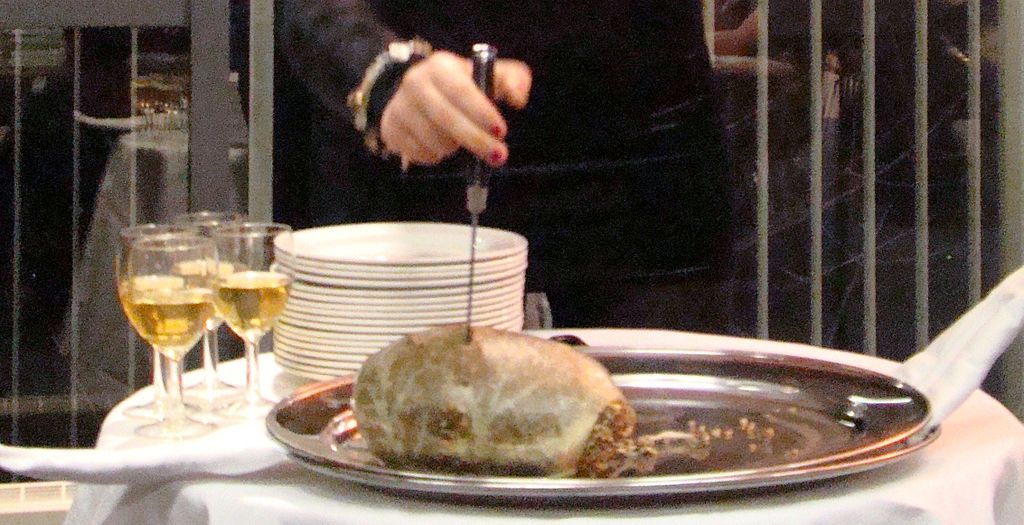
Both countries take their signature spirit seriously, and the honest answer to “which is better” depends entirely on which style you prefer. Irish whiskey is typically triple-distilled, giving it a smoother, lighter character, while Scotch particularly from Islay leans toward smokier, peatier profiles that split opinion sharply. Distillery tours are excellent in both countries and worth building a day around wherever you land.

On food more broadly, both countries have seen a real quality jump in the last decade, moving well beyond the old stereotypes. Ireland leans into hearty pub fare, excellent seafood along the coast, and a strong café culture in cities. Scotland shares the hearty, seafood-forward instincts but leans further into game, venison, and a slightly more elevated restaurant scene in Edinburgh and Glasgow.

Weather and Best Time to Visit
Both countries share a similar Atlantic-influenced climate mild, wet, and changeable rather than extreme in either direction so packing for one is good practice for the other. May and September are the strongest shoulder-season picks for both, offering a reasonable balance of decent weather, longer daylight, and lower prices than the July–August peak. For a full month-by-month breakdown covering both countries, see my guide to the Best Time to Visit Scotland and Ireland.
Which Should You Choose?
Rather than declaring an overall winner, here’s how I’d actually match the decision to the kind of traveller you are:
Choose Ireland if: you want an easy, social first trip, prefer dramatic scenery reachable without much hiking, and like the idea of a lively pub scene most evenings.
Choose Scotland if: you want wilder, more remote landscapes, don’t mind longer drives between highlights, and are drawn more to castles, clans, and history than pub culture.
Choose Ireland if: you’re travelling with a group that includes non-drivers and want more flexibility to reach good scenery without a car.
Choose Scotland if: serious hillwalking or a proper Highlands road trip (like the North Coast 500) is the actual point of the holiday, not a side activity.

Can You Visit Both in One Trip?
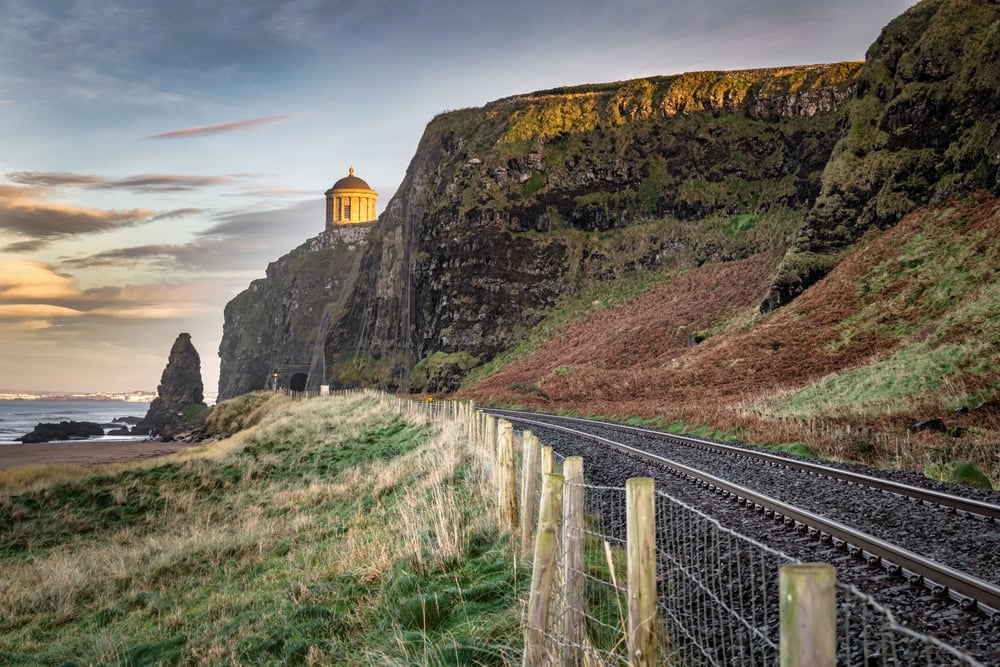
Yes, and plenty of travellers do exactly that. Direct flights between Dublin and Edinburgh or Glasgow take about an hour, making a two-country trip genuinely practical rather than an ambitious stretch. A ferry also connects Northern Ireland with southwest Scotland, which works well if you’re already planning to include Belfast or the Causeway Coast. I’ve mapped out exactly how to do it in Ireland and Scotland Itinerary: 14 Days Including Both.
The trade-off is ground covered: splitting a two-week trip between both countries means seeing less of each than a dedicated trip would allow. If this is a first visit to either country, I’d lean toward picking one and doing it properly, then returning for the other rather than rushing both.

Frequently Asked Questions About Ireland vs Scotland
Is Ireland or Scotland cheaper to visit?
They’re close, with Ireland usually coming out slightly cheaper day to day for food and some accommodation, while car rental and insurance tend to cost more in Ireland than in Scotland. Neither country is a budget destination compared to the rest of Europe, so the bigger cost factor is usually when you travel rather than which country you pick.
Do you need a car in Ireland or Scotland?
Largely yes in both, if you want to reach the best scenery. Scotland’s public transport network stretches further into remote areas via train and ferry than Ireland’s does, so a car-free Highlands trip is somewhat more realistic than a car-free trip through rural Ireland, though both still reward having your own transport.
Which has better scenery, Ireland or Scotland?
Both are exceptional, in different registers. Ireland’s coastline, especially along the Wild Atlantic Way, tends to be softer, greener, and more immediately dramatic close to the road. Scotland’s Highlands are wilder and more remote, with scenery that often requires more of a journey, and sometimes a hike, to reach.
Can you visit Ireland and Scotland in one trip?
Yes, and a fair number of visitors do. Direct flights between Dublin and Edinburgh or Glasgow take about an hour, and a ferry also runs between Northern Ireland and southwest Scotland. Combining both in a single two-week trip is realistic if you accept covering less ground in each country than you would on a dedicated trip.
Is Ireland or Scotland better for whiskey?
Both take it seriously, and the honest answer depends on which style you prefer. Irish whiskey is typically triple-distilled and smoother, while Scotch, particularly from Islay, leans toward smokier, peatier profiles. Distillery tours are excellent in both countries and are genuinely worth building a day around either way.
Which is better for a first-time visitor, Ireland or Scotland?
Ireland tends to suit first-time visitors who want an easy, social introduction to the country, since conversation starts easily and the main sights are relatively close together. Scotland suits first-time visitors who want more dramatic, remote landscapes and don’t mind travelling further between highlights.
Having spent real time in both, my honest take is that this isn’t really an either/or question so much as a which-first question. Ireland and Scotland reward different travel styles rather than competing on the same scale, and most people who love one end up loving the other too, just for different reasons.
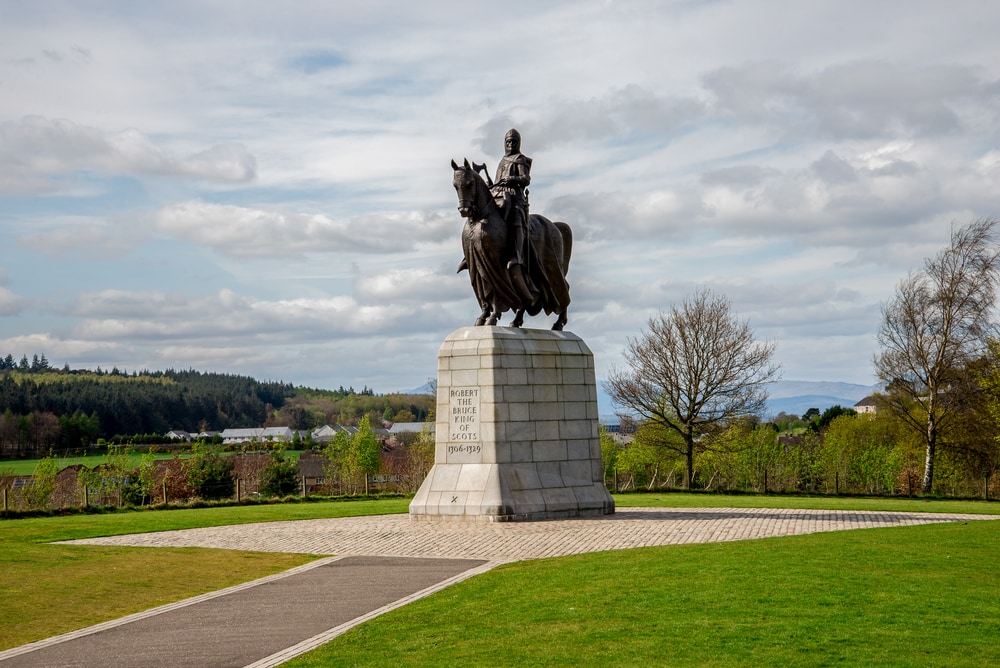
If Scotland comes out ahead for you, there’s plenty more on the blog to help you plan from here. Edinburgh alone is worth building a proper visit around don’t miss Rosslyn Chapel just outside the city if you’re drawn to a bit of medieval mystery. Further north, Inverness makes a great base for exploring the Highlands, while Glasgow and the quieter Dumfries and Galloway region round out a fuller picture of what Scotland offers beyond the postcard shots. If you fancy sleeping somewhere properly atmospheric, a night in one of Scotland’s castle hotels is hard to beat, and if the darker side of history appeals, Edinburgh’s dungeons feature heavily in the story of the UK’s witch trials.
Having spent real time in both, my honest take is that this isn’t really an either/or question so much as a which-first question. Ireland and Scotland reward different travel styles rather than competing on the same scale, and most people who love one end up loving the other too, just for different reasons.
If Yorkshire’s on your route, start with the Yorkshire Travel Guide for the wider picture before diving into individual stops.This is just one part of a much bigger country see the full England Travel Guide for everywhere else worth building into your trip, and my United Kingdom travel Guide for a broader picture of the whole country. Explore more of the region with guides to Scotland, Wales, Northern Ireland. If you are a foodie take a look at my Global Food Guide.