
Accessible Spain A Mobility challenges and wheelchair Guide
| Accessible Europe travel is genuinely doable and often excellent. Spain has adapted intercity trains, lowered kerbs and ramped access in most major cities, disabled parking bays near almost every headline attraction, and a growing pool of accessible hotels. The easiest bases for wheelchair users and travellers with mobility issues are Barcelona, Madrid, Valencia, Seville and Malaga. Hillside towns such as Ronda and parts of old Granada still have real physical barriers, mostly steep cobbled streets and stepped alleys, so those need extra planning. |

Accessible Spain is not a niche corner of travel, it is a country that has quietly become one of the better options in Europe for wheelchair users, people with limited stamina, and anyone travelling with a rollator, a cane or a mobility scooter. I am mobility challenged myself, I live in Donegal, Ireland, and I have taken visitors and friends around Spain more than once, so this guide is built from what actually works on the ground, not from a brochure.
On this page you will find honest notes on accessible transport, which Spanish cities are genuinely wheelchair friendly, where to find accessible hotels and accessible restaurants, hidden gems that most accessible travel guides never mention, family activities for kids travelling with a disabled parent or sibling, and a clear step by step plan for booking your trip. Every section links through to a full guide on the specific city or region so you can go as deep as you need.
- Accessible Spain A Mobility challenges and wheelchair Guide
- What Makes Spain Accessible for Wheelchair Users and Mobility Challenged Travellers
- Accessible Transport in Spain
- Accessible Cities and Regions in Spain
- Accessible Hotels and Accommodation in Spain
- Where to Eat: Accessible Cafes to Fine Dining
- Hidden Gems for Accessible Travel in Spain
- Accessible Activities for Kids and Families
- A Mobility Challenged Traveller's Honest Take on Spain
- How to Plan an Accessible Trip to Spain: Step by Step
- What Accessible Spain Travel Costs: Tickets and Parking
- What Most Accessible Spain Guides Leave Out
- Authoritative Resources for Accessible Travel in Spain
- Frequently Asked Questions About Accessible Spain Travel
- Planning Your Own Accessible Spain Trip
What Makes Spain Accessible for Wheelchair Users and Mobility Challenged Travellers
Accessible Spain travel means being able to reach, enter and enjoy Spain’s main cities, historic sites, beaches and restaurants without your mobility equipment, your stamina or your wheelchair being the reason you miss out. In practice this comes down to four things: step free transport, dropped kerbs and ramped entrances in cities, accessible hotel rooms with roll in showers, and staff who are used to helping disabled visitors rather than being caught off guard by the request.
Spain scores well on all four in its bigger cities. Where it struggles is in smaller historic towns built on hills before cars existed, where cobblestones, steps and narrow medieval lanes were simply never designed with wheels or walking frames in mind. Knowing which is which before you book saves an enormous amount of frustration, and that is really the purpose of this page.
Accessible Transport in Spain
Getting around is usually the deciding factor in how much a mobility challenged traveller enjoys a trip to Spain, more than any single museum or beach. Spain’s transport network is one of its strongest accessible travel assets.
Flying in and airport assistance
Every major Spanish airport, including Madrid Barajas, Barcelona El Prat, Malaga Costa del Sol and Valencia, provides free special assistance for wheelchair users and passengers with reduced mobility. You request this directly with your airline at least 48 hours before travel, and staff meet you at check in or at a designated assistance point. Aena, the company that runs Spain’s airports, publishes accessibility information for each airport, and it is worth checking the specific terminal layout before you fly.
Accessible trains: RENFE and the Atendo service
RENFE, the Spanish national rail operator, runs a free assistance programme called Atendo for people with disabilities and reduced mobility. You book it online or by phone at least 12 hours before departure for most routes, and staff meet you on the platform, help you board, and assist with luggage. High speed AVE trains and most long distance services have wheelchair spaces and accessible toilets. Regional trains vary more, so check the specific line before relying on step free boarding.
Official booking and information: RENFE Atendo assistance service
Metro, tram and bus access in the cities
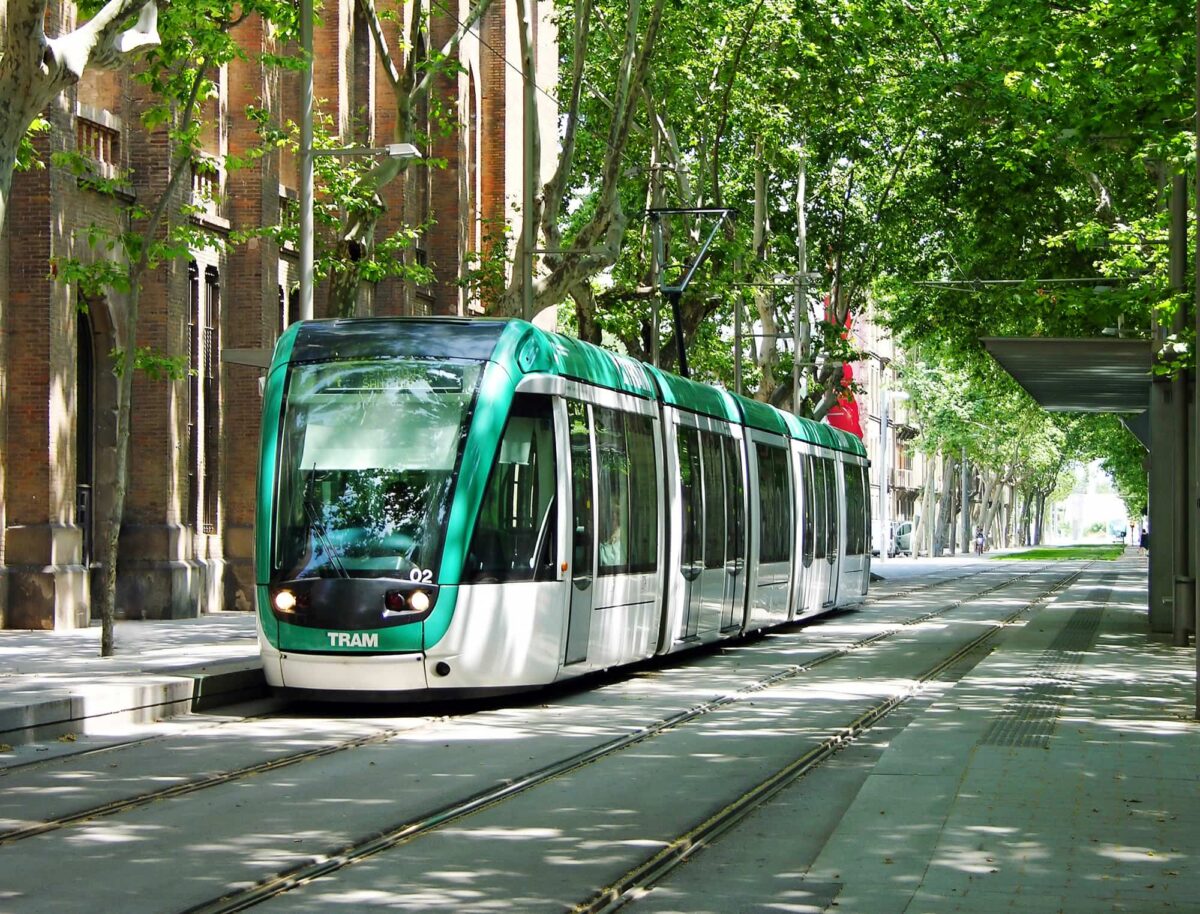
Madrid Metro and Barcelona Metro have both invested heavily in lift access over the last two decades, though older central stations can still lack a lift, so it pays to check the specific station rather than assume the whole line is step free. City buses across Spain are almost universally low floor with a fold out ramp and a wheelchair space, and drivers are generally well practised at deploying the ramp without being asked twice.

Parking, disabled and able bodied
Spain uses the EU blue badge scheme, so a disabled parking permit from Ireland, the UK or elsewhere in the EU is recognised in Spanish cities, though the exact free parking allowances vary by municipality and it is worth checking the local council rules once you arrive. Disabled parking bays are common near cathedrals, museums and beach promenades in the cities covered below. Standard paid parking, usually blue or green zone street parking or a multi storey car park, is widely available in city centres, and I always suggest booking a hotel with its own accessible parking rather than relying on street spaces in high season.
Accessible Cities and Regions in Spain
Below is a quick accessibility snapshot for the Spanish destinations I have written full guides on. Each links through to the complete post with practical, on the ground detail.
Barcelona
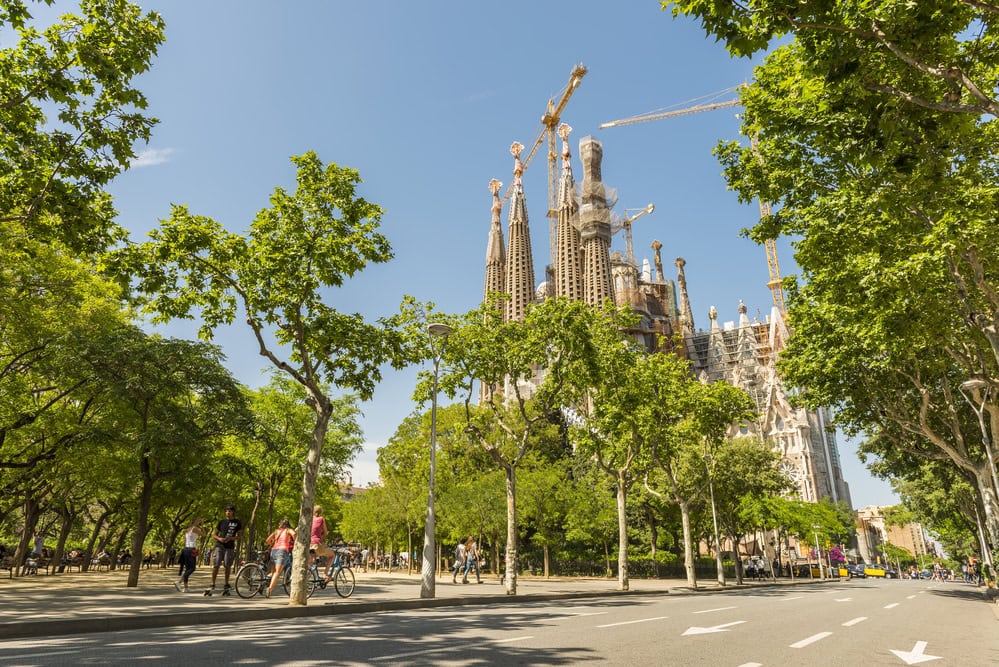
Barcelona is one of the more wheelchair friendly big cities in Europe. Las Ramblas, the Gothic Quarter’s main routes and Barceloneta beach are largely flat and manageable, and Gaudi’s major sites, including the Sagrada Familia, have lift access and accessible entrances, though you should book accessible tickets in advance since general admission queues are not step free friendly.
- One Day in Barcelona: Perfect Walking Itinerary and Guide
- Ultimate Guide to the Best Antoni Gaudi Sites in Barcelona

Madrid
Madrid is largely flat in the centre, with wide pavements around the Prado, Retiro Park and Puerta del Sol. The Prado and Reina Sofia museums both have step free entrances and wheelchair loan schemes on request.



Seville
Seville’s old town has a mix of flat plazas and narrower, sometimes cobbled streets. The Cathedral and Real Alcazar both offer accessible routes, though parts of the Alcazar gardens have gravel paths that are harder going for manual wheelchairs, so an electric wheelchair or scooter is genuinely easier here.


Valencia
Valencia is one of the flattest, easiest Spanish cities for wheelchair users, largely thanks to the Turia Gardens, a long former riverbed turned park that runs right through the city with smooth paved paths connecting the old town to the City of Arts and Sciences.



Malaga and the Costa del Sol
Malaga’s old town and seafront promenade are flat and well paved, and the city has invested in accessible beach access points with matting down to the water in summer months.

Granada and the Alhambra
Granada’s Alhambra is Spain’s most visited monument and also one of the trickiest for mobility challenged visitors, since it sits on a hill and includes uneven historic paths. Accessible routes and a limited number of accessible vehicles exist, but you must arrange this well ahead of your visit date.


Ronda
Ronda is spectacular and also genuinely challenging for wheelchair users, since the town is split by a deep gorge and much of its charm lies in stepped viewpoints. The Puente Nuevo bridge viewpoints and main square are reachable, but side streets and the bottom of the gorge are not realistic for most wheelchairs.

Andalucia road trip and Costa Almeria
A self drive Andalucia road trip is often the most practical way to see southern Spain’s accessible highlights at your own pace, since it removes dependence on step free transit and lets you park close to each stop.
- Ultimate Southern Spain Road Trip through Andalucia
- Guide to the Best Things to do on the Costa Almeria
- Tabernas Desert Spain Guide: Europe’s Only True Desert
- Cartagena, Spain: History, Beaches and Mediterranean Charm
- Best Coastal Villages in Spain: Hidden Gems and Must Visit Spots
- All the Best Places to Retire in Andalucia in 2025


Accessible Hotels and Accommodation in Spain
Book accessible hotel rooms directly with the hotel by phone or email whenever possible, not just through a booking site filter, and ask specifically about roll in showers versus a bath with a grab rail, door width in centimetres, and whether the accessible room is on the ground floor or served by a lift. Spanish hotel star ratings do not reliably predict accessibility, a three star family run hotel can have a better adapted room than a five star historic property housed in a protected old building.
For chain hotels, Melia, NH Hotels and Ibis all publish accessibility details per property and tend to have consistent roll in shower rooms in their newer builds. For boutique and historic stays, always confirm lift access, since many charming old town properties in Seville, Granada and Ronda are in buildings with protected facades and no lift.
Where to Eat: Accessible Cafes to Fine Dining
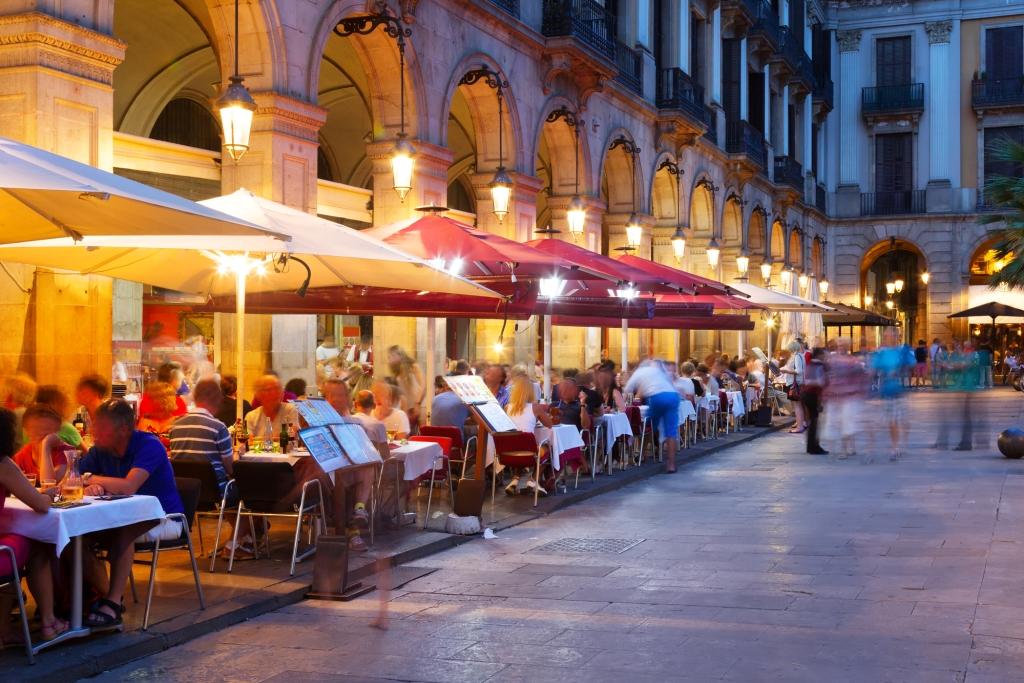
Spanish cafe culture usually works in your favour, since most bars and cafes have outdoor terrace seating at pavement level with no step, and staff will happily bring a chair to a table rather than expect you to queue at a bar. Tapas bars in old towns are more of a mixed bag, some have a single step at the door or standing room only at busy times, so it is worth calling ahead or simply peering in before committing on a busy Friday night.
For fine dining, larger modern restaurants in Madrid, Barcelona and Valencia generally have step free entrances and accessible toilets, since building codes for newer commercial premises require it. Historic fine dining rooms in older buildings are the ones to check first, ask about step free entry and toilet access when you book, most restaurants will tell you honestly rather than let you arrive and find out.
A personal note from experience: I always ring ahead the same morning to reconfirm accessible seating, even after booking online, because table plans change daily and the person who took the online booking is rarely the person managing the floor that night.



Hidden Gems for Accessible Travel in Spain
Most accessible travel articles repeat the same five cities and stop there. A few places locals know that are genuinely easier on wheels than their fame suggests deserve a mention.
- Valencia’s Turia Gardens after sunset, when the paved paths are cool, well lit and largely flat for kilometres, away from the crowds at the City of Arts and Sciences.
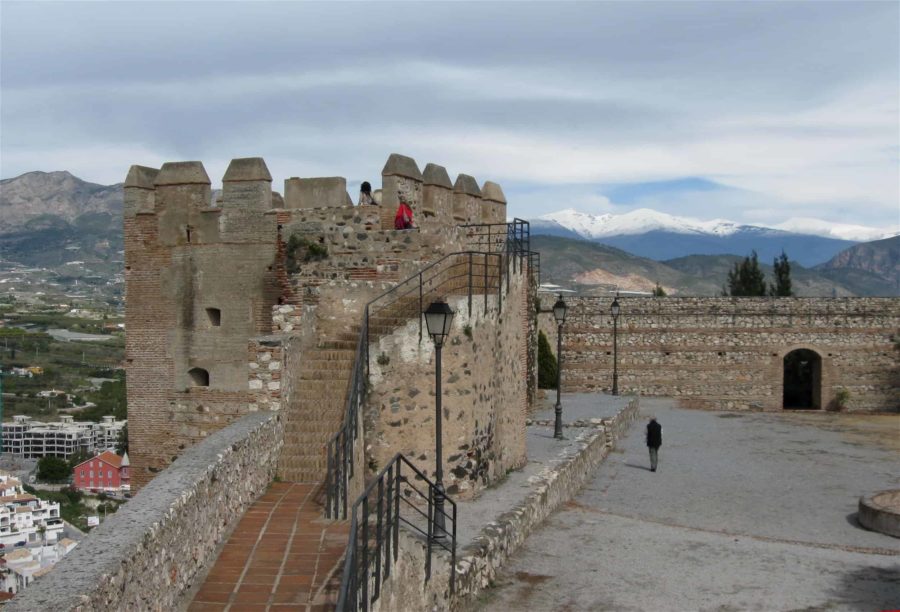
- The seafront promenade in Salobrena on the Costa Tropical, flat, quiet outside peak season and lined with accessible cafes looking up at the old town on its hill.
- Mojacar’s lower beach town rather than the old hillside pueblo, which keeps the charm of Andalucia without the steep climb.
- Cartagena’s Roman Theatre Museum, which has a lift down through the modern building to the ancient theatre below, a route most visitors miss entirely.
- Visiting Salobrena Spain on the Costa Tropical
- Mojacar Spain: The Best Things to do in this Charming Village
- Unique Places in Spain: Hidden Gems off the Tourist Trail

Accessible Activities for Kids and Families
Travelling as a family where one parent, grandparent or child has mobility issues does not mean giving up on the classic Spanish family holiday. Valencia’s City of Arts and Sciences is fully step free and combines an aquarium, science museum and planetarium in one flat, wheelchair friendly complex. Barcelona’s beaches have seasonal accessible bathing services with amphibious wheelchairs available free of charge at several beach points in summer. Madrid’s Retiro Park has wide, flat paths, a boating lake and plenty of shaded benches, an easy afternoon for a family travelling at a mixed pace.

A Mobility Challenged Traveller’s Honest Take on Spain
I am not writing this as a theoretical exercise. I live with mobility challenges myself, and I have brought visitors and friends to Barcelona, Andalucia and the Costa Almeria more than once, watching what actually slows a wheelchair or a rollator down versus what guidebooks worry about but rarely matters. The single biggest predictor of a good day in Spain is not the city, it is the season. High summer heat is genuinely harder on stamina and on wheelchair tyres over cobbles than winter or shoulder season travel, so if you have any flexibility, April, May, September and October are kinder months for accessible Spain travel.
The second biggest factor is booking accessible transport assistance early rather than assuming you can arrange it on the day. RENFE’s Atendo service and airport assistance both work well, but both work far better when booked with notice.

How to Plan an Accessible Trip to Spain: Step by Step
- Choose your base cities first. Pick flat, well served cities such as Valencia, Barcelona or Madrid as your main bases, and treat hillier towns like Ronda or Granada as day trips with a car rather than overnight stays if steep terrain is a concern.
- Book accessible flights and airport assistance at least 48 hours ahead directly through your airline.
- Reserve RENFE Atendo assistance for any train journeys as soon as you have your dates, ideally more than 12 hours before travel, earlier in peak season.
- Call hotels directly to confirm roll in showers, door widths and ground floor or lift access, rather than relying only on a website filter.
- Research accessible entrances and ticket options for your must see sites, the Alhambra, the Sagrada Familia and the Prado all recommend booking specific accessible slots in advance.
- Pack for cobblestones. Solid rubber tyres or a scooter with good ground clearance make a real difference in old towns like Seville and Granada.
- Build in rest days. A mixed pace itinerary with one full rest day per four active days keeps stamina and morale higher for the whole trip.

What Accessible Spain Travel Costs: Tickets and Parking
Costs change with the season and with each venue’s own pricing updates, so treat the figures below as a planning guide and always check the official site before you travel. As a rough benchmark, major monument entry in Spain typically runs from about 10 to 20 euro per adult, with the Alhambra and Sagrada Familia toward the higher end given their scale and the cost of maintaining accessible routes and lifts. Wheelchair users and one companion are frequently offered free or reduced entry at major sites including the Alhambra and many Andalucian monuments, but you generally need to show proof of disability and book in advance rather than expect this at the gate.
Disabled parking at major attractions is usually free or discounted where a valid blue badge is displayed, while standard city centre parking runs roughly 2 to 3 euro per hour or 20 to 30 euro per day in a multi storey car park in the bigger cities. Booking a hotel with its own accessible parking on site is usually better value and far less stressful than hunting for street parking near a historic centre in high season.

What Most Accessible Spain Guides Leave Out
Having reviewed the accessible travel space closely while building this hub page, the gap in most existing guides is consistency of detail. Many accessible Spain articles cover one city well, usually Barcelona, and then either skip the rest of the country or repeat generic advice that was not checked on the ground. Three gaps come up again and again.
- Parking detail is usually missing entirely, both disabled and standard parking, even though where to park is often the actual deciding factor in whether a site is practical to visit.
- Kids and family angles are rarely covered, most accessible travel content assumes a solo or couple traveller rather than a family with a mix of ages and mobility needs.
- Real ticket costs and free companion entry policies are often out of date or left out altogether, leaving readers to discover the details only once they arrive.
This guide has aimed to close those three gaps directly, with parking, family activities and current cost benchmarks built into every relevant section above rather than treated as an afterthought.
Authoritative Resources for Accessible Travel in Spain
- RENFE Atendo assistance service
- Turespana, Spain’s official tourism board
- Fundacion ONCE, Spain’s leading disability foundation
- Aena airport accessibility information
- European Disability Forum

Frequently Asked Questions About Accessible Spain Travel
Is Spain wheelchair accessible for tourists?
Yes, in its major cities. Barcelona, Madrid, Valencia and Seville all have step free transport options, accessible museum entrances and disabled parking near main attractions. Smaller historic hill towns are harder, so research each specific destination before you book.
What is the most accessible city in Spain?
Valencia is generally considered the most wheelchair friendly Spanish city, thanks to its flat layout and the Turia Gardens, a long paved park that connects most of the city with no steps or steep gradients.
Do trains in Spain have wheelchair access?
Most RENFE high speed and long distance trains have wheelchair spaces and accessible toilets, and the free Atendo assistance service helps with boarding. Book at least 12 hours ahead, since not every regional station has step free platform access.
Are Spanish beaches accessible for wheelchair users?
Many are. Beaches in Barcelona, Valencia and along parts of the Costa del Sol offer seasonal accessible bathing services, matting down to the water and amphibious wheelchairs free of charge in summer months. Smaller or more rural beaches often lack these services, so check locally.
Do disabled visitors get free entry to attractions in Spain?
Many major sites, including the Alhambra, offer free or reduced entry for wheelchair users and one companion, but you typically need proof of disability and an advance booking rather than a walk up discount.
Is it better to rent a car for accessible travel in Andalucia?
Often yes. A self drive road trip through Andalucia gives you control over parking near each site and avoids dependence on step free public transport in smaller towns, though city centres like Seville and Granada are easier explored on foot or with local accessible transit once you arrive.
Planning Your Own Accessible Spain Trip
Accessible Spain travel rewards a little upfront planning far more than it punishes spontaneity. Book your transport assistance and accessible hotel rooms early, choose flatter cities as your main bases, and treat the steeper historic towns as well researched day trips rather than overnight stays if steep terrain is a real concern for you. Spain’s mix of adapted trains, accessible city centres and genuine willingness to help disabled visitors makes it one of the more rewarding European countries to explore, cobblestones and all.
check out these European Travel Guides