
France Travel Guide: Paris, Brittany, Loire Valley and More
France is one of those countries people think they already understand. Paris, wine, good food. Then you start travelling through it and realise how much it shifts from one place to another.

The north feels completely different from the south. Coastal towns don’t feel like inland regions. Even the pace of life changes depending on where you are.
I’ve travelled through France in different ways. Fast city visits, slower time in smaller towns, and longer stretches where you start to notice the everyday rhythm. That’s where France really starts to make sense.
This guide is here to help you decide where to go in France and how to approach it before diving into more detailed posts.
Is France Worth Visiting?
France is easy to visit. It’s not always easy to understand straight away.
It’s not just about landmarks. It’s about how people live, how food fits into daily life, how each region holds onto its identity.
You can visit for a week and see a lot. Or you can slow down and start to experience it properly.

Best Time to Visit France
Spring is one of the best times to travel here. Everything feels open again, markets are active, and the pace is comfortable.
Summer depends on where you go. The south and coastal areas work well. Cities can feel busy and hot.
Autumn is quieter and often overlooked. It’s a good time if you want fewer crowds.
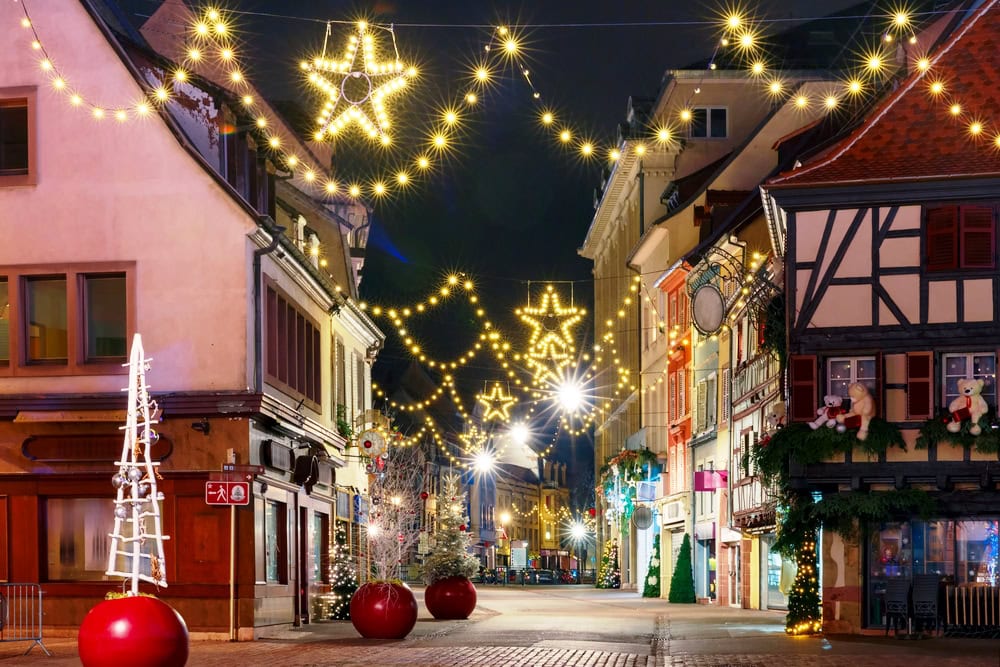
Winter works best in cities or for specific experiences like Christmas traditions.
If you’re planning your first trip:
- Travelling to France: Essential Tips for First-Time Visitors
- Exploring the Lavender Fields of France
How Many Days Do You Need in France?

A week is enough for one area. Paris alone can take that time without feeling rushed.
With 10 to 14 days, you can combine places. A city and a region works well.
Longer trips change how France feels. Staying in one place for a few days gives you a much better sense of it.
France by Region
France isn’t one experience. It’s a collection of regions that each feel distinct.
Paris and Île-de-France
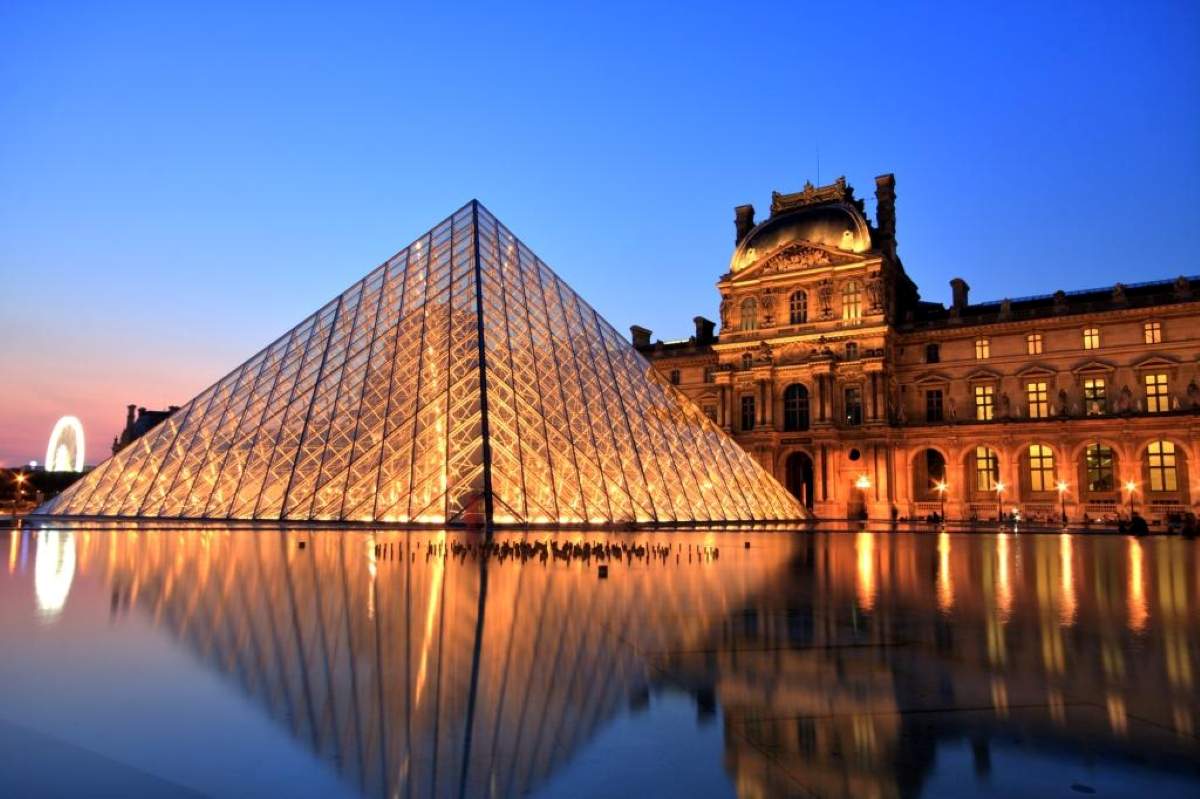
Paris is usually where people start. There’s a lot to see, but how you move through the city matters.
If you try to rush it, it can feel overwhelming. If you slow down, even simple things like sitting in a café or walking through a neighbourhood become part of the experience.
- 14 Days in Paris Iconic Sights Hidden Gems and Local Flavors
- Discover the Romantic Paris of Your Dreams
- Best Food in Paris: Top Eats & Hidden Gems
- The history of Macarons and where to buy them in Paris
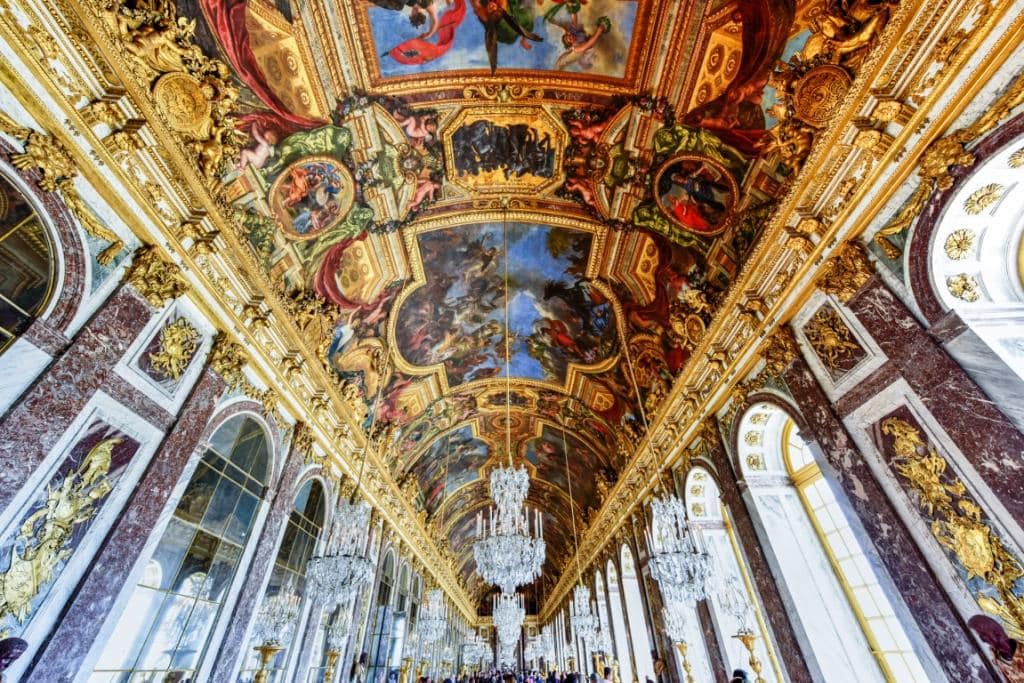
- The Palace of Versailles day trip from Paris
South of France and French Riviera
The south has a completely different rhythm. Warmer, slower, more outward living.
It’s not just about the well-known places. Smaller towns, markets, and coastal drives are often what stay with you.
- Sun-Kissed Splendor: Your Guide to the French Riviera
- Beautiful Places in the South of France to visit
- Exploring the Pearl of France: Menton in One Day
- Guide to the best lavender fields in Provence France


Loire Valley
The Loire Valley is less about rushing between castles and more about the setting. Rivers, countryside, and towns that feel lived in.
You can explore it slowly and still see a lot.
- 14 Best Chateaus in Loire Valley – Must-See French Castles
- Château de Chambord Guide: Hours, Tickets & History
- Chateau de Chenonceau
- Amboise France exploring the Loire Valley
- Château Clos-Lucé: Leonardo da Vinci house France
- Chateau Amboise France – jewel of the French Renaissance
- What to see in Saumur France: the pearl of the Anjou
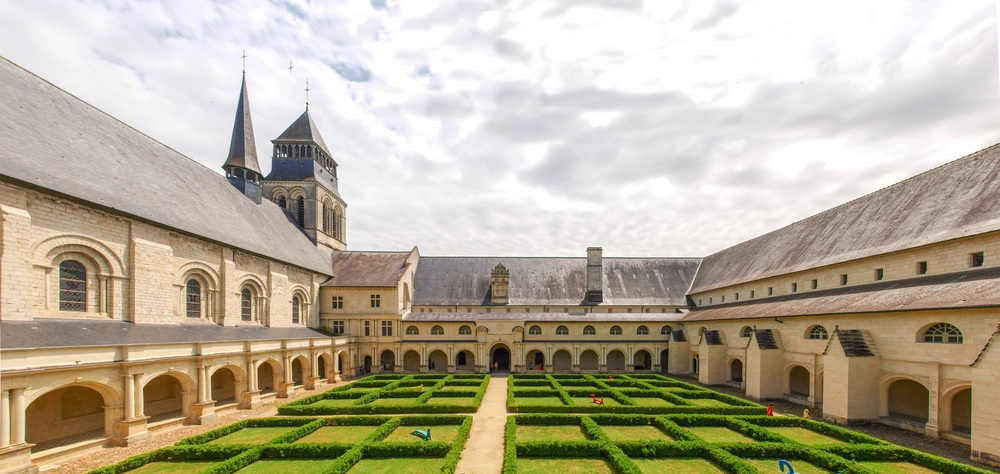
- Fontevraud Abbey: A Medieval Marvel in the Loire Valley

Normandy and Northern France
Northern France feels more rugged and quieter in places. The coastline, history, and smaller towns give it a very different atmosphere from the south.
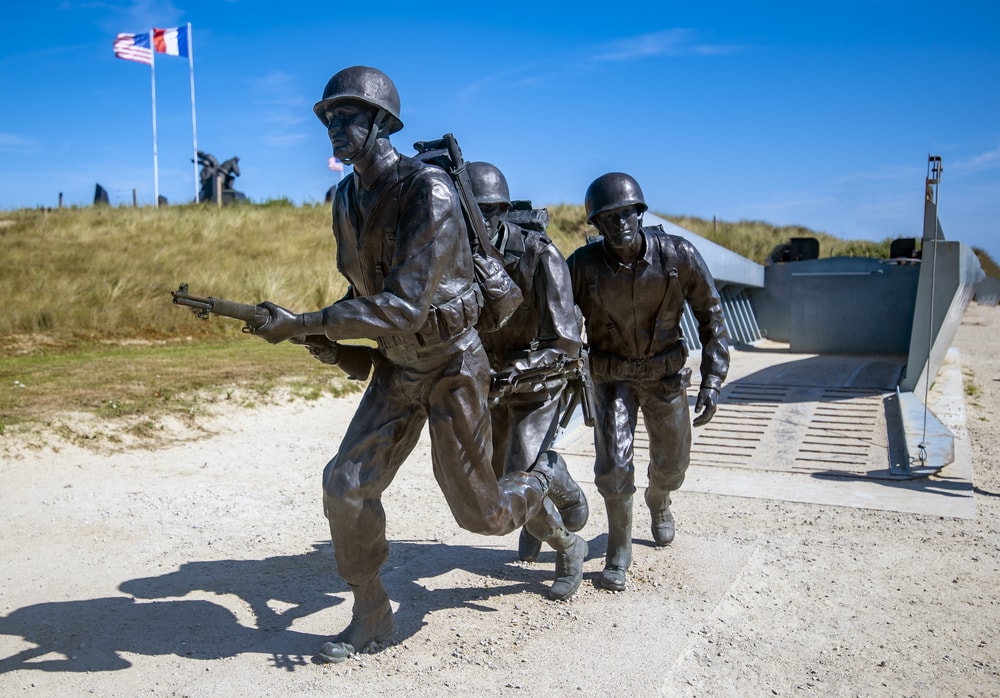
- For a deeper dive into one of France’s most historically significant regions, see the full guide to the D-Day beaches of Normandy.
- Villages in Normandy 22 of the most beautiful villages
- Visiting Bayeux France things to do in Bayeux
- How to visit Mont St Michel France
- Granville France Coastal Charm and Dior’s Childhood Home
- Things to do in Rouen
- Monet’s Garden France: Blooms, Bridges & Inspiration
- An epic Northern France road trip itinerary
Brittany
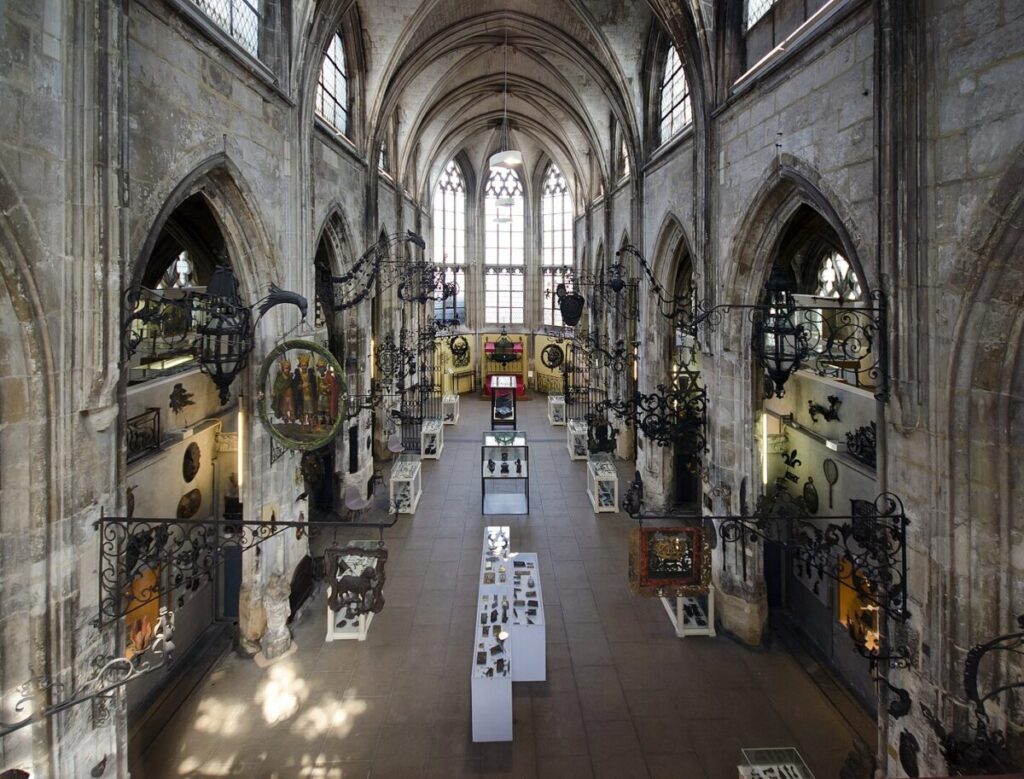
Brittany has a strong identity. Coastal, slightly wild in places, and shaped by the sea.
Food, traditions, and towns all feel a bit different here.
- Best Things to do in Saint-Malo Brittany
- Dinan France: A Medieval Gem in Brittany – Top Things to Do
- Cancale France: Authentic Oyster Culture & Coastal Charm
- Food in Brittany: Fall in love with the food of Bretagne
- Château de Josselin – Brittany’s Stunning Fairytale Castle
- The Best Things To Do In Rennes France
- Exploring the Charms of Vitré, France: Things to do in Vitre

Western France and Mayenne
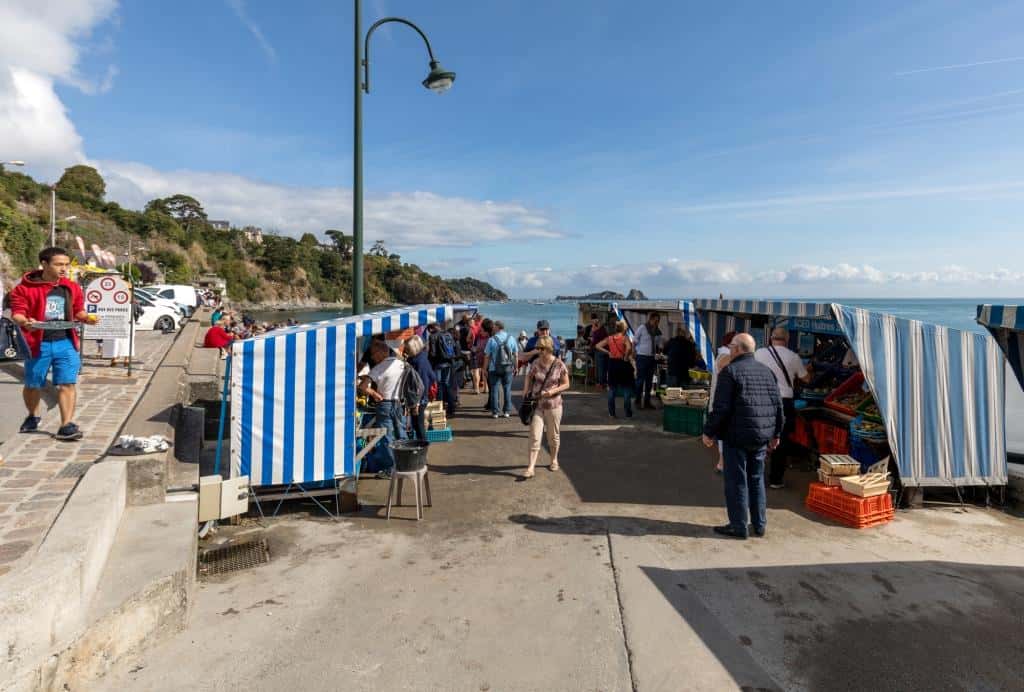
This is one of the quieter parts of France. Less visited, but that’s part of the appeal.
You notice daily life more here.
- Mayenne France (Pays de la Loire, France)
- Sainte Suzanne Mayenne, France A Charming Medieval Village
- Lassay-les-Châteaux a charming Petites Cités de Caractère

Other Cities and Routes
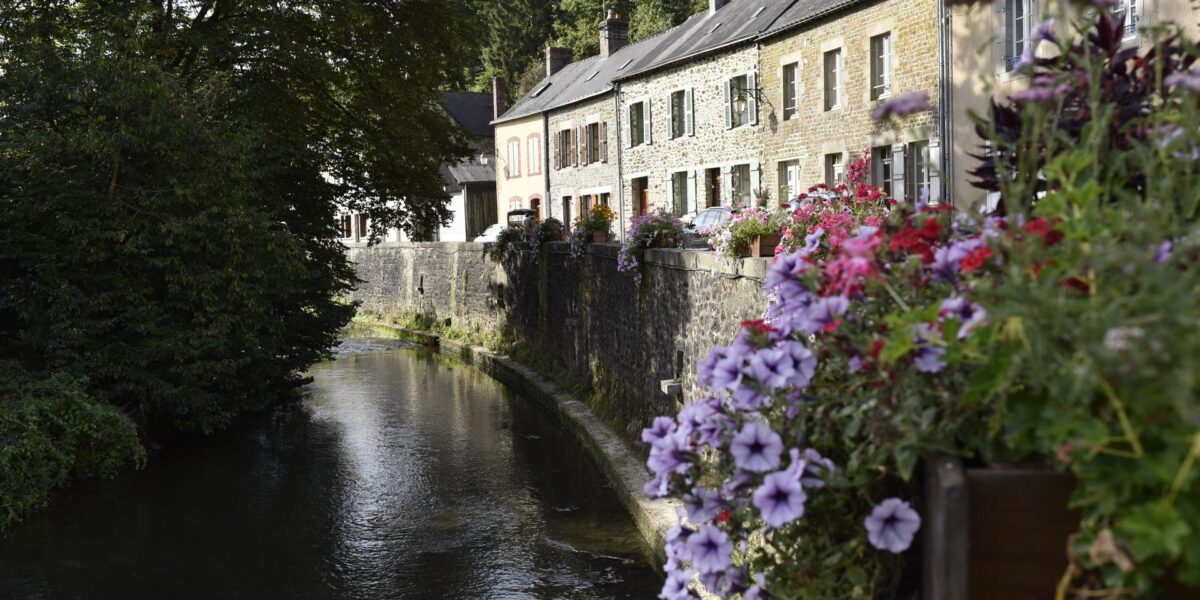
Some places don’t fit neatly into one region or are better experienced as part of a route.
- 3 Days in Lyon, France the perfect itinerary
- Fabulous France: Visit Lyon, Nimes, and Marseille by Train

Culture, Food and Everyday Life
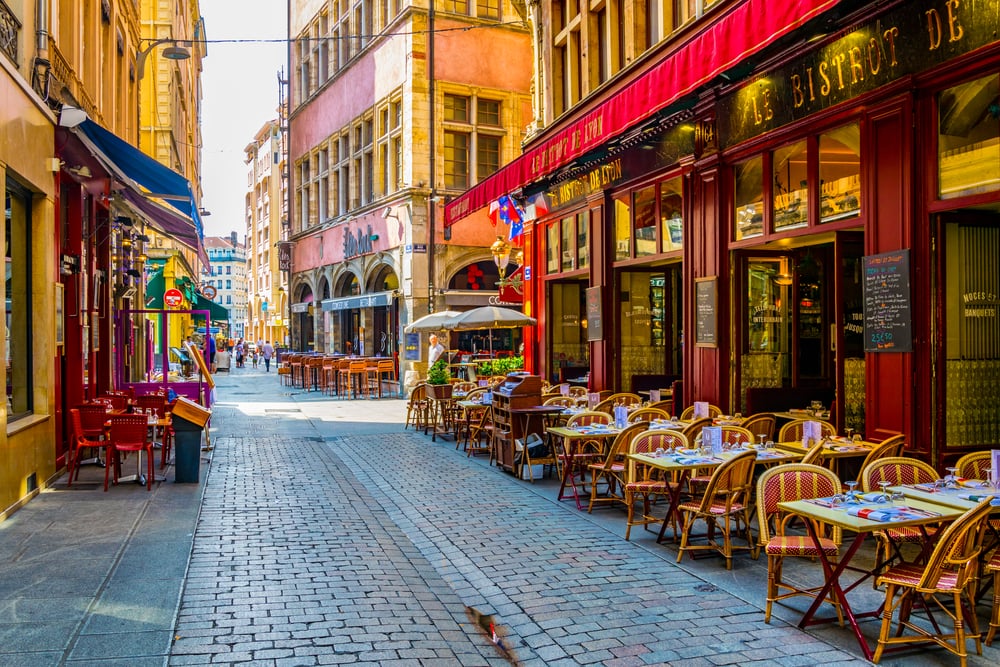
Food is not separate from daily life in France. It shapes routines, social time, and how people gather.
You notice it in markets, bakeries, long lunches, and how seriously quality is taken.
- Savoir Faire and Flavor Dive into French Food Culture
- French Cheese explore the Best and Pairings
- Burgundy Pinot Noir: A Journey through the Heart of Wine Excellence


Seasonal Travel and Traditions
Certain times of year change the feel of France completely.
Travel Styles in France
There’s no single way to travel in France.
You can move quickly between cities. Or stay in one place and explore nearby areas. Personally, the slower approach tends to give more back.
- Travelling to France: Essential Tips for First-Time Visitors
- Beautiful Places in the South of France to visit
- An epic Northern France road trip itinerary


Planning Your Trip
Start with a region, not a checklist.
France works better when you focus on one area and let the experience build from there.
If you’re just starting:
France is not just about what you see.
It’s how it feels when you’re there. The pace, the food, the small details that don’t show up on an itinerary.
The more time you give it, the more it gives back.
Interested in exploring more of France check out these pages:
If you’re exploring more of Europe, or thinking about living here longer term, I’ve put together a few guides that might help:
Europe Travel Guide and the Ultimate Europe Travel Resource Guide
How to Avoid Travel Scams in Europe
Schengen Rules Explained when travelling to Europe
Accessible Travel Guides Ireland UK Europe
Carryon Luggage Rules Across Europe