
Wild Atlantic Way Travel Guide: Ireland’s Ultimate Coastal Road Trip
Stretching over 2,500 kilometres along Ireland’s rugged west coast, the Wild Atlantic Way is one of the world’s most spectacular coastal drives. Running from the dramatic cliffs of Donegal in the north to the colourful harbour town of Kinsale in County Cork, the route connects windswept beaches, remote peninsulas, traditional fishing villages, and some of Ireland’s most famous landscapes.
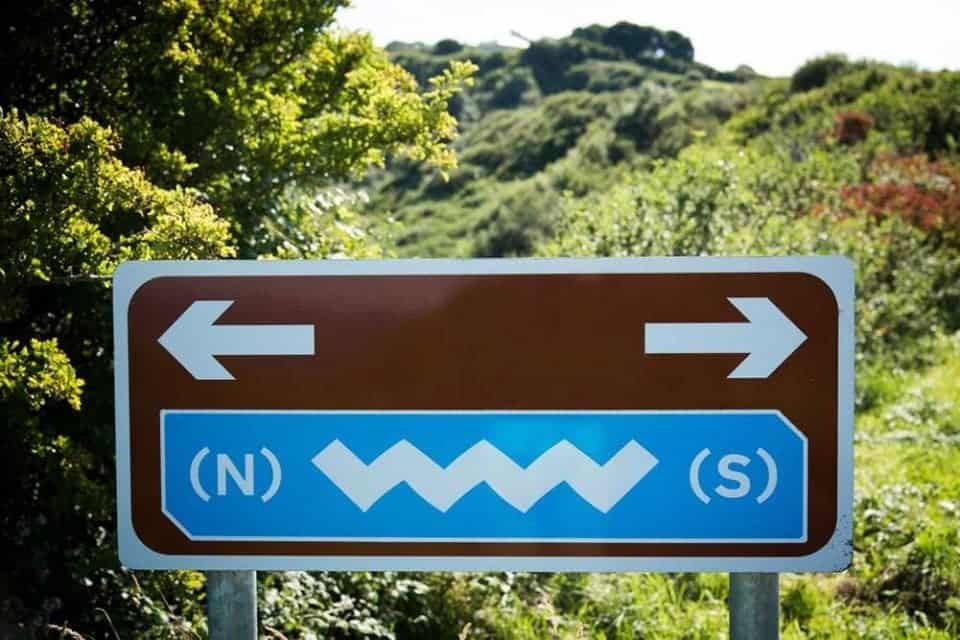
For travellers who love scenic drives, photography, coastal walks, and authentic Irish culture, the Wild Atlantic Way offers an unforgettable journey through some of the most beautiful parts of the country.
Whether you plan to explore the entire route or just a section of it, this guide will help you plan the perfect Wild Atlantic Way road trip.
- Wild Atlantic Way Travel Guide: Ireland’s Ultimate Coastal Road Trip
- Wild Atlantic Way Quick Facts
- Planning a Wild Atlantic Way Road Trip
- Plan Your Wild Atlantic Way Trip
- Is the Wild Atlantic Way Worth It?
- Best Time to Drive the Wild Atlantic Way
- Wild Atlantic Way Route Overview
- How Long Does It Take to Drive the Wild Atlantic Way?
- Wild Atlantic Way Route by County
- Donegal
- Leitrim
- Sligo
- Mayo
- Galway
- Clare
- Limerick
- Kerry
- Cork
- Map of the Wild Atlantic Way
- Regions of the Wild Atlantic Way
- Wild Atlantic Way Itinerary Ideas
- Top Places to See on the Wild Atlantic Way
- When to Drive the Wild Atlantic Way
- Where to Stay Along the Wild Atlantic Way
- Wild Atlantic Way Travel FAQs
- Why the Wild Atlantic Way Is Ireland’s Ultimate Road Trip
- Continue Planning Your Ireland Road Trip
- Explore our other travel guides
Updated March 2026
Wild Atlantic Way Quick Facts
Length: Approximately 2,500 km (1,553 miles)
Counties Covered: Donegal, Leitrim, Sligo, Mayo, Galway, Clare, Limerick, Kerry, Cork
Start / End Points: Malin Head (Donegal) → Kinsale (Cork)
Best Time to Visit: May–September
Ideal Trip Length: 7–14 days
Best Way to Travel: Rental car or campervan
Famous Stops: Slieve League Cliffs, Achill Island, Kylemore Abbey, Cliffs of Moher, Dingle Peninsula
Driving Time (Non-Stop): About 40–50 hours

Planning a Wild Atlantic Way Road Trip
The Wild Atlantic Way is a 2,500-kilometre coastal route along Ireland’s west coast, running from Malin Head in County Donegal to Kinsale in County Cork. The route passes through nine counties and connects many of Ireland’s most famous landscapes, including sea cliffs, beaches, coastal villages, and national parks.
Most travellers explore the Wild Atlantic Way by car over 7–14 days, stopping at highlights such as Slieve League Cliffs, Achill Island, Connemara, the Cliffs of Moher, and the Dingle Peninsula.
While the full route takes weeks to explore properly, many visitors choose to focus on one or two regions such as Donegal, Connemara, or Kerry.
Plan Your Wild Atlantic Way Trip
Best time to visit: May to September for longer daylight and milder weather
Trip length: 7–14 days for a full road trip
Starting point: Malin Head, County Donegal
Ending point: Kinsale, County Cork
Best way to travel: Rental car or campervan
Most famous stops: Slieve League, Achill Island, Connemara, Cliffs of Moher, Dingle Peninsula
Counties on the route: Donegal, Leitrim, Sligo, Mayo, Galway, Clare, Limerick, Kerry, Cork

Is the Wild Atlantic Way Worth It?
Yes — the Wild Atlantic Way is widely considered one of the most scenic coastal drives in the world. Stretching more than 2,500 kilometres along Ireland’s west coast, the route connects dramatic cliffs, remote islands, colourful villages, and some of Ireland’s most iconic landscapes. Many visitors say driving even a short section of the route becomes the highlight of their trip to Ireland.
Best Time to Drive the Wild Atlantic Way
| Season | Pros | Cons |
| Spring (Apr–May) | Fewer crowds, wildflowers | Cooler temperatures |
| Summer (Jun–Aug) | Long daylight hours |
Wild Atlantic Way Route Overview
The Wild Atlantic Way passes through nine counties along Ireland’s west coast:
• Donegal
• Leitrim
• Sligo
• Mayo
• Galway
• Clare
• Limerick
• Kerry
• Cork
Many travellers choose to drive sections of the route rather than the entire coastline.
How Long Does It Take to Drive the Wild Atlantic Way?
Driving the entire Wild Atlantic Way without stopping would take roughly 40–50 hours, but most travellers take much longer so they can explore the coastline, villages, and scenic viewpoints along the route.
The ideal length of a Wild Atlantic Way road trip depends on how much of the route you want to explore.
Typical travel times include:
3–5 days
Focus on one region such as Donegal, Connemara, or Kerry.
7 days
Drive a larger section of the route, for example Donegal to Clare or Galway to Kerry.
10–14 days
Explore most of the Wild Atlantic Way from Malin Head in Donegal to Kinsale in County Cork, stopping at major highlights along the coast.
Many travellers choose to focus on one or two regions rather than driving the entire route in a single trip.

Wild Atlantic Way Route by County
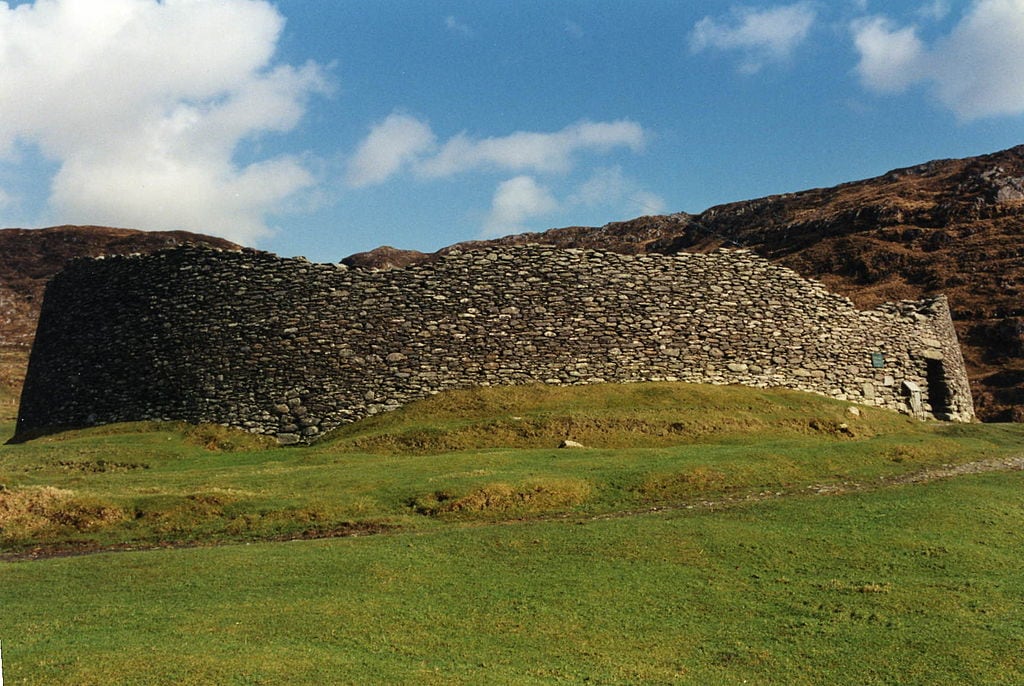
The Wild Atlantic Way stretches along Ireland’s west coast through nine counties, each offering its own landscapes, historic sites, and coastal scenery. Many travellers choose to explore the route by focusing on one or two counties rather than driving the entire coastline. Here’s a quick overview of the counties along the Wild Atlantic Way from north to south.
Donegal
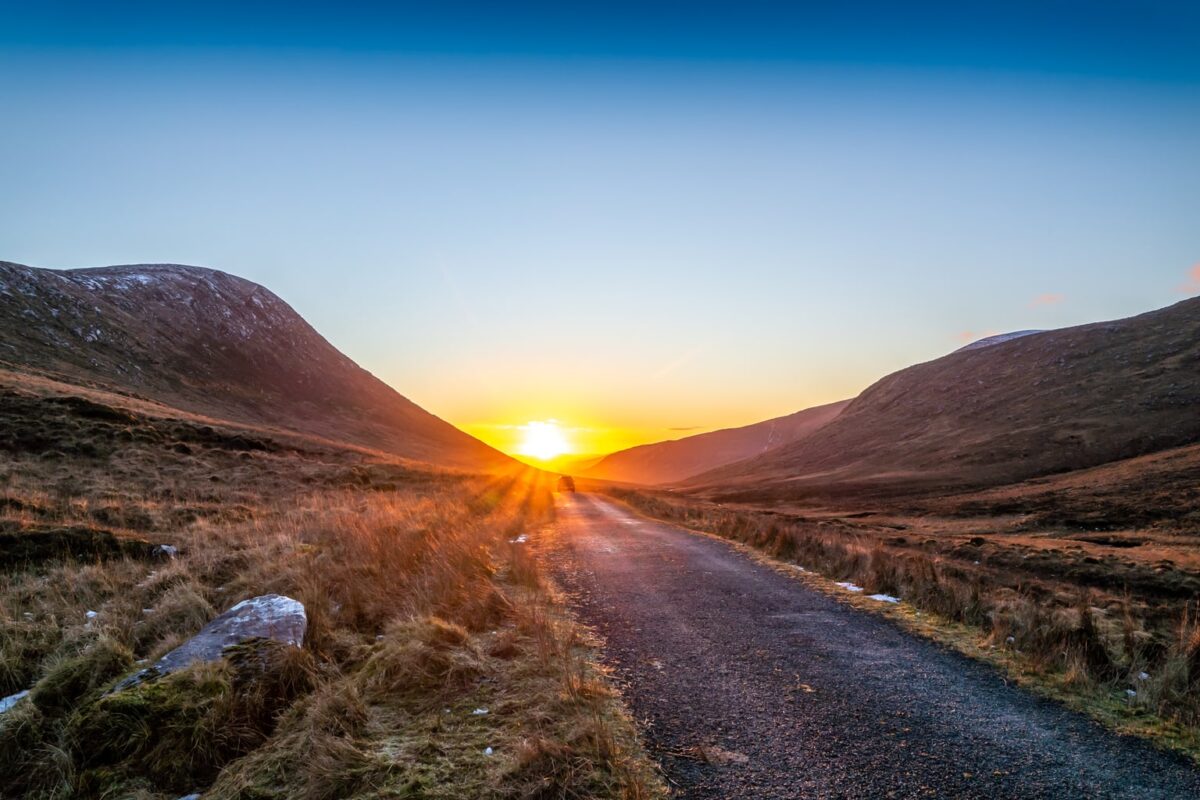
County Donegal marks the northern starting point of the Wild Atlantic Way and is known for its rugged cliffs, remote beaches, and dramatic Atlantic scenery. Highlights include Slieve League Cliffs, Malin Head, and Glenveagh National Park.
Explore more in the Donegal Travel Guide.


Leitrim
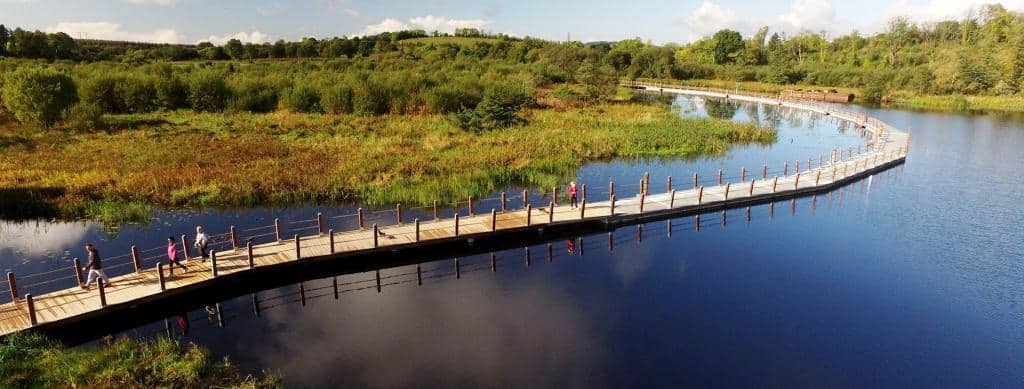
Leitrim has the shortest stretch of coastline along the Wild Atlantic Way but offers peaceful beaches and charming coastal scenery. Tullaghan village marks the county’s brief but scenic Atlantic shoreline.


Sligo
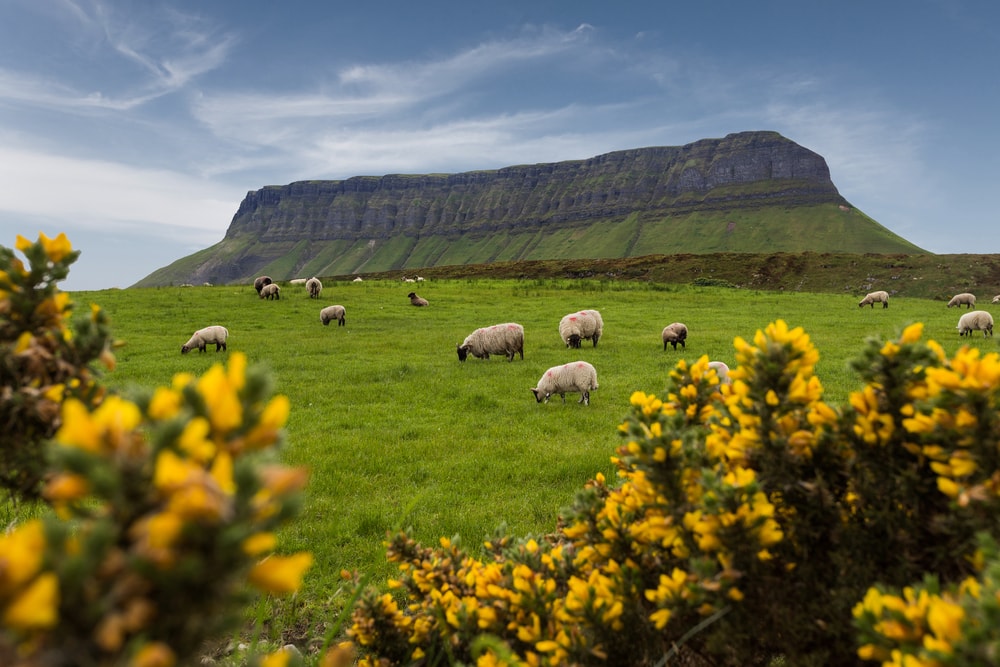
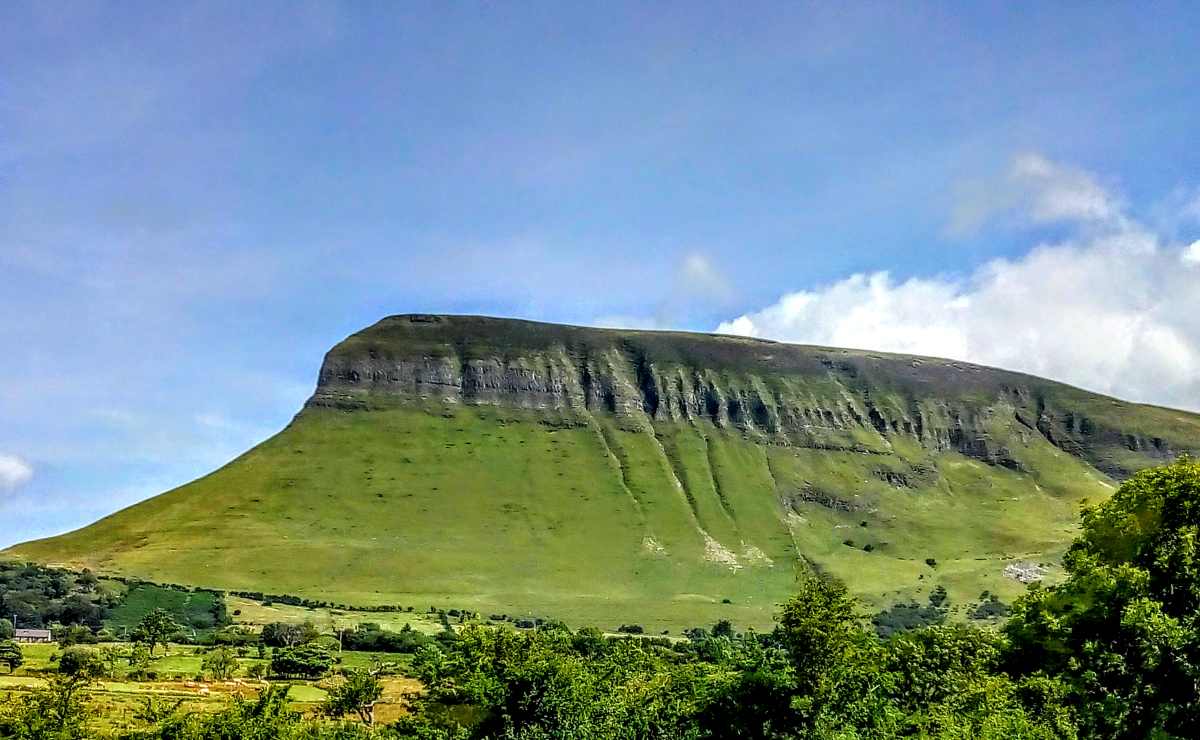
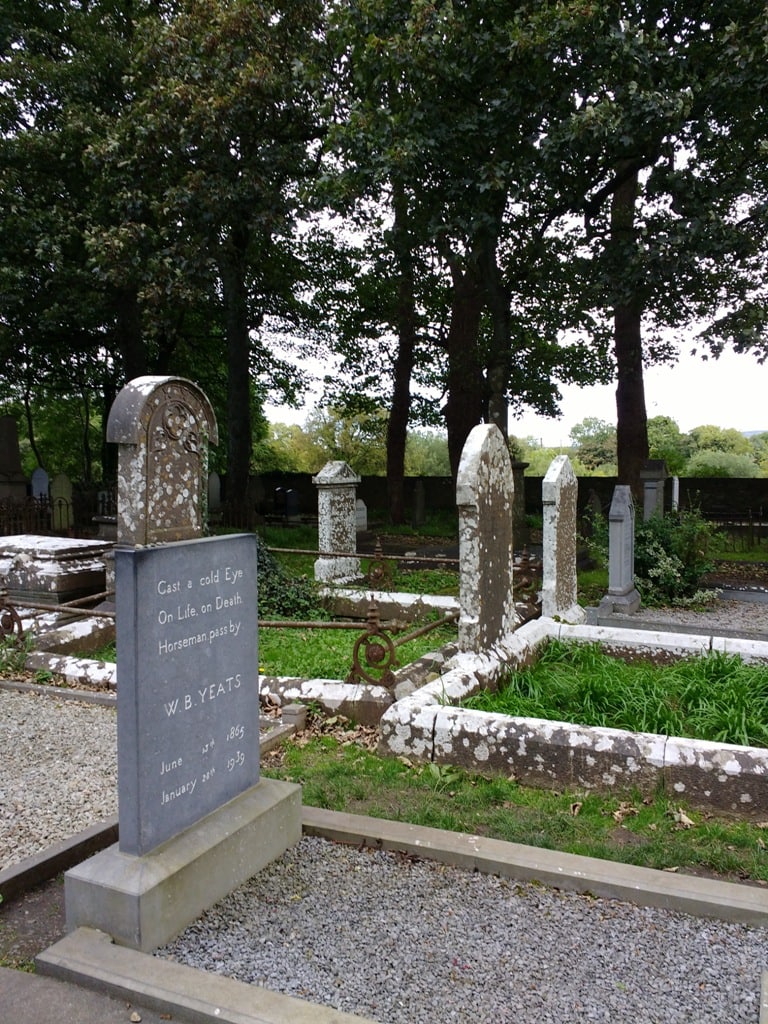
County Sligo combines dramatic landscapes with literary history connected to poet W.B. Yeats. Visitors come for Benbulben mountain, surf beaches like Strandhill, and the scenic coastline along Sligo Bay.

Mayo
County Mayo is home to some of the wildest scenery along the Atlantic coast. Highlights include Achill Island, the dramatic cliffs of Downpatrick Head, and the rugged beauty of the Mullet Peninsula.


Galway
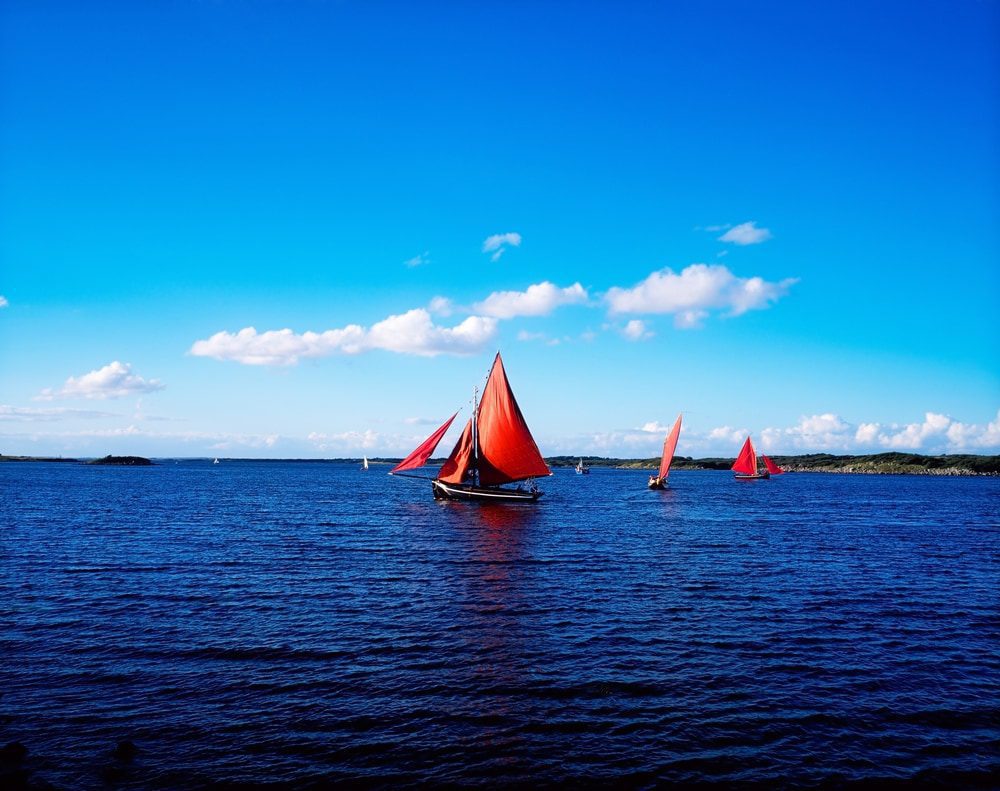
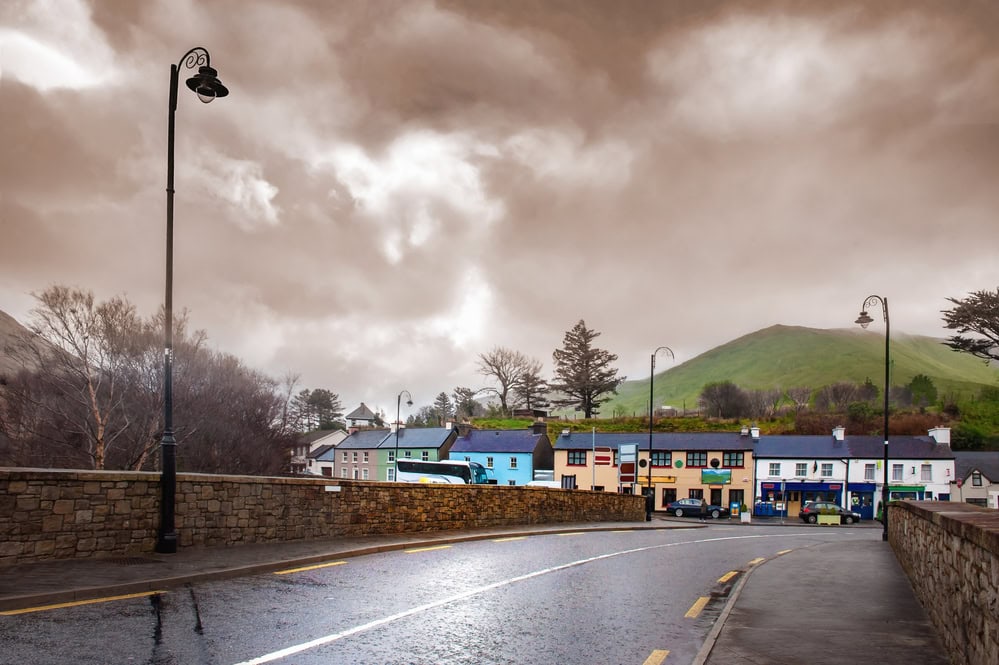
The Wild Atlantic Way passes through both Galway city and the remote landscapes of Connemara. Visitors can explore Kylemore Abbey, drive the scenic Sky Road, or take a ferry to the Aran Islands.

Clare
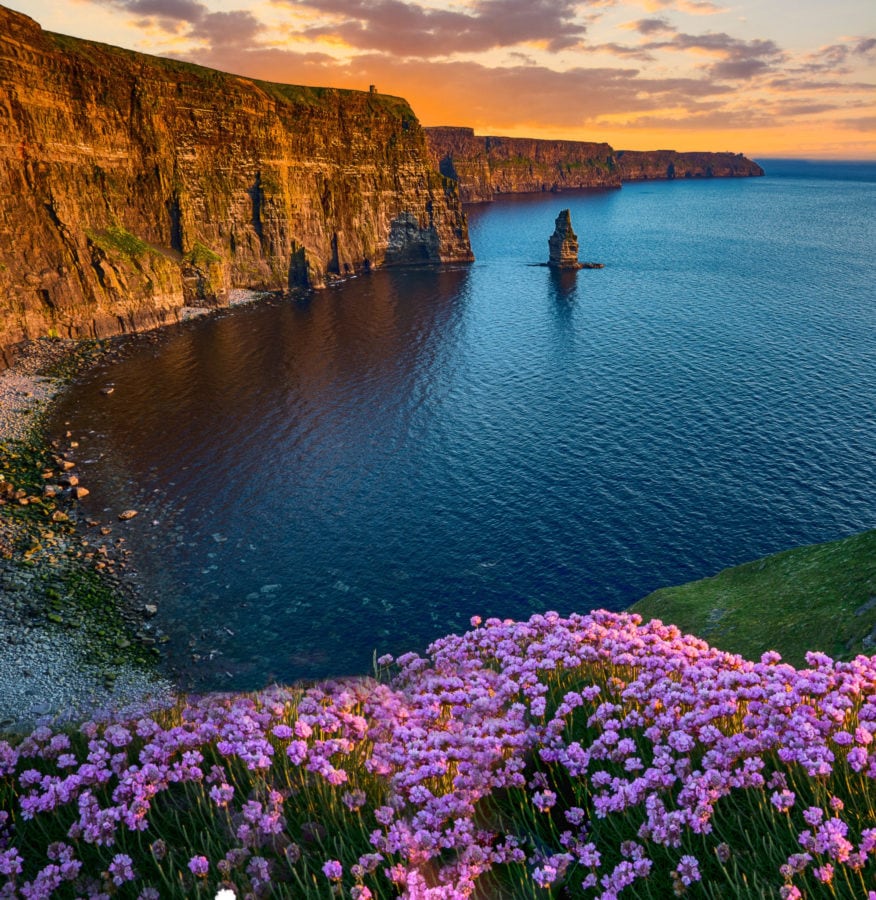
County Clare is famous for the towering Cliffs of Moher, one of Ireland’s most visited natural attractions. Nearby you’ll find the unique limestone landscape of The Burren and traditional music in the village of Doolin.


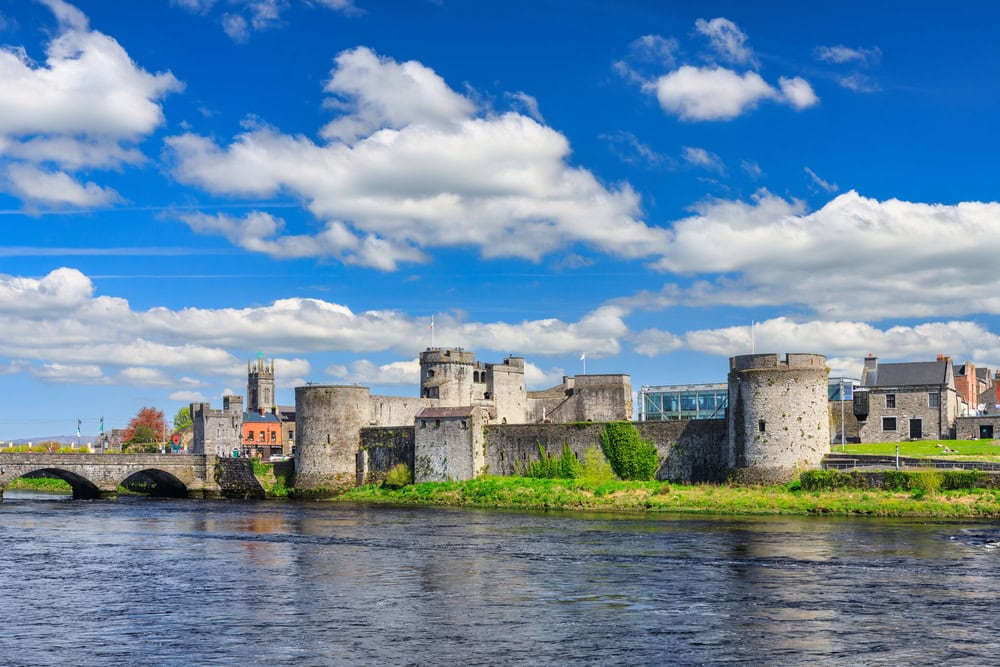
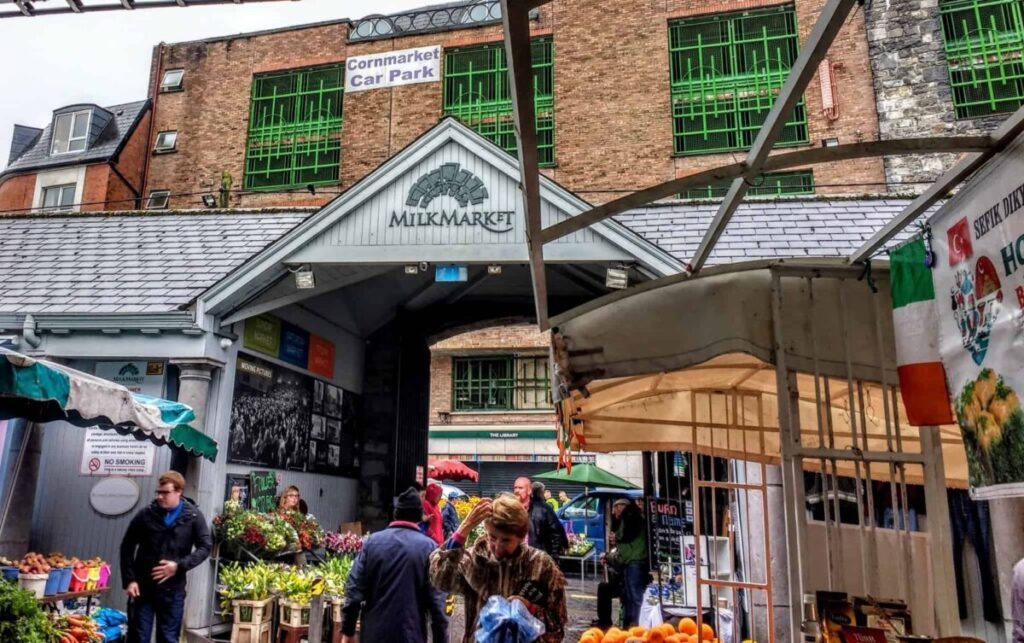
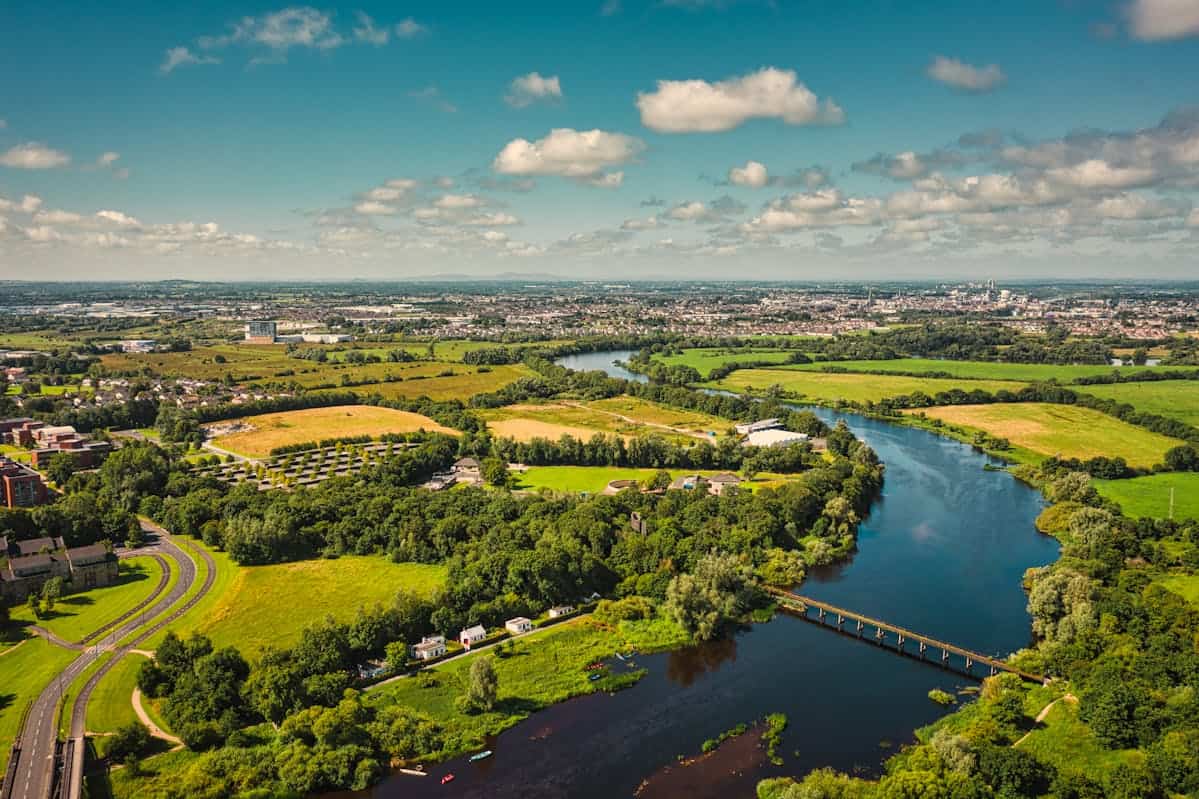
Limerick
The Wild Atlantic Way briefly touches the coast of County Limerick, where visitors can explore seaside villages and quiet Atlantic beaches.
Kerry
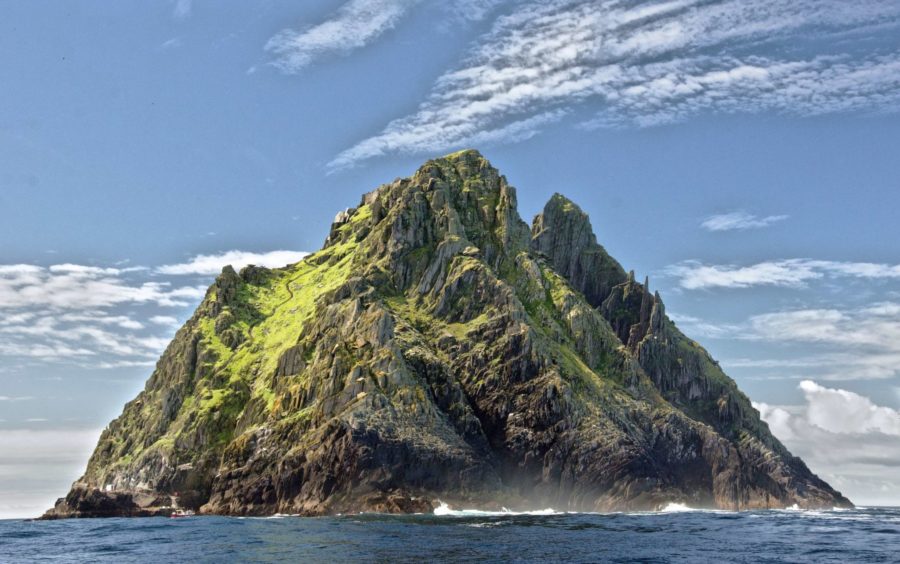
County Kerry contains some of the most iconic scenery along the route, including the Ring of Kerry, Dingle Peninsula, and the dramatic islands of Skellig Michael.


Cork
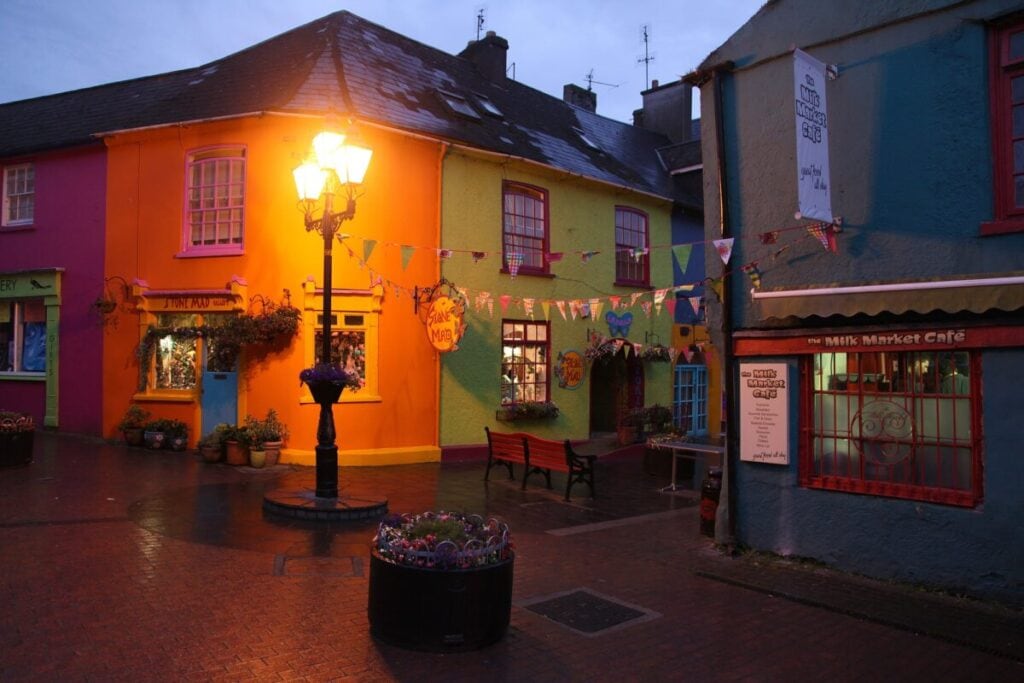
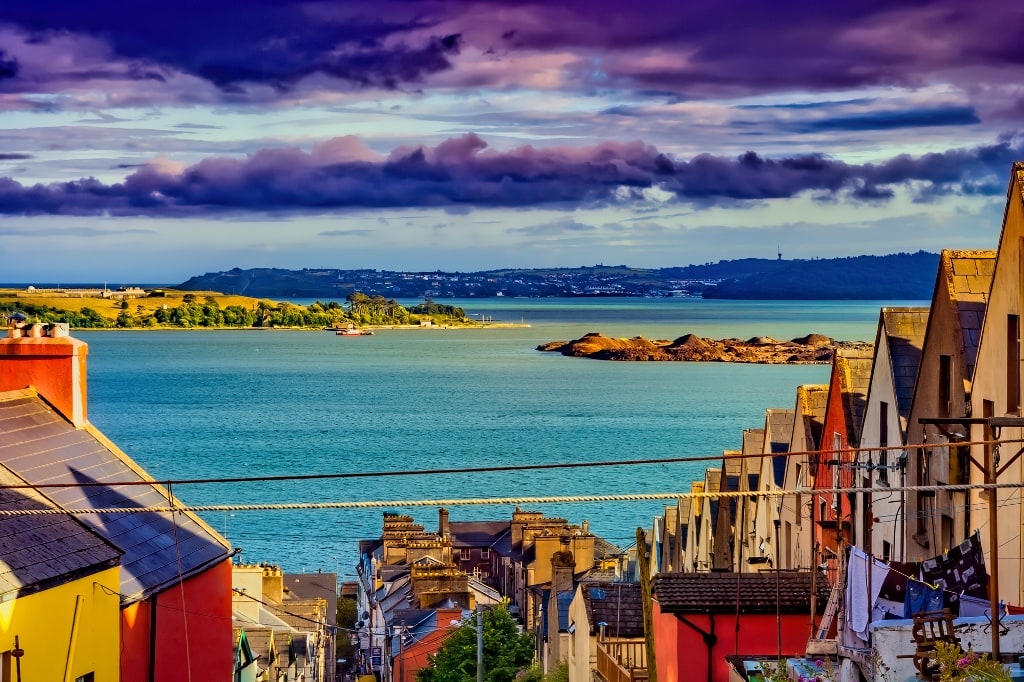
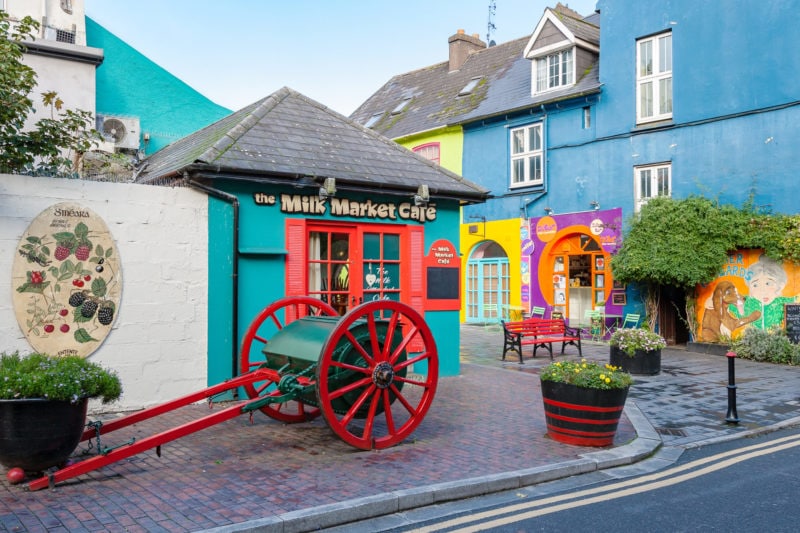
The Wild Atlantic Way ends in the colourful harbour town of Kinsale in County Cork. This region is known for its coastal villages, historic forts, and excellent food scene.

Map of the Wild Atlantic Way
The map below highlights the main stops and regions along the Wild Atlantic Way from Donegal to Cork.
Regions of the Wild Atlantic Way
The Wild Atlantic Way is often divided into several regions, each with its own landscapes, culture, and iconic attractions.
Donegal – The Northern Gateway
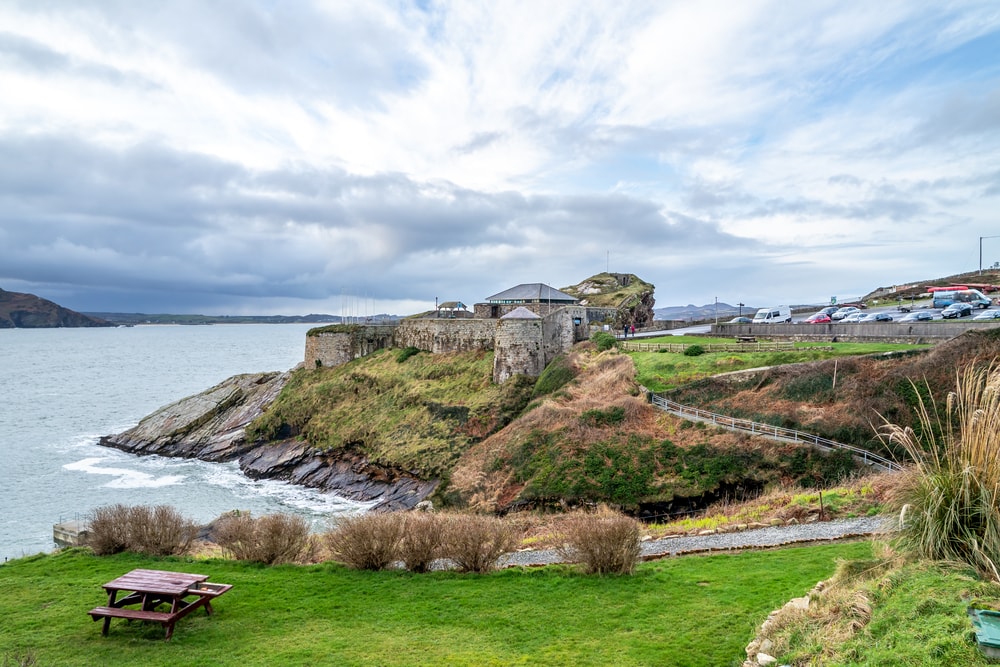
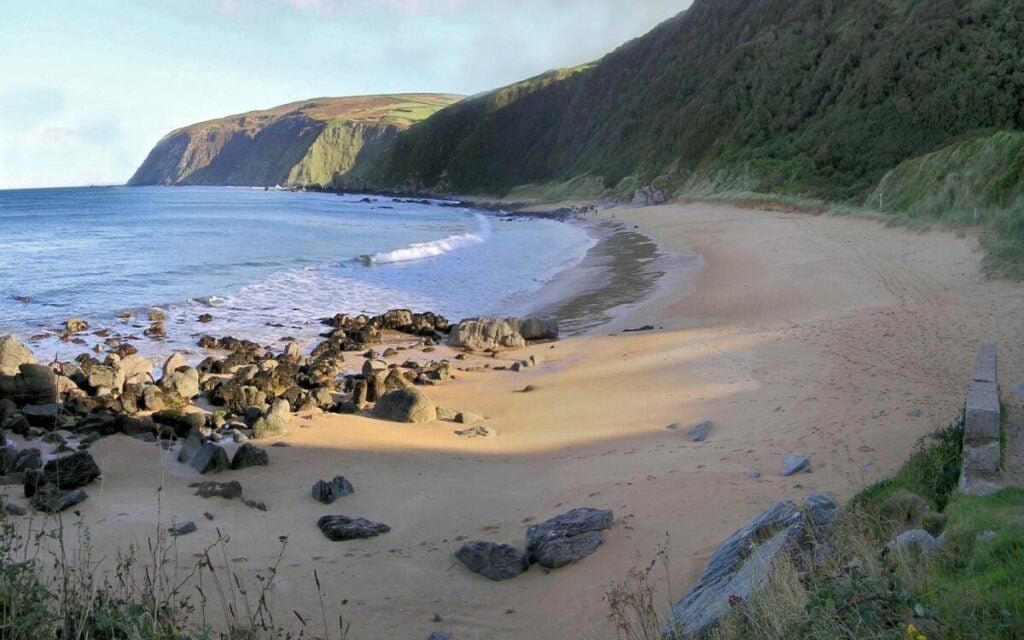
County Donegal marks the northern starting point of the Wild Atlantic Way and is one of the most rugged and unspoiled parts of Ireland. Dramatic sea cliffs, remote beaches, and winding coastal roads make this a dream destination for nature lovers.
Highlights include:
Slieve League Cliffs (among the highest sea cliffs in Europe)
Malin Head – Ireland’s northernmost point on the Inishowen Peninsula
secluded beaches along the Atlantic coast
Explore more in the Donegal Travel Guide.

Popular Donegal guides:
Connemara & Galway
Moving south along the Wild Atlantic Way, the landscapes shift into the wild beauty of Connemara, known for its mountains, lakes, and sweeping Atlantic views.
Galway city acts as a lively gateway to the region, famous for its music scene, pubs, and cultural festivals.
Highlights include:
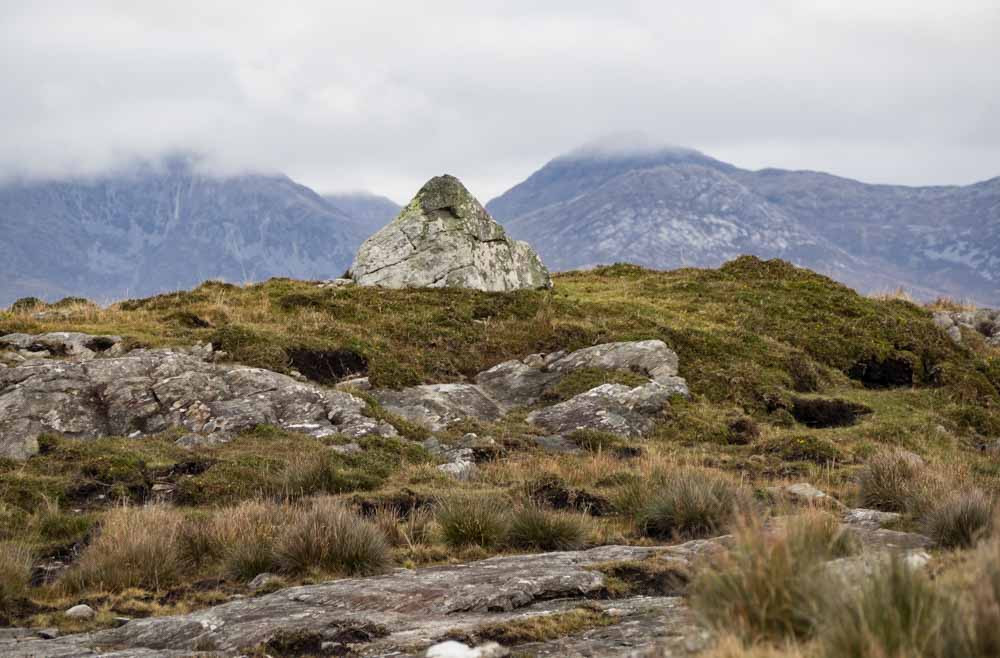
This region combines dramatic landscapes with one of Ireland’s most vibrant cultural cities.

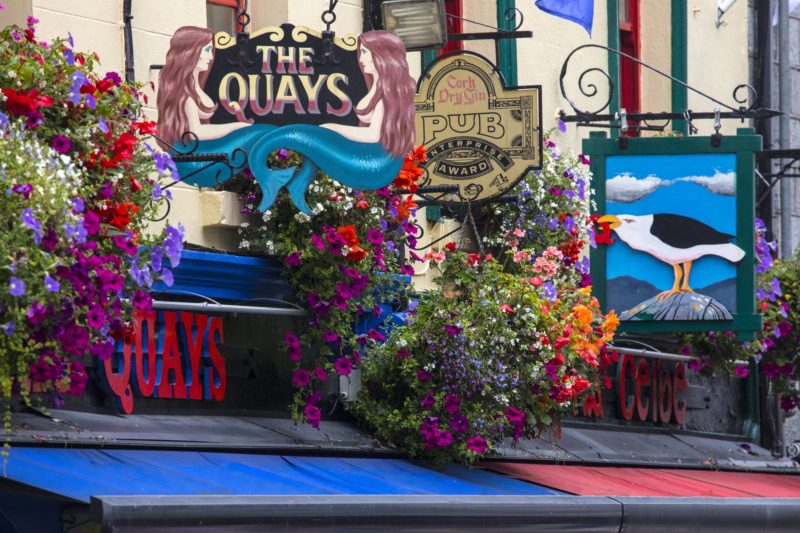
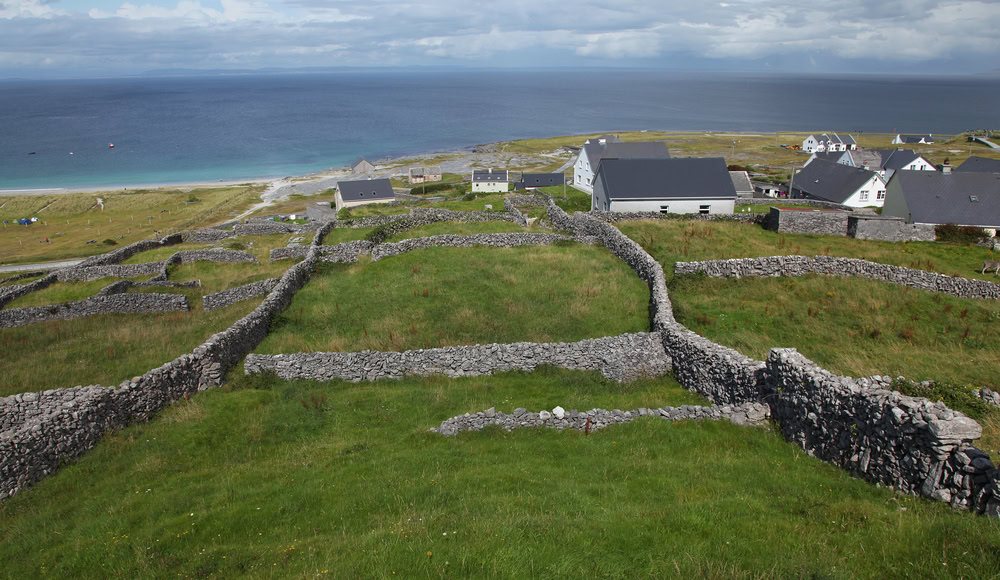
Clare & The Burren
County Clare is home to one of Ireland’s most famous natural attractions: the Cliffs of Moher. Rising high above the Atlantic Ocean, these cliffs attract visitors from around the world.
Nearby lies the Burren, a unique limestone landscape dotted with ancient ruins, rare wildflowers, and prehistoric tombs.
Key places to visit include:
Clare is also known for traditional Irish music sessions in local pubs.

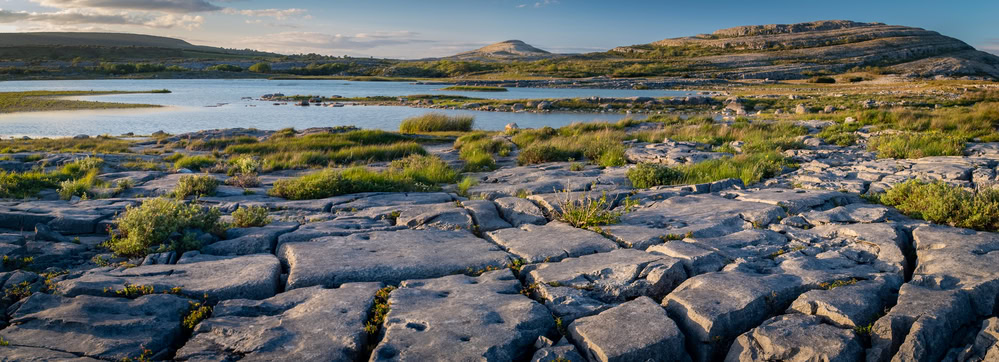
Kerry & Killarney
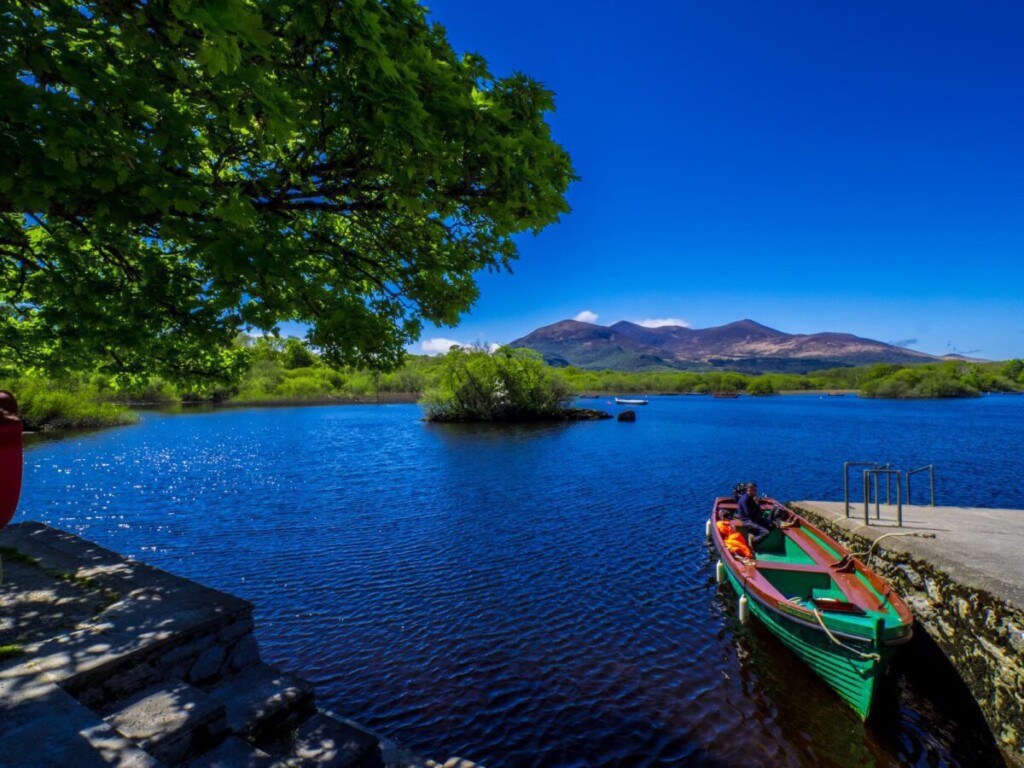
Further south, the Wild Atlantic Way passes through some of Ireland’s most iconic scenery in County Kerry. This region includes famous driving routes such as the Ring of Kerry and the Skellig Ring, along with the lakes and mountains of Killarney National Park.
Highlights include:
Ring of Kerry scenic drive: Kerry offers some of the most breathtaking coastal scenery in Ireland.
Skellig Michael and the Skellig Ring
Gap of Dunloe
Ring of Kerry vs Dingle Peninsula vs Beara Peninsula: want to see the same three peninsulas? Ring of Kerry, Dingle, Beara. Everyone asks the same question before they land: which one do I actually need to drive?


Wild Atlantic Way Itinerary Ideas
Because of its length, most travellers explore the Wild Atlantic Way in sections.
5 Day Wild Atlantic Way Itinerary
Day 1 – Donegal coast and Slieve League
Day 2 – Sligo and Achill Island
Day 3 – Connemara and Galway
Day 4 – Cliffs of Moher and the Burren
Day 5 – Kerry highlights
7 Day Wild Atlantic Way Itinerary
A week allows you to explore the northern and central sections in more depth.
Suggested route:
Donegal → Sligo → Connemara → Galway → Clare → Kerry
10–14 Day Wild Atlantic Way Road Trip
Two weeks allows you to drive much of the full route from Donegal to Cork while exploring peninsulas, islands, and small coastal villages along the way.
Top Places to See on the Wild Atlantic Way
With more than 2,500 kilometres of coastline, the Wild Atlantic Way offers countless scenic stops. While every stretch of the route has something unique, a few destinations stand out as must-see highlights for most travellers.
Slieve League Cliffs (Donegal)
Among the highest sea cliffs in Europe, Slieve League rises nearly three times higher than the Cliffs of Moher. The cliffs offer spectacular views over the Atlantic Ocean and are one of the most dramatic landscapes in Ireland.

Malin Head (Donegal)
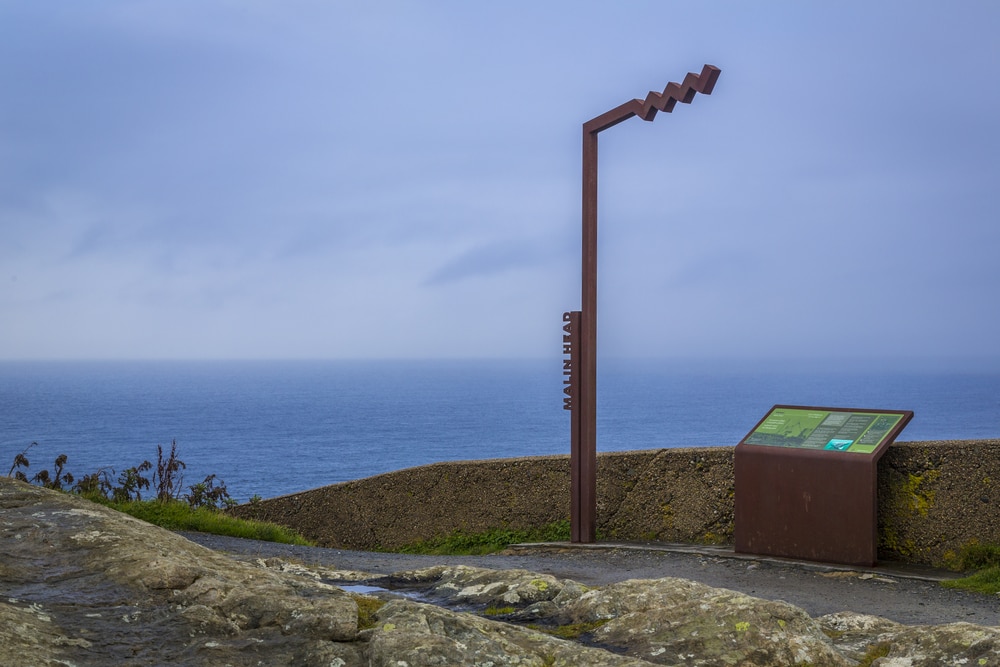
Ireland’s northernmost point marks the official starting point of the Wild Atlantic Way. Located on the Inishowen Peninsula, Malin Head is known for its rugged coastline and sweeping ocean views.
Achill Island (Mayo)
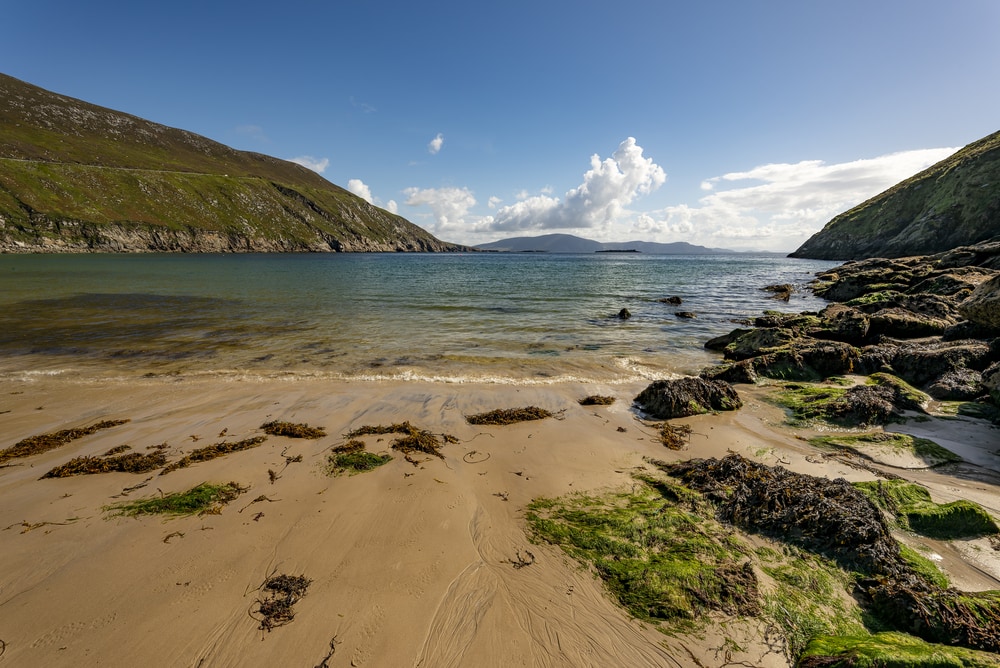
Connected to the mainland by a bridge, Achill Island is famous for its wild Atlantic scenery, dramatic cliffs, and the stunning Keem Bay.
Kylemore Abbey (Connemara)
Set against a lake and mountain backdrop, Kylemore Abbey is one of the most photographed buildings in Ireland and a highlight of the Connemara region.

Cliffs of Moher (Clare)
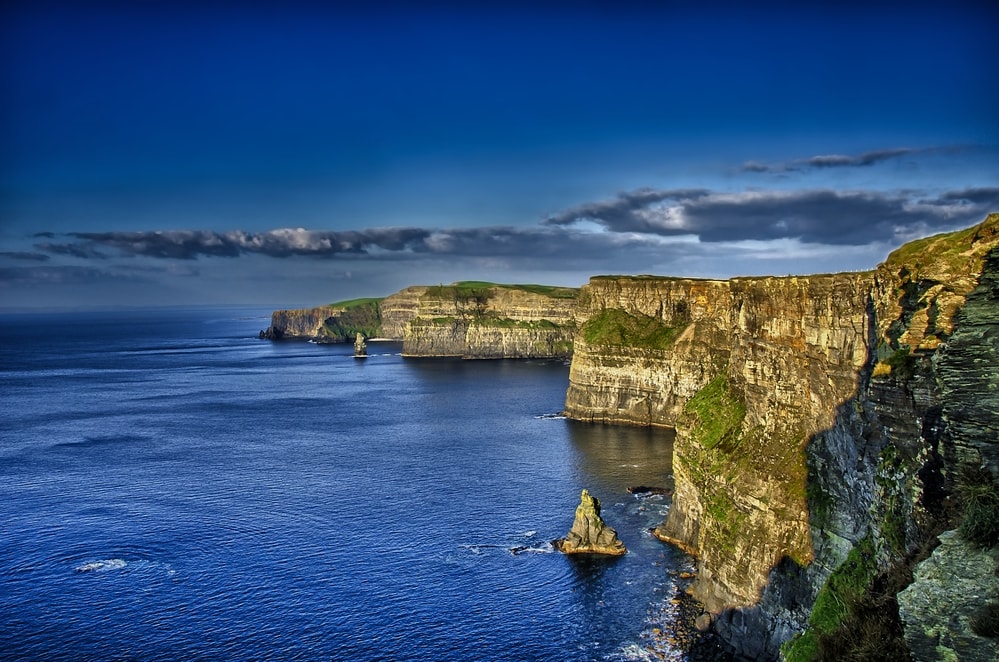
The Cliffs of Moher are Ireland’s most famous sea cliffs, stretching for eight kilometres along the Atlantic coast and offering breathtaking views over the ocean.

Dingle Peninsula (Kerry)
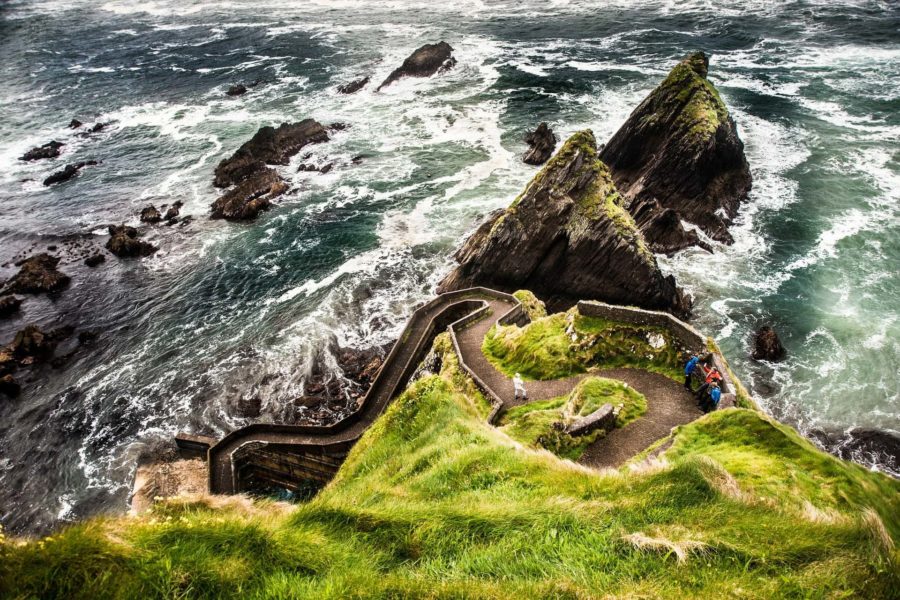
One of Ireland’s most scenic drives, the Dingle Peninsula features rugged cliffs, sandy beaches, and colourful villages along the Atlantic coast.
Skellig Michael (Kerry)
This remote island monastery, a UNESCO World Heritage Site, is one of Ireland’s most unique historical landmarks and a highlight of the Wild Atlantic Way.
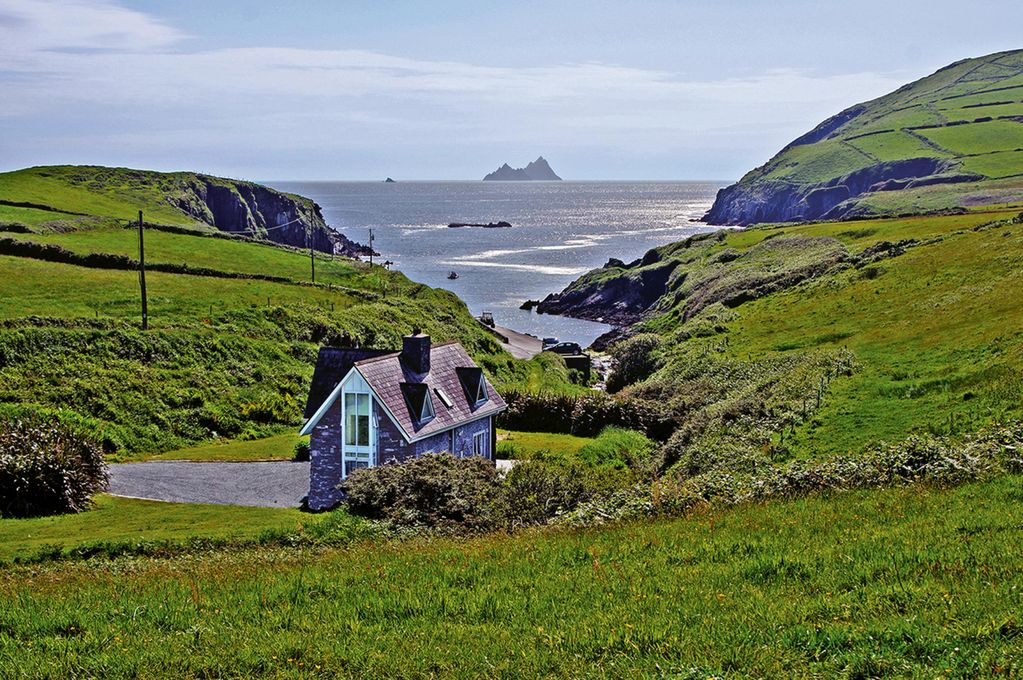
These iconic locations showcase the incredible variety of landscapes found along Ireland’s Atlantic coast.
When to Drive the Wild Atlantic Way
May – June
One of the best times to travel with long daylight hours and fewer crowds.
July – August
Warmest weather but also the busiest period for tourism.
September
Excellent for photography and quieter roads while the weather remains relatively mild.
Winter
Dramatic coastal scenery but shorter daylight hours and more unpredictable weather.
Ireland’s weather changes quickly, so waterproof layers are essential at any time of year.

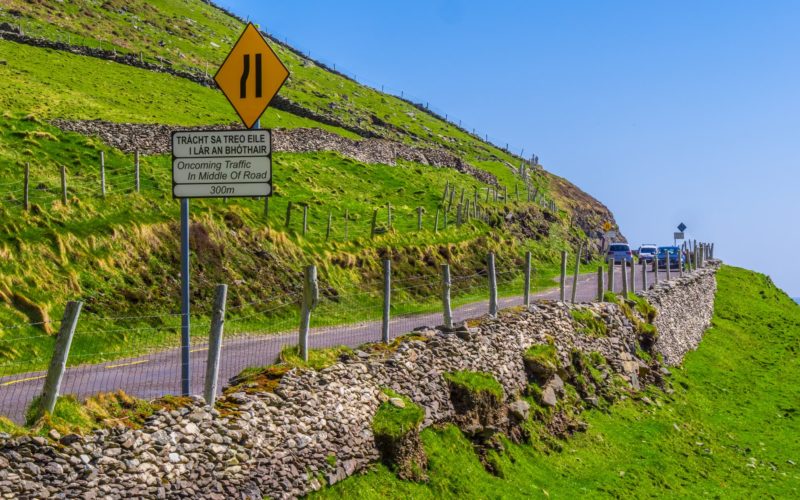
Driving Tips for the Wild Atlantic Way
Driving the Wild Atlantic Way is one of the best ways to experience Ireland, but visitors should be prepared for rural roads and changing weather.
Tips for driving:
- Drive on the left side of the road
- Many rural roads are narrow and winding
- Allow extra time for scenic stops
- Watch for sheep on rural roads
- Fuel stations can be limited in remote areas
Taking your time and enjoying the journey is part of the Wild Atlantic Way experience.
Where to Stay Along the Wild Atlantic Way
Accommodation options along the route include my personal picks and the following:
Unique Places to stay in Ireland

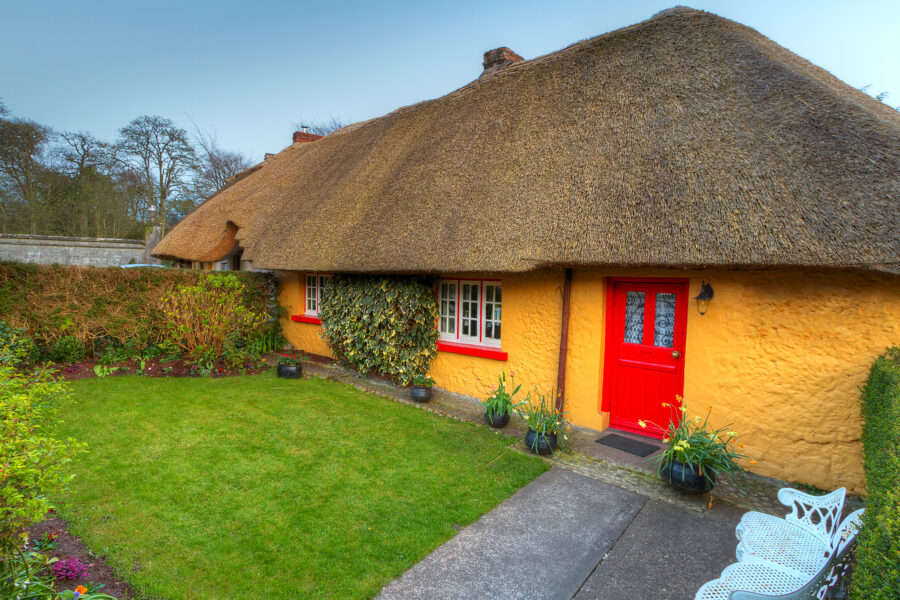
Popular overnight bases include:
These locations provide easy access to many nearby attractions along the route.
Wild Atlantic Way Travel FAQs
How long does it take to drive the Wild Atlantic Way?
Driving the entire route without stops would take several days, but most travellers spend 7–14 days exploring different sections of the route.
Where does the Wild Atlantic Way start?
The route begins at Malin Head in County Donegal, Ireland’s northernmost point, and continues south to Kinsale in County Cork.
Do you need a car for the Wild Atlantic Way?
Yes. While some towns are accessible by bus, a car is the best way to explore the scenic coastal routes and remote viewpoints along the route.
Is the Wild Atlantic Way better than the Ring of Kerry?
The Ring of Kerry is actually part of the Wild Atlantic Way. The full coastal route covers many regions and offers a much broader road trip experience.
Why the Wild Atlantic Way Is Ireland’s Ultimate Road Trip
The Wild Atlantic Way is one of the most spectacular road trips in Europe. Stretching along Ireland’s rugged west coast from Malin Head in Donegal to Kinsale in County Cork, the route connects dramatic cliffs, remote beaches, colourful villages, and historic sites.
Whether you explore a short section or spend two weeks driving the full route, the journey reveals the wild beauty of Ireland’s Atlantic coastline.
For travellers who love scenic drives, coastal walks, and breathtaking ocean views, the Wild Atlantic Way is one of the highlights of visiting Ireland.
Continue Planning Your Ireland Road Trip
If you’re planning to explore the Wild Atlantic Way, these guides will help you plan your trip:
• Donegal Travel Guide
• Slieve League Cliffs Guide
• Best Beaches in Donegal
• Hidden Gems in Donegal
• Ireland Travel Guide
Explore our other travel guides
➡️ Browse the Guide to Ireland’s Hidden Heartlands
➡️ Browse the Guide to Donegal
➡️ Browse the Guide to Northern Ireland