
Do You Need a Car in Donegal? What to Know Before You Visit
Do you need a car in Donegal? The short answer: it depends on your itinerary, travel style, and the season. The honest answer from someone who lives here: for most visitors, yes — a car makes Donegal significantly easier. Public transport connects major towns, but many beaches, peninsulas, and viewpoints are difficult to reach without driving.
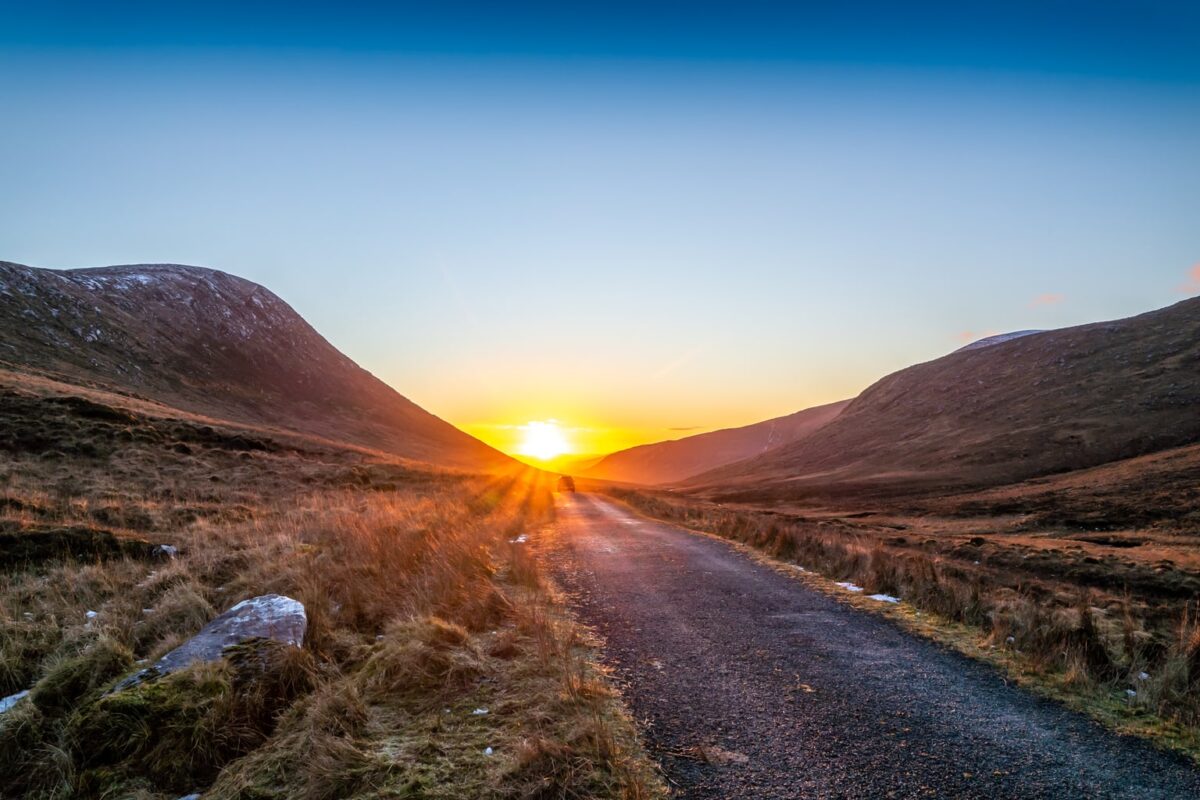
- Do You Need a Car in Donegal? What to Know Before You Visit
- Quick Answer
- Why Donegal Feels Bigger Than It Looks
- Who Does Not Need a Car
- Who Probably Does Need a Car
- Car vs No Car: Pros and Cons
- Practical Transport Options Without a Car
- Sample Trip Comparison
- Cost & Planning Realities
- Accessibility Considerations
- Common Misconceptions
- Bottom Line
- Explore More Donegal Guides
Quick Answer
You probably need a car if:
You want remote beaches and peninsulas
You’re visiting outside summer
You want flexibility for weather and detours
You may not need one if:
You base yourself in a major town
You’re happy using buses and guided tours
You prefer slower, focused days and hidden gems

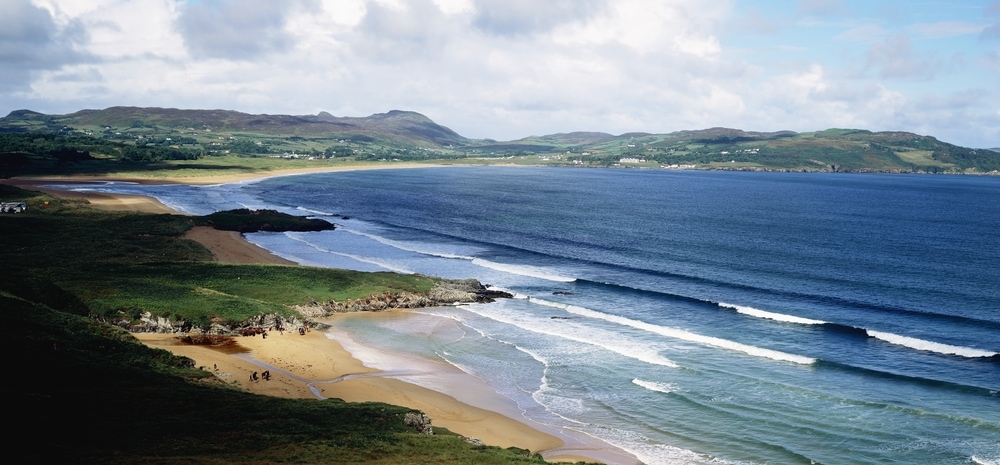
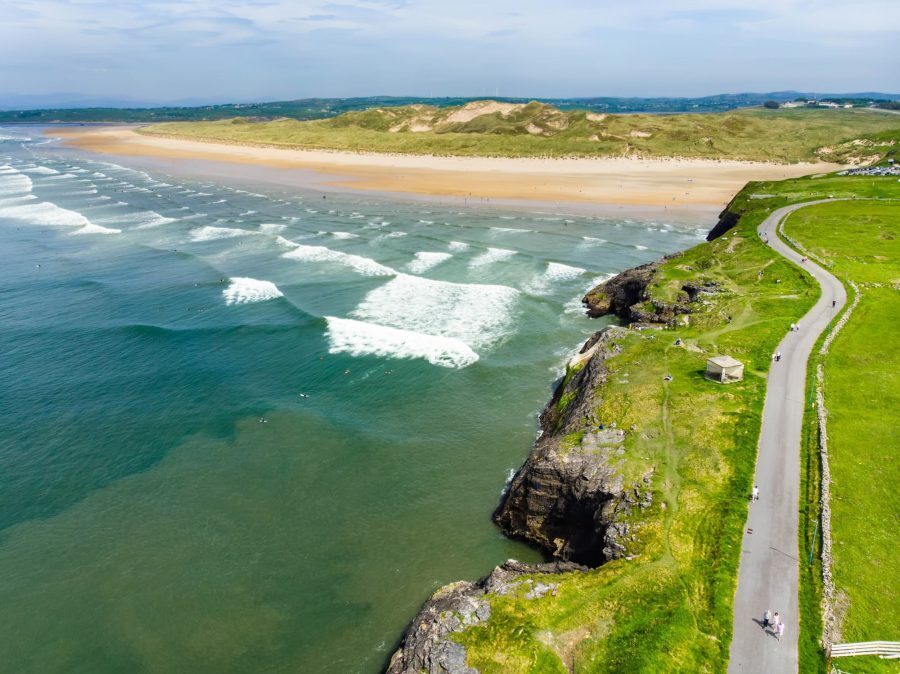
Below is how to decide.
Why Donegal Feels Bigger Than It Looks
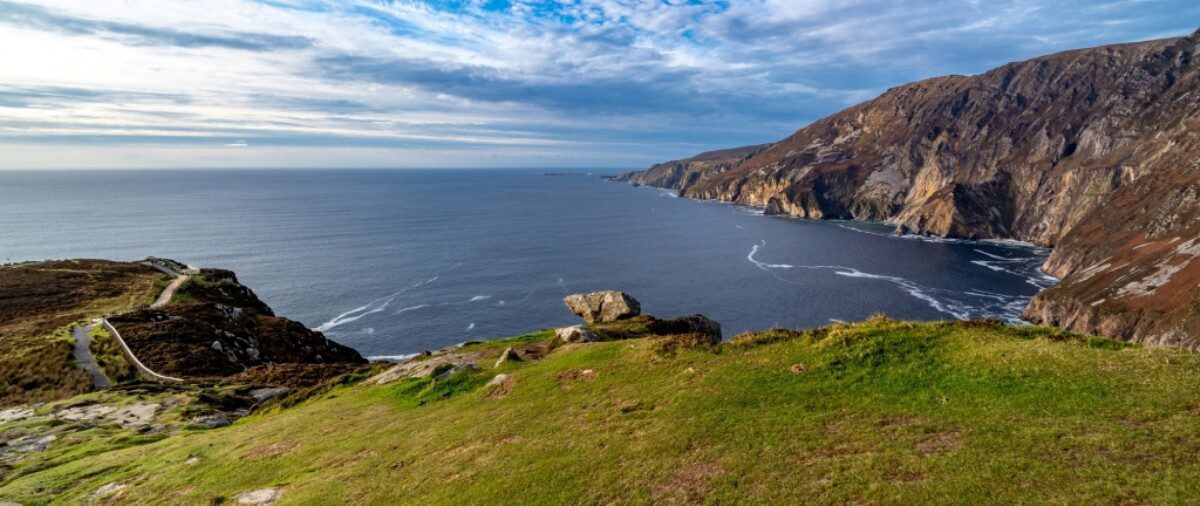
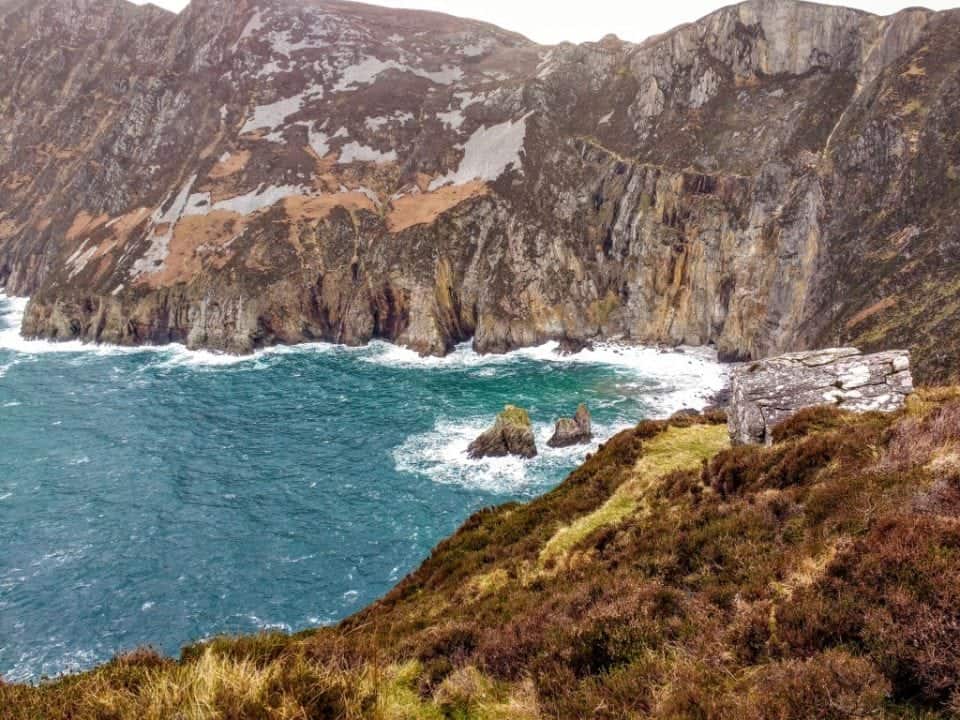
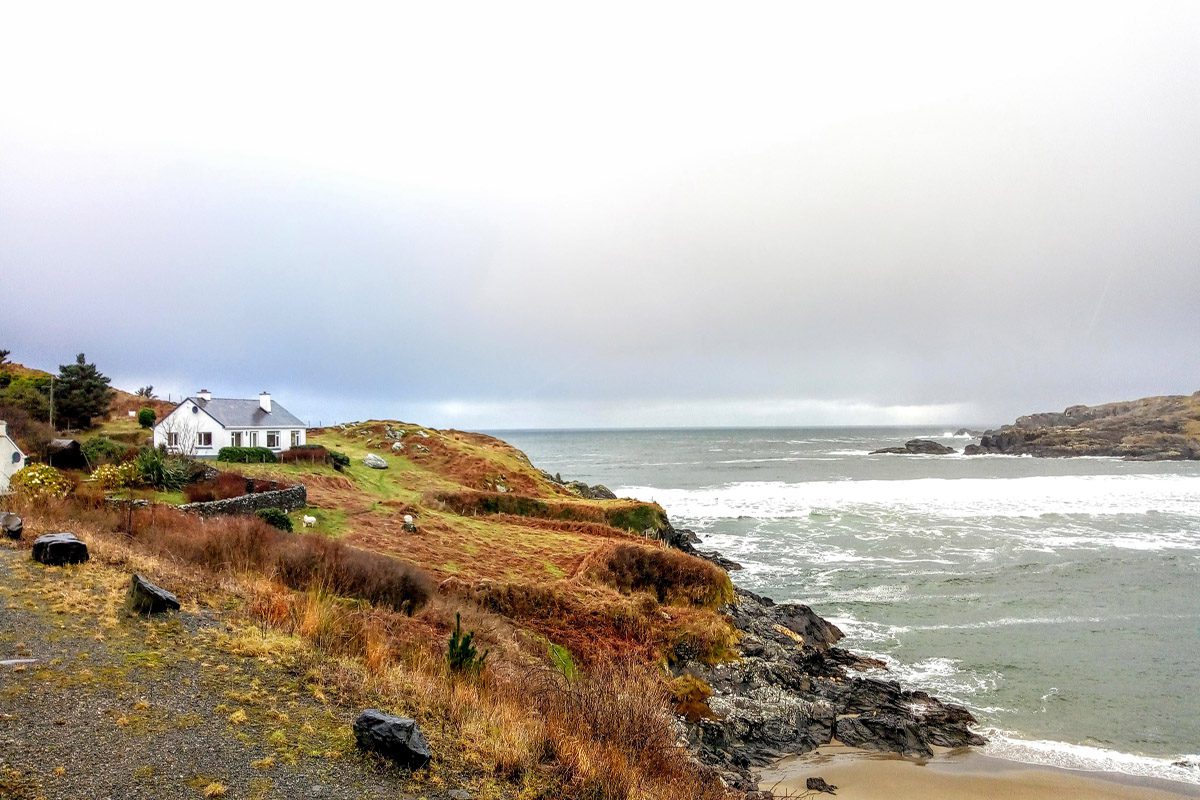
On the Wild Atlantic Way Donegal is large, rural, and spread out. From Slieve League in the southwest to Malin Head in Inishowen, and from Glenveagh National Park to the Fanad Peninsula, and the Inishowen the highlights are scattered.
There is no rail network in Donegal. Public transport is a mix of regional buses, Local Link services, taxis, and seasonal tours.
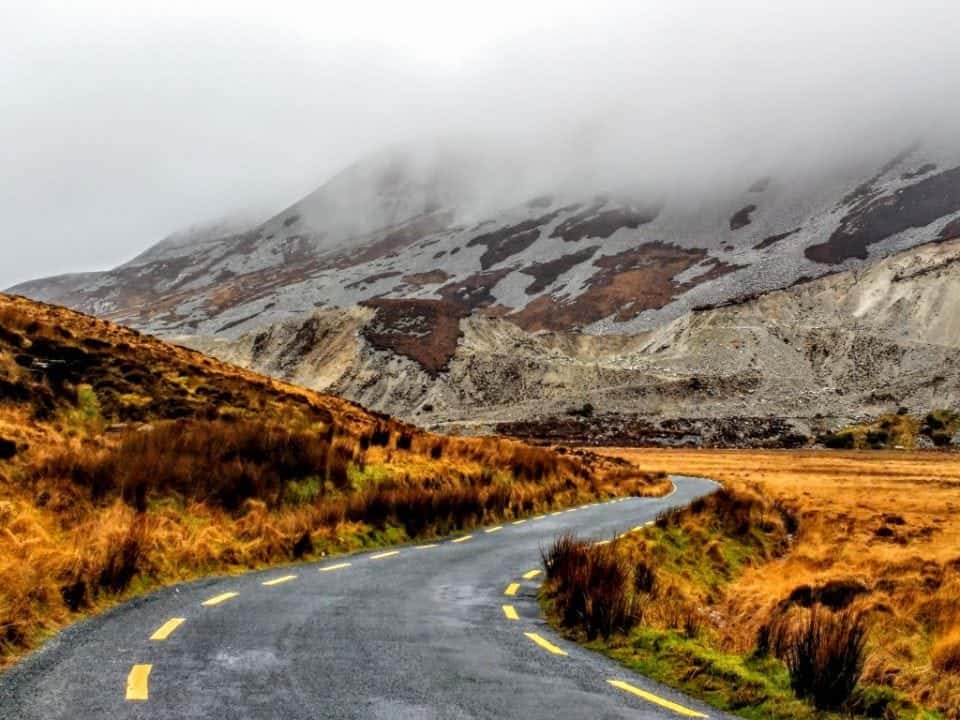
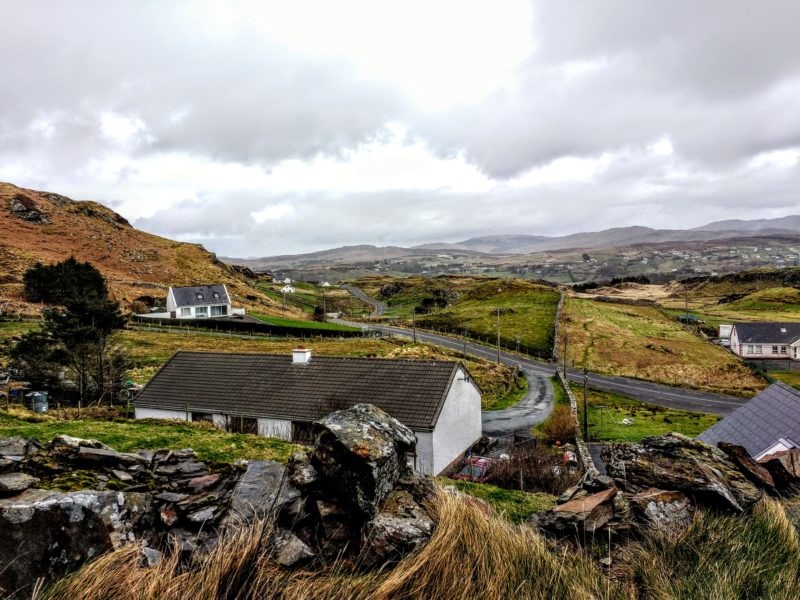
Roads are generally good but often narrow and winding. Average driving speeds are slower than map apps suggest, especially when you factor in photo stops, sheep in the road, and changing weather.
Geography is the core issue: you can see Donegal without a car but not easily, and not comprehensively. If you are deciding between Ireland’s wild northwest and its famous southwest, our Donegal vs Kerry guide compares scenery, road trips, beaches and overall atmosphere


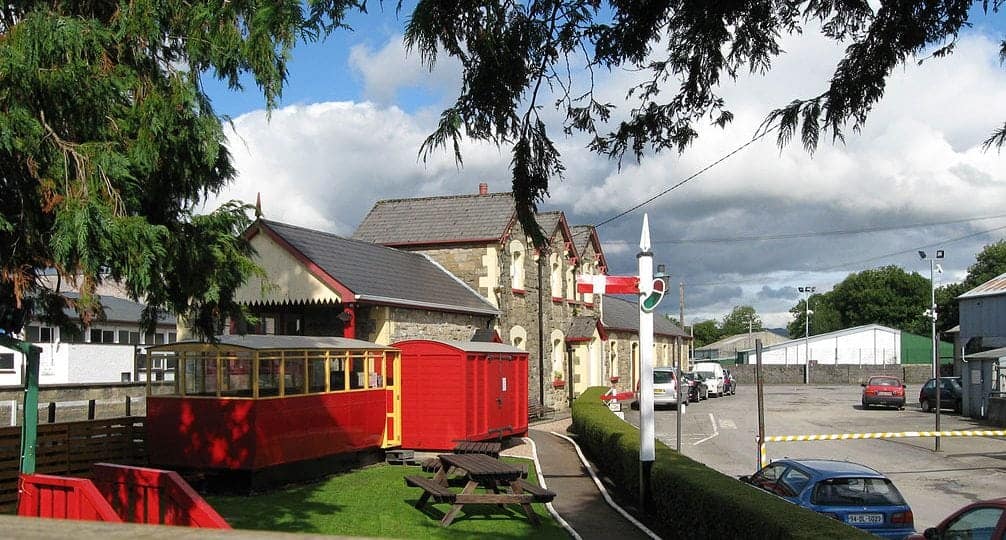
Who Does Not Need a Car
You may not need a car if:
You stay in Letterkenny, Donegal Town, or Buncrana or arrive on a cruise and land in Killybegs.
Your focus is cafés, museums, short walks, and town life
You’re happy structuring your days around bus timetables
You plan to use guided tours for headline sights
You’re travelling in summer when services are more frequent
Public transport can be relaxed and low-stress. You avoid parking, narrow roads, and left-side driving.
For solo travellers or those wary of driving in rural Ireland, this can be an excellent option.


Who Probably Does Need a Car
Consider renting a car if:
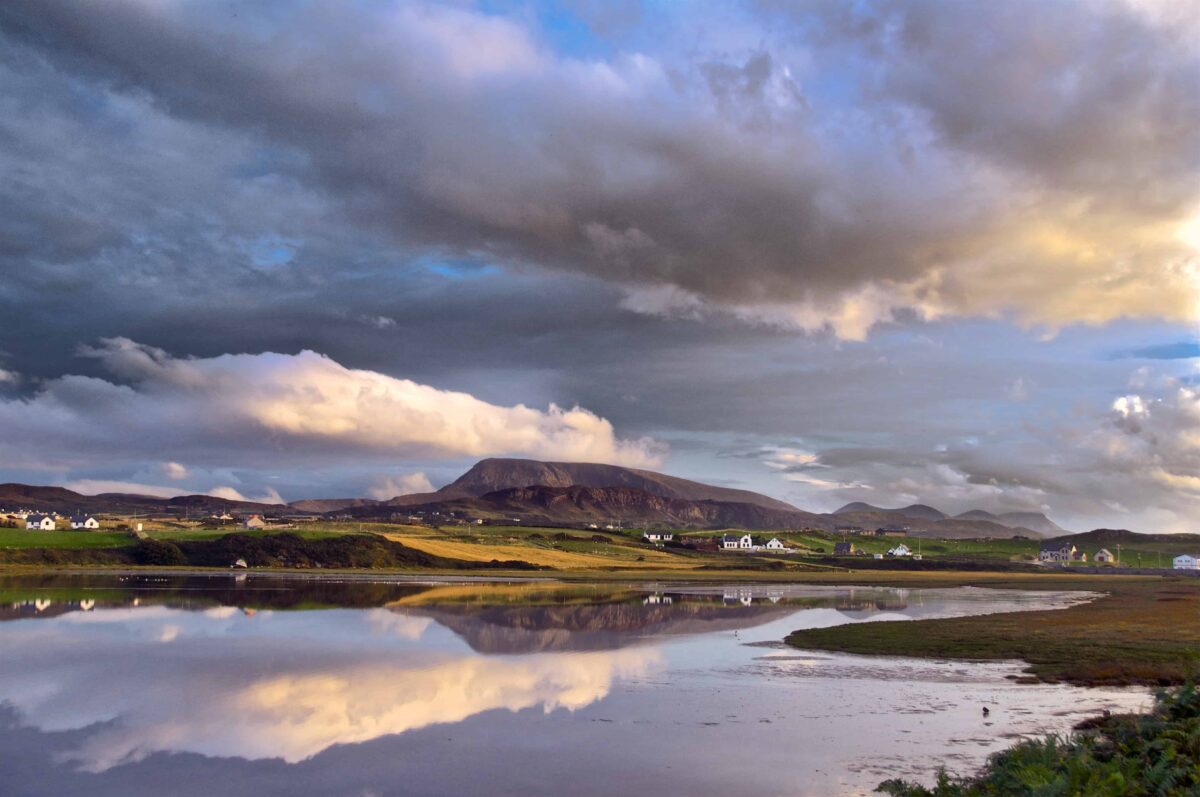
You want to combine remote stops in one day (e.g., Slieve League, Silver Strand, Glencolmcille). If you’re deciding between Ireland’s top cliffs, see our guide to Slieve League vs Cliffs of Moher, and find out is Slieve League dangerous before you go.
You’re visiting in winter or shoulder season
You prefer spontaneous detours and scenic lay-bys
You’re travelling with children or a group
You have accessibility needs requiring direct routes
Donegal rewards flexibility. If your style is “let’s see what’s down that road,” a car makes the experience far easier.


Car vs No Car: Pros and Cons
With a Car
Pros
Full freedom and flexibility
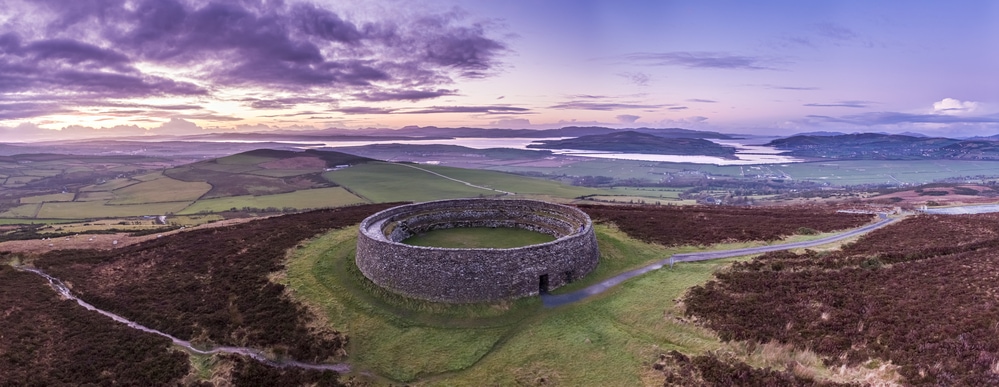
Access to remote beaches and headlands
Efficient for multi-stop days
Cons
Rental and fuel costs (automatics are pricier)
Narrow rural roads
Peak-season parking pressure

Without a Car
Pros
Lower cost
Less stress
More sustainable
Cons
Limited reach
Dependent on timetables
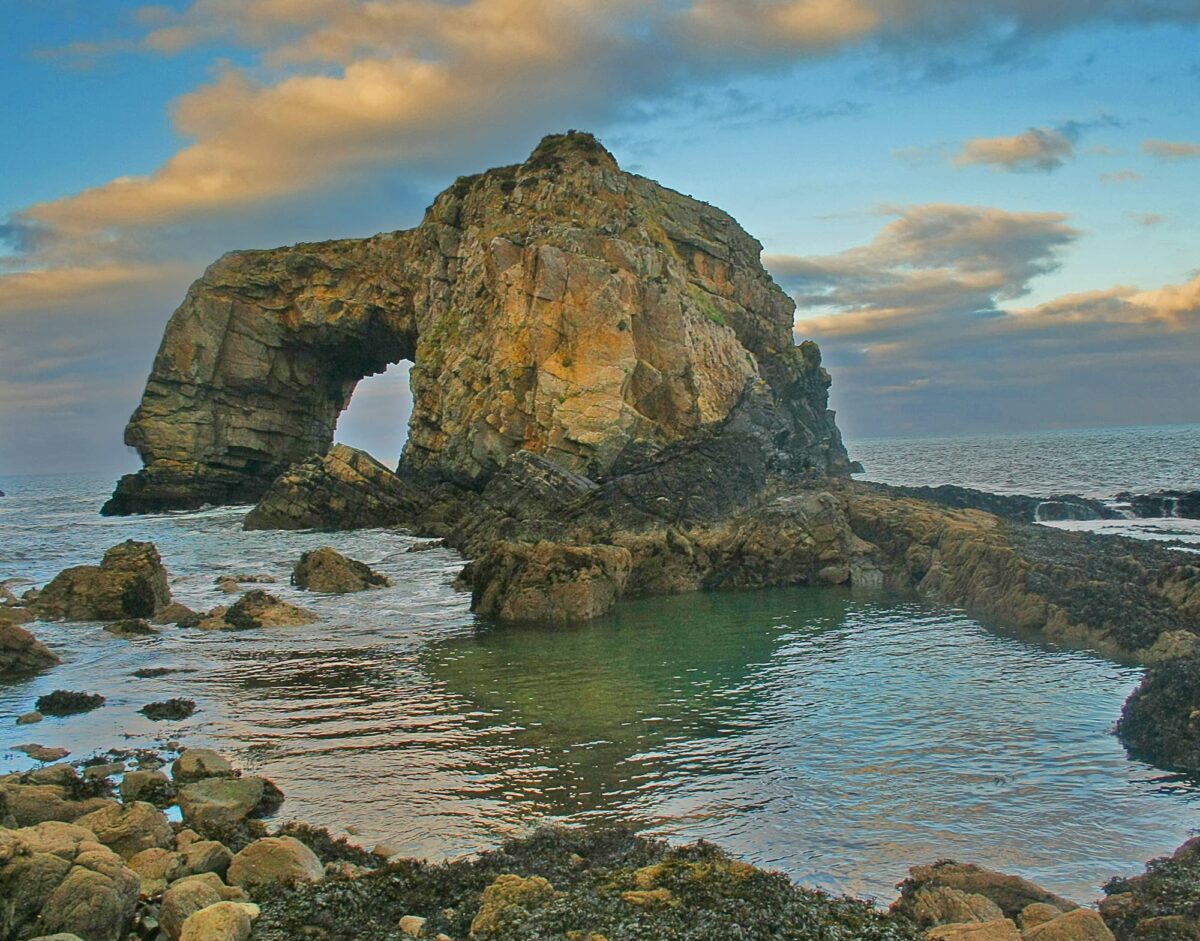
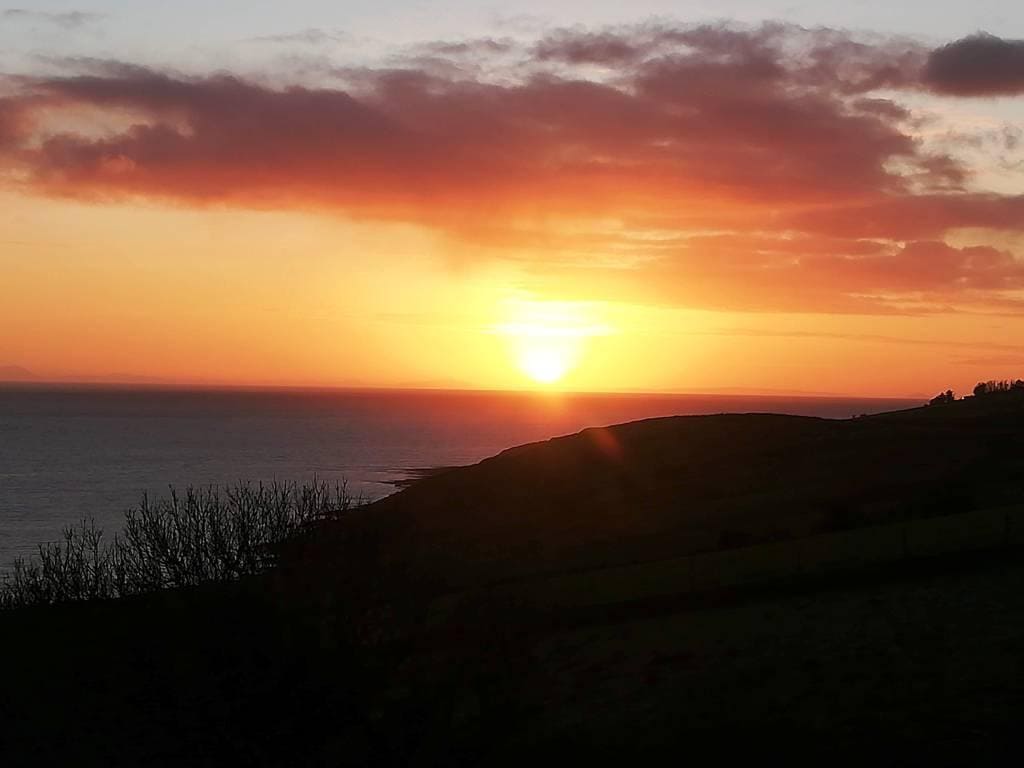
Harder to reach sunrise/sunset viewpoints or visit northern lights sites.

Practical Transport Options Without a Car
- Regional buses connect major towns but not remote sites
- Local Link services serve rural routes with limited frequency
- Taxis work for short trips but add up quickly
- Guided tours operate seasonally to key attractions
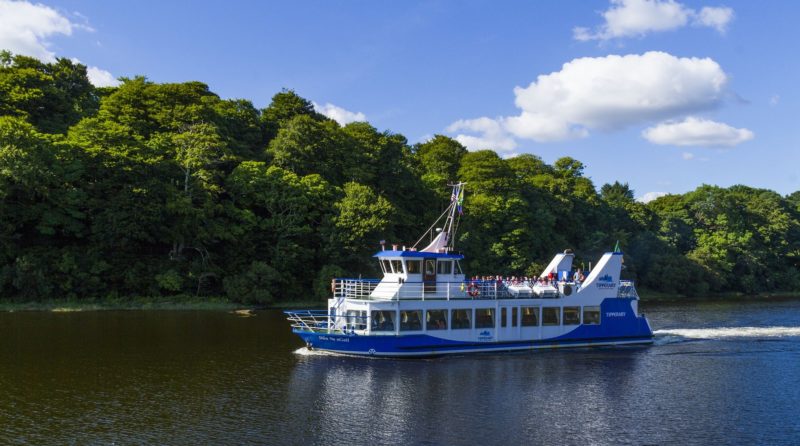
- Ferries run to islands like Arranmore and Tory, but require transport coordination to reach the pier
If you plan carefully and accept limitations, you can manage without driving particularly in summer.
Sample Trip Comparison
Two nights without a car (Letterkenny base):
Day 1: Glenveagh National Park by bus
Day 2: Dunfanaghy beaches and café stops
You’ll see beautiful scenery but need to follow bus times closely.

Three nights with a car (Donegal Town base):
Day 1: Slieve League, Silver Strand, Glencolmcille
Day 2: Ardara beaches and Glengesh Pass
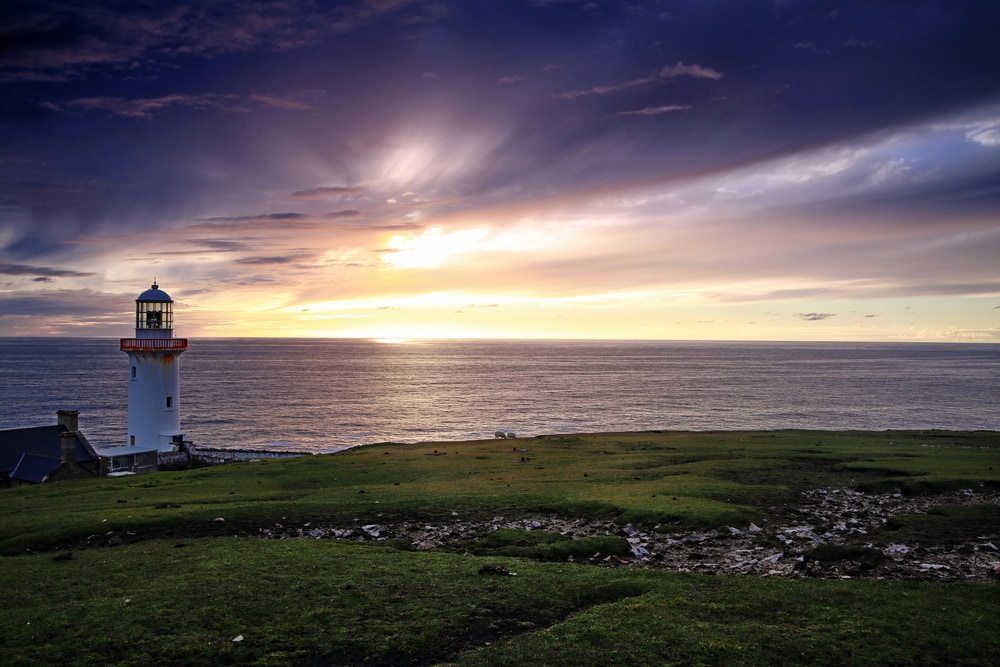
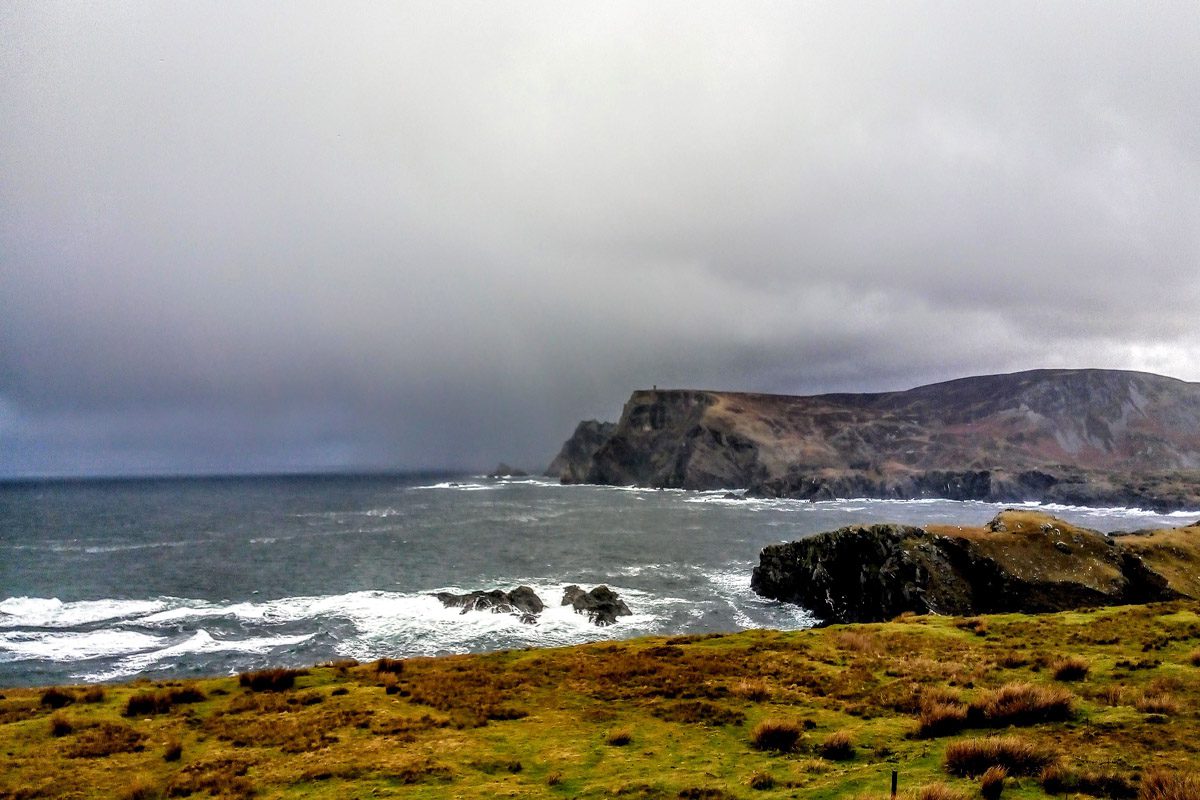
Day 3: Fanad Lighthouse and Ballymastocker Bay
The car version allows multiple remote highlights in one day.
If that flexibility excites you, rent the car.
Cost & Planning Realities
Automatics are limited — book early
Insurance excess can be high — check details
Fuel costs add up on longer coastal loops
Popular car parks fill in peak season
Off-season means fewer buses and shorter daylight
Plan conservatively in winter. Summer allows longer loops, but fatigue is real on winding roads.

Accessibility Considerations
With a car:
Minimise walking distances
Choose accessible car parks
Keep mobility aids easily accessible
Without a car:
Base in well-served towns
Focus on accessible hubs like Glenveagh’s visitor area
Consider guided tours that accommodate mobility needs
Accessibility varies widely by site.
Common Misconceptions
“You can see everything by bus.” Not efficiently.
“Distances are short.” Driving times are longer than they appear.
“Taxis are cheaper than rentals.” Often not for multi-stop days.
“Winter is just quieter.” It’s also darker, wetter, and less serviced.


Bottom Line
Donegal rewards both types of traveller. If you want remote beaches, peninsulas, sunrise viewpoints, and flexibility — rent a car.
If you prefer anchored days, a relaxed pace, and staying within one area you can manage without one, especially in summer.Without a car, your world narrows and deepens. With a car, it widens and quickens. Choose the tempo that suits your trip.
Slán go fóill… until next time, may the tides lead you back
Explore More Donegal Guides
If you’re planning a trip around the county, you might also enjoy these guides:
Best time to visit Donegal – A guide to our 4 seasons in one day when visiting
Things to Do in Donegal – The county’s most spectacular landscapes and attractions
Donegal Travel Guide – Tips for exploring Ireland’s wild northwest
Is Donegal worth visiting? Yes. It is wild, spacious, deeply local and unforgettable if you approach it the right way
Donegal Hidden Gems – Discover the places that only locals know
For travelers planning a slower-paced trip through the northwest, my Accessible Donegal guide covers wheelchair-friendly viewpoints, scenic drives, beaches, parking, transport, and realistic tips for visiting Donegal with limited mobility.
Start Planning Your Trip
👉 Public Transportation in Ireland
👉 Hidden Gems in Ireland – 32 Secret places to visit
👉 Answering all your travel questions about Ireland