
Irish Culture and Folklore Across Ireland
Ireland’s culture is shaped as much by story and landscape as by history itself. Folklore still lingers in ruined ring forts, lonely mountain roads, Atlantic islands, holy wells, and isolated coastal villages where old traditions survived long after they disappeared elsewhere in Europe.

Across Ireland, mythology was never completely separated from everyday life. Fairy trees still stand untouched in fields. Stories of banshees, wandering spirits, sea creatures, and ancient warriors remain woven into local identity. Seasonal traditions rooted in Celtic Ireland continue beneath modern celebrations, while music, storytelling, humour, and memory remain central to Irish culture today.
From childhood I was fascinated by Irish folklore and mythology. I spent years reading every book on Irish fairies, legends, ghosts, and ancient myths that I could find, drawn to the strange mixture of beauty, danger, spirituality, and landscape within the stories. That fascination continued into university where I studied ancient texts and mythology through a feminist perspective, exploring how women, goddesses, witches, queens, and supernatural female figures were represented within Irish and Celtic traditions. That early interest shaped the way I still travel through Ireland today, always searching for the quieter stories, forgotten places, and older layers of meaning that continue to survive beneath modern life.
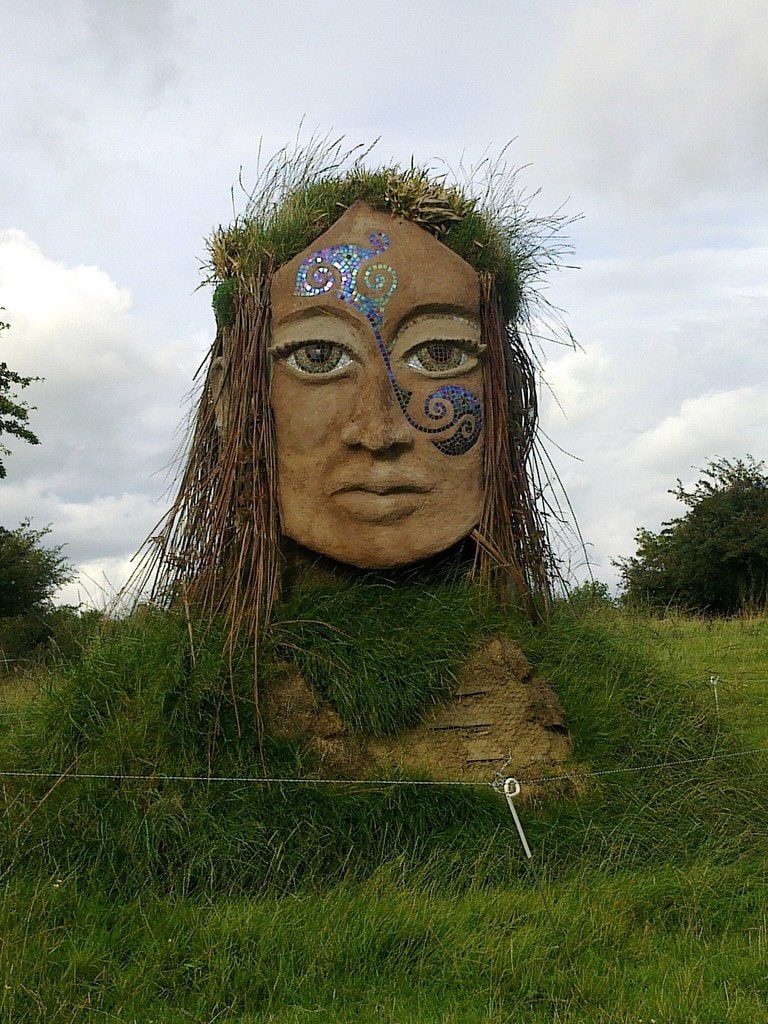
Born in County Derry and having travelled extensively throughout Donegal, Kerry, Mayo, Galway, Cork, Waterford, Wicklow, Sligo, and Northern Ireland, I have spent years exploring the quieter Ireland that exists beyond tourism clichés. Some of the strongest experiences of Irish folklore happen far from major attractions. They happen on Atlantic roads during storms, beside abandoned famine cottages, near ancient standing stones, or in conversations with locals whose stories still feel tied to the land itself.
This guide explores Irish folklore, mythology, traditions, music, sacred sites, haunted places, and regional culture across Ireland while linking to deeper guides throughout the site.
- Irish Culture and Folklore Across Ireland
- Understanding Irish Folklore and Mythology
- Fairy Folklore and the Irish Otherworld
- Sacred Landscapes and Ancient Ireland
- Haunted Ireland and Dark Folklore
- Storytelling, Music and Irish Traditions
- Irish Folklore by Region
- Northern Ireland Legends and Mythology
- Exploring Irish Culture Beyond Tourism
- Explore More Irish Culture and Folklore
- FAQs About Irish Culture and Folklore
- Exploring the fascinating regions of Ireland
Understanding Irish Folklore and Mythology
Irish folklore combines mythology, oral storytelling, superstitions, seasonal customs, ghost stories, music, and local traditions passed between generations. Unlike mythology in many countries, Irish stories remained closely connected to real landscapes and communities.

Mountains, lakes, caves, islands, cliffs, forests, and ancient ruins all accumulated stories explaining the world around them. A lonely hill might become associated with fairy lore. A lake could be linked to a saint or supernatural encounter. A ruined fort might be viewed as an entrance to the Otherworld.
Irish mythology itself developed through several legendary cycles preserved by medieval monks who recorded older oral traditions. The stories of the Tuatha Dé Danann, Cú Chulainn, Fionn mac Cumhaill, and the Fianna still shape Ireland’s cultural identity and many of its landscapes.
Christianity later blended with older pagan beliefs rather than replacing them entirely. Holy wells, pilgrimage routes, seasonal festivals, and sacred landscapes often carried traces of much older traditions beneath Christian influence.

Fairy Folklore and the Irish Otherworld
One of the most enduring parts of Irish folklore is belief in the fairy world and the supernatural beings known as the Aos Sí.
In Ireland, fairies were never harmless creatures from children’s stories. They were powerful beings associated with ancient burial mounds, ring forts, isolated hillsides, and lonely landscapes. People believed the fairy world existed alongside the human world, separated only by thin boundaries that could weaken during certain seasons or in particular places.
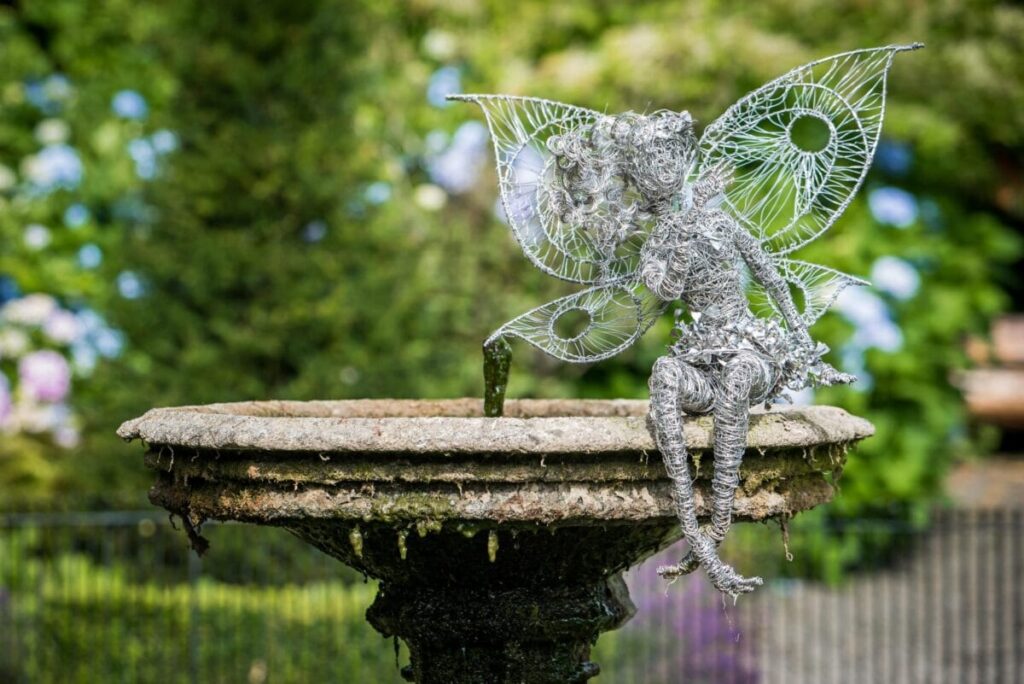
Even today many people avoid disturbing fairy trees, especially lone hawthorn trees standing by themselves in fields or beside roads. Stories of roads being rerouted to avoid cutting down fairy trees still circulate throughout rural Ireland.
Fairy forts remain scattered across counties Clare, Kerry, Galway, Mayo, and Donegal. These ancient earthworks became associated with entrances to the Otherworld and supernatural activity.
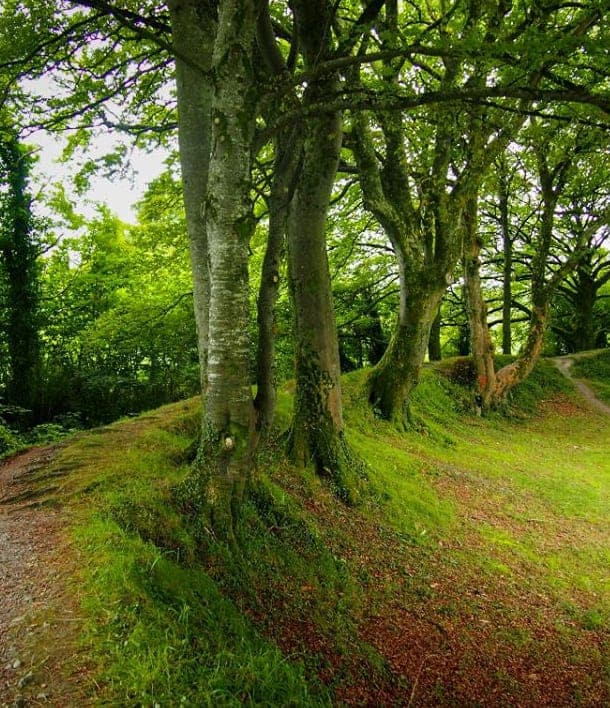
Irish fairy folklore also included changelings, fairy paths, strange music heard at night, and warnings against interfering with sacred places. In some communities old beliefs survived quietly alongside Catholic traditions well into modern Ireland.
Explore more:
Irish Fairies and Fairy Forts
Ancient Irish Ring Forts
Irish Legends and Dark Creatures
Sacred Landscapes and Ancient Ireland
Ireland’s landscapes shaped its folklore more deeply than almost anywhere else in Europe. Sacred mountains, prehistoric tombs, islands, caves, standing stones, and holy wells became connected to mythology, pilgrimage, ritual, and memory long before written history.
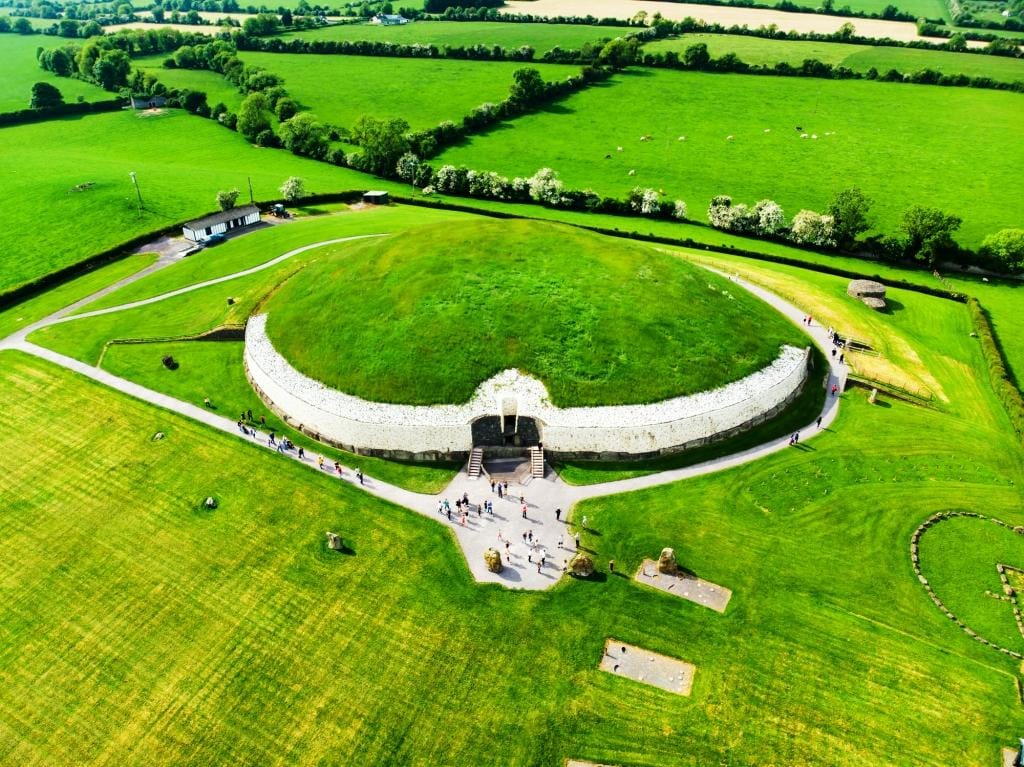
The Hill of Tara in County Meath was once the ceremonial seat of the High Kings of Ireland and remains deeply connected to mythology and sacred kingship. Newgrange continues attracting visitors fascinated by its solstice alignment and ancient atmosphere.
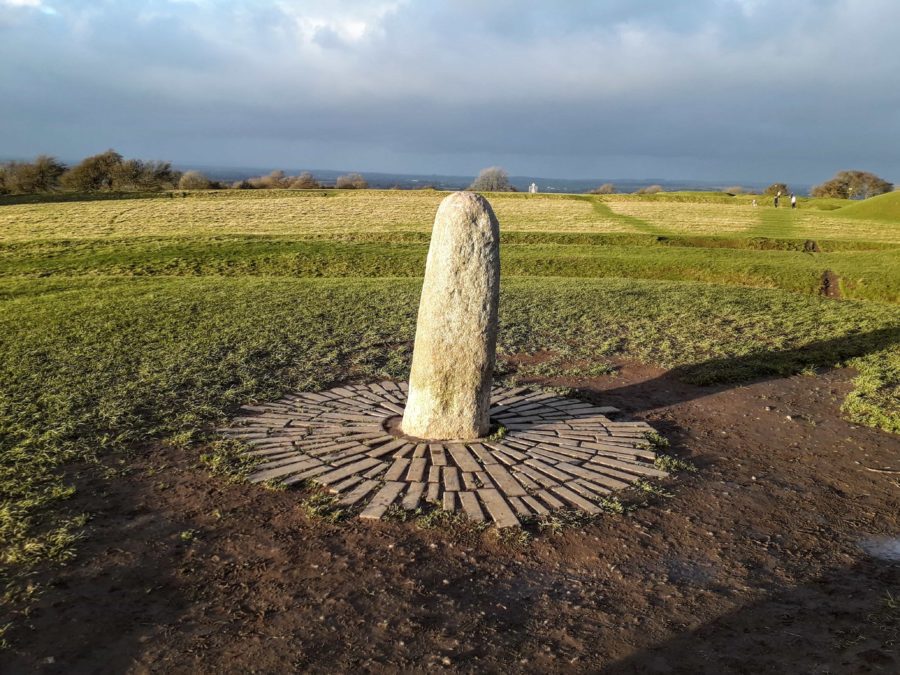
Croagh Patrick in Mayo combines ancient pilgrimage traditions with Christianity, while Skellig Michael off the Kerry coast still feels suspended between monastic history and mythology.
Ancient sites such as Newgrange reveal how deeply spirituality, astronomy, mythology, and landscape were intertwined in prehistoric Ireland, with the 5,000 year old passage tomb still aligning perfectly with the winter solstice sunrise each December.
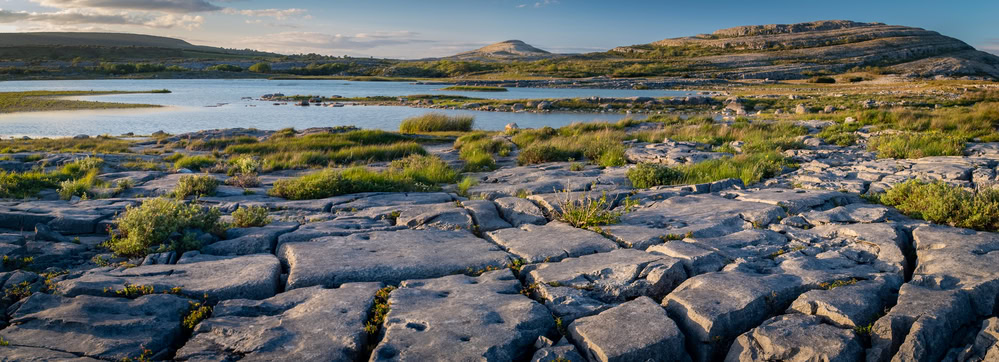
The Burren in Clare contains prehistoric tombs, strange limestone landscapes, and strong fairy folklore traditions. Across Ireland holy wells continue attracting visitors seeking healing, blessings, and spiritual connection.
The Rock of Cashel in Tipperary carries a similar layering of history once the ceremonial seat of the Kings of Munster, later transformed into a Christian site linked to legends of St. Patrick himself.
What makes these places remarkable is that they rarely feel disconnected from the modern world. Ancient beliefs still linger quietly in the landscape itself.
Explore more:
Ley Lines in Ireland
Famous Irish Saints
Irish Celtic Crosses
Ancient Celtic Holidays
Haunted Ireland and Dark Folklore
Irish folklore is not only about heroes and fairies. Ghost stories, haunted ruins, and supernatural traditions remain deeply embedded in Irish culture.
Many stories emerged from historical trauma including famine, emigration, colonial violence, shipwrecks, and isolation. Along the Atlantic coast tales of phantom ships, drownings, wandering spirits, and mysterious disappearances became part of local identity.
Leap Castle in Offaly is often described as Ireland’s most haunted castle, while the Hellfire Club near Dublin became associated with occult stories and supernatural folklore.

In Donegal, Mayo, Connemara, and parts of Northern Ireland, isolated landscapes naturally encouraged stories involving spirits and the supernatural. Irish ghost folklore often feels melancholic rather than sensational. The stories reflect loneliness, memory, exile, and grief more than horror.
Explore more:
Most Haunted Places in Ireland
Haunted Castles in Ireland
Most Haunted Places in Northern Ireland
Irish Witches and Butter Witches
Storytelling, Music and Irish Traditions
For centuries Ireland preserved its history and identity through storytelling traditions. Before widespread literacy, travelling storytellers known as seanchaí passed folklore, local history, humour, genealogy, and legends between generations.
Storytelling became especially important during long winters in rural Ireland where families gathered around fires sharing stories shaped by memory, superstition, humour, and hardship. For generations, traditional Irish storytellers known as seanchaí preserved local history, folklore, myths, and family stories through oral storytelling, keeping Ireland’s culture and memory alive long before many of the tales were ever written down.

Traditional Irish music also preserved cultural memory through songs involving emigration, rebellion, famine, mythology, and local tragedy. In many smaller towns music sessions remain part of ordinary life rather than performances created for tourists.
Irish traditions still survive strongly through festivals, music, seasonal customs, and community gatherings. Halloween itself developed from the ancient Celtic festival of Samhain, when the boundary between worlds was believed to weaken.
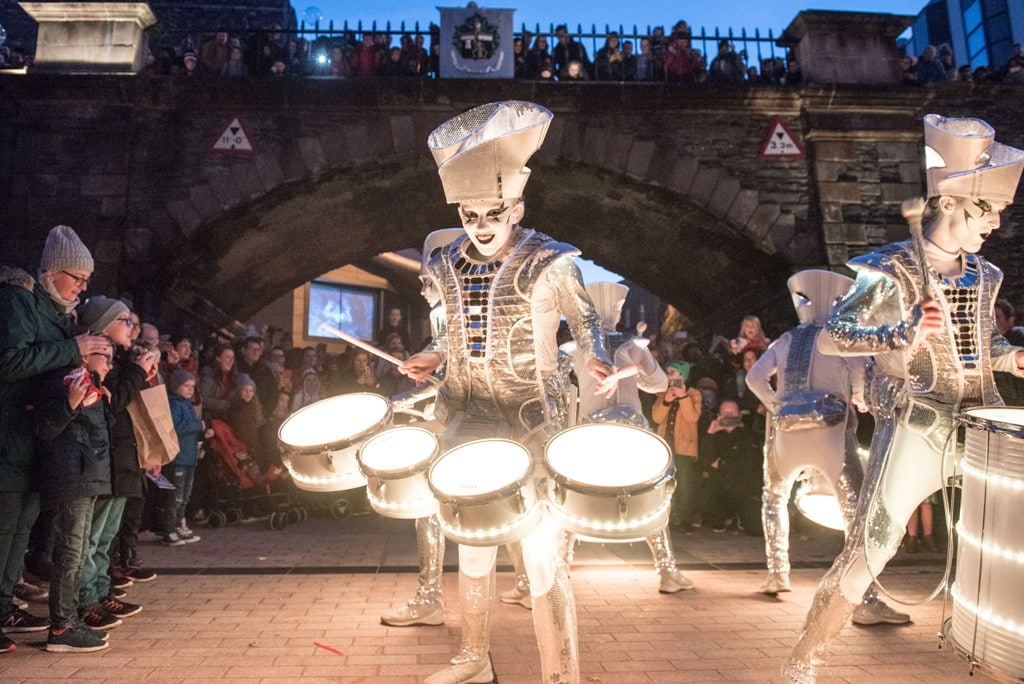
Christmas traditions in Ireland often combine Christianity with older customs involving candlelight, hospitality, storytelling, and winter ritual. Little Christmas, or Nollaig na mBan, remains important in parts of Ireland where women traditionally gathered together after the festive season.
Explore more:
Halloween in Ireland and Samhain
Irish Traditions and Customs
Irish Music Festivals
Little Christmas in Ireland
Ancient Celtic Holidays
Irish Folklore by Region
Donegal and Atlantic Folklore
Donegal contains some of the strongest surviving folklore traditions in Ireland. Isolation, Irish speaking communities, mountains, cliffs, and Atlantic weather helped preserve storytelling culture long after it faded elsewhere.
Tory Island remains connected to Balor of the Evil Eye from Irish mythology, while Glencolmcille preserves pilgrimage traditions, holy wells, and folklore tied to both Christianity and older beliefs.

Donegal’s landscapes often feel inseparable from story. Mist moving across mountains, abandoned famine villages, isolated roads, and ruined cottages all contribute to an atmosphere where mythology still feels believable.
If you’re curious about the Irish language, my guide to the Donegal Gaeltacht explains what it is, where it is, and where to learn Irish if you’re coming from abroad.
Sligo and the Land of Yeats
County Sligo holds one of Ireland’s richest concentrations of mythology and literary folklore. Benbulben dominates the landscape while Knocknarea remains associated with Queen Maeve and ancient burial traditions.
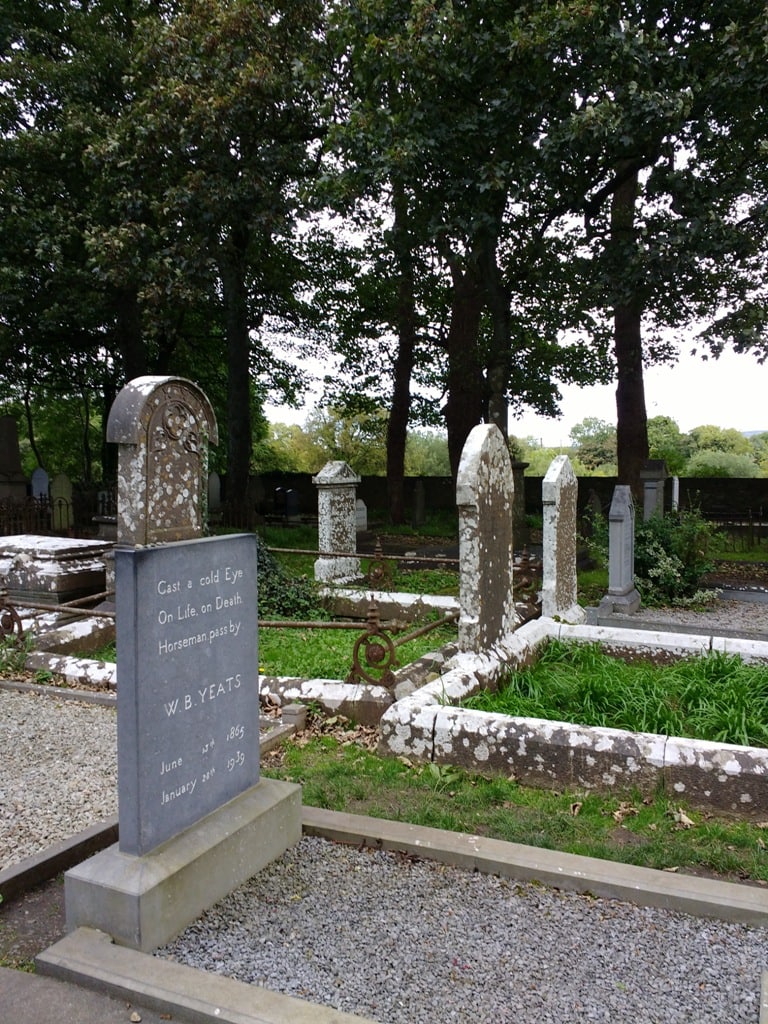
The county is deeply connected to W.B. Yeats, whose writing drew heavily from Irish mythology, fairy lore, and mysticism.
Kerry and the Supernatural Atlantic Coast
County Kerry’s folklore traditions were shaped by monastic history, Atlantic isolation, mountains, and coastal mythology. The Skellig Islands still feel suspended between pilgrimage and legend.
Heavy mist, storms, changing light, and dramatic coastlines naturally encouraged stories involving spirits, supernatural encounters, and ancient forces tied to the landscape itself.

Northern Ireland Legends and Mythology
Northern Ireland contains some of Ireland’s most famous folklore landscapes. The Giant’s Causeway remains forever linked to the legend of Fionn mac Cumhaill and the giant Finn McCool.
The Dark Hedges developed their own ghost stories and supernatural reputation, while counties Antrim, Derry, Down, and Tyrone preserve strong traditions linked to fairy lore, haunted castles, and Ulster mythology.

Exploring Irish Culture Beyond Tourism
Many visitors arrive in Ireland expecting castles, green scenery, and traditional music. What often stays with them most strongly is the atmosphere created by story, landscape, weather, and memory together.
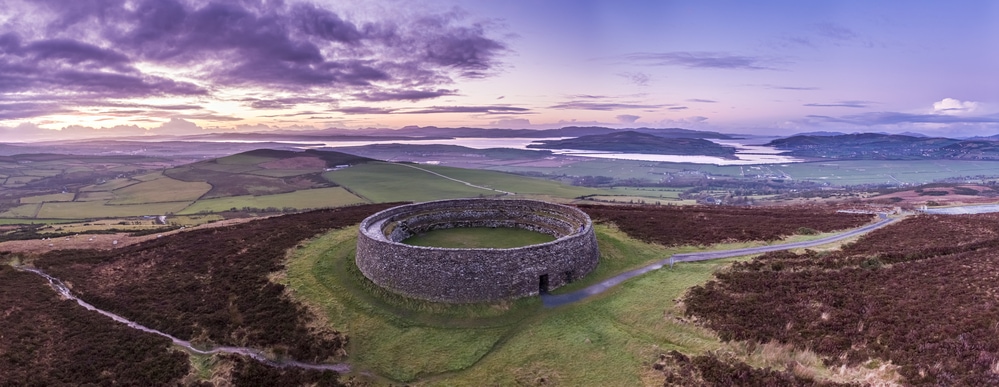
A ruined ring fort feels different once you hear local fairy stories connected to it. A lonely Atlantic road becomes more haunting after hearing legends tied to spirits or shipwrecks. A mountain feels older and stranger once linked to mythology or pilgrimage tradition. Stumbling across a Stone Circle or an Ogham Stone brings you face to face with Irish culture.

Irish slang is also an important part of Irish culture, reflecting the country’s humour, storytelling traditions, regional identity, and gift for conversation, where everyday language often carries history, wit, and a strong sense of community.
The strongest cultural experiences in Ireland often happen outside major tourist attractions. They happen in quiet places where folklore still feels attached to the land itself.
Explore More Irish Culture and Folklore
Explore deeper guides throughout Ireland covering mythology, sacred landscapes, haunted places, storytelling traditions, Celtic festivals, folklore creatures, saints, music, literature, and regional culture.
Featured guides include:
Irish Legends and Folklore
Irish Fairies and Fairy Forts
Irish Witches and Butter Witches
Ancient Irish Ring Forts
Ley Lines in Ireland
Haunted Castles in Ireland
Most Haunted Places in Ireland
Famous Irish Saints
Irish Celtic Crosses
Halloween in Ireland and Samhain
Ancient Celtic Holidays
Irish Traditions and Customs
Irish Music Festivals
A Literary Tour of Ireland
W.B. Yeats and Sligo
Celtic symbols meaning has fascinated historians, archaeologists, and cultural researchers for centuries. Found carved into ancient stone monuments, preserved in early Irish manuscripts, and passed down through generations, these symbols are far more than decorative designs.


FAQs About Irish Culture and Folklore
What is the difference between Irish folklore and mythology?
Irish mythology usually refers to ancient legendary cycles and heroic tales, while folklore includes broader traditions such as ghost stories, fairy beliefs, music, storytelling, customs, oral history, and local superstition.

Do Irish people still believe in fairies?
Some people in rural Ireland still take fairy traditions seriously, while many others continue respecting customs connected to fairy forts, sacred trees, and ancient sites.
Where is the best place to experience Irish folklore?
Donegal, Kerry, Sligo, Mayo, Connemara, and parts of Northern Ireland retain some of the strongest folklore traditions connected to landscape and storytelling culture.
Why is Irish folklore so connected to landscape?
Irish stories developed around real mountains, lakes, ruins, islands, forts, and sacred sites. Geography shaped how communities explained spirituality, hardship, memory, and nature across generations.

Irish folklore survives because Ireland itself still feels connected to landscape, memory, storytelling, and community in ways many countries no longer do.
The myths never completely disappeared here. They blended into ruins, music, seasonal traditions, local customs, holy wells, mountains, islands, and ordinary conversations about certain places.
For travellers, exploring Irish culture and folklore is not simply about ancient legends. It is about understanding Ireland beyond tourism stereotypes and discovering how mythology, history, spirituality, weather, migration, and identity remain deeply intertwined across the island.
The Rock of Cashel in Tipperary, Croagh Patrick in Mayo the Skelligs and other sites carry the same layering of pre-Christian power and Christian legend found throughout Ireland see the full Irish Culture and Folklore guide for more sites where that overlap still shows.
Start Planning Your Trip
👉 Public Transportation in Ireland
👉 Hidden Gems in Ireland – 32 Secret places to visit
👉 Answering all your travel questions about Ireland
👉What to pack for your Ireland trip
👉 Northern Ireland Public Transportation
Exploring the fascinating regions of Ireland
Ireland’s The Wild Atlantic Way
Bookmark this Accessible Ireland hub for updates and dive into the detailed guides to build an itinerary that fits your energy, comfort, and interests.