
County Antrim: The Ultimate Guide to the Best Things to Do in Northern Ireland
County Antrim, in the northeastern corner of Northern Ireland, is home to the Giant’s Causeway (a UNESCO World Heritage Site), the Causeway Coastal Route, the Glens of Antrim, Carrick-a-Rede Rope Bridge, Dunluce Castle, and the vibrant city of Belfast. It sits just 12 miles from the coast of Scotland and packs more dramatic scenery into a small area than almost anywhere else in Europe.
- County Antrim: The Ultimate Guide to the Best Things to Do in Northern Ireland
- Why County Antrim Belongs on Every Traveller's Bucket List
- How to Get to County Antrim
- Belfast: The Perfect Base for Exploring County Antrim
- The Causeway Coastal Route: One of the World's Greatest Drives
- The Giant's Causeway: Northern Ireland's Most Famous Natural Wonder
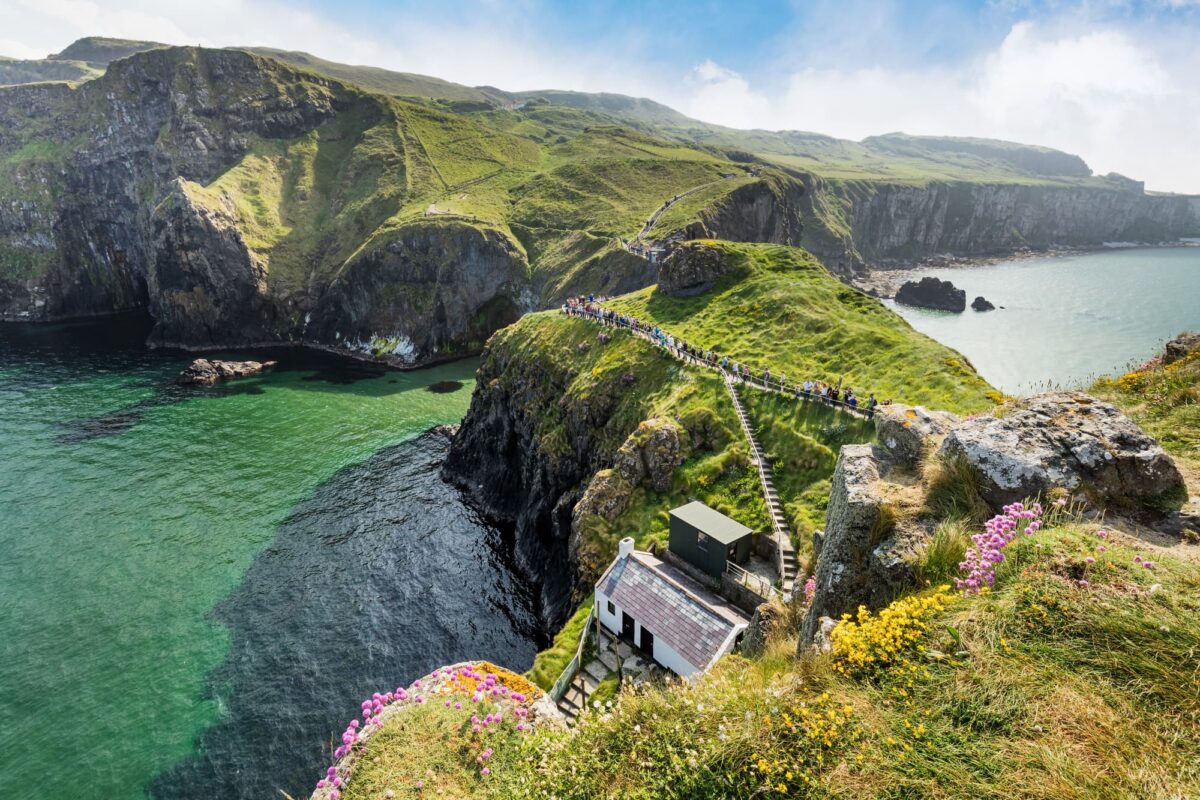
- Carrick-a-Rede Rope Bridge: A Thrilling Coastal Experience
- Dunluce Castle: The Most Dramatic Ruin on the Irish Coast
- The Dark Hedges: A Game of Thrones Icon
- Carrickfergus Castle: A Norman Fortress on Belfast Lough
- Dunseverick Castle: Ancient and Overlooked
- Glenarm Castle: A Walled Garden of Surprising Beauty
- Shane's Castle: Lough Neagh Lakeside Ruins
- Galgorm Castle: Jacobean Architecture and a World-Class Resort
- Antrim Castle Gardens: A Hidden Gem in the Town Centre
- The Nine Glens of Antrim: Valleys Carved by Ice and Time
- The Gobbins Cliff Path: An Engineering Marvel on the Coast
- Rathlin Island: Northern Ireland's Only Inhabited Offshore Island
- Cushendun Caves: Ancient Geology and Game of Thrones
- Ballycastle: Gateway Town to the North Antrim Coast
- Old Bushmills Distillery: The World's Oldest Licensed Whiskey Distillery
- Ballintoy Harbour: A Rugged Beauty and Game of Thrones Location
- Carnlough: A Quiet Harbour Town in the Heart of the Glens
- Portrush: Beaches, Golf, and a Buzzing Seaside Town
- Lough Neagh: The Largest Freshwater Lake in the British Isles
- How to Plan Your Visit to County Antrim: A Step-by-Step Guide
- Where to Stay in County Antrim
- Where to Eat in County Antrim
- Frequently Asked Questions About Visiting County Antrim
- Exploring the fascinating regions of Ireland
Why County Antrim Belongs on Every Traveller’s Bucket List
County Antrim is one of the six counties of Northern Ireland, located within the historic province of Ulster. Twelve miles of open water is all that separates its northern coast from Scotland, and that proximity to another island has shaped everything here, from the geology underfoot to the culture of the people you meet. The county stretches from the roaring waters of the North Atlantic in the north to Belfast Lough in the south, and from Lough Neagh in the west to the dramatic sea cliffs of the east. Rising behind the coastline are the ancient Antrim Mountains, crowned by a sweeping moorland plateau that slopes gently toward the River Bann Valley.


What sets County Antrim apart is the sheer variety packed into a compact space. You can walk across a rope bridge suspended 30 metres above the Atlantic in the morning, tour the world’s oldest licensed whiskey distillery at lunch, and be sitting in a Michelin-recommended restaurant in Belfast by evening. Whether you are a history buff, a golfer, a Game of Thrones obsessive, or simply someone searching for coastline that will take your breath away, Antrim delivers.
I have been taking family, friends, and visitors to the sites of County Antrim for years (it helps I was born here). The first time I stood on the Giant’s Causeway at dawn, in November, with no one else in sight, the basalt columns still damp and the sea thundering below, I understood why people fly across the world to stand in this exact spot. It never gets ordinary. That is the honest truth of County Antrim: repeat visits reveal new layers every single time. This guide is written from that lived experience, with the practical detail you actually need to plan a great trip.

How to Get to County Antrim
Getting to County Antrim is straightforward from most entry points to Ireland and the UK. Belfast International Airport is the most convenient gateway, sitting just 15 minutes by road from Antrim town. George Best Belfast City Airport is closer to the city centre if Belfast is your base.
Driving from Dublin takes roughly two hours via the M1 and A6 motorways on a clear run. From Derry it is about 45 minutes to the Causeway Coast. Train and bus services connect Belfast to Antrim town and run to Coleraine on the north coast, from where the Ulsterbus 172 and the seasonal Causeway Rambler service reach most major coastal attractions. If you want to explore freely, especially the Glens and rural inland areas, hiring a car is strongly recommended.


Belfast: The Perfect Base for Exploring County Antrim
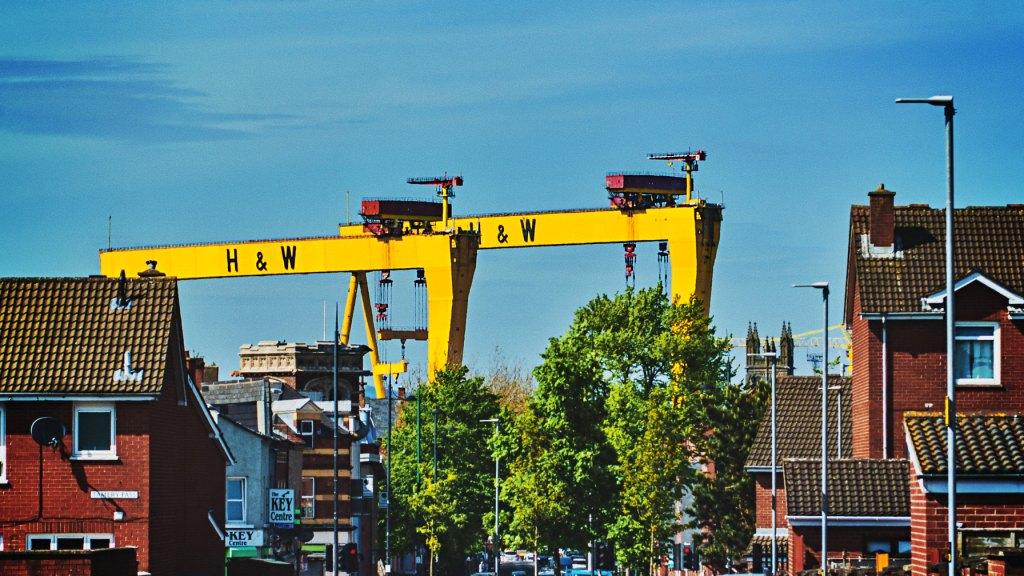
Belfast is the largest city in Northern Ireland and sits on the eastern edge of County Antrim where the River Lagan flows into Belfast Lough. Once the heart of global shipbuilding, it is where the RMS Titanic was constructed in the famous Harland and Wolff shipyard. The city has reinvented itself dramatically since the end of the Troubles and today offers a compelling mix of industrial heritage, contemporary culture, superb food, and a nightlife scene that regularly surprises visitors expecting something quieter.
Famous names from Antrim and Belfast are a remarkable roll call. Actor Liam Neeson was born in Ballymena. Writer C.S. Lewis, footballer George Best, musician Van Morrison, and former Irish President Mary McAleese all came from Belfast. A number of American presidents have roots here too, including Andrew Jackson, Andrew Johnson, and Theodore Roosevelt.

Titanic Belfast
The award-winning Titanic Belfast sits at the heart of the regenerated Titanic Quarter. Nine galleries tell the story of the ship’s construction, its passengers, and the night it sank. It is consistently rated one of the best visitor experiences in Europe. Allow a minimum of two hours. There is ample parking in the Titanic Quarter car park directly beside the building, and the attraction is fully wheelchair accessible.

Belfast Black Cab Tours
One of Belfast’s most distinctive experiences is the Black Cab Tour. Expert local guides, many of whom lived through the Troubles, take visitors through the streets of West Belfast, past the famous Peace Walls, and along the Falls Road and Shankill Road. The murals here tell a complex history in vivid colour, and hearing those stories directly from someone who was there gives the tour an authority no guidebook can match. These tours run daily and depart from central Belfast, making them easy to combine with other city visits.

St. George’s Market, Botanic Gardens, and the Ulster Museum
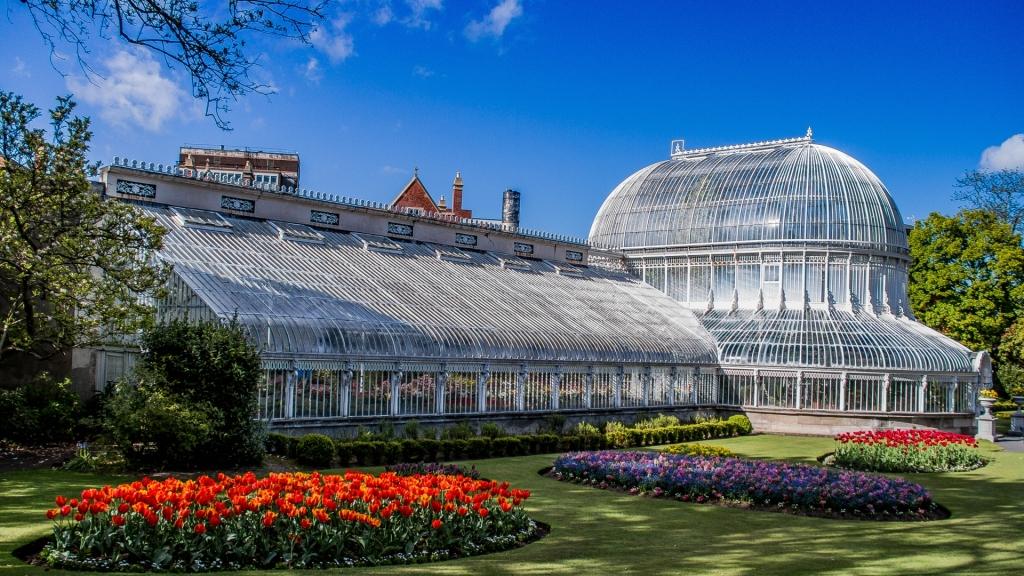
The historic St. George’s Market is the oldest covered market in Ireland, open Friday, Saturday, and Sunday. It is a wonderful place to pick up local food, crafts, and live music. Nearby, the Botanic Gardens and the Ulster Museum offer free entry and provide a rich grounding in the natural and human history of the region.


Crumlin Road Gaol
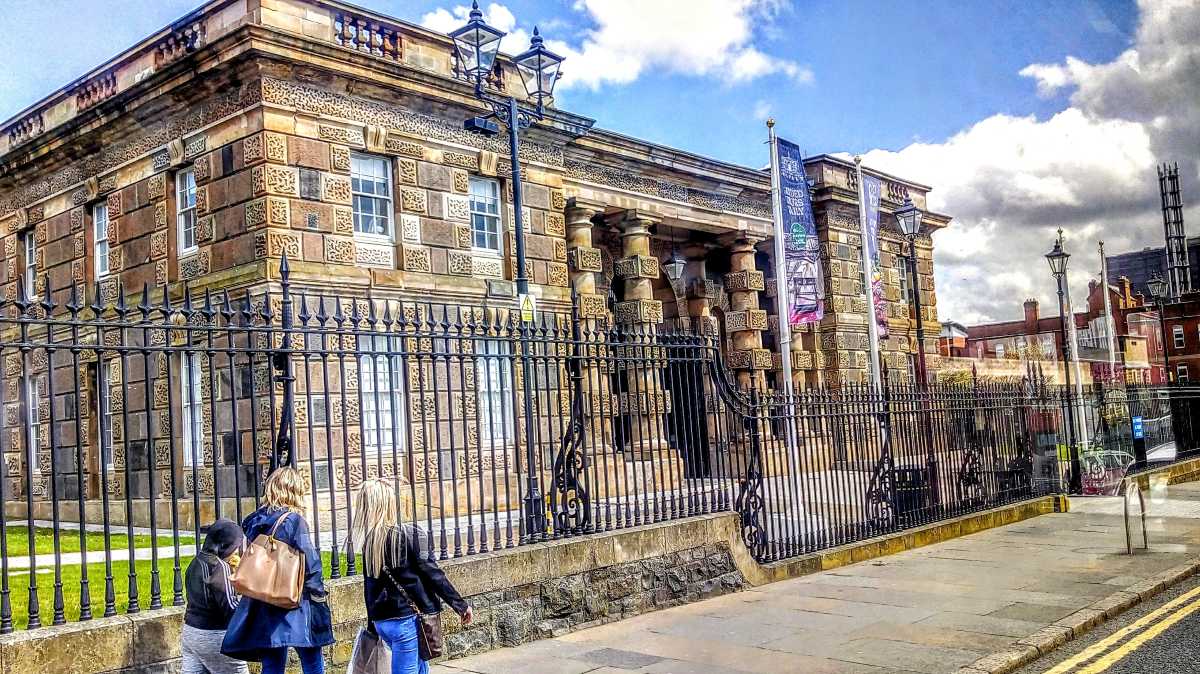
The Crumlin Road Gaol is a Victorian prison that remained in use until 1996. Tours bring its layered history vividly to life and it is one of the most thought-provoking sites in the city.
The Causeway Coastal Route: One of the World’s Greatest Drives
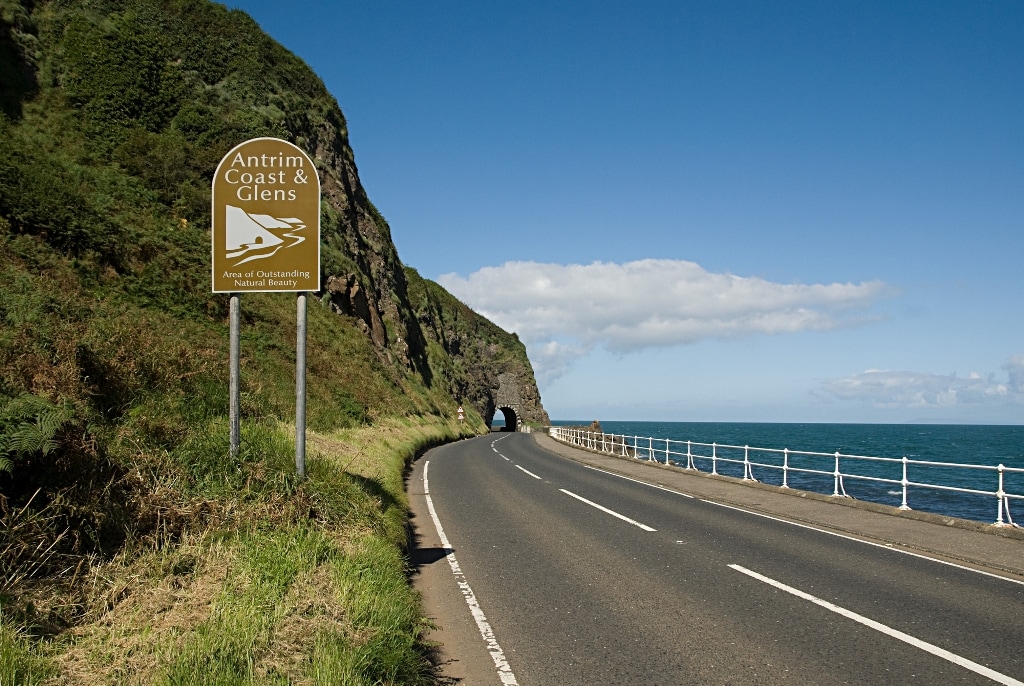
The Causeway Coastal Route runs for 185 kilometres between Belfast and Derry, tracing the northern edge of County Antrim along some of the most dramatic coastline in Europe. Do not make the common mistake of treating it purely as a way to reach the Giant’s Causeway. The route itself is the attraction: dramatic basalt cliffs, sweeping sandy bays, tiny fishing harbours, ruined castles perched on headlands, and charming villages with good food and warm welcomes at regular intervals.
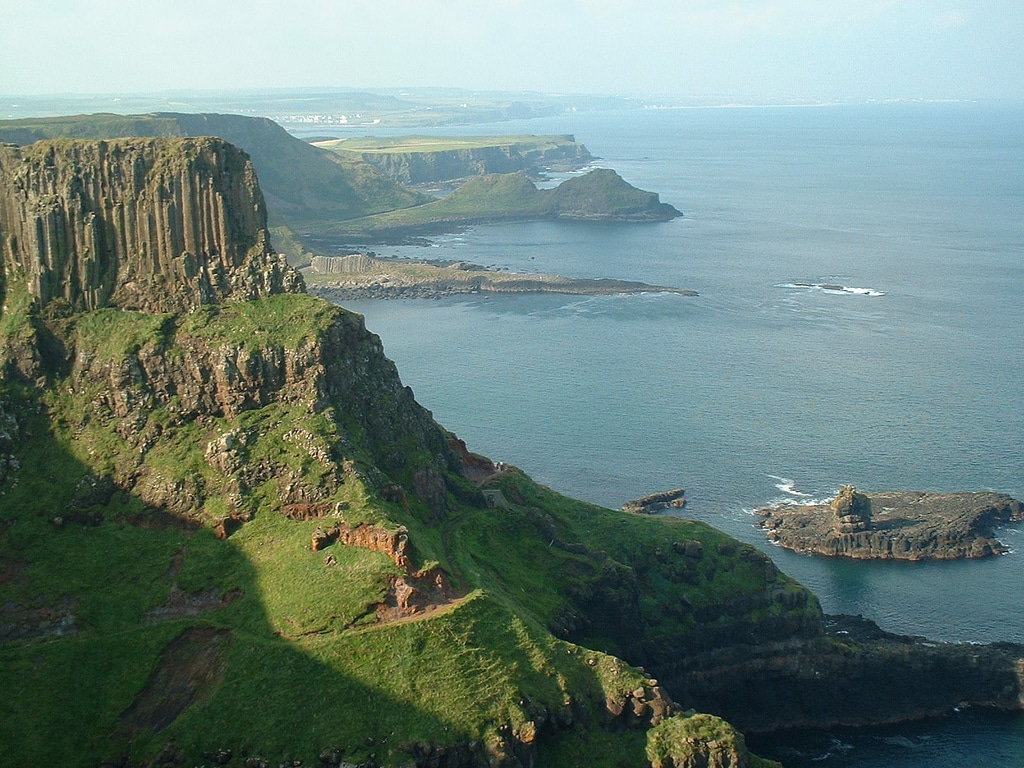
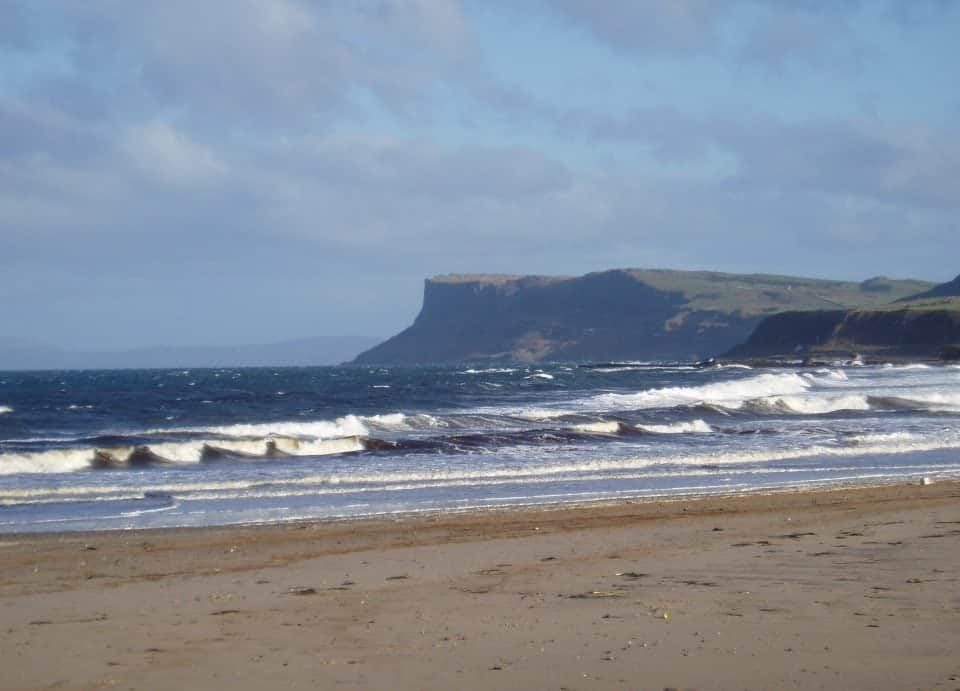
Most travellers allow two to three days to travel the full route at a pace that allows genuine exploration. A single rushed day is possible but leaves you feeling as though you skimmed the surface. If you can only spare one day from Belfast, drive west to Ballycastle, covering the key coastal stops, and return through the Glens of Antrim for a circular route that gives you both coastline and inland landscape.


The Giant’s Causeway: Northern Ireland’s Most Famous Natural Wonder
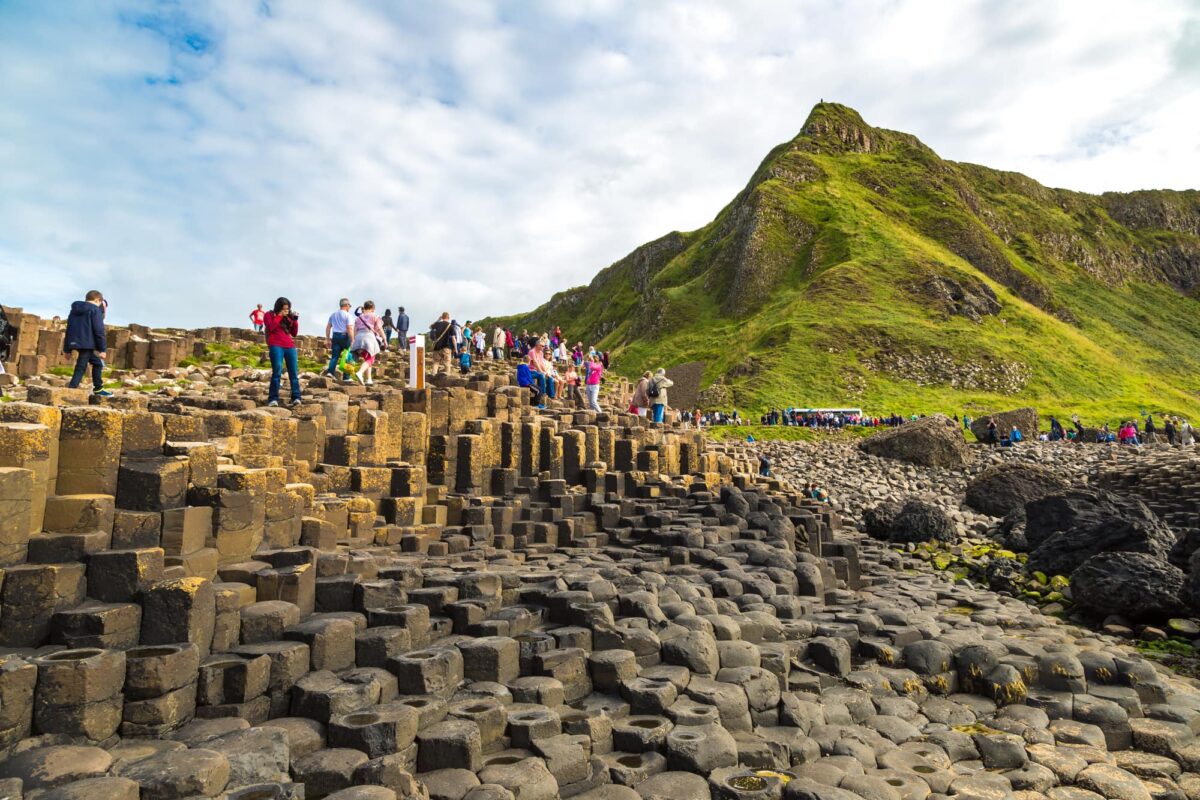
The Giant’s Causeway is Northern Ireland’s only UNESCO World Heritage Site and one of the most remarkable geological formations on earth. Around 40,000 interlocking basalt columns, most perfectly hexagonal, cascade from the cliffs into the sea. They were formed by volcanic activity approximately 60 million years ago, though local legend attributes them to the Irish giant Finn McCool, who built the causeway as a pathway to challenge a Scottish rival across the water.

Standing at the Causeway for the first time produces a genuine sense of wonder that photographs, however good, do not fully convey. The columns are larger than you expect, the colours richer, and the sound of the waves crashing against them adds a dimension no image can capture.

Tickets, Parking, and Practical Information
The Giant’s Causeway is a public right of way and access to the stones is free at any time of day or night. What you pay for is the Visitor Experience, managed by the National Trust, which includes on-site parking, entry to the exhibition in the Visitor Centre, a guided tour with award-winning storytelling guides, and the use of hand-held audio guides available in 11 languages.
Pre-booking is strongly recommended, particularly from May through September. During July and August, cheaper rates are available for visits between 9am and 11am and between 3pm and 5pm. For the most up-to-date prices, check the National Trust booking page directly.
The Giant’s Causeway is free to visit, and you do not need to pay the car park fees at the Visitor Centre to access the stones. Visitor Centre tickets cover parking, exhibitions, guided walks, and the shuttle, useful if you want the amenities. Access to the stones via public paths is free and you can take the shuttle behind the Visitor’s Centre down to the stones for around £1 per person.
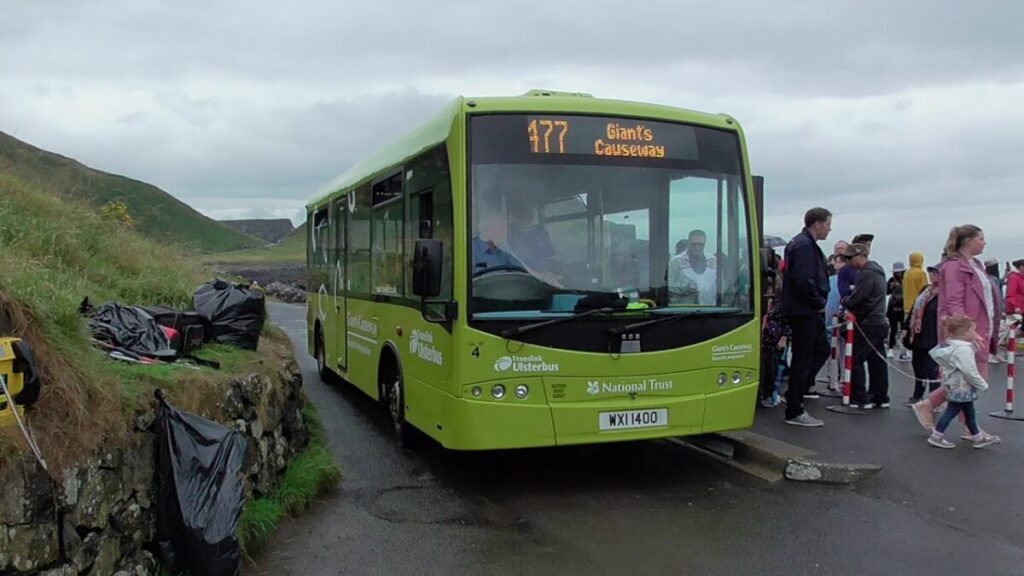
If you prefer to visit without paying for the Visitor Experience, you can park at the Causeway Coast Way Car Park at Innisfree Farm, 60 Causeway Road, at a cost of approximately £10 to £12 per vehicle (payable via the JustPark app), and walk the kilometre down to the stones. The Causeway Hotel car park charges around £10 but offers a voucher redeemable in the hotel restaurant.
Blue Badge parking is available for Visitor Experience ticket holders on a first-come, first-served basis. Wheelchairs and all-terrain mobility scooters are available to borrow from the Visitor Centre at no extra charge. A Changing Places facility is also available. For visitors with limited mobility who cannot walk the kilometre from the Visitor Centre to the stones, a shuttle bus operates at a cost of around £1 per person.
The Visitor Centre is located on the B147 Causeway Road, 2 miles from Bushmills village and 11 miles from Coleraine. Sat Nav: BT57 8SU.

From a practical standpoint, arrive early or late to avoid peak crowds. Winter visits are genuinely magical: fewer visitors, more dramatic waves, and on clear days the quality of light is extraordinary.
Carrick-a-Rede Rope Bridge: A Thrilling Coastal Experience
The Carrick-a-Rede Rope Bridge was first erected by salmon fishermen in 1755. Its Gaelic name, Carraig-a-Rade, means ‘The Rock in the Road’, describing the island as an obstacle for migrating salmon making for their home river. The current wire rope bridge, installed in 2008, spans a 20-metre chasm suspended 30 metres above the Atlantic. Crossing it is genuinely exhilarating, particularly on a breezy day when the bridge sways slightly under your feet.
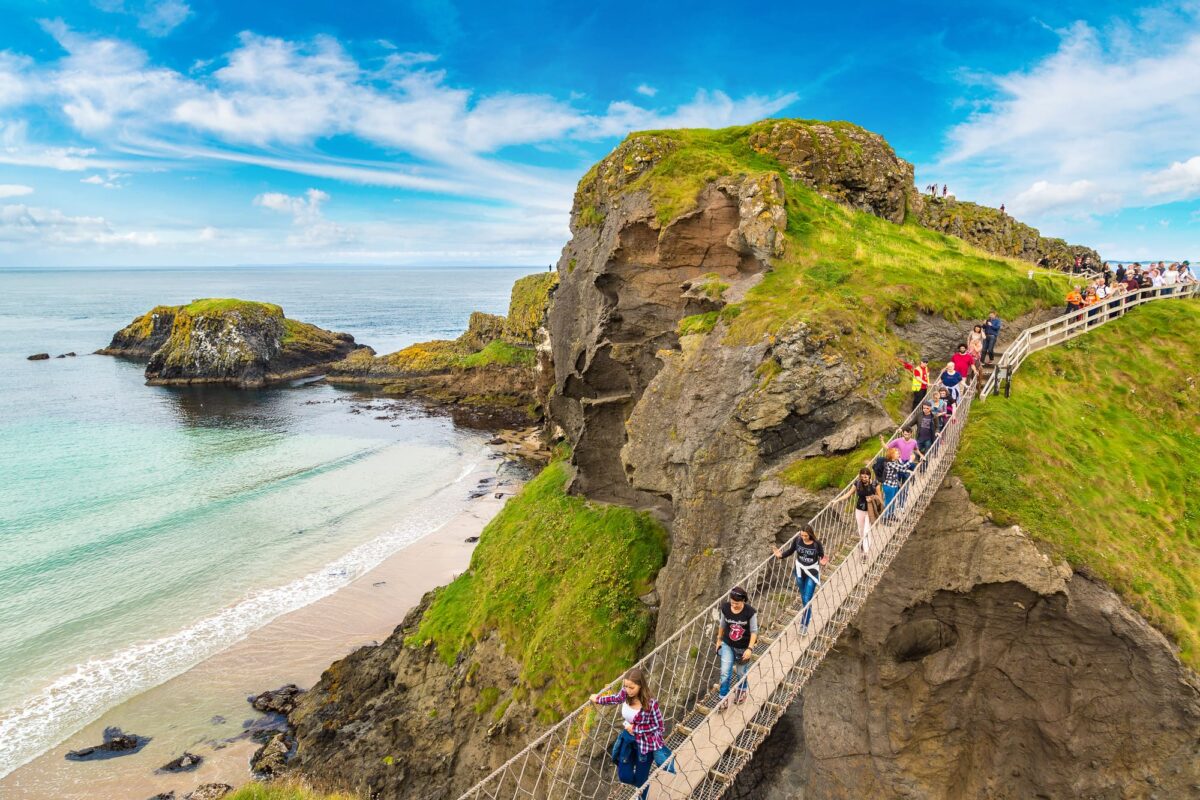
The site is managed by the National Trust. Adult tickets are around £15.50 during peak season and include on-site parking and access to all facilities. Pre-booking is essential, particularly from May through September, as capacity is strictly controlled and the bridge sometimes closes in high winds. National Trust members cross for free but must still book a slot.
The walk from the car park to the bridge is just under a kilometre along a well-maintained coastal path. The first 500 metres are accessible, including an accessible telescope with stunning views. Beyond that point, the path involves steeper slopes and two sets of steps, so the bridge itself is not suitable for wheelchair users or those with significant mobility challenges. A manual wheelchair is available to borrow from the Weighbridge Tearoom for the accessible section. Sensory bags are available to borrow from the booking hut.
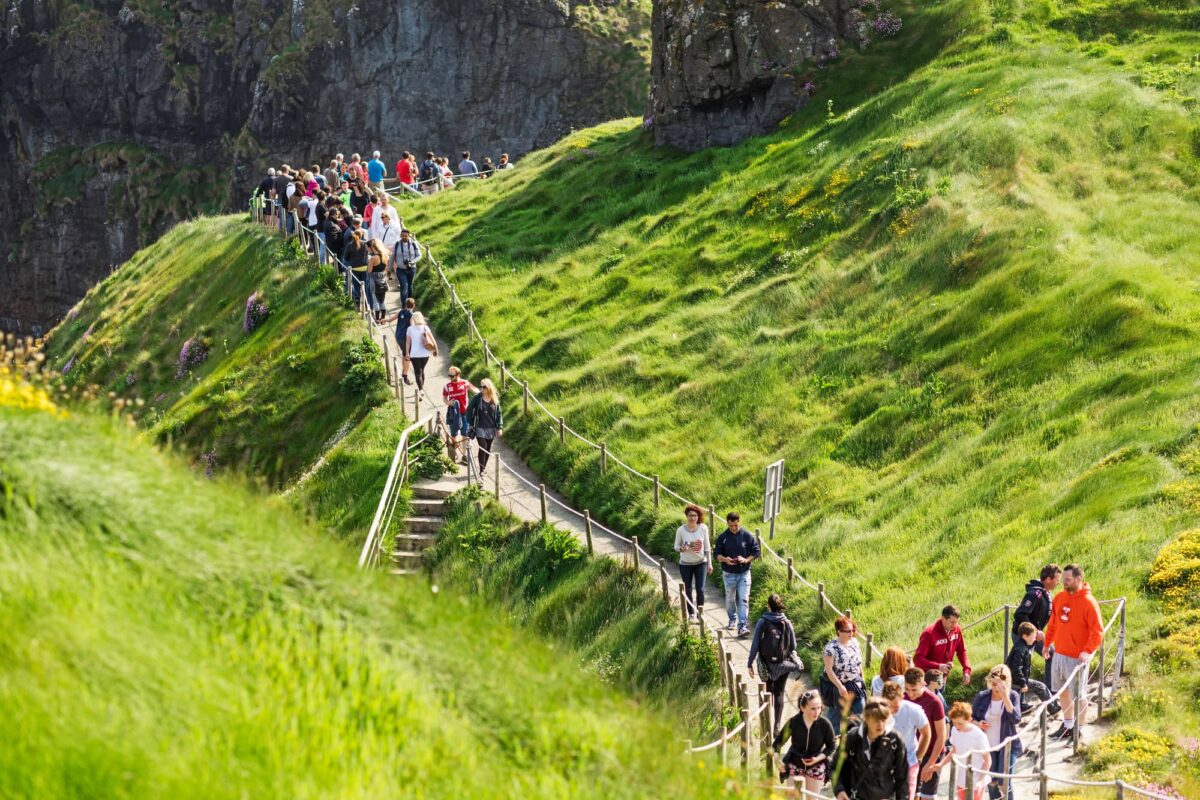
Parking without crossing the bridge costs around £10 per car and gives all-day access to the coastal path. Dogs on leads are welcome on site but not permitted to cross the bridge. The Weighbridge Tearoom serves excellent toasties, tea, and local treats. The car park is located on the B15, 7 miles east of Bushmills and 5 miles west of Ballycastle.
Dunluce Castle: The Most Dramatic Ruin on the Irish Coast
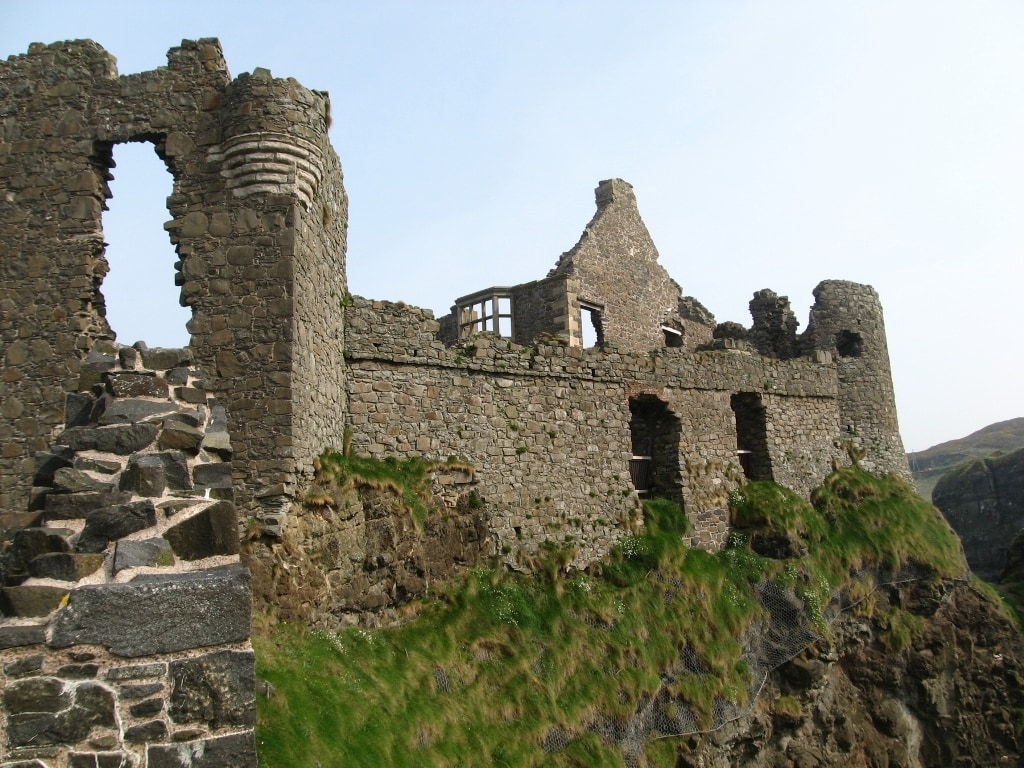
Perched on a basalt stack above the North Atlantic, Dunluce Castle is one of the most photographed landmarks in Ireland. The medieval ruin dates from the 13th century and was the seat of the MacDonnell clan, who controlled much of northeastern Ulster in the 16th century. A section of the kitchen wing collapsed into the sea during a dinner party in 1639, an incident that reportedly prompted the MacDonnell family to move to more solid ground shortly afterwards.

Guided tours reveal the castle’s turbulent history, including Viking raids, Scottish connections, and its appearance in several seasons of Game of Thrones as the city of Pyke. Parking is available on site. Facilities include accessible toilets, though the site itself involves uneven ground and is not suitable for wheelchairs throughout.
The Dark Hedges: A Game of Thrones Icon
The Dark Hedges near Armoy are an avenue of beech trees planted by the Stuart family in the 18th century as an approach to Gracehill House. They became globally famous as the King’s Road in Game of Thrones. The interlocking canopy creates a natural tunnel that is genuinely atmospheric, particularly in early morning or evening light before the tour buses arrive. There is a small car park nearby. Entry is free.

Carrickfergus Castle: A Norman Fortress on Belfast Lough
Built in 1177, Carrickfergus Castle stands on the shores of Belfast Lough and is one of the best-preserved medieval castles in Ireland. Its imposing walls, dungeons, and towers are explorable via interactive exhibits. A recent excavation uncovered an escape tunnel beneath the castle. The surrounding waterfront town of Carrickfergus offers pleasant walking, restaurants, and shops. Parking is available in the town centre.

Dunseverick Castle: Ancient and Overlooked
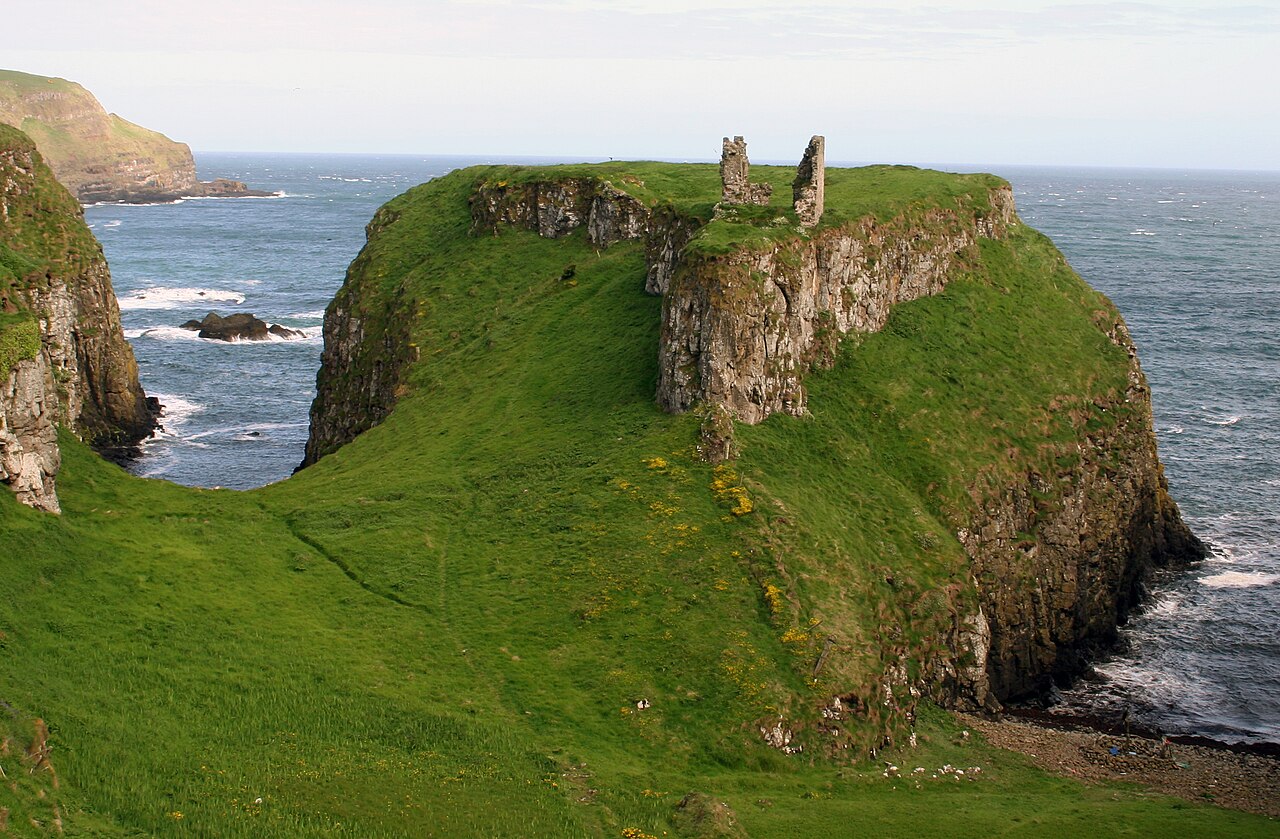
Dunseverick Castle sits on a steep basalt stack on the Causeway coastline near the village of Dunseverick. Estimated to be over 1,500 years old, it was an ancient royal site of the Dal Riada Gaelic kingdom. Saint Patrick himself is recorded as having visited in the 5th century, where he baptised a local man named Olcan who later became a bishop. The Vikings attacked it twice, in 871 and 924 AD, and a Scottish army destroyed it in 1642. What remains is sparse but the setting is spectacular and it is free to visit. Far fewer visitors make the detour here than to the better-known castles, which is precisely its appeal.
Glenarm Castle: A Walled Garden of Surprising Beauty
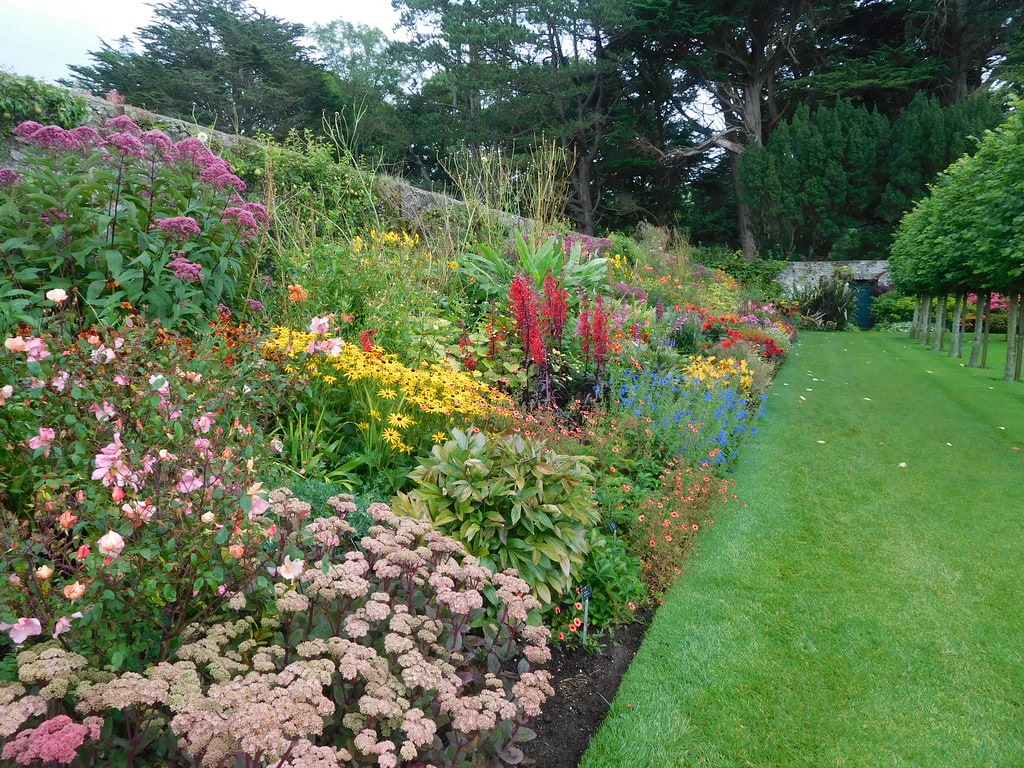
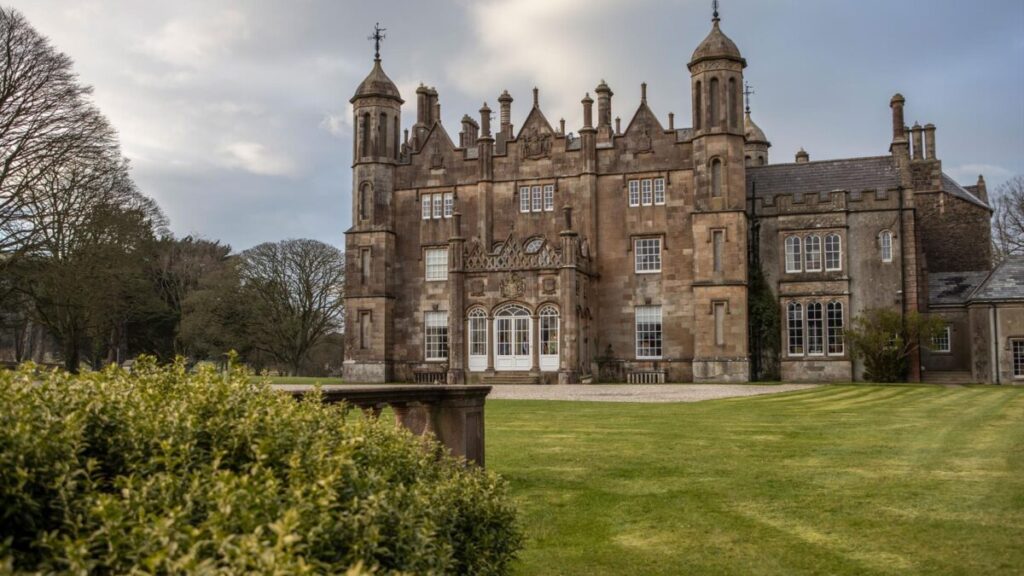
Dating from the 17th century, Glenarm Castle is the ancestral home of the McDonnell family, Earls of Antrim, and sits in the picturesque village of Glenarm. The walled garden, one of the oldest in Ireland, is the highlight: beautifully maintained with a succession of colour throughout the growing season. The estate also hosts seasonal events and an excellent tea room. Parking is available at the castle. The walled garden has level paths and is largely accessible.

Shane’s Castle: Lough Neagh Lakeside Ruins
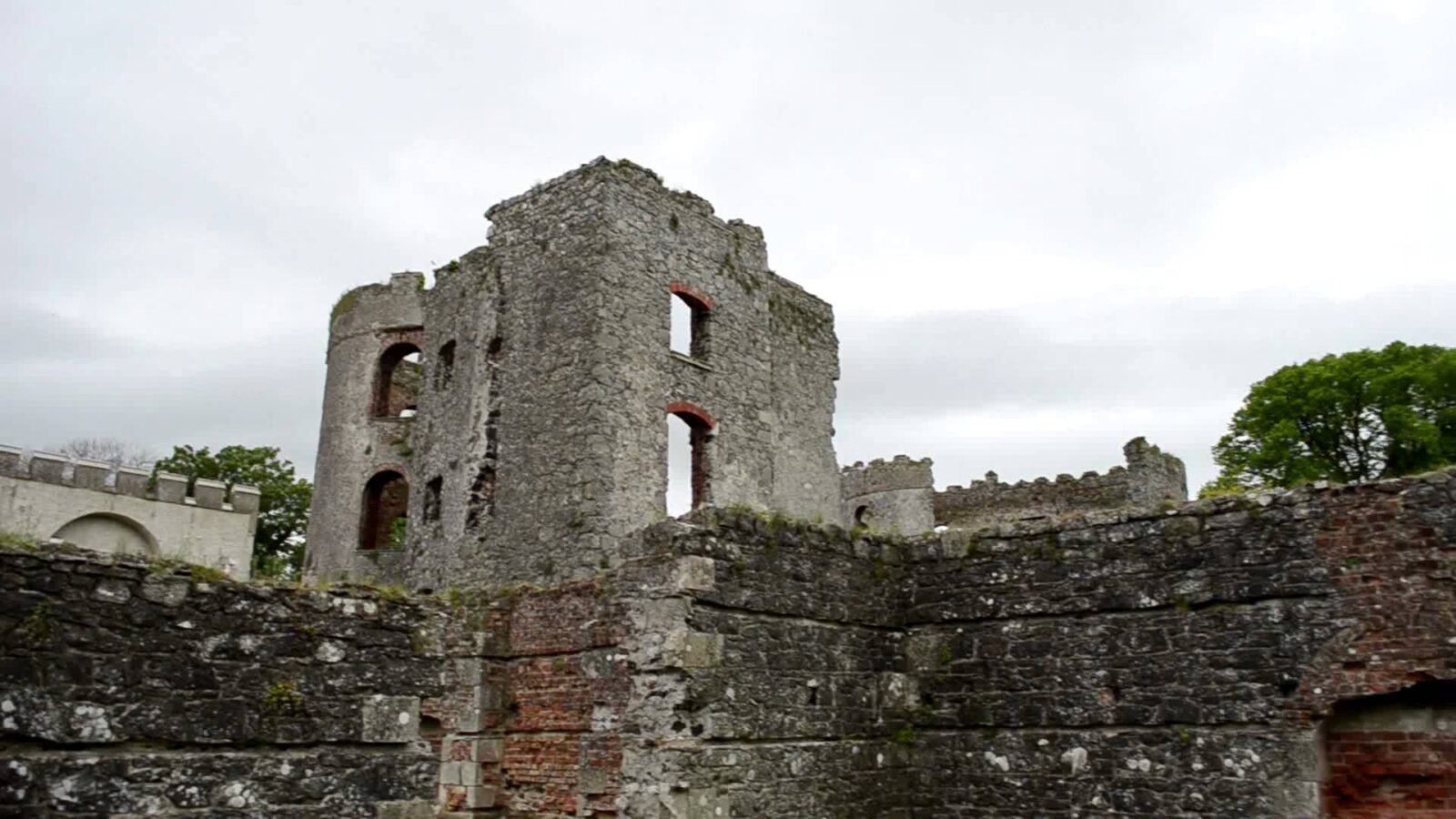
On the western shore of Lough Neagh, Shane’s Castle is a ruined estate that served as a filming location for Game of Thrones. The grounds include a narrow-gauge railway, a nature reserve, and the shell of the castle itself, which burned down in 1816. It is an atmospheric, lesser-visited spot that rewards the curious traveller.
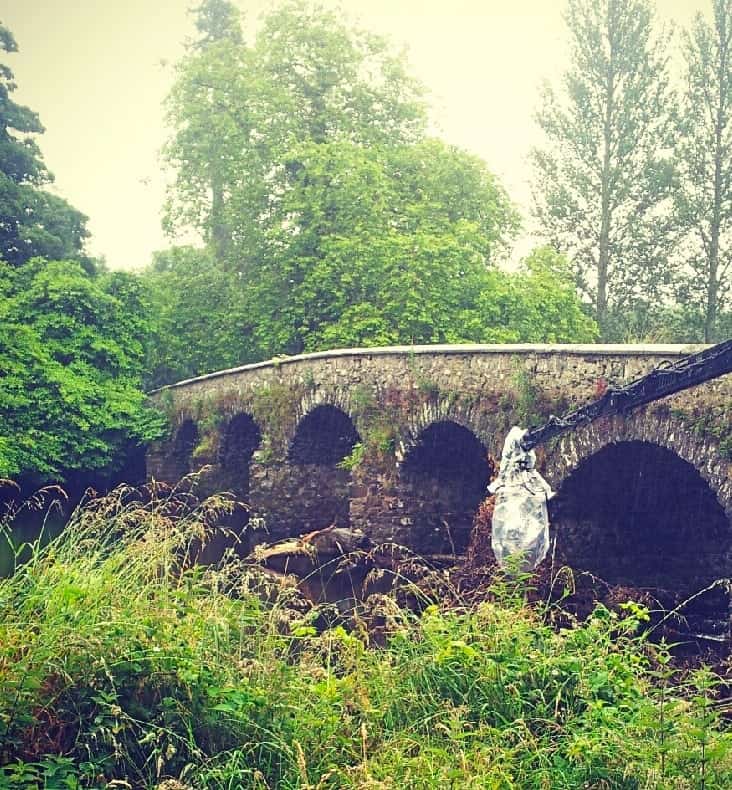
Galgorm Castle: Jacobean Architecture and a World-Class Resort
Galgorm Castle on the Galgorm Road in Ballymena is one of the finest examples of Jacobean architecture in Ireland. In May 1607, King James I granted the Ballymena Estate to Rory Og MacQuillan, and the castle has been at the heart of a great estate ever since. Today the grounds incorporate the acclaimed Galgorm Spa and Golf Resort, where the castle overlooks the 10th green. The resort has developed into one of Northern Ireland’s premier destinations, combining history with outstanding modern hospitality.
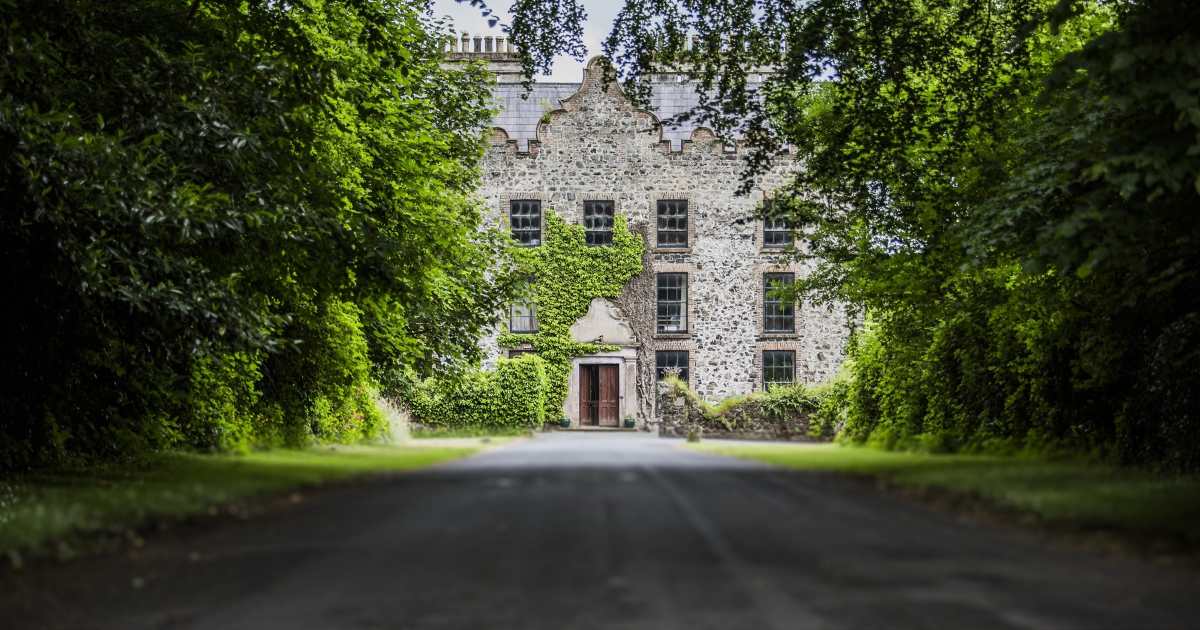
Antrim Castle Gardens: A Hidden Gem in the Town Centre
Located beside Clotworthy House in the heart of Antrim town, Antrim Castle Gardens are a beautifully restored 17th-century formal landscape. The gardens feature the famous Italian Tower, the intimate Her Ladyship’s Pleasure Garden, and the Yew Tree Pond. Entry is free. Clotworthy House contains a visitor experience telling the story of the gardens and their owners. Most of the paths are accessible. Car parking is available nearby.
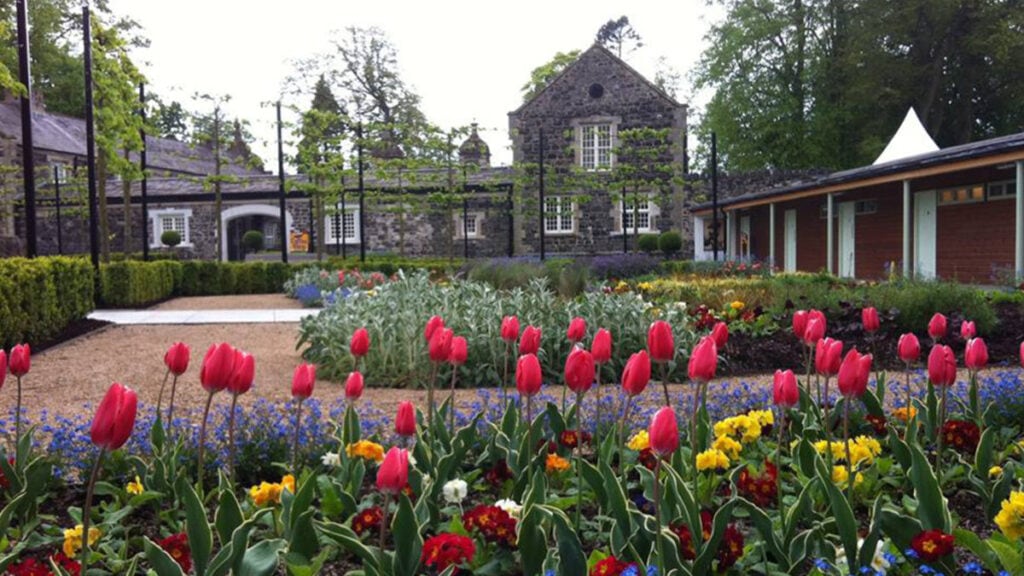
The Nine Glens of Antrim: Valleys Carved by Ice and Time
The Nine Glens of Antrim are a collection of lush valleys carved into the Antrim Plateau by glacial action, each with its own distinct character. From the waterfalls of Glenariff, often called the Queen of the Glens, to the coastal beauty of Glenarm and Carnlough, they offer some of the most quietly beautiful landscapes in Northern Ireland.
Many visitors focus entirely on the Causeway Coast and miss the Glens entirely. That is a genuine loss. The roads through the glens are narrow and require care but the rewards, in terms of scenery, peace, and encounters with small communities that have not been overrun by tourism, are considerable.
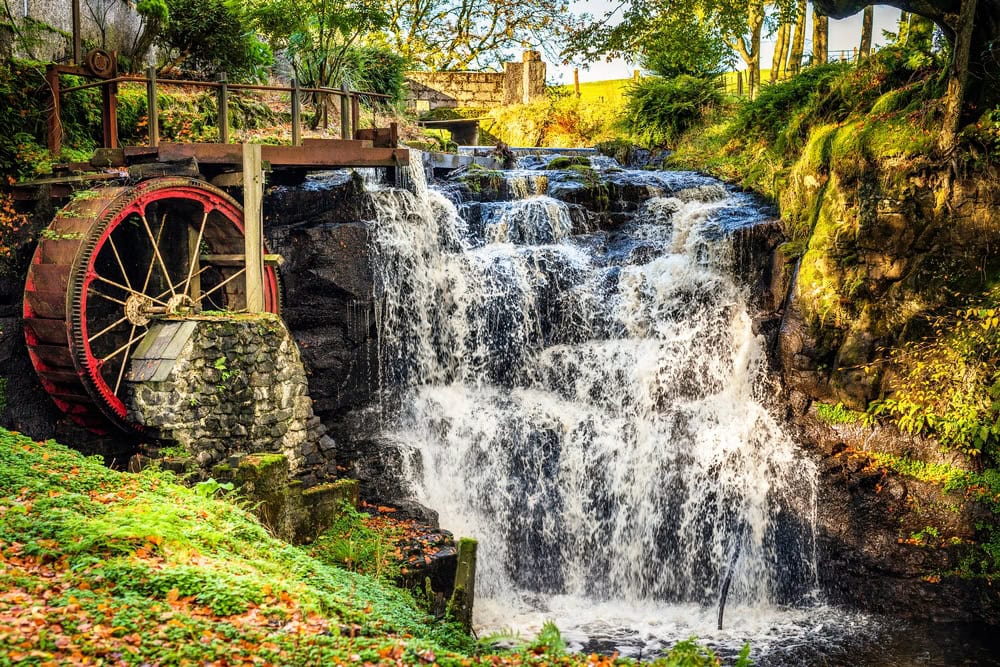
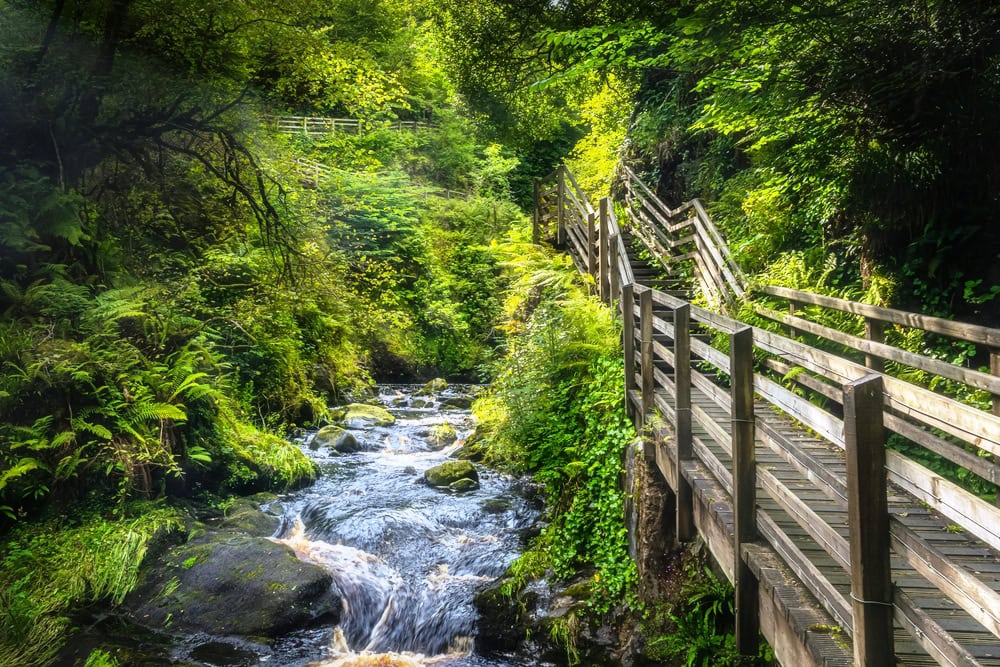
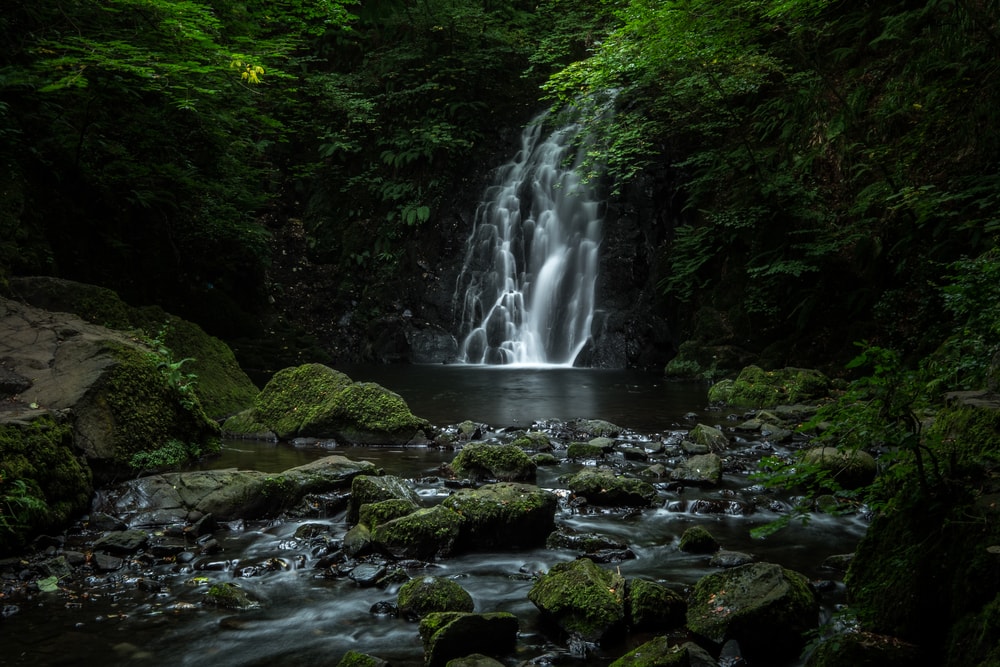
Glenariff Forest Park
At the heart of the Glens, Glenariff Forest Park covers over 1,000 hectares of planted woodland, lakes, and conservation areas. The Waterfall Walkway is the most popular trail, a tranquil loop past a series of cascades that is genuinely lovely at any time of year. The park has a cafe, toilets, a large car park, and some accessible paths near the entrance, though the main waterfall route involves steps and uneven terrain.

The Gobbins Cliff Path: An Engineering Marvel on the Coast
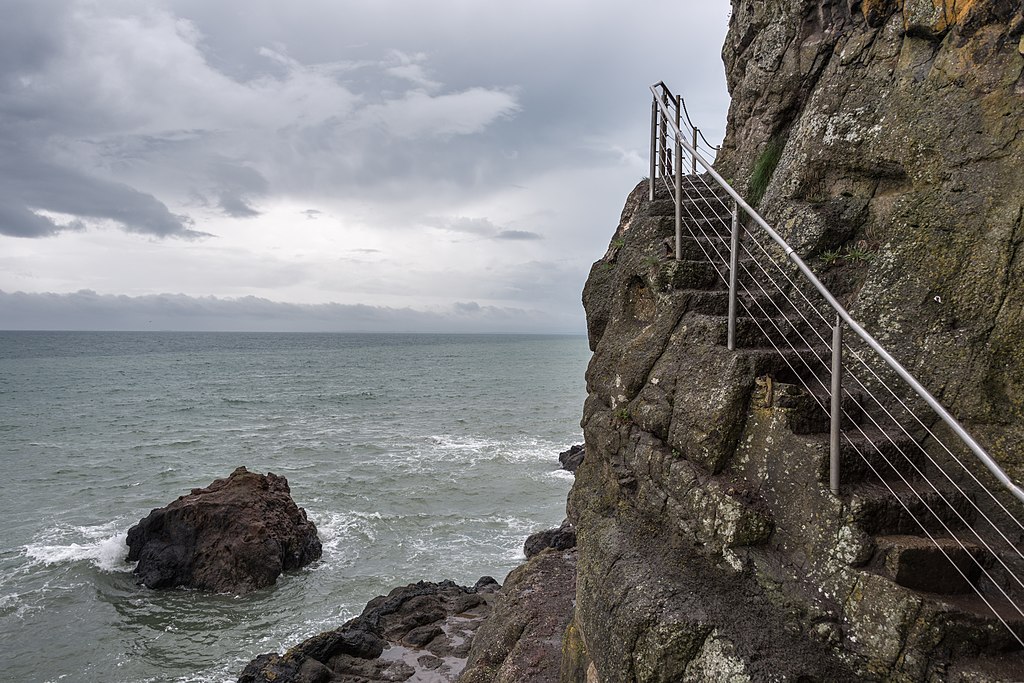
The Gobbins Cliff Path on the Islandmagee peninsula is one of the most unusual walking experiences in Ireland. Originally opened in 1902 by railway engineer Berkeley Deane Wise, the path was built directly into the basalt cliffs and features a series of bridges, tunnels, and walkways that follow the rock face above the Irish Sea. It was restored and reopened in 2015. Guided tours are the only way to access the path, which involves a moderate level of fitness and some low tunnel sections. Sea birds nest in the cliff face throughout the season.
The Gobbins sees significantly fewer visitors than the Causeway Coast attractions, making it an excellent choice for those wanting something quieter and genuinely adventurous. Pre-booking is essential. The path is not accessible for wheelchairs or pushchairs. There is a car park at the visitor centre and accessible toilets are available at the start point.
Rathlin Island: Northern Ireland’s Only Inhabited Offshore Island
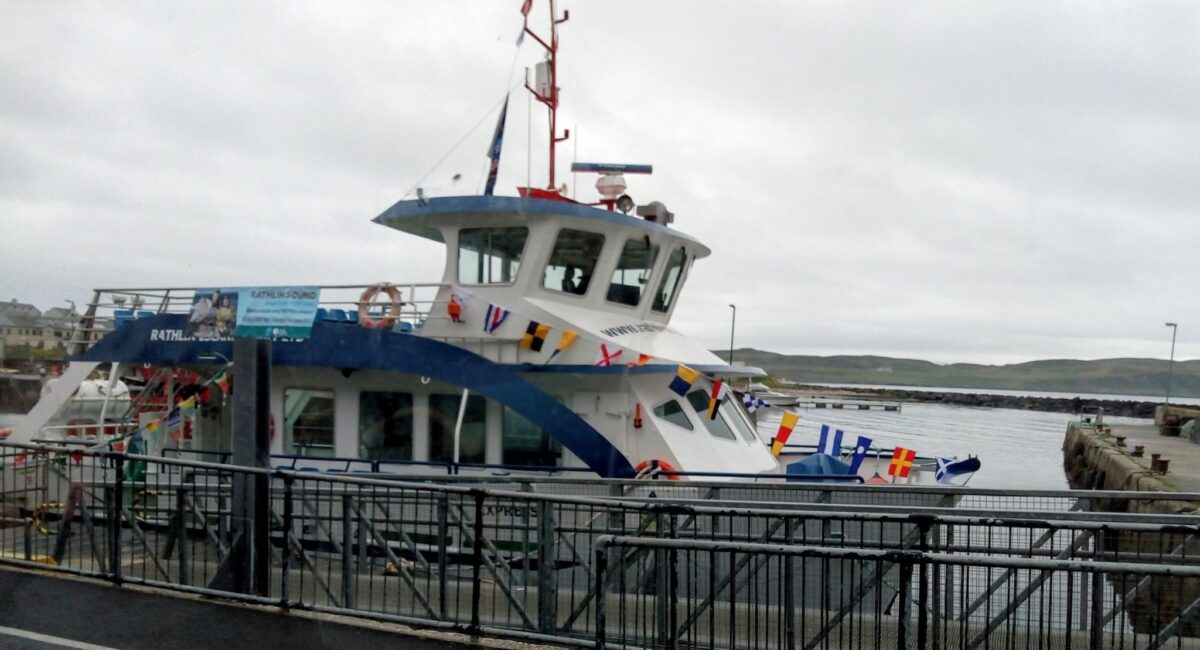
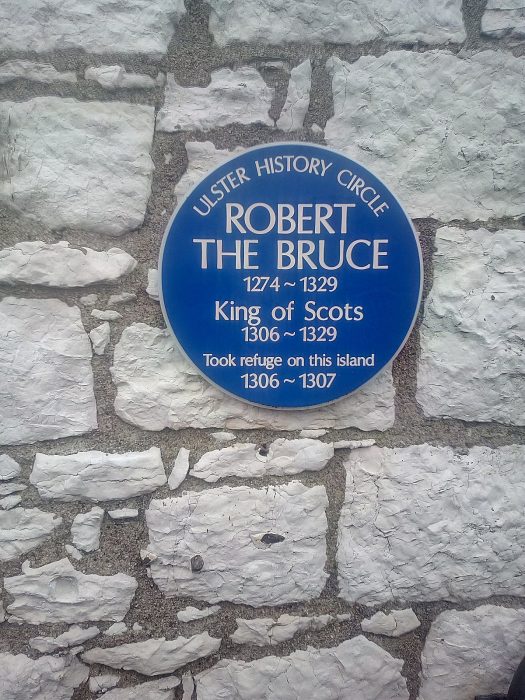
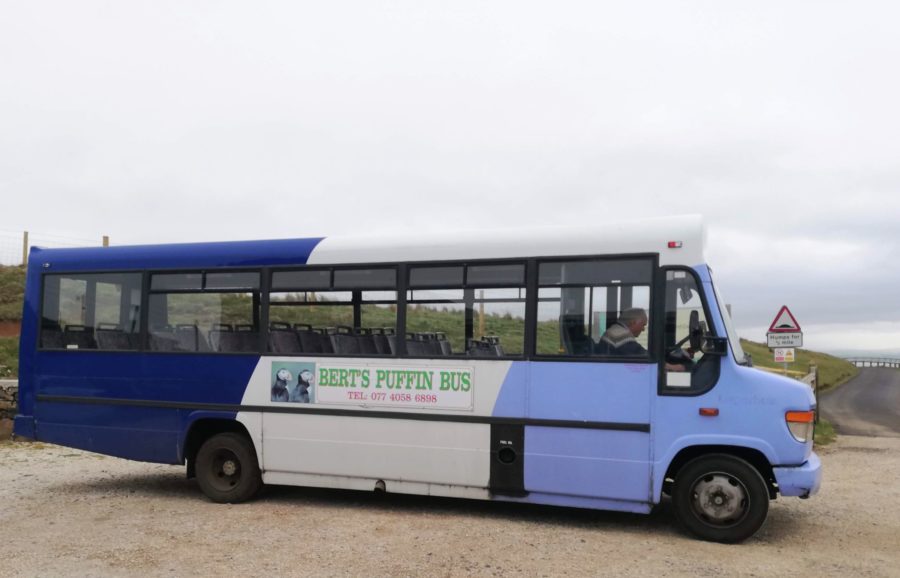
A short ferry ride from Ballycastle brings you to Rathlin Island, an L-shaped island home to around 150 permanent residents and one of the largest seabird colonies in Europe. The RSPB Seabird Centre at the West Light (the upside-down lighthouse) offers views of thousands of puffins, razorbills, and guillemots from May through July. The island also has strong historical connections to Robert the Bruce, who legendarily took inspiration from a spider in a cave here before returning to defeat the English at Bannockburn.
CalMac Ferries operate the route from Ballycastle. The crossing takes about 25 minutes. There is a small visitor centre, cafe, and bicycle hire on the island. Rathlin is largely flat, making much of it accessible on foot or by bike, though some paths are rough. Toilets are available at the ferry terminal and visitor centre. Book the ferry in advance during peak season.
Cushendun Caves: Ancient Geology and Game of Thrones
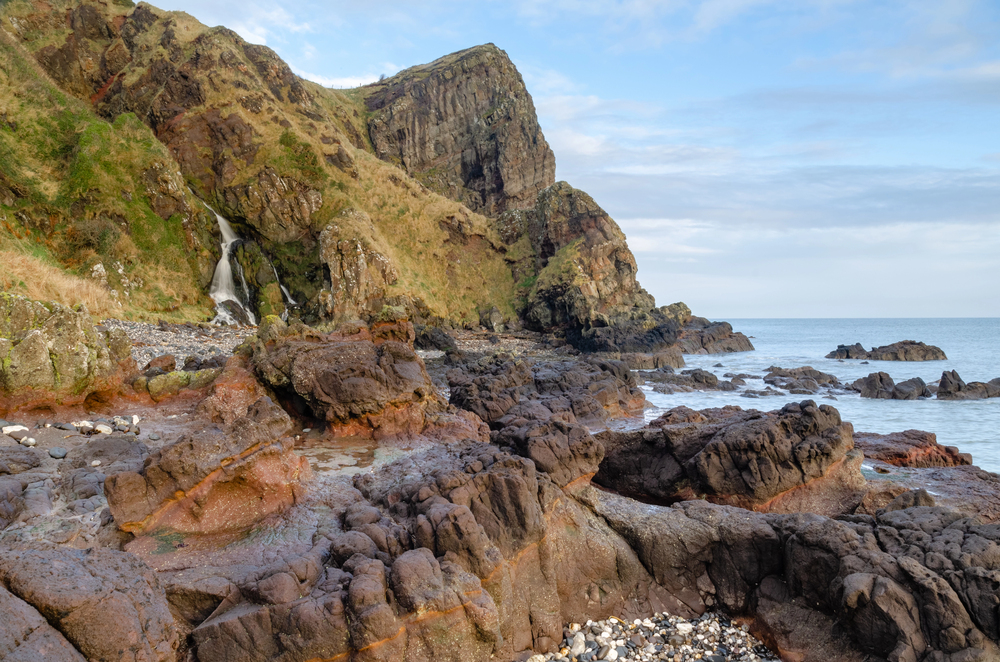
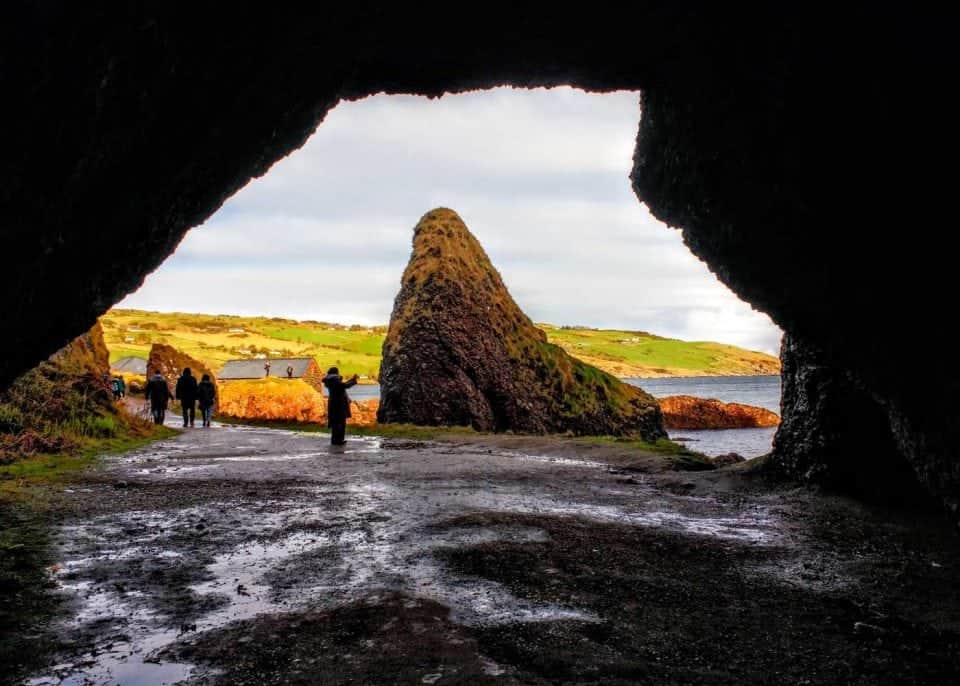
The caves near the National Trust village of Cushendun were formed over 400 million years ago, making them among the oldest rock formations in Ireland. They are free to visit and easy to reach from the Cushendun village car park. Game of Thrones fans will recognise them as the location of one of the most memorable scenes from Season 2. The surrounding village, with its charming Cornish-style cottages, is one of the prettiest on the Antrim Coast. Rock pooling here with children is a genuine delight.

Ballycastle: Gateway Town to the North Antrim Coast
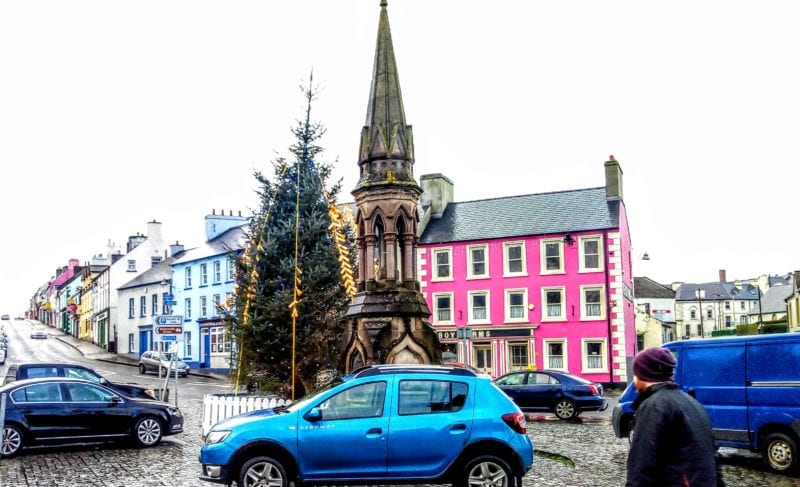
Ballycastle is a well-equipped market town and an excellent base for the northern Antrim coast. It has a sandy beach, a good selection of accommodation, several strong restaurants, a large supermarket, and the ferry terminal for Rathlin Island. The town also hosts the Ould Lammas Fair in late August, one of the oldest fairs in Ireland, running for over 400 years.
Old Bushmills Distillery: The World’s Oldest Licensed Whiskey Distillery
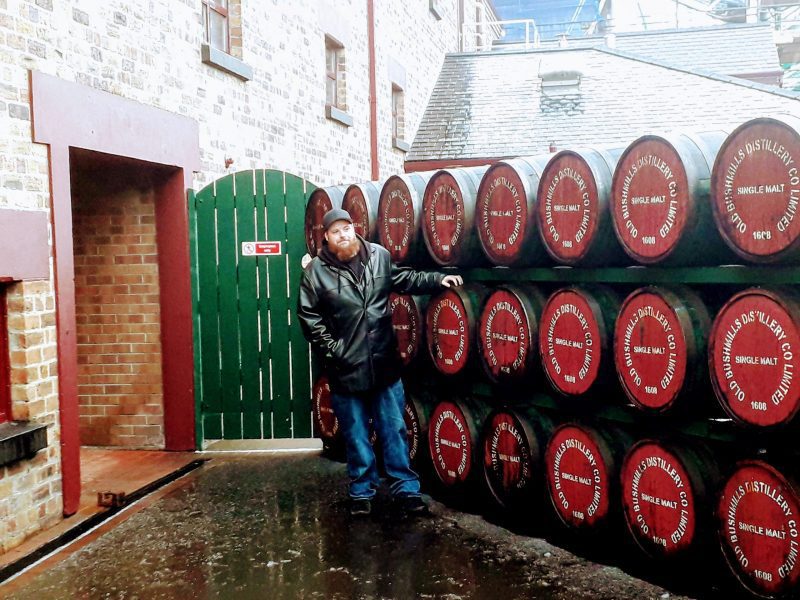
The Old Bushmills Distillery in the village of Bushmills holds a licence dated 1608, making it the oldest licensed distillery in the world. Tours run throughout the day, covering the full whiskey-making process from mashing through triple distillation to maturation, and end with a tasting. The distillery shop stocks exclusive bottlings and makes for excellent gift shopping. A range of tour options is available, from a standard tour and tasting to a more in-depth master class for serious whiskey enthusiasts. The village itself has good cafes and traditional pubs within walking distance.
Ballintoy Harbour: A Rugged Beauty and Game of Thrones Location
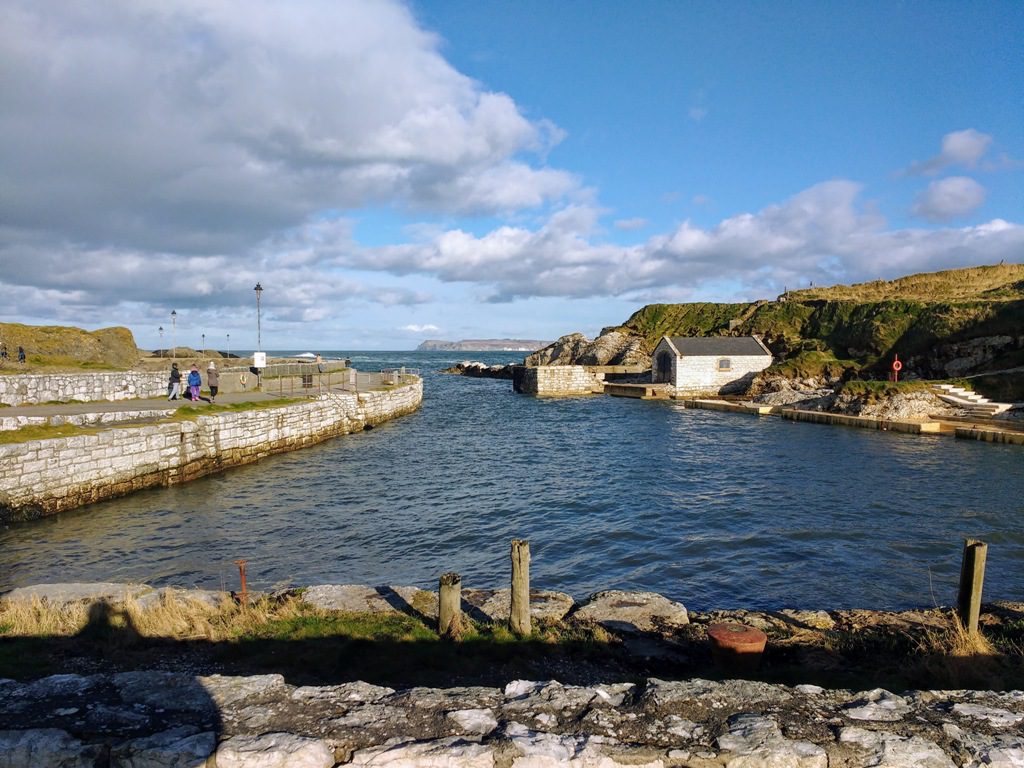
Ballintoy Harbour is a tiny, dramatically beautiful cove tucked at the foot of white limestone cliffs. Game of Thrones fans will recognise it as the Iron Islands port of Lordsport where Theon Greyjoy returns home. Beyond the filming connection, it is simply a wonderful place to pause: the rock formations, the colour of the water, and the general sense of being somewhere genuinely unspoiled make it one of my personal favourites on the whole coast. Parking is available above the harbour. A small seasonal cafe operates from the harbour in summer. The path down to the harbour involves steps and is not accessible for wheelchairs.

Carnlough: A Quiet Harbour Town in the Heart of the Glens
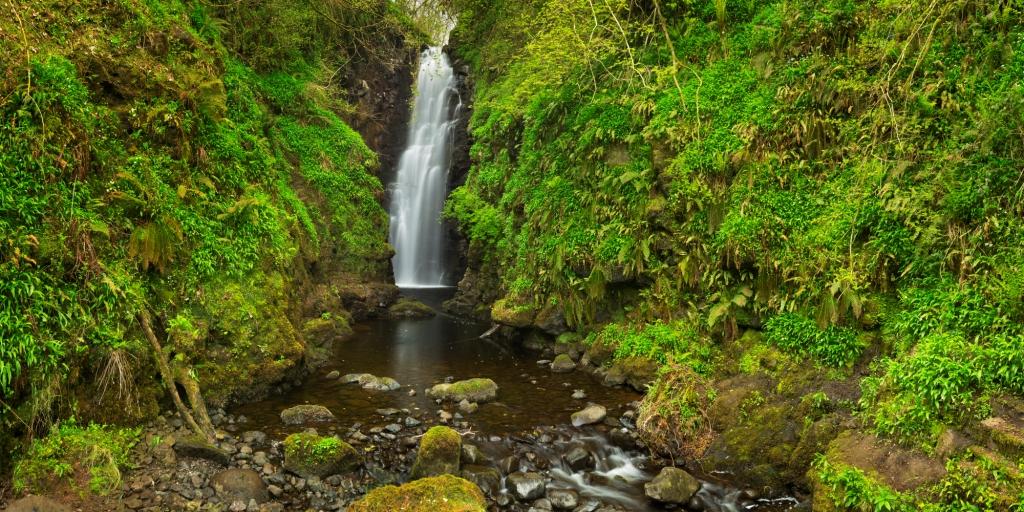
Carnlough is a peaceful harbour town nestled at the foot of Glencloy, one of the Nine Glens. The harbour itself appeared in Game of Thrones. Nearby Cranny Falls is a short signposted walk from the village and worth the detour. The town has a handful of good cafes and a small supermarket. It makes an ideal lunch stop when driving the coast road between Belfast and the Causeway.


Portrush: Beaches, Golf, and a Buzzing Seaside Town
Portrush is the largest resort town on the North Antrim coast and offers everything from Blue Flag beaches to award-winning restaurants. The town has two main sandy beaches: the long East Strand and the family-friendly West Strand. Whiterocks Beach, a short drive to the east along the B145, is known for its white limestone cliffs, striking headlands including Shelagh’s Head, the Wishing Arch, Elephant Rock, and the Lion’s Paw, and it is a popular surf beach. A pod of harbour porpoises can sometimes be spotted just offshore.

Portrush is also home to Royal Portrush Golf Club, host of The Open Championship in both 2019 (won by Shane Lowry) and 2025. The Dunluce Links, one of the finest links courses in the world, costs £420 per person to play in 2026 (April to October). The Valley Links is also available to visitors at £200 per person. Visitor tee times must be pre-booked and are highly sought after. Visitors are expected to hold a club membership and handicap certificates may be requested.

Portrush town centre has a large public car park and there is Blue Badge parking close to the beach. Most of the seafront promenade is accessible. The town has numerous accommodation options at all price points.
Lough Neagh: The Largest Freshwater Lake in the British Isles
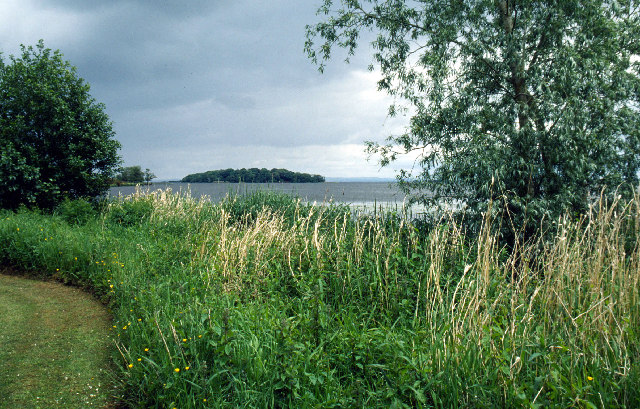
Lough Neagh, a short drive from Antrim town, is the largest freshwater lake in Ireland and Britain. The Lough Neagh Discovery Centre at Oxford Island offers educational exhibits on the lake’s ecology and history, walking trails, a birdwatching hide, and a cafe. Boating and fishing are available from several points around the shore. The centre is accessible and has a car park.
How to Plan Your Visit to County Antrim: A Step-by-Step Guide
- Decide on your base. Belfast is ideal for first-time visitors; Portrush or Ballycastle suit those focusing on the coast; Bushmills puts you in the heart of the Causeway area.
- Book the Carrick-a-Rede Rope Bridge first, as timed slots sell out quickly from May to September. This determines the framework of your day.
- Pre-book the Giant’s Causeway Visitor Experience if you want on-site parking and the guided tour, particularly in summer. Remember that access to the stones themselves is always free.
- Allocate a full day for the Causeway Coastal Route and do not try to rush it. Start early and work your way west, stopping at Carnlough, Cushendun, Ballintoy, Carrick-a-Rede, Dunluce Castle, and Bushmills.
- Reserve a separate day or half-day for the Glens of Antrim, driving through Glenariff and the valley roads that most visitors bypass.
- Allow at least one full day in Belfast, including a Black Cab Tour and Titanic Belfast.
- Check weather forecasts before heading to exposed sites like Carrick-a-Rede, which closes in high winds.
- Download offline maps and any pre-booked tickets to your phone, as mobile signal is unreliable on parts of the coast.
Where to Stay in County Antrim
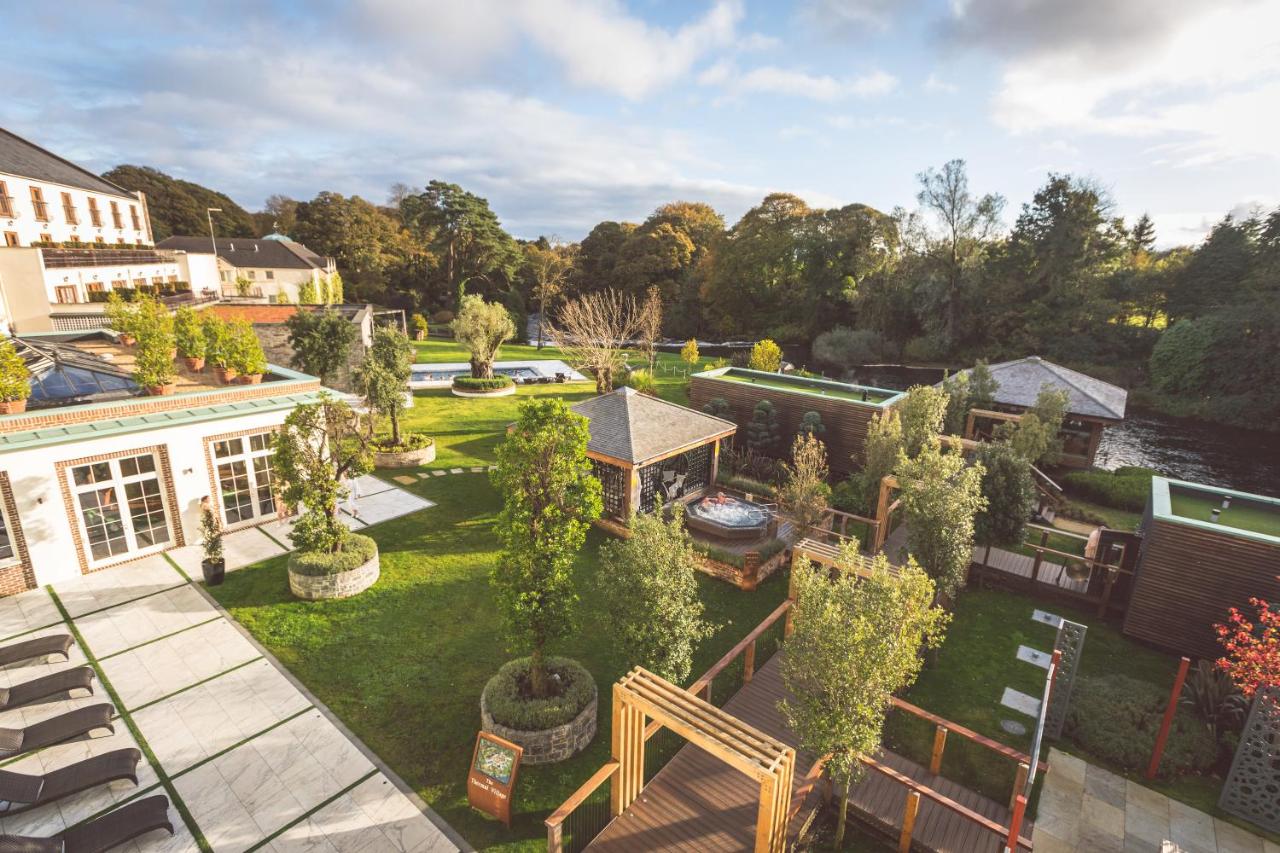
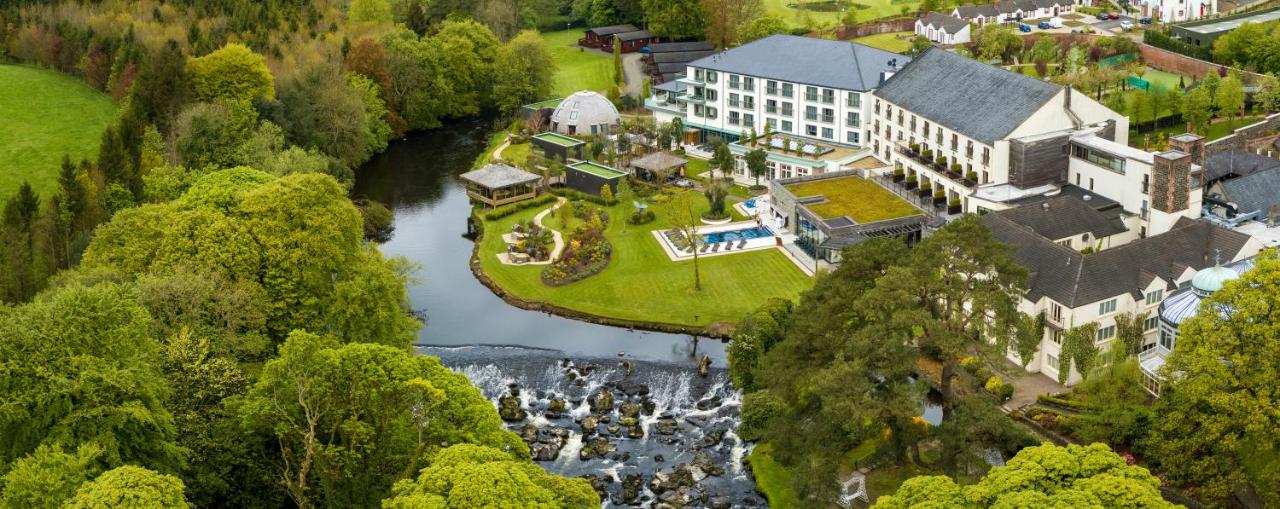
Galgorm Spa and Golf Resort, Ballymena
The Galgorm Spa and Golf Resort is widely regarded as the finest resort in Northern Ireland. Set on the banks of the River Maine with the historic Galgorm Castle as its centrepiece, it offers world-class spa facilities, outstanding dining, and golf. It is a genuine splurge but consistently delivers. Accessible rooms are available. Ample parking on site.
The Bushmills Inn, Bushmills
The Bushmills Inn is one of the most characterful places to stay on the north coast: a former coaching inn with open fires, a whiskey bar, and an award-winning restaurant. It sits within easy walking distance of the distillery and a short drive from the Giant’s Causeway. Parking on site.
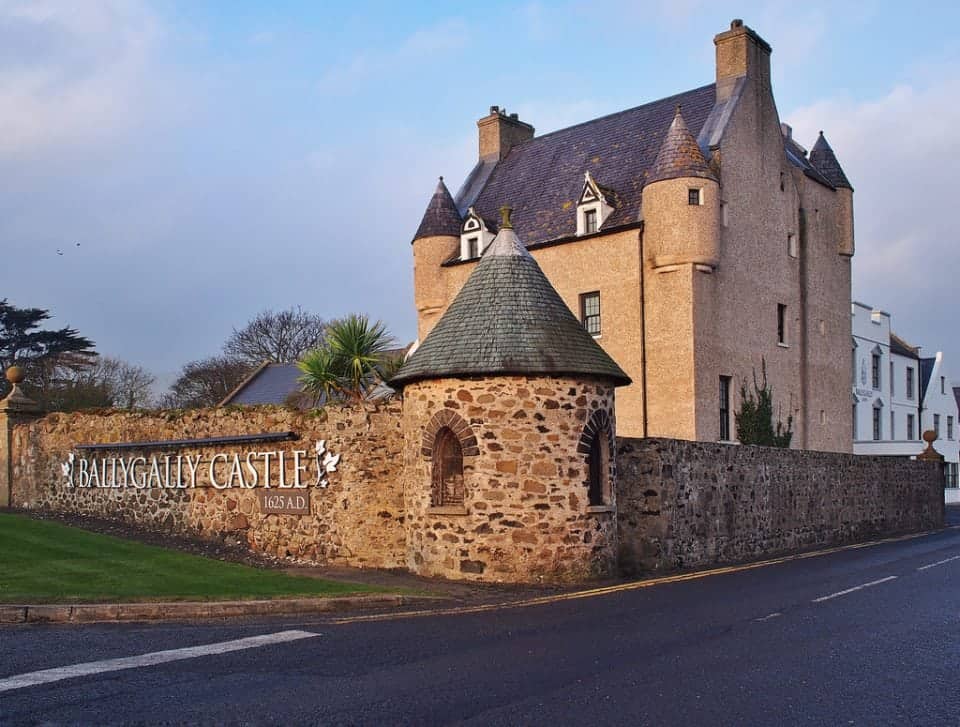
Ballygally Castle, Ballygally
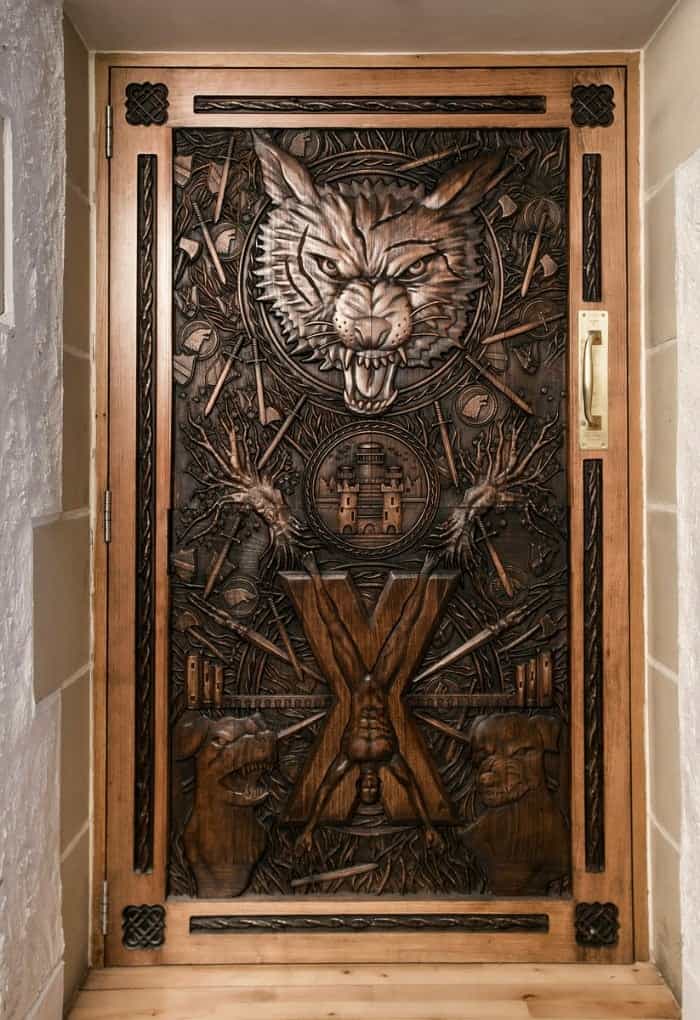
The Ballygally Castle Hotel is a 17th-century castle hotel on the coast road between Larne and Glenarm, offering a genuinely historic setting with comfortable modern rooms. It is also home to one of the Game of Thrones Doors carved from the Dark Hedges trees. The hotel also offers a natural seaweed bath experience: hand-harvested seaweed is used to create a therapeutic immersion that relaxes muscles, soothes joint pain, and leaves the skin notably soft. A 50-minute seaweed bath is available from £30. Parking on site.
Marine Hotel, Ballycastle
The Marine Hotel sits directly on the seafront in Ballycastle with views across to Rathlin Island. It is an excellent base for the northern coast and easy walking distance from the ferry terminal. Accessible rooms available. Parking on site.
Dunsilly Hotel, Antrim Town
A modern, comfortable hotel conveniently placed near Antrim town with good amenities, free parking, free Wi-Fi, and an on-site restaurant. An efficient base if you are arriving via Belfast International Airport.
Where to Eat in County Antrim
Harry’s Shack, Portstewart
Sitting directly on the beach at Portstewart Strand, Harry’s Shack is one of the most celebrated casual dining spots in Northern Ireland. The menu focuses on local seafood and produce, and the quality is exceptional. It is busy, booking is advisable, and it is absolutely worth it. Parking available at the strand car park.

Tartine at Distillers Arms, Bushmills
An award-winning restaurant in the village of Bushmills serving contemporary Irish cuisine. The cooking is precise and the setting, close to the distillery, makes it a natural choice after a tour. Book in advance for evening service.
Ursa Minor Bakehouse, Ballycastle
One of the best bakeries in Ireland, Ursa Minor has built a loyal following for its authentic Irish breads, sourdough, seasonal pastries, and simple cafe menu. Go early, as it sells out.

The Central Wine Bar, Ballycastle
A reliable and relaxed spot in Ballycastle town centre with a menu that combines traditional Irish dishes and international influences, paired with a solid wine list.
The Merchant Hotel, Belfast
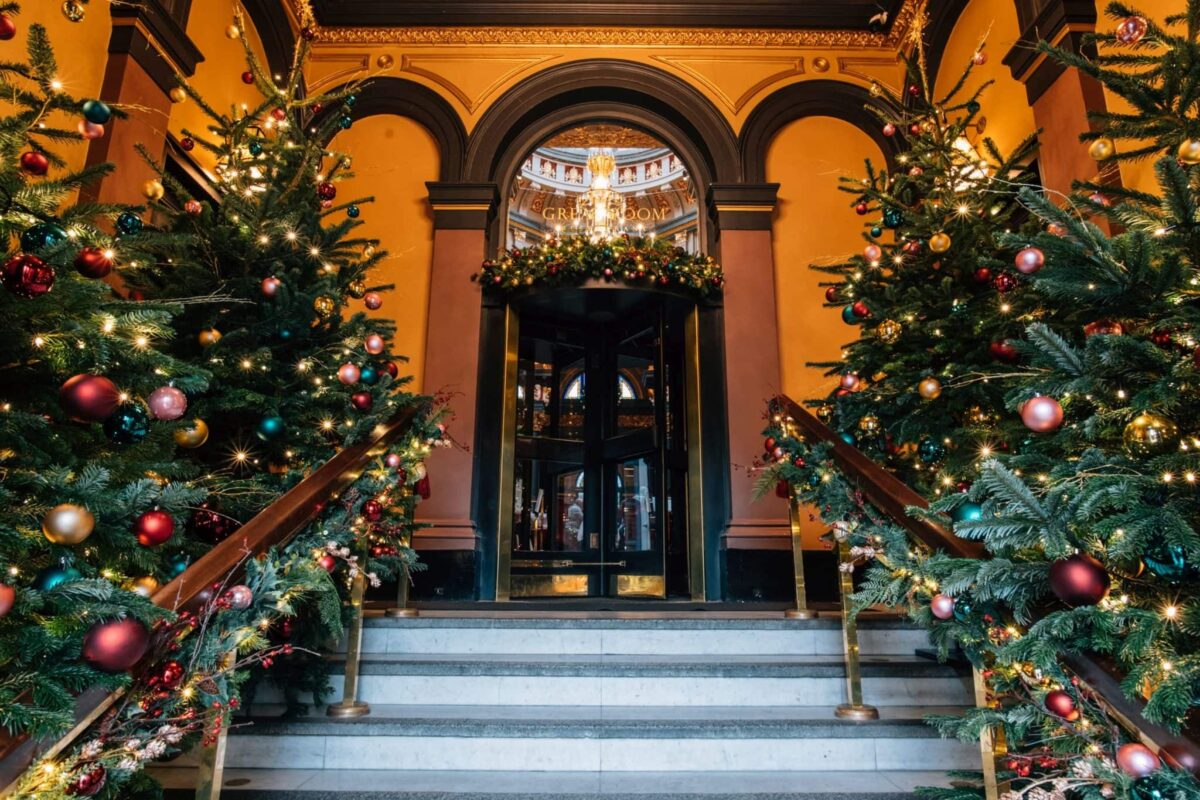
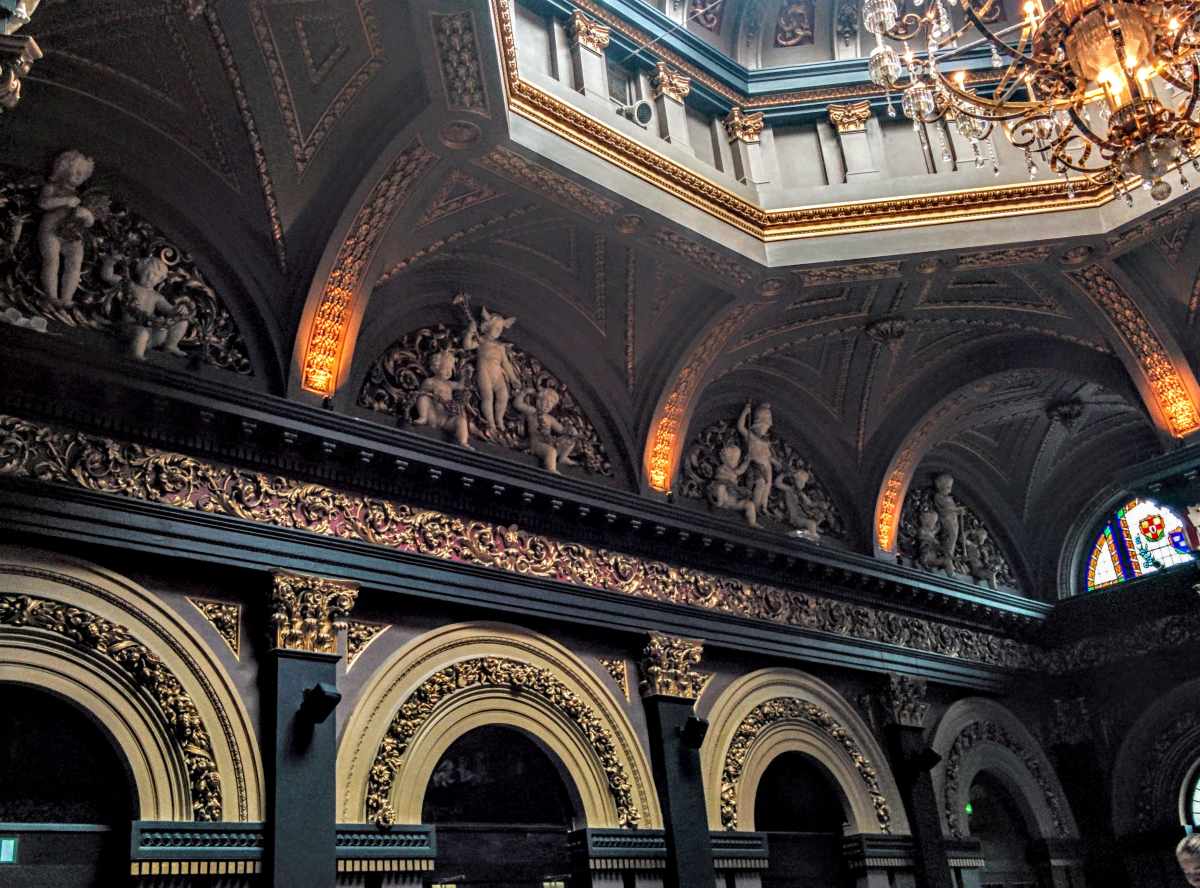
For fine dining in Belfast, the Merchant Hotel in the Cathedral Quarter is a five-star property with multiple dining options from afternoon tea to a full fine dining restaurant. The Victorian and Art Deco interiors are spectacular. Accessible throughout. Valet parking available.
What to Eat in County Antrim
Antrim’s food culture is rooted in the land and sea. The Ulster Fry is the essential breakfast: eggs, sausages, bacon, black and white pudding, soda bread, and potato bread, served in kitchens from basic cafes to boutique hotels. Seafood chowder is a constant on coastal menus and the fresh Atlantic seafood, caught daily, makes every bowl different. Bushmills whiskey is the obvious local drink and worth sampling in more than one expression at the distillery.
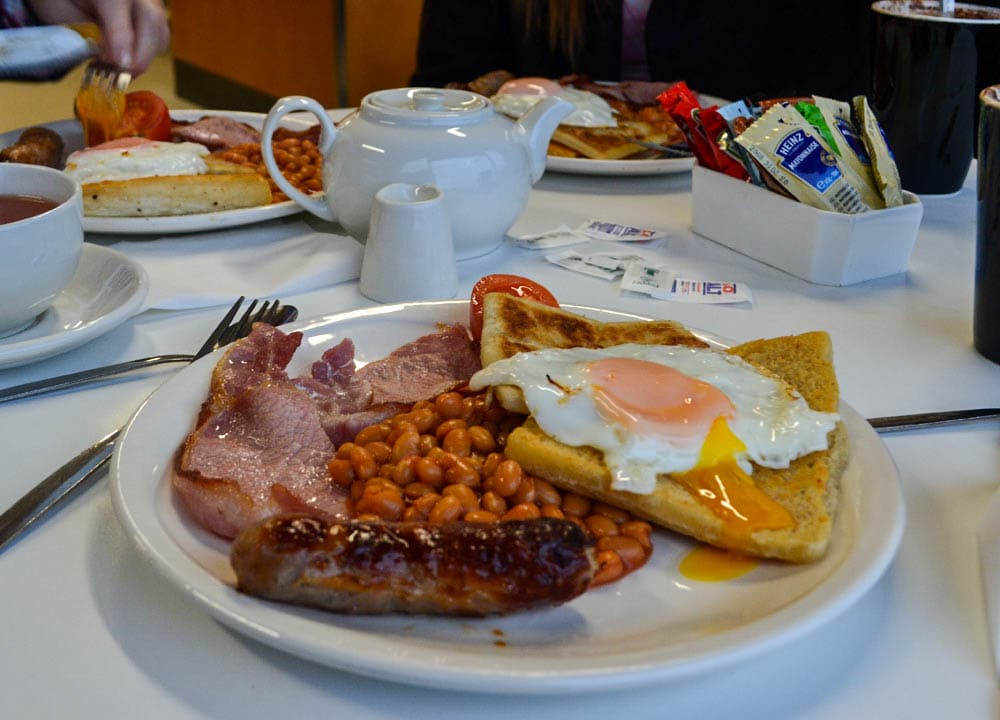

Dulse, a dried seaweed sold in Ballycastle since the Ould Lammas Fair was established, is a traditional snack that not everyone loves but everyone should try once. Yellowman, a sticky, honeycomb toffee also sold at the fair, is genuinely addictive.


Frequently Asked Questions About Visiting County Antrim
Is the Giant’s Causeway free to visit?
Access to the Giant’s Causeway stones is free at any time of day or night, as a public right of way established by the High Court in 1897. What you pay for is the National Trust Visitor Experience, which includes parking, the exhibition, and a guided tour. If you arrive on foot or park elsewhere, the causeway itself costs nothing.

How long does it take to drive the Causeway Coastal Route?
Without stopping, the 185-kilometre route between Belfast and Derry takes approximately two to three hours. With meaningful stops at key sites, most travellers allow two full days minimum to do it justice. A single day from Belfast is doable but leaves little time for anything beyond the major attractions.
Do I need to book Carrick-a-Rede Rope Bridge in advance?
Yes. The National Trust operates a timed ticketing system and during peak season (May to September) slots sell out well in advance. Book online at the National Trust website as soon as your travel dates are confirmed. The bridge occasionally closes in high winds with no notice, so check conditions on the day.
What are the hidden gems in County Antrim worth seeking out?
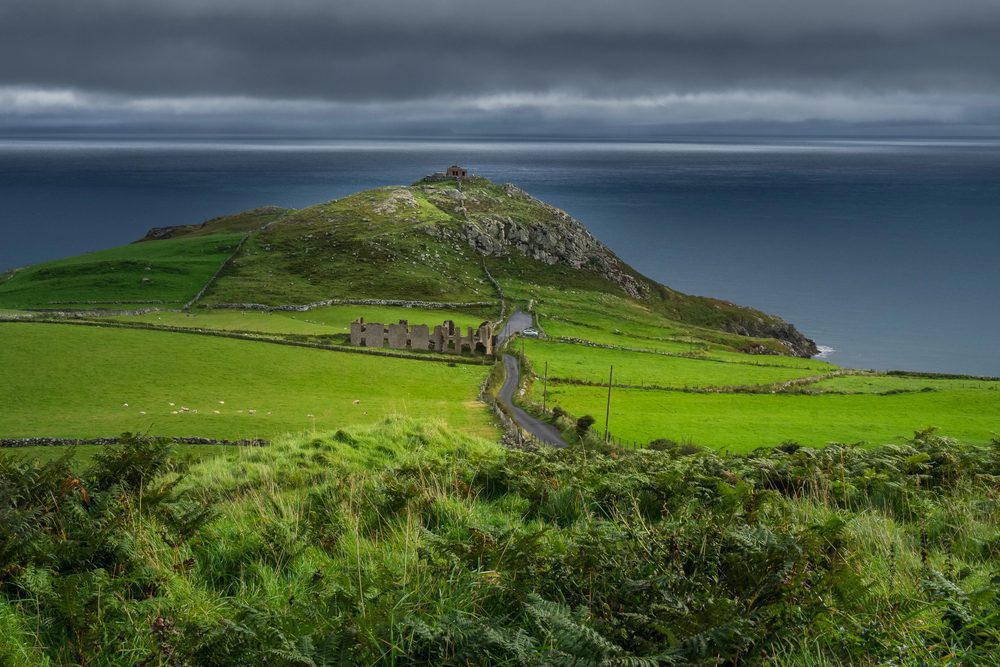
Beyond the famous sites, Dunseverick Castle is an ancient and atmospheric ruin that most visitors walk past without stopping. The Torr Head Scenic Route between Ballycastle and Cushendun is one of the most dramatic coastal drives in Ireland. Ursa Minor bakery in Ballycastle produces some of the finest bread in the country. Kinbane Castle, a free ruined castle on a limestone headland near Ballycastle, is spectacular and sees only a fraction of the visitors that its neighbours attract.
Is County Antrim accessible for travellers with mobility challenges?
Accessibility varies significantly by site. Belfast city centre, Titanic Belfast, the Antrim Castle Gardens, and the accessible sections of Glenariff Forest Park work well for wheelchair users. The Giant’s Causeway offers mobility scooters and all-terrain wheelchairs for loan, and Blue Badge parking is available. Carrick-a-Rede has an accessible first 500 metres with a viewpoint and telescope. The rope bridge itself, the Gobbins Cliff Path, and Ballintoy Harbour are not accessible for wheelchair users. Always check the AccessAble guides linked from each National Trust property page for up-to-date detail.
What is the best time of year to visit County Antrim?
June through August offers the longest days, best weather, and liveliest atmosphere, but also the biggest crowds and highest prices. May and September deliver good weather with noticeably fewer visitors and are arguably the best overall choice. October to April brings dramatic skies and seas, a completely different atmosphere, and the real possibility of seeing the Northern Lights from the dark coastal skies above the Antrim coast. Winter visits to the Giant’s Causeway in particular are something most people do not consider but rarely regret.

Do I need a car to explore County Antrim?
For Belfast and the main Causeway Coast attractions, day tours and public bus routes from Belfast (including the seasonal Causeway Rambler) make it possible to visit without a car. For the Glens of Antrim, Rathlin Island, and the rural sites, a hire car gives you far greater freedom and flexibility. The roads are well signposted and driving in Northern Ireland is straightforward, even on the narrower coastal lanes.
Start Planning Your Trip
👉 Public Transportation in Ireland
👉 Hidden Gems in Ireland – 32 Secret places to visit
👉 Answering all your travel questions about Ireland
👉What to pack for your Ireland trip
👉 Northern Ireland Public Transportation