
Is Ireland Worth Visiting? An Honest Local’s Answer
Is Ireland Worth Visiting? Yes, Ireland is absolutely worth visiting. The country offers dramatic landscapes, rich history, welcoming locals, traditional music, and world-class coastal scenery. Most travelers should spend 7–10 days in Ireland to experience the highlights, though 5 days can cover major cities and famous sites, while two weeks allows for deeper exploration of regions like Donegal, Kerry, and Connemara.

As someone who lives in Donegal and has spent years exploring the country, I’ve seen how travelers experience Ireland differently depending on how they plan their route. Some choose structured small group tours, while others prefer independent road trips following their own Ireland itinerary.
Ireland has long captured the imagination of travelers. Often called the Emerald Isle, the country combines dramatic landscapes, centuries of history, and welcoming local culture. Whether you’re planning a full Ireland itinerary, researching the best Ireland tours, or simply wondering if a trip to Ireland is worth the journey, the country offers an incredible range of experiences.
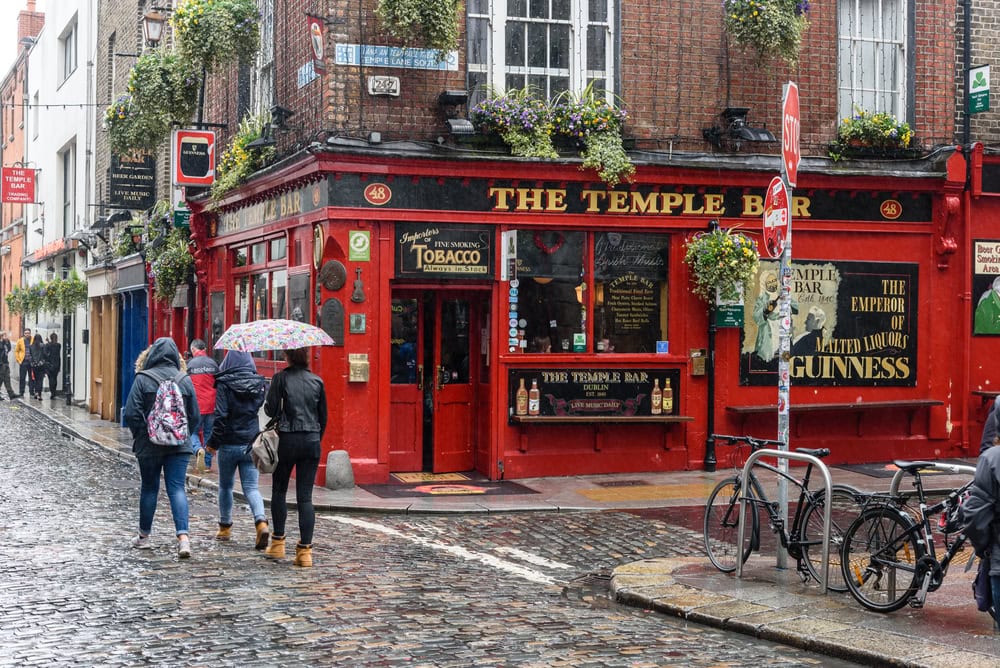
From the lively streets around Temple Bar in Dublin to quiet coastal villages along the Wild Atlantic Way (WAW) every region offers something different. Some travelers arrive through Dublin Airport and explore the east coast first, while others immediately begin a scenic Ireland tour along the Atlantic coastline.

Both approaches can work wonderfully, but understanding the country’s geography and highlights makes a big difference when planning your trip to Ireland.
If you’re combining Ireland with the UK, this 2-week UK and Ireland itinerary shows how to balance iconic Irish stops with time in London and beyond.
- Is Ireland Worth Visiting? An Honest Local's Answer
- This guide will help you decide
- Why Ireland Is One of Europe’s Most Unique Travel Destinations
- What Makes Ireland Special Compared to Other European Countries
- How Many Days Should You Spend in Ireland?
- The Perfect 7 Day Ireland Itinerary for First-Time Visitors
- Should You Visit Northern Ireland Too?
- The Best Places to Visit in Ireland
- Ireland’s Wild Atlantic Way: One of the World’s Best Coastal Drives
- Best Time to Visit Ireland
- Irish Culture, Pubs, and the Famous Local Hospitality
- Is Ireland Expensive for Travelers?
- Tips for Planning Your First Trip to Ireland
- Why Living in Donegal Shows a Different Side of Ireland
- Final Thoughts: Is Ireland Worth Visiting?
- Frequently Asked Questions About Visiting Ireland
- Exploring the fascinating regions of Ireland
This guide will help you decide
- Whether Ireland should be on your travel list
- How many days you need in Ireland
- The best regions to visit
- What makes Ireland unique compared to other European destinations
- When to visit and how to plan your trip
I’ll also share insights from travelling the country year-round from stormy Atlantic winters in Donegal to long summer evenings along the Wild Atlantic Way. If you’re considering visiting Ireland, this guide will help you decide if it’s the right destination for your travel style.

Ireland is particularly ideal for travelers who enjoy scenic drives, historic castles, outdoor landscapes, and authentic cultural experiences.

Why Ireland Is One of Europe’s Most Unique Travel Destinations
Ireland stands out among European destinations because it combines natural beauty, deep cultural heritage, and an atmosphere that feels both timeless and welcoming.
Larger countries often spread their highlights hundreds of miles apart. Ireland’s compact size means you can experience a lot in a relatively short amount of time
The landscape itself shapes how you experience travel here. The island is filled with dramatic scenery cliffs, windswept coastlines, mountains, lakes, and rolling green farmland. This landscape is especially striking along the Wild Atlantic Way, a coastal driving route that stretches over 2,500 km along Ireland’s western edge.

Another aspect that sets Ireland apart is its living culture. Irish music, storytelling, and local traditions remain very much part of everyday life. In small towns and villages you’ll often find traditional music sessions happening spontaneously in pubs, where locals and travelers sit together listening to fiddles and bodhráns late into the night.
Ireland also has an incredible historical depth. The island’s Ancient East, Hidden Heartlands and of course the WAW contain ancient monuments dating back more than 5,000 years, early Christian monasteries perched on dramatic landscapes, and medieval castles scattered across the countryside.
Despite this deep history, Ireland never feels like a museum. It’s a place where history blends naturally with modern life. A centuries-old castle might sit beside a lively pub (Bunratty), and ancient ruins often exist in the middle of farmland still actively used today.

From my perspective living in Donegal, what surprises visitors most is how untouched many parts of Ireland still feel. Even popular routes like the Wild Atlantic Way include stretches where you can drive for miles without seeing crowds.
What Makes Ireland Special Compared to Other European Countries
Many travelers visiting Europe try to choose between iconic destinations like Italy, France, Spain, or Ireland. Each offers something unique, but Ireland provides a very different type of travel experience.
First, Ireland is less focused on large metropolitan cities and more centred on landscapes and small towns. While Dublin is a vibrant capital with excellent museums and nightlife, the real heart of Ireland lies in rural areas. This is where Ireland’s charm becomes most apparent.
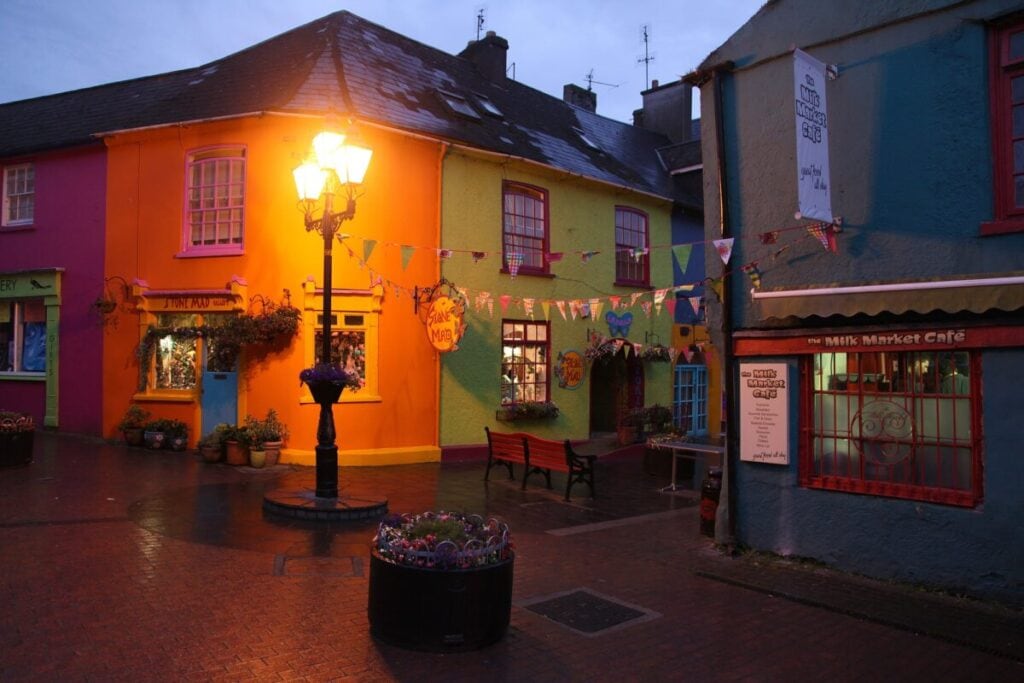
Small villages across the country still maintain strong local identities, and the pace of life tends to be slower than in major European cities. Travelers often find themselves chatting with locals in pubs, getting travel recommendations from shop owners, or hearing stories about local legends and history.
Another difference is the accessibility of nature. In Ireland, breathtaking scenery is rarely far away. From rugged Atlantic cliffs to mountain valleys and peaceful lakes, natural beauty is part of everyday life.
In places like Donegal, Kerry, or Connemara, you can drive for hours through landscapes that feel almost untouched by modern development. For travelers seeking authentic Irish landscapes, it’s Dingle vs the Ring of Kerry each offering stunning views, but Dingle wins for those who want fewer tour buses and a bit more craic.
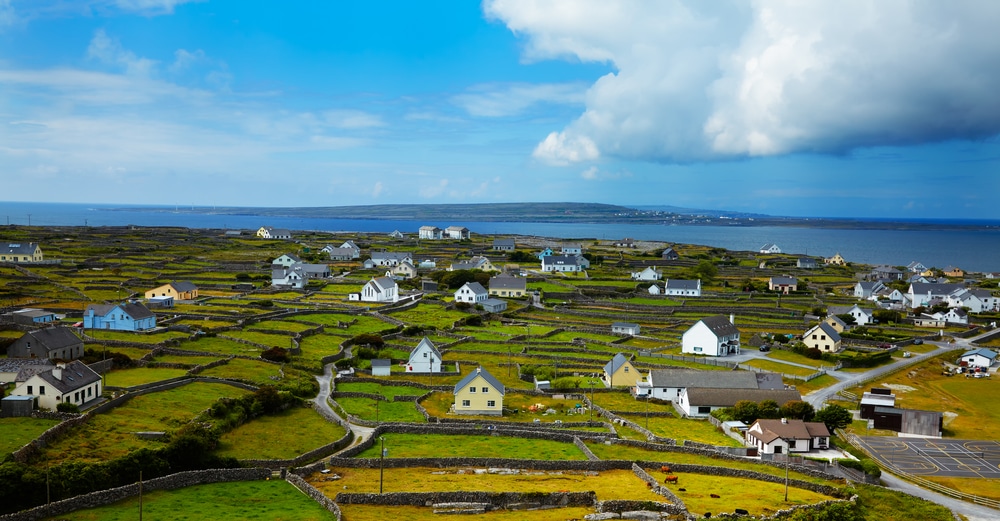
Ireland also has a unique atmosphere shaped by storytelling and music. Traditional Irish music remains deeply embedded in culture, and even casual evenings in pubs can turn into memorable cultural experiences.
Compared to destinations focused heavily on famous monuments or art museums, Ireland’s appeal is more experiential. Visitors remember the conversations, the scenery, and the feeling of exploring a place that still feels authentic.
The weather may be unpredictable, but in many ways that adds to Ireland’s character. Dramatic skies, changing light across the landscapes, and the constant presence of the Atlantic create scenery that never feels static.
For travelers seeking culture, nature, and genuine local experiences rather than only major tourist attractions, Ireland offers something special.
How Many Days Should You Spend in Ireland?
One of the most common travel questions is how long to spend in Ireland. The answer depends on your travel pace and how deeply you want to explore the country.
Because Ireland is relatively small, it’s possible to see many highlights in a short trip. However, rushing through the country often means missing what makes Ireland truly memorable.
A good rule of thumb for most travelers is 7 to 10 days in Ireland. Planning the perfect Ireland itinerary often depends on how much time you have and what type of experiences you prefer.
Many travelers begin their journey near Dublin Airport, spending their first day exploring the capital. Dublin’s historic neighbourhoods, museums, and lively pubs around Temple Bar provide an introduction to Irish culture.
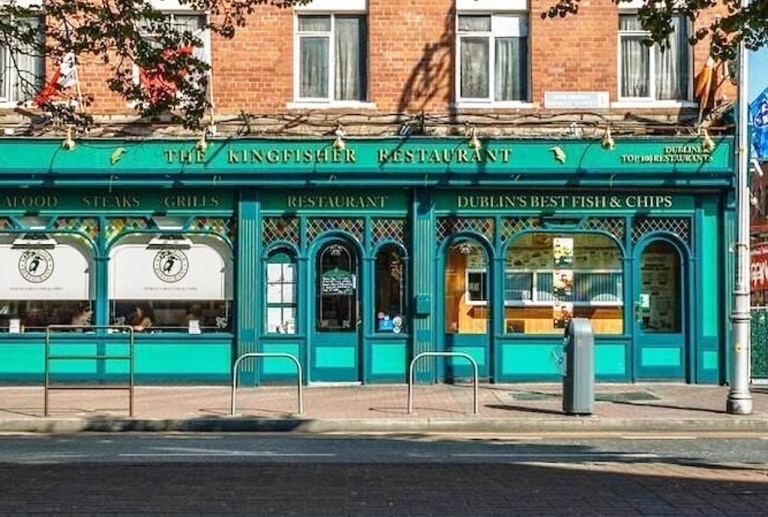
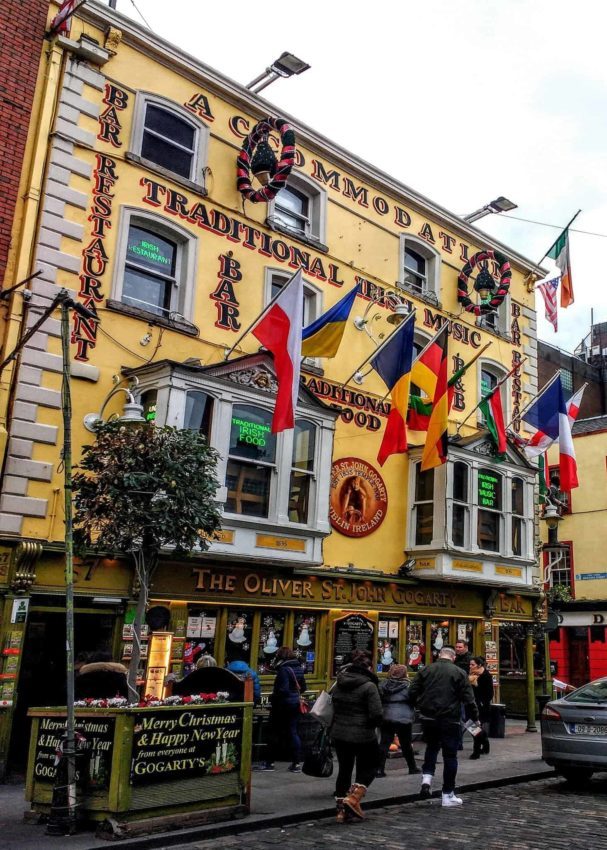
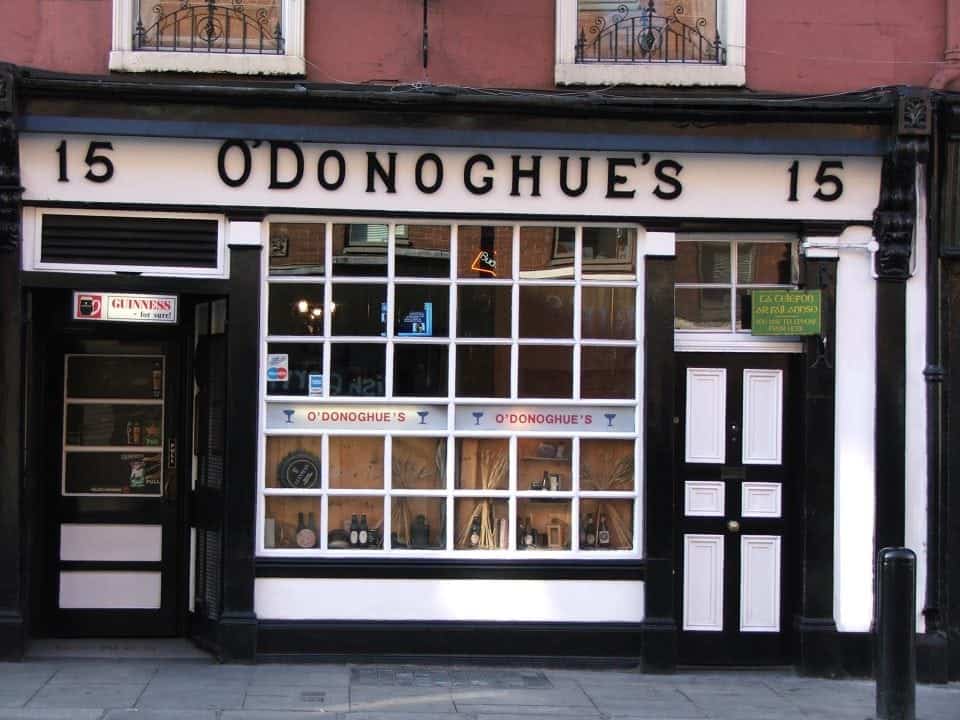
From there, travelers often take a day trip or two from Dublin before heading west.
Popular day trips include visiting haunted medieval castles, historic monasteries, or scenic coastal towns. Many travelers also join guided tours or group tours for these experiences, especially if they prefer not to drive.
For those staying longer, a full Ireland tour often includes multiple regions across the island. A common route includes Dublin, the west coast, and the southwest, with highlights like the Dingle Peninsula, County Clare, and coastal villages along the Wild Atlantic Way.
Travelers who want a structured experience sometimes book small group tours or guided Ireland tours, which allow visitors to see multiple highlights with a knowledgeable guide.


These small group tours can be especially useful for travelers who want to explore both the Republic of Ireland and Northern Ireland in one itinerary. Regardless of how you plan your Ireland trip, allowing enough time to slow down and explore smaller towns makes the journey far more memorable.
With a week to ten days, you can comfortably explore Dublin, drive part of the Wild Atlantic Way, visit historic sites, and experience several regions without feeling constantly on the move. A typical 7-day itinerary might include Dublin, Galway, the Cliffs of Moher, the Ring of Kerry, and perhaps one quieter coastal region.
However, if you want to experience Ireland more fully, 10 days to two weeks is ideal. This allows time to explore places that many shorter itineraries skip, such as Donegal, Connemara, or the Beara Peninsula.
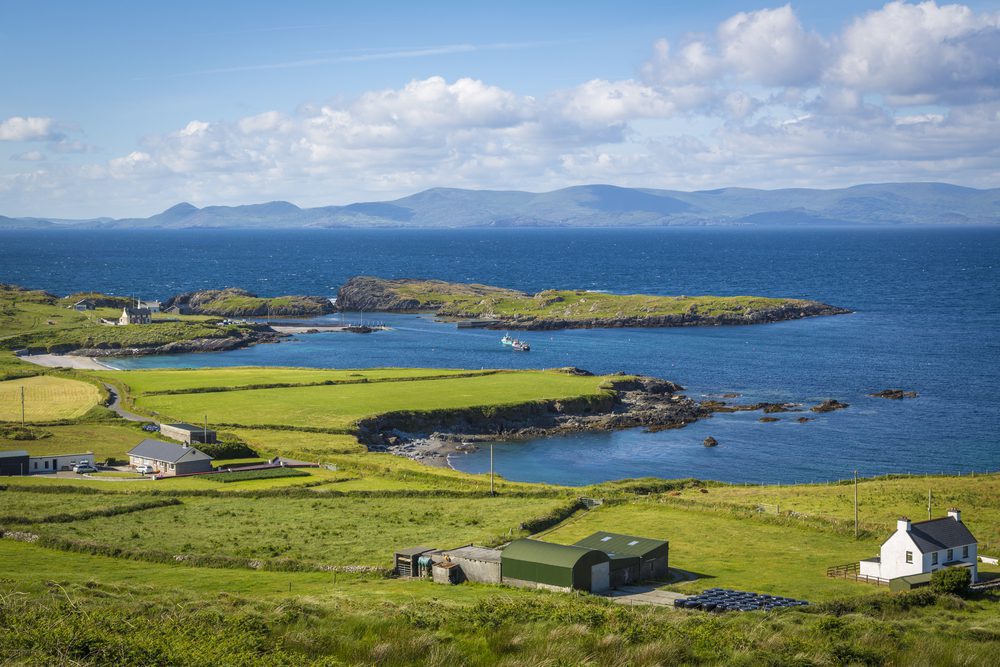
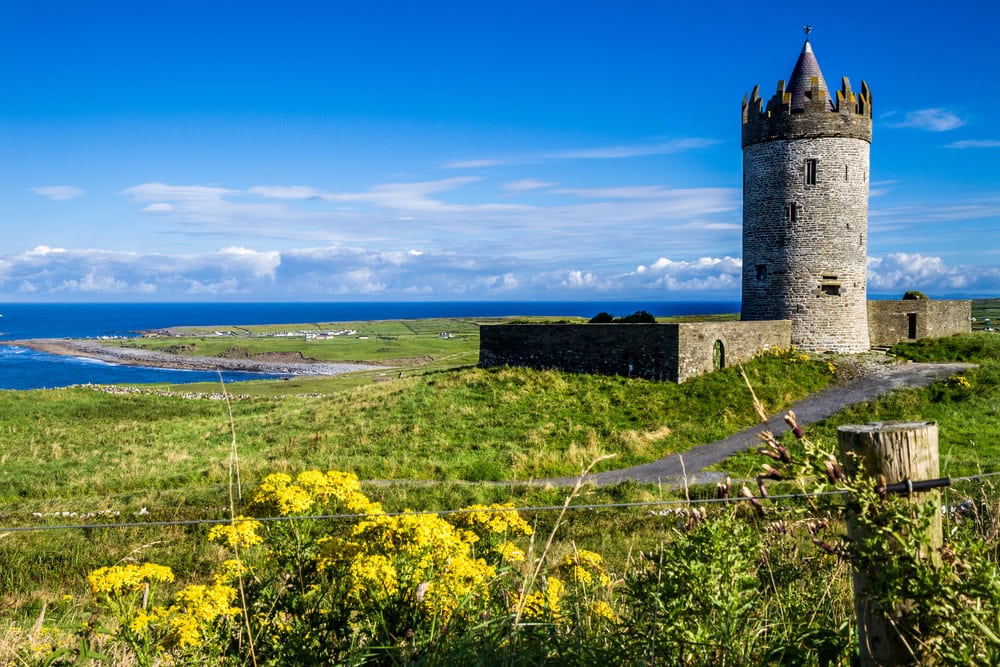
From my experience travelling around Ireland year-round, the best trips are the ones that allow time to slow down. Some of the most memorable moments happen when you stop in a small town for lunch, follow an unexpected scenic road, or stay an extra evening somewhere beautiful.
Shorter trips can still work:
3–5 days: Focus on Dublin and one nearby region
7 days: Dublin plus western Ireland highlights
10 days: A more relaxed Wild Atlantic Way journey
14 days: Explore multiple regions including the northwest
Ireland rewards travelers who move at a slower pace, so if you can allow extra days in your itinerary, it’s worth doing.
The Perfect 7 Day Ireland Itinerary for First-Time Visitors
If you’re visiting for the first time, a 7 day Ireland itinerary provides a great balance between exploring major highlights and experiencing Ireland’s landscapes.
Because Ireland is relatively compact, you can travel across several regions without spending entire days on the road. Most travelers begin their Ireland trip by flying into Dublin Airport, spending time in the capital before heading west toward the Atlantic coast.
This sample itinerary focuses on some of Ireland’s most iconic landscapes while still leaving room for spontaneous stops and scenic detours.
Day 1 – Arrive in Dublin
Most visitors begin their trip to Ireland in Dublin. After arriving at Dublin Airport, spend the day exploring the historic center of the city.
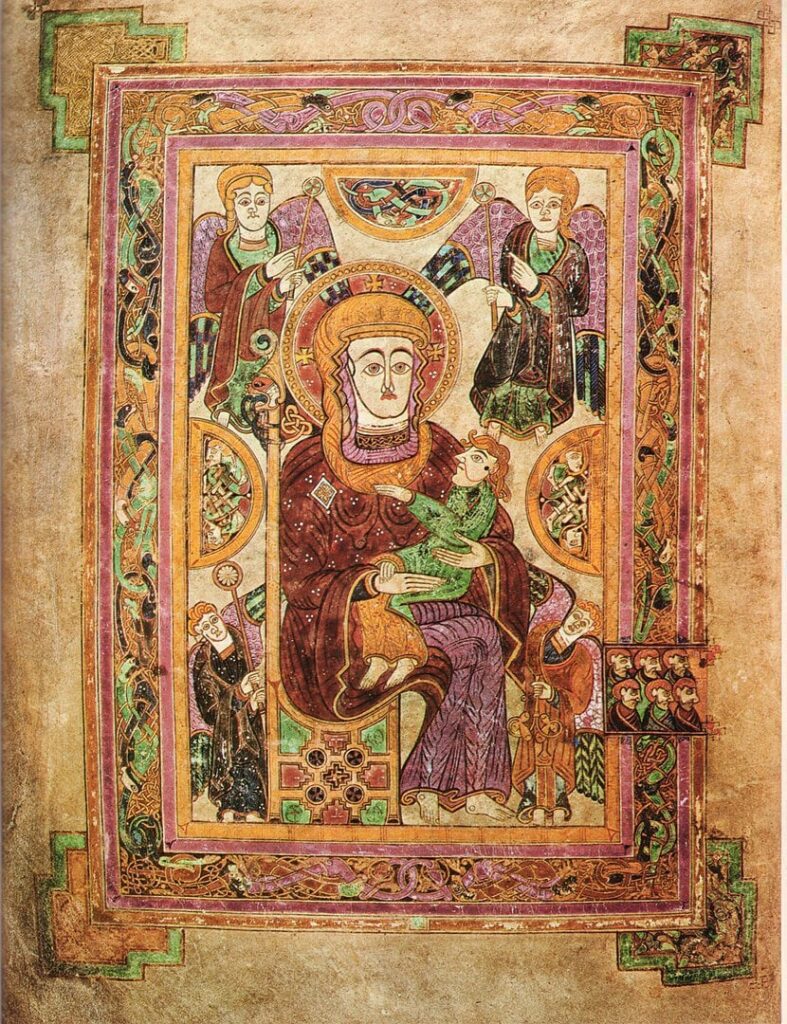
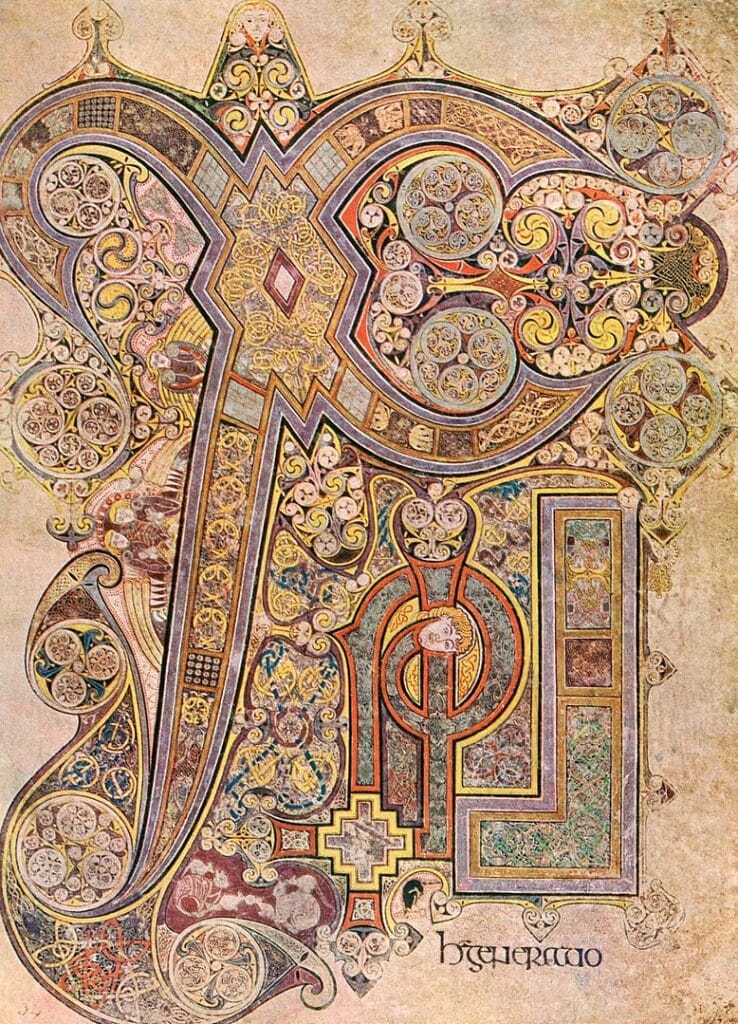
Walk through the cobbled streets around Temple Bar, visit Trinity College to see the famous Book of Kells, and enjoy your first traditional Irish pub experience.
Dublin is a lively introduction to Ireland, blending historic architecture with modern culture.

Day 2 – Dublin to Galway
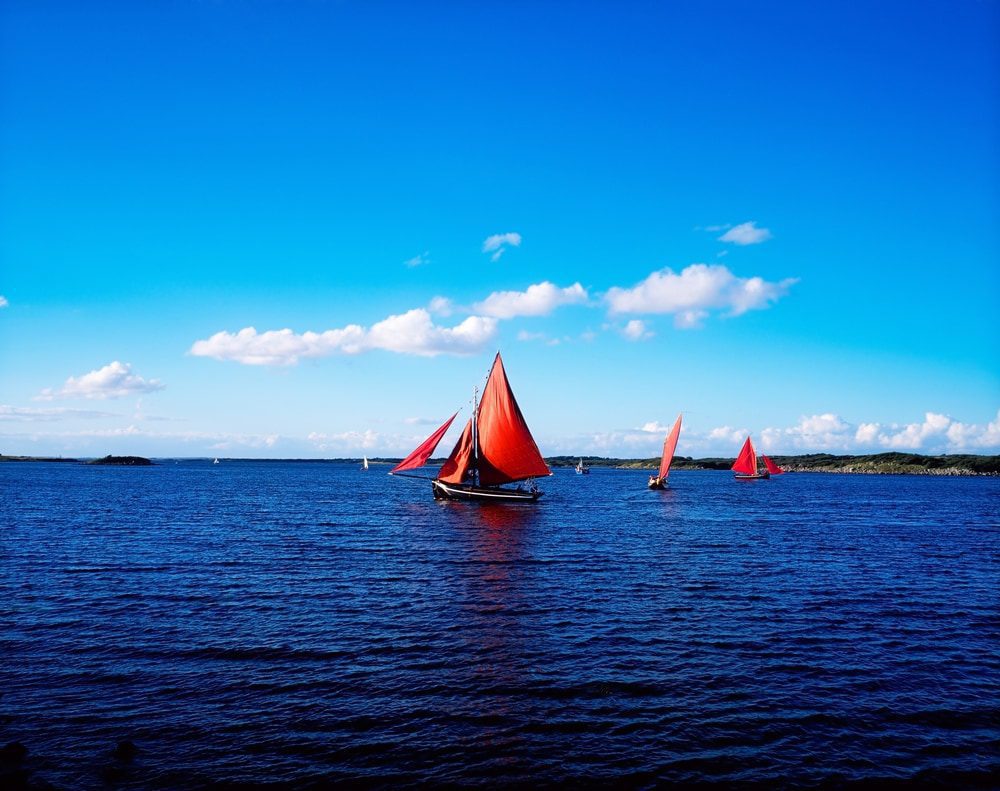
Leave Dublin and travel west toward Galway, one of the most vibrant cities on the Wild Atlantic Way.
Many travelers take a day trip along the way, stopping at historic sites or castles before reaching the west coast.
Galway is known for its colourful streets, traditional music, and lively atmosphere. Spend the evening exploring pubs where traditional Irish music sessions are common.

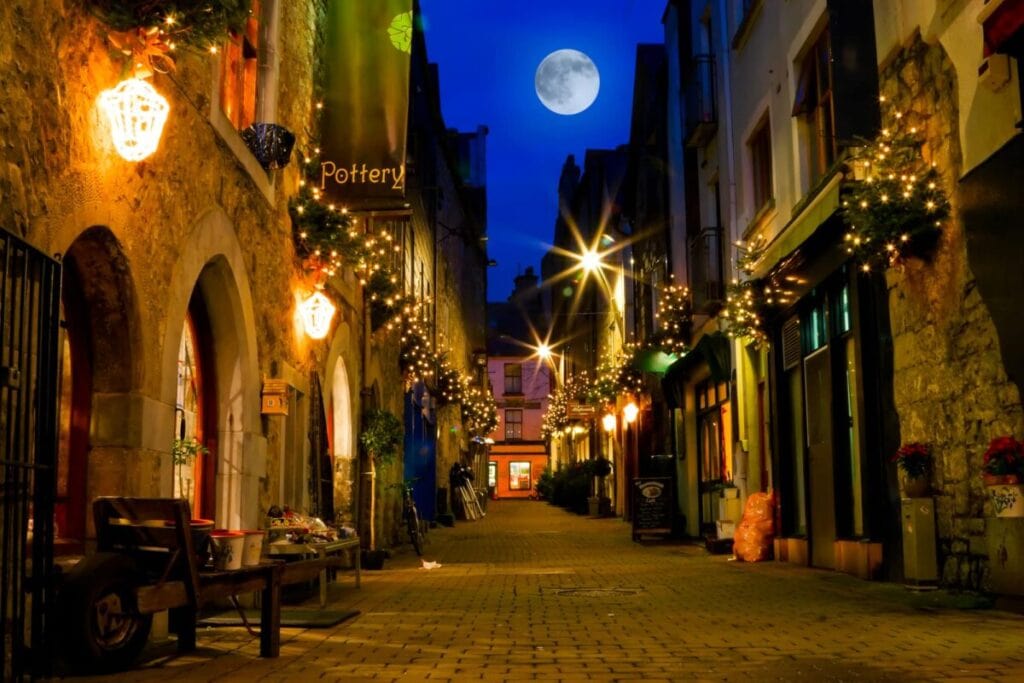
Day 3 – Connemara and Kylemore Abbey
From Galway, explore the rugged landscapes of Connemara.
One of the highlights is Kylemore Abbey, a beautiful historic estate surrounded by mountains and lakes.
This region shows a quieter side of Ireland, with dramatic landscapes and small villages scattered throughout the countryside.
Connemara is often considered one of the most scenic areas on the Emerald Isle.

Day 4 – Cliffs of Moher and County Clare
Today’s route takes you through County Clare, home to one of Ireland’s most famous natural wonders.
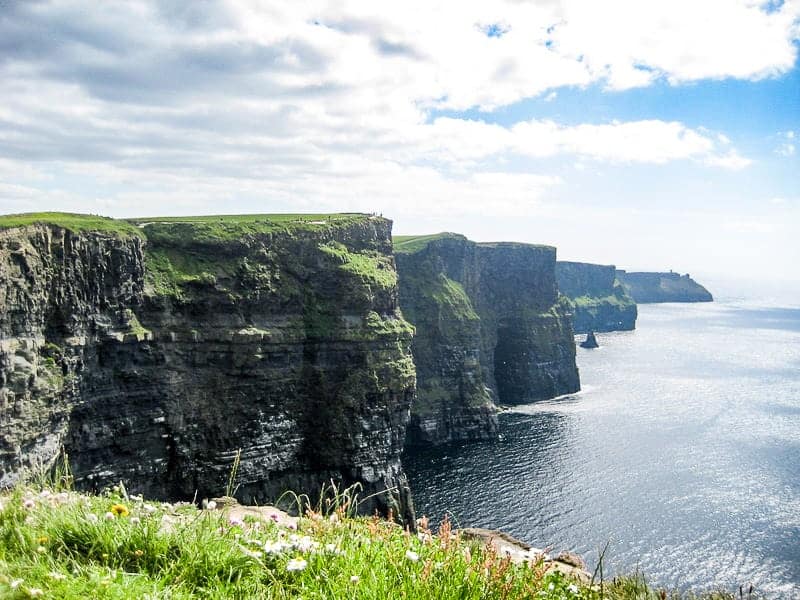
The Cliffs of Moher rise dramatically above the Atlantic Ocean and are among the most photographed locations in the country. Make time to go beyond the Cliffs and explore the moonscape of the Burren.
From there, continue south along the Wild Atlantic Way, enjoying coastal views and small seaside villages.
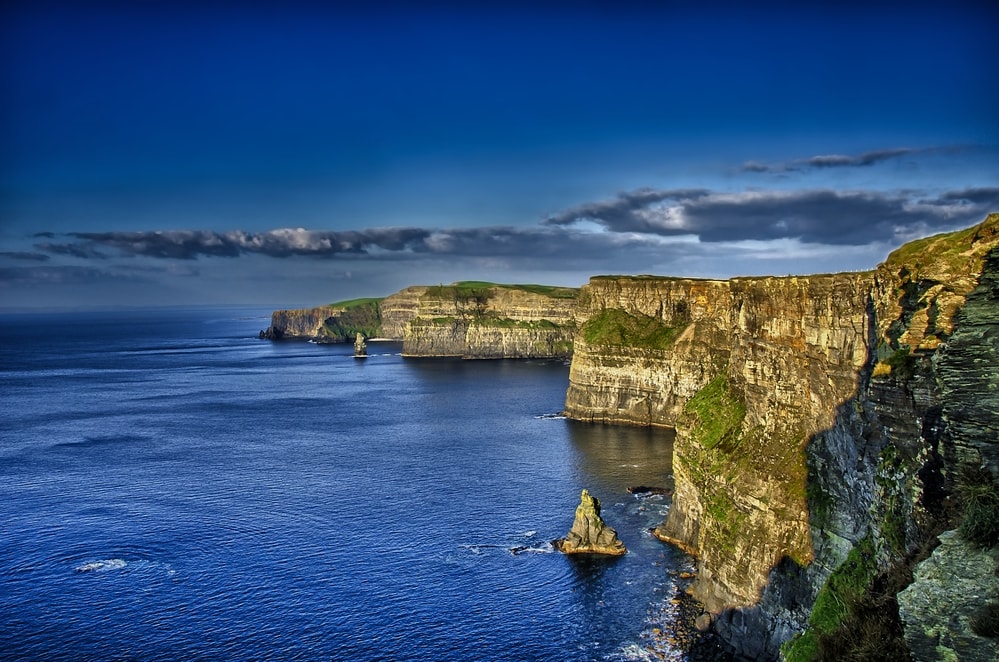
Day 5 – Dingle Peninsula and Slea Head Drive
The Dingle Peninsula is one of the most spectacular areas in Ireland.
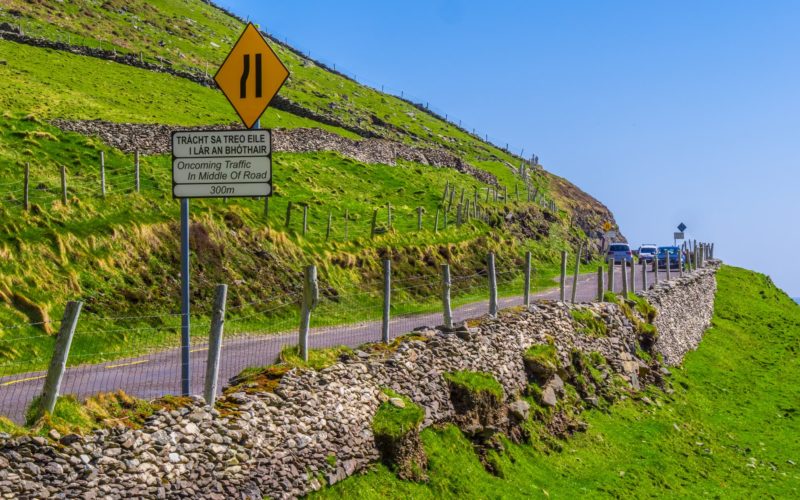
Drive the famous Slea Head Drive, a scenic coastal route often referred to simply as Slea Head. The route circles the peninsula, offering views of dramatic cliffs, offshore islands, and ancient stone structures.
Many travelers consider this drive one of the highlights of their Ireland itinerary.
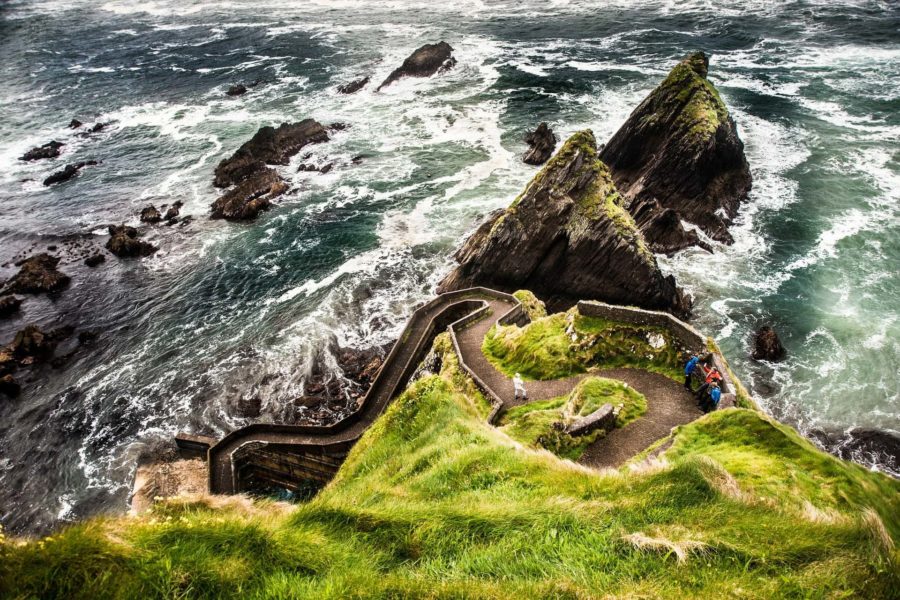

Day 6 – Killarney and Blarney Castle
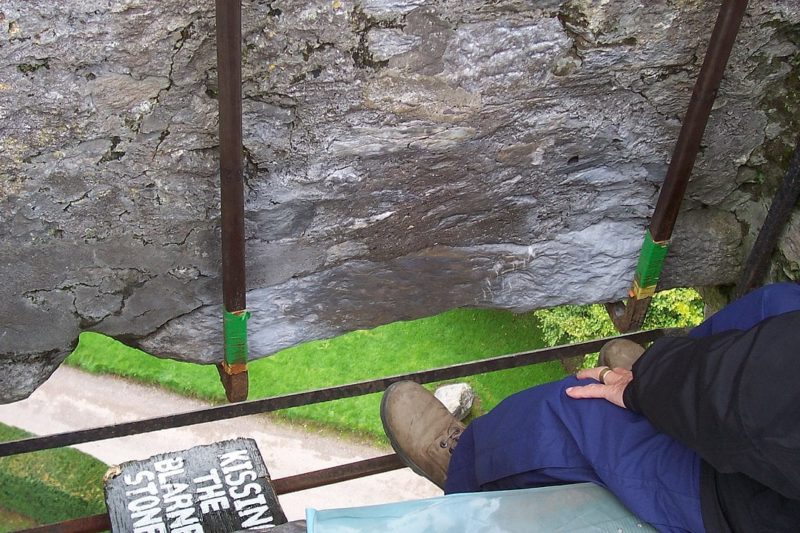
Continue exploring southwest Ireland with a visit to Blarney Castle, where visitors can kiss the famous Blarney Stone.
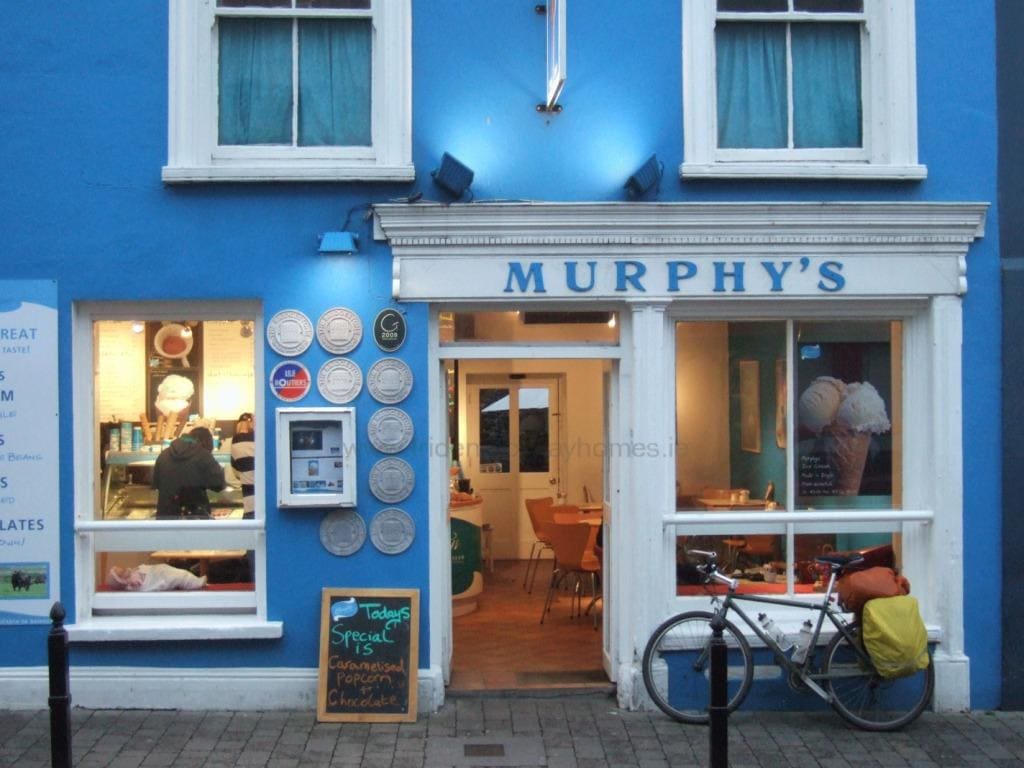
Nearby towns like Kinsale offer colourful streets, historic harbours, and some of Ireland’s best seafood restaurants. This region blends history, culture, and stunning landscapes.

Day 7 – Return to Dublin
Begin the journey back toward Dublin, stopping at scenic viewpoints or historic towns along the way.
Some travelers extend their Ireland tour by adding additional days in regions like Northern Ireland, where the Giant’s Causeway and Belfast provide fascinating historical and natural attractions. Even after a week exploring Ireland, most travelers leave wishing they had more time.
Should You Visit Northern Ireland Too?
If you have extra time during your Ireland trip, it’s absolutely worth considering a visit to Northern Ireland. Although it’s part of the United Kingdom rather than the Republic of Ireland, the region shares the same dramatic landscapes, rich history, and welcoming culture that travelers love about the island.
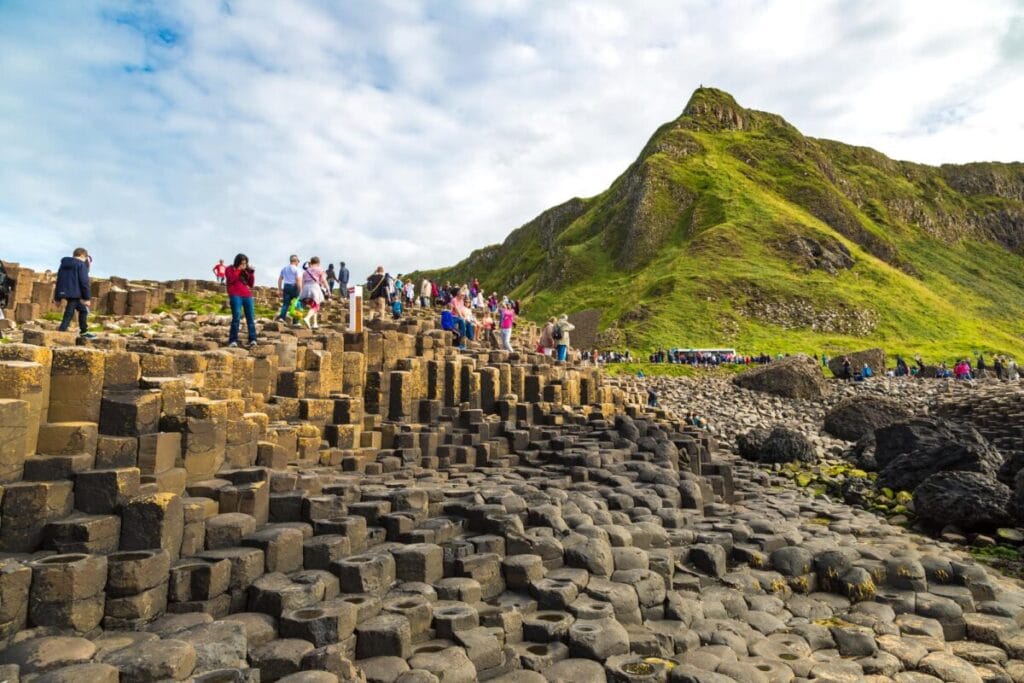
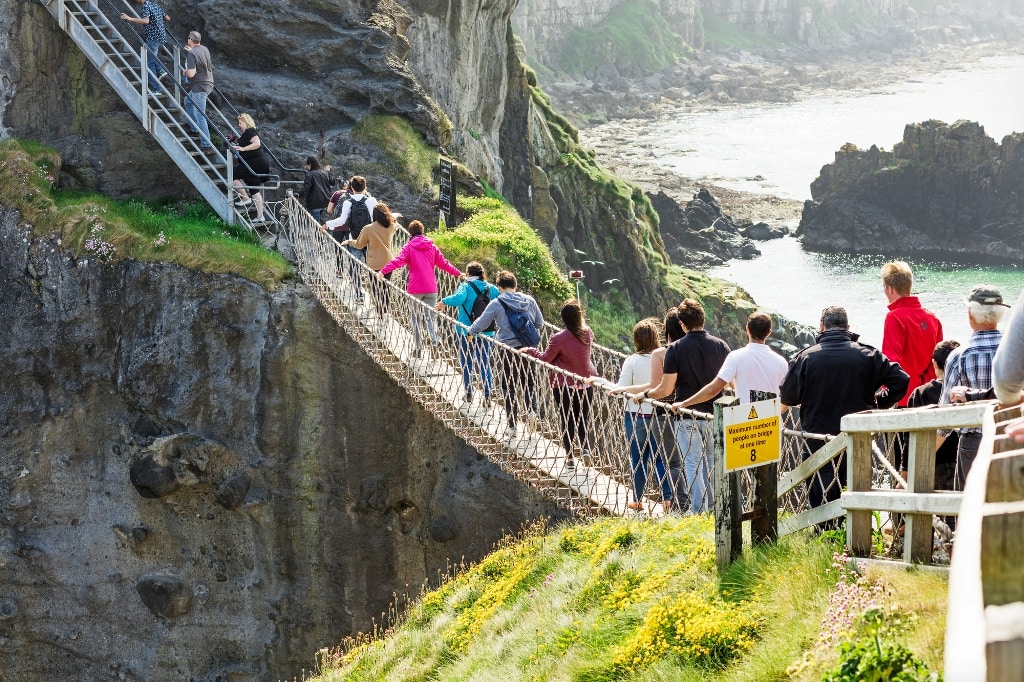
One of the biggest highlights is the Giant’s Causeway, a UNESCO World Heritage Site famous for its unique hexagonal rock formations along the coast. Nearby, the Causeway Coastal Route is widely considered one of the most scenic drives in Europe, passing cliffs, castles, and rugged ocean views.
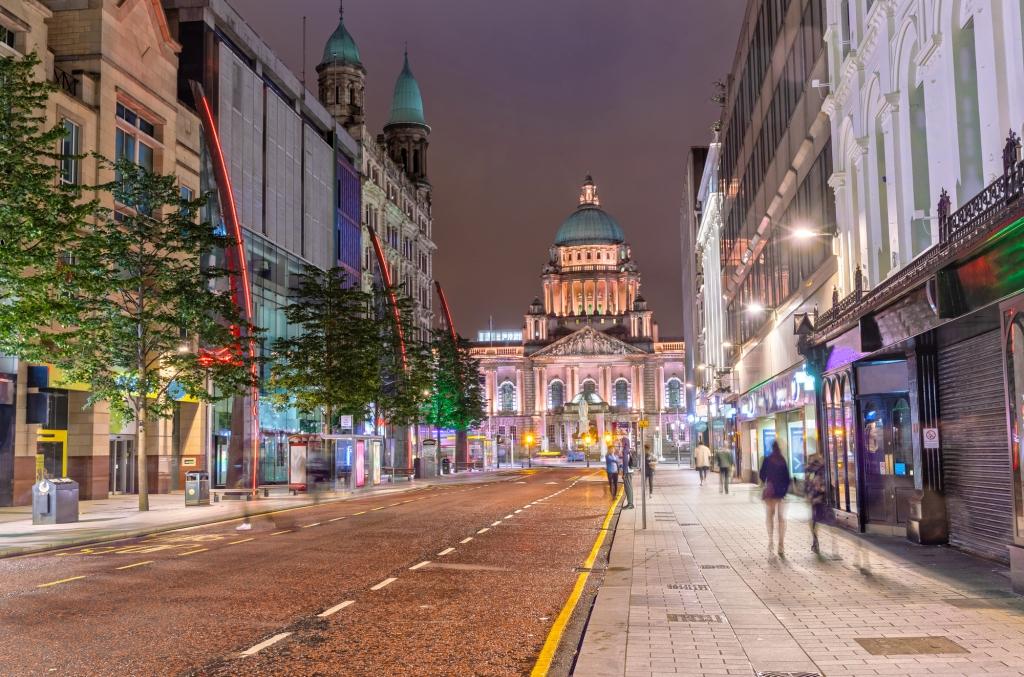
The City of Belfast also offers a fascinating mix of history and modern culture, including the popular Titanic Belfast museum.
Many Ireland itineraries include a day trip or overnight visit to Northern Ireland, especially for travelers exploring the northern half of the island. From Donegal, it’s actually quite easy to combine both regions in one trip.
Adding Northern Ireland to your journey allows you to experience even more of the island’s landscapes and history, making your Ireland itinerary even more rewarding.
The Best Places to Visit in Ireland
Ireland is filled with beautiful places, but certain regions consistently stand out for travelers.
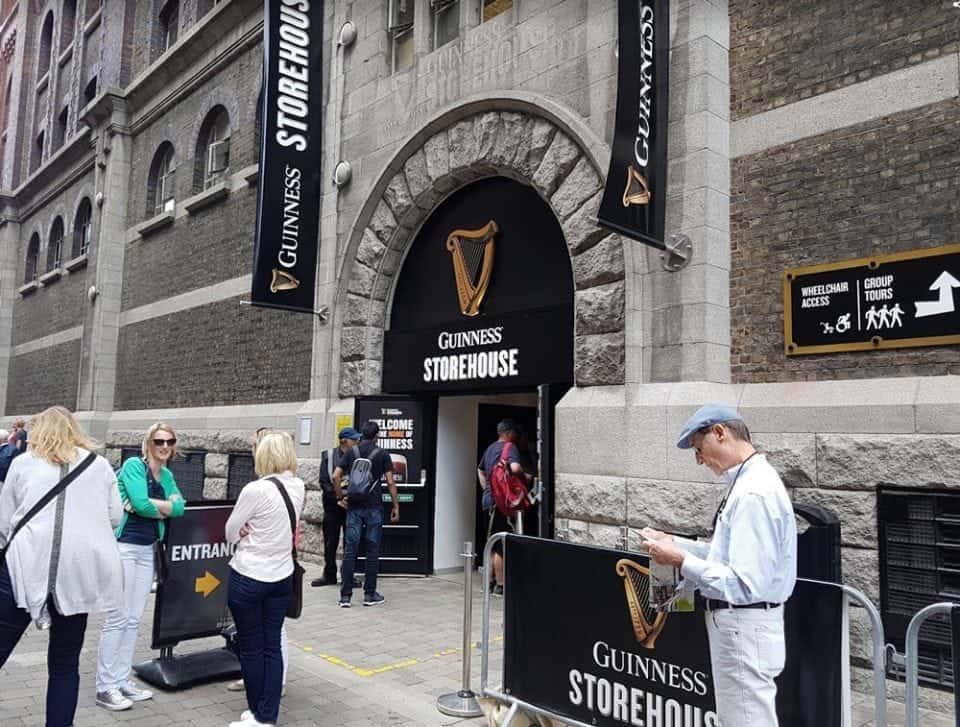
Dublin is usually the starting point. The capital offers a lively atmosphere, historic landmarks, and cultural attractions such as Trinity College and the Guinness Storehouse. While it’s worth exploring, Dublin represents only a small part of what Ireland offers.
Galway on the west coast is another favorite. Known for its colourful streets and vibrant arts scene, it’s one of the most enjoyable cities in Ireland. Galway also acts as a gateway to Connemara and the Aran Islands.
Further south, County Kerry is home to some of Ireland’s most famous scenery. The Ring of Kerry drive passes through mountains, lakes, and coastal villages, while Killarney National Park offers incredible hiking and landscapes.
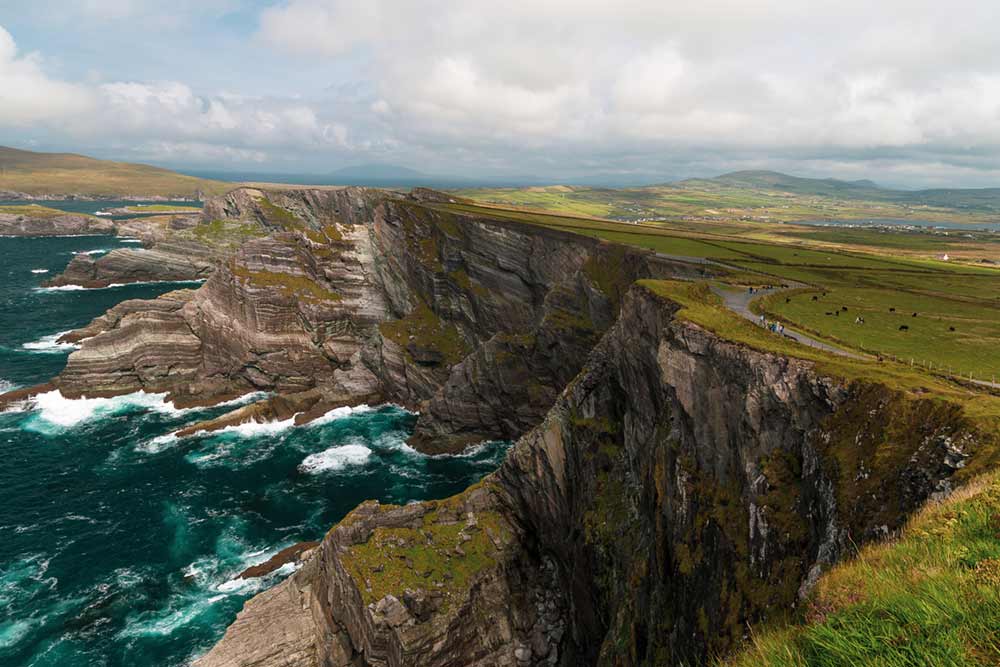
Ireland’s beauty lies in its variety of landscapes and historic locations spread across the island.
One of the most famous regions is County Clare, home to the dramatic Cliffs of Moher and part of the Wild Atlantic Way. This area attracts travelers interested in Ireland’s most iconic natural wonders, with limestone landscapes, coastal cliffs, and historic ruins.
Another unforgettable area is the Dingle Peninsula in County Kerry. This region offers some of the most scenic drives in the country, particularly the famous Slea Head Drive, often simply referred to locally as Slea Head. The route circles the peninsula and provides spectacular views of the Atlantic Ocean, ancient stone forts, and small seaside villages.
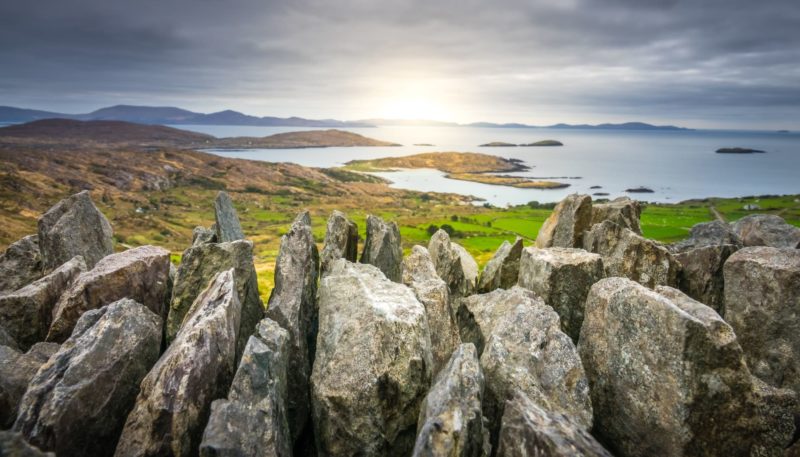
Further south, the charming harbor town of Kinsale has become one of Ireland’s best culinary destinations for modern and traditional Irish foods. Known for colorful buildings, seafood restaurants, and historic harbor views, Kinsale is a highlight on many Ireland travel guides.
Nearby attractions include the famous Blarney Castle, where visitors can kiss the Blarney Stone one of the country’s most famous traditions.
In western Ireland, Kylemore Abbey stands as one of the most photographed locations in Connemara. The historic abbey sits beside a lake with mountains rising behind it, creating one of Ireland’s most striking landscapes.

The Cliffs of Moher are perhaps Ireland’s most iconic natural landmark. Rising dramatically from the Atlantic Ocean, these cliffs attract visitors from around the world. However, one of Ireland’s most underrated regions is the northwest particularly Donegal.
Living here, I’ve seen how surprised visitors are by the dramatic scenery. Donegal’s coastline includes towering sea cliffs at Slieve League, vast beaches, and rugged mountain landscapes. Despite this beauty, it remains far less crowded than more famous regions.
Connemara is another spectacular region, known for its wild landscapes, boglands, and mountains.
What makes Ireland special is that even lesser-known areas often rival the country’s most famous attractions. Sometimes the best places are the ones you discover unexpectedly while exploring rural roads or coastal villages.
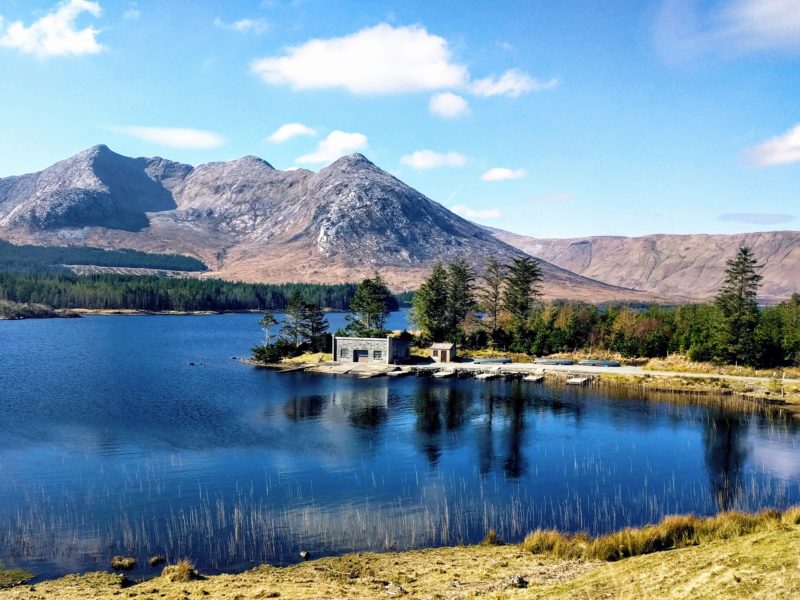
Ireland’s Wild Atlantic Way: One of the World’s Best Coastal Drives
The Wild Atlantic Way is one of the most impressive road trips in the world. Stretching over 2,500 kilometers along Ireland’s west coast, it runs from Donegal in the north all the way to County Cork in the south.
Driving this route reveals some of the most dramatic coastal scenery in Europe. After travelling the Wild Atlantic Way multiple times I always return to Donegal for that feeling of home.
In Donegal, the Wild Atlantic Way includes towering sea cliffs, remote peninsulas, and windswept beaches. Places like Slieve League rival the famous Cliffs of Moher but receive far fewer visitors.


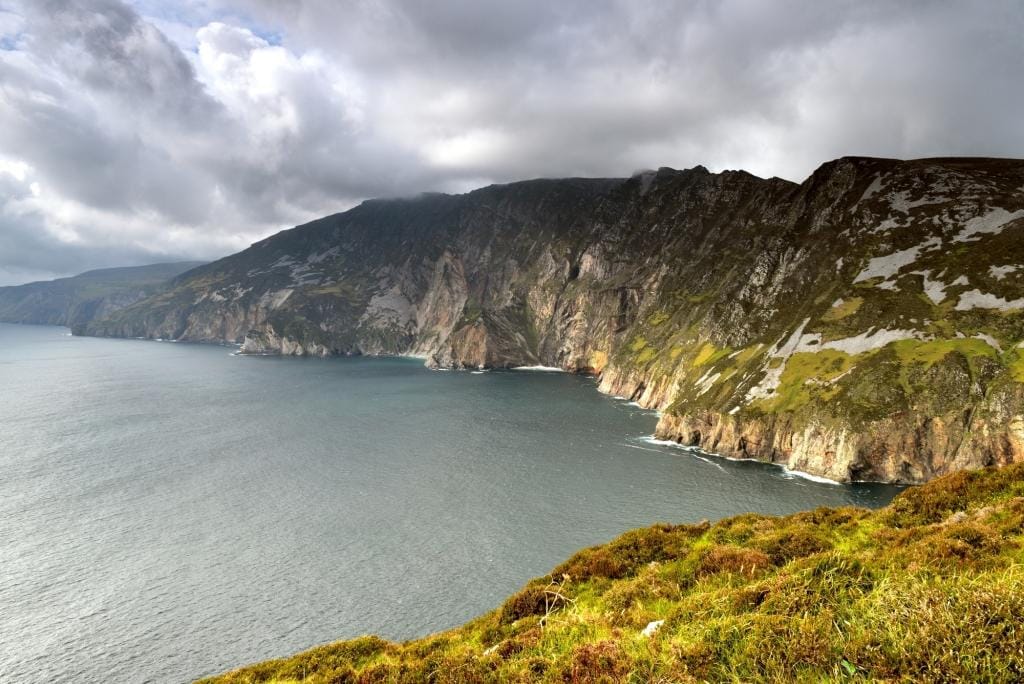
Further south, the route passes through counties like Mayo, Galway, Clare, and Kerry. Each region has its own character, from rugged mountain landscapes to peaceful fishing villages.
What makes the Wild Atlantic Way special is the variety of landscapes along the route. One day you might be driving along dramatic cliffs with crashing waves below. The next day you could be exploring peaceful islands or mountain valleys.
The route also offers endless opportunities to stop and explore. Scenic viewpoints, castles, historic ruins, and small towns appear frequently along the way.
One of the highlights of any Ireland itinerary is driving part of the Wild Atlantic Way. This spectacular coastal route includes famous scenic areas like the Dingle Peninsula, the cliffs of County Clare, and remote landscapes further north.
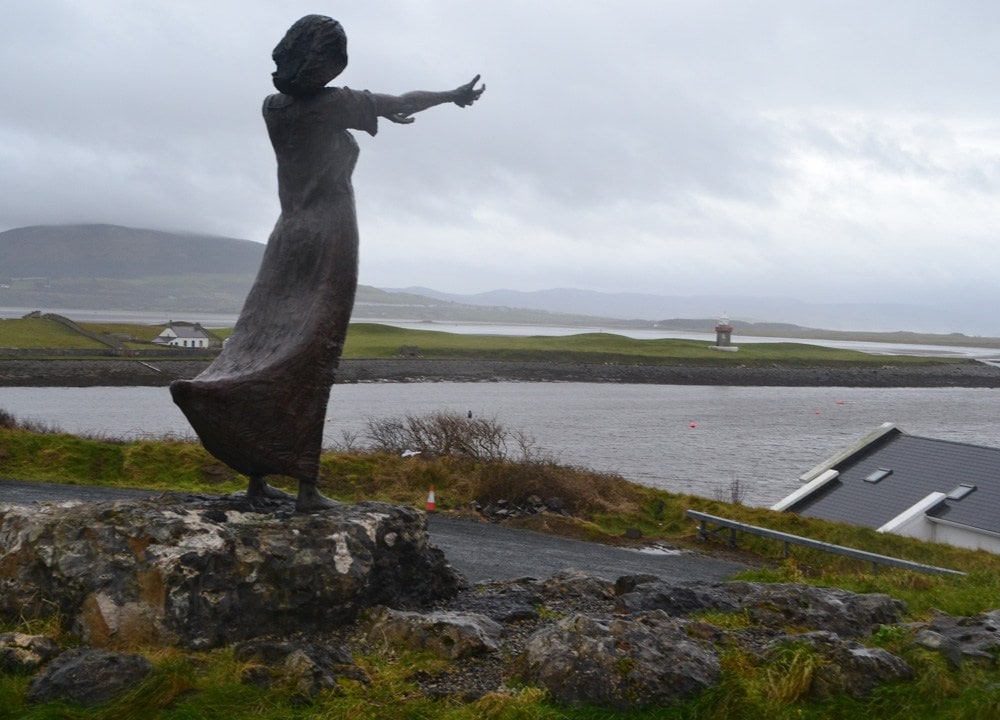
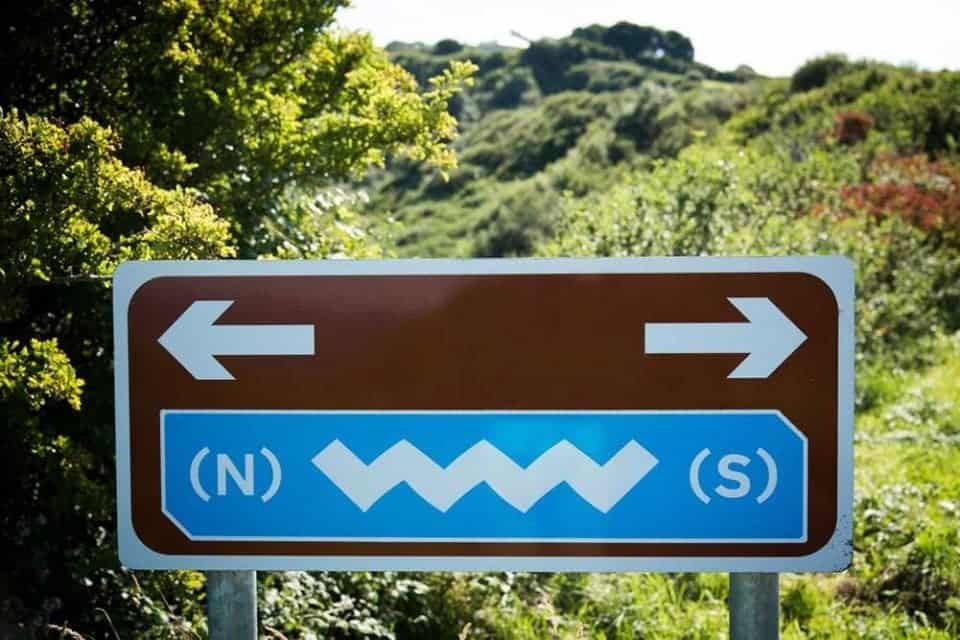
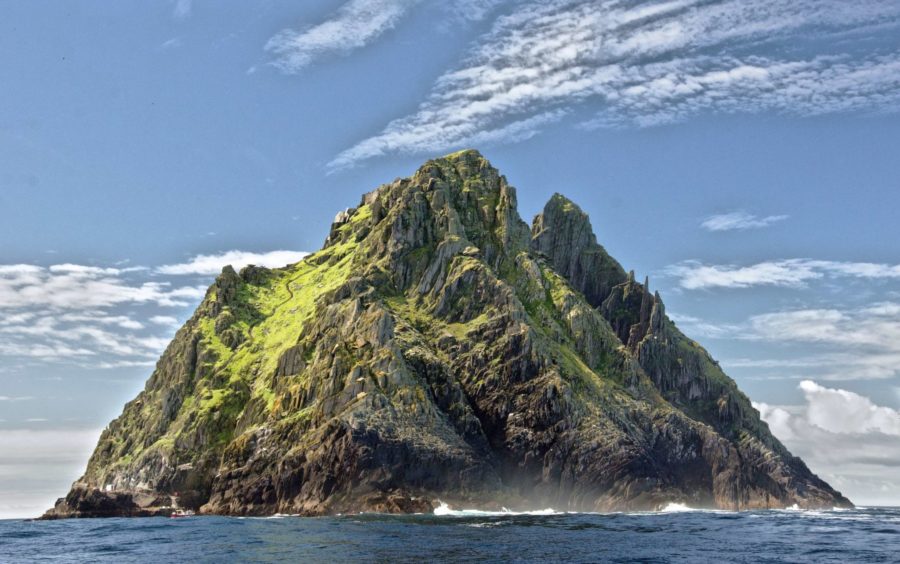
Along the route, travelers often stop in charming towns like Kinsale, explore historic castles such as Blarney Castle, and discover peaceful villages rarely included in standard Ireland travel guides.
For travelers who prefer structured experiences, many companies offer guided tours, small group tours, and full Ireland tours along sections of the Wild Atlantic Way. These group tours can help visitors experience the best landscapes and cultural sites without needing to plan every detail themselves.
However, independent travelers often prefer creating their own Ireland itinerary, allowing them to explore scenic routes at a slower pace. From personal experience, the most memorable parts of the Wild Atlantic Way often happen between the famous stops. Quiet stretches of road, sudden views of the Atlantic, and spontaneous discoveries can make the journey unforgettable.
For travelers who enjoy road trips, photography, and outdoor scenery, the Wild Atlantic Way alone makes Ireland worth visiting.
Best Time to Visit Ireland
Ireland’s seasons dramatically change the travel experience, and each time of year offers something different.
Spring is one of the most underrated seasons to visit. From March through May, the countryside becomes incredibly green, wildflowers appear along roadsides, and tourist crowds remain relatively small. Temperatures are cool but comfortable for exploring.


Summer brings the longest days of the year. In June and July the sun can set as late as 10 p.m., giving travelers long evenings to explore coastal drives or enjoy outdoor pub patios. This is also the busiest travel season.
Autumn is another fantastic time to visit. The crowds begin to fade, landscapes turn golden, and the weather can still be mild. For photographers, autumn light across Ireland’s landscapes can be stunning.

Winter in Ireland is quieter but still beautiful in its own way. Atlantic storms bring dramatic waves to the coastline, and towns often feel cozy with fireplaces and traditional music sessions.
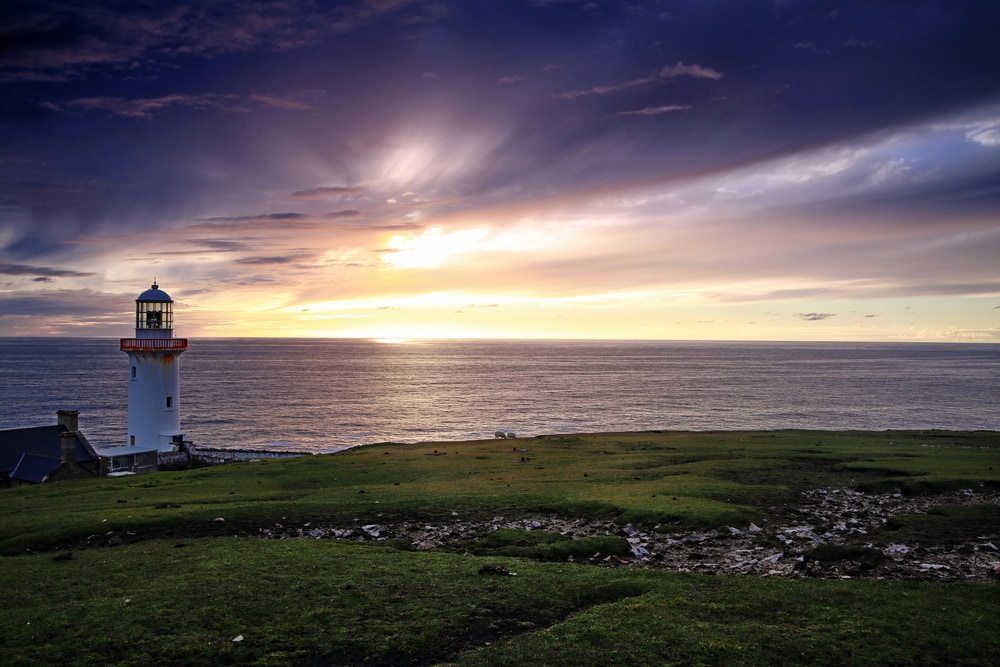
Living in Donegal, winter often reveals a completely different side of Ireland. While it can be windy and rainy, the coastline feels powerful and raw during stormy weather.

Many travelers worry about Ireland’s reputation for rain, but in reality the weather often changes quickly. It’s common to experience sunshine, clouds, and rain all within the same day. Packing layers and waterproof clothing helps ensure you can enjoy Ireland’s landscapes regardless of the weather.
Irish Culture, Pubs, and the Famous Local Hospitality
One of the reasons Ireland leaves such a lasting impression on travelers is the warmth of its people. Irish hospitality is widely known, and visitors often find conversations with locals becoming highlights of their trip.
Pubs play a central role in Irish social life. While outsiders sometimes assume pubs are only about drinking, they are really community gathering spaces where people meet friends, share stories, and enjoy music.

Traditional music sessions are a unique part of Irish culture. Musicians often gather informally in pubs and begin playing fiddles, flutes, and other traditional instruments. These sessions are not performances for tourists they are part of everyday cultural life.
Travelers who experience one of these evenings often remember it long after their trip ends.
Ireland also has a strong storytelling tradition. Conversations can quickly turn into fascinating stories about local history, folklore, or legends connected to the surrounding landscape.

Food culture has also improved significantly in recent years. Ireland now has a thriving food scene focused on fresh seafood, local produce, and modern interpretations of traditional dishes. Markets like the English Market in Cork and the Milk Market in Limerick give you ample opportunity to taste and purchase great Irish Soda Breads or Boxty. From cosy countryside pubs to vibrant city restaurants, Ireland offers plenty of memorable dining experiences.


Is Ireland Expensive for Travelers?
Ireland is not the cheapest destination in Europe, but it can still be manageable depending on how you travel.
Accommodation tends to be the largest expense, particularly in cities like Dublin. Hotels can be pricey during peak summer months, though smaller guesthouses and bed-and-breakfasts often offer good value.
Rental cars are another common expense, especially for travelers exploring rural regions. However, having a car greatly increases flexibility and allows you to reach places that public transport doesn’t easily access.
Food prices are similar to other Western European countries. Pub meals, seafood dishes, and casual restaurants offer reasonable options, while fine dining experiences can be more expensive.
One advantage of visiting Ireland is that many of the country’s most beautiful attractions are free. Coastal drives, scenic viewpoints, hiking trails, and beaches cost nothing to enjoy.

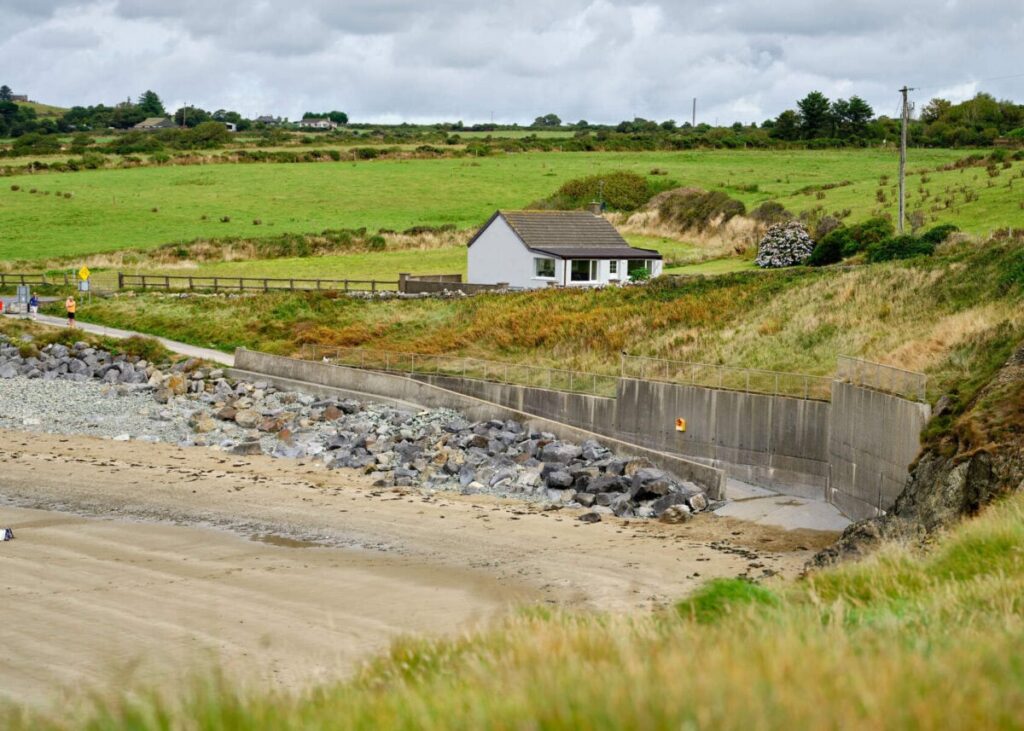
In places like Donegal or Connemara, some of the most breathtaking landscapes require little more than a short walk or drive. Travelers who balance a few paid attractions with outdoor exploration often find Ireland offers good value overall.
Tips for Planning Your First Trip to Ireland
Planning a trip to Ireland becomes much easier when you understand how travel around the country works. Public transportation in some areas (like Donegal) can be limited with no trains. Whereas for most major cities you can catch a train.
First, consider renting a car if you want to explore rural regions. Many of Ireland’s most spectacular places are outside major cities and require driving to reach.
Roads can be narrow in some areas, especially along coastal routes, but driving also provides the freedom to explore at your own pace.
Another helpful tip is to avoid over-packing your itinerary. Ireland’s distances may appear short on maps, but winding roads can make travel slower than expected. Allow extra time for scenic stops and spontaneous detours.
Weather preparation is also important. Ireland’s climate changes quickly, so packing waterproof clothing and layers will keep you comfortable while exploring. Finally, consider spending time in smaller towns rather than focusing only on major cities. Places like Dingle, Westport, or small Donegal villages often provide some of the most authentic travel experiences.
Why Living in Donegal Shows a Different Side of Ireland
Living in Donegal has given me a unique perspective on Ireland that many visitors never see. Donegal sits in the far northwest of the country, and despite having some of the most dramatic scenery in Ireland, it remains relatively undiscovered compared to regions like Kerry or Galway.
The coastline here feels wild and remote. Towering cliffs, empty beaches, and rugged mountains dominate the landscape. In places like Slieve League, you can stand on cliffs nearly three times higher than the Cliffs of Moher with far fewer crowds.
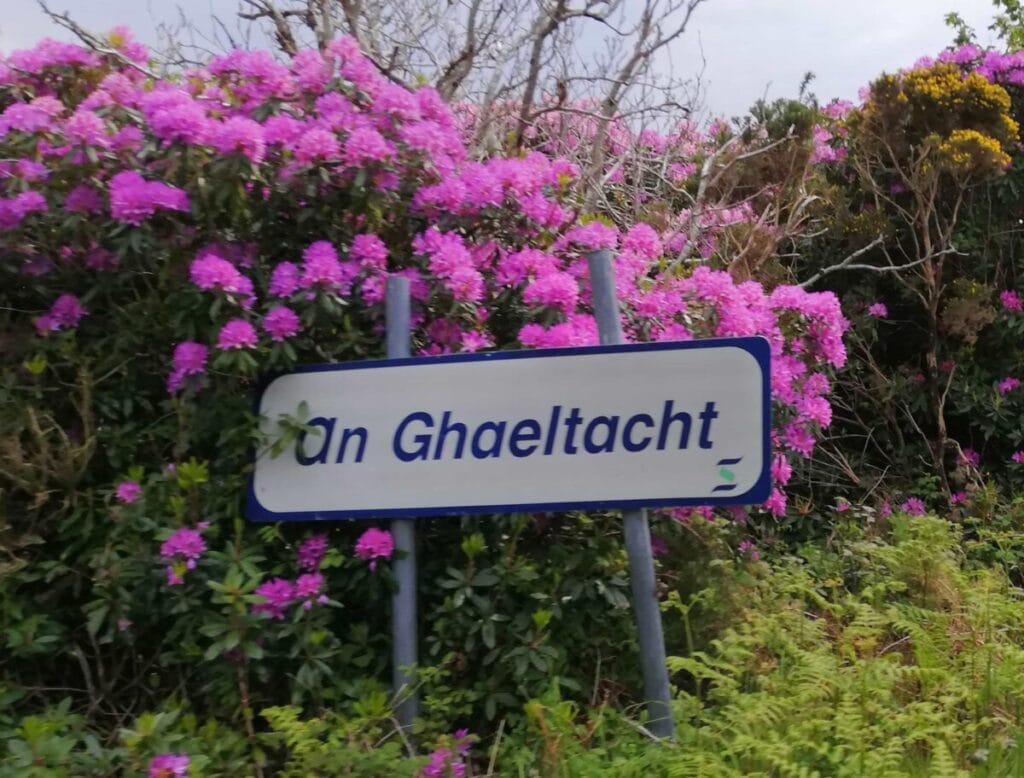

Donegal also retains a strong cultural identity. Irish language traditions remain present in Gaeltacht regions, and local music and storytelling are still deeply embedded in community life.
One of the things I appreciate most about Donegal is how peaceful it can feel. Even during summer, you can often find quiet stretches of coastline where it feels like you have the entire landscape to yourself.
Travelers who venture to Donegal often say it becomes their favorite part of Ireland. It represents a version of the country that feels authentic, dramatic, and untouched.
Ultimately, whether you plan your journey using independent travel guides, join small group tours, or take a fully guided Ireland tour, the country offers experiences that leave a lasting impression.
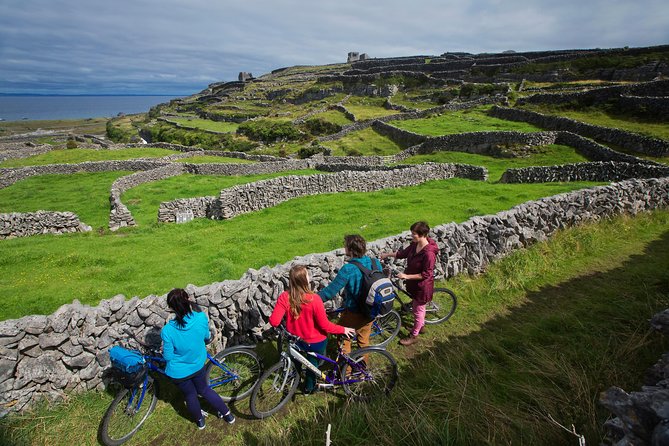


From the dramatic coastal scenery of the Dingle Peninsula and County Clare to historic locations like Blarney Castle and Kylemore Abbey, Ireland offers a mix of culture, landscapes, and unforgettable natural wonders.
A well-planned Ireland itinerary might include lively cities, scenic coastal drives, historic castles, and peaceful rural landscapes across both the Republic and Northern Ireland. For travelers looking to experience the best of the Emerald Isle, Ireland remains one of the most rewarding destinations in Europe.
Final Thoughts: Is Ireland Worth Visiting?
After travelling across Ireland in every season and living in Donegal, I can confidently say that Ireland is absolutely worth visiting. Few destinations combine natural beauty, cultural depth, and welcoming communities in quite the same way.
Ireland may not have the massive cities or famous monuments of some European countries, but what it offers instead is something many travelers value even more authenticity. The landscapes are dramatic, the history is everywhere, and the culture remains alive in everyday life.
Whether you’re exploring coastal drives along the Wild Atlantic Way, listening to music in a small pub, or standing on a cliff watching Atlantic waves crash below, Ireland has a way of creating travel memories that stay with you long after your trip ends.
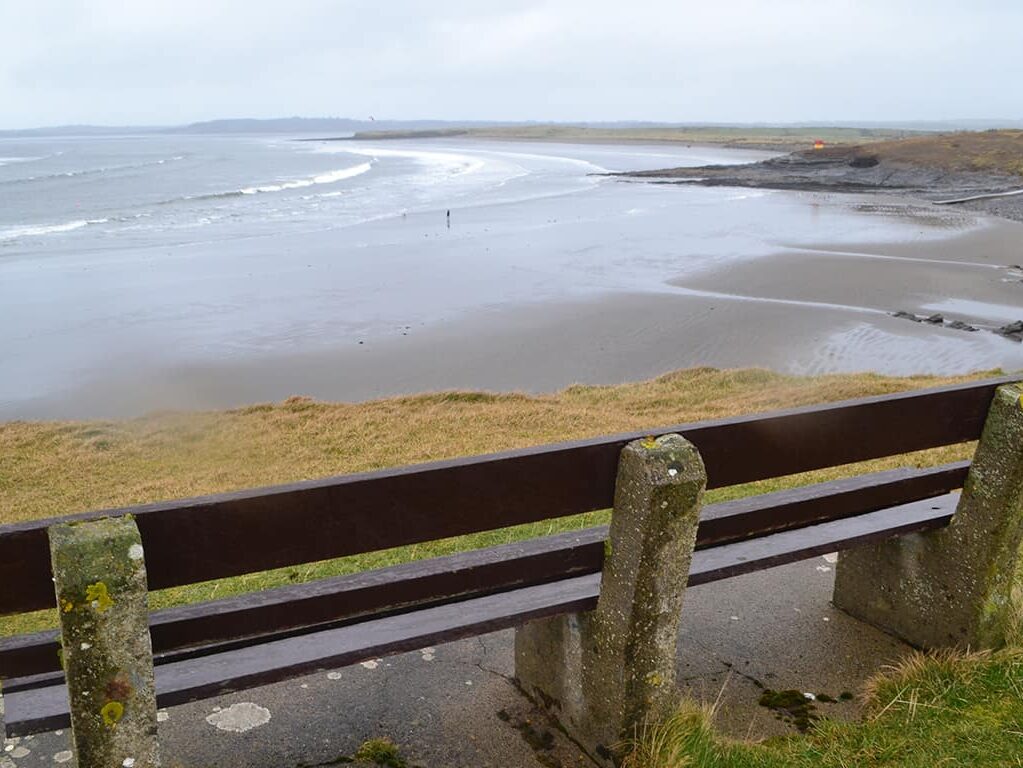
For most travelers, 7 to 10 days is the ideal amount of time to spend in Ireland, though those who can stay longer will discover even more hidden corners of the island.
Ireland rewards curiosity and slow exploration. And sometimes the best moments happen when you simply follow the road and see where it leads.
Frequently Asked Questions About Visiting Ireland
Is Ireland worth visiting for first-time travelers to Europe?
Yes. Ireland is an excellent destination for first-time visitors because it is easy to navigate, English-speaking, and filled with natural beauty and cultural experiences.
How many days in Ireland is enough?
Most travelers should plan 7–10 days in Ireland to experience the highlights without rushing.
What is the best month to visit Ireland?
May, June, and September are often considered the best months because the weather is relatively mild and crowds are smaller than peak summer.
Is Ireland safe for tourists?
Yes. Ireland consistently ranks among the safest countries in Europe for travelers.
Do you need a car in Ireland?
While public transport connects major cities, renting a car is the best way to explore rural areas and scenic coastal regions.
What part of Ireland is the most beautiful?
Many travelers consider areas along the Wild Atlantic Way, including Donegal, Kerry, and Connemara, to be the most scenic.
Is Ireland expensive to visit?
Ireland can be moderately expensive, especially for accommodation, but many natural attractions and scenic drives are free.
Start Planning Your Trip
👉 Public Transportation in Ireland
👉 Hidden Gems in Ireland – 32 Secret places to visit
👉 Answering all your travel questions about Ireland
👉What to pack for your Ireland trip
👉 Northern Ireland Public Transportation
This guide is part of a wider Accessible Ireland travel series, offering realistic, first-hand advice for limited-mobility travel across Ireland.
➡️Accessible Causeway Coast Route
➡️Accessible Wild Atlantic Way
If you encounter changes (e.g., temporary lift closures or construction), please let me know so I can update this page promptly.